Connect with us

Tech

23 WIRED-Approved Gifts for Frequent Travelers (2026)

Published

on

Continue Reading
Click to comment

You must be logged in to post a comment Login

Leave a Reply

Tech

eBay’s Newest Oddity is a Fully Working Prison Tablet That Still Thinks You’re Locked Up

Published

on

eBay Prison Issue Tablet
Johnzoid, the YouTube collector who spends his time hunting down the strangest electronics you can find, recently scored something that used to require a prison sentence. He ordered a JPay JP Mini 5 tablet on eBay, the same small device handed out free to inmates in multiple state systems. When the package arrived, it still carried the full institutional paperwork and a device ID that looks an awful lot like an inmate number.


The tablets were never intended to leave the facility. JPay gives them inmates for free at first, but charges when they use them for emails, songs, or movies. Until recently, the only way to get one was to be locked up in prison. A few units have emerged on the secondhand market, and Johnzoid was able to obtain one that is still operational with its original software.

Sale


Samsung Galaxy Tab A11+ 6GB RAM, 128GB Storage, Expandable Storage, Gray
  • POWER FOR ALL YOU DO: Galaxy Tab A11+ gives your family the optimal performance they need for all their day-to-day activities. Power through tasks…
  • CHARGES UP FAST. LASTS FOR HOURS: Galaxy Tab A11+ keeps your family going with a long-lasting battery that’s perfect for browsing, streaming and…
  • MEMORY AND STORAGE THAT KEEP UP: With up to 8GB of memory and 256GB⁶ of storage, Galaxy Tab A11+ gives your family the space and speed to multitask…

eBay Prison Issue Tablet
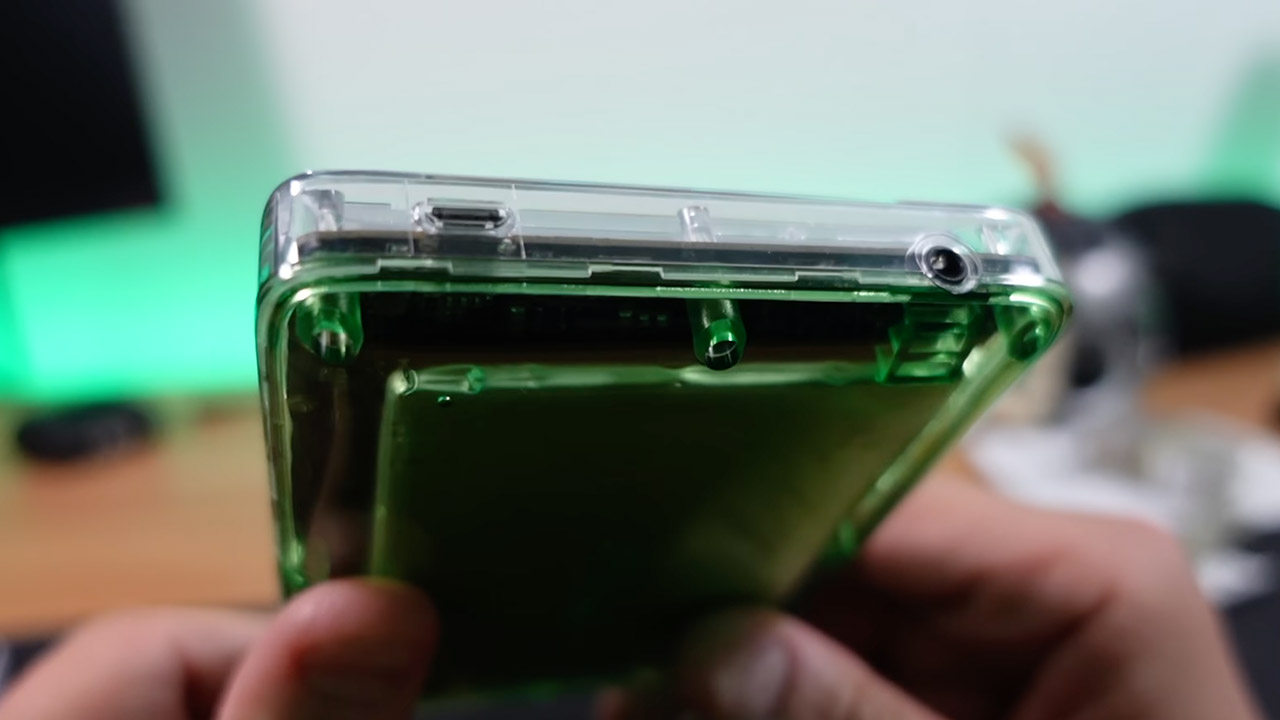
The tank-like body is a half inch thick and has a micro-USB jack and a 3.5mm headphone socket around the edge. On the side, there are four little buttons. The charging socket is totally transparent. The chord that came with it is merely a short wire, so kids cannot choke themselves. The instruction manual is a brief leaflet that explains the distinctions between lithium batteries and regular battery-powered devices. There is also a form to complete, similar to what an inmate would hand over at the front desk, with fields for name, housing location, item number, and tag number.

eBay Prison Issue Tablet
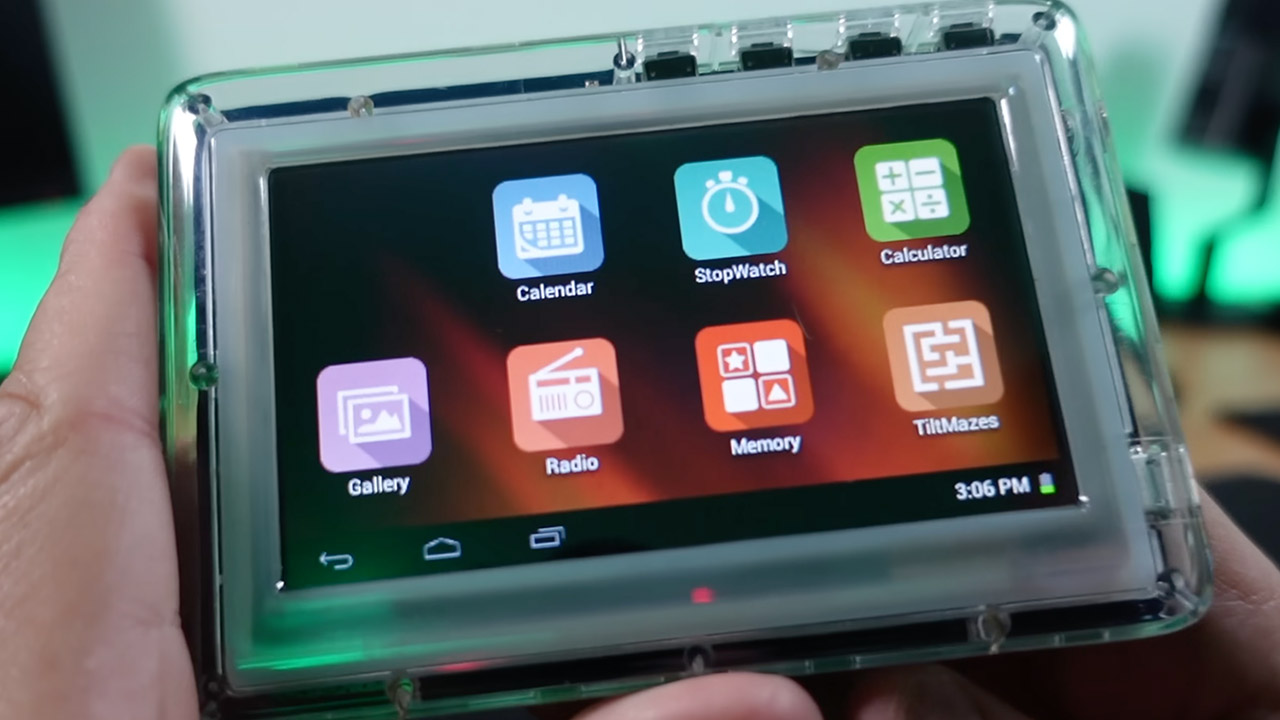
When you boot it up, the interface resembles a car radio from 2010. The OS is a very restricted version of Android from four years ago. There is no Play Store and no Wi-Fi. Tap the build number a dozen times, and all you’ll receive is a list of pre-loaded apps. The home screen contains half a dozen essential features, including a calendar, a photo gallery, a radio, a calculator, a few easy games, and a digital workbook for those who are alone.

eBay Prison Issue Tablet
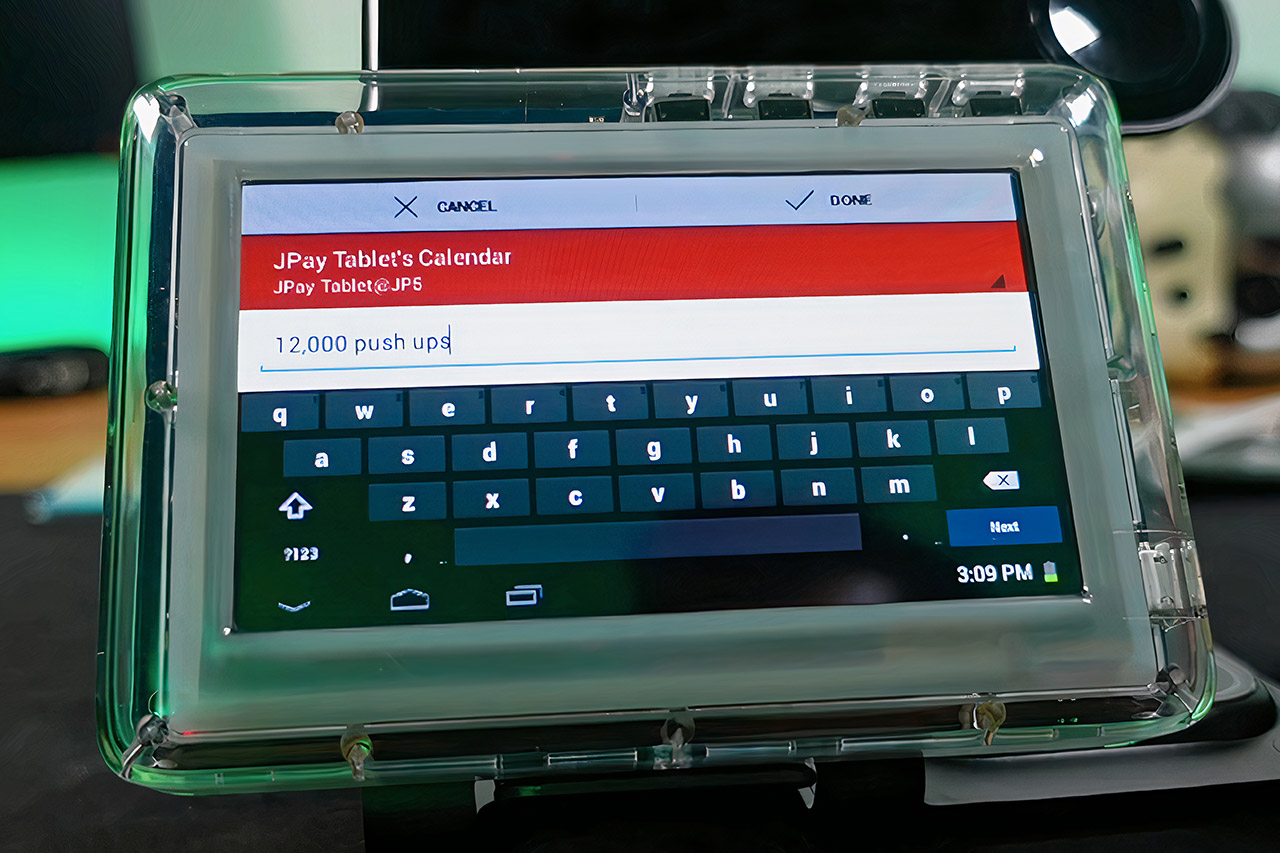
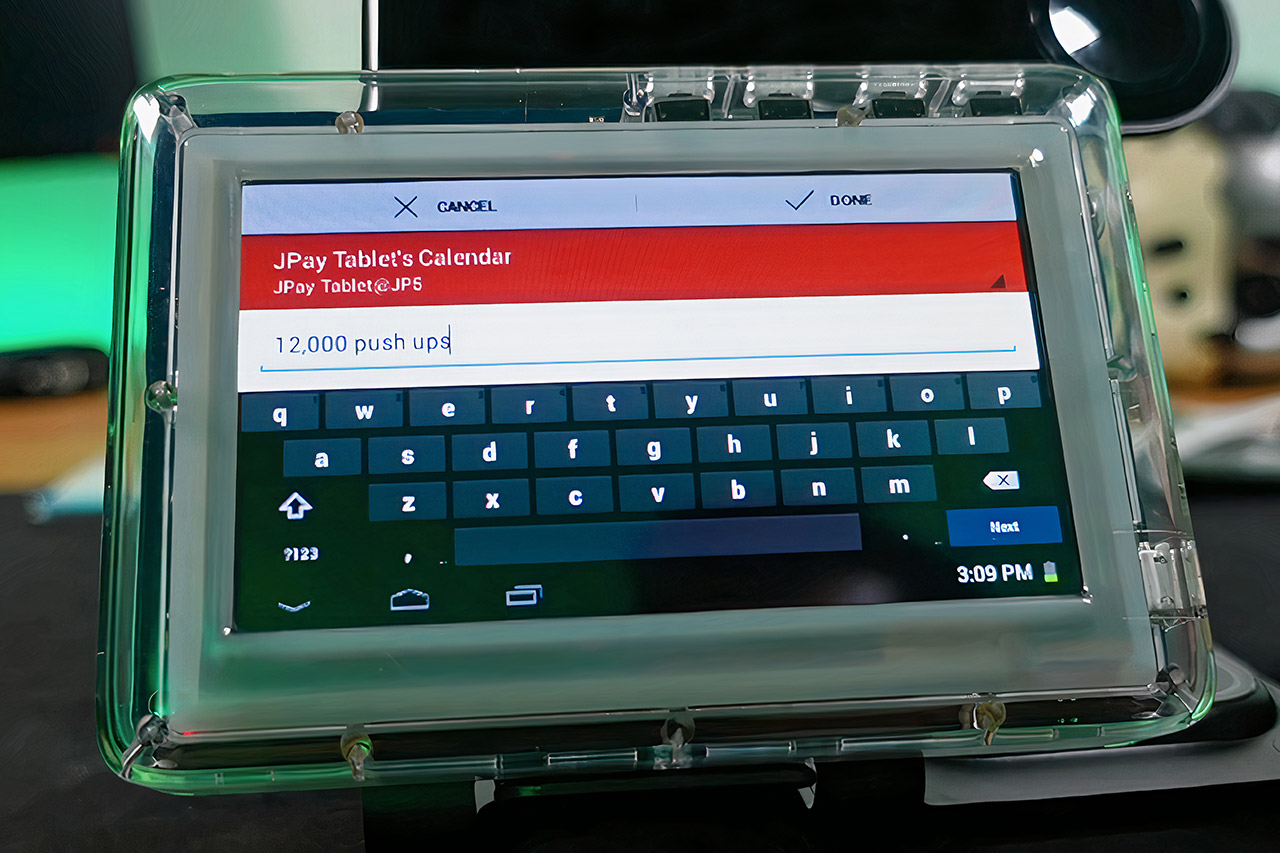
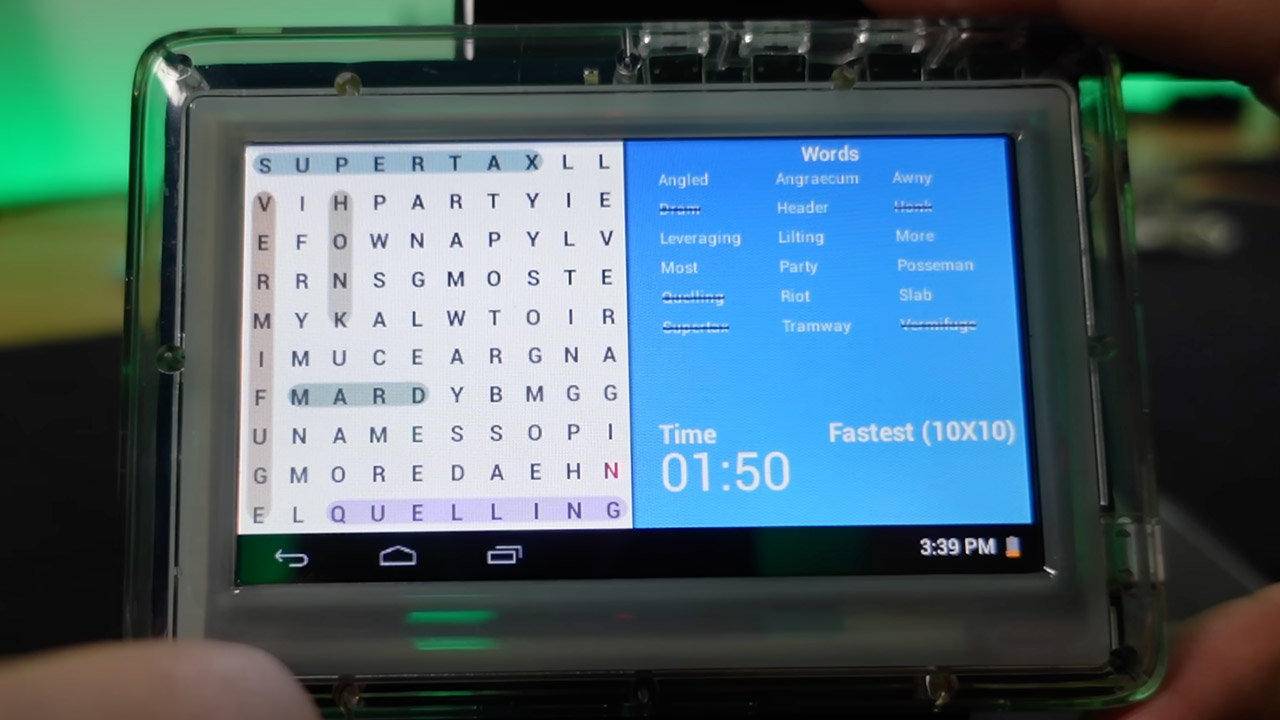
The games are all rather simple, featuring spider solitaire, word searches, and a few card games. The word search option can take 5 minutes of your time with no effort at all. The calendar allows you to schedule activities and create reminders, whether you want to do 12 thousand press-ups or just mentally check off the days. The radio app requires a headphone socket to pick up stations, however earplugs or a radio should provide a clear enough signal.

eBay Prison Issue Tablet
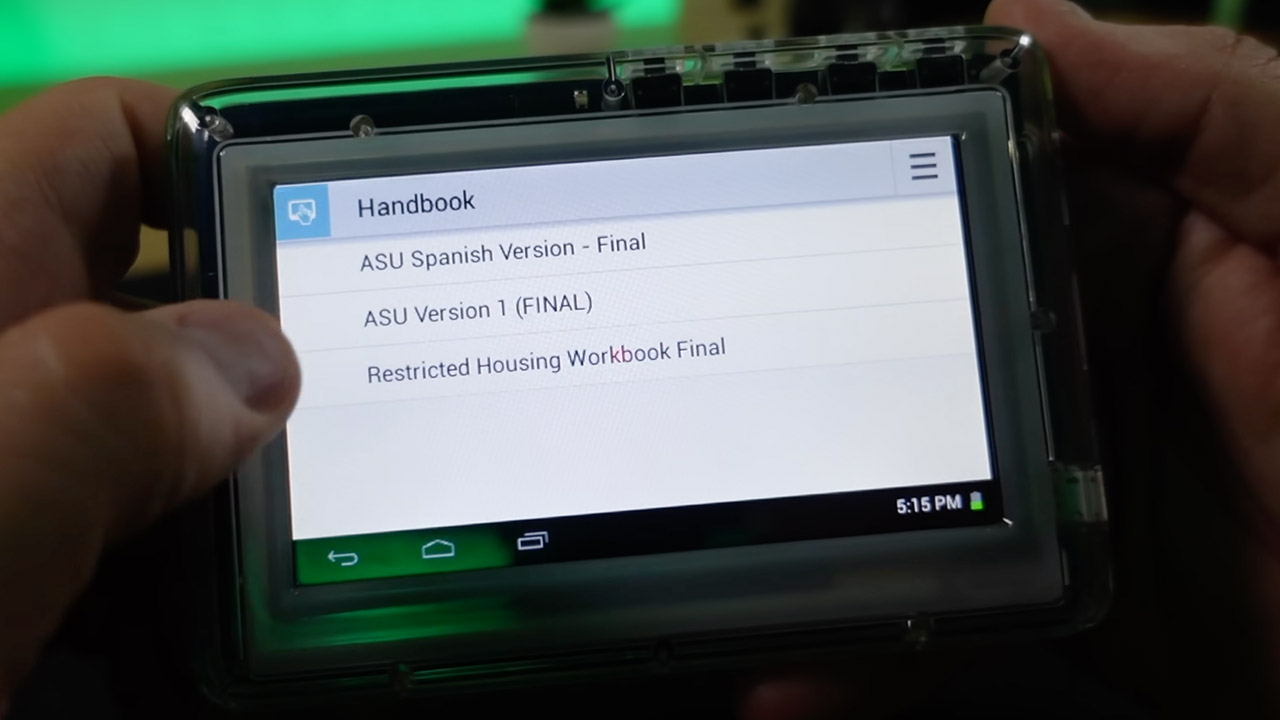
The workbook game is particularly eye-opening because it functions as a digital survival handbook for inmates alone in their cell. There are crossword puzzles, drawing hobbies, nature photographs, encouraging slogans, and solid advice: adhere to a regular routine, get some exercise in your cell, and write to your loved ones. It even handles the more difficult parts of being locked up, such as losing communication with the outside world, running out of exercise time, and losing your stuff.

Advertisement

Source link

Continue Reading

Tech

Apple Upgrade now lets you lease iPhones, iPads, Macs, and Watches, starting at $18/month

Published

on

What just happened? Apple has announced a new financing program called Apple Upgrade that offers eligible customers the option to lease its iPhones, Macs, Apple Watches, and other products instead of buying them outright. The program is available in the US through physical Apple Stores, as well as the Apple Store mobile app and website.

Apple Upgrade is being launched in partnership with digital financial services provider Klarna, known for its “buy now, pay later” interest-free credit. The new program replaces the iPhone Upgrade Program – a 0% APR financing plan that allowed consumers to buy a new iPhone every year, bundled with AppleCare+.

The new scheme offers 12- and 24-month leases for iPhones and Apple Watches, while Macs and iPads can be leased for 24 or 36 months. Apple says users will be able to sign up “in minutes” and receive quick approval, subject to a soft credit check. At the end of the lease period, users will be able to upgrade their device, purchase it outright, or return it and exit the program.

Eligible devices include the iPhone 17 lineup, iPhone Air, Apple Watch Series 11 and Watch Ultra 3, MacBook Air, MacBook Pro, iMac, Mac Studio, iPad Air, iPad Pro, and iPad mini. Older products like the iPhone 16 and entry-level offerings like the MacBook Neo, base iPad and Apple Watch SE are not part of the program.

Advertisement

Monthly lease payments for a base iPhone 17e starts at $17.99, a full $7 less than the $24.99 it would cost to buy it through monthly financing. The standard iPhone 17 would cost $22.99 per month, while the iPhone Pro would be $31.99 per month. iPad leases would start at $11.99 for the iPad mini and go up to $24.99 for the iPad Pro.

Macs will also be available to lease as part of the program, starting at $24.99 per month for the MacBook Air and $38.99 for the MacBook Pro. The Apple Watch Series 11 will start at $11.99 per month, while the Watch Ultra 3 will start at $24.99 per month. Cheaper devices, such as AirPods and AirTags, as well as niche products, like the Apple Vision Pro, are not part of the program.

Advertisement

Source link

Continue Reading

Tech

Apple’s espionage suit against OpenAI: How we got here

Published

on

Since its founding, Sam Altman’s OpenAI has been at the center of multiple controversies, with Apple’s intellectual property theft suit being just the latest chapter. Here’s the story so far about what’s been alleged over the last decade.

The artificial intelligence development wave has greatly affected the tech industry. As usual, this also includes accusations, threats, and lawsuits.

OpenAI is no different, as it has attracted many different lawsuits in its short existence. As you might expect, Apple is central to some, and peripheral to others.

Here’s how OpenAI has fared taking on various litigious foes, including Apple, updated on July 29, 2026.

Advertisement

Ive leaves Apple, forms LoveFrom, drifts away

After decades as the head of design at Apple, Jony Ive left the company fully in November 2019, after his removal from the official Apple Leadership page.

Ive wasn’t the only former Apple designer at LoveFrom. In June 2021, it was reported that he had poached a number of colleagues from the Apple human interface team.

While not under the corporate umbrella, Ive still worked for Apple as part of his design agency LoveFrom. This was confirmed in November 2021, without really going into the detail of what happened.

However, despite maintaining the relationship with the company that he helped turn into a design powerhouse, it was not a permanent arrangement. By 2022, Apple and LoveFrom declined to renew a contract.

Advertisement

As usual for Apple contracts, there was no explanation for the breakup.

Jony Ive may design AI hardware that will compete with Apple-issued

In late September, a pair of reports indicated Ive was working with OpenAI chief Sam Altman on a new project. Specifically, to design new hardware with AI at its core.

Altman wasn’t the only major name to work with Ive, as SoftBank CEO Masayoshi Son reportedly got involved with the discussions. There was also the claim that SoftBank could’ve contributed over $1 billion to the project.

The talks between Ive and Altman were said to be brainstorming sessions at Ive’s San Francisco office. They were discussing the kind of technology OpenAI could use, and how it would look like.

Advertisement

Musk cries antitrust as X & Grok can’t compete with OpenAI on Apple’s App Store

On August 11, 2025, Elon Musk took to X, formerly Twitter, with accusations that Apple was favoring ChatGPT and OpenAI by not featuring Grok or X in the App Store.

Man in a dark blazer onstage, touching his chin thoughtfully, looking upward under bright spotlights against a dark background

Elon Musk – image credit: Tesla

At the time, X had managed to reach number one in the top free news apps, and was 38 on the top free apps list. Grok, meanwhile, was number six in the free list rankings.

This wasn’t enough for Musk, who threatened legal action for alleged antitrust violations. He insisted that Apple’s work with OpenAI to integrate ChatGPT into iOS was a sign Apple had a bias against Grok and X.

Advertisement

Musk sues Apple for Grok’s App Store position

A few weeks later, on April 25, 2025, Musk followed through with his lawsuit, via xAI. Despite the claim being refuted by online users, Apple, and even Grok AI itself.

As predicted, the lawsuit is concerning AI competition and App Store rankings specifically, and that Apple and OpenAI were claimed to be illegally conspiring to thwart any AI competitors.

It was filed in a U.S. federal court.

On June 23, 2025, a nine-minute video with former Apple design chief Jony Ive and OpenAI head Sam Altman was pulled from view. At the time, it seemed to be purely about names.

Advertisement

Ive and Altman had been working together for a few years, with a view to creating some form of AI-based product. By April 2025, this had turned into Altman and Ive’s startup being referred to as “io Projects.”

It would later become “io” as it was sold to OpenAI for $6.5 billion in May 2025.

Two men sit at a bar counter with drinks, talking. Shelves of wine bottles and framed photos fill the background, creating a cozy, warmly lit, conversational setting.

Jony Ive and Sam Altman – Image Credit: OpenAI

By June of that year, a company called iyO took OpenAI to court, with objections over the use of the trademark. The names were very similar, the filing insisted.

Advertisement

It also didn’t help that iyO was spawned from the research and development of an Alphabet X project for an AI device relying solely on speech. Because of this, iyO believed there could be considerable confusion between the two companies.

In response, OpenAI took down the announcement, advising it was because of the trademark complaint from iyO.

“We don’t agree with the complaint and are reviewing our options,” OpenAI said.

OpenAI raids Apple’s talent and manufacturing pool for its AI dream

In September 2025, it was reported that OpenAI was going after some of Apple’s best people, as well as talking to iPhone component manufacturers.

Advertisement

It was an exodus that was steered by Tang Tan, who said OpenAI offered more freedom, collaboration, and bigger ideas than Apple’s slower updates.

Aside from apparent freedom in working and the promise of less bureaucracy, there’s also cold hard cash at play. There were stock offers worth more than a million dollars, too.

Tan had managed to recruit Cyrus Daniel Irani from Apple’s human interface design team, as well as Erik de Jong from Apple Watch hardware. Then there’s Matt Theobald, a 17-year Apple veteran in manufacturing design.

Poaching employees is a very common practice in the tech industry. It’s not the first time Apple has been affected by OpenAI doing it, and it won’t be the last.

Advertisement

Musk’s Grok App Store lawsuit should be thrown out, says Apple

On October 1, 2025, Apple filed to have the Grok lawsuit thrown out. The dismissal motion says that, through Apple partnered with OpenAI, it was “widely known that Apple intends to partner with other generative AI chatbots.”

Despite the potential problem of the lawsuit impacting other regulatory action that Apple has to deal with, its lawyers doubt it has teeth. It’s a suit based on “speculation on top of speculation,” the filing said.

Also, Apple said the Musk suit claimed the company couldn’t partner with ChatGPT, “without simultaneously partnering with every other generative AI chatbot, regardless of quality, privacy or safety considerations, technical feasibility, stage of development, or commercial terms.”

Having summarized Musk’s case with this, the lawyers added: “Of course, the antitrust laws do not require that.”

Advertisement

Despite attempting to get rid of the lawsuit, Apple instead had to face the music. On November 13, 2026, the request for dismissal was denied.

xAI accused of destroying evidence in OpenAI & Apple antitrust lawsuit

OpenAI accused xAI of both destroying and withholding evidence on February 3, 2026.

On the destroying side, OpenAI accused Musk’s company of using ephemeral messaging apps. That is, apps with built-in timers to destroy messages and attachments after a specific period of time.

“Destroying evidence was the whole point,” argued OpenAI. xAI’s move “leaves OpenAI and the other targets of Musk’s litigation at an inequitable disadvantage.

Advertisement

It wasn’t just damaging evidence, but also withholding documents. OpenAI said at the time that xAI had “not produced a single nonpublic document concerning the substance of their allegations or that OpenAI could use in its defense.”

This led to OpenAI pursuing a court order preventing xAI employees from using ephemeral messaging apps in the future.

Not to be outdone, xAI tried to make requests to see OpenAI’s source code, as well as compelling former OpenAI Head of Alignment Jan Leike to be compelled to provide documentation.

Both of those requests were denied.

Advertisement

iPhone hardware engineers allegedly get bonuses as Apple tries to prevent poaching

Keen to prevent an AI brain drain, on March 26, 2026, it was reported that Apple was trying to keep its employees. To do that, it approved substantial bonuses for its iPhone hardware engineers.

“Out-of-cycle” bonuses worth several hundred thousand dollars were reportedly approved for members of the iPhone Product Design Team.

This, again, isn’t new to Apple, as it did the same thing in 2021. However, while that effort was seemingly unsuccessful, even with $180,000 bonuses being handed out, maybe the 2026 remix will fare better.

OpenAI’s iyO situation gets worse with trade secret claims

On April 23, 2026, iyO managed to convince the U.S. District Court of California to grant a preliminary injunction against OpenAI, Sam Altman, Jony Ive, and io Products. It prevents the use of the “io” name for the moment, until the lawsuit has concluded at a minimum.

Advertisement

However, iyO amended the complaint on March 13 with new allegations of trade secret theft and corporate espionage.

This also brought Apple into the lawsuit, because it involved Tang Yew Tan. The former vice president of product at Apple left the company in February 2024, before becoming a co-founder of io Products and Chief Hardware Officer at OpenAI.

Exploded view of a sleek round wireless earbud, showing reflective outer face, inner electronics, and clear silicone ear tip separated in alignment on a plain white background

iyO One – Image Credit: iyo

According to iyO’s public recounting, iYo’s TED talk was published in May 2024. Just 11 days after the talk, Tan pre-ordered the iyO One, an ear-worn agentic computer.

Advertisement

Nine days later, Tan contacted Dan Sargent, iyO’s design and manufacturing lead, to arrange a dinner meeting in June.

It is then alleged that forensic analysis of Sargent’s notebook revealed that, ahead of the dinner, Sargent downloaded 33 confidential files, accessed dormant IP folders, and exported 17 CAD files into formats unused by iyO.

Sargent later admitted to bringing prototypes to show Tan at the dinner.

After the May 2025 acquisition, iyO CEO Jason Rugolo allegedly confronted Sam Altman over the name and the trademark.

Advertisement

Craig Federighi dragged into Musk’s Apple-OpenAI lawsuit

It was revealed on May 16, 2026, that Apple software chief Craig Federighi had to take part in the xAI antitrust lawsuit against Apple and OpenAI. However, Tim Cook seemingly wouldn’t be participating.

The filing on May 13 attempted to make both Federighi and Cook custodians, being parties who are most likely to have pertinent information or sufficient access to details for the lawsuit.

The court granted that Federighi should be a custodian, due to arguments that he may have “unique relevant evidence.” This apparently included information about Apple’s integration of OpenAI services into Apple Intelligence.

That said, the court rejected turning Cook into a custodian. There was no explanation from the plaintiffs for how Cook would have any unique relevant evidence that hadn’t already been produced or wouldn’t be provided by Federighi.

Advertisement

As a result, Federighi was given the duty to provide responsive discoverable documents by June 17, 2026.

Elon Musk’s SpaceX & Tesla email accounts must be handed over in Apple lawsuit

During discovery in the xAI-Apple-OpenAI lawsuit, Musk objected to turning over relevant emails for the lawsuit. On June 2, 2026, Judge Mark Pittman responded, saying they should be submitted.

Close-up of an iPhone displaying the X formerly Twitter App Store page with dark-themed preview screens, set against a black background with white lightning-like cracks

Elon Musk’s lawsuit against Apple isn’t going his way

Musk’s objections were overturned, and the judge ordered that business email accounts used by Musk for SpaceX and Tesla must be turned over for discovery.

Advertisement

Despite the lawsuit being brought on by X and xAI, the latter at the time owned by SpaceX, Musk’s usage of several email accounts meant that evidence for the case could be hidden in those of his other companies.

OpenAI poaches another Apple hardware executive

On June 26, 2026, it was revealed that Apple wasn’t managing to retain its high-ranking employees from being poached by OpenAI. Long-time Apple executive Paul Meade joined the list of people who moved from Cupertino for Mission Bay.

Meade was the vice president of hardware engineering for the Vision Products Group. He had been at Apple for over 15 years, starting as an iPad manager before overseeing iPhone program management two years later.

He joined the Vision Products Group in 2017, then overtook all hardware engineering for the Apple Vision Pro in 2019.

Advertisement

Apple sues OpenAI & previous VP of product design over mass IP theft

After being included in other people’s lawsuits, Apple decided it wanted to launch its own. On July 10, 2026, it filed against OpenAI over two ex-employees stealing its intellectual property to aid OpenAI’s development efforts.

The two defendants were named as Tang Yew Tan once again, as well as Chang Liu. Apple claims that, for months after leaving Apple, they stole and used Apple’s IP.

Liu failed to return Apple-issued hardware, that was still authenticated to access Apple’s networks. Liu also allegedly told Apple colleague Yu-Ting “Alyssa” Peng that he was planning to access Apple information.

Liu then reportedly exploited an authentication bug to access shared network folders.

Advertisement

Peng later left Apple, but continued communication over Line with Liu. Peng then got hired by OpenAI in April 2026, but had not been sued at the time of the filing.

For Tan, Apple alleges that he emailed himself information about Apple suppliers. In some cases, those suppliers were fooled into sharing metal finishing techniques.

He also supposedly directed candidates to bring unreleased hardware components from Apple to their OpenAI job interviews to get more current information.

OpenAI also allegedly told new hires how to avoid Apple’s scrutiny when leaving the company. This apparently included staying at Apple for as long as possible before onboarding at OpenAI, and not to tell Apple where they are headed.

Advertisement

Apple apparently knows because it says Tan sent messages to Apple-issued work devices. However, when Apple reached out to OpenAI about the leaks, OpenAI didn’t respond.

The filing, at the US District Court, San Jose Division, seeks judgment, an injunction against the use and possession of Apple’s OP, the return of Apple’s property, damages, and royalties for the use of said property.

An admission of respect

Lawsuits between companies can be painful affairs that drag up dirty laundry as each side battles in court. But even so, executives can still express good sentiments about the opposing side.

On July 11, Elon Musk and Sam Altman sniped at each other on the Musk-owned X. The conversation was started by Musk validating a post that referred to an earlier message by Musk accusing Altman of being “super good at scamming.”

Advertisement

Responding to Musk’s insistence that Altman “takes scamming to a whole new level,” Altman retorted “homeboy you’re the one selling public market investors on short-term space datacenters.”

While the schoolyard name-calling session by the super-rich is entertaining, it did include a bit about Apple.

One X observer pointed out that Altman’s writing showed he wasn’t “afraid” of Musk’s taunts. But simultaneously, they apparently showed Altman was “terrified of Apple.”

Altman took a moment to respond. “i am not afraid of apple,” he typed completely in lowercase, “but i have tremendous respect for them. s-tier company.”

Advertisement

iyO, OpenAI pause for settlement talks

A filing to the U.S. District Court for the Northern District of California, San Francisco Division on July 27 showed a settlement could be on the horizon between OpenAI and iyO.

The brief filing was jointly filed by both sides, informing the court they had reached a settlement in principle. The two sides were also working to reduce the terms to a formal agreement, expected to arrive shortly.

Due to this change of heart in the two warring parties, the sides requested that the court adjourn further proceedings for seven days. All so the agreement can be finalized.

The actual terms of the settlement in principle are not known, but it probably involves large sums changing hands at a minimum.

Advertisement

Updated July 29, 2027 8:00 A.M. EST: Added OpenAI-iyO settlement talk pause.

Source link

Advertisement
Continue Reading

Tech

5 Used Sports Cars Cheaper Than The Mazda MX-5 Miata

Published

on


Since the Mazda Miata launched in 1989, over a million units have sold across all generations, making it the best-selling sports car in history, and with good reason. The Miata is known for being fun to drive and adorable, all while having a convertible top. With its go-kart-like handling, the Miata is “always the answer,” whether it’s the track, canyons, a coastline cruise, or a morning drive to work. And perhaps the main selling point? It’s always been affordable through every generation, thanks to its minimalistic approach and small engines. 

The Mazda MX-5 Miata recently made headlines for finally going over the $30,000 threshold — but it’s still the cheapest new sports car available in the United States at $31,665 to start. However, you can still find a cheap sports car for cheaper if you’re willing to buy one used. This could be a model that’s just a few years old, or perhaps a vintage sports car with the same focus on spirited driving. 

Advertisement

Toyota GR86

If you can find a used Toyota GR86 that’s a few years old, you could spend just under $30,000 depending on the mileage and condition. With a 2.4-liter four-cylinder engine making 228 horsepower and a six-speed manual transmission (or an auto), the GR86 is known for its handling, steering, and overall visceral driving experience. 

Advertisement

You’re looking at 0 to 60 mph in 5.4 seconds, thanks to a relatively small weight figure. Our own review of the 2024 model included a lot of comparisons to the Miata, since these are two cars with exceptional cornering, made even more fun with a manual transmission. 

The downside to the GR86? Also like the Miata, it’s pretty cramped inside. The GR86 seats four, but it’ll be tough to find adults that want to sit in the back seats. The GR86 also gets pretty loud inside — it’s not the most luxurious ride. However, that adds to the charm.

Advertisement

Chevrolet Corvette (C6)

The Chevrolet Corvette continues to push performance boundaries for its price point — the 2027 Corvette may be the only sports car that will get you to 200 mph (easily) at well under $100,000, but you can spend $30,000 on a Corvette if you go back to the C6, which ranges from model years 2005 to 2013. 

The 2005 C6 has a 6.0-liter LS2 V8 engine, which produces 400 hp. 2008 introduced the LS3 engine, a 6.2-liter V8 that makes 428 hp. The C6 also has a nearly perfect weight distribution, so the handling is nimble and precise, while the power from the V8 engine offers incredible acceleration on straights. Like the Miata, the C6 Corvette is totally at home as a daily commuter or a weekend track monster, and the removable targa top also makes it a great cruiser. But, unlike the Miata, there is actually a good amount of trunk space in the C6.

Advertisement

Ford Mustang EcoBoost

If you go a few years back to 2024, the EcoBoost Mustang can be found for just under $30,000. The car community likes to joke about the EcoBoost, since it’s missing the iconic Coyote V8. Don’t knock the 2.3 EcoBoost, though; it makes 315 horsepower and 350 lb-ft of torque is enough to make the car feel powerful and fun to drive. It gets to 60 mph in 4.5 seconds and reaches the 1/4 mile in 13.2 seconds, making it a very fast four-cylinder option. And hey, it’s way more than the Miata’s 181-hp 2.0-liter engine. 

The EcoBoost Mustang may not be as powerful as the GT, but it has always been known for having slightly better handling. This makes the EcoBoost a balanced option for the track, offering responsive steering and nimble turning, and not to mention less weight over the nose. However, the EcoBoost is also great for commuting. Unlike some others on the list, it’s quite comfortable in the cabin and almost peaceful. You get better gas mileage than the GT as well.

Advertisement

Mitsubishi Lancer Evolution X

The Mitsubishi Lancer Evolution X was released for 2008 and lasted until 2015, enduring quite a lot of market challenges. However, the Evo is now a pretty desirable sporty car for JDM fans, and there are plenty of options under $30,000 depending on mileage, condition, and modifications. 

The Evo X sports the 4B11T engine, a 2.0-liter inline four turbocharged powerhouse that produced up to 440 hp in the FQ440 edition which, sadly, North America never got — USDM Evo X models topped out at 303 hp in the 2015 Final Edition. Fortunately, you can easily get 400 hp out of an Evo X. It’s also over 3,500 lbs, pretty hefty for a sporty car. With that combo of power and weight, the Evo X is known for needing its tires changed quite often, especially if you are taking it to the track. 

While it’s not made with the most luxurious materials inside, the Mitsubishi Lancer Evolution X is actually quite reliable overall. However, you should look for a used example without a lot of modifications, which will make the search tougher. It’s very much worth it, since the Evo X is a fun show and track car with a very unique feel. Thank you, depreciation.

Advertisement

Toyota MR2 Spyder

Looking for a fun, cute, convertible cheaper than the Miata? The third generation Toyota MR2’s average market rate right now is around $13,000, according to Classic.com, although the price will depend on the condition, mileage, and features. It has an expressive face thanks to its big, frog-like headlights and smiling grille. Its body is round yet sporty — and it’s also convertible. 

If that doesn’t sound familiar enough, there’s also the fact that it has no cargo space (although there’s a tiny frunk). If you’re just wanting to have a fun daily driver or a car that’s perfect for spirited weekend driving, the MR2 fits the bill. It has a high-revving 1.8-liter engine four-cylinder, and yet it weighs only 2,195 lbs, making it light, zippy, and relatively fuel efficient. 

Advertisement

There are actually two previous MR2 generations, although the Spyder is one of the most reliable and adorable. It’s honestly a shame the MR2 was discontinued, although Toyota is working on, and is almost ready to show a mid-engine MR2 successor quite soon.

Advertisement

How we came up with this list

There is truly nothing like the Mazda MX-5 Miata, but there are many sports cars that come close. To come up with this list, we first had to confirm the price of a new Miata — which has unfortunately reached beyond $30,000. There are really no other new sports cars that are $30,000, although there are some that come close: a new Mustang EcoBoost starts at $32,995, which isn’t too shabby. 

To figure out the price of used sports cars, we used CarGurus and Cars.com, as well as Classic.com, to see listing prices as well as some averages. It was tough to narrow it down because there are plenty of classic sports cars that fit the bill, as well as older generations of popular current models. We chose sports cars from several eras, both a few years old and a decade or more, to give some variety. What do they all have in common? They had to be fun to drive and visually appealing, while bringing some of the Miata spirit with them, whether it was great handling, a convertible top, or a cute expression. 

Advertisement


Source link

Continue Reading

Tech

Behold The Most Beautifully Ambitious Starship Simulator Yet

Published

on

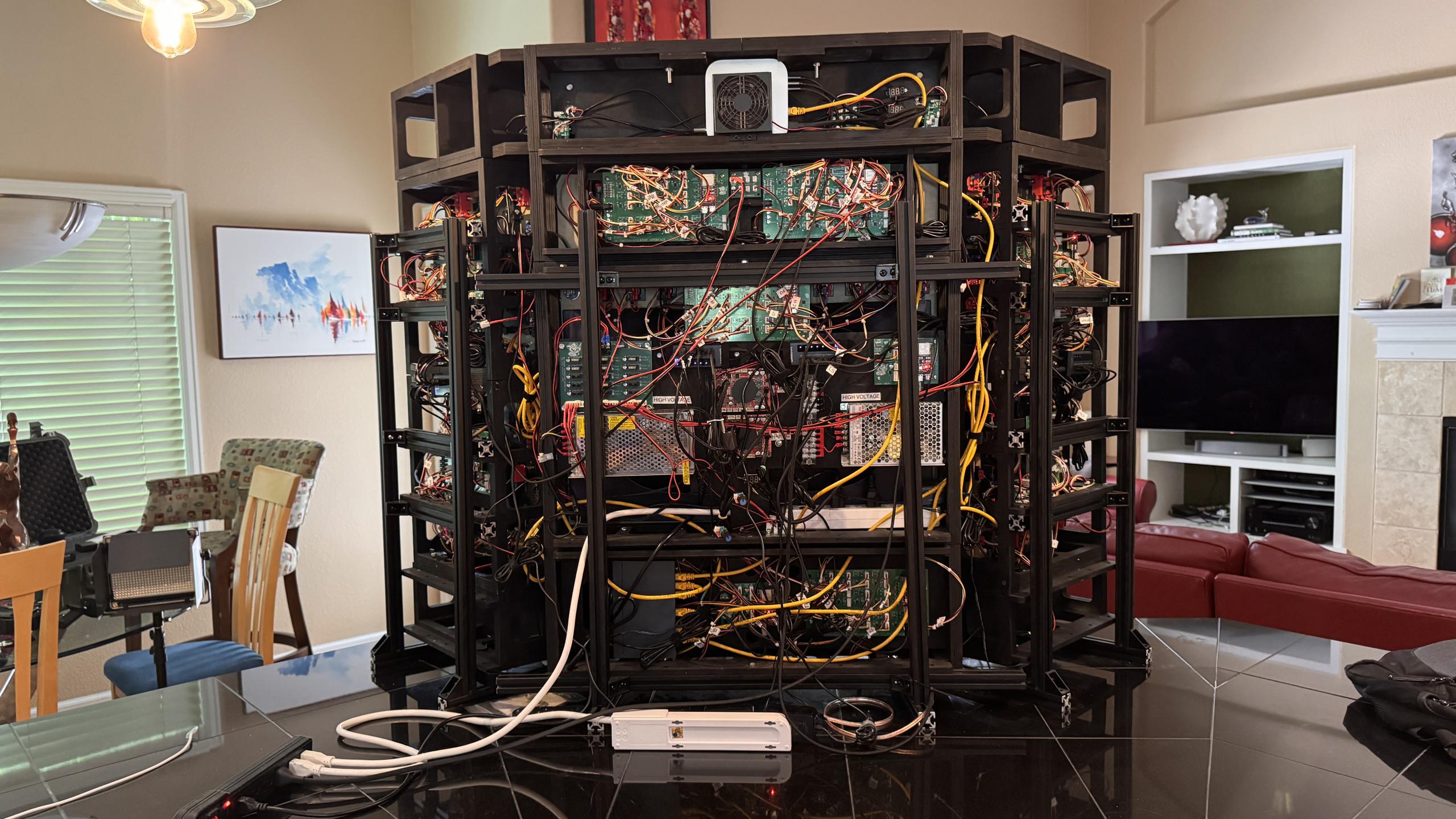
[Kevin Kelm] created something wondrous: Halcyon Dawn, an utterly unique and desperately challenging game that is equal parts intricate starship simulator, imposing hardware console, video game, and love letter to John Scalzi’s Old Man’s War book series. Grab a beverage for this one, because it’s chock-full of detail.

First, how is it played? The simulator represents the ship Halcyon Dawn, a stolen and renamed vessel, and the player representing its sole crew member. The ship’s new mission is to establish a home for its payload of genetically-engineered unfortunates, escaping a cruel sort of indentured military servitude. The former masters of course have a very different view of the whole situation, throwing around terms like “treason” and “theft” and in general preferring the version of the desperate protagonist they had the most control over.

Aluminum extrusion, laser-cut panels, and custom PCBs for interfacing physical controls and displays make up the bulk of the build.

As the player is meant to be operating the ship on their own, the cockpit is imposing. All 152 controls and six screens are meaningful and will be needed to pilot the Halcyon Dawn, survive hostile actions, repel boarding attempts, mine and refine vast amounts of raw materials, and in general keep the ship running and intact until an autofactory can be deployed in orbit of a suitable planet to create a new home.

All easier said than done. It’s one thing to pilot and tweak a temperamental ship, but doing so while also performing damage control and thwarting a boarding attempt by manipulating life support is quite another. Want more details? Gameplay is documented here and the physical controls have their own library.

The product of a year of focused work, [Kevin] – now retired – pointed his decades of hardware and software experience at Halcyon Dawn after realizing one night that everything he needed to create it already existed. How this whole project came to be is also a tribute to the amazing tools and equipment that hobbyists and hackers of all kinds now have to turn an idea into something that actually exists in the world. Even so, it was a load of work he is not keen to repeat. Don’t miss the technical deep-dive and photo gallery of the build.

Advertisement

While the game itself — being a fan-made derivative of Scalzi’s work (and useless without the custom-made hardware console) — isn’t being released, [Kevin] has shared the underlying hardware framework it is built on. Enigma is an ESP32-based set of input and output PCBs made for integrating switches, knobs, displays, relays, and more with a Python library to make them easy to work with.

Starship simulators are a wonderful subset of projects, and every one is different from the last. Something about physical builds really works for them, and while we’ve seen a camper trailer converted to starship simulator [Kevin]’s project focuses the whole experience beautifully into the single-person console you see here. Watch a video of Halcyon Dawn running in an arcade-like “attract” mode embedded just below.

Advertisement

Source link

Continue Reading

Tech

4GB GPUs might return with AMD’s Radeon RX 9050

Published

on

Facepalm: After users spent years waiting for mid-range and budget graphics cards to ship with more than 8GB of VRAM, the RAM crisis might not only extend this era of disappointing GPU memory pools but also drag GPUs backward. As AMD unveils a new entry-level member of the Radeon RX 9000 lineup, a leaked URL suggests that a 4GB variant exists.

The Radeon RX 9050 appeared on AMD’s website on Tuesday, with ASRock as the first partner to confirm its availability. Although the card is equipped with 8GB of GDDR6 VRAM on bothd AMD’s and ASRock’s listings, X user Ruby Rapids shared a now-dead link with placeholder text for a 4GB model.

Many experts already advise against playing high-end games on 8GB GPUs at resolutions above 1080p, especially with high-resolution textures and ray tracing. Even 12GB is often considered the bare minimum for gaming in 2026.

Graphics cards with only 4GB of VRAM have not been seen since AMD launched the Radeon RX 6400 and 6500 XT in 2022. While pricing information for the RX 9050 remains unavailable, it is hard to imagine the entry-level card pushing far beyond the 6500 XT’s $199 MSRP.

Advertisement

Digital Foundry reports that the RX 9050 utilizes the same Navi 44 GPU as the RX 9060. AMD’s website confirms that the lower-tier card has been cut down from 28 compute units to 16, with standard and boost clocks of 1,920 and 2,600 MHz. Ray accelerators and AI accelerators have also been reduced to 16 and 32, respectively. The GPU features 64 ROPs, 1,204 Stream processors, 64 texture units, and 29.7 billion transistors.

While the 8GB variant features a 128-bit memory interface with 288 GB/s of bandwidth, Digital Foundry fears that the 4GB variant, if it exists, might make matters worse by cutting its interface to 64 bits. AMD recommends a 450W PSU for the GPU, which draws 92W on its own. The company also estimates that it can achieve 60 fps in 007: First Light, 96 fps in Cyberpunk 2077, and 131 fps in Forza Horizon 6 at 1080p with medium settings, but it remains unclear whether the benchmarks apply to both models or only the 8GB variant.

ASRock aims to sell the AMD Radeon RX 9050 in Latin America and Asia.

If 4GB GPUs do return, DRAM shortages due to AI data center construction will be the primary cause. The crisis has driven numerous manufacturers to hike prices, including Apple, Microsoft, Sony, and GPU makers. Prior reports suggest that the shortages also delayed Nvidia’s rumored RTX 50 Super lineup, which is expected to introduce 3GB GDDR7 modules, allowing for 18GB and 24GB memory configurations.

Advertisement

No one is sure how long the DRAM shortages will last. Some manufacturers expect memory prices to stabilize in 2028, but ADATA warns that prices might remain elevated for another decade.

Source link

Advertisement
Continue Reading

Tech

What’s The Difference Between Green And Yellow Stihl Chainsaw Chains?

Published

on


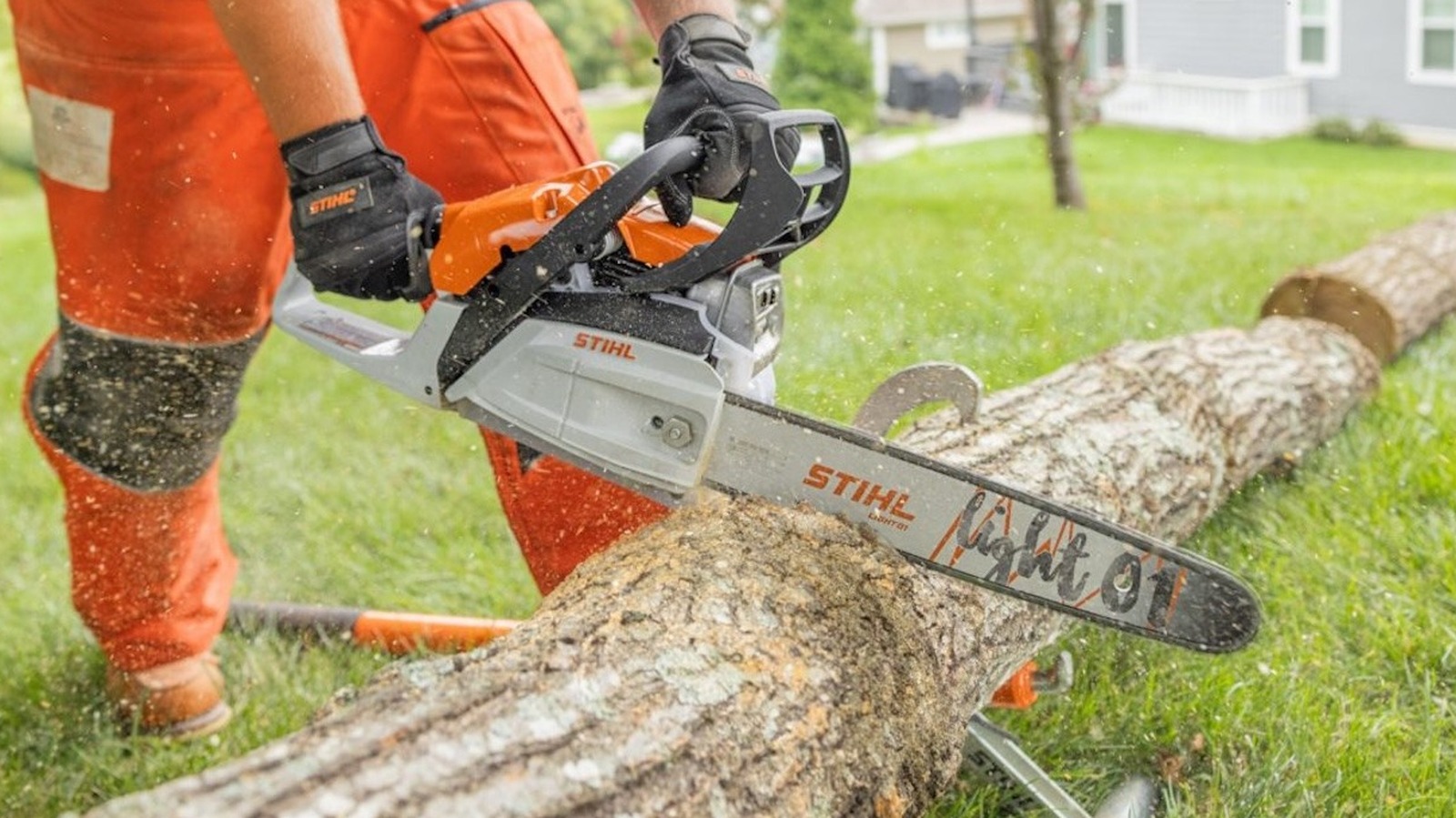
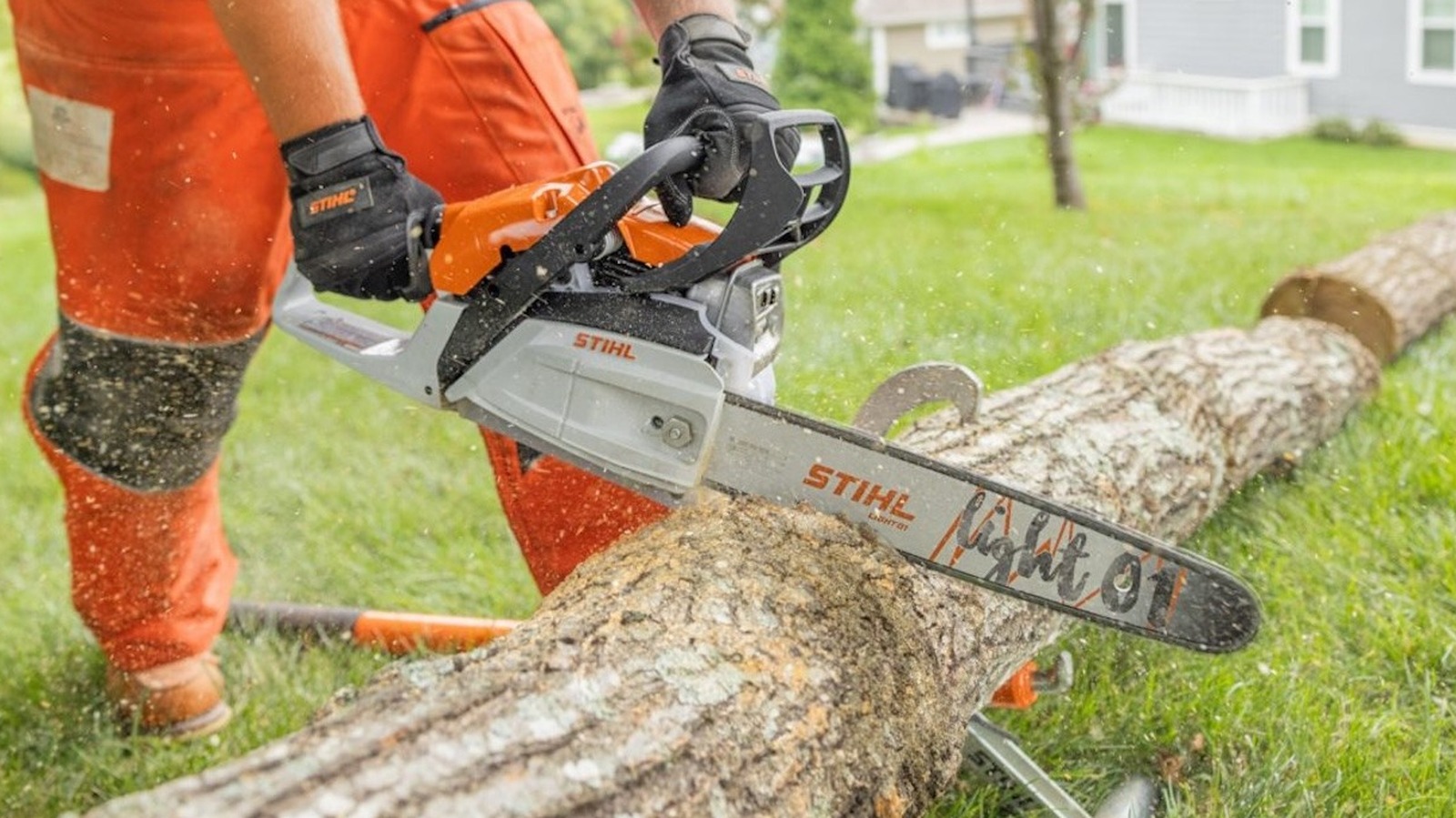
There are a number of telltale signs that your chainsaw’s chain needs to be replaced, such as seeing visible wear and tear on the saw’s chain or having to add too much of your own force in order for there to be any kind of effective cutting. When it comes time to get that a chain, there are several factors you need to consider when selecting that chain. Obviously, you need to know the pitch and the gauge for it to be able to snugly fit onto your blade. Beyond that though, there are other decisions that need to be made that can dramatically alter your sawing experience. The Stihl chainsaw brand makes that easier by splitting its available chains into two different categories: green and yellow.

One might think that these color distinctions indicate something like amateur and professional, but that isn’t the case. The green and yellow color markers are there to distinguish between low and high kickback chain models. One labeled as green is a low kickback model, while yellow indicates high kickback. On the various listings for the multitude of Stihl chains available, the company almost always recommends using green chains — along with green-labeled blades — with any of its chainsaw power heads, even on listings for yellow chains. Chainsaw kickback can be incredibly dangerous, and if you don’t have an extensive history with chainsaws, it can lead to serious injury if you can’t physically handle the kickback. For those with a lot of experience, they should be able to handle yellow chains. For most though, safety is of the utmost importance, and sticking with a low kickback green chain is the way to go.

Advertisement

How to tell the difference between green and yellow chains

While SlashGear considers Stihl to be the best chainsaw brand on the market, that doesn’t mean the company does everything perfectly. Yes, it smartly delineates its low kickback chains from its high kickback ones, but it makes actually figuring out which chain is which a lot trickier than it needs to be.

Advertisement

Purchasing in the store is a bit easier. Stihl chains each come in a box with a small colored square on the left side of the front of the packaging. There will also be additional rectangle on the left side of the box too. These shapes will either be colored green or yellow, depending on the which chain it is. The squares on the front of the box are quite small, so they can be a little easy to miss if you’re quickly scanning over your options in the hardware store. However, that’s a lot easier than the online process.

Annoyingly, the Stihl website doesn’t separate green chains from yellow ones. Every chain is grouped together, leaving you to go through them individually. Making things more complicated, it doesn’t label them as green or yellow in the product name. There are two ways to figure out. The first is by the picture. You’ll see a tiny green or yellow marker between chisels to indicate the difference, though not every picture has these colors featured. Your next hope is to read the full product description for kickback information, but unfortunately that’s not a guarantee either. If you aren’t sure what you’re getting, buying a chain in a hardware store is certainly the safer and easier option.

Advertisement


Source link

Continue Reading

Tech

A Blackout Protest Over Sony Ditching Disks Is Brewing

Published

on

from the revolt dept

Sony’s decision to stop producing PlayStation discs starting in 2028 was met with a ton of initial backlash, especially in the wake of Sony reminding its customers yet again that a digital purchase of content isn’t actually a purchase of content at all and what you’ve bought can be ripped away from you with the barest of notice. But for some, including this writer, there was an assumption that the initial backlash is where this would all end. After all, the anti-consumer nonsense around digital products has been happening for over a decade now and little if anything has been done about it. Some others assumed that feckless gamers would end up just accepting the fate that Sony has planned for them.

And maybe they still will, but it seems that some folks are at least attempting to put up a fight first. Some activists have organized what they are calling the PSBlackout, attempting to get PlayStation owners to not make a purchase or even log into their consoles for a full calendar week in August, all in protest of Sony going disc-less.

As spotted by Push Square (via Eurogamer), the “PSBlackout” protest was announced by the game preservation and consumer rights group DoesItPlay last night on July 26, and it’s already starting to pick up some steam on social media. 

DoesItPlay has scheduled the protest to run from August 23 to August 30, and asks that those who take part refrain from logging into, playing, or purchasing any content on PlayStation-related platforms during the week-long blackout. 

“Whether it’s closing beloved studios like Bluepoint, pursuing a misguided live-service strategy, cancelling fan events, leaving PS VRS2 to die, or being completely out of touch with the franchises players want to see return, PlayStation has never felt more disconnected from its community,” reads DoesItPlay’s statement on X. “Ending physical discs in 2028 feels like the last straw.”

Advertisement

Now, Sony’s strategy for dealing with online and customer backlash in the past has been to simply wait it out. The company has also very clearly decided to employ that strategy in this case as well. Given enough time, Sony believes the anger will wane and be replaced by complacency, ultimately allowing the company to have its way.

A week long non-participation protest by PlayStation gamers, even if gets wide participation, is not going to cripple Sony. It’s not going to cripple any of its first-party or secondary studio partners. But it will make a statement at the very least, which might just be enough to make Sony’s ostrich routine no longer tenable.

And it’s not as though PSBlackout is the only form of backlash brewing over all of this.

Plus, provided news of the planned protest reaches enough ears, there’s certainly a sizable enough contingent of pissed-off fans out there ready to mobilize. The “Don’t Kill The Disc” Petition has continued to gain momentum over the last few weeks, having shot up from roughly 120,000 signatures on July 6 to just over 345,000 signatures on July 27.

Physical media shouldn’t go away. Not entirely, at least. The current consumer rules around digital purchases aren’t good enough to protect customers. There’s too much risk in non-preservation of gaming culture if everything is digital, thanks largely to copyright laws. And there’s still a sizable percentage of customers that want their shiny discs.

Advertisement

Now we’ll see if this protest gains momentum, or if the feckless gamer cliche is true.

Filed Under: ownership, physical media, playstation, protest, psblackout, video games

Companies: sony

Source link

Advertisement
Continue Reading

Tech

Low-power AI could define the next era of global innovation

Published

on

Artificial intelligence (AI) is constantly reshaping everything we do. Across industries, it is changing the way we do work, but that rapid expansion can’t continue without bumping up against real tangible limitations.

Most notably, planning for hyper scaled data centers across the world and increasingly complex cloud computing infrastructures and AI systems are leading to difficult conversations around energy pricing, generation and availability.

Source link

Advertisement
Continue Reading

Tech

Netflix edges past the BBC as UK viewers’ first choice

Published

on

For the first time, a streaming service has overtaken the BBC as the place UK viewers say they turn to first. In Ofcom’s annual Media Nations report, published this week, Netflix was named first choice by 26% of viewers, just ahead of the BBC on 25% and ITV on 15%.

The measure is about instinct, not hours. Ofcom asked viewers which service they reach for first, and for decades the answer in Britain was overwhelmingly the BBC.

A single percentage point is not a rout, but it is a milestone. The corporation has anchored British viewing for generations, and being pipped by a Californian subscription service, however narrowly, marks a shift the BBC has long seen coming and long dreaded.

The wider numbers tell the same story more slowly. Around 70% of Britons watched traditional broadcasters for at least 15 minutes a week in 2025, down from 73% the year before and 78% in 2022, a gentle but unmistakable decline.

Advertisement

The 💜 of EU tech

The latest rumblings from the EU tech scene, a story from our wise ol’ founder Boris, and some questionable AI art. It’s free, every week, in your inbox. Sign up now!

The broadcasters are not standing still. Their own streaming apps, including iPlayer, ITVX, Channel 4 Streaming, and 5, grew 9% year on year, as viewers who left the schedule followed the same programmes onto on-demand.

Subscription streaming, meanwhile, looks close to saturated. Services such as Netflix, Disney+, and Amazon Prime Video now reach roughly 70% of British homes, a figure that has largely stopped climbing.

Advertisement

The plateau matters for what comes next. With most households that will pay for streaming already paying, growth now has to come from taking time off rivals rather than signing up newcomers.

The more striking mover is YouTube. Viewing of the Google-owned platform on actual television sets has doubled, to 19 minutes a day per person, up from nine minutes in 2022.

That growth is no longer confined to the young. Among Britons aged 75 and over, YouTube’s weekly reach rose to 33% in 2025 from 28% in 2022, a sign the platform has crept well beyond its digital-native base.

The generational pattern is the report’s throughline. Younger viewers have rebuilt their watching around on-demand and video platforms, and each year a little more of the older audience follows them there.

Advertisement

ITV, on 15%, sits some way behind both. The contest at the top is really between one public broadcaster and one global streamer, rather than a broad field of rivals.

Being first choice is not the same as being most watched, either. Traditional broadcasters still fill more total viewing hours than any single streamer, even as the habit of reaching for them first quietly erodes.

For the BBC, the report arrives at an awkward moment. The corporation is defending the licence fee and preparing for charter renewal, and a headline saying Netflix has passed it will make neither conversation easier.

The funding question sits beneath the viewing one. The licence fee is levied on the assumption that the BBC is a near-universal habit, and a ranking that now places it second hands its critics a fresh line of attack.

Advertisement

The competitive pressure is not only about attention. Netflix faces its own frictions in Europe, including a consumer lawsuit in the Netherlands over subscription price rises, a reminder that scale brings scrutiny.

Britain’s public broadcasters have weathered the streaming era better than many feared. Public-service programming still draws large crowds for live events and news, and the collapse once predicted for traditional UK television has looked more like slow erosion than a cliff.

Still, the direction is not in doubt. Each edition of Media Nations records the same drift, younger viewers leading and older ones following, from the schedule to the app and from broadcast to the feed.

What the report cannot say is where the line settles. Netflix’s one-point lead could widen or reverse next year, but the more durable finding is that “first choice” is now a contest the BBC has to win rather than a title it holds by default.

Advertisement

Source link

Continue Reading

Trending

Copyright © 2025