The flight from Fuerteventura was diverted to the capital.
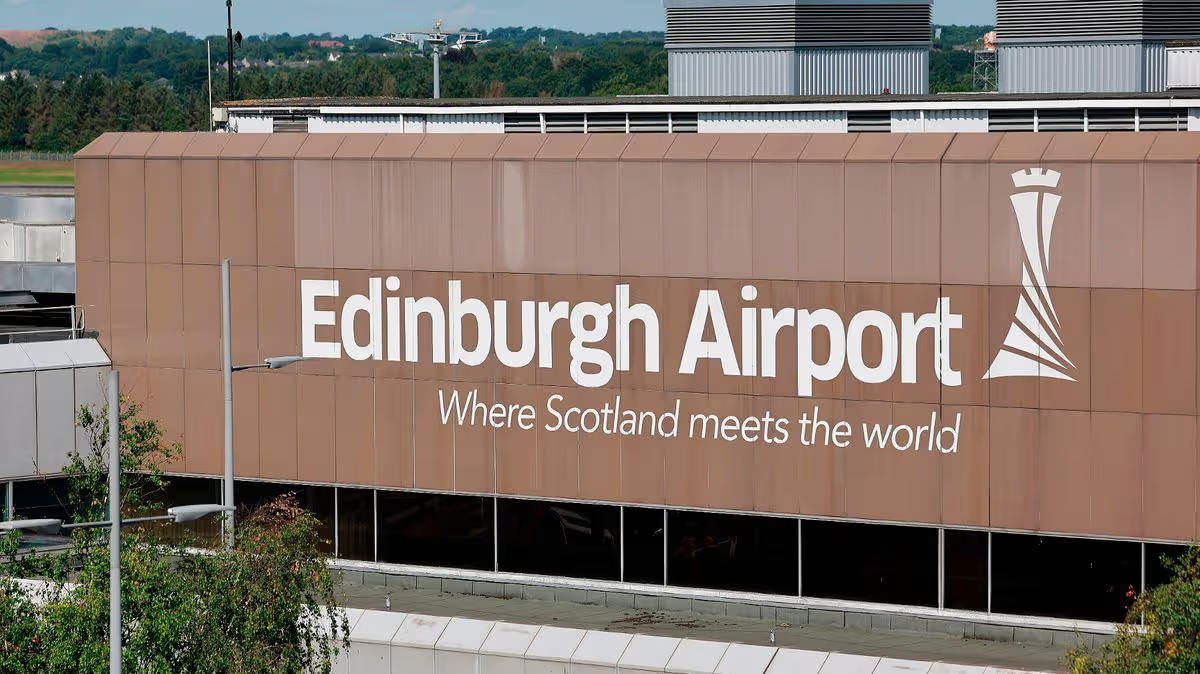
Passengers were forced to land at Edinburgh Airport on Saturday afternoon after the pilot made a swift decision. Malta Air flight FR1667 from Fuerteventura was set to land at Bristol around 3.25pm on June 6.
Advertisement
Instead, passengers were diverted to the Scottish capital and the aircraft landed around 3..50pm, according to Flight Radar. The reason for the diversion has not been confirmed.
The flight left Fuerteventura shortly before 11am. It’s understood the pilot did not declare an emergency onboard.
Malta Air is owned and operated by Ryanair. The airline have been approached for comment by our sister title Edinburgh Live.
This comes following a separate incident on May 28, where officers boarded a Ryanair flight after it touched down in Edinburgh.
Advertisement
An incident took place on the flight from Riga to Scotland’s capital with a passenger saying half a dozen officers boarded upon landing. After departing from Latvia at 10.45am local time, the plane touched down in Scotland at 11.35am.
Advertisement
A video from within the plane appears to show an officer walking down the aisle of the packed flight while passengers look on in shock. Other footage appears to depict authorities surrounding the plane on the tarmac.
A Police Scotland spokesperson said: “Around 11.40am on Thursday, 28 May, 2026, officers received a report of a disruptive passenger on a flight arriving at Edinburgh Airport. Officers attended and no criminality was established. Advice was provided.”
A spokesperson from Ryanair said: “Crew on this flight from Riga to Edinburgh (May 28) called ahead for police assistance after a passenger became disruptive onboard. The aircraft was met by police and the passenger was removed.
“Ryanair has a strict zero tolerance policy towards passenger misconduct and will continue to take decisive action to combat unruly passenger behaviour, ensuring that all passengers and crew travel in a respectful and stress-free environment, without unnecessary disruption.”
Advertisement
Get Daily Record Premium for just £1 per month in exclusive offer to celebrate the world cup. Click HERE.
PRAGUE (AP) — Keepers at Prague Zoo used tons of ice on Thursday to give its animals some much-needed relief as yet another heat wave hit Europe.
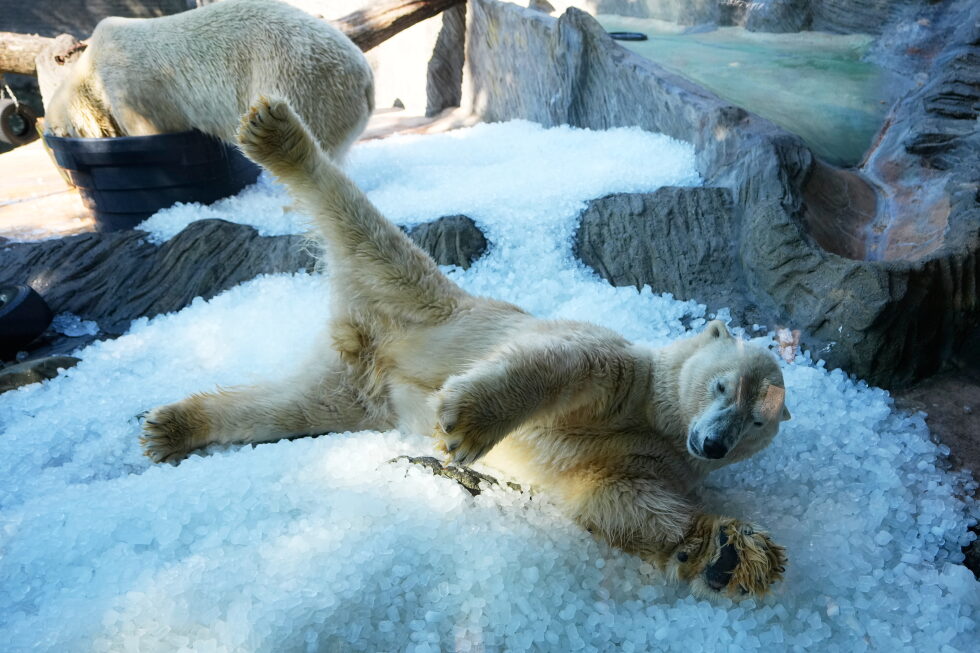
Polar bears Aleut and Gregor wasted no time and were rolling in the beds of ice cubes after entering their outside enclosure.
The twins looked to have fun with the ice treat that was meant to keep them cool amid the extreme temperatures forecast to soar to 38 degrees Celsius (100.4 degrees Fahrenheit) later in the day.
“The bears cool off with it and at the same time it’s an enrichment of their life in the zoo,” said zoo spokesperson Filip Mašek.
The polar bears, who were born in Nuremberg, Germany, 16 years ago and have adapted to the European climate, were the ones who enjoyed it the most.
This year, the plan was to order ice for the animals in July and August, which are traditionally the hottest months. But the first heat wave struck early and the Czech Republic experienced its hottest day ever with 41.9 C (107.4 F) on June 28.
“The weather keeps surprising us,” Mašek said. He said the ice will be ready sooner next year. “We’ve been taught a lesson.”
Advertisement
Other animals that have benefited from the provision of ice to keep cool in previous years include otters, elephants and parrots.
Some animals in the zoo are used to heat, others could stay in the shade or inner enclosures and use various pools to keep cool. Gorillas were given pieces of ice with frozen fruits in the previous years.
As Edinburgh introduces a visitor levy this week, we look at what a decade of tourist tax-funded investment has done for one of Europe’s most infamous resorts
It is a bright early summer evening in Mallorca and Jaime Mora Bosch is reclining in a waterfront restaurant in a cream suit. Behind him, Port Adriano is filled with multimillion-euro yachts as their passengers settle into restaurants overlooking the marina, where rosé and mineral water are being poured.
Mora Bosch is director of tourism for Calvià, a district of mountain trails, luxury resorts, exclusive harbours… and Magaluf, the resort with a reputation as the place where Britons go abroad to behave badly.
Advertisement
Cheap lager, sunburn, public nudity, stag dos and hen parties turned ‘Shagaluf’ into a tabloid genre of its own. Mora Bosch insists that picture is years out of date and argues that the tourist tax introduced a decade ago has helped drive that change.
Advertisement
“If you’re in Magaluf tonight, yes, you will find some people drunk, you will find some British people without a T-shirt, maybe swimming, maybe drinking in the streets,” he says. “But in general it has nothing to do with the past.”
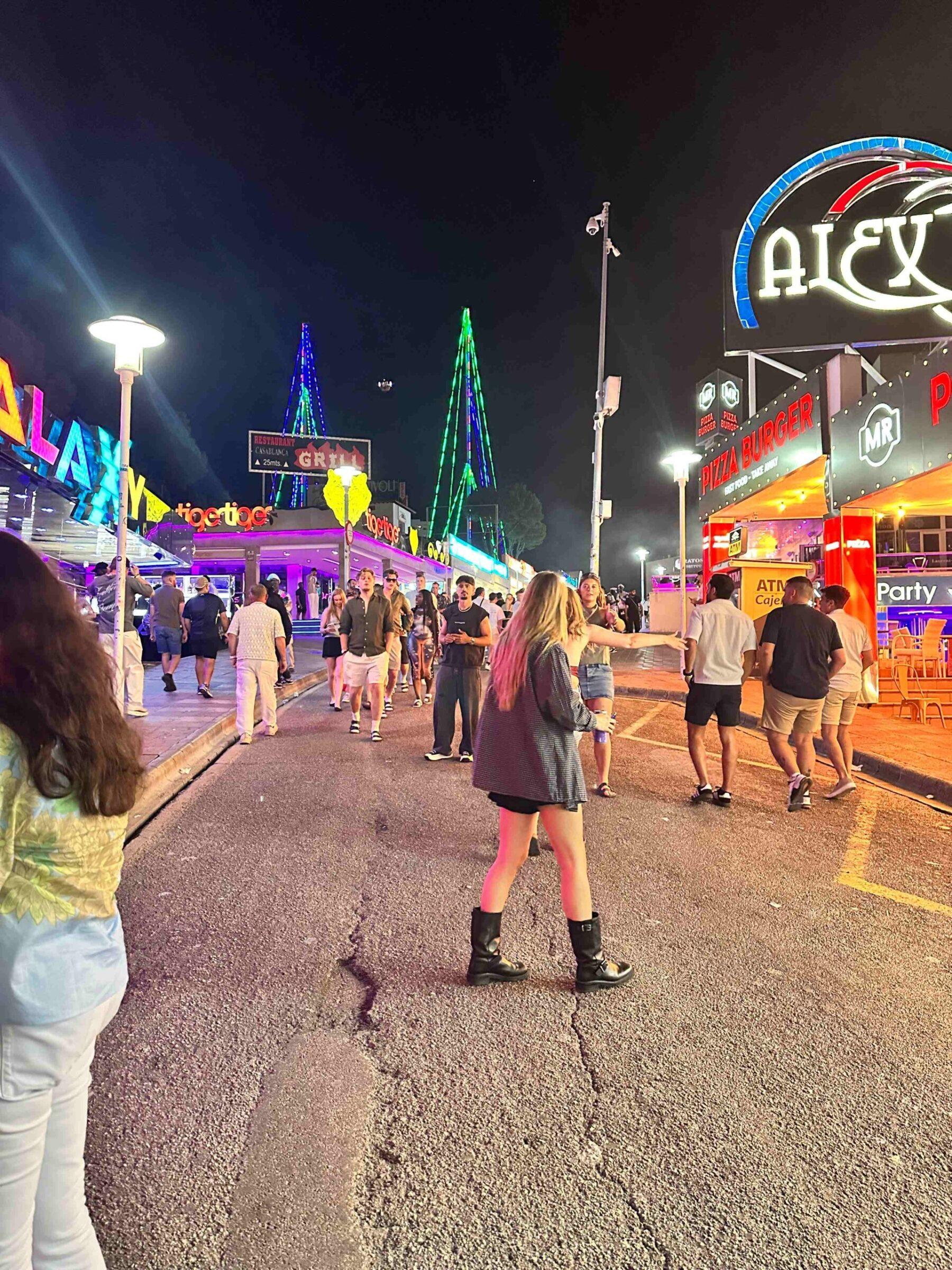
From Port Adriano, Magaluf is only a short drive away, but the contrast is immediate. On Punta Ballena, the street universally known as the strip, music pounds from open-fronted bars as scantily dressed women try to entice groups of men inside with promises of cheap booze.
A group of men in their early 20s, here for a stag weekend, offer grins and gestures when I ask why they chose Magaluf. A party of women from Sunderland celebrating a friend’s engagement give roughly the same answer. What is striking, though, is how dated the strip feels. There are plenty of groups of young adults, but also a surprising number of 40- and 50-somethings who seem to be trying to relive their youth, many of them accompanied by their bored-looking teenage children.
Advertisement
Several premises are boarded up, while others have the sticky, faded air of places waiting for one final summer. The soundtrack leans heavily towards ’90s dance anthems. At around midnight on Saturday, we walk into Joker’s, a karaoke bar just behind the main strip, and find ourselves its only customers. Sam, an English DJ in his 60s, is waiting beside a dancefloor on which nobody is dancing. “I came over in the 1980s and never left,” he says. “Why would I?”
A few families eventually arrive with children younger than you would expect to find in a bar at midnight, but the room remains fairly empty. The larger clubs still pull crowds and the strip is certainly bustling, but groups of revellers seem to be searching for ‘the place to be’ – a place that perhaps no longer exists.
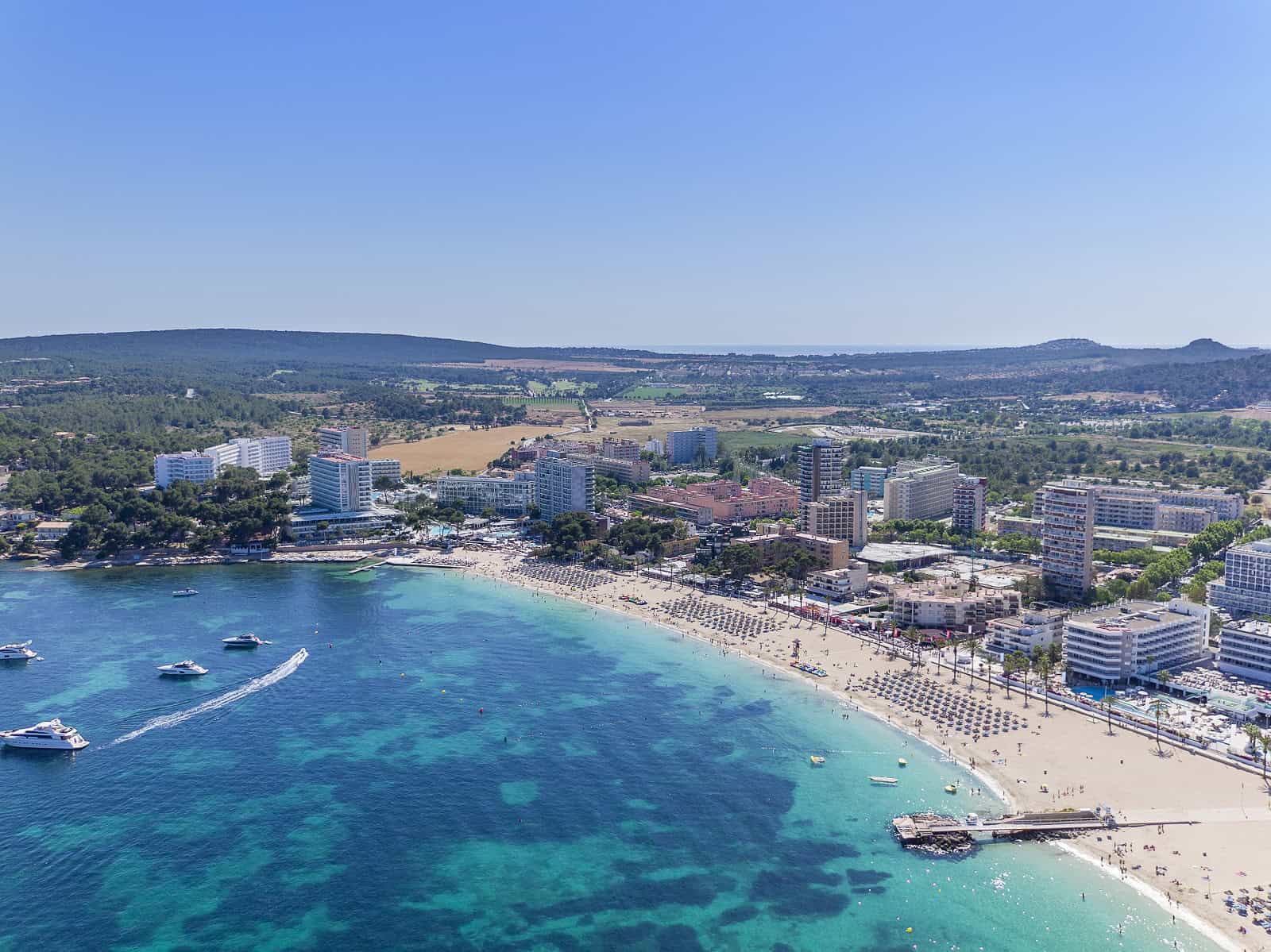
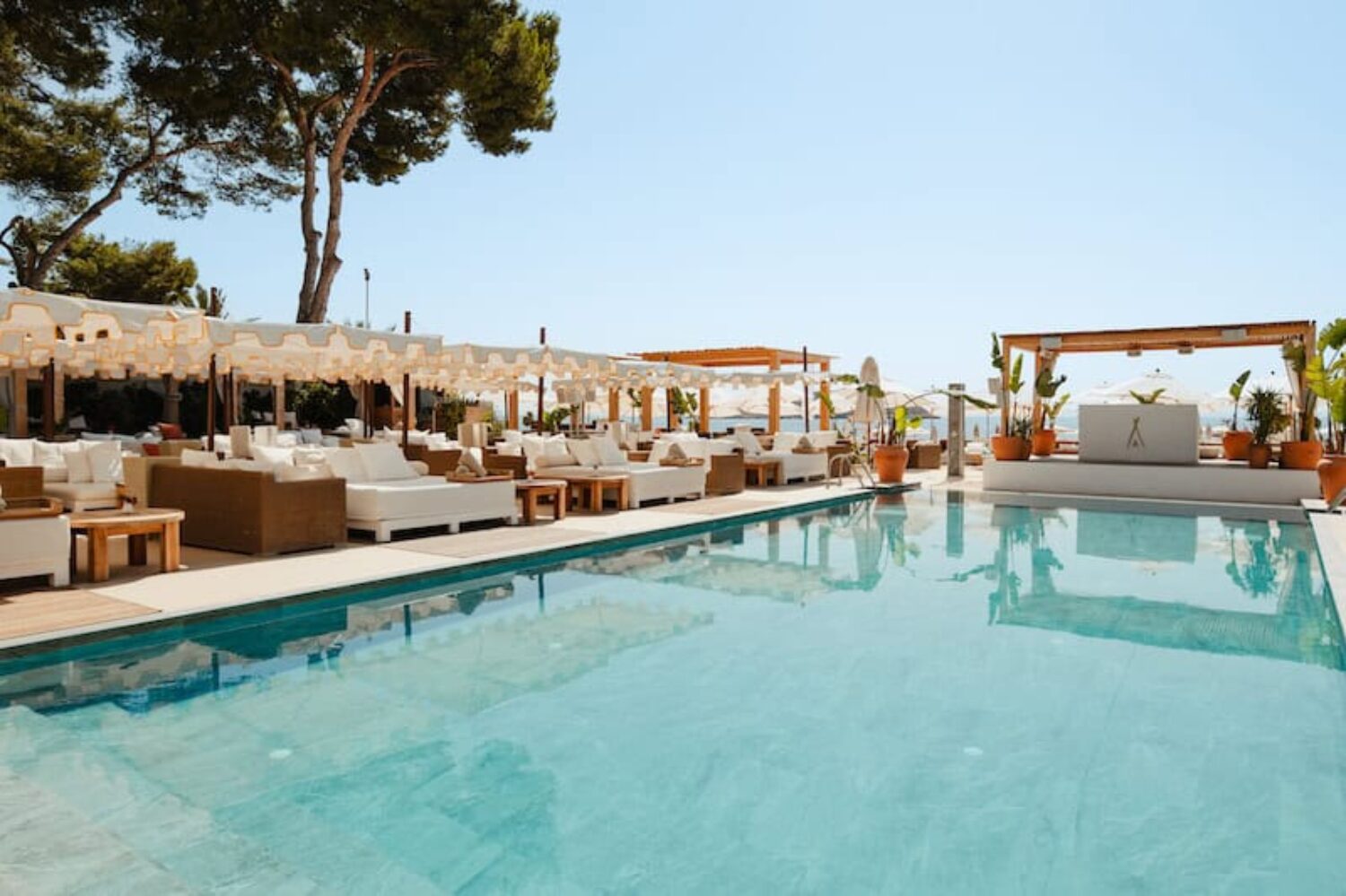
On the waterfront promenade, just a block away from the strip, are well-presented hotels, fashionable beach clubs and fine-dining restaurants serving families, couples and older visitors. The two versions of Magaluf remain close enough to hear each other, but they are growing increasingly distant.
Advertisement
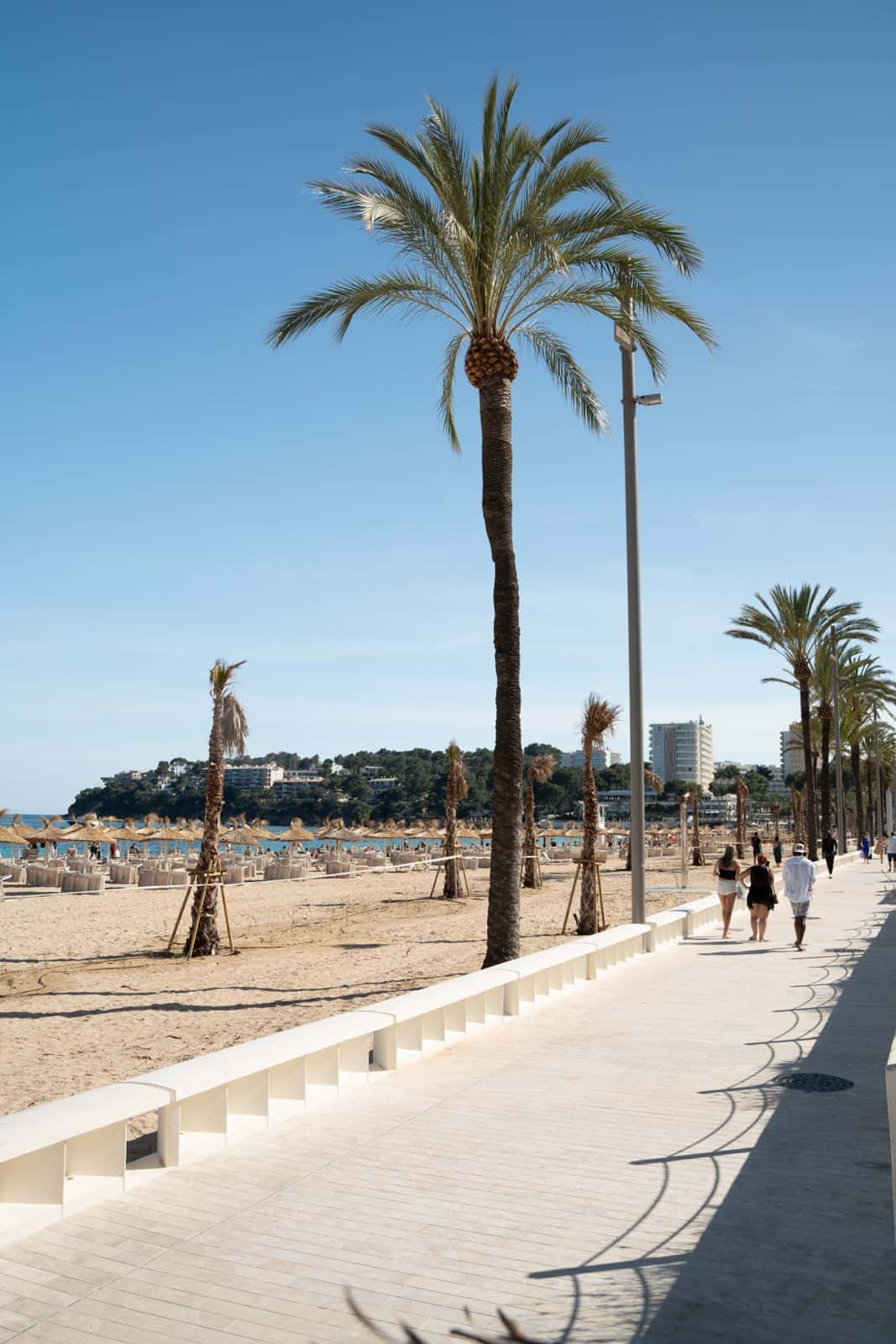
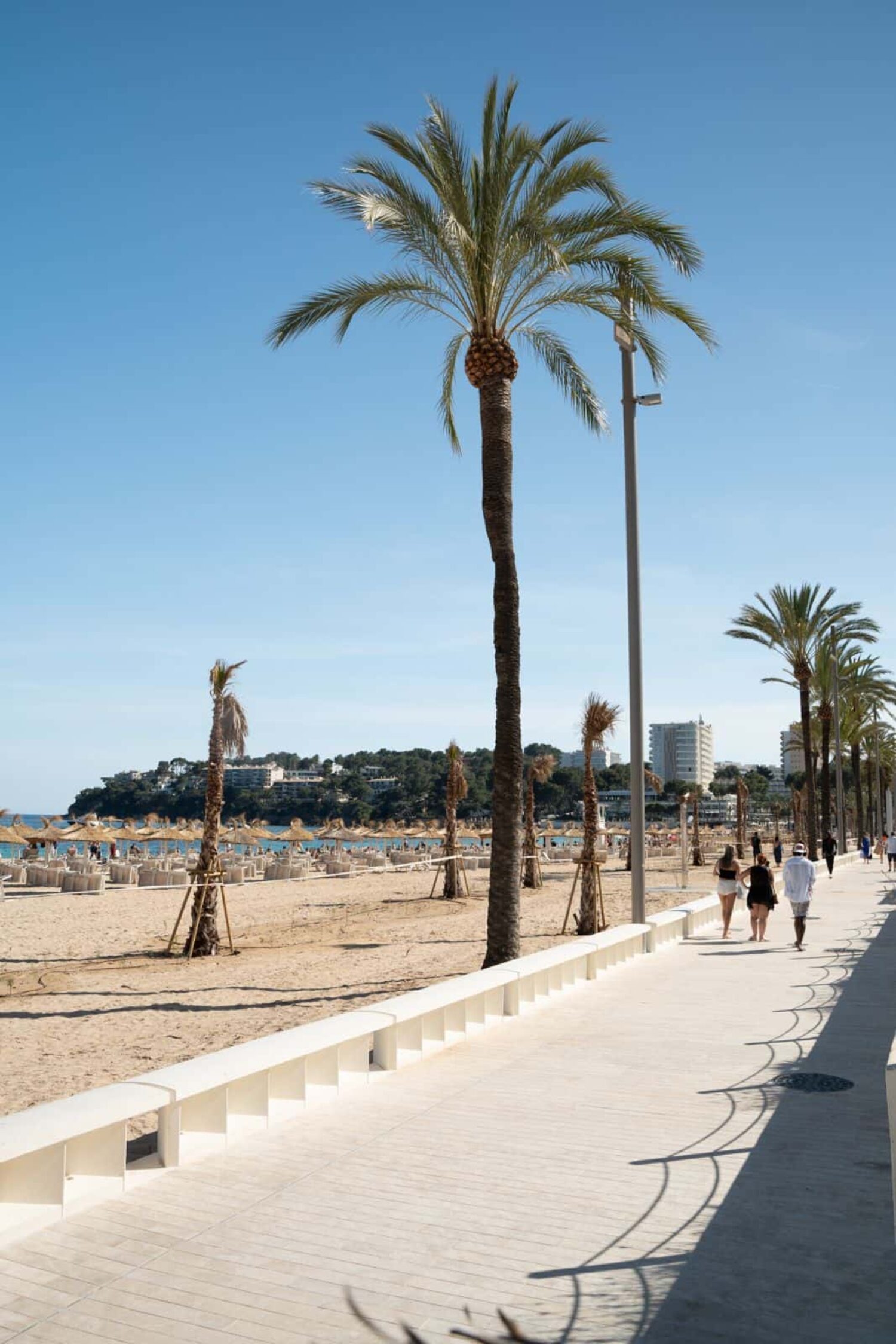
The promenade in Magaluf was built using tourist tax funding. Image: Calvia Tourism
Advertisement
The strip’s faded air reflects changing tastes, but its decline is also the result of a deliberate effort to diversify the tourism model that created it.
That model took shape in the 1960s, when Mallorca opened up to mass travel and hotels rose at extraordinary speed. Dennis Saro, a local guide, has watched Calvià wrestle with the consequences. “We made a lot of mistakes at this time in the 60s,” he says. “We started building, building, building… and we didn’t think about the future. This is what we are fixing now.”
By the 1990s, Magaluf had a reputation for cheap booze, cheap rooms and being a resort where rules did not apply, where almost anything went.
Advertisement
The moment that forced the authorities to confront its reputation arrived in 2014, when a video showed a young British woman performing sex acts on multiple men in a bar as part of a drinks promotion. It travelled around the world, becoming a brutal advertisement for Magaluf’s tourism economy. “It used to be a lawless city,” says Mora Bosch, who says it was at that point that the authorities knew something had to be done.
Calvià restricted pub crawls, street drinking and alcohol promotions. Shops in designated ‘excess tourism’ areas were banned from selling alcohol between 9.30pm and 8am. Noise rules were tightened and police inspections increased, while many venues began opening earlier as daytime clubs.
The Balearic Sustainable Tourism Taxfollowed in July 2016, charging visitors according to their accommodation and the time of year. By July 2025, close to 300 projects worth almost €850m (£730m) were being financed through the programme.
Advertisement
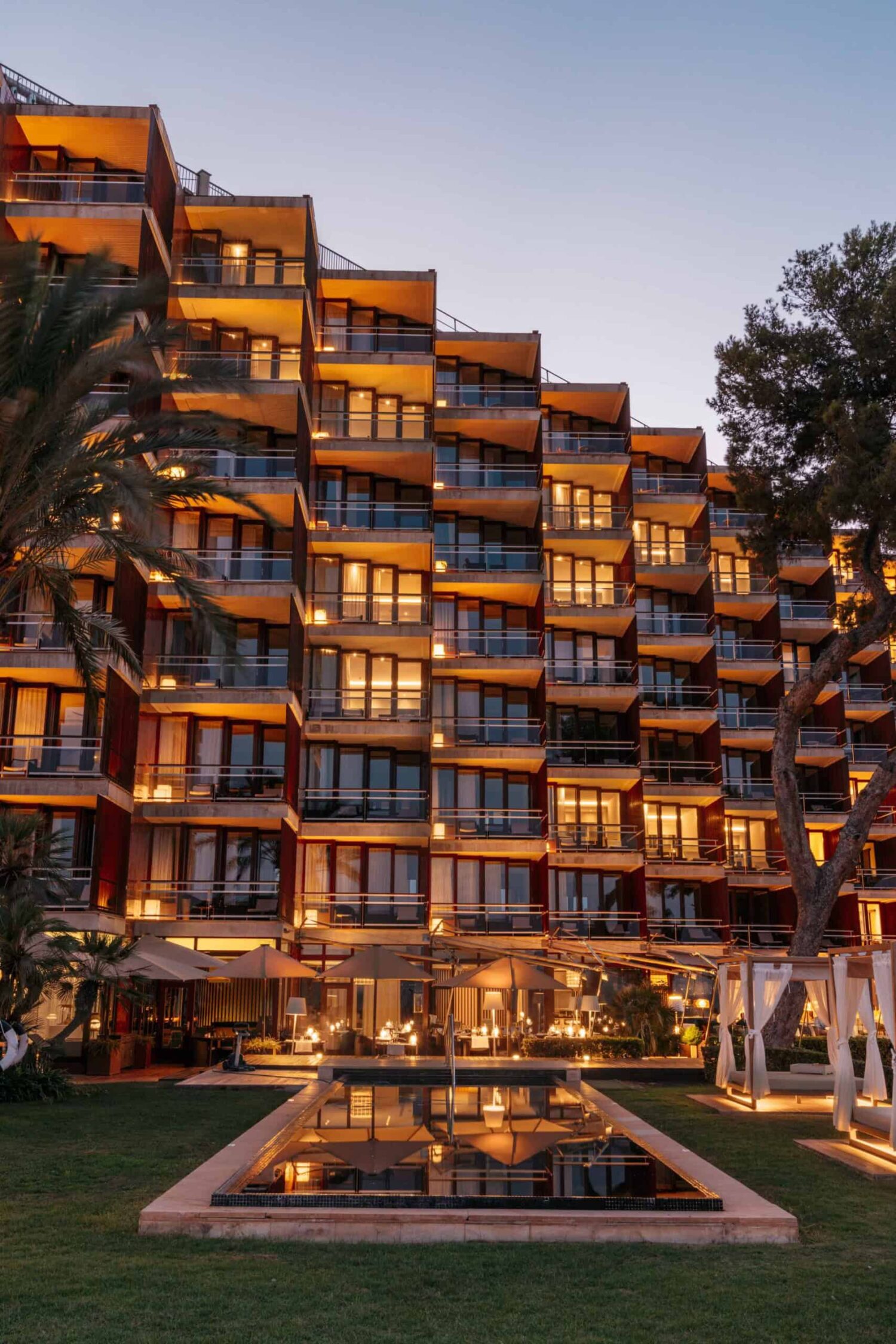
Newly developed hotels have sprung up across Magaluf. Image: Calvia Tourism
“The main aim of the tourism tax is to compensate for the impact generated by tourist activity,” says Miguel Rosselló Jiménez, tourism co-ordinator at the Balearic Islands’ ministry of tourism, culture and sport. “It helps fund projects to improve the destination, making it more sustainable in environmental, social and economic ways.”
The levy funded investment in public spaces, water infrastructure and cultural projects. Alongside private investment, EU funding and political support, it became part of a wider effort to rebuild and rebrand the region.
Advertisement
Magaluf’s beachfront now has a bright promenade linking the hotels, restaurants and waterfront. There is level paving, planting, seating and room for buggies and wheelchairs. Native plants and reclaimed water reduce pressure on local supplies, while beach showers use seawater. The €3m (£2.5m) second phase, completed in May 2026, was funded entirely through the tourism tax.
The space feels safe, open and easy to use, more in keeping with the waterfront at Port Adriano and other parts of the island. Nearly every venue I pass is serving couples and families. There are groups of men and women, but most are restrained rather than rowdy.
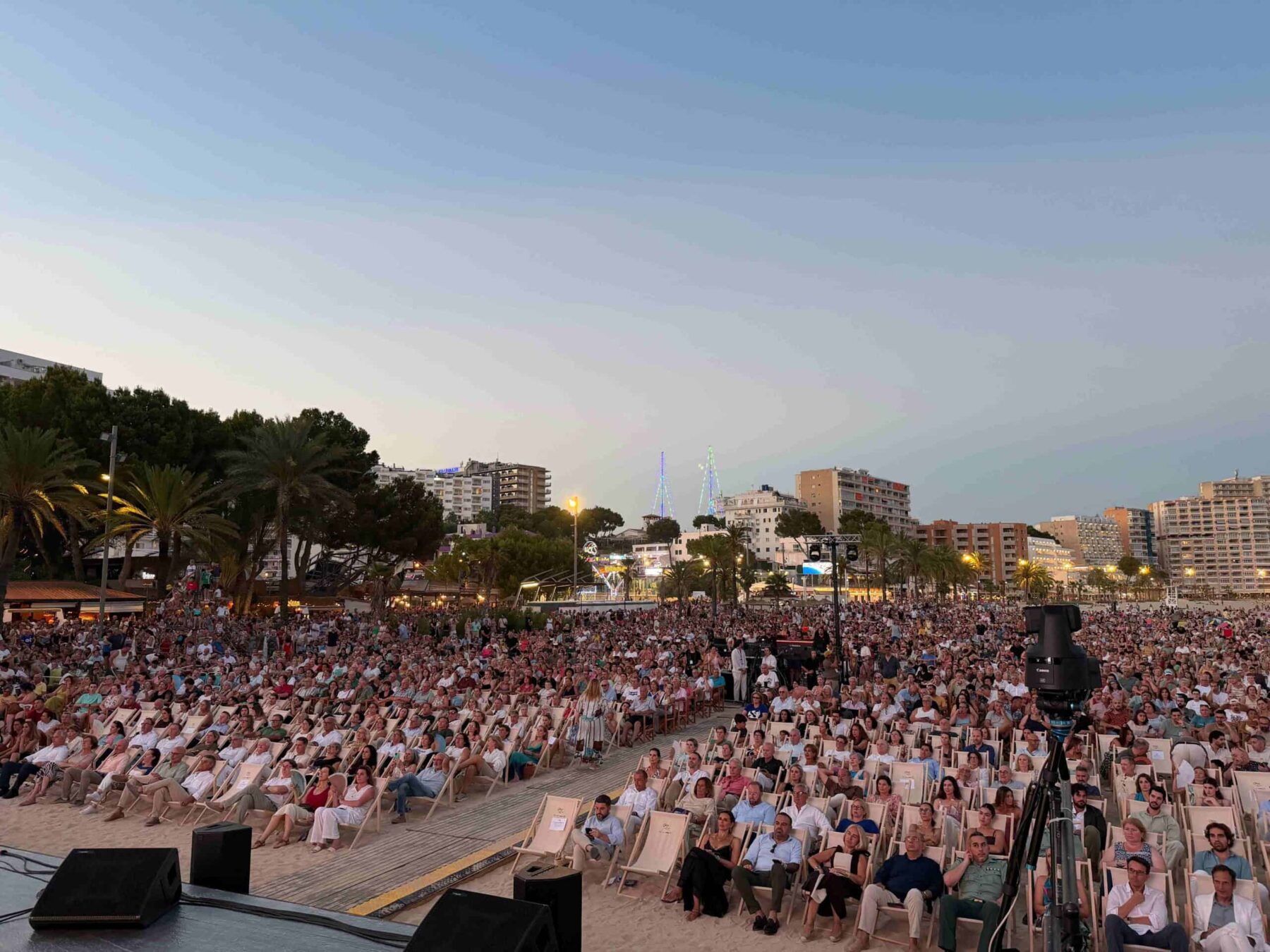
The official inauguration of Magaluf’s promenade in June 2026. Image: Calvia Tourism
Advertisement
By 11pm, most of the larger groups make their way towards the strip as almost all the venues on the waterfront close or prepare to shut. Staff know inspections will check whether alcohol service has stopped on time, whether music has crept above the permitted level and whether customers are smoking where they should not be.
For residents, better paving and calmer evenings only go so far if tourism still consumes the places where they live. Marta, a Calvià resident, supports the move away from sheer numbers, although she understands why some neighbours have lost patience altogether.
“We want more quality and less quantity,” she says, adding that many locals “just want to be able to go to a beach and find a spot”.
Advertisement
The campaign to diversify tourism has also involved broadening the range of hotels on offer. BH Mallorca, once one of the main engines of the resort’s 18-to-30 economy, was bought by the Mallorca-based Fergus group and its partners, with around €20m (£17m) committed to dividing the complex into three hotels aimed at families and higher-spending visitors.
Nicky Beach on Magaluf waterfront has replaced many older bars. Image: Calvia Tourism
Advertisement
“They used to specialise in drunk-tourism – the 18-to-30 market,” says Mora Bosch. “They’d have 1,200 people in this hotel, and you might find 3 or 4 people in a room … But two years ago Fergus bought it, a local brand who specialise in family activities, and we’ve seen a huge difference. The change is everything.”
Richie Prior arrived as a holiday rep in 1990 and is now managing director of Pirates Adventure, one of Magaluf’s longest-established attractions. Writing recently about the changes, he said Mallorca had “changed dramatically” and added: “Personally, I think it’s a positive move,” pointing to improved hotels, restaurants and a more international crowd.
The authorities argue that fewer visitors spending more can create greater economic value with less pressure on streets and emergency services. “Fewer people but their per head spend is a lot more,” says Mora Bosch.
That strategy has been helped by broader changes in habits. Younger adults drink less, the cost of living makes indiscriminate spending harder, and many visitors now want a better room, a decent meal and somewhere attractive to share on social media. As Mora Bosch puts it, people increasingly want to show off, a shift reflected in the designated ‘selfie route’ created along the promenade.
Advertisement
We just want to be able to go to a beach and find a spot
That does not mean Magaluf wants to stop young people from coming and letting off steam as this is still a major part of the local tourism economy. Stag and hen parties still arrive and the major clubs continue to buzz, but it feels as though Punta Ballena’s heyday is behind it. Calvià council has bought 11 obsolete commercial premises in the area, using a €6m tourism tax grant to acquire, demolish and redevelop them. The scheme will remove unsafe buildings and return the land to public use, while the fading bars suggest the market may be retreating.
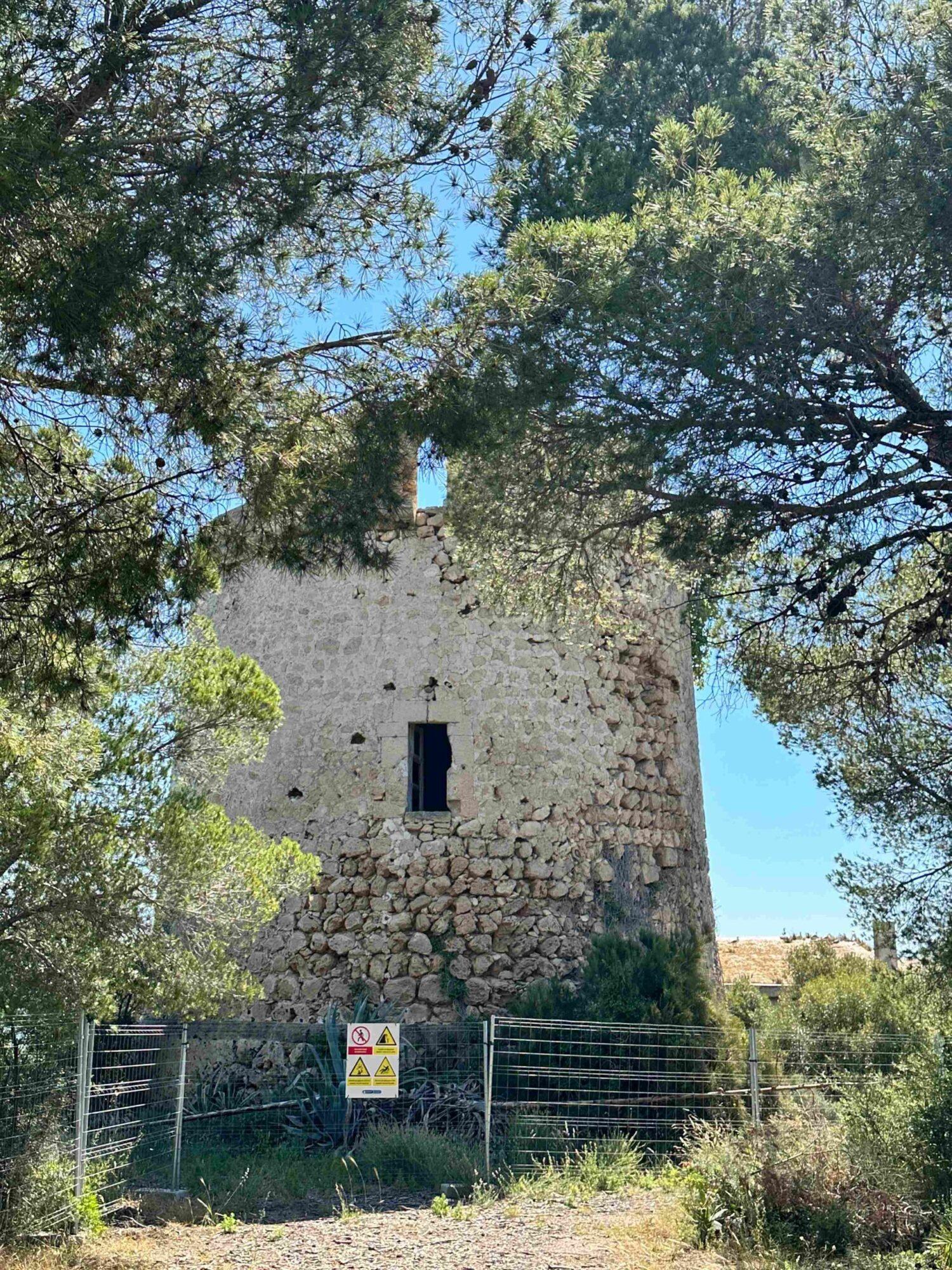
Calvià is also creating reasons to visit that do not depend on nightlife. The council plans to restore the 16th-century Torre de Torrenova and turn neighbouring buildings designed by local architect Josep Ferragut into an international artists’ residence. It is one of several physical and cultural projects under way, including the restoration of the Galatzó public estate, the development of Puig de sa Morisca archaeological park, a series of refuges for walkers, a film-location trail, a €10,000 literary prize and Conecta Magaluf, which recently brought together 400 film and television professionals from 29 countries.
Nearly 2,000 kilometres north, Edinburgh is beginning an experiment of its own. Since 24 July, the Scottish capital has charged visitors 5% of the pre-VAT accommodation cost for the first five nights, becoming the first UK city to introduce a mandatory city-wide visitor levy.
Advertisement
The 16th-century Torre de Torrenova will be turned into an international artists’ residence. Image: Tom Pattinson
The levy is expected to raise up to £50m a year by 2028-29. Of the available funds, 55% will go to city operations and infrastructure, 35% to culture, heritage and events, and 10% to destination management. The first three-year programme is worth more than £90m, including funding for Leith Theatre, public toilets, historic streets and an annual £5m housing and tourism mitigation fund.
An early consultation found that 85% of respondents strongly supported a levy, although the final 5% rate proved more divisive. Hospitality businesses argue that Edinburgh is already expensive and that visitors may spend less elsewhere.
Advertisement
Tony Lankester, chief executive of the Edinburgh Festival Fringe Society, supports the principle while warning that the festival needs to see a tangible return. “At its most basic level, I think the tourist tax is a good thing because for too long the impact of tourists… has been borne by the people who live here,” he told The Stage.
Magaluf’s challenges are very different from Edinburgh’s: visitors come to the Scottish capital for its heritage and world-famous literary and arts festivals, but in both places the costs of mass tourism are often left for residents to absorb. Calvià shows that a tourist tax, combined with private investment, regulation and political will, can help transform a destination. It did not save Magaluf by itself, but it has helped the resort build a future in which it may no longer need saving.
Main image: Calvià Tourism
Advertisement
Be part of the solution
At Positive News, we’re not chasing clicks or profits for media moguls – we’re here to serve you and have a positive social impact. We can’t do this unless enough people like you choose to support our journalism.
Give once from just £1, or join 1,800+ others who contribute an average of £3 or more per month. Together, we can build a healthier form of media – one that focuses on solutions, progress and possibilities, and empowers people to create positive change.
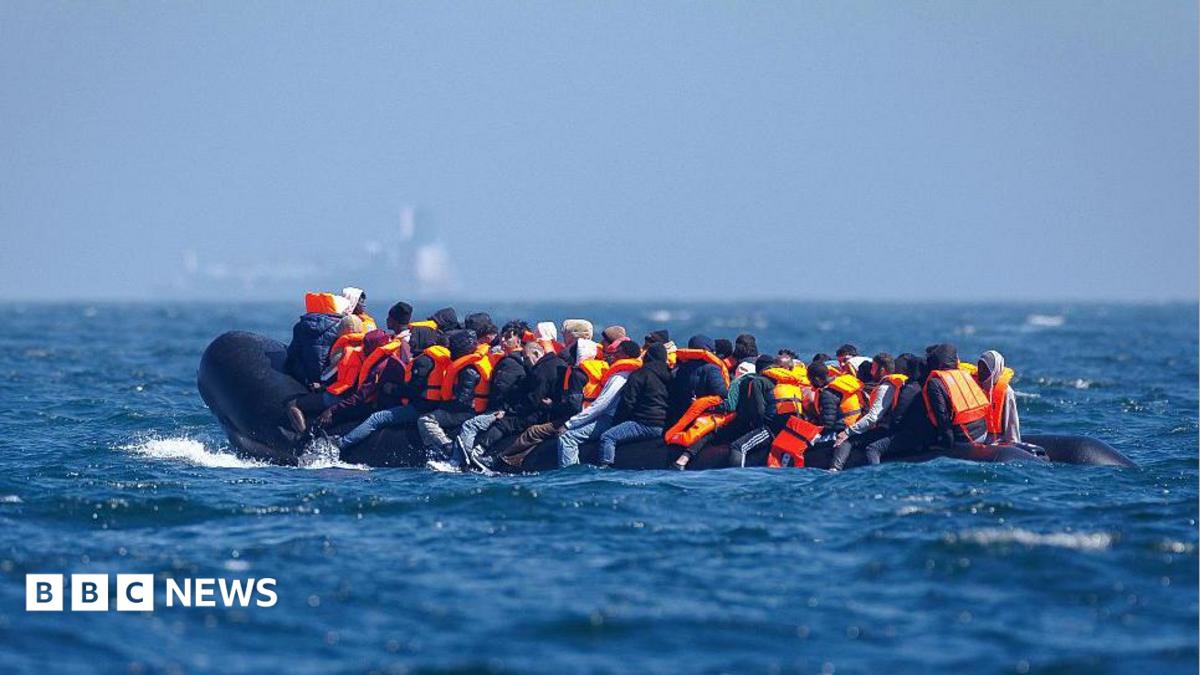
Four people died trying to cross the Channel in small boats overnight, French officials have said.
One man died after a vessel capsized off France’s northern coast late on Wednesday, with a one-year-old child among those injured.
Separately, three people were found dead aboard a small boat early on Thursday after launching from Dunkirk overnight, some 100km (62 miles) up the coast.
French officials confirmed their deaths after several hundred people crossed the Channel into the UK on Wednesday.
Advertisement
The first boat capsized off the coast at Hardelot around 23:30 local time (21:30 GMT) on Wednesday.
The man is thought to have been in his thirties or forties, officials added. Six other people including the child sustained minor injuries.
Security officials “neutralised” the boat and an investigation into the incident has been launched.
Advertisement
The second boat launched from the Dunkirk area overnight and was spotted near a breakwater off the coast at 06:00, the French coastguard said.
Search and rescue officials subsequently found three unconscious people on board. Their deaths were later confirmed by emergency medical personnel.
A UK government spokesperson said: “Every death in the Channel is a tragedy and a stark reminder of the dangers posed by criminal gangs exploiting vulnerable people for profit.”
What’s in my cabinet now? Prequel Gleanser (£20, Spacenk.com) my must-try, non-stripping, glycerin cleanser for the face and body; the Prequel Multi-Quench serum (£30, Spacenk.com), a multi-level, rehydrating formula with dual-weight polyglutamic acid, glycerin, osmolytes and ectoin, plus Prequel AM/PM moisturiser (£20, Spacenk.com).
There are plenty of places to grab a bite to eat across the week
The Fleadh Cheoil na hÉireann is right around the corner, and with so many events on across the week, you will build up a hunger.
Advertisement
There are so many fantastic food options across Belfast, and there are plans to open several pop-up food markets alongside the well-established markets throughout the city to meet the demand.
With so much happening, we have broken down all of the major food markets taking place across the city in one easy place for you.
Craic & Craft Food Market at ICC Belfast
Set just outside this busy competition and performance venue, the Craic and Craft Market offers a unique opportunity to experience Northern Ireland’s artisan food, drink, and craft producers alongside family-friendly entertainment.
Opening hours: Sunday, August 2, to Wednesday, August 5: 10am–5pm Thursday, August 6, to Sunday, August 9: 10am–10pm
Advertisement
Visitors can enjoy: Street food vendors, Artisan stalls, Family activities, Ferris wheel, Live music, Space to relax between competitions and sessions.
St George’s Market
Enjoy musical performances, dancing, artisan arts and crafts and street food at the market.
During the Fleadh, St George’s Market will be open: Sunday, August 2, from 10am to 3pm, and Monday, August 3, to Wednesday, August 5, from 10am to 5pm, and Thursday, August 6, to Sunday, August 9, from 10am to 10pm.
Fleadh food and drink village
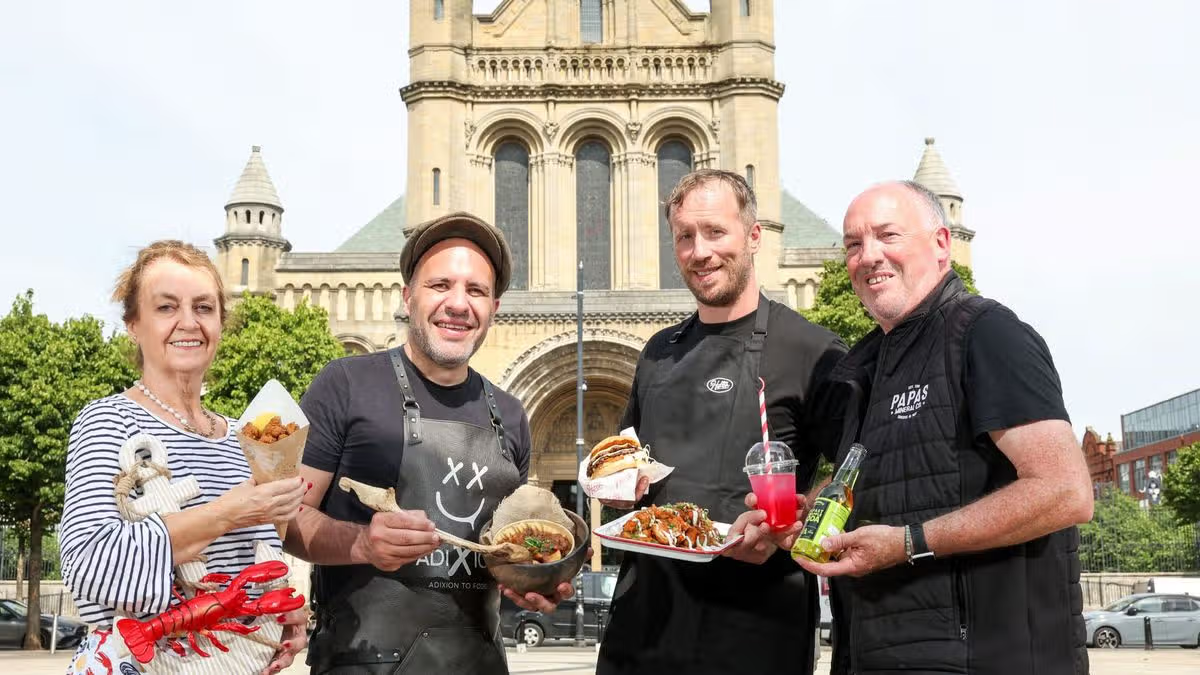
A food and drink village beside Belfast Cathedral, operated by Market Place Europe on behalf of Belfast City Council, will provide a dedicated destination for local traders, producers and growers to showcase their flavours to visitors.
Advertisement
The family-friendly space will be open from 11am to 6pm on Sunday, August 2, and Sunday, August 9, 10am to 8pm from Monday, August 3, to Wednesday, August 5, and 10am to 11pm from Thursday, August 6, to Saturday, August 8.
It will include a delicious, diverse menu celebrating the region’s unique flavours and the best local ingredients, alongside relaxed, communal seating, a covered dining area and a performance space for live music, providing the soundtrack to your snack.
Fleadh Cheoil is the world’s biggest celebration of Irish music and culture, hosted in Belfast for the very first time – competitors from all over the world will showcase the very best of traditional music, song, dance and language in All-Ireland competitions.
Advertisement
The Fleadh at North St. will host live traditional music every day, serve Heineken and Beamish at the bar, and offer local street food and artisan coffee during the eight-day celebrations.
According to the Fleadh guide, it will be open from 3pm until late.
Titanic Quarter Night Market and Titanic Food Festival
Further along the Maritime Mile, a packed programme of activities will also get tastebuds tingling, with the Titanic Quarter Night Market (4pm to 10pm, Thursday 6 and Friday 7 August) and the Titanic Food Festival (11am to 5pm, Saturday 8 and Sunday 9 August).
Common Market
Common Market has become a fan favourite for its raft of food stalls in the popular market and it gets even better for the week of the Fleadh.
Advertisement
With spots like Phat Dragon, Wing Society and Sal’s mixed with hours of live entertainment in collaboration with 39 Gordon Street, it’s going to become the spot to be.
They are set to have a week of unforgettable celebrations of Irish music, culture, food, and great craic! Join them for live traditional music, fantastic local vendors, delicious food, and a brilliant atmosphere for all ages.
HALT at Weaver’s Cross
From Sunday 2nd August to Sunday 9th August, HALT is the place to soak up the atmosphere with live music, incredible food and great company.
With 7 amazing food vendors, ice-cold drinks and one of Belfast’s best outdoor spaces, there’s no better place to enjoy the week.
Advertisement
Around 100 local businesses will also be selling their wares through successful applications for street trading – 60 inside the pedestrianised event zone, at High Street, Bridge Street and Royal Avenue, and a further 40 outside of this special scheme.
Many more will be extending their premises with additional outdoor space for food and drink, as well as longer opening hours to offer live music and other entertainment.
Keep an eye out for Fleadh-Friendly signs in windows across the city centre. Tons of local spots will be running their own exclusive taster menus, festival offers and pop-up acoustic sets.
The victim was punched in the head during an assault
A man suffered serious injuries after being punched in the head during an assault. Lincolnshire Police were called to a “large-scale disturbance” in the Sheep Market area of Stamford, near Peterborough, at around 9.50pm on Saturday, July 25.
Advertisement
Police are trying to piece together the events that led to the assault. A police spokesperson said: “We are now appealing for the public’s help to identify the two men, as we believe they may have vital information that could assist our investigation.
“The first man is described as being of stocky build, with dark hair and stubble. He was wearing grey knee-length shorts and a tight white t-shirt, with a grey man-bag with black strap. The lower halves of his left arm and left leg are heavily tattooed and he was wearing black trainers with a white marking on them.
“The second man is described as being of slim build, with ‘slicked back’ neck-length mid-brown hair. He had a moustache and goatee beard of a similar colour. He was wearing a white t-shirt and light beige cargo-type shorts.”
Anyone with information should contact Detective Sergeant Mike Hanson or call 101 and quote incident 559 of July 25.
Staying on top of the latest fashion trends can sometimes mean sacrificing your own health and comfort for style.
Modern fashion trends including suffocating shapewear, flimsy ballet flats and oversized tote bags have caused misery for many wearers. But these trends are tame in comparison to many of history’s fashion fads — some of which were even lethal.
Concerns were soon raised over the heels’ potential to cause harm. In 1953, British photojournalism magazine Picture Post ran a feature titled The Hazards of the Stiletto Heel, which cited concerns from doctors about the impending dangers that wearing these shoes could bring, from turned ankles to broken bones.
However, it’s not only the act of wearing stilettos that causes harm. In 2016, The Telegraph reported that stilettos had been used as weapons in hundred of assaults. In 2013, US citizen Ana Trujillo, nicknamed the “Stiletto Killer”, received a life sentence for stabbing her boyfriend 25 times with a blue suede stiletto heel.
2. The deadly corset
The corset has had a long and often controversial history, one which can be traced back centuries. From the 16th century, it was an undergarment made either from whalebone and sometimes steel that was used to shape the waist.
But over the years, concerns were increasingly raised about the potential harms of wearing corsets – particularly from the practice of “tight lacing.”
Advertisement
For instance, in 1793 the German medical doctor and anatomist Samuel Thomas von Sömmerring published a book discussing his concerns over prolonged tight lacing. In it, he writes that the practice could compress the ribs and other internal organs and inflict deformities on the rib cage.
In June 1890, The Lancet also published an article illuminating the devastating effects of tight lacing – including causing broken ribs, damaged organs, breathing difficulties, deformities and even death.
While the trend for tight corset wearing may have subsided, there are still concerns over the impacts that more modern versions in the form of shapewear can have on the body. Research has shown that wearing tight clothing, such as shapewear, can have detrimental effects on breathing.
3. Poison gowns
During the Victorian era, a deadly trend emerged for a particular shade of emerald green which became popular for fabrics, furnishings and fashion. But green was a challenging colour to produce. So to achieve this vibrant and fashionable hue, Victorian dressmakers would use a particular dye called Scheele’s green which was laden with arsenic.
Advertisement
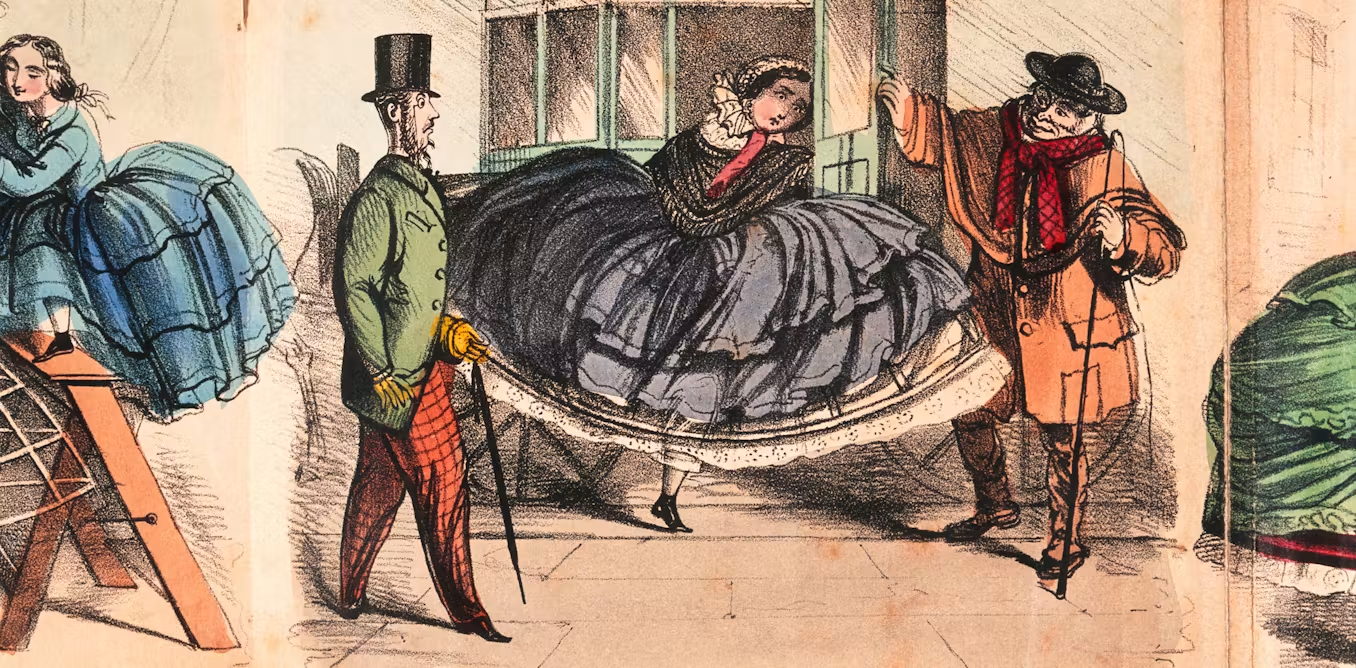
The public wasn’t aware of how harmful these arsenic-laden dresses were until renowned chemist AW Hoffman published an article in 1862 called The Dance of Death which exposed the dangerous toxicity of the green dye. The following week, the popular satire publication Punch Magazine featured a cartoon titled The Arsenic Waltz which featured a skeleton in a ballgown.
To achieve the emerald hue, dresses were coloured with arsenic-laden dye. Wellcome Collection
The Queen achieved her pale complexion through the use of Venetian Ceruse, a lead-based makeup which is believed to have caused her eventual death. Recent research has found that Queen Elizabeth I’s white makeup was actually a combination of lead and white vinegar, which would allow lead to pass through the body in higher quantities than other recipes of Venetian Ceruse.
The early 20th century also witnessed an unusual and hazardous trend for radium-infused products – including radium hair tonics and oils. Some products claimed that radioactivity would help with hair growth and cure dandruff. In some instances, radium was also brushed into the hair so it would glow in the dark. Yet long-term exposure to radium had many detrimental effects, including on the bones and blood – even years after use.
6. Flammable fibres
In 1871, Oscar Wilde’s young half sisters attended a Halloween party in Ireland. As society figures, they were both dressed in the height of fashion, wearing voluminous hooped crinoline skirts. But as they danced, their huge skirts caught light from a candle and both sadly perished.
Just as fashion trends change, so too do the hazards that can come from wearing them. But we might consider ourselves much more fortunate than our predecessors that today’s fashion trends are largely less lethal than many used to be.
This article features references to books that have been included for editorial reasons, and may contain links to bookshop.org; if you click on one of the links and go on to buy something, The Conversation UK may earn a commission.
A Peabody spokesperson said: “We’re investing in communities in and around South Thamesmead, supporting people, improving public areas and providing much-needed new homes. The majority of local residents backed our proposal to redevelop the Lesnes Estate, which will help us expand our work and create an even better place for local people to live.
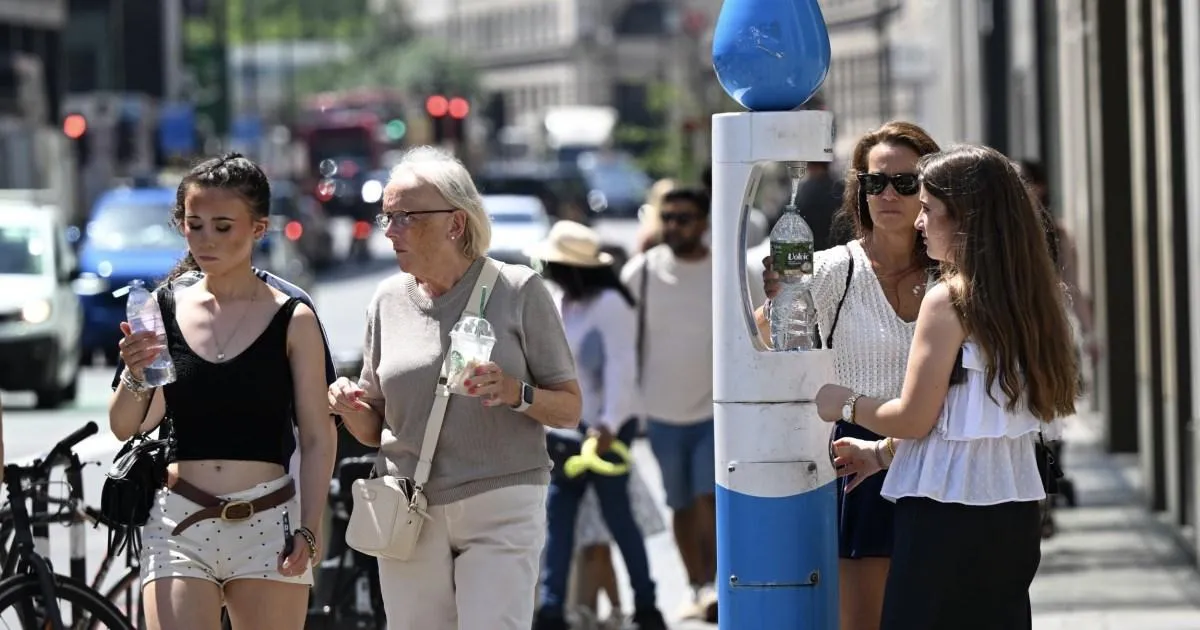
Women fill up water bottles in London in the heat (Photo by Rasid Necati Aslim/Anadolu via Getty Images)
An estimated 2,877 deaths were associated with excessive heat in May and June this year – almost double the number of casualties compared to last summer.
The UK Health Security Agency (UKHSA) said the figure represented a significant increase on 2025’s heat-related death toll, which was 1,504.
Approximately 753 deaths were linked to the heatwave from 24 to 27 May, while 2,124 were associated with a second period of unusually hot weather between 21 and 28 June.
The health body stressed that these figures are interim and an official number has yet to be determined.
Advertisement
But they are already approaching the annual record for heat-related deaths set in 2022.
Sign up for all of the latest stories
Start your day informed with Metro’s News Updates newsletter or get Breaking Newsalerts the moment it happens.
Advertisement
There have been four distinct heatwaves in the UK this summer (Picture Leon Neal/Getty Images)
UKHSA’s principal environmental public health scientist and author of the report, Dr Ross Thompson, said: ‘These figures highlight the significant danger that very hot weather can pose to people’s health.
‘This is particularly true for those who are more vulnerable including older adults and people with underlying medical conditions.
‘While the figures are interim, they suggest that, if we experience more periods of hot weather this summer, we could see the highest number of heat-associated deaths on record.’
The figure only accounts for deaths in May and June, covering just two of the four heatwaves the UK has experienced this summer.
A third heatwave in early July saw multiple yellow and amber health warnings issued by the UKHSA.
Advertisement
This year’s heat-related deaths could be record-breaking (Picture: Jordan Pettitt/PA Wire)
A major incident was declared after the wildfire broke out(Picture: Joe Giddens/PA Wire)
Farmers have also warned the sweltering conditions mean they face depleted crop levels.
A wildfire at Cairngorms National Park in Scotland earlier this year (Picture RSPB Scotland / AFP via Getty Images)
Gavin Lane, president of the CLA (Country Land and Business Association) – which represents 28,000 farmers – said: ‘Farmers are telling us this is the worst harvest in years.
‘A sodden winter followed by drought has left wheat at half its usual height and some crops not worth harvesting.’
Advertisement
Health and Social Care Secretary, Yvette Cooper, said of the report: ‘The sweltering heat has had a serious impact this summer on people’s health and on our NHS.
‘For many years, we have been used to winter pressures in our NHS and the need to support those who are vulnerable in the coldest weather.
‘But now we are seeing the summer heat have an increasingly serious impact on the health of thousands of people, and on the pressures facing our NHS too.
‘As we move through the summer, it is so important for people to be able to look out for their health and help those who are more vulnerable to the hot conditions.
Advertisement
‘Please don’t hesitate to seek help if you’re worried about your own wellbeing, or anyone else’s. A little care could make a lifesaving difference.’
Shaun Wright-Phillips is the tenth celebrity announced for Strictly Come Dancing as ex England football star says show is ‘completely out of his comfort zone’
Former England football star Shaun Wright-Phillips was the tenth celebrity announced for Strictly Come Dancing on Thursday.
The sportsman, 44, whose father is retired footballer Ian Wright, said the show is ‘completely out of his comfort zone’, but that he was ‘looking forward to the challenge.
The news was announced on Thursday 30th July via @bbcstrictly’s official social channels on Instagram, TikTok, Facebook and YouTube.
Shaun is a former footballer with 36 caps for England, across a professional career that also saw him play for Manchester City, Chelsea, Queens Park Rangers, and the USA’s New York Red Bulls and Phoenix Rising FC.
Advertisement
Now a football pundit and broadcaster, Shaun has worked with the likes of the BBC, Sky Sports, ITV, and the Premier League and he has been a Manchester City club Ambassador since 2020.
Shaun Wright-Phillips was the tenth celebrity to be announced for Strictly Come Dancing on Thursday as the ex England football star said the show is ‘completely out of his comfort zone’
Shaun said: ‘Dancing is in my blood—but mainly at family events! Strictly is definitely outside my comfort zone, but I’m super excited to get started and really looking forward to the challenge!’
Advertisement
He will be joining Lacey Turner, Dani Dyer, Delta Goodrem, Chris Appleton, Cach Mercer, Will Best, Dame Sarah Storey, Jaime Winstone and Bethany Antonia in the Strictly line-up.
Further news will be revealed throughout the summer ahead of the brand-new series getting underway on BBC One and BBC iPlayer this September.
EastEnders star Lacey was the first contestant announced as she is currently on an extended break from playing her iconic character Stacey Slater in the soap and is keen to use her time to train for the BBC competition, which will start in September.
In a video shared to Instagram, Lacey admitted she is ‘terrified’ to be taking part in the BBC show, which will return to screens in September, and can’t wait to ‘learn a new skill’.
Advertisement
She said: ‘Hello it’s Lacey Turner I can’t quite believe that I’m actually saying this but I want to let you in on a little secret.
‘This September I will be taking my little toes onto the dancefloor to do Strictly Come Dancing.
Shaun said: ‘Dancing is in my blood—but mainly at family events! Strictly is definitely outside my comfort zone, but I’m super excited to get started and really looking forward to the challenge!’
‘I can’t believe it. I’m so excited and terrified at the same time but I’ve had so many friends do Strictly and I thought it was about time that I plucked up the courage and made my way onto that dance floor. So, there you go the secret is out, see you there in September.’
Advertisement
It comes after it was revealed Dani is also making her Strictly comeback.
The TV star has been confirmed as the second celeb to take part in the 2026 series of Strictly Come Dancing one year after she was forced to quit the 2025 run after fracturing her ankle during rehearsals.
Dani said: ‘I am so excited to be back in the ballroom this September!’
‘I just cannot wait to get my dancing shoes back on and hopefully this time around I can actually make it to week one! I’m just over the moon and cannot wait to find out who else is doing it!’
Advertisement
Upon her exit last year, BBC bosses confirmed the door would be left open for ‘heartbroken’ Dani to return for the 2026 series as they said they ‘hope to welcome her back to the ballroom in the future’.
Elsewhere, on Monday the returning Strictly professional dancers shared a glimpse inside day one of rehearsals for the 2026 series on Instagram.
The stars were also joined by returning pro Carlos Gu, 33, who scooped the coveted Glitterball Trophy with footballer Karen Carney.
Advertisement
As well as Katya Jones, Kai Widdrington, Aljaž Škorjanec, Lauren Oakley, Nancy Xu, Neil Jones, Nikita Kuzmin, Alexis Warr, Julian Caillon and Vito Coppola.
Five new faces were recently announced to the pro line-up, months after the Strictly axe ‘bloodbath’ saw bosses ditch stars Michelle Tsiakkas, Karen Hauer, Nadiya Bychkova, Luba Mushtuk and Gorka Marquez.
Making their Strictly dancer debut this Autumn will be Ukrainian Aleksandra Isaeva, Italian hunk Cristian Priori, South African latin champion Lethabo Monametsi as well as Canadian dancer Mark Karmalita and UK National Ballroom Champion Maddie Ingoldsby.















































You must be logged in to post a comment Login