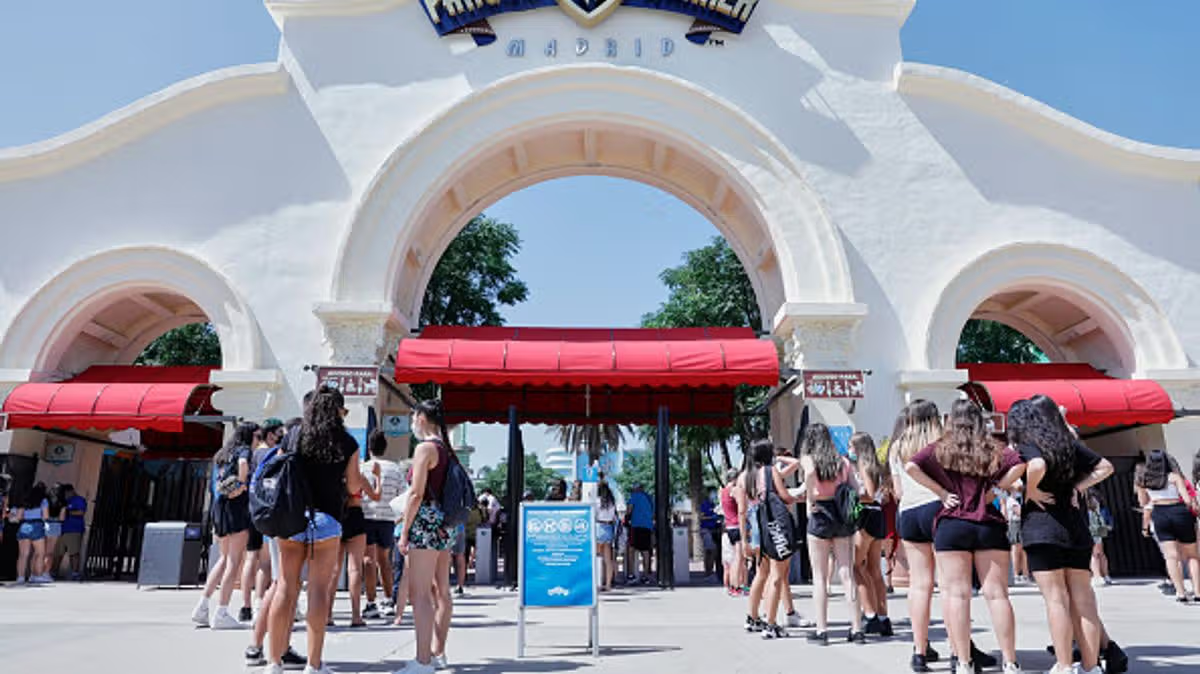
A man was flown to hospital by air ambulance after an incident on the Batman Gotham City Escape roller coaster at the Warner Park in Madrid.
08:50, 30 Aug 2026Updated 08:52, 30 Aug 2026
A man has been left with potentially serious injuries after an incident on a rollercoaster at a popular amusement park in Spain.
The 49-year-old was airlifted to hospital after suffering injuries on the Batman Gotham City Escape ride at Warner Park in Madrid on Saturday.
The man reportedly broke both his legs on the coaster, which features a 98-degree drop from a height of 45 metres (147ft) and multiple complete turns and reaches speeds of up to 100 kilometres per hour.
Advertisement
Emergency workers said the man had suffered an open fracture in his left leg as well as a closed fracture in his right leg, EuropaPress reports.
Park management said the ride had been stopped immediately and emergency procedures had been activated, with the injured man treated by emergency teams at the scene.
After initial treatment at the scene, he was taken by air ambulance to the 12 de Octubre Hospital where he was reportedly admitted in a potentially serious condition for further evaluation.
The roller coaster remains closed while the incident is investigated in coordination with the authorities after Spanish Civil Guard and local police officers also arrived at the scene following the incident.
Advertisement
Juan José Molina, who was in the park at the time, around 2:30 p.m., told Europa Press that after the incident “there were people crying and having anxiety attacks.” He added that the rest of the park was operating normally after the incident.
In a statement on social media the park’s owners, Parque Warner Madrid, said: “There was an incident today at the Batman Gotham City Escape, Warner Park attraction.
“The attraction stopped immediately and our emergency procedures were activated. The victim was treated immediately by the emergency services.
“Currently the roller coaster remains closed while the incident is being reviewed in coordination with the authorities.”
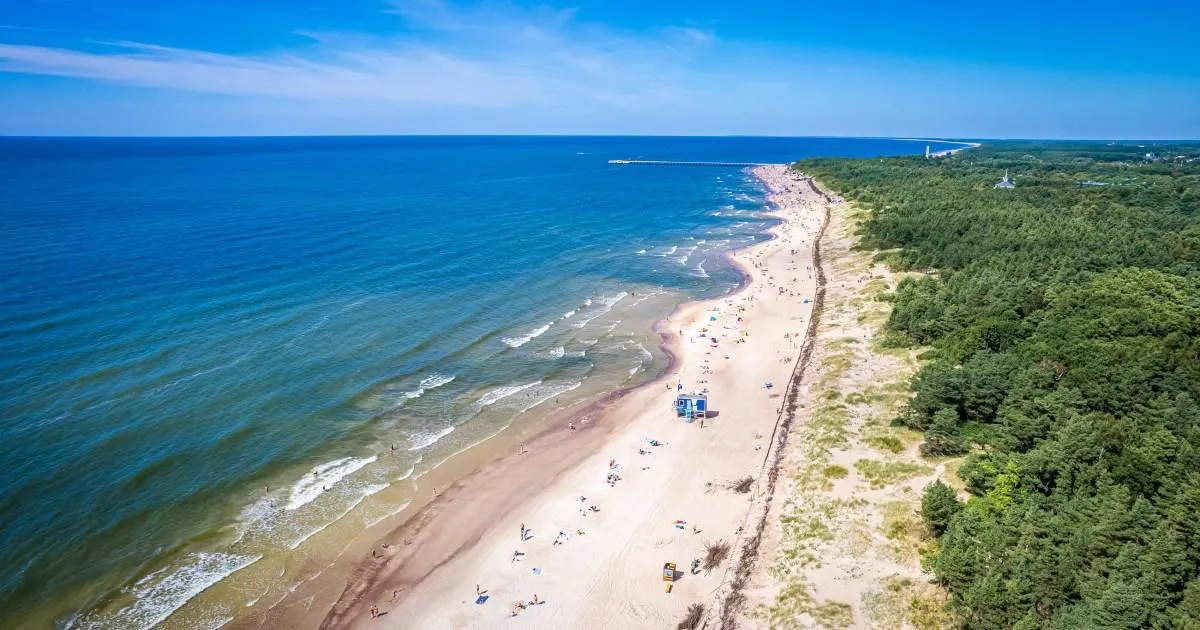
Many travellers don’t even realise that Lithuania has a coastline (Picture: Visit Neringa)
I have travelled to 28 European countries, and I’m not sure I have been rewarded with such inviting beaches, beautiful nature and consistently good food as on my recent visit to the Baltic coast of Lithuania.
A most wonderfully underrated place.
This discovery started in the UK, where I found regular flights to Palanga, from £88 return. Yet many don’t even realise that Lithuania has a coastline.
Granted, it’s small (just over 90km in total). But once there, I could see that the town’s sweeping stretch of immaculate white sand just sells itself.
Advertisement
There are several charming sea view bars, a public toilet and access is via paths with wooden planks, so shoes do not get full of sand.
But summer temperatures of a pleasant 23°C attracts local crowds, though even at the height of the season I am told it is easy to find quiet spots on the sand.
Lucy Daltroff found breathtaking beauty and some of the best-value in Europe on the shores of Palanga (Picture: Andrius Pelakauskas)
The main pedestrian drag, Jonas Basanavičius Street, is alive with cafes and bars, especially in the summer from late May to September.
Palanga itself has the feel of a classic seaside resort with a distinctly Baltic twist.
Advertisement
Ask Metro
Use AI to go deeper into the stories you care about – powered by Metro and trusted publications.
Elegant wooden villas are ensconced among trees, flower-filled streets lead towards the sea and a long pier draws revellers at sunset.
Advertisement
Understandably, Palanga was a favourite holiday destination for 19th century aristocrats, whose legacy is still found in some of the architectural highlights.
One of these, Tiškevičiai Palace, a grand Neo-Renaissance style building, is now an Amber Museum and is surrounded by Birute Park’s botanical gardens which is free to visit.
Inside, the magnificent displays include pieces that are over 50 million years old, some with insects trapped inside.
Huge prehistoric forests, ancient river systems and a unique geological quirk, means that even today in the colder months, pieces of amber can float right into the hands of beachcombers.
Locals tell me that after storms, amber hunters head to the beaches at first light hoping to find newly deposited treasures among the seaweed and driftwood.
Advertisement
Still, what really caught my attention about this stretch of the Baltic coast was the cost.
The Nagliai Nature Reserve is home tospectacular dunes that offer commanding views of the wild landscape (Picture: Andrius Kundrotas)
At a time when many European destinations seem determined to empty your wallet before you’ve even unpacked, Lithuania feels wonderfully affordable.
A cup of coffee: £3.50, and it is quite possible to get a hearty restaurant meal under £10.
The speciality here is a cold pink soup known as Šaltibarščiai made with kefir, shredded beetroot, cucumbers, fresh dill, and hard-boiled eggs, usually served with a side of warm, buttered boiled potatoes, all for about £5.
Unsurprisingly, fresh fish is eaten everywhere.
Advertisement
I tasted a delicious fillet of sturgeon for the first time in restaurant Melynasis Karpis, surrounded by its own fishponds.
Šaltibarščiai, Lithuania’s famous pink soup (Picture: Leva Jūraitė)
Lithuania declared independence from the Soviet Union on March 11, 1990, becoming the first Soviet republic to break away.
Today, it seems to be flourishing as a spirited country.
It has a lot of pride in itself for many things, including fast internet connections which can be a real boon for tourists.
The largest city in this area, Klaipėda has one of the few ice-free ports in northern Europe.
Advertisement
Because of this, it has been fought over many times and has a complicated history, becoming first part of Prussia, but more recently forging its Lithuanian identity.
Known for its German-influenced architecture, its ancient castle and tower built as early as 1252 had been totally destroyed, but it’s just been restored.
I was lucky enough to visit before it officially opened.
Klaipėda Castle, built by Teutonic Knights in the 13th Century (Picture: Klaipėda Tourism Information Centre)
It is beautifully constructed with modern materials but maintaining the dimensions of the original. The plan is for it to be used for cultural events.
Next door and an excellent museum explain the city’s dramatic and fascinating past.
Advertisement
My favourite part of our whirlwind tour was the Curonian Spit, a 60-mile finger of land separating the Baltic Sea from the Curonian Lagoon.
This UNESCO-protected strip forms a narrow ribbon of dunes, forests and traditional fishing villages.
It’s just a 10-minute car ferry ride from Klaipeda but seems like another world.
It is mostly a National Park and the whole district goes by the name ‘Neringa’.
Advertisement
The writer Thomas Mann, author of ‘Death in Venice’ was so captivated by its beauty that he and his wife built a house overlooking the sea.
As he explained, ‘this fantastic world of shifting dunes, the birch and pine tree groves with grazing elk between the lagoon and the Baltic, the wild magnificence of the beach’ struck such a chord that they decided to build a permanent residence.
The house is now the Thomas Mann Museum.
I joined a National Park ranger for a walk across some of the largest shifting sand dunes found on this continent at the Nagliai Nature Strict Reserve.
Advertisement
Climbing up a viewpoint, we were rewarded with extraordinary views: vast waves of sand rolling towards the horizon with the Baltic shimmering in the distance.
It felt more like a desert than a part of northern Europe.Over hundreds of years, 14 villages have been totally lost by shifting sands.
More lesser-known Europe inspiration
Bird-watching paradise
If recent statistics about Gen Z’s interest in bird-watching are to be believed, the Curonian Spit could see an influx of young travellers in the next few years.
Advertisement
Millions of migratory birds pass through this narrow corridor every year, making it one of Europe’s most important routes.
Our captain, Egidijus, took some of us in a small boat on a bird-watching trip across to the Nemunas Delta, where we were able to spot bearded tits, terns and eventually, white tailed eagles, among an immense wetland landscape of rivers, reed beds and flooded meadows.
It was a special experience.
Afterwards, at the Ventė Cape Ornithological Station, I met one of the most memorable characters of the trip, Vytautas Jusys, a cheerful, ornithologist who bore an uncanny resemblance to the comedian Bob Mortimer.
Advertisement
Vytautas Jusys is one of the world’s most prolific bird ringers (Picture: Lina Vaičekauskienė)
Jusys is recognised as one of the most prolific bird ringers in the world, having worked with over a million during his remarkable career and his work has significantly contributed to the development of ornithology in Lithuania and beyond.
Watching him gently examine tiny migrants before releasing them back into the sky was really fascinating.
Even for someone who wouldn’t normally describe themselves as a dedicated birdwatcher, it was impossible not to be captivated by his enthusiasm.
By the end of my trip, I was left wondering why Lithuania’s coast remains such a secret.
For British travellers searching for somewhere different this summer, it may just be Europe’s best-value, varied and most enjoyable, beach escape.
Advertisement
This article was originally published June 6, 2026.
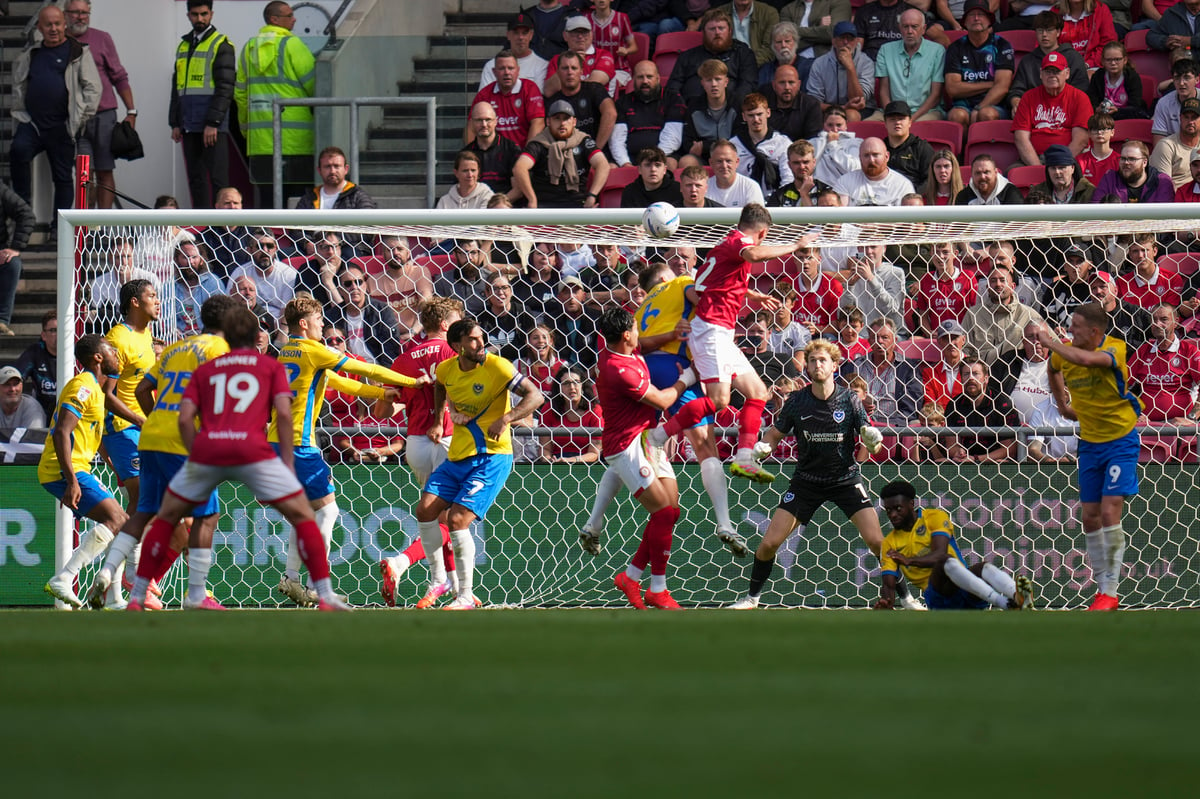
A familiar feeling as Pompey fell to defeat at the venue touted to become John Mousinho’s home this summer – but this frustrating Ashton Gate disappointment highlighted different factors in his side’s Championship evolution. Here’s Jordan Cross’ match report, as the Blues head coach bids to make his team credible second-tier operators.
Iceland has voted to stay out of the European Union in a major blow to Brussels’ expansion plans.
With just a few referendum ballots left to be counted, the island’s 400,000 people rejected the chance to join the 27-strong bloc despite government claims it was a ‘now or never’ moment that would shield it from trade wars and Arctic rivalry.
The EU was said to have been keen to welcome a new ‘wealthy member’ and had even outlined a willingness to compromise on thorny issues to facilitate accession, including access to Iceland’s productive fishing waters.
Officials in Brussels viewed the island as a low-risk case which could have helped to ease scepticism toward EU enlargement and strategically strengthen the bloc when Arctic security is in focus.
Advertisement
But early this morning the country’s ‘No’ camp had accrued 52.5 per cent of the vote with just a few ballots left to be counted in one of the six voting districts.
The key points of contention ahead of the referendum centred around Iceland’s sovereignty and fishing, over which Reykjavik wanted to retain exclusive control.
The war in Ukraine and President Trump’s ambitions for neighbouring Greenland – a nation which he has confused for Iceland on multiple occasions – also featured in discussions.
Reform leader Nigel Farage was among those who congratulated Icelanders for voting ‘to keep their independence’.
Advertisement
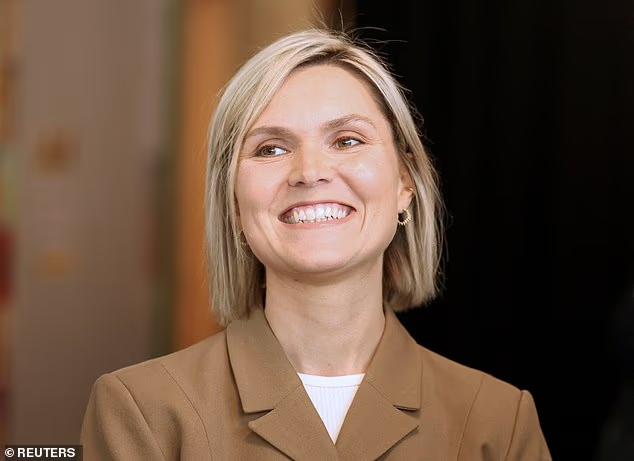
Iceland has voted to stay out of the European Union amid fears over its fishing industry and Donald Trump (Icelandic Prime Minister Kristrun Frostadottir is pictured)
Icelanders gathered across the country on Sunday morning as the results of the vote came in
Early this morning the country’s ‘No’ camp had accrued 52.5 per cent of the vote with just a few ballots left to be counted in one of the six voting districts
Advertisement
The key points of contention ahead of the referendum centred around Iceland’s sovereignty and fishing, over which Reykjavik wanted to retain exclusive control
As a member of the European Economic Area the country is already in the EU Single Market which allows freedom of movement.
‘Yes’ campaigners claimed joining Brussels could ease interest rates and offer the island greater security, while voters of the conflicting persuasion were keen to maintain Iceland’s independence.
However, barring a major last-minute turnaround, it appears as though the country will remain out of the EU.
Advertisement
Prime Minister Kristrun Frostadottir told voters in August that a ‘no’ would put all EU speculation aside.
Ms Frostadottir said ahead of a government press conference later on Sunday: ‘This is a great day. We’ve been waiting years to have a vote.’
Iceland first applied to join the EU in 2009 when a financial crisis hit its small, exposed economy. A Eurosceptic government later called a halt to talks in 2013.
The EU was however said to have been keen to add another wealthy member, and even appeared willing to compromise in a bid to facilitate Iceland’s accession.
Advertisement
The fisheries sector had been fiercely opposed to joining the bloc – 90 per cent of companies in the industry are against the idea – and the EU had tried to woo them with a conciliatory approach ahead of the vote.
‘Iceland’s unique specificities on fisheries and agriculture are well known. They would have to be carefully considered,’ EU Enlargement Commissioner Marta Kos had said.
‘I’m confident that, together with EU member states, we would find creative solutions.’
Only months ago Trump’s special envoy Jeff Landry touched down in Greenland for talks amid the US’s push to acquire the Arctic outpost.
Advertisement
Trump had, however, confused Iceland for Greenland on a number of occasions, sparking fears over the nation’s sovereignty.
Iceland has a 1951 Cold War-era defence treaty with the US, guaranteeing its security in return for access to military bases but some worry Trump’s unpredictability could threaten its survival.
President Donald Trump has confused Iceland for Greenland on more than one occasion
Brussels had hoped to be able to present Icelandic membership as an example of positive enlargement that could also make it more palatable for member states to agree to take in poorer countries like Montenegro.
Advertisement
It would also have enabled it to enlarge its presence in the strategic Arctic region, and perhaps helped change some minds in ultra-wealthy non-EU member Norway.
Yet the impending result means that Iceland will stay out of the EU until at least 2028, when the current Prime Minister’s mandate comes to an end.
The country of 400,000 is already a member of the European Economic Area and part of the free-movement Schengen zone, both of which will remain unchanged by the vote.
Though the referendum was non-binding, Ms Frostadottir’s coalition government – led by her pro-EU Social Democrats – promised to respect the result.
Advertisement
The government will hold a press conference on Sunday at 1pm to present its plans.
The Met Office has put the warning in place for Darlington, Durham, Tyne and Wear, Northumberland and Teesside from 11 am until midnight.
According to the Met Office: “Showers will become widespread, heavy and thundery later Sunday morning, lasting through the afternoon and into Sunday evening.
“While some areas may miss the heaviest showers, where they do occur, 10-15mm of rain is possible in an hour or so, with 25-35mm possible in several hours. Lightning and hail will be additional hazards.
“Heaviest of the showers will ease from the west through the evening.”
What should people expect?
There is a good chance driving conditions will be affected by spray, standing water and/or hail, leading to longer journey times by car and bus
Delays to train services are possible
Some short-term loss of power and other services is possible
Some flooding of a few homes and businesses is possible, leading to some damage to buildings or structures
Advice from the Met Office
According to the Met Office: “Give yourself the best chance of avoiding delays by checking road conditions if driving, or bus and train timetables, amending your travel plans if necessary.
“If you find yourself outside and hear thunder, protect yourself by finding a safe enclosed shelter (such as a car). Do not shelter under or near trees, or other structures which may be struck by lightning. If you are on an elevated area, move to lower ground.
“People cope better with power cuts when they have prepared for them in advance.
Advertisement
“Be prepared for weather warnings to change quickly: when a weather warning is issued, the Met Office recommends staying up to date with the weather forecast in your area.”
What is the forecast for today and tomorrow?
Today: Outbreaks of showery rain at first, perhaps heavy in places, and some drier intervals. Perhaps briefly becoming drier more widely around midday. Further heavy showers and thunderstorms then developing through the afternoon with a risk of hail. Maximum temperature 22 °C.
Tonight: Showers and thunderstorms continue during the evening, before easing into Monday. Staying rather cloudy, with hill fog across the Pennines. A few showers remain possible by dawn. Minimum temperature 11 °C.
Monday August 31: Early cloud breaks, with sunny spells but also a few showers developing, the odd one perhaps heavy and thundery. These easing through the afternoon, but turning rather cloudy and breezy. Maximum temperature 21 °C.
It was painful to hear her words. She really didn’t believe I could be happy.
‘You’re not a lesbian, if you were, I would know’, she added, and over the following weeks there were more comments like this, as she continued to pressure me to just move past what she assumed was a phase.
Advertisement
I’m glad I didn’t listen to her, because 45 years later, at 75, I’m still very much a lesbian and I’ve been with my partner Linda for over three decades.
The last thing I am is lonely, and while my mother is no longer with us, my relationship with her wasn’t scarred by this moment.
I had married my ex-husband in 1976, and we had been friends before getting together. It wasn’t an easy marriage – we were trying to have a baby and had to go down the route of IVF.
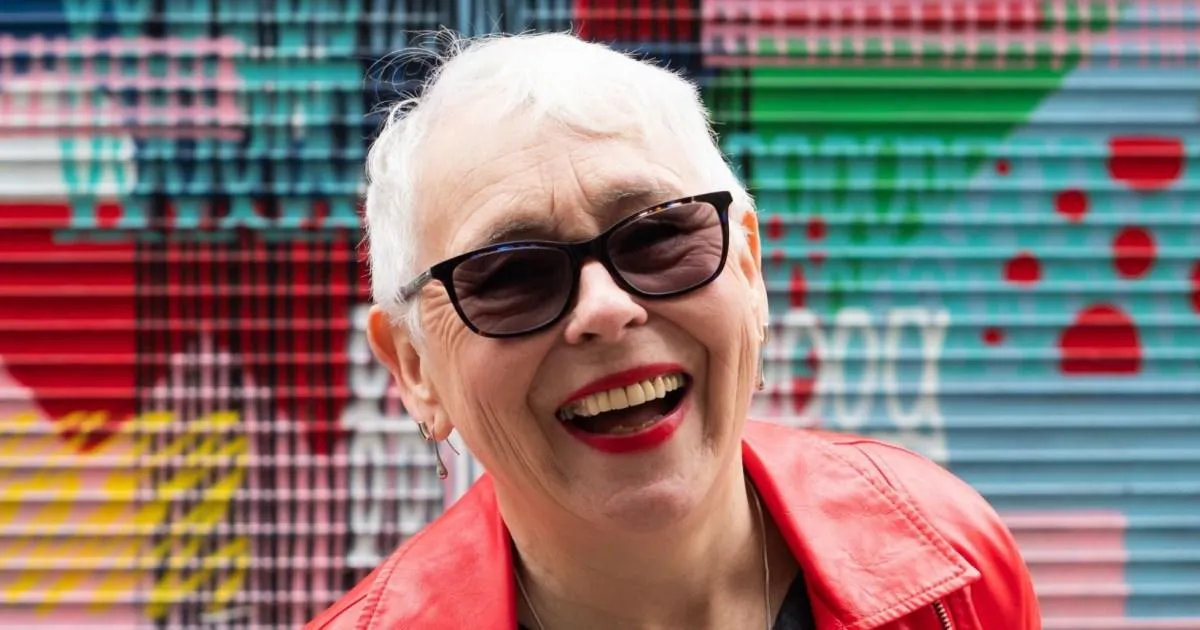
It took 12 weeks from the end of my marriage to come out, and that’s when I finally started to feel freer (Picture: LGBT Foundation)
That ruptured our relationship, and unfortunately, ending us felt right.
Join Metro’s LGBTQ+ community on WhatsApp
With thousands of members from all over the world, our vibrant LGBTQ+ WhatsApp channel is a hub for all the latest news and important issues that face the LGBTQ+ community.
Advertisement
Simply click on this link, select ‘Join Chat’ and you’re in! Don’t forget to turn on notifications!
I thought I was heterosexual my entire life and had only been with men, but before my ex-husband and I married, I remember saying to him that I would like to have felt what being with a woman was like. We ignored it, and I never scratched that itch.
Advertisement
Ask Metro
Use AI to go deeper into the stories you care about – powered by Metro and trusted publications.
When I left my husband I walked away from a whole social network too – meaning I didn’t get to have any conversation with anyone else about how they felt about my sexuality.
Queer Hope & Joy
Metro is sharing stories of Queer Hope & Joy, where we are centring stories that platform the vibrancy, diversity and resilience of the LGBTQ+ community.
This is running alongside LGBT Foundation’s Hope Starts Here campaign, and will represent as many LGBTQ+ identities as possible, while spreading hope and joy at a time it is very much needed.
Find out more about LGBT Foundation’s campaign here.
Advertisement
To submit your story of your Queer Hope & Joy send your pitches to: sharan.dhaliwal@metro.co.uk
I moved out of the world I shared with him and entered a whole new, giddy and totally absorbing world full of lesbians.
Advertisement
Luckily, I managed to maintain a relationship with my mother, and while she didn’t understand my life completely, she loved me endlessly.
After she unleashed all those daggers, stabbing me with her words one after another – telling me what a terrible mistake I made – we sat in silence. She understood in that moment how much she hurt me, and we started to mend our relationship straight away.
It took a few years to get back to where we were – we both stumbled at various times, but we became close again soon enough.
I locked eyes with her and said: I’m in the phone book, call me’ (Picture: LGBT Foundation)
However, coming out in the 80’s wasn’t an easy decision to make, and there were a few things on the line for me like my career as a teacher, which I felt I had to give up due to discrimination.
I wasn’t sure what my future held, but I was still determined to make it work.
Advertisement
Then, I met Linda.
When we first met, we instantly hit it off.
We were at a party, stood in the kitchen, talking about music, and I just knew then that there was something between us.
Initially, I didn’t do anything, but after finding out Linda was interested in me, when standing outside a nightclub one night, I locked eyes with her and said: I’m in the phone book, call me’.
Advertisement
Mum thought I would be lonely, and then she was cracking jokes with my new girlfriend (Picture: LGBT Foundation)
Since then, my life hasn’t been the same.
I had just turned 40 when we started dating in 1991 and things moved quickly.
In an unexpected turn of events, I even introduced Linda to my mum and they got on brilliantly.
Mum thought I would be lonely, and then she was cracking jokes with my new girlfriend.
At one point she even said: ‘I have to say, I’ve never seen you so happy’.
Advertisement
Up until she passed, she remained close to Linda and myself, accepting and loving us both.
Find out more about the LGBT Foundation
LGBT Foundation is the UK’s leading LGBTQ+ health and wellbeing charity. Get involved with their ‘Hope Starts Here’ campaign today at https://lgbt.foundation/hope-starts-here/
Advertisement
In 1994, Linda and I moved to Manchester for my job and haven’t looked back since. We still live in the house we moved into when we got here, and we wouldn’t want to live anywhere else.
It was in the late 90s that I started volunteering at what was then known as the Lesbian and Gay Foundation (now the LGBT Foundation), and signed up to a counsellor training course to become a therapist, and couples counsellor.
Linda and I have a great relationship and we do this by staying committed to each other’s happiness and care (Picture: Gemma Taylor)
In 2007, Linda and I had a civil partnership and she became my wife. It was a beautiful day – we had around 80 family and friends come together to celebrate us, in a townhouse just outside of Manchester.
My mum came to our civil ceremony and, although she had started to become ill around that time, she still managed to flirt with some of our lesbian friends.
Advertisement
In 2009, mum died and my world crumbled. But I’m glad she got to see me happy, and got to see that I could never be lonely.
Now, 35 years on, Linda and I have a great relationship and we do this by staying committed to each other’s happiness and care.
And importantly – lots of cuddles.
Looking back at what my mum said to me when I came out, I felt sad at first. But we grew from that moment, and became stronger.
Two people spend an evening in the same garden and receive roughly the same number of mosquito bites. By morning, one barely notices them – while the other is covered in large, swollen, intensely itchy welts that linger for days.
Most of us have experienced this, or know someone who has. But why is it that mosquito bites affect some people so differently? The answer lies in the way a mosquito’s saliva interacts with our unique immune system.
When a mosquito bites you, they inject saliva into your skin. The immune system recognises the saliva as foreign and releases histamine – an immune cell chemical that causes allergy symptoms such as redness, swelling and itchiness.
But this only partly explains what’s going on. A mosquito’s saliva also contains a range of other biologically active compounds that interact with the immune system in more complex ways than once assumed.
Advertisement
For instance, a mosquito’s saliva also contains proteins that prevent blood clotting and keep blood flowing so they can feed undisturbed.
These same salivary proteins influence the immune response that occurs at the bite site. Rather than acting solely as a feeding aid, mosquito saliva can alter the local immune environment within minutes of a bite.
In plain terms, the saliva nudges the immune system toward a particular kind of response (called a “Th2” response) that’s more associated with allergy-type reactions than with fighting infection. This makes nearby blood vessels temporarily “leakier” which helps draw extra immune cells to the area.
For a simple bite, this mostly just means more redness, swelling and itching. But researchers think this same immune shift may also make it easier for viruses carried by the mosquito to get established in the skin and spread through the body.
Advertisement
Why some people react more strongly
One of the most striking features of mosquito bites is the enormous variation in how people respond.
A large genetic study of over 84,000 people backs this up. People reported experiencing everything from small, mild bumps to large, swollen ones. Even the same person’s reactions to mosquito bites changed over time.
Children often react more strongly than adults, and people exposed to unfamiliar mosquito species may also respond differently because saliva varies between species. The reason for this is largely due to exposure.
Reactions tend to be strongest the first few times someone is exposed to a particular mosquito species. They tend to settle down with repeated exposure as the immune system adjusts – a bit like gradually building tolerance.
Advertisement
Because children simply haven’t been bitten as many times yet, they’re more likely to still be in that stronger-reaction phase. The same logic explains the “unfamiliar species” effect: an adult who reacts mildly to their local mosquitoes can react strongly on a trip somewhere with different mosquito species, since their immune system hasn’t encountered those particular saliva proteins before.
Genetics probably contribute too, with inherited differences in immune regulation influencing how strongly a person responds.
But the key reason that people react so badly to mosquito bites comes down to having a mild hypersensitivity to mosquito saliva.
Children often react more strongly to mosquito bites. leungchopan/ Shutterstock
A much smaller number of people develop exaggerated local reactions, sometimes called Skeeter syndrome, where swelling extends well beyond the bite itself and is often mistaken for bacterial cellulitis (a skin infection that causes redness and swelling).
Advertisement
There is no single known cause of hypersensitivity. However, Skeeter syndrome is thought to result from an unusually strong immune response to the proteins in mosquito saliva, involving mosquito-specific antibodies and other inflammatory immune responses.
Why some people develop this exaggerated response is not fully understood – although age, previous exposure to mosquitoes and individual susceptibility may all play a role. Fortunately, severe allergic reactions to mosquito bites are extremely uncommon.
If you’re someone that reacts badly to mosquito bites, applying a cold compress soon after a bite may help reduce swelling. Oral antihistamines and mild topical corticosteroid creams can also relieve itching and inflammation, particularly when used early.
Avoid scratching as this can prolong inflammation, damage the skin and increase the risk of infection. People who develop unusually large reactions, worsening pain or fever should seek medical advice.
Advertisement
Preventing bites remains the best strategy. Using insect repellents, covering exposed skin and sleeping under insecticide-treated bed nets where mosquito-borne diseases occur can all reduce the risk of being bitten.
Mosquito saliva and disease
The implications of mosquito saliva extends beyond the annoying, itchy bites they leave behind.
Researchers are increasingly recognising that these salivary proteins may influence what happens when pathogens are transmitted from mosquitoes to humans.
Specifically, the same immune changes that cause the itchy bites in the first place appear to help mosquito-born viruses such as dengue, Zika and West Nile virus establish a stronger initial infection and spread through the body faster than if the virus were injected without saliva alongside it.
Advertisement
Another intriguing discovery comes from malaria research. A landmark study found that children infected with Plasmodium falciparum, which is the parasite species responsible for the most severe form of human malaria, produced altered body odours compared with uninfected children. Several chemical compounds were present at higher levels, and mosquitoes were attracted to some of these odours.
These findings suggest malaria parasites may alter host odours in ways that could increase mosquito attraction, potentially improving their chances of transmission.
It’s for these reasons that scientists are currently exploring vaccines that target mosquito saliva itself, not just the pathogens it carries.
A mosquito bite may seem like a minor summer irritation, but it reflects a complex interaction between mosquito saliva and the immune system.
A 41-year-old pastor who died after a heavy sign fell onto people at a Christian festival has been named by his church.
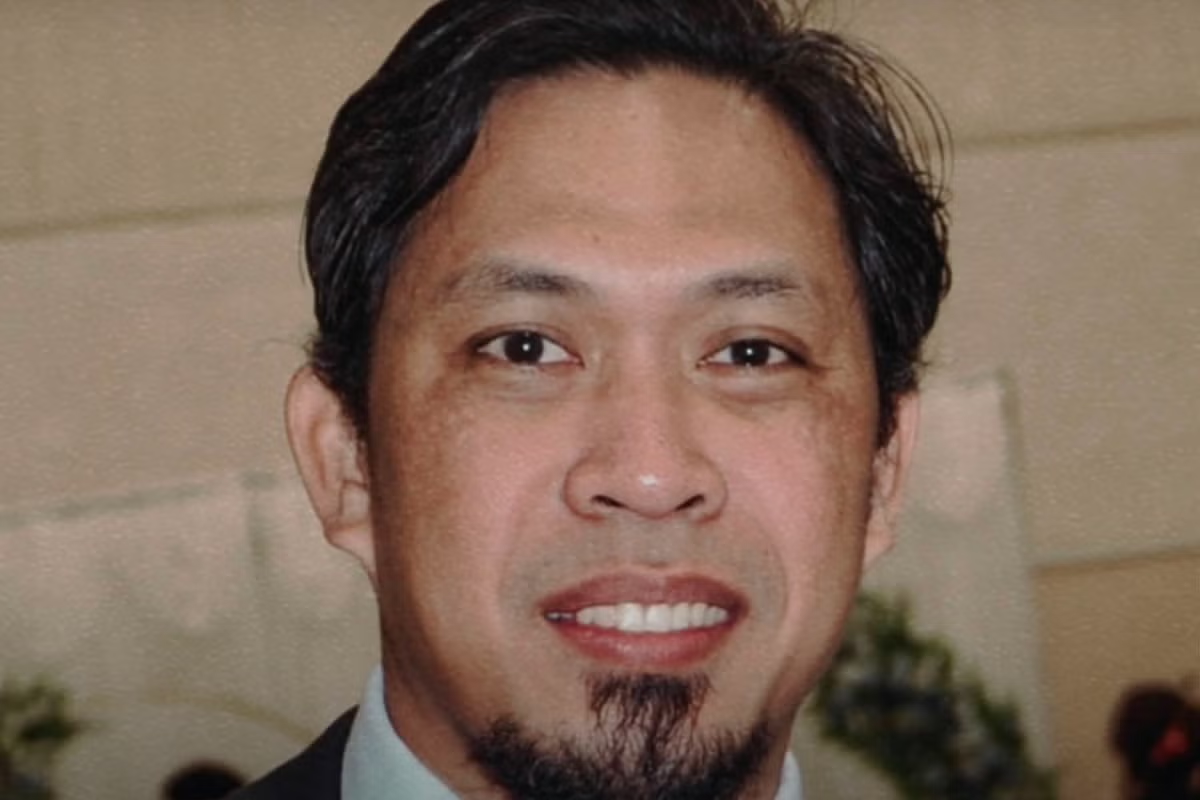
Robert Guanco, 41, from Eastbourne, was pronounced dead at the scene following the incident at the Big Church Festival.
Jesus the Living Water Church Eastbourne announced the father’s death on social media, describing him as “a faithful servant of God.”
“We are mourning, grieving, praying, and trusting in the Lord during this incredibly difficult time.
Advertisement
“Pastor Robert was a faithful servant of God, a loving husband to Isay, a devoted and caring father to Ellie, and a blessing to so many people whose lives he touched. His life, his faith, his love, and his service to God will never be forgotten.”
A fundraising page has been set up by the church to raise £18,000 for his wife Isaeli and their daughter Ellie.
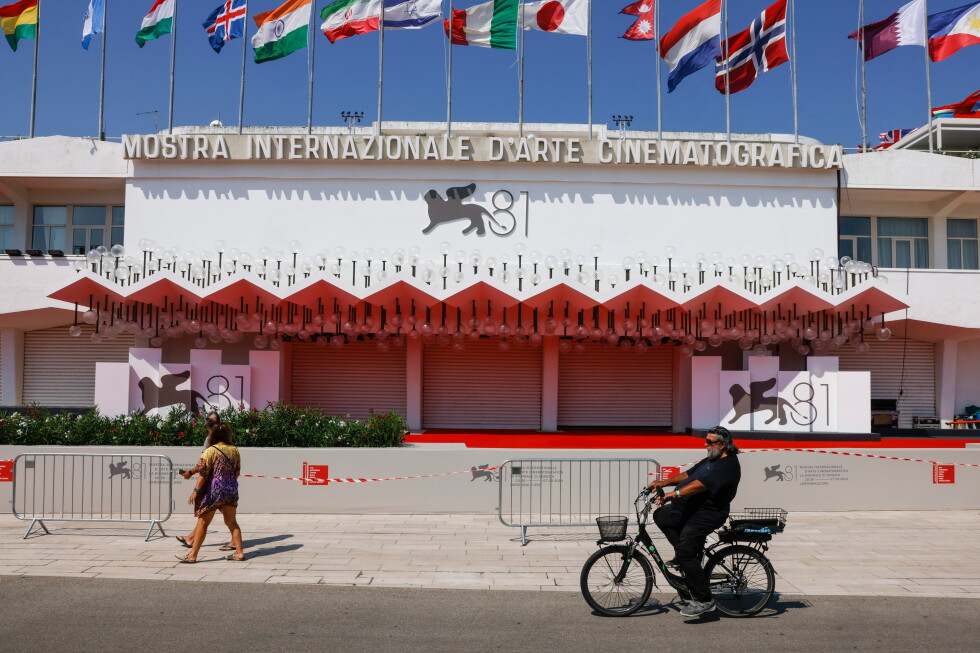
August can be a dreary month for Hollywood glamour, but the Venice Film Festival is on the horizon to kick off the busy fall film festival season in style.
There will be plenty of stars gracing the red carpets when the 83rd edition of the festival kicks off Wednesday on the Lido: Noel and Liam Gallagher, Robert Pattinson, Rooney Mara, George Clooney and Penélope Cruz are among those expected to attend. Some of the films may even become Oscar nominees.
But the mood feels a little different this year. There will always be a spotlight for the Hollywood contingent and the awards hopefuls posing on boats and docks in designer duds. Yet, in a lineup featuring Pattinson as “To Catch a Predator” host Chris Hansen, Dakota Johnson as Marilyn Monroe, Guy Pearce as Rupert Murdoch and Clooney as, well, himself (he’s getting a lifetime achievement award, as is Ellen Burstyn), it’s possible that much of the attention will be on a man who (probably) won’t be there: Elon Musk.
Docs feature Musk, Russia and Gaza
Alex Gibney’s nearly four-hour documentary about the world’s richest man has been in the works for almost four years. The Oscar-winner wasn’t sure about taking it on at first, but a good friend convinced him it would be a worthy portrait of 21st-century power — and this was before the 2024 presidential campaign and DOGE.
Advertisement
When the documentary was announced, Musk called it a “hit piece” on social media. Gibney replied, “How would you know?”
In fact, Gibney told The Associated Press he started off as a kind of admirer — as well as a Tesla owner — and sincerely wanted to talk to Musk for the film.
“Ultimately, he didn’t want to talk to me,” Gibney said. “But then you start, you know, digging into the facts and you follow them where they lead. And where they led, for me, was to a place that upended the myth, I would say, of Elon Musk as a kind of modern Leonardo da Vinci … I think that the news in this film is that Musk isn’t an inventor. He’s a confidence man.”
The filmmakers talked to hundreds of people on and off the record to compile a sweeping picture of the Tesla and SpaceX CEO who, Gibney said, is not dissimilar to the guys at Enron or Elizabeth Holmes. He was most surprised by how many people seemed to be afraid to be on camera talking about Musk — even his admirers wanted permission first.
Advertisement
“I thought, wow, for such a big and powerful person, that seems awfully weak,” Gibney said.
But while it’s a “dark and dangerous topic,” Gibney said, the film is also a “fun ride.”
The same could be said of “My Undesirable Friends: Part II — Exile,” in which Julia Loktev continues her sprawling portrait of independent Russian journalists after the invasion of Ukraine.
“You see this group of young, very young journalists who’ve just fled their country, like, on a few hours’ notice. They had the choice of, you know, stop reporting the truth about the war, which didn’t seem like a choice at all, or go to prison, or leave the country so they can keep telling the truth,” Loktev said. “It was a question of how long do you keep following? Because this takes place over four years. And over that time, exile becomes, of course, indefinite.”
Advertisement
Similar to the first film, Part II runs nearly six hours. But, she said, “I hear it goes by easy.”
Unlike last year, no large-scale protests are planned, but the group Venice4Palestine did call on the festival to “suspend all agreements with entities and institutions linked to the Israeli government.” It also asked that the Palestinian flag be flown throughout.
Hollywood eyes awards in Venice
Part of the intrigue of Venice is how it might play into the Oscar race — it’s usually good for a best picture nominee or two.
Advertisement
Martin McDonagh’s “Wild Horse Nine,” starring John Malkovich and Sam Rockwell as 1970s CIA agents, seems like a promising candidate after his last two films debuted at Venice and went on to nominations. “The Father” filmmaker Florian Zeller returns with “Bunker,” a psychological thriller with Cruz and Javier Bardem. Danny Boyle looks at a turning point in tabloid media in “Ink.” And there’s much curiosity around Lance Oppenheim’s “Primetime,” for Pattinson’s performance and for its examination of reality television culture in the early 2000s.
Japanese filmmaker Hirokazu Kore-eda is also debuting “Look Back,” about two small-town girls who aspire to be manga artists. And Korean auteur Lee Chang-dong examines themes of labor and freedom through two married couples in “Possible Love.”
This is also a year in which big Hollywood hasn’t needed the sheen of the international film festival. Cannes was bereft of a big blockbuster, and the industry went on to have one of its highest-earning summers ever. The reigning best picture winner, “One Battle After Another,” skipped festivals entirely.
Venice might have more Hollywood films than Cannes did, but following several years in which fates might have been prematurely decided for both would-be contenders, like “After the Hunt” and “The Smashing Machine,” and blockbusters like “Joker: Folie à Deux,” it too seems a bit more muted — at least on paper.
Advertisement
Venice fails in its pledge to women
And then there is the subject of women, specifically those behind the camera. There is only one in the main competition: Danish-Egyptian director May El-Toukhy. The same thing happened in 2018, prompting the festival that year to sign a pledge to have at least half of the films in competition be directed by women by 2020, which they have yet to achieve.
Adding more insult to injury is the fact that Maggie Gyllenhaal, whose first film “The Lost Daughter” won Venice’s best screenplay prize in 2021, is presiding over a jury which includes Kaouther Ben Hania, whose film “The Voice of Hind Rajab” won the Silver Lion last year when there were six female-directed films in the competition.
Only seven women have won the Golden Lion, including Laura Poitras with “All the Beauty and the Bloodshed,” who is returning this year with a short film she co-directed with Rachel Lauren Mueller about U.S. Immigration and Customs Enforcement in Minneapolis. “They’re Here” is part of the Venice Open section, which also includes Gyllenhaal’s Marilyn Monroe short “Flesh Impact.”
Outside of the main competition, there are also documentaries from Loktev, Barbara Kopple and Elizabeth Chai Vasarhelyi. There are several others in the Horizons sections as well, including a short from Saoirse Ronan.
Advertisement
Opening Venice Days on Wednesday is Hungarian filmmaker Lili Horvát’s English-language debut, “My Notes on Mars,” about a couple — Rupert Friend and Mackenzie Davis — whose marriage is in trouble when the wife, a scientist, mysteriously disappears and then reappears the day of her memorial service.
“The story argues for great love,” Horvát said. “Yet it shows the eternal limits of knowing the person we are in love with.”
Venice Days is an independent sidebar in which more than half the selections are by women, including several high-profile shorts from filmmakers like Mona Fastvold and Claire Denis.
“It’s good to be in a progressive section,” Horvát said.
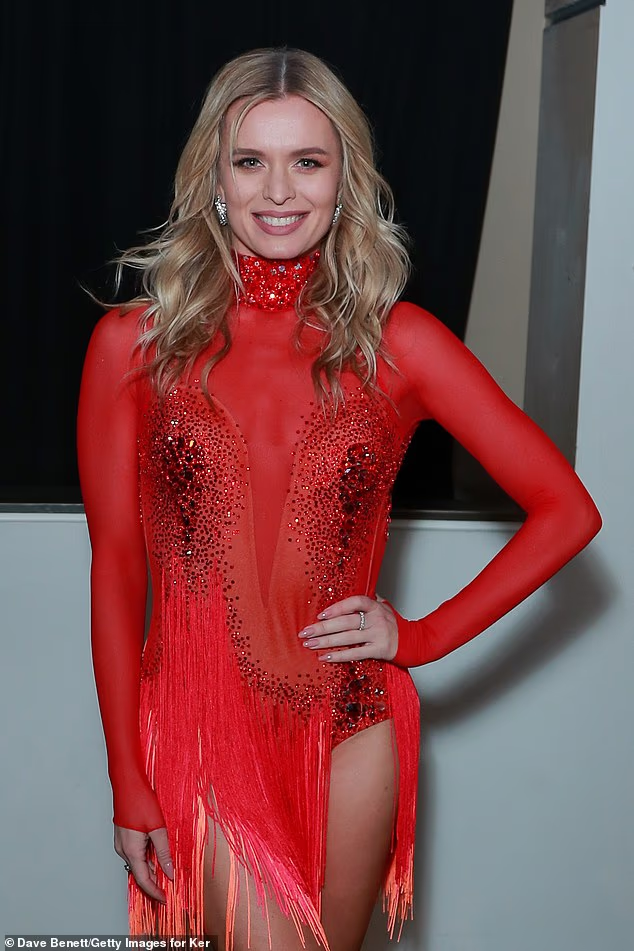
Former Strictly professional dancer Nadiya Bychkova was left furious after she still had to work with a colleague on the dance show despite complaining to BBC bosses they were ‘abusive’.
The Ukrainian star – who was axed from the competition earlier this year – complained to three senior executives in 2024, asking them to intervene and keep her away from the person who she claimed made her feel uncomfortable.
Friends of Ms Bychkova question whether her allegations were a contributing factor to her being let go by Strictly in March amid a cull of four female professionals.
Despite her writing to BBC bosses, she still found herself in her colleague’s vicinity for Strictly recordings despite laying out reasons why she could not be in their company.
Advertisement
While the BBC did offer to investigate the matter, Ms Bychkova was devastated that she still had to face them.
A source familiar with the complaint told The Mail on Sunday she feels the corporation turned a ‘blind eye’ to her claims, though the BBC’s then HR director of production did write a lengthy response offering to conduct a formal review, which she declined. The BBC insisted it was not normalising unacceptable behaviour.
The HR director also offered to speak to Ms Bychkova’s colleague and reportedly asked Strictly production staff to reduce the pair’s contact time, but ultimately she still had to face the colleague.
The source said: ‘Nadiya wrote to tell them she was struggling with a particular person involved with Strictly and she was not happy with the response she got.
Advertisement
Former Strictly professional dancer Nadiya Bychkova was left furious after she still had to work with a colleague on the dance show despite complaining to BBC bosses they were ‘abusive’
‘She felt her feelings had been downplayed and that the person’s conduct was being normalised by them. It was a horrific time for her. The BBC offered to open a formal investigation but she felt the person should have been taken out of her orbit.
‘There were several conversations, some verbal and some in writing, but Nadiya didn’t feel like enough was done.
Advertisement
‘The sad thing is it was three women she wrote to. Then, literally a year and a half later, she was got rid of by Strictly’s bosses.
‘It was heartbreaking for her. She was distraught to be axed. Of course, that is going to lead to questions of whether the two were linked.’
Ms Bychkova joined Strictly in 2017 and was partnered with the likes of former England rugby captain Chris Robshaw, ex-England goalkeeper David James and singer Lee Ryan.
Along with fellow professionals Karen Hauer, Michelle Tsiakkas and Luba Mushtuk, she was axed in favour of younger dancers who will make their debuts next month when the series returns.
Advertisement
At the time, the BBC said of Ms Bychkova: ‘Nadiya has brought elegance, artistry and unwavering dedication to the ballroom, and she will always remain a cherished member of the Strictly family.’
It’s hoped the revamp will leave behind multiple scandals which took place behind the scenes – including Graziano di Prima kicking his partner Zara McDermott and Wynne Evans’s controversial move of putting his hand around Katya Jones’s waist.
There were also claims last year that Strictly stars were involved in taking cocaine, but an investigation found no proof.
Last night a BBC spokesman said: ‘While we are not going to comment on individuals or HR processes, when issues are raised with us they are always handled seriously and appropriate action is taken.’
Advertisement
Share or comment on this article:
I told the BBC about an abusive colleague – but still had to work with them, says former Strictly professional Nadiya Bychkova
The 19-year-old’s “life was heartbreakingly cut short” in a hit-and-run collision while he was out cycling with a friend
Thousands has been raised to support the family of a teenager who was killed in a hit-and-run collision earlier this week while out training for an Ironman competition.
Advertisement
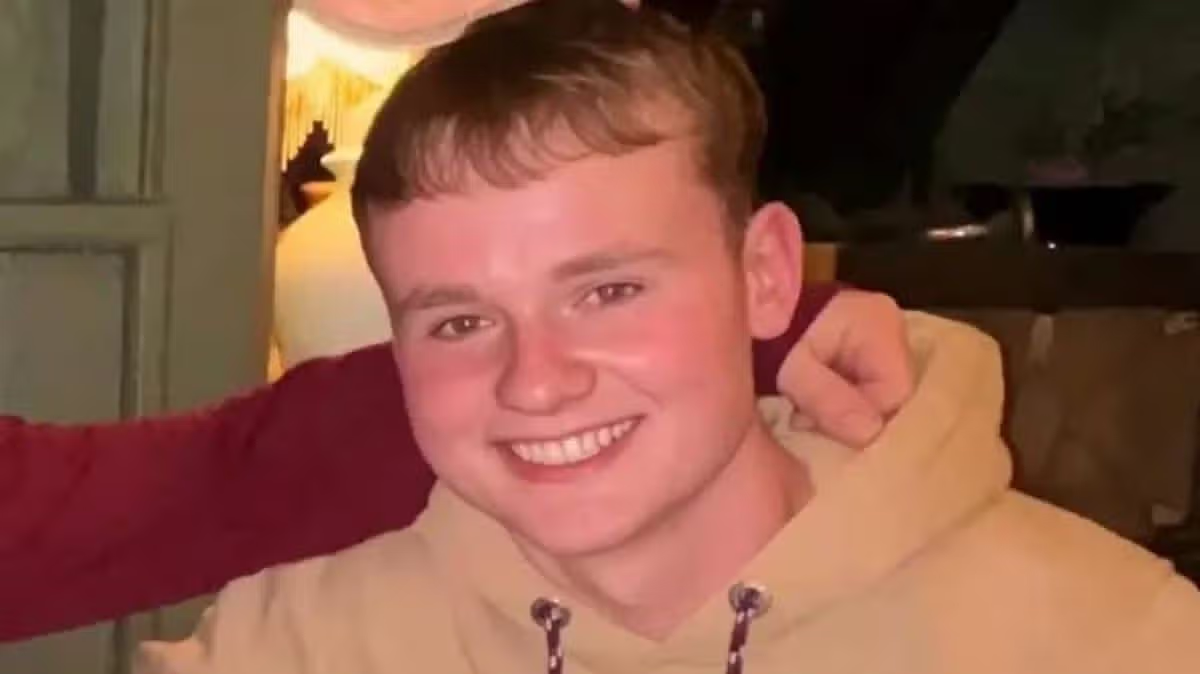
19-year-old TJ McDonnell, from Durhamstown, Bohermeen, was cycling with a friend when he was struck by a van in Nugentstown, Kells in Co Meath shortly after 8pm on Tuesday evening, August 25.
A GoFundMe page has since been set up to support the young man’s family, with people from across the country supporting the fundraising campaign.
A message from the organisers of the GoFundMe page described TJ as “an incredibly fit and driven young man” whose “life was heartbreakingly cut short in a hit-and-run while he was out cycling with his friend, training for an Ironman”.
Advertisement
“He was doing something he loved, working towards a goal he was passionate about, when his life was suddenly and tragically stolen,” they said.
“He was a son, a brother, a nephew a teammate and someone who brought light and positivity wherever he went. Those who knew him knew his huge smile, his energy, his kindness and the way he made everyone around him feel.”
The organisers of the GoFundMe campaign said the money raised will help TJ’s family with the costs of his funeral and “to ease some of the financial burden they now face while they grieve the loss of their beloved son and family member”.
Advertisement
“No family should have to face the loss of their child in such sudden and devastating circumstances,” they added.
“Any donation, no matter how small, will go TJ’s family. If you are unable to donate, simply sharing this fundraiser would be an incredible help.
“Rest peacefully, TJ. Your life was far too short, but the impact you made on the people around you will never be forgotten.”
So far, more than €55,500 has been raised from over 1,200 donations – well beyond the initial target of €5,000. If you would like to make a donation, you can visit the GoFundMe page here.
Tributes continue to pour in for TJ, who was gifted athlete who was passionate about fitness and had competed in a number of Hyrox events.
The teenager was a hugely popular member of Cole’s Gym in Kells, with the gym owner Caolan Cole paying an emotional tribute to TJ.
“It’s impossible to put into words what TJ meant to us,” he said. “There wasn’t a bad bone in his body, never a bad word to say about anyone and never an ego. No matter who you were or what level you were at, TJ made you feel like you belonged.
Advertisement
“With all the people who have come through our doors, you’d struggle to find one who didn’t know TJ. Everyone knew that big smile coming through the front door. He could light the place up just by walking in. That was him, always smiling, always full of energy and always making the people around him feel better.
“We absolutely love that man. The fittest and strongest person in the gym, yet always the one encouraging everyone around him.
“Everyone had their own TJ story. That alone tells you the impact this man left on all of us.”
Caolan added: “Our deepest condolences and all our love go to TJ’s family, friends and everyone closest to him. As heartbroken as we are, we can only imagine their loss. We hope they can take some comfort in knowing how deeply loved TJ was here and how many lives he made better simply by being himself.
“The gym will never be the same. Every time that front door opens, a part of us will still be waiting to see that smile walk through it again.
“You set the standard TJ, not just as an athlete, but as a man. We miss you more than words can say. We love you brother. Rest easy.
“Forever part of our gym. Forever part of our family.”
















































You must be logged in to post a comment Login