When Sir Jim Ratcliffe singled out the United academy as having “slipped” with some of his customary direct feedback in October, he highlighted the appointment of Stephen Torpey as evidence of change.
Torpey is the latest Old Trafford recruit from the Manchester City blueprint Ratcliffe so admires, and that introduction from the United co-owner was pretty clear.
“The academy has really slipped at Manchester United,” Ratcliffe said. “You need the academy to be producing talent all the time. It helps you financially. That’s not a light switch. You don’t solve the academy problem overnight. It takes time.”
United’s first team will play just 40 games this season. An unusually sparse schedule at first team level has led to heightened interest in the club’s academy, as has the emergence of young talents like JJ Gabriel.
Advertisement
Torpey wants to develop some of the country’s best young players at Carrington. Gabriel, who has scored 23 goals in 25 appearances for the U18s this season, fits that billing.
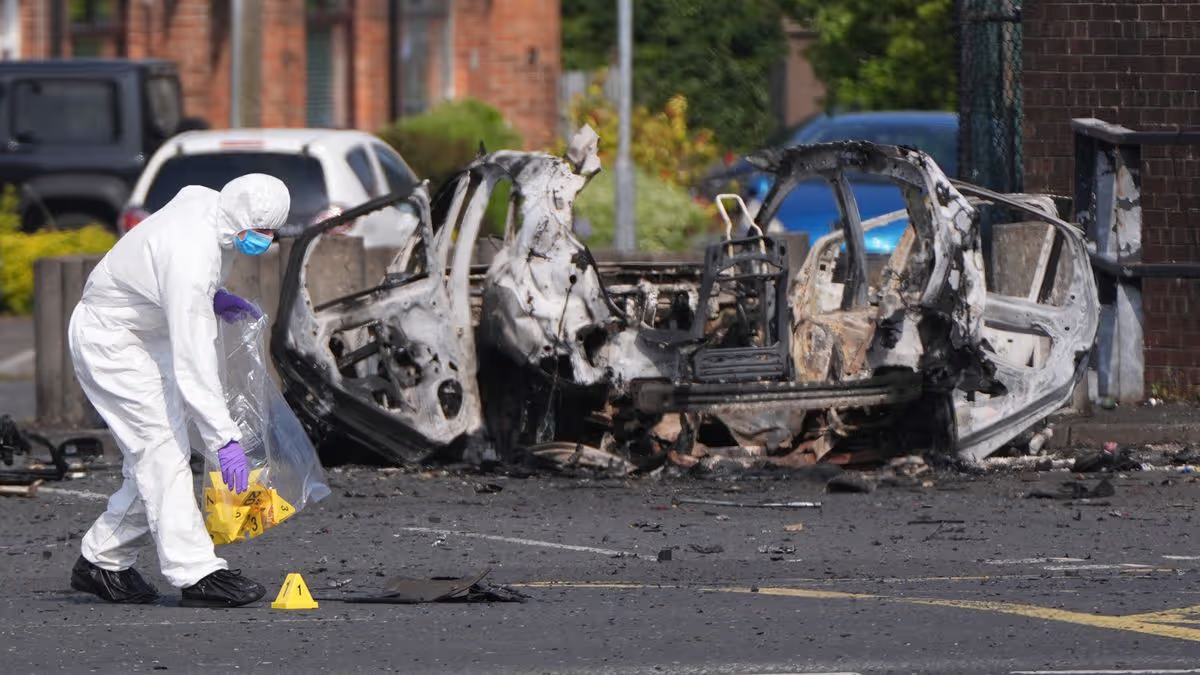
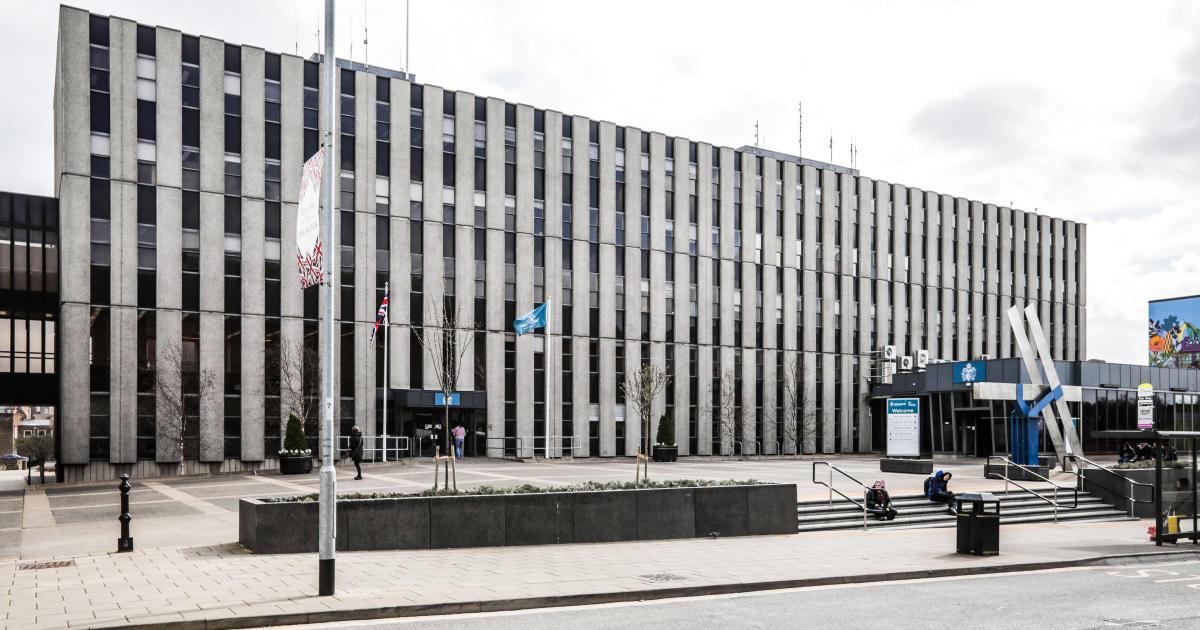
The incident mirrors a similar attempted attack at Lurgan Police Station last month.
First Minister Michelle O’Neill has said that those behind a car explosion outside Dunmurry Police Station on Saturday night “have nothing to offer society.”
Advertisement
A food delivery vehicle was hijacked in the Twinbrook area of West Belfast shortly after 10:50pm. A gas cylinder device was placed in the boot, and the driver was forced to drive to the police station.
The device exploded as residents, including two babies, were being evacuated from nearby homes. No one was harmed in the incident.
The incident mirrors a similar attempted attack at Lurgan Police Station last month.
First Minister Michelle O’Neill said: “Those behind this reckless attack have put lives in danger and shown a total disregard for the local community.
Advertisement
“Our thoughts are with the delivery driver who was put through an extremely terrifying ordeal, as well as those residents who had to be evacuated.
“It is extremely fortunate that nobody was killed or seriously injured by the selfish actions of those who have nothing to offer our society.”
Deputy First Minister Emma Little-Pengelly said: “Those responsible for this despicable attack put lives at risk. I have no doubt all right-thinking people will reject this sort of behaviour and see it as a cowardly attempt to try and drag us all backwards.
“We would like to commend the police officers for their swift response to this incident; their courage in the face of danger ensured local residents were protected.
Advertisement
“We would appeal to anyone with information to contact the PSNI.”
Justice Minister Naomi Long expressed her gratitude to officers who responded to the incident “in a prompt and professional manner.”
She said: “It is simply unconscionable that just a few weeks after the widespread condemnation of the attack in Lurgan, that this incident has occurred in Dunmurry.
“Despite the fact that acts of violence such as this have been roundly rejected, lives have once again been put at risk by the actions of a very small minority who offer nothing but devastation and destruction.
Advertisement
“Indeed, it is extremely fortunate that no one was hurt or even killed as a result of this despicable attack.
“Those behind this attack have demonstrated a total disregard for every single person living in the area.
“My thoughts are with the motorist who has no doubt been left utterly traumatised by their ordeal, as well as the officers who were targeted in this cowardly attack.
“I would like also to pay tribute to those very same officers who, despite the threat they face, continue to turn up to work every day to serve the community.
Advertisement
“My gratitude also goes to the officers who responded to this incident in such a prompt and professional manner.”
“By targeting a police station in the heart of a residential area, those responsible have shown a total disregard for the lives of local people and for the men and women who work to keep our communities safe,” he said. “We are resolute in our commitment to peace, and these actions will only strengthen our collective determination. I would urge anyone with information about who was responsible to come forward to the PSNI.”
The Record brings you its regular 5pm round-up of the day’s best Scottish politics stories.
17:00, 26 Apr 2026
Advertisement
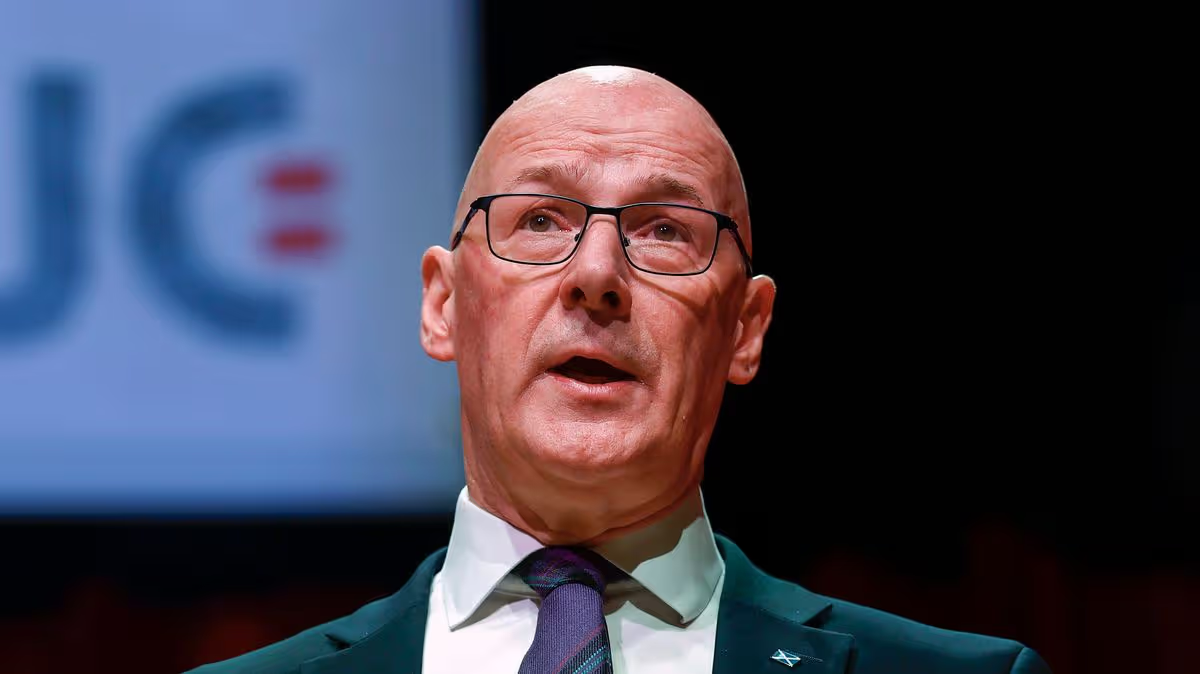
John Swinney accused of secret budget crackdown to fill £5bn black hole amid super-hospital plans
John Swinney is facing demands to “come clean” on plans for a new super-hospital amid fears it could be delayed as part of secret post-election budget cuts.
The Sunday Mail revealed a business case for a replacement Monklands Hospital in Lanarkshire submitted five months ago was not approved by ministers as expected before the Scottish Parliament dissolved this month.
They also learned the cost of the development has rocketed from £700million to £1.34billion at a time when Scotland is facing a £5billion budget black hole.
Sources have said a major funding announcement had been expected in February but instead the health board has been met with silence.
Labour candidate spends five hours at hospital for crucial op cancelled at last minute
An MSP candidate has demanded the next Scottish Government prioritises rebuilding the NHS after a crucial operation was cancelled due to staff shortages.
Monica Lennon was minutes from being taken into theatre to have an ovarian cyst removed after spending five hours at Wishaw General Hospital on Thursday.
But the Labour candidate for Rutherglen and Cambuslang in May’s Holyrood election was then told she would need to go home because there wasn’t enough staff to safely operate.
Advertisement
Lennon said: “To be sitting in a hospital gown for hours, minutes away from being taken into theatre, only to be told your operation is cancelled is a deeply shocking and emotionally draining experience.
Perjury claims at Alex Salmond’s trial still under investigation by Crown Office
Perjury claims at Alex Salmond’s trial continue to be investigated by Crown prosecutors five years after a complaint was initiated.
The allegations were made after the former first minister’s 2020 trial, when he was cleared of 14 charges of sexual assault.
Advertisement
Salmond’s lawyers wrote to the Crown Office and Procurator Fiscal Service in March 2021 setting out a number of concerns and an advocate and senior prosecutor were assigned to the case. The probe is still active.
Ex-SNP justice secretary Kenny MacAskill said: “There was great concern over some of the evidence heard at trial and I know Alex’s lawyers wrote in detail to the Crown Office on a number of points. An investigation was launched in the wake of that correspondence but inexplicably five years later the matter has not been concluded.”
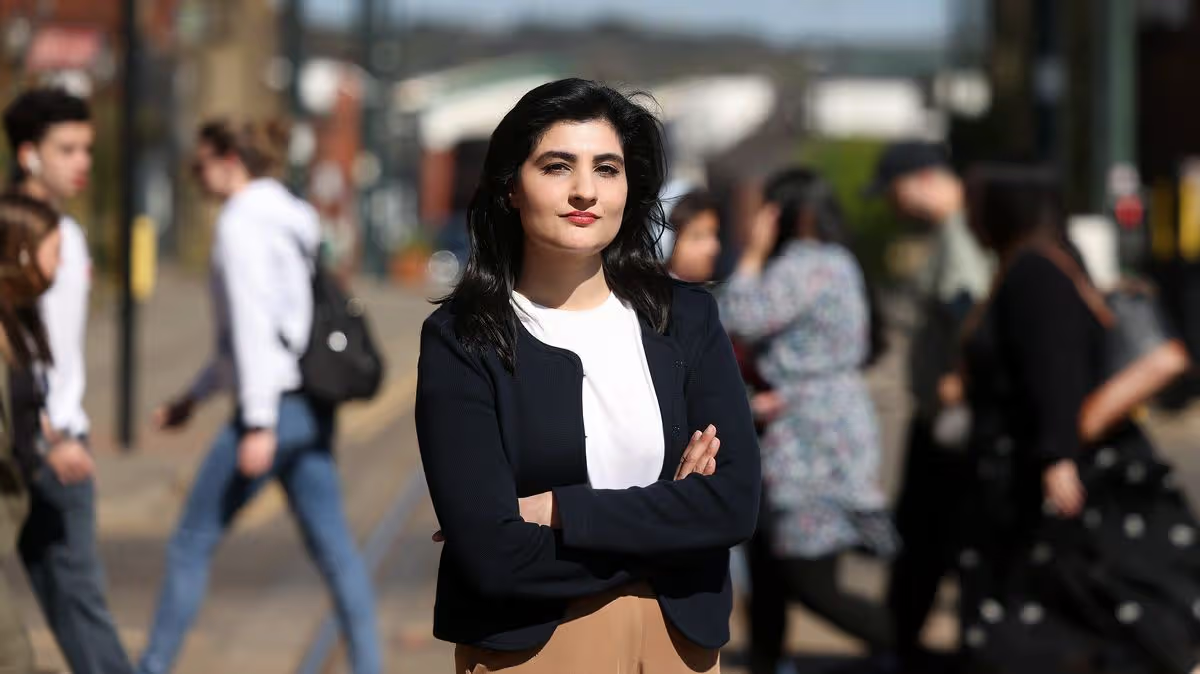
Eight years is a long time to be away from your hometown. It’s enough time for busy high streets to become empty or vibrant once again. It’s long enough for the small, everyday rhythms of a place to feel unfamiliar.
That’s what I’ve noticed since moving back to Oldham from London. The mood has changed. There is a sense that something has hardened, both socially and politically.
This is a town where the council leader has faced death threats; where a meeting in the Chamber had to be abandoned after a row over the war in Gaza; and where politicians have had their cars set on fire.
The town has also made national headlines because of the local authority’s perceived failure to deal with historic cases of child sexual exploitation.
Advertisement
Ahead of local elections on May 7, I wanted to understand what has happened in Oldham, and how its politics have become so toxic.
Labour, which has long dominated the council, is keen to highlight regeneration, particularly the replacement of the old Tommyfield Market with a new £40 million indoor market.
Advertisement
Yet recent analysis shows Oldham has moved from the 19th to the 11th most deprived among the 296 measured council areas. The cost of living crisis continues to affect household incomes.
“It’s just me, my partner and my dad, but my weekly shopping has gone up from £50 to £120,” says Darcie Stanley, a 26-year-old retail worker from Derker.
“By the time I’ve paid off everything there’s nothing left at the end of the month.”
Trevor Johnson, a former Ring and Ride driver in his 60s, shares that view telling us: “Everything has gone up, but people’s wages go up by a few pence. It’s hard for young people to get a house.”
However, pensioners Howard and Christine, who regularly visit from nearby Rochdale, see mainly progress. “It’s great what they have done with the new market,” says Howard, contrasting it with his own town.
“People in Oldham like a good moan but I tell them, ‘Come to Rochdale!’ Some of the shops are empty. Parts of it feel like a third world country.”
Oldham, they say, still offers something.
“We spend our money on more than just coffee,” says Christine. “There’s a bank that’s still open, so we go there, then we get a coffee and browse the shops. It keeps people inside the town.”
But even within that relatively positive view, the conversation quickly turns, as it often does here, to immigration and identity. While Howard sees the positive impact on the next generation – “Our granddaughter’s primary school is mixed. At that age they don’t see colour” – he understands why the arrival of new communities can cause tensions among residents, and put pressure on local services.
That tension runs through many conversations in Oldham. It’s impossible to understand that dynamic without looking back to May 2001, when the town became the epicentre of the worst racial unrest seen in England for a generation.
Over three nights, violence erupted between white and Asian youths, with cars torched in Glodwick and hundreds clashing with police. The unrest soon spread to other northern towns.
“A [white] lad who I worked with was in a pub in Glodwick at the time,” Howard recalls. “The owners locked him inside.”
The riots were seen as a failure of community cohesion and social policy, with a report by Professor Ted Cantle pointing to communities living “parallel lives”. A quarter of a century on, things haven’t really moved on. Areas are largely segregated, with high concentrations of Pakistani and Bangladeshi families living in specific enclaves, often separate from white Brits.
“Integration is non-existent,” says Mo, an Asian solicitor in his 30s. “It’s gotten worse, and will continue to do so. I’ve moved out now and good riddance.”
Advertisement
A woman from Glodwick, which has the biggest concentration of families hailing from Pakistan-administered Kashmir, admits that people still don’t mix at home.
“Of course if you’re going to school or university you’re going to meet different people from other races and cultures,” she says. “But here, in tight-knit communities, people stay with their own [kind].”
The result is not just parallel lives, but parallel grievances – and everyday frustrations can breed resentment. That’s what I find when I speak with two white men smoking outside the town centre Wetherspoon. “I used to vote for the BNP back in the day,” the younger of the two grins. It’s not entirely clear if he’s joking.
However, both say they’ll be voting Reform. Why? “Have you seen the state of this town?” the older one replies. Immigration dominates their explanation. “It’s too high here and around the country. Everybody realises it now.”
Advertisement
The housing crisis also comes up repeatedly and they insist that immigrants are given priorities over native Brits. They both complain about the number of HMOs (house in multiple occupation), which are surging in popularity in the UK.
They’re a problem, because “you don’t know who is coming or going, where they’re from,” says the younger one, a father of four from Chadderton. “But 99 percent will be immigrants,” he asserts.
Asked whether they believe Reform will tackle these issues, the older one replies: “Doesn’t really matter, does it? They’re all liars, all taking the p**s.”
This is less ideological conviction than disillusionment, a loss of faith in politics altogether. That disillusionment isn’t confined to older voters.
Advertisement
“I’m not trying to be funny but all these councillors p**s in the same bucket. They say they’re going to do something but then nothing happens,” says Darcie. She, too, plans to vote Reform.
Yet that narrative is not universal. Bashir Hussain, 63, who has lived in Oldham since 1955, paints a different picture. “I’ve seen things change here, but for the better,” he says. “My children are doing well… I think the council has done a good job in the town centre.” He has long been a Labour voter and remains loyal to the party.
“I don’t believe in these independent candidates,” he says. “They just create rifts. It’s better to stay and influence change that way.”
Local elections here have become increasingly fragmented, with independents and smaller parties gaining ground. In 2024, Labour lost control of Oldham Council for the first time in 13 years, following a backlash over the party’s stance on the war in Gaza.
Independent candidates, on a pro-Palestine ticket, gained five seats, leaving Labour with 26 councillors and pushing the council into no overall control.
In September, a budget meeting was abandoned after an exchange on Gaza between Labour Councillor Shaid Mushtaq and Councillor Kamran Ghafoor of the Oldham Group turned into a blazing row.
Oldham has a large South Asian and Muslim population, making up 25 percent of the town’s demographics. For many of them, global conflicts resonate – especially with younger residents like Roxsar Raja and Zainab Ghafar, who are 17-year-old sixth form students.
“They’re letting little kids die,” says Zainab. “I’ve seen videos on TikTok of Palestinians begging. There’s a lot of injustice in the world; the concentration camps [for Muslims] in China, and no one is doing anything.”
Advertisement
They stress that their views aren’t just about identity. “We’re both Muslims but that’s not why we feel this way. It’s about being human,” Roxsar adds.
If they could vote, they say, it would be Green. However, Mo, who is also Muslim, criticises the use of international conflicts in political campaigning. “Whilst I’m of the firm belief that there is a genocide going on in Palestine, I don’t see how that [has anything to do] with local elections,” he adds.
The fallout over Gaza isn’t the only thing adding to this toxicity. In December, a prospective candidate’s car was set on fire. It followed an alleged “firebomb” attack on the car of Labour councillor Josh Charters.
Advertisement
Then there’s the calibre of the political candidates. Many residents say they’re “appalled” that Mohammed Imran Ali is allowed to stand for elections in Werneth. Also known as “Irish Imy”, Ali was jailed for seven years in 2013 for being the getaway driver for convicted cop killer Dale Cregan.
“He shouldn’t be allowed to stand,” says the older man outside Wetherspoon. “It’s a joke. But the council leader is friends with him.”
Council Leader Arooj Shah was forced to defend her long-standing association with Ali after much speculation online. “I can’t turn my back on people I’ve known since childhood,” she said a few years ago.
Advertisement
That controversy is part of another, deeper problem. One issue that continues to cast a long shadow on the town is the grooming gangs scandal.
In early 2025, the subject exploded into national and even international attention when safeguarding minister, Jess Phillips, told Oldham council that the government would not fund a statutory inquiry into child sexual exploitation in the town.
Tech billionaire Elon Musk took to X to say Philips should be in prison. The media storm that ensued forced a reckoning on a crisis that continues to blight the country’s reputation, not least because the majority of the criminals abusing young, mostly white girls hailed predominantly from a Pakistani background. While some questioned Musk’s motives, many welcomed his intervention for effectively forcing the government to commission a statutory national inquiry on grooming gangs in England and Wales.
“When you talk to people they get angry that the council and police were too scared of being labelled racist, so it got swept under the carpet,” says Howard.
Mo says the whole thing has been a “debacle”, adding: “No accountability, no investigation, no nothing. Oldham is one of the most corrupt towns in the UK.”
So what has happened to Oldham?
There are clearly efforts being made to regenerate the town – much of which is welcomed by residents and observers. But that sits alongside visible signs of deprivation. There is diversity, but also distrust and division. What feels different, coming back after all this time, is how politics has become personal and visceral.
Politicians seem to be talking at – rather than to – each other. The one sentiment that cuts across the age, ethnic and class barrier is that nothing is working.
Advertisement
Once faith in institutions is gone, it rarely comes back. Maybe that’s the real story of Oldham. A town running out of patience, no longer convinced that anything or anyone is coming to fix it.
Chief Secretary to the Prime Minister Darren Jones said the conflict will likely continue to raise prices for energy, food and flight tickets in the coming months, as potential issues around energy supplies affect production, rather than lead to shortages on supermarket shelves.
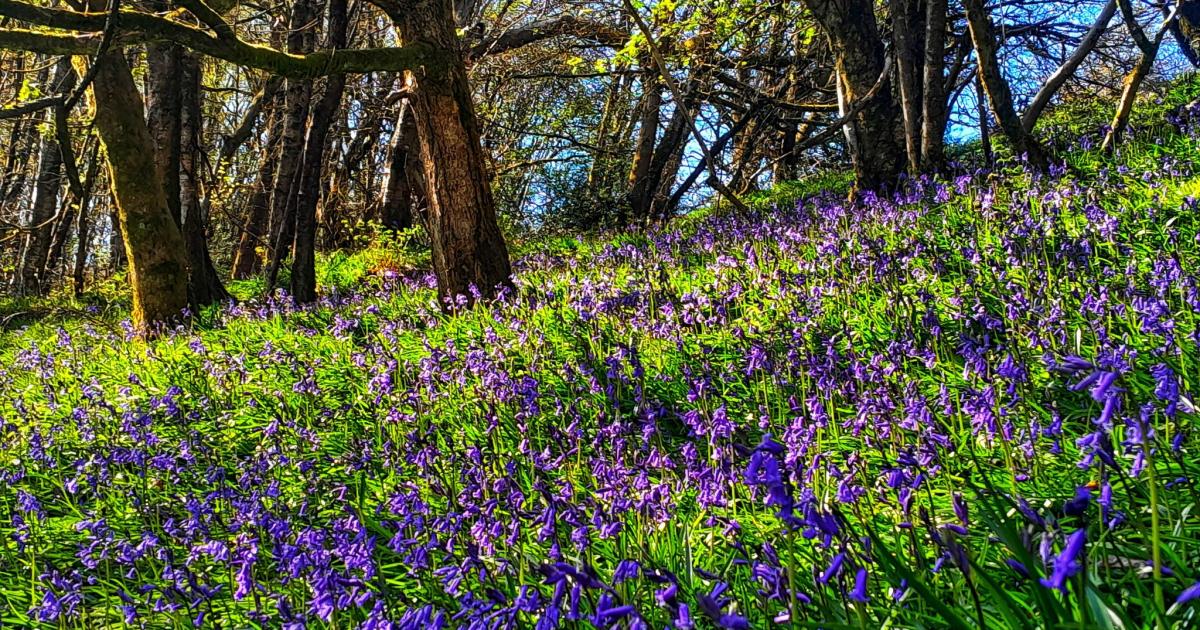
The delightful flowers indicate that spring is well and truly here.
And in Bolton we are lucky enough to have such beautiful sights on on our doorstep.
Carpet of blue in Roddlesworth. Picture Pete Kennington
The Bolton News Camera Club members have captured beautiful pictures of the wildflowers growing in ancient woodland in huge patches, but just step outside and you will undoubtedly see them flourish in smaller pockets and are just as magical.
A fine display of carpet native bluebells in Spring Woods, Whalley. Picture Pete Kennington (Image: Pete Kennington)
The Royal Horticultural Society states that people will often find the native English bluebell .
Advertisement
Bluebells on the moors in Bolton. Picture Keith Rylance
It adds: “Woodland floors carpeted with bluebells are appreciated for their natural beauty, with many people visiting bluebell woods in mid- to late-spring. The flowers can attract bees and butterflies, including the brimstone, orange-tip and pearl-border fritillary. As a source of nectar in spring, bluebells are a useful addition to wildlife gardens.”
Enchanting sight in Roddlesworth (Image: Pete Kennington)
Woodlands in and around Bolton to capture the beautiful spring sight include Barrow Bridge and Roddlesworth.
Venture further afield and you can find them in full bloom in Whalley and Feniscowles in Blackurn
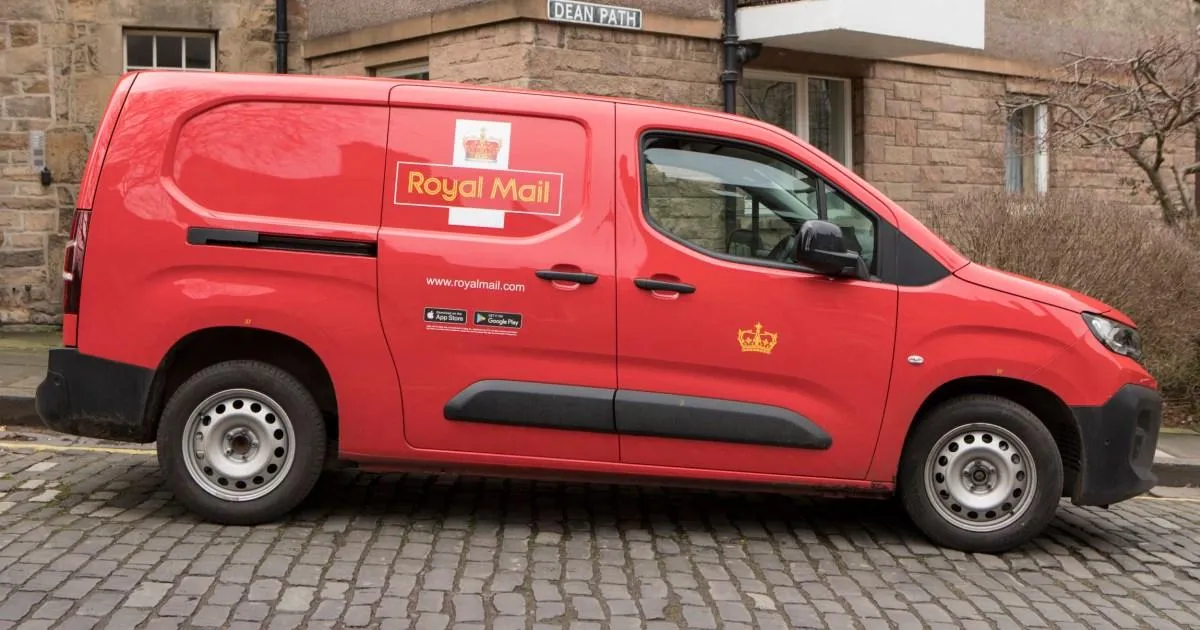
A post on a Facebook group for Royal Mail staff has sparked fury from Reform (Picture: PA)
Royal Mail has launched an investigation into allegations that a postman claimed to have ‘dumped’ Reform UK campaign leaflets in a bin.
A post on a Facebook group for Royal Mail staff said: ‘My DO had reform party’s D2D today. I dumped them all in a bin. They can sack me! Idgaf!’
It was shared in a private 30,000-member Facebook group called Royal Mail Chat, which is open to Royal Mail employees and partners, as well as members of the Communication Workers Union – a trade union covering postal delivery workers.
A Reform UK legal representative wrote a letter of complaint to Alistair Cochrane, chief executive of Royal Mail, that said the screenshot was circulated on or around Saturday.
Advertisement
‘DO’ is an acronym for delivery office, ‘D2D’ for door-to-door or unaddressed advertising mail.
Sign up for all of the latest stories
Start your day informed with Metro’s News Updates newsletter or get Breaking Newsalerts the moment it happens.
Advertisement
Party leader Nigel Farage said on X: ‘It is right that @RoyalMail has launched a full investigation into this allegation.
Nigel Farage slammed the act and demanded an investigation (Picture: Getty)
‘If found to be true, it would be very disturbing and an attack on the democratic process itself.’
Royal Mail issued a statement saying it ‘plays a crucial role in elections’, adding: ‘We take our responsibility very seriously and do not tolerate the deliberate non-delivery of mail.
‘We are investigating this allegation and remain committed to impartial delivery for all candidates.’
Reform demanded an immediate and thorough internal investigation within three days of its letter, dated Saturday, and a full written explanation.
Advertisement
It requested details of any compensation measures that Royal Mail might propose to offer Reform UK for the ‘loss and disruption caused by this incident’.
The party is also seeking confirmation that appropriate disciplinary action has or will be taken against any employee found to have participated in or condoned the destruction of the materials.
On the Facebook post, the legal representative said: ‘This admission provides clear prima facie evidence of the deliberate destruction or non-delivery of Reform UK’s door-to-door campaign materials that had been entrusted to Royal Mail.
‘Such conduct constitutes a wilful breach of Royal Mail’s statutory and contractual obligations to deliver mail and literature impartially and efficiently.
Advertisement
‘It also undermines the democratic process and Reform UK’s lawful right to engage in political campaigning.’
The latest rugby news and headlines from Wales and beyond
Here are your rugby evening headlines for Sunday, April 26.
Advertisement
Dragons sign impressive winger
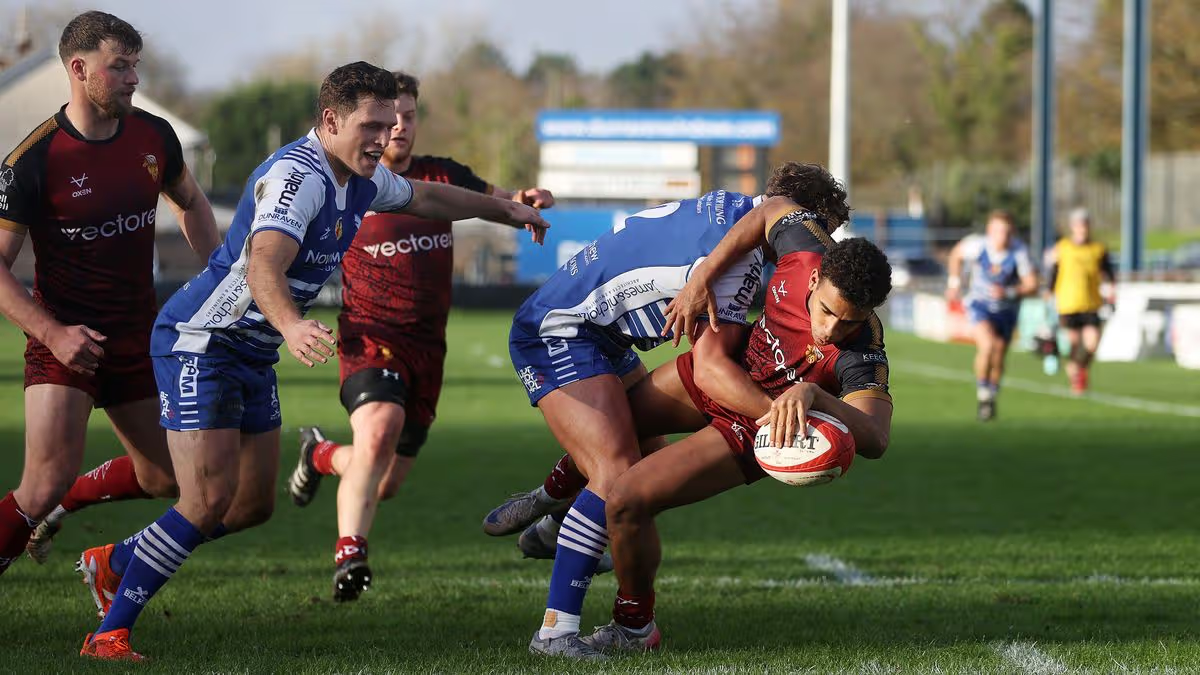
The Dragons have signed RGC wing Caio Parry ahead of next season, following a fine season in Super Rygbi Cymru.
Parry has been one of the league’s most potent players, crossing for 14 tries in 19 matches this season.
The 20-year-old also ranks highly for defenders beaten and linebreaks, while he’s also turned out for GB 7s in Rugby Europe Championship.
After RGC’s SRC hopes were ended with a quarter-final loss against Llandovery on the weekend, their coach Jon Callard confirmed the Dragons were signing Parry for next season.
Advertisement
“Caio Parry is going to go on to the Dragons, which is fantastic for us,” said Callard to S4C.
Welsh boss ‘delighted’ after narrowly missing out on scalp
Scarlets interim director of rugby Nigel Davies says he is delighted with the players after they came close to knocking over play-off-chasing Bulls in Llanelli.
A strong display against the Springbok-laden Bulls nearly produced a win for the west Walians, only for the boot of Handre Pollard to deny them. Even so, Davies was pleased with what he saw.
“At this level, the margins are narrow and we are working hard to make sure we are on the right side of these victories,” he said.
Advertisement
“We are getting there, there were a couple of key moments in the game, but overall I am just delighted with the players; I thought they were brave out there, they kept on going, we executed the gameplan really well which gave us an opportunity to win the game. I am really, really pleased with the way the boys reacted to last week.”
Davies added: “In the main, I thought we managed the game well – maybe we didn’t switch to a different type of gameplan when they were down to 13, the scrum at the end was another moment – but that is how it goes sometimes, particularly when you are a side still looking to find its feet. We are getting close and that was a real statement of intent to where this team is going.
“We are moving forward, we are gradually knocking down all the things we are talking about, we have a real clear plan moving forward and the boys are starting to execute on the field. There is a lot of hope to take from that performance.”
Northampton unhappy despite late win
Northampton Saints director of rugby Phil Dowson was unhappy with their performance against Bath, despite winning 41-38 at Franklin’s Gardens.
Advertisement
Bath rested a number of players for their top of the table Prem clash, with one eye on a European semi-final against Bordeaux-Begles next week.
As such, celebrations were muted when Northampton did sneak over the line late on.
“We weren’t getting through anything we wanted to execute,” said Dowson.
“We stopped playing a little bit, got into lots of box kick battles, which definitely suits Bath, and I thought their back three were excellent, in terms of dealing with those and getting Bath on the front foot.
Advertisement
“Defensively, we weren’t at it, particularly that part of our game was again poor, so (defence coach) Lee Radford is particularly annoyed.
“Those elements feed into how we want to attack and play, and I think some of our decision making was a bit restricted in the second half.”
And what tourists don’t know about this charming historic street still makes locals smile.
Tucked in the shadow of York Minster, Grape Lane links the steady flow of shoppers on Low Petergate with the bars and restaurants of Swinegate, brushing past the entrance to Coffee Yard and Barley Hall along the way.
Coffee Yard, off Grape Lane, in 1968.
Today it feels almost dainty: boutique shops, delis, small cafés and polished frontages, the kind of lane visitors wander down to get that all-important Instagram-worthy selfie. But behind the neat signs and soft lighting lies one of the city’s bluntest old street names – one that the Victorians quietly tweaked.
At first glance, it sounds genteel, and you’d be forgiven for expecting to see vines or wine merchants lining the street. Many visitors assume just that, reading “Grape” as the fruit and thinking no further. But local guides, historians and long-term residents of this city know better.
Grape Lane, on the left, where it leads into the steady flow of shoppers on Low Petergate, pictured here in 1984.
Medieval records show the street was once known as “Grope Lane” or the even less refined “Grapc*** Lane” , linked directly to prostitution in the area and York’s former red‑light district.
The “grap/grape” element is widely understood to derive from “grope”, while the more explicit version of the name appears in documents from the 14th century onwards.
Advertisement
Its spelling and respectability certainly wandered.
The street first turns up in the records in 1276 as “venella Sancti Benedicti”, the lane of St Benedict, before the more notorious form emerges in the 14th century.
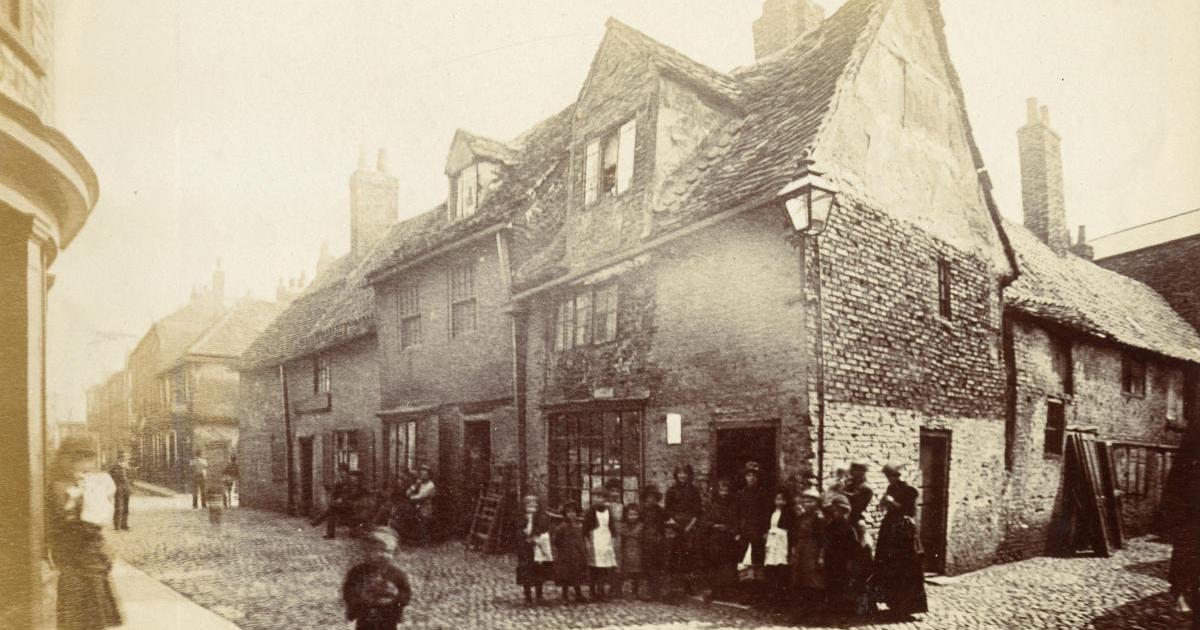
Swinegate in about 1900. Grape Lane is on the left, with Mad Alice Lane behind the group of children on the right.
By the 18th and 19th centuries, as attitudes shifted, many such streets across England saw their names laundered; in York, “Grope” had become “Grape”, a change often attributed to Victorian delicacy. The result is the seemingly harmless sign you see today – one that still prompts a knowing smile from locals who have heard the older name.
What is Grape Lane known for?
Advertisement
A more recent photo of Grape Lane from 2024.
Small it may be, but Grape Lane packs in a surprising amount of built history. On its north‑west side stands 7 Grape Lane, a house dating from about 1600, alongside later Georgian and Victorian properties at numbers 13, 15 and 17.
Most striking is No. 19, an early 15th‑century timber‑framed building that once formed part of a passage to Coffee Yard; later heightened and refronted in brick, it spent time in the 19th century as the Bloomsbury pub and is now in use as a restaurant. Inside, elements of the medieval timber frame survive, including an early cross wall and original stud pattern on the first floor, although the building has been heavily altered over time, including restoration after a fire in the late 20th century.
The Coach And Horses Inn in Swinegate.
Today, the lane’s reputation has shifted from scandal to sparkle.
Former houses of ill‑repute have given way to boutiques, cafés and bars, and by walking from Low Petergate down Coffee Yard and out onto Grape Lane you can trace a line from Roman and medieval activity to a thoroughly modern snickelway lined with independent businesses. In the evenings, the warm glow of lights and the spill of conversation from nearby venues on Swinegate give the cobbles an almost stage‑set quality, a far cry from the trade that once gave the street its name.
Advertisement
Short it may be, but Grape Lane’s name, hidden history and resilient old buildings ensure it leaves a lasting impression – whether you come for the shops, the stories, or simply because a guide has just told you what it used to be called.
She is fronting Metrocentre’s Fashion & Beauty Weekender in Gateshead, held on Saturday, April 25 and Sunday, April 26, as part of the centre’s ongoing 40th birthday celebrations.
The free event features catwalk shows, beauty masterclasses, and live entertainment in Town Square, as well as a dedicated ‘beauty playground’ in Exhibition Square.
Metrocentre Fashion Weekender. (Image: KEVIN GIBSON PHOTOGRAPHY/NICKY ROGERSON)
Helen Atkinson, marketing manager at Metrocentre, said: “Now a firm favourite on the spring-summer calendar, our fashion and beauty weekender grows year on year – but never more so than in 2026, as we celebrate 40 years since opening.
Metrocentre Fashion Weekender. (Image: KEVIN GIBSON PHOTOGRAPHY/NICKY ROGERSON)
“With support from our retailers and partners, we’re creating a weekend that truly reflects everything Metrocentre stands for – style, experience and something for everyone.”
Advertisement
Metrocentre Fashion Weekender. (Image: KEVIN GIBSON PHOTOGRAPHY/NICKY ROGERSON)
Metrocentre Fashion Weekender. (Image: KEVIN GIBSON PHOTOGRAPHY/NICKY ROGERSON)
The event includes a runway show curated by charity Daisy Chain, showcasing outfits styled from donated clothing, and paid tribute to Metrocentre’s four decades of fashion.
Masterclasses and beauty demos ran throughout the weekend, with four fashion shows scheduled each day at 11am, 1pm, 2.30pm, and 4pm, and beauty masterclasses at 11.30am and 2pm.
Metrocentre first opened its doors on October 14, 1986, and was developed by Sir John Hall as what was then billed as the biggest shopping centre in Europe.













































You must be logged in to post a comment Login