

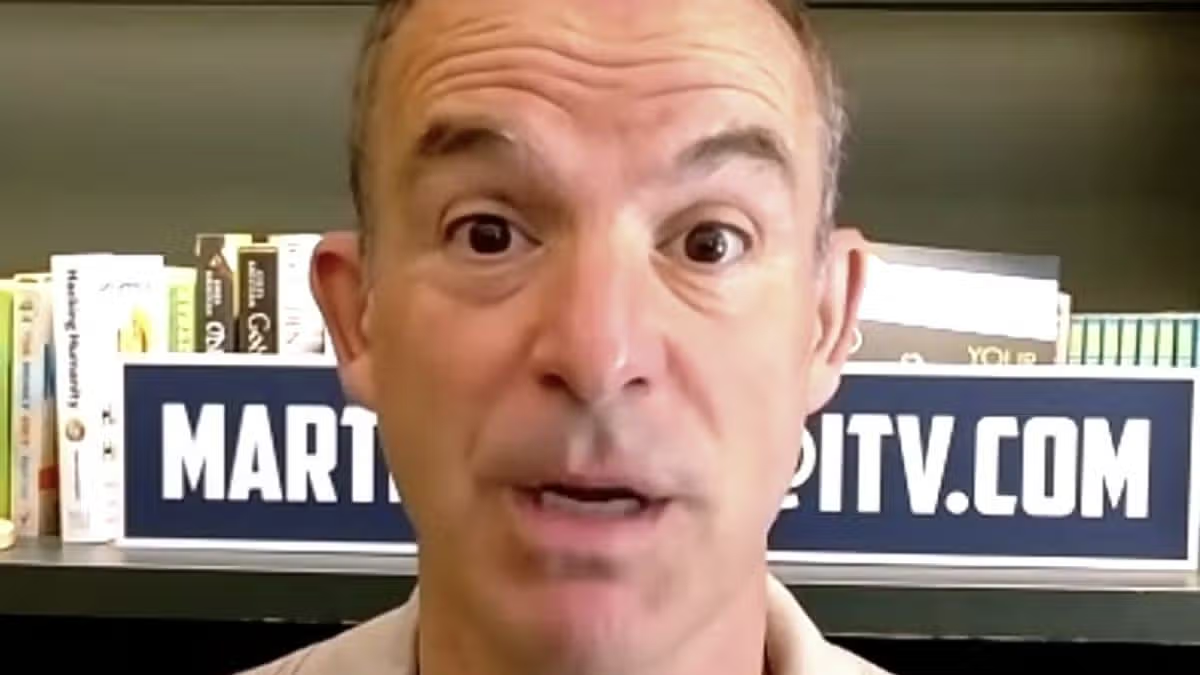
The Money Saving Expert founder has pulled no punches as he hit out at the government’s Sunday announcement
Martin Lewis has revealed he is clinging to ‘one hope’ after criticising the government in a brutal new update today. The Treasury today, Sunday, September 13, failed to commit to abandoning the threshold freeze for graduates repaying their student loans.
This comes despite mounting pressure to take exactly that step. And Martin Lewis, founder of MSE and a prominent personal finance guru who regularly features on ITV and BBC, has expressed his irritation at the development – while clinging to one glimmer of hope.
Ministers have for months come under fire for their management of repayment conditions for graduates, particularly those holding so-called “plan 2” loans borrowed between September 1 2012 and July 31 2023 in England. At last October’s Budget, then-chancellor Rachel Reeves froze the salary threshold at which graduates begin repaying the loan for three years from 2027.
Graduates are likely to end up financially worse off as a consequence, as the threshold would have otherwise increased in line with inflation. When they were initially introduced in 2010, the plan 2 loan threshold was intended to rise with inflation annually, but it has been frozen on multiple occasions since 2016.
In a report released in July, the Treasury Committee called on ministers to pledge to reverse the freeze at the next budget this autumn. Now the Government says it “recognises” the cost-of-living pressures that numerous graduates encounter and “understands concerns” about the consequences of repayment terms. But while it said it had not ruled out scrapping the threshold freeze, it has not so far agreed to do that.
“We keep all aspects of the student finance system under review,” the Treasury said. “Decisions on student loan repayment arrangements must be considered alongside wider fiscal priorities, the long-term sustainability of the higher education funding system, and the need to ensure value for money for taxpayers.
“Any significant changes require careful consideration of their impacts on borrowers, taxpayers and public finances. The Government will continue to consider opportunities to ensure the fairness of the student finance system for borrowers, taxpayers and public finances.”
Martin Lewis issues verdict on new Treasury student loan plan
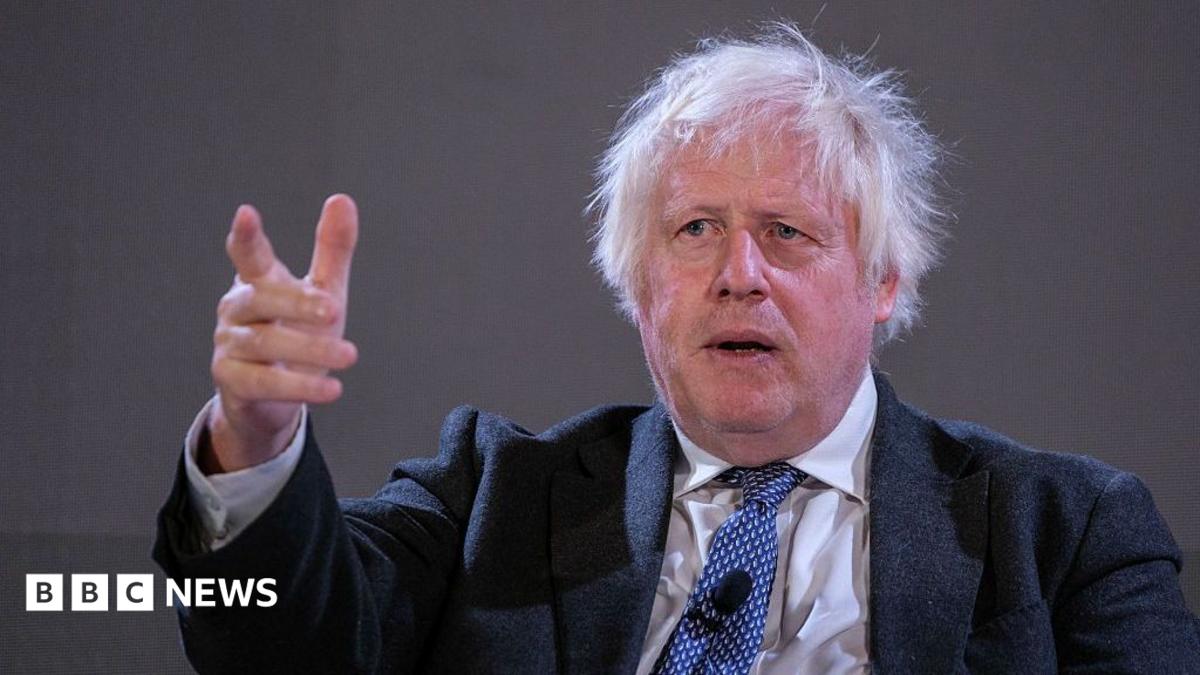
Today, in a post on X, Mr Lewis said: “This is a very disappointing response that does little to help the millions of students already struggling with student loans, after years of degradation of the terms they signed up to, by successive governments.
“Most urgently, it doesn’t address the coming immoral freeze of the Plan 2 repayment threshold, announced by Rachel Reeves, due to start next April.
“That will mean all those on Plan 2 loans will effectively pay more each year. I say it’s immoral because it is a negative retrospective change of terms to loan contracts students, often aged 18, signed up to. No commercial firm would ever be allowed to do that. The only slim hope is that as the freeze was announced in a Budget, it has to be undone in a Budget and therefore they are just waiting for the coming one to do that.
“At the same time, the Government has sadly rejected the Committee’s recommendation that the ‘fairness’ protections that holders of commercial loans get should apply to student loans too – perhaps as it knows some of the ways it behaves would fall foul of those conditions.
“Most frustrating is that back in 2015, I campaigned for this change, and even worked with current Cabinet Minister, Wes Streeting, then a backbencher, to put an amendment in Parliament (it failed). So, it is incredibly frustrating to see a government he is now a part of reject[ing] it. The Government has also rejected shifting the inflation link from RPI to CPI – continuing the unfair pattern that means when the Government raises our costs by inflation it’s often via the higher RPI, but on things where it pays out it’s often linked to the lower CPI measure.
“Of course, I welcome the small crumbs it has given that at least future students will be told in plain English, before they sign up, that the amount they repay can be altered after the event. But let’s be clear: better information for future students will not fix the existing Plan 2 student loan crisis. The repayment threshold needs to rise, interest needs to fall, maintenance support needs uprating, and the whole system requires a fundamental reset.
“As I say, the one hope here as I say is there is they are waiting to reverse the threshold freeze in the budget. The more fuss that is made now the greater chance of that.”
Terms and conditions of student loans
The Government has agreed to make it clearer that the terms and conditions of a student loan can be changed by future governments after the Commons Treasury Committee warned the way the loans have been presented has amounted to mis-selling. Chair of the Treasury Committee Dame Meg Hillier urged the Chancellor John Healey to use the upcoming Budget to “give graduates some much-needed breathing space”.
Dame Meg said: “The commitment to right a historical wrong by updating the information so that prospective students are properly informed before taking out a massive loan is an important step forward.
“Unfortunately, though, it doesn’t help graduates who are angry that they didn’t receive the same service and are now facing punitive repayment terms on a loan which keeps growing. And they are juggling that stress with other huge pressures like trying to get on the housing ladder and save for a pension. I say it again, we must give young people a fair chance.
“Importantly, the Treasury has not ruled out reversing the threshold freeze but instead says the whole student finance system is under review.
“I recognise that finances are tight but I continue to urge the Chancellor to look at this again. I sincerely hope he will use his upcoming budget to give graduates some much-needed breathing space.”
Interest on plan 2 loans is applied at the retail price index (RPI) inflation rate plus up to 3%, determined by a graduate’s earnings. The interest rate has been capped at 6% since the start of September to shield graduates from surging inflation during the war in Iran.
Many graduates have discovered that despite years of payments, their debt balance has either increased or remained static due to the impact of inflation.













































You must be logged in to post a comment Login