Grace Dent and Anna Haugh have opened up about taking over as the new hosts of BBC MasterChef.
Tianna Corbin TV Reporter
11:02, 14 Apr 2026Updated 11:02, 14 Apr 2026
BBC audiences will be introduced to fresh faces on MasterChef this year.
Devotees of the cooking programme will see Grace Dent and Anna Haugh present the 22nd series of MasterChef, which is scheduled to begin on 21 April.
Advertisement
This follows the departure of long-standing judges Gregg Wallace and John Torode from their positions on the show last year.
Speaking to RadioTimes ahead of their on-screen debut together, 52-year-old Grace Dent described her response to taking over from the male duo.
When asked if the pair ‘quailed’ at the idea of picking up the BBC show from the previous presenters, Grace responded: “I don’t feel I am ‘picking up’ after anybody.
“I’ve been going to work every day at the helm of the most important food show, probably in British television history. I think I’m doing well. Am I doing well?”
As she glanced at her co-star, Anna confirmed that Grace is excelling in her new position as she added: “There is no way I’d show up a year ago on that set and begin to work in the manner that I did, while looking backwards.”
Grace is well acquainted with the show, having been a frequent guest judge over the years and also standing in to judge Celebrity MasterChef last year following Gregg Wallace’s departure, reports the Mirror.
Advertisement
Discussing her return to the cooking programme, Grace admitted she was ‘over the moon’ and commended working with her new co-star. She said: “It’s a joy to be working with Anna, who brings all her incredible experience to the table.
“I am in for such a treat with this series, I can’t wait to get started.”
Anna will also be a familiar face to MasterChef fans, having previously made guest appearances on Celebrity MasterChef. She also took on a judging role during the final week of last year’s series.
Advertisement
Sharing her enthusiasm about joining the programme as a permanent judge, she said: “I’m delighted to be back on MasterChef and judging alongside the wonderful Grace Dent, whose writing and wit I’ve admired for years.
“MasterChef has long inspired and resonated with cooks in home kitchens and, of course, in my industry. I can’t wait to get into the studio for what will be a great competition.”
MasterChef returns on Tuesday April 21 at 9pm on BBC One and iPlayer.
Car bursts into flames causing delays on major Welsh road | Wales Online
Need to know
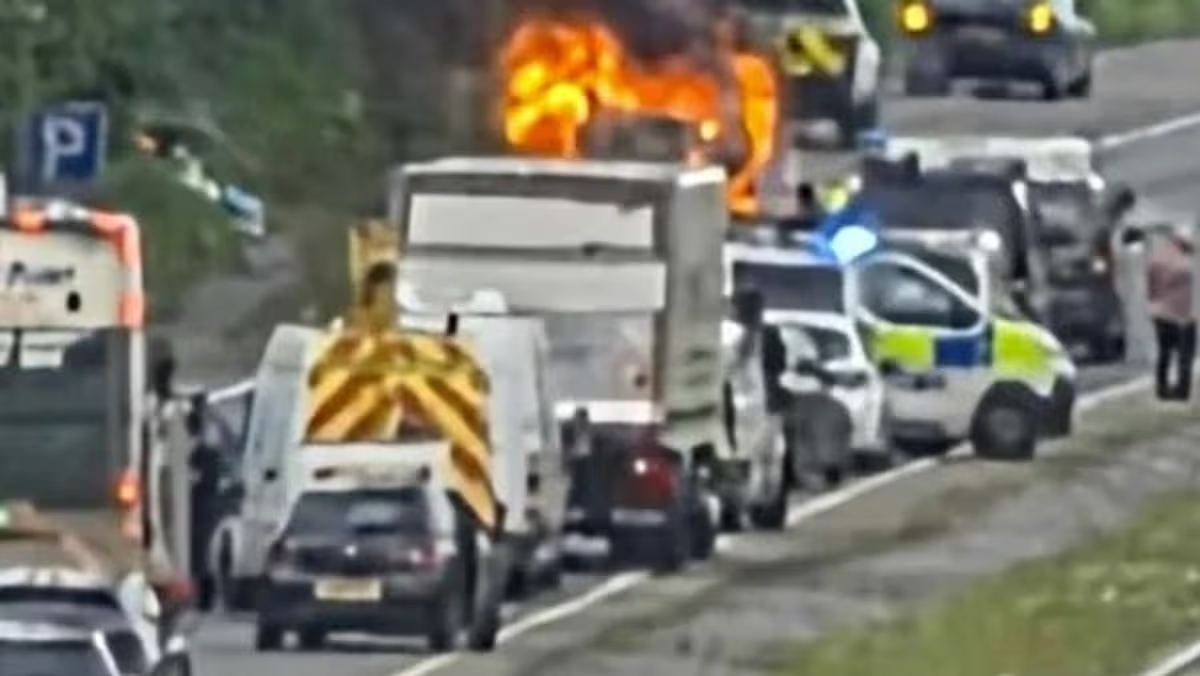
Emergency services were at the scene and closed the road for some time
The car fire held up traffic on Tuesday morning (Image: Stewart May)
Car bursts into flames on the A48
Emergency services attended the scene after a car burst into flames on the A48 on Tuesday, May 12 morning. Around 8am, two lanes were closed on the busy route between from the A476 Llandeilo Road (Cross Hands roundabout, Cross Hands) to the Porthyrhyd turn off (Foelgastell Junction, Foelgastell).
Dyfed-Powys Police were at the scene this morning, closing the road westbound as they dealt with the fire. There was queuing traffic along the busy road for around an hour.
Around 8.21am on Tuesday morning one lane had reopened and traffic began to move through the area. The road was fully opened again and the car recovered by 9.12am.
Get daily breaking news updates on your phone by joining our WhatsApp community here. We occasionally treat members to special offers, promotions and ads from us and our partners. See our Privacy NoticeFollow walesonline:
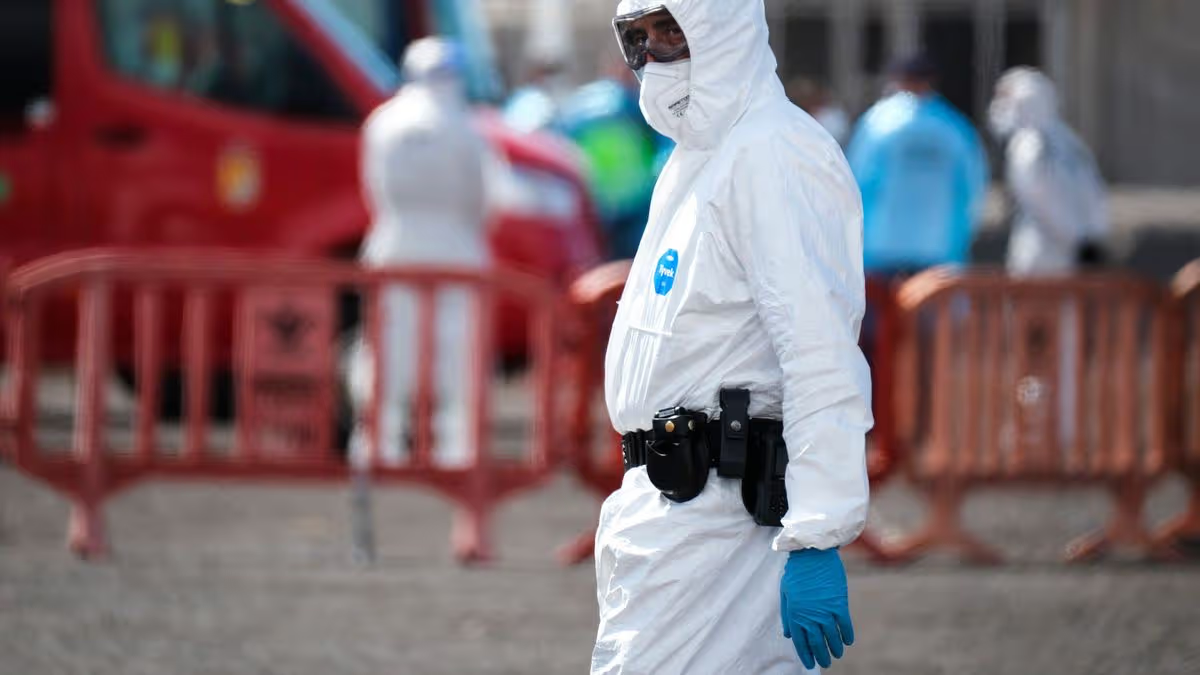
The hospital in the Netherlands has ordered 12 of its staff members to go into quarantine amid a precautionary risk of infection after they treated a hantavirus patient without proper PPE
Rachel Vickers-Price UK and World News Reporter and Olivia Bridge Reporter in Live News Network
09:27, 12 May 2026Updated 09:28, 12 May 2026
The Dutch hospital has been attending to a MV Hondius passenger since they were medically evacuated from the hantavirus-stricken cruise ship last week. The hospital has since confirmed a dozen of its staff members will now be forced into quarantine amid fears they failed to follow PPE rules.
On Monday, the Netherlands ‘ Radboud University Medical Centre (Radboudumc) said in a statement that the 12 employees will be placed into “preventative quarantine for six weeks as a precaution” over a possible risk of contamination with the patient, although it says there is a low risk of infection.
Advertisement
The staff members were found to have failed to follow strict PPE protocols when handling the blood and urine of the patient who had been travelling on the virus-plagued vessel, reports The Mirror.
The patient infected with the rat-borne was medically evacuated from the ill-fated Dutch vessel last week that has been at the centre of an international health emergency.
Blood was drawn from the patient and processed using standard safety precautions. “Due to the nature of the virus, this blood should have been processed according to a stricter procedure,” a hospital spokesperson confirmed on Monday.
Advertisement
“In addition, it became clear on Saturday, May 9, that the most up-to-date international regulations had not been followed during the disposal of the patient’s urine.”
Staff members will receive any support needed while in isolation, the university medical centre added, with board chair of Radboudumc Dr Bertine Lahuis attempting to reassure the public the risk to the broader population remains low.
“Despite the fact that the chance of actual infection is very small, these measures have a significant impact on all those involved. We regret that this has happened at our university medical centre,” she said, adding a careful investigation is coming to “learn from this and to prevent it from happening in the future” once again.
Her comments to the public comes days after the infected patient was initially triaged at the hospital, with the Dutch medical centre assuring the public at the time that its staff had containment measures of the hantavirus under control.
Advertisement
A spokesperson said at the time: “On the ward where the patient is admitted, appropriate isolation measures have been taken to prevent spread, in accordance with internationally agreed protocols. The team is specialised and trained in the care of patients with severe infectious diseases.”
The patient at Radboudumc was one of three taken medically evacuated from the MV Hondius when it was docked off the coast of Cape Verde last week. They were transported home to the Netherlands, alongside another patient who has been admitted to Leiden University Medical Centre.
A third person who was evacuated from the ship was taken to a hospital in German. That person has tested negative for the hantavirus.
Advertisement
Three people died from hantavirus after a recent outbreak involving the 147 passengers and crew members on the Dutch-flagged vessel. Two of the fatal victims were identified as a man and woman from Friesland in the Netherlands, while the third was reported to be a German woman.
The last of the passengers remaining on the Dutch-flagged ship were able to exit the vessel on Monday after weeks of uncertainty.
A former smuggler told us that Kardo Ranya’s network charges about €17,000 (£15,000) to transport a migrant all the way from Iraq to the UK. Although this price is often higher than that of his rivals, the network claims to offer a safer journey (and a VIP service for those who can pay). “[Kardo Ranya] charges more,” the former smuggler said, “but still the migrant goes to him.”
When asked if he could foresee a recognition that Cabinet could benefit from someone “with a lot of electoral support” like the Greater Manchester mayor, he said: “There’s a lot of fantasy politics going on at the moment, Keir Starmer won a historic majority less than two years ago at the ballot box alongside all of us in the Labour Party.”
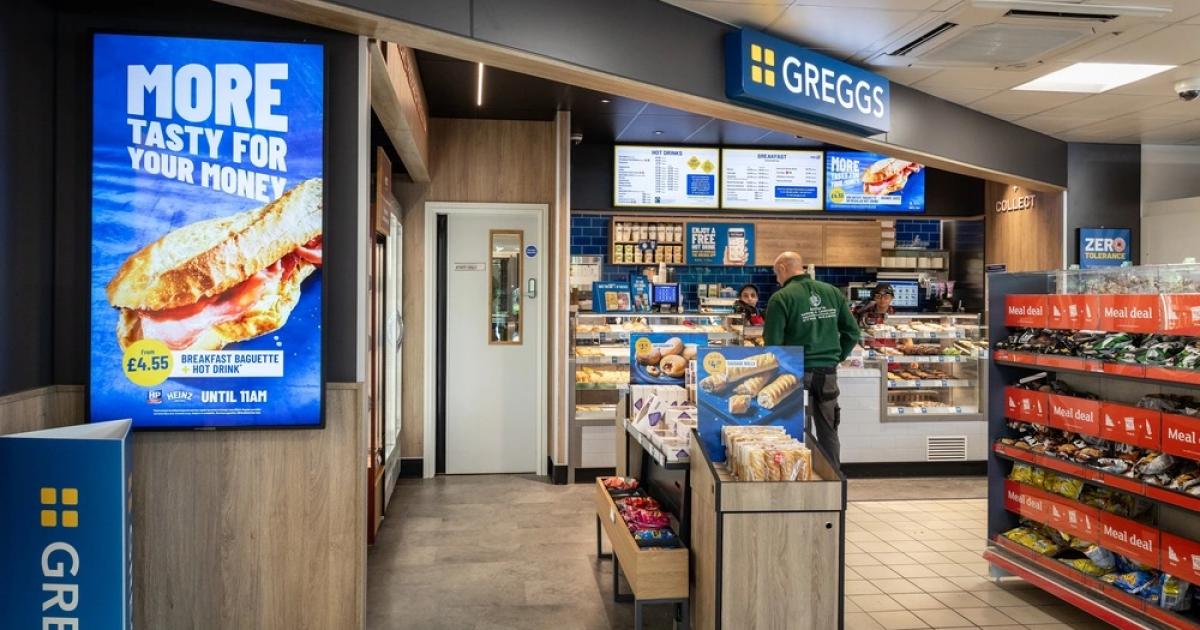
The bakery chain has raised prices on several products, leading some to claim it is losing its reputation for affordability.
The changes were first highlighted by a Reddit user on the r/greggsappreciation page who wrote that the standard meal deal has gone up from £4 to £4.25, with the meal deal including a side jumping from £5 to £5.25.
A Greggs spokesperson said: “We have made small changes to the price of some products in response to rising costs and inflation.
(Image: Jam Press)
“Our focus remains on offering customers great value and high-quality products across our range, maintaining our value-leading position in the food-to-go market.”
Advertisement
The Reddit post also claimed that “loads of other increases of around 10p” have appeared across the menu.
One user wrote: “Greggs prices are absurd for what it is.”
Another said: “Greggs is slowly pricing themselves out.
“Something like £2.35 for a steak bake is already a crazy price IMO.”
Advertisement
A third commenter wrote: “I swear I remember you used to be able to get 2 pizza slices for £3 back in the day.”
Shoppers did note one small win, though: the popular four sausage rolls deal has reportedly dropped back down to £3.95.
UK High Street Shops That No Longer Exist
Many users reminisced about lower prices in years gone by, with one joking: “Two pasties for £1 when I was in college… good days.”
Another added: “Remember when Greggs had cheap scran? About 5-10 years ago? Those were good times.”
Advertisement
Greggs said the changes come amid ongoing inflationary pressures and rising costs across the food industry.
The company insists it has tried to keep price rises to a minimum and continues to offer lower prices on selected bakes and pizza slices, despite broader cost increases affecting the sector.
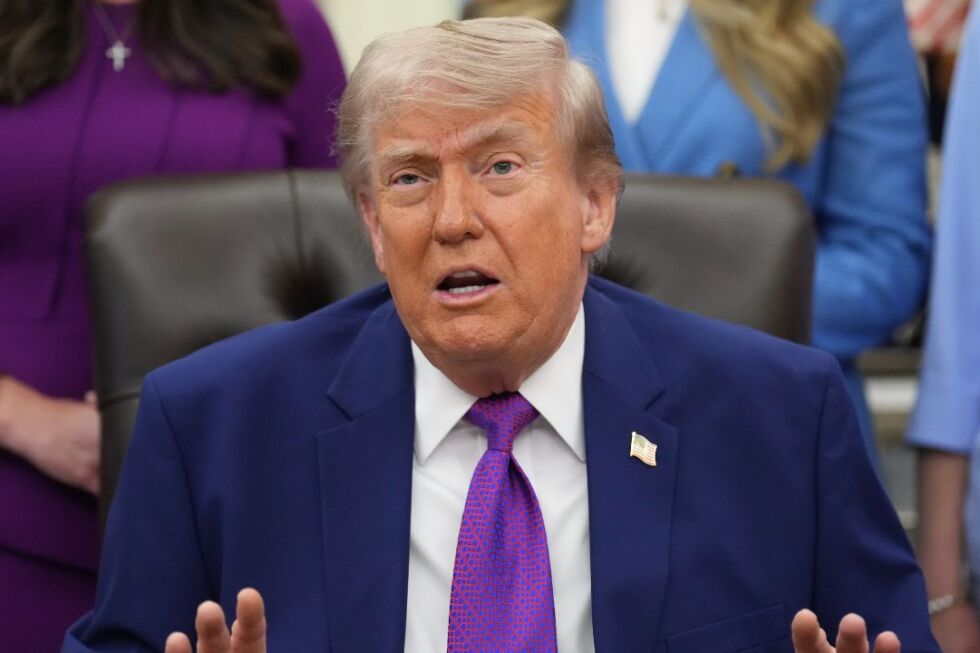
WASHINGTON (AP) — President Donald Trump said Monday he will move to suspend the federal tax on gasoline to help Americans shoulder surging fuel prices caused by the Iran war.
The president cannot suspend the federal tax on his own. Congress would have to approve the move.
Lawmakers from both parties have pushed for a gas-tax suspension, saying it would provide much-needed relief for families and businesses that rely on their cars and trucks to get to work and school and run everyday errands.
As of Monday, the average national gas price was $4.52 a gallon, according to the AAA motor club, 50% higher than the average price of just under $3 a gallon before Trump began the war against Iran.
Advertisement
What the gas tax supports
The federal tax is currently set at 18.4 cents per gallon on gasoline and 24.4 cents per gallon on diesel fuel, an amount that does not include state taxes, which often are higher. The tax provides more than $23 billion per year in revenue for federal highway and public transit programs.
Asked by reporters at the White House how long the tax should be suspended, Trump said, “Until it’s appropriate.” While the tax is only a small percentage of the price of gas, “it’s still money,” Trump said.
Trump needs Congress — and they’re beginning to react
Republican Sen. Josh Hawley of Missouri said on social media Monday that he will introduce legislation to suspend the gas tax. Democrats have previously sponsored similar legislation. Rep. Anna Paulina Luna, R-Fla., also said in a post on X that she will introduce a bill “to suspend the federal gas tax in light of Trump’s recent remarks.”
Advertisement
Senate Majority Leader John Thune said Monday he has not “been a fan” of a gas tax suspension, but added: “You know, I’ve got some colleagues out there who think it’s a good idea. So, we’ll hear them out.’’
Thune, a Republican from South Dakota, said he’d prefer to reopen the Strait of Hormuz to “normalize gas prices” without legislation. “Obviously, any time you suspend the gas tax, that leaves a big hole in the highway trust fund, which also has implications down the road,” he said.
Sen. Rand Paul, R-Ky., said that “instead of suspending the tax, we should suspend the war.”
The ongoing spike in gas prices has set off alarms among some Republicans that it could hurt the party’s chances in the midterm elections.
Advertisement
Sen. John Cornyn, who is in a tough runoff race later this month to keep his seat, said he wants to know how roads and bridges would be paid for if the tax is lifted. But he said there’s a “difference between a temporary suspension and a permanent suspension.”
“A temporary suspension to get through this sort of bumpy time because of the uncertainty about energy prices, I could live with that,” he said.
Trump has previously said higher fuel prices are worth paying to prevent Iran from getting a nuclear weapon. That hardline message appeared to soften Sunday as Energy Secretary Chris Wright said the Trump administration was “open to all ideas,” including a suspension of the gas tax, during an interview on NBC’s “Meet the Press.”
A bill sponsored by Democratic Sens. Richard Blumenthal of Connecticut and Mark Kelly of Arizona would suspend the federal tax through Oct. 1. A similar measure was sponsored in the House by Democratic Rep. Chris Pappas of New Hampshire.
Advertisement
“Trump’s war of choice with Iran is driving up gas prices across the country — and Americans shouldn’t have to bear the additional economic burden of Trump’s reckless decision making,” Blumenthal said in introducing the bill.
Kelly told reporters Monday he still prefers his legislation but would take “whatever we can get at this point.”
“People need relief,” he said.
Several states, including Indiana and Georgia, have recently suspended their taxes to alleviate high prices amid the war. Kentucky and Utah have reduced their state tax. Other states are weighing similar suspensions or tax reductions.
Advertisement
There are drawbacks, industry group says
The gasoline tax is the single largest source of revenue for federal highway and public transit programs.
While proposed bills would offset any lost Highway Trust Fund revenue with general funds, the tax suspension could raise the federal deficit and jeopardize the long-term sustainability of investments for highway and public transit programs, according to the American Road & Transportation Builders Association, which represents the transportation construction industry.
The group cites studies showing that many retailers do not pass on the full amount of the gas tax reduction to consumers. Research also suggests that state and federal gas taxes are just one component of a complex pricing scheme that includes the global price of oil and other factors.
___
Advertisement
Associated Press writers Kevin Freking and Steven Sloan in Washington contributed to this story.
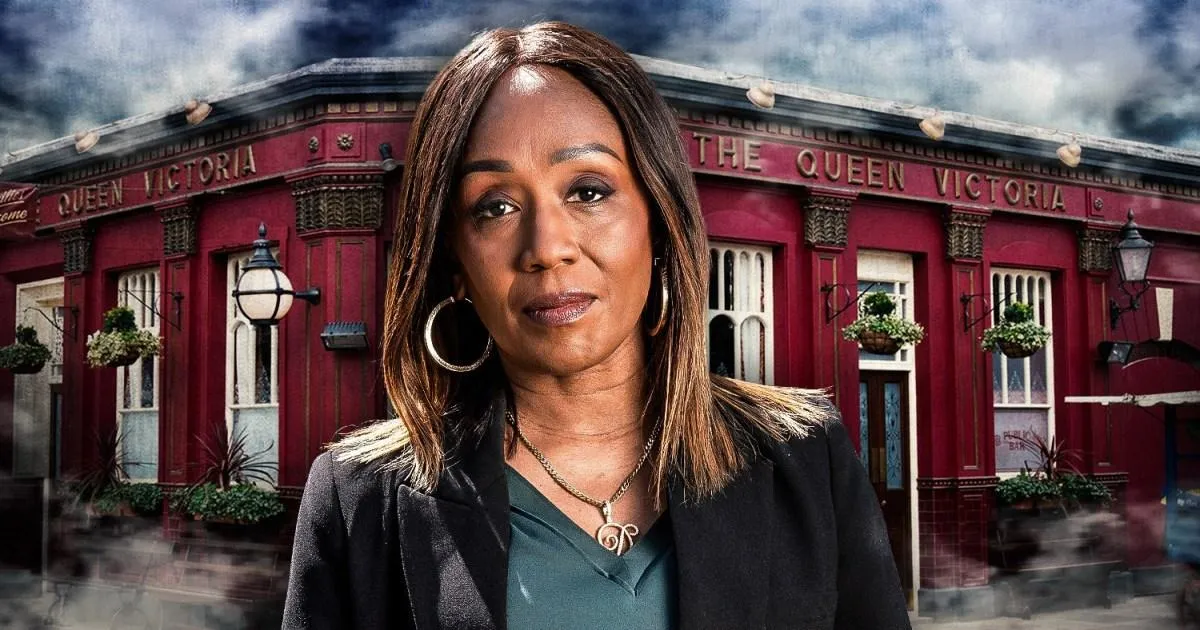
The news came after Denise began experiencing some concerning health symptoms including fatigue. Visiting the doctor for tests will eventually lead Denise to discover she has acute myeloid leukaemia.
The storyline will depict the impact this diagnosis has on her and her loved ones as it plays out over the rest of the year.
Advertisement
Elsewhere, 2026 is also Diane’s 20th anniversary on the show. To celebrate this amazing milestone, the BBC EastEnders Instagram account recently shared a wonderful compilation of some of Denise’s most iconic moments from over the years.
Diane received plenty of heartfelt messages from her soap star colleagues, all sharing the love and noting what an absolute star she is.
Tameka Empson, who plays Denise’s sister Kim Fox, wrote: ‘Happy 20th Anniversary Diane. It has been a honour to watch and work with you for some of it. Love and respect to you always my big sis, from your little sis. Here’s your flowers’.
Ricky Norwood, who played absolute legend Fatboy said: ‘What a legacy!! Denise for 20 more. Sending big love’.
Zaraah Abrahams, best known for her role as Chelsea Fox, also shared: ‘Unreal!! Happy Anniversary!!’.
Diane has played Denise since 2006 (Picture: BBC)
Also within the comments section, Diane responded to the tribute post and wrote: ‘Oh. Thats done me. Thank you for the blessing of being part of the greatest show and a member of the best family a workplace has to offer.’
This message from Diane, along with the news of Denise’s blood cancer storyline, has left fans of the show worrying that she’ll soon be waving goodbye to Albert Square.
Don’t miss a Soaps scoop! Add us as a Preferred Source
As a loyal Metro Soaps reader, we want to make sure you never miss our articles when searching for stories. We have all the latest soaps news, spoilers, videos, and interviews, with a vibrant community of highly engaged readers.
Advertisement
Click the button below and tick Metro.co.uk to ensure you see stories from us first in Google Search.
Now you can ensure you never miss a story from the Soaps team
Taking to social media platform X, an audience member shared Diane’s comment from Instagram and said: ‘shes leaving isn’t she :(‘.
Advertisement
In response, this fan spoke for all of us and wrote: ‘Don’t say that!’.
Also worried about Denise’s future, this account added simply put: ‘Shut up shut up shut up’.
Ames added: ‘What’s worrying me is they are making a very big deal around her 20th anniversary too other characters got a little appreciation post but Diane is getting more… if they kill of Denise i’ll be so sad’.
what’s worrying me is they are making a very big deal around her 20th anniversary too other characters got a little appreciation post but Diane is getting more… if they kill of Denise i’ll be so sad #eastendershttps://t.co/WJi4e6U2MX
In order to ensure Denise’s upcoming story is portrayed as accurately and sensitively as possible, EastEnders has been working alongside Blood Cancer UK.
‘It’s been a privilege advising the EastEnders team to ensure Denise’s storyline reflects the real experiences of people living with blood cancer and those who care for them,’ Helen Rowntree, CEO of Blood Cancer UK, said.
Denise’s whole world will change when she receives a blood cancer diagnosis (Picture: BBC)
‘Blood cancers, which include leukaemia, lymphoma and myeloma, do not discriminate yet experiences and outcomes can vary significantly, including by ethnicity. ‘Being Black and living with an aggressive blood cancer like acute myeloid leukaemia can bring additional challenges.
‘We hope viewers gain a greater understanding of blood cancer’s impact and we’re pleased this issue is being highlighted on a powerful platform, helping make a “hidden” cancer more visible.’
Executive producer Ben Wadey added: ‘It was vital to us that Denise’s storyline is portrayed with sensitivity and care, and we’re grateful to Blood Cancer UK for their advice in helping us tell this story accurately.
Advertisement
‘As viewers follow Denise, we hope to shine a light on the realities and challenges of an acute myeloid leukaemia diagnosis and the impact it has on the person affected and those around them.’
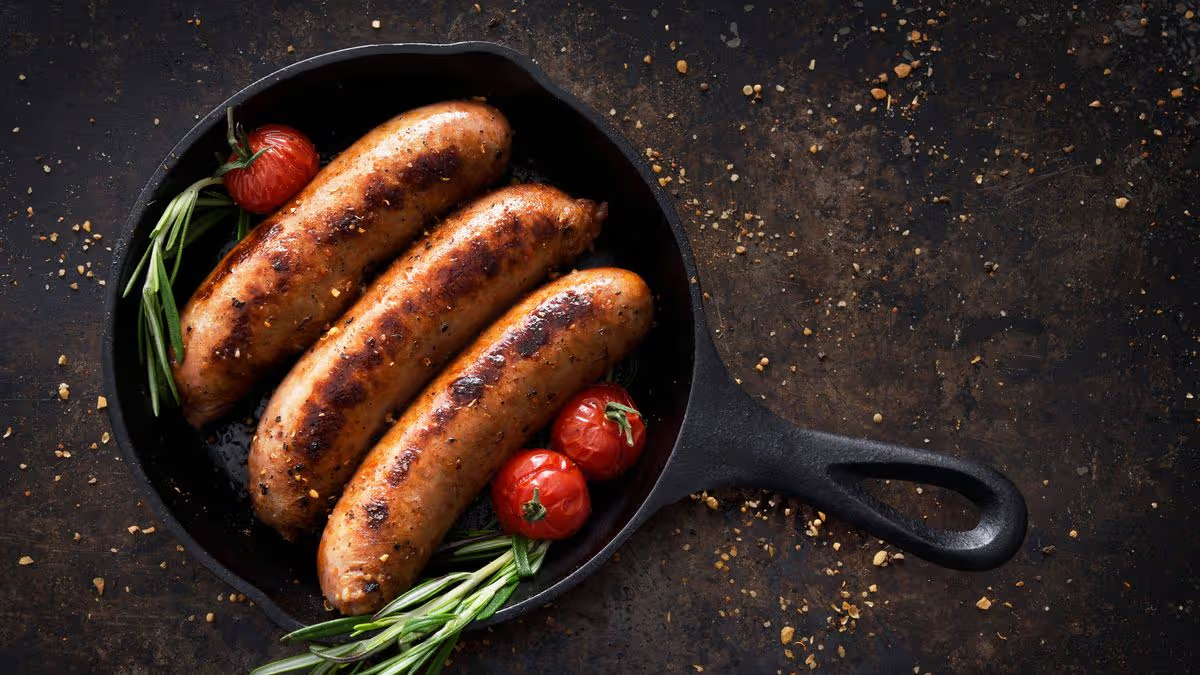
Expert butchers shared their favourite method for cooking sausages for juicier and tastier results – and it’s not what you might expect
If you’re like most people, you likely believe you’ve already perfected the technique of cooking sausages. You’ve been preparing them for years and are entirely happy with how they turn out. However, with just a handful of small tweaks, you could potentially be dishing up some of the finest bangers you’ve ever sampled.
Advertisement
The butchers at Lepp Farm Market shared that their “hands down, favourite way to cook sausages” is on the barbecue. But for everyday cooking, they’ve revealed the ultimate method to adopt.
It does involve two steps, but “you won’t be disappointed by the results”. They maintained that sausages cooked this way were “some of the best they’d ever had”.
Pan-frying sausages seems to be among the most commonly used cooking approaches, yet it doesn’t impress the experts.
Advertisement
While it might feel somewhat unconventional, the butchers recommend boiling sausages to render them “juicier and tastier”, reports the Mirror.
Simply place the raw sausages into a pan and cover them with cold water, making sure there’s approximately an inch of water covering them.
Turn your hob to a medium heat and bring it up to a gentle simmer. Resist piercing the sausages or cooking them at a vigorous boil, as “you’ll lose all those tasty juices”.
Once you’ve reached a simmer, continue cooking for just two to three more minutes.
Advertisement
This short cooking time is enough to raise the internal temperature to a safe 160 degrees. Once cooked, drain the sausages and discard the water. At this stage, they can be sliced straightaway for use in a casserole or pasta dish, as they are thoroughly cooked and ready to eat.
Admittedly, their colour at this point isn’t particularly appetising, but this is easily remedied if you prefer a more appealing finish.
Simply heat one tablespoon of cooking oil in a frying pan over a medium heat, then fry the slices or whole sausages “just long enough until they’re golden brown”.
Presently, he’s most recognised for his portrayal of DI Humphrey Goodman in the Beyond franchise, having first appeared in 2014.
Advertisement
When he departed the fictional island of Saint Marie in 2017, BBC viewers were devastated that his stint on the programme had concluded.
Nevertheless, they were delighted when it emerged he was receiving his own spin-off programme alongside partner Martha Lloyd (Sally Bretton) in the fictional Devon community of Shipton Abbott.
While the most recent series has just wrapped up, supporters have turned their attention to another potential character for Kris to embody beyond the BBC programme, reports the Mirror.
On Reddit, one supporter pointed out that the performer would be the perfect choice to assume the part of Arthur Weasley in the upcoming HBO Harry Potter series.
They posted: “The right age, funny, definitely capable of that wide-eyed enthusiasm, but as his tone on Death in Paradise shows, more than capable of handling the more dramatic moments. Kris Marshall would be the perfect Mr Weasley.”
It wasn’t long before additional users responded to the discussion, with numerous expressing their approval as one individual posted: “This might be my new favourite Arthur-fancast!” As another contributed: “He would be absolutely perfect.”
Another viewer remarked: “This might be my favourite so far. I think this is a great suggestion.” While a further commenter added: “I love his character in Death in Paradise and that role is so like Arthur Weasley. And he is tall too. He would be just perfect! Wish they would cast him for the series.”
Nevertheless, it appears fans will need to be patient regarding who will take on the role of the much-loved character, as no announcement has yet been made about who will portray Arthur Weasley.
While speculation has emerged suggesting Grey’s Anatomy’s Kevin McKidd could be in contention for the part, he told Entertainment Weekly: “I would never say never. I’m a massive Harry Potter fan.”
At present, newcomers Dominic McLaughlin, Arabella Stanton and Alastair Stout have been confirmed to portray Harry, Hermione and Ron respectively.
Elsewhere, John Lithgow takes on the role of Dumbledore, Nick Frost will play Hagrid, Paapa Essiedu is set to portray Snape and Janet McTeer will be Minerva McGonagall.
Additional cast members include Luke Thallon, Paul Whitehouse, Katherine Parkinson, Lox Pratt, Johnny Flynn, Bel Powley, Daniel Rigby and Bertie Carvel.
The first season of the new Harry Potter HBO series is set to be released on December 25 this year on HBO. Beyond Paradise is available to watch on BBC iPlayer.
Ireland has a unique relationship to climate change. The country has always relied on its pastoral landscapes for its national character, but the escalating climate crisis threatens this tradition because of rising temperatures and sea levels, and deforestation. Given Irish literature’s continued interest in nature, contemporary Irish poets are tackling these issues in their writing.
Poetry plays a special role in times of mass environmental decline. As a literary genre that relies on flexible, open-ended and even conflicting language to address complicated issues, poetry is especially well-suited to address the complex entanglement of local and global concerns, human and nonhuman lives, that gain increased prominence because of climate change.
Poems that explore environmental issues, often called ecopoems, can pack a lot of ideas into a single image. A short poem focused on a seemingly mundane subject can hide a wealth of meaning behind its simplicity.
In an age dominated by the algorithmic attention economy, poetry might be our best tool for incorporating activism into everyday life.
Heaney’s bogs
The Nobel prize-winning Irish poet Seamus Heaney knew this. Taking inspiration from ancient Irish nature writing, Heaney described the Irish landscape as “a system of reality beyond the visible realities”.
In his 1969 poem Bogland, he defines the bog itself as representing the essence of Irishness.
We have no prairies
To slice a big sun at evening—
Advertisement
Everywhere the eye concedes to
Encroaching horizon,
Is wooed into the cyclops’ eye
Of a tarn. Our unfenced country
Advertisement
Is bog that keeps crusting
Between the sights of the sun.
Heaney juxtaposes Irish bogs with the vast prairies of the American west by presenting them as archives of natural and human history.
For Heaney, the landscape was more than a lifeless background. It was a literal container of Irish history, including the possibility of environmental catastrophe.
Bogland by Seamus Heaney, read by Liam O’Flynn.
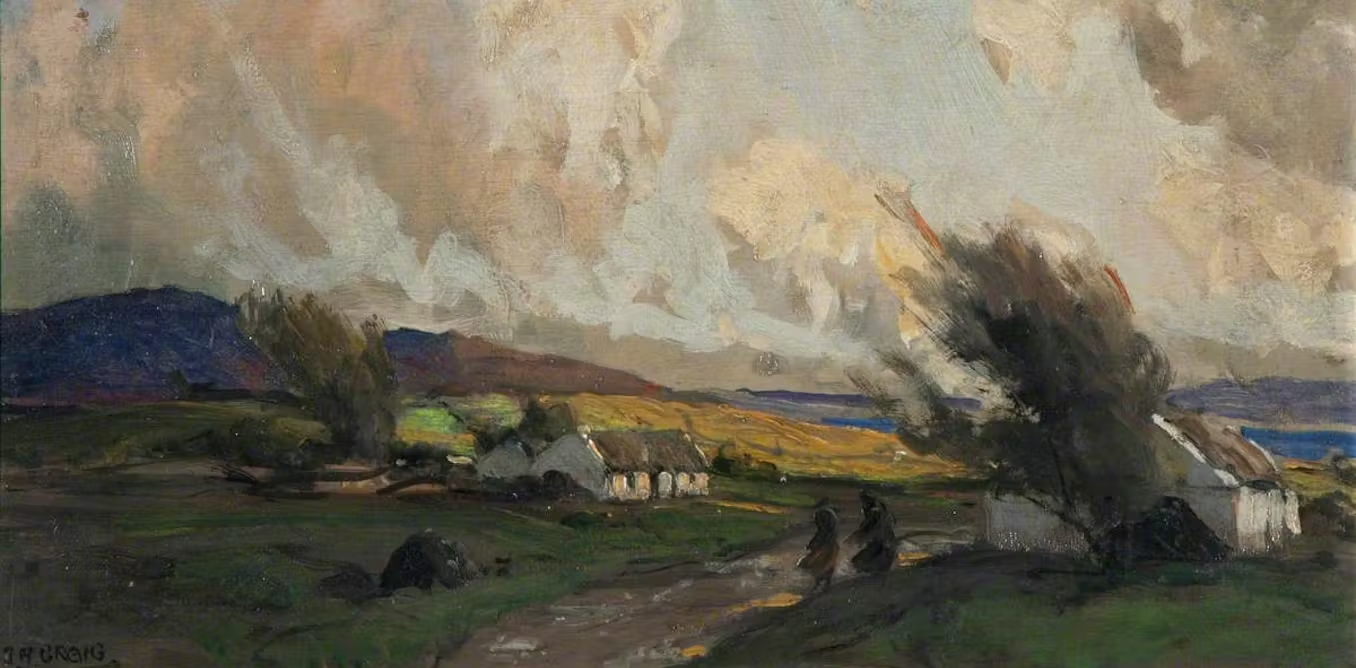
Bogland gained new life when Heaney used it to support the Ulster Trust for Nature Conservation in 1991. As part of a fundraising initiative, the poem’s opening stanzas were printed on a poster beneath a painting by T.P. Flanagan. It was accompanied by the following information: “Peatlands are under serious threat because of cutting, drainage, afforestation and erosion … We have a responsibility to conserve and restore what remains.”
Turf-cutting (harvesting peat from bogs to use as fuel for home heating and cooking) was an important part of Heaney’s upbringing. But his involvement with conservation causes points to a changed outlook on these practices because of their environmental impact.
Advertisement
Finding the past in the present
Contemporary Irish poets continue this legacy. With a PhD in ornithology, writer Mary Montague relays her concern for environmental issues with poetic passion. Her work is often focused on native Irish animals, many of which are facing a similar fate to the Irish wolf due to habitat loss and the influence of invasive species.
Wolves were once common in Ireland. Research estimates that roughly 800 to 1,000 wolves roamed the country around the year 1600. Because wolves thrived in Ireland after their extinction in England, colonial authorities felt justified in using this as evidence of Irish “savagery”. Bounties were eventually established that spelled out the necessity of exterminating these creatures, the last of which was killed in 1786.
Montague connects this violent history to the threats currently facing Irish animals. Her poem Haunted draws on the mythic connotations of ravens – which were once connected to the Celtic goddess of death, Mórrígan – to mourn the loss of Irish wolves. The poem asks whether the birds’ ominous associations ironically signal their own impending demise, given the escalating effects of climate change.
Advertisement
Their ragged capes of wingspans still float
over the Sperrins to scan the landscape
for the blot of a carcase, but they reel
with a fatalism, black flags
suspended over an absence.
Advertisement
Poet Cherry Smyth also links Ireland’s colonial past to the current ecological moment. Her collection Famished (2019) found echoes of the great Irish famine in the rise of climate refugees.
More recently, her collection One Mountain: Sold (2025) responds to the threat of gold mining in the Sperrin Mountains, County Tyrone. The collection can be read as a poetic companion to the Save Our Sperrins campaign. This grassroots movement opposes the extraction of gold, silver and other minerals from the Sperrins and surrounding landscape.
Cherry Smyth reads one of her poems, If the River is Hidden.
Montague explained some of the campaign’s main concerns in the Guardian’s County Diary column. These include the pollution of air and water, the dehydration of local bog land and the potential risks to human health caused by mining.
Advertisement
Together, these poets show how the strongest of Irish ecopoems connect colonial history to the climate crisis. They highlight how the effects of environmental degradation in Ireland are the latest influence on an already precarious relationship to land.
Jane Clarke’s work also shows a dedication to healing these histories of violence embedded in Irish landscapes. Speaking at the Dublin City University Centre for Climate and Society in 2024, Clarke emphasised the importance of the arts in promoting environmentalism.
Clarke’s recent collaboration with the Burrenbeo Trust, a nonprofit organisation that runs various conservation campaigns across Ireland, demonstrates this commitment. The Hare’s Corner (2025) features original poems by Clarke that reflect the benefits of projects run by Burrenbeo that promote healthier farming practices that give threatened species the chance to flourish.
While governmental intervention based on scientific fact remains the most effective solution to climate change, contemporary Irish poets show the importance of literature in fighting environmental decline. As Montague writes in her contribution to The Watchful Heart anthology: “Loss is inevitable; the formalised language of poetry may help us endure it.”


















































You must be logged in to post a comment Login