The 34-year-old woman had cocaine in her system and was also above the legal alcohol limit at the time of the crash
A mother was “thrown from her car” in a crash just days after Christmas, an inquest has heard. Karen Marks, 34, was pronounced dead at the scene of a crash on the A10 near Ely on December 28, 2025.
Advertisement
The crash involved Karen’s white Fiat Punto and a white coach. An inquest into Karen’s death was held today (Wednesday, August 5) at Vantage House in Huntingdon, and heard by Coroner Caroline Jones.
The inquest heard how Karen was travelling north on the A10 towards Ely, with the coach travelling south. A police report read out in court said that Karen “veered across the central white line” and then collided with the coach. One witness from the scene also said they saw Karen “suddenly swerve” across the carriageway.
The police statement said Karen was “thrown from her car”. Paramedics said Karen was in cardiac arrest when they arrived, with several witnesses describing how they saw CPR admitted on her.
Another passenger was in Karen’s car, and he suffered serious injuries. A witness statement read out from the passenger said that he “didn’t remember a lot from the incident” as he had a “lot of alcohol” on the day of the crash. The court then heard how the passenger had only known Karen a few hours prior to the crash.
Advertisement
The statement added that the passenger remembers talking to Karen before he heard a “loud bang”. The next thing he remembered he was “waking up in the hospital”. A toxicology report read out to the court said Karen had 128mg of alcohol per 100ml of blood in her system, which is above the legal limit of 80mg of alcohol per 100ml of blood.
She also had “cocaine and by-products of cocaine” in her system. The coroner said this is likely to have “contributed” to the crash, with the toxicologist stating it would have “impaired her judgement and control”.
A post-mortem confirmed that Karen suffered multiple serious injuries, but her medical cause of death was noted as “traumatic cardiac rupture and aortic transection”.
The court heard from Karen’s GP that she suffered “long-standing” mental health issues and substance abuse in the past. The GP added that Karen’s “circumstances worsened in the months leading to her death”. Coroner Jones concluded that Karen’s death was a result of a road traffic collision.
Advertisement
Following her death, Karen’s family described her as a “much-loved daughter, mother and sister”. In a previous tribute, they said: “Once you met Karen, you would never forget her. She was like a firework when she came in and you knew when she was around.”
That is more than double the number of prescriptions in 2020-21, when 800,000 women were given HRT on the health service.
The figures also reveal disparities in prescribing locations, with less than one in ten women from the most deprived areas receiving an HRT prescription compared to 14.2 per cent in the least deprived regions.
Advertisement
Last year there were just four prescriptions per 100 women in Newham, east London – the lowest recorded figure for a local authority – while in Brighton and Hove there were 23 prescriptions per 100 women, which was the highest rate.
HRT is prescribed to treat menopausal symptoms and works by replacing the primary female sex hormones oestrogen and progesterone which decline during menopause.
The health service says the therapy helps combat symptoms like hot flushes, night sweats and sleep problems, as well as mood swings, anxiety and vaginal dryness.
But experts, including The Mail on Sunday’s columnist Dr Ellie Cannon, have also highlighted its potential risks in recent months.
Advertisement
A record number of women were prescribed hormone replacement therapy on the NHS last year, new figures reveal
Writing in the newspaper in November, Dr Ellie said: ‘It is true that there is a slightly increased risk of breast cancer among women who are taking HRT, in particular those who… take combined oestrogen and progesterone in any form.
‘In the UK, about 2 per cent of all breast cancer cases, equivalent to around 1,000 new diagnoses a year, are thought to be linked to HRT.’
Advertisement
The NHS says the risk of developing breast cancer increases the longer women take HRT, but that this declines once the therapy is stopped.
It also lists blood clots as another potential ‘very low’ risk of HRT, particularly when taken in tablet form.
The risk of having a stroke is also said to be ‘slightly increased’ from HRT tablets, the health service says.
HRT patches, gels and sprays – also known as transdermal products – were the most commonly prescribed oestrogen HRT last year, the new data reveals. The use of HRT oestrogen pills declined.
Advertisement
The NHS does, however, stress that the benefits of HRT ‘usually outweigh the risks’.
As well as relieving debilitating symptoms, HRT is said to help women maintain muscle strength and prevent osteoporosis – a thinning of the bones that can increase the risk of fracture.
Commenting on the new figures, Sue Mann, national clinical director in women’s health for NHS England, said: ‘Awareness of menopause has increased significantly in recent years, helping to encourage important conversations about women’s health and access to support.
‘The findings show that the number of women receiving NHS HRT prescribing continues to increase. This reflects the growing demand for menopause care and the increasing awareness of treatment options available to women.’
Advertisement
Olivier Picard, chairman of the National Pharmacy Association, added: ‘This is very significant data and shows that a record number of women are accessing HRT support through the NHS.
‘However, these surges in prescriptions for particular products do have unintended short-term consequences for medicine supply to patients and can exacerbate medicine shortages that blight pharmacies on a daily basis.
‘Although supply for some HRT products are improving, shortages of certain strengths of Estradot are now some of the longest running of any medicine in NHS history.
‘When prescribing habits change, we must make sure supply chains can keep up or we risk worsening access to medicines for patients and put more pressure on over stretched pharmacy teams.’
Advertisement
The NHSBSA is reminding women taking HRT they can buy an HRT prescription prepayment certificate for £19.80 to cover prescription charges for 12 months.
Without the certificate, each HRT prescription costs £9.90.
EXCLUSIVE: Rory and his partner Stephanie were due to move their three children to Greece on August 10 before wildfires struck – now they’re living in a one-bed flat
12:44, 05 Aug 2026Updated 12:52, 05 Aug 2026
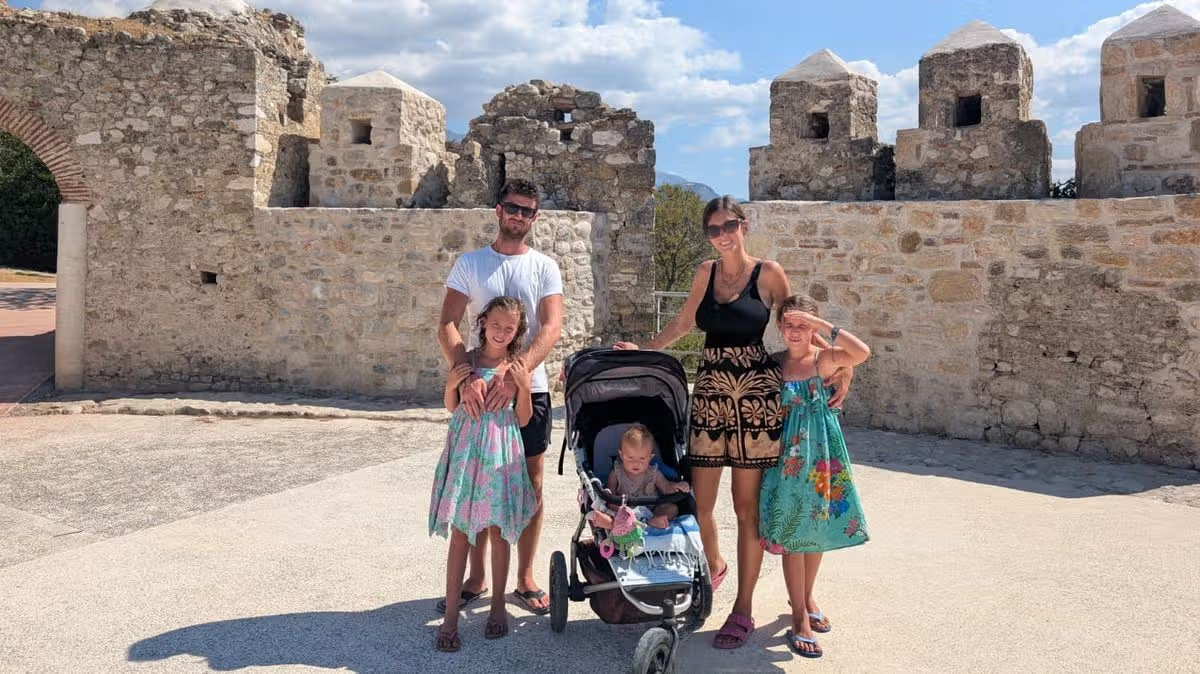
A heartbroken family has lost their forever home in the Greek mountains just days before they were due to leave the UK and move there permanently.
Rory Clifford and Stephanie Harper, 36 and 35, spent the entirety of their savings and income building their perfect home in the mountainous region of Peloponnese, in the south of the country. They had shipped all their sentimental belongings last year ahead of the dream move next week.
The couple had even enrolled their twin daughters, Evangeline and Ivaria, eight, in a local school for September. They also have a 19-month-old little girl called Athena.
Advertisement
However, fast-moving wildfires have swept through parts of Greece in recent days and it has resulted in their home and everything in it being destroyed.
Stephanie, who is also currently pregnant with twins, has now spoken exclusively to The Mirror about how the tragic situation has completely upended their lives.
In an emotional interview, she told us: “We are a very resilient family but this has knocked it out of us completely. The emptiness and sorrow has been overwhelming.
Advertisement
“A dream and hard work not just from us but the Greek community who helped us achieve our home… just stolen in seconds.
“I can’t describe the grief, as it’s not just the house we built, it’s all the cherished memories and the home we created inside.”
The destruction of the property, which they bought in 2023, has meant that they are now stuck living in a one-bedroom flat in Hastings, East Sussex, a complete contrast to what their news lives would have entailed.
They had spent well over €300,000 (approx £257,000) making it the ideal place to raise a family in the sun where they were also due to bring their three rescue dogs.
Stephanie said the money came from their own hard work from running a designer furniture business together, as well as savings and loans.
The mum said they sold everything they had to make the relocation, which they had been planning for over a decade, possible.
The process was long, stressful and came with many unexpected big costs, like spending over £10,000 replacing 2km of piping up the mountain in an effort to get water to the house.
Advertisement
Despite working day and night to jump through each obstacle, they are now cruelly left starting from scratch.
Since the devastating wildfire, Stephanie’s sister, Gabby, has started a GoFundMe to help the “inconsolable” family rebuild their lives.
Stephanie said she was grateful and emotional about the response so far and she fears that even with insurance and cover, they need in the region of €100,000 (£85,000) to get back on track.
Advertisement
And regarding the fundraiser, she said: “Even saying this part makes us feel a little uncomfortable. We are not materialistic people and we don’t want people reading about a pool, and thinking here we go, first world problems.
“We live a very modest life, we have lived in a one-bedroom flat for 12 years, we have slept on a sofa bed for eight of those years, with our children having the bedroom, this Greek house was everything to us.
“It was a way of us affording a life we wanted to give our children, we spent every penny on giving our children the life they deserve and admittedly we were unbelievably excited to sleep in an actual bed. We will rebuild and we can’t give up.”
Advertisement
Greece has always held a special place in the hearts of Stephanie and Rory who travelled there back in 2011 in a campervan.
The people left a mark on them and they began to envisage raising a family there.
Over time, the UK no longer felt like home, and with the cost of living crisis putting a strain on their business, they decided to make a bold and brave decision together.
Advertisement
“Everything pointed to moving there,” Stephanie explained. “We just had to work it out. So that’s what we did and it took patience and a lot of research to make sure we had the right area.”
That area turned out to be Peloponnese, a mountainous peninsula in southern Greece. The family spent eight weeks living there last summer and were able to picture what it would feel like doing so full-time.
Since then, they have spent an enormous amount of time and money making sure everything was ready to move there permanently on August 10.
Advertisement
Stephanie had even been in contact with obstetrics to have her twins there at the start of 2027.
However, last Friday, a close friend who lives in a nearby village in Peloponnese told them that a wildfire was close to their region.
It was something they experienced themselves last year and they noticed first-hand how incredibly fast the fire service was.
On this occasion, though, their home could not be rescued. “We were helpless waiting for news. However, as darkness fell, helicopters can’t fly at night, so they’d have to wait until the first light.
“It took our house at 4am.”
As for what the future holds for the soon to be family-of-seven, Stephanie said it was still early days and they were trying to figure out an action plan.
She said they were determined not to let it beat them, but admitted that keeping a positive mindset was challenging.
Advertisement
As for how their kids are coping, Stephanie added: “They have coped really well to be honest, it’s hard for them to process as they were ready for the change and their next chapter.
“We will still do anything for our children’s happiness and future which is why we can’t give up on the House on the Mountain.”
Airlines have been clamping down on common gadgets – and rules are quite specific
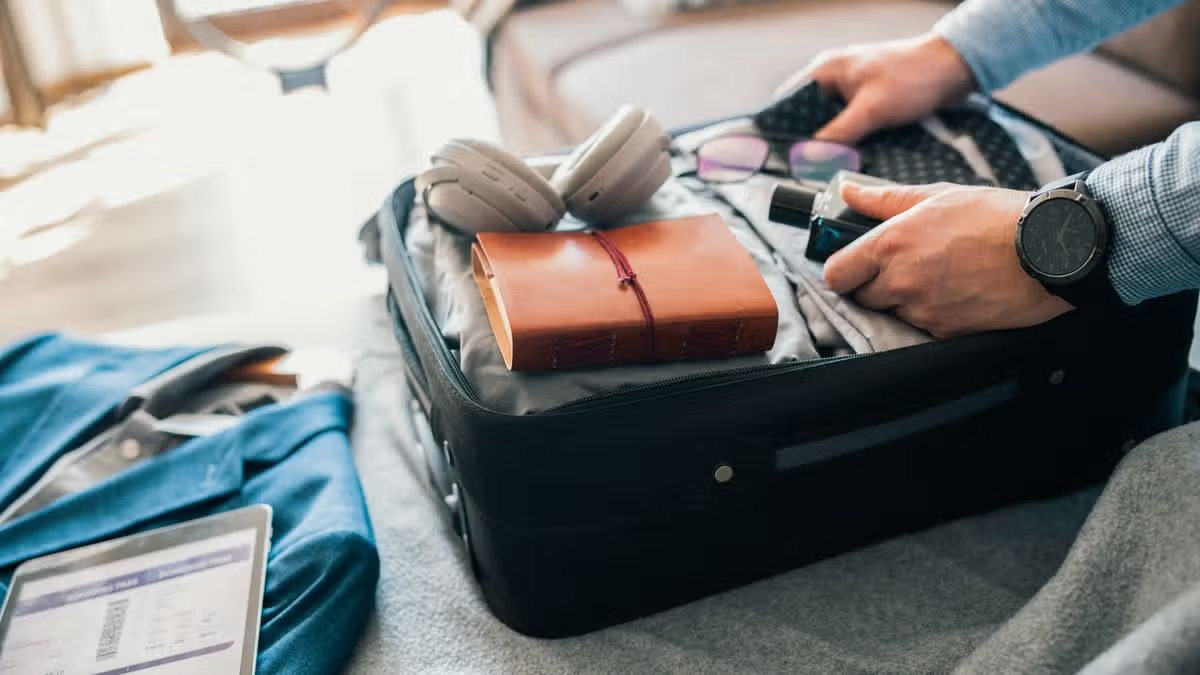
Summer holidaymakers are being warned that a simple packing mistake could see them held up at the airport – or even turned away. Travel specialist Kate Donnelley (@Thedonnelleyedit) says there’s a “safe way” to take vapes and power banks abroad without any hassle.
Advertisement
Airlines have tightened the rules following a rise in incidents, and the message to passengers is plain and simple. If something is powered by a lithium battery, don’t put it in your checked suitcase.
That means two holiday essentials many people won’t leave home without – vapes and portable chargers – need to stay with you in the cabin. Put them in the hold, and you risk your bag being pulled, boarding being delayed, and, in the worst cases, missing the flight.
Kate also warns that the consequences can be more severe if a battery overheats in the cargo area, where a fire is far harder to spot and deal with. While most of the recent attention has landed on power banks, vapes are catching plenty of travellers out too.
Millions of adults vape, and most devices fall under the same safety rules. Kate says airlines have reacted to “a growing number of incidents” recently, specifically involving power banks, with some carriers clamping down hard. She points to an example from earlier this year when an EasyJet flight had to divert after a power bank issue was flagged on board.
Advertisement
Content cannot be displayed without consent
Why are airlines so strict?
Lithium-ion batteries can overheat if damaged, crushed or short-circuited. That’s why the advice is consistent: keep these items in your hand luggage, protect them from being switched on by accident, and check your airline’s limits before you travel.
What do the major airlines tell passengers to do?
Across big UK carriers including EasyJet, Ryanair, TUI, Jet2 and Virgin Atlantic, power banks are not allowed to be used during the flight. Passengers are typically limited to two power banks each, with most allowing up to 160Wh per bank — but Ryanair caps them at 100Wh.
Storage rules vary as well. Jet2 says power banks must be kept in a bag under the seat, not in the overhead lockers — a stance that Ryanair and Virgin Atlantic also stand by. EasyJet and TUI don’t give the same specific storage instruction, but the core rule remains – keep them in the cabin and don’t use them in-flight.
Vapes are also banned from checked-in luggage on all five airlines, and vaping or charging onboard is strictly forbidden. Each airline adds its own extra conditions, including switching devices off, keeping batteries protected, and using cases to prevent accidental activation.
Airline-by-airline quick guide on
EasyJet: Must be switched off and protected against accidental activation.
Ryanair: Says the device (or spare batteries) must be under the seat in front, not overhead.
TUI: Devices must stay powered down; loose batteries should be wrapped or in insulated cases.
Jet2: Must be under the seat; battery installed in device; max 160Wh; protect against short-circuiting.
Virgin Atlantic: Keep in a protective case; never plug into in-seat power.
Police made the find after stopping a rental car in Cardiff
An “overwhelming” smell from a rental car led police officers to a discovery that landed two Cardiff men in jailed. The pair, along with a woman, were stopped by police on Newport Road before a search of the rental car led police to find numerous wraps of crack cocaine and heroin.
Advertisement
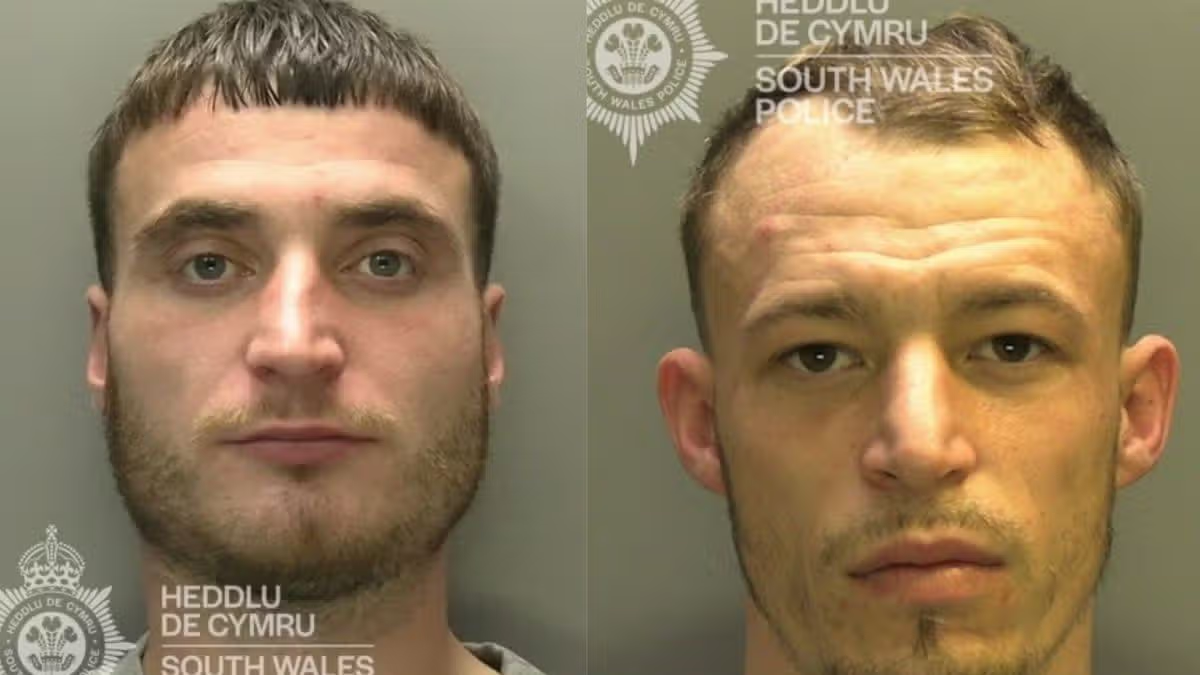
Kieran Chapman, 29, and Keanu Hicks, 26, were both in the car along with 36-year-old Chantelle Johnson who was driving the car when they were stopped by police on April 9, 2025.
Detective Sergeant Lia Jones, of South Wales Police, said: “It was immediately apparent that these three individuals had strong ties to criminality involving Class A drugs just from the quantities of substances and money that were found in their car when they were arrested. The smell of cannabis was also overwhelming.”
As well as the multiple wraps of crack cocaine and heroin, a large sum of cash and mobile phones were found in the car. One phone found in the vehicle’s glove box was linked to a drug line and the three were arrested.
Johnson, from Gabalfa, was subject of a search of her address following the arrests. Don’t miss a court report by signing upto our crime newsletter here
Advertisement
During the search cannabis, shotgun shells and a bullet-proof vest were found at the property.
Chapman, from St Mellons, pleaded guilty to being concerned in the supply of cocaine and heroin. He was sentenced to four years and five months in prison.
Hicks pleaded guilty to possessing with intent to supply cocaine and heroin and has been jailed for three years and four months.
Advertisement
The driver has been handed a jail sentence of three years, suspended for 30 months.
Detective Sergeant Jones said: “The subsequent investigation reinforced these criminal links. They are, like so many others before them, people who have decided to sell Class A drugs in order to benefit financially, without a care for what harm these drugs will do to those down the line who end up consuming them, as well as their families and wider communities.
“They belong in prison, and that’s where they’re heading.”
Advertisement
Get daily breaking news updates on your phone by joining our WhatsApp community here. We occasionally treat members to special offers, promotions and ads from us and our partners. See our Privacy Notice
Police closed off the road for most of Tuesday, but repairs have bee carried out
A Wisbech road is still closed after a water main burst and flooded the road. Repairs have been carried out, but Anglian Water have kept the road closed.
Advertisement
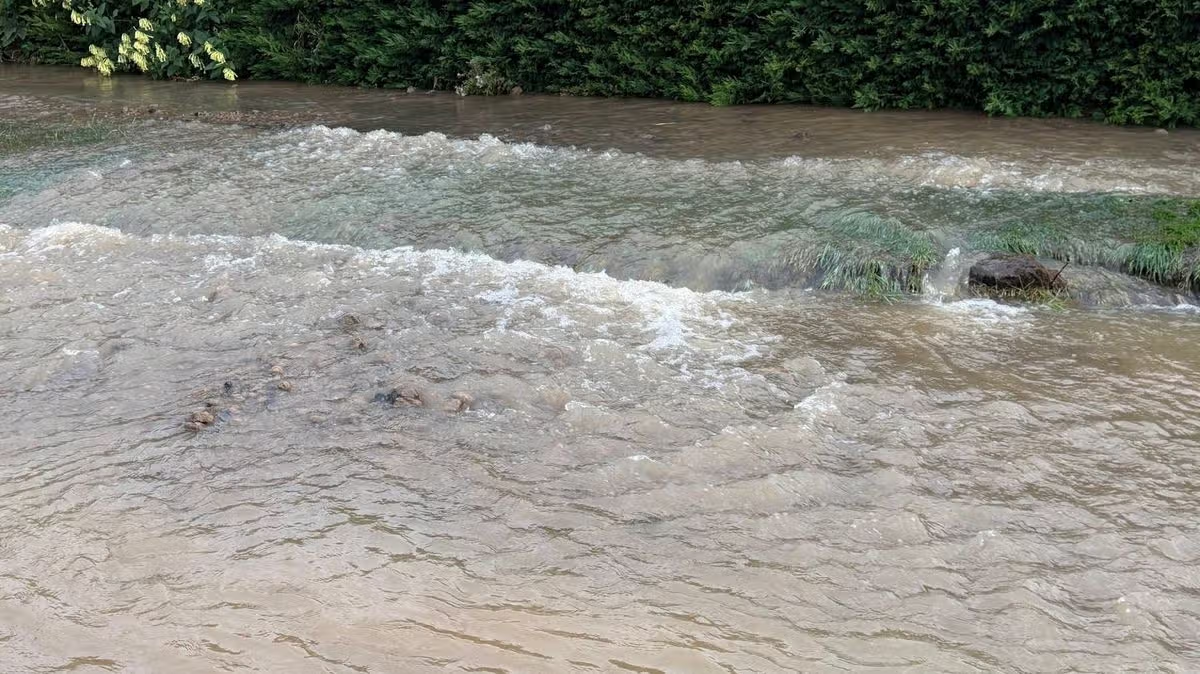
Residents woke up to Weasenham Lane in Wisbech being flooded on Tuesday (August 4) morning, leaving residents with no water or very low pressure. Cambridgeshire Police closed off the road just after 6am to allow Anglian Water to repair the issue.
An Anglian Water spokesperson has confirmed the water main is now fixed. However, the road remains closed.
They said: “We’ve now completed repairs to the burst water main on Weasenham Lane and all customers had their water supply restored yesterday.
“Our teams remain on site carrying out network flushing and final checks to ensure everything is operating as expected. The road closure will remain in place while these works are completed and will be lifted as soon as it is safe to do so. We’d like to thank residents and road users for their patience while we respond to this incident.”
The Dogs Trust has launched a national campaign called ‘If in Doubt, Keep Your Dog Out’ to highlight the risks, including hidden currents, pollution, and other hazards.
The charity hopes the campaign will prevent avoidable harm to both dogs and their owners.
Data from the RNLI reveals there were 308 dog-related water incidents across the UK between 2021 and 2025—more than one per week on average.
Advertisement
One-third of these incidents happened during the summer, when more people and pets are near canals, rivers and lakes.
Owen Sharp, chief executive at Dogs Trust, said: “One preventable water incident is one too many.
“We know these figures don’t tell the whole story, but every rescue is a reminder that calm-looking water isn’t always safe.
Advertisement
“Taking a few moments to assess the risks could save your dog’s life—and your own.”
How to keep my dog safe around open water
The Dogs Trust has created a Water Safety Checklist to help owners spot hazards before letting their dogs enter open water.
Before letting your dog into open water, Dogs Trust urges owners to check:
Advertisement
Water quality – is it clear, clean and free from pollution?
Current strength – is the water calm or fast-flowing?
Exit points – can your dog easily get in and out?
Presence of algae – look out for green scum or blooms.
Water temperature – is the water likely to be cold?
Presence of other wildlife – are there animals that may react to your dog?
Nearby warning signs – follow any local advice.
Depth – is it suitable for your dog’s size and swimming ability?
Surroundings – any steep banks, slippery surfaces or loose rocks?
The majority of water incidents involved dogs entering the water and needing help, people entering the water to rescue them, and accidents caused by hidden dangers below the surface.
August 2025 recorded the highest number of water-related human fatalities, according to the Water Incident Database (WAID).
The Dogs Trust survey of 2,000 dog owners found that 74% felt confident in judging water safety for their pets.
However, only 35% realised that no type of open water can be considered entirely safe.
Advertisement
Worryingly, 80% of owners said they would go into the water to rescue their dog if it got into difficulty—despite the serious personal risk.
The ‘If in Doubt, Keep Your Dog Out’ campaign urges owners to stop, check and think before allowing their dog near open water.
It also warns against assuming that water is safe just because it appears calm.
Recommended reading:
Advertisement
The campaign is part of a wider effort to promote responsible dog ownership.
The Dogs Trust and RSPCA have also launched the Dog Ownership Guide (DOG), developed following a national consultation with more than 36,000 public responses and input from over 30 organisations.
The guide defines responsible dog ownership and offers practical advice for owners at every stage.
Were you aware of advice to keep your dogs safe around open water? Let us know in the comments.
The attack happened outside the Grainger Street branch shortly after 2.30am on June 24, following a verbal altercation.
The victim, a man in his 40s, was assaulted after the group was refused entry.
He did not require hospital treatment.
Advertisement
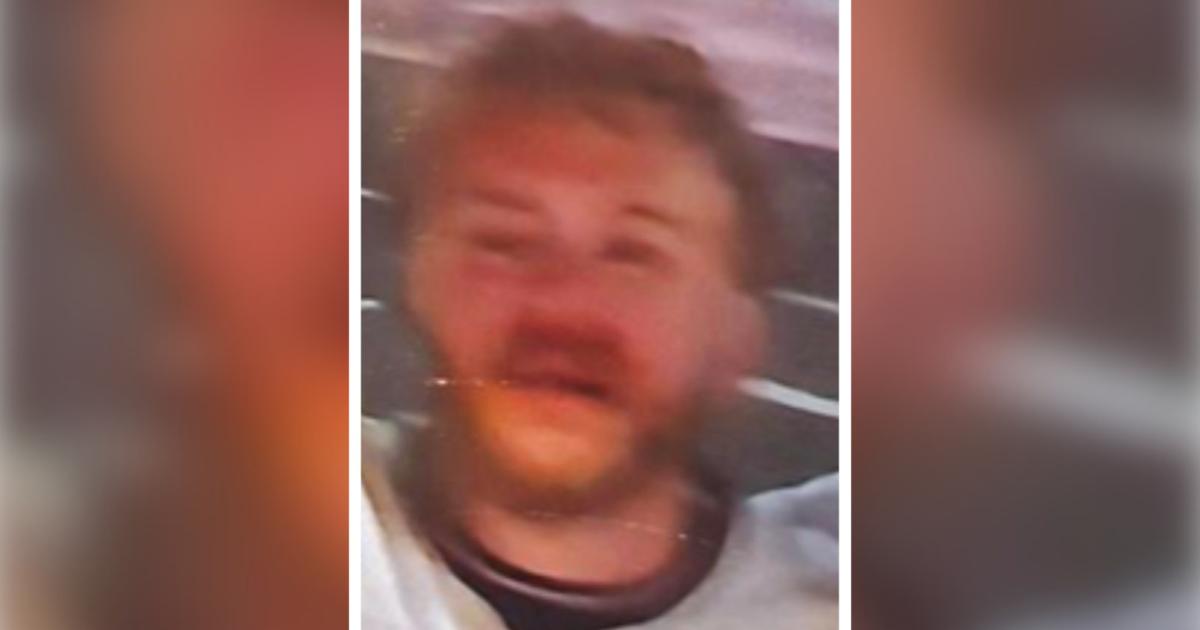
Northumbria Police have released an image of a man they wish to trace as part of their investigation.
He was believed to have been in the area at the time and may have information that could assist them.
A police spokesperson said: “The man, or anyone who knows him, should send a direct message to Northumbria Police on social media, or use the live chat or report form functions on the Force’s website.”
Spurs have undergone radical change over the past 12 months amid understandable fan anger, with new chief executive Vinai Venkatesham leading the organisation on behalf of the Lewis Family Trust.
Venkatesham, alongside technical director Johan Lange, is leading negotiations. Lange is the only senior figure from the previous regime to remain in post.
They are supported by director of football operations Rafi Moersen and new performance director Dan Lewindon, both of whom arrived from Manchester City‘s parent company, City Football Group.
Lewindon has been tasked with improving Spurs’ injury record.
Advertisement
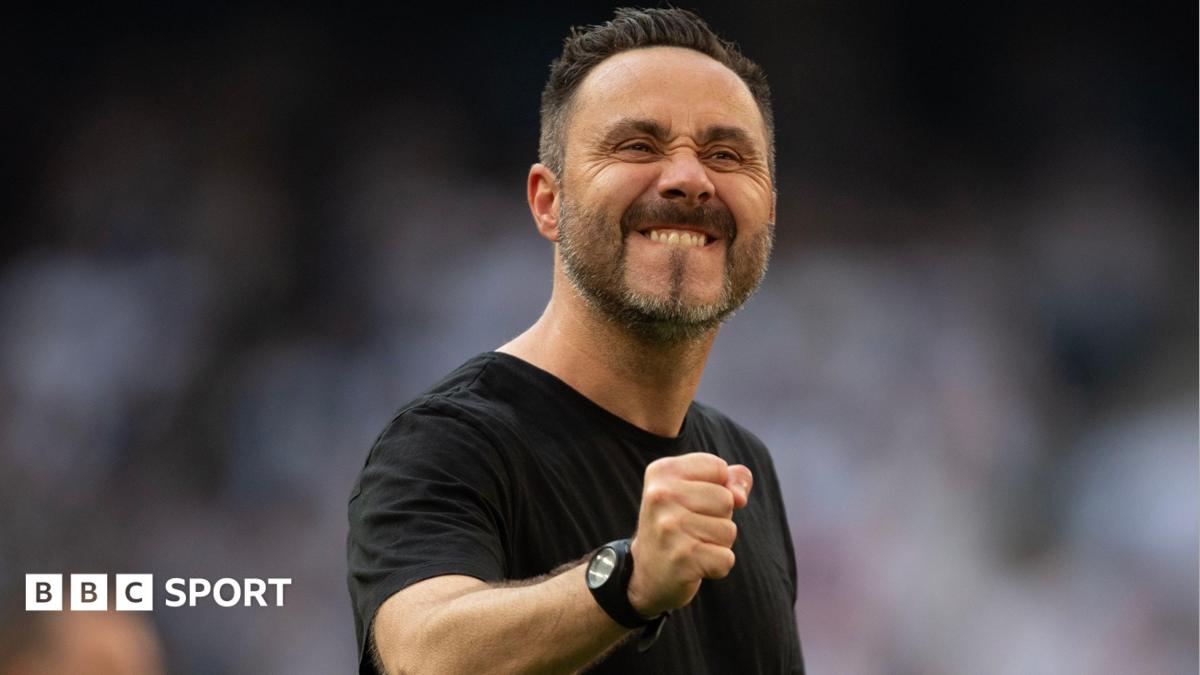
But De Zerbi is hands on in all areas of the club and says “in the transfer market, when I want one player, I become like a shark.
“No chance to say no.”
That approach has helped secure record deals for £85m Fernandes from West Ham and £100m Tonali from Newcastle.
“I love working in the transfer market. It’s not a pressure, it’s one of the nicest parts in my work, in my job,” he explained.
Advertisement
But where does that enjoyment come from?
“I don’t know, maybe because when you take the decision, you take the responsibility. If the coach calls the player, you can build a special connection at the beginning.
“With Mateus Fernandes, I spoke with the mum, with the father.”
De Zerbi told Fernandes’ father that he would be his “second dad” and look after him in England.
Advertisement
Spurs also signed defender Van Hecke despite reported interest from Chelsea, having already beaten Manchester United and Manchester City to the two record-breaking midfielders.
Transfers are a world of game theory. Insiders have told BBC Sport that Spurs knew they had to be both aggressive and quick, with the first quality likely extending to fees, wages and De Zerbi’s personal involvement in courting players.
After the 2-2 draw with Brighton in April, in which Georginio Rutter scored a 95th-minute equaliser to dent Spurs’ survival hopes, De Zerbi revealed he messaged Van Hecke, who assisted the goal.
“You wanted to push down Tottenham for Brighton when you made the assist to Rutter, now you have to come to me, you have no choice,” De Zerbi revealed.
Advertisement
For Tonali, De Zerbi detailed how he texted him the day after Spurs secured their Premier League status with a final-day win over Everton, before meeting him at his home in Brescia in what proved to be a decisive conversation.
Club staff then completed the deal following several further discussions.
Now he is teasing what he calls a final attacking “bomba”, with moves for two forwards expected, including one for Manchester City‘s Savinho.
De Zerbi believes it would be wrong to suggest Spurs are spending irresponsibly.
Advertisement
He said he is under “no pressure” despite the Lewis family injecting £100m into the club in June because it was desperately needed, arguing that Chelsea, Arsenal and Liverpool have all done the same in recent years.
There have also been departures, with the club earning substantial fee for Luka Vuskovic’s £45m move to Brighton. Doubts remain over the futures of midfielder Lucas Bergvall and England full-back Djed Spence.
“We assessed the request of Vuskovic [to join Brighton], with Vinai, with Johan together, because I consider Tottenham‘s money my money,” De Zerbi said.
“It’s like the owner is my father, I think you don’t want to ask your father to lose money.
Advertisement
“Like all the big clubs, we have to sell a player at as big of a price [as possible] and we have to bring a player with a small price, we are starting for a plan of five seasons because we are building.”
There was also the disciplined decision not to sign Joao Palhinha on a permanent transfer from Bayern Munich, not because De Zerbi felt he was not good enough, but because the overall financial package was not considered suitable.
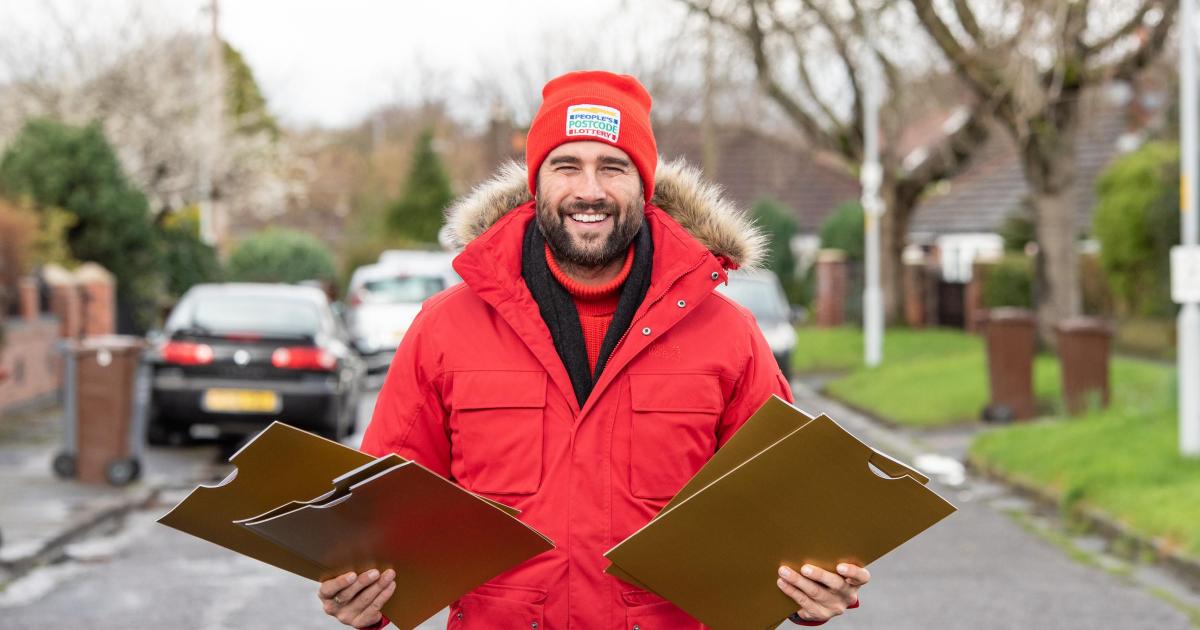
There was joy across Greater Manchester and Merseyside as the two lucky winning postcodes landed cash prizes, with every ticket in the winning postcode areas receiving £1,000.
The winning postcodes were M45 8PD, which covers Rufford Drive in Whitefield, Unsworth, Manchester, and WA12 9JA, which covers Common Road in Newton-le-Willows, St Helens, Merseyside.
The postcodes were among 20 winning postcodes announced in the lottery’s daily draw.
Advertisement
Players living in the winning areas who held a valid ticket for their postcode received £1,000 for each ticket they owned.
The Postcode Lottery supports a range of charities across the UK, with a minimum of 33 per cent of ticket sales going to good causes.
Every day, 20 postcodes across the country are selected to win £1,000 for every ticket in the postcode.
The Postcode Lottery also manages society lotteries on behalf of a number of charities and says it supports a wide range of charitable organisations and community projects in Britain and around the world.
Advertisement
To date, players have helped raise more than £1.7 billion for thousands of charities and good causes.
A woman has allegedly been raped on Brighton beach.
The victim, aged in her 20s, was targeted during the early hours of this morning, Sussex Police said, and officers have sealed off the seafront.
A 28-year-old man has since been arrested on suspicion of rape and is currently being held in custody.
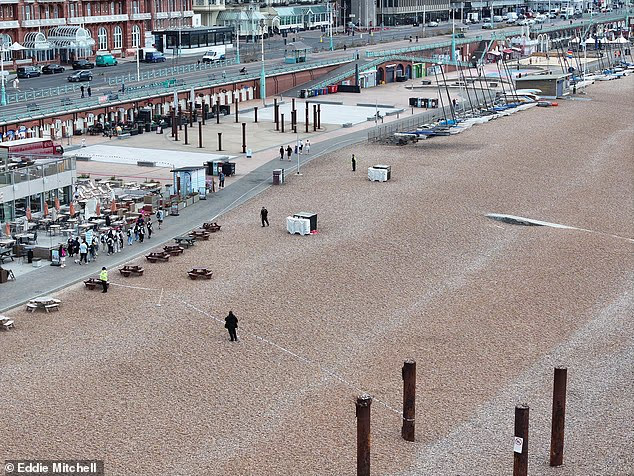
An area of the beach in front of the i360 tower has been closed off as police combed the beach for evidence.
Advertisement
Uniformed officers are currently guarding the cordon, with others seen carrying evidence bags away.
Police have cordoned off an area of Brighton beach this morning after a woman, aged in her 20s, was allegedly raped
Officers can been seen guarding the area and carrying large evidence bags
Advertisement
The force said: ‘Police are investigating a report of a rape of a woman in her 20s on Brighton Beach that is understood to have taken place overnight on Tuesday 4 August into Wednesday 5 August.
‘The victim is receiving support from specialist trained officers.
‘A 28-year-old man has been arrested on suspicion of rape and remains in custody at this time.’










![Cardi B - Money [Official Music Video]](https://wordupnews.com/wp-content/uploads/2026/02/1770603085_hqdefault-80x80.jpg)









































You must be logged in to post a comment Login