Police made the find after stopping a rental car in Cardiff
An “overwhelming” smell from a rental car led police officers to a discovery that landed two Cardiff men in jailed. The pair, along with a woman, were stopped by police on Newport Road before a search of the rental car led police to find numerous wraps of crack cocaine and heroin.
Advertisement
Kieran Chapman, 29, and Keanu Hicks, 26, were both in the car along with 36-year-old Chantelle Johnson who was driving the car when they were stopped by police on April 9, 2025.
Detective Sergeant Lia Jones, of South Wales Police, said: “It was immediately apparent that these three individuals had strong ties to criminality involving Class A drugs just from the quantities of substances and money that were found in their car when they were arrested. The smell of cannabis was also overwhelming.”
As well as the multiple wraps of crack cocaine and heroin, a large sum of cash and mobile phones were found in the car. One phone found in the vehicle’s glove box was linked to a drug line and the three were arrested.
Johnson, from Gabalfa, was subject of a search of her address following the arrests. Don’t miss a court report by signing upto our crime newsletter here
Advertisement
During the search cannabis, shotgun shells and a bullet-proof vest were found at the property.
Chapman, from St Mellons, pleaded guilty to being concerned in the supply of cocaine and heroin. He was sentenced to four years and five months in prison.
Hicks pleaded guilty to possessing with intent to supply cocaine and heroin and has been jailed for three years and four months.
Advertisement
The driver has been handed a jail sentence of three years, suspended for 30 months.
Detective Sergeant Jones said: “The subsequent investigation reinforced these criminal links. They are, like so many others before them, people who have decided to sell Class A drugs in order to benefit financially, without a care for what harm these drugs will do to those down the line who end up consuming them, as well as their families and wider communities.
“They belong in prison, and that’s where they’re heading.”
Advertisement
Get daily breaking news updates on your phone by joining our WhatsApp community here. We occasionally treat members to special offers, promotions and ads from us and our partners. See our Privacy Notice
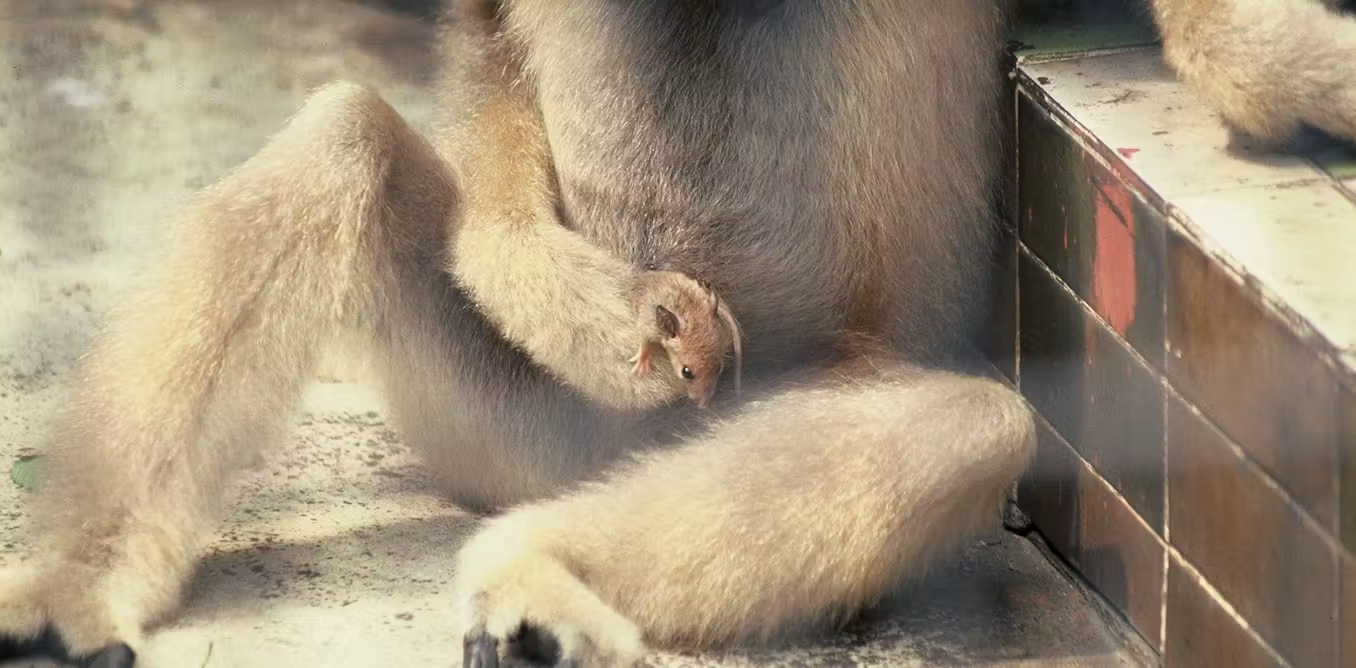
The first time I saw it, I wasn’t quite sure what I was looking at. A northern white-cheeked gibbon at Shanghai Zoo was holding and caressing a mouse that had wandered into its enclosure. It wasn’t trying to eat it or chase it away. Instead, the gibbon treated the tiny rodent with remarkable gentleness. I couldn’t stop wondering why.
Years later, while studying wild black-and-white snub-nosed monkeys in the mountains of south-west China, I watched playful juveniles repeatedly trying to climb onto the backs of domestic pigs. Again, these weren’t the kinds of interactions I expected to see between different species.
A new study my colleagues and I conducted brings together 427 documented cases of primates interacting with other species, spanning several decades from the 1970s to 2025. Our findings reveal that these encounters are far more widespread than scientists had realised.
Over the years, I had begun collecting reports of similar encounters from scientific journals, photographs, videos and observations shared by other primatologists. What initially seemed like a handful of quirky anecdotes gradually turned into a much broader pattern. These interactions appeared to represent a surprisingly widespread aspect of primate behaviour.
This behaviour may shed light on one of the defining features of our own species: our extraordinary relationships with other animals.
I’ve long been interested in how tolerance evolves, not only between members of the same species but also between strangers more generally. Humans are unusual in the degree to which we cooperate with unrelated people. We are perhaps even more unusual in the close relationships we form with other animals.
The cases we reviewed involved 88 primate species and their interactions with 127 other animal species. The diversity of these species was astonishing. It included mammals such as sheep, tapir, deer, domestic pigs, cats and dogs, as well as owls, lizards, toads and even insects.
The most common behaviour was play and grooming. But we also found reports of primates carrying, huddling and sharing food with and occasionally adopting members of another species. Most interactions were initiated by the primates themselves.
One of my favourite examples is the now well-known case of Japanese macaques grooming and riding on the backs of sika deer. It remains a remarkable example of two very different species repeatedly interacting peacefully over long periods.
Advertisement
I was also fascinated by some of the less familiar observations, such as a langur attentively stroking a squirrel, a silverback gorilla carefully cradling a tiny wild bushbaby, a bonobo gently holding a mongoose pup and macaques grooming stray dogs.
Many of these interactions may provide benefits similar to those seen within species. Grooming can help remove parasites, improve hygiene and reinforce social bonds. Play contributes to the development of motor coordination, social skills and cognitive flexibility.
Advertisement
Some interactions happen where primates and other animals spend time together because of shared foraging opportunities or protection from predators. For example, tropical primates form associations with other primate species and jointly forage in the tree canopy. In these cases, social interactions, such as grooming or play, may simply emerge from repeated contact and social familiarity.
Yet not all observations fit this pattern. Why would a langur stroke a squirrel, or macaques groom stray dogs? Such interactions suggest that primates may possess a broader capacity for social flexibility, curiosity and tolerance towards other species than researchers previously appreciated.
We also found consistent patterns in who interacted. Young primates were much more likely to play with members of another species, whereas adult females were more often involved in grooming. This mirrors well-established age and sex differences in many primate societies, where juveniles spend much of their time playing and females often invest more heavily in caregiving.
It would be tempting to describe all these encounters as examples of friendship. But the reality is more complicated. Some primates carried infants of another species in ways resembling adoption or caregiving, yet rough handling or neglect sometimes resulted in injury or death. We also documented cases where primates appeared to abduct a young animal from its group, while a small number of interactions were clearly abusive, involving violence.
Advertisement
Most interactions were probably of relatively short duration. However, there are some reports of cases that lasted for weeks. For example, the adoption of a marmoset by a capuchin monkey.
In zoos and other human-care settings, some species appear to form long-lasting relationships with animals of other species. In 2017, a macaque living in an Israeli zoo called Niv adopted a chicken and treated it like it was her own baby.
Our study found these interactions were not more common among great apes – they occurred across all major primate lineages.
These unusual encounters are more than fascinating natural history.
Advertisement
As forests become increasingly fragmented and wildlife is forced into closer contact with people, livestock and domestic animals, opportunities for cross-species interactions are changing rapidly. Primates now encounter dogs, cats and other human-associated animals more often than they once did.
Some of these interactions may be benign or even beneficial. Others could increase the risk of diseases spreading between wildlife, domestic animals and humans. Understanding when and why different species tolerate one another therefore has important implications for both conservation and public health.
The findings may also help improve animal welfare. Zoos increasingly house compatible species together, and understanding which species are more likely to form positive relationships can help managers make better decisions.
Perhaps most interesting of all, our findings suggest that some of the ingredients (curiosity, tolerance, caregiving and play) underlying those relationships may have deep evolutionary roots.
Amid the ongoing success of his television series, Clarkson’s Farm, the broadcaster has made a bid to extend his ‘temporary car park’ until 2030.
Permission to add parking spaces at Diddly Squat farm was initially granted on appeal in June 2023 to help deal with an influx of customers.
However, there was a deadline to return the land to its original use in June of this year.
Advertisement
Clarkson’s team have since applied for planning consent to extend the permission until December 31, 2030. The application currently remains under consideration.
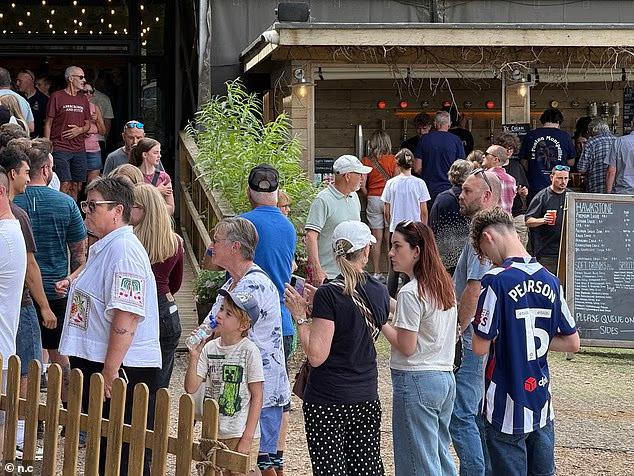
Hordes of Jeremy Clarkson fans have descended on his Cotswolds Farm as daytrippers visit his Diddly Squat Farm shop during the summer holidays
Swathes of former Top Gear presenter’s fans stood diligently in long-stretching queues today as they patiently waited to visit the famed farm shop
Advertisement
One queue could be seen stretching from the shop all across the upper perimeter of the car park into the neighbouring field
More fans of the ex-Top Gear host patiently wait as they prepare to visit Clarkson’s Diddly Squat Farm Shop today in the Cotswolds
Some eager fans were seen sitting down on the floor with their pets as they waited for an opportunity to browse the shop shelves
Meanwhile, dozens of cars began filling the fields as more visitors flocked in as families prepared to spend a day enjoying the holidays
Advertisement
The Planning Inspectorate initially approved the car park extension. However, plans for a permanent restaurant were refused.
Mr Clarkson’s representatives insisted the original conditions need to be amended as series six of his Amazon Prime show has already been commissioned and is set to air in the summer of 2027.
When the original permission was granted on appeal, the second series had just been aired, and the length of impact on the surrounding area wasn’t clear, they said.
The representatives added: ‘Season five will air this year and season six has been commissioned and will air in summer 2027. Three further years to monitor and review thereafter seems appropriate.’
Advertisement
It comes as Diddly Squat immediately became jammed with two-hour waits to get in after opening the temporary car park on agricultural land in August 2023.
At the time, Mr Clarkson personally oversaw the construction and was spotted at the site wearing a hard hat and a high-vis jacket as he inspected the works.
And as the summer holidays were in full swing, the new car park quickly proved totally insufficient to cope with the legions of fans arriving.
Staff were soon forced to open another field where a further 100 cars could park on grass just a five-minute walk away.
In April, The Sun reported that Jeremy was trademarking Diddly Dunkers, a nod to his Diddly Squat Farm.
It was said to be part of a product range which is also set to include clothes and homeware.
His Hawkstone Brewery is also said to have made trademark applications for new drinks including Arrowhead, Midsummer, Knollbury Fort and Firelight.
Advertisement
The Daily Mail reapproached Jeremy Clarkson’s representatives for comment.
Share or comment on this article:
Jeremy Clarkson fans queue out the door as hordes of daytrippers descend on Diddly Squat Farm shop during school holidays
Choosing the best new SUV for your needs can be difficult, especially if you plan on using it for towing. A vehicle’s maximum tow rating is an important consideration, but it only tells part of the story. The best towing SUVs combine stable handling, strong braking, and enough power to keep you moving on hills and mountain grades. Ideally, they also offer advanced technology features that simplify hitching and maneuvering while remaining comfortable and easy to live with day to day.
With this in mind, Edmunds’ auto experts researched which SUVs across different size and price categories are the best picks for towing, whether it’s a fishing boat to the lake, a camper to the mountains, or a car or horse trailer. All prices below include destination charges and are for the least expensive version of the vehicle that qualifies for its maximum towing capacity.
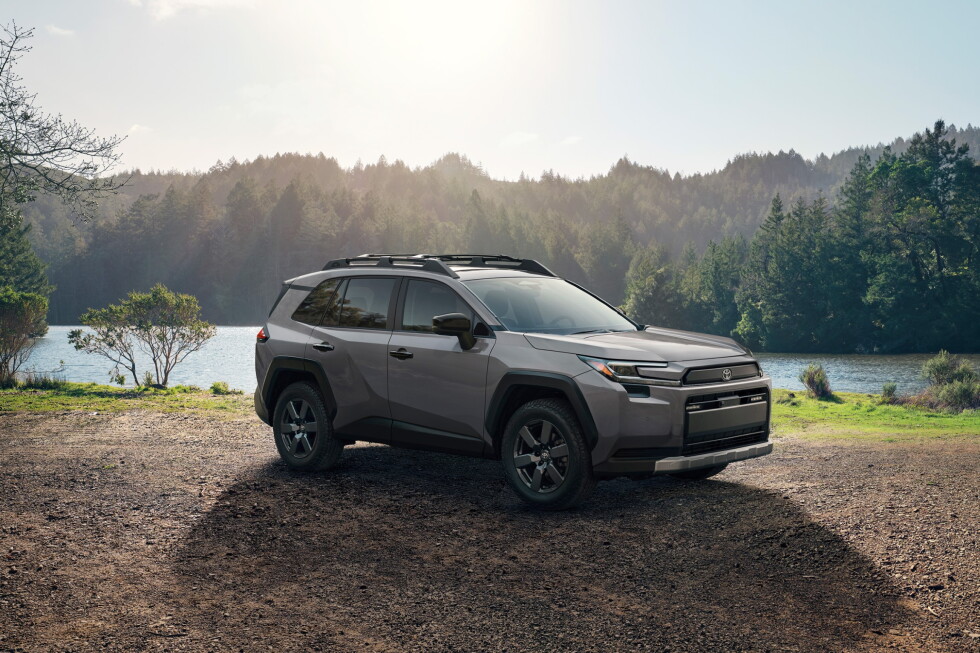
Fully redesigned for 2026, the entire RAV4 lineup now features a hybrid powertrain that delivers peppy acceleration and excellent fuel economy. Toyota’s revamped compact crossover also scores upgraded tech and a more upscale cabin. Although the base LE trim is limited to a 1,750-pound tow rating, SE and higher trims can tow up to 3,500 pounds when equipped with all-wheel drive. That’s enough to pull a small boat, travel trailer or an open trailer for a couple of motorcycles or watercraft. All-wheel drive is optional on the SE and XLE Premium trims, while the Woodland, XSE and Limited trims come standard with it.
RAV4 SE, properly equipped: $37,695
Advertisement
The Pathfinder is Nissan’s versatile SUV that’s bigger than the Rogue but smaller than the full-size Armada. Updated styling and new technology for 2026 enhance its appeal. And when properly equipped, it also boasts a class-leading tow rating of 6,000 pounds. That’s enough to pull a midsize travel trailer, a midsize boat, or a car hauler for a relatively lightweight vehicle. SV and SL trims optioned with the Premium package and all-wheel drive achieve this rating, while the Rock Creek and all-wheel-drive-equipped Platinum trims include the necessary equipment as standard.
Pathfinder SV, properly equipped:$45,785
Outfitted with a gusty turbocharged six-cylinder engine and a class-leading tow rating of up to 10,000 pounds, the roomy Grand Wagoneer does a great job of balancing everyday needs with robust towing capacity. This is enough to pull larger travel trailers with dual axles, large boats, or enclosed trailers for vehicles or horses. You’ll need to get a four-wheel-drive model fitted with the optional Heavy-Duty Trailer-Tow package to get the vehicle’s max tow rating. The Grand Wagoneer also offers features to make towing easier and safer, such as an integrated trailer brake controller that allows you to adjust the trailer’s brakes for smooth and appropriate stopping power.
Grand Wagoneer, properly equipped:$71,785
Advertisement
If you’re looking to get a superb mix of luxury and towing capability, the Lincoln Navigator should easily satisfy. Impressive next-generation infotainment tech and an array of creature comforts make it a standout in the luxury class, while its powerful turbocharged V6 is ideal for families that want to haul in style. Navigators with four-wheel drive and the Heavy-Duty Trailer Tow package can tow up to 8,700 pounds. The Navigator also offers advanced towing features like Pro Trailer Backup Assist, which features a control knob that you can use to help steer the trailer while reversing.
Navigator Premiere, properly equipped:$96,640
Advertisement
Sign up for Morning Wire:
Our flagship newsletter breaks down the biggest headlines of the day.
Advertisement
Cadillac’s flagship all-electric SUV is massively powerful, massively luxurious, and just plain massive. But set aside the 750-horsepower output, the 55-inch digital display that stretches across the dashboard, and the acres of interior space, and you may be surprised to learn that the Escalade IQ can also tow up to 8,000 pounds. Towing a heavy trailer can significantly reduce an EV’s range, but fortunately, the Escalade IQ has a lot to begin with. The EPA estimates that Caddy’s big electric SUV can go up to 460 miles on a single charge.
Escalade IQ starting price, properly equipped: $130,300
Edmunds says
The best towing SUVs don’t force you to choose between capability and comfort. From weekend recreation to serious towing needs, today’s top tow vehicles deliver the versatility and refinement to handle the job without feeling like a compromise on the drive home.
_____
Advertisement
This story was provided to The Associated Press by the automotive website Edmunds. Bradley Iger is a contributor at Edmunds.
Power wasn’t restored until the early hours of Wednesday (August 5)
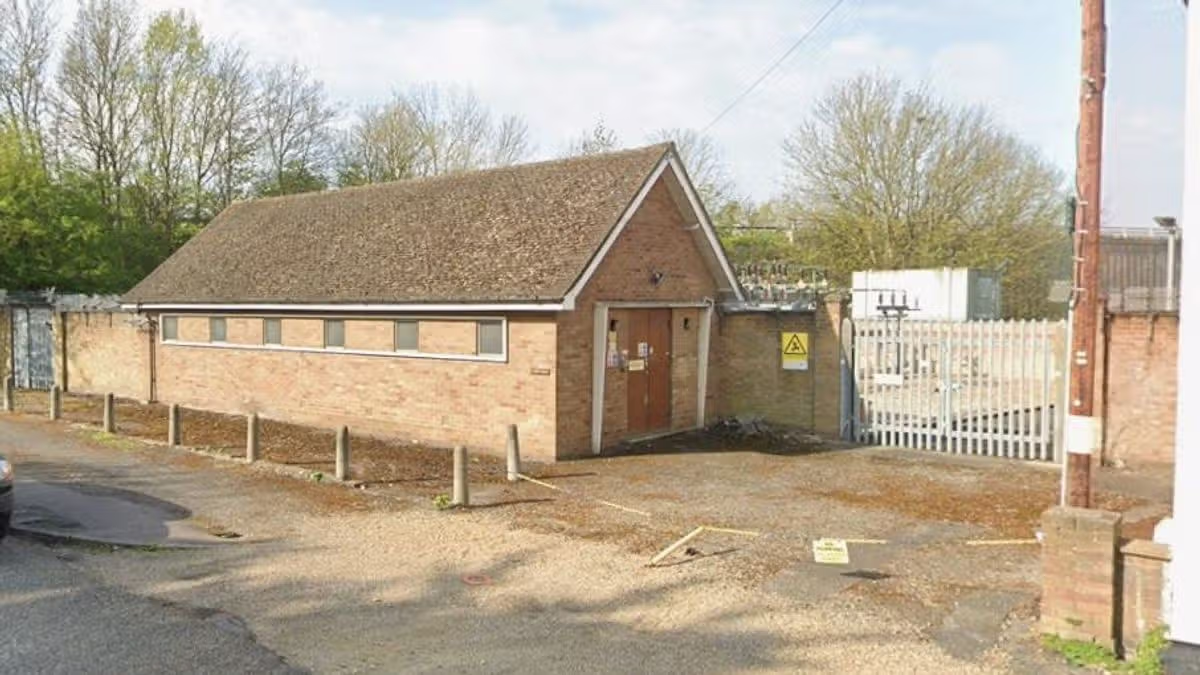
More than 600 households lost power after an electrical substation caught fire. Cambridgeshire Fire and Rescue were called to a fire at an electricity substation in Bridge Place, Godmanchester at around 9pm on Tuesday (August 4).
Advertisement
The road was closed off while firefighters dealt with the blaze. A fire spokesperson said: “At 9.05pm on Tuesday, two crews from Huntingdon were called to a substation fire on Bridge Place in Godmanchester.
“Wearing breathing apparatus, firefighters used a hose reel to extinguish the fire and cleared the smoke using a positive pressure ventilation fan. The cause of the fire is believed to be accidental.”
Cambridgeshire Police put a cordon in place and handed over the incident to UK Power Networks (UKPN) at around 11.45pm.
A UKPN spokesperson confirmed 641 customers lost power. The spokesperson added: “UK Power Networks engineers responded to a high voltage network fault in the Godmanchester area of Cambridgeshire on Tuesday evening at around 8.47pm.
Advertisement
“Engineers rerouted power to 641 customers in stages as quickly as possible by 1.22am. Some further customers experienced a brief interruption to their power of just a few minutes. We would like to apologise for any inconvenience caused.”
Alongside hundreds of new homes, the development would provide vehicle and cycle parking and open space including a children’s play area
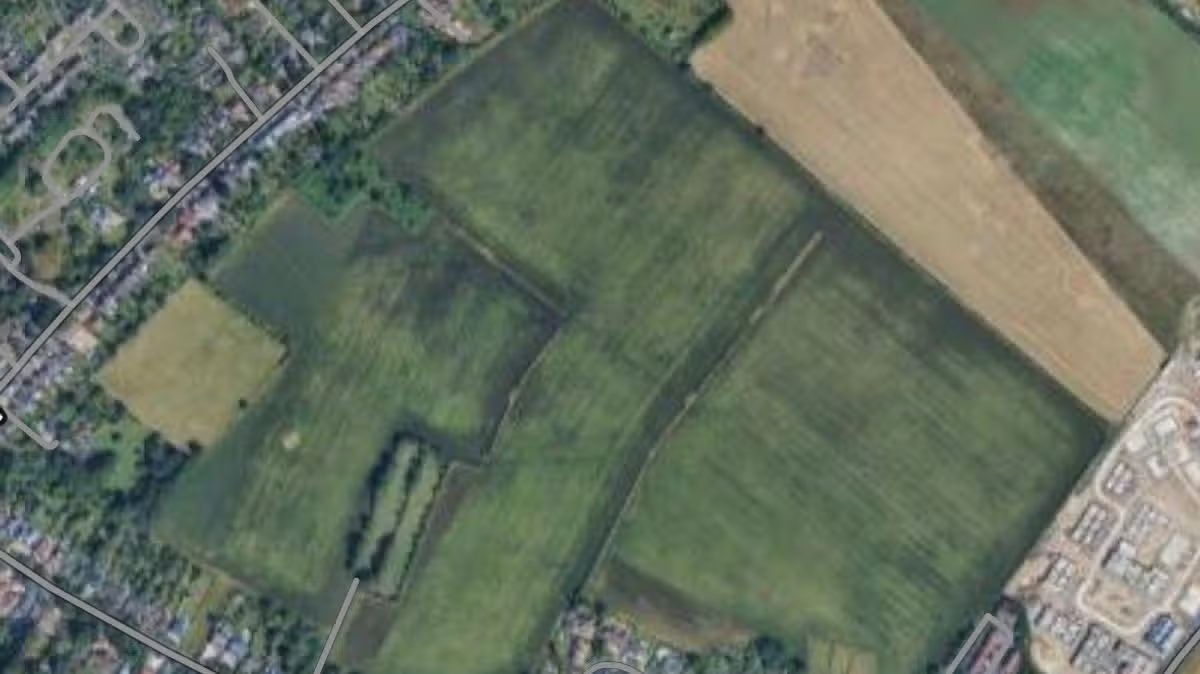
A land developer is hoping to build up to 400 homes in a Cambridgeshire village. Granta Land Limited has proposed to build hundreds of homes on land between Hinton Way and Mingle Lane in Stapleford.
Advertisement
Stapleford is a quaint village around four miles from Cambridge. An Environmental Impact Assessment (EIA) application request has been submitted to South Cambridgeshire District Council ahead of a formal outline planning application.
The new homes are proposed to be built across a 26.27 hectare site which is currently agricultural fields. Around two thirds is managed grassland and the remaining third is in agricultural use.
If the proposals are given the go-ahead, the development would provide up to 400 new homes including affordable housing, a local facility, vehicle and cycle parking and open space including a children’s play area. The design is still evolving due to it being in the early stages of the proposals.
The proposed site is accessible by vehicles via a private farm track off Hinton Way. The road also provides footways and access to Shelford village centre and local amenities including schools, a health centre, shops, restaurants, and cafes. The homes would be situated around 800 metres from Shelford railway station offering regular train services to stops including Cambridge South, Cambridge, Cambridge North and London.
Advertisement
The site is fully situated within flood zone one and almost the entire site has been identified as being at ‘very low’ risk of surface water flooding.
The buildings would be up to 2.5 storeys in height. Two vehicular, cycle and pedestrian access points off Hinton Way are also proposed alongside an anticipated cycle and pedestrian access off Mingle Lane.
Additionally, a pedestrian and cycle crossing is being considered to link the development with the adjacent approved Strawberry Fields care village and countryside park.
The hot weather has seen a surge in Brits purchasing fans – but this one could pose a safety risk
Howard Lloyd Regional content editor
13:14, 05 Aug 2026
This article contains affiliate links, we will receive a commission on any sales we generate from it. Learn more
Brits who have snapped up a particular fan during the hot weather are being urged to stop using it immediately as it could pose a health and safety risk. The 9-inch B&Q table fan is being recalled due to a ‘potential safety issue’.
B&Q states that the fan, which was on sale from March 2026 to July 2026, has ‘an electrical component may overheat leading to a fire or electric shock risk’. It continues: “If you have purchased one of these models during the time period above, please stop using it immediately and return to your nearest B&Q store.”
Advertisement
Anyone with any questions is being asked to visit their local store or contact the DIY giant’s customer services team. The recall alert was issued on Tuesday, August 4.
The UK’s Office for Product Safety and Standards reiterated the warning on social media. Ranking the risk level as ‘medium’, it said: “The product presents a risk of electric shock and fire as there is a fault within the oscillation mechanism that can damage internal wiring.
“Corrective action: The product has been recalled from end users by B&Q.”
Content cannot be displayed without consent
On a social media post, it urged people to ‘stop using it immediately’ and to ‘return it to your nearest B&Q’ before sharing ‘this post with friends and family who may have this product’.
Advertisement
The product was manufactured by Kingfisher International Products Limited in China and is described as ’23cm (9”) white table fan sold by B&Q between March 2026 and July 2026′.
Product recall details
Product: B&Q Table Fan
Model: FT23A
Advertisement
Barcode: 5063022605689
Batch numbers: 25W50, 26W05, 26W11
Manufacturer: Kingfisher International Products Limited
Country of Origin: China
Advertisement
Product Description: 23cm (9”) white table fan sold by B&Q between March 2026 and July 2026
A boy who drowned off the coast of Yorkshire was swept into the sea by a huge rip tide moments after lifeguards had gone off duty, witnesses have claimed.
The family of the boy, who is believed to be from Hull, has been informed after rescue workers found his body in the waters near Hornsea today.
Coastguard, fire crews and police were all scrambled within minutes of him going missing at 6.11pm on Tuesday – just a few minutes after lifeguards clocked off for the day. Three other people are believed to have been rescued.
The RNLI website states that Hornsea Beach is patrolled by lifeguards from 10am until 6pm. Referring to the large flags planted when guards are on duty, it warns: ‘Please remember – No Flags = No Lifeguards’.
Advertisement
The drowned boy was playing happily with friends in the water when he was swept away by a huge rip tide, according to witnesses.
A female witness said: ‘The coastguard came flying down, I remember checking the time because I thought the lifeguards are still here.
‘But it was 11 minutes past six and they knock off at six. The lifeguards had only just left. It was only just after they had clocked off unfortunately.
‘There were people stood on the wall looking. The coastguards had their binoculars out looking. Then the cavalry arrived – helicopters, ambulances, police and all sorts.’
Advertisement
She said she saw three people being rescued, that the sea had been ‘rough’ and the conditions ‘windy’.
‘I don’t think they were from around here because they did not appear to know a lot about sea safety. They were just in the sea because they were very young,’ she added.
‘It a shame because all season the lifeguards have had a sign up warning people of rip tides. They would have been safer if they were on this part of the beach unfortunately. But they could not see the sign from where they were.
‘The emergency services were so quick to respond. They just could not see him or find where he was. It is all it takes – a split second.’
Advertisement
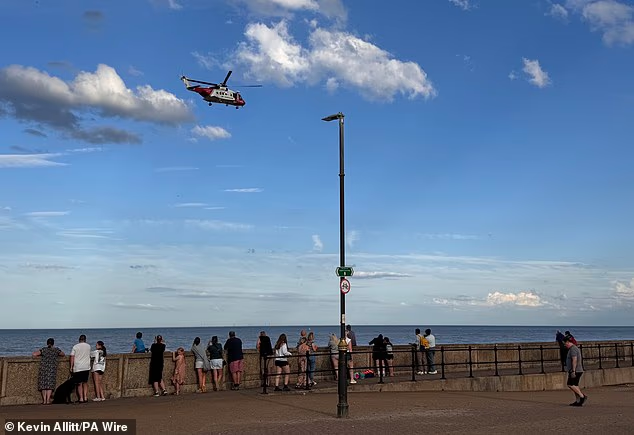
A coastguard helicopter was seen on the beach on Tuesday evening
Police launched a search and rescue operation after the 13-year-old boy went missing in the North Sea
Videos shared to social media at around 7pm last night showed a coastguard helicopter travelling along the beach, and emergency services attending the scene.
Advertisement
Another male eye witness said: ‘They shut down the seafront. There were a load of ambulances and the police came down.
‘The helicopter was going up and down all night. They sent a coastguard plane down later on.
‘The police bought the surviving kids up here eventually. I saw one go away in an ambulance because he was there for quite a while.’
The other two children were taken away in a police car,’ he noted.
Advertisement
‘I did not see any parents. They would probably have come up the Pennine Trail from Hull. It is the closest seaside town to Hull,’ he added.
‘There is always groups of kids from Hull on their bike. It is a relatively safe journey because you have just got the [Hornsea Rail] Trail.’
The extensive search operation involved specialist Humberside search officers including marine divers and drone pilots, alongside the local coastguard, ambulance service and fire and rescue service.
Chief Superintendent Phil Booker of Humberside Police said it was an ‘incredibly heartbreaking outcome’ to the operation.
Advertisement
‘Our thoughts are with the boy’s family and friends at this devastating time,’ he said.
‘Tragically, at around 4.30am this morning, a body was recovered from the water.
‘His death is not being treated as suspicious, and a file will now be prepared for the Coroner.
‘We know the sadness and concern this will cause in the community, and we would ask that the family’s privacy is respected during this incredibly difficult time.
Advertisement
‘I would like to thank all of the emergency services involved in the search, along with members of the public for their support and cooperation.’
It comes after a 14-year-old boy drowned after going into the water in east London on Monday.
The Metropolitan Police said officers were called at about 6.48pm to reports that a boy had entered the Millwall Outer Dock near East Ferry Road on the Isle of Dogs.
The force said despite the efforts of emergency services, the boy was retrieved from the river at 10.30pm and pronounced dead.
Advertisement
Tuesday’s incident in East Yorkshire also occurred less than 20 miles away from where 15-year-old Grace Keeling was swept out to sea in January.
Grace died in the sea at Withernsea, along with her mother, Sarah Keeling, 45, and local man Mark Ratcliffe, 67, who went into the water to help her on the afternoon of January 2 and immediately got into difficulties themselves, an inquest heard in May.
The search for Grace’s body took 13 days and it was eventually found trapped among giant boulders used for sea defences to the south of where the incident happened.
At least 39 deaths have been reported this summer linked with open-water incidents, according to the PA news agency.
Advertisement
The National Water Safety Forum reported there were 202 water-related fatalities across the whole of last year in the UK. Data for this year is expected next May.
The man, aged in his 40s, was left with serious injuries and was taken to the Royal Victoria Infirmary in Newcastle for treatment.
Durham Police has now confirmed that a man in his 50s and woman in her 40s have been arrested on suspicion of attempted murder.
Advertisement
They remain in custody while further enquiries are carried out.
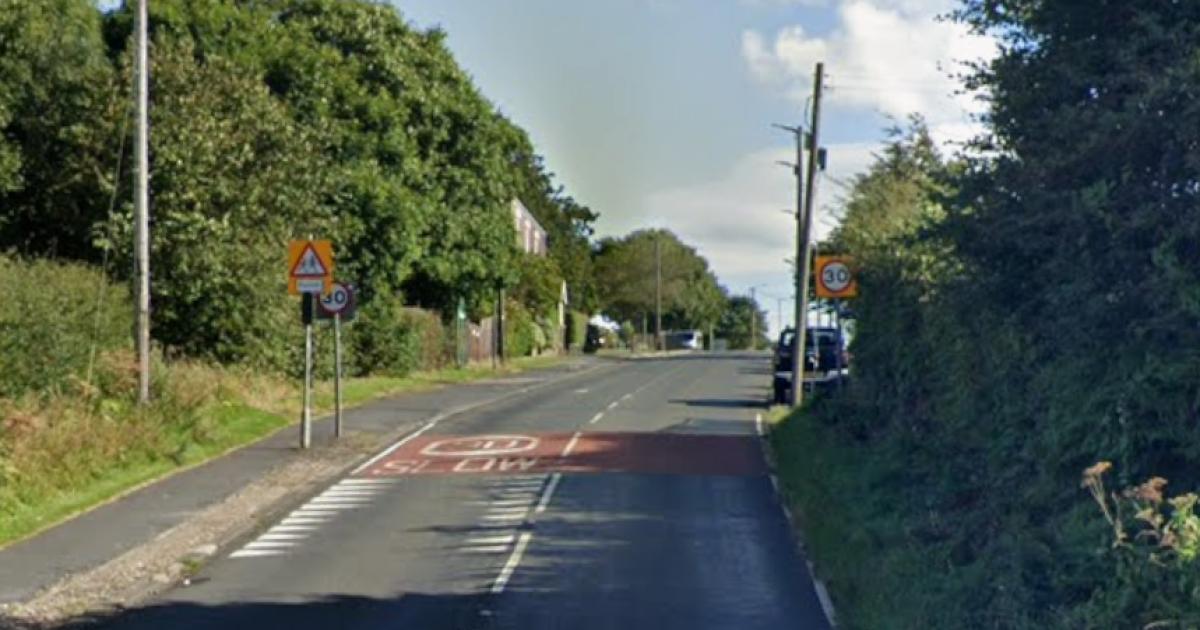
The road was shut between the Edmondsley Lane crossroads and Congburn Bank in both directions following the incident.
The North East Ambulance Service (NEAS) sent several ambulance crews to the scene and treated one person who had suffered head and chest injuries.
The incident was one of two crashes overnight, the second being on the A167 at Ferryhill between the Dean Road junction and the Jet Garage, in Chilton.
Advertisement
Anybody who witnessed the crash or has any information or footage relating to it is asked to contact police via 101, quoting incident number 22 of August 5.
That is more than double the number of prescriptions in 2020-21, when 800,000 women were given HRT on the health service.
The figures also reveal disparities in prescribing locations, with less than one in ten women from the most deprived areas receiving an HRT prescription compared to 14.2 per cent in the least deprived regions.
Advertisement
Last year there were just four prescriptions per 100 women in Newham, east London – the lowest recorded figure for a local authority – while in Brighton and Hove there were 23 prescriptions per 100 women, which was the highest rate.
HRT is prescribed to treat menopausal symptoms and works by replacing the primary female sex hormones oestrogen and progesterone which decline during menopause.
The health service says the therapy helps combat symptoms like hot flushes, night sweats and sleep problems, as well as mood swings, anxiety and vaginal dryness.
But experts, including The Mail on Sunday’s columnist Dr Ellie Cannon, have also highlighted its potential risks in recent months.
Advertisement
A record number of women were prescribed hormone replacement therapy on the NHS last year, new figures reveal
Writing in the newspaper in November, Dr Ellie said: ‘It is true that there is a slightly increased risk of breast cancer among women who are taking HRT, in particular those who… take combined oestrogen and progesterone in any form.
‘In the UK, about 2 per cent of all breast cancer cases, equivalent to around 1,000 new diagnoses a year, are thought to be linked to HRT.’
Advertisement
The NHS says the risk of developing breast cancer increases the longer women take HRT, but that this declines once the therapy is stopped.
It also lists blood clots as another potential ‘very low’ risk of HRT, particularly when taken in tablet form.
The risk of having a stroke is also said to be ‘slightly increased’ from HRT tablets, the health service says.
HRT patches, gels and sprays – also known as transdermal products – were the most commonly prescribed oestrogen HRT last year, the new data reveals. The use of HRT oestrogen pills declined.
Advertisement
The NHS does, however, stress that the benefits of HRT ‘usually outweigh the risks’.
As well as relieving debilitating symptoms, HRT is said to help women maintain muscle strength and prevent osteoporosis – a thinning of the bones that can increase the risk of fracture.
Commenting on the new figures, Sue Mann, national clinical director in women’s health for NHS England, said: ‘Awareness of menopause has increased significantly in recent years, helping to encourage important conversations about women’s health and access to support.
‘The findings show that the number of women receiving NHS HRT prescribing continues to increase. This reflects the growing demand for menopause care and the increasing awareness of treatment options available to women.’
Advertisement
Olivier Picard, chairman of the National Pharmacy Association, added: ‘This is very significant data and shows that a record number of women are accessing HRT support through the NHS.
‘However, these surges in prescriptions for particular products do have unintended short-term consequences for medicine supply to patients and can exacerbate medicine shortages that blight pharmacies on a daily basis.
‘Although supply for some HRT products are improving, shortages of certain strengths of Estradot are now some of the longest running of any medicine in NHS history.
‘When prescribing habits change, we must make sure supply chains can keep up or we risk worsening access to medicines for patients and put more pressure on over stretched pharmacy teams.’
Advertisement
The NHSBSA is reminding women taking HRT they can buy an HRT prescription prepayment certificate for £19.80 to cover prescription charges for 12 months.
Without the certificate, each HRT prescription costs £9.90.
EXCLUSIVE: Rory and his partner Stephanie were due to move their three children to Greece on August 10 before wildfires struck – now they’re living in a one-bed flat
12:44, 05 Aug 2026Updated 12:52, 05 Aug 2026
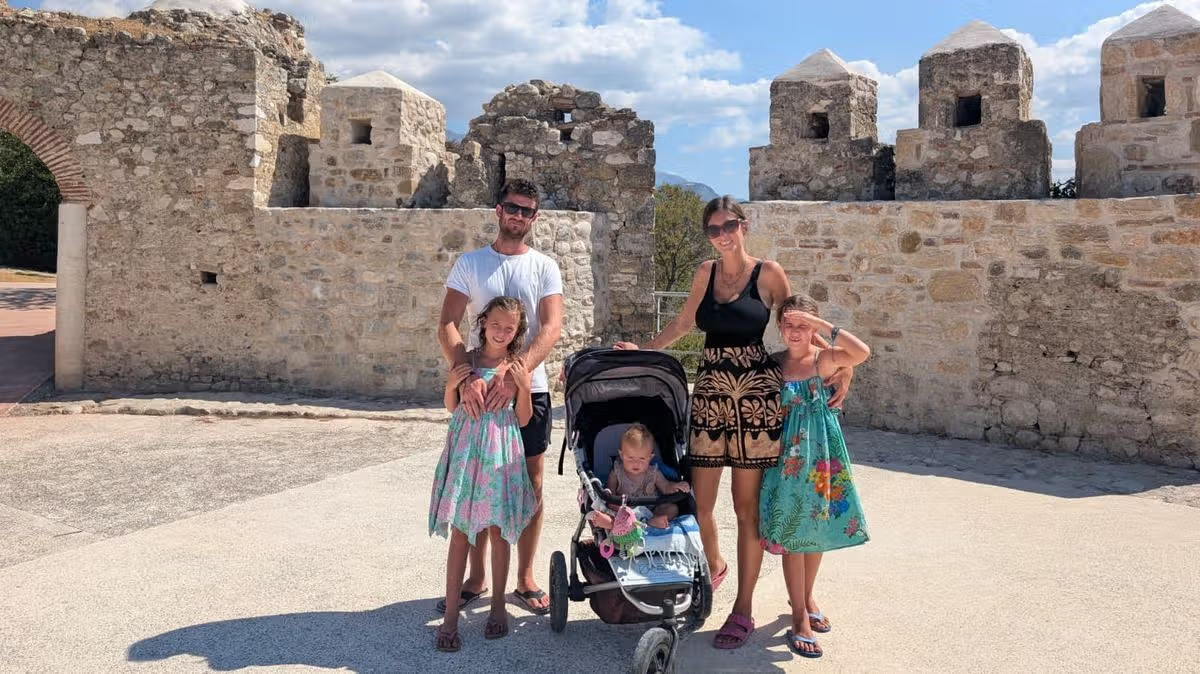
A heartbroken family has lost their forever home in the Greek mountains just days before they were due to leave the UK and move there permanently.
Rory Clifford and Stephanie Harper, 36 and 35, spent the entirety of their savings and income building their perfect home in the mountainous region of Peloponnese, in the south of the country. They had shipped all their sentimental belongings last year ahead of the dream move next week.
The couple had even enrolled their twin daughters, Evangeline and Ivaria, eight, in a local school for September. They also have a 19-month-old little girl called Athena.
Advertisement
However, fast-moving wildfires have swept through parts of Greece in recent days and it has resulted in their home and everything in it being destroyed.
Stephanie, who is also currently pregnant with twins, has now spoken exclusively to The Mirror about how the tragic situation has completely upended their lives.
In an emotional interview, she told us: “We are a very resilient family but this has knocked it out of us completely. The emptiness and sorrow has been overwhelming.
Advertisement
“A dream and hard work not just from us but the Greek community who helped us achieve our home… just stolen in seconds.
“I can’t describe the grief, as it’s not just the house we built, it’s all the cherished memories and the home we created inside.”
The destruction of the property, which they bought in 2023, has meant that they are now stuck living in a one-bedroom flat in Hastings, East Sussex, a complete contrast to what their news lives would have entailed.
They had spent well over €300,000 (approx £257,000) making it the ideal place to raise a family in the sun where they were also due to bring their three rescue dogs.
Stephanie said the money came from their own hard work from running a designer furniture business together, as well as savings and loans.
The mum said they sold everything they had to make the relocation, which they had been planning for over a decade, possible.
The process was long, stressful and came with many unexpected big costs, like spending over £10,000 replacing 2km of piping up the mountain in an effort to get water to the house.
Advertisement
Despite working day and night to jump through each obstacle, they are now cruelly left starting from scratch.
Since the devastating wildfire, Stephanie’s sister, Gabby, has started a GoFundMe to help the “inconsolable” family rebuild their lives.
Stephanie said she was grateful and emotional about the response so far and she fears that even with insurance and cover, they need in the region of €100,000 (£85,000) to get back on track.
Advertisement
And regarding the fundraiser, she said: “Even saying this part makes us feel a little uncomfortable. We are not materialistic people and we don’t want people reading about a pool, and thinking here we go, first world problems.
“We live a very modest life, we have lived in a one-bedroom flat for 12 years, we have slept on a sofa bed for eight of those years, with our children having the bedroom, this Greek house was everything to us.
“It was a way of us affording a life we wanted to give our children, we spent every penny on giving our children the life they deserve and admittedly we were unbelievably excited to sleep in an actual bed. We will rebuild and we can’t give up.”
Advertisement
Greece has always held a special place in the hearts of Stephanie and Rory who travelled there back in 2011 in a campervan.
The people left a mark on them and they began to envisage raising a family there.
Over time, the UK no longer felt like home, and with the cost of living crisis putting a strain on their business, they decided to make a bold and brave decision together.
Advertisement
“Everything pointed to moving there,” Stephanie explained. “We just had to work it out. So that’s what we did and it took patience and a lot of research to make sure we had the right area.”
That area turned out to be Peloponnese, a mountainous peninsula in southern Greece. The family spent eight weeks living there last summer and were able to picture what it would feel like doing so full-time.
Since then, they have spent an enormous amount of time and money making sure everything was ready to move there permanently on August 10.
Advertisement
Stephanie had even been in contact with obstetrics to have her twins there at the start of 2027.
However, last Friday, a close friend who lives in a nearby village in Peloponnese told them that a wildfire was close to their region.
It was something they experienced themselves last year and they noticed first-hand how incredibly fast the fire service was.
On this occasion, though, their home could not be rescued. “We were helpless waiting for news. However, as darkness fell, helicopters can’t fly at night, so they’d have to wait until the first light.
“It took our house at 4am.”
As for what the future holds for the soon to be family-of-seven, Stephanie said it was still early days and they were trying to figure out an action plan.
She said they were determined not to let it beat them, but admitted that keeping a positive mindset was challenging.
Advertisement
As for how their kids are coping, Stephanie added: “They have coped really well to be honest, it’s hard for them to process as they were ready for the change and their next chapter.
“We will still do anything for our children’s happiness and future which is why we can’t give up on the House on the Mountain.”

















































You must be logged in to post a comment Login