Connect with us

NewsBeat

Mum’s death ‘shattered family into a thousand pieces’ as man, 28, jailed over death

Published

on

Daily Mirror

Michael Connors, of Landen Road, Ballyfermot, Dublin, has been jailed for 13 years and one month after he was extradited to the UK on June 16 this year following his arrest by the Garda

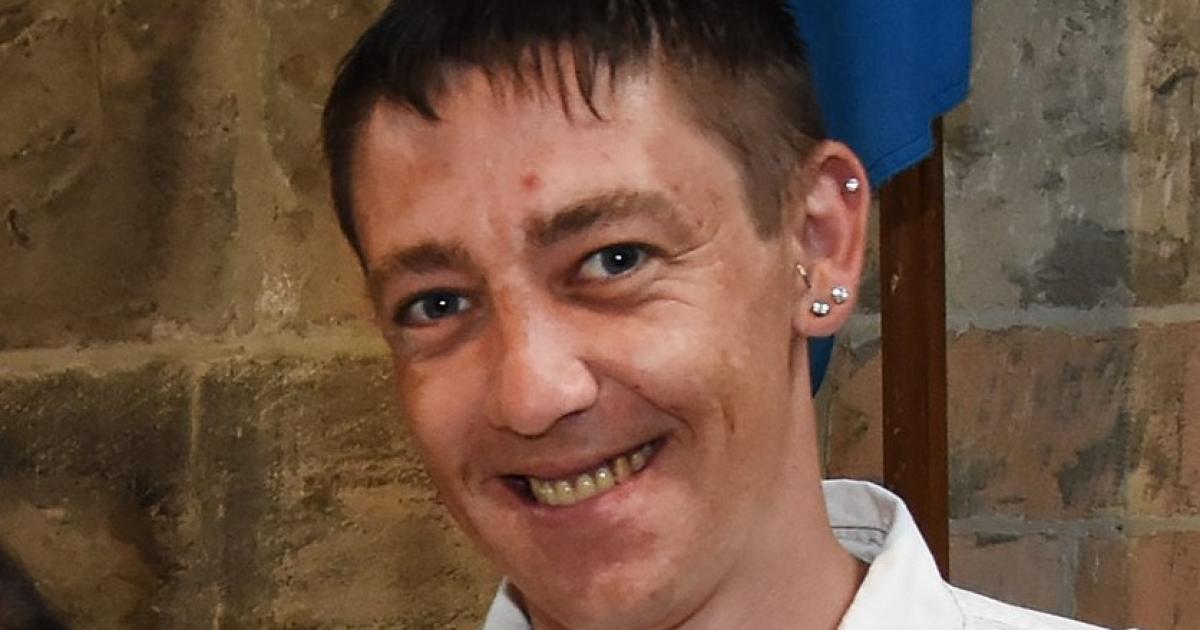
A 28-year-old Irish man has been jailed for causing the death of a 47-year-old woman by dangerous driving.

Advertisement

Michael Connors, of Landen Road, Ballyfermot, Dublin, was also sentenced for causing serious injury by dangerous driving to the woman’s husband, and a 16-year-old girl. Connors appeared before Mold Crown Court yesterday, where he was jailed for 13 years and one month.

He previously admitted all three charges after he was extradited to the UK on June 16 this year following his arrest by the Garda in Dublin, Ireland on March 11 2026, in connection with the collision.

On March 24 2025, Connors was driving a silver Mercedes car when he made off from police and collided with a Toyota car between Belgrave Road and Percy Road in Hightown, Wrexham.

Advertisement

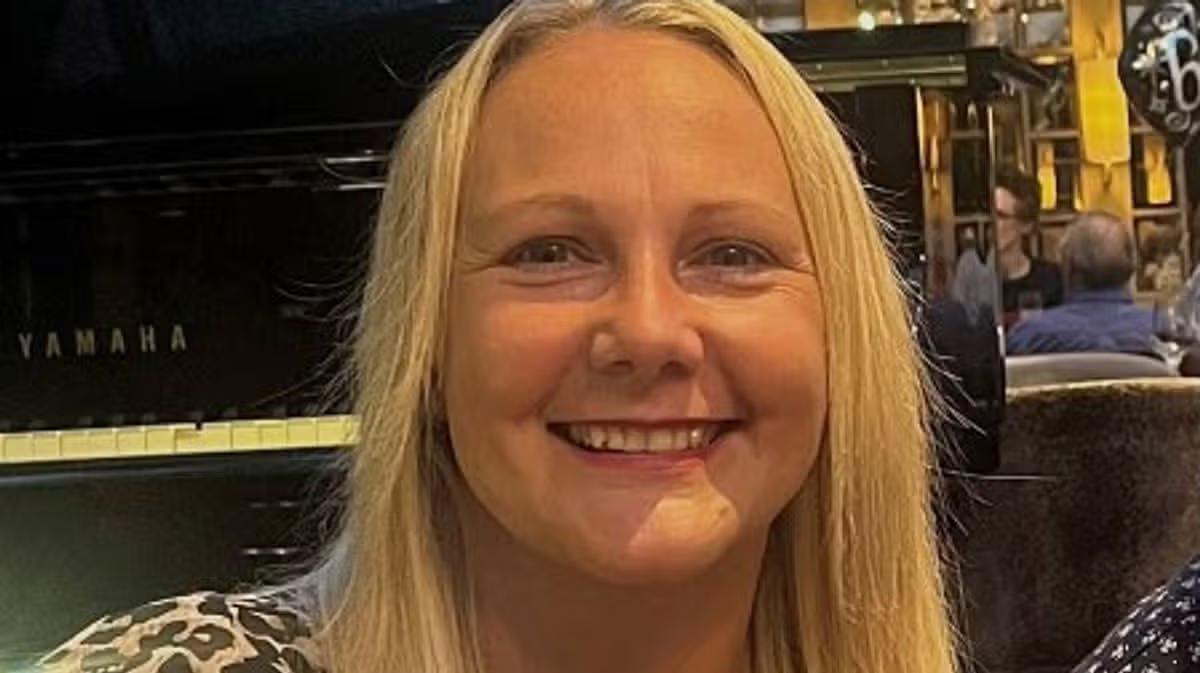
Lydia La Polla, 47, from Wrexham, the driver of the Toyota car, sadly died from her injuries in Stoke hospital two days later. Lydia’s husband, a passenger in her car, was serious injured in the collision.

Connors, and another male in the silver Mercedes, fled the scene of the collision, leaving two young passengers behind in the car. One of them, a 16-year-old girl, was also seriously injured.

In a victim impact statement read out to the court on sentencing, Lydia’s husband said the death of his beloved wife had left him with a “profound sense of loss”.

“My life will never be the same again,” he wrote. “To say I am heartbroken is an understatement.

Advertisement

“Lydia was a wonderful mother to our children and they absolutely adored her. It breaks my heart to know that their mother won’t be there for their weddings, and she won’t be there to see them grow up and have children of their own.

“Our close family unit has been shattered into a thousand pieces, and it will never be the same again without Lydia.”

Lydia’s daughter added that losing her mother is a “pain that words cannot describe.” She wrote: “This collision did not just take my mum from me; it took away the future I always imagined with her in it. It changed my family forever.

Advertisement

“I have lost the person who loved me unconditionally, who guided me through life, and who was always there whenever I needed her. No amount of time will ever heal that loss. The sadness never truly goes away; I have simply had to learn how to carry it.”

Speaking following sentencing, Chief Superintendent Jaqueline Downes said: “Our deepest sympathies remain with Lydia’s family, who continue to live with the devastating consequences of this incident.

“No one should ever leave their home and not return safely. Lydia’s family conducted themselves with the utmost dignity throughout this complex and protracted case, and I am grateful to them for their trust in our investigation.

“I would also like to thank the members of the public who came to assist those at the scene of the collision before the emergency services arrived.

Advertisement

“In addition to the prison sentence Connors will now serve, he must live with the knowledge that his actions resulted in Lydia’s death and has caused unimaginable pain to her family, as well as serious injury of two more people.

“This case demonstrates the very real dangers associated with driving dangerously and we hope this sentence serves as a warning to others about the potentially devastating consequences of such behaviour.”

Source link

Advertisement
Continue Reading
Click to comment

You must be logged in to post a comment Login

Leave a Reply

NewsBeat

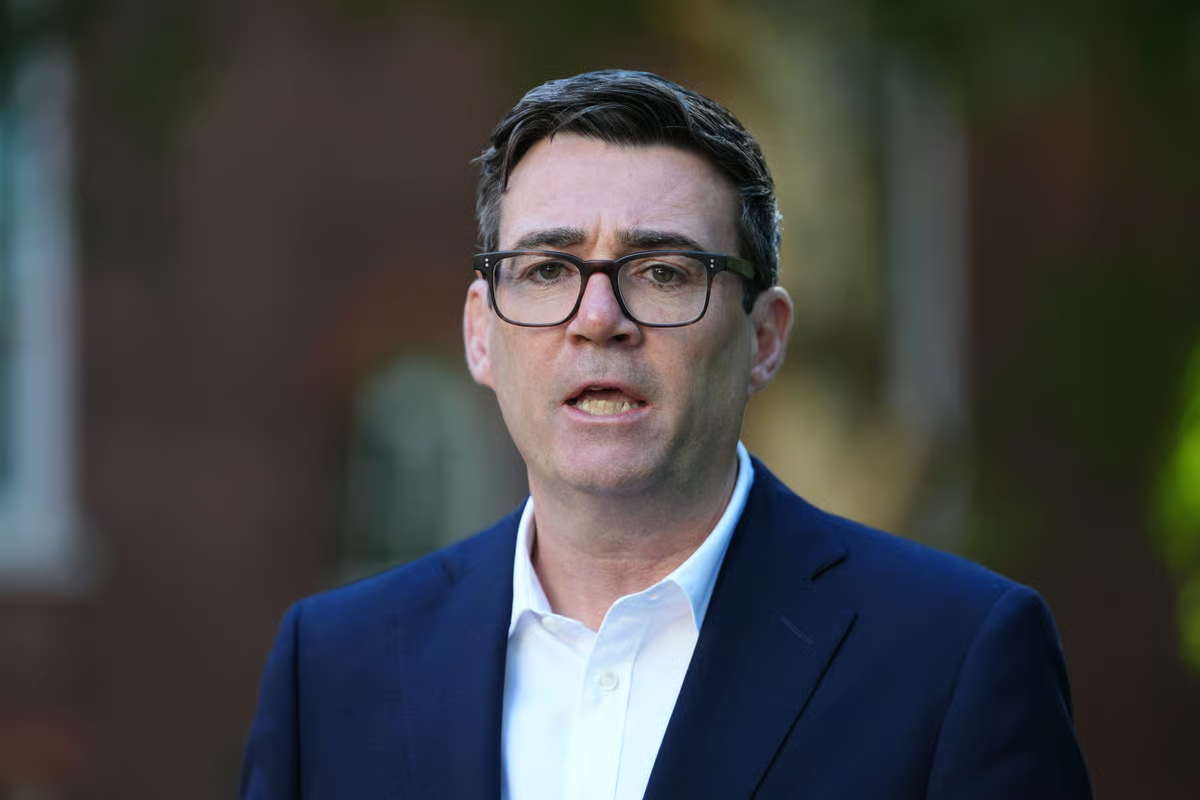
Andy Burnham to meet Donald Trump for first time as world leaders gather at UN

Published

on

Andy Burnham to meet Donald Trump for first time as world leaders gather at UN

Mr Burnham told journalists: “As I have said, politicians say things throughout their career, but now the important thing is to focus on the moment you are in, and I did say to the president in our first phone call, I said, ‘Mr President, Manchester isn’t some town’, I said, ‘This is Manchester’.

Source link

Continue Reading

NewsBeat

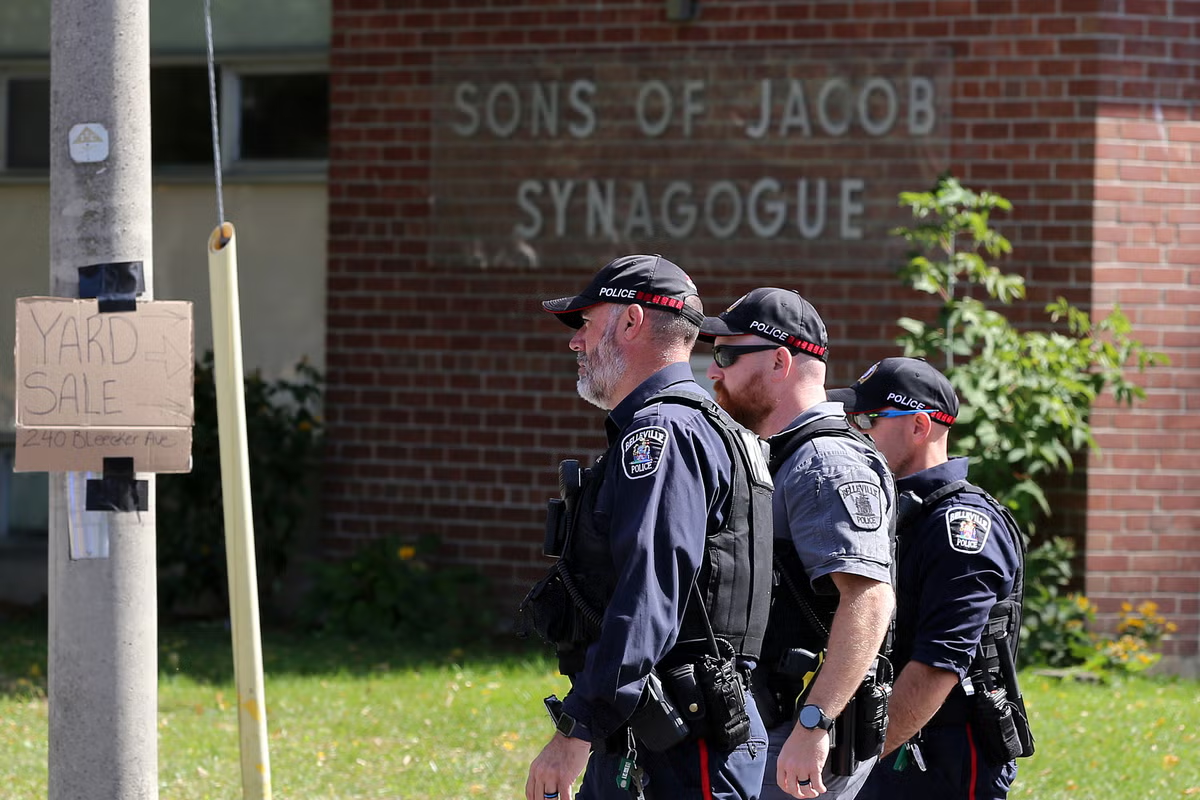
Up to 30 shots fired after man opened fire on officer outside Ontario synagogue

Published

on

Up to 30 shots fired after man opened fire on officer outside Ontario synagogue

A 29-year-old man armed with a shotgun opened fire on a police officer stationed outside an Ontario synagogue during Yom Kippur, triggering a shootout involving as many as 30 shots, the province’s police watchdog said Monday.

The gunfire left the man with life-threatening injuries and seriously wounded a veteran of the Belleville Police Service, whose condition had stabilized as he recovered in intensive care.

Kristy Denette, a spokesperson for the Special Investigations Unit, said nearby vehicles and homes were riddled with bullet holes. There was no forensic confirmation Monday as to whether the synagogue itself was hit.

Denette said the scene appeared to stretch about half a block from the Sons of Jacob Synagogue.

Advertisement

“It would have been quite, quite the scene indeed,” Denette said.

The Special Investigations Unit said preliminary evidence showed the man arrived in a truck around 7 p.m. on Sunday and fired at an officer outside the Sons of Jacob Synagogue in Belleville, about 110 miles east of Toronto. The officer returned fire before a second officer arrived and also fired.

Belleville police Deputy Chief Sheri Meeks identified the alleged shooter as Sean Ward, of the nearby city of Quinte West, and the officer as Const. Jeff Smith, a 13-year veteran of the force.

About two dozen people were inside the synagogue when gunfire erupted. One of them, Douglas Lobel, said it lasted two or three minutes and “seemed like an eternity.”

Advertisement

Lobel said a police officer eventually entered the synagogue and asked whether anyone had been hurt. No one inside was injured. “This officer was a hero who saved our lives,” Lobel said. “If this officer wasn’t there, I don’t know what could have happened.”

Police have not established a motive or said whether the Sons of Jacob Synagogue or the Jewish community was targeted. The SIU is investigating the actions of the officers, while Belleville police are conducting a parallel criminal investigation that will examine the man’s actions and possible motive.

Meeks said the wounded officer faced “a significant road to recovery.”

Meeks acknowledged the shooting’s impact on Belleville’s Jewish community, particularly because it happened outside the synagogue during Yom Kippur, the holiest day of the Jewish calendar.

Advertisement

“Antisemitism, hate and violence have no place in our community,” Meeks said. “Every person deserves to feel safe when attending a place of worship.”

The synagogue canceled its remaining Yom Kippur services following the shooting.

Police increased patrols and their presence around places of worship but said there was no ongoing threat to public safety.

Belleville Mayor Neil Ellis said it was too soon to say whether the shooting was a hate crime but said “the circumstances are where it happened, when it happened” and that it “points towards that.”

Advertisement

“We have a tight-knit Jewish community. We don’t tolerate this in our city or across the country,” Ellis said. “Everyone has the right to feel safe.”

Canadian Prime Minister Mark Carney condemned the shooting in a social media post, saying, “Jewish people must be able to worship safely” and “live free, open, proud Jewish lives.” He said the federal government would support law enforcement in ensuring the perpetrator is held accountable.

The shooting comes months after Carney warned that Canada was failing its Jewish community amid a surge in antisemitism. Carney cited shootings at Jewish schools, firebombings of synagogues and attacks on community centers and Jewish-owned businesses.

Source link

Advertisement
Continue Reading

NewsBeat

Chicken breasts won’t dry out if you soak them in 2 ingredients before cooking

Published

on

Wales Online

Chicken breasts are a midweek staple, but they can quickly turn dry if they’re cooked a little too long. Cooking experts say one simple preparation step done shortly before cooking can help keep the meat noticeably juicier and more tender.

Chicken breasts are a dinnertime essential, whether served alongside potatoes or incorporated into a stir-fry. However, they can rapidly become tough and dried out if overcooked. Even premium-quality chicken can turn dry in a pan or oven without proper care.

Advertisement

Thankfully, there’s a straightforward preparation method that can significantly improve the texture of your meat. It requires minimal time and uses an ingredient you’ve likely got in your cupboard already.

Experts suggest mastering this technique means you’ll never have to endure dry chicken again.

The method is called brining, and according to cooking specialists at The Kitchn, even a relatively brief brine can produce a noticeable improvement, reports the Express.

A standard brine is simply salt mixed into water. The specialists recommend dissolving a quarter cup of kosher salt in four cups of warm water, which is sufficient for approximately four chicken breasts.

After the salt has dissolved, submerge the chicken in the mixture and place it in the fridge.

While traditional brining can take substantially longer, the specialists say chicken breasts can benefit from a quick brine of 15 to 30 minutes.

The salty mixture enables the chicken to absorb some moisture and salt prior to cooking. This approach helps to deliver meat that is “juicy and tender”, especially beneficial for breasts, which have a tendency to dry out quickly.

Advertisement

Take the chicken out of the brine and thoroughly pat it dry using kitchen paper prior to cooking. This step is especially crucial if you’re aiming to brown or crisp the exterior of the chicken.

It’s equally important to bear in mind that you may need to cut down on the quantity of additional salt called for in the recipe.

When cooking the meat, heat a frying pan with olive oil, then add the chicken breasts. Leave them to cook undisturbed for one minute, then turn them over and lower the heat.

Advertisement

Place a lid over the pan, set a timer for 10 minutes and allow them to cook.

Once the 10 minutes are up, switch off the heat, reset the timer for a further 10 minutes and leave them covered throughout. After this time has elapsed, use a thermometer to verify they have reached 74°C.

Carve the chicken, and it should be succulent and tender, ideal for any lunch or dinner.

Source link

Advertisement
Continue Reading

NewsBeat

‘Why did he put it in there?’ Princess Diana’s friend RICHARD KAY reveals the one exchange from Earl Spencer’s explosive memoir that left him totally ‘mystified’

Published

on

One anecdote in the book, set as Diana's marriage was falling apart, left Kay 'mystified' and questioning the Earl's intentions

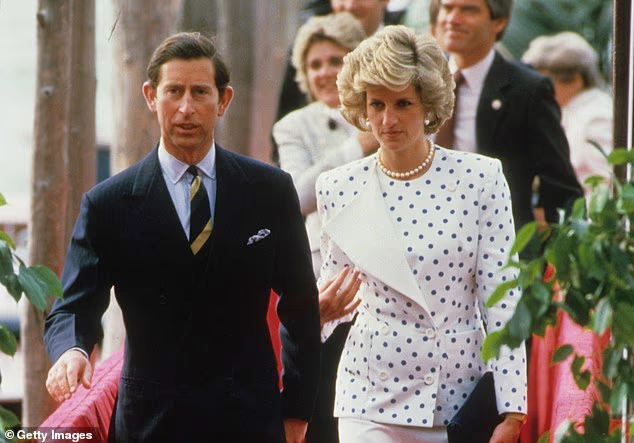
In a special episode of the Daily Mail’s Palace Confidential, Richard Kay names the one anecdote from Earl Spencer‘s new Diana memoir that he simply cannot explain.

Kay, now Senior Editor-at-Large, knew the late Princess both personally and professionally. The pair became friends while he was the paper’s royal reporter, and the Princess came to rely on him as a sounding board for dealing with the press.

Extracts from Earl Spencer’s incendiary book, Swan Song: Diana, My Sister, have been serialised exclusively in the Daily Mail over the past week, ahead of its publication tomorrow.

The passages prompted a rare rebuke from Buckingham Palace after Spencer claimed that the King, then Prince of Wales, told him ‘Rest assured, we’ll forget her soon enough!’ during a row over Diana’s funeral arrangements.

Advertisement

A Palace spokesman said that while it does not comment on books, His Majesty is ‘mindful that the pain of fraternal grief can cloud reason, affect judgment and colour memory’.

Speaking to Palace Confidential host Luke Blackall, Kay revealed that he and Spencer spoke several times in the week after Diana’s death. What the Earl told him in confidence then, which Kay noted down at the time, chimes closely with claims made in the memoir.

One anecdote in the book, set as Diana’s marriage was falling apart, left Kay ‘mystified’ and questioning the Earl’s intentions 

Advertisement
Extracts from Earl Spencer's incendiary book, Swan Song: Diana, My Sister, have been serialised exclusively in the Daily Mail over the past week, ahead of its publication tomorrow

Extracts from Earl Spencer’s incendiary book, Swan Song: Diana, My Sister, have been serialised exclusively in the Daily Mail over the past week, ahead of its publication tomorrow 

However, one anecdote in the book, set as Diana’s marriage was falling apart, left Kay ‘mystified’ and questioning the Earl’s intentions.

‘[Spencer] has been asked to join his sister at San Lorenzo, which famously was Diana’s favourite restaurant,’ he began.

‘They’re dining head to head across the table when she suddenly says to him: “Carlos, I’m going to get a divorce.”

Advertisement

‘There’s no date for this. We don’t know when it was… But he feels he ought to make an observation to his sister and says: “Well, you’ve got to think very carefully about this. The public might turn against you.”

‘And she looks up from the table, fixes him with those huge blue eyes and says: “Carlos, he’s in love with his valet.”‘

Carlos was Diana’s childhood nickname for her brother.

A valet is a personal manservant, responsible for laying out royals’ clothes, helping them dress and drawing them a bath.

Advertisement

In the book, Spencer writes that his sister never named the member of staff, and that he never asked her why she believed ‘such an improbable thing’.

Kay said the remark comes with no context or explanation, and predicted readers would ‘instantly speculate’ about who the man was.

‘I have to say, I’m mystified why he should need to use that anecdote,’ he told Palace Confidential.

‘They’re going to ask, was it true? But I think the main question they’re going to have, and I’m afraid it’s one I really don’t have an answer for, is why did he put it in there?

Advertisement

‘My only view is that Charles Spencer, to use that rather well-worn cliche about revenge being a dish best served cold, decided to put it in for that reason.’

Spencer has since defended including the exchange, telling the BBC it came ‘in the context of a conversation where Diana is telling me that her marriage is over’.

Watch Kay’s full analysis of Earl Spencer’s memoir on Palace Confidential, available now on YouTube.

Source link

Advertisement
Continue Reading

NewsBeat

No surprise as Putin’s party wins election billed as ‘referendum’ on war in Ukraine

Published

on

No surprise as Putin’s party wins election billed as ‘referendum’ on war in Ukraine

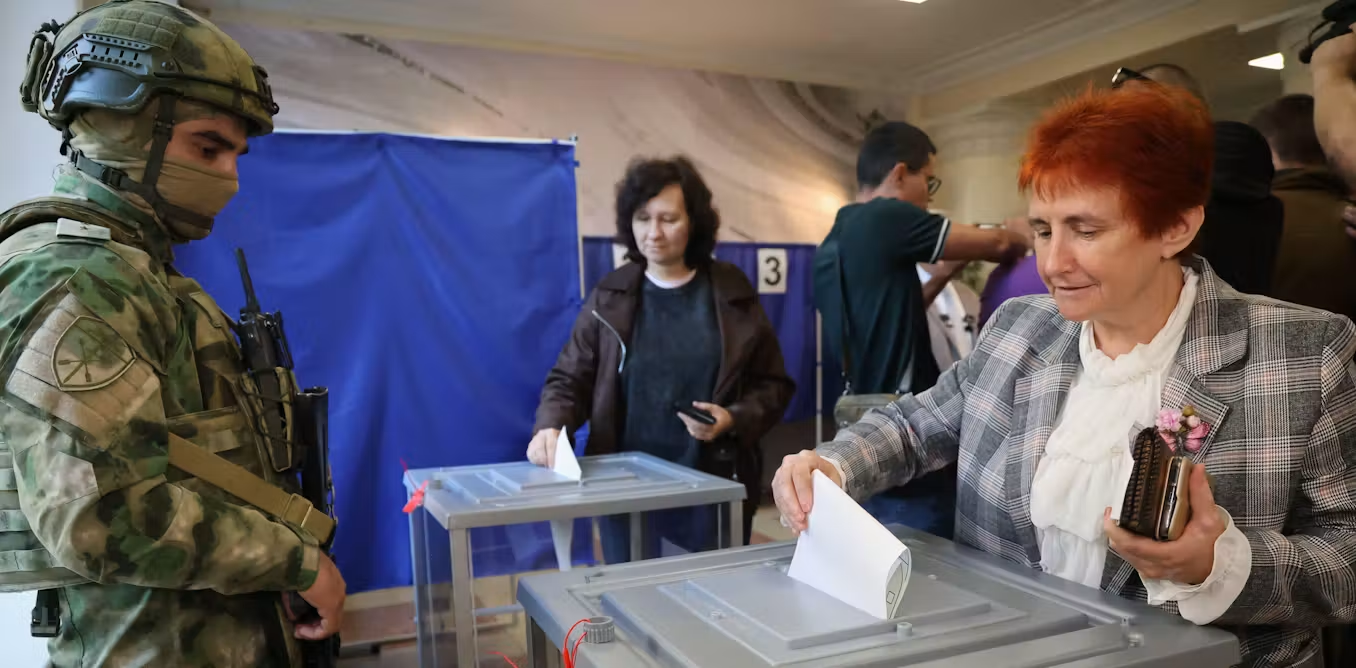
In one of the least surprising pieces of election news this year, preliminary results indicate that the ruling party, United Russia, is on track to retain its overwhelming majority in the national parliament, or Duma.

There is a striking degree of continuity in the results of this election with the previous one. United Russia, the party of the president, Vladimir Putin, has reportedly received 57.5% of the vote compared with 57.9% in 2021. United Russia will be joined in the parliament by the same political parties represented last time. These are the so-called systemic opposition parties.

The existence of these parties on the ballot gives the voter the illusion of choice. But in reality they always vote with Putin’s government on the issues that really matter – such as the war in Ukraine.

The results were never in any real doubt. But the 2026 election campaign has exposed some significant insights into the mindset of the country’s ruling elite, as well as the public mood.

Advertisement

The state has all but abandoned the fiction that Russia’s “special military operation” in Ukraine is proceeding according to plan and that life can continue as normal, at least for middle class Russians living in the major cities. Even Putin has acknowledged that the damage to Russia’s oil industry caused by Ukraine’s drone strikes has created petrol shortages that are experienced by motorists and businesses on a daily basis.

This did not mean that Putin was ready to promise an end to the war and a more peaceful and prosperous future if Russians supported United Russia at the polls. Instead, the Russian president explicitly presented the elections as a referendum on society’s support for the war.

Speaking just days before voting began, Putin instructed citizens to participate in the elections in large numbers to demonstrate that millions stand behind the soldiers fighting in Ukraine.

Even without Putin’s instructions, it was hard for ordinary Russians to ignore the war during this election when so many of the candidates are famous – or infamous – for their roles in it. Almost 200 war veterans were standing for seats in the Duma. These include former military officers who had been instrumental in brutal operations, such as the siege of Mariupol and the killing of civilians in Bucha.

Advertisement

Russia’s children’s commissioner, Maria Lvova-Belova, was also on the ballot for United Russia. Her candidacy was a symbol of Russia’s defiance of the authority of the International Criminal Court (ICC). The ICC wants to put her (as well as Putin himself) on trial for allegedly kidnapping Ukrainian children and bringing them to Russia for adoption. Lvova-Belova herself has adopted a child from the Donbas in eastern Ukraine.

But while Russia’s top political leaders handed candidates a script full of patriotic zeal for the war, many apparently had no desire to read from it. There was a notable difference between the enthusiasm expressed for the war by the political elite in Moscow and the attitudes of candidates further down the ballot. Some of them seemed to want to avoid the topic entirely.

The campaign was marked by televised debates where one or all of the candidates failed to turn up. And often the candidates who did attend their own debates quickly ran out of positive or even uncontroversial things to say. Viewers were reportedly treated to some candidates standing silently during the rest of their allotted time.

Managed election

Despite the apathy shown by many candidates, the state’s election officials worked overtime to ensure that United Russia would win a comfortable victory. The Russian election monitor project, a group of European scholars, former and active politicians, and public officials aiming to ensure free and fair elections, reported incidents of ballot box tampering. This included a case in Krasnodar where officials added ballots after the polls had closed, undeterred and unimpeded by the presence of a police officer.

Advertisement
Election monitors for opposition parties were not allowed to observe voting.
Associated Press / Alamy Live News

Election monitors representing political parties – including from systemic opposition parties such as the Communists – were turned away and not permitted to observe the process. In at least one case, an election monitor was arrested and physically injured by the police.

Opportunities to vote online were expanded, with Putin himself participating, despite his famous lack of interest in the internet. Online voting was viewed with suspicion by many ordinary Russians, on the grounds that it would be easier for the state to manipulate the results.

Contrasting the overall lacklustre mood of the campaign with the very high proportion of online votes for United Russia does suggest, at the least, that the online vote might have been massaged to achieve the record 59% turnout.

When elections are so thoroughly managed, it is difficult for voters to register disapproval of the status quo. One potential outlet for the disgruntled citizen was removed during the summer. In August, the Russian Supreme Court banned the political party Yabloko when it looked as though it might become too popular. Yabloko adopted an anti-war platform and was barred from fielding candidates in the party list ballot, which determines 225 seats.

Advertisement

However, Yabloko did manage to field a small number of candidates for single ballot seats and also for the regional parliament in Novgorod, where it looks to have won some seats.

One visible sign of disillusion with the whole process of elections in Russia was the vandalism of 74 electoral commission premises during the three days of voting. The fact that electoral commission premises sustained damage in all of the Ukrainian territories that Russia has claimed to annex is an indication of the ongoing resistance in occupied Ukraine.

These elections may have provided the results that Putin demanded. But the campaign has revealed growing cracks between a political leadership that is determined to continue Russia’s disastrous war in Ukraine and the ordinary citizens who are called upon to pay the human cost for that conflict.

Advertisement

Source link

Continue Reading

NewsBeat

Andy Burnham expects to find ‘common ground’ with Trump in first meeting

Published

on

Family handout photo of Martha Mills who is pictured smiling while standing at the side of a lake

Asked about the state of the relationship between the UK and US, the prime minister said he believes it is “as strong as it’s ever been”.

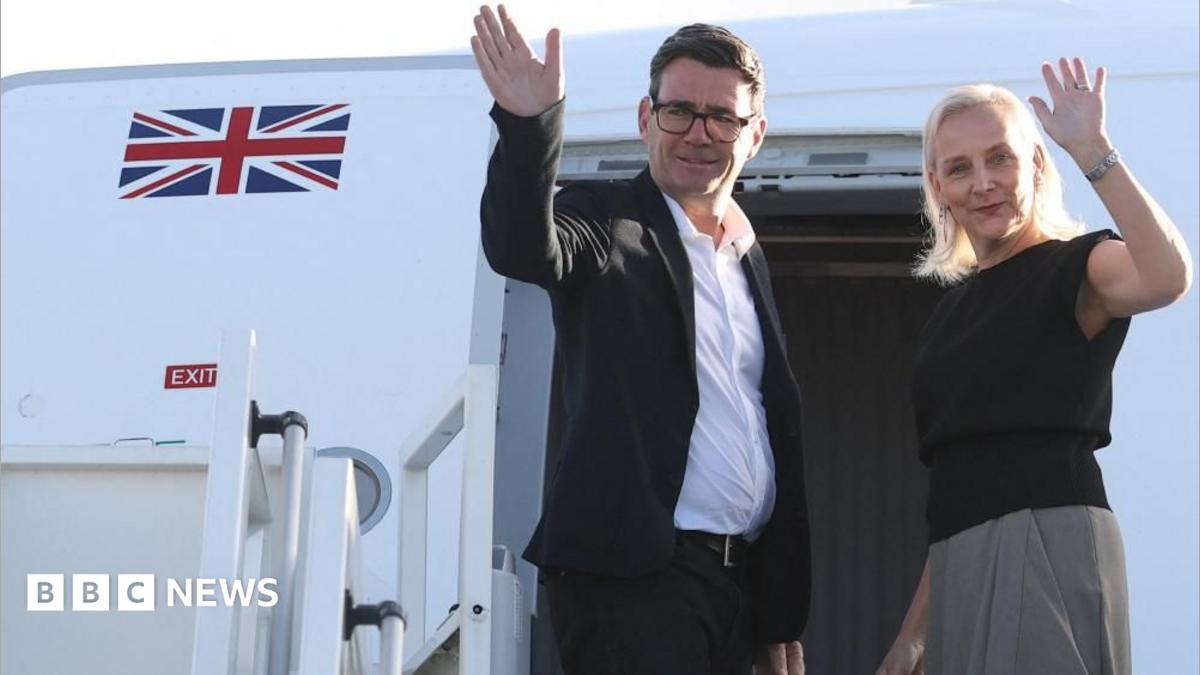
Burnham has travelled to New York with his wife, Marie-France Van Heel, for a day of diplomacy and a speech to the UN General Assembly, which is expected to focus on the opportunities and dangers associated with artificial intelligence (AI).

He said: “I will be making the case for closer international cooperation on AI, a just and lasting peace in Ukraine, and renewed efforts to bring an end to the conflict in the Middle East because what happens abroad impacts each and every one of us at home.”

The prime minister will also announce the start of work on a new AI and Autonomy partnership between the UK and the US, focused on protecting critical national infrastructure using AI tech.

Advertisement

Lib Dem leader Sir Ed Davey is expected to criticise this plan at the final day of his party’s conference, saying it “doesn’t come close to meeting the scale of the threat” and “only risks making us more dependent on a Trump administration in the pocket of the tech bros”.

He will also call for a global pause on superintelligent AI and propose a new International AI Safety Agency.

His criticisms come after a series of stark warnings from the AI industry about the technology’s possible dangers.

For a new British prime minister, the first meeting with a US president has always been a pivotal encounter, but officials are well aware of the added jeopardy of a public appearance alongside the most unpredictable president in American history.

Advertisement

In advance of the meeting, the UK revealed that the UK and the US have, for the first time, fired an American torpedo from a British undersea drone in a military exercise.

The torpedo, described as “heavyweight” by UK officials, is “designed to sink ships and deep diving submarines”, Downing Street said.

It was launched in UK waters last week from a 12-metre long undersea drone called Excalibur, made in Plymouth.

It is the first time either the UK or the US have launched a torpedo from an uncrewed underwater vessel, rather than a crewed submarine, and is seen as a breakthrough in attempts to protect vital infrastructure such as deep sea data cables.

Advertisement

“Our work together already shows what can be achieved when our two countries combine our expertise and innovation,” the prime minister said.

Burnham was also asked by reporters about the UK government seeking to hand over the Chagos Islands to Mauritius and pay to lease back the joint US-UK military base on Diego Garcia.

It was confirmed in April that the deal had been paused indefinitely because of Trump pulling his support.

Burnham spoke to the Mauritian prime minister, Navin Ramgoolam, on Monday.

Advertisement

He was asked by reporters to outline what he had told Ramgoolam, whether he supported the deal and if he had a plan to convince Trump to back it.

Burnham replied: “I said that we remain determined to secure the long-term operation of the base, which is crucial to our security and that of our allies.

“The assurance I gave was I will work towards a resolution, at the moment we don’t have that, but I gave an assurance that I would commit to working towards one.”

Source link

Advertisement
Continue Reading

NewsBeat

Krishna Temple, Bolton sends help to flood stricken Nepal

Published

on

Krishna Temple, Bolton sends help to flood stricken Nepal

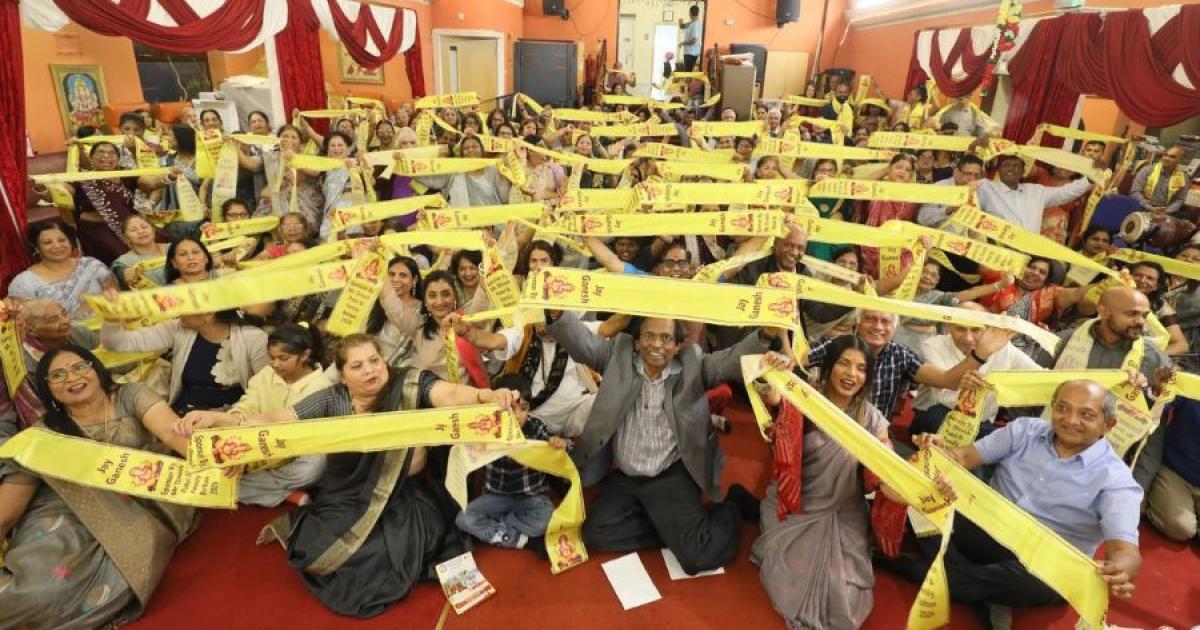
The Shree Krishna Temple on Beverley Road off Chorley New Road rung in the Ganesh Festival in aid of a very special cause to help people affected by the devastating floods.

People from across the community were in attendance with generous donations and an evening of songs, prayers and speeches.

Trustee Mohan Patel said: “People in Nepal, they need everything, they need houses, there are no jobs, everything is gone.

“This is something we’ve all seen in the news, everybody knows about it.”

Advertisement

Generosity ran deep as community members stepped up to donate what they could to help people affected by the floods.

A series of speeches were given to the assembled attendees (Image: Phil Taylor)

A special guest included pastry chef and MasterChef runner up Dinesh Patel who had prepared plates full of sweets for the event, displayed before the assembled worshippers.

Amongst the prayers and songs, a special song for Nepal was sung to remind the attendees of the situation faces by people there.

The community came together for prayers, speeches and songs at the Krisha TempleDinesh Patel had helped prepare plates of sweets (Image: Phil Taylor)

In just one night, the community managed to raise £2,000.

Advertisement

The Temple is no stranger to charitable causes, having come together in similar style after the Nepal earthquake of 2016.

The evening featured songs and prayers (Image: Phil Taylor)

It also regularly hosts collections for other charitable causes, with a separate collection for the homeless in attendance.

The community had gathered at the Beverley Road for the Ganesh Festival, which celebrates the birth of one of Hinduism’s most recognisable deities and continues over 11 days.

Advertisement

Mr Patel said: “Everything here is all the work of volunteers, nobody gets paid, they all come here and help so these are good hearted people.”

The evening’s festivities centred around a series of speeches about the situation in Nepal, where despite thousands of people having been rescued, many hundreds have been killed.

Dinesh Patel with some of the sweets he prepared (Image: Phil Taylor)

Many more people still remain missing and were present in the thoughts and prayers of all those at the Temple.

But the event also served as a reminder of the role the temple, its volunteers and committee members play in the surrounding area and the life of Bolton.

Advertisement

Bolton Council leader Cllr Akhtar Zaman was amongst the guests (Image: Phil Taylor)

Council leader Cllr Akhtar Zaman, who attended the event, said: “The Krishna Temple has been extremely important to the community in my ward for many years, 60 years in fact.

“It delivers so much to the local community but most importantly it brings people from all across the community.

“This is all the more important when so many people are experiencing very difficult times and the Krishna Temple really provides excellent support for so many people.”

Advertisement

Source link

Continue Reading

NewsBeat

Man who fired air rifle twice outside York Mosque fined

Published

on

Man who fired air rifle twice outside York Mosque fined

Sarah Tyrer, prosecuting, told York magistrates Ian Peart, 44, sat in his car with the driver’s door open in the Islamic Centre’s car park at 2.30am on July 30.

An eyewitness returning home heard a gunshot similar to those heard on films and saw Peart’s rifle sticking out of his car and Peart himself in the car.

Then he heard the firearm fire and a puff of smoke rise where the projectile hit the ground.

Advertisement

Peart told police later he had been out to buy cigarettes at a 24-hour garage on Hull Road when he saw some rabbits in the car park and tried to shoot them.

He used his rifle during his work.

In a statement given as part of the interview procedure, he wrote that “He didn’t see anybody around and there was no intention of causing anyone any harm or fear,” said Ms Tyrer.

“There is no evidence to suggest it was an anti-Muslim act,” said the prosecutor.

Advertisement

“The defendant’s explanation seems to have been accepted by the police.”

Peart, of Bell Farm Avenue, off Huntington Road, York, pleaded guilty to having a .22 air rifle in public.

Magistrates fined him £317 and ordered him to pay a £114 surcharge and £85 prosecution costs.

They told him: “It is unfortunate this was done in a public place and it certainly caused alarm and distress.

Advertisement

“The fact that it was near the Mosque is irrelevant as there is no suggestion this building or its occupants were targeted.”

They rejected a prosecution request that the air rifle be confiscated after defence solicitor Harry Bayman said Peart needed it for his work.

As he left court Peart said he had no hostility towards Muslims, “None at all,” he said.

He said he was sorry if his actions had caused alarm and distress.

Advertisement

Mr Bayman said Peart was a self-employed pest controller and used his air rifle to shoot vermin.

He often used it at night because vermin were more likely to be around then.

“He shouldn’t have been using the item in a car park albeit it was deserted, and he was not aware of anyone around,” said Mr Bayman.

He said Peart had been intending to shoot rabbits on St Nicks’ Nature Reserve, which is close to the Mosque.

Advertisement

Ms Tyrer said the eyewitness took a picture and videos on his phone of the car and Peart and gave them to police, as well as the registration number of the car.

Police went to Peart’s home, arrested him and carried out searches.

They found the air rifle in his car and ammunition in his house.

Advertisement

Source link

Continue Reading

NewsBeat

Why the start of your run feels so difficult

Published

on

Why the start of your run feels so difficult

Many runners describe the first ten to 15 minutes of a run as the hardest of all. Breathing can feel laboured, the legs can feel heavy and a pace that would normally seem manageable may suddenly feel surprisingly difficult.

It might be easy to assume the reason your run feels so difficult at the start is because you’re not fit enough. But in reality, this sensation is actually caused by a normal feature of human physiology – and one that affects almost everyone, from someone attempting their first 5K to elite endurance athletes.

One way I often explain this phenomenon to athletes and students is that when you begin running, an argument starts between your muscles and your cardiorespiratory system. While there’s nothing we can do to stop this quarrel from happening, there are many things we can do to help the body find a resolution more quickly in the future.

The moment you start running, your working muscles demand a rapid supply of energy almost instantly. Yet the system responsible for producing that energy from oxygen cannot respond quite as quickly.

Advertisement

To meet this increased demand, your heart rate rises, breathing becomes deeper and faster and blood flow is redirected towards the working muscles. These adjustments allow more oxygen to be transported from the lungs to the muscles, where it’s used to support aerobic energy production. While these changes occur remarkably quickly in the body when we start exercising, they’re not instantaneous.

This transition is known as oxygen uptake (VO₂) kinetics. This refers to how rapidly the body can increase oxygen consumption when we begin exercising.

The transition unfolds in three phases. During the first phase, the body focuses on increasing blood flow and oxygen, while in the second phase the muscles begin activating aerobic energy production. By the third phase, oxygen delivery and demand become largely matched – and the body reaches what’s known as a physiological “steady state”.

In simple terms, this means your body has moved from being surprised by the demand of running to being fully organised around it.

Advertisement

But before we can reach this steady state, the muscles still need energy. To bridge the gap during this transition, the body temporarily relies on energy stored within the muscle.

This results in those sensations most runners immediately recognise. Breathing may feel disproportionately difficult, the legs can feel heavy or sluggish and perceived effort may seem unusually high compared with the pace you’re doing.

Even elite runners find the start of a run difficult.
kovop/ Shutterstock

Around ten to 15 minutes into a run, many runners report that something suddenly changes. The pace feels smoother. Breathing becomes more controlled. The run begins to settle into a rhythm. This is the point at which your body has largely resolved its internal argument.

Your body has increased its oxygen delivery, aerobic energy production is contributing more fully and the cardiovascular system is better matched to the workload being performed. Muscle temperature has also risen, which improves muscle function and movement efficiency.

Advertisement

Reducing the effect

Although this response is common, the speed at which the body adjusts varies between people. Studies suggest that trained endurance athletes can increase oxygen uptake around 40-60% more rapidly than amateur athletes.

This is due to their years of endurance training, which has produced a variety of adaptations within their cells, muscles and cardiovascular systems that allow them to settle into exercise more quickly.

So while the transition period cannot be eliminated entirely, there are several ways to make it less noticeable.

A gradual warm-up is perhaps the most effective strategy. Easy jogging, brisk walking or progressive increases in pace can raise muscle temperature, increase blood flow and begin activating the aerobic system before the main run starts. Research shows that warm-up exercises can accelerate the VO₂ kinetic response during subsequent exercise – a phenomenon often referred to as “priming”.

Advertisement

If you don’t have time to warm-up, starting slightly slower than your intended pace can also help. Easing into a run allows the body to adjust, making it a much more comfortable experience.

Regular endurance training appears to help too. This sort of training might involve performing a mixture of easy runs, tempo runs and interval sessions of varying durations and intensities. Together, these different types of training help improve the body’s ability to deliver and use oxygen, allowing it to adapt more quickly when exercise begins.

There’s also a psychological component. Experienced runners understand that the starting minutes of a run may feel uncomfortable and don’t interpret this as a sign they’re having a bad run. Instead, they trust the process and allow their body time to settle into its rhythm.

As both an ex-international runner, exercise physiologist and coach, perhaps the most important message is that the sensations you feel at the start of a run are rarely a sign something is wrong. More often, it’s evidence that the body is doing exactly what it’s designed to do: adjusting to the demands of exercise before settling into a more sustainable rhythm.

Advertisement

Source link

Continue Reading

NewsBeat

Sian Brooke and the cast of Blue Lights on the Blackthorn cops’ toughest shift yet

Published

on

Belfast Live Icon

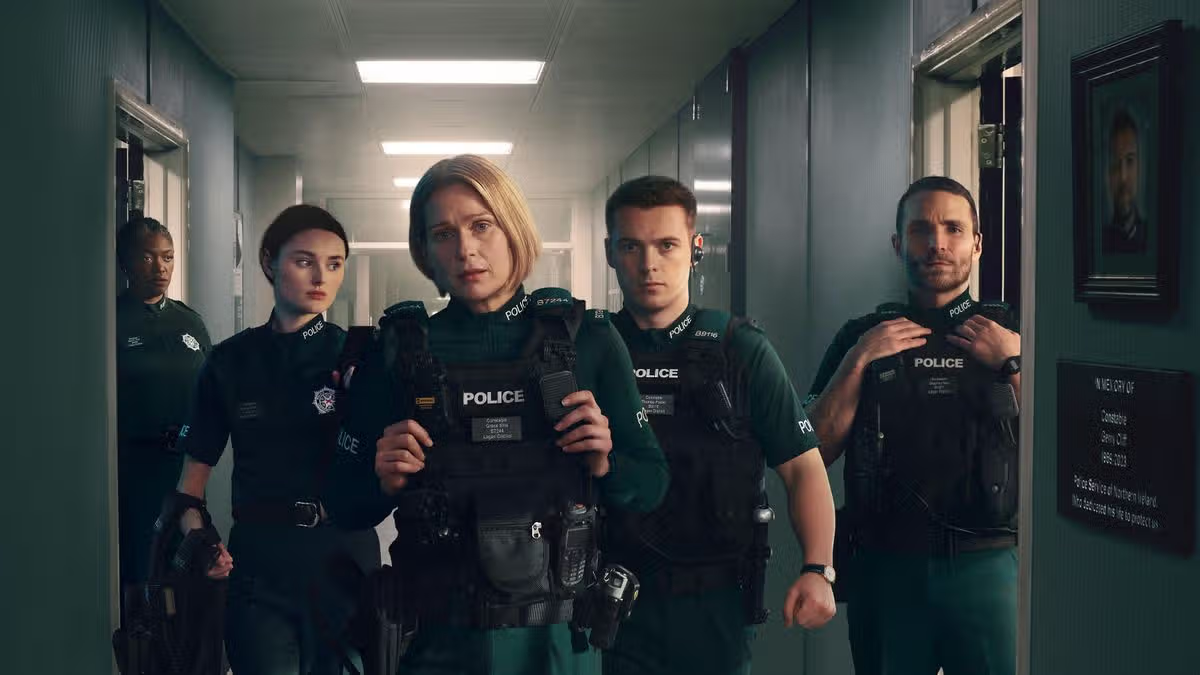
At its heart are former social worker Grace Ellis (Siân Brooke), sheltered newcomer Tommy Foster (Nathan Braniff) and Annie Conlon (Katherine Devlin), who began the series as rookie officers. Since then, their loyalties have been tested, while the Blackthorn family has expanded to include seemingly abrasive Shane Bradley (Frank Blake). The murder of veteran officer Gerry Cliff (Richard Dormer) in series one has also continued to cast a long shadow.

Now, as series four arrives, billed as “their toughest shift yet”, Grace is increasingly disillusioned, while Tommy’s personal and professional lives threaten to unravel. Shane, meanwhile, is discovering just how much his Blackthorn family means to him.

Gerry’s murder trial also hangs over the station, while Richard Dormer makes a much-anticipated return as the drama revisits events that promise to reveal new truths.

Here, Siân Brooke, Nathan Braniff and Frank Blake share how life on the front line has transformed their characters and hint at what’s in store this series.

Advertisement

WHERE DO WE FIND YOUR CHARACTER AT THE BEGINNING OF SERIES FOUR, AND HOW HAS THE ROLE CHANGED THEM?

SIAN: Grace feels she’s found her calling in child protection, which has driven her to take her detective exams, but because of bigger factors at play she realises progression isn’t going to happen. She is also stepping between frontline policing and this world of dark shadows when working alongside Colly [the intelligence officer, played by Michael Smiley]. I have always seen Grace as able to maintain this optimism, but she becomes extremely disillusioned in this series.

NATHAN: For Tommy, it’s very much picking up where he left off with [fellow constable] Aisling [Dearbháile McKinney]. The pressure of the job has really taken its toll on their relationship and they’re trying to work through their problems. He came into the role totally green and sheltered and was thrown into this crazy environment, so he has had to grow up quickly. There is so much pressure, he’s at his wits end personally and professionally.

FRANK: Shane’s accident [when he was stabbed] at the end of series three put a lot into perspective. It was up in the air whether he’d return, but he has realised who he values and who values him, which is the guys around him and the people he gets to take care of on the streets of Belfast. I’ve loved exploring the softer, more humorous side of Shane. I think he’s got a good heart; maybe he was just a bit misguided when he arrived.

WHY DO VIEWERS CARE SO MUCH ABOUT THESE CHARACTERS?

SIAN : They’re depicted as real people with real lives. There’s that gallows humour when you’re dealing with extreme situations. As for Grace and Stevie [Martin McCann], people became invested because it was a slow burner. They’re two people in their mid-40s who’ve had their fair share of love lost, but they’re essentially good people. Their banter is a bit like a tennis match.

Advertisement

FRANK: First and foremost, it’s about the characters rather than one big plot. Through them we get to explore Belfast and see a more genuine, human version of the city rather than being tied up in the same stories we saw in the media for years.

WHAT CAN YOU TELL US ABOUT GERRY’S RETURN?

SIAN: It feels like it’s come full circle. Sadly, my storyline and Richard’s didn’t cross, but at the read-through it was nostalgic having him back in the room where it all began four years ago. Some big truths will be uncovered this series.

Advertisement

NATHAN: Every time we did a panel with the writers, someone would ask, “Why did you kill off Gerry?” I feel like they were almost left with no choice but to bring him back in some sense! I think people are going to freak out when they see the episode.

WHY DOES BELFAST REMAIN SO IMPORTANT TO BLUE LIGHTS ?

SIAN: They’ve written a cop show about Belfast, but it encompasses every aspect of this brilliant place and its history, all the ingredients that make it what it is today, and they dissect it in a very human form.

Advertisement

FRANK : Declan and Adam have written things that, before the show has even come out, have been mirrored in the news. But what makes it special is the characters and the genuine, human version of Belfast we see through them.

WHAT HAVE YOU PERSONALLY TAKEN AWAY FROM FILMING BLUE LIGHTS ?

NATHAN: A greater understanding of police work. It’s a tricky job. You’ve got this added element of danger with all the politics that goes on with Northern Ireland, and no matter how hard you try, it’s probably a job that it’s going to be hard to do perfectly all the time.

FRANK: My big takeaway from playing Shane is how much difference you can make to someone’s day by giving them 10 or 15 minutes of your time. You don’t know if you could change someone’s life simply by asking how they are, checking in or humanising someone who may not be treated like a person in their community.

SIAN: I’ve been doing this [acting] for 23 years and when you make something, you’ve got no control over whether people jump on board. The show has given me the most wonderful gift of a place, friends and people. I miss Belfast when I’m not there. I feel very blessed that it’s become such a great part of my life.

Blue Lights returns on Tuesday 29 September, with all six episodes on BBC iPlayer that morning and episode one on BBC One at 9pm

For all the latest news, visit the Belfast Live homepage here and sign up to our daily newsletter here

Source link

Advertisement
Continue Reading

Trending

Copyright © 2025