Reform UK polling down from last year (Picture: Ben Birchall/PA Wire)
Andy Burnham has only been Prime Minister for a few months but eyes are already on a potential next general election.
Tory leader Kemi Badenoch claimed that the Labour leader is a ‘gambler’ and suggested that he might ‘fancy his chances’ in an election.
When on LBC radio, she said: ‘I’ve said that if he cannot fund defence, which he needs to fund by cutting welfare, then he should call an election.
‘That’s why John Healey resigned. He said the money that was going into defence was not enough.’
Advertisement
She quipped that the Tories ‘fancy [their chances] as well’, having been in power for 14 years until Labour’s 2024 victory.
While Burnham hasn’t said he’s about to call an election, a major YouGov survey has suggested Labour would still be the largest party, followed by the Tories.
Make sense of the mad world of British politics
Get analysis of the latest stories direct to your inbox from Metro’s Senior Politics Reporter Craig Munro. Sign up here.
Advertisement
There’s speculation Prime Minister Andy Burnham might call another election (Picture: Chip Somodevilla/Getty Images)
Kemi Badenoch and the tories ‘fancy their chances’ (Picture: Jordan Pettitt/PA Wire)
However, polls point to a hung parliament with Labour losing 170 seats, with Reform in third place.
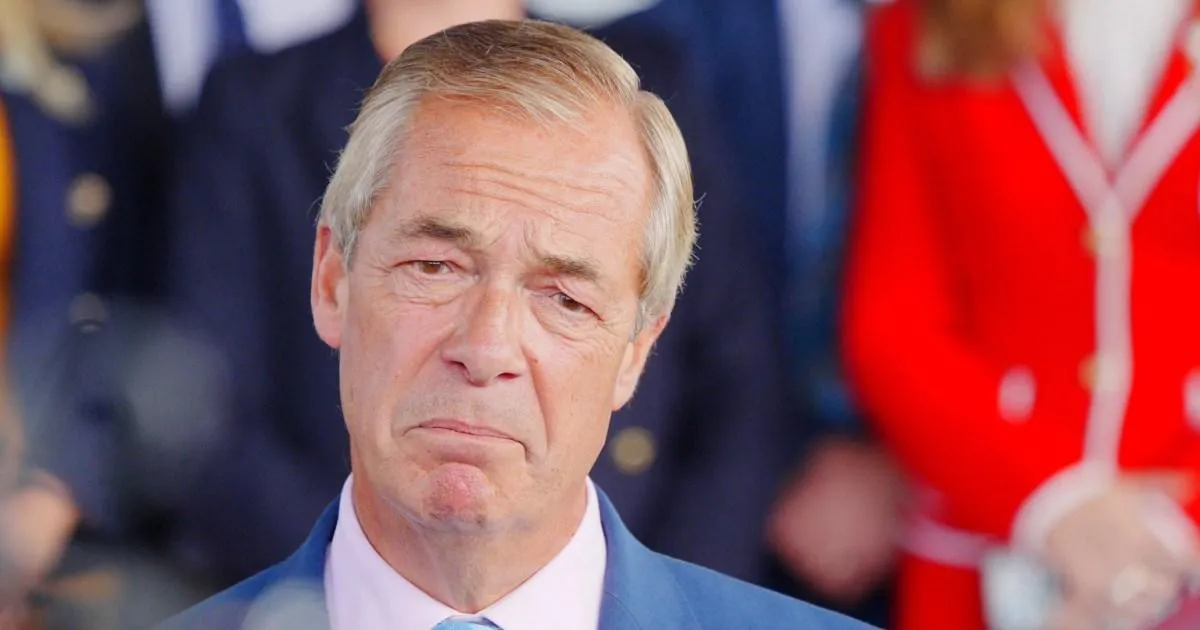
Nigel Farage’s party is neck and neck with the Tories – respectively on 123 and 130 seats in the projection – which is far below the projection from last year.
YouGov suggested they would take 188 fewer seats than in the September 2025 version but also up from their actual number of five seats in 2024.
However, even a projected Tory-Reform coalition would fail to pass the 326-seat bar for a majority in the House of Commons.
Badenoch did rule out a Tory coalition with Reform or the Lib Dems, saying: ‘It’s been done before, 1974. We had two elections. We had two elections in one year.
A YouGov poll suggested the country be far from a landslide victory (Picture: yougov)
Tory and Reform coalition would still fall short of the majority (Picture: Yougov)
‘But what I saw with the coalition 2010 to 2015 was actually us not being able to deliver many of the things that we promised people because we made concessions to the Lib Dems and nobody thanked us for it later.’
The survey suggested that unless Burnham could pull together a ‘rainbow coalition’ of left-wing parties, he would be unable to get a majority.
The projection also points to gains for the left, with Greens up from a projected seven to nine (they currently have five MPs).
Advertisement
Welsh national party Plaid Cymru also saw projected gains of nine seats, while the SNP could gain around 10 seats.
In more than a third of the seats, the winning margin was less than five points, showing just how conflicted the country is.
Trump sparks shock new showdown with reporters just HOURS after judge ordered White House to let them back in as free speech crisis overshadows Xi state visit
Donald Trump’s White House has defied a federal judge and seized reporters’ press passes just hours after a court ordered them let back in, marking an extraordinary escalation in the dispute over ‘Fake News’ coverage.
The White House turned away at least two reporters on Thursday, even after the judge reinstated access to the banned outlets.
Trump banned them last Friday in a fiery social media post accusing them of peddling ‘fake news.’ He was reportedly shown a slate of negative coverage from the outlets by his aide Natalie Harp in the moments before the ban was announced.
US District Judge Timothy Kelly granted a temporary restraining order early Thursday morning, effectively forcing the Trump administration to restore access to Politico, CNN and MS NOW, which the president shockingly banned last Friday.
Advertisement
Still, a Politico reporter’s credentials were confiscated on Thursday after the ruling allowing re-entry took effect, the outlet reported.
An MS NOW reporter also had their credentials taken and was denied access, the outlet reported.
The three outlets filed their lawsuit against the Trump administration on Monday and the case has rapidly progressed.
In solidarity with the banned outlets, major broadcasters like Fox News, NBC, CBS and ABC – known as the TV pool responsible for covering presidential coverage on a rotating basis – have refused to cover the president in response.
Advertisement
A Politico reporter had his credentials taken while entering the White House on Thursday despite a judge’s ruling for the administration to restore the outlet’s access
MS NOW correspondent Akayla Gardner reports outside the White House grounds after President Donald Trump banned MS Now, CNN, and Politico in a Truth Social post
The ban has resulted in a media blackout of Trump’s state visit with Chinese President Xi Jinping
Advertisement
As President Donald Trump and First Lady Melania Trump greeted Chinese President Xi Jinping and his wife, Madame Peng, at the airport on Wednesday, many broadcast teams broke down their cameras and watched the events without filming them.
Trump’s week has been packed with major events from attending the UN General Assembly meeting in New York City to the historic state visit with Xi in Washington, which concludes on Friday.
The media blackout has prevented widespread coverage of the spectacles, and the broadcasters have mostly not taken any of the events live.
New media outlets like Real America’s Voice, a MAGA-friendly network, have filled the void with YouTube streams.
Advertisement
Given the ban on CNN and MS NOW, the broadcast tents they used to occupy on White House grounds are now vacant with their lights off, and correspondents have opted instead to shoot live shots from the streets outside the presidential residence.
It is unclear when the White House will officially restore the outlets’ credentials.
The Daily Mail contacted the White House for comment.
The White House Correspondents’ Association (WHCA) released a blistering condemnation of the ban in the wake of the media crackdown.
Advertisement
‘The president said it plainly in the Oval Office, describing his own planned action as a “ban on the free press,”‘ Jacqui Heinrich, WHCA president, said in a statement.
‘The Constitution protects the freedom of the press from government interference. That protection does not depend on whether the president likes a news organization’s coverage, agrees with its reporting, or approves of the questions its journalists ask.’
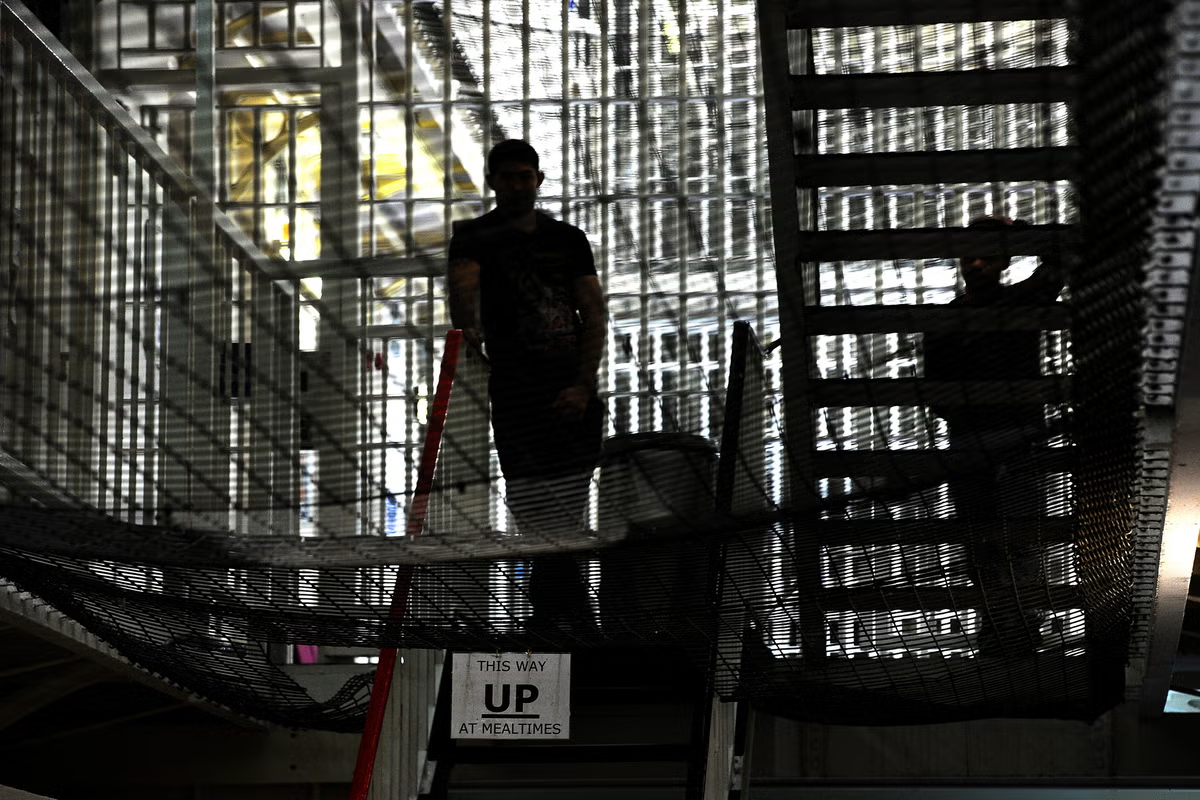
Nine more prisoners trapped on indefinite jail terms have had their sentences referred to the Court of Appeal by the miscarriages of justice watchdog.
The Criminal Cases Review Commission (CCRC) is currently reviewing more than 250 cases involving people serving Imprisonment for Public Protection (IPP) and the youth equivalent, Detention for Public Protection (DPP) jail terms.
So far, the watchdog has referred 25 cases to the appeal courts this year after a string of sentences were overturned by top judges.
The latest cases include Carl Lamb, who cut off his own ear with a razor blade in front of a prison officer in protest at his sentence.
Advertisement
He was jailed with a tariff of one year, seven months and 25 days in 2006 for grievous bodily harm with intent following a road rage incident when he was 26. Now 46, he has never been released.
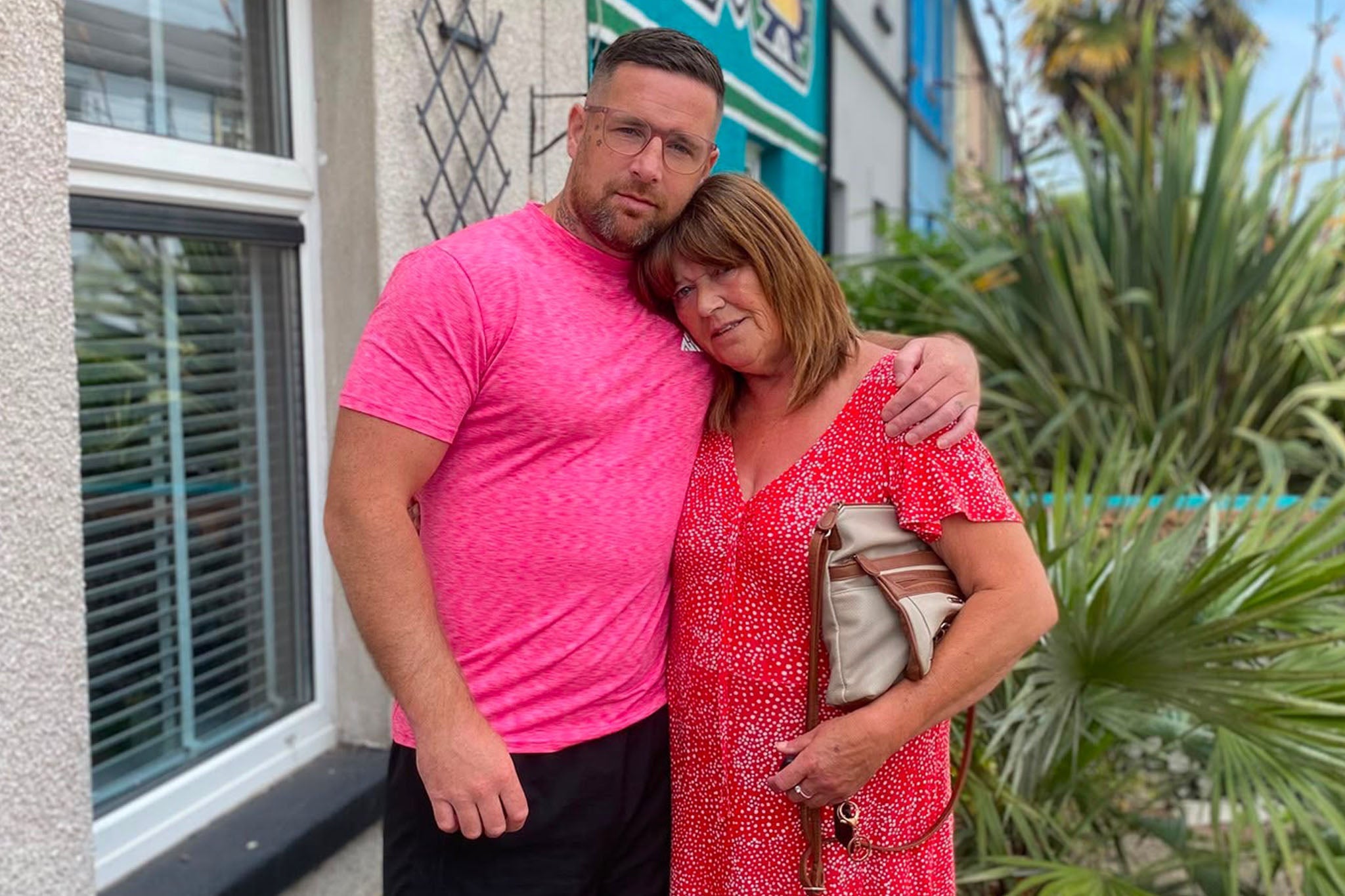
Shaun Lloyd and his mother Shirley Debono (Supplied)
Shaun Lloyd, 38, has been hauled back to prison five times and served almost 14 years under his indefinite jail term for the street robbery of a mobile phone he committed 20 years ago.
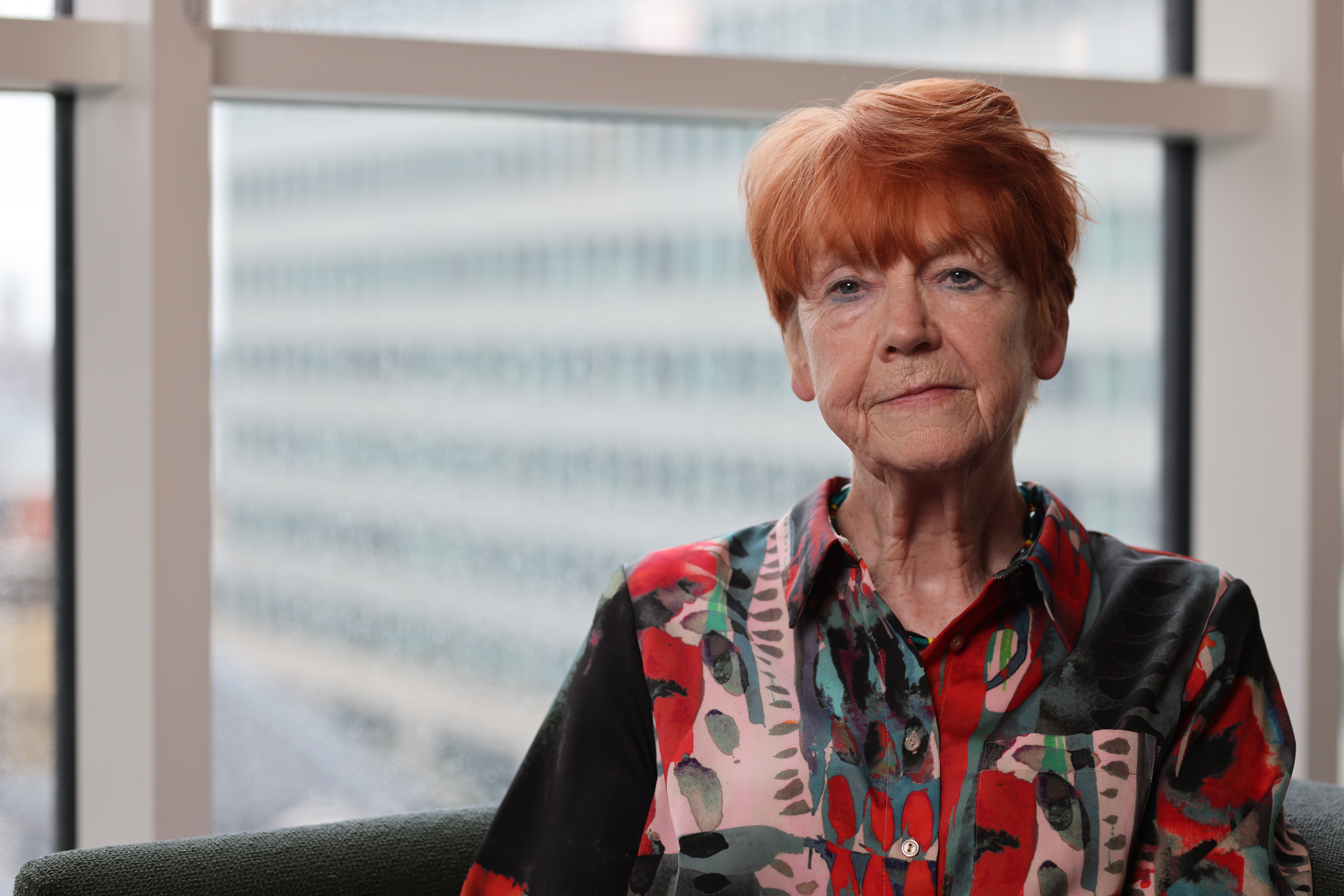
Chair of the CCRC, Dame Vera Baird KC, has said the referrals represent a “fraction” of those who remain “caught up in this abolished sentencing regime”.
The open-ended punishments were scrapped in 2012, but not retrospectively, leaving thousands languishing in prison without a release date.
The Independent has repeatedly called for all remaining IPP and DPP prisoners to have their sentences reviewed, highlighting shocking cases including Mr Lloyd’s and Mr Lamb’s.
Advertisement
Andy Burnham last month pledged to bring legislation to end the “long-running” injustice of IPP sentences before the end of this parliament, bringing hope to thousands of such prisoners for the first time. Details of how the scandal will be addressed are to be decided by a cross-party oversight group.
Carl Lamb, pictured as a child, has never been released from his IPP jail term (Supplied)
Dame Vera, a former victims commissioner, said public protection must remain paramount but “so too must fairness”, as she offered to support the government in their efforts to bring the sentence to an end.
“These nine referrals bring to 25 the number of IPP and DPP cases that the CCRC has referred to the Court of Appeal so far this year,” she said.
“But while 25 referrals are a significant number, this represents only a fraction of the people who remain caught up in this abolished sentencing regime.
“The latest figures show that 856 people who were given IPP sentences have never been released from prison. Around eight in 10 of those who have passed their minimum tariff have already spent at least 10 years beyond the point at which the court originally said they should become eligible to seek release. A further 1,415 people are in custody following recall.
Advertisement
“These are extraordinary figures for sentences which were abolished more than a decade ago.”
Recent Court of Appeal judgments have seen indefinite sentences overturned because the original judge had not fully considered the defendant’s age or maturity when handing out the punishment.
Dame Vera Baird KC says an ‘extraordinary’ number are still locked up under the abolished jail term (CCRC)
Dame Vera said the CCRC will continue reviewing applications, adding: “The Commission will continue to examine these cases carefully and independently. Where we identify a real possibility that a sentence would now not be upheld, we will refer the case to the appropriate court. It will then be for the court to decide what should happen.
“There is no simple solution to the legacy of IPP and DPP sentences. Public protection must remain paramount, but so too must fairness and the principle that people should not remain imprisoned indefinitely because of a sentencing regime that has already caused so much damage and which parliament abolished more than a decade ago.”
The nine latest referrals include:
Advertisement
Abdiwali Hassan, convicted at Isleworth Crown Court in 2011 and sentenced aged 19 to an IPP with a tariff of three years
Carl Lamb, convicted at Cardiff Crown Court in 2006 and sentenced aged 26 to an IPP with a tariff of 21 months
Ben Nye, convicted at Leeds Crown Court in 2007 and sentenced aged 21 to an IPP with a tariff of three years
Scott Prince, convicted at Derby Crown Court in 2008 and sentenced aged 19 to an IPP with a tariff of three years and six months
Liam Osborne, convicted at Wolverhampton Crown Court in 2006 and sentenced aged 21 to an IPP with a tariff of two years and three months
Jerome Barrett, convicted at York Crown Court in 2005 and sentenced aged 19 to a DPP with a tariff of two years
Victoria Hathaway, convicted at Ipswich Crown Court in 2009 and sentenced aged 19 to a DYPP with a tariff of six years (varied on appeal to four years)
Shaun Lloyd, convicted at Cardiff Crown Court in 2005 and sentenced aged 18 to a DYPP with a tariff of two years and nine months
Jason Ritchie, convicted at Teeside Crown Court in 2008 and sentenced aged 38 to an IPP with a tariff of three years
Other than Mr Ritchie, who is on licence, all the prisoners are in custody.
The referrals follow a landmark ruling last year in the case of Leighton Williams, who served nearly 16 years over a drunken fight aged 19. The appeal court ruled that a previous offence committed when he was 17 had been wrongly counted against him and his IPP sentence was quashed in 2024. Following his release, he told The Independent the unjust jail term had robbed him of 16 formative years.
Since then, a flurry of cases have been referred to the Court of Appeal and overturned, including that of Haroon Ahmed, who spent 18 years being punished for a knifepoint robbery of a service station committed when he was 19.
A further six indefinite sentences were quashed in a sweeping ruling earlier this year.
Until Mr Burnham’s announcement last month, successive governments had refused to act on calls to address the injustice facing IPP prisoners, some of whom have served up to 22 times their original tariff. Others have faced a vicious cycle of recall, often for breaches of strict licence conditions.
Advertisement
The punishment has been described as “psychological torture” by the United Nations, with 96 prisoners taking their own lives in custody after losing hope of getting out.
Mr Lloyd is among five men serving IPP sentences whose detention has been found to be arbitrary by the human rights watchdog, prompting a major legal challenge due to be heard next month.
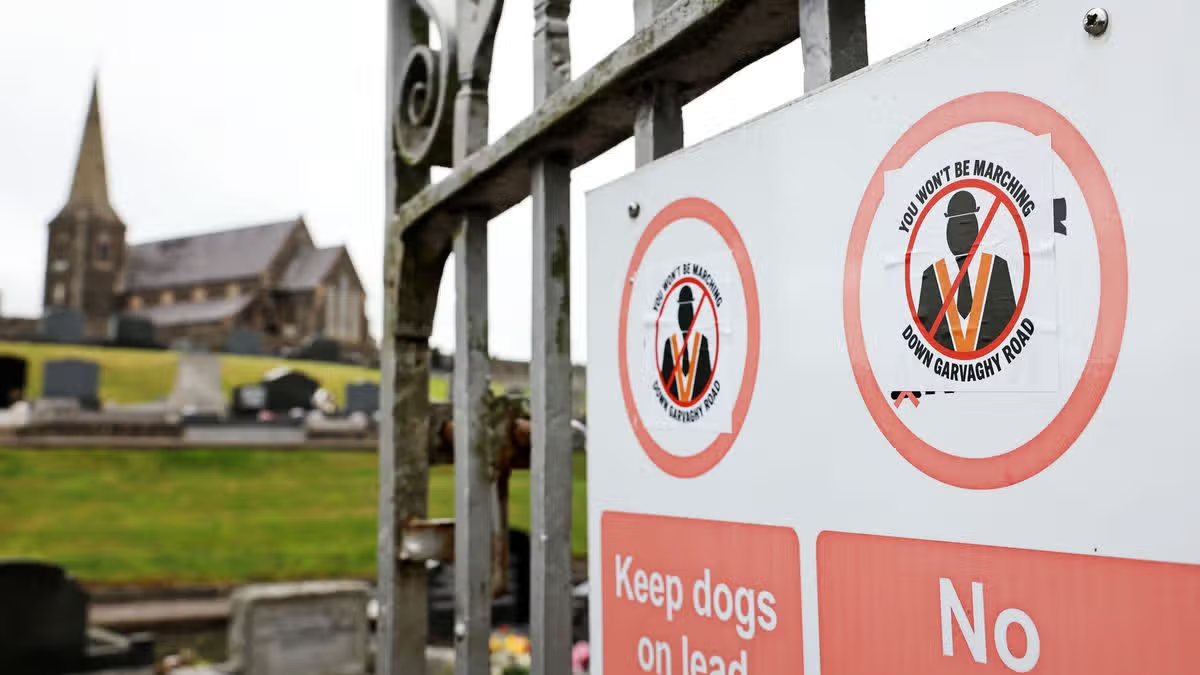
The Drumcree dispute has returned to the political spotlight more than two decades after the Orange Order was last permitted to march along the Garvaghy Road.
At the centre of the row is a relatively short stretch of road in Portadown, which became one of the most heavily contested pieces of territory in Northern Ireland during the Troubles and the peace process.
The dispute became a wider battle over identity, territory, cultural rights and the ability of the state to maintain public order without appearing to favour one community over another.
With a new application to march along the Garvaghy Road now before the Parades Commission, here is what you need to know about the history of the Drumcree conflict.
Advertisement
What is the Drumcree dispute?
The dispute centres on Orange Order parades between Portadown town centre and Drumcree Church, with the return route passing along the Garvaghy Road.
For the Orange Order, the march is regarded as an important expression of Protestant and unionist culture and tradition.
For many nationalist residents of the Garvaghy Road, the parade has historically been viewed as sectarian and triumphalist, particularly because the route passes through what became a predominantly Catholic and nationalist area.
The dispute became particularly intense during the 1990s, when annual confrontations at Drumcree became a symbol of the wider divisions within Northern Ireland.
Advertisement
Why is the route so controversial?
The geography of Portadown changed significantly during the 20th century. For much of the 19th and early 20th centuries, the route from the town centre to Drumcree Church passed through relatively open farmland.
That changed as housing estates were developed along the Garvaghy Road and Obins Street during the 1960s.
The Troubles then accelerated population displacement and segregation, leaving the areas around the route increasingly divided along Catholic-nationalist and Protestant-unionist lines.
The traditional Orange route, therefore, came to pass directly through a densely populated Catholic and nationalist neighbourhood rather than through the open countryside it had historically crossed.
Advertisement
When did the controversy begin?
The history goes back much further than the Troubles. The first official Orange parade to and from Drumcree Church took place in July 1807.
There were episodes of sectarian violence associated with parades in the area during the 19th and early 20th centuries, with clashes recorded in a number of years, including 1873, 1883, 1885, 1886, 1892, 1903, 1905, 1909, 1917, 1931 and 1950.
Advertisement
The dispute intensified significantly in the 1980s, however, as nationalist residents began challenging loyalist parades through Catholic areas.
What happened on Obins Street?
Before Drumcree became the major flashpoint, the focus was on Obins Street, a Catholic area of Portadown known locally as “the Tunnel”.
Tensions escalated in 1985 after a nationalist St Patrick’s Day parade was rerouted following objections from loyalists, while Orange parades through Catholic areas continued to receive extensive police protection.
Later that year, thousands of Orangemen marched through Obins Street while residents staged a sit-down protest.
Advertisement
The RUC cleared the protesters using batons, resulting in injuries and arrests.
Violence intensified in 1986 and, following widespread loyalist rioting, the RUC eventually banned the Orange Order’s parade from Obins Street.
The Orange Order subsequently concentrated its efforts on defending the return route along the Garvaghy Road.
What happened at Drumcree in 1995?
The first major Drumcree crisis came in July 1995. Catholic residents, organised through the Garvaghy Road Residents Coalition, staged a sit-down protest to prevent an Orange return parade from travelling along the road.
Advertisement
The RUC decided the march could not safely proceed through the crowd and ordered the Orange Order to reroute. The Orangemen refused.
Around 10,000 Orangemen and supporters gathered at Drumcree Church while approximately 1,000 RUC officers formed a security cordon.
Violence followed, with loyalists attacking police and roadblocks being established across Northern Ireland.
A compromise was eventually reached, allowing the march to proceed provided the Orangemen marched in silence and residents remained on the pavements.
Advertisement
The agreement was overshadowed when UUP leader David Trimble and DUP leader Ian Paisley joined hands and raised their arms in celebration as the march entered Portadown.
For nationalist residents, the episode reinforced the perception that concessions represented capitulation rather than compromise.
Why was 1996 even more serious?
The following year’s confrontation was significantly more violent. The RUC initially banned the Orange parade from the Garvaghy Road, leading thousands of Orangemen to gather at Drumcree.
The standoff triggered widespread loyalist civil disobedience, road blockades and sectarian violence.
Advertisement
Catholic families were forced from their homes in parts of North Belfast and, on 7th July, Catholic taxi driver Michael McGoldrick was murdered.
On 11th July, RUC Chief Constable Sir Hugh Annesley reversed the decision and ordered the parade down the Garvaghy Road, citing threats to life and public order.
The decision triggered widespread nationalist rioting, with thousands of plastic bullets fired during the disturbances.
What happened in 1997?
The following year, security forces took a different approach. Fearing another outbreak of loyalist violence and citing threats against Catholic civilians, thousands of troops and RUC officers sealed off the Garvaghy Road before the parade.
Advertisement
Residents were effectively contained within their housing estates while the march proceeded along the road, surrounded by security forces.
The resulting violence left more than 100 people injured and resulted in 117 arrests.
However, the crisis eventually de-escalated, and the IRA announced its final ceasefire on 19th July 1997.
That helped clear the way for the all-party negotiations, which ultimately produced the Good Friday Agreement.
Advertisement
Why was the Parades Commission created?
The Drumcree crisis exposed a fundamental problem for the state. The RUC was responsible both for maintaining public order and, under the old system, making decisions about contentious parade routes.
That meant decisions could become effectively influenced by the threat of violence.
Following the North Report, the Public Processions (Northern Ireland) Act 1998 established the independent Parades Commission and transferred responsibility for imposing conditions on contentious parades away from the police.
Organisers were also required to provide 28 days’ notice.
Advertisement
The Commission’s decisions are based on factors including the potential for public disorder, disruption to community life, the effect of a procession on community relations and compliance with its code of conduct.
What happened at Drumcree in 1998?
The Parades Commission formally banned the Orange Order from marching along the Garvaghy Road in June 1998.
The Orange Order refused to accept the decision and thousands gathered at Drumcree.
The security response was enormous, involving around 1,000 British troops and 1,000 RUC officers.
Advertisement
The confrontation was accompanied by a wave of loyalist violence across Northern Ireland.
There were 2,561 public order incidents between 4th and 14th July, including 615 attacks on security forces, 632 petrol bombs thrown and 467 vehicles damaged.
The crisis culminated in the murder of three young Catholic brothers, Richard, Mark and Jason Quinn, who died after their home in Ballymoney was firebombed.
Their deaths caused widespread revulsion and helped bring an end to the mass mobilisation surrounding Drumcree.
Advertisement
The Orange parade was never again permitted to travel along the Garvaghy Road.
How were loyalist paramilitaries involved?
The Drumcree dispute became increasingly intertwined with loyalist paramilitary activity.
Billy Wright was a prominent figure around the Drumcree protests and subsequently formed the Loyalist Volunteer Force after breaking with the mainstream UVF leadership.
Advertisement
The LVF went on to carry out a campaign of sectarian murders and bombings against Catholic civilians.
Wright was assassinated by INLA prisoners in the Maze Prison in December 1997. His death was followed by retaliatory loyalist killings and contributed to a wider loyalist feud..
She challenged parade decisions through the courts and represented residents in their dealings with the authorities.
Advertisement
Nelson faced severe intimidation and death threats and was publicly warned about the danger to her life.
She was assassinated outside her home in Lurgan on 15th March 1999, when a bomb was attached to the underside of her car.
A loyalist group calling itself the Red Hand Defenders claimed responsibility. Her murder led to a major public inquiry and further damaged confidence in the RUC.
Did the Good Friday Agreement resolve Drumcree?
It helped contain the violence but did not resolve the underlying dispute. From 1998 onwards, the Orange Order was not permitted to march down the Garvaghy Road. Instead, a prolonged stalemate developed.
Advertisement
The Orange Order maintained a symbolic protest at Drumcree Church, with weekly demonstrations continuing while the Parades Commission repeatedly refused permission for the traditional route.
In that sense, Drumcree became a frozen conflict rather than a settled one.
What changed in 2026?
The long-standing arrangement was dramatically disrupted in August 2026. The High Court in Belfast quashed the latest Parades Commission determination blocking the Drumcree parade.
However, the ruling did not establish that the Orange Order had a substantive right to march along the Garvaghy Road, nor did it remove the human rights concerns raised by residents.
Advertisement
Instead, the court challenge succeeded because of a procedural problem in that the Parades Commission accepted that not all six commissioners had properly signed off on the final determination before it was published.
The judge criticised the Commission’s procedures, describing its handling of the decision as involving “errors, shortcuts, and sloppy procedures”.
What happened after the court ruling?
The ruling immediately reignited political tensions with criticism from unionist politicians who argued the judgment exposed problems with the Parades Commission.
Nationalist representatives, meanwhile, expressed concern that the ruling could reopen the type of confrontation associated with the 1990s.
Advertisement
Garvaghy Road residents maintained that parades through the area were finished following the events of 1998.
The Northern Ireland Secretary subsequently appointed senior judge Sir John O’Hara to conduct an independent review of the Parades Commission’s decision-making processes and governance.
What is being proposed now?
Portadown District LOL No. 1 has submitted a new notification seeking permission for 60 members to march along the Garvaghy Road on 27th September 2026.
The Parades Commission attempted to appoint TIDES Mediation NI as a third-party mediator.
Advertisement
However, the Garvaghy Road Residents Coalition rejected the appointment, citing the organisation’s previous working relationship with the Orange Order as a conflict of interest.
That leaves the dispute facing another potentially significant test of the institutions established in the aftermath of the original Drumcree crises.
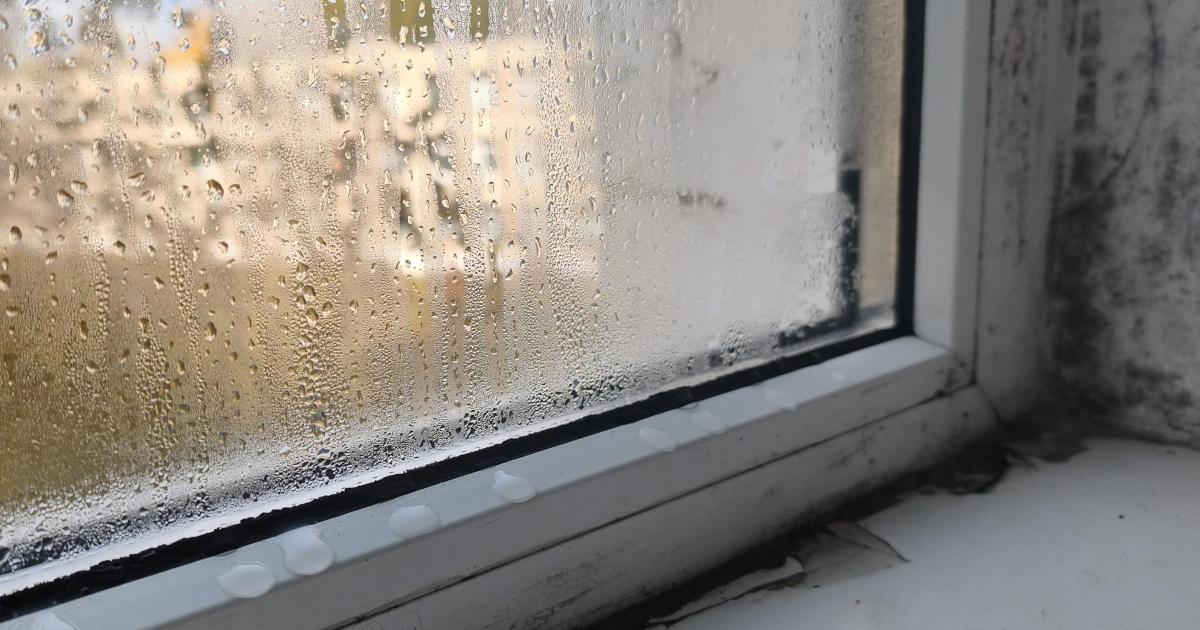
Condensation can damage your windows and furniture, and it can also cause mould which could be detrimental to your health to form.
Ben Gallizzi, energy expert at Uswitch.com , said: “Keeping your home warm can help prevent mould from building up during the coldest months of the year.
“Experts recommend that people in good health should heat their home to between 18 and 21 degrees celsius.”
This is everything you need to know about why condensation may be forming on your windows, and how you can prevent it from happening.
Advertisement
Why is their condensation on my windows?
Stephen Hankinson, energy efficiency expert at Electric Radiators Direct explains how condensation is caused, what the health risks are with having a very humid or ‘damp’ home, and what to do about it.
He said: “Humidity is a measurement of the water content in the air. It’s usually measured in percentages or grams per cubic metre.
(Image: Getty Images)
“Ideally, our indoor spaces should have a humidity level of about 50%. While most of us won’t be able to measure this, there will be some clear signs if your home’s humidity is too high or low.
“If your home’s humidity is too high, you may notice condensation on your windows or mirrors. Condensation happens when there’s too much moisture in the air, and it collects as droplets on a cool surface.”
Advertisement
How to prevent condensation on your windows
In terms of getting your home’s humidity to the right level, there are a couple of solutions that can really make a difference.
While investing in a humidifier or dehumidifier may be the most obvious step to consider, it’s important to get to the bottom of why your home’s humidity levels are too high or low in the first place – otherwise you’re merely putting a plaster over the real issue.
Keep your rooms heated and ventilated
It’s important to keep your rooms heated to prevent condensation and high humidity, as this will keep the water in the air in vapour form by preventing it from cooling too much. It will also increase the air’s circulation, allowing it to cycle out of the room more easily.
Advertisement
Doing this while keeping your windows or vents open will help excess moisture to escape. Of course, keeping your windows open in winter is easier said than done.
Opening your windows for just five minutes a day could make a difference, if you can’t withstand doing it for longer.
It’s especially important to ventilate your home when you’re cooking, or drying clothes inside. Always make sure you are using your extractor fan, and place damp laundry near an open window.
Look at improving your home’s insulation
If you’re heating and ventilating your home properly already, and still experiencing things like mould, damp or dust mites, there may be other factors at play.
Advertisement
Insulation keeps moisture out of your home, by sealing it from the outside. It eliminates cold surfaces where condensation can form, keeping your home warmer and dryer.
If your home is poorly insulated, then too much moisture may be entering your home, and heating and ventilating may only do so much.
Install a radiant heating system
If these steps don’t remedy your home’s humidity issues, or you want to ensure your property is extra-safe from humidity-related issues, you may want to consider investing in a heating system that uses radiant heat.
As radiant heat travels through the air rather than warming it directly, it has less of an effect on room humidity as it doesn’t rely on the air to transfer warmth. This means the air is more stable, as it isn’t circulating heat around your home. This can help to gradually increase humidity and has the added benefit of not spreading as many dust particles around your home.
Advertisement
There are a couple of options when it comes to radiant heating systems. The first is infrared panels, which provide 100% of their warmth through radiant heat. They’re slim units that can be installed on walls or ceilings. They can either blend in, or stand out, to fit your home’s design.
The second option is electric radiators, which provide around a third of their heat through radiation. This could be a good middle ground option for those who don’t want 100% of their home’s heat to be provided through radiation.
UK borrowing costs have spiked amid a global bond rout – just as Andy Burnham stood by his notorious assertion that Britain should be less ‘in hock’ to bond markets.
Yields on ten-year UK bonds, known as gilts, leapt from 5.24 per cent to 5.35 per cent on Wednesday in the biggest one-day jump for three weeks.
They rose again to more than 5.38 per cent on Thursday. Bond yields rise as their prices fall – pushing up borrowing costs for the Government as well as households and businesses who face higher rates on mortgages and corporate loans.
Jitters on bond markets partly reflect nerves over Mr Burnham’s spending plans. Ten-year gilt yields were less than 5 per cent just before he became PM and have since touched levels not seen since 2007.
Advertisement
But the moves also reflect global factors. This latest sell-off is happening at the same time as a surge in US bond yields driven by rising oil prices and fears of more US interest rate increases.
Higher borrowing costs will create a headache for Chancellor John Healey at next month’s Budget.
Mr Burnham had previously spooked bond markets in the run-up to last year’s Labour party conference amid speculation that he would unseat Sir Keir Starmer.
Back then, his comments about not wanting to be ‘in hock’ to the markets were interpreted as a troubling sign of disregard for the investors who finance Britain and could bankrupt the country if they turn against it.
Advertisement
Then chancellor Rachel Reeves said at the time that while she would also likely to be less in hock to bond markets, ‘we rely on those bond markets and those people participating in them to buy our debt’.
In a new interview with the New Statesman, however, the PM said his original remark had been taken out of context by Sir Keir’s team.
‘I mean, the point about the bond markets, it holds – in that what I was saying was the country has left itself over-exposed,’ he said.
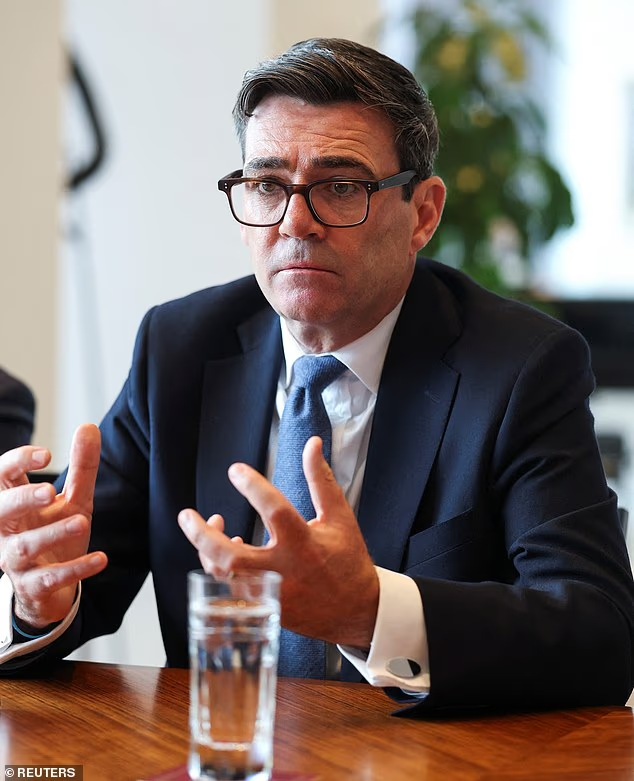
Andy Burnham said his previous remarks about bond markets were taken out of context
Advertisement
Mr Burnham argued that he was not calling for spending restraints to be abandoned, but rather making the case for ‘a much more streamlined, productive state’.
He added: ‘They couldn’t understand why I was saying some of the things that I was saying.
‘[They] didn’t know what to do with it, but they did what they always do, which is they pulled one line out of it and then framed that one line within their world, rather than the one that I was talking about.’
The bond market ructions are feeding through to higher mortgage rates – with analysts warning of worse to come.
Advertisement
Figures from Moneyfacts show the average two-year fixed rate mortgage now stands at 5.92 per cent, the highest since July 2024, while a typical five-year fix is at 5.96 per cent, a level last seen in October 2023.
Borrowing costs have risen sharply in recent months as investors bet interest rates will have to rise to tame rampant inflation fuelled by the Iran war and spike in oil and gas prices.
UK bonds have been hit particularly hard amid concerns that Labour is unwilling to take tough choices on spending – and will instead borrow even more to fund their lavish plans.
Don’t wait until Budget day. You need to start protecting yourself now
Advertisement
I’m Simon Lambert, publisher of This Is Money, and you need to know that your pension, savings and property could soon be under attack.
On October 28, Andy Burnham’s government will set out its Budget. We don’t know what they will do, but we do know about tax raids already on the way. The best thing you can do is get prepared. So I’ve called on some of Britain’s leading financial experts to create my new six-week plan. I’ll cut through the noise and take you step-by-step through everything you need to do to protect your money.
Official figures this week laid bare the impact of rising borrowing costs on the Government’s finances with debt interest payments hitting a record high of £8.8billion last month – the highest bill for August on record.
That took interest payments on the near £3trillion national debt to £50billion for the first five months of the fiscal year – or £327million a day.
The surge in interest payments piles pressure on Mr Burnham and Mr Healey ahead of next month’s Budget.
It is feared he will be forced to borrow yet more money – or hammer the economy with ever higher taxes – to fund Labour’s spending plans.
Advertisement
Analysts warned this risks fresh turmoil on the bond markets – pushing up borrowing costs for the government, households and businesses.
It is now thought that the Prime Minister and Chancellor may opt for less fiscal headroom in next month’s Budget to limit tax rises and avoid spending cuts.
Even as analysts warned ‘bond yields are blowing out again’, reports suggested Mr Burnham and Mr Healey are looking at setting a lower buffer than the £24billion forecast in March.
Having seen the headroom eroded by higher interest rates and a ballooning welfare bill, it is thought they could settle on around £14billion in the Budget on October 28.
Advertisement
This would allow them to temper tax rises and spending cuts – but risks spooking the bond markets at a time when the UK government already pays more to borrow than any other G7 country.
Neil Wilson, an investor strategist at Saxo Markets, said: ‘Bond yields are blowing out again.
‘Gilt market participants may have had an eye on the prime minister, Andy Burnham, making the kind of comments you kinda wish he just wouldn’t make. He said he stands by his view that the UK is “in hock” to the bond market. There is this cognitive dissonance where he says we are at the mercy of the bond market but shouldn’t be – like it’s something the government cannot control.’
He added: ‘This morning a test balloon is being flown with a report that the Chancellor would be comfortable with reducing the fiscal headroom in order to avoid more tax hikes. It’s likely the roughly £24billion of headroom left by Rachel Reeves in March has been halved by the spike in bond yields, which would ordinarily require tax hikes to offset.
Advertisement
‘The balloon being floated is that Healey would just accept less headroom and the bond market would be totally fine with this, which I very much doubt.
‘The key will be that the underlying fiscal plan underpinning a Budget with less headroom is credible, but I would think that the gilt market has a low threshold for this kind of thing. It’s not messing with the fiscal rules as such, but it would undermine confidence the government can stay within them and would signal a deeper issue; that they are not willing to take tough decisions on welfare spending.’
Protect Your Money – sign-up to our six-week plan
The Budget is coming – but are you prepared? Sign up to our six-week plan and Simon Lambert and his team of financial experts will reveal how to Protect Your Money. If you’re a subscriber, it’s completely FREE
Affiliate links: If you take out a product This is Money may earn a commission. These deals are chosen by our editorial team, as we think they are worth highlighting. This does not affect our editorial independence.
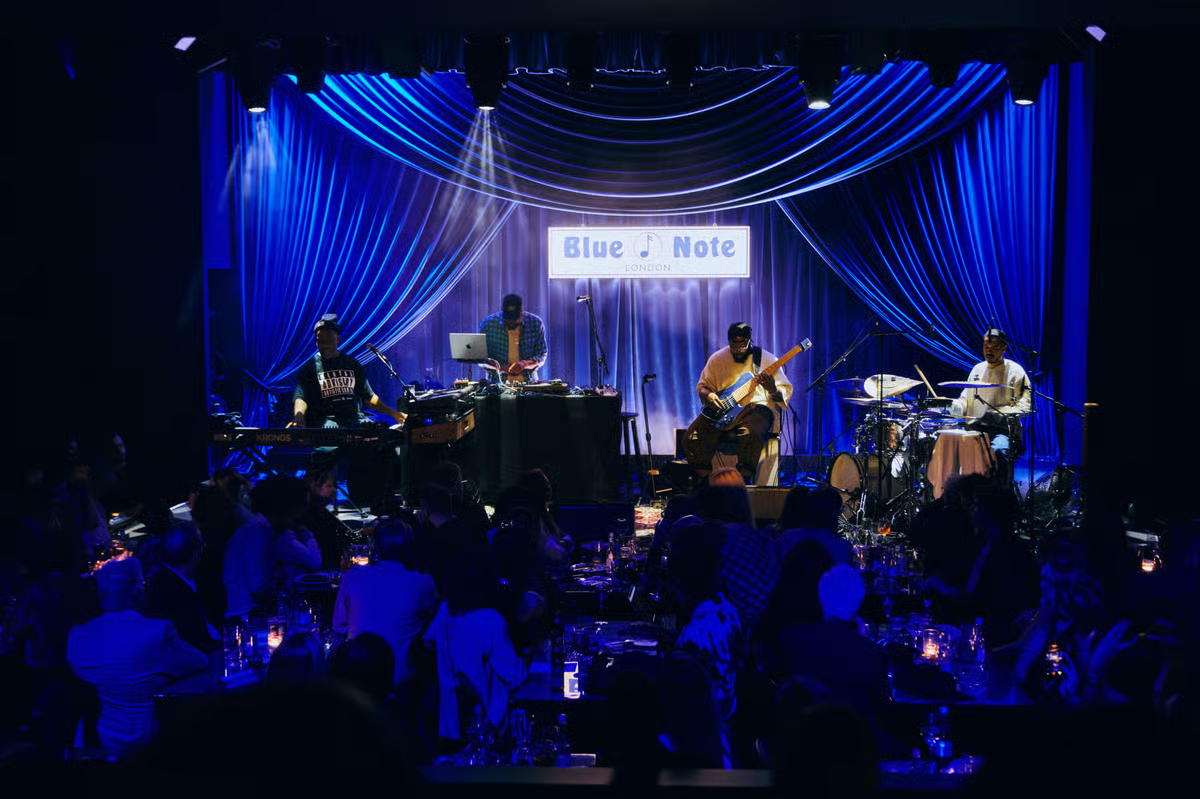
Blue Note London opened yesterday, on the exact centenary of John Coltrane’s birth. Grammy winner Robert Glasper, the club’s creative ambassador, marked the occasion with a set that honoured Coltrane, covered Radiohead, sampled D’Angelo and Dolly Parton and declared hip hop inseparable from jazz’s future. Following weeks of teaser videos showing Glasper in a high-vis vest and hard hat surveying the raw St Martin’s Lane basement, the Texan pianist sauntered, unnoticed and chewing gum, through the sold-out crowd of 250. “Mental advisory alert,” read his T-shirt. “Creative content within.”
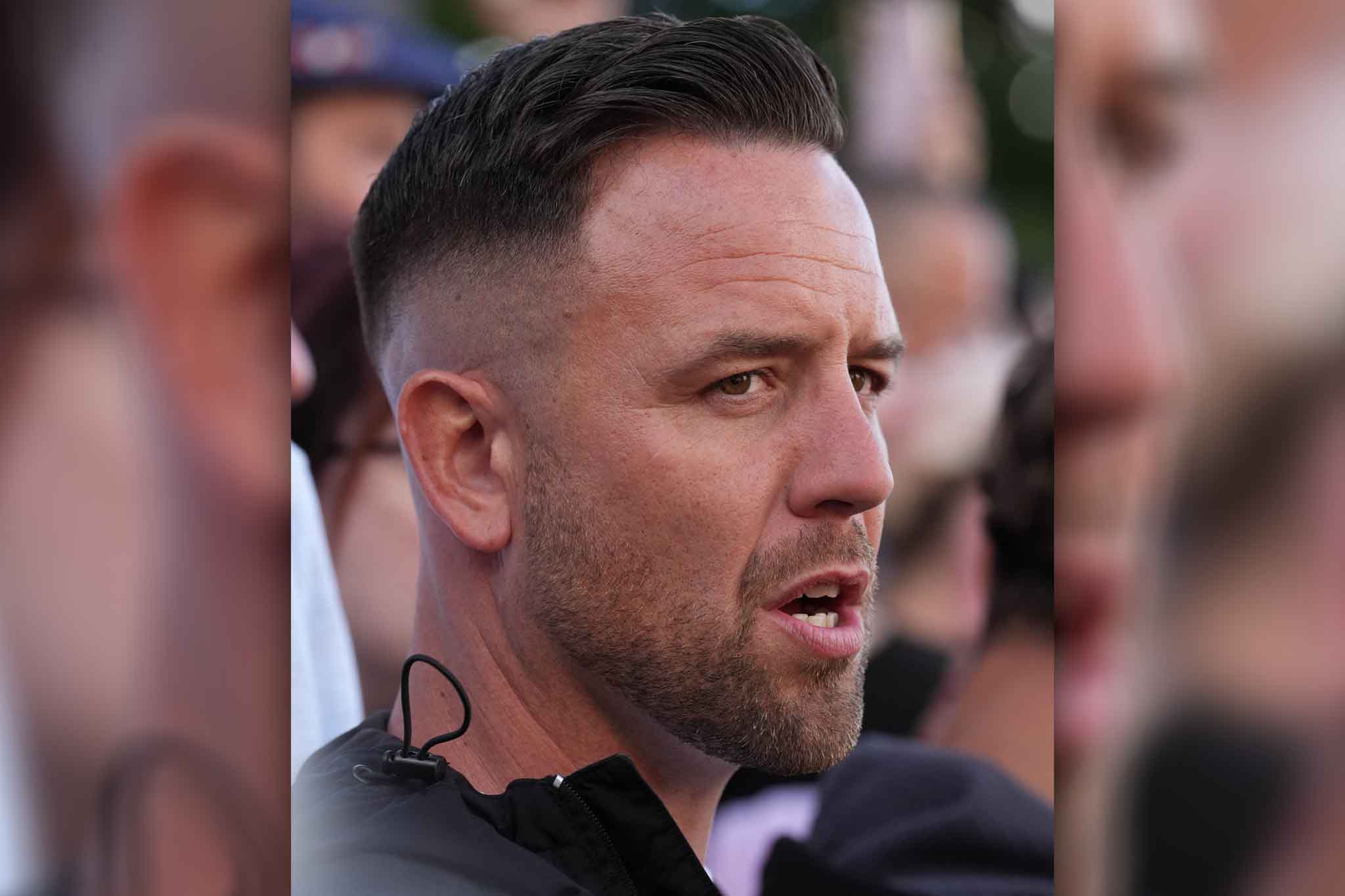
Far-right activist Daniel Thomas has been arrested by police on suspicion of criminal damage with intent to endanger life after an incident in the English Channel.
Mr Thomas, known as Danny Tommo to his supporters, was arrested on Wednesday, Hampshire and Isle of Wight Constabulary said.
The force previously said it was “conducting inquiries” into the incident, but said on Wednesday a 37-year-old man had been detained after a boat was damaged in the English Channel.
He remains in police custody.
Advertisement
A police spokesperson said: “A man has been arrested after a boat that had an emergency responder on board was damaged in the English Channel.
Daniel Thomas is known as Danny Tommo to his supporters (PA)
“We received a report of the incident on Tuesday evening (22 September).
“Last night (Wednesday 23 September), a 37-year-old man, of no fixed abode, was arrested on suspicion of destroying ships or fixed platforms or endangering their safety under Section 11 of the Aviation and Maritime Security Act 1990, criminal damage, criminal damage with intent to endanger life, and conduct endangering ships, structures or individuals under Section 58 of the Merchant Shipping Act 1995.
“He remains in custody at this time.”
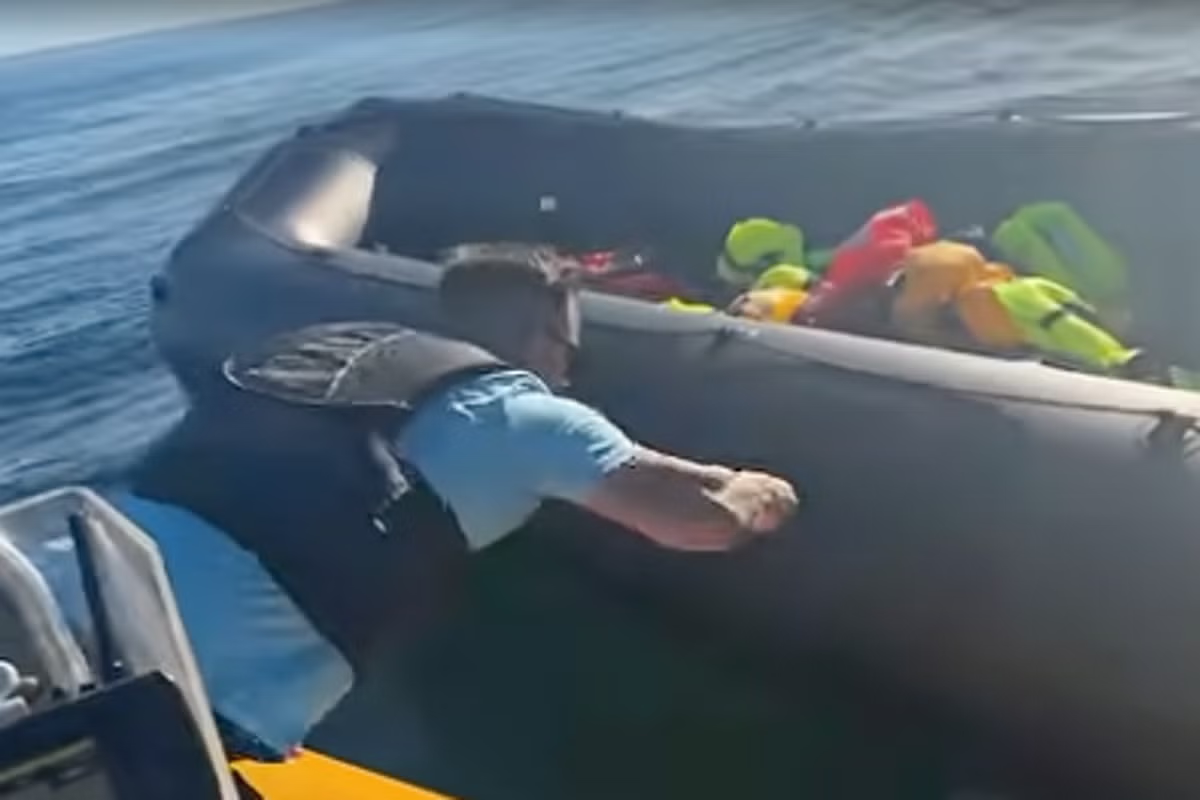
Footage shared online appeared to show a man using a blade to damage a dinghy while a rescue worker could be seen onboard.
Advertisement
In the video, the man can be heard telling the rescue worker to “get off” the boat, before sailing away.
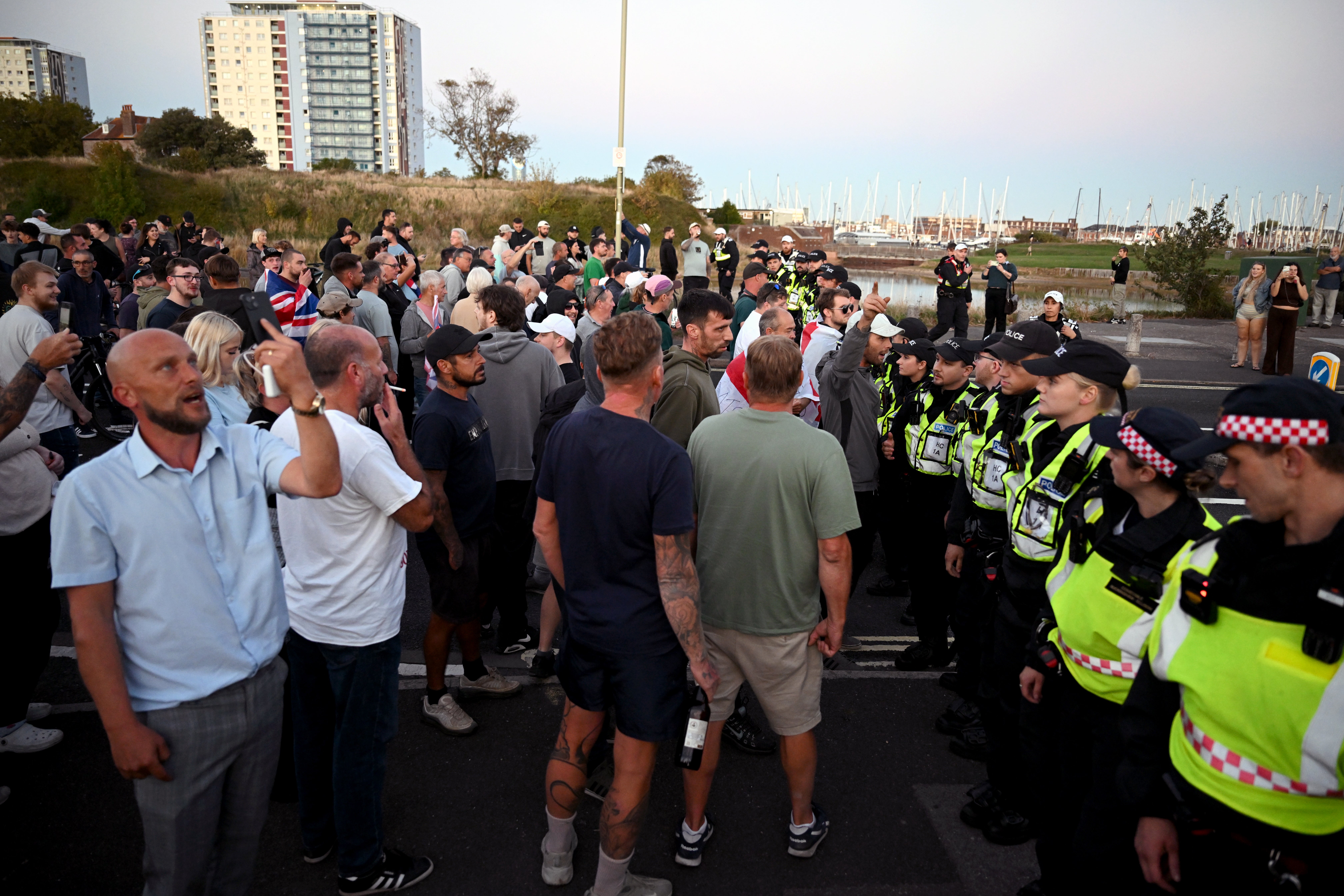
It comes after hundreds of anti-migrant protesters gathered in Gosport on Tuesday under the belief that a boat of asylum seekers, which had travelled from France, would be brought to shore.
Six people were arrested by officers during the evening, the force said.
Disorder broke out in Gosport on Tuesday after reports a boat carrying migrants would dock in the area (Getty)
Shannon Dodds, 32, of Gosport has been charged with two counts of assault by beating of an emergency worker. She has been remanded in custody to appear at Portsmouth Magistrates Court on Thursday.
Sally Pearson, 31, also of Gosport, has been charged with assault by beating of an emergency worker and a racially aggravated public order offence. She has also been remanded in custody to appear at Portsmouth Magistrates Court on Thursday.
Advertisement
Toby Matthews, 33, from Gosport, has been charged with common assault of an emergency worker. He was bailed to appear at Portsmouth Magistrates Court on 9 November.
A 19-year-old man and a 36-year-old man from Salisbury, who were arrested on suspicion of aggravated trespass, have been bailed with conditions until 22 December while inquiries continue.
A 67-year-old man from Gosport was handed a Fixed Penalty Notice for driving without due care and attention.
He was also arrested on suspicion of assaulting an emergency worker and has been bailed with conditions until 22 December while inquiries continue, the force added.
Advertisement
Some of the protesters in Gosport wore black clothing and face coverings, and chanted “send them back”, wrongly assuming the boat would be guided to the Hampshire coast.
In fact, it docked in Dover, Kent, at around 12.30am on Wednesday after 51 migrants on board reportedly refused help from a French ship and spent 33 hours at sea.
A government spokesperson said: “The Border Security Command works around the clock to protect our border and will continue to detain, check and process every small boat arrival.”
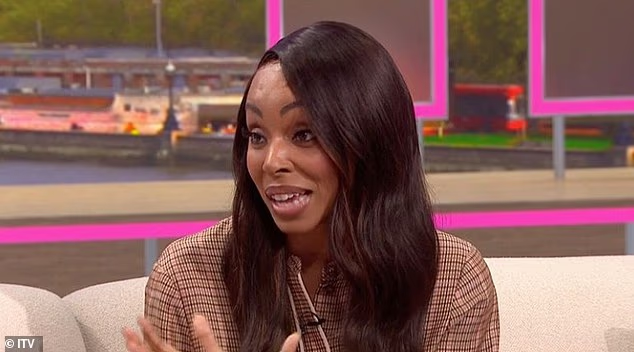
Sabrina Washington found herself embroiled in a ‘frosty’ interview with Good Morning Britain‘s Susanna Reid on Thursday as she fiercely denied blindsiding her Mis-Teeq bandmates with split news and solo tour announcement.
In the wake of Mis-Teeq’s epic reunion show at OVO Arena Wembley this month, the singer, 47, quashed fans’ hopes of a more permanent comeback when she instead announced she was embarking on her very own headline tour.
Following this news, her bandmate Su-Elise publicly hit out at Sabrina’s actions in an Instagram post in which she said Mis-Teeq’s split was ‘news to her’, while Alesha Dixon, 47, shared a cryptic post alluding to ‘hurting privately’.
But joining Thursday’s GMB, Sabrina flat-out denied that she’d issued a press release informing everyone of Mis-Teeq’s split and insisted that there were no plans in the pipeline for further Mis-Teeq shows.
Advertisement
As she was grilled by host Susanna, 55, about her band mates being blindsided by the news, Sabrina shut down any suggestion that she instigated a split, telling the host: ‘No! I have not said split in any way, shape or form- it’s not come from me.’
With the Why hitmaker becoming increasingly irritated by Susanna’s direction of questioning, GMB viewers watching at home were quick to comment about the ‘frosty’ atmosphere between the pair.
Sabrina Washington found herself embroiled in a ‘frosty’ interview with Good Morning Britain’s Susanna Reid on Thursday as she fiercely denied blindsiding her Mis-Teeq bandmates
Advertisement
As she was grilled by host Susanna [pictured last year] , 55, about her band mates being blindsided by the news, Sabrina shut down any suggestion that she instigated a split
They penned: ‘Oosh! Sabrina is frosty on @GMB’
‘I just caught that Sabrina Washington interview on GMB and ohhhh my goodness…’
‘What an awful energy from this human being.. @GMB presenters sitting listening to that, I feel for them. ‘
Advertisement
‘Sabrina Washington #MisTeeq just now on breakfast TV. Boy is that woman in a bad mood or what!!!’
However, leaping to her defence, another person claimed that Susanna addressed her like a child.
They penned: ‘Wow, does she always speak to adults like she’s talking to a naughty child’
Confirming that she didn’t reveal a split and that she has nothing but love for Alesha and Su-Elise, Sabrina told Susanna and co-host Tom Swarbrick: ‘I have not said split in any way, shape or form. That has not come from me.
Advertisement
‘What’s happened is this: We had an amazing show for our anniversary, which was filled with love, filled with good energy and there was nothing planned. There has been nothing else planned after that.
Sabrina flat-out denied that she’d issued a press release informing everyone of Mis-Teeq’s split and insisted that there were no plans in the pipeline for further Mis-Teeq shows
Advertisement
With the Why hitmaker becoming increasingly irritated by Susanna’s direction of questioning, GMB viewers watching at home were quick to comment about the ‘frosty’ atmosphere
However, leaping to her defence, another person claimed that Susanna addressed her like a child
‘I would never say no to another Mis-Teeq show ever, because I have never ever said no to a Mis-Teeq show. I love the girls. So it may still be something that could happen because I’ve never said no and I’ve never said split.’
Advertisement
On Alesha and Su-Elise’s ‘shock’ at her doing her own thing, Sabrina continued: ‘Remember, we got together for a One Night Stand for our 25th anniversary. It was only ever one night.’
Tom then went on to read a statement from Mis-Teeq’s representative stating that Sabrina’s team issued a press release about their split without consulting Alesha, Su-Elise or any of the Mis-Teeq team.
Reiterating her point, Sabrina remarked: ‘Wrong!’ before adding: ‘That’s what I’m saying. I didn’t do a press release at all. I’ve not said anything about the girls and the group, I don’t do that.’
Breaking into third person, she went on: ‘Sabrina doesn’t talk. She’s a person that doesn’t really talk. Sabrina, this Sabrina sitting down here, the one in Mis-Teeq. I don’t talk like that!’
Advertisement
Sabrina went on to claim that Alesha did in fact know about her tour and even congratulated her, before saying she hadn’t yet spoken to Su-Elise as she was currently in Australia.
Rounding off her points, Sabrina said: ‘It definitely is scandalous because I’ve said nothing on top of more nothing on top of more nothing. I love the girls.’
She then went on to try and discuss her tour but was abruptly cut-off by Susanna as the programme had come to an end.
The Daily Mail has contacted Mis-Teeq and Sabrina’s representatives for comment.
Advertisement
A Mis-Teeq representative told the Daily Mail: ‘Alesha knew nothing about her solo tour or the split announcement until we heard about it from the media on Monday morning.’
While Sabrina’s representative confirmed lines from her press release, which included: ‘The reaction to the Mis-Teeq reunion has honestly been overwhelming. We knew there was still so much love for the music, but seeing just how much these songs continue to mean to people 25 years later has been incredibly emotional.
From the moment Wembley was announced, I was receiving messages from people saying, ‘What about Manchester? Where’s Birmingham? Are you coming to Scotland? What about the rest of the world?’ and I kept seeing people saying that one night simply wasn’t enough. So there really could only be one name for this tour!’
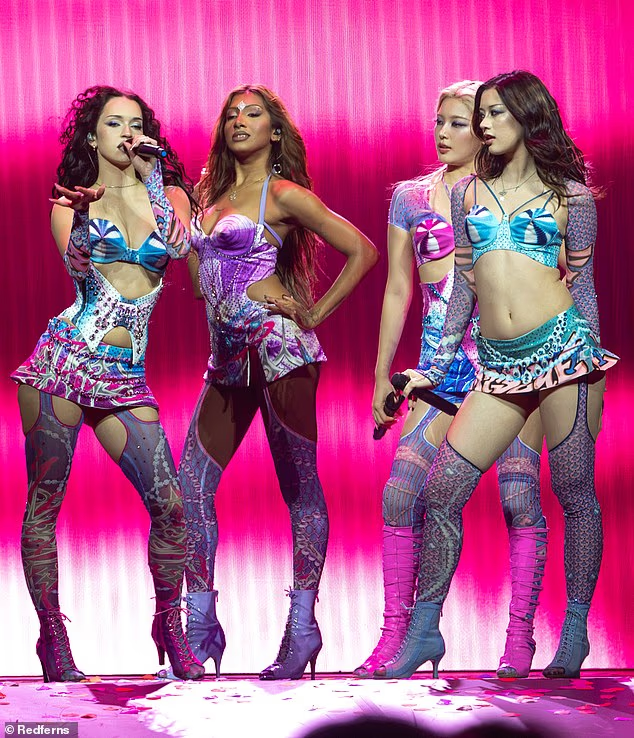
Sabrina, Alesha and Su-Elise delighted fans when they took to the stage at the OVO Arena Wembley last month, to celebrate 25 years since the release of Mis-Teeq’s debut album
Advertisement
Taking to Instagram on Wednesday, Alesha Dixon alluded to how she was feeling as she reposted a post about Libras and hinted she was ‘hurting’ in private
While Sabrina may well be excited to take to stages across the UK for a personal celebration of Mis-Teeq’s music, it appears that she forgot to inform the rest of the group
Su-Elise informed her fans that on the very day of Sabrina’s announcement, Mis-Teeq had a deadline to confirm plans of more shows, including performing at a major UK festival
Furthermore, the star went on to ‘like’ comments from fans slamming Sabrina’s decision to organise a tour behind the backs of her fellow group members
Advertisement
Meanwhile, Su-Elise ‘liked’ a response by former Mis-Teeq member Zena McNally – who joined the girls on stage during their gig – with many fans calling for her to rejoin the group
While Su-Elise publicly hit out at Sabrina’s actions in an Instagram post in which she said Mis-Teeq’s split was ‘news to her’, Alesha has remained tight-lipped on the matter, only sharing fan clips of their recent gig.
But taking to Instagram on Wednesday, the Britain’s Got Talent judge alluded to how she was feeling as she reposted a post about Libras and hinted she was ‘hurting’ in private.
The post read: ‘She is Libra. Hurts privately. Heals privately. Figures it out privately. Then shows up like it never happened.’
Advertisement
It comes as just hours after Sabrina’s big announcement, Su-Elise took to Instagram sharing a screenshot of an article stating Mis-Teeq have split amid Sabrina’s solo plans, with the singer expressing her shock at the news.
Sharing her thoughts, Su-Elise informed her fans that on the very day of Sabrina’s announcement, Mis-Teeq had a deadline to confirm plans of more shows, including performing at a major UK festival.
Su-Elise penned: ‘As far as I was aware, today was our deadline to make a decision on some incredible Mis-Teeq offers for 2027… including headlining a major UK festival, performing at another huge UK festival and potentially taking the show regional for everyone who couldn’t make Wembley.
‘After the incredible response to our sold-out Wembley Arena show, I genuinely believed these were opportunities we were all excited about and hopefully saying YES to today as Mis-Teeq!
Advertisement
‘So to find out that a press release went out to media today saying ‘Mis-Teeq have split’ has taken me by surprise.
‘That’s news to me…’
Signing off on her post, the Scandalous hitmaker added: ‘Either way, I’m incredibly proud of what we achieved at Wembley and so grateful to everyone who came out and supported us.’
Furthermore, the star went on to ‘like’ comments from fans slamming Sabrina’s decision to organise a tour behind the backs of her fellow group members, with one criticising her for her ‘complete lack of integrity’ and ‘disrespect’.
Advertisement
Meanwhile, Su-Elise ‘liked’ a response by former Mis-Teeq member Zena McNally – who joined the girls on stage during their gig – with many fans calling for her to join forces with Su-Elise and Alesha.
Amid Su-Elise’s anger, it appeared that Alesha too was unaware of the major update as around the same time, she was still sharing clips of the band’s nostalgic show at Wembley.
The Daily Mail has contacted Mis-Teeq’s representatives, who shared: ‘Sabrina and her team issued a press release to media saying ‘Mis-Teeq Split’ and announcing her solo tour, without telling Alesha, Su-Elise or anyone on the Mis-Teeq team’.
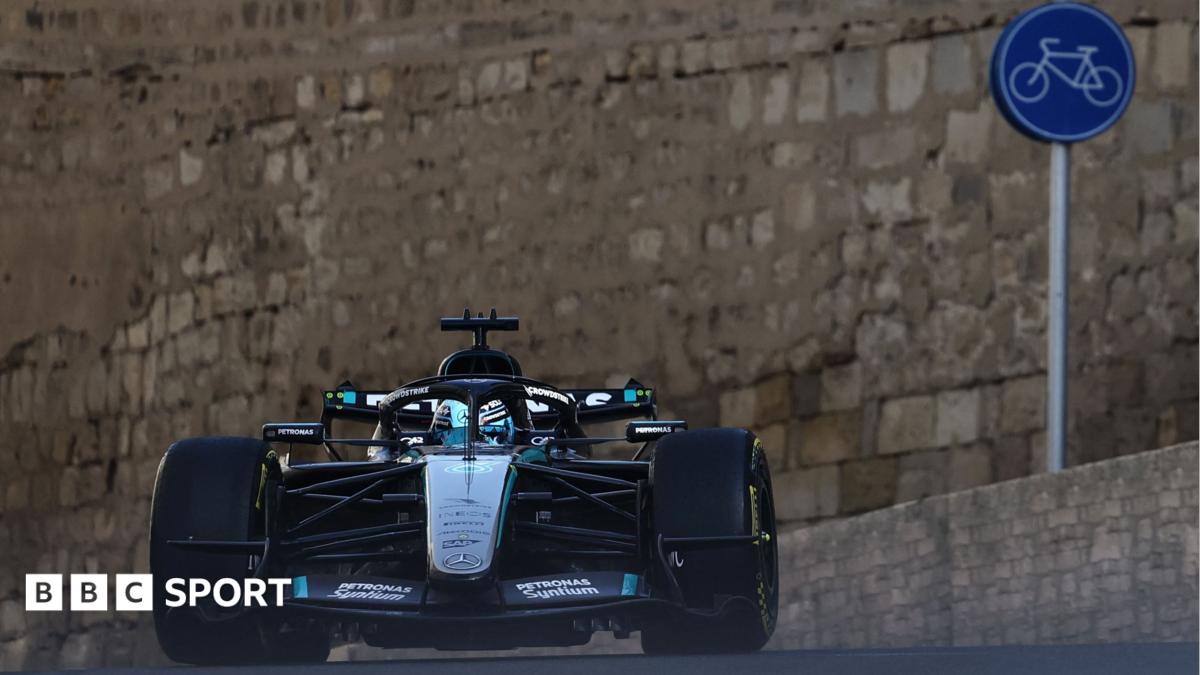
Mercedes driver George Russell headed both practice sessions at the Azerbaijan Grand Prix.
The Briton led team-mate Kimi Antonelli by 0.552 seconds in the second session. Red Bull’s Max Verstappen was Russell’s closest rival in the first session, when Antonelli suffered a hydraulic failure.
Antonelli’s reliability problems also meant he missed the first half of the second session, and overall the Italian had half the amount of running of Russell.
Racing Bulls’ Arvid Lindblad had his second crash in consecutive race weekends in practice, clipping the wall on the exit of the tight chicane leading into the section around the castle.
Advertisement
In the context of the day, the margin between the two Mercedes drivers is to be expected but Antonelli is likely to close in on Friday in the run up to qualifying.
Mercedes spent the first half-hour of the second session finishing off the repair to Antonelli’s car, which involved an engine change.
That meant he had to go straight into his performance runs on the soft tyre, having missed set-up and development time at the end of the first hour and the beginning of the second.
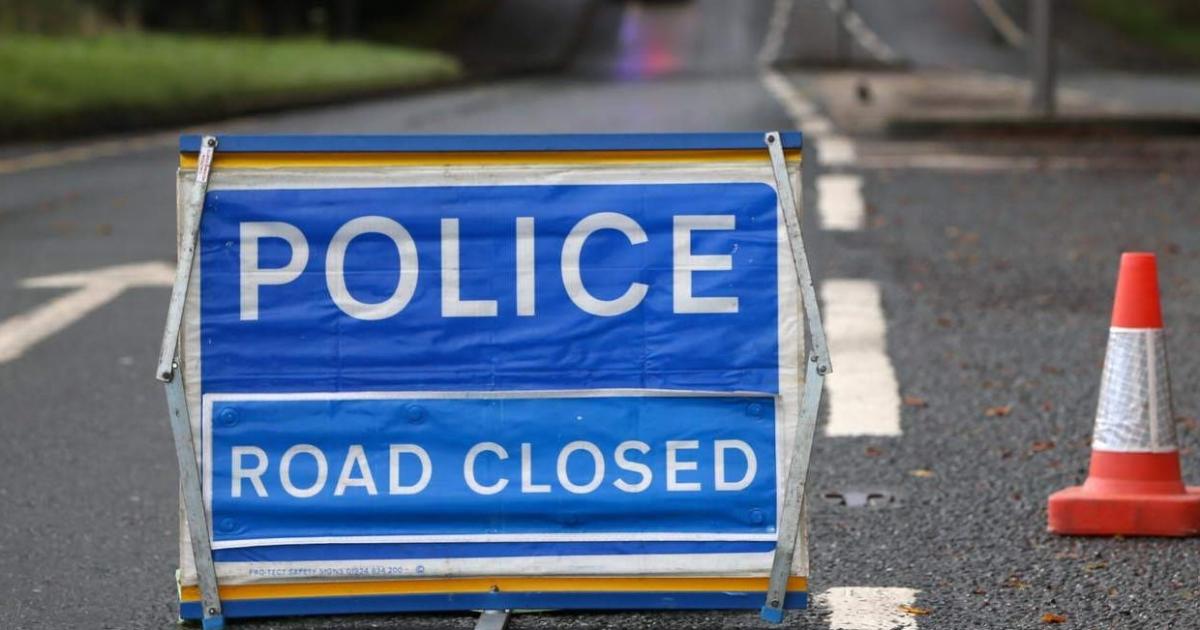
Emergency services, including the air ambulance, were called to the crash on Crane Lane Row, between Hamsterley and Bishop Auckland, just before 6.15pm on Wednesday (September 23).
Despite the best efforts of medics, a 60-year-old passenger in the van was declared dead at the scene.
His family have been informed and are being supported by specially trained officers, Durham Police said.
Advertisement
Another second casualty was taken to the RVI in Newcastle for further treatment, the ambulance service confirmed.
The road was closed for several hours while crash investigators examined the scene.
It has since been reopened.
A spokesperson for Durham Police said: “Officers would like to speak to any witnesses, or those who may have dashcam footage of the vehicles leading up to the collision.
Advertisement
“If you can help, please contact Durham Constabulary’s Serious Collision Investigation Unit by email at SCIU@durham.police.uk quoting incident number 413 of September 23.”
A North East Ambulance Service spokesperson added: “We were called to a road traffic incident on Crane Row Lane at 6.40pm. We dispatched two ambulance crews and were supported by Great North Air Ambulance Service (GNAAS). One patient was taken to RVI hospital by road for further treatment.”
A spokesperson for Great North Air Ambulance said: “Our critical care team was activated at 6.51pm to an incident near Hamsterley.
“We had a paramedic and doctor on board our aircraft and they arrived on scene at 7.02pm.”















![As she was grilled by host Susanna [pictured last year] , 55, about her band mates being blindsided by the news, Sabrina shut down any suggestion that she instigated a split](https://i.dailymail.com/1s/2026/09/24/11/111442175-16156849-image-a-13_1790246036763.jpg)







































You must be logged in to post a comment Login