
Connect with us

NewsBeat

Our Yaorkshire Farm – Inside Amanda Owen’s Ravenseat Farm

Published

on

Our Yaorkshire Farm - Inside Amanda Owen's Ravenseat Farm

The remote Yorkshire Dales farm provided the backdrop to Channel 5’s Our Yorkshire Farm, with cameras documenting everything from lambing and snowstorms to raising nine children miles from the nearest large town.

Amanda, the Yorkshire Shepherdess, and her former husband, Clive Owen, became household names, along with their nine children: Raven, Reuben, Miles, Edith, Violet, Sidney, Annas, Clementine and Nancy.

But what is the famous farm actually like away from the television cameras?

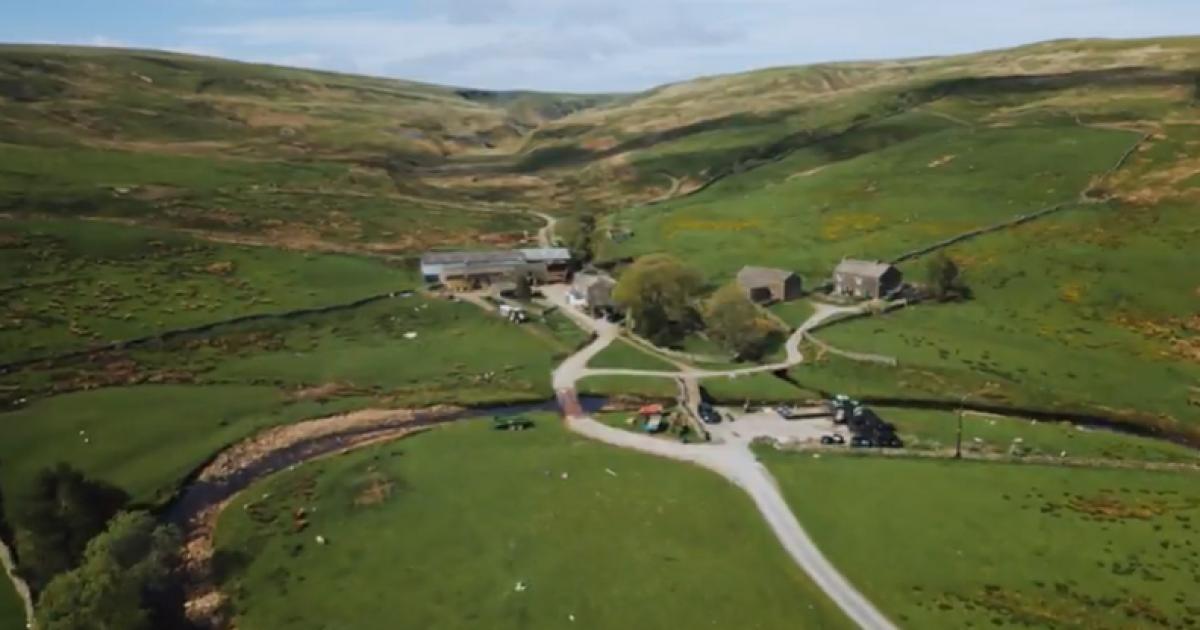
Ravenseat Farm (Image: CHANNEL4)

Ravenseat is a sprawling hill farm covering around 2,000 acres in Upper Swaledale, one of the most remote parts of the Yorkshire Dales National Park.

Advertisement

The traditional stone farmhouse is surrounded by fields, barns, dry-stone walls and open moorland.

It is not simply a picturesque television location.

Ravenseat remains a working sheep farm, with the seasons dictating the family’s routine.

Television viewers have seen the family lambing, shearing, making hay, feeding livestock and battling winter weather.

Advertisement

The isolation that viewers see on screen is also very real.

Ravenseat is around three-and-a-half miles west of the tiny village of Keld and is approached through miles of rural Upper Swaledale countryside.

Its remote position brings fast-changing weather, with snow and treacherous conditions repeatedly testing the Owen family on screen.

The old farmhouse has historic significance, too.

Ravenseat Farmhouse is a Grade II-listed stone building with a traditional stone-slate roof.

Advertisement

But for Amanda, the farm has always meant far more than its buildings.

The Owen children grew up there, surrounded by animals and helping with farm work from an early age.

That unconventional upbringing became one of Our Yorkshire Farm’s biggest attractions after its launch in 2018.

Viewers watched the children round up sheep, ride horses, operate machinery and head across the Dales.

Advertisement

As the children grew older, Ravenseat remained the link between their increasingly separate lives.

The Owen family from Our Yorkshire Farm and Our Farm Next Door (Image: CHANNEL4)

Raven has pursued a career in science but still returns to the farm.

Reuben turned his childhood love of machinery into a contracting business and television career, while Miles remains deeply involved in farming.

Sidney, too, has increasingly worked alongside his older brothers.

Advertisement

The younger children are now learning the farming skills viewers watched Raven, Reuben and Miles pick up years ago.

Ravenseat’s surroundings are familiar territory for walkers, too.

The Coast to Coast route passes nearby, while Keld and upper Swaledale offer waterfalls, moorland and traditional stone barns.

The landscape has become a character in the Owen family’s programmes in its own right.

Advertisement

Our Yorkshire Farm ended after five series, but Ravenseat stayed on television.

Amanda, Clive and their children returned in More4’s Our Farm Next Door: Amanda, Clive and Kids.

That programme centres on the restoration of neighbouring historic farmhouse Anty John’s, but everyday life at Ravenseat continues to feature alongside the building work.

The latest series shows the family juggling the renovation with livestock, sheepdog training and other farm work.

Advertisement

More than eight years after Our Yorkshire Farm began, Ravenseat remains at the heart of the family’s story.

Anty John’s may be the new project and the Owen children may be forging lives of their own, but Ravenseat is where the television phenomenon began.

Ravenseat was closed to public access in 2022 and now operates as a private family farm, although walkers can still use public footpaths in the surrounding area.

Advertisement

Source link

Continue Reading
Click to comment

You must be logged in to post a comment Login

Leave a Reply

NewsBeat

7 cases before Northern Ireland’s courts this week

Published

on

Belfast Live

Your round-up of the key cases heard before Northern Irish courts during the week of September 7-11.

Advertisement

Cases before the courts in Northern Ireland this week included the trial of a Co Down farmer accused of causing unnecessary suffering and neglect to animals on his farm.

Another case saw a three-and-a-half year sentence imposed on a man who injured an off-duty policeman during an episode of cocaine-induced psychosis.

Meanwhile a warehouse operator who stabbed a man on the dancefloor of a Belfast nightclub in a revenge attack was jailed for 27 months.

Here is your round-up of the key cases heard before Northern Ireland courts during the week of September 7-11.

Advertisement

Belfast dad ‘walloped’ man with chair outside Wetherspoon’s

A Belfast man who hit another man with a metal chair in a street fight outside a bar in Carrickfergus was handed a suspended sentence on Monday.

Following his arrest, William McCullough told police “I picked it up and walloped him.” The 35-year old from Hopewell Crescent had a 16-month sentence imposed which was suspended for two years by Judge Gordon Kerr KC.

Belfast Crown Court heard that on Sunday February 18, 2024 police were called to a fight outside Wetherspoon’s on Carrick’s High Street.

The fight had been instigated by a woman who pushed another female and when CCTV was viewed, McCullough was captured defending himself against others.

Advertisement

READ MORE HERE

Man sawed his way into neighbour’s flat before setting it on fire

A man told police he had sawn his way into his neighbour’s flat and set fire to it “in retaliation for a complaint of harassment,” a court has heard.

Appearing in the dock of Newtownards Magistrates Court on Monday, 27-year-old Jack McClure was charged with six offences alleged to have been committed on Sunday September 6.

Advertisement

McClure, with an address at Balloo Walk in Bangor, was charged with arson with intent to endanger life, burglary with intent to steal as well as four drug offences, including possessing magic mushrooms, herbal cannabis, pregabalin and diazepam.

READ MORE HERE

Vet had to euthanise starving calf separated from its mother on farm

A Government vet told a jury how she humanely euthanised a starving calf that had been separated from its mother on a Co Down farm.

Advertisement

The Department of Agriculture, Environment and Rural Affairs (DAERA) vet was called to give evidence during the the trial being held at Belfast Crown Court.

Samuel Ernest Cooper, 71, of Derryleckagh Row in Newry, has been charged with a total of 17 charges spanning a five-month period.

The farmer has been charged with, and denies, ten counts of causing unnecessary suffering to animals, four of failing to hold a carcass, two counts of failing to have bovine animals tested and one of failing to keep a record of medicines.

The offences are alleged to have been committed on cows and sheep on dates between December 1, 2022 and May 19, 2023.

Advertisement

READ MORE HERE

Man who assaulted nursing staff while inpatient at Belfast hospital sentenced

A 28-month sentence was imposed upon a man who assaulted nursing staff whilst an inpatient in Belfast’s Royal Victoria Hospital.

Gerard Kane was told he will serve half the term in prison followed by a 14-month period on licence when he is released from custody.

Advertisement

With an address as HMP Maghaberry, the 62-year old was sentenced at Belfast Crown Court on Thursday for a total of six offences.

The court heard that on October 3 last year, police were called to the RVH by nursing staff due to the behaviour of Kane, who was an inpatient on a ward.

A member of staff reported that Kane has picked up a bin and tried to throw it at her. She said Kane then walked towards her with intent and she believed he was going to assault her.

After she moved out of his way and began walking to the nurse’s station, Kane followed her and made sexual gestures at her whilst glaring at her.

Advertisement

READ MORE HERE

‘An abuse of trust’: Care worker stole £30,000 from house-bound man

A care worker who stole more than £30,000 from a vulnerable, house-bound man over a five-year period was jailed on Friday for the “nasty” offence.

Nicola Beattie will spend a year in custody followed by a year on supervised licence for a charge of fraud by false representation.

Advertisement

As she jailed the 47-year old from Gilpin Park in Craigavon, Judge Natalie Pinkerton told Beattie her offence involved “gas-lighting” and manipulation.

Belfast Crown Court heard that in August 2016 Beattie, who worked as a carer for Homecare, was assigned as the keyworker for the vulnerable man.

He depended on Beattie to purchase his food and clothing as well as paying his household bills and expenses.

As he was an alcoholic, he had an alcohol management plan and Beattie also purchased alcohol for him in accordance with the plan.

Advertisement

When the lockdown restrictions ended at the end of the coronavirus pandemic, the victim raised concerns with his daughter regarding his finances and said Beattie would not give him access to his bank statements.

He said that when he confronted Beattie, she took his bank statements – and when he told her he was going to report his concerns to Beattie’s manager, she took the contact card with the manager’s number on it and asked if he had any evidence.

READ MORE HERE

Man stabbed on dancefloor of Belfast nightclub in revenge attack

A warehouse operator who stabbed a man on the dancefloor of a Belfast nightclub in a revenge attack has been jailed for 27 months.

Judge Natalie Pinkerton told Mohamed Abdul Hakeem that he would spend an identical period on supervised licence on his release from custody.

The 20-year-old, of Airfield Heights in West Belfast, had previously pleaded guilty to a single charge of wounding with intent to cause grievous bodily harm.

Belfast Crown Court heard on Friday that on the evening of Sunday, August 31, 2024, the victim was out for the evening with some friends at Ollies nightclub in Waring Street.

Advertisement

It was the prosecution case that at around 2.20am the following morning the defendant approached his victim from behind and appeared to punch him in the back, before striking him a further three times to the lower back and legs.

A prosecution lawyer told the court that the incident was caught on CCTV cameras in the nightclub. The victim had sustained three stab wounds: One to his back, and two to his lower left leg.

READ MORE HERE

Man who injured off-duty policeman during cocaine-induced psychosis sentenced

A three-and-a-half year sentence has been imposed upon a man who injured an off-duty policeman during a episode of cocaine-induced psychosis.

Kyle Knell was handed the sentence at Belfast Crown Court on Friday by Judge Philip Gilpin who divided the term equally between prison and licence.

From Tynan Drive in Newtownabbey, the 30-year old father of three was told his actions caused “significant harm to others.”

On January 6, 2025 Knell went to a hotel with friends where he consumed a large amount of alcohol and cocaine. His behaviour was erratic and he was captured on CCTV running through the reception area with no shirt on.

Advertisement

After leaving the hotel at around 8.45pm, he flagged down a motorist and got dropped off in a residential street in Co Antrim.

A female who recognised Knell was sitting in a parked car outside her parent’s home talking her to police officer partner on the phone when Knell approached the vehicle.

He started banging on her car door shouting “They’re trying to kill me … help me.”

The woman told her partner what was happening and he told her to hang up and get her father. Knell then approached the parents’ front door and pushed his way in shouting “Help me, they’re going to shoot me for ten grand.”

Advertisement

READ MORE HERE

For all the latest news, visit the Belfast Live homepage here and sign up to our daily newsletter here.
Source link

Advertisement
Continue Reading

NewsBeat

Rabies deaths are rising. What is going wrong?

Published

on

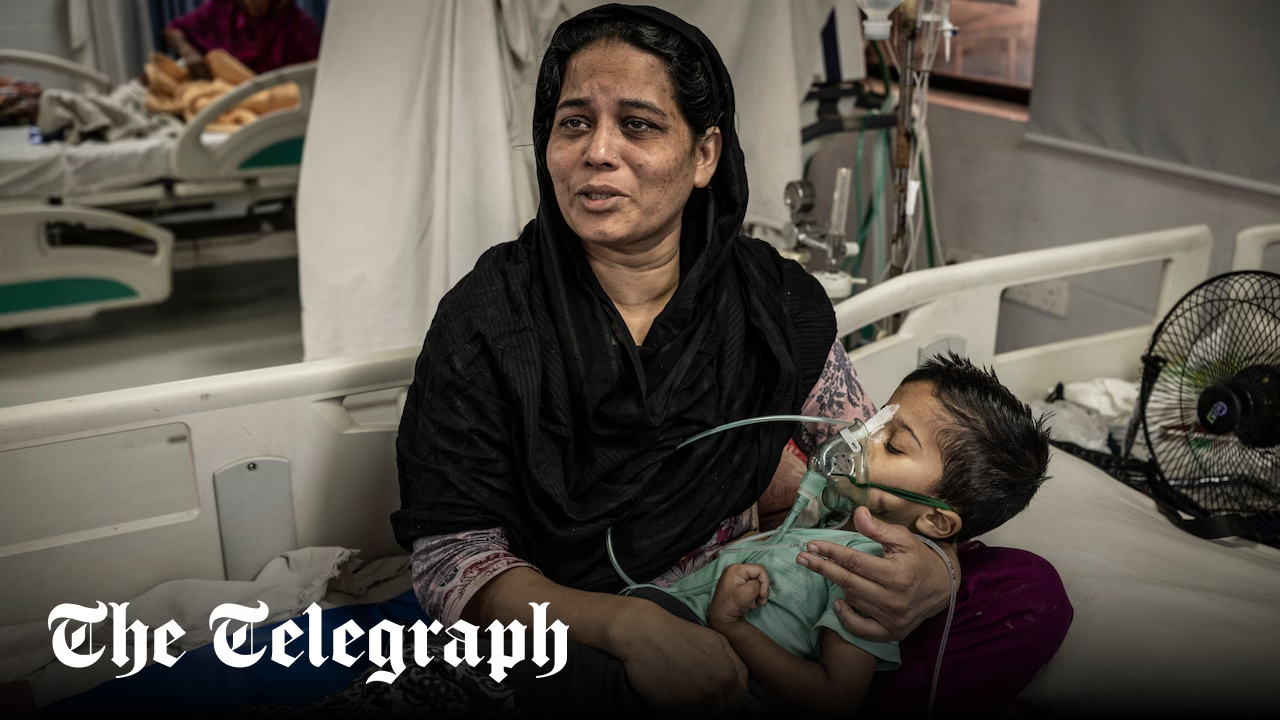
Rabies deaths are rising. What is going wrong?

“In a lot of these countries, the average life expectancy of dogs is very low, and so the turnover of the dog population is quick,” Prof Lankester explained.

“So, if you vaccinate in year one and you hit your targets, but then you don’t vaccinate so much in year two and year three, very quickly you’ll lose herd immunity because unvaccinated puppies will be born and vaccinated dogs will die,” he said.

“You can go from 70 per cent coverage to below 40 per cent coverage within a year and a half, and once it’s below 40 per cent then rabies transmission can be sustained, and it will come back.”

Advertisement

As a case in point, rabies has re-emerged as a serious public health concern in Ukraine in recent years as a result of disruption to vaccination programmes and a surge in displaced and abandoned pets.

The number of people bitten by rabid animals with rabies increased from 780 in 2021 to 2,507 in 2024, according to data from the Ukrainian Ministry of Health.

What about culling? Are we neglecting an important tool that has helped bring rabies under control out of concern for animal rights?

It’s now quite hard to imagine the hero of a book written today coldly putting down a rabid dog, and you do not need to look far for evidence of how unpopular the idea of culling dogs, or even taking steps to remove them from cities, is.

Advertisement

Mass protests erupted in India last year after the country’s top court, acting on its own authority against what it called the public health “menace” of rabies, ordered the authorities to begin rounding up the city’s population of stray dogs and putting them into shelters.

Yet the order was welcomed by the family of Chhavi Sharma, a six-year-old girl who died from a rabies infection after being bitten by a stray dog in the Indian capital.

“I hope there are no more Chhavis, who are hurt elsewhere. Nobody should go through the cruel fate we underwent,” her aunt told local television.

Source link

Advertisement
Continue Reading

NewsBeat

Shane Lowry gives honest response on how he feels ahead of Irish Open final round

Published

on

Belfast Live

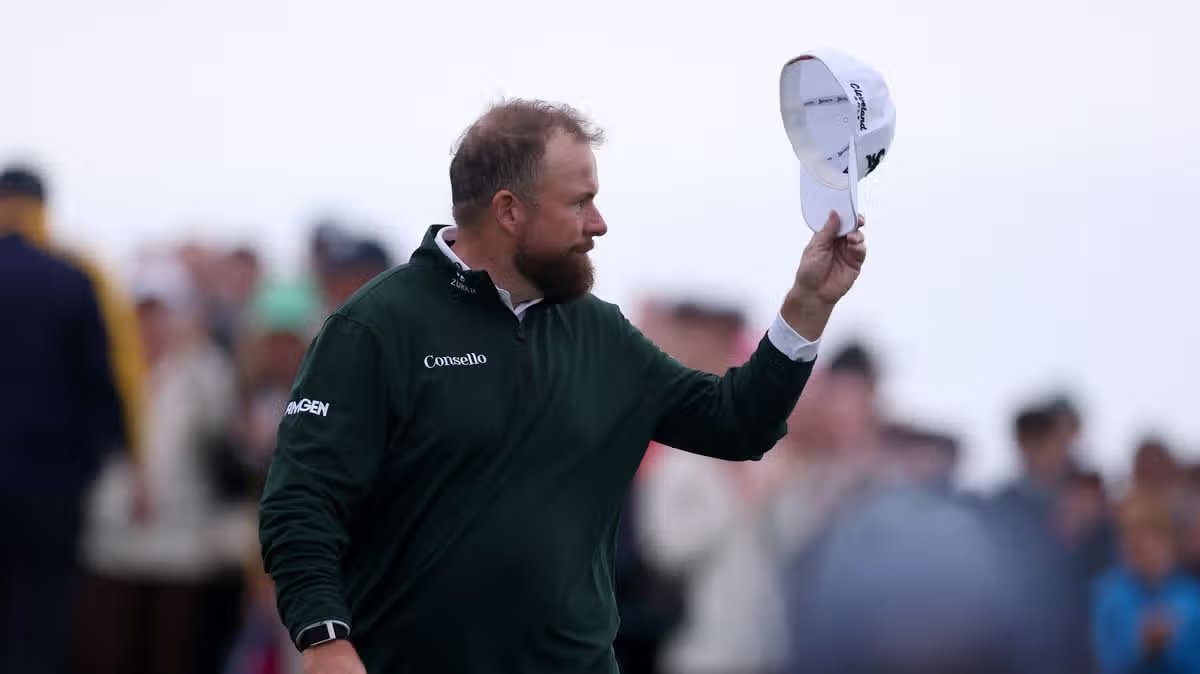
Shane Lowry is in a commanding position at the top of the Irish Open leaderboard

Shane Lowry is eager to deliver a memorable performance for the Doonbeg spectators as he enters the final round with a commanding four-stroke advantage at the Irish Open, following a determined third-round 65.

The County Offaly golfer had to dig deep for his five-under-par score, producing a remarkable sequence of nine consecutive putts to maintain his cushion over the pursuing field as he chases his first individual victory in four years.

The 2019 Champion Golfer has rediscovered his finest form this week, striding confidently across the dunes while others have struggled in the challenging, blustery conditions.

Advertisement

“Fun,” is how Lowry has described his experience on the course this week, though he acknowledges he’ll be experiencing vastly different emotions on Sunday if he fails to secure a home triumph for the passionate supporters.

“I obviously want to try and enjoy it as much as I can, but there’s only one way in which I’m going to enjoy this tomorrow and we all know what that is. We’ll see how that goes,” he said.

“It’s been an amazing week so far, Ireland has done great again with another amazing golf tournament, and I’m happy to be on the top of the leaderboard, and I’m so excited to go out tomorrow and hopefully give myself a chance to win.”

Throughout the week, large galleries have tracked Lowry around the West Clare links,reports the Irish Mirror. Supporters remained on the course well past 7:30pm on Saturday evening, peering through the fading light to witness Lowry establish his position at the summit of the leaderboard.

Advertisement

“I look around at the crowd and the support I got. You know, it’s late on a Saturday night. People have kids out there and they have to get home,” he added.

“I’m chuffed that they stayed behind to support me, and hopefully they can come out tomorrow and give me some more support.”

It has been almost exactly four years since Lowry last claimed an individual title. Memorable Ryder Cup performances and a team triumph alongside Rory McIlroy carry their own significance, but securing silverware through individual brilliance brings a different level of satisfaction entirely.

The near misses have been plentiful. Perhaps most painfully at the Cognizant Classic earlier this year, when a commanding three-shot advantage evaporated in devastating fashion down the final stretch.

Advertisement

Lowry has proven himself capable of grinding out significant individual victories previously. He possesses the ability to deliver when it matters most, particularly on Irish links courses, as demonstrated at Baltray and Royal Portrush.

Breaking this prolonged winless streak has become increasingly important, and there could scarcely be a more fitting occasion than Sunday at Doonbeg to finally end the drought.

“I felt great out there, I really felt great out there. I was just staying in, shot by shot and was doing my thing,” he stated.

“It’s obviously going to be a big day for me tomorrow. I’m going out leading my home tournament, and it would mean the world to me to knock this one off.

Advertisement

“I’m gonna put my head down, get back to work whenever my tee time is and give it a run.”

Click here to sign up to our sport newsletter, bringing you the latest sports news, headlines and top stories.

Source link

Advertisement
Continue Reading

NewsBeat

Director of new British Raj drama says UK owes India trillions ‘for 200 years of enslavement’

Published

on

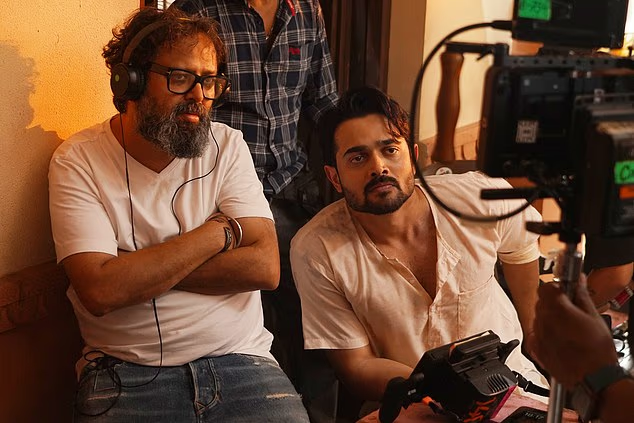
Director of The Revolutionaries Nikkhil Advani (pictured left) said he hoped the series would 'highlight the atrocities' inflicted by the British

Advertisement

The director of a controversial drama about the British Raj has called for the UK to pay India trillions in compensation for what he calls ‘200 years of enslavement’.

Nikkhil Advani, director of The Revolutionaries, which dramatises the violent exploits of a group of Indian ‘freedom fighters’, said he hoped the series would ‘highlight the atrocities’ inflicted by the British.

Advani admits the abhorrent behaviour of the show’s main character, based on the real-life Colonel Reginald Dyer, was portrayed as worse than it was in order to help whip up sympathy for the payment of reparations to India, which it has been suggested should be up to $56trillion (£41trillion).

The eight-part drama, streaming on Amazon Prime, does not hold back on depictions of cruelty. In the opening scenes, a character looks through a book of sketches depicting acts of brutality, which come alive as animations.

Advertisement

One page shows a platoon of British soldiers marching through a wasteland of dead bodies, while another shows soldiers bayonetting the bodies of civilians.

The captions read: ‘They established the Empire on Indian corpses… But our soil witnessed everything.’

Director of The Revolutionaries Nikkhil Advani (pictured left) said he hoped the series would ‘highlight the atrocities’ inflicted by the British

Advertisement
Actor Jason Shah playing Colonel Dyer in the film. The show¿s decision to choose Colonel Dyer as a representation of the British Empire is likely to prove particularly controversial

Actor Jason Shah playing Colonel Dyer in the film. The show’s decision to choose Colonel Dyer as a representation of the British Empire is likely to prove particularly controversial

Advani, 55, an award-winning Bollywood director, said: ‘I am an Indian who basically feels that the colonisation of 200 years and enslavement of 200 years was a catastrophic time. 

‘More than 100 years later we are still reeling under the fact we were raped, pillaged and plundered – that $56trillion is owed to us.’

The show’s decision to choose Colonel Dyer as a representation of the British Empire is likely to prove particularly controversial.

Advertisement

Dyer ordered British troops to open fire on thousands of unarmed civilians at Amritsar in 1919, killing 379 and leading to him being known as the ‘Butcher of Amritsar’.

In the show, he is shown on horseback dragging a prisoner behind him, and firing a cannon with a prisoner strapped to the muzzle.

Advani has admitted it was ‘not a fair depiction’, but insisted he was using Dyer ‘as a representative of the retribution that happened’ during the Indian uprising.

Historian Jeremy Black accused Advani of offering a ‘clearly prejudiced’ history of the Raj.

Advertisement

He said: ‘In practice, the British Raj relied heavily on Indian cooperation.’

Advertisement

Source link

Continue Reading

NewsBeat

UK’s most stolen car for first six months of 2026 revealed

Published

on

UK's most stolen car for first six months of 2026 revealed

The data, analysed by Tempcover and sourced from the Driver and Vehicle Licensing Agency (DVLA), covers cars stolen between January 1 and June 30.

Electric and hybrid vehicles showed up in increased numbers in the overall top 20, which marked a shift in theft patterns.

For the whole of 2025, no fully electric cars were in the top 20, but four are included for the first half of 2026.

Advertisement

However, one car model topped the rankings for being the most stolen, and had a bit of a gap to second place.

What was the UK’s most stolen car in the first half of 2026?

The Nissan Juke Tekna CVT was the most stolen car for the first six months of 2026, with 197 thefts recorded.

This put it 37 ahead of the second most stolen model, the Toyota C-HR Dynamic HEV CVT, which saw 160 thefts.

Jake Lambert, temporary insurance expert at Tempcover, said: “This goes beyond just one car model; it signals a distinct tactical shift in vehicle crime.

“While high-value cars remain targets, the DVLA data highlights the heightened security risk facing mass-market keyless vehicles.”

Advertisement

Discussing why the Nissan Juke Tekna CVT might have topped the list, Jake explained: “High-volume crossovers like the Juke Tekna sit right at the intersection of widespread road presence and accessible technology.

“Because the Tekna is a high-spec trim, it features keyless entry and push-button start as standard, leaving it exposed to relay attacks, where thieves intercept fob signals to bypass the immobiliser.”

He noted the risk is not unique to the Juke, but common across most modern keyless vehicles.

Jake added: “High production volumes simply mean more cars on the road running the same technology, which pushes them higher in the national statistics.”

Advertisement

How to stop your car from being stolen

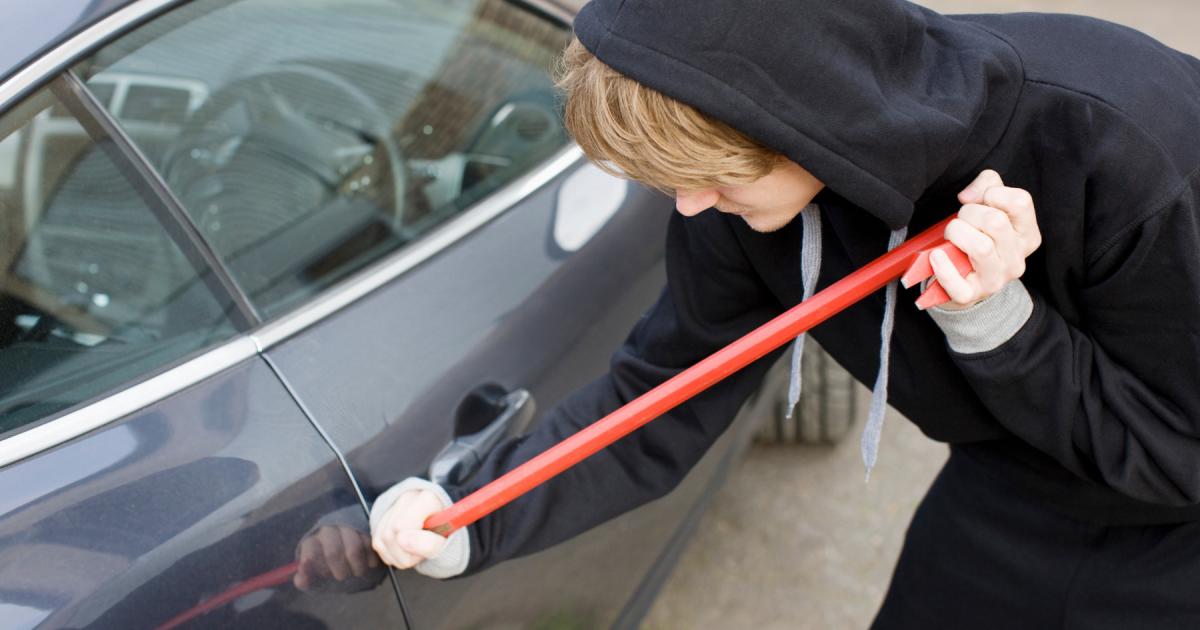
Some criminals use relay attacks to unlock cars, so you can combat this by placing the keys inside a metal box or signal-blocking wallet to block the signal.

The RAC also recommends parking in a well-lit public area to reduce the chances.

It adds: “If you need to use a car park, try to find one that’s security patrolled, covered by CCTV, or that is in a secure area.”

Advertisement

Utilising a steering lock or brake lock can also be helpful, and it could be useful to install a tracking device in case a thief gets away with your car.

Jake shared: “With pure EVs entering the top 20, security must keep pace with the tech.

“Beyond Faraday pouches and parking nose-in to block wiring access, EV owners must secure their companion app.


Recommended reading:

Advertisement

“If the app holds a digital key, set a PIN or biometric lock – a basic password isn’t enough.

“Lock charging cables to prevent component theft, and keep software updates active.

“But it’s still essential to get the basic habits right: don’t leave the app logged in on unlocked phones, and keep physical keys away from your front door.”

Have car thefts affected your area this year? Let us know in the comments.

Advertisement

Source link

Continue Reading

NewsBeat

Ukraine preparing for fresh peace talks with Russia in October, but Moscow rules out Putin meeting with Zelensky at the G20 summit

Published

on

Ukraine preparing for fresh peace talks with Russia in October, but Moscow rules out Putin meeting with Zelensky at the G20 summit

Ukraine is preparing fresh peace talks with Russia in October – despite the Kremlin insisting it is ‘impossible’ for Vladimir Putin to meet with President Zelensky at the G20 summit. 

Mr Zelensky’s chief of staff, Kyrylo Budanov, told Ukrainian media on Saturday the country was readying itself for the prospect of new talks involving Russia and the United States later this year aimed at ending more than four years of war

Speaking to reporters in Kyiv, Mr Budanov, 40, said Ukraine was ‘getting ready’ for talks, suggesting they could take place as early as October. 

The comments come as Mr Putin’s spokesperson, Dmitry Peskov, ruled out the possibility of the Russian leader meeting with the Mr Zelensky, 48,  at the G20 summit – despite the Ukrainian President affirming he is open to talks on ending the war.

Advertisement

Rather, Mr Peskov, 58, insisted a meeting could only occur in Russia’s capital, saying ‘it is impossible,’ at the G20 summit or any alternative location.

Speaking to AFP in New Delhi on Saturday, the diplomat said: ‘There is a readiness to meet him [Zelensky] in Moscow.’

Mr Peskov did not confirm if Mr Putin, 73, had been invited to the G20 summit, which will be held from December 14 to 15 in Miami, Florida and see leaders gather from across the globe. 

Yet this is just one of numerous offers the Russian leader has rejected for a face-to-face meeting with Mr Zelensky.

Advertisement

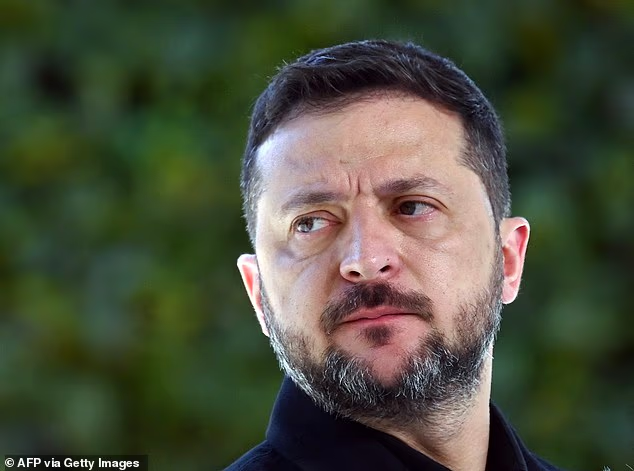
Volodymyr Zelensky’s chief of staff told Ukrainian media the country was readying itself for the prospect of new talks involving Russia and the USA aimed at ending the war

Vladimir Putin's spokesperson, however, has ruled out the possibility of the Russian leader meeting with Zelensky at the G20 summit later this year

Vladimir Putin’s spokesperson, however, has ruled out the possibility of the Russian leader meeting with Zelensky at the G20 summit later this year

In June, the Ukrainian President said he proposed meeting Mr Putin in the United States during a call with Trump, and was waiting to see what came of it.

Advertisement

He also previously said Mr Putin ignored an invitation to meet him at a G7 summit in France the same month.

The rejection comes as Washington has sought to kick-start long-stalled talks on the conflict, with US negotiators visiting Kyiv and Moscow, and President Donald Trump holding talks on the phone with Mr Putin earlier this week.

On Friday, Trump’s special envoy and son-in-law Jared Kushner told a security forum in Kyiv via videolink he hoped to announce the ‘next steps’ of talks to end the war within ‘a couple of weeks’.

Mr Kushner and Steve Witkoff visited the Ukrainian capital as well as Moscow last weekend.

Advertisement

The United States holds this year’s presidency of the Group of 20 major economies, which comprises 19 countries plus the European Union and the African Union.

Earlier this week, Zelensky told German broadcaster Deutsche Welle he would be willing to meet Mr Putin at the G20 summit if both leaders were invited.

He said: ‘We have to come. We have to meet, to speak, and make decisions. It’s not about words. What I will tell him or what he wants to tell me, it doesn’t matter.’

Washington has sought to kick-start long-stalled talks on the Russo-Ukraine conflict, with President Donald Trump holding talks on the phone with Mr Putin earlier this week

Washington has sought to kick-start long-stalled talks on the Russo-Ukraine conflict, with President Donald Trump holding talks on the phone with Mr Putin earlier this week 

Advertisement
Donald Trump's son-in-law Jared Kushner (left) and US envoy Steve Witkoff (second from left) recently met with Putin at the Kremlin

Donald Trump’s son-in-law Jared Kushner (left) and US envoy Steve Witkoff (second from left) recently met with Putin at the Kremlin 

When asked about Ukraine’s position ahead of possible negotiations, he added: ‘Ukraine now is much more stronger than last year on the battlefield.

‘That’s why we think that we have now (a) good position for negotiations.’

Mr Zelensky also confirmed plans to meet President Trump in late September.

Advertisement

The Russo-Ukrainian war, which began in 2014, has claimed the lives of hundreds of thousands. This weekend alone, Russian strikes killed at least seven people and wounded almost 60 across Ukraine.

Ukrainian officials confirmed two people were killed in the southern Zaporizhzhia region and another two in the central Zhytomyr region.

Steelmaker ArcelorMittal said two others were also killed by a missile strike on its plant in the central city of Kryvyi Rih.

‘We emphasise our plant is a civilian facility in the mining and metallurgical industry, and we strongly condemn these insidious enemy attacks,’ the company said, reporting damage at its production facilities.

Advertisement

The two victims in the Zhytomyr region were killed when Russia struck a ‘grocery store’ in the city of Zvyagel, some 230 kilometres west of Kyiv, regional leader Vitaliy Bunechko said.

Russo-Ukrainian war, which began in 2014, has claimed the lives of hundreds of thousands (Pictured: A heavily damaged residential building in Kyvyi Rih, Ukraine, following a Russian strike)

Russo-Ukrainian war, which began in 2014, has claimed the lives of hundreds of thousands (Pictured: A heavily damaged residential building in Kyvyi Rih, Ukraine, following a Russian strike)

Residents of Kryvyi Rih and the Kyiv regions were injured in Russian air strikes last weekend. (Pictured: A shopping mall damaged following a Russian strike in Kryvyi Rih)

Residents of Kryvyi Rih and the Kyiv regions were injured in Russian air strikes last weekend. (Pictured: A shopping mall damaged following a Russian strike in Kryvyi Rih)

He added the two petrol stations were also hit in Korosten, in the same region further north towards the Belarus border, but there were no casualties.

Advertisement

Ukrainian Prime Minister Sergiy Koretsky also said Russia had increased strikes on petrol stations in recent days, both in Kyiv and on motorways, calling for strengthened security.

A Russian strike on an apartment building in Odesa wounded 37 people, where rescue teams were searching for two missing people, and another 11 were wounded in Chornomorsk, in the Odesa region.

Others were wounded in the Kryvyi Rih and the Kyiv regions.

Mr Zelensky has since called on allies to call out Russia’s intensifying campaign, with fears of what another winter of war will look like.

Advertisement

He said: ‘When the Russians so blatantly turn ordinary people into targets of their terrorist attacks, it is frustrating that the response from the world’s strongest powers does not match the level of Russia’s escalation.’

In light of the increasing attacks, Kyiv has upped its retaliatory strikes inside Russia, who Ukraine’s top spy chief recently predicted only has a maximum of two years left to fight. 

Lieutenant General Oleh Ivashchenko claimed a loss of troops, dwindling morale and a struggling economy may impact Russia’s ability to wage war by 2028.

Ukraine's top spy chief estimates Russia has a maximum of two years left to fight (Pictured: Vladimir Putin speaks to members of the media in New Delhi this weekend)

Ukraine’s top spy chief estimates Russia has a maximum of two years left to fight (Pictured: Vladimir Putin speaks to members of the media in New Delhi this weekend)

Advertisement

Western intelligence services suggest Mr Putin’s nation is losing 6,000 more soldiers than it can recruit every month. Figures produced by Ukraine, meanwhile, estimate that Russia has lost more than 1.5million troops – with as many as 450,000 deaths – since 2022.

Speaking at the Ukrainian military’s intelligence service headquarters in Kyiv, Mr Ivashchenko told The Times: ‘Russia has military and economic resources for the next year, but we estimate it will end in 2028.

‘Russia recruits roughly 1,000 people every day, sometimes 1,200, but look at these casualty figures. Yesterday it was 1,410, the day before it was 1,511. Of those, around 60 per cent are killed in action.’

Another 18 months of fighting would likely result in a further 765,800 Russian casualties, with 459,480 dead and 306,320 wounded, further statistics suggest.

Advertisement

And such startling figures, according to Mr Ivashchenko, have resulted in a lack of enthusiasm for the war effort across the border in Moscow.

‘Morale is very low because nobody wants to fight,’ he added. ‘Also the morale of the Russian population is very low: most people do not really want war.’

Around 40 per cent of Russia’s oil-refining infrastructure has been disabled, according to the Kyiv Independent, leading to fuel shortages and a ban on exports of diesel and gasoline. 

Only this week, reports suggested an oil refinery in Rostov-on-Don as well as three Russian air defence assets were struck by Ukrainian forces in an overnight operation.

Advertisement

It came a matter of days after a fire was recorded at the Ryazan Oil Refinery – one of Russia’s largest oil-processing refineries.

On the intensifying retaliation, Mr Zelensky said: ‘The war must hit home. This is important.’

Yet Putin is continuing to increase the number of nuclear warheads in his arsenal – despite insisting Russia posed no threat to Nato allies in Europe.

Over the past year, Russia has increased its stock of nuclear warheads deployed on missiles and bombers by 78 to 1,796, marking a nine-year high, according to the Stockholm International Peace Research Institute.

Advertisement

Mr Putin has increased the number every year since the beginning of the war with Ukraine in 2022, but the US saw no rise and Britain and France did not deploy additional warheads, with 170 and 280 respectively.

Speaking at the BRICS summit in New Delhi, he said: ‘Now they [the West] are talking about how they are thinking about bringing troops to the territory of Ukraine. This means war with Russia.

‘There is no such threat, and there has never been. We are not threatening European countries, nor are we going to threaten them. Why would we?

‘No one seems to even consider that we have no grounds for any conflict with Europe.’

Advertisement

Source link

Continue Reading

NewsBeat

List of Ramsbottom road closures for Black Pudding Throwing

Published

on

List of Ramsbottom road closures for Black Pudding Throwing

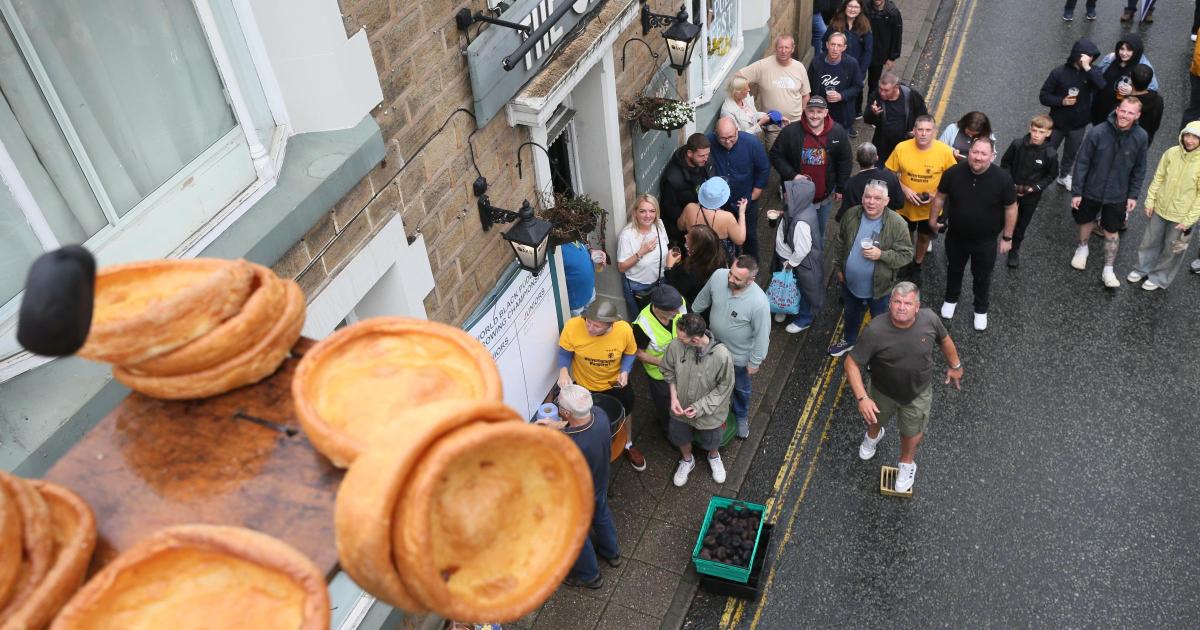
The world-famous competition returns to Bridge Street on Sunday, September 13, with competitors battling it out by throwing black puddings at Yorkshire puddings perched on a 20ft-high plinth.

To accommodate the event, five roads will be affected, with closures in place between 7am and 8pm.

The full list of affected roads is:

  • Bridge Street – between Crow Lane and Bolton Street.
  • Square Street – between Smithy Street and Bridge Street.
  • Silver Street – from Bridge Street for 30 metres southbound.
  • Crow Lane – on the east side, between Church Street and Athol Street.
  • Ramsbottom Lane – on the east side, from 118 metres north of Bridge Street to Factory Street.

World Black Pudding Throwing Championships 2024Whoever topples the most by the end of the day walks away with £100, a trophy, and the title of World Black Throwing Champion (Image: Phil Taylor)

Visitors heading into the town are being advised to plan ahead and allow extra time for their journeys because of the closures.

Advertisement

The 2026 championship will take place from 11am until 5pm, according to organisers.

The quirky competition dates back to 1984 and has become one of Ramsbottom’s best-known events.

World Black Pudding Throwing Championships 2024A junior competition will also be held for children aged four to 14, using a 10-foot plinth (Image: Phil Taylor)

There is a small entry fee for those wanting to take part, while this year’s event is raising money for Bury Hospice and Ramsbottom Pantry.

The road restrictions are due to remain in place until 8pm on Sunday.

Advertisement

To find out more visit: https://www.blackpuddingthrowing.com/

Source link

Advertisement
Continue Reading

NewsBeat

Man in hospital after motorbike crash on A64 in York

Published

on

Man in hospital after motorbike crash on A64 in York

Emergency services were called to the collision on the A64 at Grimston Bar at around midday on Saturday (September 12).

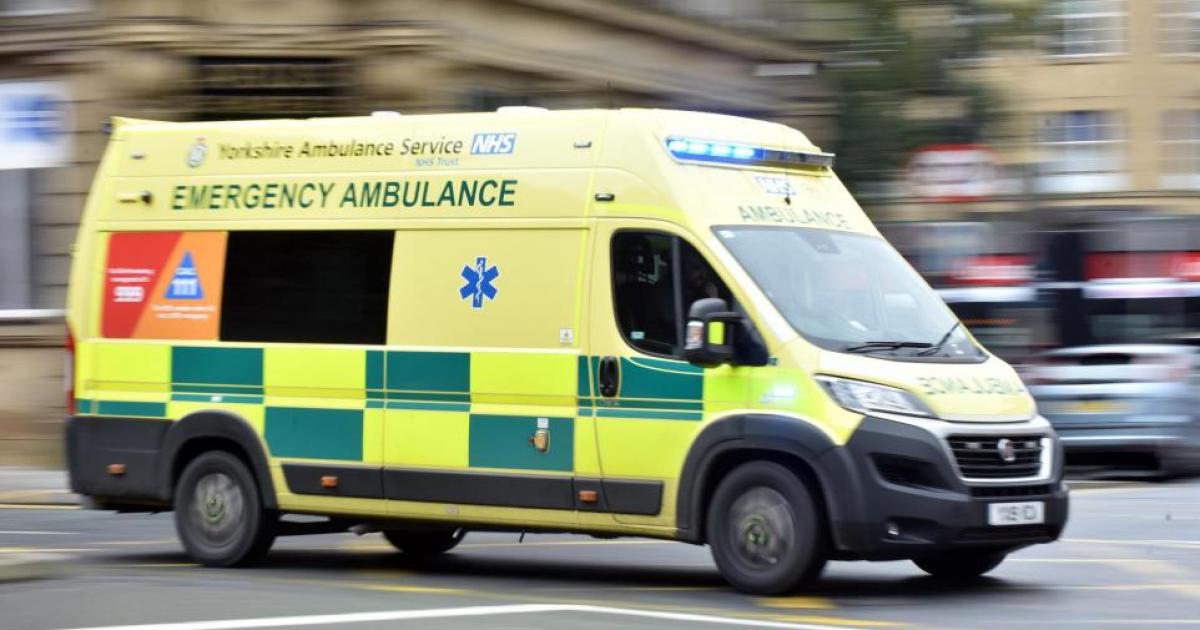
Yorkshire Ambulance Service said it received a report at 12.04pm that a man had “fallen from a motorbike”.

“We dispatched one ambulance to the scene and the patient was taken to Hull Royal Infirmary,” an ambulance service spokesperson said.

Advertisement

Drivers reported delays in the area after the crash, which came as traffic built on routes around the Hopgrove Roundabout following a road closure.

Malton Road, the A64 and the York Outer Ring Road, on all sides of the roundabout, are facing strain over the weekend due to the closure of the northbound lane of the nearby Monks Cross Link for works associated with the building of around 970 homes, as part of the Monks Cross Garden Village development.

It comes as thousands of football fans prepared to travel to the LNER Community Stadium, next to the disruption, where York City face Swindon Town at 3pm on Saturday.

Meanwhile, temporary traffic lights have been installed in nearby New Lane, off Malton Road, over the weekend as Yorkshire Water works to fix a burst main.

Advertisement

A Yorkshire Water spokesperson said its contractor, M Group, is “working as quickly as possible to repair a burst water main and return the highway to normal”.

But they said the work has been “exacerbated by an existing lane closure on Monks Drive, north of LNER Community Stadium, which is currently diverting traffic onto New Lane”.

The company spokesperson said anyone travelling by road to the York City and Swindon Town match should “allow extra travel time for delays”.

“The manned two-way lights will remain in place over the weekend to keep everyone safe,” they said.

Advertisement

“We appreciate that this will be disruptive and would like to thank everyone for their patience as we undertake this work as quickly and as safely as possible.”

Source link

Advertisement
Continue Reading

NewsBeat

Nigel Farage’s crypto friends include Ben Delo who made fortune in Hong Kong

Published

on

Daily Mirror

Ben Delo may have handed over a record-breaking £36million political donation, but the crypto billionaire is known for living far more modestly than his extraordinary fortune might suggest

You’d assume the man behind the single largest-ever political donation makes a habit of splashing his cash.

But apparently this couldn’t be less true of Ben Delo. The UK’s youngest self-made billionaire, 42, reportedly enjoys nothing more than using special-offer vouchers to pay for his McDonald’s meals. He once admitted to owning just three pairs of shoes – trainers, leather brogues and flip-flops.

He used to spend weekends dressing up as kids’ book character Where’s Wally. And he converted a large windowsill in his Hong Kong flat into a single-bed Airbnb, to cover some of the rent. Delo came from semi-humble beginnings. The eldest of four siblings, he was born in Sheffield around the time of the miners’ strike to mum Claire, a teacher, and dad Andrew, a civil engineer.

Advertisement

He was the class clown at school, which got him kicked out three times, and he was later diagnosed with Asperger syndrome.

He recalled in a 2016 interview: “The head teacher, when he kicked me out, said he had aged two years in those three months. I was then out of school for the rest of that year.” The family later relocated to Thame, Oxfordshire, where Delo went to comprehensive Lord Williams’s School.

It was here that his dreams of earning big bucks began – he used his home economics classes to make pizzas to flog to pupils and teachers. And at 16, he wrote about wanting to be an “internet entrepreneur, millionaire [and] computer programmer” in an annual pupil review.

Advertisement

This new-found confidence ramped up when he got a place at Oxford to study maths and computer science. Fellow students recall he once turned up to a formal dinner wearing a wetsuit with his gown – the rules stipulated a gown and a “suit”. After short spells at the US Patent and Trademark Office and several hedge funds, he founded the crypto currency trading platform BitMEX in 2014.

Four years later, the Times named him the UK’s youngest self-made billionaire. Things looked bad in when in 2022 he was convicted in the US for failing to implement adequate anti-money laundering controls in BitMEX… but luckily, President Trump pardoned him in 2025.

Once a Tory Party donor, billionaire Christopher Harborne has already given millions to Reform UK over the years. The crypto tycoon is estimated to be the sixth-richest UK billionaire, with a personal fortune of around £18.2bn.

Advertisement

Over the past seven years, Harborne had given more than £22million to Reform, accounting for two-thirds of all funding received by Nigel Farage’s party. Before he matched Ben Delo’s £36million donation, Harborne’s £9million had been the largest single amount ever given by a living donor.

According to his lawyers, Harborne is an “intensely private person” and has given no public explanation of his reasons for donating. Crypto currency has turbocharged Harborne’s wealth. He is one of half a dozen owners of crypto firm Tether, which is often branded the most profitable company per employee in history.

Harborne grew up in Mosborough, a village near Sheffield. Mark Vellacott, a close friend of his late sister Katharine, once said that he was similar in character to his mother Joan, a Yorkshire woman who was from a well-off background.

Aerospace businessman Vellacott said of Harborne: “Chris does not like anything that’s going to control him.”

Advertisement

After private school in Westminster, Harborne followed his father Edgar to Cambridge, where he studied engineering and rowed for his college. Moving to Thailand in 1996, Harborne joined a market research firm owned by a member of the powerful Bulakul family. Later, he made his first political donation – some £10,000 to the Tories.

Harborne’s lawyers have said in court filings that he has given money to various groups, including victims of the 2004 tsunami and remote Thai tribes.

Source link

Advertisement
Continue Reading

NewsBeat

Duke’s rendezvous with socialite divorcee sparks rumours they have rekindled romance seven years after affair that scandalised high society and forced her into exile

Published

on

John Seymour, the 19th Duke of Somerset, pictured with his wife Judith-Rose Seymour, the Duchess of Somerset

Advertisement

It was the romantic liaison between an aristocrat and glamorous socialite that scandalised high society. 

John Seymour, the 19th Duke of Somerset, was revealed by The Mail on Sunday in 2019 to have enjoyed a three-year affair with Eliza Dugdale, despite being married to Judith-Rose for more than 40 years. 

Divorcee Ms Dugdale had been forced to leave her farmhouse near the Duke’s estate in Wiltshire and move to Spain after knowledge of the affair became public. 

Now the MoS can reveal that after seven years living abroad, Ms Dugdale, 67, has returned to the UK. The Duke, 73, helped her move into a secluded property around 20 miles from Bradley Park Estate, his family’s 300-year-old seat. 

Advertisement

The Duke is understood to be paying the rent for her detached four-bedroom house, which is around a mile from the nearest public road, and regularly visits her there. The pair also enjoyed a three-week holiday together earlier this year in Argentina and are said to attend lunches and dinners in Wiltshire as a couple.

‘It’s an open secret,’ one source close to the couple said. ‘Some locals, who didn’t know them well, assumed it had fizzled out but I think they’re genuinely in love.

John Seymour, the 19th Duke of Somerset, pictured with his wife Judith-Rose Seymour, the Duchess of Somerset

Advertisement
John Seymour (left) was revealed in 2019 to have been in a three-year romance with socialite divorcee Eliza Dugdale (right). The affair is said to have begun after the pair bonded over a pheasant shoot on an estate in Devon

John Seymour (left) was revealed in 2019 to have been in a three-year romance with socialite divorcee Eliza Dugdale (right). The affair is said to have begun after the pair bonded over a pheasant shoot on an estate in Devon

The Duke, who is a father-of-four, was a regular visitor to the lavish farmhouse where Ms Dugdale lived at Longleat (pictured) before she was forced to Spain when their affair became well-known in the area

The Duke, who is a father-of-four, was a regular visitor to the lavish farmhouse where Ms Dugdale lived at Longleat (pictured) before she was forced to Spain when their affair became well-known in the area

Pictured: Ms Dugdale was forced to move to Spain after the affair became public

Pictured: Ms Dugdale was forced to move to Spain after the affair became public

‘The Duke and Eliza have supper at Eliza’s house and he spends the night there. I know they’ve had various tradesmen in and out and the Duke’s neatly pressed trousers and clothes are everywhere.’

Advertisement

Meanwhile, the Duke and Duchess still share a home on their estate and together host some of polite society’s most prestigious events. As patrons of the so-called ‘London Season’, they attended the Queen Charlotte’s ball earlier this month. Founded more than 200 years ago, the event involves the ‘coming out’ of around 30 affluent young women into high society.

Ms Dugdale’s first husband was huntsman Robin Smith-Ryland, who is often considered an inspiration for Rupert Campbell-Black, the hero of Jilly Cooper’s ‘Rutshire’ novels.

The pair divorced in 1985 and she later married Richard Grosvenor Plunkett-Ernle-Erle-Drax, the former Tory MP.

In 2019, Ms Dugdale confirmed the relationship, saying: ‘I love John and he loves me – we have had some great times together. His wife knows everything because he has confessed to her.

Advertisement

‘He is a man of honour so I now realise that he will never leave his wife.’

Ms Dugdale last week denied that she is in a relationship with the Duke and that he pays her rent. The Duke did not respond to a request to comment. 

Advertisement

Source link

Continue Reading

Trending

Copyright © 2025