

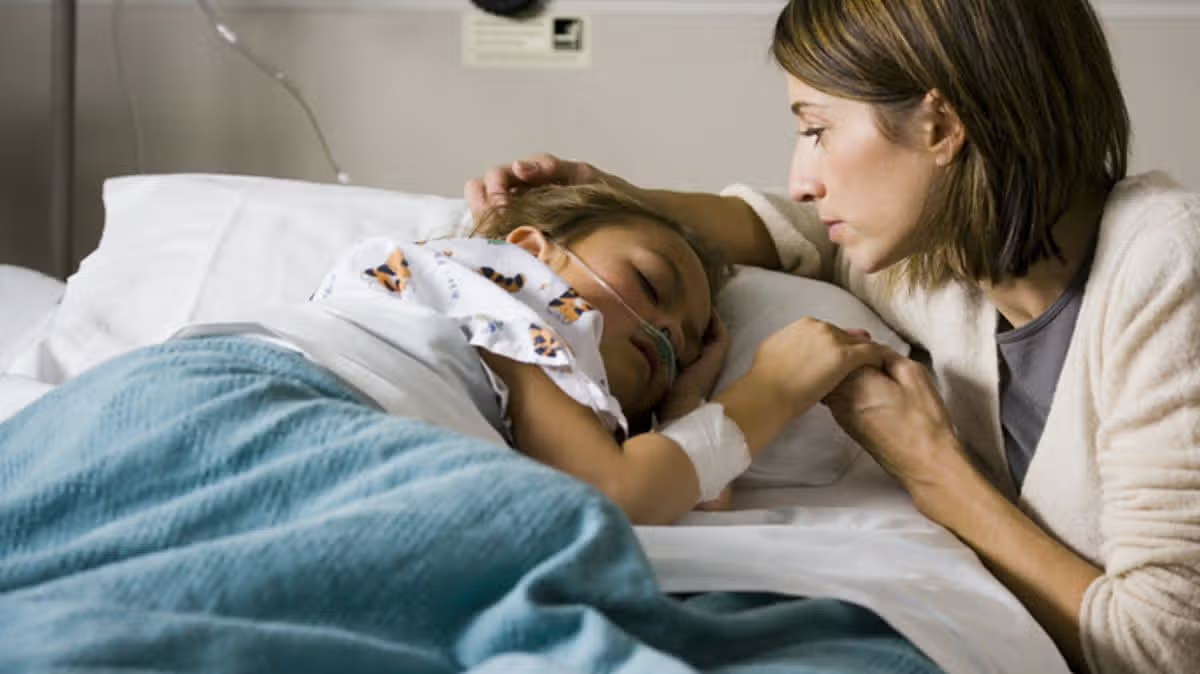
Children’s Commissioner Dame Rachel de Souza has urged the government to introduce 12 weeks of paid parental leave a year for mums and dads whose kids are seriously ill
Mums and dads of seriously ill children should be given 12 weeks of paid parental leave to be at their child’s bedside, the Children’s Commissioner has demanded.
Dame Rachel de Souza said parents should not be forced to choose between supporting their child or keeping their job. In a letter published today, she urged the government to bring in Hugh’s law – named in memory of six-year-old Hugh Menai-Davis, who died from cancer in 2021.
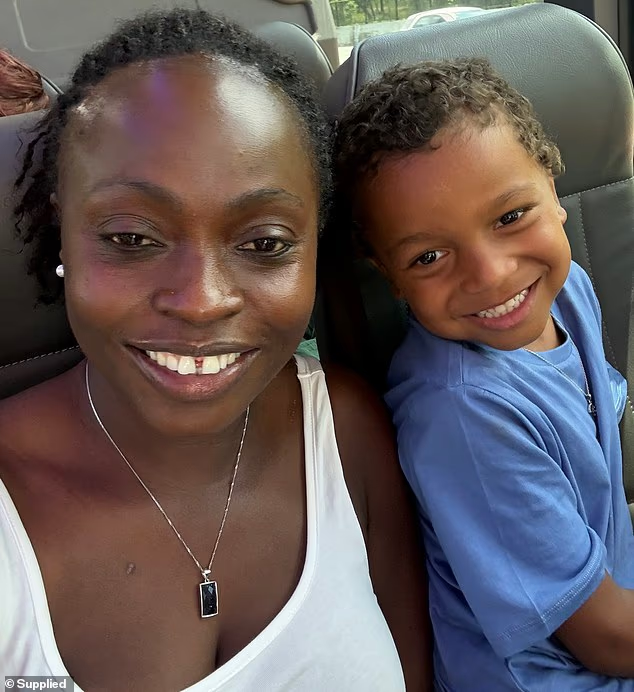
His parents Ceri and Frances campaigned for support for parents with seriously ill children. On Sunday, business minister Kate Dearden said she had been moved by families’ experience and said the government is looking to improve support and employment rights.
A government consultation on employment rights for unpaid carers will close on Tuesday. The Commissioner said Hugh’s Law should be in place alongside a form of paid carer’s leave and a right to return to work following a longer period away.
Ceri and Frances, who founded the It’s Never You charity after Hugh’s death and campaigned for the law change, said on their website: “In Britain today, there is no financial support for parents of seriously ill children. Parents are expected to carry the burden alone. This is not compassion. This is not care. This is failure.”
Bringing in Hugh’s Law would help families whose children have complex or fluctuating needs to remain in employment, Dame Rachel said. Recent analysis by the Commissioner’s office found over 260,000 children born after 2008 spent three weeks or more in hospital during their childhoods. Of these, 34,846 were treated for over three months in hospital, with 1,342 spending more than a year there.
Youngsters from more deprived areas and children from ethnic minority backgrounds were most likely to have long hospital stays, it found.
One mum, whose five-year-old child experienced a long hospital stay, told the Commissioner’s office: “I’ve had to quit my job, well, I haven’t just yet, I’m still technically I’m sick, but next month when my sick note runs out. I will be quitting my job, so I’m losing a lot of money, so it’s, yeah, it’s really hard. It’s really hard.”
Dame Rachel said she supported paid leave for 12 weeks at 90% of full pay for parents, as well as extending unpaid carer’s leave from five to 10 days a year.
But she warned the changes must go hand-in-hand with wider changes to support seriously-ill children. Dame Rachel said: “Paid leave is only part of the answer. My research showed too many seriously ill children are spending too long ‘stuck’ in hospital because the NHS and children’s social care cannot provide the nursing care, care workers, specialist support or suitable school places their children need. This can have devastating effects, not just on parents as the balance children’s care and work, but also on children’s lives.
“It is vital that government ensures improvements to employment rights are matched by better support from health and social care, so parents are not forced into poverty or out of work simply because their child is seriously ill.”
Dame Rachel said: “We should never force parents to choose between holding down a job and being by their child’s bedside. Our existing employment rights are failing parents and carers, as they struggle to balance caring responsibilities with caring for their seriously ill children. Families of seriously ill or disabled children desperately need a form of paid leave that enables them to care for and spend time with their child following a diagnosis or crisis in their child’s health.”
Minister for the Future of Work Ms Dearden said: “Serious childhood illness is a heartbreaking situation for families. I’d like to thank Ceri, Frances and all of those campaigning in the memory of their children.
“I’ve been incredibly moved by the powerful stories we have heard, and we will move quickly to consider how we can strengthen support and employment rights for families facing serious childhood illness.”


























































You must be logged in to post a comment Login