Connect with us
DAPA Banner

NewsBeat

promising, powerful but still unproven

Published

on

promising, powerful but still unproven

Artificial intelligence can now outperform doctors at diagnosing patients in the emergency department, according to a new study in Science.

The AI was given written notes from real emergency department records from a hospital in Boston, US, and asked to weigh in at different points during the patient’s care. At the earliest stage – triage, when a patient first arrives – the AI identified the correct diagnosis, or something closely related, in 67% of cases.

The two doctors used for comparison managed 50% and 55%. That’s a meaningful gap, especially at the moment when information is scarcest and uncertainty is highest.

This study matters because the field is moving so fast. Earlier research showed that large language models – the technology behind systems like ChatGPT – could pass medical licensing exams. Interesting, but not all that illuminating. Passing an exam is not the same as being useful on a ward.

Advertisement

This new study goes further. It puts AI alongside doctors across several tasks, using genuine clinical text from a real emergency department. That makes it more directly relevant to medical practice than most of what’s come before. It suggests these systems are developing into something that could genuinely help doctors think through a wide range of possible diagnoses, especially in situations where missing a serious condition is the main concern.

There are good reasons, though, not to get carried away.

The AI was working entirely from written text. It never saw the patient, never noticed how breathless or frightened they looked, never examined them, spoke to their family, weighed up the chaos of a busy department, or took any responsibility for what happened next. It was not practising emergency medicine. It was offering a written opinion based on selected information.

There’s also a gap between producing a list of possible diagnoses and actually improving patient outcomes. A longer list might help a doctor think more broadly, but it could equally generate new problems: unnecessary tests, over-treatment, extra workload, or unwarranted confidence in an answer that sounds plausible but turns out to be wrong.

Advertisement

And some of the benchmark cases used in studies like this may have been publicly available when the AI was trained, which doesn’t undermine the emergency department findings, but is another reason to treat headline numbers with some scepticism.

The hard question

So the question isn’t really whether AI can help doctors think through difficult cases. The harder question is how this should be tested and governed in real clinical settings like the NHS.

That question is already urgent. A Royal College of Physicians snapshot found that 16% of UK doctors were using AI tools in clinical practice every day, with another 15% doing so weekly. Doctors are already using these tools in their daily work – before hospitals and health systems have properly worked out how to assess them, train staff to use them safely, spot when they’re causing harm, or decide who is responsible when something goes wrong.

Around 16% of doctors in the UK use AI every day.
Josep Suria/Shutterstock.com

It’s tempting to say that the solution is to keep a human in the loop. But that phrase does very little work on its own. We need to know which human, in which loop, and with what authority. A doctor’s ability to override an AI suggestion is not, by itself, a safety system. Someone still has to decide which tools get used, who can change how they behave, how harms are spotted, and who is responsible when the tool quietly starts failing.

Advertisement

This study represents genuine progress. But it doesn’t, on its own, change how medicine should be practised. The right response is neither to prohibit these systems nor to let them quietly become part of the routine before anyone has thought it through. They should be trialled in real clinical settings, used as a form of second-opinion support rather than a substitute for clinical judgment, and measured against what actually matters to patients: care that is better, safer and faster.


Source link

Advertisement
Continue Reading
Click to comment

You must be logged in to post a comment Login

Leave a Reply

NewsBeat

Iran war has become a lesson in how power really works

Published

on

Iran war has become a lesson in how power really works

For months, the Iran war was framed through the language of military success. This was shaped in part by longstanding orientalist assumptions reflected in the rhetoric of leaders such as Donald Trump and Benjamin Netanyahu about the relative weakness and fragility of states such as Iran.

Encouraged by Israeli intelligence capabilities, precision strikes and overwhelming American military superiority, many policymakers appeared to assume Tehran would eventually collapse under pressure. Iran, in this view, was too isolated, internally divided and economically weakened to withstand sustained US-Israeli escalation. Some even suggested American troops would be welcomed by sections of a population frustrated with the regime.

But this hasn’t been the reality of the past two months. The Trump administration now appears to be groping for any settlement it can sell as a “win”. This may be hard if, as has been reported, the US military campaign ends without Iran being forced to make any meaningful concessions over its nuclear programme.

If that transpires, it will suggest that the German chancellor, Friedrich Merz, was right when he said that the US has been humiliated by Iran in a lesson about how power really works.

Advertisement

The problem was not simply military miscalculation. It was strategic incoherence rooted in assumption that Iran could not meaningfully endure prolonged confrontation. As the war progressed, the fantasy of decisive victory collapsed under the weight of economic, political and strategic reality.

No clear objective

At the same time, at least in public, America’s leadership appeared regularly to change its mind about what would represent a “win”. Was it destroying Iran’s nuclear and ballistic missile programmes, neutralising its armed forces, forcing regime change, or ending Tehran’s regional influence? Throughout the conflict, the objectives shifted constantly. That ambiguity was not a minor flaw in strategy. It was the strategy’s central weakness.

Modern wars require a clear objective and a realistic path to achieving it. Throughout this conflict, the US and Israel never convincingly defined either.

If the aim was regime change, there was never serious appetite for the kind of occupation and state reconstruction that had in Iraq and Afghanistan already proved disastrously costly.

Advertisement

If the aim was simply degrading Iran’s military capabilities, that was always going to be a temporary fix – Iran has spent decades building a system designed around resilience, decentralisation and survival under pressure.

And if the aim was to end Iran’s role as a regional power, that has clearly failed. Iran remains intact. Its institutions survived and were able to install a new generation of leadership. And, as we’ve seen over Tehran’s ability to control the Strait of Hormuz, Iran’s strategic relevance survived.

This was never going to be a conventional war about controlling territory. It was a clash between two very different understandings of victory. The US and Israel wanted a decisive and demonstrable victory. Iran wanted to endure. That distinction changed the entire war and handed the strategic advantage to Tehran.

Iran understood something many policymakers in Washington continue to underestimate: weaker states do not necessarily need to defeat stronger powers militarily in order to succeed. They simply need to avoid collapse while imposing sufficient economic, political and strategic costs that the stronger actor eventually recalculates.

Advertisement

This is not a new lesson. It runs through modern history, from Vietnam to Afghanistan. Superior military power does not automatically produce political victory. But more importantly, the conflict also revealed the increasing cost of escalation in an interconnected global economy.

Global battlefield

The war’s consequences spread across the global economy as oil prices surged, shipping routes faced disruption and already fragile supply chains came under renewed pressure. The closure of the Strait of Hormuz – through which roughly one-fifth of the world’s seaborne oil supply passes – was enough to trigger market anxiety. Iran does not need to fully close the strait to create economic shockwaves. In the modern global economy, uncertainty itself is a weapon.

Iran is well aware of the leverage that control of the Strait of Hormuz has brought it.
EPA/Abedin Taherkenareh

The longer the war continued, the harder it was to remain politically sustainable – not just regionally, but globally. That is why, despite aggressive rhetoric, neither side now appears eager to return to full-scale war.

There is a broader lesson here that western powers repeatedly struggle to absorb: military power can destroy infrastructure and impose suffering, but it cannot easily manufacture legitimacy, political order or strategic clarity. That is why “winning” modern wars has become increasingly elusive even for the most powerful states on earth. Wars without realistic theories of victory tend to end the same way: through exhaustion, recalculation and negotiation. That increasingly appears to be where this conflict is heading.

Advertisement

The limits of power

Perhaps the greatest irony of the Iran war is that all sides now appear to recognise what should have been obvious from the beginning: total victory was never truly achievable. The war became a demonstration – not of the absence of power, but of its limits.

That matters in an increasingly fragmented global order where wars are becoming less about decisive triumph and more about endurance. States shaped by sanctions and prolonged isolation often develop a capacity to absorb pressure beyond what outside powers anticipate. Iran’s resilience was not created during this war. It was built over decades.

Military superiority still matters enormously. But the ability to endure politically, economically and socially matter just as much. Iran is a state with a complex, resilient structure, and depth of legitimacy especially when it comes to conflicts with the US and Israel. Iran understood that from the beginning.

It has taken Iran’s opponents too long to grasp the same facts. But they have now been educated by experience.

Advertisement

Source link

Continue Reading

NewsBeat

West Lothian scheme to slow traffic through town backed despite nearly 200 objections

Published

on

Daily Record

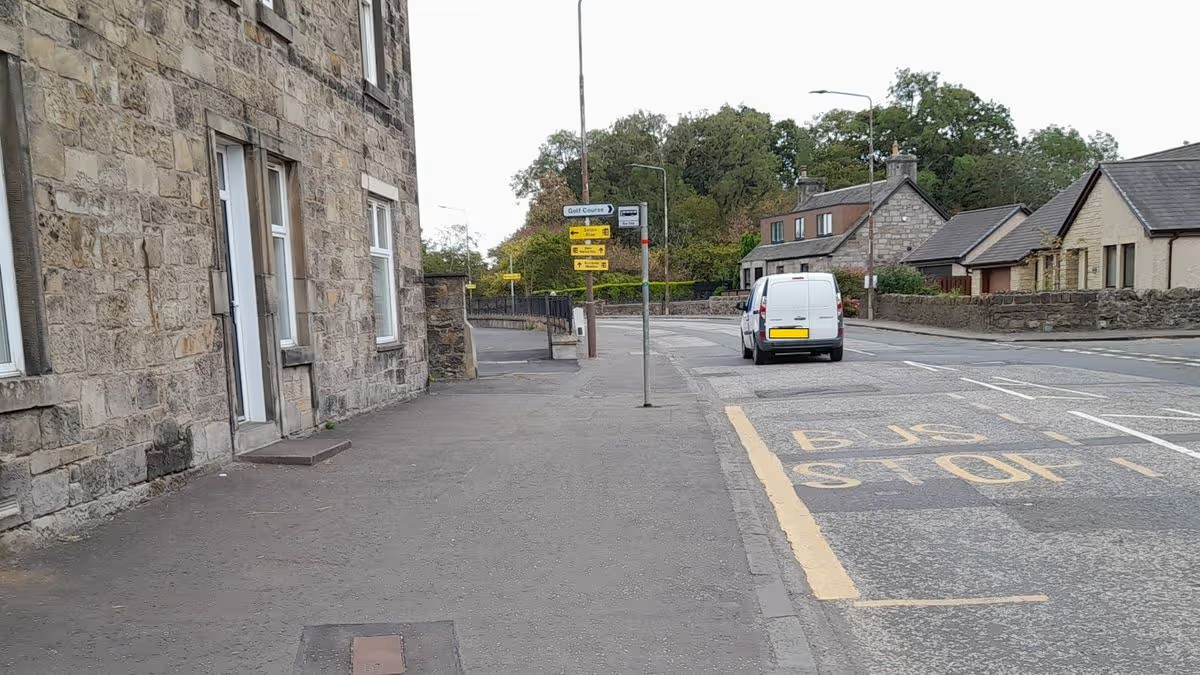
An initial request for ways to slow traffic through the village has been met with a comprehensive redraw of the centre including widened pavements, road realignment and regimented parking.

Controversial plans to change the centre of Winchburgh have been backed by West Lothian Council.

Advertisement

Almost 200 people objected to a scheme to slow traffic through the rapidly growing village.

And community groups have turned their backs on plans drawn up by the charity Sustrans, now known as Walk Wheel Cycle Trust (WWCT).

A major redraw of proposals resulted in only four of the 196 objections being withdrawn.

READ MORE: The Centre, Livingston host Meet the Stylist event alongside Style Squad

Advertisement

And despite calls by councillors for further refinements, and promises by the trust to engage more with local people, few in the village seem to want the package.

An initial request for ways to slow traffic through the village has been met with a comprehensive redraw of the centre including widened pavements, road realignment and regimented parking.

Debate at the Development Management Committee this week only produced tweaks including the removal of a planned bus shelter outside of one villager’s house and the promise to look at the relocation of another.

In papers to the DMC, planners explained: “The application site extends from the bridge over the Union Canal to the west of Bennet Wood Terrace, where a traffic calming pinch point is proposed at the access to Fernlea, Nirvana and Easter Cottage.”

Advertisement

Winchburgh Community Development Trust, in partnership with West Lothian Council and Winchburgh Developments Ltd, applied to WWCT for Scotland’s Street Design Programme in 2018. This project is intended to form part of a wider vision for the regeneration of Winchburgh as a whole.

READ MORE: West Lothian industrial estate hotel plans knocked back

Planning officer Gillian Cyphus told the meeting: “There remains a significant body of objections from the residents. Residents are concerned about the impact of work on businesses and on residential amenities.”

She added: “The key issues for determination are the impact on road and pedestrian safety and the impact on amenity.”

Advertisement

Mrs Cyphus told the meeting that controversial proposals for the bus shelters had been changed in planning conditions and plans for bench seats had also been removed as part of conditions because of concerns about householder privacy .

While plans have been formulated since 2023 revision was demanded earlier this year.

The Community Council appeared at the DMC meeting to say that it could not support the revised proposals.

READ MORE: West Lothian youths target wildlife in ‘terrible’ incident as injured duck euthanised

Advertisement

One Main Street resident Sylvia White told the meeting: “I am not opposed in principle but concerned whether the layout choices are correct and proportionate.”

Ms White said proposed changes in the siting of lights and crossings would mean “more stop-start traffic” along the street.

Lars Cook pointed out that 70 to 90 buses stopped outside his house each day. He and his family had to put up with foul language and people urinating against his home as well as general disruption from the existing bus stop. The building of a bus shelter would only exacerbate the disruption and invasion of his family’s privacy.

Jordan Wright who owns a pet supplies shop in the Main Street said that parking changes could take customers away from his shop and surrounding businesses.

Advertisement

Graham Campbell, the chair of Winchburgh Community Council said: “There are matters that are still up in the air for both businesses and residents. This was a community led project until a year ago when the cycle trust took on the community feedback and provided something that was really not what had been asked for.”

READ MORE: Livingston charity secures funding boost from Scotmid

In its defence the engineering firm ARUP which had provided detailed design for the WWCT said: “The proposal creates a more accessible Main Street which prioritises people with additional access needs, including through the provision of additional parking bays (and disabled parking bays in particular) interlinked with improved footways for wheeling.”

Representatives from the charity and Arup said they were prepared to continue discussions with residents over issues raised and make changes where possible.

Advertisement

Details were debated over two hours before councillors reconvened to make a decision.

Councillor Willie Boyle said: “I am delighted at the dialogue this morning. I have to say in some ways I envy Winchburgh. What’s being proposed is positive.”

He pointed to the council’s own plans for decriminalised parking enforcement and 20mph zones coming into communities as part of national road policy changes. “These schemes in themselves are not enough, they can be ignored and can be difficult to enforce but engineering our streets to be safer I think is very positive.”

READ MORE: Supermarket giant calls on West Lothian shoppers to take on Supermarket Sweep

Advertisement

“I think this is the way forward. It has been unfortunate about the issues of communication but I think we have an opportunity to salvage this.”

He said a decision by the council would allow further conversations to take place.

Local ward councillor Tony Boyle said: “I think the best thing today would be take this plan back and get back into a discussion with the communities and come back in with a fully refined plan, But I know because of funding constraints that’s not going to happen. I would support this plan if conditions could be attached regarding the siting of the bus stops”.

Councillor Boyle suggested that the bus stop also be moved from outside Mr Cook’s house but planners suggested this would be difficult to condition as part of the proposals before the committee. It is something which can be considered by another committee.

Advertisement

The committee passed the proposals.

READ MORE: West Lothian town may soon have its own dental practice

Don’t miss the latest news from the West Lothian Courier. Sign up to our free newsletter

Source link

Advertisement
Continue Reading

NewsBeat

new undercover drama explores tense clash between state loyalty and criminal credibility

Published

on

new undercover drama explores tense clash between state loyalty and criminal credibility

Netflix’s latest drama Legends offers a compelling window into the criminology of undercover policing, covert surveillance and organised crime.

Inspired by a real UK customs investigation, the six-part drama follows ordinary British customs officers sent deep undercover to infiltrate drug trafficking gangs.

Written by Neil Forsyth (also creator of Brink’s-Mat robbery drama The Gold), Legends balances tension and realism with a measured, slow-burn pace that prioritises character over spectacle. Steve Coogan plays Don, a former undercover police officer tasked with recruiting customs officers to go undercover themselves to infiltrate drug gangs.

Much of its strength rests on the central performance of Tom Burke, whose portrayal of the lead undercover officer, Guy, anchors the series emotionally. Burke brings a quiet intensity to the role, capturing the unease, vulnerability, and moral ambiguity of someone living between identities.

Advertisement

The supporting cast also does an exceptional job, reinforcing the drama’s grounded and realistic tone, capturing the collective pressure, uncertainty and emotional toll of undercover work.

Becoming a legend

Unlike elite operatives, these are everyday officials thrust into extraordinary criminal worlds, making the series not just gripping television, but a sharp exploration of how undercover work reshapes identity, morality and survival.

The title itself is significant. In undercover policing, a “legend” is the carefully constructed false identity, complete with backstory, relationships, habits and a believable past. These identities must withstand intense scrutiny from criminals, meaning success depends on absolute credibility.

Advertisement

In Legends, officers must abandon their real selves and convincingly live as criminals to gain trust. This demands constant performance, producing intense psychological strain as loyalty to the state clashes with the need to belong within a criminal world.

In criminology, this reflects the concept of identity conflict. Undercover officers must operate simultaneously as agents of the law and participants in deviance. Howard Becker’s labelling theory is particularly relevant here: labels do not simply describe behaviour – they shape it.

To be effective, officers must adopt the identity of the “criminal,” often participating in minor illegality or forming close ties with offenders. As former undercover cop Don explains, “Your legend has to come from you, or it won’t work,” emphasising that a convincing undercover identity cannot simply be performed, it must feel authentic and internally lived to be believable.

Psychological unravelling

The result is moral ambiguity, where the line between observation and complicity becomes increasingly unstable. As seen in Donnie Brasco (1997) and The Departed, (2006) prolonged immersion can erode the boundary between professional duty and personal identity, leading not to control, but fragmentation.

Advertisement

Legends appears to centre on this psychological unravelling. These are not distant professionals but ordinary individuals removed from everyday life, required to deceive family and colleagues while facing the constant threat of exposure. This is particularly evident with Guy, who appears increasingly weighed down by the demands of sustaining his legend.

Even in controlled situations, there is a sense of constant vigilance in his interactions – carefully measured responses, restrained body language, and an underlying tension that suggests the effort required to remain convincing. At the same time, brief glimpses of his life beyond the operation hint at growing emotional distance, reinforcing how the undercover role begins to dominate his identity.

Criminologists describe this as role contamination, where it stops being a performance and begins to reshape the real self. The deeper the infiltration, the harder it becomes to return.

The criminal world they enter is equally significant. The series focuses on drug gangs, which links directly to organised crime theory. Drug trafficking organisations are not chaotic groups of offenders, but structured systems with hierarchies, codes of loyalty and mechanisms of control. Trust is currency; betrayal is often fatal.

Advertisement

For undercover officers, success depends on understanding not just who controls the drugs, but who controls fear, respect and power. This aligns with criminal enterprise theory, which argues that organised crime emerges in response to market demand.

Drug trafficking persists because prohibition generates profitable black markets, and criminal groups operate much like businesses within them. In this sense, Legends is not simply about crime, but about parallel economies embedded within society – where criminals may wield more immediate authority than the state.

Legends raises pressing ethical questions about the way undercover policing is conducted.
Netflix

In many communities, organised crime groups provide forms of protection, employment and dispute resolution where trust in formal institutions is weak. Drug gangs can become alternative authorities. For undercover officers, this makes infiltration even more complex because they must navigate a world where legitimacy is not automatically attached to the police or the government.

Instead, loyalty may belong to the gang leader who provides security or income. As it goes on, Legends is likely to show how dangerous this balance becomes when officers must earn trust in a system built on suspicion.

Advertisement

Legends also raises pressing ethical questions. Undercover policing relies on deception, manipulation and at times emotional exploitation. Officers may form relationships with people who are unaware they are being investigated, blurring the boundaries of acceptable state power.

If the law depends on deception to enforce itself, where should the limits lie? As films like Sicario (2015) suggest, the pursuit of justice can itself become morally compromised. Legends will probably explore this moral uncertainty, showing that successful infiltration often comes at a personal and ethical cost.

Ultimately, Legends is far more than a crime drama about drug gangs. It is a study of how states confront organised crime by constructing false identities and sending ordinary people into extraordinary danger.

This makes Legends not only compelling television, but also a valuable exploration of policing, identity, organised crime, and the hidden moral costs of state power.

Advertisement

Source link

Continue Reading

NewsBeat

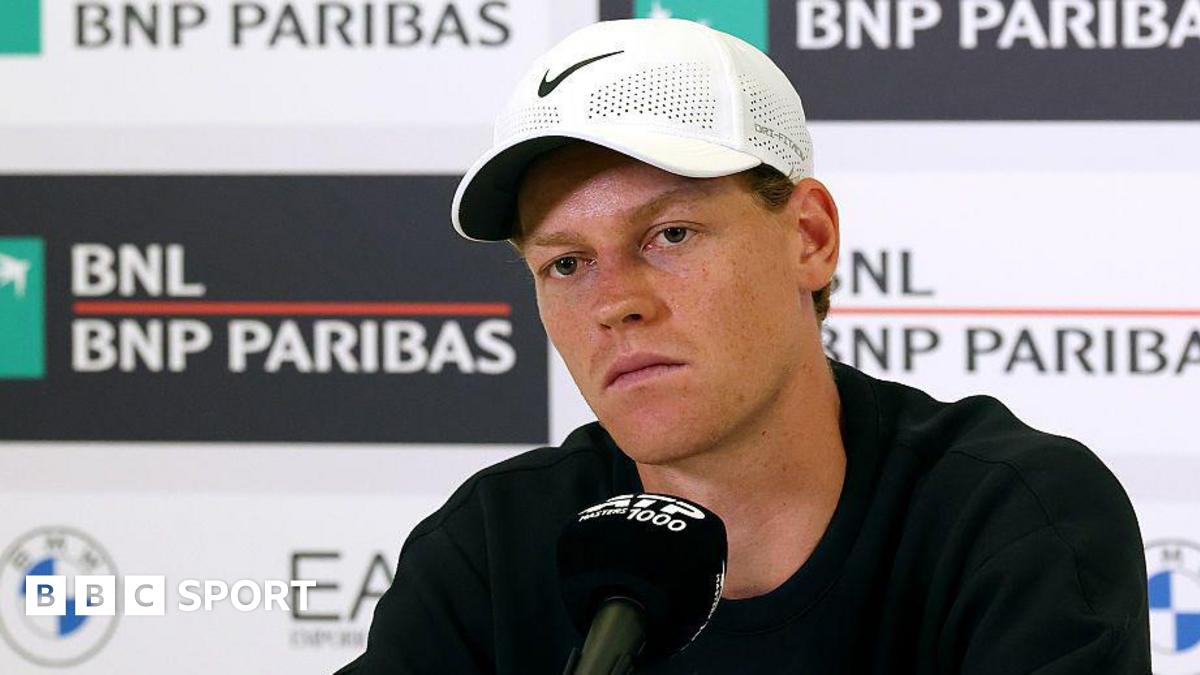
Jannik Sinner: ATP world no.1 says players not getting respect they deserve amid Grand Slam boycott calls

Published

on

World number one Jannik Sinner

Meetings have taken place between players and Grand Slam representatives. The players have made no progress in their request for benefit contributions, and rejected discussions about the formation of a Grand Slam player council.

Sinner expressed his disappointment at the 9.5% prize money offered by this month’s French Open – as players believe the total sum is still some way below the 22% of tournament revenue they feel entitled to.

The financial pot at last year’s US Open rose by 20%, with the figure for January’s Australian Open nearly 16% higher year on year.

“I think in the next couple of weeks we know also the prize money we’re going to have in Wimbledon,” Sinner said.

Advertisement

“We truly hope that it’s going to be better. Then, of course, US Open. So I do understand players talking about boycott because it’s somewhere we also need to start. It has been a very long time with this.”

Sinner stopped short of committing himself to boycotting one of the Slams.

“Of course, it’s tough to say. I cannot predict the future in a way,” he said.

“It’s the first time that I feel like the players are all in the same scenario and in the same point of view.

Advertisement

“I think it’s also right because without the players, they are not going to happen, any tournaments. In the same time we also know and we respect the tournaments because they make us bigger as athletes.

“Let’s see in the future.”

Source link

Advertisement
Continue Reading

NewsBeat

Man United worry as Marcus Rashford’s Barcelona career could be ended by England team-mate

Published

on

Manchester Evening News

Marcus Rashford faces an uncertain future as the Manchester United loanee’s stint at Barcelona nears it’s conclusion

Manchester United have been handed fresh concerns that a deal with Barcelona for Marcus Rashford may not be possible due to the La Liga club looking at alternative options. Rashford’s future remains increasingly uncertain as the end of his loan spell at the Camp Nou approaches.

United loaned Rashford to Barcelona after the England international expressed a desire to leave Old Trafford.

There has since been the expectation that Rashford would leave United on a permanent basis this summer, with Barcelona the likely destination. The Spanish giants hold the option of signing Rashford on a permanent deal for £26million, but there have been reports that Barca are yet to hold any talks about a long-term move for the United star.

Advertisement

Get MEN Premium now for just £1 HERE – or get involved in our United WhatsApp group by clicking HERE. You can also join our United Facebook page by clicking HERE and don’t miss out on our brilliant selection of newsletters HERE.

Now, a report from Spanish news outlet Mundo Deportivo has claimed that Barcelona are exploring the left wing market for potential alternatives to Rashford this summer.

READ MORE: Amad praises the unsung hero at Manchester United – ‘Don’t forget’ READ MORE: Man United hero Casemiro shuts down Jamie Carragher with ‘bitterness’ comment

One player mentioned as a possible target for Barcelona is Newcastle United star Anthony Gordon, who was recently in the England squad with Rashford and could be international teammates once again at this summer’s World Cup.

Advertisement

The report claims, though, that Newcastle’s asking price of €85million (£73.5million) could prove to be a problem for Barcelona in their hopes of signing the forward Everton star.

Rashford has enjoyed an impressive loan spell at Barcelona this season, scoring 13 goals and providing 14 assists across all competitions.

Barcelona are not the only club to be linked with signing the 28-year-old on a permanent deal this summer, with the likes of Arsenal, Tottenham Hotspur and Aston Villa all mentioned as potential destinations in the Premier League, while Bayern Munich have also seen their name mentioned on the rumour mill.

Sky Sports, HBO Max, Netflix and Disney+ with Ultimate TV package

Advertisement
This article contains affiliate links, we will receive a commission on any sales we generate from it. Learn more
Content Image

Sky has upgraded its Ultimate TV and Sky Sports bundle to now include HBO Max, Netflix, Disney+, discovery+ and Hayu, as well as 135 channels and full Sky coverage of the Premier League and EFL.

Sky broadcasts more than 1,400 live matches across the Premier League, EFL and more with at least 215 live from the top flight alongside Formula 1, darts and golf.

It remains to be seen what the future holds for Rashford, who will return to United this summer following the conclusion of his loan deal.

Earlier this year, Barcelona president Joan Laporta made it clear that he and the club want Rashford to remain at the Camp Nou on a long-term basis.

“We will try, in Barca’s interest, to ensure that Marcus Rashford can continue with us beyond this season,” Laporta said in March.

Advertisement

“Marcus is performing very well with assists and goals, we’re happy. We could extend the loan further. It depends on what Deco wants

“There are formulas, such as paying part of the buy option to Manchester United and figuring out the rest later.”

Source link

Advertisement
Continue Reading

NewsBeat

Could deadly hantavirus become the next global pandemic? | News World

Published

on

Could deadly hantavirus become the next global pandemic? | News World
The number of hantavirus cases are rising, so could it be the next pandemic? (Credits: REUTERS)

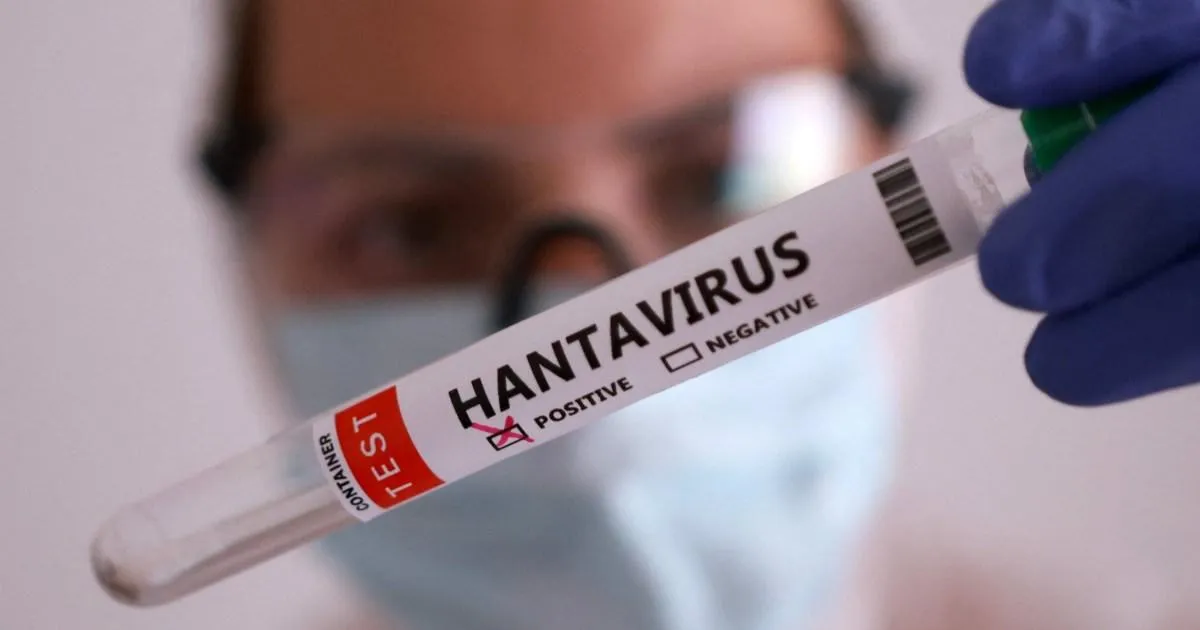
After a luxury cruise ship has been hit by an outbreak of the hantavirus, many are wondering whether this could be the next pandemic.

A total of eight cases have so far been reported; five of which have been confirmed while the other three remain suspected.

At least six people are in hospital, including three Brits, after possible contact with the virus. Three people have died, including a Dutch couple and a German citizen.

Authorities are also searching for seven British nationals who disembarked the hantavirus-hit cruise ship.

Advertisement
@metrouk

Authorities are urgently tracing passengers and crew from a flight between Saint Helena and Johannesburg after a woman on board later died of hantavirus. There were 82 passengers and six crew members on the April 25 flight, and concerns raised by the World Health Organisation about possible human-to-human transmission have increased the urgency of locating them. They said the overall threat still remains low, but concerns about potential transmission are growing. #virus #hantavirus #worldhealthorganization

♬ Scary Tense – Steve Ralph

Some 30 people left the ship at St Helena after the first victim died on MV Hondius, including a woman who also died a few days later in Johannesburg after contracting the virus.

Sign up for all of the latest stories

Start your day informed with Metro’s News Updates newsletter or get Breaking News alerts the moment it happens.

Advertisement

During a briefing earlier today, the World Health Organisation (WHO) said cases of hantavirus are expected to rise, so could it be the ‘next pandemic’?

What is hantavirus?

Hantaviruses are a family of rodent-bourne viruses, with each strain tied to a specific host species.

It’s spread when people come into contact with infected droppings, saliva, urine or nesting materials, but is extremely rare, and rarely passed from person to person.

Advertisement

If caught, hantavirus can lead to two main illnesses, one of which affects the lungs (Hantavirus Pulmonary Syndrome or HPS) and the other which affects the kidneys (Hemorrhagic fever with renal syndrome or HFRS).

A graph showing how hantavirus is spread.
Hantavirus is avirus transmitted by infected rodents causing severe respiratory and hemorrhagic diseases in humans. (Credits: Getty Images)

The incubation period for this illness is generally two to four weeks, according to the government, but can range from as little as two days to as long as eight weeks.

The Andes strain of hantavirus has been spreading across MV Hondius, and it’s been responsible for human-to-human transmission in the past in parts of South America.

What are the symptoms of hantavirus?

Early symptoms of hantavirus are similar to the flu, and include headaches, dizziness, chills as well as abdominal problems like diarrhoea, vomiting and nausea.

If it progresses into Hantavirus Pulmonary Syndrome, patients can experience headaches, dizziness, chills and abdominal problems like nausea, vomiting, and diarrhoea.

Advertisement

If you develop Hemorrhagic Fever with Renal Syndrome, initial symptoms will include intense headaches, back and abdominal pain, fever or chills, nausea, and blurred vision.

If the disease progresses, later symptoms include low blood pressure, acute shock (lack of blood flow), internal bleeding, and acute kidney failure, according to the CDC.

Hantavirus can be fatal, so it’s important to keep an eye on symptoms if you believe you’ve been exposed. There is currently no cure for the disease.

Advertisement

Should we be worried?

While the current outbreak and the rise in cases may be frightening, health officials do not expect the outbreak to be an epidemic.

During a briefing today, WHO Chief Dr Tedros Ghebreyesus said that the organisation is aware of reports of other people with symptoms who may have had contact with passengers from the MV Hondius cruise ship.

More cases may be reported, he said, but WHO stresses that it has assessed the public health risk ‘as low’.

Advertisement
Director-General of the World Health Organisation (WHO) Dr. Tedros Adhanom Ghebreyesus attends an ACANU briefing in Geneva, Switzerland, April 29, 2026. REUTERS/Denis Balibouse
WHO has stressed that the hantavirus outbreak is not similar to coronavirus (Credits: REUTERS)

Meanwhile, infectious disease epidemiologist Maria van Kerkhove stressed during the WHO briefing that the hantavirus outbreak is ‘not the start of a Covid pandemic’ as the virus doesn’t spread in the same way as coronavirus.

Confirming that while the number of cases are on the rise, she added ‘This is not Covid, this is not influenza, it spreads very differently.’

Dr Abdirahman Mahamud, director at the alert and response co-ordination department of the World Health Organisation’s Emergencies Health Programme, highlighted a similar outbreak in Argentina between 2018 and 2019, which led to a total of 34 cases.

Dr Mahamud added: ‘We don’t anticipate a large epidemic. With experience our member states have, and the actions they have taken, we believe that this will not lead to subsequent chain of transmission.’

Follow Metro across our social channels, on Facebook, Twitter and Instagram

Advertisement

Share your views in the comments below

Advertisement
Advertisement

Source link

Continue Reading

NewsBeat

Government issues statement on cancelled flights amid rising jet fuel prices

Published

on

Manchester Evening News

Passengers with holidays booked this summer have been issued guidance

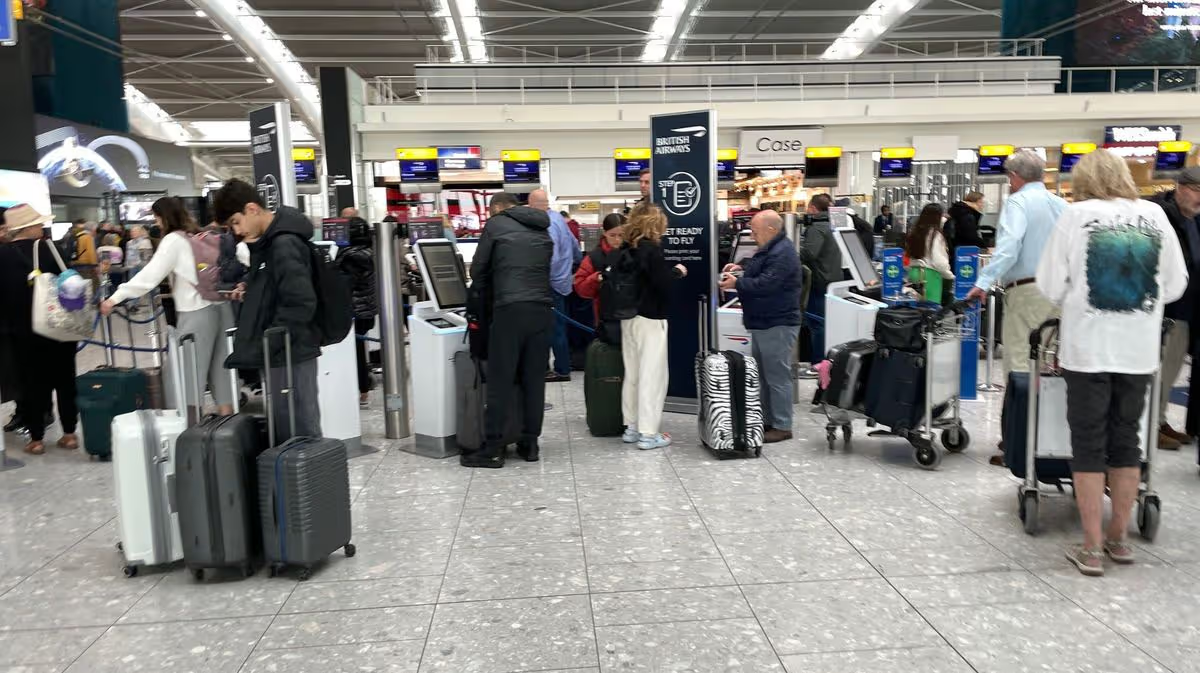
Brits with holidays booked this summer have been told not to change their travel plans. It comes as thousands of flights have been cancelled across the globe this month amid rising jet fuel prices.

Advertisement

According to data from aviation analytics firm Cirium, 13,000 flights across the world have been cut in May. Although it sounds like a significant number, it equates to only one per cent of global flights, the majority of which are operating outside of the UK.

Only 0.53per cent of the UK’s planned flights have been cancelled, which the UK government states is within the normal range. It highlights that in previous years typically around one per cent of all flights arriving or departing from the UK are cancelled.

Click here to get the biggest stories straight to your inbox in our Daily Newsletter

The Department for Transport; Department for Energy Security and Net Zero; and the Foreign, Commonwealth and Development Office have reassured holidaymakers that there is currently not a jet fuel crisis in the UK and that the Government is continuing to monitor the situation.

Advertisement

In a joint statement they said: “There is no current need for passengers to change their travel plans. UK airlines buy jet fuel in advance, and airports maintain stocks to support their resilience. The government is working closely with the aviation industry to monitor risks and minimise disruption to passengers.

“If your flight is cancelled, you have clear legal rights, including the right to a full refund or re-routing.” Those with holidays booked are urged to check with their airlines before they travel and to check the FCDO travel advice pages for the latest guidance.

Jet fuel prices have soared as a result of the Middle East war and the closure of the Strait of Hormuz. The Government said it has been closely monitoring jet fuel stocks and continues “to plan for a range of contingencies, while focusing on securing a long lasting and workable solution to get shipping flowing freely again through the Strait of Hormuz.”

Advertisement

Responding to the situation, Mark Tanzer, Chief Executive of ABTA – The Travel Association said: “We really don’t want people worrying about their holidays; planes are taking off daily and people are continuing to get away on their holidays. The Government and airlines are clear that there isn’t a problem with fuel supply.

“If you have a holiday booked in for the coming months – including the May half term – we expect it to go ahead as planned.Whilst there have been reports about cancellations globally, these amount to less than one percent of overall flights.”

For more of today’s top stories, click here.

Source link

Advertisement
Continue Reading

NewsBeat

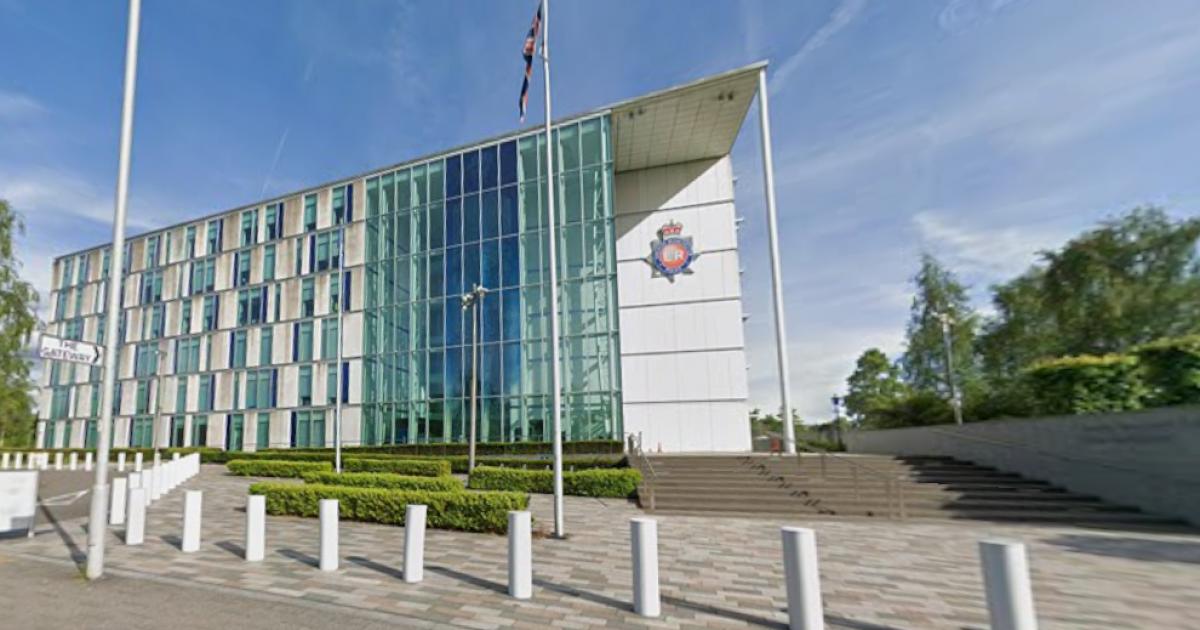
GMP statement after officer acquitted of causing mum’s death

Published

on

GMP statement after officer acquitted of causing mum's death

On Thursday (May 7), PC Mark Burrows was found not guilty by a jury following a trial at Chester Crown Court which lasted seven days.

PC Burrows had been accused of causing death by dangerous driving after fatally crashing with mum-of-three Heather Smedley in Oldham on December 23, 2022, as he pursued a stolen car.

Now, following his acquittal, GMP have issued a statement defending PC Burrows, saying he is not responsible for the death of Mrs Smedley.

Get the latest news delivered straight to your inbox by signing up to  The Oldham Times’ morning and evening newsletters as well as our breaking news alerts

Advertisement

Assistant Chief Constable Chris Sykes said: “Mark Burrows went to work that day like any other day: intent on serving the public and keeping them safe from those who seek to do harm. It is nothing short of tragic that an innocent woman died in the course of those duties.

“My thoughts are with Heather Smedley’s loved ones who continue to mourn her devastating loss. Only one man was responsible for Heather’s death that day and he’s already behind bars.

“The impact of this incident on PC Burrows is lifelong and has been compounded by a criminal investigation. It is important officers are held to account for their actions, but are not fearful of the consequences of putting themselves in harm’s way.

Heather Smedley died two days before Christmas Day (Image: GMP)

“Our highly trained pursuit drivers are some of the thousands of brave and skilled officers who routinely face dangerous and difficult situations to protect the public. They have my full support in continuing to use their specialist training to confront danger and keep you safe.”

Advertisement

In 2023, Marcel Doyle, who was driving the stolen car, was sentenced to 14 years and 11 months in prison for causing Mrs Smedley’s death due to dangerous driving.

PC Burrows was pursuing a stolen Audi A3 on Oldham Road, Heyside, travelling at speeds of up to 80mph.

Doyle overtook several vehicles close to the junction with Otmoor Way, with PC Burrows performing the same manoeuvre. However, at the same time, Mrs Smedley began turning into Otmoor Way.

While the car being driven by Doyle narrowly avoided crashing into Mrs Smedley, PC Burrows’s car fatally crashed into her.

Advertisement

During an emotional testimony, a tearful PC Burrows told the court he believed Mrs Smedley had seen his car and that she was yielding to let him overtake her.

He added that once he realised Mrs Smedley’s car was turning into his path, he immediately hit the brakes.

Source link

Advertisement
Continue Reading

NewsBeat

York to travel back in time with Eboracum Roman Festival

Published

on

York to travel back in time with Eboracum Roman Festival

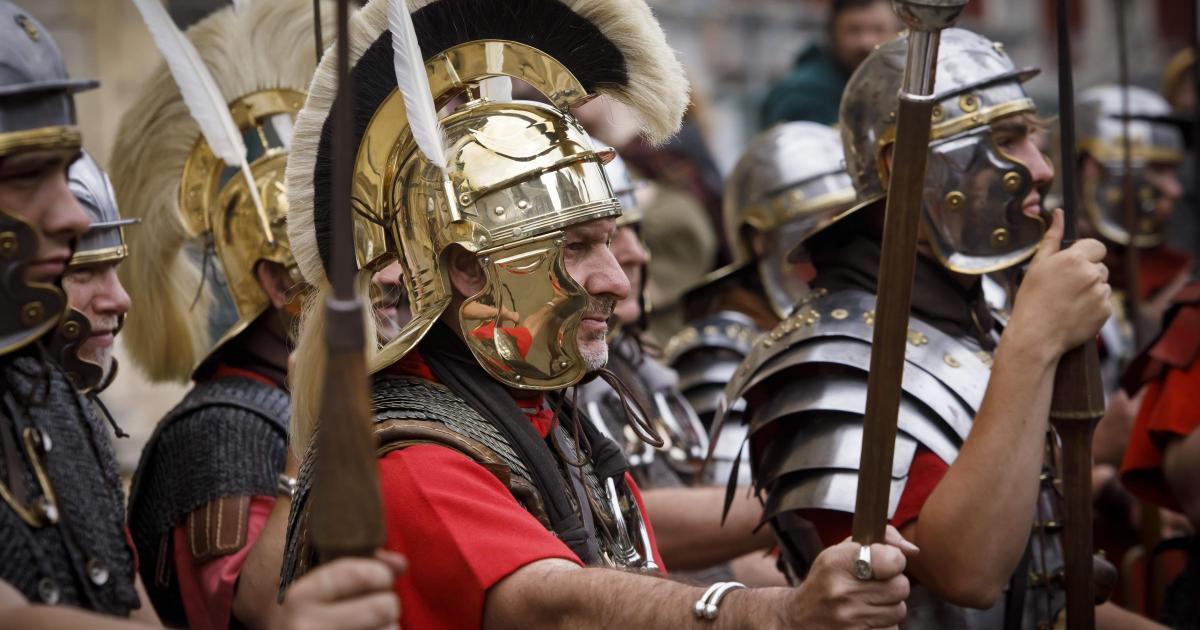
The Eboracum Roman Festival will take over the city from May 16 to May 31, offering visitors two weeks of immersive history, entertainment, and family fun across various landmark venues.

Organised by York Museums Trust in collaboration with partners including the York Archaeological Trust and York Minster, the festival promises hands-on activities, talks and trails for all ages.

Romans line up in York Museum Gardens (Image: Gareth Buddo)

Clare Alton-Fletcher, participation and learning manager at York Museums Trust, said: “York Museums Trust are delighted to be hosting the Eboracum Roman Festival again along with the ArchaeoYork group of York Minster, York Archaeological Trust, York Civic Trust and the University of York this year, as well as partnering with Uncomfortable York and City Screen for more Roman events.

“The festival always offers a fantastic experience for partners across the city to come together and showcase the best of York’s history to residents and visitors, and we can’t wait to share amazing activities happening across the city with you all.

Advertisement

“The Living History Weekend is going to be a fun-filled celebration; we are beyond excited to have Greg Jenner and Terry Deary with us this year.

“There’s something for everyone throughout the rest of half term too, with lots of Roman-related activities to enjoy at the Yorkshire Museum.”

Roman Soldier in York Museum Gardens (Image: Gareth Buddo)

The Living History Weekend will be held on May 23 and 24 in the York Museum Gardens, featuring a Roman encampment with demonstrations of traditional crafts including weaving, carpentry, pottery and blacksmithing.

Visitors can interact with costumed legionaries, learn about daily life in Roman times and try their hand at some of the crafts.

Advertisement

Military displays by the Ermine Street Guard will showcase Roman formations and weaponry, while an Edible Garden tour on May 23 will focus on plants and herbs used by the Romans for cooking, medicine and even poisons.

Roman camp in York Museum Gardens (Image: Gareth Buddo)

Children can take part in the ticketed Kids Barbaric Battle, dressing as legionaries and charging across the lawn.

Artillery demonstrations will also bring ancient warfare to life.

The festival also features talks by popular authors.

Advertisement

Historian and podcaster Greg Jenner will present a family-friendly talk titled Totally Chaotic History: Roman Britain Gets Rowdy on May 23 at the Yorkshire Museum.

Horrible Histories author Terry Deary will speak on May 24, delivering a talk for audiences aged 16 and over titled Revolting – A Riotous History of Rebellions and Revolutions.

Throughout the weekend, storytelling sessions will include readings by Kate Campbell, author of Vlad and the Roman Triumph, and Stories Alive with their version of The Labours of Hercules.

Visitors can meet authors Simon Turney, Simon Elliot, Paul Chrystal and Alex Gough in the Bibliothēca tent, where they will discuss, sign and sell their books.

Advertisement

York Archaeological Trust, the Roman Bath Museum and the Yorkshire Museum will be in the Archaeology Zone featuring mock excavation pits and hands-on artefact sessions.

Gareth Henry, director of public engagement at York Archaeology, said: “Working in partnership across the city is always such a pleasure.

“The Eboracum Roman Festival is a hit in the city and we’re so excited to be bringing an expanded new archaeology zone to the festival this year and support the Living History Camp in the Museum Gardens.”

Additional events will be held city-wide, including costumed interpreters at York Minster, Roman-themed walking tours, and a city treasure hunt supported by the University of York.

Advertisement

A free symposium exploring Egypt’s presence in Roman York will be held on May 20.

The Yorkshire Museum’s newly opened exhibition Chariots, Treasure and Power: Secrets of the Melsonby Hoard, which showcases the largest deposit of Iron Age objects ever found in Britain, will be highlighted during the festival.

Family activities inside the museum will be included with general admission, including workshops, games and encounters with a costumed Roman.

The festival concludes on May 31 with a screening of the film Gladiator at City Screen.

Advertisement

A schools programme will offer free online resources as well as a livestreamed Roman history session on May 21.

For full details, tickets, and booking information, visit the Yorkshire Museum website.

Source link

Advertisement
Continue Reading

NewsBeat

UFC Freedom 250: Why some White House event tickets could cost $1.5m

Published

on

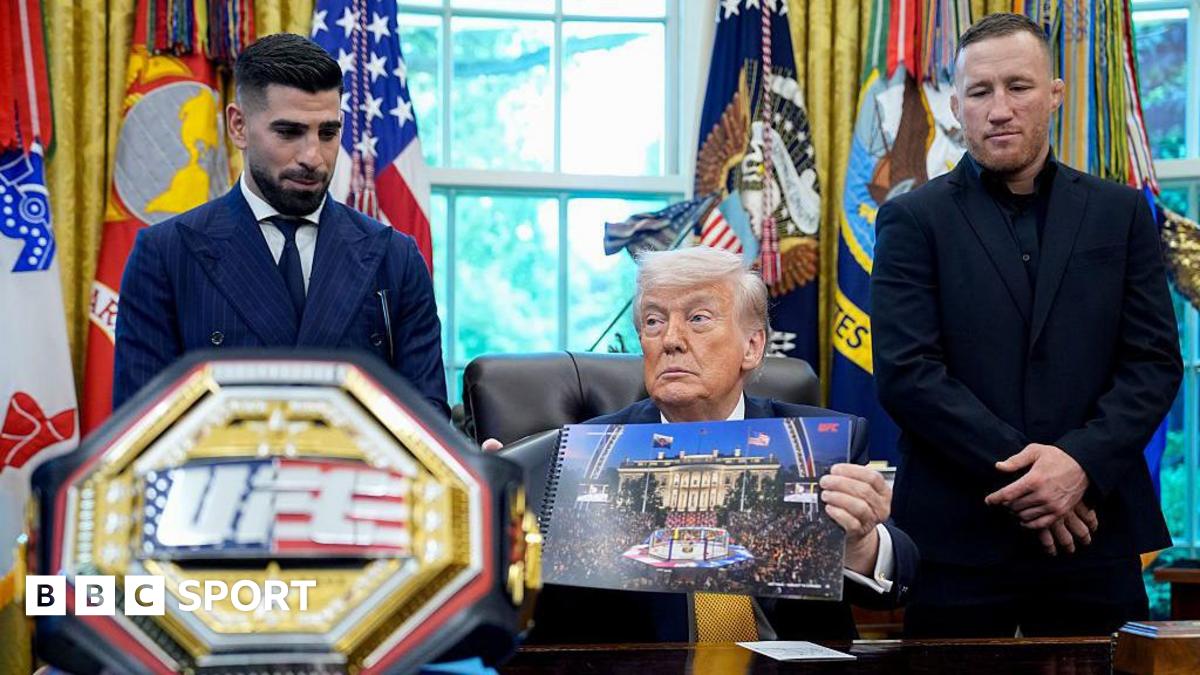
Ilia Topuria and Justin Gaethje alongside US President Donald Trump inside the Oval Office at the White House

Some tickets for the UFC’s one-of-a-kind event at the White House next month will cost around $1.5m (£1.1m), according to respected MMA journalist Ariel Helwani.

The promotion is set to host a show at the the home of the United States president on 14 June, called UFC Freedom 250, to mark 250 years of American independence.

UFC president Dana White said this week that 4,300 people will watch the event on the South Lawn, most of whom will be members of the military, while 85,000 tickets will be made available for free to members of the public to watch the event at the nearby Ellipse Park.

The remaining numbers will be made up by “high rollers” who will have to pay $1.5m to watch the show as part of a luxury package.

Advertisement

“Partner investment is what it’s being called,” said Helwani.

“This is the offer: UFC Freedom 250, a partner welcome reception, press conference reserved seating, ceremonial weigh-ins, general admission access, Zak Brown concert access, UFC 329 floor tickets, and WWE event integration ring signage.

“It’s a deck being sent out to a lot of influential people, high rollers.”

BBC Sport has asked the UFC for clarification around tickets for the event.

Advertisement

Source link

Continue Reading

Trending

Copyright © 2025