Connect with us
DAPA Banner
DAPA Coin
DAPA
COIN PAYMENT ASSET
PRIVACY · BLOCKDAG · HOMOMORPHIC ENCRYPTION · RUST
ElGamal Encrypted MINE DAPA
🚫 GENESIS SOLD OUT
DAPAPAY COMING

NewsBeat

Reason why M61 near Chorley was closed in both directions last night

Published

on

Reason why M61 near Chorley was closed in both directions last night

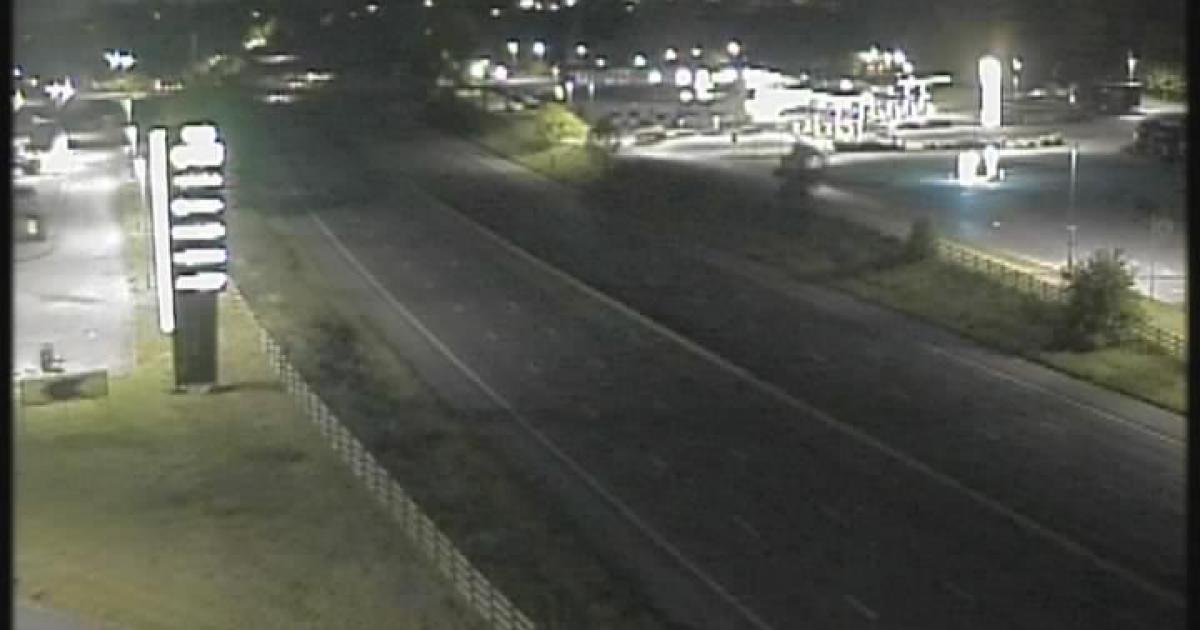
Emergency services shut off the M61 in both directions at junction eight near Millennium Way, Chorley.

The closure was implemented just after 10pm.

There were delays of up to 20 minutes in both directions, with congestion stretching back over a mile.

Advertisement

At the time, limited details were shared, with National Highways stating the closure was due to a police-led incident.

This morning, a spokesperson from Lancashire Police confirmed to The Bolton News that the incident was a “concern for welfare that was safely resolved”.

The spokesperson said: “We got the call at 8:56pm last night.

“The M61 was closed at Junction 8 for a short period.”

Advertisement

After around 40 minutes, the road was reopened in both directions, and National Highways thanked drivers for their patience.

Source link

Advertisement
Continue Reading
Click to comment

You must be logged in to post a comment Login

Leave a Reply

NewsBeat

Iran and US reach tentative deal to end war in Iran

Published

on

Iran and US reach tentative deal to end war in Iran

DUBAI, United Arab Emirates (AP) — The United States and Iran reached an initial agreement early Monday that would extend their shaky ceasefire and lead to the reopening of the Strait of Hormuz, but challenges immediately loomed, including Israel insisting it would hold onto land seized in Lebanon as it battles Hezbollah.

Details of the deal, which would potentially allow desperately needed oil and natural gas to reach the global market through the critical waterway, were not immediately released. Iran signaled implementation would not start until the signing, which key mediator Pakistan said would take place Friday in Switzerland.

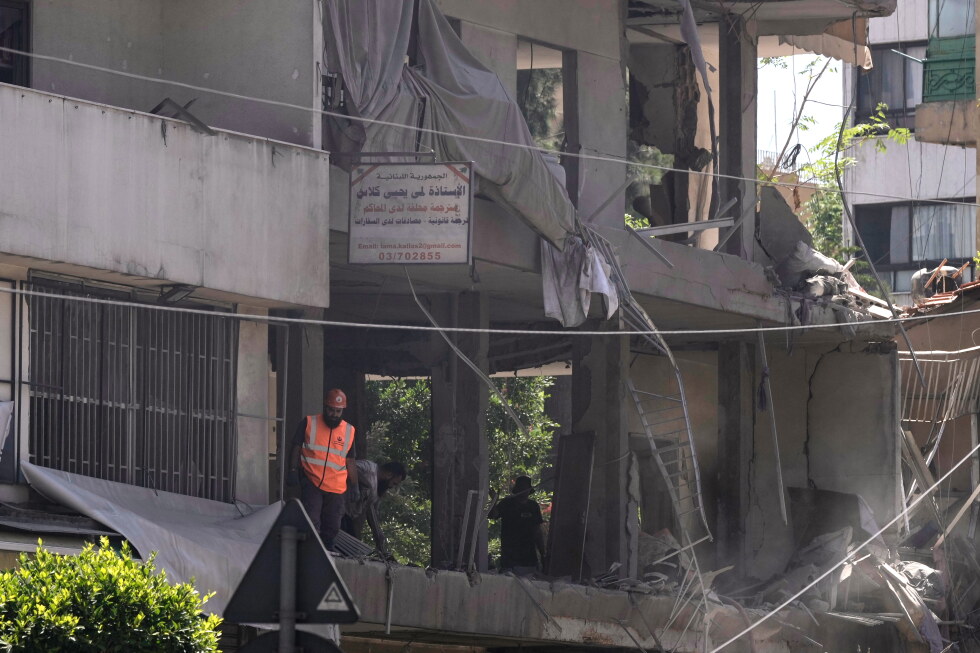
But the memorandum of understanding over the war already faced hurdles. Israel’s continued hostilities with the Iranian-backed militia Hezbollah in Lebanon, where Israel bombed Beirut’s southern suburbs Sunday, nearly derailed the negotiations. Israel joined the U.S. in launching the war on Feb. 28.

Israel says it won’t withdraw from Lebanon

In the first official Israeli comments after the announcement of the deal, Defense Minister Israel Katz said Israel won’t withdraw from land seized in Lebanon as the interim deal is pending. Katz said Israel plans to stay “indefinitely” in lands it holds in Lebanon, as well as Syria and the Gaza Strip. Iran has tied the interim deal over the war to halting Israel’s attacks on Hezbollah in Lebanon.

Advertisement

Katz also threatened that if Iran attacks Israel over Israeli strikes in Lebanon, Israel will strike Iran with “great force.”

Over the past 2 1/2 years, Israel has taken control of areas in Gaza, Lebanon and Syria amounting to 1,000 square kilometers (386 square miles) of territory — an area that is slightly smaller than New York City.

Meanwhile, the deal between the U.S. and Iran gives just 60 days to resolve what to do about Iran’s stockpile of highly enriched uranium and its atomic program. That took years to resolve in Tehran’s 2015 nuclear deal with world powers. U.S. President Donald Trump unilaterally withdrew America from that accord in his first term, setting the stage for the tensions that culminated in the war.

“Congratulations to all!” Trump wrote on social media as he celebrated his 80th birthday Sunday with a UFC cage match fight at the White House.

Advertisement

He added, “I hereby fully authorize the toll free opening of the Strait of Hormuz, and, simultaneously herewith, authorize the immediate removal of the United States Naval blockade,” which was imposed in retaliation for Iran’s grip on the crucial waterway.

He soon hedged, however, saying the strait wouldn’t open until Friday’s signing.

Advertisement

Iran’s deputy foreign minister, Kazem Gharibabadi, confirmed the agreement on state television but said Iran would not start implementing it until it was signed Friday. He said the deal followed talks with Qatar, another mediator.

World leaders applaud the agreement

Leaders from China to Europe welcomed the announcement. The closure of the Strait of Hormuz has roiled international markets and sent prices of fuel and other essential goods, including food, spiraling.

Chinese Foreign Ministry spokesperson Lin Jian said that China “hopes the U.S. and Iran will sign the initial memorandum of understanding as scheduled.” Beijing hopes that safe and free passage through the Strait of Hormuz will be restored as soon as possible, he added.

France’s Foreign Minister Jean-Noel Barrot welcomed the agreement “that should bring an end to hostilities on all fronts, including in Lebanon.” He said that “all parties to the conflict must respect this agreement.”

Advertisement

Barrot said “for far too long” the war in Iran has driven prices of fuel and fertilizer painfully high. With the ceasefire, he said dozens of nations like France and the United Kingdom could send ships to protect freedom of navigation in the Strait of Hormuz.

The European Union’s top diplomat pledged support for further negotiations over outstanding issues like Iran’s nuclear program.

“Fingers crossed that they will be also initialized on Friday, because everybody needs the Strait of Hormuz to be open and actually this war to stop,” Kaja Kallas, foreign policy chief of the 27-nation EU, said ahead of a gathering of foreign ministers in Luxembourg on Monday.

But some of the ministers, like Luxembourg’s Xavier Bettel, expressed skepticism. “It’s a long time till Friday,” he said.

Advertisement

U.K. Prime Minister Keir Starmer also welcomed the breakthrough and said it was vital that all parties in the region seize the opportunity to restore freedom of navigation in the Strait of Hormuz.

“We will now work closely with our partners to support this agreement and to ensure that it turns into a durable, lasting peace,’’ he said.

Pakistan, a key mediator, announced the deal

Pakistan first announced the deal, with Prime Minister Shehbaz Sharif saying “both sides have declared the immediate and permanent termination of military operations on all fronts, including in Lebanon.” He added that mediators this week will facilitate meetings to “lay the foundation for the technical talks.”

Broader negotiations on outstanding issues like Iran’s nuclear program would continue over the next 60 days, two senior Pakistani officials said earlier Sunday, speaking on condition of anonymity because they were not authorized to discuss the matter publicly. If the sides fail to reach a resolution within that time, the timeline could be extended.

Advertisement

Iranian state television cited the secretariat of the Supreme National Security Council as saying the war on all fronts “will end immediately and permanently beginning tonight” — and that the U.S. blockade “will be terminated immediately and in full.”

Qatari mediators later left Tehran following 17 hours of negotiations, said an official briefed on the developments who spoke on condition of anonymity due to sensitivity of the talks. Separate preparatory meetings with each side will take place in Doha this week, the official said.

It was not clear who from Iran would sign the deal on Friday. U.S. Vice President JD Vance told Fox News the White House was still figuring out who would attend: “I certainly plan to be there, but it’s possible the president himself could be there.”

But concern among Republicans in the U.S. already could be seen. They included U.S. Sen. Lindsey Graham of South Carolina, who described Vance as “the architect of the deal.”

Advertisement

“I am somewhat concerned that Iran’s view of the agreement seems different than what the American negotiating team is claiming,” Graham wrote online.

___

Becatoros reported from Athens, Greece. Associated Press writers Munir Ahmed in Islamabad, Pakistan, Sam McNeil and Sylvain Plazy in Brussels, Danica Kirka in London, Melanie Lidman in Tel Aviv, Israel, Simina Mistreanu in Taipei, Taiwan, Cathy Bussewitz in New York and Cara Anna in Lowville, New York, contributed to this report.

Advertisement

Source link

Continue Reading

NewsBeat

Starmer confirms social media ban for under-16s in the UK

Published

on

Starmer confirms social media ban for under-16s in the UK

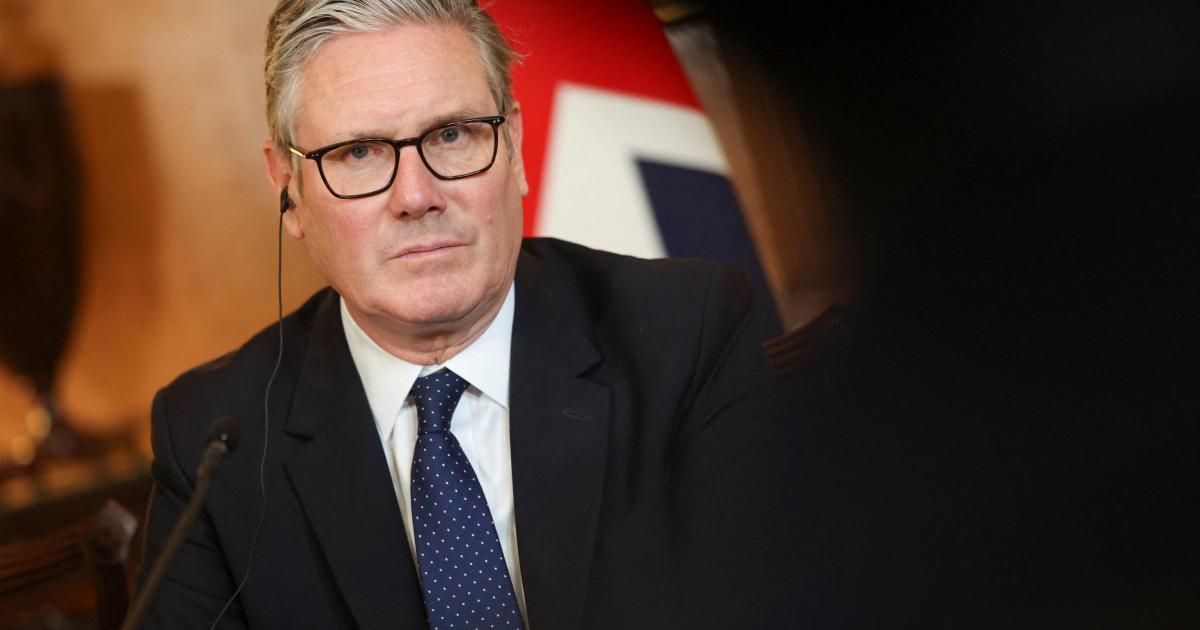
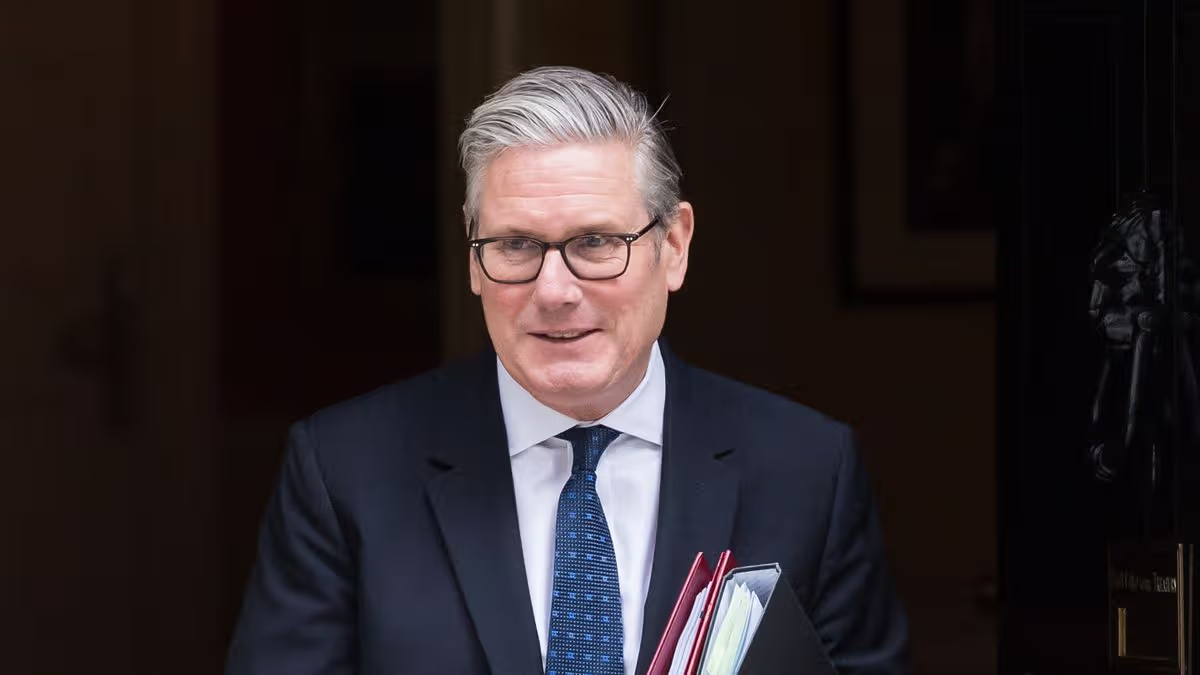
The Prime Minister announced the restriction in a Downing Street press conference as he warned social media was having an impact on children’s happiness and mental health.

Sir Keir said he would not compromise on the “safety and happiness of our children”.

He said he was confident the ban can be effective but acknowledged some children would find their way around it.

Advertisement

Making the announcement on Monday morning, the Prime Minister said: “This is not something I do lightly, and I will not present it as cost-free, as if social media has brought no benefits to young people, because clearly that is wrong.

“But government is always about choices, and it’s clear to me that a full ban is the right choice.

“I come to it as a parent myself. I know exactly the fears that we all feel when we’re thinking about this issue.

“All I’ve ever wanted for my own children, hand on heart, is for them to be happy and for them to be safe, and I think that’s what any parent wants, but I ask the question now, ‘do we truly believe that social media creates a happy environment for our children?’

Advertisement

“Do we truly believe that it’s a place where they can feel safe? I don’t think I even need to answer those questions, do I?

“Every parent can see it with their own eyes. Social media is making children unhappy.”

Starmer said social media was “making it easier for bullies to harass and abuse” children and “could even be harming their mental health – exposing them to content that is dangerous, because that’s what grabs the attention”.

He added: “It’s designed to be addictive, of course it is. Features like the infinite scroll, they’re designed to lock you in for hours, and if nothing else, there’s an opportunity cost to that.

Advertisement

“It stops children doing their homework, reading, playing with their friends outside, going to bed a decent hour.

“Now that may not sound like much, but these are the activities that help a child develop into an adult.

“We know how important they are. We just never thought that something would come along to threaten them.”

What apps will be banned in UK under-16s social media ban?

More details on the exact apps have yet to be confirmed, but it’s understood that social media platforms, TikTok, Instagram, Threads, Facebook, X, YouTube, Snapchat, and Reddit will be banned for under-16s.

Advertisement

The ban will also stop under-16s from accessing romantic or sexual AI chatbots.

The PM did confirm that there will be a limit on their ability to chat with strangers on gaming and live-streaming platforms.

The ban is expected to come into full force by Spring 2027.

Why is social media being banned for under-16s?

The ban comes in response to overwhelming support during a government consultation, which found that 91% of parents backed raising the minimum age for social media access to 16.

Advertisement

The consultation on the proposals closed on May 26 and drew about 116,000 responses, making it the second-largest in history.

More than 83% of parents who responded said the risks of social media outweigh the benefits for children.

Among younger respondents, 62% said restricting high-risk features would improve their safety online.

However, 72% expressed concerns about feeling left out if such restrictions were introduced.

Advertisement

Source link

Continue Reading

NewsBeat

Portsmouth Historic Dockyard reimagined through bold contemporary circus

Published

on

Portsmouth Historic Dockyard reimagined through bold contemporary circus

Produced by Crying Out Loud in partnership with Portsmouth Historic Quarter, Portsmouth Historic Dockyard will become the setting for an ambitious programme of contemporary circus this July as internationally recognised artists transform one of the UK’s most iconic maritime heritage destinations into an open-air, walk-through experience entitled Circus in Motion.

Source link

Continue Reading

NewsBeat

World Cup 2026: Political tension has ‘undermined’ Iran’s World Cup joy

Published

on

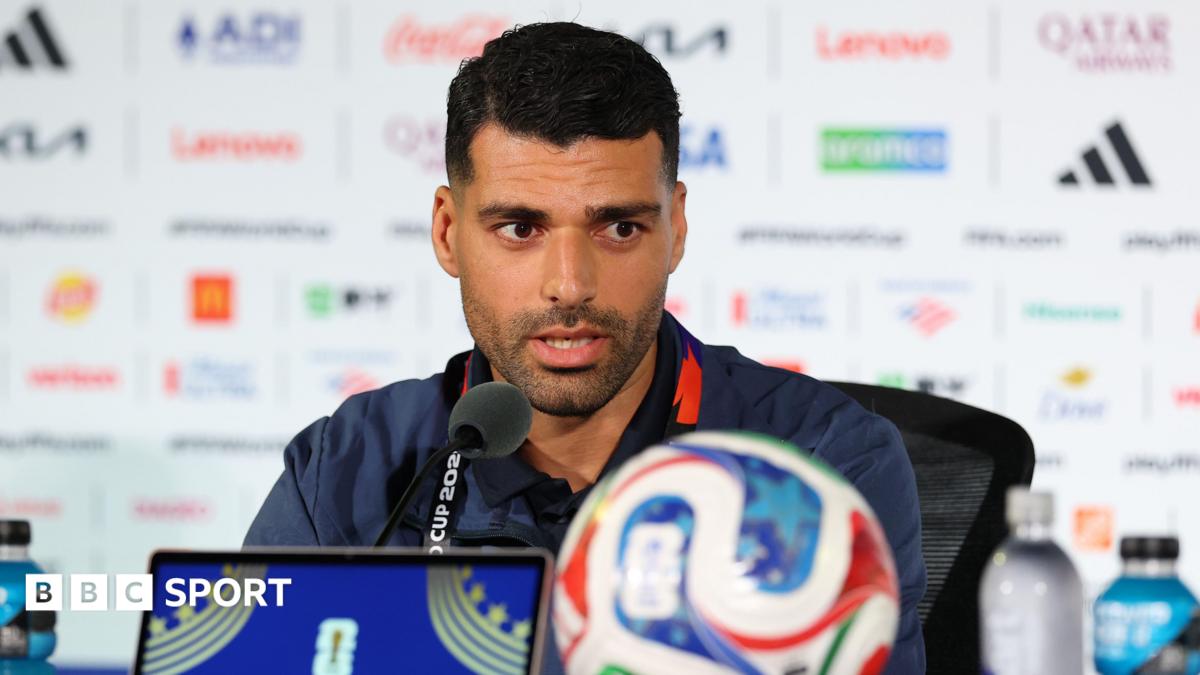
Mehdi Taremi speaks into a microphone while conducting a press conference

Los Angeles is often nicknamed “Tehrangeles” – a fact that drew smiles from both player and manager when it was mentioned at the news conference.

Many Iranian-Americans will be heading to SoFi Stadium on Monday where Iran will open their World Cup campaign against New Zealand.

Many will not be there to cheer, but to protest.

Fifa has banned the pre-revolutionary Lion and Sun flag – a powerful symbol for many Iranians living abroad.

Advertisement

The decision has angered parts of the diaspora.

“You don’t come to Los Angeles and tell us we can’t fly the Lion and Sun flag,” said activist Arezo Rashidian, who is helping organise demonstrations outside the stadium.

“This is the largest Iranian community outside Iran. Many of us came here after the revolution. We’re opposing Fifa’s ban and standing in solidarity with the people of Iran.”

Many members of the diaspora are hostile towards Iran’s regime, and some see the squad as an extension of the Islamic Republic.

Advertisement

“It’s unfortunate that the regime turns athletes into mouthpieces.” said Rashidian. “We want athletes to remain athletes.”

Despite that, she and many others still plan to attend the match.

“We understand the pressure they’re under,” she said. “We’ll carry our colours. We’ll cheer for Iran – the country – held captive by the Islamic Republic.”

But while protesters prepare to make their voices heard outside the stadium, Iran’s players say their focus remains on football.

Advertisement

“As players of the national team, we play for every single Iranian, whether in the diaspora or in Iran,” Taremi said.

“In every country people have different opinions. We are here to unite people and bring joy. Everyone is entitled to their opinion. We don’t get involved in politics.”

That may be the ideal.

But for Iran’s team, keeping politics outside the stadium could prove difficult in a tournament where football has often felt like a sideshow for this squad.

Advertisement

“There is no winning for Iran’s team,” investigative football journalist Samindra Kunti said.

“Given the circumstances, the political pressure, the location of the matches and the diaspora in Los Angeles, they’re under enormous pressure.”

“It’s impossible to avoid the politics.

“Everything becomes a reminder of their situation.”

Advertisement

The players face pressure from home, pressure from the host nation and pressure from a diaspora determined to make its voice heard.

All before a ball has been kicked.

Source link

Advertisement
Continue Reading

NewsBeat

Social media ban: Government issues update about curfew for 16 and 17 year olds

Published

on

Manchester Evening News

The government has confirmed if it will introduce a curfew as part of its social media ban

Keir Starmer announces social media ban for under 16s

The Government has confirmed that it will be looking in more detail at introducing overnight curfews as part of its social media ban that it introduced today, June 15.

Sir Keir Starmer announced this morning that under-16s will be banned from a range of social media in a “big moment for our country.” The Prime Minister said the Government is looking to “‘move at speed” to pass the legislation as he made the announcement today (June 15).

Advertisement

The Prime Minister announced the restriction in a Downing Street press conference as he warned social media was having an impact on children’s happiness and mental health.

Click here to get the biggest stories straight to your inbox in our Daily Newsletter

Sir Keir said he would not compromise on the “safety and happiness of our children” and that he was confident the ban can be effective but acknowledged some children would find their way around it.

Reports had indicated the announcement would include a night-time social media curfew for 16 and 17 year olds. But in an update after Sir Keir’s speech, the Government has confirmed it will be looking in more detail at overnight curfews and breaks in infinite scrolling for under-18-year-olds and ‘will set out more detail in July’.

Advertisement

Under 16s social media ban to come in next year

Announcing the ban for all children under the age of 16, the Prime Minister confirmed that the Government will seek to pass the legislation before Christmas this year, in the hope that the law will come into effect in early 2027, ‘probably around spring time’.

The government says it plans to use the same model for a social media ban as Australia, which would capture user-to-user platforms, whose purpose is to enable social interaction and which allow users to post material, alongside algorithms.

The ban will therefore include platforms like Snapchat, TikTok, YouTube, Instagram, Facebook and X. However, messaging services like WhatsApp and Signal will not be included in the social media ban.

So-called AI ‘romantic companion’ chatbots – designed to simulate sexual relationships or roleplay with users – will have to enforce a minimum age of 18. Similar intimate functionalities will be restricted for under-18s on AI chatbots more widely.

Advertisement

The Government also announced that it will take “world leading” action on gaming and live streaming platforms so strangers will not be able to contact children, Sir Keir Starmer said.

Speaking at the press conference, Sir Keir Starmer said: “This is not something I do lightly, and I will not present it as cost-free, as if social media has brought no benefits to young people, because clearly that is wrong.

“But government is always about choices, and it’s clear to me that a full ban is the right choice. I come to it as a parent myself. I know exactly the fears that we all feel when we’re thinking about this issue.

“All I’ve ever wanted for my own children, hand on heart, is for them to be happy and for them to be safe, and I think that’s what any parent wants, but I ask the question now, ‘do we truly believe that social media creates a happy environment for our children?’

“Do we truly believe that it’s a place where they can feel safe? I don’t think I even need to answer those questions, do I? Every parent can see it with their own eyes. Social media is making children unhappy.”

He added that social media was “making it easier for bullies to harass and abuse” children and “could even be harming their mental health – exposing them to content that is dangerous, because that’s what grabs the attention”.

Advertisement

He said: “It’s designed to be addictive, of course it is. Features like the infinite scroll, they’re designed to lock you in for hours, and if nothing else, there’s an opportunity cost to that.

“It stops children doing their homework, reading, playing with their friends outside, going to bed a decent hour. Now that may not sound like much, but these are the activities that help a child develop into an adult.

“We know how important they are. We just never thought that something would come along to threaten them.”

The announcement comes following a public consultation on the issue, which closed on May 26 and received about 116,000 responses, making it the second-largest in history.

Advertisement

Over 83% of parents who responded said social media risks outweigh the benefits for children – with 91% backing a minimum age of 16 before platforms can offer their services to children.

Almost two thirds (62%) of children who responded said restricting the high-risk features would make them safer online. But 72% also said they were worried about feeling left out if restrictions came in.Sir Keir last week issued a three-month ultimatum to Apple and Google to make it technologically impossible for children to take, share or view nude images on their smartphones.

The latest move risks prompting a backlash from Donald Trump’s pro-tech US administration, which warned against a blanket ban for under-16s.

In a response to the consultation, the US embassy in London said the country preferred “narrowly targeted requirements”, that “most content should be accessible by default”, and that age verification requirements could “impose disproportionate compliance burdens on American companies”.

Advertisement

Source link

Continue Reading

NewsBeat

Loganair to cut flights to 3 destinations from July 19

Published

on

Loganair to cut flights to 3 destinations from July 19

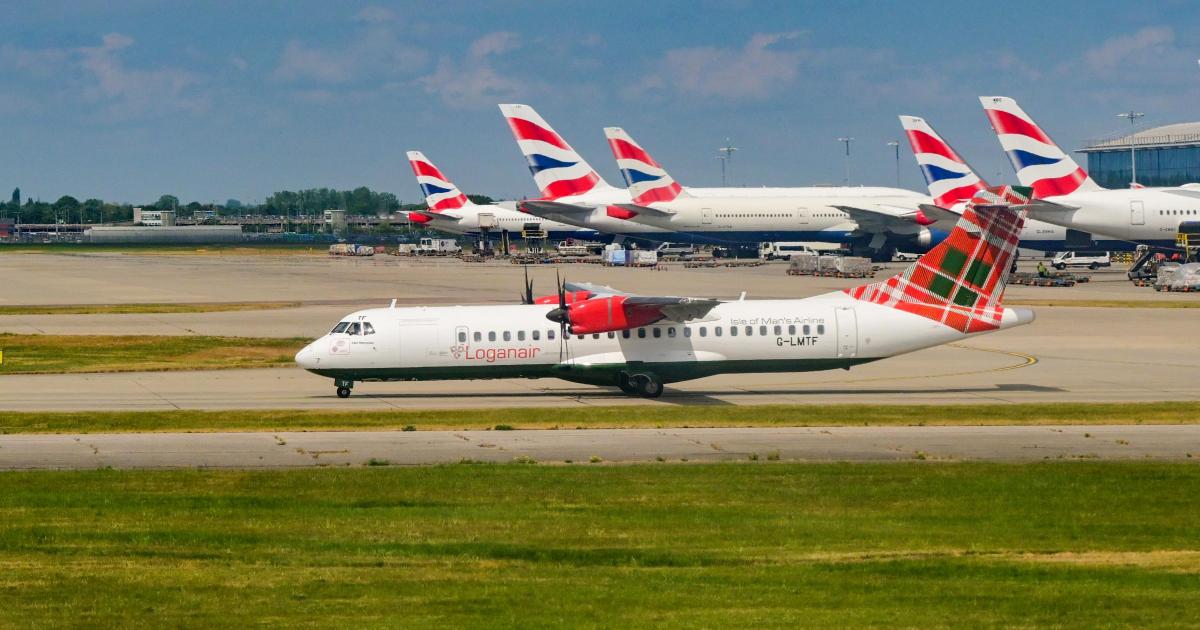
Loganair offers flights to and from destinations across the UK and France, including Paris, Jersey, Edinburgh, Glasgow, and London.

But the regional airline has revealed it can no longer maintain its current level of service “without impacting the wider business”.


Full list of flights being cut by Loganair

Loganair will reduce flights between Inverness and Stornoway, Orkney, and Shetland from July 19.

Advertisement

There are currently daily flights from Inverness to Orkney (Kirkwall) and Shetland (Sumburgh), and a regular service to Stornoway.

But flights between these destinations will only operate on Saturdays and Sundays from July.

Chief executive of Loganair, Luke Farajallah, speaking to the BBC, said: “We do not take these decisions lightly.”

He continued: “The recent increase in fuel prices, together with escalations in aircraft repair costs, airport fees and route charges, mean that Loganair, Hial and Transport Scotland must find a way to sustain lifeline routes where passenger numbers are limited.”

Advertisement

“These routes matter to us and to the communities they serve, but we must balance that commitment with the long-term sustainability of Loganair and the wider network those communities also rely on.”

Mr Farajallah said that if more funding were secured, then full services could resume in October.

A support package has been offered by Hial, owned by the Scottish government, but it warned that any assistance must be affordable.

British Airways and Ryanair among other major airlines to have cut flights

Several other airlines have been forced to cut flights, increase fares, or axe UK routes in 2026.

UK airline Skybus announced back in April that it had ceased all flights between Cornwall and London due to “the huge rise in the global cost of fuel” and “a significant drop in new passenger bookings”.

Aer Lingus has also cut around 500 flights from its schedule due to “mandatory maintenance”.

Rising costs have also seen Ryanair cut flights from 19 airports across the UK and Europe recently.

Advertisement

The budget airline has also been forced to close two of its bases abroad in Thessaloniki and Berlin.

British Airways, like most airlines, was forced to cancel or suspend all flights in and out of the Middle East in March due to the conflict between the US, Israel, and Iran.

BA had been set to resume its regular schedule to Dubai International Airport on July 1.

Advertisement

However, this has now been delayed, and all flights between the UK and Dubai have been cancelled until October 25.

All flights to Amman, Bahrain, and Tel Aviv have also been cancelled until October.


BA has also confirmed it is reducing its Doha schedule to one daily flight, set to resume from August 1, according to Time Out.

Advertisement

Wizz Air has warned it could be forced to cut routes from the UK due to rising air passenger duty (APD).

UK airlines that have fallen into administration/liquidation in 2026

Meanwhile, four UK airlines have fallen into administration or liquidation in 2026:

Four UK travel companies have also closed in 2026:

  • Regen Central Ltd
  • Gold Crest Holidays
  • Asiara UK Ltd
  • Simply Florida Travel Ltd

Luxury UK holiday company Salamander Voyages shut down back in April after entering administration.

Do the Loganair flight cuts impact your travel plans? Let us know in the poll above or in the comments below.

Advertisement

Source link

Continue Reading

NewsBeat

What apps will be banned in UK under-16s social media ban?

Published

on

What apps will be banned in UK under-16s social media ban?

Sir Keir confirmed the plans at a press conference at Downing Street on Monday, June 15, sharing: “The government will ban access to social media for all children under the age of 16.”

He said: “This is not something I do lightly, and I will not present it as cost-free, as if social media has brought no benefits to young people, because clearly that is wrong.

“But government is always about choices, and it’s clear to me that a full ban is the right choice.

“I come to it as a parent myself. I know exactly the fears that we all feel when we’re thinking about this issue.

Advertisement

“All I’ve ever wanted for my own children, hand on heart, is for them to be happy and for them to be safe, and I think that’s what any parent wants, but I ask the question now, ‘do we truly believe that social media creates a happy environment for our children?’

“Do we truly believe that it’s a place where they can feel safe? I don’t think I even need to answer those questions, do I?

“Every parent can see it with their own eyes. Social media is making children unhappy.”

What apps will be banned as part of the under-16 social media ban?

More details on the exact apps have yet to be confirmed, but it’s understood that social media platforms, TikTok, Instagram, Threads, Facebook, X, YouTube, Snapchat, and Reddit will be banned for under-16s.

Advertisement

The ban will also stop under-16s from accessing romantic or sexual AI chatbots.

The PM did confirm that there will be a limit on their ability to chat with strangers on gaming and live-streaming platforms.

The ban is expected to come into full force by Spring 2027.

Sir Keir said that the ban will give children “more freedom to grow up” and “more opportunity”.

Advertisement

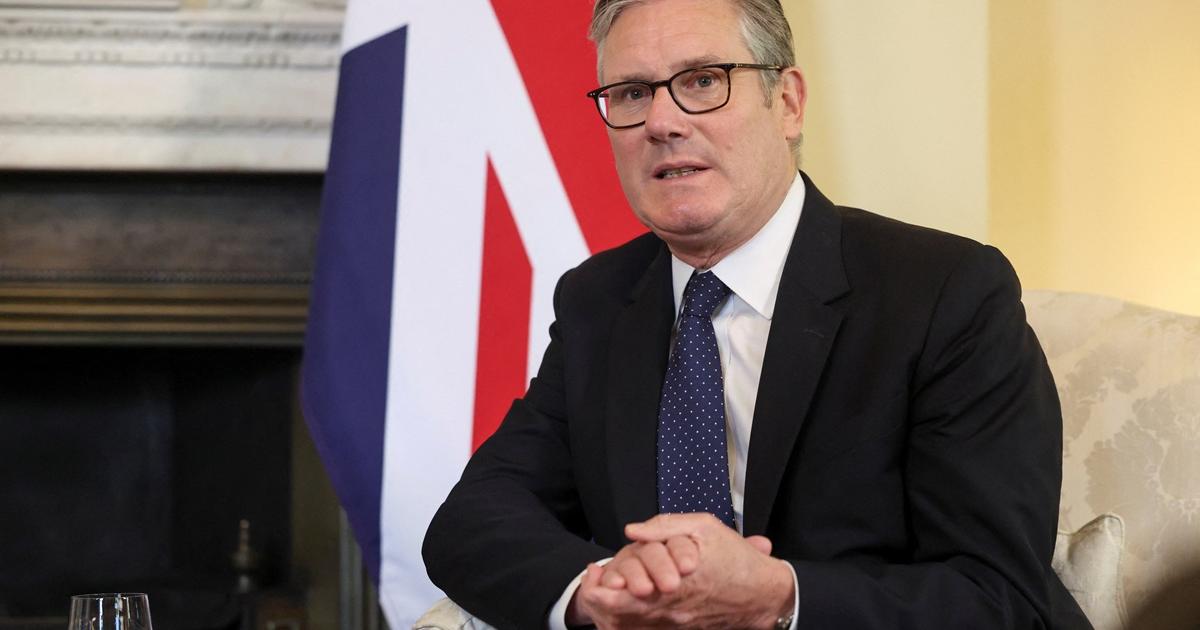
The PM has announced a social media ban. (Image: Danny Lawson/PA Wire)

Why is social media being banned for under-16s?

The ban comes in response to overwhelming support during a government consultation, which found that 91 per cent of parents backed raising the minimum age for social media access to 16.

The consultation on the proposals closed on May 26 and drew about 116,000 responses, making it the second-largest in history.

More than 83 per cent of parents who responded said the risks of social media outweigh the benefits for children.

Among younger respondents, 62 per cent said restricting high-risk features would improve their safety online.

Advertisement

However, 72 per cent expressed concerns about feeling left out if such restrictions were introduced.

Do you agree with a social media ban for under-16s? Let us know your thoughts in the comments.

Source link

Advertisement
Continue Reading

NewsBeat

What day is Clarkson’s Farm on?

Published

on

Wales Online

Need to know

Clarkson’s Farm Season 5 is back on Prime Video with Jeremy Clarkson facing fresh challenges at Diddly Squat Farm.

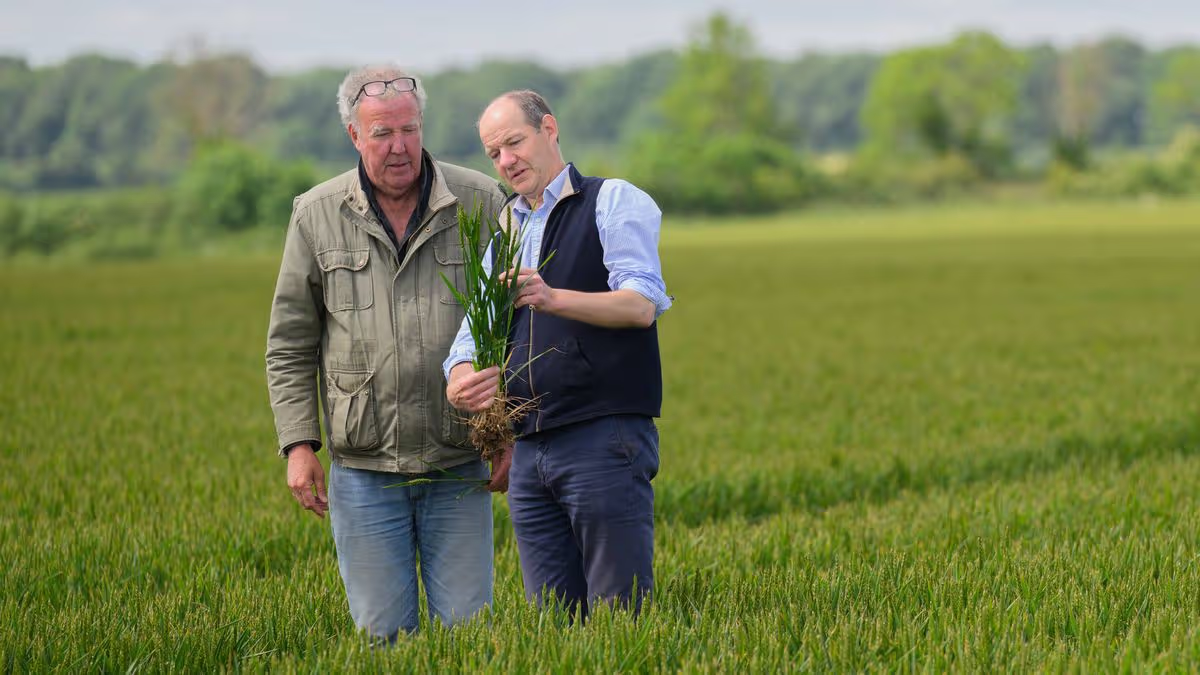
Jeremy Clarkson and Charlie Ireland are back for new episodes of Clarkson’s Farm(Image: PRIME VIDEO)

Everything you need to know about what day Clarkson’s Farm is on

  1. Clarkson’s Farm Season 5 continues on Prime Video with episodes seven and eight dropping on June 17, following the first six episodes that aired on June 3 and June 10. New episodes drop each Wednesday, with the final two instalments airing this week.
  2. Jeremy Clarkson admits he still struggles with basic farming tasks despite years of experience. “After six or seven years of farming, I still can’t attach anything to the back of a tractor,” he confessed. The former Top Gear host has faced major challenges this season, including a heart scare that forced him to make life at Diddly Squat less stressful.
  3. Season 5 has also seen Clarkson participate in farmers’ protests against Inheritance Tax and create a Santa’s Grotto at The Farmer’s Dog pub. Executive producer Andy Wilman promises the final episodes will be “much heavier and more emotional than anything we’ve seen before.”
  4. Upcoming episodes will feature high-tech farming equipment, Endgame the bull becoming a father, and chilli expert Tomas returning for a spicy pub dinner. Things are set to take a dark turn before the season ends, with the final two episodes expected to be particularly hard on Clarkson.
  5. As for what time the episodes will drop, Prime Video tends to release new seasons at midnight Greenwich Mean Time, which is 1am British Summer Time. This is good news for fans because as soon as they wake up on the day of release, the final two episodes will be ready and waiting for them to binge.

READ THE FULL STORY: Clarkson’s Farm season 5 release time: What time are new episodes out?

Source link

Continue Reading

NewsBeat

New council housing development at key site in Coatbridge now underway

Published

on

Daily Record

The Bank Street project will see 11 supported accommodation units and six flats for social rent delivered by Cruden and forms part of North Lanarkshire Council’s ambitious new housing supply programme, which aims to deliver 6,000 new homes by 2035.

A new council housing development at a key site in Coatbridge is now underway.

Advertisement

The Bank Street project will see 11 supported accommodation units and six flats for social rent delivered by Cruden and forms part of North Lanarkshire Council’s ambitious new housing supply programme, which aims to deliver 6,000 new homes by 2035.

The derelict site, which formerly comprised shops, offices and a public house, all of which have since been demolished, is set to transform the gateway to the town centre.

The site, within the Coatbridge, Blairhill and Dunbeth Conservation Area, will see the proposed new-build design complement the area’s heritage while providing modern, energy-efficient housing.

Regeneration of this dilapidated site is in line with the Coatbridge Town Vision, bringing gap sites back into productive use and encouraging new housing provision within town-centre locations. The site will deliver much-needed homes for Coatbridge in the form of social-rented housing as well as supported accommodation.

Advertisement

Attending the sod-cutting ceremony were Convener of Housing, Councillor Michael McPake; Convener of Communities, Councillor Geraldine Woods; and Vice Convener of Housing, Councillor Andrew Bustard. They were joined by representatives from Cruden and the council’s housing team.

Councillor Michael McPake said: “I’m delighted this exciting new project is now underway, transforming a key site on the approach to Coatbridge town centre and providing more housing for the area.

“Our new supply programme is key to delivering transformational change, as set out in The Plan for North Lanarkshire, by providing affordable, modern homes while realising our vision of regenerating town centres and promoting town-centre living.”

The project is being delivered by Cruden and is expected to be completed by summer 2027.

Advertisement

Paul Doran, Development Director of Cruden Homes, said: “It’s great to mark the start of construction at Bank Street, which is another fantastic example of successful collaboration with our valued partners at North Lanarkshire Council. The development will transform this vacant town-centre site into high-quality, energy-efficient homes and play an important role in meeting local housing needs.

“We have also been engaging with local schools while construction is underway to create meaningful opportunities. This includes delivering workshops at Coatbridge High School aimed at inspiring the next generation to explore careers in construction and the built environment.”

*Don’t miss the latest headlines from around Lanarkshire. Sign up to our newsletters here.

And did you know Lanarkshire Live had its own app? Download yours for free here.

Advertisement

Source link

Continue Reading

NewsBeat

A timeline of Iran’s nuclear program and tensions with the US

Published

on

What we know about a possible deal to end the Iran war

The United States and Iran have reached an interim deal aimed at ending the war and reopening the Strait of Hormuz.

There are plans for a signing of the deal on Friday in Switzerland. However, previous announcements fell through, and what the deal contained remained in dispute Monday.

Here’s a timeline of the tensions over Iran’s atomic program:

Early days

1967 — Iran takes possession of the Tehran Research Reactor supplied by America under the “Atoms for Peace” program.

Advertisement

1979 — U.S. ally Shah Mohammad Reza Pahlavi, fatally ill, flees Iran as popular protests against him surge. Ayatollah Ruhollah Khomeini returns to Tehran and the Islamic Revolution sweeps him to power. Students seize the U.S. Embassy in Tehran, beginning the 444-day hostage crisis. Iran’s nuclear program goes fallow under international pressure.

August 2002 — Western intelligence services and an Iranian opposition group reveal Iran’s secret Natanz nuclear enrichment facility.

June 2003 — Britain, France and Germany engage Iran in nuclear negotiations.

October 2003 — Iran suspends uranium enrichment under international pressure.

Advertisement

February 2006 — Iran announces it will restart uranium enrichment following the election of hard-line President Mahmoud Ahmadinejad. Britain, France and Germany walk out of stalled negotiations.

June 2009 — Iran’s disputed presidential election sees Ahmadinejad reelected despite fraud allegations, sparking protests known as the Green Movement and a violent government crackdown.

October 2009 — Under U.S. President Barack Obama, the U.S. and Iran open a secret back-channel for messages in the sultanate of Oman.

July 2012 — U.S. and Iranian officials hold secret face-to-face talks in Oman.

Advertisement

July 2015 — World powers and Iran announce a long-term, comprehensive nuclear agreement that limits Tehran’s enrichment of uranium in exchange for the lifting of economic sanctions.

The nuclear deal collapses

May 8, 2018 — U.S. President Donald Trump unilaterally withdraws the U.S. from the nuclear agreement, calling it the “worst deal ever.” He says he’ll get better terms in new negotiations to stop Iran’s missile development and support for regional militias. Those talks don’t happen in his first term.

May 8, 2019 — Iran announces it will begin backing away from the accord. A series of regional attacks on land and at sea blamed on Tehran follow.

Jan. 3, 2020 — A U.S. drone strike in Baghdad kills Gen. Qassem Soleimani, the architect of Tehran’s proxy wars in the Middle East.

Jan. 8, 2020 — In retaliation for Soleimani’s killing, Iran launches a barrage of missiles at military bases in Iraq that are home to thousands of American and Iraqi troops. More than 100 U.S. service members suffer traumatic brain injuries, according to the Pentagon. As Iran braces for a counterattack, the Revolutionary Guard shoots down a Ukrainian passenger plane shortly after takeoff from Tehran’s international airport, reportedly mistaking it for a U.S. cruise missile. All 176 people on board are killed.

July 2, 2020 — A mysterious explosion tears apart a centrifuge production plant at Iran’s Natanz nuclear enrichment facility. Iran blames the attack on Israel.

Advertisement

April 6, 2021 — Iran and the U.S. under President Joe Biden begin indirect negotiations in Vienna over how to restore the nuclear deal. Those talks, and others between Tehran and European nations, fail to reach any agreement.

April 11, 2021 — A second attack within a year targets Iran’s Natanz nuclear site, again likely carried out by Israel.

April 16, 2021 — Iran begins enriching uranium up to 60% — its highest purity ever and a technical step from weapons-grade levels of 90%.

Feb. 24, 2022 — Russia launches its full-scale invasion of Ukraine. Moscow ultimately will come to rely on Iranian bomb-carrying drones in the conflict, as well as missiles.

Advertisement

July 17, 2022 — An adviser to Iran’s supreme leader, Kamal Kharrazi, says Iran is technically capable of making a nuclear bomb, but has not decided whether to build one.

Mideast wars rage

Oct. 7, 2023 — Hamas militants from the Gaza Strip storm into Israel, killing around 1,200 people and taking 251 others hostage, beginning the most intense war ever between Israel and Hamas. Iran, which has armed Hamas, offers support to the militants. Regional tensions spike.

Nov. 19, 2023 — Yemen’s Houthi rebels, long supported by Iran, seize the ship Galaxy Leader, beginning a monthslong campaign of attacks on shipping through the Red Sea corridor that the U.S. Navy describes as the most intense combat it has seen since World War II. The attacks mirror tactics earlier used by Iran.

April 14, 2024 — Iran launches an unprecedented direct attack on Israel, firing over 300 missiles and attack drones. Israel, working with a U.S.-led international coalition, intercepts much of the incoming fire.

Advertisement

April 19, 2024 — A suspected Israeli strike hits an air defense system by an airport in Isfahan, Iran.

July 31, 2024 — Ismail Haniyeh, a Hamas leader, is assassinated during a visit to Tehran after the inauguration of reformist President Masoud Pezeshkian. Israel later takes responsibility for the assassination.

Sept. 27, 2024 — An Israeli airstrike kills Hezbollah leader Hassan Nasrallah in Lebanon.

Oct. 1, 2024 — Iran launches its second direct attack on Israel, though a U.S.-led coalition and Israel shoot down most of the missiles.

Advertisement

Oct. 16, 2024 — Israel kills Hamas leader Yahya Sinwar in the Gaza Strip.

Oct. 26, 2024 — Israel openly attacks Iran for the first time, striking air defense systems and sites associated with its missile program.

Trump returns and reaches out

Jan. 20, 2025 — Trump is inaugurated for his second term as president.

Feb. 7, 2025 — Iran’s Supreme Leader Ayatollah Ali Khamenei says proposed talks with the U.S. are “not intelligent, wise or honorable.”

Advertisement

March 7, 2025 — Trump says he sent a letter to Khamenei seeking a new nuclear deal with Tehran.

March 15, 2025 — Trump launches intense airstrikes targeting Houthi rebels in Yemen, the last members of Iran’s self-described “Axis of Resistance” capable of daily attacks.

April 7, 2025 — Trump announces the U.S. and Iran will hold direct talks in Oman. Iran says they’ll be indirect talks.

April 12, 2025 — The first round of talks between Iran and the U.S. take place in Oman, ending with a promise to hold more talks after U.S. Mideast envoy Steve Witkoff and Iranian Foreign Minister Abbas Araghchi “briefly spoke” together.

Advertisement

April 19, 2025 — The second round of talks between the U.S. and Iran are held in Rome.

April 26, 2025 — Iran and the U.S. meet in Oman a third time, but the negotiations include talks at the expert level for the first time.

May 11, 2025 — Iran and the U.S. meet in Oman for a fourth round of negotiations ahead of Trump’s trip to the Mideast.

May 23, 2025 — Iran and the U.S. meet in Rome for a fifth round of talks, with Oman saying the negotiations made “some but not conclusive progress.”

Advertisement

The Iran-Israel war begins

June 9, 2025 — Iran signals it won’t accept a U.S. proposal over the nuclear program.

June 12, 2025 — The Board of Governors at the International Atomic Energy Agency finds Iran in noncompliance with its nuclear obligations. Iran responds by announcing it has built and will activate a third nuclear enrichment facility.

June 13, 2025 — Israel launches its war against Iran. Over 12 days, it hits nuclear and military sites, as well as other government installations.

June 22, 2025 — The U.S. intervenes in the war, attacking three Iranian nuclear sites.

Advertisement

June 23, 2025 — Iran responds to the U.S. attack by targeting a military base in Qatar used by American troops, causing limited damage.

June 24, 2025 — Trump announces a ceasefire in the war.

July 25, 2025 — Iranian and European diplomats hold talks in Istanbul over Iran’s nuclear program.

Aug. 8, 2025 — France, Germany and the United Kingdom warn Iran in a letter that it will reimplement U.N. sanctions if there is no “satisfactory solution” to the nuclear standoff by Aug. 31.

Advertisement

Aug. 28, 2025 — France, Germany and the United Kingdom say they’ve started the process to “snapback” U.N. sanctions on Iran.

Sept. 9, 2025 — Iran and the International Atomic Energy Agency reach a deal over potentially starting inspections, but questions remain over its implementation.

Sept. 19, 2025 — U.N. Security Council declines to stop “snapback” sanctions on Iran.

Sept. 26, 2025 — U.N. Security Council rejects China and Russia’s last-minute effort to stop “snapback.”

Advertisement

Sept. 28, 2025 — U.N. reimposes “snapback” sanctions on Iran barring any last-minute diplomacy.

New protests roil Iran

Dec. 28, 2025: Protests break out in two major markets in downtown Tehran after the Iranian rial plunges to a record low — 1.42 million rials to one U.S. dollar — compounding inflationary pressure and pushing up the prices of food and other daily necessities.

Jan. 3, 2026: Khamenei says “rioters must be put in their place,” in what is seen as a green light for security forces to begin more aggressively putting down the demonstrations.

Jan. 8, 2026: Following a call from Iran’s exiled crown prince, a mass of people shout from their windows and take to the streets in nationwide protests. The government responds by blocking the internet and international telephone calls to cut off the country from outside influence. An ensuing security force crackdown kills thousands and sees tens of thousands detained.

Advertisement

Jan. 13, 2026: Trump says he has called off any meetings with the Iranians and promises that unspecified “help is on its way.”

Jan. 26, 2026: The aircraft carrier USS Abraham Lincoln and three accompanying warships arrive in the Middle East amid Trump’s threats to attack.

Feb. 3, 2026: A U.S. Navy fighter jet shoots down an Iranian drone approaching the Lincoln in the Arabian Sea. Iranian fast-attack boats attempt to stop a U.S.-flagged ship in the Strait of Hormuz.

Feb. 6, 2026: Iran and the U.S. hold indirect nuclear talks in Oman, with the head of the U.S. military’s Central Command also coming.

Advertisement

Feb. 17, 2026: Iran and the U.S. hold talks in Geneva while Tehran says it has temporarily closed the Strait of Hormuz, the narrow mouth of the Persian Gulf through which a fifth of all oil traded passes.

Feb. 26, 2026: Iran and the U.S. hold another round of talks in Geneva as America assembles the largest fleet of warplanes and aircraft in the Mideast in decades.

The Iran war

Feb. 28, 2026: Israel and the United States launch a war on Iran, killing Khamenei in the conflict’s first moments.

March 9, 2026: Iran names Ayatollah Mojtaba Khamenei, the late supreme leader’s son, as country’s new paramount ruler.

Advertisement

April 7, 2026: A fragile ceasefire in the Iran war is announced, with talks to continue. Israel is not included in negotiations.

April 8, 2026: Israel bombards Lebanon’s capital, Beirut, killing over 300 people in a 10-minute attack.

April 11, 2026: U.S. Vice President JD Vance leads an American delegation to Islamabad, meeting with Iranian team led by parliament speaker Mohammad Bagher Qalibaf, the highest-level direct talks between the two nations since the 1979 Islamic Revolution. The talks end after 21 hours without a deal.

May 31, 2026: Israel’s ground invasion of Lebanon makes its deepest incursion in over a quarter century.

Advertisement

June 15, 2026: The United States and Iran reach an initial agreement to open the Strait of Hormuz and further extend a shaky ceasefire in the Iran war.

Source link

Advertisement
Continue Reading

Trending

Copyright © 2025