Connect with us

NewsBeat

Republicans pick nominee for redrawn Alabama US House district

Published

on

Republicans pick nominee for redrawn Alabama US House district

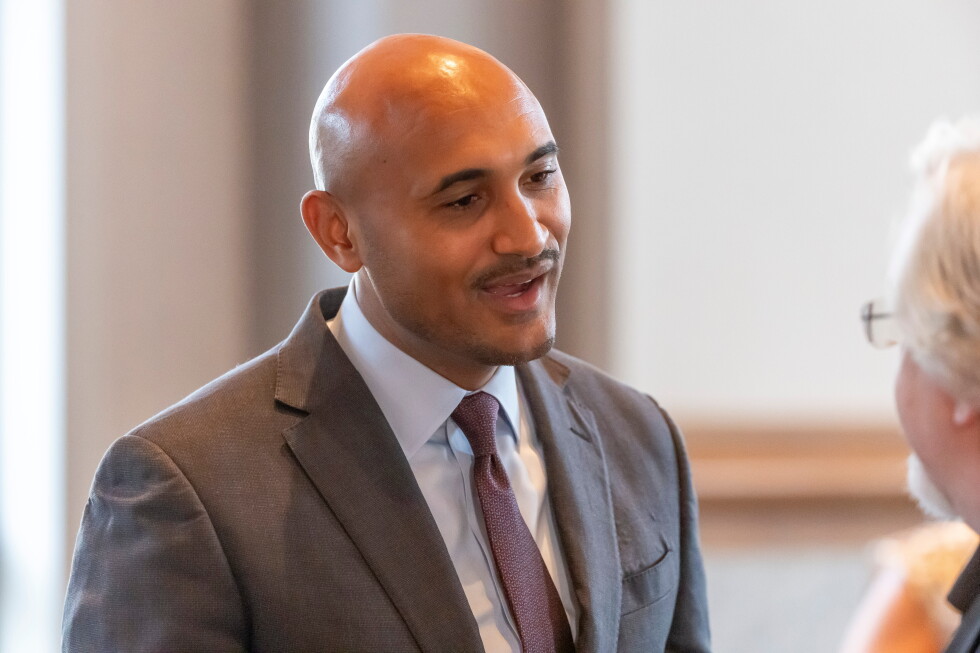
DOTHAN, Ala. (AP) — Republicans aiming to flip Alabama’s 2nd Congressional District after redrawing the heavily Black district in their favor will pick their nominee Tuesday to challenge U.S. Rep. Shomari Figures, the Democratic incumbent who is seeking a second term despite the political headwinds.

The district is one of several Democratic-leaning districts across the South that were reshaped to favor Republicans following a U.S. Supreme Court decision that severely weakened the Voting Rights Act. The race could help determine the balance of power in the House as Republicans try to hold on to a slim majority in November’s midterms. Both parties have put the district on their priority list.

“We need to win this seat back for the state and for the country. We need to turn it red again,” said state Rep. Rhett Marques, who was endorsed by President Donald Trump in the GOP primary.

Six Republicans are competing to challenge Figures, who is unopposed. Voters also will select nominees in three other Alabama districts affected by the Republicans’ redraw.

Advertisement

Democrat Terri Sewell, Alabama’s other Black representative, is unopposed and is expected to keep her 7th Congressional District seat in the fall.

Figures made history two years ago

Figures won the seat in 2024 after years of litigation under the Voting Rights Act. A federal court redrew the reliably red district after ruling that the GOP-controlled Legislature intentionally diluted the voting power of Black residents, who make up 27% of Alabama’s population.

The court said there should be a second Alabama district where Black people are a majority or near-majority. Figures’ election gave the state, for the first time in its history, two Black representatives. They’re the only Democrats in Alabama’s seven-member congressional delegation.

In April, the U.S. Supreme Court struck down a majority-Black district in Louisiana as an unconstitutional gerrymander that relied too heavily on race. Alabama Republicans, like those in other Southern states, seized on the decision.

Advertisement

Seeking to implement a map previously drawn by the Legislature, lawmakers approved legislation to nullify the results of ongoing primaries and instead authorize Tuesday’s special primary elections. The Supreme Court in June granted Alabama permission to switch maps.

Six candidates are vying to reclaim a seat that had been reliably red

During a recent forum in Dothan, in the far southeastern corner of the state, the GOP candidates answered questions about the Iran war, data centers and the district’s needs. But much of the attention was on the general election.

“Shomari is going to have the money. He is going to have the opportunity to keep this district. If we get out to vote, we can win it, and we can take this seat back for the Republicans,” Marques said.

“It’s important to get out there and make your voices heard and be represented up in D.C.,” said candidate Hampton Harris, a lawyer.

Advertisement

Christian Horn, a business owner and the lone Black in the race, said Republicans need a candidate who can compete across the district, not just in traditional GOP communities. David Matthews, a former Trump appointee in the U.S. Department of Agriculture, Joshua McKee, a former U.S. Army Green Beret, and former Marine James Richardson are also running.

Tom Heisner, a 79-year-old retired air traffic controller who attended the forum, said the GOP is more aligned with his views on border control and other issues.

“I’m fairly confident it will go Republican around here,” he said of the Dothan region. “I’m not so sure up in Montgomery.”

The district was reshaped this year

When Figures won the district, it stretched from his hometown of Mobile across the state’s Black Belt region and to the Georgia border.

Advertisement

Now the district is nestled in the state’s southeastern corner. It includes Montgomery and Tuskegee, both Democratic strongholds steeped in civil rights history. It sweeps through rural areas known for peanut and soybean farming. There is a heavy military presence, with an Air Force base in Montgomery and an Army base in Dale County.

The district’s Black voting age population dropped from 48% to 40% after it was redrawn.

Figures remains confident he can win

Speaking at a community gathering at the Beulah Baptist Church, located not far from the path of the 1965 Selma-to-Montgomery voting rights march, Figures said Republicans won’t succeed in making the district “unwinnable” for him.

“That’s in large part because I’ve had the privilege to represent over half of this new district already. We’ve shown up in the communities. We’ve shown them how we can deliver results,” Figures said.

Advertisement

Some Black Alabamians see echoes of the past in the redistricting process.

Maggie Walker, an 80-year-old retired educator from Montgomery, said she interpreted the Supreme Court’s redistricting decision as an effort to install “as many Republicans as possible” in the House. But she is optimistic Figures can win.

“I think he represents us and the things that are important to our state,” Walker said.

“We’re going backward with everything,” said Isaiah Sankey, vice chairman of the Montgomery County Commission. “But it’s OK — we are used to the struggle. It’s move forward, you get pushed back.”

Advertisement

Source link

Advertisement
Continue Reading
Click to comment

You must be logged in to post a comment Login

Leave a Reply

NewsBeat

Andy Burnham tells Justice Secretary to find way to stop release of PC Harper’s killers

Published

on

Daily Mirror

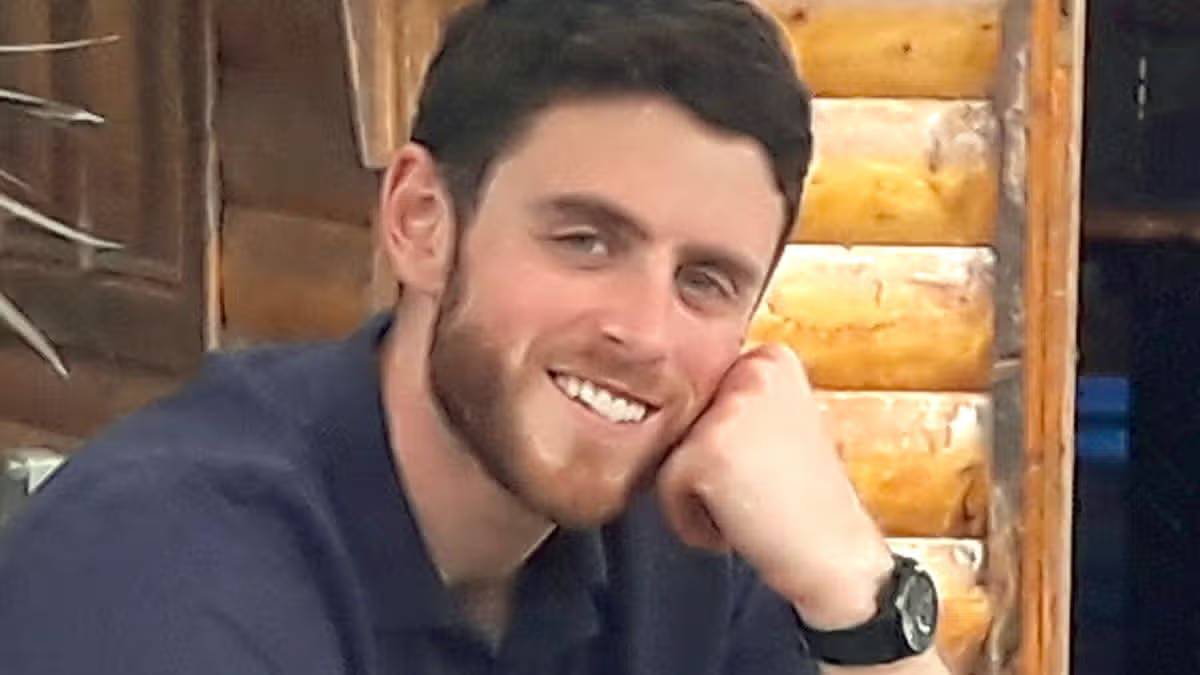
Justice Secretary Alex Norris has been tasked by new PM Andy Burnham with finding ways to keep the serious offenders in prison, including the killers of PC Harper

Andy Burnham has ordered his Justice Secretary to “work through further options” to prevent the early release of PC Andrew Harper’s killers .

Advertisement

Downing Street had said it was “not possible” to exempt “one or two offenders” convicted of manslaughter from the early release scheme.

However, Justice Secretary Alex Norris has now been tasked with finding ways to keep “a greater number of the most serious offenders” behind bars.

It comes amid increasing pressure from PC Harper’s family and the police not to allow Jessie Cole and Albert Bowers, who were sentenced to 13 years for manslaughter, to be freed in January.

A Government spokesperson said: “The Prime Minister has asked the Justice Secretary to work through further options to keep a greater number of the most serious offenders in prison, including the killers of PC Harper.”

Advertisement

Speaking on Tuesday morning, Angela Rayner said the PM understands the “rage and the anger” over the potential early release, and was working to stop it.

The Communities Secretary told BBC Breakfast: “He understands the rage and the anger and he’s not accepting that we can’t do anything to prevent that, and he’s been really clear that he wants the Justice Secretary to look at that again.”

PC Harper was 28 when he sustained fatal injuries while responding to a quad bike theft in Sulhamstead, Berkshire, in August 2019. He died after getting caught in a strap attached to the back of a car and dragged down a country road as three teenage suspects fled the scene of the burglary.

Advertisement

The driver of the vehicle, Henry Long, received a 16-year sentence and will not be eligible for release.

More than 880,000 people have signed a petition calling for PC Harper’s killers to remain in jail. Speaking on Tuesday morning, the police officer who started the petition said she is “optimistic” the Government will prevent them being freed.

Thames Valley Police Federation chairwoman Aileen O’Connor told BBC Radio 4’s Today programme: “There’s a little bit of glimmer of hope and encouragement with this latest release that we heard last night, but I can’t lose sight of just hours before that we heard that there was no possibility. So for me, I’m encouraged, I’m optimistic.

“And I genuinely believe that the powers that be, Andy Burnham – and the difficult decisions that they have to make – he will make the right choices here, and he will come on board with us, and he’ll get the right side of the line. The strength of feeling up and down the country, where over 900,000 people have signed that petition, that’s the British public that have got behind this campaign.

Advertisement

“This is their voice, and this is about justice for Andrew and justice for Lissie and his family.”

It comes after Mr Burnham last week tightened rules so that rape and serious child sexual offences would be excluded from early release. The controversial programme to let offenders free early was designed to avoid the collapse of the crisis-hit prison system

The early release changes were part of the Sentencing Act passed earlier this year that cut the minimum amount of time many offenders would have to spend in prison.

Those freed will face tougher probation conditions, including electronic monitoring, random drug testing and possible bans from driving, pubs and events such as football matches.

Advertisement

Source link

Continue Reading

NewsBeat

Daniel Kinahan’s wife lavish life in Dubai unveiled with glittering wedding and six luxury homes

Published

on

Manchester Evening News

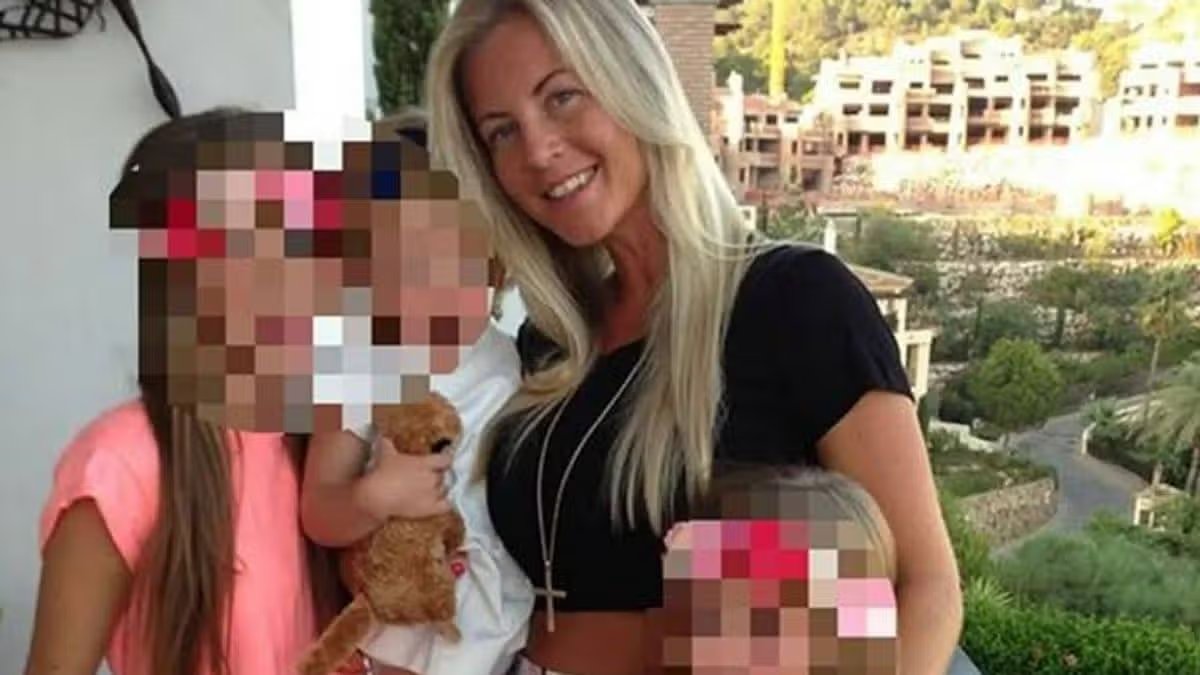
Daniel Kinahan’s wife Caoimhe Robinson has been living a life of luxury in Dubai but he has now been extradited to Ireland

Daniel Kinahan’s wife had been enjoying an extravagant life in Dubai, but now finds herself in a precarious position following her husband’s extradition to Ireland on accusations of heading an international drugs operation.

Advertisement

Caoimhe Robinson, a mum of five, had been living a glamorous, sun-drenched life at the family’s seven-bedroom residence on the city’s Palm Jumeirah resort. Her property portfolio also includes six luxurious homes, among them a villa in the highly exclusive Emirates Hills neighbourhood, where Petra Ecclestone lives nearby.

For years, she and her alleged cartel boss husband were considered the power couple at the heart of Dubai’s elite social circle. However, sources suggest the “bubble” she and other Kinahan associates’ partners have lived in has now burst following the bombshell extradition.

Click here to get the biggest stories straight to your inbox in our Daily Newsletter

Caoimhe had been living her sun-soaked, glamorous Dubai life. Her husband stands accused of funding his lifestyle via criminal cash from a cartel accused of controlling roughly a third of Europe’s cocaine trade.

Advertisement

Kinahan fled to Dubai in 2016 following an assassination attempt at the Regency Hotel in Dublin. There, he and Caoimhe lived a golden lifestyle that featured £220 tasting menus and £500 Beluga caviar, reports the Daily Star.

Their glittering wedding at the seven-star Burj Al Arab hotel in 2017 was attended by alleged criminals and even heavyweight boxing champ Tyson Fury.

The hotel’s eye-wateringly expensive Michelin-starred restaurant reportedly became a favourite haunt of Caoimhe and Kinahan and they were the ultimate power couple of the Dubai social scene.

Advertisement

Leaked records repor­ted by the Con­sor­tium of Invest­ig­at­ive Journ­al­ists (CIJ) show she has been buying and selling property in Dubai since 2017, includ­ing a villa bought for about €2.1m.

In addition, she was lis­ted as the joint owner, with her husband, of four Dubai prop­er­ties in 2022. But Caoimhe, from Darndale in north Dublin, no longer has a home in Ireland and didn’t return for her mum’s funeral in 2020.

Her crime links started long before joining the Kinahan clan as her previous gangster husband Mika ‘The Panda’ Kelly was gunned down in September 2011 by the Real IRA. Following Kelly’s murder, she is reported to have met Kinahan during a trip to Spain in 2014.

Advertisement

And it is the Criminal Assets Bureau which could ultimately bring down her lavish lifestyle. Kinahan’s extradition follows the arrested and prosecution of Sean McGovern, the first cartel member to be extradited from Dubai to Dublin last year.

Said to have been Kinahan’s right-hand man, he was convicted and is now serving 24 years in prison. His long-term partner Anita Freeman has ditched her luxury lifestyle in Dubai to return to Ireland. In 2016, the ex-council house they shared in Dublin was seized.

Advertisement

Source link

Continue Reading

NewsBeat

DR MAX PEMBERTON: I was diagnosed with ADHD even though I know I don’t have it. I swallowed the same drug thousands of children take every day… and this is the terrifying effect it had on me. We’re getting everything so wrong

Published

on

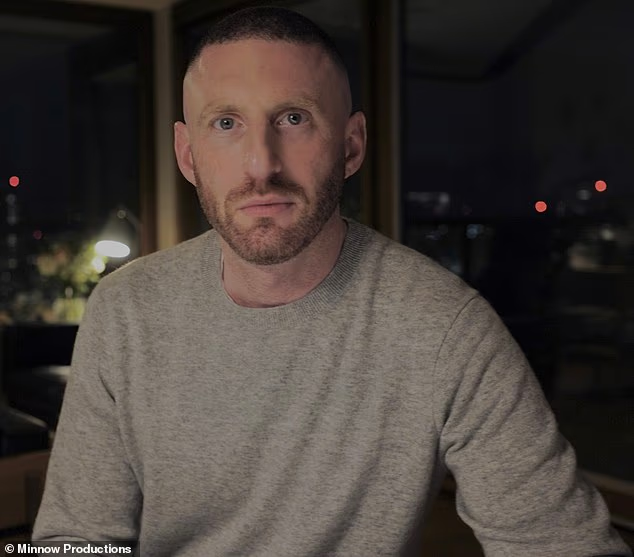
Dr Max Pemberton was diagnosed with ADHD, combined type ¿ characterised by inattention, hyperactivity and impulsivity

I’m sitting alone in my flat with my laptop open, being assessed online for a condition I’m fairly sure I haven’t got.

The assessment cost £1,200, paid for by a TV production company for a documentary on the rise in ADHD – and I want to be fair about the subject.

I’d deliberately selected a consultant psychiatrist as I knew they would do the job properly, since the point was never to go hunting for some rogue clinic dishing out diagnoses.

So over the next hour-and-a-half I answered everything the psychiatrist asked me honestly.

Advertisement

Yes, I keep going more or less every night until half two in the morning and then fall asleep on the spot. Yes, my phone lives in my pocket and nowhere else, because otherwise I lose it multiple times a day. And yes, I’ve a dreadful sense of time, which is why every clock in my flat is deliberately set to a different time, to keep me on my toes.

At the end, I was diagnosed with ADHD, combined type – characterised by inattention, hyperactivity and impulsivity.

Even though it’s the judgment of a highly qualified professional, I don’t accept it, and I’ll explain why later.

But something else happened in that assessment I’ve thought about far more than the diagnosis itself.

Advertisement

Dr Max Pemberton was diagnosed with ADHD, combined type – characterised by inattention, hyperactivity and impulsivity

For the documentary, ten-year-old Mason came off his ADHD medication for a carefully monitored experiment with an independent doctor ¿ with the agreement of his mother Shauna

For the documentary, ten-year-old Mason came off his ADHD medication for a carefully monitored experiment with an independent doctor – with the agreement of his mother Shauna

Towards the end the consultant started talking about my ‘disability’.

Advertisement

This discussion was being filmed, and watching on was a member of the production crew who has a progressive neurological condition. We’d built the filming schedule around what he could manage – he becomes easily tired, and there’ll be more of those things as the years go on as his condition inevitably gets worse.

He was listening as I was told, on the basis of losing my phone often and staying up too late, that I was ‘disabled’ because I had ADHD.

I’ve rarely felt so uncomfortable. If ‘disability’ can be stretched to cover the two of us, then it’s stopped meaning much of anything.

I’ve been a psychiatrist for more than 20 years, and in that time I’ve watched ADHD go from a diagnosis made occasionally, after careful assessment, to one that is demanded and all too readily dispensed by healthcare professionals, driven by self-diagnosis based on social media.

Advertisement

A decade ago it was uncommon in children and hardly ever seen in adults: In 2015-16 some 107,000 people in England were prescribed medication for ADHD – by last year that had risen to more than 326,000.

Today around 2.5million people in England are thought to have ADHD, 741,000 of them children and young people aged five to 24 – in March alone there were more than 800,000 ‘open’ NHS referrals that may be for an ADHD assessment.

I should say something that tends to get lost the moment anyone raises any of this, which is that the people seeking these diagnoses are struggling, their suffering isn’t in doubt. What my new Channel 4 documentary asks is whether ADHD is the best explanation for it.

To answer that, I interviewed the doctors and academics who don’t accept ADHD is simply a neurodevelopmental condition needing medical treatment – they point instead to social and environmental factors fuelling the rise.

Advertisement

But their voices never get heard. Rather, the stock response is that this surge in diagnoses is a sign we’re ‘catching up’ after decades of underdiagnosis.

I’ve heard this from colleagues I like and respect, but it doesn’t survive five minutes’ examination of what has happened to the criteria used to diagnose ADHD.

When I interviewed Dr Iona Heath, a GP for 35 years and a former President of the Royal College of General Practitioners, she sat with the Diagnostic and Statistical Manual of Mental Disorders (DSM) – the ‘bible’ that sets out the criteria for diagnosis – and read out the list of ADHD symptoms to me.

These include: Often fails to give close attention to details; often talks excessively; often unable to play or engage in leisure activities quietly.

Advertisement

But as Dr Heath points out: ‘Who knows a child who will always play quietly? If you had a child who always played quietly, you would be worried about them, or you should be. I think my entire family, for several generations, could be diagnosed on the basis of this, and it makes it so clear that if you want the diagnosis of ADHD, you’ll be able to get it.’

Dr Sami Timimi, a consultant child and adolescent psychiatrist with years of experience, fastened on one criterion in particular.

‘One of the symptoms is “often squirms in their seat”. How often is “often”? What’s a unit of squirm?’ he asked.

None of this is just nit-picking about wording: When the DSM was revised in 2013, the age by which symptoms had to have appeared for an ADHD diagnosis was raised from seven to 12, and one US study of 12 to 15-year-olds found this single alteration took the prevalence rate from 7.38 per cent to 10.84 per cent.

Advertisement

These were the same children, behaving in exactly the same way as they always had – but they were outside the diagnosis one day, then inside it the next, purely because a DSM committee had moved a line on a page.

Dr Max interviewed the doctors and academics who don¿t accept that ADHD is simply a neurodevelopmental condition needing medical treatment

Dr Max interviewed the doctors and academics who don’t accept that ADHD is simply a neurodevelopmental condition needing medical treatment

Dr Sami Timimi, a consultant child and adolescent psychiatrist, questioned how 'often squirms in their seat' can be an ADHD symptom

Dr Sami Timimi, a consultant child and adolescent psychiatrist, questioned how ‘often squirms in their seat’ can be an ADHD symptom

Known as ‘diagnosis creep’, this is why I raise an eyebrow when told we’re only ‘catching up’.

Advertisement

The reply to such scepticism is usually that ADHD brains ‘are wired differently’ and the scans prove it.

To find out more, I went to see Professor Katya Rubia at King’s College London, a neuroscientist who has spent 30 years scanning the brains of people with ADHD and is considered a world authority in the field.

She explained that when you compare groups of people, the connections between brain regions do look less strong in those with ADHD, but that the latest studies show these differences to be very tiny – and that when you look at individual children instead of averaging across a whole group, many with the diagnosis turn out to have entirely normal brains. No scan will tell you who has the condition.

‘Because it’s not a medical condition, we don’t have a brain scan where you can say you have abnormality here, now are you ADHD,’ Professor Rubia tells me. ‘It’s a concept which is based on behaviour.’

Advertisement

Then she said something I’ve held onto ever since, which is that the brain is highly plastic, and behaviour and the brain are two sides of the same coin, so if you change your behaviour your brain changes with it.

This is very important, because it means the small differences we see on a scan may be a consequence of how a child has been living – rather than the cause of how they behave. And it means that when a child’s circumstances change, their brain can change, too. A tablet is not the only thing capable of altering it.

Nor, while we’re at it, is there an ADHD gene. Successive studies have identified genes associated with it but the great majority also turn up in depression, autism and schizophrenia.

Neither is there a blood test. Of course, the same is true of a lot of diagnoses – including psychiatric ones such as depression and anxiety – and I’d never argue those aren’t worth making.

Advertisement

But with depression and anxiety we have mostly held on to the understanding they grow out of people’s circumstances, out of bereavement and debt and loneliness and jobs that grind them down, and that treating the person means paying attention to the life they’re actually living.

Somewhere along the way we seem to have mislaid that thought where ADHD is concerned, settling instead on the idea it’s a fixed, lifelong thing a child is simply born with.

The other trouble with this vague ADHD criteria is that almost anything can be poured into them.

Anxiety leaves people restless and unable to concentrate, and so do sleep problems, grief, bullying, a chaotic home, a hearing difficulty nobody has picked up, or just being the youngest child in the school year – and every one of those can look like ADHD when you’re working down a checklist.

Advertisement

It’s become a catch-all, and the trouble is that once there’s a label, everybody stops looking for what’s really going on.

Having been handed the ADHD diagnosis I was eligible for medication, so for the purposes of this experiment I took it.

It was lisdexamfetamine – the same drug thousands of children swallow every morning.

Before my first dose I read the side-effects: Agitation, anxiety, low mood, irritability, tics, uneven heartbeat, raised blood pressure, weight loss, teeth grinding, blurred vision, nosebleeds, aggression, and the list goes on.

Advertisement

ADHD drugs are amphetamines, Class B controlled drugs in the same schedule as morphine, and there are sound reasons we warn everybody else off them.

The experience was horrible. I’d heard people say the tablets turned them into zombies and assumed they meant dopey, but it’s subtler and stranger, because what I felt was dulled, mute, compliant and withdrawn, as if somebody had turned the colour down on the television.

My thoughts came more slowly, I wasn’t interested in anything.

An hour after taking the first tablet I wandered down to the shops: As you’ll see in my documentary, a man who normally can’t stop talking stands mutely at the counter, while the poor shopkeeper tries to make conversation. I stare blankly at him. (I went back the next day to apologise for my strange behaviour.)

Advertisement

If I exist at about a ten, this had me down at 7.5, and those missing couple of points are what make me who I am – with just one pill.

I could see exactly how a child on this would sit still in class, get on with his work, and then tell his mum he didn’t feel like himself.

We also know far less about the long-term effects than we like to pretend.

But a 2024 study published in the journal JAMA Psychiatry found that every additional year on the medication was associated with a 4 per cent rise in the risk of cardiovascular disease, and three to five years of use came with a 72 per cent higher risk of high blood pressure.

Advertisement

These drugs work by revving up the same system that governs fight or flight, nudging up heart rate and blood pressure with every dose, and years of that steady pressure take their toll on the arteries.

Professor Dinesh Bhugra, past President of the Royal College of Psychiatrists, said the ¿industry around ADHD is about making money, at the cost of misery of others¿

Professor Dinesh Bhugra, past President of the Royal College of Psychiatrists, said the ‘industry around ADHD is about making money, at the cost of misery of others’

Mason was diagnosed with ADHD two years ago and put on lisdexamfetamine, and the dose has climbed from 20mg to now 40mg

Mason was diagnosed with ADHD two years ago and put on lisdexamfetamine, and the dose has climbed from 20mg to now 40mg

Meanwhile, the assessments themselves have turned into an industry. According to the Centre for Health and the Public Interest, there is no mandatory regulation for providers of ADHD assessments and no certified national qualification or training for those carrying them out – yet NHS spending with private ADHD companies has climbed from £36million to £128million in three years, with one private equity owned provider running a 33 per cent profit margin.

Advertisement

Professor Dinesh Bhugra, past President of the Royal College of Psychiatrists, was blunt about where this leads: ‘The industry around ADHD is about making money, at the cost of misery of others.’

I’d add this to the worries: When somebody has handed over a substantial sum for assessment, everybody in that room knows what they’ve come for, and it takes a strong-minded clinician to send them away without an ADHD diagnosis and a prescription.

And then there’s the world we’ve built for children to grow up in.

Professor Sam Wass of the University of East London, who studies children’s attention, told me if you sit a child in front of a screen, when they come off it they’ll behave in a way entirely consistent with an ADHD diagnosis – but ten minutes in woodland measurably reduces those symptoms, partly as our brains evolved to process the shapes and patterns in nature, which they find far less tiring than a screen.

Advertisement

Dr Sanah Ahsan, a clinical psychologist, described our phones as attention-degrading machines stealing our focus. We’ve built an environment in which it’s hard for anybody to concentrate and feel calm, and then diagnose the children who struggle in it.

What troubles me most, though, is what we’re telling those children, because a diagnosis says the problem sits inside them, that nobody need trouble themselves about the world around them.

Dr Timimi believes we’ve replaced corporal punishment with a new way of disciplining children, which is giving them a pill, and that in some respects it’s worse, ‘because it comes with the idea that there is something lifelong inside you going on’.

Had I been assessed 30 years ago I’d have had the ADHD diagnosis without question, and I would have ended up taking the tablets, rather than developing the coping strategies I rely on every day.

Advertisement

Which brings me to Mason, who is ten, and in the group most likely to be medicated – boys aged ten to 14 are the largest single group of patients in England taking ADHD drugs.

Mason was diagnosed two years ago and put on lisdexamfetamine, and the dose has climbed steadily, from 20mg to now 40mg.

By the middle of the afternoon it wears off, and his mum Shauna described the change in him as a switch being flicked, at which point he becomes angry, or upset – or both.

Mason is a lovely boy, funny and bright with it, and he told me that off the tablets his brain doesn’t switch off – something he described when younger as feeling ‘all squiggly’. He also told me he doesn’t always want to take the drugs, ‘because it takes my fun-ness away’.

Advertisement

Shauna put the dilemma to me better than any clinician: His thoughts going at 1,000 miles an hour, but Mason still being himself – or to have him focusing better but not feeling like himself.

‘It’s horrible that a child has to pick which side to be,’ she says.

For the documentary, the family agreed to a carefully monitored experiment with an independent doctor, and for six weeks Mason came off his medication.

If the argument is that modern life is driving these symptoms, screens and games consoles had to go away into a box – sweets and ultra-processed food with them, because of the evidence linking heavily processed diets and blood sugar swings to poor concentration and irritability. In came yoga, sport and time outdoors.

Advertisement

Myles, his younger brother, was asked how he felt about all this and said: ‘Cross.’ Mason said: ‘I want a lawyer.’

The first week was hard going, and Shauna’s video diaries show a boy bouncing off the walls.

But then something shifted – and by week three he was calmer and much happier. ‘I finally get to be myself,’ he said.

Lewis, Shauna’s partner, had only ever known the medicated Mason, and said it was like meeting a different person, funnier and more of a character.

Advertisement
Dr Iona Heath, a GP for 35 years and a former President of the Royal College of General Practitioners, said she would ban the ADHD label and stop medicating these children

Dr Iona Heath, a GP for 35 years and a former President of the Royal College of General Practitioners, said she would ban the ADHD label and stop medicating these children

Then the school reports started coming home. More disruptive, more talkative, more fidgety, disengaged. Mason was also now sitting in front of work he’d managed easily and getting upset because he couldn’t do it, with SATs coming up.

I asked Mason’s teacher whether he was easier to teach on the medication, and she said he was, working silently and independently – but that off it his friendships had grown stronger, because his classmates were seeing a sillier side of him.

Then she said something I keep returning to: ‘If I’m seeing a side to him that is his true and honest and vulnerable self, does that not make it better than it being easier?’

Advertisement

That, for me, is the question. If a ten-year-old boy can’t manage school unless he’s on amphetamines, I’m not convinced the problem lies in his brain.

Dr Heath would go further – she’d ban the label altogether, stop medicating these children and overhaul an education system she believes is drugging an untapped reservoir of talent out of existence.

At the end of the six weeks Shauna had an agonising decision to make: Whether Mason should go back on to the drugs (you’ll have to watch to find out what she chose).

At this point I want to stress that there are people whose difficulties with attention and impulsivity are so profound they can’t function day to day, and if we want to call that ADHD, and they find the medication helps, I’d never dream of taking that away from them.

Advertisement

And parents like Shauna are doing their level best, forced to choose between a child who is himself and a child who can pass his exams, which is a monstrous choice to hand anybody.

For the majority, though, we’ve reached for the prescription pad because it’s quicker and easier than asking the harder questions about schools, screens, food and the sheer pace of modern life.

My hope is that anyone watching this documentary comes away not with an answer, but with permission to start asking better questions.

  • The Great ADHD Myth? will air on Channel 4 on Tuesday, August 18 at 8pm

Source link

Advertisement
Continue Reading

NewsBeat

Transfer news LIVE: Arsenal FC want Yildiz, Barcola hijack; Chelsea done deal; Man Utd, Liverpool latest

Published

on

Transfer news LIVE: Arsenal FC want Yildiz, Barcola hijack; Chelsea done deal; Man Utd, Liverpool latest

The summer window enters its final three weeks as Arsenal, Manchester United, Chelsea, Liverpool and Tottenham all work to finalise huge deals before the transfer deadline. The Gunners are desperate to bolster their attack and defence, having unveiled Bruno Guimaraes. Kenan Yildiz is a target, but Bradley Barcola may be easier to sign, amid interest in Julian Alvarez and Iliman Ndiaye. Ezri Konsa is the leading target at the back, with Tottenham captain Cristian Romero set to choose Atletico Madrid.

Source link

Continue Reading

NewsBeat

Manchester residents warned of 5 common mistakes made during heatwave

Published

on

Manchester Evening News

The North West Ambulance Service has urged Manchester residents to stay safe in heatwave conditions as the region is set to bake in the sun this week

Manchester residents have been warned of five common mistakes made during heatwaves by the ambulance service as the region is forecast to reach 28C today.

According to the Met Office, Manchester will climb to 28C on Tuesday, before soaring to the 30s by Thursday, with heat health alerts in place.

Advertisement

Amber heat health alerts have been issued for most of England including the North West, starting from 9am on Tuesday and lasting until Friday evening.

The North West Ambulance Service have urged locals to ‘make a few simple changes’ that can ‘help keep you, your family and others safe over the next few days’.

The emergency service warn that one of the biggest mistakes is waiting until you are thirsty to hydrate.

Advertisement

At this point you will already be dehydrated and playing catch up, so instead you should make sure you’re continually drinking water over the next few days.

The second mistake Manchester residents are urged to avoid is jumping into water to cool down, including ponds and lakes.

The recent bouts of hot weather has seen an increase in water deaths as over 15 people have drowned in the UK this summer.

A spokesperson for the service said: “There’s hidden obstacles and currents under the water,” as they urged Mancunians to avoid getting into danger.

The third biggest error residents were urged to avoid was ignoring early signs of heat exhaustion.

Heat exhaustion can present itself in symptoms including vomiting, excessive sweating and feeling weak. The North West Ambulance serviced added to be especially aware of these signs “if out exercising.”

The fourth oversight that residents have been told to avoid in the scorching temperatures is “leaving adults, children or pets in cars” as “only a couple of minutes can cause harm”.

Advertisement

The warning comes after two children were found dead in a car in France in an earlier heatwave this year.

The last thing that people have been urged to do is ensure that you look out for vulnerable people. This includes adults, young children and babies.

Vulnerable people are more prone to heat exhaustion and the excessive high temperatures could have major impacts on their health so it is vital to check in with those around you.

The North West Ambulance Service added: “If you do need us, we’re here. For life-threatening emergencies, call 999. For everything else, use NHS 111 online.”

Advertisement

Source link

Continue Reading

NewsBeat

‘Moment of urgency’ for London as climate change threatens capital’s treasured parks

Published

on

'Moment of urgency' for London as climate change threatens capital's treasured parks

Drew Bennellick, head of land, seas and nature policy at the National Lottery Heritage Fund, said: “It’s clear our historic parks, gardens and cemeteries are facing unprecedented challenges due to climate change, and without urgent guidance and advice, many of these precious landscapes will suffer and change beyond recognition.

Source link

Continue Reading

NewsBeat

Two charged with preventing lawful burial after child’s body found at home

Published

on

Two charged with preventing lawful burial after child’s body found at home

The body of a child has been discovered at an address in Southend, Essex Police have said.

Officers attended an address in Kenway on August 7 after receiving reports from social services raising concerns for the welfare of a child.

The body was found, and a man and a woman were subsequently arrested, the force said.

Sophie Dean, 31, of Kenway, and James Thorpe, 32, of Shoeburyness, have since been charged with preventing a lawful and decent burial of a dead body between July 3, 2025 and August 6, 2026.

Advertisement

Thorpe has also been charged with obstruction of a constable in the execution of their duty, the police added.

The pair appeared at Southend-on-Sea Magistrates’ Court on Monday and were remanded in custody to next appear at Basildon Crown Court on September 7.

The force said the investigation into the child’s death will continue to be led by detectives from its crime and public protection command.

“We would also encourage anyone with information that could assist us and who has not yet spoken to us to please come forward and do so quoting investigation number 42/125225/26,” it added.

Advertisement

Source link

Continue Reading

NewsBeat

Woman locked up and starved for 25 years after falling for the wrong man

Published

on

Daily Record

WARNING: DISTRESSING CONTENT ‘The air was so unbreathable, the odour given off by the room was so rank, that it was impossible for us to stay any longer to proceed with our investigation’

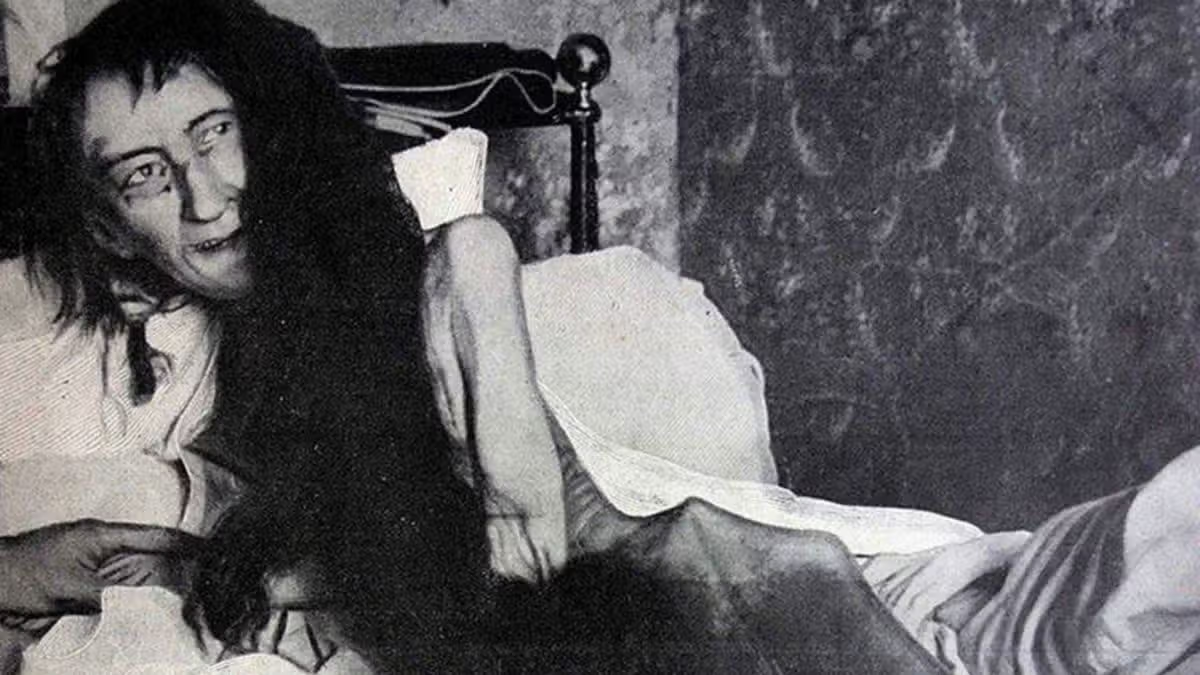
In a heartbreaking discovery a woman was found in a nauseating “crust made from excrement” after her family locked her in the attic for loving the wrong man.

Advertisement

Police Commissioner Bucheton made the horrifying discovery in the rafters of the aristocratic Monnier family’s grand home.

He was alerted to a problem through a letter claiming a “half-starved” woman had been held against her will for over 25 years in a room with “unbreathable” air it smelled so bad.

On the evening of May 23 1901, Bucheton knocked on their door expecting to find nothing as the Monniers were a well-to-do French family, according to the New York Times.

However, Bucheton persisted and spoke to Louise who had survived her husband Emile’s passing. The couple were well regarded, charitable and sociable.

Advertisement

The couple had a son, Marcel, a law school graduate. They also had Blanche who was described as “very gentle and good-natured”. Blanche had stunned society in her youth with her beauty attracting many young bachelors.

Tragically, under the veneer of lavish parties and social engagements, Blanche was deeply troubled. She had a fraught history of eating disorders and a difficult relationship with her overbearing mother.

However, Blanche had not been seen in 25 years. When Blanche was still in her mid-20s, she vanished without a trace.

Advertisement

The family had publicly voiced their deep concern and grief for their supposedly missing daughter. Blanche’s friends assumed she had fled to begin a new life in Paris, escaping her conservative family.

But the police stumbled on a sickening truth. Commissioner Bucheton and his officers arrived at the Monnier household, feeling unwelcome in the home as they searched each room and made their way upstairs where they found a padlocked door.

On opening it they found an emaciated woman in her early 50s, lying in her own filth. Her skeletal, unclothed body was moments away from becoming a corpse and weighed just 25kg. She was only fed scraps for decades.

Officers said the smell was so foul they could not stay in the room. One officer said: “The unfortunate woman was lying completely naked on a rotten straw mattress.

“All around her was formed a sort of crust made from excrement, fragments of meat, vegetables, fish, and rotten bread. We also saw oyster shells and bugs running across Mademoiselle Monnier’s bed. The air was so unbreathable, the odour given off by the room was so rank, that it was impossible for us to stay any longer to proceed with our investigation.”

Following a confession from her mother, Louise, it became clear she had imprisoned her daughter for falling in love with what she deemed to be the wrong man.

The Monniers believed Blanche would marry a fellow member of the French elite. However, she had set her heart on a penniless lawyer who was considered completely inappropriate by her family.

Advertisement

The New York Times article published on 9 June 1901 said: “Time passed, and Blanche was no longer young. The attorney she so loved died in 1885.

“During all that time, the girl was confined in the lonely room, fed with scraps from the mother’s table, when she received any food at all. Her only companions were the rats that gathered to eat the hard crusts that she threw upon the floor. Not a ray of light penetrated her dungeon, and what she suffered can only be surmised.”

The case provoked considerable public outrage, with an angry crowd gathering outside the Monnier’s home. Blanche’s mother, Louise, was taken into custody but passed away just 15 days after her daughter was freed.

Advertisement

Her brother Marcel was initially handed a 15-month prison sentence — a mere fraction of what his sister had endured — but was he was cleared after claiming that Blanche could have chosen to leave at any point.

Blanche, was so traumatised she was unable to return to her previous vibrant social life as her physical and mental health withered away in her time locked up.

She spent the following 12 years of her life at a psychiatric hospital in Bois, where she passed away in 1913. She is remembered by the sorrowful nickname, La Séquestrée de Poitiers – The Confined Woman of Poitiers. The identity of the letter writer was never been revealed.

Source link

Advertisement
Continue Reading

NewsBeat

How does Sir Rod’s grass stay so green? Stewart’s mini golf course is an oasis during record-breaking drought

Published

on

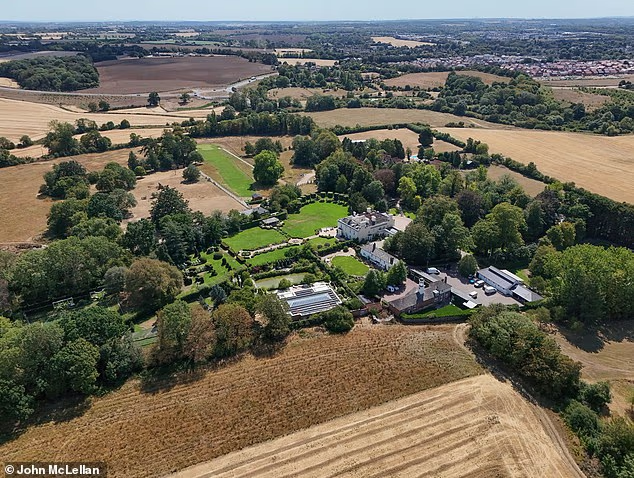
Sir Rod Stewart¿s Grade II-listed mansion has very green gardens despite the dry weather

Advertisement

Millions of gardens across the drought-hit country have turned brown in recent months due to the relentlessly hot and dry weather.

But the grass is still very much alive outside Sir Rod Stewart‘s Grade II-listed mansion as he has maintained his piece of England’s green and pleasant land in Essex.

Aerial photographs show the land around the 81-year-old singer’s 18th-century property, which he bought for £4.65million in 2013, is still extremely green.

His ten-bedroom home opens out onto a range of sprawling gardens and includes a mini golf course with a fairway, two bunkers and a lush putting green.

Advertisement

There is also an artificial football pitch with a 20-space car park which Sir Rod had installed at the property before moving in with wife Penny Lancaster in 2016.

Sir Rod’s property is supplied by Affinity Water which introduced a hosepipe ban across its central region including Essex on July 17 due to the weather conditions.

Eight other water companies have brought in bans which mean customers are legally banned from using hosepipes to water gardens or wash cars, patios or boats.

There is no evidence Sir Rod has breached a ban, given there are many workarounds for watering grass such as using a watering can. He may also have an exemption.

Advertisement

Sir Rod Stewart’s Grade II-listed mansion has very green gardens despite the dry weather

Sir Rod's mini golf course features a fairway, two bunkers and a lush putting green

Sir Rod’s mini golf course features a fairway, two bunkers and a lush putting green

The property in Essex has an artificial football pitch with a 20-space car park

The property in Essex has an artificial football pitch with a 20-space car park

Advertisement
Sir Rod's ten-bedroom home opens out onto a range of sprawling gardens

Sir Rod’s ten-bedroom home opens out onto a range of sprawling gardens

The 81-year-old singer bought the 18th-century property for £4.65million in 2013

The 81-year-old singer bought the 18th-century property for £4.65million in 2013

Advertisement

Drought has been declared for all of Wales and almost three-quarters of England – and a sixth heatwave of the year is on the way later this week with 36C highs. 

Back in August 2006, Sir Rod risked a £1,000 fine when he was caught flouting the hosepipe ban at his previous £6million property Copped Hall, in Epping Forest.

His spokesman said he was using an underground irrigation system, but Sir Rod’s then-provider Three Valleys Water confirmed this was prohibited under the ban.

Sir Rod later told the Mirror that November: ‘This summer has caused a lot of trouble as it didn’t rain for months. Every garden was burnt, every flower dried out.

Advertisement

‘Water was rationed, watering was banned. Only my football pitch was a beautiful, lush green. Because, naturally, I continued to water it.’

After being warned about a fine, Sir Rod said: ‘I’ll take that on board if it happens. For me there’s hardly anything more beautiful than to walk across my tended grass.’

He sold Copped Hall for £4million in 2019. Sir Rod’s representative was contacted for comment by the Daily Mail yesterday. Affinity Water declined to comment.

Advertisement

Advertisement

Source link

Continue Reading

NewsBeat

Seaham bridleway remains closed, says public notice

Published

on

Seaham bridleway remains closed, says public notice

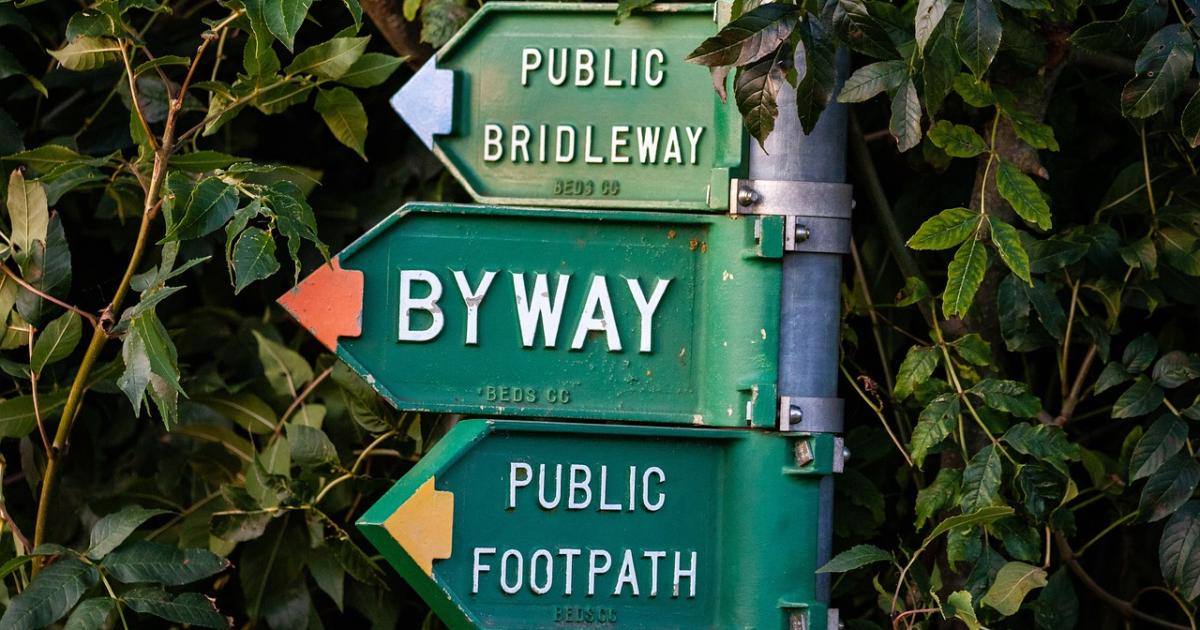
A 630-metre stretch of Public Rights of Way Bridleway No.1, Seaham Parish, will remain temporarily closed until March 31, 2028, or until works are completed.

This closure, which began on February 6, 2026, is due to preparation and electric cable installation works, according to a notice from the County Council of Durham.

The bridleway runs south and north-west from its start point at the A1018, the roundabout north of Seaham Grange Industrial Estate.

Advertisement
  • For more notices affecting YOUR area, visit our Public Notice Portal – Public Notices from The Northern Echo ( publicnoticeportal.uk ). More information on this application can be found here.

An alternative route has been made available for traffic.

This begins from the north-eastern side of the closure, from the footpath east of the A1018 roundabout, heading north and north-east onto National Cycle Route No.1 bridleway, and south-westerly to the south-western side of the closure, and vice versa.

The continuation of the closure was approved by the Secretary of State for Transport.

Source link

Advertisement
Continue Reading

Trending

Copyright © 2025