
Connect with us
DAPA Banner
DAPA Coin
DAPA
COIN PAYMENT ASSET
PRIVACY · BLOCKDAG · HOMOMORPHIC ENCRYPTION · RUST
ElGamal Encrypted MINE DAPA
🚫 GENESIS SOLD OUT
DAPAPAY COMING

NewsBeat

Safety review after boy’s death at Clifton Country Park

Published

on

Safety review after boy's death at Clifton Country Park

Leon Pafu Ngoy, 15, was described by his loved ones as bringing “energy, laughter and happiness” to all he knew after tragedy struck and he was found dead at Clifton Country Park.

He was confirmed dead on Monday, June 29, after a three-day search by the emergency services.

United Utilities has now confirmed that public footpaths are still open on land it owns around the country park, but they are working with partners to look at safety in the area.

A spokesperson said: “All public footpaths on United Utilities land at Clifton Country Park, including routes from Red Rock Lane and the bridge, remain open and accessible.

Advertisement

“The area next to the bridge that provides direct access to the River Irwell is private land and should not be accessed.

Some of the fencing at Clifton Country Park (Image: Phil Taylor)

“We are working with the Greater Manchester Water Safety Strategic Partnership to review safety arrangements in the area.

“Our priority is to help keep people safe while ensuring public rights of way remain available for the public to enjoy responsibly.”

Passers-by have reported seeing that routes from Red Rock Lane to the bridge over the River Irwell are open.

Advertisement

Signs warning about hazards at the country park (Image: Phil Taylor)

But an area next to the bridge is on private land and is not open to the public, being protected by locked gates and fencing.

Salford City Council has previously confirmed that they are cooperating with an investigation into the incident, but United Utilities is the landowner at the site in question.

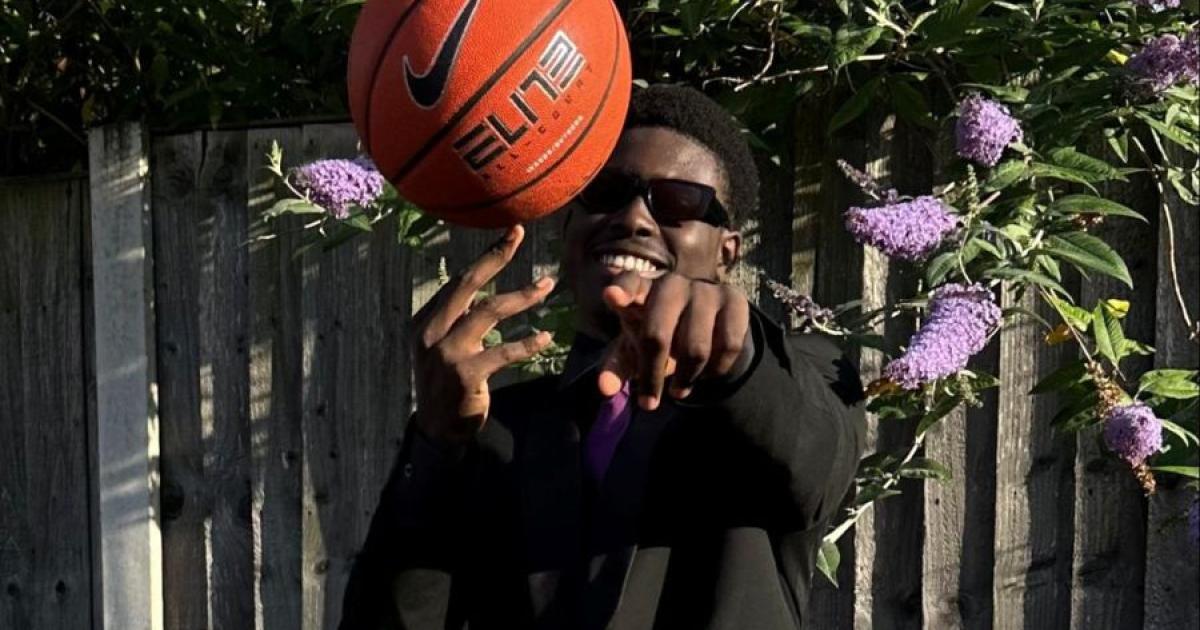
Floral tributes were left at the scene to “Leon the Champion” after the 15-year-old’s death, while his family later paid tribute to a boy who had big ambitions for the future.

The incident happened at Clifton Country Park (Image: Phil Taylor)

They also appealed for families to learn from the incident and be cautious with bodies of water.

Advertisement

A statement from the family said: “Leon was our baby, our brother, our best friend, and the heart of our family.

“He was kind, respectful, thoughtful, and loved by everyone who knew him.

Private land is fenced off (Image: Phil Taylor)

“No matter where he went, Leon brought energy, laughter, and happiness.

“People will always remember his infectious smile, his sense of humour, and the way he treated others with kindness and compassion.

Advertisement

Leon had just completed his GCSEs and was excited about the future.

More of the signage at the country park (Image: Phil Taylor)

“He loved basketball, fashion, music, and spending time with family and friends.

“He had big ambitions and dreams he was looking forward to pursuing.

“If Leon could speak to others today, we believe he would have one important message: no matter how safe the water may look, it is never worth taking the risk.

Advertisement

“We will always wonder what might have been if different choices had been made. If Leon had gone to the local swimming baths instead of the Clifton Country Park that day, he would still be with us.

“In sharing Leon’s story, we hope that other families never have to experience the unimaginable pain and heartbreak that we are living through.

“Leon was deeply loved, and we will carry his memory with us always.”

Advertisement

Source link

Continue Reading
Click to comment

You must be logged in to post a comment Login

Leave a Reply

NewsBeat

Ryanair warns Manchester Airport passengers of big queues

Published

on

Ryanair warns Manchester Airport passengers of big queues

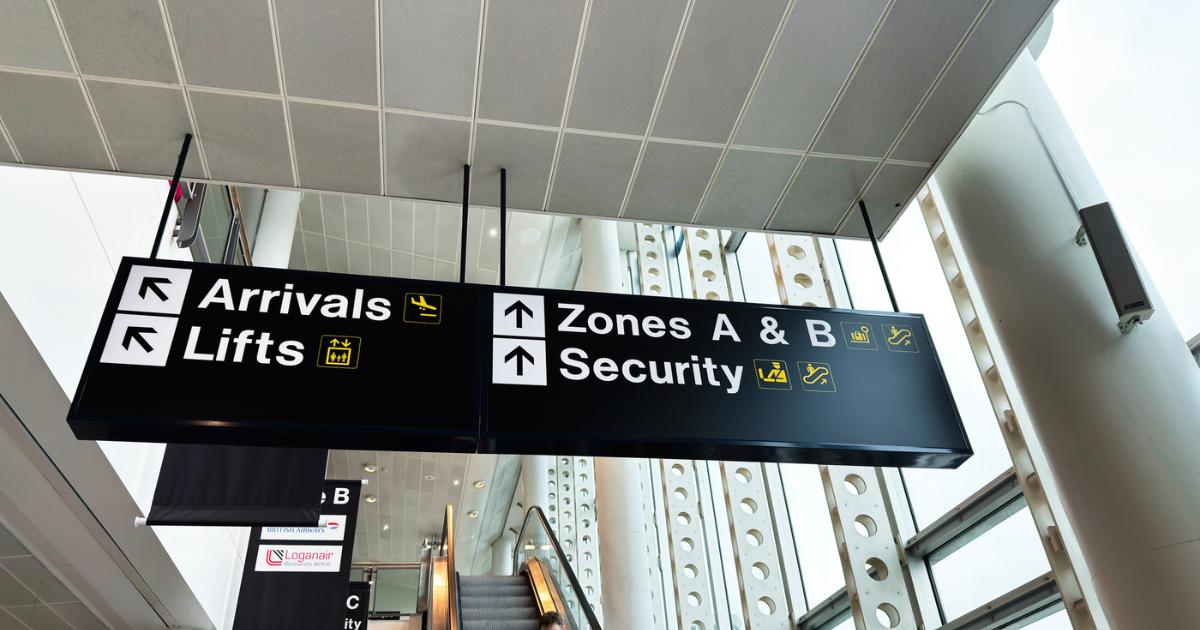
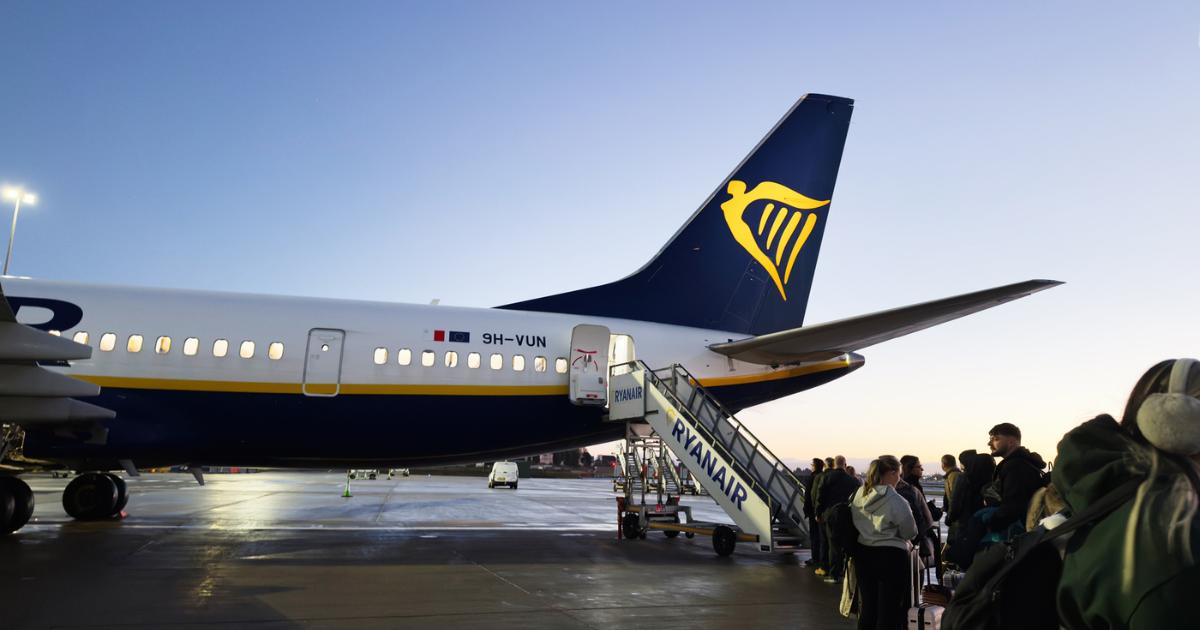
The disruption, which is affecting 16 airports (all of which Manchester flies to), is linked to the European Union’s Entry Exit System (EES), which has continued to cause delays months after its introduction.

First launched in October last year, the rollout accelerated on April 10.

The system now requires British travellers and other non-EU visitors to provide biometric data, including fingerprints and facial scans, when entering the Schengen Area.

Advertisement


The new EES has received significant backlash since its introduction, with it causing long waits for passengers at airports.

Some travellers have already experienced waits of up to six hours, and industry experts warn these disruptions could continue for up to two years.

Major airlines, including Jet2 and Ryanair, have called for the rollout of the new system to be suspended until after the summer to allow for a “smoother airport experience” during peak travel season.

CEO of Malta Air, David O’Brien, even threatened to pull all flights to Malta due to the extended wait times caused by the EES at airports.

Advertisement

EES to cause long queues at 16 major airports this summer

Brits heading to Europe this summer have been told to expect more delays due to the EES.

Ryanair has outlined 16 European Airports where travellers can expect “significant” queues, which you can travel to from Manchester Airport:

  • Tenerife South
  • Palma/Majorca
  • Alicante
  • Malaga
  • Milan Bergamo
  • Krakow
  • Paris Beauvais
  • Lisbon
  • Madrid
  • Lanzarote
  • Milan Malpensa
  • Verona
  • Berlin
  • Cologne
  • Frankfurt Hahn
  • Budapest

Chief operations officer at Ryanair, Neal McMahon, said: “Families heading away for a well-earned summer holiday should be thinking about suitcases, suncream and sangria, not standing in passport queues for hours.

“The reality is that the EES system isn’t working properly and families are paying the price for a system that does not work months after launch.

Advertisement

“Passengers should not be the testing ground for unfished border infrastructure.”

Mr McMahon has backed calls from EU Member States to extend current EES flexibilities into early 2027.

This extension would give airports and border authorities more time to fix malfunctioning kiosks, increase staffing levels, and ensure the system can operate efficiently before full enforcement is introduced.

He said: “We support calls from EU Member States to urgently extend the EES flexibilities.

Advertisement

“This will give airports and border authorities the time to improve the infrastructure, fix the broken devices and hire more staff so that families can travel through Europe without disruption.”

Ryanair has advised UK passengers travelling to and from non-Schengen destinations, or transiting through affected European airports, to allow extra time for their journey and be prepared for lengthy waits at passport control.

ETIAS launch delayed until 2027

Meanwhile, the launch of the EU’s new European Travel Information and Authorisation System (ETIAS) has been delayed until 2027.

The ETIAS is a pre-authorisation scheme which will apply to UK passport holders and other visa-exempt travellers entering 30 European countries for short stays.

Applicants will be required to pay a €20 fee, though travellers under 18 or over 70 will be exempt.

Advertisement

The ETIAS was expected to launch later this year, but it has now been delayed until 2027, according to the Financial Times.

The decision is due to “technical glitches” and delays with the EES, which only recently came online after being postponed from 2022.

EU home affairs commissioner, Magnus Brunner, said the delays were due to “other factors”, including insufficient staff or lack of adequate infrastructure.


ETIAS: What Brits need to know before travelling to Europe

Advertisement

EU-Lisa, the agency responsible for ETIAS, has reportedly acknowledged that “launching it by the end of this year as planned was no longer feasible”.

The European Commission will set the official launch date only after EU-Lisa confirms the system has been fully tested and is ready.

A commission spokesperson said: “Preparations for the launch of ETIAS are ongoing.

“Obviously, as with any large-scale IT system, many factors come into play when deciding when to launch it.”

Advertisement

Have you used the EU’s new Entry Exit system yet? Let us know about your experience in the comments below.

Source link

Advertisement
Continue Reading

NewsBeat

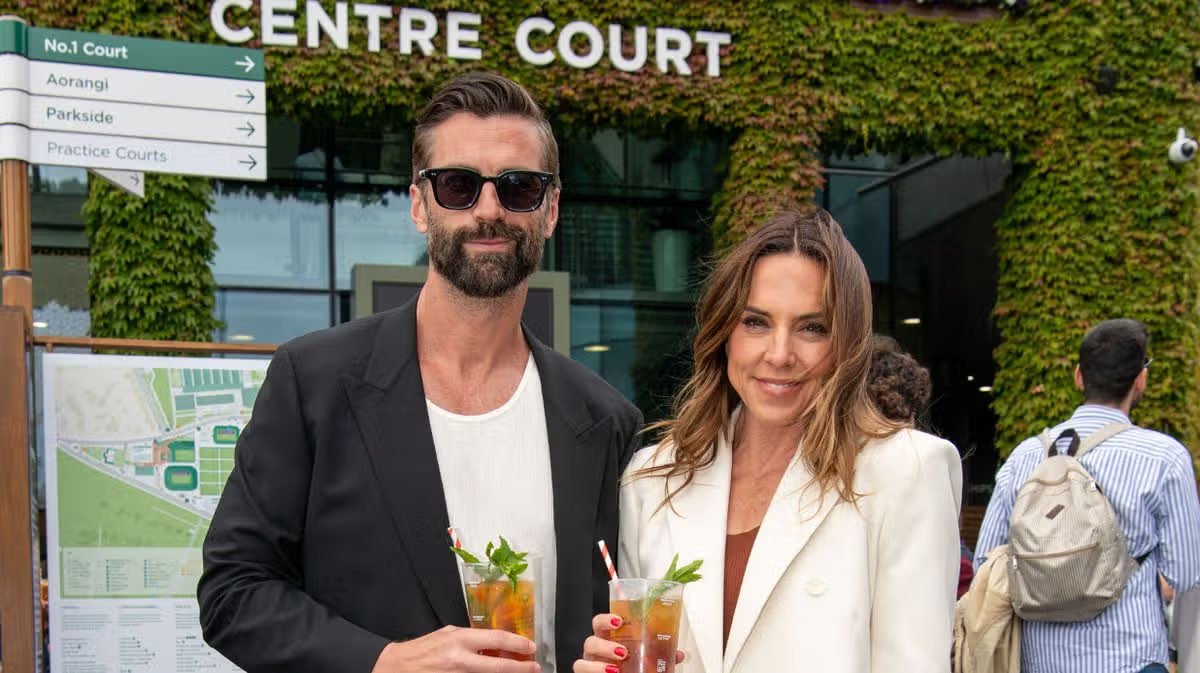
Spice Girl Mel C marries Australian model Chris Dingwall in Lake District wedding

Published

on

Manchester Evening News

The big day was held at the stunning Country House in Castle Carrock, Cumbria

Spice Girl star Mel C has married Australian model Chris Dingwall in a stunning Lake District wedding.

Advertisement

Melanie Chisholm, known by her Spice Girls moniker Sporty Spice, is believed to have gotten married to Chris on Saturday (July 19). The ceremony is reported to have been held at The Country House in Castle Carrock, Cumbria.

The Georgian wedding venue is co-owned by Mel’s close friend Ben Forster. Mel met the West End star when they starred together in Jesus Christ Superstar in 2013.

Click here to get the biggest stories straight to your inbox in our Daily Newsletter

Her former bandmates Geri Horner, Mel B and Emma Bunton were in attendance for the big day. Sadly, Victoria Beckham was not able to be there as she he is at the World Cup in the United States with her husband, David.

Advertisement

According to MailOnline, Victoria designed Mel’s dress as a gift in spite of not being able to be there for the wedding. A source said: “Victoria would have loved to have been there if she could. It was her great pleasure to make the dress for Mel.”

With the wedding said to have had a small guest list, Mel’s 17-year-old daughter, Scarlett, whom she shares with property developer Thomas Starr, was her bridesmaid. Mel and Thomas were in a relationship together from from 2002 to 2012.

“Mel swore she would never get married, so having a big do wasn’t really for her. It is the perfect venue for them, totally out of the way but in the most beautiful place.”

Advertisement

While Mel tends to keep her personal life under wraps, she previously revealed that she and Chris get on swimmingly due to sharing ‘similar personalities and lifestyles’. Their romance inspired her latest album, Sweat.

She told The Telegraph: “Not long into making the record, I met somebody new, I fell in love, and so I ended up having this wonderful arc of emotions throughout the album – of heartbreak and then that excitement of a new relationship. He’s very laid-back. He’s loads of fun…we work out together. We have very similar personalities and lifestyles.”

She added: “Rather than separating work and life, I enjoy them both together, which has been a big shift. I think that really happened after I met my partner, Chris.

“He’s able to travel with me a lot. He’s a screenwriter so he can work from anywhere, and that usually means with me, which is good for me. It’s so beautiful to be able to enjoy the life I have with the person I love.”

Advertisement

According to Mel, having previously thought she’d never get married, meeting Chris made her change her mind when they met on a dating app. She explained: “You know what? It’s something I didn’t think would be part of my story. But I’m so happy with Chris. Maybe it is something that will be in my life. I just think, just do all the things. Do you know what I mean? Have all the experiences…

“Nobody knows this but we actually met on Raya … Yeah, it can work people! I don’t know how much I should divulge. I was in a relationship previously and you know sometimes you get to the end of a relationship and first of all, you’re like: ‘I never want to meet anyone ever again and that’s it.

“It’s just me and my girl [daughter Scarlett] and that’s it. It’s us against the world’, which it still is. But then you get to this point and it’s usually on a drunken night out with female friends and it’s like: ‘You gotta get back out there! You gotta start dating’. So that’s when the Raya profile was set up.”

Source link

Advertisement
Continue Reading

NewsBeat

Agricultural property specialist joins Wilkin Chapman Rollits in York

Published

on

Agricultural property specialist joins Wilkin Chapman Rollits in York

Wilkin Chapman Rollits recently announced the hire of Holly Gibson, an agricultural property specialist based in York, who arrives from SJP Law as a senior associate.

She brings particular experience in agricultural property, renewables, and development across Yorkshire.

Katie Wright, partner in the real estate team at York, said: “Holly is a fantastic addition to our York office and our agriculture team.

Advertisement

“She brings specialist expertise in agricultural property matters, alongside a strong understanding of the issues facing rural businesses and landowners across the region.

“As we continue to develop our presence in York and North Yorkshire, Holly’s experience and connections within the agricultural sector will be invaluable.”

Ms Gibson is the sponsorship secretary for the Ryedale Show, one of North Yorkshire’s best-known agricultural events.

Wilkin Chapman Rollits will sponsor and exhibit at this year’s show on July 28.

Advertisement

Ms Gibson added: “I’m delighted to have joined Wilkin Chapman Rollits and to be part of a highly respected team with a strong reputation and a passion for the agricultural sector.

“Agriculture is at the heart of many rural communities, and I look forward to supporting farmers, landowners and businesses with the opportunities and challenges they face.”

Source link

Advertisement
Continue Reading

NewsBeat

York and North Yorkshire join leaders on India trade visit

Published

on

York and North Yorkshire join leaders on India trade visit

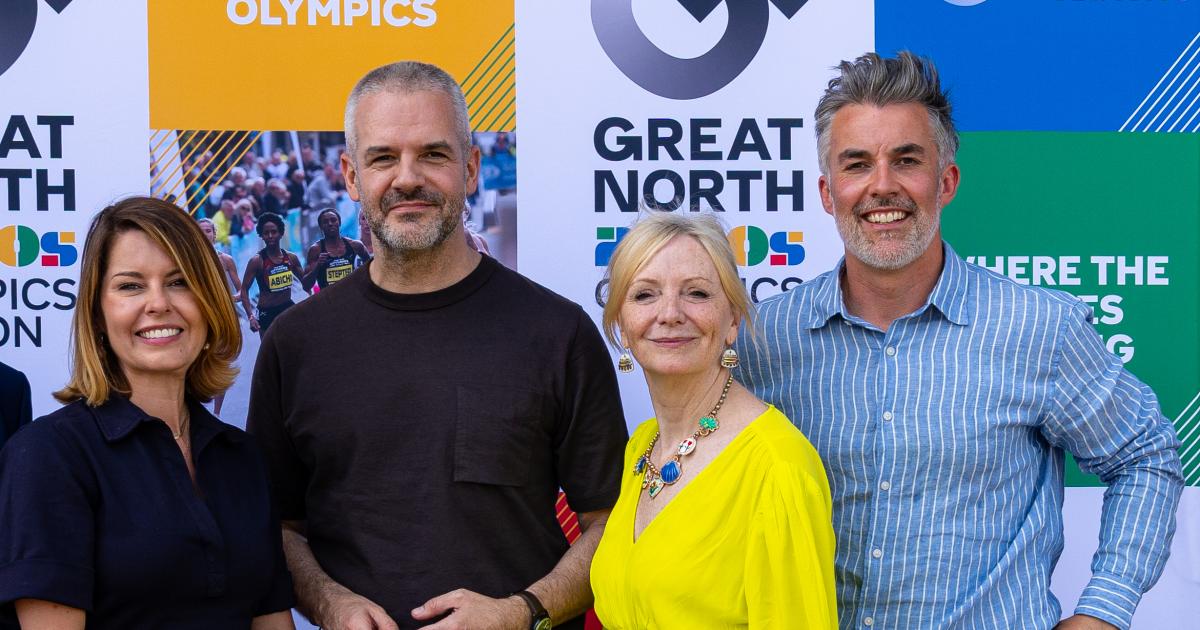
The visit marks the UK’s first major regional response to the UK-India Free Trade Agreement, which came into effect on July 15, and aims to attract Indian investment into the North while helping Northern businesses expand into the Indian market.

Taking place from October 12 to 16 under The Great North banner, the mission will bring together civic, business, and academic leaders from across the North East, York and North Yorkshire, Liverpool City Region, West Yorkshire, South Yorkshire, and Cheshire and Warrington.

David Skaith, Mayor of York and North Yorkshire, said: “The North is stronger when we work together, and we’re ready to take the commitment we made and put it into action with a joint trade mission to the world’s fastest growing economy.

Advertisement

“We will use this visit to India to showcase the combined strength of the Great North and how York and North Yorkshire can bring our world-class research and education, our thriving manufacturing sector and our hard-working farmers to the table.”

The delegation will promote trade, investment, innovation, culture, and the visitor economy, with support from the Department for Business and Trade and the Foreign, Commonwealth and Development Office.

Northern mayors will be joined by businesses, SMEs, and universities to showcase the region’s economic potential and create new opportunities for collaboration.

Kim McGuinness, Chair of The Great North and North East Mayor, said: “The Great North was created to do something the North of England has rarely had the opportunity to do before: come together with a single voice and tell our story to the world.

Advertisement

“This mission to India is a powerful example of that vision in action.

“It is the North taking control of its own destiny, coming together to build relationships, attract investment and create opportunities that will benefit our people, businesses and communities for generations to come.”

The programme will include an opening event in New Delhi, sector-focused meetings, and cultural and sporting activities to promote Northern assets.

Plans also include working with Indian travel trade partners to grow visitor numbers from India to the North of England.

Advertisement

The Great North region represents a combined economy worth more than £340 billion, with strengths in advanced manufacturing, life sciences, digital technology, clean energy, financial and professional services, and the creative industries.

India and the North already share deep ties, including a diaspora of nearly 540,000 people of Indian origin and significant Indian investment in the region.

The mission follows the India North England Opportunity Summit in March 2026, which brought together more than 300 delegates and marked one year since the opening of the Consulate General of India in Manchester.

Advertisement

Source link

Continue Reading

NewsBeat

Why some primates have even tougher births than humans

Published

on

Why some primates have even tougher births than humans

Scientists have long thought humans have a uniquely difficult birth compared to other primates.

And it’s true that from an evolutionary perspective, we face an obstetrical dilemma. As we evolved to walk on two feet, our pelvis changed shape and size and our birth canal became smaller and oddly twisted. Meanwhile, the evolution of our enormous brain meant that a large-headed baby needed to fit through it.

But our new study found that some primates have to give birth to babies that are squashed even more tightly in the birth canal.

Primate births usually happen at night which makes them difficult to study, especially in the wild. Because of this, we do not know much about them. Rare observations suggest a more solitary, shorter and less noisy labour compared to humans.

Advertisement

To get around this lack of direct observations, in 1949, the Swiss anthropologist Adolph H. Schultz looked for clues in anatomy instead. He measured the size of the pelvic birth canal and of the neonatal head in humans and seven other primates. He wanted to find out how tightly the baby’s head fitted through the birth canal. His results suggested that humans were unique in having a rounder birth canal, one in which the baby’s head only just fitted through. Other great apes seemed to have an oval canal with plenty of space for the baby’s head. Schultz’s influential study shaped how we think about human birth as unusual and harder than other primates.

However, the way he measured the birth canal was based on human anatomy. And the human standard measure Schultz used did not actually reflect how much space there was. He used the distance between the top of the sacrum (a large triangular bone at the base of the spine) and the top of the pubis bone to represent the diameter of the canal (a standard obstetric measurement in humans). Since the sacrum sits higher in the pelvis in other primates, only its lower part forms part of their birth canal. This is why their birth canals appeared so elongated in his diagram.

Our study instead used 3D scans of the pelvis and measurements of the newborn head from 29 primate species, including humans, to revisit Schultz’s study using more appropriate measurements. We found that, in reality, many primates experience a much tighter fit than humans do.

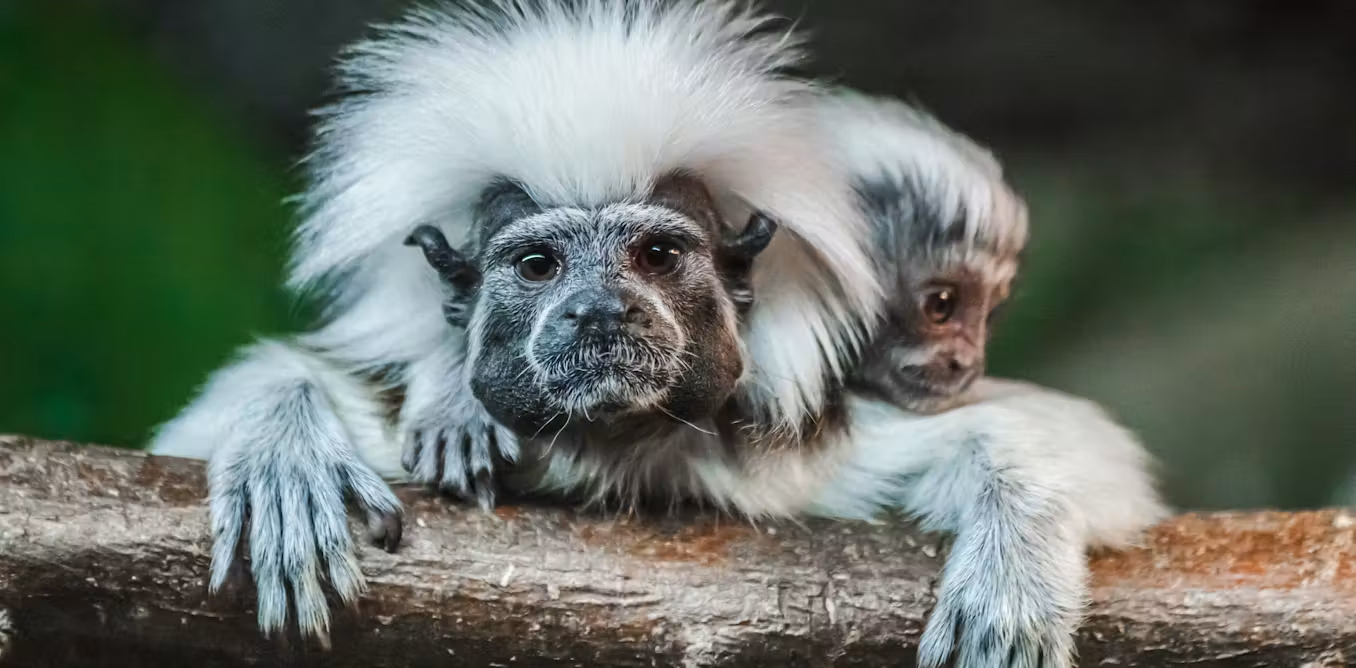
Some of the most striking examples were squirrel monkeys and tamarins, small
primates from Central and South America that live high in the tree canopy. Their
babies are born with heads that are about double the size of the maternal pelvic
canal.

Advertisement
Squirrel monkeys have a tight fit at birth.
dangdumrong/Shutterstock

Birth for squirrel monkeys and tamarins might seem impossible with such a
head-to-pelvis disproportion, but a 1995 study provides an explanation. After many
sleepless nights spent observing squirrel monkeys giving birth in a primate centre, doctoral researcher Melissa Stoller managed to take X-ray images of the labour, revealing that the monkey’s pelvic bones temporarily dislocate, creating extra space for the baby to pass through. We think a similar strategy may help bushbabies, whose newborns also have unusually large heads relative to the mother’s birth canal. As we showed in a 2025 study, the pelvis of female bushbabies (but not males) is open at the front, where their pubic bones do not meet and elastic connective tissue between them can stretch and expand during labour.

Another adaptation concerns the way the baby moves through the birth canal. In
these species, babies usually enter the canal face-first rather than with the top of the head (the orientation assumed by Schultz in his diagrams). This reduces the amount of space needed during birth. Stoller’s X-ray study showed this in squirrel monkeys and baboons, and it may be common in other monkey species too.

Neither of these adaptations could be easily adopted by humans. Because we walk
upright, our pelvis must provide stable support to our body and cannot easily stretch during labour. In fact, when the pelvic ring dilates too much during birth, this can lead to severe pelvic pain, and difficulty in walking after the birth. Instead, our babies have evolved a highly plastic head that can mould to the shape of the maternal birth canal as it passes through it.

The dangers of giving birth

Giving birth is neither easy nor risk free. Despite huge medical advances, we still see three maternal deaths per 1,000 live births worldwide, and more in low-income or war-torn countries. Birth is even riskier for babies, with 17 deaths per 1,000 live births in sub-saharan Africa. Maternal mortality rates were much higher a hundred years ago, before antibiotics and advances in obstetric care.

Advertisement
Golden lion tamarin mother rests with baby nestled against her, surrounded by foliage
Spare a thought for tamarin mothers.
Martens Coyotes/Shutterstock

While these adaptations make birth possible, they do not necessarily make it easy.
Going back to squirrel monkeys, despite their flexible pelvis they have high maternal and foetal mortality.

Looking even more widely across mammals, there are many examples of unique adaptations for apparently impossible births; from female bats having evolved a pelvic girdle fully open at the front so the pelvis is more of a horseshoe structure to accommodate enormous babies, to spotted hyenas having to give birth through their extremely large clitoris.

Primates, and mammals at large, show a diversity of obstetrical dilemmas, each
solved in different ways depending on their anatomy, ecology and movement. If we
are unique, so are all other species.

Source link

Advertisement
Continue Reading

NewsBeat

Jason Donovan announces death of dad and Neighbours co-star Terence aged 90 | Soaps

Published

on

Jason Donovan announces death of dad and Neighbours co-star Terence aged 90 | Soaps
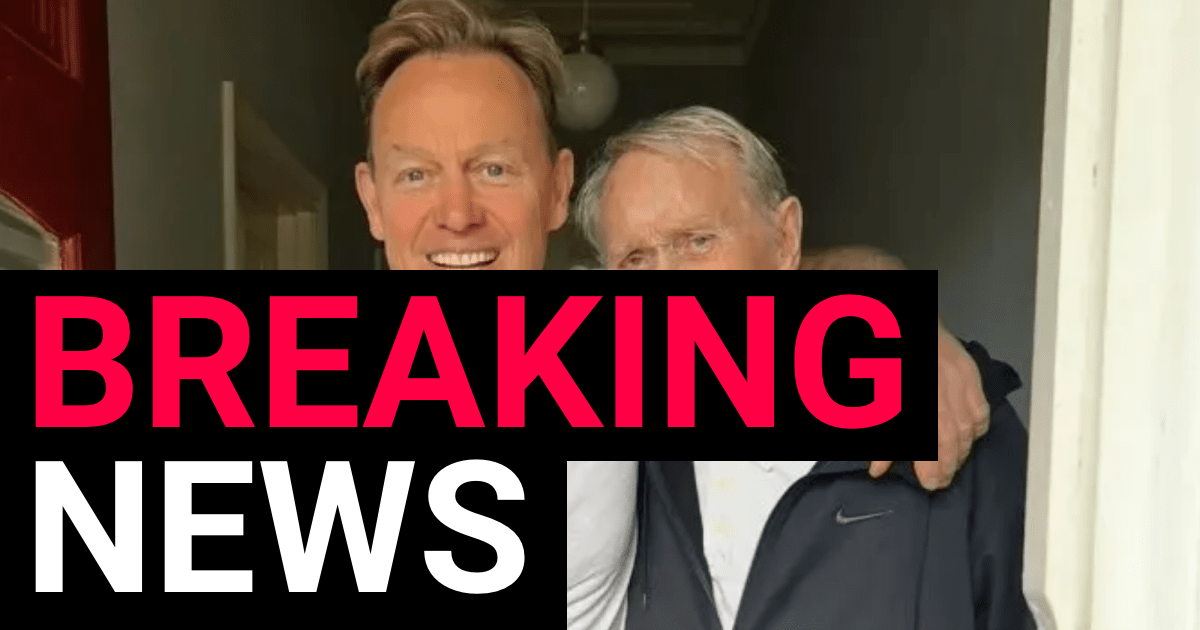
Jason Donovan’s father, Terence, has died aged 90 (Picture: Instagram/Jason Donovan)

Jason Donovan has announced that his dad, Terence, who starred alongside him in Neighbours, has died.

The Australian soap icon, 58, shared today that his father, 90, died ‘peacefully’ in Melbourne on Saturday.

‘It is with great sadness but also a sense of celebration of a long, full life that myself and my brother Paul announce our father Terence died peacefully last night here in Melbourne,’ his statement began.

‘Obviously this is an extremely emotional time and we ask you to respect our privacy.

Advertisement

‘We want to pay tribute to all the wonderful staff at Cabrini Hospital, Melbourne who looked after him in his final days.’

Ask Metro


Use AI to go deeper into the stories you care about – powered by Metro and trusted publications.

Advertisement

Jason described his dad as a ‘huge character’ and his ‘best friend’.

‘We will desperately miss him but we take comfort knowing we were all here by his side in his final days.

‘Knowing that he lived life to the max. Knowing that in life it’s either a daring adventure… or nothing at all!’

‘How lucky are we to have a dad like you,’ he concluded.

Advertisement

Born in London, Terence moved to Australia with his parents when he was 14, which is where he pursued acting after first working as a truck driver and a house painter.

In 1965, he married TV presenter Sue McIntosh, and they welcomed son Jason three years later before divorcing after seven years.

The veteran actor had numerous high-profile roles in Aussie police dramas Division 4 and Cop Shop in the 70s and 80s.

In 1990, he had a six-week guest role in Home and Away as the second actor to play Al Simpson, succeeding George Leppard.

Advertisement

That same year, he would join Neighbours as Doug Willis, with his on-screen family written out in 1994. Terence reprised the role in 2016, culminating in his character’s death, which he later said was not the way he wanted Doug to leave.

Finally, in 2022, Terence made another cameo alongside Jason in the then-finale of Neighbours, also appearing with granddaughter Jemma Donovan, who played Harlow Robinson between 2019 and 2022.

Jason, of course, famously played Scott Robinson in the soap opera before his music career took off. He appeared from 1986 to 1989.

As for the remainder of Terence’s career, he also had roles on Prisoner, Sons and Daughters, A Country Practice, and The Flying Doctors.

Advertisement

Film-wise, he appeared in Breaker Morant and The Man from Snowy River.

If you’ve got a soap or TV story, video or pictures get in touch by emailing us soaps@metro.co.uk – we’d love to hear from you.

Join the community by leaving a comment below and stay updated on all things soaps on our homepage.

Source link

Advertisement
Continue Reading

NewsBeat

Has the World Cup been a soft power failure for the US?

Published

on

Has the World Cup been a soft power failure for the US?

Hosting the Men’s Fifa World Cup is supposed to be one of the biggest soft power wins a country can score. When Germany hosted the tournament in 2006, it did so under the official slogan “a time to make friends”. It sought to transform its global reputation for being serious and reserved, presenting itself as a welcoming host instead.

Two decades later, the 2006 World Cup is still cited as one of the clearest examples of a country using a sporting mega-event to improve how the world sees it. In fact, the atmosphere was so optimistic that the tournament is fondly remembered in Germany as the “Sommermärchen” (the summer fairy tale).

Developed by American political scientist Joseph Nye in 1990, soft power is the idea that a country can win influence abroad through attraction rather than force. A nation seen as open, fair and welcoming gains real advantages such as more trade, tourism and goodwill in international politics.

Sporting mega-events are one of the most effective tools for building this kind of image because they put a country in front of a global audience for weeks at a time. Millions of people form impressions about a country from what they see and experience directly. This is one of the main reasons the US, alongside co-hosts Canada and Mexico, wanted the 2026 World Cup.

Advertisement

Hosting the tournament was supposed to project a US that is open to the world. Andrew Giuliani, head of the White House’s World Cup taskforce, explained in a July 8 press conference that months of preparation had gone into ensuring millions of visitors experienced “the hospitality that only Americans can offer and provide”.

The World Cup was also a chance for the US to build goodwill and boost a global image that has undergone strain in recent years due to the war in Iran and the Trump administration’s verbal attacks on traditional US allies. However, a string of controversies look set to turn the tournament into a lesson in how soft power can fail.

Florian Balogun, the US striker at the centre of a controversy sparked by Donald Trump intervening to suspend his red card.
Christopher Torres / EPA

Red cards and outrage

The most recent controversy came in early July when the US president, Donald Trump, personally called Fifa chief Gianni Infantino to request a review of a red card shown to US striker Folarin Balogun. This red card, which Balogun picked up in a knockout game against Bosnia and Herzegovina, should have resulted in an automatic one-match suspension.

But Fifa suspended the ban, allowing Balogun to play in the US national team’s ultimately unsuccessful last-16 tie against Belgium. This was an unprecedented decision. It sparked outrage worldwide and drew sharp criticism from European football’s governing body, Uefa. Many observers saw it as an example of political pressure shaping a sporting outcome.

Advertisement

Various other scandals had already occurred in the preceding weeks. Fifa-listed Somali referee Omar Artan was barred from entering the US over unspecified “vetting concerns”, despite holding valid documents. He was removed from the tournament altogether. Iraqi striker Aymen Hussein was detained for seven hours at a Chicago airport before being allowed to continue his journey.

Visa restrictions, including a travel ban covering 39 countries, have stopped fans from several qualifying nations from attending matches. And Iran’s team was made to base itself in Tijuana, Mexico, rather than the US. The Iranians were required to leave the US immediately after each of their matches, prompting their coach Amir Ghalenoei to call them “the most oppressed team” in the tournament.

Each incident is likely to work against the welcoming image the US hoped to project. This is an example of what researchers call “soft disempowerment”, a concept first developed to explain the criticism Qatar received when it hosted the 2022 Men’s Fifa World Cup. It is used to describe what happens when a host country’s own conduct before and during a mega-event pushes people away rather than attracts them.

Reports of migrant worker deaths during stadium construction, as well as bribery allegations and a last-minute reversal on allowing alcohol in stadiums, harmed Qatar’s efforts to use the World Cup to boost its international image. Research from 2025 concluded that, while Qatar held a visually successful tournament, social media scrutiny caused a persistent negative shift in how global audiences perceived the country.

Advertisement
Omar Artan sat on the shoulders of a crowd member as he is welcomed back to Somalia.
Omar Artan was given a hero’s welcome on returning to Mogadishu in Somalia afterUS authorities denied him entry to the 2026 World Cup.
Said Yusuf Warsame / EPA

Lessons for future hosts

The implications of soft disempowerment reach well beyond the 2026 World Cup. A growing number of countries consider hosting sporting mega-events a central pillar of their long-term national strategy. These include Morocco, which is set to co-host the 2030 World Cup alongside Spain and Portugal, as well as Saudi Arabia where the following tournament will be staged in 2034.

Soft power through sport depends on a country delivering on the promises it makes to the people an event brings through its door. Where politics visibly overrides fair process, or where visitors are met with suspicion rather than welcome, the same visibility that makes sport such a powerful tool of soft power becomes the mechanism of its undoing.

For prospective hosts planning their own turn on this stage, the 2026 World Cup may prove to be a far more instructive case study in failure than success.

Source link

Advertisement
Continue Reading

NewsBeat

France’s World Cup MELTDOWN after England humiliation: Furious Adrien Rabiot hits out at teammates’ ‘shameful’ attitude during dismal first half as L’Equipe gives THREE Premier League stars 2/10

Published

on

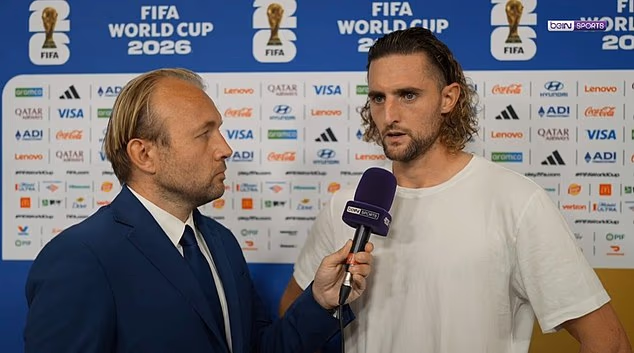
France star Adrien Rabiot hit out at his teammates' 'shameful' display against England

France star Adrien Rabiot slammed his teammates’ ‘unacceptable’ and ‘shameful’ attitude after Les Bleus exited the World Cup with a whimper in Miami.

After their semi-final elimination to Spain in Dallas, the tournament favourites aimed to restore some pride as they took on Thomas Tuchel‘s England in the dead rubber bronze final on Saturday afternoon.

But the 2018 champions unravelled in spectacular fashion in the Sunshine State, shipping four first-half goals to the Three Lions in a shocking performance. 

Didier Deschamps attempted to arrest the slide during the first-half hydration break, but all did not appear well in the French camp, with Man City star Rayan Cherki seen dismissively waving his coach away and electing to ignore his instructions.

Advertisement

Cherki, alongside fellow Premier League stars Ibrahima Konate and Malo Gusto, were given measly 2/10 ratings from French media outlet L’Equipe, which is known for its savage review of players. 

Your browser does not support iframes.

Advertisement

France star Adrien Rabiot hit out at his teammates’ ‘shameful’ display against England

Les Bleus, pictured with manager Didier Deschamps, shipped four first half goals as they lost 6-4 in the bronze final in Miami

Les Bleus, pictured with manager Didier Deschamps, shipped four first half goals as they lost 6-4 in the bronze final in Miami

French publication L'Equipe gave three Premier League stars a 2/10 rating

French publication L’Equipe gave three Premier League stars a 2/10 rating

Advertisement

And despite mounting a second half comeback to walk away with a more respectable 6-4 defeatl, Rabiot was equally critical of his teammates in the aftermath of their defeat in Miami.

‘We started the first half quite shamefully (losing 0-4),’ he told BeIN Sports. 

‘I saw behaviour from some players that I’d never seen before. It’s a bit disappointing, because it was the last match to do well in this competition. 

‘There’s a lot of disappointment after the loss against Spain, but there was work to be done until the very end, and we can’t just be content with sloppy play like that.

Advertisement

‘We talked at halftime, we told ourselves we needed to show some pride, and it was much better in the second half, because in the first half, some of the behavior was unacceptable.’  

Rabiot’s rebuke comes after France captain Kylian Mbappe criticised his manager’s ‘sloppy’ tactics and his teammates’ poor communication after their elimination at the hands of Spain.

‘We were three against two in midfield, and against Spain, that’s hard,’ Mbappe admitted. ‘Fabian [Ruiz] and Rodri [Hernández Cascante] had plenty of time to play.

‘There was a lack of communication on the press. I think we should have done man-to-man press and force them to run with us.’

Advertisement

Mbappe also shared that he did not believe France had played the game they wanted, ‘technically, tactically’.

‘When you don’t do what you have to do in a World Cup semi-final, you don’t win,’ he added, in an apparent jibe at his teammates. ‘Spain respected their game plan and what the team usually does.

They like to control the ball and the tempo. Our plan was to press them high so they could not install their rhythm. Because they are better than us at controlling a game. We didn’t manage to do it. We were too sloppy technically. We could not hurt them when we could have.

‘Even when we recovered the ball, our first touches were not good enough. That gives a defeat. It is a huge disappointment. But if we are objective, we didn’t put all the ingredients to go to the final.’

Advertisement
France captain Kylian Mbappe's criticised his teammates after they lost 2-0 to Spain in Dallas

France captain Kylian Mbappe’s criticised his teammates after they lost 2-0 to Spain in Dallas 

Mbappe has been managed by Deschamps for the entirety of his international career, with the head coach overseeing his breakout World Cup debut in 2018.

The 1998 World Cup winner also handed Mbappe the armband three years ago, after stripping Antoine Griezmann of the honour in favour of the then-24-year-old.

Mbappe was also quick to ensure that he was held responsible for the defeat, adding matter-of-factly: ‘At the end of the day, you take all the glory when you win, and when you don’t win, you have to – sorry – to take the s***’.

Advertisement

Deschamps had been hoping to leave his post as manager of Les Bleus on a high, with the 2026 World Cup his last in charge of the national team.

Zinedine Zidane is expected to takeover from his former teammate, and will be tasked with exacting the huge potential within his star-studded squad. 

How much is David Beckham set to pocket from his World Cup brand deals? Take on our quiz in our newsletter HERE 

Source link

Advertisement
Continue Reading

NewsBeat

Thousands of homes in Kent are without water after ‘failure’ caused by shutdown at water treatment works

Published

on

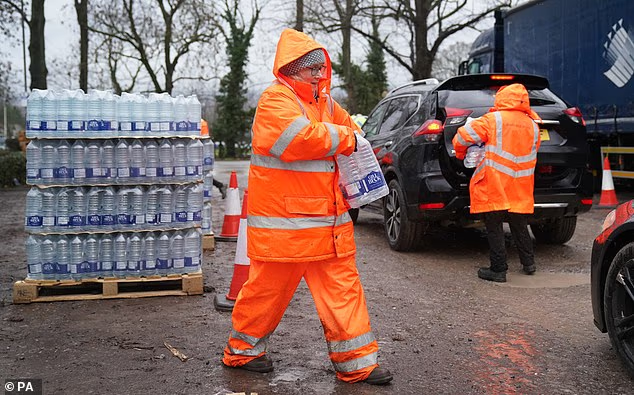
South East Water staff hand out bottled water at a water station in Kent on January 13, 2026

Thousands of homes in Kent are this morning without water because of a failure at a water treatment works. 

South East Water (SEW) said the ‘instrument failure’ in Tunbridge Wells yesterday morning caused a shutdown ‘for a brief period’. 

It left people scrambling to water stations set up at a Tesco store and rugby club in the town last night and this morning. 

The water firm said today that around 7,000 properties have been affected, with people waking up to either their taps running dry, low pressure, or intermittent supply. 

Advertisement

According to SEW, water supplies may not return until Sunday evening at the earliest as storage tanks need to be replenished to a higher level to ensure a continuous and stable supply.

The company apologised to those impacted.

SEW incident manager Robert Anthony-Scorse said: ‘An earlier instrument failure at our water treatment works in the Tunbridge Wells area caused the site to shut down for a short period this morning.

‘The site has managed to run uninterrupted this afternoon. However this, along with several days of high demand for drinking water, has impacted levels in our local drinking water storage tanks.

Advertisement

‘This means we’re unable to pump water to customers, particularly those on higher ground.’

Advertisement

South East Water staff hand out bottled water at a water station in Kent on January 13, 2026 

A SEW customer stocks up her wheeled trolley with bottles of water in Kent on January 13, 2026

A SEW customer stocks up her wheeled trolley with bottles of water in Kent on January 13, 2026 

He added: ‘We’re working hard to resolve the issue as soon as possible.

Advertisement

‘The site is in operation again and we are working hard to increase the storage levels to get the booster pumps back up and running.

‘We want to be sure that once supplies return to customers, this will be a stable, continuous flow.

‘To do this, we need to allow our storage tanks to replenish to a higher level, which unfortunately means the water supplies will not return until tomorrow evening at the earliest.’

SEW said in a statement this morning: ‘While the site is now stable, low storage levels from this disruption and high demand mean we cannot pump water to some areas, particularly on higher ground. 

Advertisement

‘Consequently, up to 7,000 properties face low pressure, no water, or intermittent supply. To ensure a stable, continuous flow, we must allow tanks to replenish. 

‘We continue to deliver bottled water to Priority Services Register customers, and bottled water stations are open at the following locations: Tesco Superstore, Pembury Road, Tunbridge Wells TN2 4NE Tunbridge Wells Rugby Football Club, St. Marks Recreation Ground, Tunbridge Wells TN2 5LS. 

‘We are very sorry to all customers impacted by this issue.’ 

Earlier this week, the water company was ordered to pay £30.5 million after investigations by industry watchdog Ofwat following previous supply interruptions affecting hundreds of thousands of households across Kent and Sussex.

Advertisement

Ofwat said the redress package concludes three investigations into the supplier and includes a previously proposed £22 million fine for water supply failures between 2020 and 2023, which impacted more than 286,000 people.

The regulator launched a second probe at the start of this year after further supply interruptions in Tunbridge Wells and across Kent and Sussex between November and January, which left up to 70,000 homes without water.

South East Water staff hand out bottled water at a water station in Maidstone, Kent, on January 13, 2026

South East Water staff hand out bottled water at a water station in Maidstone, Kent, on January 13, 2026

The third investigation followed the downgrading of SEW’s credit rating by Moody’s in May, which meant the firm was in breach of its licence condition.

Advertisement

SEW warned in its annual report this week that it needs to secure fresh financing to stay afloat after taking a £55 million hit from outages over the winter.

The water supplier to around 2.3 million customers in the south east of England said it was in discussions with lenders to agree a new loan facility.

It has enough cash to keep going until July 2027 but flagged that ‘shortly after’ it will need to get more financing. 

Source link

Advertisement
Continue Reading

NewsBeat

Five tips to avoid Europe’s new airport queues this summer

Published

on

Manchester Airport passengers face 6-hour queues at 3 hotspots

The European Union’s new Entry/Exit System (EES) is now in operation, replacing passport stamps with electronic checks that include facial photographs and fingerprint scans for most UK travellers.

While the new system is designed to improve border security, it also means passengers can expect longer waits at passport control, particularly during the busy summer holiday season.

To help travellers flying from Manchester Airport avoid unnecessary delays, the Association of British Travel Agents (ABTA) has shared several key pieces of advice.

Advertisement

Arrive with extra time

ABTA says travellers should expect passport control to take longer than before and should allow extra time when travelling through participating European countries.

Head to passport control as soon as possible

When flying home from Europe, passengers are advised to go straight to passport control after checking in and clearing security so the new EES checks are completed as early as possible.

Keep your travel documents handy

Border officials may ask where you are staying, how long you are visiting for and the purpose of your trip.

Having your accommodation details and travel documents easily accessible could help speed things up.

Advertisement

Be ready for biometric checks

Most UK passport holders travelling for holidays or short breaks will need to have a facial image taken and fingerprints scanned the first time they use the system.

Children under 12 will only need a facial scan.

Don’t fall for fake ETIAS websites

Another European travel requirement, known as ETIAS, is expected to launch later this year, but applications are not yet open.

ABTA is warning travellers not to use unofficial websites claiming to sell ETIAS permits, as they are fake.

Advertisement

The new EES system applies in most EU and Schengen countries, including Spain, France, Italy, Portugal and Greece, among the most popular destinations for passengers travelling from Manchester Airport.

Source link

Advertisement
Continue Reading

Trending

Copyright © 2025