
TL;DR
Korea’s market now sets global AI sentiment. The Kospi-Nasdaq correlation has nearly tripled. SK Hynix’s US listing extended Korea’s influence into 24-hour trading.



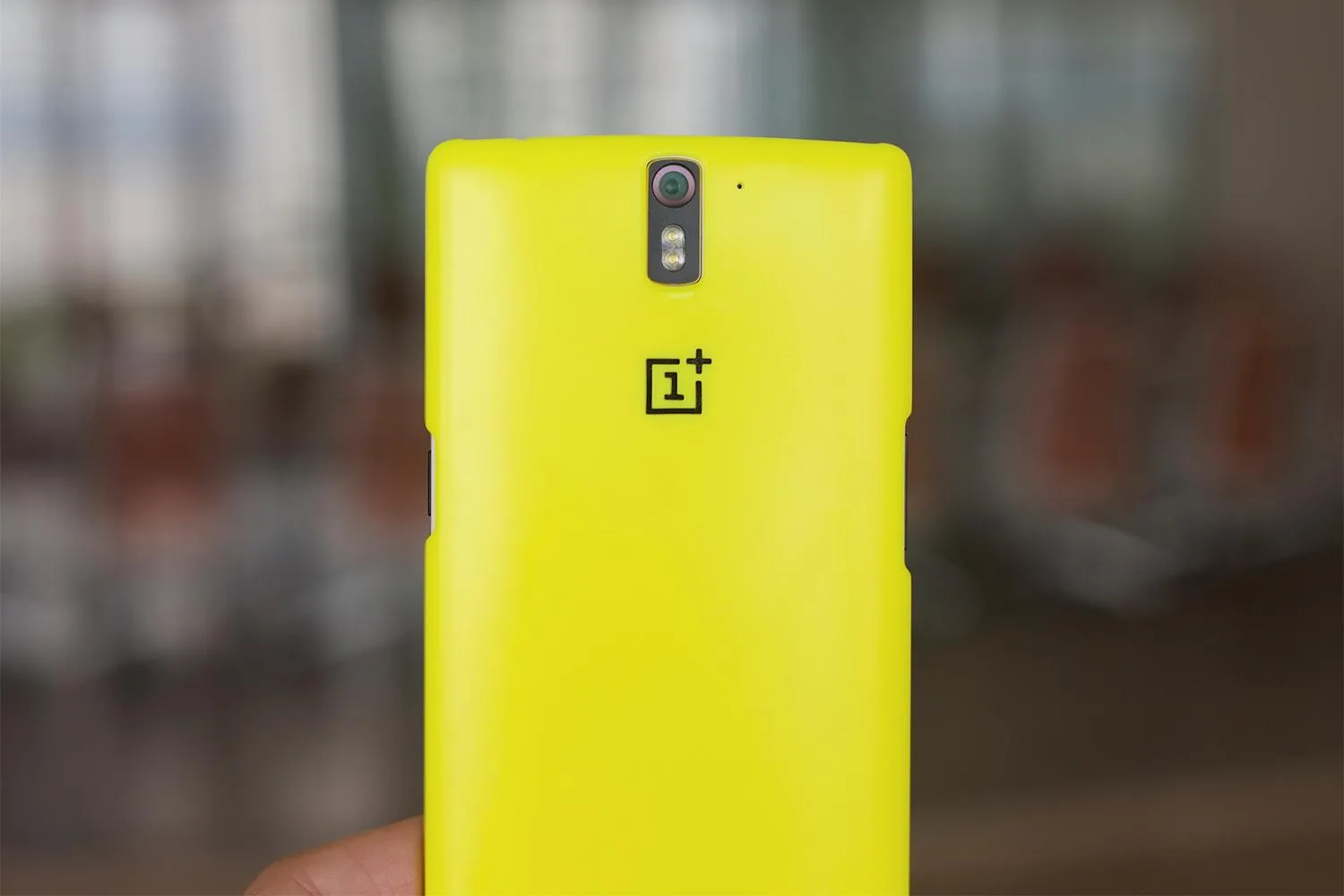
I wasn’t expecting a smartphone brand’s exit to hit me this hard, but OnePlus leaving the US and Europe genuinely did. The company has already confirmed that it will no longer launch new products in either market, although existing customers will continue receiving software updates and after-sales support. So while OnePlus isn’t disappearing altogether, it is walking away from two of the biggest smartphone markets in the world.
To be honest, the Android market in the US already feels limited. If you’re shopping for a flagship, your realistic choices almost always begin with Samsung and end with Google. OnePlus was one of the very few brands sitting in between, offering something that didn’t quite look or feel like everything else. And that’s exactly what I’m going to miss.
Looking back, I don’t think I ever waited for a OnePlus launch because I wanted faster performance or another camera upgrade — of course it came along. But I really waited to see what the company had come up with this time in terms of design, material, or a finish. OnePlus made smartphone launches feel unpredictable, and that’s something very few brands manage today.
Whenever I think about the original OnePlus One, I don’t remember its processor or how much RAM it had. I remember the Sandstone back. It was rough, grippy, and unlike anything else I’d ever held. At a time when almost every phone felt either glossy or slippery, the OnePlus One actually made you notice its texture the moment you picked it up.
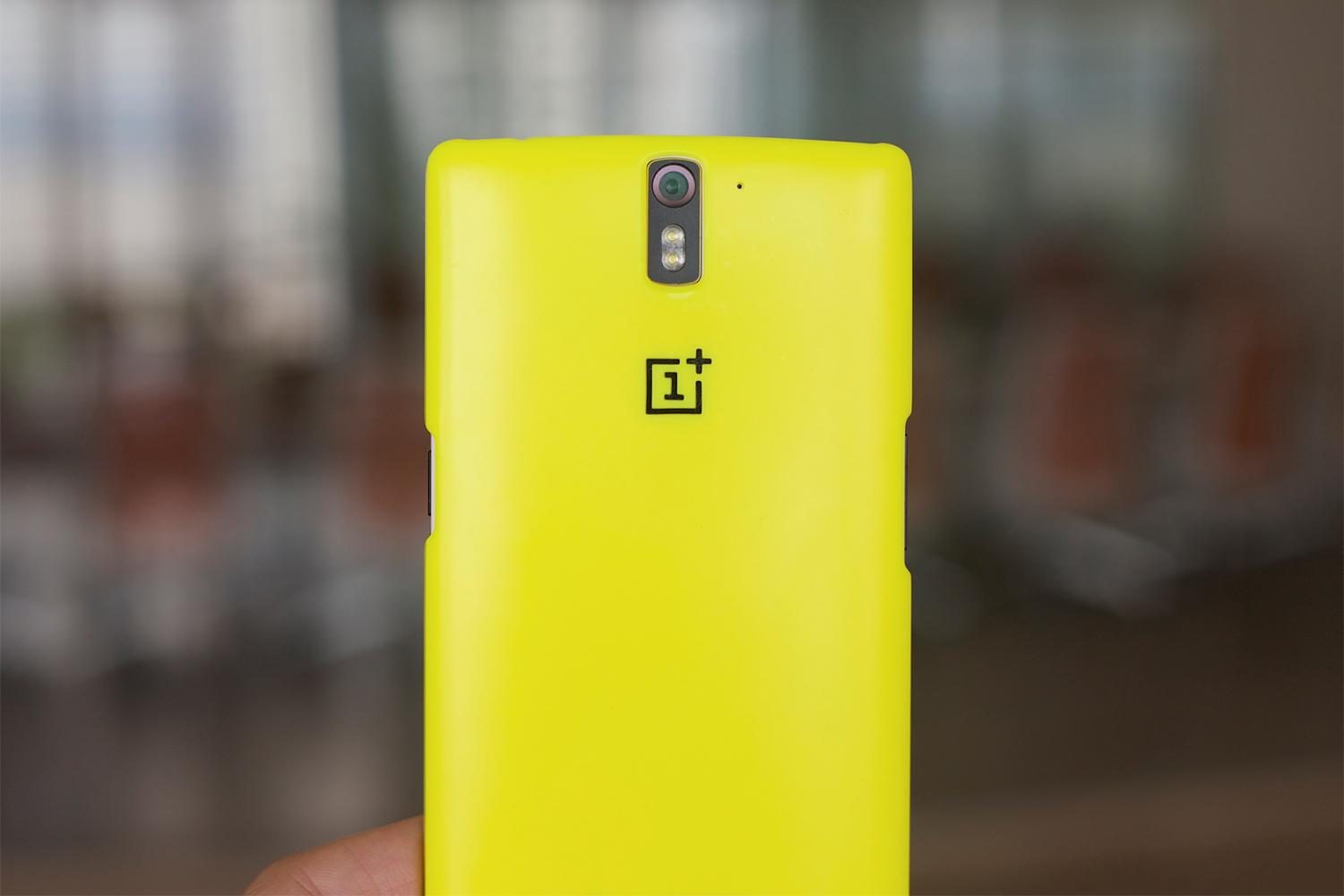
Then came the StyleSwap covers. Suddenly, your phone could be made of bamboo instead of plastic or glass. It sounds ordinary today, but back then it genuinely felt fresh. Instead of asking you to cover your phone with another case, OnePlus wanted the phone itself to feel different. That was the thing about early OnePlus phones — they were memorable for their personality. And the company never really lost that curiosity until the launch of the OnePlus 15, either.
The OnePlus 2 doubled down on the whole idea of customization with bamboo, rosewood, Kevlar, and Sandstone back covers. Then, just as it seemed textured finishes were becoming its identity, the company changed direction completely. The OnePlus X couldn’t have been more different — it traded rugged textures for glossy glass, polished metal, and even a ceramic version that took weeks to manufacture. It looked elegant, expensive, and unlike anything OnePlus had made before.
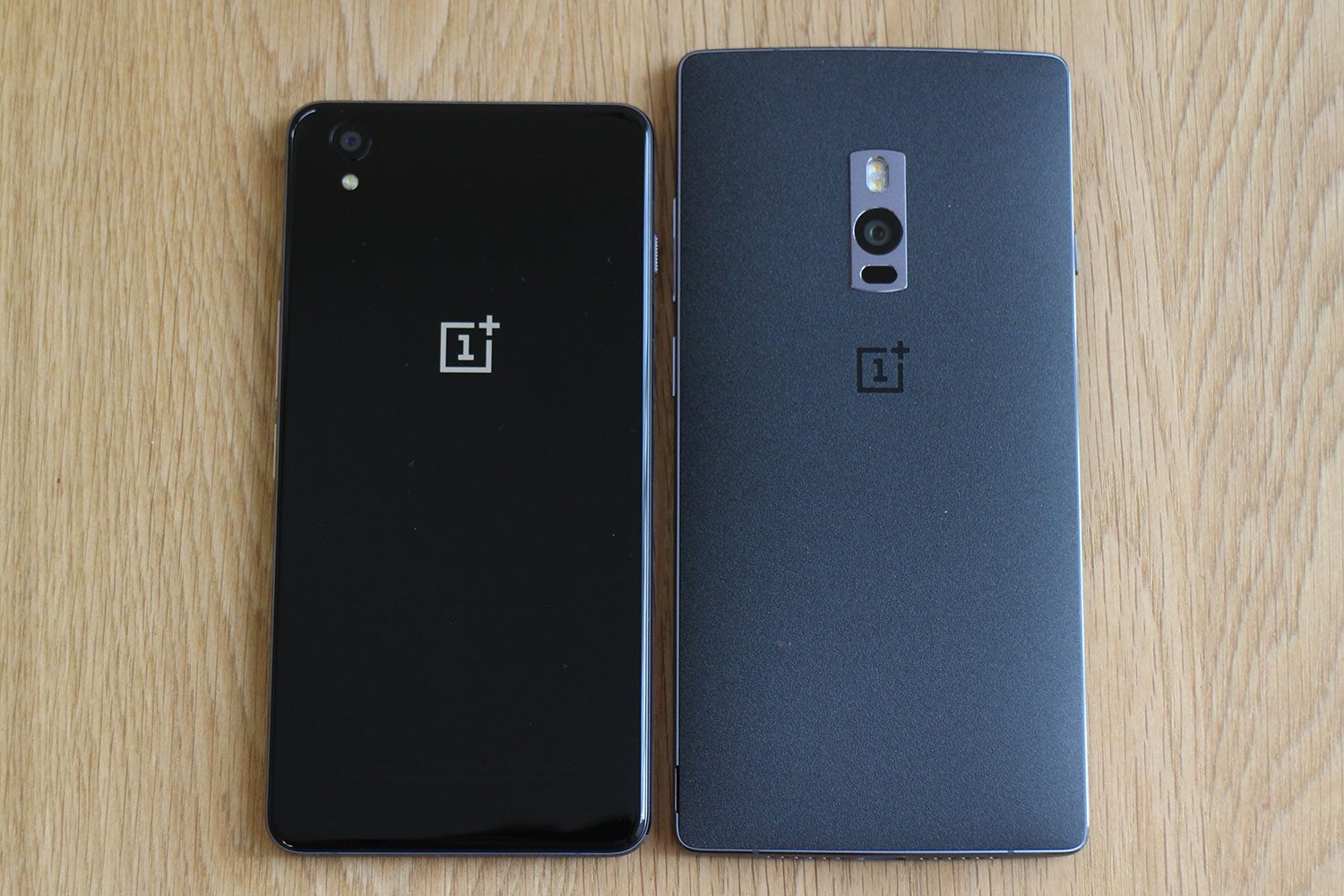
A few years later, the company embraced aluminum unibodies before returning to glass again with the OnePlus 6. On paper, they were all just glass phones. In reality, Mirror Black, Midnight Black, Silk White, and that gorgeous red edition all felt like completely different devices. That was always the fun part; just when you thought OnePlus had settled on a design language, it would surprise you again.
If there’s one phone that perfectly sums up why I loved OnePlus’ approach to design, it’s the OnePlus 7T Pro. Even today, I think it’s one of the most beautiful smartphones ever made. Its pop-up selfie camera meant there wasn’t a notch or a punch-hole interrupting the display. The screen stretched from edge to edge, and whenever you wanted to take a selfie, the camera rose from the frame before disappearing again a few seconds later.
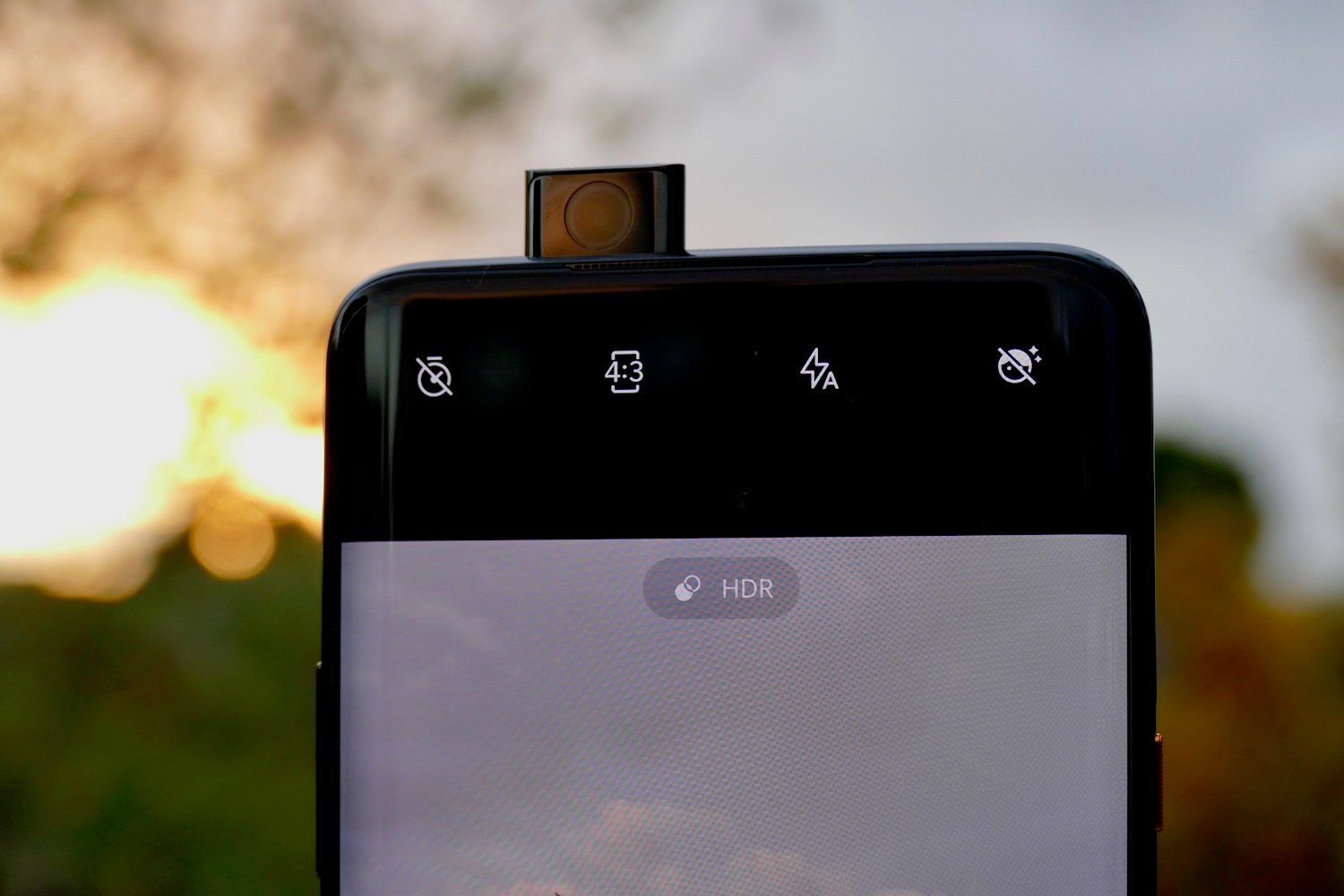
It felt really magical. Pair that with the deep blue finish on the back, and the phone looked futuristic without trying too hard. Years later, I still remember how satisfying it was to unlock it and watch that uninterrupted display light up. OnePlus carried that same mindset into the Concept One, too. It covered the rear with McLaren-inspired leather and used electrochromic glass that could hide the rear cameras when they weren’t in use. Did anyone really need invisible cameras? Probably not. But that’s what made OnePlus exciting. It wasn’t afraid to ask questions that no one else was asking.
Not every OnePlus design became an instant classic. Some were divisive, and a few borrowed a little too much from the competition. But even then, the company rarely settled for being anonymous.
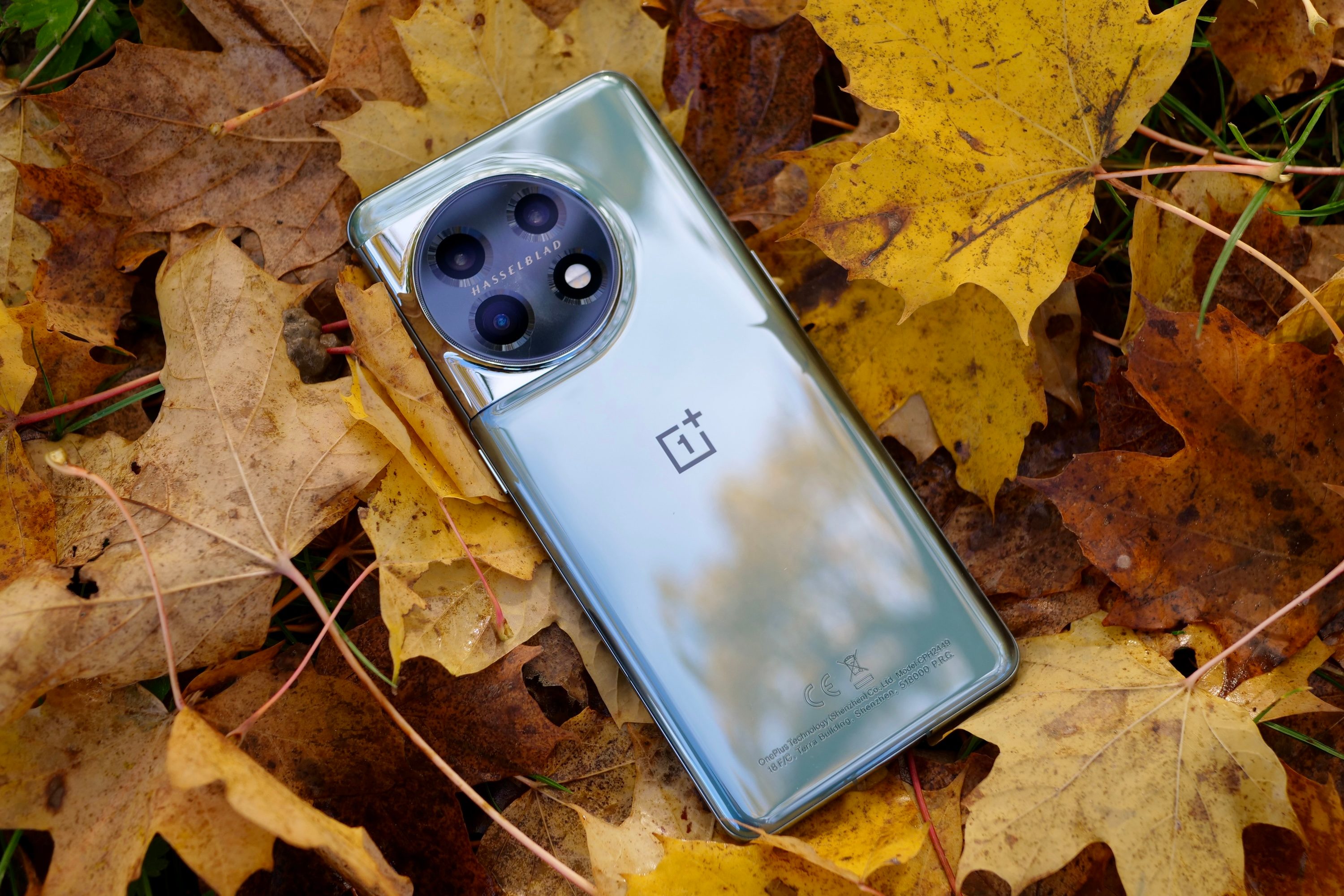
The giant circular camera module on the OnePlus 11 immediately stood out. The OnePlus 12’s Flowy Emerald finish looked like water frozen beneath glass. The OnePlus Open offered a choice between sleek matte glass and understated vegan leather. Even the OnePlus 13 arrived with finishes inspired by silk and natural wood textures, while the Nord 4 brought metal back at a time when almost everyone else had abandoned it. Whether you loved those designs or hated them, they always gave you something to talk about.
That’s also why losing OnePlus feels bigger than simply losing another smartphone brand. Look at Samsung today — its Galaxy phones are incredibly polished, and I genuinely think they’re among the best Android phones you can buy. But they’ve also become very predictable. Every new generation feels like a careful refinement of the last one.

Google has done something similar with the Pixel. The camera bar has become one of the most recognizable smartphone designs around, and every new Pixel simply builds on that identity. There’s absolutely nothing wrong with either approach. In fact, consistency is part of what makes both brands successful. But consistency rarely surprises you. OnePlus did — it kept changing materials, finishes, textures, camera layouts, and even the way cameras worked. You never really knew what the next OnePlus phone would look or feel like, and that’s something the Android market doesn’t have much of anymore.
The Android market in the US will be just fine. Samsung isn’t slowing down, and Google will keep pushing the Pixel forward. People will continue buying both, and they have every reason to — they’re two of the best Android phones you can buy.
But I’ll still miss the brand that wasn’t afraid to have a little fun. This is the company that gave us Sandstone backs, bamboo covers, ceramic finishes, leather phones, metal unibodies, pop-up selfie cameras, cameras that disappeared when you weren’t using them, and textures that almost begged you to pick the phone up just to feel them. Sure, not every experiment landed. Some designs divided opinion, while others felt a little too ambitious. But that’s exactly what made OnePlus special. It kept trying new ideas when everyone else seemed happy playing it safe. And that’s why its exit from the US and Europe feels like more than just another company leaving the market. Android hasn’t simply lost another name on a retailer’s shelf. It’s lost one of the very few brands that still believed smartphones could have a personality of their own.
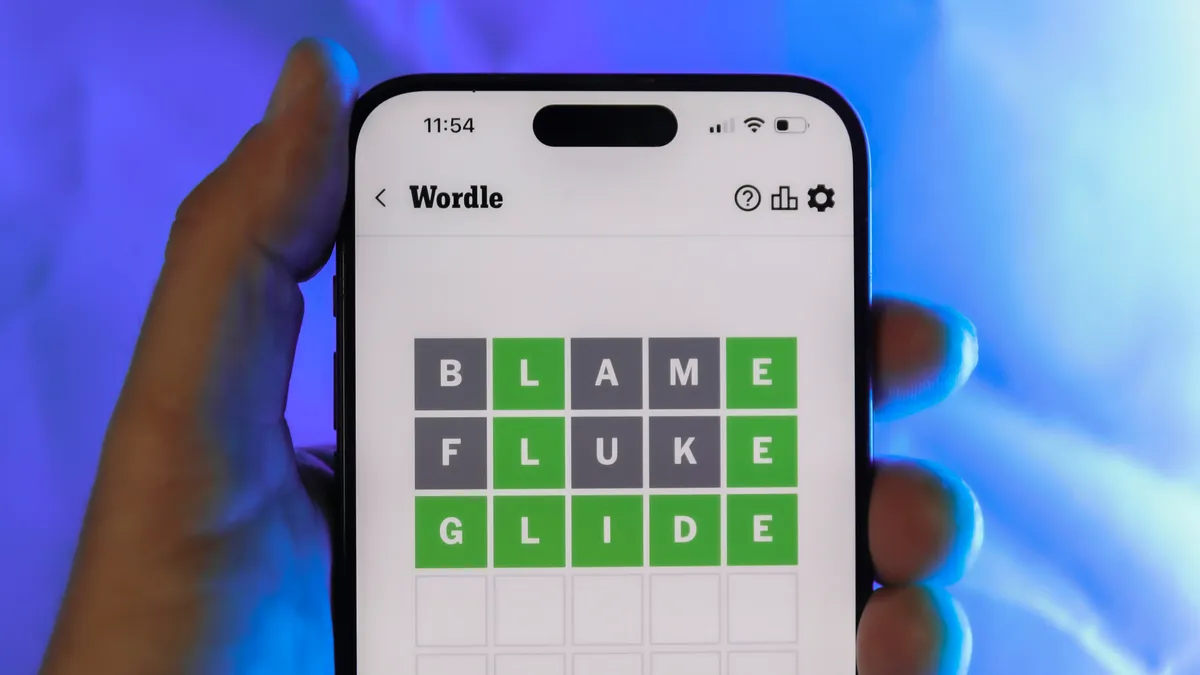
Looking for the most recent Wordle answer? Click here for today’s Wordle hints, as well as our daily answers and hints for The New York Times Mini Crossword, Connections, Connections: Sports Edition and Strands puzzles.
Today’s Wordle puzzle is difficult, with one rare letter right in the middle. If you need a new starter word, check out our list of which letters show up the most in English words. If you need hints and the answer, read on.
Read more: New Study Reveals Wordle’s Top 10 Toughest Words of 2025
Before we show you today’s Wordle answer, we’ll give you some hints. If you don’t want a spoiler, look away now.
Today’s Wordle answer has no repeated letters.
Today’s Wordle answer has two vowels.
Today’s Wordle answer begins with D.
Today’s Wordle answer ends with R.
Today’s Wordle answer can refer to a person who plunges into water.
Today’s Wordle answer is DIVER.
Yesterday’s Wordle answer, July 19, No. 1856, was CHURN.
July 15, No. 1852: PSHAW
July 16, No. 1853: BUTTE
July 17, No. 1854: LEGAL
July 18, No. 1855: BOOTH


Commercial pop-up truck campers start around eight thousand dollars and climb quickly from there. In some countries they are simply not sold at all. Rob at Further Fabrication faced both problems and decided the only practical answer was to design and build one himself in a regular garage with ordinary tools. He began by measuring the truck bed and creating a full 3D model so every panel, beam, and fabric panel could be cut accurately the first time. The structure had to sit low enough for highway driving yet open high enough for a person to stand upright inside. The solution was a rigid lower shell combined with a fabric upper section that rises on gas struts.
The outside and interior walls are both made of nine millimeter structural plywood. Between these two layers are strips of 18 millimeter plywood and rectangular aluminum H-section beams. Exterior grade wood glue and heavy-duty construction adhesive hold everything together, while self-tapping screws and longer structural screws ensure that nothing moves. Aluminum beams provide stiffness without the weight of a full steel frame. We added extra laminated plywood blocks to the front and side joints to ensure that the long screws had a good grip. Then some ratchet straps are used to pull the walls square while they are being constructed, keeping the structure straight while the adhesive cures.
Sale

The roof frame is built in the same beam-and-plywood style, but it is kept separate from the walls to allow for a continuous rubber seal and tent fabric underneath. The roof is made up of two big sheets of aluminum composite panel, which is similar to what is used on some commercial truck bodies. There is one junction in the middle that has been reinforced with extra aluminum angle and 90-degree brackets. MS polymer sealant is used to seal the screw holes and secure the panels together. Four adjustable gas struts raise the roof to around thirty degrees, and the CAD calculations ensured that the mounts were precisely positioned so that everything worked smoothly and remained sturdy once up.
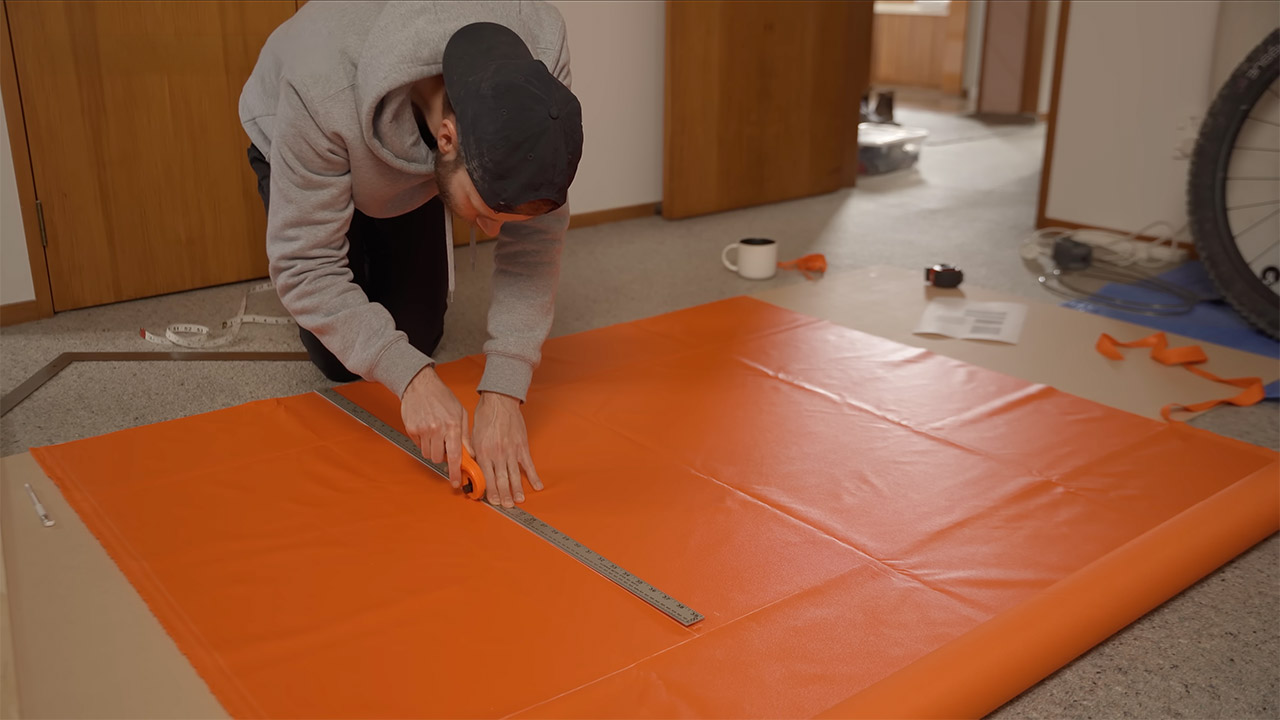
The fabric walls are constructed of 600 denier PVC-coated polyester. This is the same weight as all of their heavy-duty outdoor gear. He utilized paper patterns from the 3D model to cut out bigger panels, and then stitched YKK continuous coil zippers into the window apertures to allow you to unzip the mesh screens and receive some ventilation. He used basting tape and clips to keep the seams in place while we got a heavy duty machine in the house to stitch everything together. After that, we used a soldering iron to create neat holes around the sides and simply screwed some plastic strips cut from garden edging over the top to secure the cloth to the plywood flanges on both the walls and the roof. When the roof is up, the fabric remains taut, and when closed, it folds neatly.
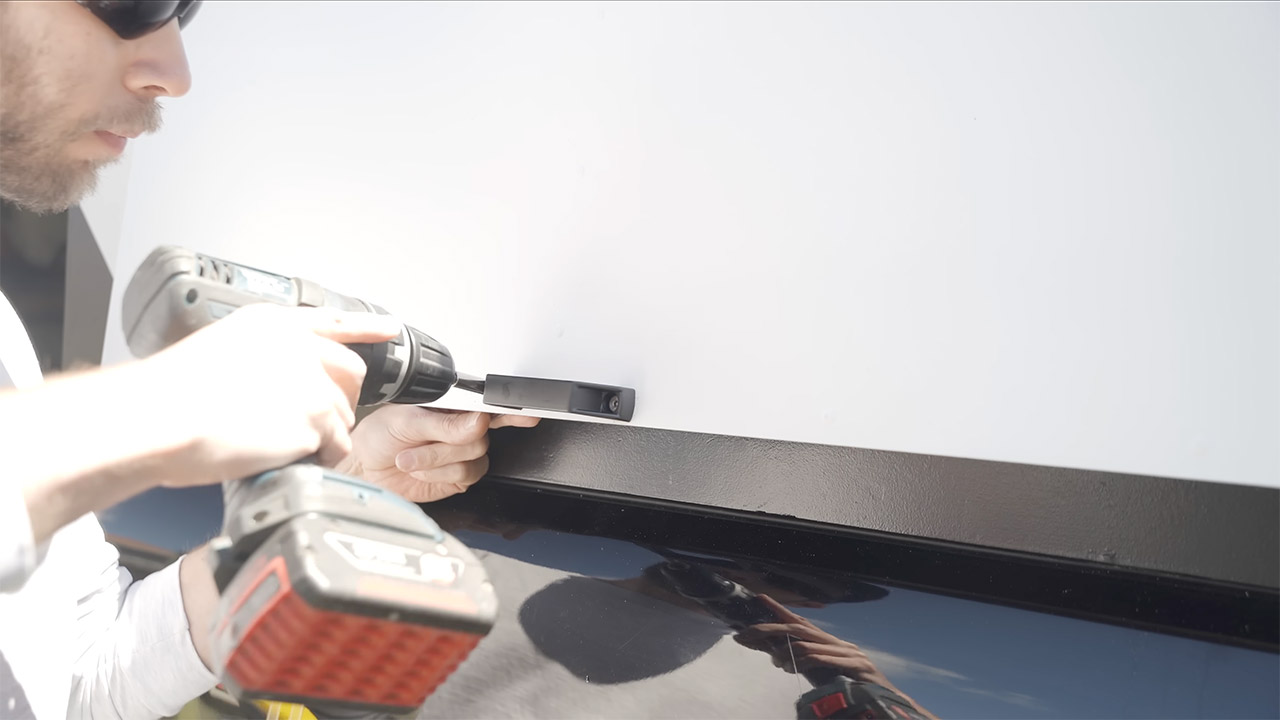
Three large fold-down doors on the sides and back are made of aluminium angle frames held together by rivits and attached to 7mm plywood panels, which were later replaced with matching aluminum composite. Gas struts make it simple to swing each door out to a hundred and ten degrees, just wide enough for a person to stand up without smashing their head. They also include stainless steel locking locks and some bespoke small rods that can be controlled with a single key fob, which is really useful.
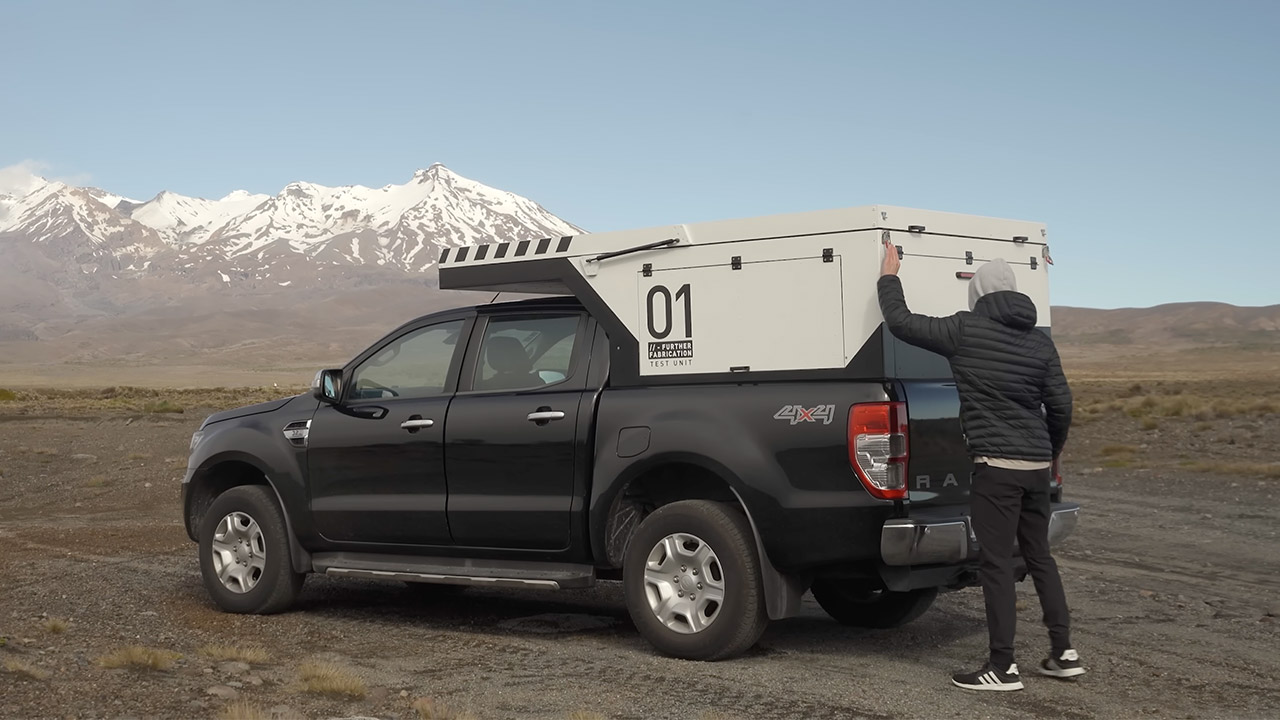
The sliding bed platform inside runs on wooden rails; push it forward and it drops over this lower shelf, which subsequently serves as a step when you exit the camper. By the way, it was a relatively inexpensive build, totaling roughly $1500. And the end product is actually quite lightweight; it rests directly above the bed, so nothing scratches the ground as you drive it, and you can even lock the entire thing shut while the truck is parked. With the top up, there’s plenty of headroom and room for two people to sleep, and when you fold everything down, it just looks like a regular old pickup with a truck tray.
[Source]

In a new regulatory filing, Netflix revealed that it paid $587 million in cash for InterPositive, a startup co-founded by actor and director Ben Affleck.
The streaming company announced the acquisition in March, with a statement from Affleck saying he wanted to “protect the power of human creativity.” According to Affleck, InterPublic’s AI tools help filmmakers improve their footage in post-production, particularly when it comes to making up for “real-world production challenges such as missing shots, background replacements or incorrect lighting.”
At the time, Netflix announced that the entire InterPositive team would be joining the company, with Affleck joining as a senior advisor, but it didn’t disclose the financial terms of the deal. A subsequent report in Bloomberg suggested that the deal could be worth up to $600 million.
In its most recent earnings report, Netflix said that around 300 of its titles have already used generative AI.

Korea’s market now sets global AI sentiment. The Kospi-Nasdaq correlation has nearly tripled. SK Hynix’s US listing extended Korea’s influence into 24-hour trading.
Fund managers in London, New York, and Tokyo have added a new step to their morning routine: checking South Korean stocks. Korea’s $4 trillion equity market is now offering an early read on global AI risk appetite, as swings in SK Hynix and Samsung ripple through chip stocks worldwide. “We are all Korean investors now,” said Hani Redha, a London-based portfolio manager at PineBridge Investments. JPMorgan Asset Management’s chief Asia market strategist presented on Korea to the firm’s global team for the first time in his 14 years on the job.
The data confirms it. The 60-day correlation between the Kospi and the Nasdaq 100 has climbed to 0.46, near the highest in two years and almost triple its five-year average of 0.16. The linkage is even stronger during selloffs: the Nasdaq 100’s sensitivity to the Kospi during periods of Korean market weakness hit the highest level since 1990 on July 7. SK Hynix joined the trillion-dollar club earlier this year, and its US-listed shares now extend Korea’s influence into Wall Street trading hours. Redha tracks Seoul, then SK Hynix’s ADRs, then Korea-focused ETFs in New York. “It’s like almost 24-hour tracking,” he said.
The influence comes with a cost. The Kospi has become one of the world’s most volatile major benchmarks, with leveraged single-stock products amplifying swings. A Monday selloff driven by scepticism about AI demand triggered a near 9% Kospi drop that spilled into Wall Street, dragging SK Hynix’s US shares down 9.3%. The Kospi has tumbled 25% since its June peak, a $1 trillion wipeout. South Korea temporarily halted new listings of single-stock leveraged ETFs to curb the speculation.

The 💜 of EU tech
The latest rumblings from the EU tech scene, a story from our wise ol’ founder Boris, and some questionable AI art. It’s free, every week, in your inbox. Sign up now!
The benchmark is still up 62% for the year. South Korea committed $880 billion over a decade to chips, AI data centres, and robots, and Samsung and SK Hynix control the majority of global memory chip supply. As long as that supply bottleneck holds, Korea’s sentiment-driven trading will keep setting the tone for every AI stock that depends on it. “This is the new normal investors have to accept, as long as the AI rally continues,” said Chisa Kobayashi at UBS. The question is whether a market driven by retail leverage in Seoul should be the one telling London what to think about AI.
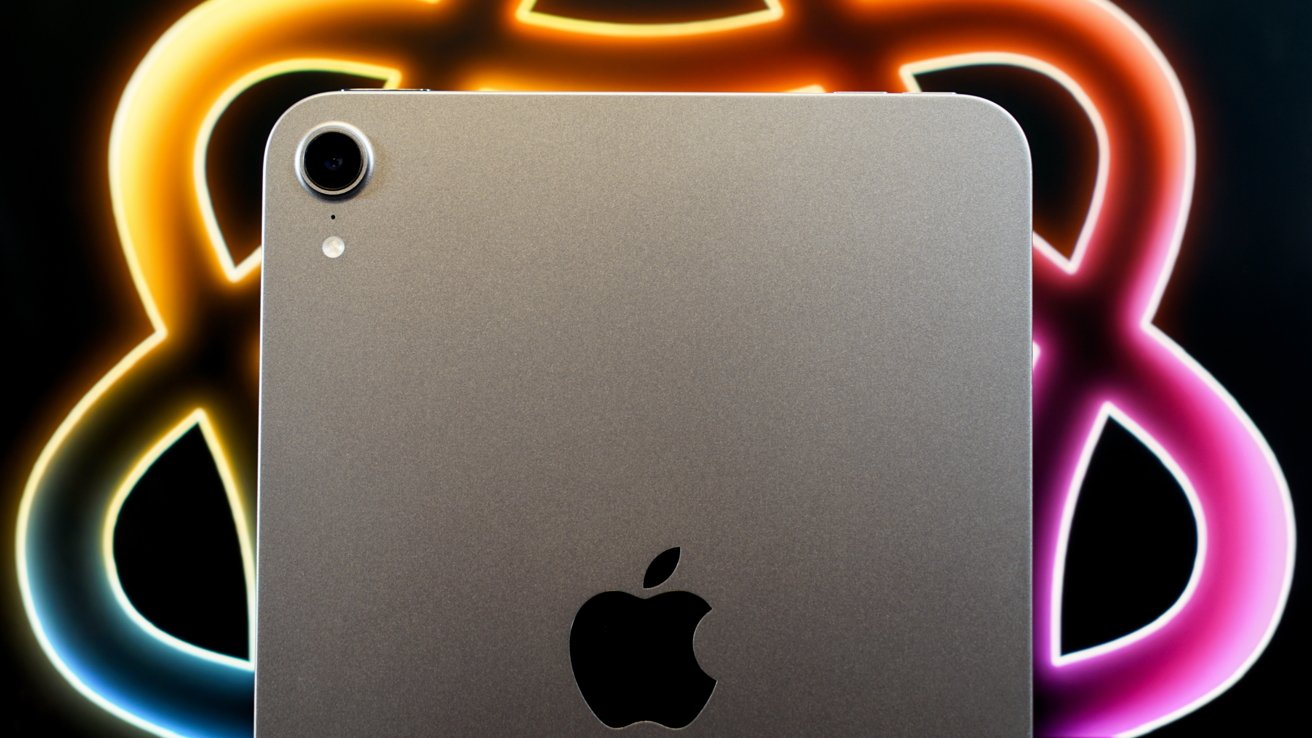
Apple is testing a new Genius Bar tool called Live Notes that transcribes and summarizes conversations with a customer, but employees are worried about how the tool might be used against them.
Artificial intelligence has become a buzzword throughout the tech industry from both the consumer and employee perspective. Employees of any kind at many companies have had to contend with mandatory AI tool use forced on them by the employer.
So far, reports haven’t indicated Apple taking such a hardline route to AI tool use. However, the “Power On” newsletter from Bloomberg shares that Apple is testing a new tool called Live Notes for use in the Genius Bar.
The tool uses AI to listen to a conversation between a Genius Bar employee and a customer, with permission from both sides of course. It then transcribes and summarizes the interaction so the employee can focus on interacting with the customer and not taking notes.
There appears to be some concern from employees that these transcripts could be used by management to evaluate the employee. However, the rumor clarifies that Apple has a policy in place during testing that managers don’t receive transcripts and they can be edited by the employee.
It isn’t clear if this policy will be in place after testing is complete.
There is no mandatory use requirement in place. It seems that the tool is being introduced purely as a time-saving option that the employee and customer must agree to before it is used.
Previous rumors suggested that Apple is testing multiple versions of AI assistants for internal use. One, called Enchante, is for employees to proofread work, brainstorm, and answer general knowledge inquiries.
The other is Enterprise Assistant, which is built with a centralized knowledge hub for employees. The Live Notes tool could be a variation of the Enterprise Assistant model.
Both Enchente and Enterprise Assistant are built with Apple Foundation models. The Live Notes feature is also likely based on Apple’s AI technologies, though the rumor doesn’t specify.
There is no information about a rollout timeline or plans for implementation or mandates around Live Notes. It is likely to remain an optional tool for employees even when it is fully implemented.
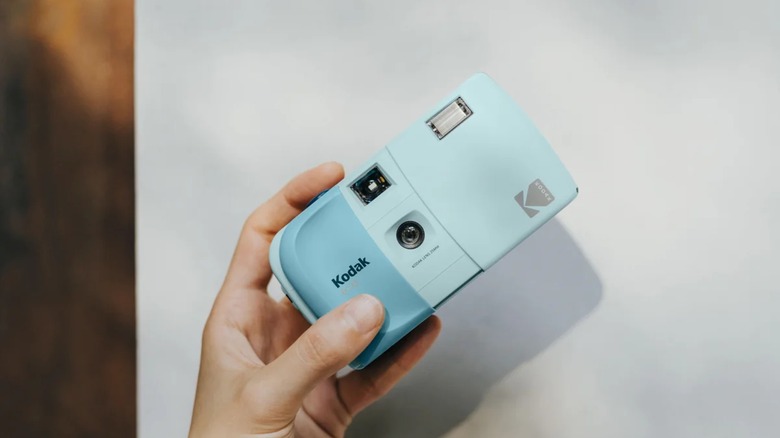
The $35 camera comes in seven colors and has a slide cover.
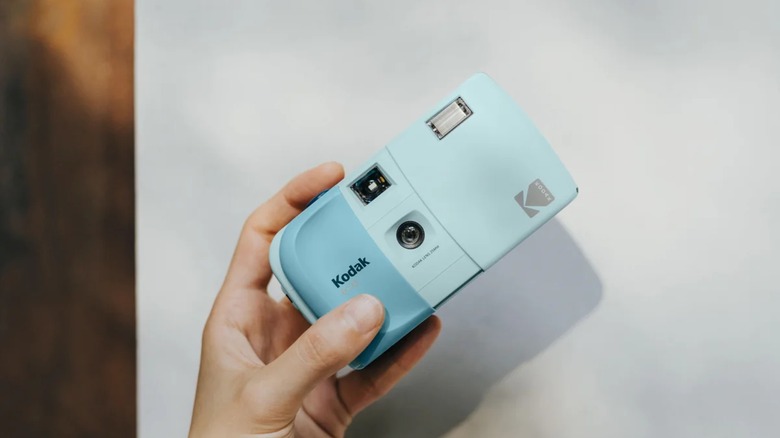
There’s a new Kodak-branded camera from Charmera-maker Reto, and it’s a super-cute point-and-shoot film camera that won’t break the bank. The $35 Kodak EC35 announced this week is meant to be as accessible as a disposable camera, featuring a 25mm lens with a fixed f/10 aperture, fixed 1/100 second shutter speed and a built-in flash (which requires a AA battery). It also has a slide cover that protects the lens and serves as a shutter lock, so you can throw it in a bag or stick it in your pocket without worrying about accidental snaps.
For beginners to film cameras, the new Kodak EC35 offers an even lower barrier to entry than Reto’s $100 Kodak Snapic A1 camera and the $50 EKTAR H35 half frame camera from a few years ago. The EC35 comes in seven colors: Midnight Black, Vanilla White, Butter Yellow, Lavender, Powder Blue, Blush Pink and Avocado. You can get the Kodak EC35 on its own or buy it in a bundle with a roll of Kodak Ultramax 400 film for $10 more.
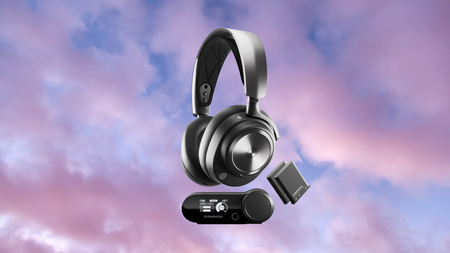
SteelSeries’ Arctis Nova Pro Wireless has dropped back to $249.99, its lowest price since launch.
The SteelSeries Arctis Nova Pro Wireless is currently listed at $249.99, down from its $379.99 list price, a generous saving of roughly $130 on one of the most decorated gaming headsets we’ve tested in recent years.
SteelSeries’ Arctis Nova Pro Wireless has returned to its past price, and it’s a deal worth jumping on
With bass-heavy 40mm drivers and hot-swap batteries for 44hrs runtime, SteelSeries’ Arctis Nova Pro Wireless are a steal at just $249.99.

Those 40mm magnetic neodymium drivers deliver a genuinely bass-heavy sound that made tracks like Rush’s YYZ feel weighty rather than muddy, and that same low end gave games such as Counter-Strike 2 a real sense of impact when grenades and gunfire went off nearby.
Active noise cancellation is on board on Arctis Nova Pro too, doing a solid job of muting background noise even if it falls a little short of dedicated noise-cancelling headphones, and the retractable ClearCast AI microphone tucks away neatly, though it sounds thinner than some rivals at this price.
One battery swaps in for another without ever powering down, giving a combined 44 hours of runtime over the dedicated 2.4GHz base station, which also displays volume and charge level at a glance without needing to open any software.

SteelSeries’ Sonar software adds a genuinely deep level of control, with a built-in mixer, EQ presets for games, music and movies, and adjustable settings for the microphone and active noise cancellation, all handled without ever leaving your desktop.
Connectivity stretches across PC, PlayStation 5, Nintendo Switch, Mac and mobile devices through either that 2.4GHz base station or Bluetooth, and the base station itself supports two connected devices at once for switching between platforms mid-session.
At 337g, the all-white redesign stays comfortable over long sessions thanks to plush earcups and a suspension headband, and the passive isolation from those earcups is strong enough to dampen everyday noise even before any active cancellation kicks in.
It’s also one of the most awarded headsets we’ve come across, picking up IGN’s rare 10/10 Masterpiece rating, PC Gamer’s Best Multi-Use Wireless Gaming Headset award, and Rolling Stone’s Best Gaming Headphones nod among a long list of similar honours.
Even at full price this was one of our favourite premium headsets, and at $249.99 rather than $379.99, the Arctis Nova Pro Wireless finally undercuts its own reputation for being a brilliant but expensive way to game.
SQUIRREL_PLAYLIST_10148964
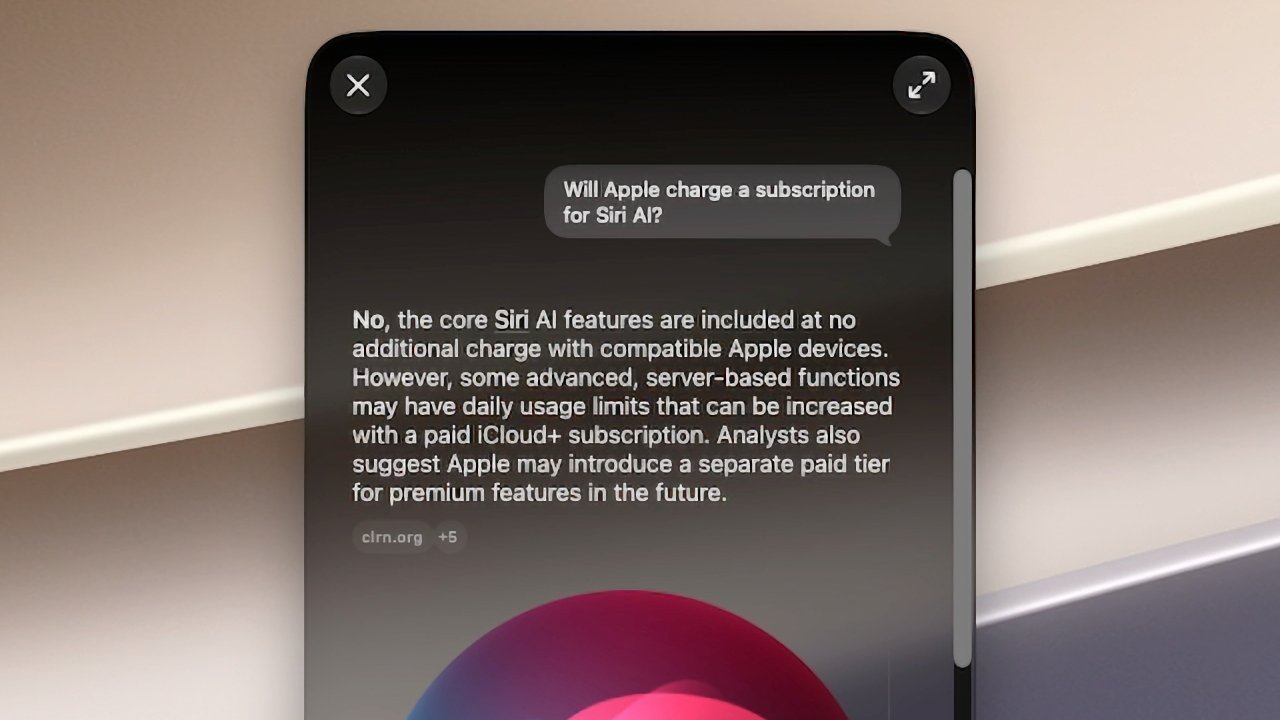
In this week’s Sunday Reboot, Apple’s AI model-shrinking talk could have massive benefits, with a chance of also being a billion-dollar deal if it plays its cards right.
Sunday Reboot is a weekly column covering some of the lighter stories within the Apple reality distortion field from the past seven days. All to get the next week underway with a good first step.
Back on July 9, a startup in the AI world gained a lot of attention. PrismML used the mythical power of mathematics and science to somehow cut down the size of large language models (LLMs) by a considerable amount.
The process resulted in models like the 54GB Qwen 3.6 being compressed down to an astoundingly tiny 4GB. That’s a 27 billion-parameter model being smushed down to a size that would fit on some promotional USB thumb drives from back in the day.
While there was some suspicion that Apple was looking at the startup, it was confirmed by PrismML itself on July 14. In an interview, PrismML CEO Babak Hassibi said that Apple and other companies were evaluating the work of its technology.
Hassibi’s public confirmation was an interesting one, especially since Apple has a tendency to NDA everything it does with other companies. While it is unknown if Apple did the same with PrismML, Hassibi seems confident enough in the tech to ignore the possible ire from a potentially massive client.
I say “client” because this sort of important thing in the current AI-centric market warrants acquisition talks. It’s something that, if one company buys PrismML and makes the tech exclusive to it, the buyer then has a serious advantage over the rest of the industry.
An acquisition is entirely a possibility for Apple, based on the July 15 report about the reign of John Ternus is believed that Apple is showing signs of changing its acquisition tactics, from spending hundreds of millions on a single company to spending billions.
It’s an extremely small change. What’s an extra decimal place between friends?
This sort of advantage could well be valued at the billion-dollar level to Apple, if it does acquire the startup. That said, it would also require the startup to be willing to be purchased, too.
Hassibi’s interview doesn’t really seem like someone willing to sell up. It feels more like he’s trying to get more attention from other AI firms to create a bidding war, if the company does want to be sold.
The alternative is that he’s trying to secure as many lucrative licensing agreements as possible from AI companies in general. All while remaining independent.
Either route seems like a win for PrismML.
For Apple, if the technology is sound, it has big benefits, specifically for its aim of increasing the amount of on-device processing.
Apple’s current problem is that iPhones don’t have massive amounts of memory, nor do most entry-level consumer devices. While some AI-related tasks can be performed with on-device processing, it can get offloaded to a cloud server.
The remote processing can perform much bigger tasks and workloads than a smartphone. Partly because of the higher amount of processing capability, but mostly because the server can have massive amounts of memory to handle the sizable models in the first place.

Siri on the iPhone is better under iOS 27 and macOS 27 Golden Gate.
Apple has managed to use a process of distillation and training to recreate some of Google Gemini’s functionality in a smaller iPhone-friendly model. But something like PrismML could be a force multiplier.
Not only could the big models potentially work entirely on an iPhone in the first place, but these distilled models could get even smaller. That frees up more memory for processing the tasks that use these distilled models.
Add in the continuing improvements in AI processing that are coming down the line, and a future iPhone could be an absolute beast.
There’s also the possibility of Apple doing something completely unexpected: expanding Apple Intelligence’s reach.
During WWDC, Apple said that the most powerful on-device models would be available only on specific iPhone and Mac models. That includes the iPhone Air and iPhone 17 Pro with 12GB of memory, the M4 iPad also with 12GB of memory, and an M3 Mac with the same memory or better.

Apple says the most powerful on-device AI models will not be on all devices – image credit: Apple
While processing is a factor, memory is certainly going to be another. It’s not hard to imagine Apple using the PrismML tech to cut the size of that “most powerful on-device model” to fit into the smaller memory allowances of earlier models.
Extrapolating that further, maybe Apple could expand the availability of Apple Intelligence to older, lower-specification devices.
Sure, there are some tradeoffs, such as much slower processing of tasks. Owners of older hardware would probably be fine with that.
PrismML is a prime opportunity for Apple to take a massive leap when it comes to AI.
If it wants to dominate the field when it comes to on-device processing, it has a chance to take a very major step toward that goal.
Last week’s Sunday Reboot talked about the iPhone 17 Pro Max going into a time capsule for 250 years, and pondered if it will emerge in one piece.
One of the most crucial aspects of FDM 3D printing is ensuring sufficient material is extruded. Determining the right flow rate can be done manually, but some printers these days automatically perform this adjustment, which is very convenient. [Stefan] of CNC Kitchen investigates how to add similar functionality using existing bed-leveling sensors.
A major complication with extrusion in FDM printers is that the flow rate has to fit the printing speed. However, you can’t just immediately speed up or reduce the flow rate, as the melting filament is flexible and thus acts like a spring, especially as the extruder is exerting significant force on the filament, which adds compression.
The moment you reduce or increase the speed of the nozzle, you can get over- or under-extrusion, but the delayed response by the extruded filament means that you have to adjust for this change in advance. Ergo, the name ‘pressure advance’, also known as the K-value. Obviously, this is a parameter that differs with each material, printer, and other factors, so a direct measurement is always the best.
 In the Bambu Lab X1 FDM printer, a Lidar scanner was used to scan various test patterns to automatically determine the optimal setting. This was later moved to the purge section of the extruder in newer Bambu Lab printers. On other FDM printers, the only available sensor in that area is typically the pressure sensor for bed leveling. Could this sensor make a similar measurement?
This wasn’t just an idle thought, but was inspired by the Snapmaker U1, which runs open-source Klipper, with tantalizing glimpses of how it does pressure-advance sensing in its extruder. This extruder also only contains a load cell, as do some Prusa printers. These much more open printers thus provided a test bed for some experimentation.
With load cell data available, [Stefan] measured how various extrusion rates affect the load cell, which can then theoretically be correlated with the appropriate K-values for specific transitions. He created a calibration tool for a range of Prusa printers that works with stock firmware, though this is definitely still a work in progress. There are also a couple of similar open-source projects, such as this Auto PA Calibration project by [Mark].
Overall, K-value presets tend to work pretty well, but adding a pressure-advance calibration feature to existing FDM printers is definitely an interesting idea. There’s also the prospect of lateral sensing using this same bed-leveling sensor, which could allow the printer to sense much more than just the bed.

An anonymous reader shared this report from the Los Angeles Times:
A federal judge has halted California’s groundbreaking “Truth in Recycling” law, which aims to reduce consumer confusion about which packaging can be recycled. [Originally planned to take effect October 4th], California’s recyclable packaging law prohibits manufacturers from using a “chasing arrows” recycling symbol on products or materials unless they are actually being recycled in a meaningful way, which the law quantifies…
A coalition of farming, forestry, restaurant and packaging organizations sued the state in March, arguing the law violates their right to free speech. They argued that Senate Bill 343 operates as “government-imposed censorship.” Judge William Hayes agreed that their challenge has merit, and on Tuesday ordered California Atty. Gen. Rob Bonta, the defendant in the case, to pause enforcement of the law “until further order of the Court….” Advocates of reducing plastic use disagreed. “The court got it wrong, and I’m confident that the state will ultimately prevail,” said Nick Lapis, director of advocacy for Californians Against Waste. “S.B. 343 does not violate the 1st Amendment; it requires companies to tell the truth when they make recyclability claims. Suggesting that the 1st Amendment protects misleading environmental marketing is inconsistent with the basic principles of consumer protection that states like California have implemented for decades.”
In January, CalRecycle, the state’s waste agency, reported that less than 10% of most single-use plastic materials in the state were being recycled. Even yogurt containers and margarine tubs — made of ubiquitous polypropylene, or No. 5 plastic — are being recycled at a rate of only 2% in the state, the report said. Only 5% of colored shampoo and detergent bottles, made from polyethylene, or No. 1 plastic, are getting recycled…
Plastic materials that can’t be recycled are typically sent to landfills or sometimes illegally shipped overseas, where they are burned or end up in landfills, rivers and waterways.
The bill’s author told the Los Angeles Times “All you have to do is look at the numbers. These products are not getting recycled, despite what the industry is claiming. They are just confusing consumers, clogging the waste stream, polluting the environment, leading to higher and higher prices for local governments and ratepayers.” He argues the symbols shouldn’t be used to “confuse people who see the symbols [on products] and assume they can be recycled.”
The article also quotes Judith Enck, former Environmental Protection Agency regional administrator and president of the nonprofit Beyond Plastics. “Given the long history of the plastics industry deceiving the public about plastics recycling, this is an especially bad outcome. It is a reminder that the plastics industry has enough money to fight even the most modest policy designed to protect people and the planet.”




London Mayor Sadiq Khan handed a peerage by Keir Starmer alongside 15 other Labour figures… just days before the PM leaves No10


Weekend Open Thread – Corporette.com


The House | The City of London can help the new chancellor deliver growth in every postcode


Young campaigners urge incoming PM to act on outdoor junk food ads


CFTC blocks Kalshi from unwinding Michigan trades after court order


Nvidia Stock Slips After Big Tuesday Rally as Huang Confirms Vera Rubin Chip Is Now in Production Today

Two July Windows Left: The CLARITY Act’s Senate Fight and What Failure Means


Ripple Payments Joins MiCA With 14 Firms, Does It Mean Anything For XRP?


Democrats look to World Cup watch parties to register thousands of voters

Disney’s Most Ambitious Failed Star Wars Attraction Is Coming to SDCC


Ripple wins EU-wide access as ESMA adds it to MiCA register


Palantir Shares Rise After Expanded Nvidia Partnership and Fresh Analyst Upgrades Ahead of Earnings Day


Injective Submits SEC Transfer-Agent Registration to Onchain Ownership Records


Get Your ESP32 Sunny Side Up With This Solar Dev Board


XRP BOMBSHELL… XRP OMBOARDED FOR TRANSACTIONS!!!


Registration is now open for March for Men with Kev 2026


Dark Secrets Emerge When Jailbreaking LLMs

New Cornerback Enters Vikings Trade Rumor Mill


Money | Class 12 Economics | CBSE Board Exam 2026-27


Banco Bilbao Vizcaya Argentaria, S.A. (BBVA) Discusses Global Macro Environment and Economic Outlook for Core Markets Transcript


You must be logged in to post a comment Login