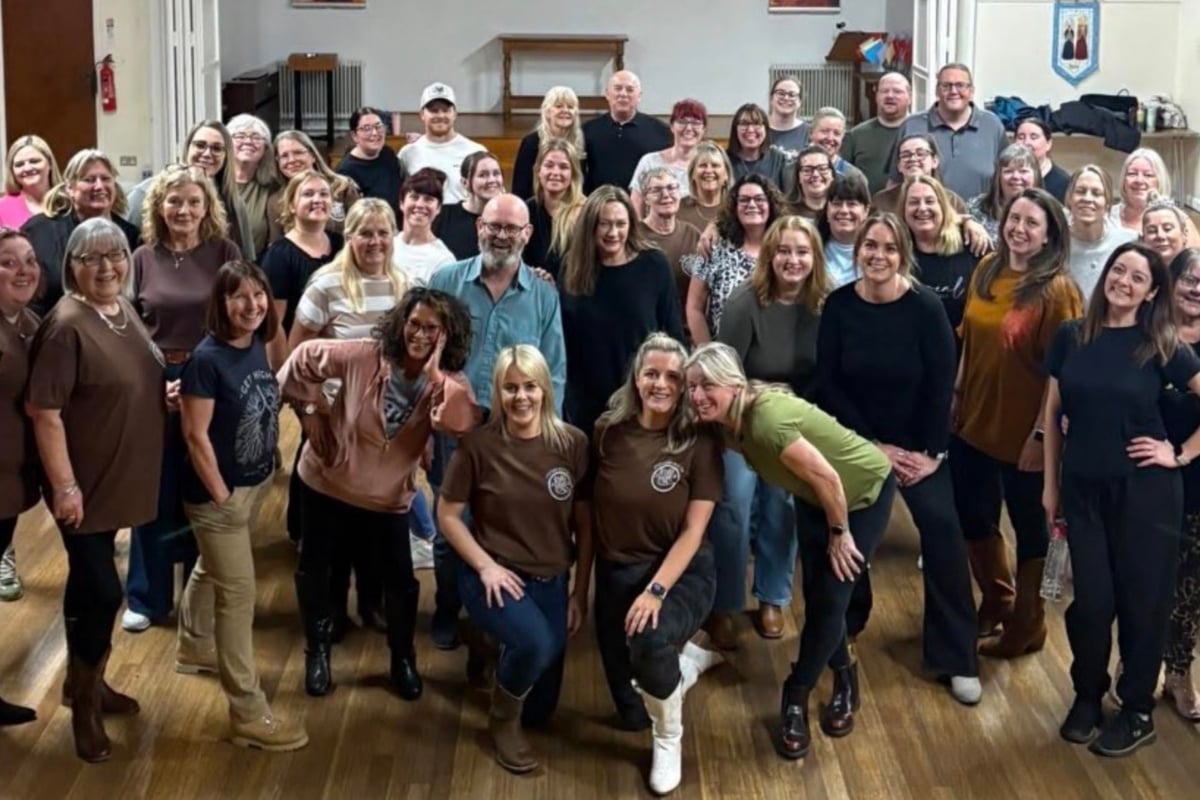
When people hear Slimming World, their first thought is often weight loss—and rightly so. Supporting members to lose weight and improve their health is at the heart of everything we do. But to see Slimming World as only a weight loss programme is to miss something truly special.
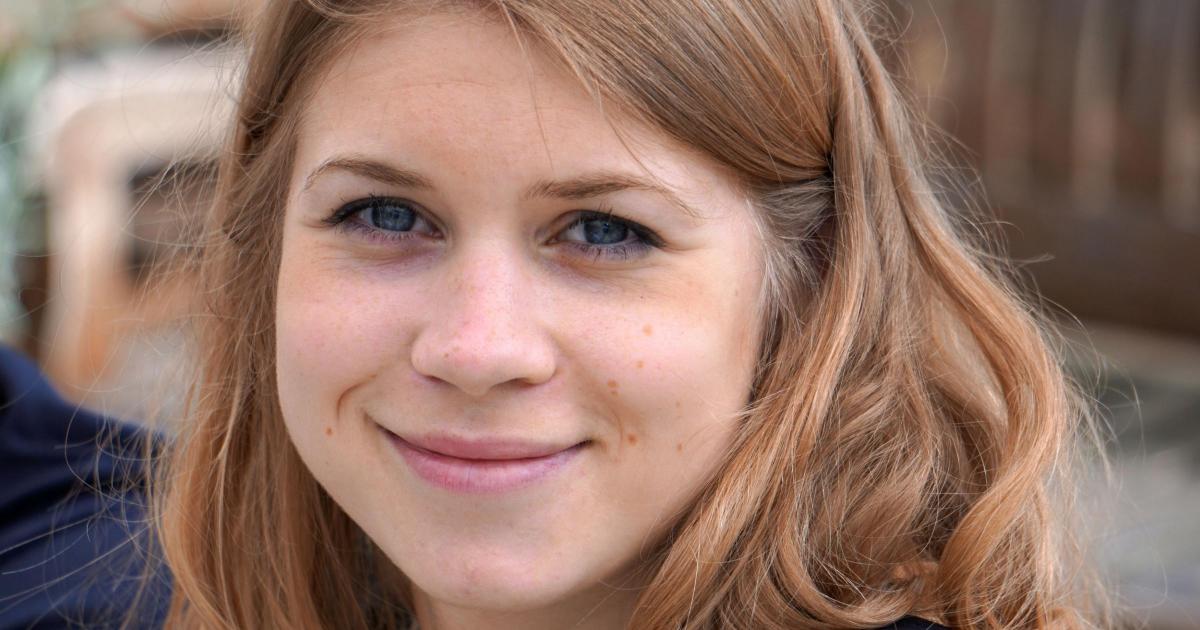
The series, which will be broadcast on BBC One, will tell the story of Sarah Everard’s abduction and murder and examine the wider issues of misogyny and police failings that the case exposed.
Ms Everard, 33, grew up in York and was a student at Fulford School before moving to London where she worked as a marketing executive.
RECOMMENDED READING:
Advertisement
She was abducted, raped and murdered by former armed Metropolitan Police officer Wayne Couzens in south London in March 2021. He tricked her into thinking he could arrest her for breaking lockdown rules as she walked home.
The two-part series will look at how Couzens was able to become a Metropolitan Police officer, as well as how his offending was dismissed and evidence against him was not collected.
Jeff Pope, the drama’s writer and executive producer, said: “Wayne Couzens should never have been a police officer, but opportunities to deny him that privilege were missed.
“That he was still a serving officer on the night of March 3, 2021, after committing numerous sexual offences over a long period of time, was a tragedy waiting to happen, and the key question asked by this drama.”
Advertisement
BBC executives said the drama will be handled with “sensitivity and respect.”
Lindsay Salt, director of BBC Drama, said: “Drama has a unique ability to sensitively and respectfully tackle real-life subjects and this series will explore the impact of this horrific crime, the misogyny and failings from within the Met Police and what lessons can be learnt.
“Award-winning writer Jeff Pope will treat this with the utmost care, helping to ensure that the issues that led to Sarah Everard’s murder remain in the public consciousness for years to come, whilst continuing to hold the police to account.”
The drama will be split into two hour-long parts, produced by Etta Pictures, with a release date yet to be announced.
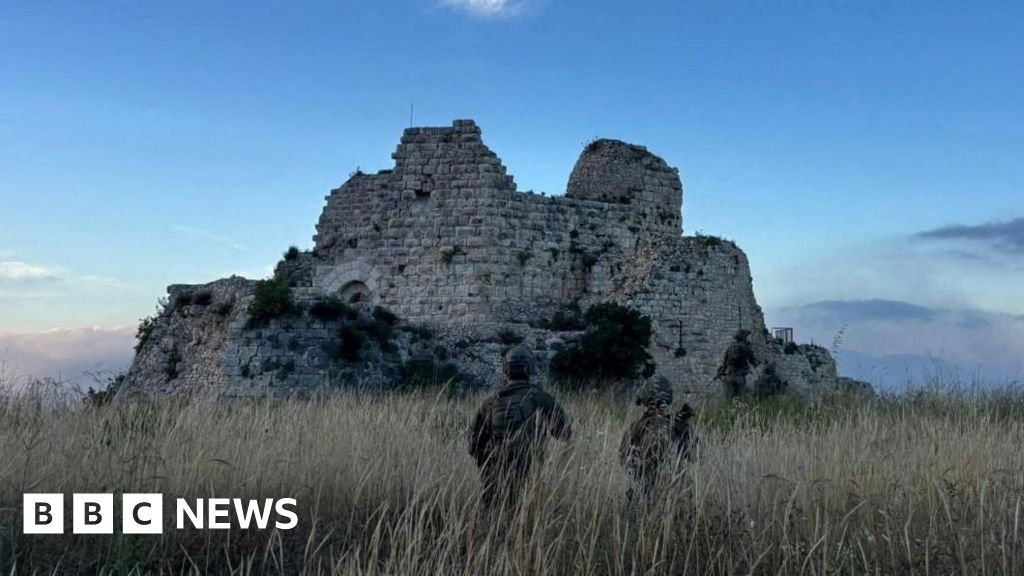
Just over the Litani river line, the IDF has confirmed it has captured one of the key strategic prizes in the area – Beaufort Castle. It was built as a fortress commanding views from high on the cliffs above the Litani river by the Crusaders some 900 years ago, and has been fought over many times since.
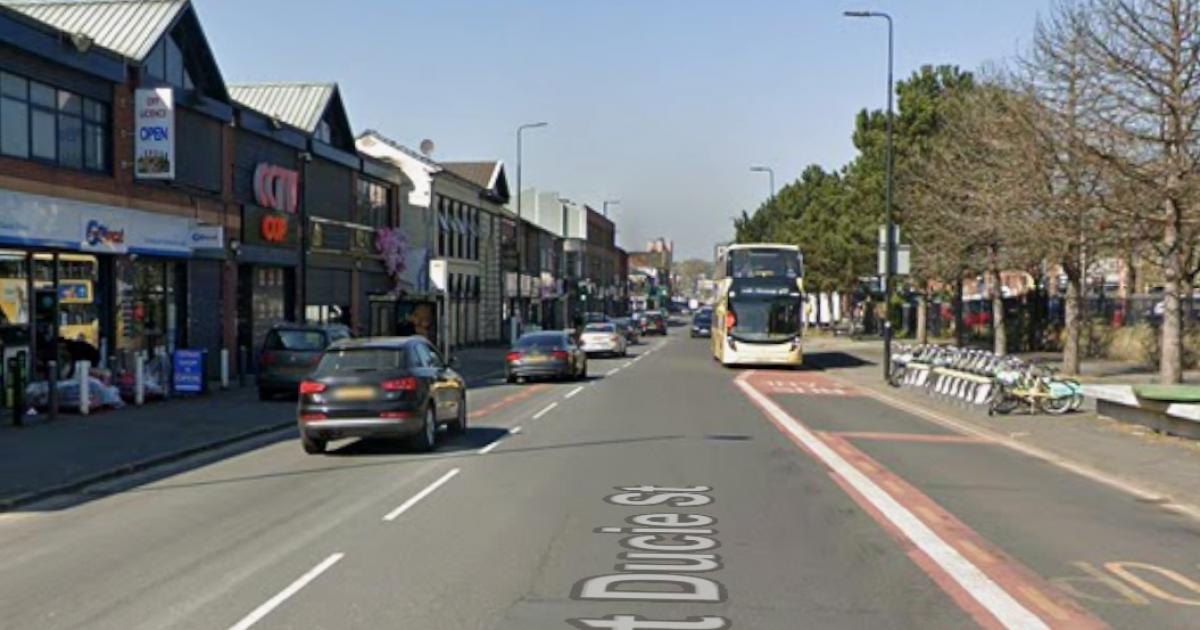
Officers received reports of a stabbing on Great Ducie Street at around 11.30pm.
They arrived at the scene within seven minutes and found a man in his 30s with stab wounds in his back.
Police searched the area and found the 20-year-old suspect on Barker Street.
Advertisement
They were arrested at around 11.50 on suspicion of a section 18 assault and remain in custody for questioning.
Chief Inspector Peter Crowe from the City of Manchester said: “This swift response emphasises that Greater Manchester Police have no tolerance for knife crime, and we will work proactively to prosecute those who choose to carry knives.
“This was an extremely violent attack, and we are working to support the victim and is family at this terrifying time.
“Detectives are working hard to understand the motive behind this attack. However, we do not believe there to be a wider threat to the community.
Advertisement
“A scene will remain in place while our investigation continues, and we urge anyone with information to come forward and speak to us.
“We understand how worrying this will be, and there will be an increased police presence in the area. I would encourage anyone with concerns to talk to us.”
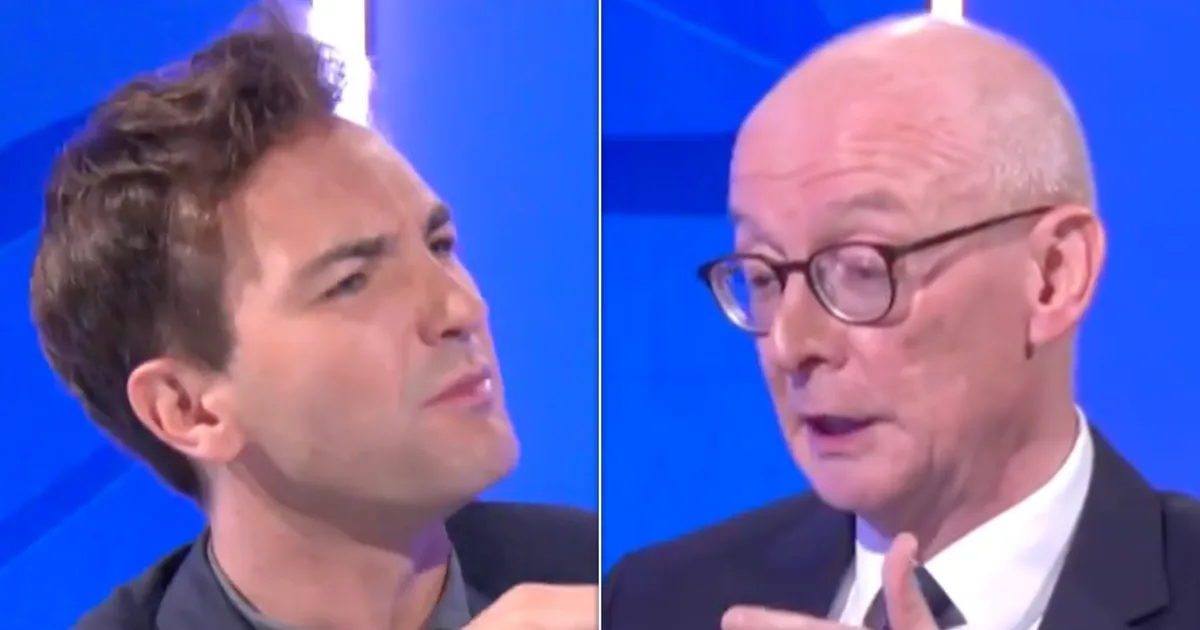
Presenter Lewis Goodall tore into a minister on LBC on Sunday over the ongoing Labour leadership speculation.
Speaking to work and pensions secretary Pat McFadden, the LBC host said it was “ridiculous” to see the government “in stasis” while waiting to see if a coup happens.
His words come as Labour and Reform battle it out in the Makerfield by-election in a crunch vote which could determine the next prime minister.
Greater Manchester mayor Andy Burnham is the Labour candidate, and if he wins, he is likely to challenge Keir Starmer’s premiership.
Advertisement
Makerfield MP Josh Simons stood aside earlier this month just so Burnham had a path to parliament.
While a contest has not yet been formally declared, ex-health secretary Wes Streeting has made it clear he would join any leadership race.
General despair within Labour over its defeat in the May elections in England, Scotland and Wales means even if Burnham is unsuccessful, the party is expected to go into a state of civil war.
Goodall said to McFadden: “There was a lot of criticism from your party about the chaos the Tories inflicted upon us.
Advertisement
“Even the Tories didn’t do what you’re doing right now, did they?
“They didn’t orchestrate a by-election while the whole party turns around to the country and says, ‘hang on lads, hang on everybody, we’re just going to wait and see if this guy gets into parliament, we will probably get him to replace the prime minister, if he doesn’t we will probably all fall apart anyway, and in the meantime, the government’s all kind of in abeyance, in stasis.’
“This is ridiculous, isn’t it?”
The cabinet minister replied. “We have to remember that we are only two years into a five year parliament.
Advertisement
“I don’t think election victories fall from the sky. I think Keir Starmer’s had too little credit for winning the 2024 election.
“And so I do think it is important to look outward and not have a purely internal debate while the task of governing goes on.”
Subscribe to Commons People, the podcast that makes politics easy. Every week, Kevin Schofield and Kate Nicholson unpack the week’s biggest stories to keep you informed. Join us for straightforward analysis of what’s going on at Westminster.
When one of the world’s worst ever energy crises began in the Strait of Hormuz in February, few believed that their internet access – rather than their gas bill – would be the worst-affected aspect of daily life.
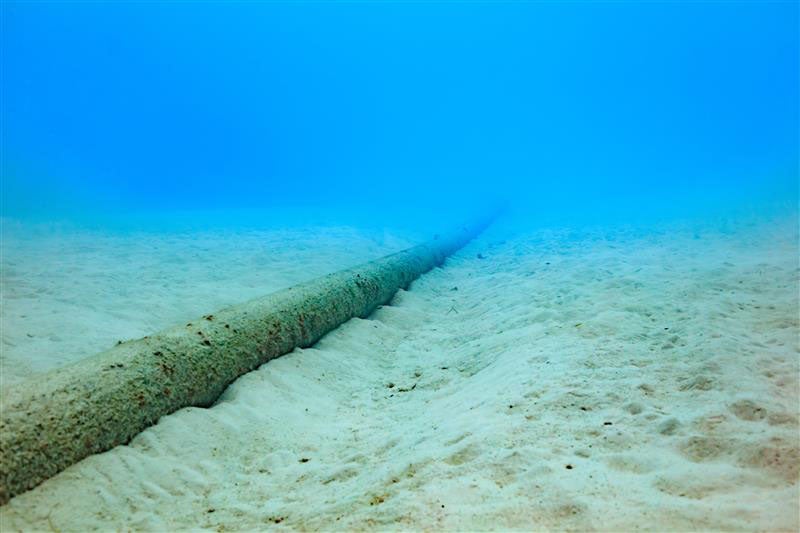
But lurking many thousands of metres beneath the oil ships being attacked by the Iranian navy lie a series of undersea cables that play a vital role in the global economy, helping to power our internet and keep the world connected.
Earlier this month, Tehran floated plans to impose tariffs on Strait of Hormuz submarine cables, warning that they were a vulnerable chokepoint for the region’s digital economy.
The Middle East is not the only region facing these concerns. In April, three Russian submarines conducted a covert operation over cables in waters north of the UK, although none were damaged. On Friday, the UK announced it is introducing stringent new laws to punish any saboteurs who deliberately damage undersea internet cables with a possible prison sentence.
Advertisement
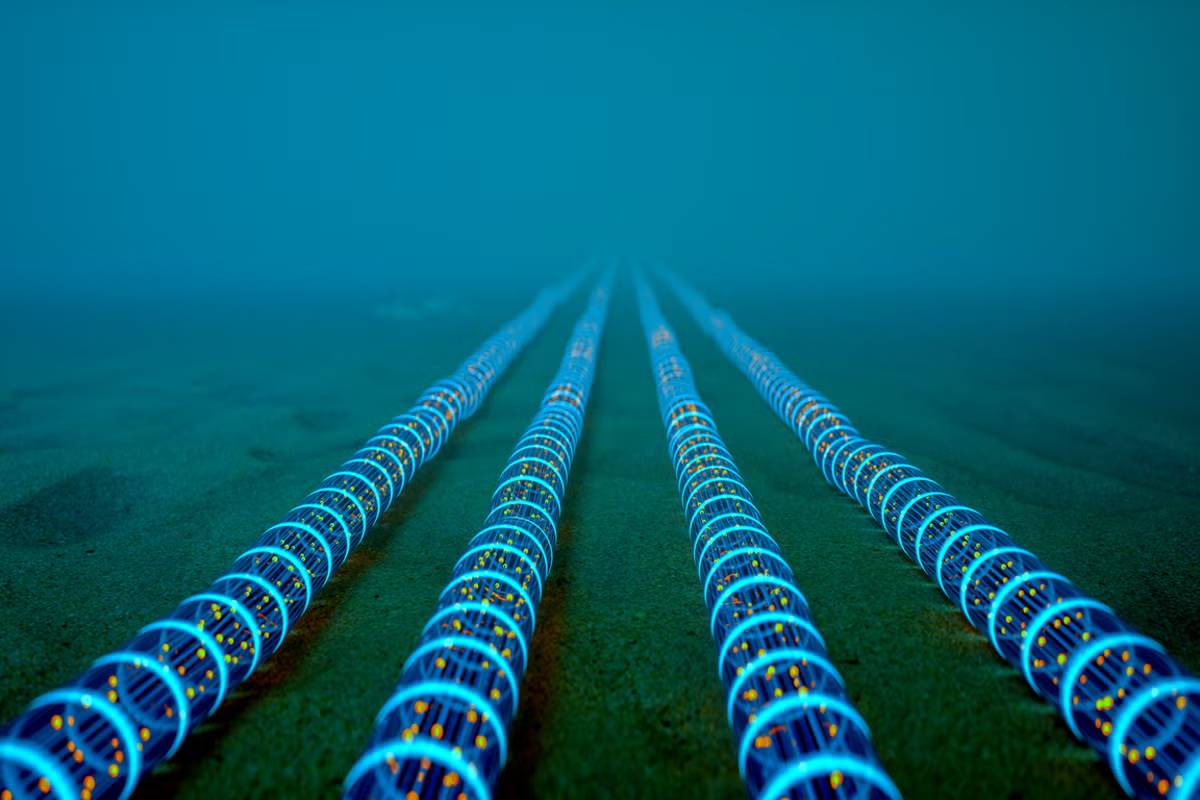
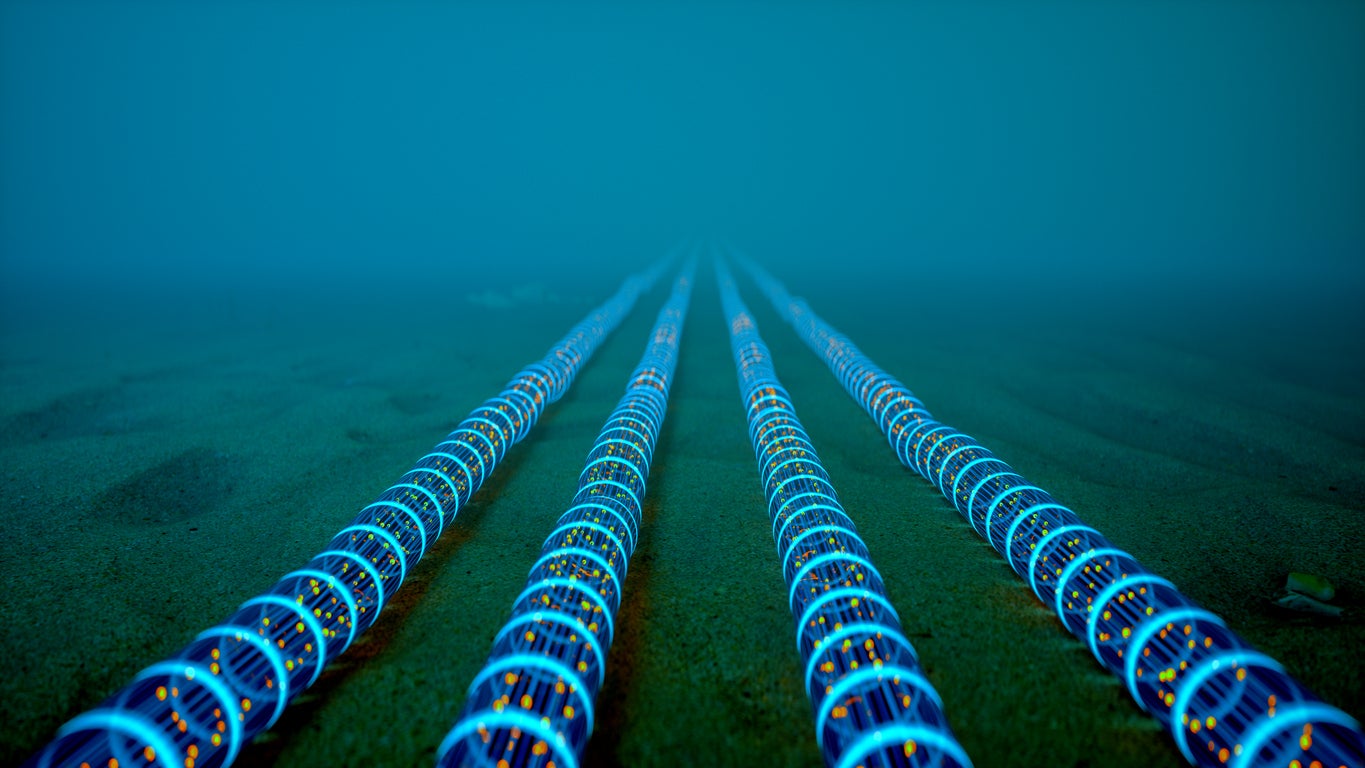
Undersea internet cables carry the vast majority of global internet traffic (Getty/iStock)
China has also been accused by Taiwan of several attacks on undersea cables in the region. For the island, which relies on just 24 cables, this can pose a significant national security risk.
Undersea cables carry more than 99 per cent of all international digital data traffic, acting as an invisible backbone of the internet and facilitating emails, banking transactions, messaging and more.
But the so-called global network of undersea cables is more an assortment of “narrow corridors” through which the internet flows – including through the Strait of Hormuz and the Red Sea.
The roughly 600 submarine cables are primarily owned and operated by some of the world’s largest private telecommunications companies, including Google, Meta, Microsoft and Amazon, and other consortia. Modern ones use fibre-optic technology, with the cable delivering the information no wider than a human hair, sheathed in several layers of insulation and protection.
Data analysis company TeleGeography believes there are more than 1.5 million kilometres of submarine cables globally, reaching up to 20,000km in length.
Advertisement
They are installed by huge, specialised cable-laying ships, which unspool the cables, burying them under the seabed in shallow waters and laying them on the floor in deep waters. This is only done after the topography of the ocean floor on the route in question has been carefully mapped.
Submarine cables are laid by large specialised ships (Social media)
“Everyone knows where they are,” explains Tony O’Sullivan, CEO of global network provider RETN, which operates between Europe and Asia.
“The Red Sea, the Gulf of Oman, parts of the East China Sea, and the Strait of Dover are good examples. Given the volume of traffic that runs along these routes, if they do get affected, it would affect not [just] the edge of the internet backbone but a major conduit.”
Serious damage to the cables can cause significant problems for consumers, particularly businesses. Although the belief that cables break and the internet goes down at once is not strictly true – traffic will typically find another route – the speed of the services can degrade sharply.
A heavy load on the alternative cable routes means they become unstable, leading to unprocessed payments, feeds that don’t update, and messages that take longer to send.
Advertisement
Vital services such as healthcare and banking may also suffer under an increasing load, potentially causing chaos for public services.
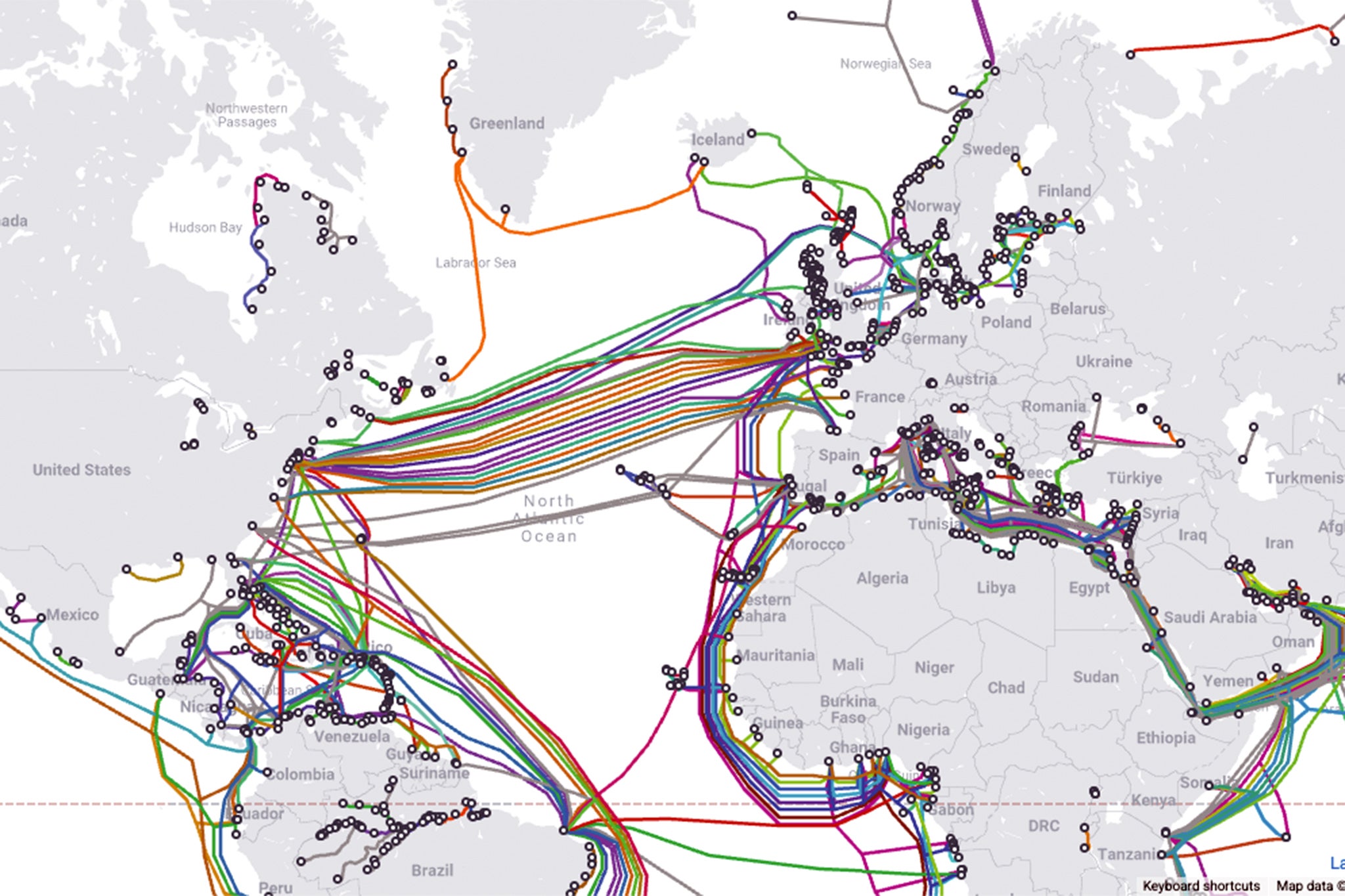
A global map of undersea cable routes shows how densely populated they are in certain routes (TeleGeography)
The Iran crisis has highlighted a wider problem in how the internet is run, Mr O’Sullivan says, with the routes too vulnerable to hostile actors seeking to wreak digital chaos.
“If a malicious actor should wish to try and take out maybe one fifth to one quarter of it, certainly a particular territory, and then you get an accident affecting another quarter of them, of course this is when things become really problematic.”
The greatest threat in the Middle East is not the cables running through the Strait of Hormuz; rather it is the possibility of the Iranian-aligned Houthis launching attacks on undersea cables in the Red Sea.
“If we think about the Red Sea, [this is] where all of the major data cables, which connect Europe to Asia by subsea, pass through,” Mr O’Sullivan explains. “The Iranians have been friends with the Houthi rebels in Yemen, and that’s where they could potentially inflict a lot more damage.”
Advertisement
The internal makeup of fibre-optic undersea internet cables (Getty/iStock)
In 2024, four crucial Red Sea data cables were cut, affecting 25 per cent of data traffic flowing between Asia and Europe, when a Belize-flagged commercial ship dropped its anchor following a ballistic missile attack by Houthi militants.
The Rubymar, loaded with 41,000 tons of fertiliser, was evacuated by its crew after the attack before drifting for nearly two weeks with its anchor down, through an area densely populated with the vital cables.
Although it was not a direct attack by the Houthis on the cables, it was a clear demonstration of how vulnerable cables can be – not only to direct attacks by hostile actors but to accidental damage.
“This is the thing to remember,” Mr O’Sullivan adds. “There are lots of cable cuts every single year. These happen all the time, the vast majority related to either fishing nets or anchor drag.
“It’s very, very easy to damage a subsea cable accidentally – the Iranian concern is mainly in how they’ve actively threatened the cables rather than it just being an assumed thing.”
Advertisement
A new path for the internet?
Efforts to prevent damage to undersea cables are unlikely to ever build comprehensive resilience. Instead, experts say, there is a need for a combination of sea, land and space routes.
In 2024, months after the Red Sea incident, Nato funded a new project to make the internet less vulnerable to disruption due to undersea cables, by rerouting information into space through satellites.
Undersea cables are regularly cut by accident (UK Government)
The project aimed to “address the urgent need for a more resilient internet infrastructure worldwide”, Dr Eyup Turmus, who was overseeing the programme, said at the time.
“The situation in the Persian Gulf also makes clear that adding more and more cables along the same corridors doesn’t help to build resilience,” Mr O’Sullivan said.
Advertisement
“The industry needs a real mix of submarine and terrestrial routes, diversified across geopolitical regions. We need to choose different routes, not a different cable in the same corridor.”
But experts agree that satellite systems are not a feasible long-term replacement, as they cannot handle the same volume of traffic and are more expensive.
“It’s not as though you could just switch to satellite. That’s not an alternative,” said Alan Mauldin, research director at telecom research firm TeleGeography, noting that satellites rely on connections to land-based networks and are better suited for things in motion, like airplanes and ships.
Low-Earth-orbit networks such as Starlink are “a boutique solution, which is not scalable to millions of users, at this time”, Kotkin added.
Previews of every single World Cup team in your inbox, featuring the players to look out for, games you shouldn’t miss and Metro’s big England predictions.
There is a lamppost in the city that resembles the long-standing rivalry
Cambridge is a city universally known for its university. Some of the world’s smartest people throughout history have attended the University of Cambridge, ranging from scientists Stephen Hawking and Charles Darwin, to beloved actors such as Sacha Baron Cohen and Emma Thompson.
Advertisement
Those who have attended the university are considered to be of another class, due to how smart they must have been to attend the prestigious educational institution. However, in the past, there has been a strong conflict between those attending the university and people who live in Cambridge.
This long-standing tension between the townspeople and people from the University of Cambridge is known as the “towns vs gowns”, and is a conflict which began in the medieval period. When the first students arrived in 1209, the town was a well-established market town and thrived on buying and selling goods that were carried on the River Cam and River Ouse.
Following the grant of a Royal Charter, the university gained jurisdiction over the town. A part of this was about policing over the town. The university and town had been granted shared peace-keeping under the charter, however this is when tensions grew. The townspeople resented the power that the university had been given.
The royal charter of 1561 would have caused more tension, as it gave the university the right to search “by day and by night, in the town and suburb, and in Barnwell and Sturbridge”. The university was also granted the right to imprison people at their own discretion.
Advertisement
This same charter reinforced the control of essentials by the university and victuals sold at markets and fairs within a five mile radius. The control of essentials was difficult for people in the town to deal with.
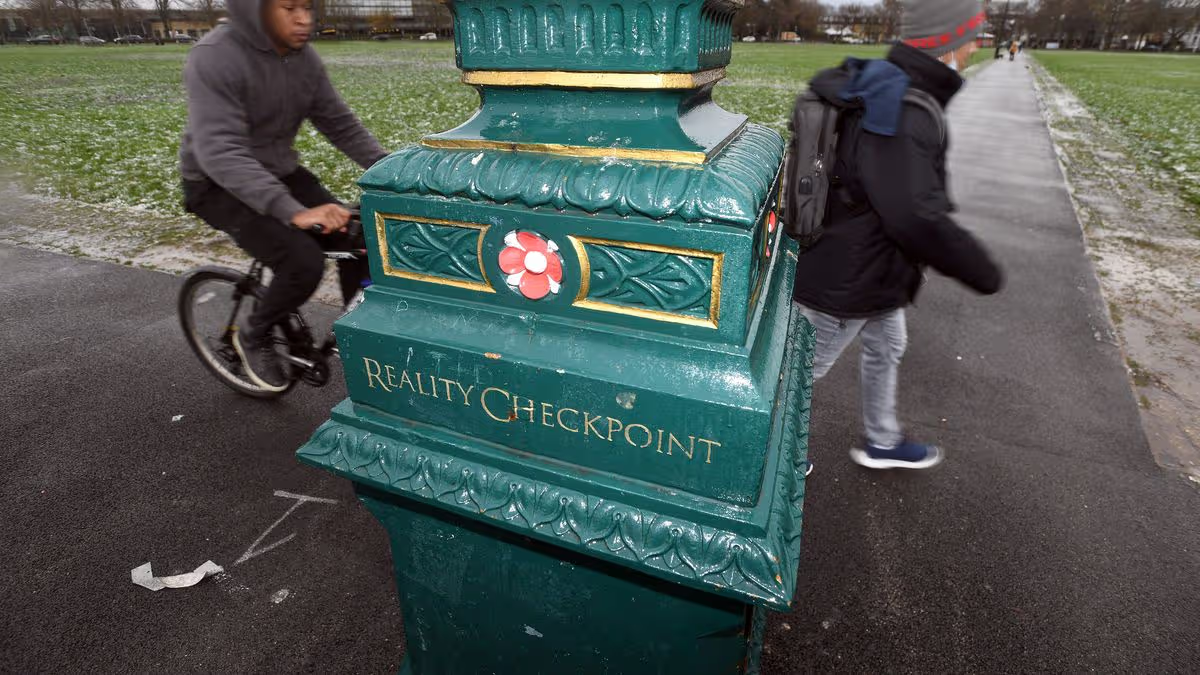
With the town being a successful market town, traders and merchants were angry that they didn’t have control over the exchange of goods. Today in Parker’s Piece stands a lamppost that symbolises the conflict.
It’s called Reality Checkpoint, and it is a large cast iron lamppost in the middle of the green space that lays at the intersection of the park’s diagonal path. It marks the boundary between the university’s “bubble” and the “real world”.
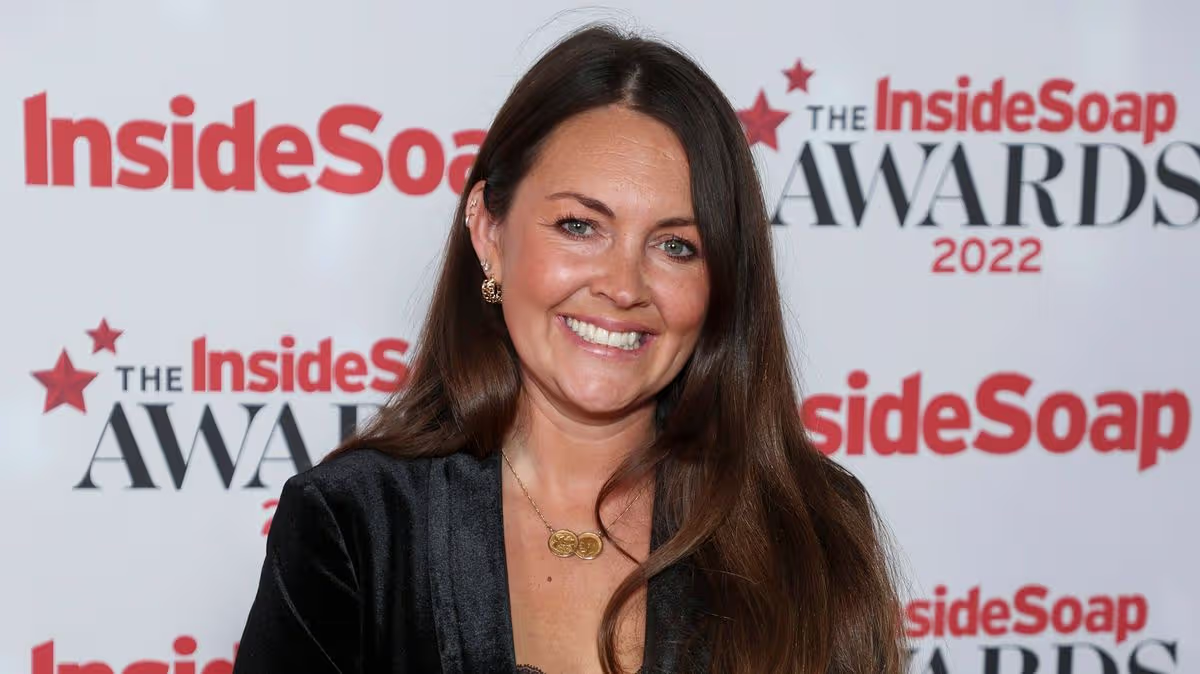
EastEnders star Lacey Turner, best known for playing Stacey Slater, is reportedly set to appear on Strictly Come Dancing
Olivia Wheeler Content Editor Screen Time and Rishma Dosani
14:10, 31 May 2026
EastEnders icon Lacey Turner is rumoured to be joining Strictly Come Dancing, having previously declined the BBC programme.
The soap actress has entertained audiences as Stacey Slater for many years, but is presently taking an “extended break” from television to concentrate on her young family.
Advertisement
She has been associated with the competition before, but is believed to have agreed to take to the dance floor while away from the enduring soap opera.
The 38-year-old, who had her third child with husband Matt Kay last year, wouldn’t be the first Albert Square resident to participate in the programme, with Kellie Bright, Jake Wood, Rose Ayling-Ellis, Balvinder Sopal and Maisie Smith amongst those who have featured.
“Strictly bosses are delighted to snap Lacey up for the series, especially as she has such a huge fan base from her time on the soap,” an insider said, reports the Mirror.
Advertisement
“She’s down to earth and viewers will be excited to get to know her personality away from Albert Square.
“She has loved having some quality time off screen to focus on parenting, but feels like now is the perfect time to learn to dance and try something different before she reprises her role in EastEnders,” they added to the Sun.
Lacey first appeared in EastEnders as Stacey in 2004 and quickly became a beloved character. She stepped away from the programme last year, with fans eager for her comeback. While the television star hasn’t publicly commented on the rumours, she has previously been approached about Strictly – but declined the offer.
“I have been asked to go on Strictly but I’m rubbish at dancing and I don’t really have the guts,” she told OK! Magazine in 2017. “I’d do it if it wasn’t on telly – I just don’t like being on TV! I do think it’s a great show to do, though, as you learn a new skill.”
“Maybe one day I’ll grow a pair and put the shoes on,” she joked at the time, though her stance shifted within two years when she told the publication: “I don’t know if I could do any but I guess if I was going to do any I would do either Strictly, although I can’t dance, or the jungle.”
The forthcoming series of Strictly Come Dancing is scheduled to begin in September, marking the debut season for new presenting team Emma Willis, Josh Widdicombe and Johannes Radebe.
The three were confirmed as the programme’s new hosts earlier this month following Tess Daly and Claudia Winkleman’s announcement that they would be standing down.
Advertisement
WalesOnline has approached representatives for the BBC for comment.
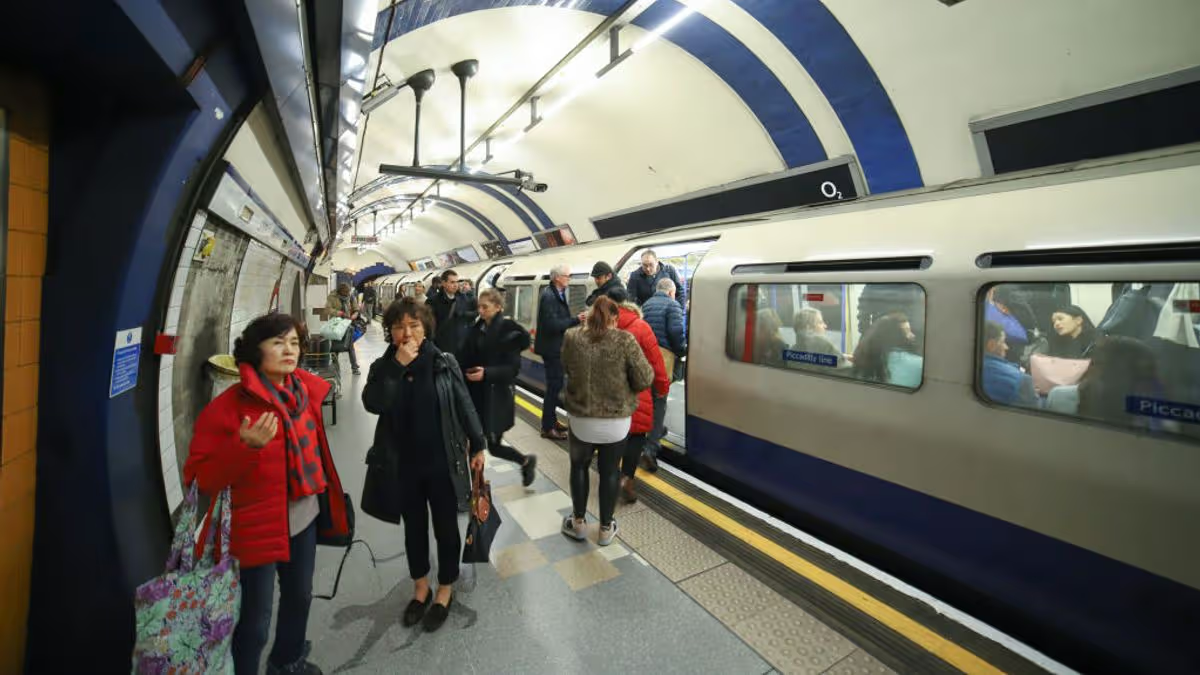
No services would be expected on two lines if the industrial action goes ahead, with sections of two others also affected – and while other lines will be operating, severe disruption should be anticipated across the entire TfL network.
TfL have advised commuters to complete their journeys across the capital before 9pm on both strike days, warning that in the early morning – before 6.30am – there will be a limited service “because services will start late and finish early”. They have also cautioned that the number of trains in operation will vary across the network.
The affects, in full, would be:
Advertisement
No service on Circle Line
No service on Piccadilly line
No service between Baker Street and Aldgate on Metropolitan Line
No service between White City and Liverpool Street on the Central Line
Reduced services on Bakerloo Line, Jubilee Line, Northern Line, District Line, Hammersmith & City Line, Victoria Line, Waterloo & City
Gemma Aitchinson has spoke about the her sister’s killer, David Minto, being attacked while serving his sentence in HMP Wakefield
Fighting back tears, Gemma Aitchison endured the harrowing account of her sister’s murder in court. Then one devastating detail left her utterly shaken.
Advertisement
It wasn’t the horrific reality that her younger sister, Sasha Marsden, 16, had been raped and murdered just five months earlier in January 2013.
The teenager had been enticed to her death by hotel worker David Minto under the false pretence of a job interview at the Grafton House Hotel in Blackpool, Lancashire. Minto’s sick lie ended in Sasha being stabbed 58 times in the head, neck and face before her body was dumped in an alleyway.
But as the disturbing details of the case emerged at Preston Crown Court that July, a chilling revelation surfaced which brought Gemma to a standstill. For the very first time, she learned that in the hours after Sasha was killed, her own parents had unknowingly come face-to-face with her murderer – all while their daughter’s body lay just yards away.
Click here to get the biggest stories straight to your inbox in our Daily Newsletter
Advertisement
Speaking on episode two of the vodcast Key Witness: Aftermath, released today (May 28), Gemma, 40, a feminist activist from Bolton, Greater Manchester, said: “I didn’t find out about the confrontation until the trial.
“My mum went round to the hotel and knocked on – and spoke to David Minto – while he was in the midst of killing my sister.
“She didn’t know that at the time, of course. But what through my mind was how horrible for my mum. That must be awful for her to know.
“She was stood at the door with him and Sasha was in the house – who I imagine was desperate for her mum. But I can only imagine how she was feeling because she didn’t talk about stuff.”
Advertisement
Sasha met Minto through a mutual friend on a night out in Blackpool in 2012. A year later, he contacted the teen who was studying childcare at the time, asking if she was interested in a part time job as a cleaner at the hotel he was staying at, run by his girlfriend’s mother.
When she failed to return home on January 31, her frantic parents, Jayne and Gary Marsden, went straight to the hotel on Kirby Road – Sasha had said she was heading there – in search of answers.
Instead, they were met by Minto himself – who at first glance, seemed like a “good Samaritan.”
But they had no idea that man standing before them had coldly lied about Sasha’s whereabouts and in fact had already murdered their daughter – whose mutilated body was lying just yards away.
Advertisement
Recalling the investigation, Gemma said: “He [Minto] told so many lies.
“I didn’t really take on board all the different stories at the time.
“But I remember him claiming a three-foot by three-foot pool of blood that had soaked through three layers of carpet underlay was just a nosebleed.
Advertisement
“And he said he’d walked Sasha to meet her dad – even though CCTV proved that wasn’t true.”
Police quickly closed in, and on February 3, 2013, Minto was arrested and charged with Sasha’s murder.
Her blood was found on his clothes, throughout the hotel and on the kitchen knife used in the attack – which was bent at the tip.
He had inflicted devastating injuries before attempting to burn her body in an alleyway, where she was later found wrapped in carpet underlay and bin bags.
Advertisement
The wounds were so severe, Sasha had to be identified using DNA from her toothbrush.
Gemma said: “I learned during the trial that Minto was almost excited to show people what he’d done.
“He told neighbours there was a mannequin burning in the alley and invited them to come and look.
Advertisement
“He kept changing his story – by the time we got to court, we were probably on version four.
“I tried to see if there was any humanity in him – but there was nothing there.”
‘I’m glad he didn’t die’
On July 26, 2013, Minto was jailed for life with a minimum term of 35 years. It meant he could be eligible for parole in 2048. But for Gemma, the sentence never felt like enough.
“I wasn’t particularly happy,” she said.
Advertisement
“I thought – he can come out, have children, live a life.
“Sasha was 16. She didn’t get that chance.
“It just felt really inappropriate.”
While Gemma tries not to think about her sister’s killer, she recently learned he was himself attacked by another inmate at HMP Wakefield in October 2025.
Commenting on the news, Gemma said: “I read it on an article and I’m glad he’s experiencing as much fear as he put my sister through.
“He knows he’s not safe and I feel like he’s now living how teenage girls live – always looking over their shoulders.”
Advertisement
She added: “I’m glad he didn’t die, because I see it’s more of a punishment he’s living in fear.
“But most of the time, it’s mixed emotions.”
Since Sasha’s death, Gemma has channelled her grief into campaigning against sexual violence.
Advertisement
She founded the support group Yes Matters UK, while also pushing for compulsory PSHE lessons to better educate young people and support victims.
Her family has continued to campaign for tougher sentencing laws, and Gemma says she is “incredibly proud” of her sister Katie, whose efforts helped secure the introduction of Sasha’s Law, giving victims more time to challenge lenient prison sentences.
Her family has also battled for tougher sentencing laws, and Gemma is “incredibly proud” of her other sister, Katie’s, achievement of Sasha’s Law to give victims more time to challenge lenient prison terms.
“Women are still seen as objects while men are seen as the subjects, so crime against them don’t matter as much,” Gemma said.
“That’s why my sister didn’t matter, Sarah Everard didn’t matter – you don’t ask a chair before you sit on it ‘can I have consent to sit on you? What are your hopes and dreams?’ – we don’t care about that.
“I’m doing work around pornography and its affects on young people that push these thoughts,” she added.
“I’ve promised to myself that if I ever see a girl or a woman who’s in danger, I’ll always step in.
Advertisement
“Sasha was an annoying teenage girl – like they all are and I’m saying that as an ex-teenage girl myself – who was starting her life.
“But it’s how society views teenage girls – and what we allow to happen to them – that’s why she died.”
Key Witness: Aftermath is a collaboration between social producers Creatorville and content agency SWNS. The weekly vodcast is released on YouTube, Spotify, and Apple Podcasts. Each week, presenter and journalist Daisy sits down with the people closest to notorious crimes – across the UK and the world – to uncover details never revealed before.
Watch every episode of the vodcast here – www.youtube.com/@Key_Witness




-copy.jpeg)
































You must be logged in to post a comment Login