Connect with us
DAPA Banner

NewsBeat

The outrage over the Enhanced Games ignores the risks many already accept in sport

Published

on

The outrage over the Enhanced Games ignores the risks many already accept in sport

The Enhanced Games, slated to commence in May 2026, has sparked outrage across the sporting world. This new competition is the first in history to openly permit performance-enhancing drugs, and sporting bodies aren’t happy about it.

World Athletics president Sebastian Coe called the concept “bollocks”, while World Anti-Doping Agency president Witold Bańka has dismissed it as “dangerous” and “ridiculous”.

Such criticisms might be justified, but they overlook the fact that the Enhanced Games is making obvious what society has always quietly accepted – that most people are willing to watch athletes risk harm when the entertainment is good enough. And that’s something that all sporting bodies should spend more time considering.

This bargain between spectacle and safety isn’t new to sport. Ancient Romans packed the Colosseum to watch gladiators fight to the death. It’s certainly been toned down over the last 2,000 years. But the gladiatorial spirit remains alive in modern arenas. How it’s packaged has merely become more sophisticated.

Advertisement

Consider boxing. Society has allowed professional boxing for more than 100 years despite the dangers to fighters. In one group of amateur and professional boxers, 62% were found to have dementia or amnesia.

Yet arenas still sell out. Fans celebrate knockout victories even though they know they may shorten a boxer’s life. Sporting bodies and fans have decided this trade-off is acceptable. Every time a ticket is bought, a statement is made about acceptable risk.

The multi-sport Enhanced Games simply extends this logic. Held in Las Vegas, athletes will be able to use performance-enhancing substances (approved by the drugs regulator for medical uses) “off-label” under medical supervision. These include testosterone, growth hormone and anabolic steroids.

Long-term use of substances like these can damage the heart and blood vessels, harm the liver, disrupt the body’s natural hormone production (potentially causing infertility) and affect a person’s mood and mental health.

Advertisement


À lire aussi :
From bodybuilding to the local gym: how performance-enhancing drugs can damage the heart


The organisers aim to usher in a “new era of elite competition” and with it “the future of human performance”. Founder Aron D’Souza, an Australian businessman, thinks athletes should be free to do whatever they want to their own bodies. The International Federation of Sports Medicine has challenged the Enhanced Games for putting athletes at risk.

But isn’t the Enhanced Games simply a more dangerous version of traditional athletics? If brain trauma is the potential price of boxing entertainment, why the outrage about pharmaceutical enhancement risks? The moral panic about chemical enhancement seems inconsistent with society’s silence about the proven harms in so many of the sports people already love.

Sportspeople regularly push themselves to the limit physically and mentally.
Eddie Gerald/Alamy

The Olympics already celebrates athletes who push their bodies to extremes through punishing training regimens, strict diets and recovery methods that test the limits of human physiology. Research has documented serious physical and psychological harms in many sports, including some like gymnastics and figure skating where even child athletes have faced high risks of injury and mental illness, including eating disorders, anxiety and depression.

Advertisement

The Enhanced Games just moves the risk threshold further along a spectrum society has already accepted.

Every time a new enhanced athlete is announced, their national sporting bodies issue condemnations. Sport Ireland stated that they were “deeply disappointed” about swimmer Shane Ryan’s decision to join the Enhanced Games. When fellow swimmer Ben Proud announced his intention to participate, governing body UK Sport said it “condemns everything the Enhanced Games stands for” and that they were “incredibly disappointed” with his decision.

But these same bodies preside over sports where athletes routinely suffer serious injuries. When will they acknowledge the risks they’re already asking athletes to accept?

The question isn’t whether the Enhanced Games introduces something morally unprecedented. It doesn’t. What it does is forces sports fans to confront the bargain they’ve always accepted but rarely discuss. Fans want extraordinary athletic performances, and they’re willing to let athletes pay extraordinary prices to deliver them.

Advertisement

The Enhanced Games describes itself as a ‘sports spectacle for the 21st century’.

Being honest about risk

If sporting bodies are serious about athlete welfare rather than just moral posturing, they need to be honest about risk across all of sport. In research ethics, institutional review boards conduct formal risk-benefit analyses before approving human studies. They document potential harms and assess whether benefits justify risks.

Sporting bodies should do the same. This includes the Enhanced Games. So far, they’re failing just as badly as traditional sports, hiding behind claims of medical supervision rather than stating the trade-offs.

Informed consent is central to medical ethics and some ethicists argue it isn’t talked about enough in sport. Athletes should understand the specific risks of their sport based on robust data, not vague warnings.

Advertisement


À lire aussi :
In Victorian Britain the crowds approved of sports doping – with cocaine


For example, all boxers should be aware of the dangers they face each time they take a punch to the head. Similarly, all enhanced athletes should understand what prolonged testosterone and growth hormone do to the body. Informed consent requires real information, not liability waivers.

As a philosopher of science, I suggest we need to be consistent about our judgments across different sports. The sporting establishment denouncing the Enhanced Games should look in the mirror. Boxing, rugby and motorsports organisations as well as bodies representing a host of other sports preside over activities with documented long-term harms.

The selective outrage is telling. It suggests this is more about maintaining comfortable fictions than protecting athletes. We prefer our sports wrapped in the language of safety and personal freedom. The Enhanced Games threatens to make that fiction harder to maintain.


Advertisement

Source link

Continue Reading
Click to comment

You must be logged in to post a comment Login

Leave a Reply

NewsBeat

Pausing work on ballroom is a national security risk to Trump, White House says | News US

Published

on

Pausing work on ballroom is a national security risk to Trump, White House says | News US
Donald Trump with a picture of his planned ballroom, which has been put on hold (Picture: Reuters)

Donald Trump and his family could be put in serious danger if work on the $400 million White House ballroom is stopped, his administration has suggested.

A district judge in Washington DC provoked the president’s ire last week when he paused construction on the lavish extension.

White House lawyers are now urging a federal appeals court to halt that ruling and allow builders to get back on site.

In a motion filed on Friday, they argued the judge’s order is ‘threatening grave national-security harms to the White House, the president and his family, and the president’s staff’.

Advertisement

That is because materials are being installed to make the site ‘heavily fortified’, they said, with the ballroom project also including a bomb shelter and military installations according to the Guardian.

The side of the mansion has also been left ‘open and exposed’, the lawyers warned, following President Trump’s decision to go ahead with the demolition of the historic East Wing without consultation.

Elsewhere in the motion, the lawyers argued the district court did not have authority to tackle the suit, saying it ‘rests on a single pedestrian’s subjective architectural feelings’.

FILE PHOTO: The construction of U.S.President Donald Trump's White House ballroom continues in Washington, D.C., U.S., January 12, 2026. REUTERS/Kevin Lamarque/File Photo
The East Wing of the White House was completely razed to make way for the building (Picture: Reuters)

The Guardian reported that the decision from Judge Leon – who was nominated by George W Bush – addressed national security, and he exempted construction necessary for the security of the building from his order.

Advertisement

The president ‘has complete authority to renovate the White House’, the motion adds.

Leon’s decision came as a result of a preliminary injunction from the National Trust for Historic Preservation, which asked for construction to be paused amid their lawsuit alleging Trump exceeded his authority with the project.

In a Truth Social post after the ruling, Trump described the organisation as a ‘Radical Left Group of Lunatics’.

epa12866306 Activists protest outside the National Capital Planning Commission headquarters prior to a commission vote on the East Wing Modernization Project in Washington, DC, USA, 02 April 2026. The commission, who has previously heard overwhelming negative public comments, will deliberate and vote on President Trump???s White House ballroom project despite a judge ordering a halt in construction. EPA/SHAWN THEW
Trump’s ballroom project prompted outrage from many across the US (Picture: EPA)

The creation of the ballroom is one aspect of the president’s ambition to reshape the heart of the US capital within his final term in office.

Other plans in the works include a 250-foot triumphal arch, while he has already unilaterally inserted his name into the title of the Kennedy Center for the Performing Arts.

Advertisement

Get in touch with our news team by emailing us at webnews@metro.co.uk.

For more stories like this, check our news page.

Advertisement

Source link

Continue Reading

NewsBeat

Scotland’s ‘worst place for midges’ named ahead of summer and where to avoid them

Published

on

Daily Record

Some parts of the country are much worse for the bloodsuckers than others.

Advertisement

The “worst places in Scotland” for midges have been named ahead of the start of summer, with hikers being advised to avoid certain parts of the country if they don’t want to be set upon. Experts have also shared a list of locations around Scotland where hillwalkers and holidaymakers are less likely to encounter the biting beasts.

Midges, particularly the Culicoides impunctatus species, are biting flies that are usually very prevalent between late spring and late summer. The small flies are infamous for ruining hikes and camping trips in Scotland across the warmer months, with their bites leaving irritating and itchy lumps.

On Wednesday, April 3, travel experts at Two Scots Abroad shared a guide to midges in Scotland to help Scots and holidaymakers in the country alike minimise the impact of the blood-sucking insects. A total of nine destinations and regions across Scotland were singled out as especially bad for midges.

One of the areas in the country where midges are particularly prevalent according to the experts is the Northwest Highlands, which comprises Wester Ross, Assynt, and Sutherland, as well as part of Caithness. The region offers conditions very favourable for midges to breed, such as wet soil, damp moss, and sheltered glens with minimal wind.

Advertisement

In particular, Glen Coe, Fort William and the Great Glen, Torridon, and the Isle of Skye were named as top hotspots for midges that should be avoided if possible. Meanwhile, Argyll and Bute and parts of the North Coast 500 were named as locations with a lower risk but where midges are still common.

The Two Scots Abroad website states: “What all of these share: sheltered, boggy, wet highland terrain with limited wind exposure. If a place is famous for dramatic scenery and moody weather, it’s probably also famous for midges.”

On the other hand, there are certain parts of Scotland where you are far less likely to be bothered by midges during the spring and summer. According to Two Scots Abroad, these generally comprise open and coastal regions where strong winds prevent the insects from thriving.

Advertisement

Among the locations in Scotland where midges are unlikely to be as much of a nuisance are the Scottish Borders, Fife, Dumfries and Galloway, Edinburgh, Glasgow, and the Central Belt. Those in Orkney and Shetland may also have better luck when it comes to midges according to Two Scots Abroad.

Additionally, the experts shared tips that can help you avoid midge bites even if you head into areas such as the Northwest Highlands. According to Two Scots Abroad, using repellent such as Smidge, wearing head nets and brightly coloured clothes, and avoiding dusk and dawn can all minimise your chances of being bitten.

Scots keen to avoid the worst of the midges this spring and summer can also use The Scottish Midge Forecast to plan their trips. The forecast uses data from biting midge traps and mini-weather stations across the country to provide a regularly updated view of midge levels throughout Scotland.

Advertisement

Two Scots Abroad’s midge guide adds: “If you’re planning a trip to the Scottish Highlands, this is the one practical topic worth actually reading up on. Not because midges are dangerous, they’re not, but because they can genuinely ruin an otherwise brilliant day out if you’re in the wrong place at the wrong time.”

See below for the full list of the worst locations in Scotland for midges and the areas in the country where you can avoid the insects according to Two Scots Abroad. More information and the full guide can be found on the Two Scots Abroad website.

The worst locations in Scotland for midges

  • Northwest Highlands
  • Argyll and Bute
  • Glen Coe
  • Fort William and the Great Glen
  • Torridon
  • Isle of Skye
  • Loch Lomond and The Trossachs National Park
  • Cairngorms National Park
  • Parts of the North Coast 500

Where in Scotland to avoid midges

  • Edinburgh and the Central Belt
  • Glasgow, Lanarkshire, and Ayrshire
  • Dumfries and Galloway and the Scottish Borders
  • Fife, Dundee, St Andrews, and the Northeast coast
  • Orkney and Shetland

Source link

Continue Reading

NewsBeat

Six star chefs share their top tips for a perfect Easter lunch

Published

on

Six star chefs share their top tips for a perfect Easter lunch

When it comes to Easter, it has to be lamb for me. Always. To shake things up a bit — as you don’t want to be cooking the same thing year on year, now do you? — I like to take a shoulder of lamb (the bigger, the better), generously drizzle it with tahini and slow roast it in the oven with lemons and wild garlic. A big bowl of soft polenta is the perfect companion, it’s like eating a hug. The whole thing is simple, easy to cook, and my gosh — the flavour! If that’s not your bag, try shoulder with fresh lavender, rosemary, garlic, honey and salt. Pick your rosemary straight from the garden and blitz the leaves with salt in a blender. Remove the lavender buds from the stalks and add them to the honey. I rub the lamb all over with salt before placing in a roasting tray in the oven, covered with foil, for 20 minutes at 200°C. Remove the foil and leave to roast for a further 40 minutes before pouring over the lavender and honey and returning to the oven for a final 10 minutes. Resting is key — I do this for 10 to 15 minutes with some foil on top to keep it warm, before serving with pan juices and spring vegetables.

Source link

Continue Reading

NewsBeat

Preparations begin for 6-day NHS resident doctor strike

Published

on

Preparations begin for 6-day NHS resident doctor strike

Resident doctors will begin their strike at 7am on Tuesday (April 7), which will run for six days until 7am on Monday (April 13).

Hospital teams across the country, including in York, say they will continue to “minimise” this disruption, with GP practices, NHS 111 and urgent and emergency care services continuing to be available throughout the industrial action.


Recommended reading:


The NHS said that patients should attend planned medical appointments unless they have been contacted to reschedule.

Advertisement

The strike is expected to be “particularly challenging” for the NHS due to a short notice period and the timing of the strike, which falls during the Easter holiday.

Doctor's strike“The government has the power to avert this strike action”, the BMA has said (Image: PA)

In a statement, leaders of the action, the British Medical Association (BMA), said: “The government has the power to avert this strike action – by coming back to the table with a credible offer on both jobs and pay.

“We remain willing and available to re-enter negotiations, but we are not willing to risk locking in further pay erosion.

“The government shifted the goalposts on pay at the 11th hour, leaving us with no option but to make ourselves heard from the picket line.”

Advertisement

On Tuesday, Prime Minister Sir Keir Starmer gave the resident doctors committee of the BMA a 48-hour deadline to reconsider the government’s deal on pay and jobs, which included the offer of extra NHS training posts.

As the deadline approached, the BMA set out a list of demands for Government which would need to be addressed for them to call off the strike.

Wes StreetingWes Streeting had urged doctors to reconsider their industrial action (Image: PA)

Responding, a Department of Health and Social Care spokesperson said: “It is disappointing that the BMA has decided to press ahead with strikes next week, despite conversations we have been having in recent days in a bid to protect the NHS from strikes.

“This government offered resident doctors a generous deal to improve their pay, career progression and working lives that would have seen resident doctors on average 35.2 per cent better off than they were four years ago.

Advertisement

“Because the BMA resident doctor committee has not agreed to call off these strikes and put an offer to members, we will now not be able to deliver the 1,000 extra training places which the BMA asked for.

“These posts would have gone live this month, but as systems now need to prepare for strikes and more uncertainty, it simply won’t be operationally or financially possible to launch these posts in April in time to recruit for this year – this won’t impact the overall number of resident doctors and the NHS will be there for patients when they need it.

“Our attention and that of leaders across the NHS is now on protecting patients, staff and our NHS by minimising disruption to the health service.”


What do you think about this?

Advertisement

Write us a letter. Please write no more than 250 words and you must provide your full name, address and mobile number. Send your views by email to: letters@thepress.co.uk


In a statement issued on Wednesday evening, Dr Jack Fletcher, chairman of the doctors’ committee, said: “It is not unexpected, but extremely disappointing to see the government has scrapped 1,000 new specialty training places at a time when doctors so urgently need more jobs and patients so desperately need more doctors.

“It is genuinely disheartening to be at this point after what had been constructive talks up until a few weeks ago when the government moved the goalposts.

“It is simply wrong that the development of the doctors of the future is being used as a pawn like this.

Advertisement

“We have consistently maintained that we are willing to postpone industrial action should a genuinely credible offer be provided.

“This remains the case now, up to, and throughout any period of industrial action.”

‘Longer waits expected’

A spokesperson for York and Scarborough Teaching Hospitals NHS Trust said: “During the strikes, there may be fewer doctors working than usual, and they will need to prioritise life-saving care.

“Less urgent cases may experience longer waits during strikes.

Advertisement

“The NHS is asking patients to choose services appropriately during industrial action and take simple steps to help ensure care is available to patients who need it most.

“This includes using 111 online as the first port of call for health needs, and as ever only using 999 if it is serious or life-threatening emergency.”

Source link

Advertisement
Continue Reading

NewsBeat

‘Potted Plant’ Parenting And Why It’s Not For Me

Published

on

'Potted Plant' Parenting And Why It's Not For Me

One morning last week, while sipping coffee in bed and scrolling on my phone, my social media feed presented an article about parenting teenagers using the “potted plant” method.

“Get this,” I said to my husband Chris, next to me in the bed. “This article says that teenagers don’t want to engage with their parents, but they still want them nearby, hovering quietly in the background – like a ‘potted plant,’” I said using air quotes.

Chris looked up from his phone. “So first it was helicopter parents, then snow plow parents, and now potted plant parents?”

He rolled his eyes and went back to Wordle. However, I was interested enough to read on.

Advertisement

The concept was introduced by clinical psychologist Lisa Damour in a New York Times article in 2016.

“While normally developing teenagers seek new levels of emotional and physical distance from their parents perhaps they, like toddlers, feel most at ease when their folks balance active engagement with detached availability,” she writes.

The research cited in the piece is convincing: physical proximity alone, whether or not you’re actually connecting, does appear to improve adolescent well-being.

Maybe, I thought to myself as I got out of bed to begin my day. But at what cost to the parents’ well-being?

Advertisement

My children are now 18, 20, and 22, technically past the teenage years the potted plant method targets. But they are not quite out of the nest, and so the article still landed. I recognised the instinct: that parental tug to stay nearby, available, just in case.

I also recognised the trap.

I know so many parents on the verge of an empty nest who don’t know what to do with themselves – who have been so busy being parents that they’ve forgotten to build a life of their own.

The potted plant method gives them permission to keep delaying that reckoning. When the baseball games end, and the rides stop, what’s left? In retrospect, refusing to disappear into the background has set me up for a full life, and I’m ready to step into it.

Advertisement

Do you remember that scene from The Goonies when Mikey Walsh gives that pivotal speech and declares, “It’s our time”? I’m ready to give that speech to myself. After 22 years of parenting, it’s my time. I am done. I know, I know. Older parents are already typing their responses: “You’re never done parenting, blah blah.” I respectfully cry bullshit. The late, great radio psychologist Dr. Joy Browne used to say: “Your job as a parent is to give your kids roots and wings. And the wings are the hardest part.” If you’ve done your job, the wings are what they’re using right now. Let them fly.

Here’s the thing. I actually was a potted plant for the first seven years of my parenting, present in body, not fully there in any other way. I suffered from the disease of alcoholism, and although I could check the boxes (packed lunches, PTA, tooth fairy), a layer of vodka acted as a barrier between my kids and me. I got sober through a 12-step program when my kids were 7, 5 and 3, and what followed were 15 years of genuine, engaged, present motherhood. However, I never gave up all of myself as these parenting trends seemed to suggest you should.

During those years, while the kids were at school, I worked part-time and took a memoir-writing class. As my children grew more independent – when they no longer needed rides and their math classes became so advanced I could no longer help with the homework – I joined the workforce full-time and dedicated more hours to my writing. My hard work paid off. My debut memoir, Sober Mom, is being published this summer.

Should I skip the writing conference because my daughter might want me in the room while she watches TV? Should Chris and I cancel our weekend away in case one of my adult sons needs someone to explain how the washing machine works?

Advertisement

What I want – what I’ve decided my kids actually need – isn’t my quiet presence on the periphery of their lives. I want them to see a woman who finished her memoir, who went to the writing conference, who kept showing up for her own life the same way she showed up for theirs. I want them to witness what a marriage looks like when two people still choose each other after 20-plus years – two people who still go away for weekends alone. And I want them to learn, by watching me, that parenting doesn’t have to mean disappearing.

So, if they pick their heads up from their phones and wonder, Where’s mom? Good. That’s the point. I’m not a potted plant.

Elizabeth Jannuzzi’s debut memoir, “Sober Mom,” will be published by She Writes Press in July 2026 and is available now for pre-order. Her work explores themes of loss, motherhood, and recovery from alcoholism. Her essays have been featured in Under the Gum Tree, The Rumpus, WOW! Women On Writing, and more. Elizabeth earned a Best of the Net nomination in 2023. She is the program director at Project Write Now, a nonprofit writing organization. She engages with her audience through a weekly Substack newsletter.

Do you have a compelling personal story you’d like to see published on HuffPost? Find out what we’re looking for here and send us a pitch at pitch@huffpost.com.

Advertisement

Source link

Continue Reading

NewsBeat

BBC’s EastEnders to see TV schedule change this week

Published

on

BBC's EastEnders to see TV schedule change this week

Soaps are regularly changing their schedules due to other programmes being shown in their usual time slots, including football matches.

While fans of the soap will still get to watch an episode of EastEnders on Easter Monday (April 6), it will be at a later time.

Here’s what we know about the changes and when you can watch the soap this week.

Advertisement

The top five EastEnders villains


EastEnders to see TV schedule change this week

The Easter schedule will see Celebrity Escape to the Country fill EastEnders’ usual slot as it starts at 7.45pm, with EastEnders usually beginning at 7.30pm on BBC One on Mondays.

It’s not all bad news though, as you can still get your soap fix on Monday as EastEnders will start an hour later than usual – at 8.30pm on the same channel.

Despite this schedule change, soap fans will be able to watch EastEnders on Tuesday, Wednesday and Thursday at its usual time this week.

ITV makes schedule changes to Coronation Street and Emmerdale

Fans of Corrie and Emmerdale can also expect some schedule changes this year because, back in 2025, ITV announced changes to its soap schedule.

Advertisement

From January 2026, the broadcaster introduced a “soaps power hour” on weekdays with 30-minute Emmerdale episodes at 8pm and 30-minute Coronation Street episodes at 8.30pm.


Emmerdale’s most shocking deaths


Coronation Street previously aired for three hour-long episodes a week, while Emmerdale aired four 30-minute episodes and one hour-long instalment.

In May 2025, ITV chief executive Dame Carolyn McCall said the company was making “good progress” on a cost-cutting drive, and that she expected to make £30 million of non-content savings during 2025.

Advertisement

ITV also introduced changes to its popular daytime TV shows such as Good Morning Britain (GMB) and Lorraine.

From January this year, GMB has been extended by half an hour, while Lorraine Kelly’s morning talk show has been reduced to 30 minutes for 30 weeks of the year.

Are you happy about the EastEnders schedule change this week? Let us know in the comments.

Advertisement

Source link

Continue Reading

NewsBeat

Five in hospital after Midridge Road Newton Aycliffe crash

Published

on

Five in hospital after Midridge Road Newton Aycliffe crash

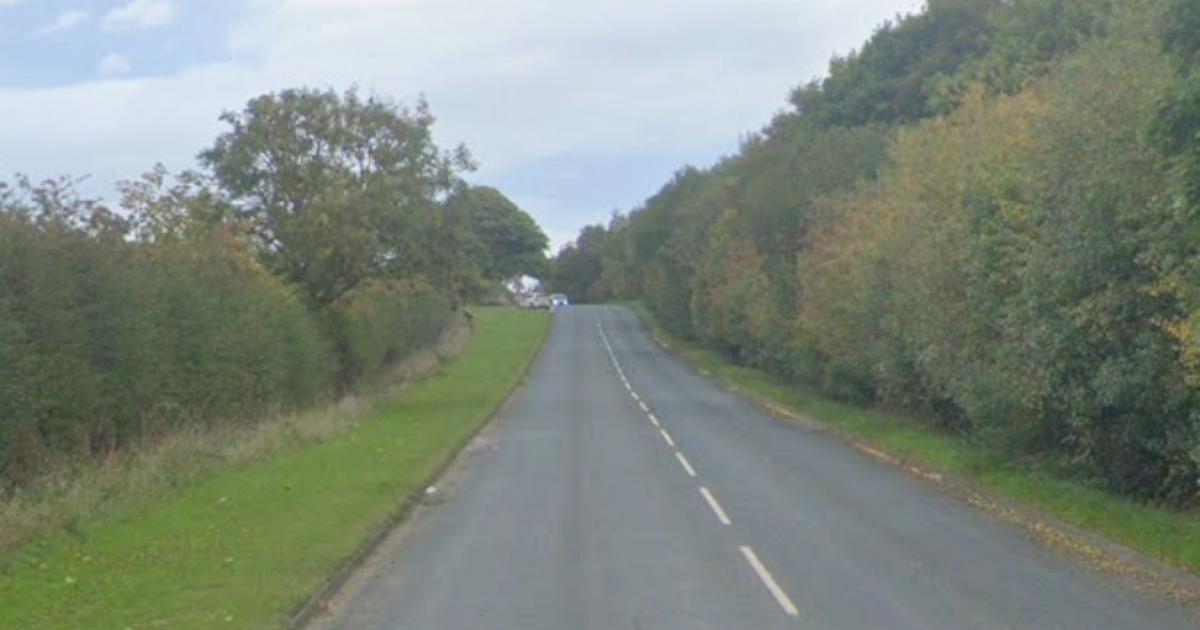
Emergency services were called to Midridge Road just before 8.30pm on Saturday (April 4) after the smash.

In total, five ambulances were sent to the scene and took five people to Darlington Memorial Hospital.

The circumstances of the crash are not yet known. Durham Police have been contacted for more information.

Advertisement

A spokesperson for North East Ambulance Service said: “We were called to a road traffic incident on Midridge Road, Newton Aycliffe, shortly before 8.30pm on April 4.

“We dispatched five double-crewed ambulances and a clinical team leader. Five patients were taken to Darlington Memorial Hospital.”

Source link

Advertisement
Continue Reading

NewsBeat

Easter treat that can help lower blood pressure – but Brits must be specific on choice

Published

on

Wales Online

Some popular Easter treats could be helping your heart

Millions of chocolate Easter eggs are set to be devoured this weekend and, while overindulging in the beloved sweet treat is never advisable, choosing the right kind of chocolate could actually bring some surprising health benefits.

Health specialists have shed light on the potential advantages of dark chocolate and its possible effects on your heart, cholesterol and brain function. Dark chocolate typically contains between 35 and 90 per cent cocoa solids, considerably more than other varieties, while also tending to have lower levels of sugar and dairy.

Advertisement

Heart health

It is the elevated cocoa content that gives dark chocolate its edge when it comes to cardiovascular protection. As BHF Senior Dietitian Dell Stanford explained: “Cocoa solids are a good source of flavanols, a type of chemical that naturally occurs in plants.

“Flavanols give dark chocolate its slightly bitter taste, and its potential health benefits such a helping to lower blood pressure and making blood vessels more flexible.”

A 2025 review established that foods containing flavanols, cocoa amongst them, showed potential in reducing the risk of heart and circulatory conditions, as well as helping to bring down high blood pressure. However, commercially produced chocolates tend to contain lower flavanol levels than the cocoa bean products typically used in research studies.

Cocoa nibs boast some of the highest concentrations of flavanols, while milk chocolate contains none at all. Notably, the flavanol content in both milk and dark chocolates can vary considerably and bears little relation to the stated cocoa percentage.

Advertisement

Flavanol levels aren’t typically displayed on packaging, making it virtually impossible to determine how much your preferred chocolate bar contains. In the UK, cocoa-based products can only be labelled ‘rich in flavanols’ if they deliver 200mg daily, a threshold most chocolates simply cannot meet.

It’s also practically unfeasible to obtain all the necessary flavanols from dark chocolate alone, as consuming the required quantity would lead to adverse health consequences from excessive sugar and fat intake.

Brain

The flavanols present in dark chocolate may also enhance oxygen supply, nerve function and blood circulation to the brain. According to ZOE, these flavanols have been associated with increased nerve cell development, particularly within the hippocampus.

Previous research involving rats has indicated that flavanols might shield the brain from deteriorating function and conditions such as dementia, though further studies are required to establish this conclusively.

Advertisement

Cholesterol

Dark chocolate typically contains elevated levels of polyphenols. These compounds can boost ‘good’ cholesterol levels in your body while simultaneously reducing ‘bad’ cholesterol. Nevertheless, according to the BHF, these advantages can be negated if you’re consuming excessive amounts of chocolate due to its sugar and saturated fat content.

Professor Tim Spector from ZOE advises choosing chocolate containing at least 70 per cent cocoa, while remaining cautious of varieties that may appear dark but still harbour high quantities of refined sugar or dairy products.

Source link

Advertisement
Continue Reading

NewsBeat

Nine of the best garden furniture sets on sale this spring

Published

on

Wales Online

Great deals are available on garden furniture sets for every occasion, size and budget – from Habitat and IKEA to Dunelm and Argos

With longer evenings and brighter days firmly upon us, now is an ideal moment to splash out on some new garden furniture. We’ve pulled together nine of the finest discounted lounge sets, dining sets and comfortable chairs to carry you through to the warmer months.

Although it can feel like a considerable outlay, investing in quality garden furniture is genuinely worthwhile. That said, it’s always sensible to make the most of any deals on offer, and a host of retailers from Habitat and Dunelm to IKEA and Wowcher have launched their spring sales.

Advertisement

From Scandi-inspired dining table and chair sets to Mediterranean-style rattan sofas and snug hanging egg chairs, there’s something to suit every garden size and aesthetic, reports the Mirror.

Habitat Malta 6 Seater Garden Corner Sofa Set. Was £800 Now £640 (using code GREEN20)

Habitat has truly excelled with their garden furniture range this year, delivering seriously stylish pieces without the eye-watering price tag, and this garden corner sofa set is no different.

Advertisement

Wowcher Acorn Dove Grey Rattan Garden Lounge Sofa Set. Was £449 Now £299

Rattan never goes out of fashion and is a wonderful way to introduce a Mediterranean vibe to your outdoor space. This grey rattan set from Wowcher is currently slashed by nearly £200, with both 5 and 10-seater options to choose from.

Argos Home Sicily 6 Seater Metal Patio Set. Was £230 Now £184 (using code GREEN20)

Advertisement

If you enjoy throwing an outdoor dinner party, this 6-seater patio set ought to be near the top of your garden shopping list. The chairs are stackable, making storage incredibly straightforward when you require the additional space.

OUTSUNNY 4 Piece Garden Furniture Set with Cushions Coffee Table. Was £648.99 Now £248.20

Among the finest garden bargains we’ve spotted thus far comes from Debenhams. They’ve reduced prices on numerous sets, including this 4-piece collection from OUTSUNNY. The black metal framework gives it a considerably more premium appearance than its now-under-£300 price point would indicate.

Abdul Metal 2 – Person Seating Group with Cushions. Was £668.99 Now £599.99

Keen to establish the ideal relaxation spot in your garden? Then this 2-person outdoor collection is the answer. Constructed from a lightweight aluminium framework, this pair is incredibly simple to relocate around the garden, whether you wish to be in the sunshine or shade.

Advertisement

Dunelm Singapore Double Egg Chair. Was £399 Now £299

Dunelm hasn’t got many reductions on garden furniture collections, but they have cut £100 from this double egg chair. If you’re limited on space, this is an excellent substitute for a large 4 or 6-seater collection.

IKEA JUTHOLMEN 4-seat conversation set. Was £429 Now £373 (until 24th May with IKEA Family membership)

Advertisement

If you possess an IKEA Family membership, this is the moment to utilise it. The Scandinavian homeware retailer has reduced prices on dozens of furniture pieces, including several garden collections like this 4-seater option.

Miacomet Modular PE Rattan Garden Sofa Set and Table. Was £1,464.97 Now £670

Wayfair is currently offering substantial spring discounts, and the reduction on this modular rattan garden set is simply too impressive to overlook. Slashing nearly £1000 from the original price tag, this collection is ideal for warm days spent outdoors.

Habitat Scandi 6 Seater Metal Patio Set. Was £500 Now £400 (using code GREEN20)

For those seeking to add a splash of colour to their outdoor area, this Scandi-influenced green metal patio set from Habitat is the ideal solution. Understated, stylish and vibrant without being excessively bold.

Advertisement

Source link

Continue Reading

NewsBeat

All we know about Donald Trump’s health scares as White House slams ‘conspiracies’

Published

on

Daily Mirror
All we know about Donald Trump’s health scares as White House slams ‘conspiracies’ – The Mirror