Connect with us
DAPA Banner

NewsBeat

Universal Credit cap changes and household limits explained

Published

on

Cambridgeshire Live

The DWP has confirmed the household benefit cap is frozen again for 2026-27, with the maximum amount unchanged at up to £25,233 for eligible households in Greater London

The Department for Work and Pensions (DWP) has confirmed the maximum annual benefit payments available to UK households for the new tax year, which commenced in April.

Advertisement

Each year, the DWP establishes the benefits cap in accordance with government policy set by HM Treasury. Unlike the state pension and other benefits such as Universal Credit or Pension Credit, it is not automatically uprated annually.

For the 2026-27 tax year, the benefits cap has once again been held at between £14,753 and £25,233, depending on individual circumstances and location.

The cap was last increased in 2024, was frozen in 2025, and will not be raised in 2026 either.

This week, the cap has come under increased scrutiny following Conservative leader Kemi Badenoch’s pledge to crack down on benefits cap exemptions, such as Personal Independence Payments (PIP), which are not counted towards the cap — nor is the state pension, reports the Express.

Advertisement

Should the Tories return to power, they have stated they would only exempt households from the cap if all adults capable of working are in employment. Receiving benefits such as PIP would no longer serve as an automatic exemption, a move they claim would “stop those who abuse the system getting almost unlimited welfare payments”.

The cap is applied at varying rates for single people and couples, and differs between London and the rest of the country. Currently, the cap stands at £22,020 for couples and lone parents outside London, or £14,753 for single adults without children.

In Greater London, the cap is £25,233 for couples and single parents, and £16,967 for single adults.

While members of a household may qualify for various combinations of benefits, including Universal Credit, Housing Benefit and Child Benefit, the total amount received cannot surpass the Benefit Cap.

Advertisement

This means those who reach the cap will have one of their benefits, most commonly Universal Credit, reduced to ensure the total remains within the limit.

Official figures published by the Department for Work and Pensions reveal that a total of 119,000 households have had their benefits capped up until August 2025.

According to newly released DWP data, UK households are losing an average of £249 per month (equating to £2,988 annually) as a result of the Benefits Cap.

The Benefits Cap represents the maximum total amount a single household can receive in benefits, once all claims made by household members are combined.

Advertisement

Citizens Advice also outlines how the system operates, noting that certain exemptions allow households to exceed the cap.

It says: “The Benefit Cap is a limit to the total amount of money you can get from some benefits. If your Universal Credit payment is over a specific amount, the DWP might reduce it to bring it down to a certain level.

“The Benefit Cap will not apply if you’re working and earn at least £846 a month after tax. If you have a partner, your combined earnings need to be at least £846 a month.”

DWP benefits given Benefits Cap exemption

DWP guidance stipulates that state pensioners are exempt from the cap upon reaching state pension age. It further clarifies that the benefit cap does not apply to these benefits:

Advertisement

You’re not affected by the cap if you or your partner:

  • Get Universal Credit because of a disability or health condition that stops you from working (this is called ‘limited capability for work and work-related activity’)
  • Get Universal Credit because you care for someone with a disability
  • Get Universal Credit and you and your partner earn £881 or more a month combined, after tax and National Insurance contributions

You’re also not affected by the cap if you, your partner or any children under 18 living with you gets:

  • Adult Disability Payment (ADP)
  • Armed Forces Compensation Scheme
  • Armed Forces Independence Payment
  • Attendance Allowance
  • Carer’s Allowance
  • Carer Support Payment
  • Child Disability Payment
  • Disability Living Allowance (DLA)
  • Employment and Support Allowance (if you get the support component)
  • Guardian’s Allowance
  • Industrial Injuries Benefits (and equivalent payments as part of a War Disablement Pension or the Armed Forces Compensation Scheme)
  • Pension Age Disability Payment
  • Personal Independence Payment (PIP)
  • Scottish Adult Disability Living Allowance (SADLA)
  • War pensions
  • War Widow’s or War Widower’s Pension

This final category is precisely what the Conservatives have indicated they would target for reductions.

Recently, the government abolished the two-child benefit cap from April. This had previously placed a limit on claiming additional Universal Credit payments for more than two children. As a result, families will now be entitled to claim further funds for each additional child under the ‘children’ element of Universal Credit.

However, in a somewhat confusing twist, this remains subject to the overall Benefits Cap, meaning households will not receive any additional funds if doing so would exceed the cap.

As explained by Money Helper: “The benefit cap is the maximum amount your household can get in benefits. This means that if you already get the maximum amount your payment will not increase.”


Advertisement

Source link

Continue Reading
Click to comment

You must be logged in to post a comment Login

Leave a Reply

NewsBeat

Campaigners call for ban on use of herbicide glyphosate at harvest

Published

on

Campaigners call for ban on use of herbicide glyphosate at harvest

The consultation will allow farmers, industry, and farming organisations to comment on the extensive scientific dossier submitted by the Glyphosate Renewal Group (GRG), a coalition including Bayer, Syngenta, Nufarm and five other companies seeking renewal of the active ingredient.

Source link

Continue Reading

NewsBeat

MG ups its game as sleek IM6 takes on heavyweight rivals

Published

on

MG ups its game as sleek IM6 takes on heavyweight rivals

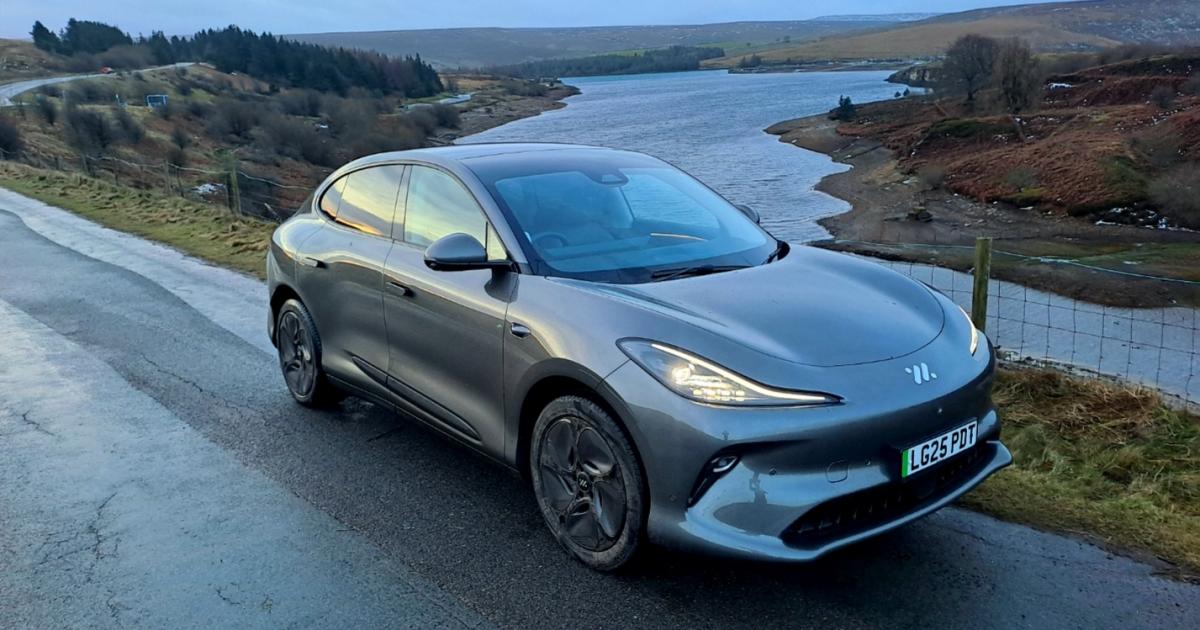
Priced from around £48,000 in the UK, it is MG’s most expensive model to date, but it arrives with an extensive list of standard kit even in its entry level Long Range form, tested here.

Visually, the IM6 presents a clean, contemporary shape with smooth surfacing, a distinctive front end, an angular back end, and proportions that place it firmly in the mid‑size class.

Inside, the cabin is spacious, with generous room in the back and materials that feel significantly more upscale than those in MG’s previous models.

Passengers benefit from a very comfortable and quiet ride, with the IM6 being a refined and relaxing long‑distance cruiser.

Advertisement

The MG IM6 (Image: Newsquest)

It’s clear that comfort, space and refinement are among the car’s strongest qualities.

However, MG’s aggressively minimalist approach inside has led to one of the car’s most divisive features: its heavy reliance on touchscreen‑based controls. Everyday functions such as climate control, mirrors and even driving modes are buried within digital menus. The screen‑based controls can prove fiddly, initially demanding a lot of attention and making simple adjustments less intuitive than they should be.

While the clean, button‑free environment may appeal aesthetically, the usability compromises are clear.

Acceleration is an area where the IM6 makes a strong impression. The entry‑level Long Range version uses a single electric motor driving the rear wheels and produces 402bhp, giving it swift acceleration for a family SUV, with a 0-62mph time of 5.4 seconds. Its official range of 388 miles is equally noteworthy.

Advertisement

The MG IM6 (Image: Newsquest)

This combination of punchy performance and impressively long range makes the Long Range variant feel especially well‑balanced for real‑world buyers who want strong pace without compromising distance between charges.

For those seeking even more power, the twin‑motor Performance model dramatically raises the stakes, delivering an extraordinary 752hp and a supercar‑like 0-62mph time of 3.5 seconds, although this comes with a reduced official range.

Both variants benefit from a 100kWh battery supported by an 800V electrical architecture, allowing ultra‑rapid DC charging at up to 396kW and enabling a 10-80 per cent top‑up in just 17 minutes.

This exceptional charging speed places the IM6 among the fastest‑charging EVs in its class, giving it a significant long‑distance advantage over many premium rivals.

Advertisement

On the road, the IM6 blends strong straight‑line performance with a comfort‑centric driving character. The ride is comfortable and well‑suited to motorway cruising, with the quiet cabin further reinforcing its relaxed nature.

However, the dynamic picture is less pleasing, with the IM6 not being as much fun to drive as a Tesla Model Y, which feels more agile in corners.

The IM6’s steering lacks the intuitive feedback needed to make it engaging on twistier roads. A firmer brake pedal would also be welcome, helping deliver more precision under harder braking.

The MG IM6 (Image: Newsquest)

These points don’t detract from the IM6’s focus on comfort, but they make clear that despite its power figures, it isn’t positioned as a purely driver‑focused SUV.

Advertisement

Practicality remains a strong point of the IM6, with up to 665 litres of rear boot space and an additional front compartment providing plenty of room for everyday tasks, family use or business travel. The rear seats offer ample legroom and excellent comfort, making the car well‑suited to long trips. Cabin storage could be more imaginative, and rear visibility is merely average, but overall the IM6 delivers a highly usable interior that competes well with more established premium models.

The Lowdown

MG IM6 100kWh Long Range

MOTOR LAYOUT: Single electric motor, rear‑wheel drive

Advertisement

POWER: 402bhp (300kW)

0–62MPH: 5.4 seconds

TOP SPEED: 148mph (shared across IM6 range)

BATTERY CAPACITY: 100kWh (NMC chemistry)

Advertisement

OFFICIAL RANGE: 388 miles (WLTP) Maximum DC fast‑charge speed: 396kW

Source link

Advertisement
Continue Reading

NewsBeat

Binman settles debate on which bin to use for crisp packets and chocolate wrappers

Published

on

Wales Online

We’ve still not cracked it.

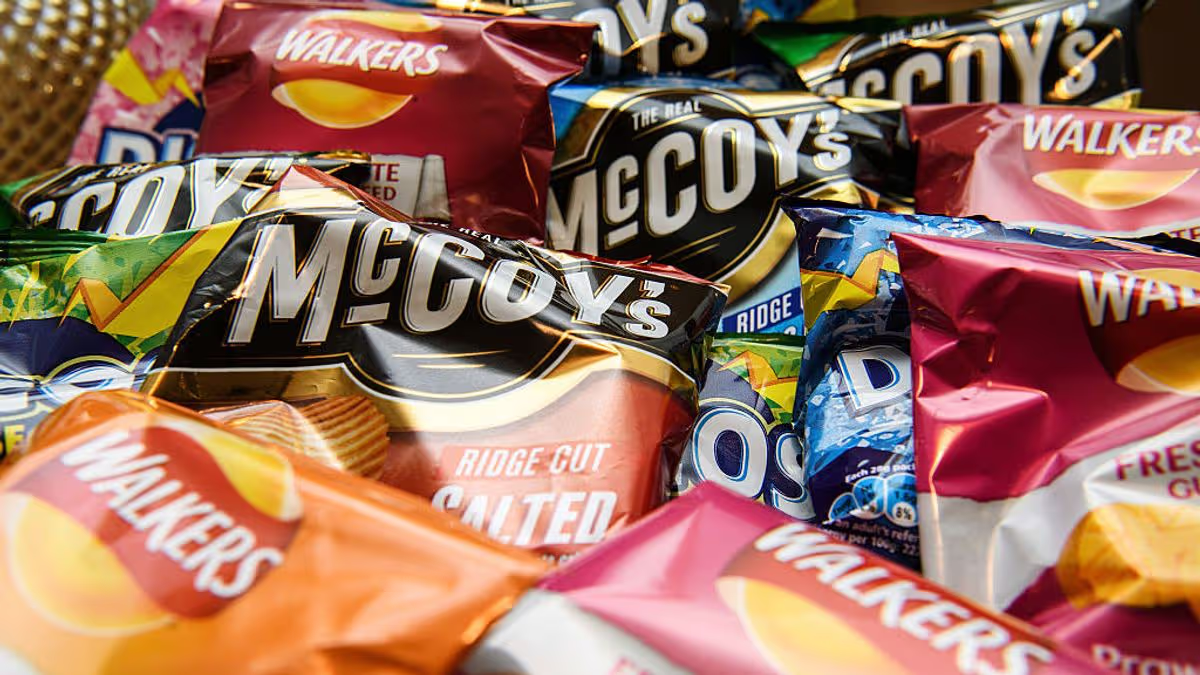
A refuse collector has provided the definitive advice on which bin should be used for disposing of empty crisp packets and chocolate wrappers. The UK consumes more than eight billion packets of crisps annually, according to Statista, which also forecasts we’ll be eating more than 11 billion a year by 2030. That equates to more than 30 million packets daily.

Advertisement

The UK also ranks among the top five chocolate-consuming countries globally, meaning we’re also working through an enormous number of chocolate wrappers. However, while the recycling of food packaging in the UK has progressed considerably in recent years, there remains no simple method to recycle crisp and chocolate wrappers.

Modern crisp and chocolate packets and wrappers frequently contain multiple layers and are typically manufactured from polypropylene or polyethylene with an aluminium coating. You may hear this more commonly referred to as “soft plastics”. And the capacity to recycle this type of material on a large scale remains limited, despite most local councils now providing hard plastic collection for recycling. Environmental charity WRAP states: “There is still change that needs to take place for widespread roll-out of recycling collections at kerbside for plastic bags and wrappings.”

And Britain’s most famous refuse collector, who goes by The No1 Binman on TikTok where he shares guidance with more than 170,000 followers, has now clarified what to do with crisp and chocolate packets. “They do not go in any of your recycling bins,” says The No1 Binman, whose real name is Ashley. “A crisp packet, yes it can be recycled but you need to take it [to a supermarket]. Most supermarkets take them. And I know that means going to the supermarket with empty crisp packets to put them in their bins but if you’re asking the question of where they get recycled – that is where.

“Otherwise, you can put them in your general waste bin and they will get collected there. But if you’re looking to recycle crisp packets, then it goes in the bins in the supermarket. It’s the same for chocolate wrappers, because it’s such a thin plastic and made from different materials.”, reports the Mirror.

Advertisement

In 2023, the BBC highlighted how crisp packets originating from the 1960s were discovered washed ashore on a Norfolk beach, serving as a stark reminder of just how long plastics can endure. Among the finds were pre-decimalisation packets of Golden Wonder crisps, bearing a price of 5d, alongside 2d Spangles sweets.

Source link

Continue Reading

NewsBeat

Westhoughton High School celebrates different cultures

Published

on

Westhoughton High School celebrates different cultures

Westhoughton High School host a Culture Day every year, to celebrate diversity and inclusion in a world which will soon by their oyster.

Outfits representing Pakistan, Nigeria, Poland and many more countries were worn on the special day.

Pupils gathered in a creative frame. (Image: Westhoughton High School)

Zulaika Yunus, from the student council, said: “It’s really important, because for a lot of minorities in different areas, they grow up and start thinking that they need to be better.

“They either need to be whiter; they need to be darker. It depends on each of them.

Advertisement

“Seeing that everything is represented for them, it makes everything diversity just a key part.”

At lunchtime, students visited a range of craft stalls, which included Great British tea‑making, Chinese lanterns, babushka dolls, and henna art.

There was also space for students to share and celebrate the languages they speak.

Lots of fun on the day. (Image: Westhoughton High School)

Lucas Archibald, from the student council, said: “If you’re not growing up in a place where your culture is like the main thing, you can sometimes forget about it.

Advertisement

“Talking about culture and including other people’s cultures in daily life, it’s really important to promote diversity and include everyone else.”

All activities had been chosen to reflect the largest cultural communities within the school.

The day encouraged pride, belonging, and unity, helping students feel confident to express who they are and where they come from, as one inclusive community.

Cultures from around the world. (Image: Westhoughton High School)

Sophie Uwadoka, also from the student council, said: “We’ve seen so many people that we didn’t even think they had a culture.

Advertisement

“We’ve got Scottish people, we’ve got people from Europe, we’ve got people from all over the world.

“So, I feel it’s important to get to know our student body and to know where they’re from, because then it makes us grow as a community and makes us feel closer.”


Advertisement

Source link

Continue Reading

NewsBeat

the strong emotions and memories around these meals reflect their social, economical and cultural importance

Published

on

the strong emotions and memories around these meals reflect their social, economical and cultural importance

The UK government has launched its first review of school food standards in over a decade, alongside plans to extend free school meals to an additional 500,000 children in families receiving universal credit.

Much of the coverage has focused on specific menu changes, including the possible removal of sugary desserts such as steamed sponge. The focus on such changes might be reflective of how school food has never been only about nutrition for those who have experienced it. It is also about welfare, discipline, pleasure, stigma and care.

The School Meals Service: Past, Present – and Future? is a project I worked on that brings together archival research, oral histories and ethnographic work in schools across the UK. We were also the principal academic partner for the Food Museum’s ongoing School Dinners exhibition near Ipswich, which explores the changing history of school meals through objects, menus, memories and tastes – from semolina and sponge pudding to Turkey Twizzlers.

Since school meals were first introduced in legislation in 1906, they have changed repeatedly. Early provision was patchy and often associated with charity. After the 1944 Education Act, school meals became part of the postwar welfare settlement, intended to provide children with a nutritious meal during the school day.

Advertisement

For decades, the classic image of the school dinner was “meat and two veg”, followed by puddings such as sponge, semolina, rice pudding, jam roly-poly or custard.

From the 1980s, the provision of school meals became more fragmented. Nutritional standards were removed, local authorities had more freedom, and commercial catering reshaped menus. Later debates around Turkey Twizzlers and processed food, driven by people like celebrity chef Jamie Oliver, were part of this longer story. Today’s government review of school food standards is another chapter in that history.

What children remember

When people recall school dinners, they rarely talk about calories or guidelines. They remember texture, smell and noise.

Advertisement

Joanne, who attended school in Surrey and East Yorkshire from the late 1960s to 1980, described being served vegetables she could not eat: “Mush. Cold … you can’t have that unless you eat your beans … it put me off for life.”

The dining hall mattered as much as the food. Ella, who went to school in Rotherham from 1996 to 2010, remembered the anxiety of a space where “someone would puke and I would freak out … I can’t be in here”. Lauren, who attended schools in Northumbria and Merseyside from 1998 to 2012, recalled mashed potato that “you could pick up with a fork and it would just stick”.

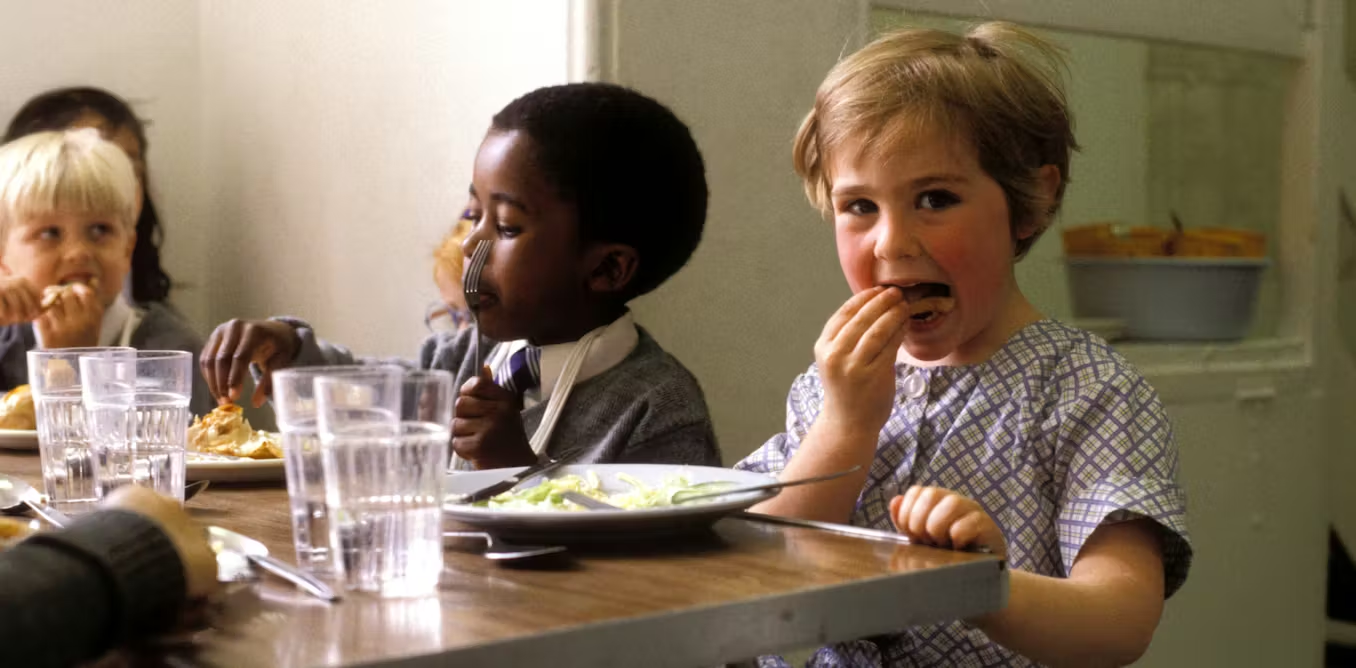
Where you ate school dinners is just as memorable as what you ate.
Janine Weidel/Alamy

Stigma, inequality and school food

School meals could also expose inequality. Free school meals have long been a vital safety net, but they have also carried stigma.

Joyce, who went to school in Glasgow in the 1960s, remembered the teacher calling children forward with the phrase “come out the frees”. She described it as “the walk of shame”.

Advertisement

Naomi, who attended school in Birmingham in the 1980s, showed how this could intersect with racism. Her mother paid for school meals despite financial strain because she worried Naomi might be singled out: “there weren’t many Black kids in my school”.

Yet school dinners were also remembered with affection. For many people, puddings such as sponge and custard were the best part of the day. For others they evoke control, compulsion or, like for Joyce and Naomi, embarrassment. That is why the removal of steamed sponge resonates. It is not just dessert. It is part of a shared national memory.

Beyond the menu

The Food Museum exhibition captures this complexity. Visitors encounter the familiar foods, but also the people behind them: pupils, parents, cooks, dinner staff, teachers and policymakers.

The exhibition, which has been shortlisted for a 2026 Museums and Heritage Award, draws directly on our research into how school meals changed over time and why those changes mattered socially, economically and culturally.

Advertisement

Today’s reforms emphasise healthier ingredients, more fruit and vegetables, fewer fried foods and less sugar. These aims matter. History and our research suggests what is served matters. So do the dining hall, the queue, the noise, the payment system, the stigma, the pleasure and the memories children carry into adulthood.

School dinners are one of the most widely shared experiences of British childhood. As they continue to evolve it is worth considering not just what is on the plate, but how it feels to eat it.

The School Dinners Exhibition is on at the Food Museum in Suffolk until February 21 2027

Advertisement

Source link

Continue Reading

NewsBeat

Probiotics: what are we swallowing?

Published

on

Probiotics: what are we swallowing?

Standing by the counter at the pharmacist waiting to pick up my prescription, I couldn’t help noticing the prominent display of probiotics on the counter. It was two years ago, and I was reading everything I could find on microbiomes and probiotics – whether in books, journals or in shops – in preparation for writing my book The Microbiome: What Everyone Needs to Know.

For days I had focused just on probiotics and here they were, temptingly in front of me, ready for me to buy. The packaging was so glossy and it’s claims so intriguing, I found myself picking up the box to see what they were saying.

“Supporting gut health.” “Friendly bacteria.”

I was about to get antibiotics for my tonsillitis. Should I get some probiotics? I’d heard they might help replace the “good” gut bacteria that antibiotics can wipe out.

Advertisement

The pharmacist knew me by sight, partly because he had just looked down my throat and prescribed them for me and partly because I’m a local GP. He nodded encouragingly and pointed at the display. “These are very popular,” he said.

I turned the box over. The packaging did best when describing what it contained. Thirty capsules to be taken every day, each containing 5 billion live cultures. I compared it with the others on the shelf. Some contained 2 billion, some 10 billion. One contained 25 billion bacteria per capsule. It was a huge number and a huge dosage range. Were these dosages safe?

It wasn’t so clear on what live cultures were exactly, describing them variously as “trusted” or “friendly”. Higher-dose brands described themselves as “diverse” or “powerful”, sounding more like the boardroom of a Fortune 500 company than a dietary supplement.

When it came to what they did, things became vague. Apparently, probiotics are there to “complement your natural gut bacteria” or alternatively to “complement your everyday life”.

Advertisement

It took a bit of time for the pharmacist to package up my medication and label it, so I carried on and read the small print. Each brand was very confident its ability to survive the stomach acid: they were also confident on the research. “Most researched live culture.” “Highly researched strains.” I had no difficulty in believing this, it was the lack of claims to efficacy that baffled me.

Finally, I found the actual ingredients. Each listed their various combinations of bacteria, some containing up to 15 different sorts, but always including several versions of lactobacilli and bifidobactera.

Lactobacillus acidophilus I knew as a bacteria needed to make yogurt. Bifidobacteria are also often used in the food industry. Both are typical residents of our guts, known to account for about 12% of our usual gut bacteria.

So why do probiotic products all seem to contain the same bacterial species? And why are their claims always so deliberately vague?

Advertisement

Almost one in 20 adults are taking probiotics: typically those of us with higher educational levels, higher incomes and better diets. If we just knew a bit more about microbes, would we still want to take them?

Stomach acid – the great destroyer

It is normal to consume a lot of bacteria on our food. Even with freshly washed or cooked food, on a typical day we consume 1.3 billion bacteria a day either on or in our food.

As soon as our food hits the stomach, our high levels of stomach acid kill or injure almost all the bacteria we consume. Only a few ever reach the colon and those few probiotic bacteria that survive usually only ever stay a few days.

But to swallow a probiotic capsule containing 25 billion, is 20 times the number of bacteria our body is used to handling: a huge microbial load. Even “friendly” probiotic bacteria can cause a serious infection if they get in the wrong place, such as the blood stream. It’s true that most people can manage this huge microbial load fine because of our innate gut defence systems. But probiotics should be avoided by those with weak immune systems, who may be less able to keep these bacteria contained and are at higher risk of them spreading and causing infection.

Advertisement

The reason that out of all the millions of bacteria available in the world, probiotic brands always home in on exactly the same microbes is because these are all bacteria that are known to be safe or used in the food industry since before 1958. If a microbe is officially designated “Generally Recognized As Safe”, then the producer need undertake no further research. And if the producer then sticks to general claims of efficacy – what’s known as a “qualified health claim”, they don’t even have to prove it works.

Generally Recognized as Safe explained.

But even with no efficacy claims at all, the probiotic industry still seems to get its message across – and, as I handled the box of probiotics, I still had a strong feeling that this product was good for me, would make me healthier and that I should buy it.

I held the box uncertainly. “Do you want these as well?” the pharmacist asked.
I checked the price: £17.99 for 30 probiotic capsules (low dose) for something I already had inside me from eating ordinary food. I decided to stick to the antibiotic prescription only, for £9.90.

Advertisement

So, do probiotics work? I have learned to equivocate when asked this, because people who ask me – usually enthusiastically and with a smile – are invested in the concept of probiotics and have often already been taking them. To avoid upsetting people I now usually say: “Well, they probably haven’t done you any harm.” Apart from the cost.

Source link

Advertisement
Continue Reading

NewsBeat

Romford Conservatives complain over Reform defector MP’s posters outside HQ

Published

on

Romford Conservatives complain over Reform defector MP's posters outside HQ

Dominic Swan, chairman of the Romford Conservative Association (RCA), said: “We’ve been left with no choice. Andrew Rosindell and Reform UK have ignored every request to remove these signs, threatened anyone who’s tried to take them down, and is now attempting to fight a local election on a false prospectus.

Source link

Continue Reading

NewsBeat

Donald Trump describes Iran war horrors to children and claims they were ‘two weeks away from killing us all’

Published

on

Daily Mirror

Donald Trump told children Iran was two weeks away from nuclear capability during a White House sports event, before going on to make controversial comments mocking their dreams and aspirations

Donald Trump told a roomful of children that Iran had been “two weeks away” from killing them during a rant about the war.

Advertisement

The extraordinary moment was one of several inappropriate remarks as he went off script at a White House sporting event.

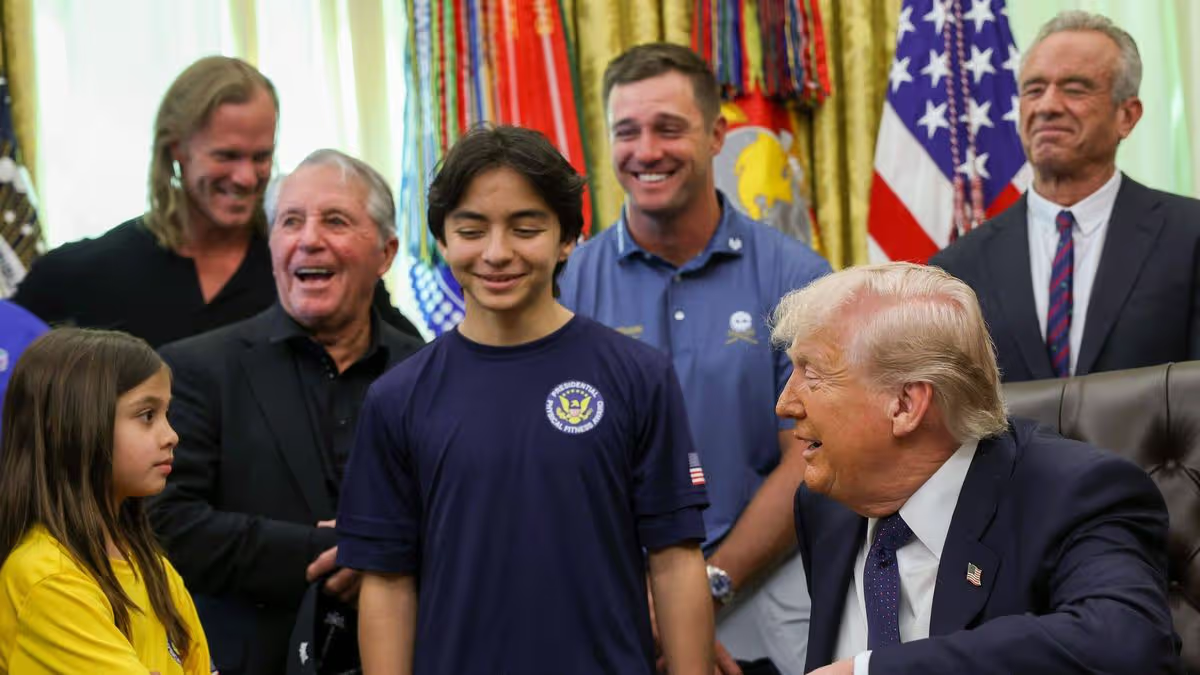
With children and professional athletes gathered around him in the Oval Office, Trump swiftly glossed over notable sporting achievements in the United States — including America 250 this summer and World Cup ticket figures — before pivoting to the subject of war.

He said: “We have to make a journey down to Iran to take their nuclear weapon.

“They would’ve had a nuclear weapon within two weeks.”

Advertisement

“We sent that beautiful B-2 bomber in and we blew up their nuclear potential. It was obliterated – for those who are not aware.To a point where it will take them weeks to dig down.

“And we wouldn’t let them dig down. We have our eyes on it all the time. But it was a very important thing. So we would’ve had an Iran with a nuclear weapon. And maybe we wouldn’t all be here right now.

“I can tell you, the Middle East would’ve been gone. Israel would’ve been gone. They would’ve trained their sights on Europe first, then us. Because they’re sick people. These are sick people, and we’re not going to let lunatics have nuclear weapons. It’s not going to happen. And we have beaten them badly.”

The incident has gone viral across social media, alongside a separate moment in which he spoke about shooting protesters between the eyes – pointing to his forehead and saying: “Right there.”

Advertisement

He was joined at his event on Tuesday by Cabinet Secretaries Linda McMahon, Pete Hegseth and Robert F. Kennedy Jr.

On Tuesday, the White House hosted a gathering announcing the revival of the Presidential Physical Fitness Award.

The accolade forms part of the currently-defunct Presidential Fitness Test, which was an annual assessment of school-aged children’s athletic capabilities.

Advertisement

During the occasion, one girl informed Trump that she aspired to play volleyball, to which he responded “soccer might be better” in reference to her height.

He then turned to a boy on his right, who revealed he played football, but was keen to take up powerlifting the following year.

“You’ll never compete against women in powerlifting,” Trump remarked, before enquiring: “Do you think you can take me in a fight?”

Source link

Advertisement
Continue Reading

NewsBeat

Wallace & Gromit with Wingates Brass Band comes to Bolton

Published

on

Wallace & Gromit with Wingates Brass Band comes to Bolton

Wingates Brass Band will host Wallace & Gromit: A Grand Day Out – LIVE! at the Bridge Church on Saturday, May 16.

The hour-long concert of family favourites will begin at 2.30pm, before the classic Aardman Animations film is shown on screen, accompanied by the band.

The programme will include well-known music from Disney films such as The Jungle Book, Hercules and Frozen.

Wingates BandA Grand Day Out (Image: Supplied)

Wingates Brass Band is one of Bolton’s best-known musical organisations.

Advertisement

It has been described as world-famous and multi-award-winning, and ranked as the “sixth most successful brass band in music history”.

Based in Wingates near Westhoughton, the band has been a cornerstone of the British brass band movement since its formation in 1873.

The band regularly represents Bolton at local, national and international levels.

National Champions of Great Britain at the Royal Albert Hall in 1971National Champions of Great Britain at the Royal Albert Hall in 1971

Its success has been shaped by influential conductors and musical directors.

Advertisement

In 2024, Matthew Ryan, an experienced brass band conductor, became musical director.

With a track record of directing contest-winning performances and an active role in brass band education, he brought renewed energy and artistic vision.

Matthew said: “Brass band music was central to my upbringing in Bolton as an alumnus of Smithills Schools.

“With this concert, we want to share some of the magic of brass banding with a new generation of families, alongside some iconic British animation.

Advertisement

“The programme we have selected will hopefully delight the young and the young at heart.”

Wingates BandA Grand Day Out (Image: Supplied)

Tickets cost £12 for adults and £8 for children, with free entry for under-threes.

They can be booked online via the Wingates Brass Band website or at https://www.tickettailor.com/events/wingatesbrassband/2072288.

Tickets will also be available on the door, although organisers advise booking in advance.

Advertisement

Free parking will be available at the church for those attending.

Source link

Advertisement
Continue Reading

NewsBeat

VA investigated staffer who attended vigil for slain colleague Alex Pretti and spoke to media, report says

Published

on

VA investigated staffer who attended vigil for slain colleague Alex Pretti and spoke to media, report says

The Department of Veterans Affairs investigated whether an employee broke agency rules about press interactions after she attended a vigil for Alex Pretti and spoke to the media, according to a report.

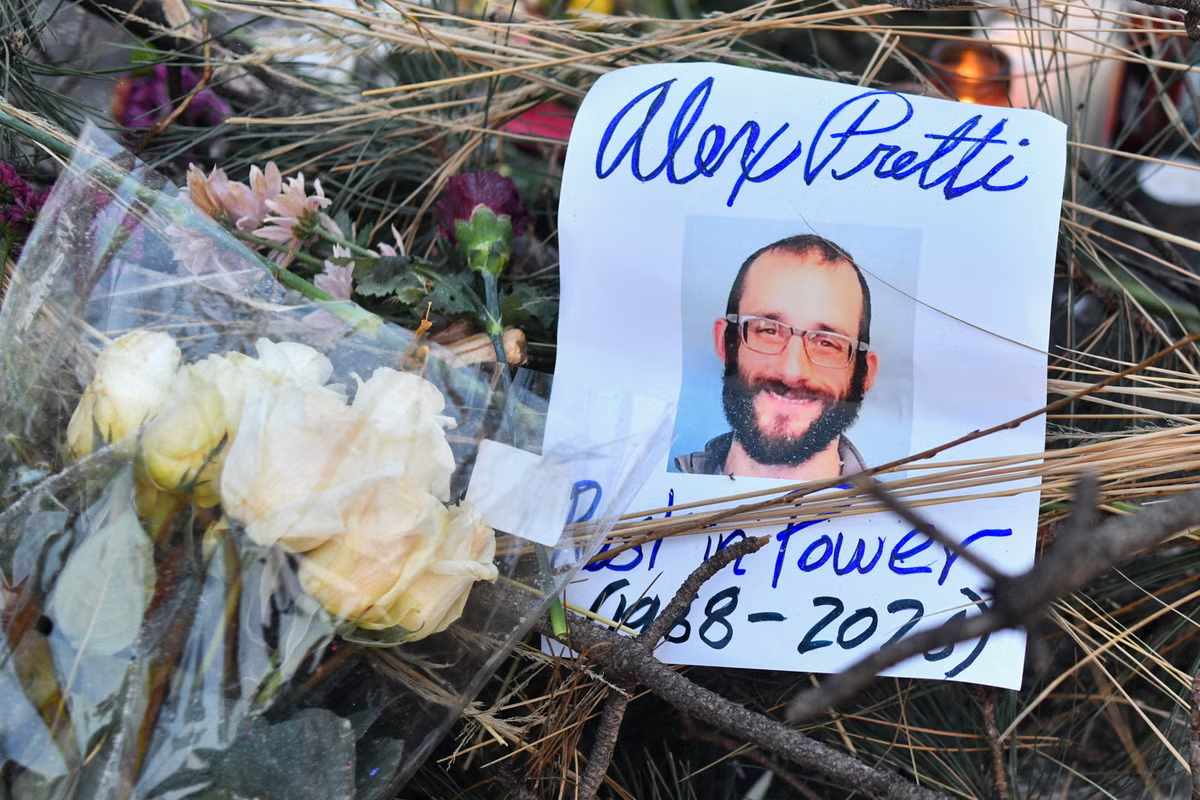
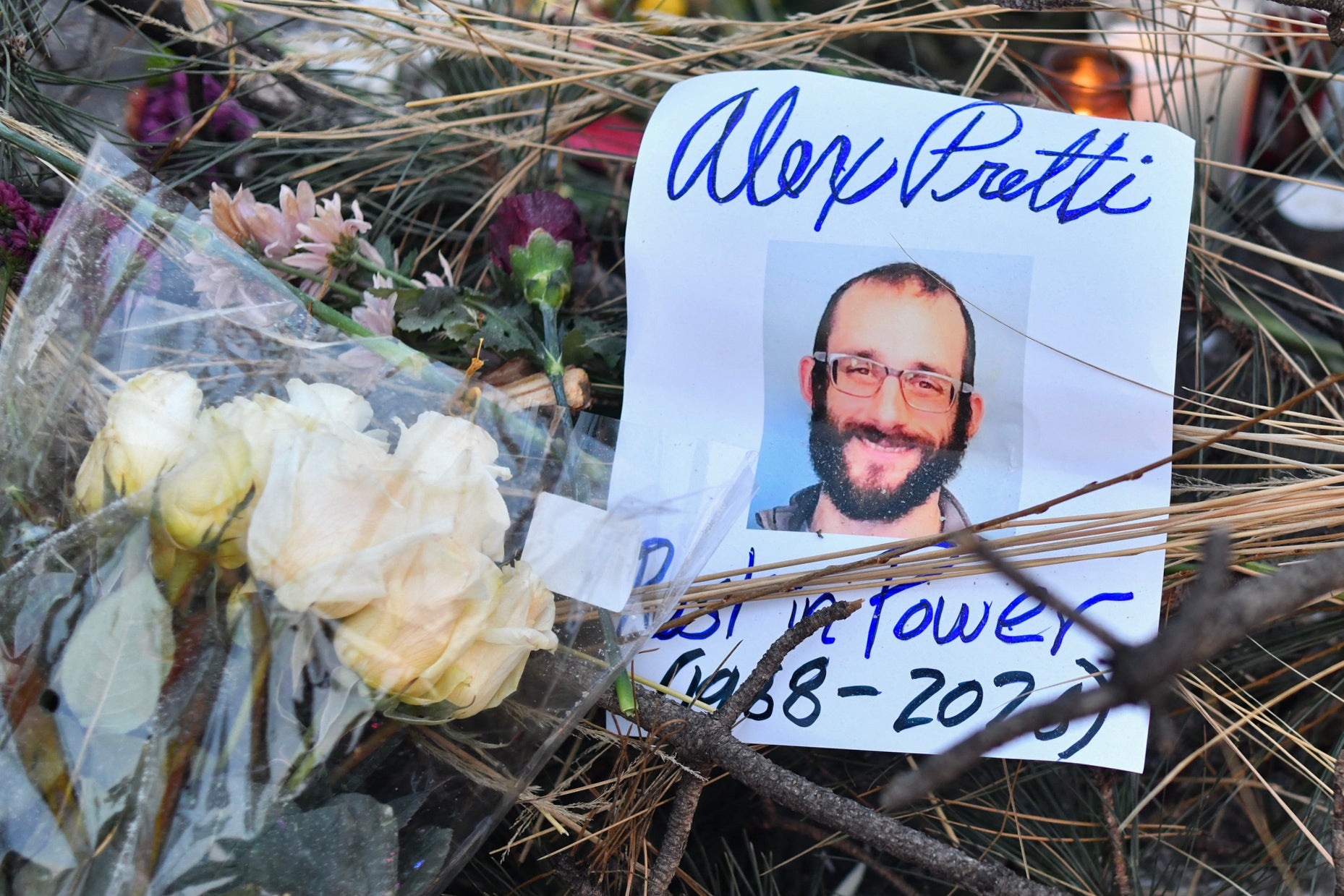
Federal immigration agents fatally shot Pretti, a 37-year-old VA nurse, in Minneapolis on Jan. 24. Soon afterward, VA employee Becky Halioua attended a candlelight vigil for him in Augusta, Georgia, and spoke to local outlet WRDW.

The VA investigated whether Halioua violated agency policies about speaking to the press, CNN’s report says. The agency determined Halioua broke the rules because she had not requested permission before agreeing to speak to the media, she told the outlet.

Halioua said she didn’t talk to the VA because she was expressing a personal opinion and wasn’t speaking for the department. She told CNN: “I very strongly believe that I have not violated those policies.”

Advertisement

“The entire event was advertised very clearly as a vigil. It was not an action against the VA, against the government, against any organization. It was an event that was meant to honor the life of someone who had been killed,” she said.

Alex Pretti, a 37-year-old VA nurse, was killed on Jan. 24 by federal immigration agents. Becky Halioua, a fellow VA employee, was found to have violated agency rules after she spoke to the media about Pretti
Alex Pretti, a 37-year-old VA nurse, was killed on Jan. 24 by federal immigration agents. Becky Halioua, a fellow VA employee, was found to have violated agency rules after she spoke to the media about Pretti (AFP via Getty Images)

Halioua also serves as president of a local chapter of the American Federation of Government Employees. Thomas Dargon, the union’s deputy general counsel, told CNN that Halioua exercised her First Amendment rights at the memorial event and that her actions were in line with the rules.

The VA has investigated three additional employees over media interactions, including one regarding Pretti, according to the report.

The Independent has reached out to Halioua through her union for comment. The VA declined to comment, citing privacy laws that prohibit the agency from discussing specific details about employees without their written permission.

Pretti was an ICU nurse who worked for the Minneapolis VA Health Care System. He was killed just weeks after an ICE agent fatally shot Renee Good, a 37-year-old mother and poet, in the same city. Their killings sparked unrest and protests nationwide.

Advertisement

Pretti was “very upset” with the Trump administration’s immigration crackdown, his father told the Associated Press.

“He cared about people deeply and he was very upset with what was happening in Minneapolis and throughout the United States with ICE, as millions of other people are upset,” Michael Pretti said in January.

“He thought it was terrible, you know, kidnapping children, just grabbing people off the street. He cared about those people, and he knew it was wrong, so he did participate in protests,” he added.

Source link

Advertisement
Continue Reading

Trending

Copyright © 2025