

The lip upgrade you’ve been waiting for — now with 15% off. (Picture: Metro/Delilah/Getty)
Metro journalists select and curate the products that feature on our site. If you make a purchase via links on this page we will earn commission – learn more
Happy National Lipstick Day, to those who observe!
Ok, so we know that National Lipstick Day isn’t actually until 29 July, but thanks to Delilah, there’s every reason to celebrate early.
In some very exciting news, the B Corp certified beauty brand is treating customers to a lip-smacking 15% off its coveted lip liners, lipsticks, lip saviours and lip glosses right now until 31 July. Simply enter the code ‘DELILAHLIP15’ at checkout to secure your discount.
Advertisement
Throughout the whole of May, the ever-generous Delilah has also decided to support The Eve Appeal by donating 10% of all lip product sales to raise awareness and fund vital research of gynecological cancers. We applaud you, Delilah.
These colours are absolutely gorgeous! (Picture: Metro/Delilah)
So, whether you’re loyal to a barely-there nude, partial to a glossy pink or ready to make a statement in pillarbox red, you now have the perfect excuse to shop Delilah’s luxe lip collection.
If you’re yet to discover the award-winning British beauty brand, then let us get you acquainted.
Known for its commitment to cruelty-free, vegan-friendly products, Delilah isn’t just charitable, it also boasts some of the creamiest, long wearing, good-for-skin formulas we’ve ever come across.
Take the bestselling Lip Line Lip Pencil for instance. Creamy, soft and totally waterproof, it comes in four neutral shades which work perfectly to emphasise your lip shape and plump your pout.
Advertisement
Delilah Lip Line Long Wear Retractable Lip Pencil
Available in four neutral skin-tone shades, the Lip Line Long Wear Retractable Lip Pencil from Delilah plumps up your pout and enhances definition.
With a creamy, long-lasting formula, this waterproof lip liner doesn’t drag on the skin or bleed into the fine lines around the mouth.
Formulated to glide along the lip line without tugging, it’s particularly suited to those with mature skin as it doesn’t settle into fine lines or bleed into the skin surrounding the mouth.
If you’re more of a gloss girl, then look no further than the Colour Gloss. Formulated with a botanical cellular activator that actively smooths lips over time, as well as jojoba oil, olive extract and vitamin E, not only does it leave lips looking juicy and plump, it actually helps fix dry flaky lips with every wear.
Available in 5 flattering shades, it’s formulated with skin-nourishing ingredients including jojoba oil, olive oil extract and a botanical cellular activator which actively smooths lips over time.
Available in five beautiful shades, including rose pink and neutral taupe, it’s non-sticky, comfortable to wear and seriously long-wearing. There’s nothing not to love, really.
Made with custom-adapting pigments, the Delilah Lip Saviour Colour Enhancing Lip Oil reacts to your skin’s unique chemistry to produce a subtle flush of colour on the lips.
Moisturising ingredients such as argan oil, coconut extract and jojoba oil also ensures lips are left moisturised, healthy and plump.
Designed to react to your skin’s pH, it contains custom-adapting pigment technology that leaves lips with a subtle wash of colour that suits your skin tone.
Not only that, it’s also formulated with a plethora of nourishing ingredients including argan oil, jojoba oil and coconut extract, which cover lips in a blanket of hydration and plenty of shine.
Advertisement
So, go on – consider this your official invitation to upgrade your lip game. Just remember, you can get 15% off Delilah’s lip products until 31 July with the discount code ‘DELILAHLIP15’ and this May, 10% of every lip sale will go to The Eve Appeal.

The new walkway connects St Leonards Primary School with Brancumhall recreation facilities, it will provide a safer and more accessible route for residents of all ages.
A new community path linking a primary school with popular sports and leisure facilities in East Kilbride has officially opened.
The new walkway connects St Leonards Primary School with Brancumhall recreation facilities, it will provide a safer and more accessible route for residents of all ages.
Advertisement
Pupils from the school joined local community groups and organisations for the opening ceremony, including members of St Leonards Bowling Club, local football clubs, South Lanarkshire Leisure and Culture and councillor Kirsten Robb, deputy chair of the council’s Climate and Sustainability Committee.
Councillor Robb (East Kilbride East), said: “Everyone had raised concerns about the state of the existing route so we were all delighted when the work was carried out which clearly aligns with the aims of the council’s safe routes to school programmes.
“I was also delighted that the work has been completed in time for the children and local residents to be able to take part in National Walking Month (May) and next month’s Bike Week 2026 events.”
The walkway was formally unveiled by councillor Robert Brown (Rutherglen South) , the chair of the council’s Community and Enterprise Resources Committee.
Advertisement
He said: “This new path will be a huge asset to everyone in the community, not only ensuring a safe walking route for children attending the local primary school, but also all members of the community taking advantage of all the fantastic sports and leisure facilities.”
The project received financial and practical support from the council, SPT and Walking Scotland through its Path Funding programme.
Head teacher Lorraine Leonard welcomed the completion of the route and praised those involved in bringing the project to fruition.
Advertisement
She said: “A big thank you to everyone in the community and the council teams who have made this possible.
“It will provide our pupils and their parents with a much more user-friendly route to and from school.”
Community leaders are now encouraging residents to build on the success of the project by contributing ideas for further improvements through the Brancamhall Park survey.
*Don’t miss the latest headlines from around Lanarkshire. Sign up to our newsletters here.
Advertisement
And did you know Lanarkshire Live had its own app? Download yours for free here.
Who owns a swarm of bees? And what happens when they stray onto a neighbour’s land?
In early medieval Ireland, such questions were addressed by a remarkable set of laws known as the Bechbretha, which set out the rights and responsibilities associated with beekeeping. Also known as bee-judgments, these laws formed part of the wider medieval Irish legal system, Brehon law (known in Old Irish as fénechas or customary law).
Brehon law espoused restorative rather than criminal justice and was chiefly concerned with the type of compensation to be paid for crimes committed. Most of these laws were written down in the 7th and 8th centuries, but they probably preserve much older traditions that had previously been passed down orally.
Early medieval Irish society was hierarchical. In legal cases, the amount of compensation owed or received depended entirely on a person’s social rank, with payments varying according to their status.
Advertisement
The Bechbretha provided a legal guide for lawyers dealing with cases involving bee trespass (where a neighbour’s bees came onto another’s land and supposedly stole nectar from flowers and plants), injuries or death caused by bees, beehive theft and the compensation owed in each situation.
Legal cases could be brought against beekeepers whose bees stung passersby. National Museum of Antiquities, CC BY-SA
In medieval Ireland, bees were given legal status because they were classified as domestic livestock. Like cattle, horses, pigs, poultry and sheep, they were legally protected because of their considerable value. Beekeeping produced a wide range of goods, including honey for food and sweetening, as well as mead and beer, beeswax for candles, sealants and writing tablets, and other products used in medicine, polishing, lubrication, skincare and waterproofing.
The Bechbretha also had another purpose – maintaining good relations within local communities. According to the Bechbretha and another legal text, the 8th-century Bretha Comhaithchesa, Judgements on Neighbourhood, a mutual agreement among the farming community ensured compensation would be paid if and when animal trespass, theft or injury occurred. A certain level of trust between neighbours was required for this process to work.
That said, it is one thing to show where a neighbour’s large domestic animal has trespassed or caused damage. It is something else to prove that neighbouring bees had rampaged through your flowers, stealing nectar before buzzing away with their ill-gotten gains.
Advertisement
One suggestion the Bechbretha makes is to dust flour over bees, follow them to source and identify the culprits. Because honeybees tend to return repeatedly to the same nectar sources, tracking and marking them with white flour – which scatters onto the ground as they fly, leaving a visible flight path – can be effective. The laws also state that the owner of stray bees has three years to collect their honey, but by the fourth year must surrender the first swarm from that hive to the wronged party.
The Bechbretha also dealt with questions about ownership of swarms which settled and built new hives on either private or common land. The beekeeper who found the new hive was entitled to a third of the honey for three years but after that time elapsed, the landowner on which the swarm settled became its owner. Where a swarm was discovered in woodland, the finder was entitled to (almost) everything. The local church and patriarch of the finder’s kin-group were both entitled to a share.
Where hives were stolen or illegally moved and where perpetrators got stung or died from being stung, beekeepers were not held responsible. Where bees stung people without provocation, compensation was due, though if the victim killed the bee(s), their death was deemed recompense enough. Generally, for valid situations where someone was stung, killed or maimed, hives were given over in payment.
Theft of beehives carried hefty penalties, dependent on their location. The closer a hive was to a homestead, particularly a high-status one, the larger the compensation. This was usually in the form of cattle, the main currency used in pre-coinage Ireland. Theft of hives from monasteries also carried imposing fines.
That there were a set of early medieval Irish laws solely for bees reveals the high regard with which these little creatures were held. Restitution through beehives and bee produce helped the proliferation of beekeeping throughout the community. In pre-industrial, early medieval Ireland, where society’s survival depended so much upon the climate, bees were a pivotal part of the agricultural system, as they are today.
At the close of the tenth century, writers of Irish historical records documented two instances of bech-dibad – bee mortality – which resulted in mass famine and death among the human population. The fact that these disasters were recorded is significant in that it suggests an awareness about what happens if the bees disappear.
Advertisement
Today, bee colonies around the world face multiple threats – from habitat loss, climate change, toxic chemicals and deadly invasive parasites. The Bechbretha shows that if the will is there and communities are involved and feel invested, protecting our bees is possible.
Shares rallied Thursday across Asia, tracking gains on Wall Street after pressure from the bond market eased and oil prices fell back.
The advance was also powered by a stronger-than-expected quarterly report from chipmaker Nvidia, whose profit rocketed more than 200% higher in the February-April quarter from a year earlier, while revenue jumped 85%.
Nvidia has been one of the biggest beneficiaries from the boom in artificial intelligence, thanks to powerful demand for its high-end AI chips. Its shares rose 1.3% on Wednesday before its earnings report was released, but they fell 1.3% in afterhours trading after the announcement.
South Korea’s Kospi soared 8% to 7,787.74, helped by strong buying of technology shares such as Samsung Electronics, which gained 7.5% after its labor union and management reached an agreement late Wednesday that averted a strike. Shares in SK Hynix, a computer chipmaker partnering with Nvidia, surged 11.3%.
Advertisement
The Kospi has been breaching records, recently exceeding 8,000 for the first time.
Taiwan’s Taiex, also heavily weighted toward technology shares, gained 3.9% as major chipmaker TSMC’s stock gained 3%.
In Tokyo, the Nikkei 225 index jumped 3.6% to 61,930.44. The government reported that Japan’s exports rose nearly 15% in April from a year earlier, despite shocks from the Iran war.
Chinese markets were virtually unchanged, with Hong Kong’s Hang Seng flat at 25,648.28, while the Shanghai Composite index also was nearly flat at 4,162.37.
Advertisement
Australia’s S&P/ASX 200 picked up 1.6% to 8,628.80.
Oil prices were higher early Thursday, a day after Brent crude dropped 5%. Brent, the international standard, gained 95 cents to $105.87 per barrel, while U.S. benchmark crude added 92 cents to $99.18 per barrel.
Brent remains well above its roughly $70 level from before the war with Iran. Prices have been yo-yoing on rising and falling hopes that the United States and Iran can reach an agreement to allow oil deliveries to fully resume from the Persian Gulf to customers worldwide.
On Wednesday, U.S. stocks bounced back, with the S&P 500 gaining 1.1% for its first rise in four days. The Dow Jones Industrial Average added 1.3% and the Nasdaq composite rallied 1.5%.
Advertisement
Stocks got a lift from easing yields in the bond market, as the yield on the 10-year Treasury fell to 4.57% from 4.67% late Tuesday. That’s a significant move for a market that measures things in hundredths of a percentage point.
The 10-year Treasury yield had been rising from less than 4% before the war with Iran began, along with other government bond yields around the world, because of worries that the fighting will keep oil prices high, among other factors. Inflation concerns reduce the chances the Federal Reserve will cut rates this year and raise risks that that world central banks may have to raise rates in 2026.
With the easing of yields, technology stocks helped lead Wall Street higher.
Advertisement
Tech stocks leading the market included Advanced Micro Devices, up 8.1%, and Intel, up 7.4%.
Smaller companies can feel even bigger relief from lower yields than their bigger rivals because many need to borrow to grow. The Russell 2000 index of the smallest U.S. stocks jumped 2.6%, more than double the gain of the S&P 500, which measures the biggest U.S. stocks.
Red Robin Gourmet Burgers jumped 18.2%, and Cava Group rose 3.1% following better-than-expected profit reports that raised hopes households can keep spending and supporting the economy despite high gasoline prices and pessimism over the economic outlook.
Most big U.S. companies have reported better profits for the start of 2026 than analysts expected, which has helped stocks run to records. Stock prices tend to follow the path of corporate profits over the long term.
Advertisement
On the losing side of Wall Street was Target, which fell 3.9% even though the retailer reported better profit and revenue for the latest quarter than analysts expected. A new CEO, Michael Fiddelke, is trying to turn around the company and boost its revenue.
In other dealings early Thursday, the U.S. dollar rose to 158.98 Japanese yen from 158.92 yen. The euro was steady at $1.1624.
The 37-year-old said she saw thousands of souls in heaven and knows she will go back there one day – but first she needs to serve her purpose on earth.
She went on to suffer years of addiction and poverty before an overdose led her to experience her parent’s excruciating joint suicide from their perspective and when she came back, her whole life changed.
Now 37, Betty told Mayim Bialik’s Breakdown podcast: “I grew up in a really traumatising environment. It was really chaotic – it was full of physical abuse, emotional abuse, poverty, addiction.”
“And so my whole life I was just taught that if anything bad happens to you, don’t talk about it, just medicate it and sedate it.”
Advertisement
Betty said she watched everyone else in her Las Vegas family do that. Both of her parents were addicted to drugs and lived in poverty.
At the height of the OxyContin crisis in America, her parents would “doctor shop”, meaning they saw several medical professionals without the other’s knowledge. The couple would be prescribed 1,000 pills a month, they would take half and sell the rest.
Betty said: “Drugs came into my life around 12 years old – maybe by the time I was 15 I knew I was in love with substances.
“My first drug experience was methamphetamine. I was a really good student, I was a good kid, I was trying to escape the cycle of my family.
Advertisement
“I was in all of these advanced placement classes and one of these girls in my classes came over to me and she was like ‘Do you want to stay up all night and study’. This is when she tried methamphetamines for the first time.
She said she was “in love” with substances by the time she was 18, and that drugs has “swept me away.” Her first period in rehab was at 18.
When she was at rock bottom she resorted to sex work. Betty said she was stealing, lying, cheating – and that she was a staunch atheist.
Advertisement
Betty said she “saw men in this very distorted way – I was sort of an anti-feminist and had a lot of empathy for men.
“For me sex work was not an empowering thing – it was rock bottom.”
At one point was using five bags of heroin a day – and she would detox just so that she could feel the high again. She would “manipulate women and get them strung out on drugs.”
Then, at 24, she had managed to get herself clean for a week, she had just got married – and then she found her parents dead.
Advertisement
She had been with her sister when they couldn’t get hold of her mother and father. They pulled up to their house to hear the smoke alarms sounding. Horrifically, both of her parents had overdosed, and two candles had set the house on fire as they died.
Betty’s sister screamed at full volume – but Betty could not comprehend what had happened.
She said: “After my parents died there were two voices – one said ‘you have to stop using, drugs have just killed your parents. The other said: ‘you have to keep using – this is all you have left of your parents – this is their legacy.’ “
She said her mother had tried to end her own life several times but she “never in a million years conceptualised that my father could do that – never mind that they could do it together.”
Advertisement
Betty could not deal with looking after her sister and she “abandoned” her. She said: “I had dozens of jobs, marriages, divorces.” Her manifesto was “just use, destroy, over and over again.”
One day, Betty decided to take more drugs than usual once she had once again, completely changed her life and moved to New York. By this time she had been married three times.
She was in the laundromat, and started to feel a more unusual high than she usually would. She began to run home – but saw herself trapped at every corner of the street – she said she felt like she was “stuck in the Matrix.”
Then her near-death experience started. She said: “My body collapsed and I could see myself outside of myself – the first part of my experience was a life review.”
Advertisement
The experience had no chronological order because it felt like a “download.” She said her “soul came online for the first time.”
Then, horrifically, she started to see her parents’ joint suicide from their perspective.
She said: “It felt like the most agonising betrayal of life. It felt like every cell in my body was being shredded apart.”
“I saw things from their suicide that I didn’t know happened. I watched them write their suicide notes. I watched them embrace each other as their bodies started dying.”
Advertisement
She thought as she saw her parents dead, she must also be dead.
Started to hear dad’s voice chanting to her, “You are worthy of all the love in the universe.”
Betty said: “I didn’t believe that, but I followed that voice, and that’s how I ended up in the light of my near-death experience.’
She said she was on board a spaceship with thousands of other souls. She said she discovered she was “part of a tribe.” Betty said: “I have a soul family that I came here with.”
Advertisement
“Because I was a meth-head prostitute, they couldn’t show me philosophy – so they showed me things I could understand, like clips of films. So they showed me The Matrix, Inception and Dreams May Come.”
They told her these were the blueprints for the “video game we are all living inside.”
Betty said: “It felt like three seconds of time – not even a millisecond of time – but it was actually around 8 hours. But it felt like everything happened ‘instantly’.”
She said she saw the faces of the women she manipulated and “prostituted”, saying, “I was really not a good person – and here I am facing the consequences, seeing these women’s faces and their pain.”
Advertisement
Betty added: “Every soul is here to accomplish some sort of forgiveness – now I’m seeing that I chose all of it and I’m breaking free of the chains of victimisation. I’m a divine co-creator of my own reality.”
She said she didn’t want to go back – but her soul family said she said the same thing every time she came to heaven
Betty claims she was shown another baby she could be born into – it was in the hospital right next to her house and she would be born to teenage parents. She told them she didn’t want to have to start from zero.
She thought she was un-fixable – but her “soul family” told her the second half of her life would be carrying out her purpose.
Advertisement
Betty said: “I had never heard of a near-death experience before this happened to me. I didn’t believe it for months after it happened to me either.”
On initially waking up, she thought she had got so high she had hallucinated speaking to God.
She eventually stayed in rehab for 18 months and finally got clean. She said: “Withdrawal is hell, there’s nothing physically wrong with you but it feels like you’re being stabbed over and over again in your eyeball.
“It’s only a week, but people run away from that week of pain for decades. Methamphetamine totally destroyed my brain.”
Advertisement
Betty has now turned her life upside down and works with people to help them sober. She is involved in outreach and is now clean and works as a “transformation coach”.
The full list of food which could see prices drop is expected to include biscuits, chocolate, dried fruit and nuts
Neil Shaw Assistant Editor
06:47, 21 May 2026
Shoppers could save on the cost of biscuits and chocolate as part of a package of measures being set out by Rachel Reeves to ease the impact of the Iran war. The Government is cutting import tariffs on more than 100 types of product in a move that is expected to save consumers more than £150 million a year.
The Chancellor also set out a “Great British Summer Savings” scheme, including free bus travel for children in England during the school holidays in August. In the Commons on Thursday, Ms Reeves will give details of policies to tackle the cost-of-living squeeze triggered by Donald Trump’s war in the Middle East but is not expected to announce immediate help with rising energy bills.
Advertisement
The household energy price cap is predicted to rise by £209 a year from July after the closure of the Strait of Hormuz pushed up global oil and gas prices. Ms Reeves may set out more details of her contingency planning but she is expected to wait until September before finalising any package of targeted support for households over the winter months, when more energy is used.
The plan to suspend tariffs on some food imports is part of the Government’s wider effort to combat rising prices. The full list of products will be published next week but is expected to include biscuits, chocolate, dried fruit and nuts.
Prime Minister Sir Keir Starmer said: “We know many hard‑working families are still feeling the squeeze and too often think they have to hold back. By giving every child free bus travel throughout August and cutting tariffs on everyday food items, we’re putting money back into people’s pockets and making life that bit easier.
“This government is focused on practical steps that help right now — easing pressure on household budgets, supporting parents during the school holidays, and backing British businesses.”
Advertisement
The free bus travel scheme will allow every child aged five to 15 in England to travel on participating local routes. The Chancellor is committing more than £100 million to fund the free fares scheme and to support bus services facing increased costs.
Ms Reeves said: “My number one priority is protecting households from rising costs. This summer I want every family to be able to enjoy themselves, that’s why we’re launching the Great British Summer Savings Scheme, and why we’re helping kids with free bus travel throughout August.
“As the war in Iran pushes prices up at home, my economic plan is the right one. I will continue to make the right choices, to protect households and businesses, and build a stronger and more secure Britain.”
The latest package comes after the Government announced an extension of the 5p cut in fuel duty until the end of the year, along with a tax break for hauliers and help with red diesel costs for farmers. The Office for National Statistics (ONS) said Consumer Prices Index (CPI) inflation fell to 2.8% in April, down from 3.3% in March – and the lowest level since March 2025.
Advertisement
But this was largely driven by regulator Ofgem lowering the energy price cap from the start of April by 7%, or £10 a month, for the average household using both electricity and gas, which was pushed down by Government measures to reduce bills.
Inflation is expected to surge back up as the conflict in the Middle East has sent fuel prices soaring and the energy price cap is expected to increase significantly from July when it is next updated. Energy analyst Cornwall Insight’s prediction for Ofgem’s cap from July to September now stands at £1,850 for a typical dual fuel household, an increase of 13% on April’s £1,641 annual cap.
Ministers are wary of a Liz Truss-style universal bailout for all households, warning that unfunded giveaways could trigger an increase in government borrowing costs and inflation, feeding through to higher mortgage rates, which would end up leaving people worse off.
ANDY Burnham has laid bare how to campaign for a seat in Parliament – ignore the truth and show agreement for any passing fad which appeals to voters, nobody then has reason to find fault with you.
A simple formula for success, after all we are fully aware “politics” is the act of deception.
Tories of Makerfield in the interest of the country should decline to field a candidate in the forthcoming by-election, our current prime minister is bad enough, nominating on this occasion a candidate you will help to present to the nation a potential prime minister tens time worse, certainly not a favour nationwide Tories would welcome.
Advertisement
Peter Rickaby,
Moat Way,
Brayton
—
Advertisement
PM praying for a loss in by-election?
IS Keir Starmer kneeling by his bedside like Christopher Robin praying that Andy Burnham loses the Makerfield by-election leaving him a clear run to make a bigger mess of the country?
T J Ryder,
Acomb,
Advertisement
York
—
Why my steer’s for Keir
I FEEL uneasy over ‘wunderkind’ Andy Burnham’s convoluted manoeuvrings to become PM and leader of the Labour Party. Such shenanigans could be interpreted as a case of fanning the flame of his lofty ambitions.
Advertisement
Very ‘un-British’ in my book. In the end, though, I wish him the best of luck as he sups at the ‘poisoned chalice’. I ask myself, ‘If he’s that brilliant, why?’
Are all York and North Yorkshire eyes now on our very own ‘caped crusader’, David Skaith, for a possible trans-Pennine hop? In the immortal yet rueful words of Margaret Thatcher, ‘It’s a funny old world’. After all that I think my steer’s for Keir. I’ve had my fill of charisma.
Derek Reed,
Middlethorpe Drive,
Advertisement
York
—
Russian oil decision is ‘utter madness’
AND so the circus goes on and on. We’re now on track to buy Russian oil from countries who process said oil and sell on. Profits go back to Russia.
Advertisement
What on earth is Starmer thinking of? It’s utter madness.
Decision after decision is going completely wrong and he just cannot see it.
When is it all going to stop?
M Horsman,
Advertisement
Moorland Road,
York
What do you think?
Feel strongly about an issue? Write us a letter. Please write no more than 250 words and you must provide your full name, address and mobile number. Send your views by email to: letters@thepress.co.uk
Advertisement
Write a comment
Join the debate and leave a comment in our comments section below this article – we may use your comments for a follow up article.
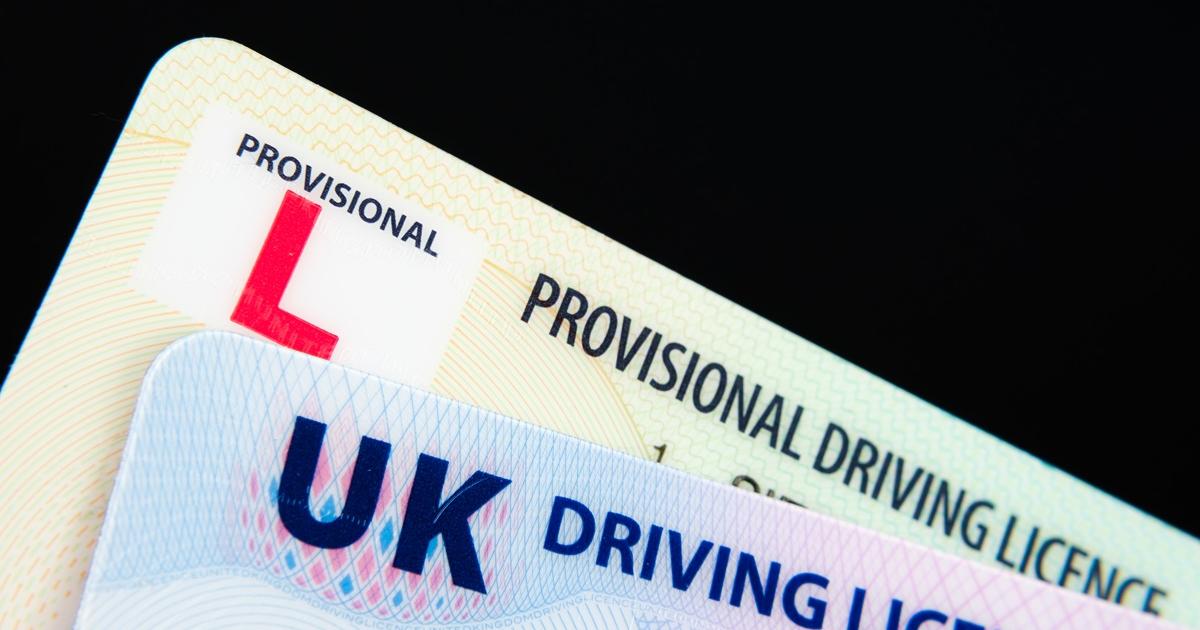
Online selling and tutoring, delivery work, dog walking, and content creation are all ways of earning extra money – but what are the i
HMRC has shared which side hustles you must declare for tax purposes, and which you do not need to declare.
Advertisement
If you are an employee in a workplace, you generally don’t need to worry about whether you are paying the right amount of tax, as this gets worked out for you.
But for those who are self-employed, or those who have a full-time job but have another way of making money – known as a side hustle – it can get a little bit more complicated.
Click here to get the biggest stories straight to your inbox in our Daily Newsletter
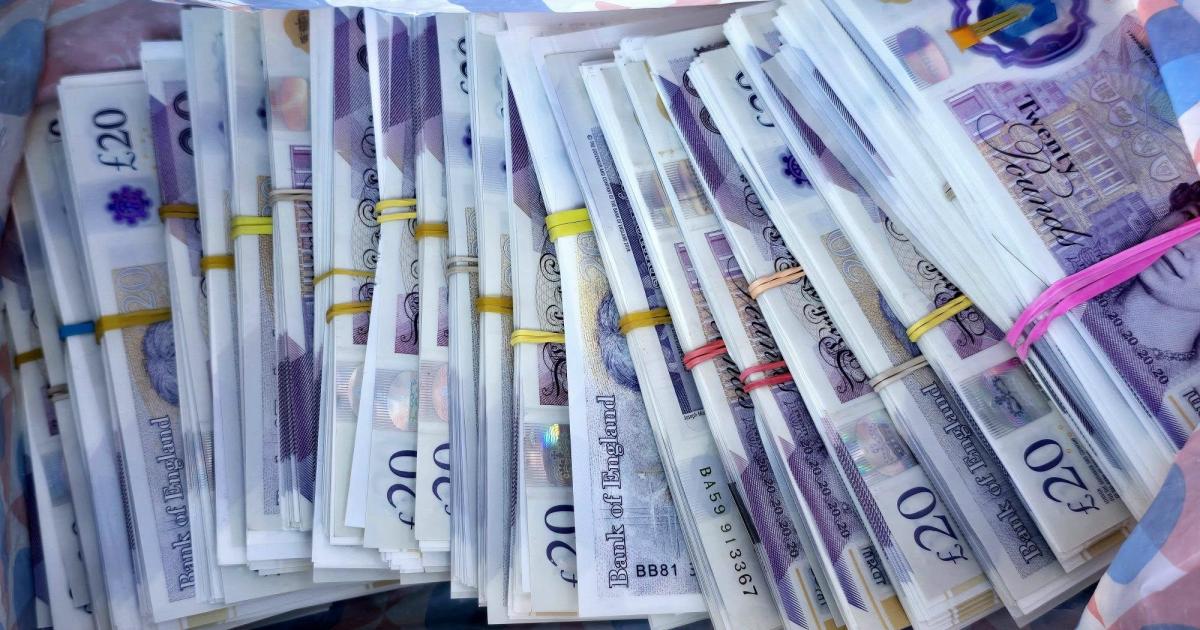
But for those who have earnt more than £1,000 on top of your main job in the last tax year – which runs from April 6 to April 5 – they will need to declare this to the Government to ensure that they are paying the correct amount of tax.
HMRC’s dedicated side hustle advice page warns: “Made more than £1,000 from your side hustles? Whether you get cash in hand or money paid straight to your bank account, you’ll need to tell HMRC so you can avoid any tax surprises.”
For those who have exceeded the £1,000 limit, you will need to register as a sole trader. Once registered, you declare your profits and losses through the GOV.UK Self Assessment system.
A Green MP was shouted down in the Commons as she revived her calls for an alcohol ban in parliament.
Hannah Spencer, elected in the Gorton and Denton by-election in February, raised the hot topic issue when making her first ever intervention in prime minister’s questions (PMQs) on Wednesday.
“In Gorton and Denton we have to pay full price for our pints, but here, for some reason, it’s cheaper,” she said.
“Some MPs drink before voting and that really shocked me when I came to parliament, because it is our workplace.
Advertisement
“Does the prime minister agree with his own MPs who have defended their right to drink cheap alcohol at work, or does he agree with me that MPs shouldn’t be drinking on the job given we vote on huge things like the climate crisis, disabled people’s rights, housing, child poverty?”
But Spencer was regularly interrupted by irate MPs while asking the question.
The chamber’s microphones picked up a couple of stray voices saying “get a life” and “sort your policies out” to the Gorton and Denton MP.
Spencer had already caused a stir by questioning the drinking culture in Westminster last month when she told PoliticsJoe: “You can smell the alcohol when people are in between votes.”
Advertisement
Keir Starmer did not tell Spencer whether or not he agreed with a cutback on drinking in his response.
The prime minister said: “There are going to be different views on whether people can enjoy a drink here or not.
“But I think we can agree that the majority of people in this country want an economy that works for them, public services that are there when they need them, and every child going as far as their talent or ability will take them.”
The PM then turned the comment into an attack on Green leader Zack Polanski, who had to apologise last week after he was accused of not paying council tax on his houseboat in London.
Advertisement
Starmer said: “The Greens think that their leader walks on water. Turns out, he just lives on water and doesn’t pay his council tax!”
Keir Starmer: “The Green’s think Zack Polanski walks on water, but it turns out he just lives on water & doesn’t pay his council tax.” 🤣#PMQspic.twitter.com/qNc7RO84yh
Subscribe to Commons People, the podcast that makes politics easy. Every week, Kevin Schofield and Kate Nicholson unpack the week’s biggest stories to keep you informed. Join us for straightforward analysis of what’s going on at Westminster.
Thousands of benefit claimants, including those on Universal Credit, will have their DWP payment dates rescheduled this week due to the May bank holiday falling on Monday, May 25
Thousands of benefit claimants, including those receiving Universal Credit, will see their payments arrive early this week.
Advertisement
This is due to the forthcoming second May bank holiday, falling on Monday, May 25. If your benefit payment is scheduled for that day, you should expect to receive it on Friday, May 22 instead.
The same situation occurred with the first May bank holiday on Monday, May 4, when those due a payment that day received it on Friday, May 1.
It is worth noting, however, that receiving payment early does mean a lengthier gap before your next payment arrives. Funds will be deposited into your usual bank account where benefits are routinely paid.
The amount you are entitled to will remain unchanged, unless your personal circumstances have been altered, reports the Mirror.
Advertisement
The adjustment will affect Department for Work and Pensions (DWP) benefits, along with certain HMRC benefits, including Child Benefit.
When are benefits normally paid?
The frequency of your payments depends on which benefit you are claiming. Universal Credit, for instance, is paid on the same date each month, while Child Benefit is typically paid every four weeks on a Monday or Tuesday.
It is important to note that Universal Credit has now replaced Income-based Jobseeker’s Allowance, Income-related Employment and Support Allowance, Income Support, Child Tax Credits, Working Tax Credits, and Housing Benefit.
The full breakdown of how frequently certain benefits are paid is listed below.
Advertisement
Attendance Allowance – Usually every four weeks Carer’s Allowance – Weekly in advance or every four weeks
Child Benefit – Usually every four weeks, or weekly if you’re a single parent or you or your partner get certain benefits
Disability Living Allowance – Usually every four weeks
Employment and Support Allowance – Usually every two weeks
Income Support – Usually every two weeks
Jobseeker’s Allowance – Usually every two weeks
Pension Credit – Usually every four weeks
Personal Independence Payment – Usually every four weeks
State Pension – Usually every four weeks
Universal Credit – Every month
What if I don’t get paid?
Should you believe a payment has not come through, ensure you check your bank account thoroughly in the first instance. If the expected payment date has passed and the funds are absent, you should get in touch with the appropriate helpline.
These are unlikely to be available on bank holidays, meaning you will need to wait until the following working day.
Universal Credit:
Call for free: 0800 328 5644
Welsh speaking: 0800 328 1744
Advertisement
Relay UK: 18001 then 0800 328 5644
Child Benefit:
Call for free: 0300 200 3100
Outside UK: +44 161 210 3086
Advertisement
Jobseeker’s Allowance, Income Support, Incapacity Benefit and Employment and Support Allowance:
Call for free: 0800 169 0310
Welsh speaking: 0800 169 0207
Relay UK (if you cannot hear or speak on the phone): 18001 then 0800 169 0310
You must be logged in to post a comment Login