

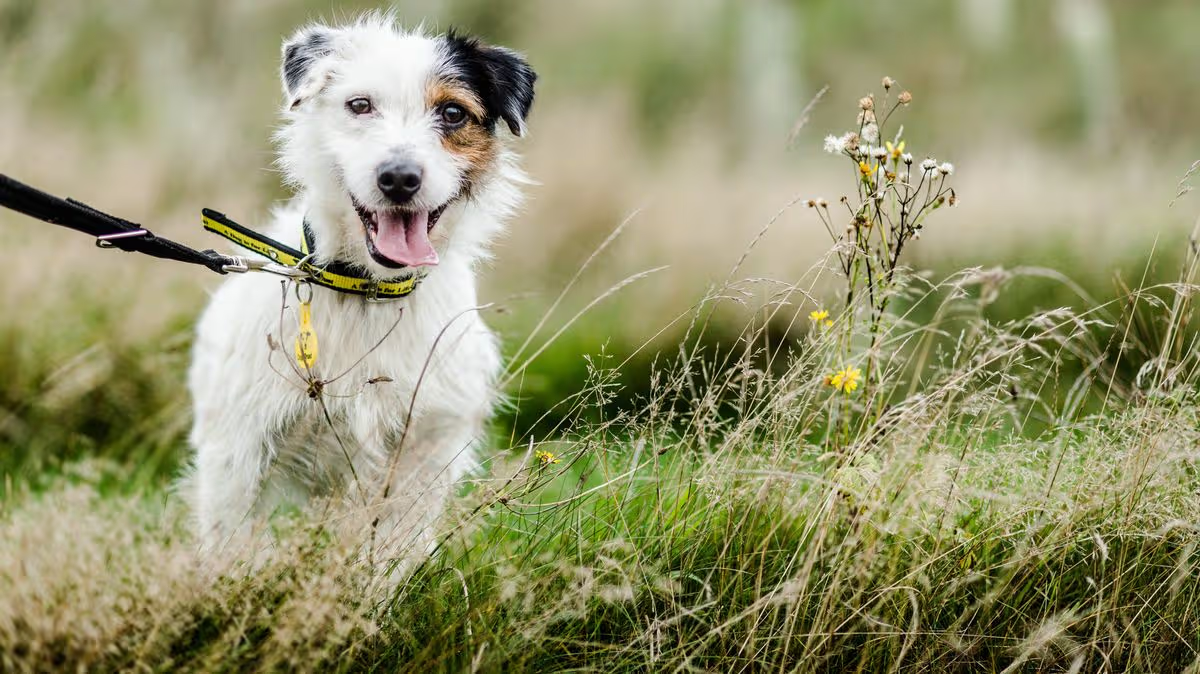
Dog owners are being urged to be alert as the weather gets warmer
Dog owners across the UK are being encouraged to stay alert to the risks posed by ticks, with the arrival of warmer weather this week and into the bank holiday. The tiny parasites are more active during warmer months, meaning everyday walks now carry a higher risk of exposure.
Experts are warning that increased outdoor time and warmer seasonal conditions are creating the perfect environment for ticks to thrive, making regular checks and swift action more important than ever for protecting dogs. The vets at Dogs Trust, the UK’s leading dog welfare charity, are sharing practical advice on how to spot, remove and prevent these common parasites.
What is a tick?
Ticks are small, spider-like creatures that suck blood from the skin of animals. They have eight legs and an egg-shaped body that fills with blood and can vary in size. They are found in woodland and grassland throughout the year, but they are more common between spring and autumn.
Although ticks can’t jump, they find their way onto dogs’ coats by climbing, dropping or through direct contact. Ticks can carry and spread infectious diseases, such as Lyme disease, making prompt detection and safe removal especially important for protecting dogs and human health.
How do you know if your dog has a tick?
If your dog has been bitten, you’ll usually see the tick on their skin or a swollen area of inflammation. Regular grooming can be a good way of checking for ticks. Some dogs may even change their behaviour if they’ve been bitten by a tick, for example they might lick or chew a specific part of their body more than usual if the area is painful and inflamed.
How to prevent your dog from getting a tick?
Treating ticks is important, but preventing parasites in the first place is even more beneficial. Ways to help avoid ticks include:
- Avoiding places where there is a high risk of ticks, such as long grass
- Checking your dog regularly, especially after a walk
- Speaking to your vet about parasite prevention and tick repellents
How do you remove a tick from your dog?
Identify – Before you get to work, make sure it’s a tick you’re dealing with and not something else, like a lump or nipple. Do this by looking closely for the tick’s legs and contact your vet if you have any concerns.
Position the removal tool – slide a tick-removal tool under the tick, as close to the skin as possible. If it doesn’t fit neatly under the tick, try a different size.
Twist – Without pulling upwards, gently twist the tool two or three times in the same direction. Once you’ve twisted enough, the tick will let go.
Dispose – To make sure the tick doesn’t reattach itself to someone else, dispose of it safely in your bin. Do not squash the tick as this can release infectious material.
Clean and monitor – Clean the affected area with warm, salty water and monitor your dog for any signs of illness.
Tips from a Dogs Trust vet
- Never pull, crush, squeeze or burn a tick. Doing this can push blood back into your dog or cause more inflammation, increasing disease risk. And using a naked flame near your pooch could cause them physical harm.
- Create practice scenarios beforehand with positive reinforcement. Your dog won’t know you’re trying to help them when approaching them with a removal tool. So, it’s helpful to get them confident and relaxed with the situation to minimise any stress.
- If your dog finds it hard to cope, or if you’re worried about removing a tick yourself, speak to your vet for more advice.
Victoria Phillips, veterinary surgeon manager at Dogs Trust, said: “Ticks can be an unpleasant surprise for any dog owner, but they’re something we see regularly and they can be handled calmly and safely. The key is to check your dog often, especially after walks in long grass, and to act quickly if you spot one.
“Using the right removal technique helps reduce any risk, and taking the time to get your dog comfortable with being handled can make the process much less stressful for both of you. If you’re ever unsure or your dog is finding it difficult, don’t hesitate to reach out to your vet for advice and support.”
For more information, visit the advice page on Dogs Trust’s website.




















































You must be logged in to post a comment Login