Connect with us
DAPA Banner
DAPA Coin
DAPA
COIN PAYMENT ASSET
PRIVACY · BLOCKDAG · HOMOMORPHIC ENCRYPTION · RUST
ElGamal Encrypted MINE DAPA
🚫 GENESIS SOLD OUT
DAPAPAY COMING

NewsBeat

what the ‘peace deal’ really means

Published

on

what the ‘peace deal’ really means

The announcement of a new agreement between the United States and Iran has been greeted with relief across global markets. Oil prices have eased, shipping insurers have relaxed and politicians have rushed to hail a diplomatic breakthrough.

The memorandum of understanding, which both sides have agreed to and are expected to formally sign in Switzerland on June 19, has even been described by some as a peace deal that will formally end the conflict. Yet that risks overstating what has actually been achieved.

What has reportedly been agreed is a diplomatic framework intended to guide future negotiations, not a peace treaty or a comprehensive settlement of the disputes that brought the two countries to the brink of a wider regional war. The most contentious issues – including Iran’s nuclear programme, sanctions and broader regional security arrangements including Israel’s war and occupation in Lebanon – remain unresolved and subject to further talks.

The distinction is more than semantic. International diplomacy operates on a spectrum. A ceasefire halts fighting; a peace agreement resolves the disputes that caused it. The US-Iran arrangement falls somewhere in between. The core issues remain unresolved and have been deferred to future negotiations, while the wider pattern of “grey-zone” confrontation — proxy activity, economic pressure and limited military escalation below the threshold of full-scale war — remains largely intact.

Advertisement

There is another reason to be cautious about calling this peace. The war interrupted diplomatic talks that were already underway. This agreement will largely restore a negotiating process that existed before the conflict rather than creating a new political settlement. If the central disputes remain unresolved, in what sense has peace actually been achieved?

One indication of the agreement’s limitations comes from Washington itself. The US president, Donald Trump – even in the latest “peace deal” announcement – has continuously suggested that future military action against Iran cannot be ruled out. That is not the language normally associated with a definitive peace settlement.

Nor does the agreement fully address the broader regional dimensions of the conflict. Israel, one of the principal actors in the confrontation with Iran, is not a party to the framework. Nor does the arrangement resolve continuing tensions on Israel’s northern border with Lebanon, which remains a major source of instability. With Israel’s prime minister, Benjamin Netanyahu, maintaining a hardline position towards Lebanon and reserving the right to act independently, the agreement looks less like a regional peace settlement than a narrowly focused US-Iran de-escalation mechanism.

Perhaps the clearest evidence that the deal is being exaggerated, however, lies in what it actually delivers. Strip away the diplomatic fanfare and the financial benefits to Iran and the agreement largely restores conditions that existed before the conflict escalated, particularly when it comes to reopening the Strait of Hormuz.

Advertisement

This may help explain why financial markets responded so enthusiastically. Markets are often described as reacting to peace. In reality, they tend to react to stability.

Oil traders, shipping companies and insurers are not primarily concerned with whether longstanding political disagreements have been resolved. They care about whether oil can move through chokepoints, whether tankers can be insured and whether supply chains can continue functioning.

The economics of de-escalation

That risk was considerable. The Strait of Hormuz carries roughly one-fifth of globally traded oil. Any prolonged disruption would have had profound consequences for the world economy. Although oil prices never reached the US$200 (£149) per barrel levels that some commentators feared, this should not be interpreted as evidence that markets were comfortable with the situation.

Part of the reason prices remained contained was that governments and businesses were drawing upon buffers built for precisely such emergencies. Strategic petroleum reserves were released, existing stockpiles were called upon and some countries reduced imports and relied more heavily on stored supplies. These measures bought time. But they could never have continued indefinitely, especially as global strategic oil reseves were running out fast.

Advertisement

Had instability in the Gulf continued for several more months, governments would likely have faced increasingly difficult trade-offs between inflation, economic growth and energy security. Seen from this perspective, the diplomatic urgency becomes easier to understand.

For the US, sustained disruption in global energy markets risked feeding inflationary pressures that remain politically sensitive. For Europe and Asia, higher shipping and energy costs threatened already fragile economic recoveries. For many developing countries, another energy shock would have imposed severe economic hardship.

The agreement therefore reflects not only diplomatic calculation but economic necessity. In this sense, the biggest beneficiaries may not be Washington or Tehran at all. They may be consumers, businesses and central banks around the world that have avoided another potentially destabilising energy shock.

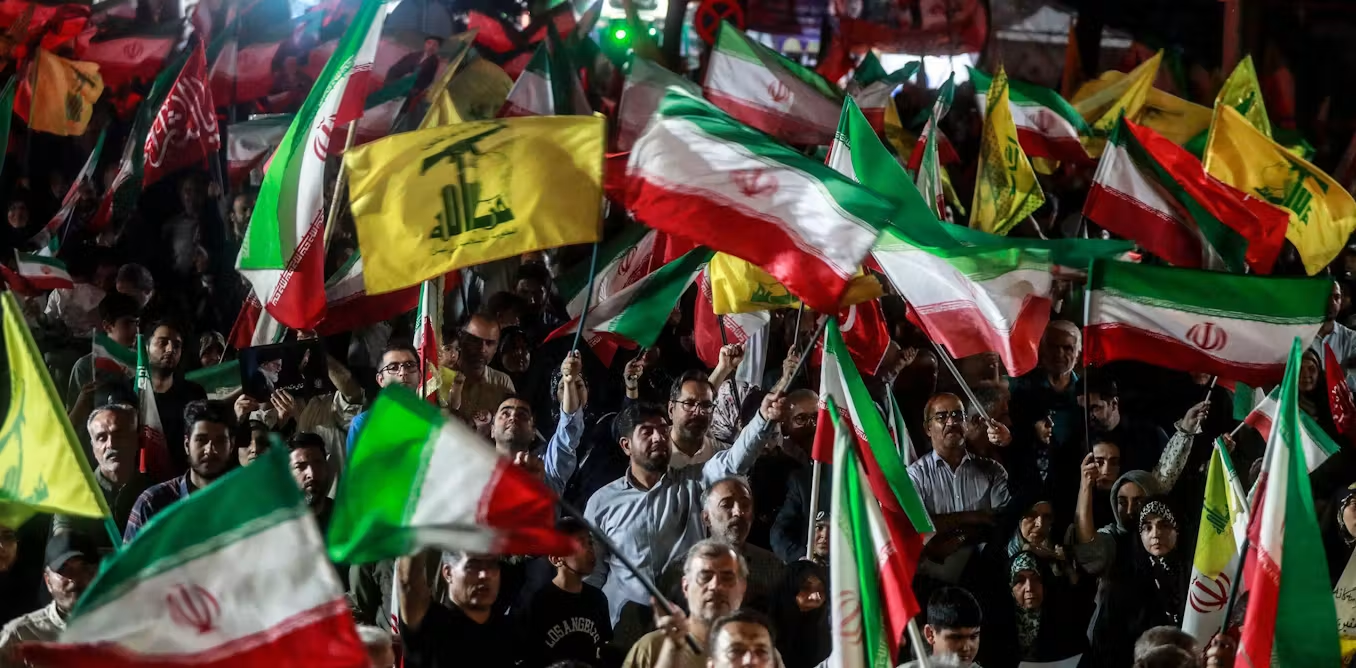
Reasons to be cheerful: Iranians celebrate news of an agreement in the conflict with the US and Israel.
EPA/Abedin Taherkenarah

Peace or pause?

None of this is to dismiss the significance of the agreement. Preventing further escalation is a genuine achievement. Reopening critical maritime routes is beneficial for the global economy. Replacing military confrontation with diplomacy is undoubtedly preferable to the alternative.

Advertisement

If the deal holds, Iran could enter the next round of negotiations with the upper hand: sanctions relief under discussion, diplomacy back on track – and Washington increasingly reluctant to contemplate renewed military action as November’s midterm elections draw nearer.

But diplomacy is still best served by precision rather than exaggeration. Historically, peace agreements have settled disputes, created institutions and established durable frameworks for coexistence. This arrangement does none of those things – at least not yet.

The war’s underlying disagreements remain unresolved. Iran’s nuclear future remains uncertain. Sanctions remain contested. Regional rivalries persist. The possibility of renewed confrontation has not disappeared.

What has been achieved is not peace in any comprehensive sense. It is a ceasefire framework, an economic stabilisation mechanism and a diplomatic holding pattern.
That may prove to be an important first step. But it is not, at least for now, a peace deal.

Advertisement

If anything, the real story is not that Washington and Tehran have resolved their differences. It is that both sides had compelling reasons to step back from the brink.

Source link

Advertisement
Continue Reading
Click to comment

You must be logged in to post a comment Login

Leave a Reply

NewsBeat

Kate Middleton has 2 favourite breakfasts she eats ‘every day’

Published

on

Cambridgeshire Live

Princess of Wales wowed the crowds at the Trooping of the Colour event at the weekend – and needs an energy-packed diet to stay healthy

The Princess of Wales is renowned for immersing herself wholeheartedly in a wide variety of activities during her royal engagements. Whenever Kate attends an event involving children or sport, she is well known for joining in — whether that be sprinting, gardening, playing hockey or practising taekwondo.

Advertisement

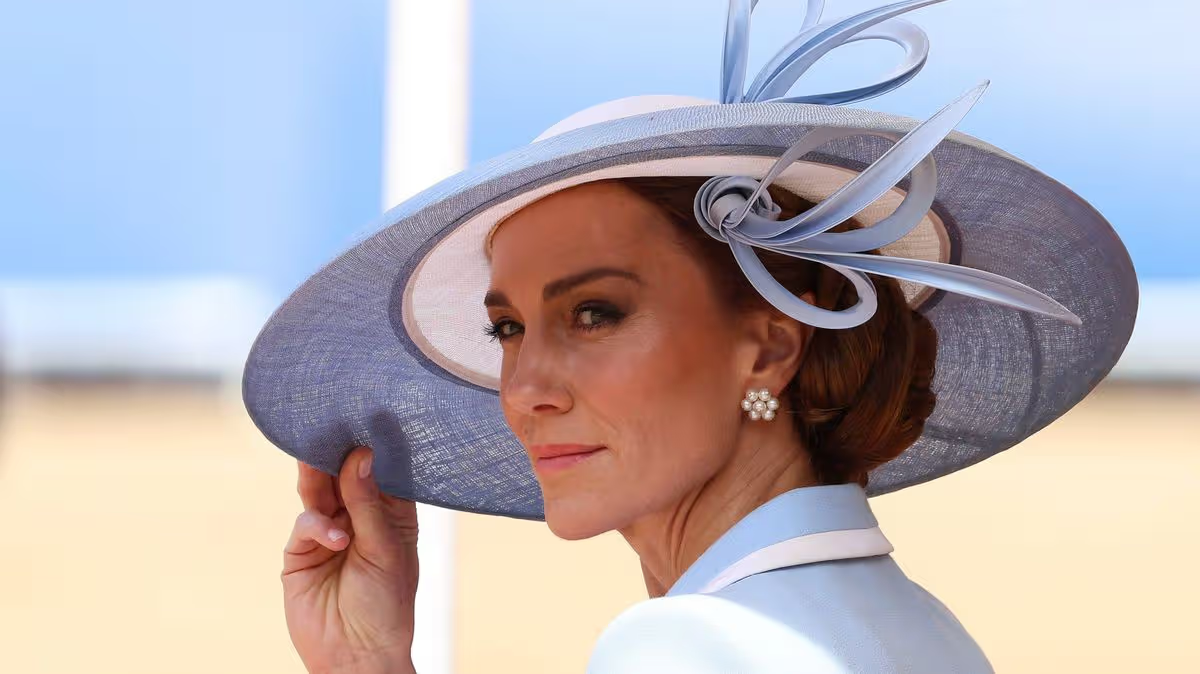
She consistently makes a striking impression at public appearances as well. At the Trooping of the Colour, Kate wore a light blue tailored coat dress with white piping around the lapel, and she completed the look with a matching Philip Treacy hat. She accessorized with Cassandra Goad pearl earrings and an Irish Guards brooch. The princess holds the title of Colonel of the Irish Guards

Naturally, maintaining such an active lifestyle while remaining impeccably dressed means Kate must ensure her diet provides ample energy. She is well known for following a Mediterranean diet, which places emphasis on plant-based foods such as fruits, vegetables, whole grains, nuts, seeds, and legumes.

It also incorporates moderate portions of lean protein from fish and poultry, low-fat dairy, and healthy fats such as olive oil, while limiting red meat and sweet treats.

She is also said to “love” preparing a roast chicken for her family and has a fondness for spicy vegetable curries. Kate is understood to favour high-intensity weight training sessions, exercises daily without a personal trainer, and requires adequate protein intake for optimal results.

Advertisement

Nikkita Hope-Brown, a qualified PT and owner of Found, a women-only strength training studio in London, told HELLO!: “You cannot build muscle without the building blocks, which is protein.

“To give a metaphor, proteins are the bricks that make up the wall, and strength training is the actual bricklaying. You cannot build a house without the actual bricks or someone doing the work of laying the bricks – you need to have both. How much protein we need depends on our goals and body, for muscle growth, typically 1.5 – 2g of protein for every kilogram we weigh.”

Kate Rowe-Ham, fitness coach and founder of Owning Your Menopause, echoes this perspective: “You can’t out-train a poor diet. Muscles are built in the gym but need to recover and transform in the kitchen. To support muscle growth and recovery, it is essential to consume a high-protein diet, especially after a workout.”

Kate said: “Include whole foods rich in fibre, healthy fats, and complex carbs to fuel your workouts and stabilise hormones.”

Advertisement

The royal is believed to favour a green smoothie to kick-start her morning, much like her sister-in-law, Meghan Markle, made with spinach, kale, blueberries and matcha. She is also understood to regularly begin her day with a bowl of slow-burning energy oats, also known as rolled oats, which she frequently prepares with milk or yoghurt and tops with fruits, nuts, cinnamon, and nut butter.

Lunchtime typically features salads and fruit bowls, with an emphasis on foods that encourage glowing skin, such as watermelon salads and gazpacho. She also likes berries mixed with almond milk as an afternoon treat and tends to prefer lighter meals throughout the day.

According to the Daily Mail, Kate also has a penchant for raw dishes like watermelon salads, gazpacho, goji berries, tabbouleh and ceviche for their skin-enhancing properties. She also has an appreciation for heartier, traditional English evening meals such as substantial roasts and curries.

Kate’s day in food.

Breakfast: A green smoothie is a regular choice, combining kale, spinach, spirulina, matcha, romaine lettuce, coriander, and blueberries. Alternatively a bowl of slow-burn energy oats.

Advertisement

Lunch: Salads and fruit bowls are preferred options, with particular focus on foods that support skin health, like watermelon salads, gazpacho, and tabbouleh. She also likes ceviche.

Dinner: While she prefers lighter meals during daytime hours, Kate enjoys traditional English dishes or carbohydrate-rich choices for tea like roast dinners and curries.

Snacks: Olives and popcorn are reported to be her preferred snacks. Drinks: She enjoys smoothies, and is also known to drink ginger tea.

What Foods Does Kate Middleton Avoid?

Advertisement

While Middleton hasn’t revealed any particular dietary preferences, sources suggest that she steers clear of:

  • Dairy
  • Carbohydrates (or at least reduces her intake of them)
  • Seafood when travelling (as per royal protocol)

Source link

Continue Reading

NewsBeat

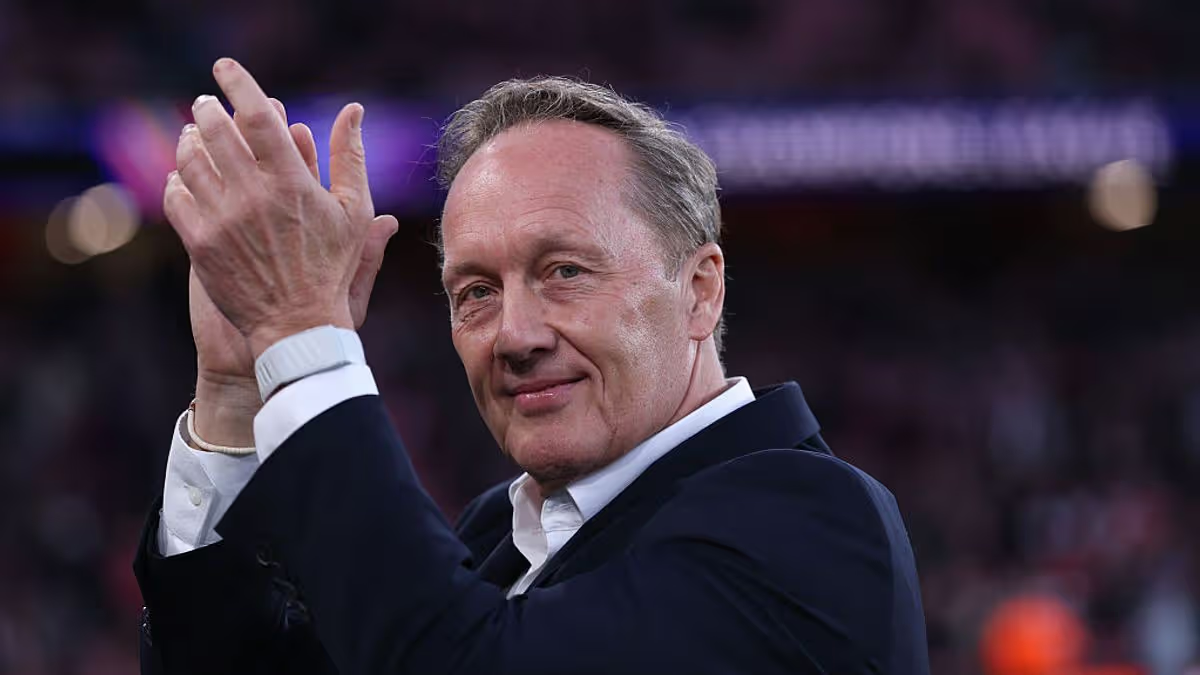
Lee Dixon fights back tears during ITV commentary after massive World Cup shock

Published

on

Daily Mirror

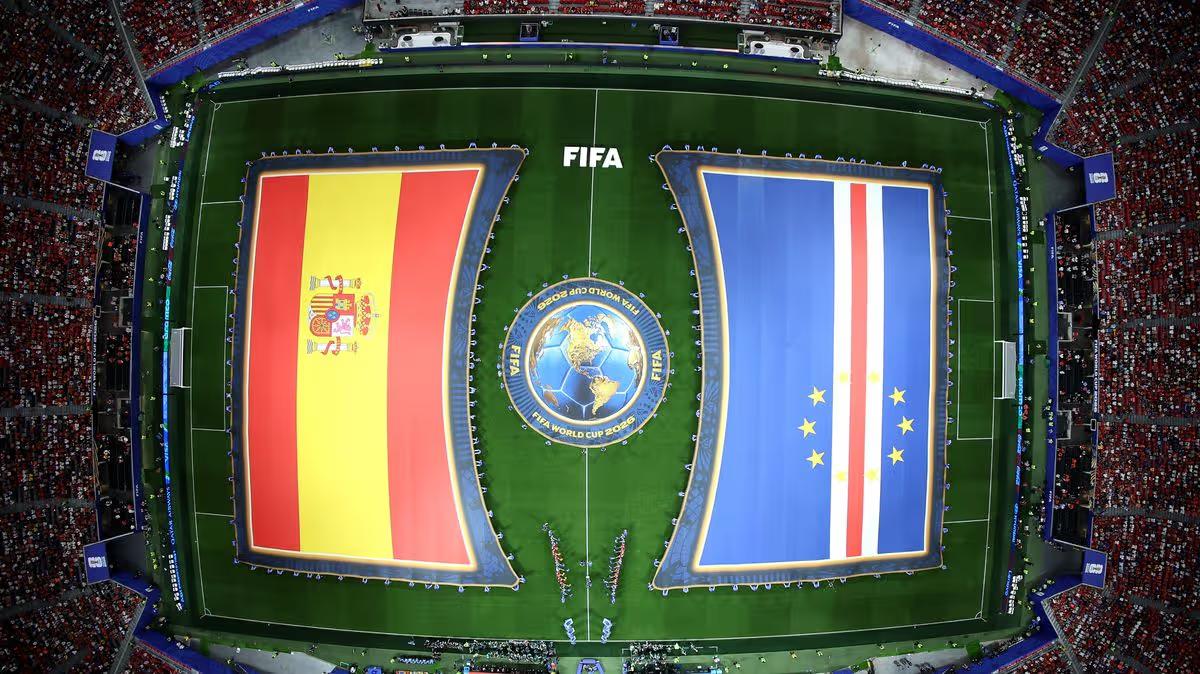
After Cape Verde stunned European Champions Spain on their World Cup debut, Lee Dixon admitted it all nearly got a bit too much for him

Former Arsenal defender Lee Dixon has said he was almost in tears when Cape Verde drew with Spain on their World Cup debut. There were emotional scenes amongst the players from the tiny African island.

They arrived into the USA as one of the minnows of the tournament, having qualified for the competition for the first time in their nation’s history. Against Spain, who are many people’s favourites for the competition, they were the underdogs, in the same way Curacao were against Germany.

However, all of their players put in the game of their lives, particularly 40-year-old shot-stopper Vozinha, who made save after save from the Spanish.

Advertisement

After seeing many of the players weeping in joy, Dixon said: “I have to say, you might hear it in my voice, I am a bit emotional. It’s absolutely fantastic, a brilliant, brilliant performance.

“They deserve that point more than anything and Spain almost don’t deserve a point. They will walk off disappointed but this night is Cape Verde’s.

“What a performance, every single one of them. The centre-halves, the full-backs. That man there (Vozinha), crying, I am nearly crying myself.”

There will be more to follow on this breaking news story and Mirror Sport will bring you the very latest updates, pictures and video as soon as possible. Please check back regularly for updates on this developing story. Follow us on Google News, Flipboard, Apple News, Twitter, Facebook or visit The Mirror homepage.

Advertisement

Source link

Continue Reading

NewsBeat

Darlington pupils speak on under-16 social media ban

Published

on

Darlington pupils speak on under-16 social media ban

Teenagers from Haughton Academy, who recently took their concerns about social media to Parliament, said it helps them stay connected with friends and express themselves. But they agree it can also be harmful to young people who do not fully understand the risks.

Sir Keir Starmer announced today that under-16s will be banned from using platforms, including Snapchat, Tik Tok, Instagram and X, amid concerns that social media is unsafe and could cause lasting damage to young people’s mental health. He said: “Social media is making children unhappy.”

The ban is part of the Online Safety Act, a new set of laws that intends to protect children and adults online.

Reacting to the news, Year 10 students in Darlington, Katie Cameron and Ela Wardle said they were unsure if the ban will do more good than bad. 

Advertisement

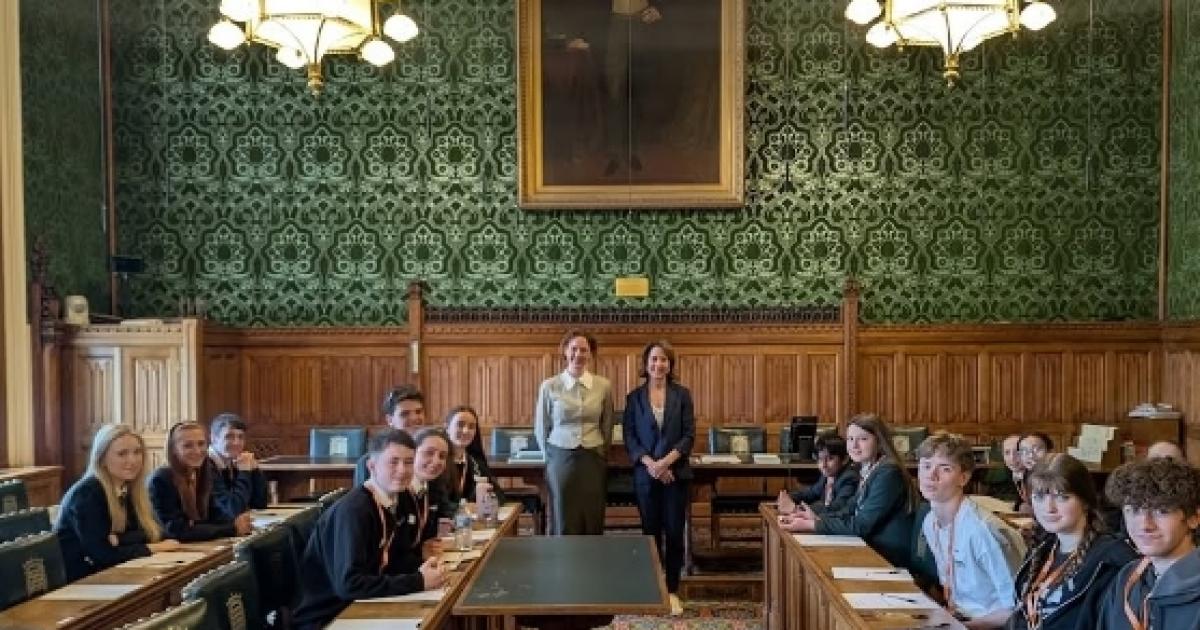
Schoolchildren from Darlington visited Parliament with the town's MP, Lola McEvoy, to discuss the challenges they face onlineSchoolchildren from Darlington visited Parliament with the town’s MP, Lola McEvoy, to discuss the challenges they face online (Image: LOLA MCEVOY)

Ela, 15, said: “There are two sides to it because I use it to communicate with a lot of my friends and to express myself. 

“I’ve made friends with people at this school that I’ve never spoken to, but they look at my Tik Toks.

“But then I also feel like the ban is a good thing because it’s very damaging to young people and some people don’t know the danger of social media.”

In May, Katie, Ela and their peers visited Parliament with Darlington MP, Lola McEvoy, to meet with the Secretary of State for Digital, Science, Information and Technology, Liz Kendall, to discuss the challenges they face online.

Advertisement

Ela said: “It was really good, I want to study politics for women’s rights, so it’s been really inspirational.”

Darlington MP Lola McEvoy at an online safety event at Longfield SchoolDarlington MP Lola McEvoy at an online safety event at Longfield School (Image: SARAH CALDECOTT)

Ms McEvoy, who created the Darlington Online Safety Forum, a local initiative for young people to come together and discuss the impact of social media, said: “They were so brilliant, grown-up and confident. They were able to articulate on behalf of their peers some of the challenges that they’re facing and I was really shocked. 

“I found it to be much worse than I’d imagined because what we as adults see online is not the same as what children are seeing.”

Started by Ms McEvoy in late 2024, the forum was established to use the voices of schoolchildren in Darlington to shape government policy on social media.

Advertisement

Ela added: “Random people message you, because they can – it’s easy to do. On TikTok, you’ve got a message part where you can accept it, but you can still see the messages and it’s really weird.”

Katie said: “There are some restrictions. I’ve seen there’s something on Tik Tok where you can only view certain pages if you’re over the age of 18, but people get round it.”

Ms McEvoy said she fully supported the Government’s stance, adding: “I’m absolutely delighted that the government is taking action to protect children online. 

“Before I was elected, across the town, parents and grandparents were raising this as an issue. They were worried about their children’s future and the undue influence of these massive companies and the content that children were seeing.”

Advertisement

Katie and Ela’s principal at Haughton Academy, Jane Darbyshire, said: “Safeguarding the children is the most important thing, and from a school’s perspective, it will still be really important for us to educate our young people to know how to keep themselves safe online.”

Ms Darbyshire has introduced a ban on phones during school hours. 

She said: “With technology, there are a lot of challenges and one of the challenges young people have had is not being able to go on their phone. To be fair to them, the vast majority of students have been on board with it.”

The government plans to use the same model for the social media ban as Australia, which would capture platforms whose purpose is to enable social interaction, allows users to post material and uses algorithms.

Advertisement

Apps such as WhatsApp and Signal will not be included in the ban.

Source link

Advertisement
Continue Reading

NewsBeat

19 extra neighbourhood officers for Durham and Darlington

Published

on

19 extra neighbourhood officers for Durham and Darlington

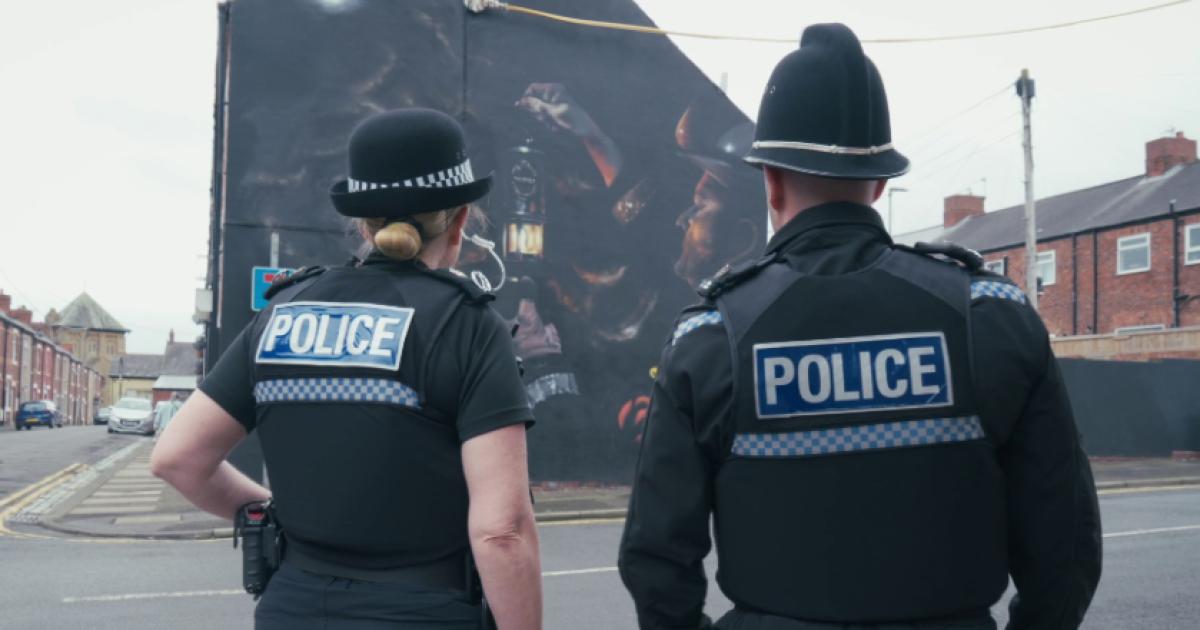
The officers will be deployed in communities across County Durham and Darlington as part of ongoing efforts to strengthen frontline policing.

They will be joined by 14 new PCSOs, who began training in May.

Rachel Bacon, chief constable of Durham Constabulary, said: “Visible policing makes a real difference to whether people feel safe where they live.

Advertisement

“Confidence in policing is built on knowing your own local officers, knowing they are looking out for you and knowing you can feel safe in your own home.

“These extra officers are already making a difference and we’re seeing reported crime fall across the force and are doing an amazing job in places like Horden: arresting people, bringing offenders to justice and making people feel safer in their own home.

“There is more to do, but we’re going in the right direction.”

The announcement was made at the start of Neighbourhood Policing Week while Ms Bacon was on patrol with officers in Horden, an area that has seen significant reductions in crime and antisocial behaviour.

Advertisement

This follows the first phase of Durham Constabulary’s Neighbourhood Policing Guarantee, which saw an additional 26 officers join neighbourhood teams and every resident given a named contact officer.

Across the force area, reported crime has declined, aided by Operation Pave, which delivered an extra 14,000 hours of high-visibility patrols in town centre hotspots.

Further expansion of neighbourhood teams is now underway, with the 19 new officers and 14 PCSOs expected to be on patrol by the end of the financial year.

In Horden, Operation Pave has led to a 35 per cent reduction in reported antisocial behaviour, while broader efforts have reduced recorded crime by 10 per cent over three years.

Advertisement

Durham Constabulary is also investing in new digital tools to improve officer visibility and patrol management across the force area.

Source link

Advertisement
Continue Reading

NewsBeat

Spain v Cape Verde LIVE: La Roja call on Lamine Yamal to break deadlock against stubborn Blue Sharks

Published

on

Spain v Cape Verde LIVE: La Roja call on Lamine Yamal to break deadlock against stubborn Blue Sharks

Spain 0-0 Cape Verde

Spain are still dominating possession but Cape Verde are standing strong for now.

The minnows are losing the ball qite quickly whenever they win it back though!

Chris Wilson15 June 2026 18:38

Advertisement

Spain 0-0 Cape Verde

Yamal has found himself under the watchful eye of two markers already and he almost creates the first goal!

He skips past a challenge and finds Llorente in space, with the defender squaring a pass that ends with a tame shot straight at Vozinha.

Chris Wilson15 June 2026 18:35

Advertisement

Spain 0-0 Cape Verde

Subs for Spain then as Yamal and Mikel Merino come on for Gavi and Ruiz.

Chris Wilson15 June 2026 18:32

Advertisement

Spain 0-0 Cape Verde

Spain have their seventh corner of the game but Vozinha collects once more.

Into the second hydration break and Lamine Yamal is preparing to come on!

(Reuters)

Chris Wilson15 June 2026 18:30

Advertisement

Spain 0-0 Cape Verde

Luis de la Fuente looks fairly frustrated on the sideline, with his side toiling a little at the moment. A through ball has just gone out for a goal kick, with Laporte guilty this time.

Chris Wilson15 June 2026 18:26

Spain 0-0 Cape Verde

The first subs for Cape Verde, with Da Costa, Duarte and Semedo come on for Cabral, Duarte and Livramento.

Advertisement

Chris Wilson15 June 2026 18:22

Spain 0-0 Cape Verde

Plenty more possession from Spain but they’re not doing too much with it right now. Perhaps Cape Verde have weathered the early storm.

Ruiz clips a ball into the box but Vozinha is off his line well to claim it.

Advertisement

Chris Wilson15 June 2026 18:21

Spain 0-0 Cape Verde

Cape Verde look to find Livramento in behind the Spain defence but Simon is off his line well.

At the other end, Pedri clips the ball in and Torres tries to flick it in, but he had his back to goal and couldn’t get enough power on it.

Advertisement

Chris Wilson15 June 2026 18:18

Spain 0-0 Cape Verde

Another inventive bit of play or a total accident?

Gavi wins the ball high and it breaks kindly for Oyarzabal, who seemingly tries to catch out Vozinha, who had moved up towards his penalty spot anticipating a cross.

Advertisement

The effort flies wide of the post anyway but the replay suggest he might have been trying to find Torres in the middle and just messed up the pass!

(Reuters)

Chris Wilson15 June 2026 18:16

Spain 0-0 Cape Verde

Spain are beginning to turn the screw in Atlanta.

Another good cross is glanced towards goal but the header is all wrong and Llorente collects before Ruiz curls an effort over.

Advertisement

Moments later, a ball in towards Oyarzabal is taken down well but he’s shepherded away from goal.

Chris Wilson15 June 2026 18:12

Source link

Advertisement
Continue Reading

NewsBeat

Preston Davey trial verdicts LIVE as dad found guilty of youngster’s murder

Published

on

Manchester Evening News

Baby Preston Davey only lived for four months with the defendants before his death. Here is the timeline of the significant events in his short life.

2022

– June 16

Advertisement

Preston Davey is born four weeks early, weighing 5lb 7oz to Sarah Davey at Wythenshawe Hospital, south Manchester.

– June 21

Five days later he is placed into emergency care with foster parents by Oldham Council via an interim care order, where he remains for the first nine months of his life.

2023

Advertisement

– January 6

Jamie Varley and John McGowan-Fazakerley are approved for adoption by Adoption Now, a company providing services to local councils. The company says Preston needs: “Love, affection, safety and stability.”

– February 13

They make first visit to see Preston at his foster parent’s home.

Advertisement

– April 1

Preston spends his first night at the defendants’ home in Staining Road, Blackpool, and is formally placed under the care of the defendants.

– April 6

Varley texts his sister, a baby sleep trainer, saying: “He’s dead meat today. Didn’t sleep last night after 11.30. Up every, one and a half hours.”

Advertisement

– May 25

At 11.10am Preston is rushed to Blackpool Victoria Hospital, floppy and unresponsive, Varley reporting a seizure and breathing difficulties. Nursing staff notice bruising to Preston’s head. A medical report states Preston had “unexplained injuries, inconsistent with a version of events given…”

Hospital safeguarding are informed and social services and Lancashire Police called.

Following discussion with medical staff the bruises to a baby learning to walk are not regarded as suspicious.

Advertisement

– June 30

At around 8.25pm, Varley and McGowan-Fazakerley take Preston to Blackpool Victoria Hospital A&E Department, reporting the child has a rash, diarrhoea, vomiting and high temperature.

Medics note bruising to Preston’s head, but staff are shown a home video of the child pulling a toy box on to himself while playing, by way of explanation. Varley comments: “You lot are going to think we have been abusing him or something.”

It is later discovered the toy box video was filmed 12 days earlier.

Advertisement

– July 6

At 10.36am Varley takes Preston to hospital for third time with injury to his left arm sustained he said while putting him in his cot the previous evening. After X-ray, a cast is applied for a fractured elbow.

The child’s social worker, Amy Shepherdson, who had been in contact with the hospital, texted Varley to say: “Just to reassure you they said they had absolutely no concerns. U absolutely did the right thing.”

She visits the home and notes Preston had a “very sad face and a little cry”.

Advertisement

– July 7

Preston is visited at home by Helen Magee, an independent reviewer from Oldham social services.

The same week Varley tells a work colleague he is struggling mentally and having “dark thoughts” about drowning or suffocating Preston.

– July 23

Advertisement

Varley takes a series of photos of Preston, stretching over a period of three minutes, 12 seconds. The child, asleep or unconscious, has his head and arms over the top horizontal bar of his cot and his neck resting on it, his body partially suspended and his legs in a “frog-like” position. His tongue is protruding and his lips appear blue.

– July 27

At 4.45pm, Varley records a 35-second video on his phone of Preston in “extreme respiratory distress” taking an “agonal gasp” and needing resuscitation.

At 6.30pm Preston is rushed to Blackpool Victoria Hospital in a critical condition, Varley says he found the child submerged in the bath.

Advertisement

A team of paramedics, nurses and doctors attempt to resuscitate for 50 minutes but Preston is pronounced dead at 7.18pm.

– July 31

Home Office post-mortem examination concludes Preston’s cause of death as acute upper airway obstruction and rules out drowning.

The autopsy also found around 40 external and internal injuries including bruises to Preston’s forehead, throat, mouth, bladder, bottom and bleeding in the lungs with some evidence of “forcible penetration” to the child’s “abnormal” anatomy regarded as clinical signs of sexual abuse.

Advertisement

2026

– April 20

Varley and McGowan-Fazakerley go on trial denying all offences.

– June 15

Advertisement

Varley was found guilty of murder, two counts of assault by penetration, five counts of cruelty to a child, grievous bodily harm, sexual assault of a child, 13 counts of taking indecent photos or videos of a child, one of distributing an indecent photo of a child, to his co-accused, and one of making an indecent photo.

McGowan-Fazakerley was found guilty of allowing the death of a child, two counts of child cruelty and one count of the sexual assault of a child.

Source link

Advertisement
Continue Reading

NewsBeat

World Cup LIVE: Spain vs Cape Verde updates after manager sack shock

Published

on

Daily Mirror

A Scottish showbiz presenter said the nation has “a better chance than we think” at qualifying for the next stage of the World Cup.

Jodie McCallum, 34, is a freelance TV host, known for her work with the BBC, ITV and ITN, having interviewed celebrities including Robert DeNiro, Margot Robbie and Brad Pitt.

She has temporarily swapped TV presenting to produce content for the social media channels of The Haven, Boston’s only dedicated Scottish bar, which held a huge watch party for their World Cup 2026 debut match against Haiti, which Scotland won 1-0.

Advertisement

McCallum has been interviewing customers and staff at the bar while the Tartan Army takeover of the city has taken place, stating: “We don’s know when Scotland are going to be back in the World Cup, so now is our time, this is the dream.”

On Scotland’s last appearance in the World Cup, she said: “I was six the first time, so obviously I don’t remember it, but as soon as we got the draw, I thought, ‘we have to go, we’ve got to be a part of it.’

“It’s been 28 years, we’ve got to support the boys, you know what I mean? I know a lot of people put us down, and I think we probably put ourselves down the most, but actually, considering we absolutely hammered Bolivia, I think we’ve got a better chance than we think.

“We might be the underdog, but I think we’re going to do alright.”

Advertisement

Source link

Continue Reading

NewsBeat

Langley Moor man died before ambulance arrived after an hour

Published

on

Langley Moor man died before ambulance arrived after an hour

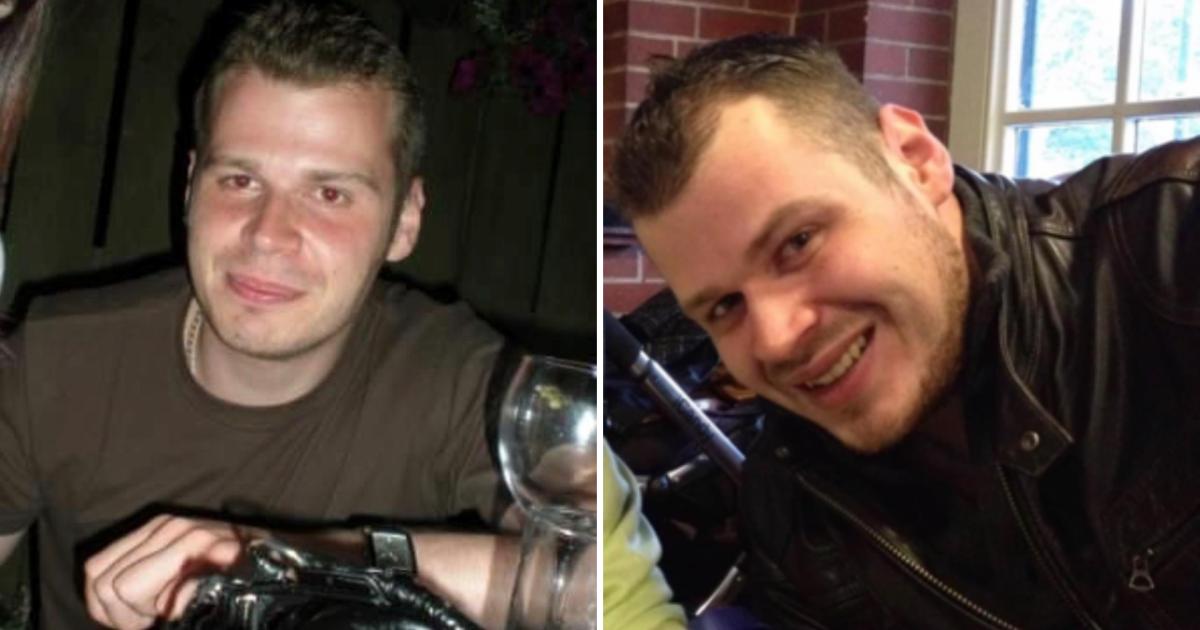
Andrew Watson died on October 10, 2019, at the Cecil Court supported living complex in Langley Moor after his condition ‘rapidly deteriorated’ hours after he had visited his GP.

A week-long inquest into Andrew’s death at Crook Coroners’ Court began on Monday (June 15) and heard recordings of 999 calls where Andrew was wheezing and struggling to speak.

During his first call at 5.38pm he told the operator he was having difficulty breathing and had passed out.

He also said he had been struggling for two days, felt hot to the touch and had swelling on his throat that had become “worse”. He reported chest pain which had started within the previous hour, pain in his back and added: “I have not been well, been coughing blood.”

Advertisement

The operator told him an ambulance would arrive in around 18 minutes before ending the call by saying: “We will be with you as soon as we can”.

(Image: FAMILY)

Andrew called 999 again at 6.23pm, telling a second operator: “I can’t breath, I am struggling to breath.”

After telling them he had vomited a mug and a half of blood from, the operator said an ambulance was already on the way and stated the 18-minute wait was “still appropriate for the symptoms you have got”, adding that he should “let them know if your symptoms are getting worse.”

Just 12 minutes later at 6.35pm, support worker Beverley Richardson answered a 999 call after hearing a thud and finding Andrew had collapsed.

Advertisement

She told the inquest: “By this time his colour had changed and he was turning blue.”

Taking over the call, she immediately informed the operator: “He’s having difficulty breathing, he’s turning a blue colour.”

When asked if he was awake, she replied: “No, he is unresponsive.” Asked if he was breathing, she said: “Yes, but laboured, he’s going blue in colour.”

(Image: FAMILY)

An ambulance arrived shortly after at 6.45pm, 67 minutes after the initial 999 call.

Advertisement

He was declared dead an hour later 7.45pm.

Ms Richardson said Andrew had appeared well in the hours leading up to his death, she said she asked if he was okay, and he told her he was going to call 111 because “his throat still hurt”.

She added there was “nothing to suggest he was in pain or having problems,” but added that his deterioration was a ‘rapid progression’ after he collapsed. She added she had not seen him coughing up blood or lose consciousness.

(Image: FAMILY)

Pathologist Dr Clive Bloxham concluded Andrew died from respiratory failure caused by airway obstruction due to quinsy – a rare complication of tonsillitis in which an abscess forms in the throat.

Advertisement

After initially not being able to find a cause of death, he requested additional information from the North East Ambulance Service before finally determining the cause of death in March 2020. He concluded Andrew had suffered with quinsy.

Dr Bloxham told the court he had encountered only three cases of quinsy during his 40-year career and said that his case ‘seemed to have progressed very rapidly’.

Earlier on the day he died, Andrew attended his GP surgery where nurse practitioner Jacqueline Griffiths diagnosed tonsillitis, prescribed antibiotics and advised him to return if symptoms worsened or call 111 out of hours.

Dr Jonathan Wing told the inquest diagnosing tonsillitis was appropriate, while acknowledging suspected quinsy should be referred immediately because “best practice dictates early referral.”

Advertisement

Andrew’s mother, Liz Watson, also paid an emotional tribute to her son, she told the court: “Andrew brought light into every room.

(Image: FAMILY)

“He had a way of lifting everyone around him even without trying.

“He cherished his family and friends and they cherished him. His impact will not fade and he will never be forgotten.”

In evidence, she recalled her son studying forensic science before later experiencing mental health difficulties and substance abuse problems, resulting in several periods of being sectioned before moving into supported living.

Advertisement

Liz added: “In this day and age people should not be dying from a throat infection and they should not be waiting over an hour for an ambulance after a 999 call.”

(Image: FAMILY)

Andrew’s death later became caught up in allegations of safety investigation failures and cover-ups at the North East Ambulance Service. His family say they only discovered in 2023, after being contacted by journalists, that internal investigations had taken place following his death.

Because key material was not initially disclosed, the original inquest into Andrew’s death concluded in March 2020 before later being reopened in 2024.

The hearing is expected to continue until June 18.

Advertisement

Source link

Continue Reading

NewsBeat

Investigators look for cause of skying plane crash that killed 12

Published

on

Investigators look for cause of skying plane crash that killed 12

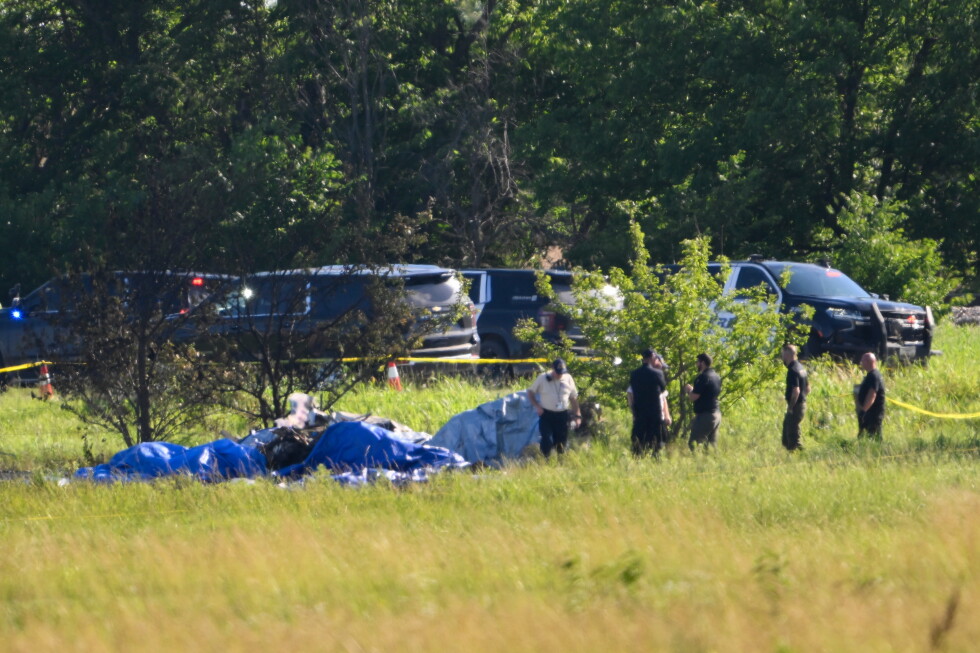
BUTLER, Mo. (AP) — Several of the skydivers killed when their plane crashed moments after taking off from a Missouri airfield had jumped before and they belonged to a community with a unique bond, one friend said.

The plane carrying a pilot and 11 passengers crashed in a field and burst into flames Sunday, killing all on board, authorities said.

Some family members of those who died were at the airport to watch the jump and witnessed the crash, said Bates County Sheriff Chad Anderson.

Kevin Payne, who had jumped with seven of the skydivers on the plane, said they were all different in almost every way, except that they were all brought together as a “sky family.”

Advertisement

“There is a joy and peace and freedom to what we do. That’s what most people never understand,” Payne, of Parkville, Missouri, wrote in an email. “It’s not about the adrenaline. It’s about really flying together with your family in that brief, exquisite instant that people who live their lives on the ground will never understand.”

While the exact cause of the crash won’t be clear for a year or more until the National Transportation Safety Board publishes its final report, weather did not appear to be a factor.

Skydiving plane went down soon after taking off

Witnesses say the plane was roughly 100 feet (30 meters) from the ground when it made an abrupt left turn before crashing.

It appeared to be losing power, and the pilot may have been trying to reach a highway to land when the plane stalled and went down nose first, said Dennis Jacobs, acting airport manager of Butler Memorial Airport.

Advertisement

The private plane was operated by Skydive Kansas City, he said. The crash site in the small town of Butler is roughly 65 miles (105 kilometers) south of Kansas City.

Plane made multiple flights over the weekend

The Pacific Aerospace 750XL — a single engine turboprop plane — is a popular model in skydiving because it’s designed for the sport and can quickly take parachutists to jumping altitudes while using short runways.

This particular plane, which was built in 2010, had made nine successful flights in the days before the crash, including two on Sunday morning, according to FlightAware, a digital flight tracking company.

Red flags raised about skydiving oversight

Federal investigators have voiced concerns about weak oversight for skydiving operators in past crash investigations, citing the need for stronger aircraft inspections. The NTSB said after a crash killed 11 people in Hawaii that the Federal Aviation Administration’s regulatory system isn’t strong enough to ensure the safety of skydiving flights.

Advertisement

The United States Parachute Association, the sport’s governing body, said in a statement after Sunday’s crash that “a loss of this magnitude is felt profoundly across the entire sport.”

The group said Skydive Kansas City adheres to the safety standards set by the largest skydiving organization in the world, including all maintenance requirements established by the FAA.

The skydiving industry says it has a strong safety record. The association said that last year nearly 3.5 million jumps were completed and that 16 civilians died, the majority from human error.

___

Bussewitz reported from New York. Associated Press reporters Rebecca Boone in Boise, Idaho; Josh Funk in Omaha, Nebraska; and Hannah Fingerhut in Des Moines, Iowa, contributed.

Advertisement

Source link

Continue Reading

NewsBeat

US Open 2026: Why Shinnecock Hills may not offer same test it has in the past

Published

on

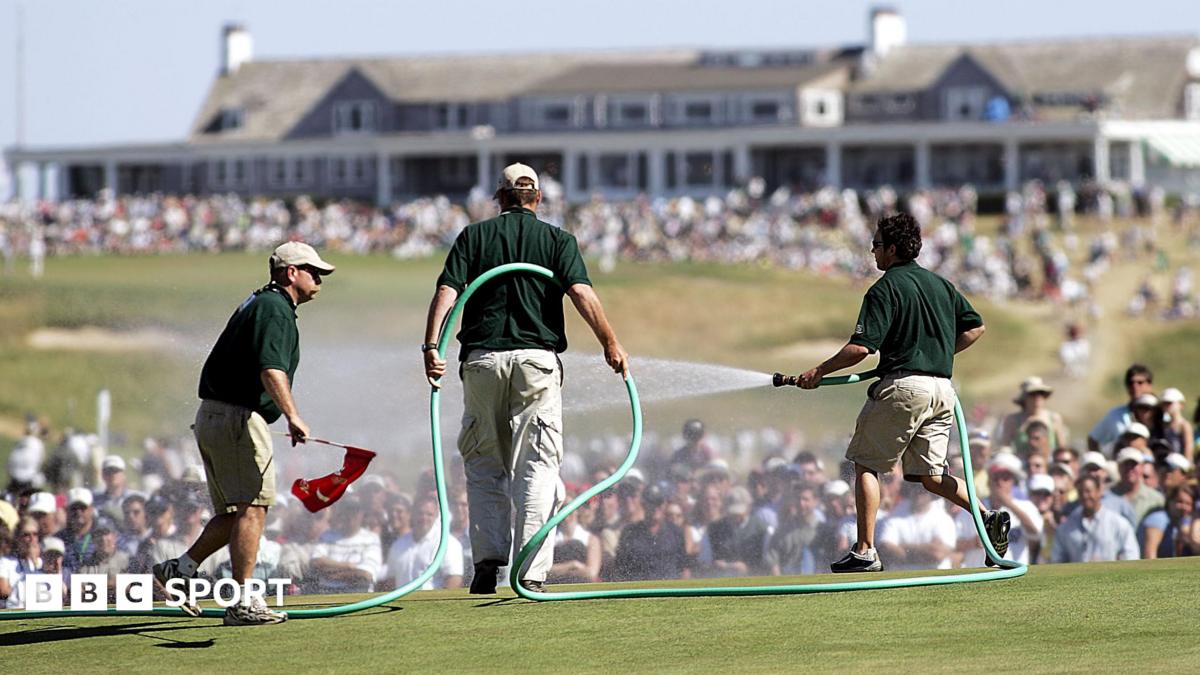
Greenstaff watering the par-three seventh green during the final round of the 2004 US Open at Shinnecock Hills, New York.

In 2022, Matt Fitzpatrick – the last British winner – triumphed at six under, the same mark as Jon Rahm the previous year. Wyndham Clark was 10 under at LACC in 2023 and Bryson DeChambeau six under at Pinehurst No 2.

Last year, at a rain-sodden Oakmont, one under was the number that allowed JJ Spaun to beat Bob MacIntyre by two for his first major crown.

Nowadays it seems conditions are the biggest influence on how many shots it takes to make a champion. “Mother Nature always gets a seat at the table, and at Shinnecock, maybe more than anywhere else,” Bodenhammer told Golf Digest.

“If we get wind, the course will resist scoring. If we don’t, it won’t – and we’re OK with that.

Advertisement

“That’s part of the evolution in our thinking, being willing to let conditions play a role instead of trying to control every outcome.”

There is some rain forecast before a predicted dry weekend, which might help the USGA dodge further criticism at a Shinnecock US Open.

It will remain a mighty test for the world’s best. Will the planet’s top player, Scheffler, pick off the major he needs for the career Grand Slam?

Could Fitzpatrick go one better than last week’s runner-up finish in Canada and collect a second US Open? Is Masters champion McIlroy ready to win his second major of the year?

Advertisement

Or is it time for LIV’s Tyrrell Hatton to join the major winning club? The Englishman competes after winning at the formidable Valderrama, the famed Spanish course that provides a similar test of fortitude as we expect Shinnecock to do this week.

Whoever prevails will need to control their ball better than anyone else. Take advantage of the wider fairways and cope with challenging run-off areas, devilish pin positions and drying greens that are still likely to get tougher on an hourly basis.

And that is how it should be at a US Open.

Source link

Advertisement
Continue Reading

Trending

Copyright © 2025