Connect with us
DAPA Banner
DAPA Coin
DAPA
COIN PAYMENT ASSET
PRIVACY · BLOCKDAG · HOMOMORPHIC ENCRYPTION · RUST
ElGamal Encrypted MINE DAPA
🚫 GENESIS SOLD OUT
DAPAPAY COMING

NewsBeat

What time is Keely Hodgkinson running tonight? TV channel and how to watch

Published

on

Wales Online

The British star will not be competing in her specialist 800m event this time around, instead lining up in the women’s 400m

Olympic champion Keely Hodgkinson returns to action tonight as she begins her outdoor season at the Rome Diamond League.

Advertisement

The British star will not be competing in her specialist 800m event this time around, instead lining up in the women’s 400m as part of her long-term ambition to improve her speed and target new personal milestones.

Hodgkinson is one of several big names competing at the Stadio Olimpico, with American sprint superstar Noah Lyles and Welsh speedster Jeremiah Azu also in action in a stacked programme featuring some of the world’s best athletes.

What time is Keely Hodgkinson running the 400m tonight?

Hodgkinson is scheduled to compete in the women’s 400m at 9.15pm BST on Thursday, June 4.

The race marks the first outdoor appearance of her 2026 campaign and comes as she continues her preparations for a busy summer season.

Advertisement

What TV channel is the Rome Diamond League on?

Live television coverage of the Rome Diamond League will be shown on BBC Three from 8pm BST.

Viewers can also watch online via the BBC iPlayer app and the BBC Sport website.

How to watch the Rome Diamond League on TV

The meeting can be streamed live through BBC iPlayer on mobile devices, tablets, smart TVs and desktop computers.

Coverage begins at 8pm BST, with a host of world-class athletes featuring throughout the evening.

Advertisement

Rome Diamond League schedule (BST)

8.04pm – Women’s 400m hurdles

8.07pm – Men’s high jump

8.27pm – Men’s shot put

8.28pm – Women’s 100m hurdles

Advertisement

8.35pm – Men’s long jump

8.38pm – Women’s 5000m

9.04pm – Men’s 110m hurdles

9.15pm – Women’s 400m (Keely Hodgkinson)

Advertisement

9.27pm – Women’s 200m

9.37pm – Women’s 1500m

9.52pm – Men’s 100m (Noah Lyles, Jeremiah Azu and Marcell Jacobs)

Who else is competing?

Alongside Hodgkinson, Team GB interest comes from Georgia Hunter Bell in the women’s 1500m, while Amy Hunt and Dina Asher-Smith take on Olympic champion Julien Alfred and Melissa Jefferson-Wooden in the women’s 200m.

Advertisement

The men’s 100m is one of the highlights of the night, featuring reigning world champion Noah Lyles, Britain’s Jeremiah Azu and Italy’s Marcell Jacobs.

Diamond League 2026 calendar

  • June 4 – Rome, Italy
  • June 7 – Stockholm, Sweden
  • June 10 – Oslo, Norway
  • June 19 – Doha, Qatar
  • June 28 – Paris, France
  • July 4 – Eugene, USA
  • July 10 – Monaco
  • July 18 – London, UK
  • August 21 – Lausanne, Switzerland
  • August 23 – Chorzow, Poland

Source link

Continue Reading
Click to comment

You must be logged in to post a comment Login

Leave a Reply

NewsBeat

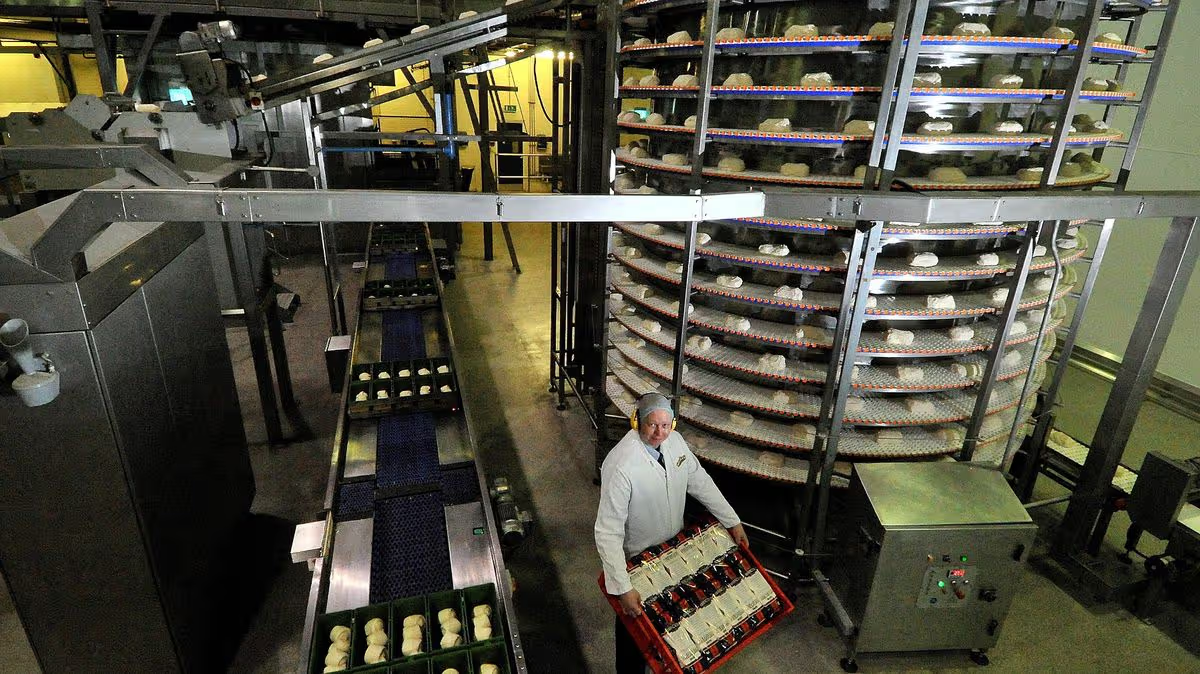
Brace’s Bakery employees face anxious wait on job future

Published

on

Wales Online

Staff are awaiting news regarding the security of their jobs

Uncertainty as to the future of Brace’s Bakery in Newport has led to fear amongst staff regarding the future of their jobs. The directors of the popular bread company are currently in discussions with a potential buyer after “facing difficult headwinds” financially.

Advertisement

In March this year workers at the Pen-y-Fan bakery were paid a week late after a sale of the site fell through. The 250 employees of Brace’s Bakery were paid late but assured at the time that their jobs were safe.

Now as talks continue between bosses and a potential buyer, staff have shared their anxiety not knowing the security of their jobs. Never miss a Newport story by subscribing to our newsletter here

The family business that was founded in 1902 supplies bread, Welsh cakes, rolls and other artisanal products to thousands of major supermarkets across the UK.

In October 2025 bakery directors wrote to staff that as a result of “increasingly difficult” market conditions the only “viable option” was to close Brace’s manufacturing plant in Newport.

Advertisement

However due to the initial sale of the site not being completed, the expected redundancies of fewer than 20 staff has not occurred yet.

Staff are expected to learn more about their fate of their jobs within 24 hours, according to bosses om Thursday evening.

Jonathan Brace the director of Brace’s Bakery, told WalesOnline: “As you are aware Brace’s have been facing difficult headwinds over the last few months in a challenging market.

“We are in talks with a potential buyer and we expect to be able to update you further within 24hrs. Safeguarding the jobs of our loyal workforce is our primary objective, to ensure our quality range of products remain available for years to come.”

Advertisement

Source link

Continue Reading

NewsBeat

Trump bizarrely claims Lincoln Memorial is facing the wrong way as he floats latest icon upgrade

Published

on

Trump bizarrely claims Lincoln Memorial is facing the wrong way as he floats latest icon upgrade

Donald Trump derailed a White House event about “clean coal” to go on a rant about his ongoing beautification efforts in Washington, D.C. on Thursday, marking yet another moment where those efforts have distracted the president from more serious policy discussions.

A Thursday afternoon event billed as an announcement about a new investment in U.S. coal plants began with Trump immediately launching into a spiel for the assembled White House press about his efforts to overhaul the Lincoln Memorial, complete with a video showing water flowing into the newly-repainted Reflection Pool. The president then shifted to his future plans: An idea for a “promenade” to extend down the other side of the building to the Potomac River.

“We’re doing something that just came up, we have a little breaking news here,” Trump teased. “We’re going to be doing that, it’s a promenade. They want to call it the Trump promenade.”

His explanation for the planned renovations followed: “At the Lincoln Memorial, the front was supposed to be the back, and the back was supposed to be the front. [The promenade] never got built, because they built two roadways behind it.”

Advertisement

Describing the new project as adding a “gateway to the water” behind the structure, which borders the Arlington Memorial Bridge and the National Mall, Trump said that it would “take the Lincoln Memorial right down to the Potomac”.

Donald Trump unveiled his plans for the Lincoln Memorial at an unrelated White House event on Thursday
Donald Trump unveiled his plans for the Lincoln Memorial at an unrelated White House event on Thursday (Getty)

“It’s going to be beautiful,” Trump promised.

His plans actually do find roots in the original intention for the area around the Lincoln Memorial. The National Park Service describes the Watergate Steps area on the Potomac side of the Lincoln Memorial as a planned site where foreign dignitaries would take their first steps into the capital and the National Mall. The location of the Lincoln Memorial was also selected due to the site’s views of the river, though the monument itself faces east, towards downtown Washington D.C. and the National Mall. A bridge on the western side links Lincoln’s memorial with Arlington National Cemetery and the former home of Robert E. Lee, the famed Confederate general, in a deliberate symbolic choice by the planners to show the rebuilt peace healing a divided nation.

But the project, like his effort to add a ballroom to the White House, is likely to face a court battle. The Trump administration has argued that it has the authority to make changes to any buildings or other structures overseen by the Interior Department, though he has faced roadblocks in his battle to rename the Kennedy Center after himself and that question remains undecided.

More to follow…

Advertisement

Source link

Continue Reading

NewsBeat

Army veteran Ikhman Pun refused to take a breath test

Published

on

Army veteran Ikhman Pun refused to take a breath test

Witnesses stopped Ikhman Pun and took his car keys off him, said James Harrison, prosecuting at York Magistrates’ Court.

He appeared to have been drinking and fled into his house before officers could arrive, but the witnesses told police where he had gone.

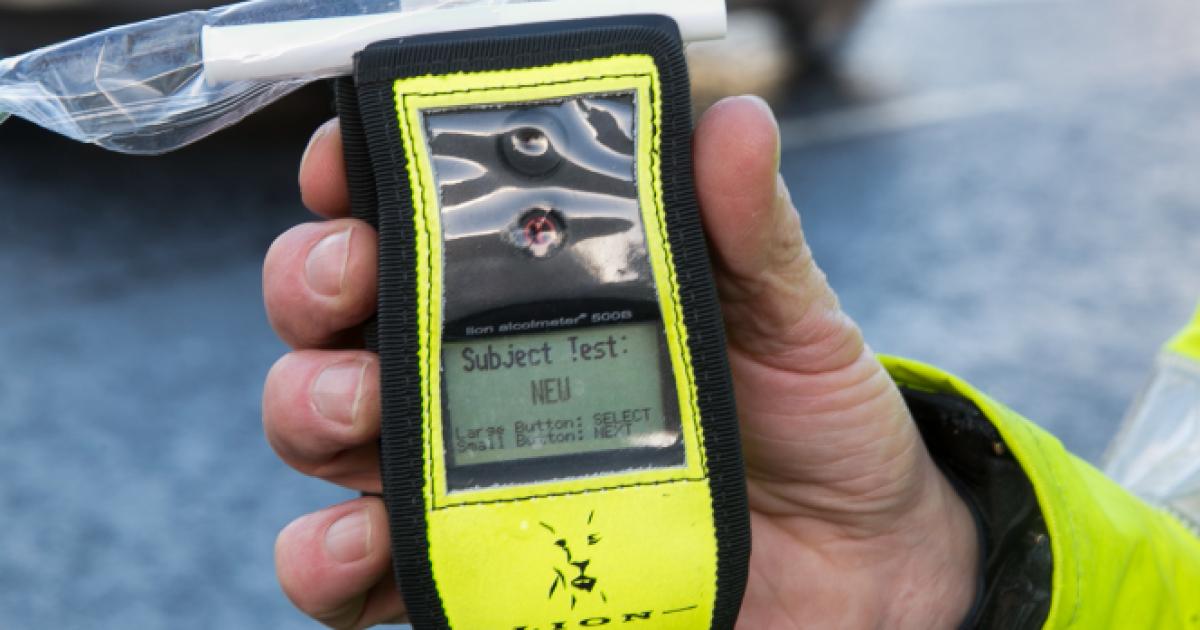
He refused to take a breath test at the scene and after officers arrested him and took him to a police station, refused to take a breath test there, said Mr Harrison.

Advertisement

The 52-year-old army veteran has a previous conviction in 2008 for refusing to supply a breath test and was on court bail at the time for two charges of indecent exposure and one of using threatening words or behaviour to a woman.

Pun, of Rutland Close, Catterick Garrison, who followed proceedings with the aid of a Nepalese translator, pleaded guilty to failure to provide a sample of breath on April 15 and was banned from driving for 16 months.

York magistrates fined him £323 and ordered him to pay a £129 statutory surcharge and £85 prosecution costs.

They heard their colleagues on April 16 gave Pun a 12-month community order including a tag forcing Pun to abstain from alcohol for 100 days and 20 days’ rehabilitative activities after hearing that the indecent exposures and threatening words and behaviour had been committed when Pun had been drinking.

Advertisement

Mr Harrison said several people called North Yorkshire Police on April 15 to say Pun’s Nissan had crashed into other vehicles. Four cars were involved in the collisions.

James Dixon, defending, said Pun had been trying to reverse out of his driveway. He had medical issues and worked in the security industry.

Source link

Advertisement
Continue Reading

NewsBeat

Steven Martin’s cause of death not yet known – inquest

Published

on

Steven Martin's cause of death not yet known - inquest

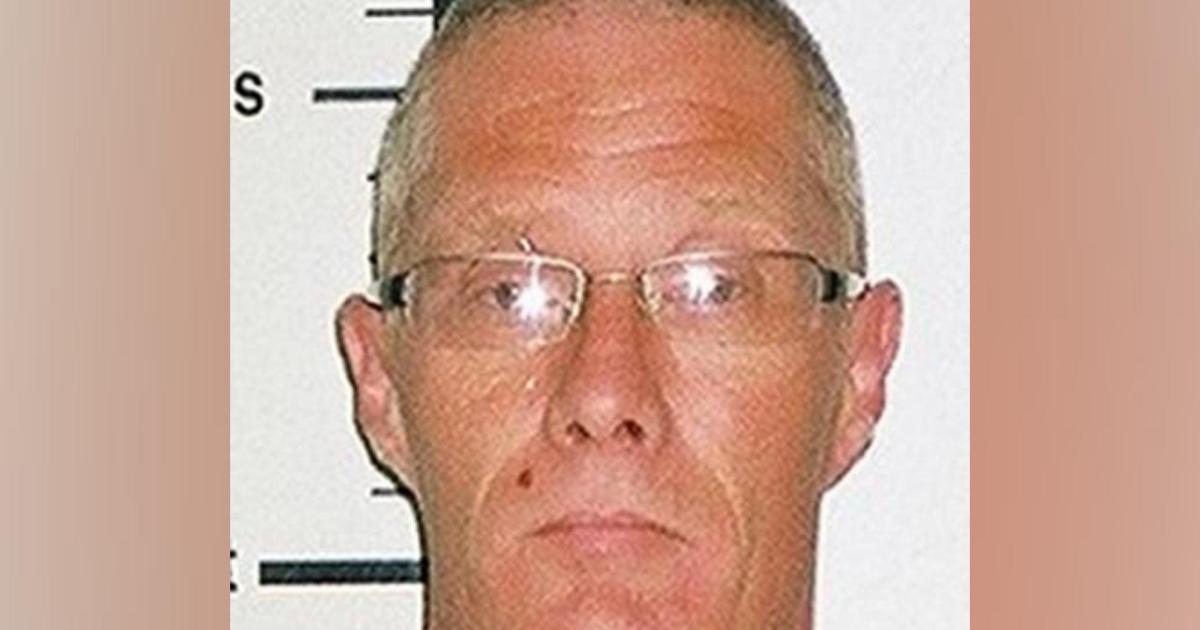
Steven Martin was jailed for life in 2010 for his role in the murder of “loving” Andrew Gardner, 35, in March 2009. 

He tortured Mr Gardner weeks before his eventual death alongside two others; Clare Nichols, Mr Gardner’s girlfriend and the mother of his fourth child, and her brother Simon Nichols.

The 61-year-old had served 16 years behind bars when he died at the County Durham prison – dubbed Monster Mansion – on May 6. 

An inquest opened into his death at Crook Coroners’ Court on Wednesday (June 3) heard how Martin, who was born in Portsmouth, died in the healthcare unit of the prison. 

Advertisement

A post-mortem examination carried out by Dr Sam Hoggard at the Royal Victoria Infirmary mortuary in Newcastle gave the cause of death as “unascertained, pending histology and toxicology”.

His body was identified by a prison officer. Senior Coroner Jeremy Chipperfield adjourned the inquest for a mention hearing on September 29.

Martin was found guilty of the murder of Mr Gardner in 2010 alongside Clare, who was jailed for 32 years, and Simon, who was told he will serve at least 25 years.

ANDREW GARDNER: Was tortured and killed

Martin, who was living in Jarrow, South Tyneside, and has one of the lowest IQs in the country at 59, was sentenced separately to the other two after undergoing psychiatric tests. 

Advertisement

The torture – which was described as “callous” – took place weeks after Martin was invited to move into the family home by Clare Nicholls.

Martin poured boiling water over Mr Gardner’s feet, held him against a hot radiator, whipped him with knotted tea towels and had sex with Clare in front of him.

Mr Gardner, who had learning difficulties, was also starved and suffered more than 150 wounds, including 21 rib fractures, bleeding on the brain and blood poisoning.

He had been beaten, slashed, whipped, scalded, and branded with a cigarette lighter in the weeks before his death.

Advertisement

During the trial, the court heard how he suffered agonising broken ribs from being kneed and stamped on, and died in excruciating pain, probably unable to leave the house they all shared.

His battered and bruised body was found on March 13 after Simon Nicholls called paramedics to the terraced property in Arthur Street, Chilton.

His attackers concocted a story about Mr Gardner going for a walk and returning to say he had been beaten up by a gang.

The paramedics were told that Mr Gardner removed his clothes and collapsed 30 minutes before the 999 call was made, and that the occupants had tried to revive him.

Advertisement

However, it soon became evident that Mr Gardner had been dead for some time.

A Prison Service spokesperson said: “Steven Martin died on May 6, 2026. As with all deaths in custody, the Prisons and Probation Ombudsman will investigate.”

Source link

Advertisement
Continue Reading

NewsBeat

Free first-time buyer and seller financial workshop in Hamilton

Published

on

Daily Record

Scullion LAW and Scullion LIVING have joined forces with Calluna Financial Service for the event.

Scullion LAW and Scullion LIVING have joined forces with Calluna Financial Services to host a free first-time buyer and seller financial workshop in Hamilton.

Advertisement

It will give local residents access to expert guidance on one of the most important financial decisions they will ever make.

The event will take place on Saturday, June 13, from 10am to 1pm at Scullion LAW’s office in the town, at 105 Cadzow Street.

Designed to support those looking to buy their first home, the workshop will bring together experienced solicitors, estate agency professionals and independent financial advisers to provide straightforward, practical advice on every stage of the home-buying journey.

For many first-time buyers, purchasing a property can feel overwhelming. Questions around mortgages, deposits, legal processes and affordability can often create uncertainty and delay decisions. The event has been created to help remove those barriers by giving attendees direct access to professionals who deal with property transactions every day.

Advertisement

Guests will receive guidance on mortgage and financial preparation, navigating the Scottish property market, understanding the conveyancing process and the important role that Wills and Powers of Attorney can play when purchasing a property.

Attendees will also have the opportunity to ask questions in an informal setting and receive tailored advice specific to their circumstances.

Marion Hunter, head of estate agency at Scullion LIVING, said: “Buying your first home is one of life’s biggest milestones, but it can also be one of the most daunting. We have created an event that gives people access to trusted experts who can explain the process in plain English and help them move forward with confidence.

“Whether someone is actively looking for a property, saving towards a deposit or considering selling their current home, our goal is to provide practical information that helps them make informed decisions.”

Advertisement

Stephanie English from Calluna Financial Services said: “Every home-buying journey is different, and there’s no substitute for having a conversation about your own circumstances. What works for one person may not work for another, which is why tailored advice is so important.

“Events like this give people the chance to ask questions they might not otherwise ask and leave with a clearer understanding of their next steps, whether that’s buying their first home, moving up the ladder, or simply starting to plan for the future.”

The event will also offer valuable insights for homeowners considering selling a property, with advice on preparing a home for market, understanding the estate agency process and planning their next move.

Representatives from Calluna Financial Services will be on hand throughout the morning to discuss mortgage options, affordability considerations and financial planning, helping attendees gain a clearer understanding of what may be possible based on their individual circumstances.

Advertisement

*Don’t miss the latest headlines from around Lanarkshire. Sign up to our newsletters here.

And did you know Lanarkshire Live had its own app? Download yours for free here.

Source link

Advertisement
Continue Reading

NewsBeat

Van stolen from Bury found one year later in North Bolton

Published

on

Van stolen from Bury found one year later in North Bolton

The Bolton North Neighbourhood Team recovered the van after an attempted traffic stop.

The van failed to stop when requested and instead sped off over a grass verge.

Bolton Police – GMP put a statement out on their Facebook page: “Officers from the Bolton North Neighbourhood Team have recovered a stolen van this evening.

Advertisement

“Around 5pm, officers attempted to stop this van, but it failed to stop and drove off at speed over a grass verge. Following an area search, officers located the van abandoned.

“Checks revealed that it had been stolen from Bury in 2025. We have now recovered the van, which will be subject to an examination by our CSI.”

Last week, GMP seized a ‘Sur-Ron’ bike in Westhoughton after a social media post surfaced showing a young man riding it dangerously through the town.

Two more Sur-Ron bikes were also seized at the young man’s address.

Advertisement

Source link

Continue Reading

NewsBeat

‘Radical change can lead to a fairer and greener world’

Published

on

‘Radical change can lead to a fairer and greener world’

A major new study argues that rising living standards, shorter working hours and a liveable climate are not competing dreams, but parts of the same future – if the world is willing to tackle extreme inequality

For years, the climate debate has often been framed as a choice between two unappealing futures. Either the world carries on consuming and emitting until the planet becomes increasingly unstable, or it cuts back so sharply that ordinary people feel they are being asked to accept less.

A major new report from the World Inequality Lab offers a very different possibility. It argues that humanity could raise living standards for the vast majority of people, reduce extreme inequality and still keep global heating below 2C by the end of the century.

Advertisement

The Global Justice Report, published on Thursday, sets out what its authors describe as a “plan for equality and prosperity within planetary boundaries”. It is not a forecast, and it is certainly not a modest piece of policy tinkering. It is a deliberately ambitious model of how the global economy could be reorganised between now and 2100 so that wellbeing, equality and climate stability are treated as part of the same project.

Advertisement

At its heart is the simple idea that people do not need endless material consumption to live well. Instead, the report argues for “sufficiency” – a shift towards shorter working hours, better health and education, cleaner energy, changed diets, reduced pressure on land and a much narrower gap between the very rich and everyone else.

Under the report’s central scenario, average monthly income would converge towards about €5,000 (£4,250) per person in every country by 2100. That would mean far faster growth in poorer regions and much slower growth in today’s richest economies, but the authors argue that most people in wealthy countries would still gain because income would be distributed more evenly and people would have more time outside paid work.

Nearly 90% of the world’s population would double their monetary income by the end of the century, according to the model. When extra leisure and the avoided damage of runaway heating are included, the report says more than 99% of people would be better off.

Average monthly income would converge towards about €5,000 (£4,250) per person in every country by 2100

One of the report’s most striking proposals is a dramatic reduction in working time. Annual labour hours per employed person would fall from about 2,100 today to around 1,000 by 2100, roughly continuing the long historical trend that has already seen working hours fall sharply in many countries since the 19th century. The aim is not simply to work less, but to redirect human effort towards care, education, health, culture and other lower-carbon parts of the economy.

Advertisement

The report also links this shift to gender equality. Its model envisages women and men converging on equal pay and an equal share of paid and domestic labour, arguing that a fairer distribution of work inside and outside the home is central to any credible vision of social progress.

To stay within climate limits, the authors say rapid decarbonisation would still be essential. Energy systems would need to move quickly away from fossil fuels, with electricity generated from low-carbon sources by mid-century and major investment in renewables, electrification and cleaner industrial processes. But the report argues that technology alone is not enough. Without changes in consumption, land use and inequality, the energy transition becomes harder to finance and harder to sustain politically.

When extra leisure and the avoided damage of runaway heating are included, the report says more than 99% of people would be better off. Image: Holly Landkammer

Advertisement

The report proposes a Global Justice Fund, financed by a global wealth tax and a top income tax levied on the richest 1% of the world’s population. The fund would support climate investment, health, education and country-level dividends, particularly in poorer countries. The report also proposes a world sovereign fund, new forms of international currency and a rebalancing of voting power in institutions such as the IMF and World Bank.

The Global Justice Fund would spend an average of 10.3% of world GDP each year between 2026 and 2060, compared with less than 0.4% currently represented by official development aid and the combined budgets of the UN, IMF and World Bank. The report argues that this reflects the scale of the challenge: climate investment alone is expected to require 3-4% of world GDP annually in the coming decades.

The effect on wealth would be profound. The bottom half of humanity would see its share of global wealth rise from 2% to 30%, while the share held by billionaires would fall from 6% to 0.05%. The report’s authors argue that this is not only a question of fairness, but also of climate logic, because the richest people have disproportionately benefited from high-carbon growth and hold much of the capital needed for the transition.

Advertisement

The aim is not simply to work less, but to redirect human effort towards care, education, health, and culture

Writing in the Guardian, several of the report’s authors, including Thomas Piketty and Lucas Chancel, described the plan as “radical”, but argued that the alternative is to accept a future shaped by deepening inequality, climate breakdown and political instability. The obstacle, they wrote, is “not technical impossibility”, but political choice.

That is also the report’s greatest vulnerability. It sets out what could be done, not what is currently likely to happen. Global wealth taxes, a new international financial order and a managed shift away from overconsumption would face fierce political resistance, particularly from those who benefit most from the present system. Even the authors acknowledge that this would require major coalition-building, social movements and legislative action.

But the report is important because it challenges a familiar mood of defeat. It does not say that a fair, healthy and sustainable world will arrive naturally, or that the transition will be easy. Instead, it says that the figures can be made to add up, that climate safety does not have to mean worse lives for most people, and that equality is not a distraction from the environmental crisis but one of the conditions for solving it.

Main image: Sagar Gnawali

Advertisement

Be part of the solution

At Positive News, we’re not chasing clicks or profits for media moguls – we’re here to serve you and have a positive social impact. We can’t do this unless enough people like you choose to support our journalism.

Give once from just £1, or join 1,800+ others who contribute an average of £3 or more per month. Together, we can build a healthier form of media – one that focuses on solutions, progress and possibilities, and empowers people to create positive change.

Support Positive News

Advertisement

Source link

Continue Reading

NewsBeat

Armenia’s ties with Russia continue to deteriorate as election day approaches

Published

on

Armenia’s ties with Russia continue to deteriorate as election day approaches

Armenia was once widely considered Russia’s closest ally in the South Caucasus, with the two nations maintaining deep political, economic and military ties. But ahead of pivotal parliamentary elections on June 7, Armenia is facing the deepest crisis in its relations with Moscow since it secured independence from the Soviet Union in 1991.

One week before the elections, Russia recalled its ambassador to Armenia, Sergei Kopyrkin, in protest at Yerevan’s growing ties with the EU.

Kopyrkin’s return came a day after the Russian president, Vladimir Putin, warned Armenia that it was leaving itself exposed to what he called the “Ukrainian scenario” by deepening its cooperation with western institutions.

This diplomatic rift has been accompanied by economic pressure. Russia has imposed a series of restrictions on Armenian exports since late May, citing sanitary and technical concerns, while simultaneously threatening to suspend its gas deal with Armenia.

Advertisement

The leaders of Russia, Belarus, Kazakhstan and Kyrgyzstan, who make up the Eurasian Economic Union (EAEU), have also recently demanded that Armenia hold a referendum to choose between them or the EU.

A few years ago, this rift would have been difficult to foresee. Russia has widely been regarded as Armenia’s principal strategic partner and security guarantor for decades. Armenia joined the Moscow-led Collective Security Treaty Organization (CSTO) in 2002 and the EAEU later in 2015. It also hosts a Russian military base near the north-western city of Gyumri, and depends heavily on Russia for energy supplies and trade.

Their partnership began to erode in 2024. That year, Armenia froze its participation in the CSTO, accusing the bloc of failing to intervene during Azerbaijan’s 2023 offensive against the disputed region of Nagorno-Karabakh. The two countries had previously fought a war over the region in 2020, which ended with a Russian-brokered ceasefire.

The Armenian government, which is led by Nikol Pashinyan, subsequently pursued closer political and security ties with the EU and US. It expanded defence cooperation with France and publicly questioned the value of Armenia’s traditional dependence on Russia. Armenia also recognised the jurisdiction of the International Criminal Court in 2024, despite the court having issued an arrest warrant for Putin.

Advertisement

These moves culminated in the adoption of the EU Integration Act in March 2025, paving the way for the Armenian government to begin the process of gaining EU membership. Months later, in December, the EU and Armenia formally adopted a framework designed to deepen political, economic and security cooperation.

Armenia’s westward engagement has become increasingly visible throughout 2026. More than 30 European leaders, including European Commission president Ursula von der Leyen and European Council president António Costa, gathered in the Armenian capital of Yerevan in early May for a summit of the European Political Community.

US secretary of state Marco Rubio visited Armenia later in the month and signed a strategic partnership agreement with Armenia’s foreign minister, Ararat Mirzoyan.

Advertisement

Armenia and Azerbaijan have fought two major wars over the disputed Nagorno-Karabakh region.
Nemanja Cosovic / Shutterstock

Russia is not only losing a longstanding ally in Armenia. It is also losing one of its main levers of influence in the South Caucasus: its key role as a mediator in the Armenia-Azerbaijan conflict.

Already in late 2023, Azerbaijan and Armenia initiated a process to agree on and formally define their shared border. And over the past year, the two countries have held direct bilateral talks in Abu Dhabi and signed a declaration on peace at the White House. They have also begun trade and economic cooperation.

These efforts have influenced public attitudes in Armenia. The proportion of Armenians reporting national security and border issues as the top problem facing their country dropped from 44% in June 2025 to 21% in February 2026. Russia’s regional influence will only decline further as Armenia and Azerbaijan move towards longstanding peace.

Armenia’s choice

This broader geopolitical realignment forms the backdrop to Armenia’s upcoming elections. Pashinyan’s Civil Contract party promotes a pragmatic “post-Karabakh” course. This involves acknowledging current realities, pursuing normalisation with Azerbaijan and its close ally Turkey, and gradually deepening ties with western partners.

Advertisement

The two main opposition forces – the Strong Armenia Alliance and the Armenia Alliance – advocate closer strategic coordination with Moscow. They blame the current leadership for the loss of Nagorno-Karabakh and promise to halt the peace process with Azerbaijan and Turkey if they come to power.

The Strong Armenia Alliance was founded in 2025 by billionaire Russian citizen Samvel Karapetyan. The Armenia Alliance, on the other hand, is led by Robert Kocharyan, who served as Armenia’s president from 1998 to 2008. Kocharyan was also a board member of the Russian investment giant, Sistema. He stepped down in 2021.

The European Parliament has raised concerns about Russian interference in the election. Russia has been accused of conducting a massive pre-election campaign to undermine Pashinyan. This has allegedly involved the spread of online disinformation and a plan to transport tens of thousands of Armenians living in Russia home to vote for the opposition.

As Armenians head to the polls, they will be deciding more than the composition of their next government. They will be choosing between competing visions of the country’s future. In many ways, they will be determining whether the post-Soviet era of Armenia’s close dependence on Russia is coming to an end.

Advertisement

Polling suggests that the Civil Contract party is on track to win. This means Armenia will probably continue its normalisation process with its neighbours while deepening cooperation with western partners.

Yet Russia’s growing efforts to support the Armenian opposition cannot be dismissed. A different outcome on June 7 could bring dangerous revanchist sentiments, stalling regional peace efforts and slowing Armenia’s integration with Europe.

Source link

Advertisement
Continue Reading

NewsBeat

Piers Morgan challenges Gary Lineker after hitting a nerve by mocking his Netflix World Cup deal

Published

on

Daily Mirror

Piers Morgan is planning to go head-to-head with Gary Lineker with his own podcast focused on the World Cup – and has launched it by poking fun at his rival broadcaster

Piers Morgan is planning to take on Gary Lineker for viewers after launching a rival podcast for the World Cup. Lineker will be on screen with Alan Shearer and Micah Richards after signing a big-money deal with Netflix – and now Morgan is challenging him.

Advertisement

Lineker’s Goalhanger company signed a £14million deal to link up with streaming giant Netflix to broadcast a show this summer. The Rest is Football will be filmed daily in the United States this summer as Netflix tries to break into a new market.

Morgan has now launched his attempt to take on Lineker and Co, with his show World Cup Uncensored, featuring John Terry and Simon Jordan, starting on June 8. His social media post declared it would bring “fearless debates, uncensored opinions” before delivering the dig at his rivals: “The rest is boring”.

The Telegraph have reported that the dig at The Rest is Football has not gone down well at Goalhanger, who declined to comment.

WORLD CUP LEGENDS: The stars who lit up football’s greatest tournament – Buy the Special Edition today

Advertisement

“I would find it very, very hard to believe that Gary, in particular, wouldn’t have had a little chuckle. We’re good mates,” Morgan told The Telegraph. “Of course, if they took it over-seriously, it would be reflecting, perhaps, the accuracy of the joke.

“I know Gary really well. I’ve watched what they’ve been doing. I’ve got a lot of respect for it. I think it is the future. I think there’s plenty of room for both of us. But, as he would know, a little bit of banter goes a long way in football.”

He added: “We may have a sort of ‘High Noon’ with me and Gary in Times Square.”

Lineker, 65, left the BBC in May 2025 and says he has been freed by leaving the broadcaster behind. “I’ve got a bit more time, I’m not treading on quite so many eggshells these days, I’m allowed an opinion on things,” he said this week.

Advertisement

“But no, I had a wonderful period at the Beeb, and I’ve covered so many major tournaments, and obviously I was going to do this (the 2026 World Cup) originally, but now I’m doing something different, which is really exciting.”

He also questioned the BBC’s decision to broadcast the majority of the tournament from their studio in Salford, rather than follow ITV out to New York. “I’m a bit surprised the Beeb are not going until possibly the very latter stages of the competition. I won’t miss being in the green box itself, but I miss some of the company,” he added.

“But the fact we’ve got our own show now with loads of guests and stuff, that’s been replaced completely. We’re not in competition with the BBC in this, because obviously they’re focused on live football. We haven’t got the rights, but we’ve got a show that people can watch alongside.”

Advertisement

Join our new WhatsApp community and receive your daily dose of Mirror Football content. We also treat our community members to special offers, promotions, and adverts from us and our partners. If you don’t like our community, you can check out any time you like. If you’re curious, you can read our Privacy Notice.

Source link

Continue Reading

NewsBeat

Photos show condition of historic tennis Club House in Scarborough

Published

on

Photos show condition of historic tennis Club House in Scarborough

​The historic Grade-II listed Club House at the Scarborough Sports and Tennis Club has been undergoing repair and remedial works in an effort to preserve it.

​Built in 1912, the building has fallen into a deteriorated condition following repeated incidents of vandalism.

Tennis Pavilion, Filey Road, Scarborough. NYC.

​Located at Filey Road, the Club House has been subjected to prolonged exposure to the elements and new photographs released by the North Yorkshire Council-owned Align Property Services has revealed the extent of the disrepair.

Tennis Pavilion North Side., Filey Road, Scarborough. NYC.

​Designed by Sir Edwin Cooper, it is considered nationally rare as a purpose-built tennis clubhouse, and significant for its external elevations, dormers, chimneys, porthole windows, columns and slate roof.

Advertisement

Tennis Pavilion, West Side., Filey Road, Scarborough. NYC.

​“The structure reflects the development of leisure and recreational architecture within Scarborough and contributes to the understanding of the town’s social history,” according to a council report.

​North Yorkshire Council has applied for retrospective permission for repair works, including the removal of the remaining roof covering and the installation of a replacement roof using natural slate to match the existing materials, appearance, and detailing.

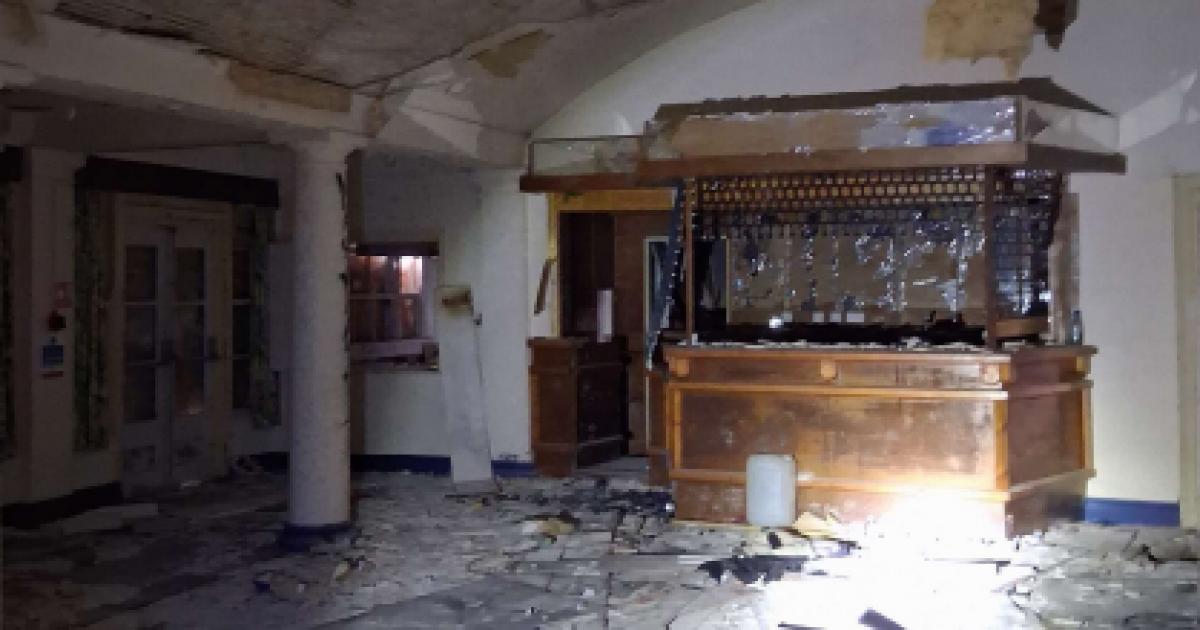
'Typical Internal Condition' Of Tennis Pavilion, Filey Road, Scarborough. NYC.‘Typical Internal Condition’ Of Tennis Pavilion, West Side., Filey Road, Scarborough. NYC.

​Other conservation repairs include works to dormers, cupola, chimneys, timber fascias and soffits, rainwater goods, the west-facing gable, and investigation/repair works to the principal entrance colonnade where required.

​The works also include the removal of asbestos-containing materials within the basement, specifically within the former boiler room.

Advertisement

‘Typical Internal Condition’ Of Tennis Pavilion, Filey Road, Scarborough.. NYC.

​“The works are required to address identified health and safety risks and to facilitate the safe future management and use of the building,” a report states.

​Align Property said: “The removal of the existing roof covering will result in the temporary loss of historic fabric.

‘Typical Internal Condition’ Of Tennis Pavilion, Filey Road, Scarborough. NYC

​“However, this is justified by the condition of the roof, which is beyond reasonable repair in its current state. The proposed reinstatement using matching natural slate and traditional detailing will preserve the building’s architectural character and ensure that its significance is maintained.

​“The proposed works are necessary to address both structural deterioration and health and safety risks associated with the building. Without intervention, the continued degradation of the roof structure will lead to further loss of historic fabric and potential structural failure.”

Advertisement

‘Typical Internal Condition’ Of Tennis Pavilion, Filey Road, Scarborough.. NYC

​The local planning authority has not set a date for deciding on the plans.

Source link

Advertisement
Continue Reading

Trending

Copyright © 2025