Connect with us
DAPA Banner
DAPA Coin
DAPA
COIN PAYMENT ASSET
PRIVACY · BLOCKDAG · HOMOMORPHIC ENCRYPTION · RUST
ElGamal Encrypted MINE DAPA
🚫 GENESIS SOLD OUT
DAPAPAY COMING

NewsBeat

Woman, 19, hit by tram in Edinburgh and seriously injured as major road closed

Published

on

Daily Mirror

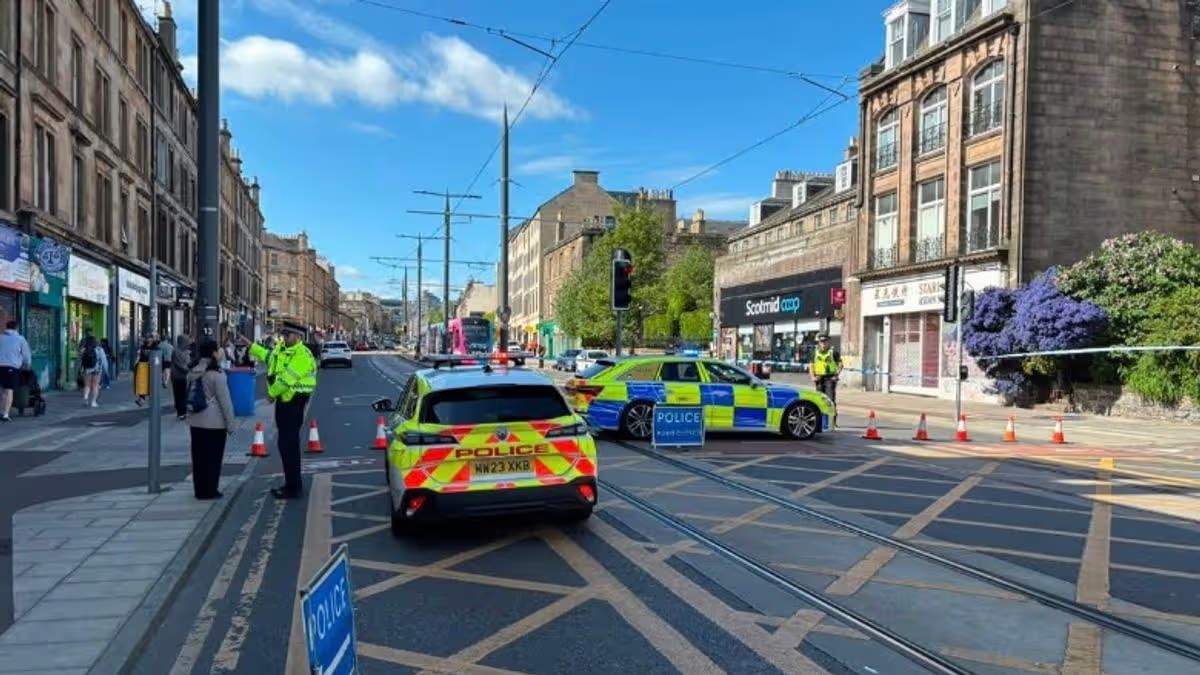
Police have closed Leith Walk in Edinburgh after a woman was struck by a tram on Sunday morning – officers are appealing for help from the public

A road remains closed in Edinburgh after a women was struck by a tram.

Police are appealing for information after a 19-year-old woman was struck by a tram on Leith Walk at around 8.50am on Sunday.

The incident happened between Albert Street and Pilrig Street near the Scotmid store.

Advertisement

Emergency services attended and the woman was taken to the Royal Infirmary of Edinburgh with serious injuries.

One resident told the Record a woman had been seen carrying black bags to bins across the road when the incident happened.

The local, who wished to remain anonymous, went out to help with a first aid kit, adding: “It happened right outside my flat. The crowd had already put her in the recovery position when I got there.”

The road remains closed while crash investigation work is carried out. Sergeant Michael Thomson said: “Our inquiries are ongoing to establish the full circumstances and we are asking anyone who can help who has not already spoken to officers to get in touch.”

Advertisement

Edinburgh Trams said: “Due to an incident between McDonald Rd and Balfour St trams are running a part route service between Edinburgh Airport & St Andrew Sq only.

“Ticket acceptance in place with Lothian buses between St Andrew Sq – Newhaven. Apologies for any inconvenience caused.”

Posting online, Police Scotland said: “Leith Walk is closed from Duke Street to Iona Street following a report of a collision involving a pedestrian and a tram that happened around 9am on Sunday, 24 May.

“Road users are advised to avoid the area.”

Advertisement

Lothian Buses confirmed services were being diverted from the area. They said on their site: “Due to a road closure buses are unable to serve Duke Street and Leith Walk and are instead diverted via London Road and Easter Road in both directions until further notice.”

Source link

Continue Reading
Click to comment

You must be logged in to post a comment Login

Leave a Reply

NewsBeat

Change is needed as additional needs kids are being failed

Published

on

Daily Record

Parents should not need to take legal action to get the support that their child needs to thrive, says Record View.

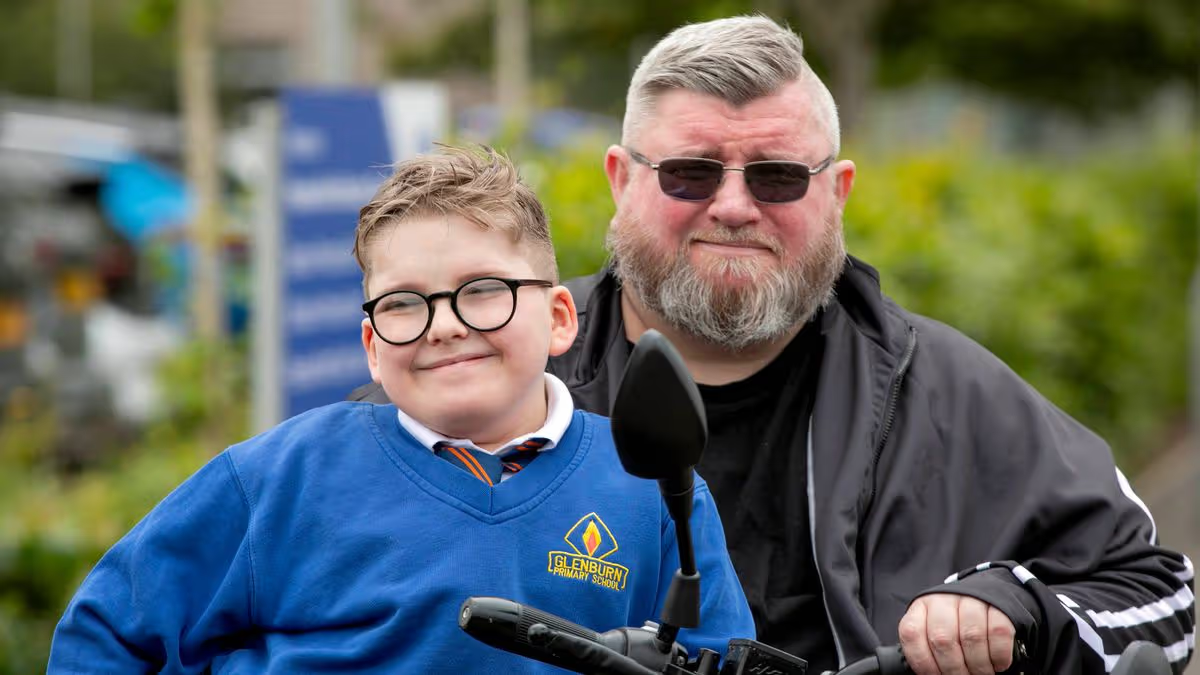
Dad Stephen Clark was terrified that his young son, who has special needs, would be unable to cope with a mainstream high school.

Advertisement

His boy Cameron, 10, who is described as non-verbal and at nursery level, was already struggling badly at a mainstream primary school.

And Stephen felt strongly that his lad should be in a special needs school that met his needs.

Most readers would assume that would be a straight forward matter and Cameron would be placed in the right school.

But that’s where things took a twist that Stephen did not see coming.

Advertisement

Education bosses, tied to a mantra of inclusion, told the dad that Cameron would have to remain in a mainstream primary – and then move on to the local high school.

Stephen decided that was not good enough.

With no legal training and zero experience of the court system, he decided to launch a legal action to get his boy where he needed to be – a special needs school.

And today we report that he was won that legal battle – forcing local school chiefs to give Cameron the schooling he needs.

Advertisement

Cameron’s case raises serious questions about how our schools are run.

Education “experts” have for many years dictated that special needs kids are best served in mainstream schools.

That may be true in many cases.

But it’s clear that there is a glaring lack of provision for children with additional needs.

Advertisement

Inclusion is a laudable aim – but too often it is used as an excuse to simply land more work onto already hard-pressed teachers.

Very often children with additional needs fail to get the attention they deserve.

While teachers often struggle to cope with the extra demands placed on them as a growing number of kids require specialist skills.

We hope this case shines a light on the issue and leads to the right kind of change.

Advertisement

And we are sure Cameron, with the help of his determined dad, will thrive in his new school.

Become immortals

It’s not often that a group of footballers can make history.

But that’s the position Steve Clarke’s lads find themselves in tonight.

A win or draw against Morocco would virtually guarantee our progress to the knock-out stages of a major tournament for the first time.

Advertisement

Think of all the greats who have worn the dark blue of Scotland.

Legends like Dalglish, Law, Souness, McCoist.

None of them have reached the promised land of the knock-out stages.

If Andy Robertson and his compadres do the business tonight they will be up there with the Scottish football immortals.

Advertisement

And, more importantly, they’ll never need to buy a drink ever again,

Get more Daily Record exclusives by signing up for free to Google’s preferred sources. Click HERE.

Source link

Continue Reading

NewsBeat

Claims of Dartmoor pony cull reignite row over how to save Britain’s moorlands

Published

on

Claims of Dartmoor pony cull reignite row over how to save Britain’s moorlands

The UK government has issued a denial after mounting speculation that 90% of Dartmoor hill ponies were to be culled.

Speculation started over confusion around current grazing policy. So why have these animals been dragged into a political storm?

Britain’s semi-wild pony herds should otherwise be a conservation success story. As concern grows over biodiversity loss and habitat degradation, these animals are increasingly recognised for the role they can play in restoring damaged landscapes.

But on Dartmoor, policy decisions intended to improve the condition of protected habitats appear to threaten the long-term future of the very ponies helping to maintain them. UK government agencies are again pushing for reductions in grazing animals on Dartmoor’s commons. If those changes go ahead, one of Britain’s most distinctive semi-wild pony populations could face an uncertain future.

Advertisement

That comes despite the findings of a recent independent review commissioned by Department for Environment, Food and Rural Affairs (Defra). The Fursdon review was launched in 2023 after a bitter dispute over how Dartmoor’s protected moorland should be managed. Its aim was to find ways to improve the condition of the moor while supporting the people and traditional practices that help shape it.

The review concluded that ponies are an important part of the solution.

Unlike sheep and cattle, ponies occupy a distinct ecological niche, as my research has shown. They eat more vegetation relative to their body weight than ruminants (such as cattle, goats and sheep). They also graze differently.

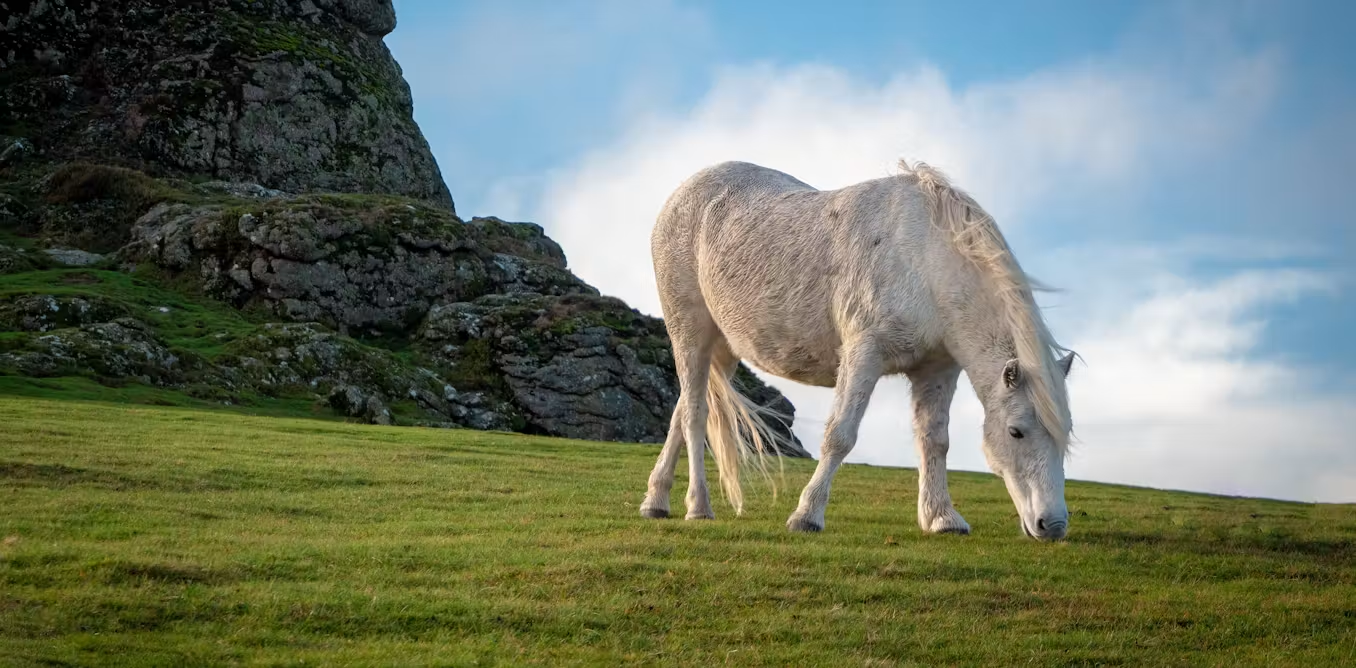
Dartmoor hill ponies on frosty morning.
Blister Brady/Shutterstock

Like cattle, ponies are generalists, willing to eat rougher and less nutritious plants that sheep tend to avoid. Ponies are more likely than cattle to graze purple moorgrass (Molinia caerulea), a species that has spread widely across parts of Dartmoor and many other upland areas. Managing molinia was identified by the review as an important conservation priority.

Advertisement

These characteristics help explain why ponies are increasingly being used by organisations such as the National Trust, RSPB and local Wildlife Trusts in habitat restoration projects across the UK. In many places, they are now recognised as valuable conservation grazers.

So why are semi-wild ponies such as the Dartmoor hill pony, the Carneddau pony (of parts of Eryri, also known as Snowdonia) and the Welsh hill pony under threat? At a time when nature recovery, biodiversity and rewilding dominate environmental debates, why are we in danger of losing animals that have lived on Britain’s hills for thousands of years?

Part of the answer lies in what these ponies are not.

They are not “proper” breeds. They have no breed standard, no stud book and no pedigree registration. They will never appear in the ring at the Horse of the Year Show. They are classified as semi-wild or feral because the takhi or Przewalski’s horse (a rare and endangered wild horse originally native to the steppes of central Asia) is considered to be the only remaining wild horse.

Advertisement

But that can obscure something important. For thousands of years, the physical and behavioural characteristics of these local pony populations have been shaped largely by natural selection rather than human breeding. These animals are fundamentally different from modern native breeds that have been selectively bred by people.

The Dartmoor pony and the Welsh mountain pony, for example, were both formalised in the early 20th century and include Arabian bloodlines. Despite their similar names, they should not be confused with the semi-wild hill ponies that continue to roam the uplands.

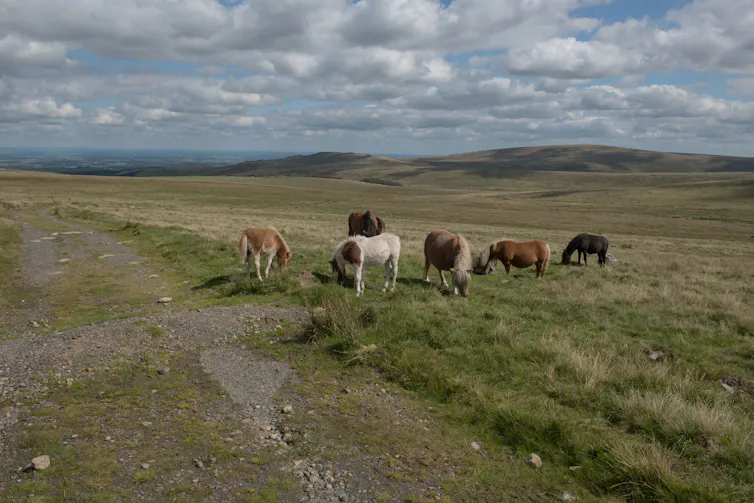
Semi-feral Dartmoor hill ponies grazing on Dartmoor.
Peter Turner Photography/Shutterstock

Not livestock nor wildlife

Nor are these animals really livestock. Although they are technically owned by the commoners and pony keepers on whose land they graze, they are not kept for agricultural production. Their numbers are managed through periodic round-ups, but the animals have little commercial value.

The Fursdon review recognised this distinction. It recommended that “ponies and cattle should not be linked for the calculation of stocking rates” and that any actions likely to reduce pony numbers should be avoided.

Yet new countryside stewardship agreements are setting grazing limits for “cattle and/or ponies” as though the two are interchangeable. Meanwhile, wild deer, which are also large grazing herbivores, are excluded from those calculations.

Advertisement


À lire aussi :
Wildfire risk is now spreading to cool climates like the Scottish Highlands and Irish uplands


Semi-wild ponies do not fit neatly into the category of wildlife either. They receive none of the legal protections available to wild species and their habitats. Despite their semi-wild status, they are often overlooked in rewilding projects that seek to restore natural grazing processes. Instead, some projects have favoured imported Konik ponies (a Polish pony breed), often based on questionable assumptions about their origins and suitability.

As a result, semi-wild pony populations have spent years falling between the cracks of conservation and agricultural policy. That would be a remarkable fate for animals that have been part of Britain’s uplands since the Bronze age.

Dartmoor hill ponies were already grazing the moor as the peatlands that dominate today’s conservation debates were expanding across the landscape. They have lived through Saxon settlement, the rise and decline of tin mining and successive waves of agricultural policy that encouraged both overgrazing and undergrazing.

Advertisement

Today, these ponies are more than a cultural symbol. They are living components of upland ecosystems and are increasingly recognised as valuable partners in habitat restoration. If society is serious about nature recovery, it should attempt to find ways to protect and support these unique herds.

It would be a bitter irony if animals that can help restore damaged landscapes were lost because environmental policymakers failed to recognise their value.

Source link

Advertisement
Continue Reading

NewsBeat

Makerfield by-election winner announced as Andy Burnham claims vital seat for leadership bid

Published

on

Daily Record

Voters in the Greater Manchester constituency went to the polls on Thursday, with their decision having huge implications for Keir Starmer, the Labour Party, and the UK as a whole

Results for the Makerfield by-election, in what could be one of the most decisive moments in recent British political history, have been announced.

Voters in the Greater Manchester constituency went to the polls on Thursday, with their decision having huge implications for Keir Starmer, the Labour Party, and the UK as a whole.

Advertisement

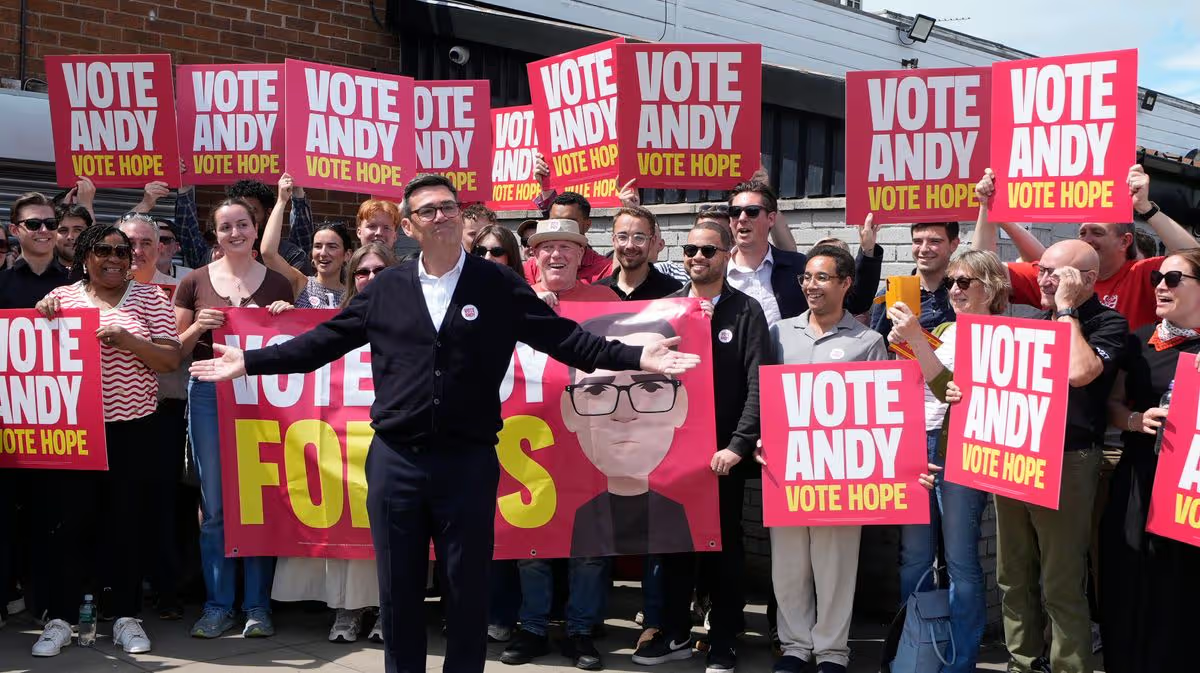
It was announced on Friday morning that Andy Burnham won the seat with 24,927 votes – Reform and Rob Kenyon finished on 15,696 votes.

The election was triggered by the resignation of Labour MP Josh Simmons, who stood aside to allow Andy Burnham, the mayor of Greater Manchester, the chance to return to parliament as an MP.

Burnham, who was previously barred by the Labour Party from standing in the recent Gorton and Denton by-election, which was won by the Green Party, was the favourite to win the seat.

However, he faced opposition from Reform UK candidate Robert Kenyon, a plumber and Wigan councillor who had faced criticism over historic social media posts.

In total there were 14 candidates contesting the seat.

Burnham previously served as MP for Leigh from 1997 to 2017, and was Culture Secretary and briefly Health Secretary under Gordon Brown.

He was elected Mayor of Greater Manchester in 2017, winning three terms.

Advertisement

Before polls opened, Prime Minister Sir Keir Starmer said he was willing to offer Burnham a “big” job in his Government, should he win.

However Burnham is widely expected to challenge Starmer for leadership of the Labour Party, and seek to replace him in No 10.

The Makerfield poll was one of the three parliamentary by-elections taking place today, with voters in two Scottish constituencies also selecting new MPs.

Advertisement

The contests in Aberdeen South and the Arbroath and Broughty Ferry constituency were triggered following the election of local SNP MPs Stephen Flynn and Stephen Gethins to Holyrood last month.

They were won by the Conservatives in Aberdeen South and held by SNP in Arbroath and Broughty Ferry.

The full list of candidates in the Makerfield by-election were (in alphabetical order by surname):

  • Jake Austin, Liberal Democrats
  • Count Binface, Count Binface Party
  • Andy Burnham, Labour and Co-operative Party
  • Dan Clarke, Libertarian Party
  • John Dyer, Independent
  • Ed Gemmell, Climate Party
  • Paul Gould, Independent
  • Alan ‘Howlin’ Laud Hope, The Official Monster Raving Loony Party
  • Robert Kenyon, Reform UK
  • Robert Pownall, Independent
  • Rebecca Shepherd, Restore Britain
  • Sarah Wakefield, Green Party
  • Peter Ward, Rejoin EU
  • Michael Winstanley, Conservative Party

Source link

Continue Reading

NewsBeat

Vance postpones trip to lead new US talks with Iran

Published

on

Vance postpones trip to lead new US talks with Iran

WASHINGTON (AP) — The White House said Thursday night that Vice President JD Vance was delaying a trip to Switzerland, where he’d been set to lead a new round of negotiations with Iran over its nuclear program — raising questions about what’s next for the tentative agreement to end the war.

The team led by Vance had been ready to leave but was postponing, the White House said, citing difficult logistics for negotiations. The announcement followed a report from Al-Mayadeen, a pan-Arab satellite channel that is politically allied with the Iranian-backed Lebanese militant group Hezbollah, that Iran was delaying sending its delegation to Switzerland over Israel’s ongoing military campaign in Lebanon.

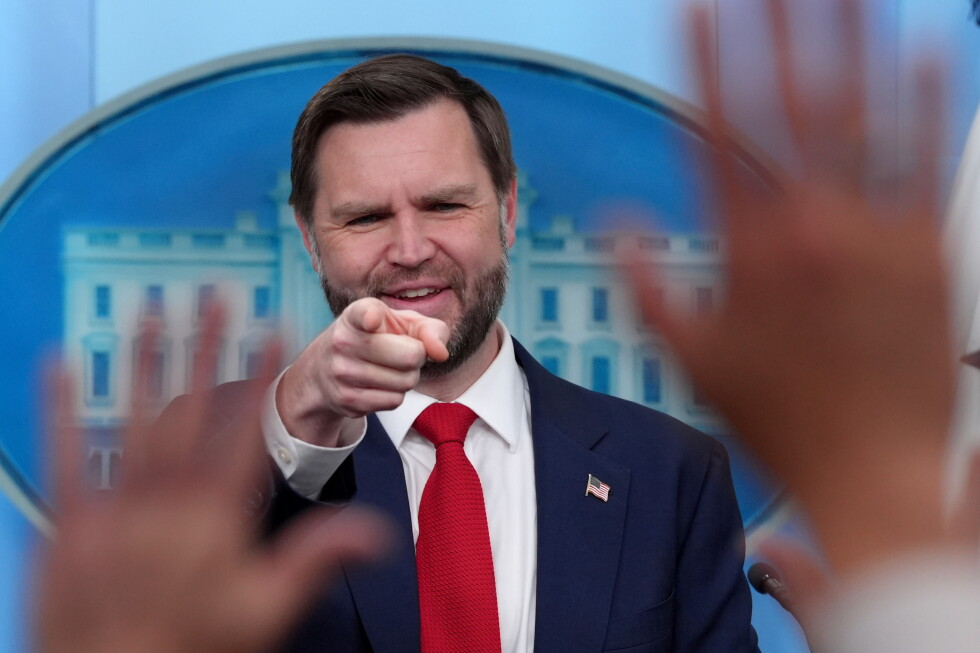
Vance, who was initially personally skeptical of the U.S. going to war with Iran, has increasingly become the administration’s face of the conflict and has been outspoken in defending the deal.

Earlier Thursday, he took the relatively unusual step of appearing at the White House to defend the initial deal to extend the ceasefire 60 days and allow for more negotiating — arguing that while it offers concessions, Iran first has to comply with U.S. demands.

Advertisement

“As they dial up their good behavior, we can dial up the economic relief,” Vance said. “If they dial down their good behavior, we can turn it off.”

But the vice president also had said during those remarks that he was not sure of the timing of his planned to Switzerland and that talks might not begin this week. The formal postponement now makes that even less clear.

Vance staying put in Washington came after the U.S. said it had lifted its blockade, allowing oil tankers to begin freely moving through the Strait of Hormuz after months of being unable to use the critical channel. Still, the tentative agreement has drawn sharp criticism from some in the U.S. — including a few congressional Republicans — who worry Washington ceded too much to Iran with relief from sanctions and a potential $300 billion fund to help with rebuilding.

Earlier, a top Trump administration envoy told U.S. lawmakers in a private briefing that Iran will invite the U.N.’s nuclear watchdog agency to inspect its nuclear sites.

Advertisement

And Iranian Supreme Leader Ayatollah Mojtaba Khamenei had seemed to endorse direct negotiations for his officials.

“It is obvious that the face-to-face negotiations that will be held in the future will not mean accepting the enemy’s opinion,” he said in a statement read by state media.

It was Khamenei’s first reaction to the agreement, and it was interpreted as a shift in Iran’s approach. Hard-liners, especially Khamenei’s father, the previous supreme leader, have long opposed direct talks, especially after the U.S. pulled out of the 2015 nuclear deal between Iran and world powers.

The supreme leader has not been seen in public since he was wounded in a strike at the start of the war.

Advertisement

Lawmakers told Iran will invite UN inspectors to its nuclear sites

The agreement states that Iran’s stockpile of highly enriched uranium must at minimum be diluted under international supervision. It also says that Iran shall not procure or develop nuclear weapons — a commitment it has made previously.

Trump envoy Steve Witkoff told members of Congress that Iran will invite the International Atomic Energy Agency to inspect its nuclear sites and begin work on identifying and uncovering the locations of Tehran’s enriched material, which is believed to be buried under rubble.

Witkoff’s private briefing was described by two people familiar with the conversation who spoke to The Associated Press on condition of anonymity to share the closed-door details.

The agreement requires Iran to “commit to renounce their nuclear ambitions in writing,” said White House spokeswoman Olivia Wales. The IAEA did not respond to a request for comment.

Advertisement

Witkoff told congressional leadership and members of national security-related committees that the agreement the U.S. struck with Iran did not include any side deals, but a side letter was drafted between Tehran and the IAEA extending the invitation.

Witkoff said the letter to IAEA Director-General Rafael Mariano Grossi would enable him to bring U.S. nuclear inspectors to Tehran.

Vance defends US-Iran deal and has sharp words for Israel

Before Vance delayed his trip, Pakistani Prime Minister Shehbaz Sharif postponed a planned visit to Switzerland, where Islamabad officials had originally planned to host a ceremonial signing ceremony for the agreement. That visit was postponed because the agreement had already been signed by both Iran and the U.S., said two senior officials who spoke on condition of anonymity because of the sensitivity of the matter.

President Donald Trump signed the initial pact with Iran on Wednesday while dining with French President Emmanuel Macron at the Palace of Versailles. The deal is slated to take immediate effect and extends a ceasefire while giving each side 60 days to hammer out broader agreements on larger issues.

Advertisement

Vance, in his comments at the White House, shrugged off criticism about the confusing rollout of the initial deal, saying, “I don’t think our public messaging has been chaotic.”

He also offered a blunt warning to Israel, which has pushed the U.S. to take a harder stance against Iran and launched attacks on the Iranian-backed Hezbollah militia in Lebanon throughout the war, including just before the deal extending the ceasefire was reached. Those attacks complicated the peace efforts with Iran.

Trump “is the only head of state in the entire world who is sympathetic to the nation of Israel at this moment in time,” Vance said. “And he happens to be the head of state of the world’s superpower.”

Shipping starts to pick up

Trump said he signed the agreement to avoid “economic catastrophe” in the U.S., after the war caused oil prices to skyrocket, made financial markets skittish and fueled inflation. The deal caused gas prices to fall and stock markets to rise — though rallies could be threatened again depending on how the next round of U.S.-Iran talks go.

Advertisement

The vice president said more than 12.5 million barrels of oil went through the Strait of Hormuz on Wednesday night and said that the U.S. easing its blockade of Iran means “honoring our end of the early part of the agreement on the military side.”

U.S. Central Command said American warships “will remain in the general area to make sure that all aspects of the agreement are adhered to, obeyed and in full force and effect.”

Iranian state media said shipping had “normalized” at Iran’s southern ports but added that the strait remains supervised and under the control of the Iranian military, and transiting through the vital waterway still requires coordination.

Major shipowners began moving vessels through the strait after the agreement was signed, according to maritime data company Lloyd’s List Intelligence, though Lloyd’s did not give data on how many ships have passed through the strait as of Thursday.

Advertisement

In a media briefing, Richard Meade, editor-in-chief of Lloyd’s List, said for the first time in 110 days, ships owned by major companies are transiting the strait after effectively being marooned there since February. It could take weeks or months to fully reopen the strait, and the two alternative routes do not have as much capacity as the strait’s central passage.

___

Associated Press writers Munir Ahmed in Islamabad; Aamer Madhani in Zurich; Collin Binkley in Washington; Mae Anderson in New York; and Nasser Karimi in Tehran, Iran, contributed to this report.

Advertisement

Source link

Continue Reading

NewsBeat

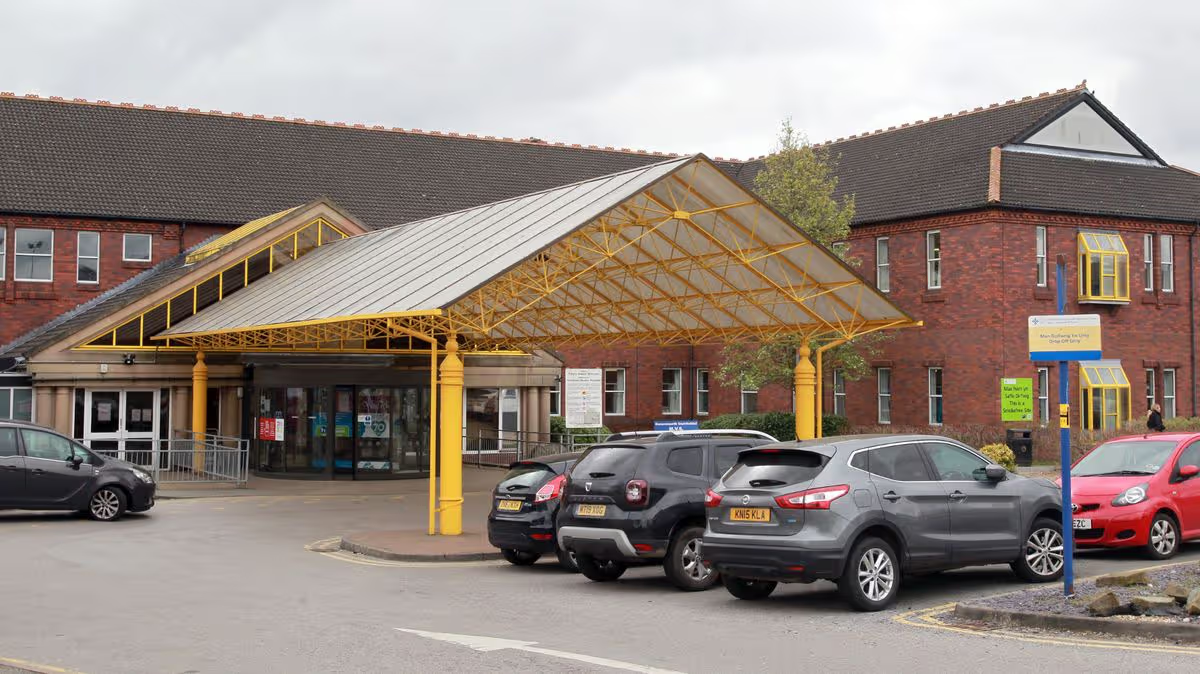
Patient given wrong drugs when they left hospital died of overdose two days later

Published

on

Wales Online

There was poor communication and a lack of checks before the medicine was given to the man

A patient was wrongly given morphine when discharged from hospital and died of an overdose two days later. The patient was given the drug without being made aware of the risks or given guidance on using it safely.

Advertisement

An inquiry by the ombudsman has said it was a “serious injustice” that the patient was prescribed Sevredol.

The patient, who is not being named, was treated at Wrexham Maelor Hospital, which is part of Betsi Cadwaladr University Health Board. His wife made the complaint about the care of her late husband in March 2024.

The Public Services Ombudsman for Wales said a series of failures in medication prescribing and checking, and poor communication between medical and pharmacy teams, led to the mistake.

The patient, referred to as Mr P, was mistakenly issued morphine sulphate on leaving hospital.

Advertisement

The prescribing consultant had prescribed the medication for use in hospital only and believing, wrongly, that Mr P had been taking it before admission.

There was a series of failures by the medical and pharmacy teams to carry out expected checks which would have identified this error.

“The failings were compounded by poor communication and a lack of effective multidisciplinary working. As a result the medication was issued against the prescriber’s intentions,” the ombudsman says. For our free daily briefing on the biggest issues facing the nation, sign up to the Wales Matters newsletter here

There was also a failure to document appropriate clinical reasons for the prescription given that opioids are not recommended for migraine or headache treatment under relevant guidance.

Advertisement

Mr P was given a controlled medication without being made aware of the risks or given guidance on safe use, including the risk of potentially fatal unintentional overdose, and the patient shouldn’t have been given it, the report found.

He died of a morphine overdose two days later.

“While it was not possible to determine whether the hospital supply directly caused his death supplying morphine sulphate in error, without appropriate advice, significantly increased the risk of accidental overdose. This was an extremely serious injustice to Mr P and his family,” the ombudsman’s release says.

Public Services Ombudsman for Wales, Michelle Morris, said: “This case highlights a series of failures in prescribing, checking, and communication which led to a patient being supplied with a controlled drug in error.

Advertisement

“This represents an extremely serious injustice to Mr P and to his family. These failings should have been identified and addressed at an earlier stage.”

The ombudsman criticised the health board for not being open with the family in the aftermath.

Health boards are subject to the “duty of candour”, which is a legal and professional obligation to be completely open, honest, and transparent with patients or their families when something goes wrong during treatment that has caused, or could cause, significant harm

“I am also concerned that the health board has again fallen short of the duty of candour and I expect it to ensure that the spirit and requirements of the duty are fully embedded in everyday practice,” the ombudsman said.

Advertisement

The report was issued so the health board, and others, are aware, the ombudsman said.

She has suggested an apology and financial redress is paid, that a review should be carried out, and learning points issued to staff.

Deputy executive director of nursing at Betsi Cadwaladr University Health Board, Chris Lynes, said: “On behalf of the health board I apologise unreservedly for the failures identified in Mr P’s care. We fell short of the standard that should be expected.

“We are sending a direct letter of apology to his family imminently and we wish to assure them that we take the ombudsman’s findings very seriously and we are committed to ensuring the lessons identified are fully acted upon.

Advertisement

““We also acknowledge her comments surrounding our complaint handling and responses.

“The health board is fully committed to the duty of candour, the contract we have with the public to be open and honest, and we will continue to address the concerns raised in the ombudsman’s conclusion.”

Source link

Advertisement
Continue Reading

NewsBeat

Why more births now end in caesarean section

Published

on

Why more births now end in caesarean section

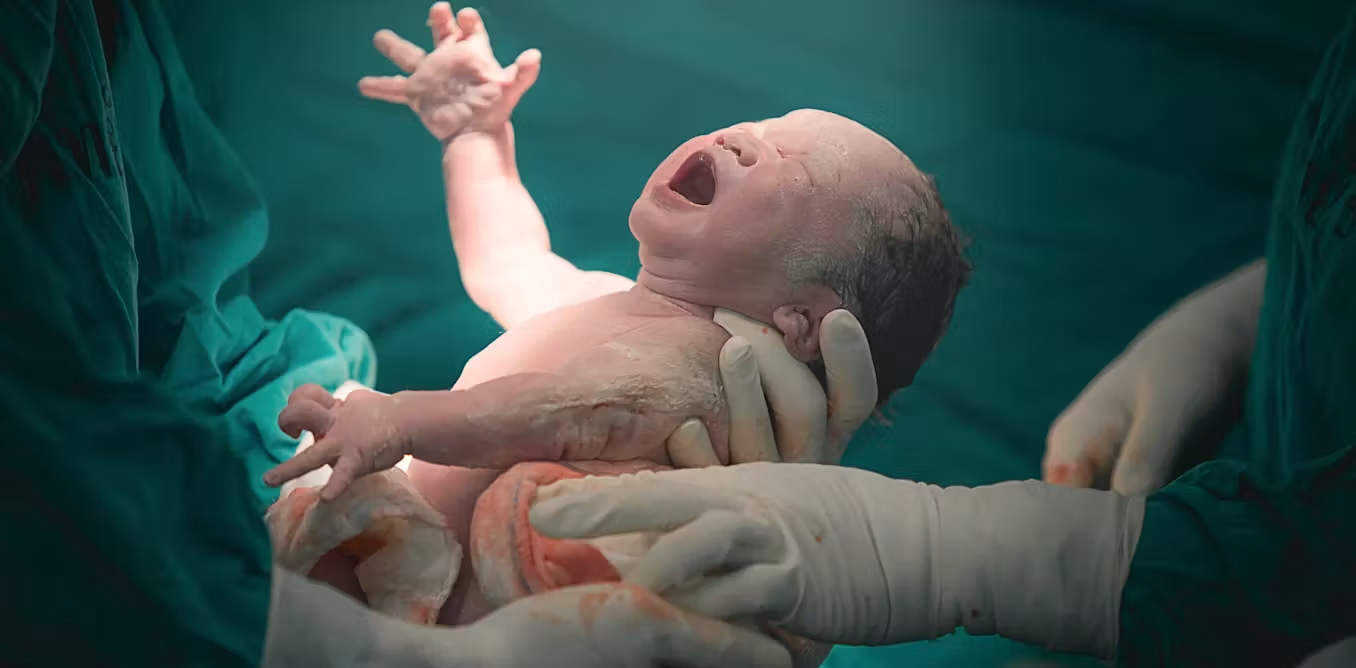
Official NHS maternity statistics show that caesareans accounted for 45% of deliveries in English NHS hospitals in 2024-25. More recent monthly NHS maternity data reported that 27% of deliveries under NHS maternity services in January 2026 were emergency caesareans.

But a recent BBC analysis noted that this increase has not been accompanied by similarly clear reductions in stillbirth or neonatal mortality rates. If outcomes are not improving at the same pace as interventions, what is driving the growth in caesarean births?

Common explanations include workforce shortages, litigation concerns, maternity safety scandals and changing perceptions of risk. However, focusing solely on clinical factors risks overlooking how ideas about safety, responsibility, trust and uncertainty all shape childbirth decisions.

Advertisement

Fear, anxiety and uncertainty

In Bangladesh, where I recently completed doctoral research on childbirth and rising caesarean section rates, caesareans accounted for around 45% of births in 2022. Approximately 69% of institutional births were delivered surgically.

Unlike England’s NHS-based system, childbirth in Bangladesh increasingly takes place within a commercial healthcare market. This includes private clinics, out-of-pocket payments and maternity packages. In practice, this can make paid access to scans, senior doctors, private facilities and fixed packages feel like routes to safety. Caesarean birth may then be understood less as an exceptional intervention and more as the managed, predictable option.

For many families in Bangladesh, safety was a medical, emotional and financial concern. It was sought through spending, testing and access to trusted doctors. As one husband put it: “If I could afford 20,000 BDT [around £120], why not pay 25,000 BDT for better care?” Yet improvements in maternal mortality have been far less pronounced, raising questions similar to those emerging in England.

My research explored how childbirth decisions are made. Women and families frequently described caesarean section as “nirapod” (safe). Yet many also experienced it as a lifelong “khoto” (wound), associated with pain, emotional distress and financial burdens. As Monisha, one of the mothers I interviewed, reflected: “Caesarean leaves scars (khoto) that last a lifetime.”

Advertisement

This contradiction reveals an important feature of childbirth decision-making. Caesarean birth is both a medical procedure and a social and moral experience shaped by fear, anxiety, uncertainty and the promise of safety. As Nadia, who underwent two caesareans, recalled: “I felt I had no space to express my choice, and I ended up convincing myself that they were doing it for my good.”

Decisions were shaped by medical advice, family expectations, trust in doctors and economic pressures. Among surveyed mothers, 44% underwent elective caesareans and 56% emergency procedures. Yet 60% reported that the decision had been made at least a month before delivery, suggesting that many birth pathways were established well before labour. Trust in medical expertise was central: most women surveyed, 71%, underwent caesareans recommended by doctors, while only 6% reported making the decision themselves.

Trust in medical authority often became a way of managing uncertainty. As one woman said: “I trusted her more than anyone else.” Decisions were rarely framed as personal preference. They were presented as responsible actions taken for the baby’s wellbeing. One participant recalled: “The doctor left the decision to me, so I decided. That was my weakness, but also my right.” Although responsibility was shared across families and healthcare providers, it often fell most heavily on women.

Related tensions around responsibility, risk and professional accountability can also be seen in England, although they take different forms.

Advertisement

Scrutiny and litigation

In England, clinicians work within systems shaped by scrutiny, inquiries and legal claims following adverse outcomes.

In Bangladesh, the pressures described by doctors in my research were often more immediate and personal. As one obstetrician observed: “If something goes wrong, I always worry about the risk of violence. I have to prioritise my safety first.” The contexts differ sharply, but in both England and Bangladesh caesarean section can become a way of managing uncertainty, avoiding blame and producing a form of safety that is as institutional and social as it is clinical.

In Bangladesh, these pressures operate within a healthcare system facing severe workforce shortages. The country has approximately seven physicians and six nurses or midwives per 10,000 people. By comparison, the UK has around 33 physicians and 95 nurses or midwives per 10,000 people.

Opportunities for continuous labour support and counselling are therefore limited. Midwives in my research often described having little influence over birth decisions. In both clinical and family narratives, caesarean section frequently emerged as the most predictable and controllable option, while vaginal birth remained associated with uncertainty.

Advertisement

Yet the promise of safety did not end vulnerability. Most women left hospital within days of surgery, while recovery was largely managed by families. Participants described ongoing pain, restricted mobility and emotional distress months after birth. As Maya reflected: “I did not understand why I was feeling like that… When my baby cried at night, I felt anger rising inside me.” Looking back, she felt she had experienced postpartum depression for almost a year.

Others described similar experiences, including chronic pain, sleep disruption and emotional distress during recovery. Mothers I spoke to in focus groups also repeatedly described chronic back pain as part of their post-caesarean recovery.

These accounts suggest that caesarean birth often redistributes rather than eliminates risk. While hospitals manage the surgery itself, much of the work of recovery is transferred to households, where families assume responsibility for ongoing care and support.

Advertisement

Emergency caesareans remain necessary, vital and often life saving. However, rising emergency caesarean rates in England, alongside very high rates in Bangladesh, suggest that broader social and institutional pressures shape how risk is understood and managed.

The rise in caesarean births is often framed as a clinical or public health issue. Yet evidence from England and Bangladesh suggests it is also social and political. Rising intervention rates cannot be understood through medical factors alone, but through how safety, uncertainty and responsibility are organised within maternity systems.

Increasingly, birth is shaped by efforts to anticipate and prevent future harms, placing responsibility for uncertain outcomes on women and families even when many of the forces influencing those decisions lie beyond their control. Childbirth therefore becomes a question of medical necessity, and of how societies organise safety, risk and care.

Advertisement

Source link

Continue Reading

NewsBeat

Canada star Ismael Kone hospital injury update as opponent issues apology for horror tackle

Published

on

Daily Mirror

Ismaek Kone was stretchered from the field after appearing to break his leg during Canada’s win over Qatar in the World Cup and went straight to hospital following the incident

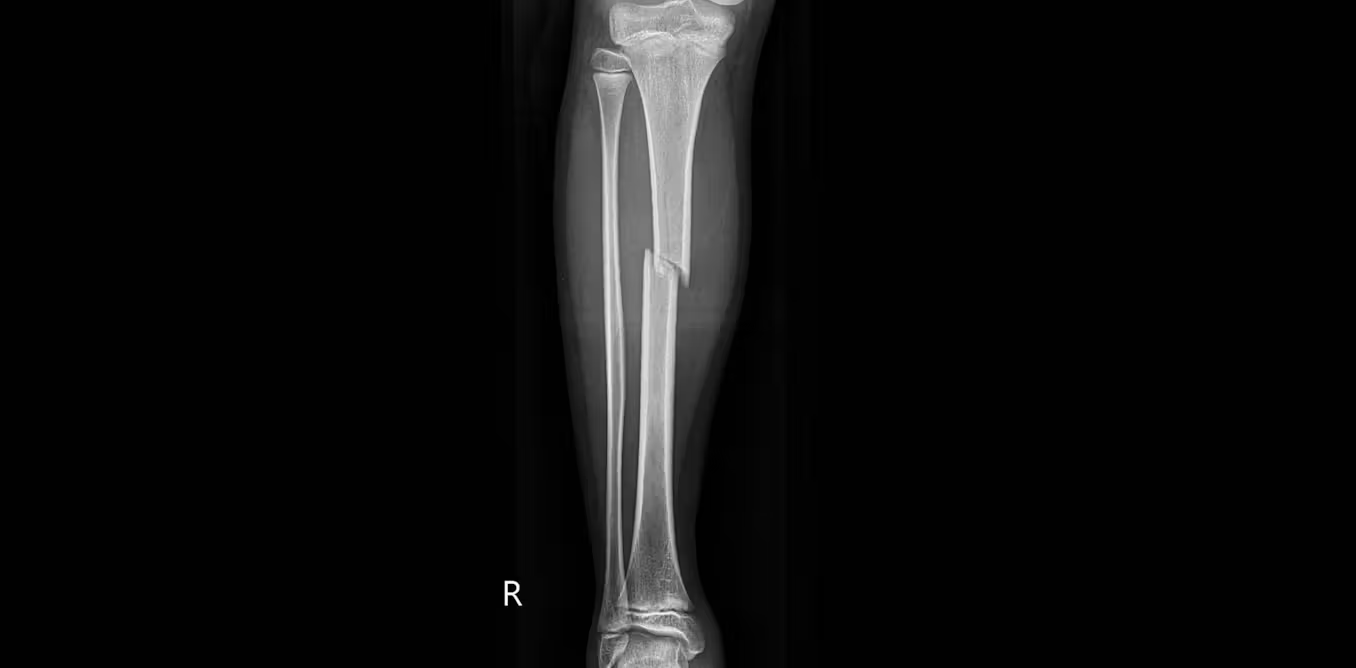
Canada star Ismael Kone is set to undergo surgery following his horrific injury suffered against Qatar. The midfielder has fractured his fibula and tibia, per reports.

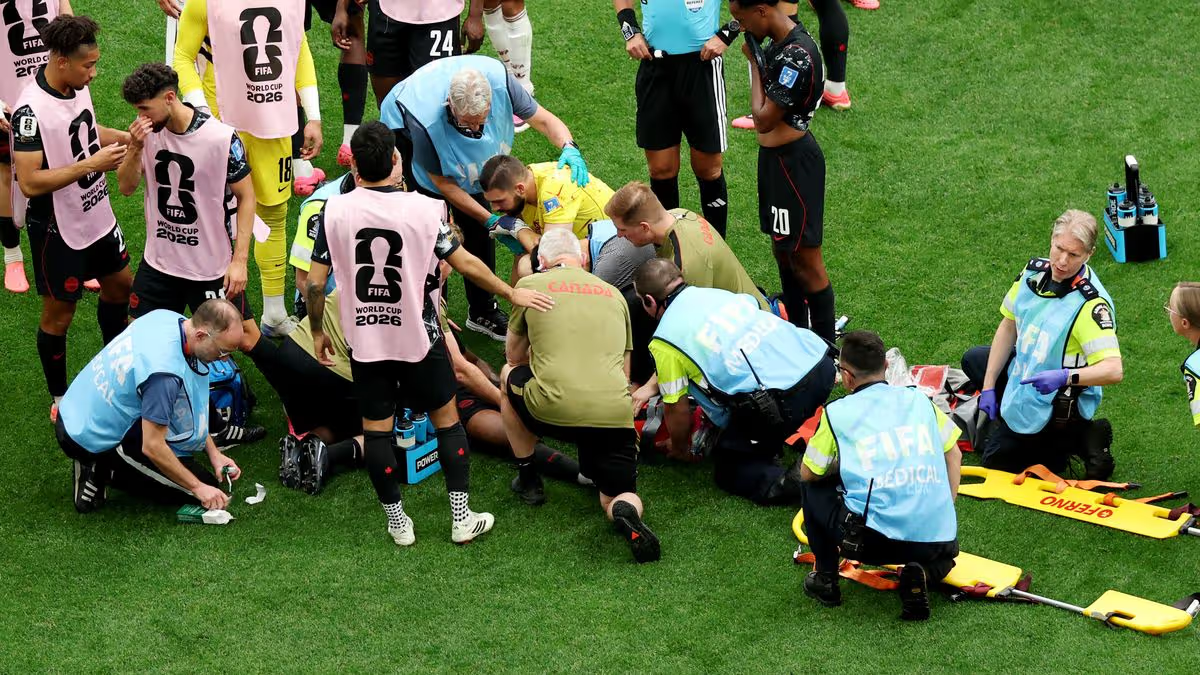
Kone was stretchered from the field after being fouled by Assim Madibo, who was sent off for his challenge. The Canada star was visibly in pain as soon as he hit the ground, while Madibo put his head in his hands.

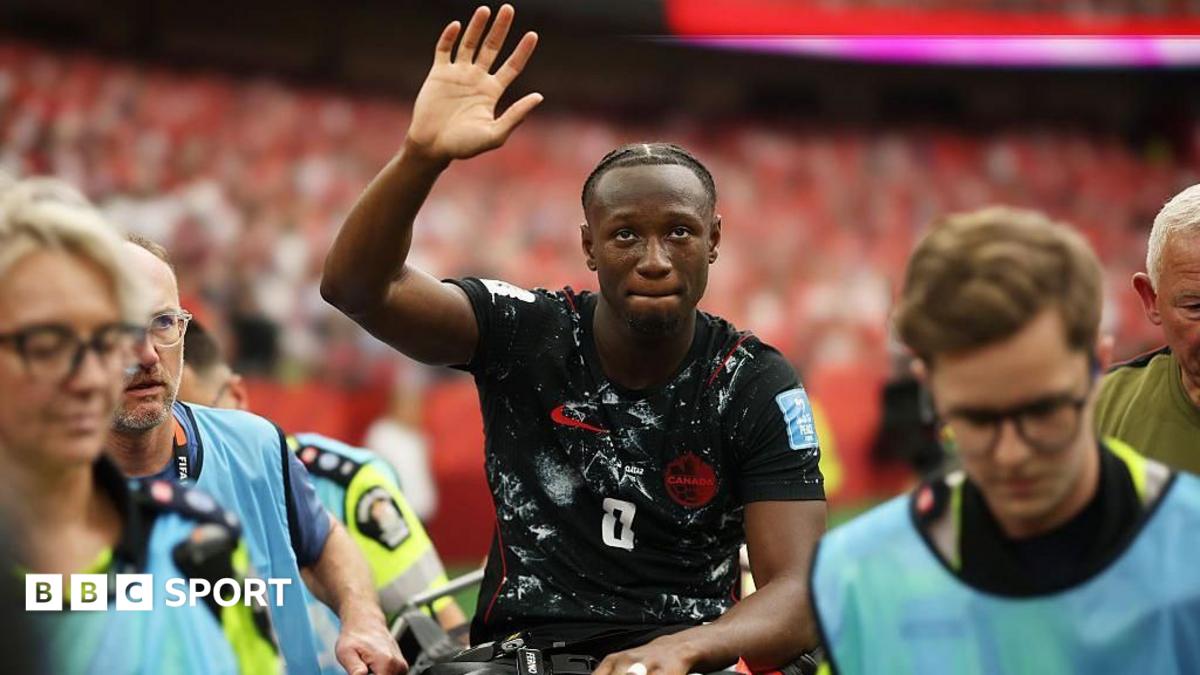
Tensions boiled over between players and on the sidelines as Kone received treatment. Concern filled the stadium but the 24-year-old was able to wave to the crowd as he was stretchered away.

Advertisement

Following the match, Jesse Marsch confirmed that Kone was at the hospital, accompanied by his mother, Suzanne, and preparing for surgery.

The former Leeds boss also confirmed that Madibo came into the dressing room to apologise for his challenge.

“I saw his leg. I saw that something wasn’t right,” Canada captain Stephen Eustaquio said, having been one of the first players to reach his team-mate.

“We’re going to miss (Kone). He has that X factor that our team really needs.”

Advertisement

Canada’s hat-trick hero, Jonathan David, questioned the need for the challenge that injured Kone. “If there’s a play where you cannot win the ball, there’s no point,” he said. “It’s just to hurt people.”

Get the latest World Cup news straight to your inbox by signing up to our Make Football Great Again newsletter now!

Marsch was full of praise for Kone following Canada’s win, and was adamant that the player still had a big future. He said: “Ismael is such a great kid.

Advertisement

“He’s so imperfect but that’s why you love him. He can do great things and the next moment he loses concentration. He embodies a lot of what the team is. It’s a huge loss for us.

“He’ll be fine, we’ll get him good doctors. He’s got a big future and he’s a big part of everything we’ll do.”

Despite the circumstances, Canada claimed a 6-0 win over Qatar. Following their fourth goal, scored by Kone’s replacement Nathan Saliba, the team paid tribute to the injured star.

Saliba claimed a shirt bearing his team-mate’s name and number after scoring an impressive free kick. He raised it aloft to the vast cheers of the home crowd.

Advertisement

Join our new WhatsApp community and receive your daily dose of Mirror Football content. We also treat our community members to special offers, promotions, and adverts from us and our partners. If you don’t like our community, you can check out any time you like. If you’re curious, you can read our Privacy Notice.

Upgrade your World Cup TV setup with the Sky Glass ‘designed for football’

This article contains affiliate links, we will receive a commission on any sales we generate from it. Learn more
Content Image

from £4.50

Sky

Get the deal here

Sky is knocking 20% off its entire range of Glass TVs to mark the start of the 2026 FIFA World Cup. Until June 17, shoppers can upgrade to the Sky smart TV that’s ‘designed for football’ from £4.50 per month when taken alongside a Sky TV and Netflix package.

Advertisement

Source link

Continue Reading

NewsBeat

Makerfield by-election winner announced as Andy Burnham wins seat for Labour over Reform

Published

on

Belfast Live

Voters in the Greater Manchester seat cast their ballots on Thursday, with the outcome closely watched for its potential impact on Sir Keir Starmer, Labour and the national political picture

The result of the Makerfield by-election, a contest widely viewed as a major test for Britain’s political parties, has been declared.

Voters in the Greater Manchester seat cast their ballots on Thursday, with the outcome closely watched for its potential impact on Sir Keir Starmer, Labour and the national political picture.

Advertisement

It was confirmed on Friday morning that the Labour Party and Andy Burnham secured victory with 24,927 votes – Reform and Rob Kenyon finished the night on 15,696 votes.

The by-election was called following the resignation of Labour MP Josh Simmons, who stepped aside to give Greater Manchester Mayor Andy Burnham the opportunity to seek a return to Parliament.

Burnham, who had been blocked by Labour from contesting the recent Gorton and Denton by-election, which was won by the Green Party, entered the race as the clear favourite.

Advertisement

His main challenger was Reform UK candidate Robert Kenyon, a plumber and Wigan councillor who had faced questions over historic social media posts.

In total there were 14 candidates contesting the seat.

Burnham previously served as MP for Leigh from 1997 to 2017, and was Culture Secretary and briefly Health Secretary under Gordon Brown.

He was elected Mayor of Greater Manchester in 2017, winning three terms.

Advertisement

Before polls opened, Prime Minister Sir Keir Starmer said he was willing to offer Burnham a “big” job in his Government, should he win.

However Burnham is widely expected to challenge Starmer for leadership of the Labour Party, and seek to replace him in No 10.

The Makerfield poll was one of the three parliamentary by-elections taking place today, with voters in two Scottish constituencies also selecting new MPs.

Advertisement

The contests in Aberdeen South and the Arbroath and Broughty Ferry constituency were triggered following the election of local SNP MPs Stephen Flynn and Stephen Gethins to Holyrood last month.

They were won by the Conservatives in Aberdeen South and held by SNP in Arbroath and Broughty Ferry.

The full list of candidates in the Makerfield by-election were (in alphabetical order by surname):

  • Jake Austin, Liberal Democrats
  • Count Binface, Count Binface Party
  • Andy Burnham, Labour and Co-operative Party
  • Dan Clarke, Libertarian Party
  • John Dyer, Independent
  • Ed Gemmell, Climate Party
  • Paul Gould, Independent
  • Alan ‘Howlin’ Laud Hope, The Official Monster Raving Loony Party
  • Robert Kenyon, Reform UK
  • Robert Pownall, Independent
  • Rebecca Shepherd, Restore Britain
  • Sarah Wakefield, Green Party
  • Peter Ward, Rejoin EU
  • Michael Winstanley, Conservative Party

Source link

Continue Reading

NewsBeat

US Open 2026: Rory McIlroy starts strongly before dynamic alters at Shinnecock Hills

Published

on

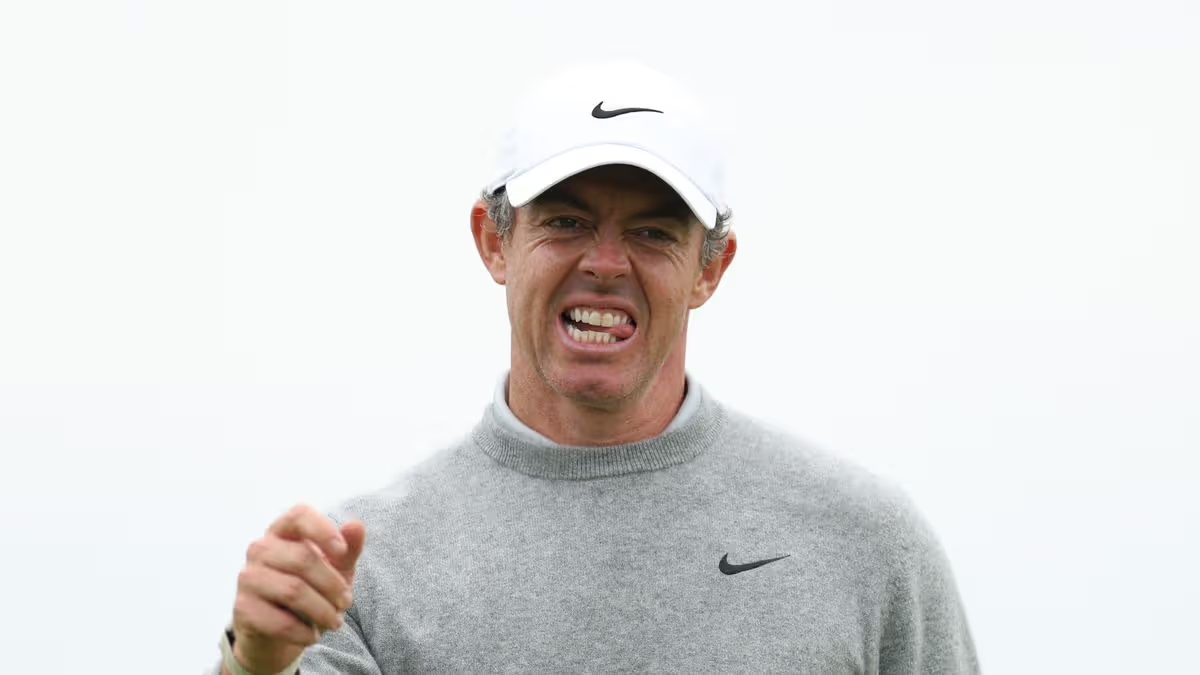
Rory McIlroy's cap flies off on the 13th hole

US Open, round one leaderboard

-6 W Clark (US**); -2 S Stevens (US), R Cowan (US*), M McGreevy (US), M Fitzpatrick (Eng**), G Woodland (US**), J Rahm (Spa**)

-1 R McIlroy (NI), L Aberg (Swe), B DeChambeau (US**); Level T Fleetwood (Eng); +1 J Parry (Eng), A Fitzpatrick (Eng)

Full leaderboard

Advertisement

Shinnecock Hills served up a tale of changing conditions that altered the dynamic on the opening day of the fog-hampered US Open.

The gloom of the early morning caused a two-hour delay and when play did resume, only six of the 78 early starters broke par as strong winds buffeted the notoriously tricky course on Long Island, New York.

However, having initially lived up to its reputation as one of the toughest tests in golf, a shift in the weather allowed the afternoon wave to capitalise as conditions became more benign.

The 2023 US Open champion Wyndham Clark led the charge, establishing a four-shot lead at six under with two holes of his first round remaining when darkness fell.

Advertisement

The 32-year-old American – one of 50 players who must return at 06:35 (11:35 BST) on Friday to finish their rounds – carded five birdies, an eagle and just a solitary bogey in his 16 completed holes.

In fact, 11 of the 17 players under par when the hooter signalled the end of play, were in the latter half of the draw, where the scoring average was a shot better than those out early.

That made the rounds of early starters Sam Stevens, Rory McIlroy and Ludvig Aberg all the more impressive.

Unfancied American Stevens led the way on two under, with world number two McIlroy and his Ryder Cup team-mate Aberg among those a shot adrift.

Advertisement

At that point, and with conditions forecast to deteriorate further, they would likely have expected to end the day closer to the lead than they are given how tough scoring is at Shinnecock Hills.

In the four most recent US Opens held at this venue, there have been 1,792 rounds and only 161 (9%) have been played under par. Just three players have ended up under par after 72 holes.

Much of that was down to the substandard playing conditions in both 2004 and 2018 with players accusing championship organisers the United States Golf Association (USGA) of “losing the course”.

Speaking recently to the No Laying Up podcast, USGA’s John Bodenhamer, the man responsible for course set-up this year accepted the previous conditions had been suboptimal but insisted they had “learned a lot”.

Advertisement

And that was clearly evident on Thursday, with the USGA ensuring the greens were not playing too quickly early on. They are also watering the putting surfaces and surrounds during the opening two rounds to stop them from drying out, and to keep the grass alive.

It was a decision that may have backfired slightly given the relatively benign conditions for the later wave, but the caution could be understood given the criticism they have faced.

The US Open is generally regarded as the toughest of the major tests and in the build-up all the players spoke of needing to remain patient. And that patience was tested from the off on Thursday with low-lying cloud and fog shrouding the course.

Once it had been dispersed by the strong gusts whipping in off the Atlantic Ocean, the true nature of the challenge ahead was laid bare.

Advertisement

Thick rough, five inches deep, flanks the fairways. Wispy fescue and undulating greens add further layers of complexity to Shinnecock’s fearsome reputation.

Not that McIlroy seemed perturbed as the wind gusted beyond 30mph across the 7,440-yard track.

The six-time major winner, who started on the 10th, knocked in two birdies in his opening three holes and even bogeys at the 13th and 16th did not appear to provide him with any cause to revaluate his approach.

During the round McIlroy, who successfully defended his Masters title in April, told Sky Sports pundit and two-time Solheim Cup winner Mel Reid that because conditions were “consistent” he was not finding the course too tricky.

Advertisement

He aptly demonstrated that after the turn with a birdie at the third and by carding a sensational eagle on the par-five fifth after hitting his tee shot a wind-assisted 396 yards before nudging his second shot to 11 feet and holing the putt.

Source link

Continue Reading

NewsBeat

Bolton and Manchester Airport trains delayed and cancelled

Published

on

Bolton and Manchester Airport trains delayed and cancelled

The disruption is also impacting Manchester Airport trains.

The issue affected numerous Northern routes, with services either cancelled, delayed, or revised.

A spokesperson for Northern said: “Services between Bolton and Manchester Oxford Road are being disrupted due to a broken-down TfW train.

Advertisement

“You can travel on the next Northern service to your destination, where available.

“Please note that other train operators may also be affected by disruption.

“Please check your whole journey before travelling.”

Northern confirmed that all ticket restrictions, including advance and peak, were lifted for affected routes during the disruption.

Advertisement

Services on the following routes will be affected by this disruption:
Between Manchester Airport and Blackpool North.
Between Manchester Airport and Barrow-in-Furness.
Between Manchester Airport and Windermere.
Between Rochdale and Blackburn / Clitheroe
Between Southport and Stalybridge
Between Blackburn and Manchester Victoria
Between Southport and Manchester Oxford Road.

Source link

Advertisement
Continue Reading

Trending

Copyright © 2025