Connect with us

NewsBeat

Xbox still not making a profit on console sales despite price rise says report

Published

on

Xbox still not making a profit on console sales despite price rise says report
X marks the flop (Microsoft)

An insider claims the Xbox Series X/S is still selling at a significant loss, and the August price hike still won’t push it into profit.

Video game consoles are typically sold at a loss at launch, with sales of peripherals, games, and online services like PlayStation Plus helping to recoup the costs. 

As we’ve seen with Sony’s PlayStation 5, consoles usually become profitable over time. However, with the current generation, the memory shortage has hiked up component prices, leading to a wave of console price increases to keep profits steady.

Every company has been impacted by these component costs, but Microsoft seems to be the most affected. Microsoft was already selling the Xbox Series X/S at a loss, as reported in 2022, but it seems the situation has only got worse four years later, due to the RAM crisis. 

Advertisement

According to Windows Central, Microsoft is losing ‘around $150 (£112) per Xbox Series X/S sold recently due to memory price increases’. Additionally, it’s claimed the console will still lose money after the August price hike, which will see the Xbox Series X 1TB model go up by $150. 

For a comparison, Sony’s PlayStation 5 has been profitable since 2021. However, it’s unclear if the memory crisis, which has caused Sony to increase console prices too, has changed that situation. 

Expert, exclusive gaming analysis

Sign up to the GameCentral newsletter for a unique take on the week in gaming, alongside the latest reviews and more. Delivered to your inbox every Saturday morning.

Advertisement

Nintendo, meanwhile, reportedly sold the Switch 2 at a loss when it launched last year, despite the company traditionally being the only console manufacturer to sell hardware at a profit straight from launch.

The company is introducing a price hike in September, which, according to Nintendo president Shuntaro Furukawa, was because they felt ‘the profitability of our hardware would suffer significantly’ if they kept the current price. 

Advertisement

Speaking to Bloomberg, Hideki Yasuda, an analyst at Toyo Research Advice, suggested a price increase for the Switch 2 would only make the console less of a burden, rather than truly profitable. In other words, it sounds like the Switch 2 will still be selling at a loss after September.

That’s common for a new console, if not a Nintendo one, but the Xbox Series X/S is almost six years old at this point – and is lagging far behind the PlayStation 5 sales wise. Xbox CEO Asha Sharma recently stated the component crisis has impacted the company more than its rivals.

How much have the current video game consoles sold?

Although Sony and Nintendo are happy to report their console sales, Microsoft stopped doing so early in the Xbox One (because they were embarrassingly bad) so the Xbox Series X/S figure below is only an estimate.

The PlayStation 5 and Xbox Series X/S were released in 2020, while the Nintendo Switch 2 launched in June 2025.

Advertisement
  • PlayStation 5 lifetime sales, as of March 2026: 93 million
  • Xbox Series X/S lifetime sales, estimated: 35 million
  • Nintendo Switch 2 lifetime sales, as of March 2026: 19.86 million

‘While the entire industry is facing a components crisis, we believe we have been impacted more greatly than many of our peers due to the choices we made over the last half decade,’ Sharma wrote in a memo to staff. ‘We are currently unable to make as many consoles as players want to buy, and we need a new business model and partnerships for hardware as we remain committed to [Project] Helix.’

With low sales, dismal profits, and a component crisis on top, it’s unclear how Xbox can claw its way back with its next console, Project Helix. The console is expected to launch in 2027 or 2028, and based on all the evidence, it will be far from affordable. 

Due to its losses over the past year, Xbox is set to layoff approximately 3,200 people before the end of the financial year. It has also cut several studios, including Double Fine and Ninja Theory. 

Xbox CEO Asha Sharma and Matt Booty
Can Asha Sharma turn things around? (Microsoft)

Email gamecentral@metro.co.uk, leave a comment below, follow us on Twitter.

To submit Inbox letters and Reader’s Features more easily, without the need to send an email, just use our Submit Stuff page here.

Advertisement

For more stories like this, check our Gaming page.

Advertisement
Advertisement

Source link

Continue Reading
Click to comment

You must be logged in to post a comment Login

Leave a Reply

NewsBeat

BBC axes three major TV shows as part of cost-cutting plans

Published

on

BBC axes three major TV shows as part of cost-cutting plans

Blankety Blank, Celebrity Mastermind and Live at the Apollo are among the programmes to be cut as part of efforts to deliver £500 million in savings over the next three years.

The decision comes amid ongoing financial pressures and forms part of the first phase of wider cost-cutting proposals.

A BBC spokesperson said: “We are incredibly proud of all three of these much-loved shows and would like to thank everyone involved, both in front of and behind the camera, for bringing them to screen and making them such a success over many years.

Advertisement

“Unfortunately, we have to make some really tough choices in light of our funding challenges, and these savings have been identified from the entertainment genre.”

Regular Mastermind, hosted by Clive Myrie, will continue, and both Celebrity Mastermind and Live at the Apollo still have one final series left to air.

The BBC said it will remain committed to commissioning ambitious entertainment programming and supporting comedy talent, including through new digital plans focused on stand-up and emerging performers.

The cuts are part of BBC Content’s target to deliver at least £100 million in recurring annual savings, which will lead to a reduction of 100 to 150 hours of original television programming across all genres by the end of 2027-28.

Advertisement

Further announcements regarding savings in the Content division are expected in the coming months.

Naga Munchetty to leave BBC Breakfast

BBC Breakfast presenter Naga Munchetty has announced she is leaving the morning programme after 17 years.

The TV star first joined the show back in 2009, but in December, she will leave to take up a new role as co-presenter of 5 Live Breakfast in 2027.

Ms Munchetty said: “I’m thrilled to be joining 5 Live Breakfast in January.

Advertisement

“Live news, great conversations, and connecting with audiences are what I love most about broadcasting, and 5 Live does all of that brilliantly.

“Presenting a flagship programme on 5 Live is an opportunity that was simply too good to pass up.

“It will take a huge amount of work and require 100% of my focus and energy, and I’m really looking forward to throwing myself into the role.”

Her appointment follows the announcement that current 5 Live Breakfast hosts, Rick Edwards and Rachel Burden, will step down in December.

Advertisement

Source link

Continue Reading

NewsBeat

Guilty plea after six-hour Radcliffe massage parlour stand-off

Published

on

Guilty plea after six-hour Radcliffe massage parlour stand-off

Ben Mason, 26, was arrested after police officers, including a firearms officer, a counter-terrorism officer, a dogs unit and tactical aid officers, were called to Stand Lane in Radcliffe on March 30.

Officers were on the scene around the Sunflower Massage Parlour for around six hours before Mason was arrested.

Speaking at the time, Chief Inspector Andy Wright of Greater Manchester Police’s Bury district said: “We understand how alarming these incidents may be to local communities and the wider public, but I would like to reassure you that this was an isolated incident and our armed officers were on scene to manage any potential risk.

Officers were on the scene (Image: SWNS/Phil Taylor)

“I would like to thank you all for your patience whilst our officers have been responding to this incident, and I urge anyone who may have concerns or questions to please speak with officers on scene and local patrols.

Advertisement

“They will always be happy to support.”

Emergency services were first called to the scene at around 2.15pm on the afternoon of March 30 this year, following reports of a disturbance.

Stand Lane was closed in both directions between Radcliffe New Road and Thornley Street as police dealt with the incident, with drivers advised to “find alternative routes”.

Ben Mason was arrested at the scene (Image: SWNS/Phil Taylor)

Just before 9pm, eyewitnesses reported seeing police officers gathered around the front of the parlour with a man taken out and put in a police van shortly afterwards.

Advertisement

Greater Manchester Police confirmed at the time that the incident was not counter-terrorism related despite the presence of counter terrorism officers.

This week, Mason, of Astbury Street, Radcliffe, appeared before Manchester and Salford Magistrates Court, where a guilty plea was entered.

The road was closed in both directions (Image: SWNS/Phil Taylor)

He confessed to using threatening, abusive or insulting words or behaviour with intent to cause fear of or provoke unlawful violence in breach of the Public Order Act.

According to court documents, this was directed towards a woman on Stand Lane on the date of the police stand-off.

Advertisement

Mason was granted conditional bail ahead of a pre-sentence report being prepared and is expected to appear again before the same court for sentencing on October 1 this year.

Source link

Advertisement
Continue Reading

NewsBeat

Scarborough – missing Derby teenager may be in town

Published

on

Scarborough - missing Derby teenager may be in town

Ligert, 16, from Derby, is understood to have travelled to Scarborough by train, North Yorkshire Police said.

The teenager was reported missing last Friday (July 24) after being last seen in Derby city centre at 1.10pm that day.

Missing Ligert (Image: Derbyshire Constabulary)

Derbyshire Constabulary has shared a new image of Ligert wearing a black Lacoste t-shirt and black and blue shorts which is what the force said he was wearing when he went missing. He was also carrying a blackback when last seen, police said.

A Derbyshire Constabulary spokesperson said the force is “growing concerned for the welfare of missing Derby teenager Ligert”.

Advertisement

They said it is believed Ligert boarded a train shortly after 2pm on July 24 and “may have gotten off at Doncaster or York”.

Ligert is described as being 5ft 10ins tall, with a slim build and dark short hair.

Anyone who has seen Ligert or may have information about is whereabouts is urged to phone 101 or 999 with an immediate sighting.

Information can be passed anonymously via Crimestoppers on 0800 555 111 or using its website.

Advertisement

Source link

Continue Reading

NewsBeat

Sewing Bee judge ‘in tears’ at York contestant’s dress

Published

on

Sewing Bee judge 'in tears' at York contestant's dress

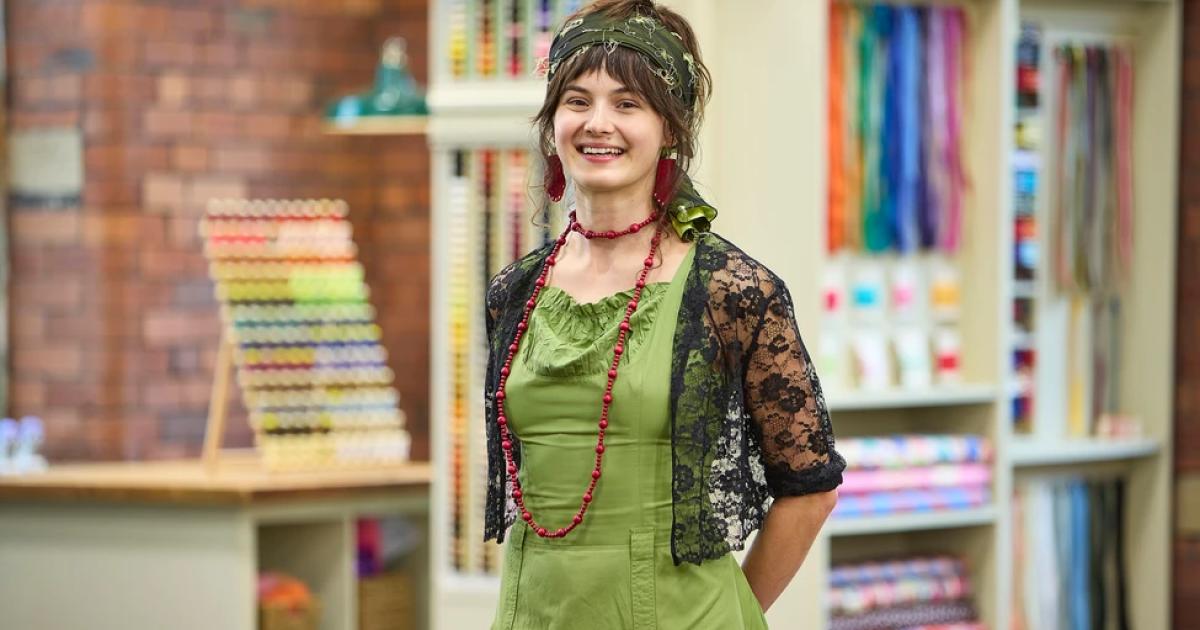
Anna, who is part of St Leonard’s Hospice’s retail team, wowed the judges during yesterday’s BBC show, taking the competition to a “completely different level” with her creativity and technical skill.

The episode was themed around Reduce, Reuse, Recycle and featured three sustainability-focused challenges.


Recommended reading:


In the technical task, contestants were given three hours to sew a set of three knickers from recycled T-shirts.

Advertisement

While Anna’s set, which included a pair of mint green, printed olive green and striped knickers showed promise, judge Esme Young felt they didn’t quite work together as a set and noted inconsistencies in sizing.

Anna placed sixth in the round.

However, it was in the transformation challenge—where contestants turn waste materials into wearable garments—that Anna truly shone.

She designed a form-fitting green dress, completely backless, with exposed seams and a dramatic criss-cross rope detail.

Advertisement

Commenting on this, Anna said: “I think the bold rope will work, and I want the train of the dress to be cut low.”

‘It’s just super cool’

Judge Patrick Grant was full of praise for the bold design.

He said: “I absolutely love that heavy rope at the back. The red and grey colouring of it lifts the whole dress.

“It’s just super cool.”

Advertisement

Anna won first place for the transformation challenge and was thrilled with the feedback.

She said: “I’m really happy with my design.

“I am so happy that the judges picked up on the ideas and themes that went into it.”

Anna, far right, on The Great British Sewing Bee, BBC.Anna (far right) has made it into week four of the prestigious competition (Image: BBC/Love Productions/Neil Sherwood))

The final challenge of the episode was to create a made-to-measure outfit with an environmental message.

Advertisement

Anna printed her fabric using Himalayan Balsam, an invasive species, by treating the cloth and then hammering the flowers onto it to transfer the dye.

She turned the fabric into an Indian calico dress, a style once popular in the 1880s and later banned because it was considered a threat to the local wool trade.

Anna said: “This type of dress was very popular in the 1880s, but it was banned because it was considered a threat to the local wool trade.”

Her model wore the dress on the catwalk, and the judges were deeply impressed.

Advertisement

‘One of the best things I have seen on Sewing Bee’

Mr Grant said: “The fit of the dress is phenomenal. Anna took the whole thing to a completely different level.

“I cannot remember seeing something so extraordinarily beautiful.

“It was so incredibly well thought out and it moved me to tears.

“It’s one of the best things I have seen on Sewing Bee.”

Advertisement

Esme also praised the design, saying that she loved the drapes in the dress and the fact that Anna made it.

Patrick added: “It is an absolute joy to behold”.

Anna’s Indian calico creation was named Garment of the Week, securing her position as one of the favourites in the competition.

Advertisement

Source link

Continue Reading

NewsBeat

Manchester city centre incident LIVE as man suffers ‘possibly life-changing injuries’ at Market Street tram stop

Published

on

Manchester Evening News

Source link

Continue Reading

NewsBeat

A new measure of courage: how Maasai warriors became lion guardians

Published

on

A new measure of courage: how Maasai warriors became lion guardians

Can conservation succeed by adapting tradition rather than erasing it? In east Africa, Maasai warriors are redefining what it means to be brave by helping people and lions co-exist

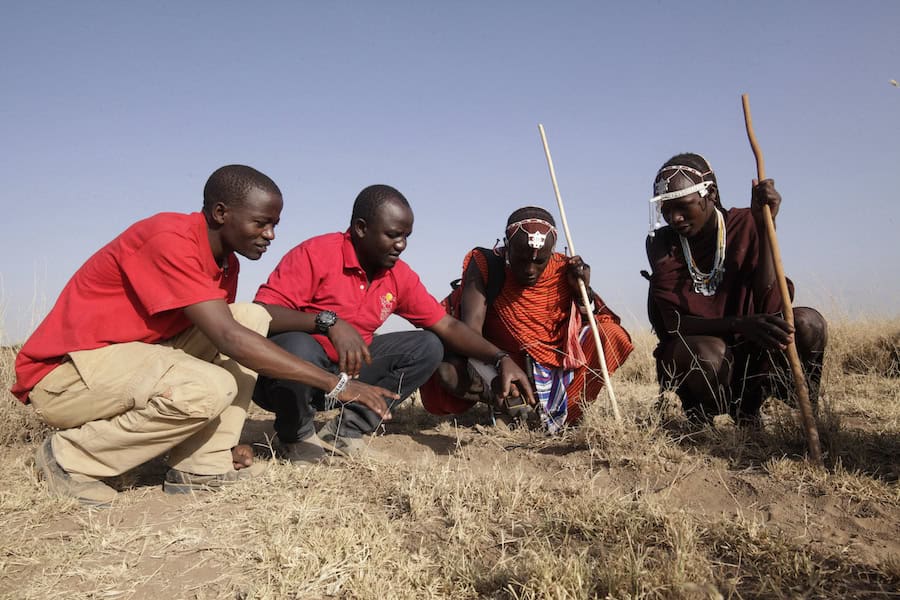
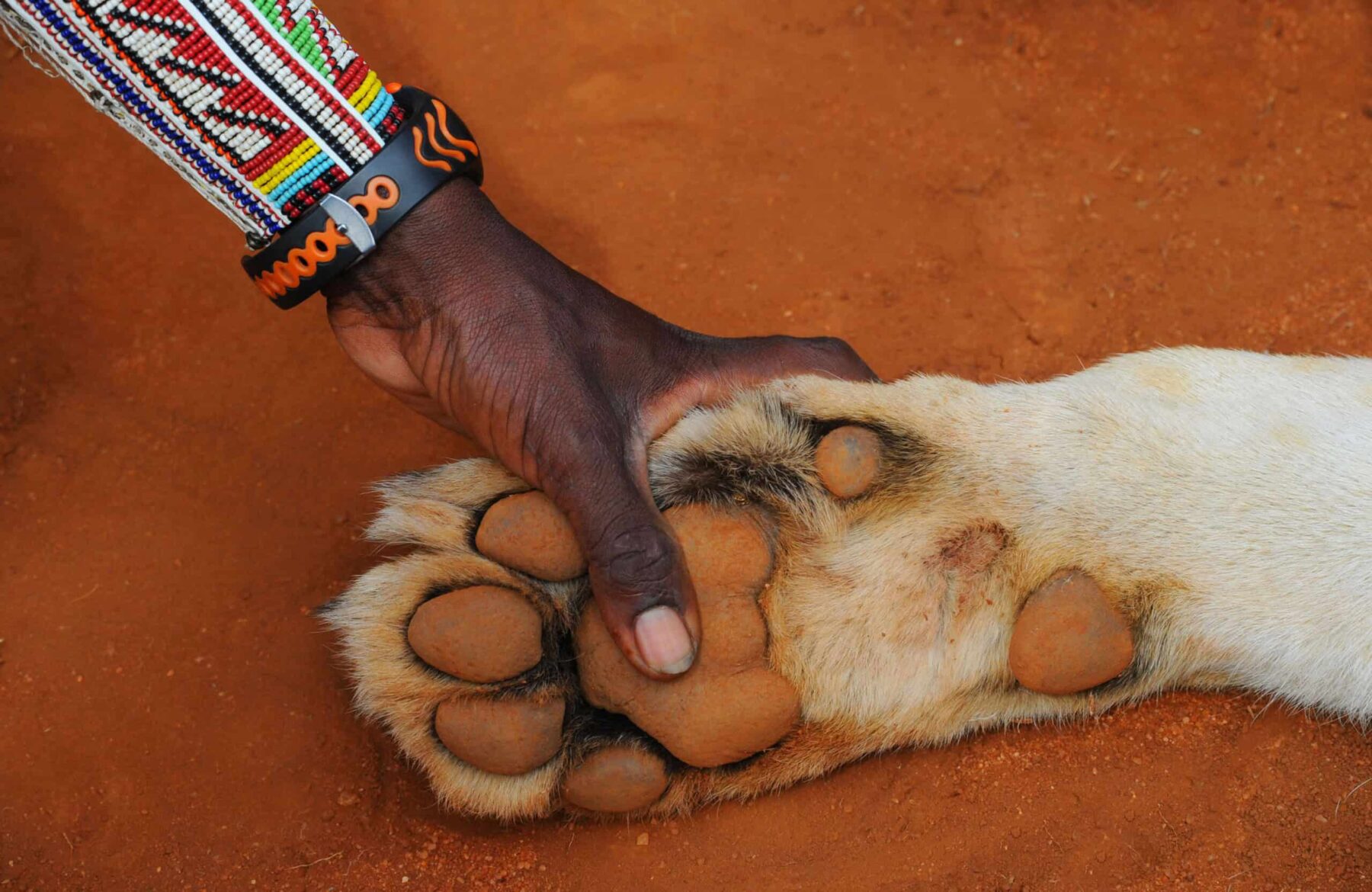
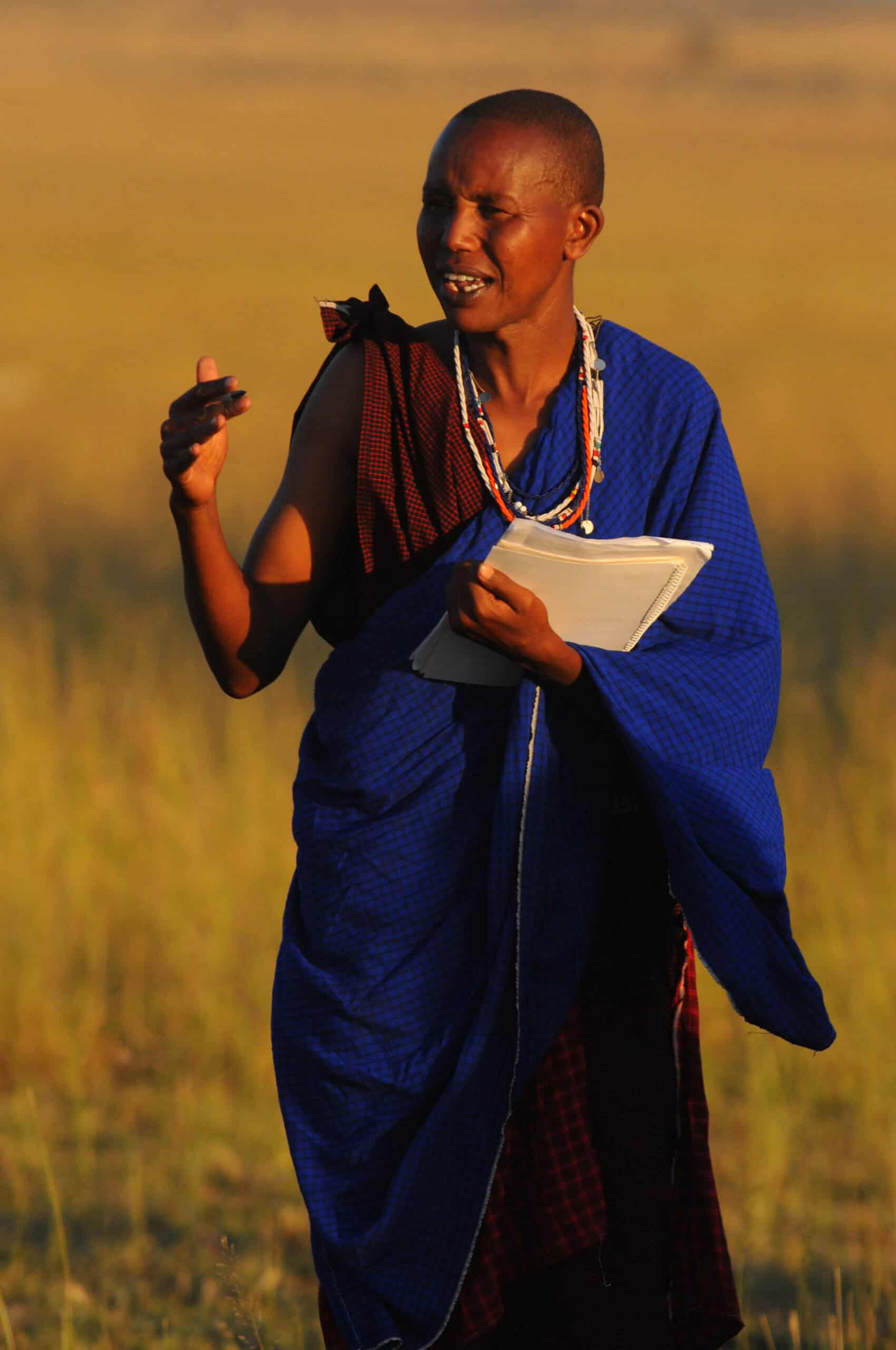
The cattle are still stirring inside the safety of their enclosures when Saitoti Petro Lorkuta makes his morning rounds, threading his motorbike through the communal Maasai pastures east of Tanzania’s Tarangire national park. Every so often, he cuts the engine, crouches low and reads the dust, scanning the trails between patches of dense scrub and below the umbrella-shaped canopies of acacia trees for the tell-tale print of a lion’s paw.

As a child, Lorkuta (pictured below) wondered whether he would ever see a lion roaming the savannahs of his homeland. Maasai elders told tales of legendary hunts, proudly displaying old battle scars, but the roar of the big cats had all but vanished from the rangelands’ nocturnal soundtrack of elephants, zebras, whooping hyenas and grunting buffalo.

Advertisement

Today, aged 35, encounters with lions are an increasingly common – and welcomed – part of Lorkuta’s life. And instead of proving his Maasai warrior mettle with a spear, he prefers a quieter test of courage: a stare-off.

Advertisement

“I stay still, the lion looks at me, and I stare back,” he says. “Eventually, the lion goes. The first time it happened, the lion was very close and I was scared, but not any more.”

Lorkuta is one of more than 160 Maasai ‘Warriors for Wildlife’ working across dozens of rural communities in northern Tanzania through the charity African People and Wildlife (APW). Blending centuries-old bushcraft with GPS technology and conservation science, these men are redefining what it means to be a Maasai in the 21st century, and building a future where predators and pastoralists can thrive side by side.

Bravery has long underpinned Maasai identity and, historically, there was no greater measure of courage than defending the herd against a hungry pride. Spearing a lion brought status, lifelong respect, even some love interest.

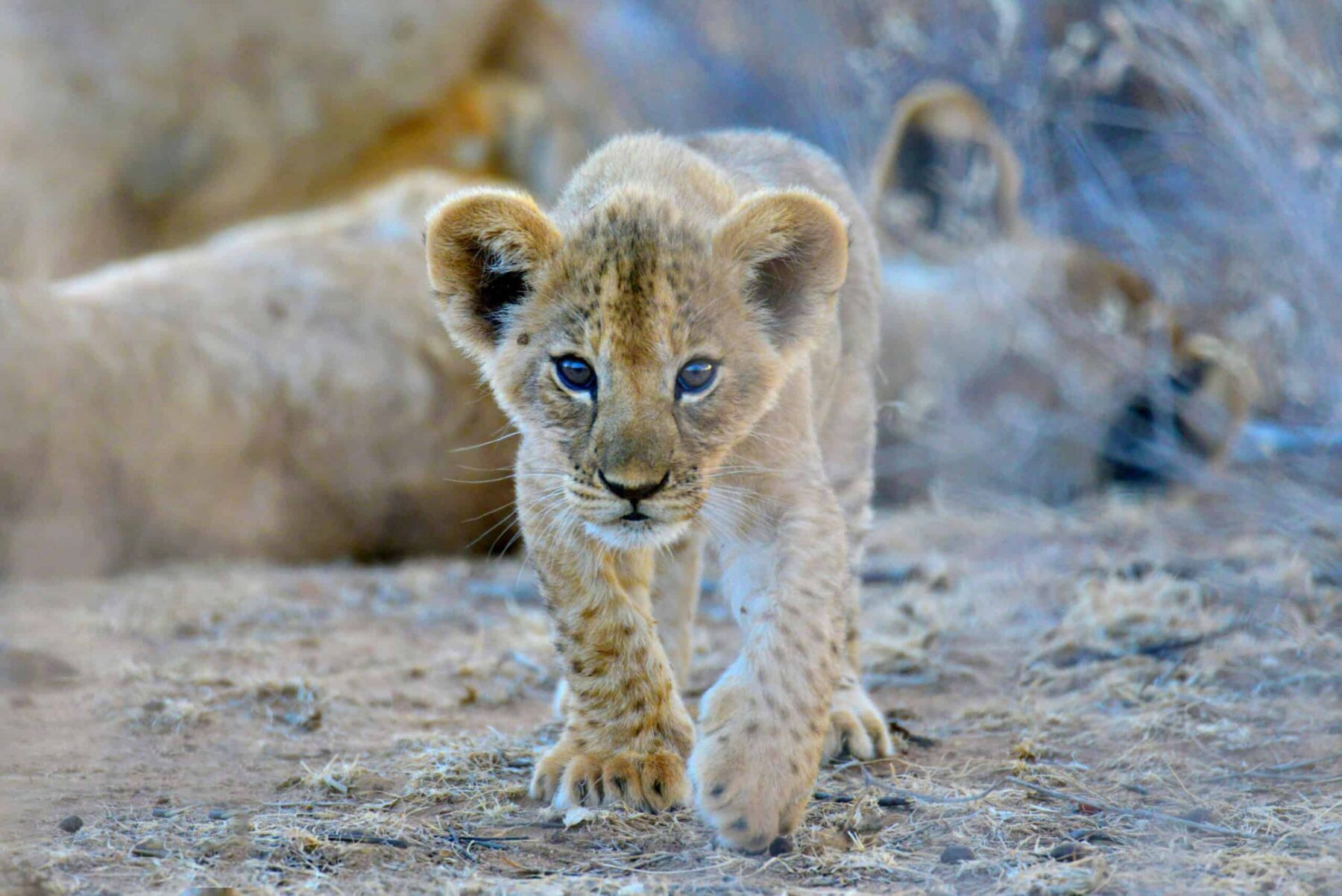
A century ago, when 200,000 lions roamed the African continent, those hunts – part protection, part rite of passage – had little impact on the species’ survival. Today, between 20,000 and 32,000 remain in the wild, with roughly half concentrated in east African strongholds like Tanzania. At the same time, climate pressures, shrinking habitats and expanding human settlement have pressed lions and pastoralists into ever closer competition for land and water.

Advertisement

APW began working in the wider Tarangire-Manyara ecosystem in 2005 with a community-led approach, supporting villages to monitor human-wildlife encounters while strengthening their bomas, or livestock corrals. Planting living walls of thorny commiphora trees, reinforced with chain-link fencing, helped keep marauding lions and other predators at bay.

In 2010, APW founders Charles Trout and Dr Laly Lichtenfeld were joined by Elvis Kisimir, a respected Maasai warrior with deep ties to communities across northern Tanzania. Kisimir began encouraging pastoralists to rethink their relationship with lions, warning that by driving them towards extinction, the Maasai also risked erasing a defining feature of their own identity. 

Advertisement

“That was the turning point,” says Kisimir. “People realised that without the lions, there could be no Maasai warriors.”

He recruited a small group of men who, like Lorkuta, could use their intimate knowledge of the bush to track lion movements and advise herders on safer grazing routes.

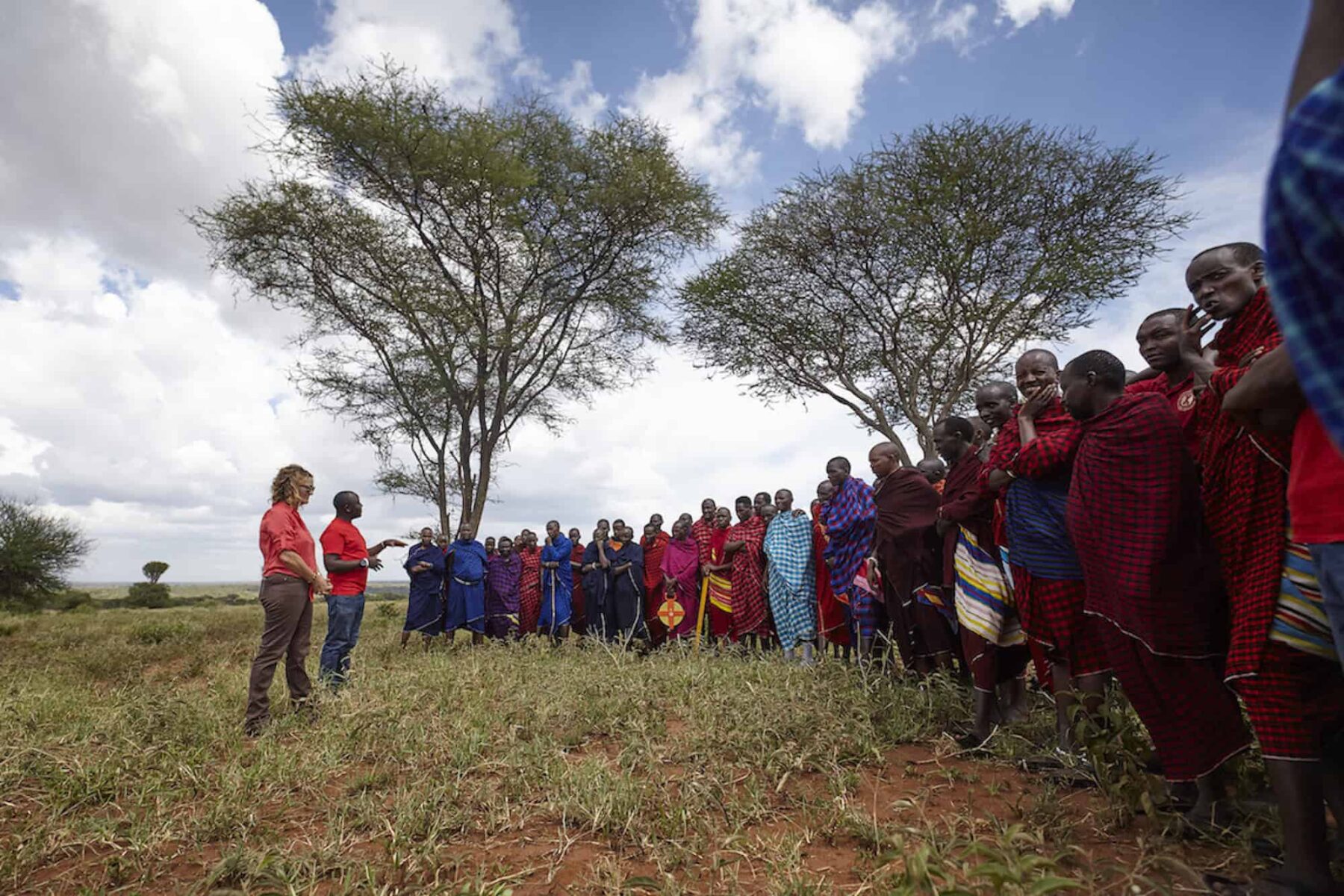
The government tried its own way of conservation using men in uniform with guns, chasing people, and it didn’t work. We solved it by sitting down under the tree and talking

Word spread quickly. Communities began writing to APW asking to join, lending legitimacy to a conservation model they could shape themselves – starting with the walls of their own bomas – rather than having it imposed from above.

“The government tried its own way of conservation using men in uniform with guns, chasing people, and it didn’t work,” says Kisimir. “We solved it by sitting down under the tree and talking, asking people what the problem was.”

Advertisement

Today, Lorkuta and his fellow warriors carry GPS devices and smartphones to monitor lions and other carnivores, uploading sightings to an online mapping system that helps pastoralists choose where to graze, and sharing sightings in their communal WhatsApp group. When lions do strike, warriors move quickly to calm tensions before retaliatory hunts can begin.

“During the day, we visit the watering holes and talk to herders about the importance of conserving the lions,” Lorkuta says. “In the evening, if they’ve lost livestock in the bush, we go and recover it.”

The role carries real respect, offering a new route to prestige based on protecting lions rather than killing them.

“People in the community like what we’re doing,” Lorkuta says. “The conservation work brings jobs and opportunities. It’s even made me friends from abroad.”

Kisimir believes it also taps into the Maasai’s longstanding desire for recognition.

“Bravery for the Maasai is about being known,” he says. “This work is another way, and we’re looking for more, like games or competitions. If a warrior wins, people will sing and praise him.”

Advertisement

Across the border in southern Kenya, the conservation charity Lion Guardians (LG) has spent the last two decades building a similar model, beginning from a base around Amboseli national park, against the backdrop of a looming Mount Kilimanjaro. Eric Ole Kesoi, the organisation’s community manager and a renowned Maasai tracker himself, explains that years of conflict had made lions instinctively wary of the tribe’s vivid red shukas.

The cloaks remain a powerful symbol of Maasai identity, but as lion hunting declined, so did the shuka’s deterrent effect. To reinforce the association – but without the bloodshed – Kesoi encouraged the guardians to stage mock hunts and chase emboldened lions away. “We don’t go with spears: we go with thunder flashes and make traditional yelps to let them know we’re chasing them. We wear the red shukas, and they know we are Maasai.”

Advertisement

For Kesoi, these encounters help preserve the warrior culture while replacing killing with stewardship.

“They track these lions and give them names: they know each individual, and share the same landscape.” he explains. “In the community, they’re perceived as privileged because they’re still interacting with lions. And above all, they’re getting paid.”

That income matters. It means guardians can buy more livestock, pay school fees and support extended families, helping change ideas around status and masculinity.

They have more privilege now from taking care of lions than from making a name by killing them. It’s a complete shift in mindset

“They have more privilege now from taking care of lions than from making a name by killing them,” says Kesoi. “It’s a complete shift in mindset.”

Advertisement

LG co-founder Stephanie Dolreny says women have played a role in accelerating that change. When a warrior killed a lion, she notes, one of the main motivations was female attention – but that appeal was short-lived.

“It’s not money in the bank,” she says. “Now the women are saying: ‘We don’t want a man who kills a lion, we want a man with a job’. It’s almost like the women are changing the dynamic of what a desirable man looks like.”

Not everyone embraces the new culture of coexistence. For the Maasai, cattle are far more than livestock: they are wealth, status and primary food source. A single cow can fetch USD$500-600 (£372-446), while some animals carry deep personal or cultural significance beyond their market value.

Many pastoralists are learning to tolerate occasional losses, but only to a point. Retaliatory lion killings still happen and, though rare, those working at both APW and LG have witnessed entire prides wiped out by poison, along with the vultures, hyenas and countless other scavengers that feed on the carcasses.

Advertisement

In Kenya, Lion Guardians patrols have reached poisoned lions in time for vets to administer antidotes. In Tanzania, Kisimir draws on Maasai lore to discourage poisoning. “I remind communities that a warrior is only allowed to kill nine lions,” he says. “If you exceed that, your clan will be cursed.”

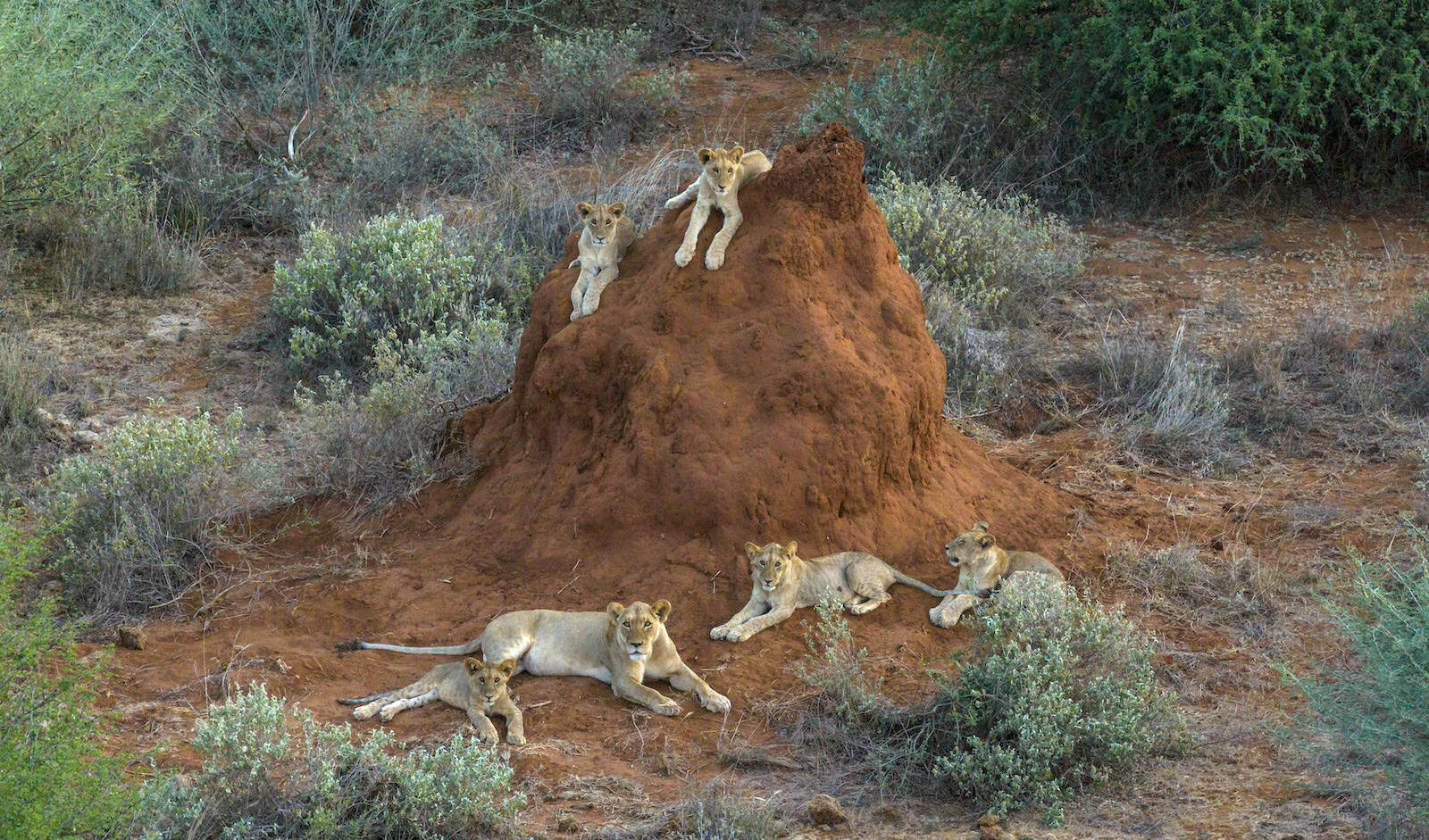
Where the model has taken hold, the results are striking. The Lion Guardians programme now spans more than 3,600 sq km (1,390 sq miles) of habitat. Since launching 20 years ago, lion killings have fallen by 90% and numbers have increased seven-fold, creating one of Africa’s densest wild lion populations outside a protected area. For the Maasai, the programme prevents livestock losses worth millions of dollars every year.

Advertisement

APW reports similar success in Tanzania, where It estimates field teams have recovered more than 16,000 lost livestock worth $3.5m (£2.6m) since 2017, and helped prevent almost three-quarters of reported attempts to kill lions, as well as 59% of attempts to kill other predators. Some 150 lions, including many cubs, have been saved as a result.

“It’s easily scalable,” says APW’s Charles Trout. “It’s about empowering communities to take action for their own benefit.”

Money and manpower are the only limitations, he suggests. Boma fortifications are part-funded by APW. “Although we have had places where people have installed their own living walls,” Trout adds.

Advertisement

Data collection in progress at African People and Wildlife. Image: Marcus Westberg

“Then we’re also taking care of the warriors on the ground, they get training every year. It’s taking an interest in people’s lives, so the limitation is just being able to be there to do it.”

For Lorkuta, the return of lions represents more than conservation success. It signals the slow repair of a landscape he once feared was losing its voice. “There came a time when the lions were disappearing. I thought my children would only ever see them in books or in the parks,” he says.

Advertisement

Now, roars are returning to the rangelands at night and lions leave their marks in the morning dust. Lorkuta looks forward to the next stare-off: a sign, he says, that all is well.

“If you see a lion, it means things are balanced: the ecosystem, the climate, everything. At least now there is a future for them.”

New models of coexistence


Advertisement

1) Rewriting the next generation’s story

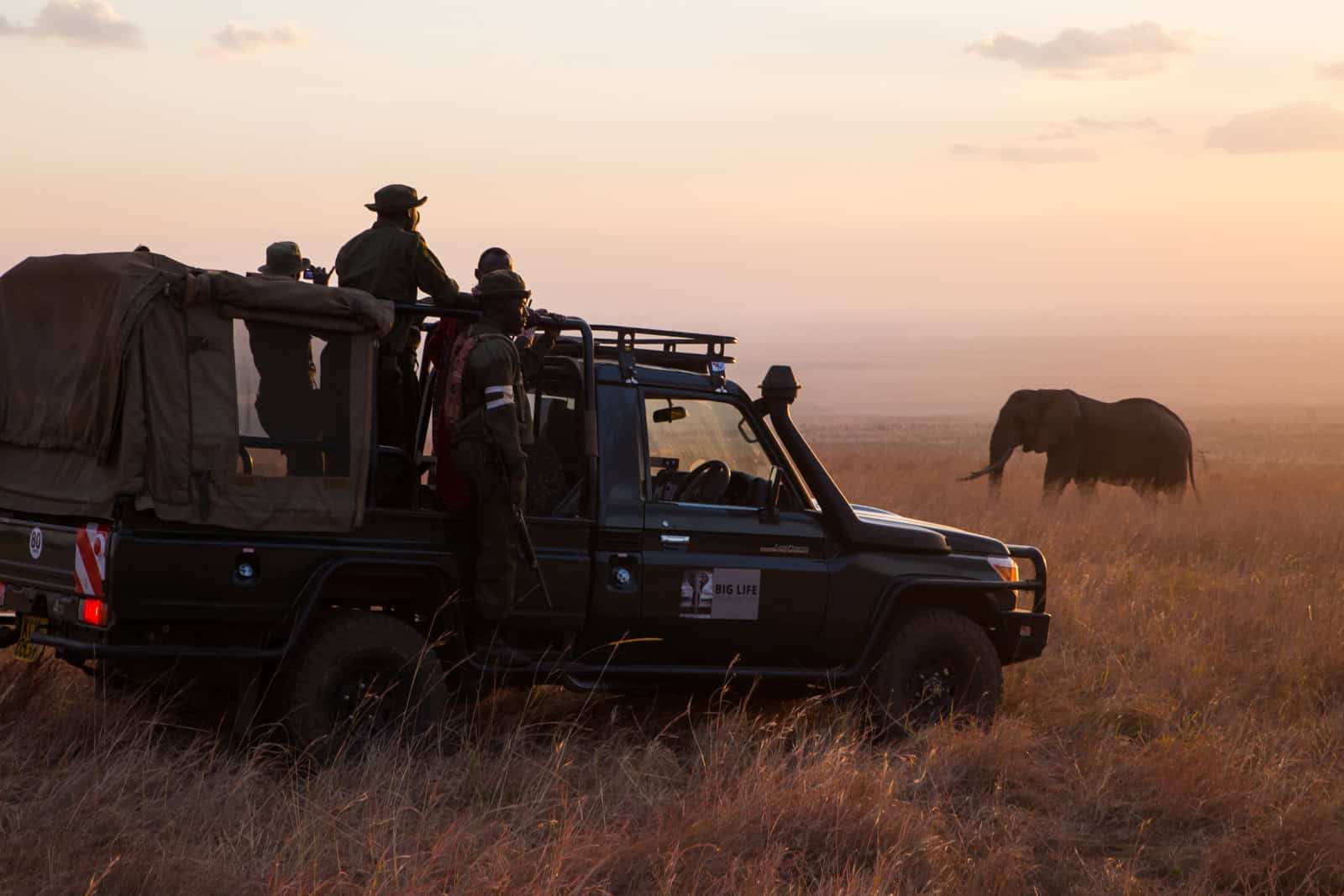
Founded in 2010 in response to a surge in elephant poaching, Big Life Foundation (BLF) employs hundreds of Maasai rangers and ex-poachers to protect two million acres of wilderness across Kenya’s greater Amboseli ecosystem, helping drive down wildlife crime while creating jobs rooted in conservation. Human-wildlife conflict and habitat degradation are still a challenge, but thanks to BLF’s vigilance, not a single elephant has been lost to trophy poachers since 2018. BLF’s sergeant Mutinda Ndivo – once an infamous poacher – now heads up their dog unit. 

“Someone like Mutinda is no longer simply surviving day to day; he is actively contributing to protecting one of the world’s most important ecosystems,” the organisation said. “That can fundamentally reshape personal identity and long-term aspirations.

Advertisement

“It also changes the story being passed to the next generation. Children grow up seeing conservation as a viable and respected livelihood.”

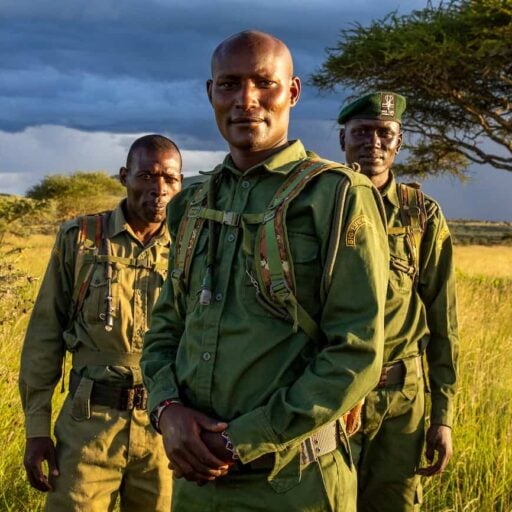
Image: L-R, constable ⁠Kioko Mulwa, constable Nkidaa Tonkoi and constable Lenku Turere of Big Life Foundation, photographed by Joshua Clay

Advertisement
2) New livelihoods for former poachers

Olgulului Community Wildlife Rangers

In Zambia’s Luangwa Valley, Community Markets for Conservation is helping wildlife poachers find new means of supporting their families. More than 2,000 have surrendered their weapons and reskilled in practices such as sustainable agriculture. Many now help protect animals instead of killing them and have formed their own group – the Transformed Poachers Association of Zambia – to help spread the word and combat wildlife crime.

Image: Dmitrii Zhodzishskii

Advertisement
3) Living alongside lions in the Maasai heartland

KopeLion has been operating in Tanzania’s Ngorongoro Conservation Area since 2011, where it supports 28 former Maasai lion killers to monitor big cats and prevent conflict. Each livestock guardian is responsible for patrolling a 60-120km (23-46 sq mile) patch close to their community. Participating villages earn money based on the presence of lions in the area. The programme aims to create a ‘corridor of tolerance’ stretching from the Ngorongoro crater to the Serengeti.

Advertisement

Image: Philip J. Briggs

4) Community rangers in the field

Advertisement

Local people become the key responders in efforts to reduce poaching and human-wildlife conflict through the Olgulului Community Wildlife Rangers programme. Operating in Kenya, it trains and employs Maasai community members to support wildlife protection, monitor threatened species and gather information on illegal hunting. Its pioneering all-female unit, Team Lioness, has expanded opportunities for women while challenging traditional gender norms around conservation.

Image: Ahmed Galal

Main image: Maasai wildlife tracker Olubi ‘Mitiaki’ Lairumbe uses a radio antenna to locate a collared lion beneath Mount Kilimanjaro, photographed by Philip J. Briggs

Advertisement

Portraits of a Shared Land brings readers face-to-face with some of the people reshaping conservation across Africa, exploring approaches that place communities, local knowledge and lived experience at their heart. This series is produced by Positive News and supported through a Human-Centred Conservation Storytelling Grant from Jamma Conservation & Communities.

The views and opinions expressed in this story are those of the authors and contributors and do not necessarily reflect those of Jamma Conservation & Communities.

Advertisement

Source link

Continue Reading

NewsBeat

Parched Britain: UK’s 43 days with no rain and 35C heatwave triggers ‘exceptionally severe’ wildfire warning

Published

on

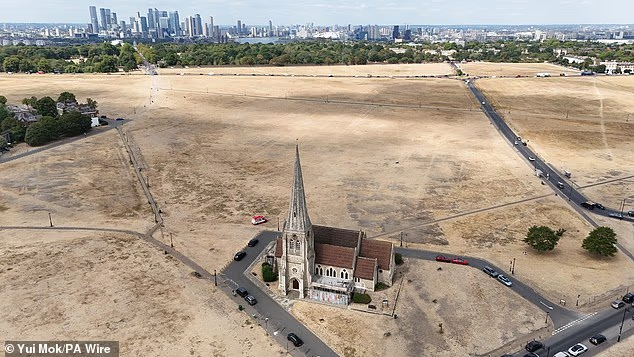
Grass in Blackheath, south-east London, has turned entirely brown

Experts have warned of ‘exceptionally severe’ wildfires as temperatures are set to soar to 35C today in the fourth heatwave of the year.

A plume of intense heat surging from North Africa is set to reach the UK today, after bringing exceptionally high temperatures to France and Spain in recent days.

Amber heat-health alerts have been issued for the East Midlands, the east, south-east and London as the mercury rises once again this summer. 

It has led to fears of wildfires on southern and eastern parts of England’s already bone-dry landscapes. 

Advertisement

The Met Office assessment showed any fires could be ‘exceptionally severe’ due to the conditions.

Fire services in England and Wales have already responded to more than 700 wildfires in 2026, with more than 200 recorded in the last two weeks, the National Fire Chiefs Council (NFCC) said.   

Fire chiefs said eight wildfires are currently burning across the UK and warned that there remains an ‘elevated risk’ of more igniting.

The Royal Horticultural Society garden in Wisley, Surrey, has been named as the driest place in the UK after going 43 days without any precipitation, turning the gardens to scorched dust.

Advertisement

If rain continues to hold off for another two days, it will equal the national record of 45 days set in the summer of 1976. 

Grass in Blackheath, south-east London, has turned entirely brown

Weeks of minimal rain and the second hottest month on record in the UK has left the fields severely parched

Weeks of minimal rain and the second hottest month on record in the UK has left the fields severely parched

Advertisement
The basin of Grafham Water in Cambridgeshire is visible, where water is receding due to the continued dry weather

The basin of Grafham Water in Cambridgeshire is visible, where water is receding due to the continued dry weather

Derbyshire Fire and Rescue Service said firefighters were continuing to ‘make progress at the major wildfire incident at Tintwistle Moor’ after 60 personnel were deployed on Tuesday.

Wildfire numbers in England and Wales remain lower than the 788 recorded by the same point last year, but fire chiefs warned that continued dry spells could raise the risk of fires starting and spreading rapidly. 

Large-scale wildfires across mainland Europe have demonstrated the threat posed by the dry conditions, with large-scale evacuations carried out in areas of France and Italy.

Advertisement

The NFCC said UK wildfires are typically smaller and different in nature to those seen in southern Europe, adding, however, that the ‘long-term effects of climate change are increasing the likelihood of larger, more complex and more resource-intensive wildfire incidents occurring’.

Phil Garrigan, chairman of the NFCC, said: ‘More than 200 wildfires in just 12 days shows how quickly the risk can escalate when hot, dry conditions take hold.

‘The scenes we’re seeing across parts of Europe are a stark reminder of what a changing climate means for fire and rescue services.

‘We are not seeing fires of that scale in the UK today, but the science tells us we should expect larger, more frequent and more complex wildfires in the future.

Advertisement

‘That’s why we need continued investment in specialist wildfire capabilities, including aerial firefighting support, so we’re prepared for the risks ahead.

‘But prevention remains our strongest defence. Most wildfires are avoidable, and we’re asking everyone to take extra care during the hot weather to help keep their communities safe.’

They called for Brits to be extra cautious with anything that could start a fire, including disposable barbecues and cigarettes. 

Photographs showed scenes of Blaenavon in Wales, on Tuesday as a major wildfire left the landscape scorched and blackened.

Advertisement

A blaze which broke out on Mynydd Garnclochdy between Blaenavon and Abersychan on Sunday, July 19, has now been burning for ten days.

Firefighters are continuing to battle flames across more than 220 hectares.

South Wales Fire and Rescue Service has been working around the clock in smoky and humid conditions, using specialist wildfire tactics and equipment to contain the flames.

Portions of Mynydd Garnclochdy and its surrounding upland common land are designated and managed as part of a Site of Special Scientific Interest (SSSI), specifically linked to the broader Blorenge SSSI ecosystem recognized for its vital peatland and moorland habitats.

Advertisement

At the height of the fire, shifting wind conditions carried smoke for miles across south Wales.

Last week, residents reported the smell of burning vegetation from as far as 30 miles away in areas such as Caerphilly, Cardiff and Newport.

A veil of smoke can be seen over the skyline of the World Heritage town.  

Up to an estimated 60 per cent of the common land used by local farmers to feed their livestock has been destroyed.

Advertisement

On Saturday, firefighters were seen battling a field blaze in Cambridgeshire, which was sending huge clouds of thick smoke into the sky.

Blackened hillsides show the devastating aftermath of the wildfire surrounding Blaenavon, Torfaen in Wales

Blackened hillsides show the devastating aftermath of the wildfire surrounding Blaenavon, Torfaen in Wales

Firefighters in Blaenavon are continuing to battle flames across more than 220 hectares after it has burned for ten days

Firefighters in Blaenavon are continuing to battle flames across more than 220 hectares after it has burned for ten days

People gather on the brown grass at the very dry Primrose Hill as heatwaves continue

People gather on the brown grass at the very dry Primrose Hill as heatwaves continue

Advertisement
Empty deckchairs on dry grass at Green Park in London

Empty deckchairs on dry grass at Green Park in London

Swithland Reservoir in Leicestershire is currently at less than 44 per cent capacity according to Severn Trent Water

Swithland Reservoir in Leicestershire is currently at less than 44 per cent capacity according to Severn Trent Water

Low water levels are seen at Howden Reservoir, Peak District, after sustained high temperatures and low rainfall

Low water levels are seen at Howden Reservoir, Peak District, after sustained high temperatures and low rainfall

Thick plumes of smoke formed over burning fields near Peakirk, Cambridgeshire

Thick plumes of smoke formed over burning fields near Peakirk, Cambridgeshire

Advertisement
Firefighters doused the burning vegetation with their hoses, stopping it from blowing towards houses

Firefighters doused the burning vegetation with their hoses, stopping it from blowing towards houses

Some 35 firefighters were needed to tackle the blaze, with Peterborough Volunteer Fire Brigade first on the scene at around 3.30pm on Saturday.

There were fears the flames would blow over to houses and allotments across the fields.

A Ministry of Housing, Communities & Local Government spokesperson said: ‘We’re investing nearly £100 million to help replace assets which can be used to tackle wildfires, including dedicated off-road vehicles which are suitable for England’s landscape.

Advertisement

‘This includes rolling out a pilot to place highly trained firefighters who specialise in wildfire response in key locations across England, working with industry experts to ensure this approach is tailored to the unique wildfire risks here.’

Fire chiefs said many wildfires are caused by everyday human activity, adding that ‘disposing of cigarettes safely, avoiding the use of disposable barbecues in open spaces and taking litter home can significantly reduce the risk of fires starting’.

As Britain continues to bake in the hot sun, images revealed the extent of the lack of rainfall in parks across the country.

Brown grass could be seen across Blackheath in London and in many parks across the capital.

Advertisement

Rivers and lakes have dried up, with the Swithland Reservoir in Leicestershire now at just 44 per cent of its capacity. 

The flash-in-the-pan heatwave is set to end on Thursday, with conditions cooling further into the weekend.

July has been 3C above average across the UK, according to provisional Met Office data, potentially putting it among the hottest three or four months of July on record.

Fire chiefs said people should report any signs of fire immediately by calling 999 and asking for the fire and rescue service.

Advertisement
Dry fairways and parched fields surround the Kendleshire golf course, south Gloucester

Dry fairways and parched fields surround the Kendleshire golf course, south Gloucester

The green square surrounded by parched, dry and yellow grass on the cricket field of Maidenhead & Bray CC during a game, in Bray, west of London

The green square surrounded by parched, dry and yellow grass on the cricket field of Maidenhead & Bray CC during a game, in Bray, west of London

A woman sunbathes on the scorched grass in Wimbledon Park over the weekend

A woman sunbathes on the scorched grass in Wimbledon Park over the weekend

A large wildfire has burned in the Cairngorms national park in northern Scotland for two weeks

 A large wildfire has burned in the Cairngorms national park in northern Scotland for two weeks

Advertisement
This Environment Agency graphic shows how little rainfall there has been since mid-June

This Environment Agency graphic shows how little rainfall there has been since mid-June

The Met Office has also said UK heatwave thresholds will need to be adjusted to account for the consistently high temperatures caused by the warming climate, after records have been broken consistently this year.

Britain’s wild animals have also struggled to adjust to the record-breaking heat, with hedgehogs and foxes being taken to animal rescue centres in their droves across the country as temperatures spiked.

The RSPCA is urging gardeners to create shaded spaces for wildlife struggling to keep cool during the scorching weather as the fourth heatwave of the year looms.

Advertisement

The animal welfare charity said two baby hedgehogs were found ‘in distress’ in a back garden in Somerset and brought into the nearby West Hatch Wildlife Centre, where they are being cared for along with ‘several other recent admissions’ due to the heat.

Recent research from veterinary group Inspiring Vet Care found that in June this year its clinics treated 179 cases of suspected heatstroke – 66 per cent higher than the 108 cases treated in the same month two years prior.

Some 316 hedgehogs were admitted to the RSPCA’s four wildlife centres in June, a 56 per cent rise on the 202 admitted in the same month the previous year. 

Amy Ockelford, a senior press officer at the RSPCA, said wildlife centres are operating at ‘maximum capacity’ and are ‘fit to bursting’, and have seen an increase in admissions of hoglets and hedgehogs.

Advertisement

She said: ‘These animals are usually not out in the daytime, but they’re coming out because they’re struggling to find food and water, and ending up with heatstroke.’

The RSPCA employee encouraged people to think about wildlife as well as pets, adding: ‘Keep out clean, cool water for wildlife and try and create shaded areas where you can for them to avoid the direct sun.’

Ms Ockelford advised people to contact the RSPCA when they see wildlife in distress.

Meanwhile, Royal Parks staff have been advised not to leave deckchairs under trees over fears branches will fall during hot weather.

Advertisement

In a statement, a spokesperson for the charity – which looks after green spaces including Hyde Park and Kensington Gardens – said it has introduced the measure as an ‘additional precaution’.

Met Office meteorologist Marco Petagna said that heatwave thresholds for some counties rose by a degree four or five years ago.

‘Going forward they’ll need to be adjusted to take into account… current climate, otherwise we’re going to more frequently go into heatwaves. It’s a moveable thing, really, as we go through a warming world,’ he added.

It comes as blazes have wrought destruction in mainland Europe this week, with 220,000 forced out of their homes in south-west France and 116,000 evacuated in Spain.

Advertisement

In Bordeaux, an ‘apocalyptic’ fire has grown so large that it is generating its own thunderstorms, with 38C (100F) heat threatening to fan the flames of the terrifying blaze.

Hedgehogs suffering from suspected heatstroke are being taken to animal rescue centres across the country

Hedgehogs suffering from suspected heatstroke are being taken to animal rescue centres across the country 

The RSPCA said two baby hedgehogs were found 'in distress' in a back garden in Somerset

The RSPCA said two baby hedgehogs were found ‘in distress’ in a back garden in Somerset

French firefighters battle a wildfire spreading in Marcheprime, south-western France, July 26 2026

French firefighters battle a wildfire spreading in Marcheprime, south-western France, July 26 2026

Advertisement
Smoke from a wildfire spreading on Cap Ferret peninsula is seen over a pine forest in Lege Cap-Ferret, south-western France, July 24 2026

Smoke from a wildfire spreading on Cap Ferret peninsula is seen over a pine forest in Lege Cap-Ferret, south-western France, July 24 2026

In what represents one of the most devastating events in the country since the Second World War, more than 240 properties have been completely destroyed – many thought to be holiday homes owned by millionaire Parisiennes.

The inferno, which started on July 12 in forests on Cap Ferret, has been steadily approaching Bordeaux ever since, because of the strong winds which have been fanning the flames westwards.

And the return of searing temperatures this week threatens to complicate firefighting efforts.

Advertisement

Emmanuel Macron said on a visit to the wine-making capital: ‘The coming weeks will be tough and we have to hold out.’

Source link

Continue Reading

NewsBeat

North East regional police agency hails success of drug bust

Published

on

North East regional police agency hails success of drug bust

A 44-year-old man was arrested at Liverpool John Lennon Airport on Saturday (July 25), after the joint operation by officers from the North East Regional Organised Crime Unit (NEROCU), the UK Border Force and Merseyside Police.

The suspect was wanted by police after a previous interception in Newcastle which saw the seizure of more than 30 kilos of cannabis.

Saturday’s arrest strike was pre-planned, and when stopped and arrested at the Liverpool airport he was found to be in possession of a further 20 kilos of cannabis.

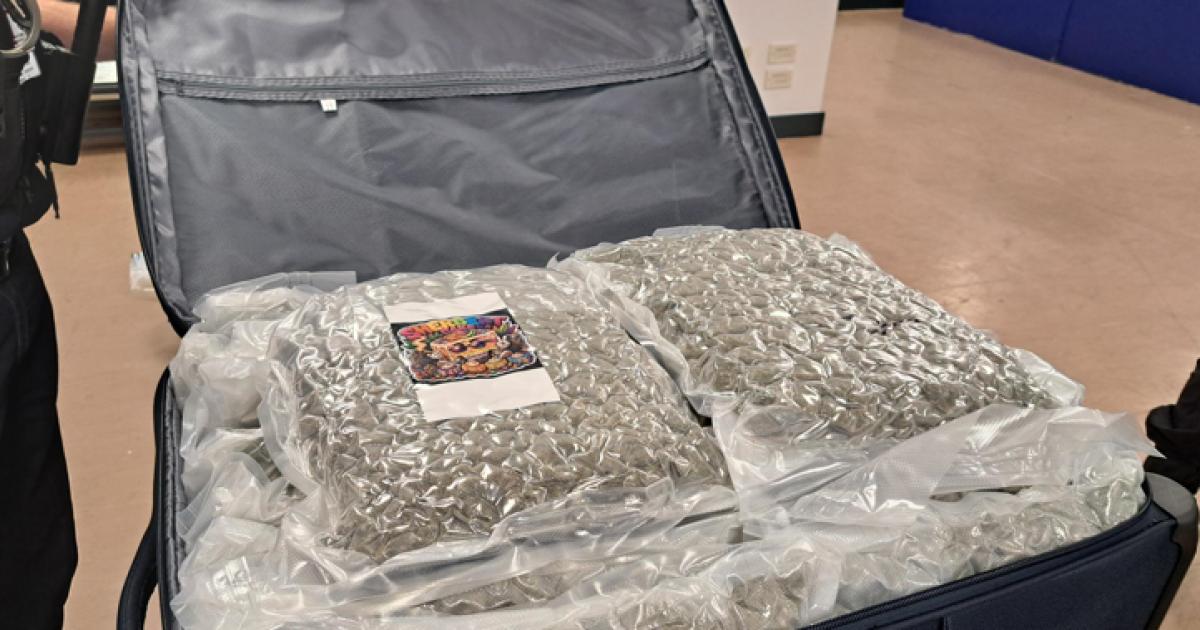
Case full of drugs seized by North East regional police agency in targeted arrest of suspected smuggler at airport in Liverpool (Image: NEROCU)

He has now been subject to bail while police inquiries continue.

Advertisement

Speaking after the arrest, Sergeant Neil Lovat, part of NEROCU’s Disruption Team, praised the partnership working.

Some of the vacuum-packed cannabis seized by police in arrest of suspected drug smuggler (Image: NEROCU)

Sgt Lovat said: “I want to thank everyone involved.

Read next … more crime stories from The Northern Echo, by clicking here

“This has been an excellent display of what can be achieved when partner agencies work together to take action against illegal drug operations.

Advertisement

“We will continue to work with our partners, under Operation Sentinel, to dismantle the criminal groups who try to profit from the sale and supply of illegal drugs and inflicting harm to communities.”

If anyone has any information about drug supply, they can report it to their local police, using the general non-emergency 101 line, or via the independent charity, Crimestoppers, anonymously, on (0800) 555111.

Source link

Advertisement
Continue Reading

NewsBeat

North Yorkshire restaurant with jaw-dropping sea views

Published

on

North Yorkshire restaurant with jaw-dropping sea views

While many people will be jetting off on holiday, it can be nice to spend some time exploring the local area during the summer.

Saltburn-by-the-Sea is a hugely popular seaside resort with plenty of things to do and great restaurants, including the Seaview Restaurant.

The “outstanding” restaurant has “unrivalled views of the sea” thanks to its terrace area where you can enjoy a meal while watching the sunset.

Advertisement

What is the Seaview Restaurant in Saltburn-by-the-Sea like?

The Seaview Restaurant featured on the Remarkable Places to Eat show where Fred Sirieix and Nadiya Hussain tried the spot’s famous Crab Brioche.

The restaurant is described as offering “an extraordinary setting” with floor-to-ceiling windows so guests can enjoy watching the pier and sea.

The restaurant’s website says: “With a laid-back old-school Ibiza vibe, our outdoor, open-air terrace with chic furnishings comes with jaw-dropping views across the dramatic coastline of Huntcliff.”

The Seaview Restaurant has a range of starters including moules mariniere, seafood cocktail, and sardines on toast.

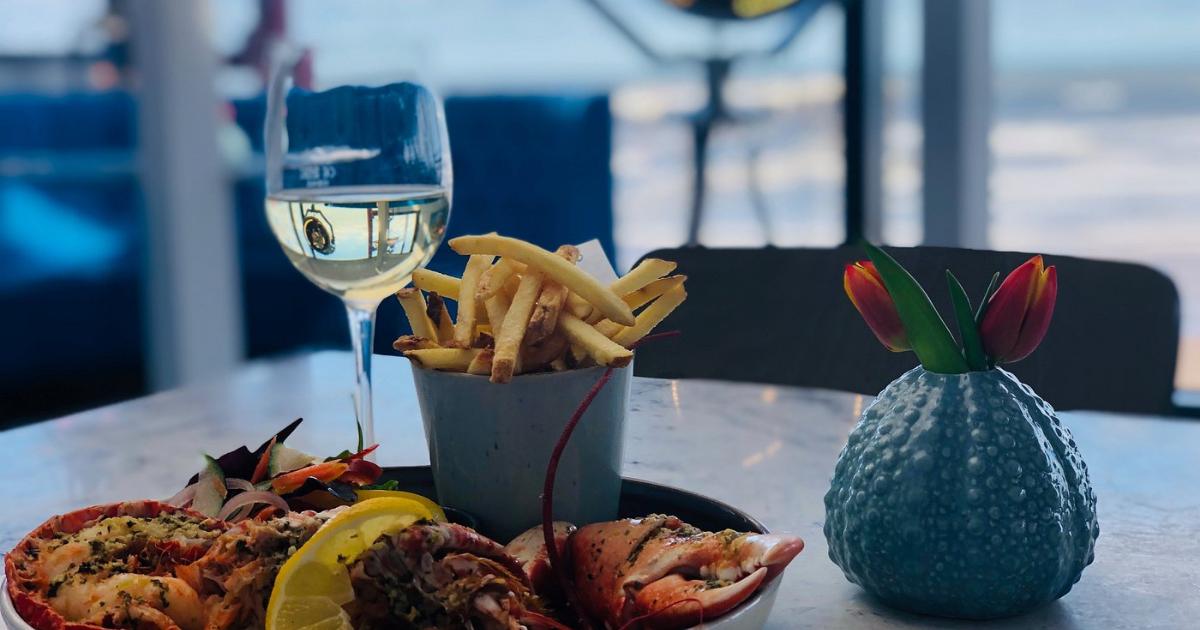
The famous Saltburn crab brioche features on the main menu alongside dishes like lobster linguine, lemon sole, and market fish.

Advertisement

For those wanting a more traditional experience, you can find classic cod, haddock, and Whitby scampi served with chips, as well as mushy peas and curry sauce available to add on.

What do visitors of the Seaview Restaurant say?

Guests on Tripadvisor have said the restaurant is in a “superb location” with “friendly” and “efficient” service.

One reviewer said: “Great restaurant with great service and excellent food.

“We ate there twice and both times was amazing.

Advertisement

“We had cod and chips, tuna, oysters (which we got the younger waiter to try).

“The homemade taramasalata with bread was beautiful.

“Afterward we had some cocktails, espresso martini and a new one on the menu called Amalfi Sour.

“Well worth a try.”

Advertisement

Another person praised the restaurant and said: “Food is outstanding.

“The fish was perfectly cooked and had so much flavour.

“The lobster mash is expensive but worth it!


“Staff were absolutely lovely and service was excellent.

Advertisement

“It was a lovely evening watching the waves while we ate.”

Have you ever visited the Seaview Restaurant? Let us know in the comments.

Source link

Advertisement
Continue Reading

NewsBeat

London travel news LIVE: Northern line suspension after person hit by train at Highgate

Published

on

London travel news LIVE: Northern line suspension after person hit by train at Highgate

A TfL spokesman said tickets are being accepted on London buses. He also pointed to other train services available on the Weaver and Suffragette lines, Great Northern, Thameslink, Greater Anglia, South Western Railway and Southeastern, taking any reasonable route to complete a journey during the delays.


Source link

Continue Reading

Trending

Copyright © 2025