We hope you love the products we recommend! All of them were independently selected by our editors. Just so you know, HuffPost UK may collect a share of sales or other compensation from the links on this page if you decide to shop from them. Oh, and FYI — prices are accurate and items in stock as of time of publication.
One day, someone will invent an injection that means we never have to reapply sunscreen again. But until that day comes, it is a sad and unfortunate truth that sunscreen is a daily skincare essential – and more so in the sunny months than ever.
Despite the undeniable benefits of wearing SPF – it protects against skin cancer, and prevents visible signs of ageing, etc, etc – it is a pretty spenny necessity, which can make it all the more tempting to skip it. Fine, we’ll admit it.
Advertisement
If you need a little extra nudge to stock up on sunscreen this year, that’s completely understandable. Or at least iHerb seems to think so, because it’s launched a ‘buy one, get one 50% off’ promotion on its entire sunscreen range. Can we get a ‘whoop whoop’ for iHerb?
If you’ve not yet stocked up on sunscreen for the season ahead – and even if you have – now’s the time to do it.
But this isn’t one of those sales that applies to just one or two items. Whether you’re looking for a kids’ sunscreen, one that’s suitable for sensitive skin, or a face sunscreen, iHerb has every kind of SPF you could want. We’re talking over 300 products – woah.
To make sure you don’t miss it, we’ve rounded up our tried and tested favourites from its summer sale to stock your baskets with right now.
Advertisement
Best sunscreens to shop now
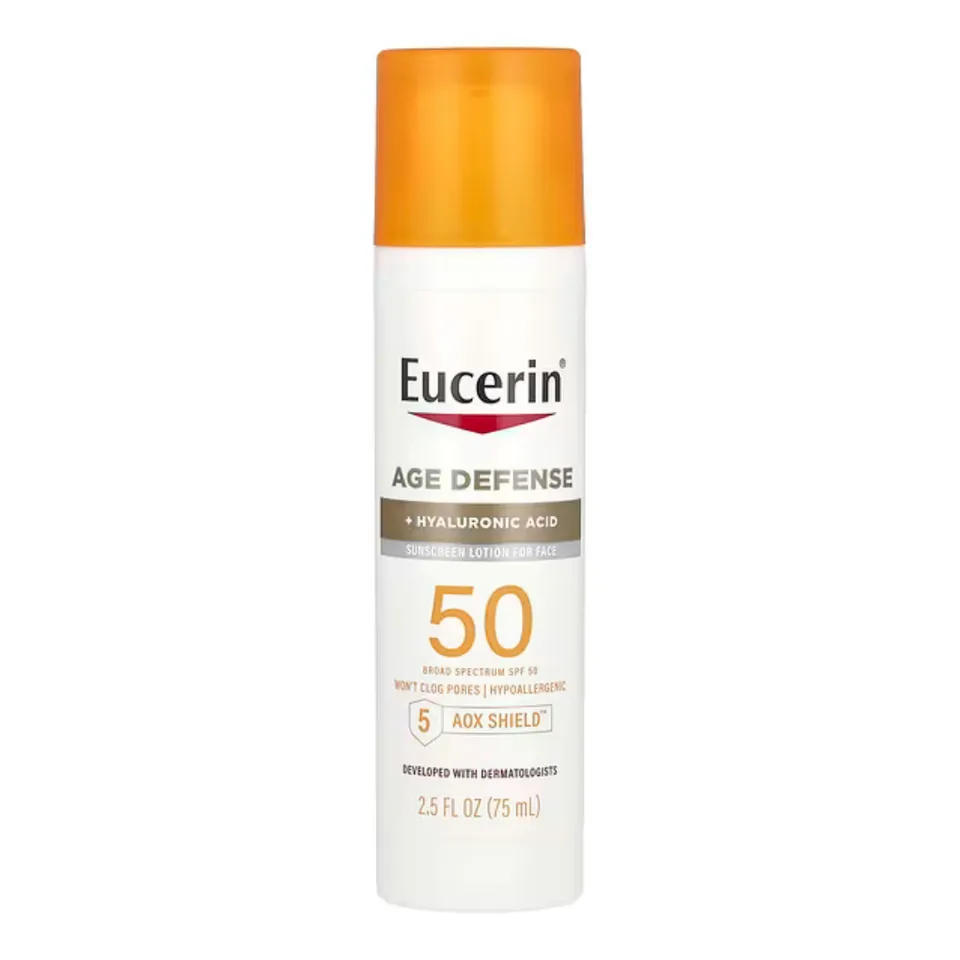
If you’re looking for a face sunscreen, it’s gotta be fragrance-free. This one from Eucerin is super lightweight, and it’s even loaded with hyaluronic acid to help lock in hydration.
Not every sunscreen works under makeup, but this one from Aveeno absorbs so quickly, you won’t have any problems with pilling. It also won’t leave a white cast, making it ideal for darker skin tones.
If you have oily skin, you’ll know the struggle of finding a sunscreen that doesn’t break you out. But Cetaphil is a go-to high street brand for a reason: it actually works at keeping skin clear. This moisturiser contains SPF30, but just be aware you’ll need to top up after a couple of hours.
One of the trickiest things with body sunscreen is finding one that won’t stain your clothes and leave you with a pile of white-turned-yellow clothes at the end of the summer. This one from Eucerin might take a little while to sink in, but it passes the colour transfer test, and it’s hydrating so it leaves your skin feeling great, too.
Looking for a sunscreen to take with you on the go? This baby one from Cetaphil comes in stick form, so you won’t have to worry about getting dirty hands creamy, and slots neatly into the tiniest of bags.
If you’re swimming in the sea – lucky you – this sunscreen is formulated to be reef-safe, and is water-resistant for up to 80 minutes so you don’t have to reapply every time you need a cool down. It even has a light shimmer to it, if you’re in the market to channel Edward Cullen in the sunshine.
We all need to be kept on our toes, which is why this sunscreen feels on the thicker side upon application, but later sinks in completely. Thrilling! This zinc formula is also suitable for kids and adults alike, so you won’t have to worry about keeping two different lotions on you at the same time.
If there’s one thing that’s going to convince your kids to wear sunscreen, it’s if it smells like tangerine and vanilla. This SPF 40 zinc formula might leave a little greasy layer on your skin, but it’s water resistant for over an hour, and it’s made from 98% natural ingredients.
When you have .2 seconds to slather your baby in sunscreen before they start wriggling, there’s no time for messing around with squeezy bottles and screw caps. This mineral sunscreen stick makes application quick and easy, and it’s hypoallergenic so it’s great for sensitive skin.
With an SPF ranking of 60+, this sunscreen will keep your face ultra-protected in even the sunniest of conditions. Plus, Hawaiian Tropic just smells like summer, so it’s a must (if you know, you know).

Trade unions have offered a guarded welcome to the government’s ‘Summer Savings’ plans. These include several measures which aim to ease summer holiday expense for families with children.
Labour affiliated transport union TSSA has welcomed as an ‘important first step’ the government’s introduction of free bus travel for under-16s in England across August.
This was part a series of measures that chancellor Rachel Reeves outlined, called ‘Great British Summer Savings’. It also includes a temporary reduction in VAT across Scotland, England and Wales from June to September. The reduction applies to admission tickets for family shows and attractions and children’s menu meals.
Commenting, TSSA general secretary Maryam Eslamdoust said:
It’s good to see the government taking this important first step by providing free bus travel for young people for the summer months, along with other assistance.
We have been clear that action needed to be taken quickly to help the many people who are struggling simply to pay for the basics in life.
Undoubtedly measures like those which have been announced can make a real difference and this is what a Labour government should be doing.
However, the chancellor should now look at extending support as part of a wider package of help, well beyond the summer months. Not only would doing so assist those most in need, it will help the wider economy.
Advertisement
Performers should share in Summer Savings boost
Meanwhile, performing arts and entertainment trade union Equity has welcomed the announcement of government help for family days out over the summer school holidays. It wants to ensure that any increased revenue from the ‘Summer Savings’ scheme passes on to performers and creatives.
Equity points out that the industries in scope are responsible for employing or engaging large numbers of performers and creatives. It says many of them are in precarious, insecure and low-paid work. So, while a boost to ticket sales would be welcome, the union wants workers to share in the uplift.
An Equity spokesperson said:
We welcome government measures to boost the live performance, theatre and cinema sectors and promotions to help families become audiences at these events.
We want to see workers share in the uplift in sales and expect Society Of London Theatres, UK Theatre, theme park operators and others engaging performers and creatives to ensure increased sales and profits are passed on to the performers and creative workforce who are the heart of this industry.
But the minister could have been talking about a number of Labour’s major policies from its two years in office.
This latest saga started when the Department of Business and Trade incorrectly suggested it was going to be easing its sanctions against Russia on Tuesday.
Successive governments have taken pride in the UK’s robust support for Ukraine following Vladimir Putin’s 2022 invasion.
Ministers have regularly announced fresh rounds of penalties against Russia and its lucrative oil industry to squeeze its economy.
Advertisement
So, the apparent decision to effectively water down years of hard work caused instant outrage.
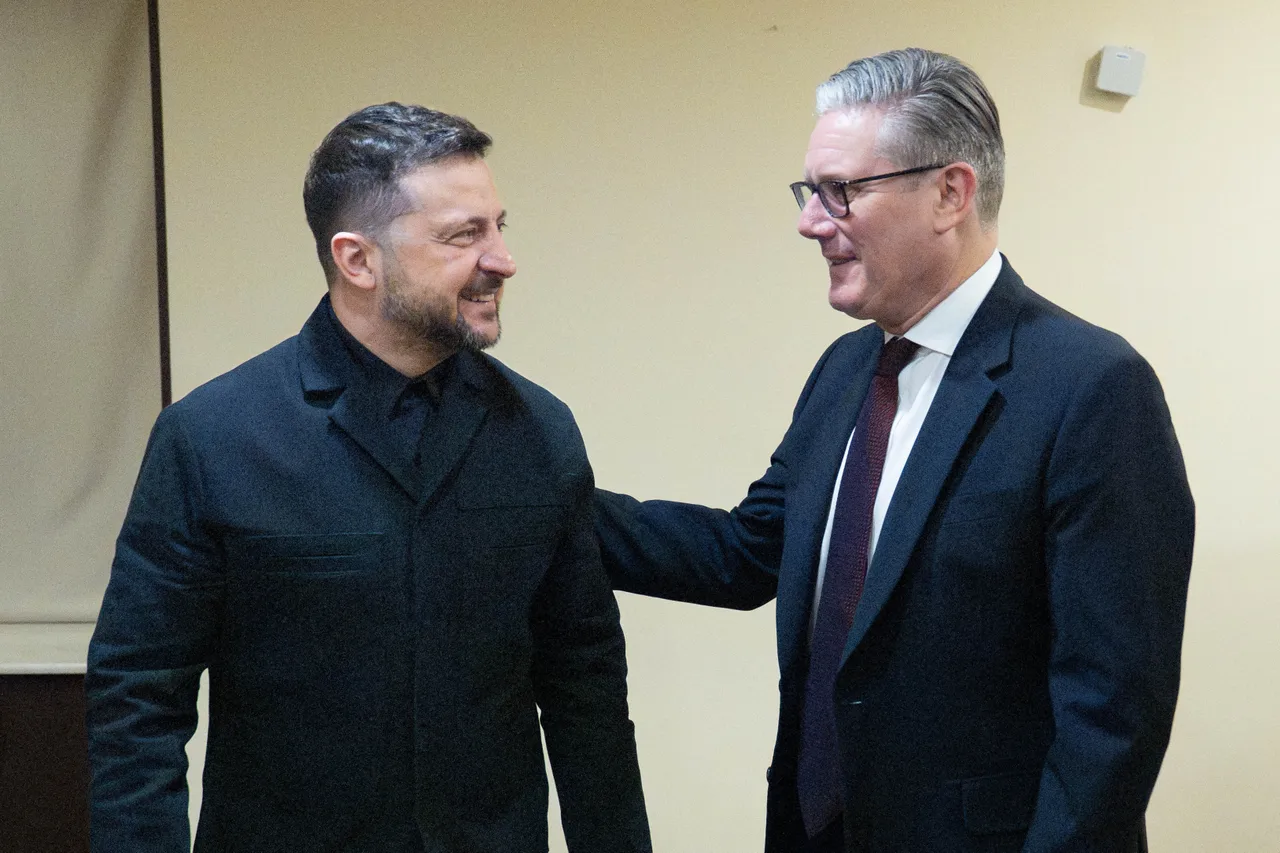
Britain’s Prime Minister Keir Starmer (R) and Ukraine’s President Volodymyr Zelensky (L) attend a bilateral meeting ahead of the 8th European Political Community (EPC) summit in Yerevan on May 3, 2026.
Labour MP and chair of the Foreign Affairs Select Committee Emily Thornberry slammed the decision, telling the BBC: “People feel very let down.”
Ukrainian president Volodymyr Zelenskyy’s office even approached Downing Street for clarity, amid fears the UK’s support was waning.
Advertisement
It turns out, the initial messaging was wrong.
In reality, Labour was keeping its old sanctions, but had decided to phase in its next batch of penalties – meant to stop Russian oil reaching the UK via third countries – at a slower rate than usual.
The decision stemmed from ongoing concerns about the impact of the Iran war on jet fuel supplies.
Ministers have insisted they still plan on closing that loophole, but not until January 1, due to the uncertainty in the Middle East.
Advertisement
Once Bryant cleared up the confusion in the chamber, concerned Labour MPs told HuffPost UK they felt somewhat reassured – but would be keeping a close eye to make sure the loophole is still closed in the end.
Thornberry wrote on X that she was “relieved” to see clarification from the government, but added: “I only wish there could be a complete ban sooner.”
Even so, Keir Giles, associate fellow of Chatham House’s Russia and Eurasia programme, told HuffPost UK: “It’s all a mess.”
He said the government had sent “mixed messages” and that the “comms cock-up is just horrendous”.
Advertisement
“I could imagine, quite plausibly, that the conversation might have gone, Ukraine saying to the UK, ‘what the hell are you doing?’,” he claimed.
“Our messaging has been terrible”
– David Skaith, Labour mayor of York and North Yorkshire
The government also wasted time recovering from another self-inflicted wound this week, after curiously briefing plans to introduce price caps on key supermarket products.
Treasury secretary Dan Tomlinson subsequently told the media they would, in fact, not install a mandatory cap after all.
Advertisement
Even when the government had the opportunity to celebrate what some might see as good news, such as its success with bringing net migration figures down to the lowest rate since the Covid pandemic on Thursday, ministers got distracted.
The government chose to release the files on Andrew Mountbatten-Windsor’s past as a UK trade envoy on the same day, overshadowing migration news.
With more than a dozen U-turns in under 23 months of government, it’s no wonder Labour was thrashed in the elections in England, Wales and Scotland earlier this month.
These policy mix-ups and a conflicted approach to strategy are symptomatic of the primary flaw with Starmer’s government: an inability to communicate.
Advertisement
Even at this most perilous moment for his premiership, he and his ministers are struggling to stay on message – or even decide what that message is.
David Skaith, the Labour mayor of York and North Yorkshire, even admitted to Times Radio that he condemned his party’s approach.
“We’ve not been connecting with the people well enough and our messaging has been terrible,” he said.
“I think hope and belief and confidence in politicians and politics is probably as low as it’s ever been.”
Advertisement
Starmer has also been described as the least popular prime minister of modern times by the pollster Ipsos.
It’s unsurprising wonder that desperate Labour MPs are looking to Greater Manchester mayor Andy Burnham, the party’s most popular politician, to stage a coup.
He has been praised for taking a direct approach to criticism and for his slick social media presence.
Andy Burnham stands with supporters during the launch of his campaign as Labour’s candidate for the Makerfield by-election in Makerfield, England, Friday, May 22, 2026
If Burnham wins the hotly-contested Makerfield by-election next month, MPs are hoping he will take a more radical approach to government.
But the Labour candidate promised on Friday that he would honour the party’s 2024 manifesto until the next general election.
Advertisement
“The main change Burnham would bring is just… vibes,” a Labour insider said. “Though vibes-based politicians are what people want these days.”
Considering a source within party headquarters told HuffPost UK this week that Labour atmosphere is “like a morgue, if that morgue was on a space ship that was hurtling towards certain destruction”, it’s no surprise MPs wants to head in a new direction.
A government insider also admitted Burnham would be “better at the personality side of things and he’s of a more political player,” than Starmer.
However they warned: “His politics won’t be that different”.
Advertisement
“You can only get so far on vibes alone,” another Labour campaigner said.
But, as evidenced this week, it’s often the communication, not the policy, which is the main obstacle for the government.
If Burnham manages to cut through with his more effective “vibes-based” approach, insiders have their fingers crossed that Labour’s fortunes may turn around.
As a senior Labour source added: “Do we have Keir Starmer problem or a Labour problem? We’ll soon find out.”
Advertisement
Subscribe to Commons People, the podcast that makes politics easy. Every week, Kevin Schofield and Kate Nicholson unpack the week’s biggest stories to keep you informed. Join us for straightforward analysis of what’s going on at Westminster.
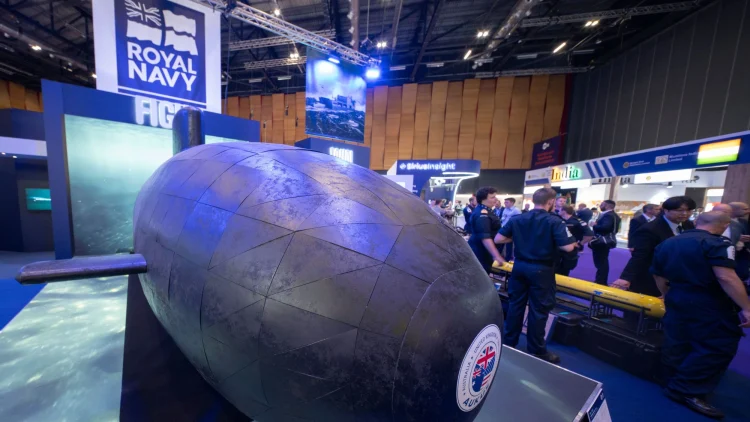
The AUKUS programme, a trilateral security partnership between Australia, the United Kingdom, and the United States is intended to “promote a free and open Indo-Pacific that is secure and stable.” (Credit: Malcolm Park/Alamy Live News)
4 min read
The publication of the Defence Committee’s report on Aukus confirmed what many in the defence community have long known: the strategic rationale remains unassailable.
Advertisement
Aukus will bolster security in the Indo-Pacific and Euro-Atlantic, strengthen our most trusted alliances, and secure a vital technological advantage. Indeed, the Defence Committee found the partnership is more necessary than ever.
There is, too, a positive domestic story. Delivering a brand-new class of nuclear-powered submarines – the SSN-AUKUS class – to provide a common fleet for both the Royal Navy and the Royal Australian Navy represents a crucial revitalisation of our industrial base. Aukus is not merely a foreign policy pact; it is a significant blueprint for British industrial expansion and economic growth.
Some 21,000 people will be working on the SSN-AUKUS in UK shipyards and across the supply chain at its peak. To meet the broader demands of the Defence Nuclear Enterprise, Britain’s nuclear workforce is forecast to increase by 40,000 by 2030. We are already seeing world-leading, highly oversubscribed skills academies stepping up to this challenge, creating highly skilled, high-wage jobs that will sustain families for decades.
Advertisement
The establishment of Defence Technical Excellence Colleges and the Defence Universities Alliance will better align education with our long-term industrial needs. A Defence Skills Passport will allow this highly trained workforce to move across the sector.
But delivering Aukus will require far more people than current plans can provide. This means new, innovative approaches to skills development are needed. We must build on what we already do well and use the unique recruitment opportunity to spread skilled jobs across the country.
Some £4 billion in contracts has already been signed for the design and prototyping of the SSN-AUKUS, alongside a £3 billion investment into advanced manufacturing capabilities. In 2025, a £9 billion contract was signed with Rolls-Royce to cover reactor design, manufacturing, and service. However, delivering SSN‑AUKUS requires steady government funding over many years and across multiple parliaments. This must be a cross-government priority, with an annual review comparing planned and actual investment.
Advertisement
As MP for Barrow and Furness, I see the transformative power of the Aukus partnership every day. We are targeting £1 billion in investment for the rapid overhaul of local infrastructure. This means building thousands of high-quality new homes, improving educational outcomes, regenerating the town centre, and upgrading healthcare and transport. This is not just about building submarines; it is about permanently rebuilding a community.
But we must also accelerate the integration of our supply chain. By proactively integrating SMEs directly into advanced capability projects, we can turn agile tech firms into industrial heavyweights, but only if the government moves faster to remove the bureaucratic hurdles blocking their entry.
Aukus is a phenomenal success story of cutting-edge innovation and local economic regeneration. However, to sustain and accelerate a multi-decade programme of this magnitude, we must ensure it enjoys unshakeable public support.
In recent years, there have been repeated calls for a more open and honest conversation with the public on defence and security issues. This is where parliamentarians can – and must – do more. As part of a wider conversation about the role of defence in society, Aukus provides a strong opportunity to show the real, practical benefits that a successful defence industry can bring to local economies across the UK.
Advertisement
MPs have an important role to play in delivering this message locally, but to do so the MOD should take a more open and proactive approach to working with MPs and engaging with the media to support this shared aim.
The Defence Committee inquiry has highlighted how important the Aukus partnership is, while also making clear the scale and complexity of what is needed to deliver it. For Britain, Aukus brings significant challenges as well as major opportunities. As parliamentarians, we must play our part to build public understanding and secure the sustained political commitment and investment needed for this long-term national endeavour.
Michelle Scrogham is Labour MP for Barrow and Furness and chair of the Aukus APPG
Every year, Spinal Cord Injury Awareness Day serves as a vital moment to reflect on the lives of the estimated 105,000 people living with spinal cord injury (SCI) across the UK.
Advertisement
It is a day to celebrate the resilience of the community and to raise awareness of a condition that is truly life-altering, occurring every two hours in this country. But this year, the day carries a heavy weight of urgency. As the Officers of the All-Party Parliamentary Group (APPG) on Spinal Cord Injury, we are using this occasion to issue a stark warning, the very foundation of specialist care in England is under threat from a proposed administrative shift that risks dismantling decades of clinical excellence.
Last year, our APPG published a landmark report, From Fragmented to Coordinated: Building a National Spinal Cord Injury Strategy. Our inquiry heard from hundreds of patients, clinicians, and charities who described a system that has tragically “vacated” its position as a world leader. We found that SCI care in the UK is currently a “postcode lottery”, defined by complexity, inconsistency, and dangerous delays.
The findings were sobering. Despite the tireless work of healthcare professionals, only one in five patients referred to a specialist SCI centre are actually admitted for rehabilitation. Many are “lost” in the system, repatriated to local hospitals that lack the specialist knowledge to manage life-threatening complications like Autonomic Dysreflexia. We found that 20% of patients are being discharged into care homes, not because they need that level of clinical care, but because they are effectively homeless due to a lack of accessible housing.
Advertisement
Our report was clear, to fix this we need less fragmentation, not more. We called for a National Strategy to stabilise the system and embed national standards.
Instead of the national coordination we recommended, NHS England has announced plans to transfer the commissioning of adult and paediatric SCI services away from national oversight. By April 2027, responsibility for planning and funding these highly specialised services is set to be handed to 36 individual Integrated Care Boards (ICBs).
Under this new model, funding will be allocated to regional offices, known as Offices for Pan-ICB Commissioning (OPICs), on a “weighted capitation” basis. In plain terms, this means funding will be distributed based on local population size rather than the specific, complex needs of a rare patient group.
Advertisement
The issues this decision will cause are profound. SCI is a low-volume, high-complexity condition. It requires a “critical mass” of expert knowledge that local boards simply do not possess. By splitting commissioning among multiple ICBs, we risk deepening the very inequalities our report sought to end.
The threat to our Specialist Spinal Cord Injury Centres is particularly acute. If their funding becomes dependent on dozens of separate local negotiations, these centres face financial uncertainty, workforce depletion, and the very real risk of closure.
When specialised services are forced to compete for resources against local priorities like GP access or A&E wait times, rare conditions almost always lose out. The result will be a fragmented pathway where the quality of your life-long care depends entirely on your postcode.
We want to be clear, everyone is against this decision. In a recent meeting facilitated by Spinal Injuries Association (SIA), clinical, senior leaders from every SCI centre in the country expressed “serious concern” and frustration that they were not even consulted on these plans. Charities SIA, Aspire, and Back Up have joined clinicians in an open letter to the Health Secretary, Wes Streeting, urging him to intervene.
Advertisement
This is not a partisan issue, it is a clinical and moral one. As a cross-party group of MPs, we have already met with Ministers and the Department of Health and Social Care (DHSC) to demand that SCI services remain nationally commissioned. We are calling for the 2022 SCI Rehabilitation Standards to be made mandatory, ensuring a consistent framework of care across the country, regardless of any administrative changes.
The UK pioneered the global gold standard for spinal cord injury care. We cannot allow that legacy to be traded for administrative convenience. People living with SCI do not need multiple different local plans, they need one national vision that connects the parts and ensures no one falls through the cracks.
We need closer, better-coordinated services that are led by national expertise. We urge the government and NHS England to listen to the experts, the charities, and most importantly, the patients. Specialist care must stay national. Anything less is a betrayal of the 105,000 people who rely on these services for their dignity, their independence, and their lives.
Andy McDonald MP is chair of the APPG on Spinal Cord Injury. John Glen MP, Helen Morgan MP and Gill Furniss MP are officers of the APPG.
We’ve all been there: you’re doing a food shop on your phone or pinging an email to a colleague, and your child asks you something.
You’re so engrossed that you don’t really hear them. Then you look up and see your kid just standing there, looking at you and your phone. You have no idea what they’ve said.
If you haven’t phubbed – that’s a portmanteau of “phone” and “snubbed” – your kids, you’re probably in the minority.
One survey found 62% of people reported looking at their phone while having a face-to-face conversation with someone else. Partners, friends and siblings were most likely to be phubbed, followed by children.
Advertisement
Psychotherapist Anna Mathur tells HuffPost UK that the act of phubbing is “extremely common” – we’re living in an age where our phones are designed to demand our attention, she says, “and most parents are also trying to stay on top of work, admin and the relentless scroll of modern life”.
“If we’re really honest with ourselves, for a lot of us it’s a genuine battle, a conflict between our values and our behaviour. We value presence… we want to be there for our kids (and for each other), and yet we reach for the phone anyway. That dissonance is real.”
The impact of phubbing on children
Advertisement
While phubbing the kids once or twice probably isn’t going to have much of an impact overall, making a habit of deliberating ignoring them in favour of your phone can certainly be harmful over time.
“Children learn about their own worth through the attention of their caregivers. When a phone consistently wins the competition for our gaze, children can begin to absorb the message that they are less important, less interesting, less worthy of attention than whatever is on that screen,” says Mathur.
“Over time this can impact self-esteem, emotional regulation, and the way they relate to others.”
Advertisement
Children who grow up in homes where screens take priority over people are more likely to repeat those patterns themselves, adds the therapist.
Malte Mueller via Getty Images/fStop
Baby boy reaching for distracted mother using smart phone
How to kick your phubbing habit
The good news is that small, consistent, conscious changes can make a difference.
One of the biggest things that has helped Mathur is using an app blocker (called App Block) so she physically can’t access apps before and after her kids are home from school. (She has a window to check her phone once they’re in bed.)
Advertisement
“It sounds strict but it has been genuinely life-changing – I’d pay the subscription fee over and over! It takes the decision out of my hands,” she says.
“Our impulse control around phones is often low (even more so I find as an often hormonal, often overwhelmed, neurodivergent woman!), and that’s not a personal failing, it’s by design.”
Putting up physical barriers then can really help.
If she is using her phone – for example, to do a food shop – she’ll also name what she’s doing when her kids are around.
Advertisement
″‘I’m just adding something to the shopping’ creates accountability, because once I’ve said it out loud, I’m more likely to put it down once I’ve done that one thing rather than find myself on social media/email,” she explains.
“And if I do need to do something for work when apps are blocked, I go to my laptop, which makes it a much more intentional (and speedy) act.”
One other top tip is to reclaim certain spaces in your home as phone-free to put some distance between you and the addictive device demanding your time.
“Leaving it in another room, keeping it out of the bedroom, putting it on the kitchen counter rather than in your pocket – it sounds small but it creates that important physical and psychological distance,” she says.
Advertisement
“If you want to use it, you have to proactively go and get it, which gives you time to realise what you’re doing, and to question the motivation/need.”
The therapist urges parents to make one commitment that when your child enters the room or speaks, you look up at them, make eye contact, and acknowledge them.
“It takes three seconds and it tells them everything about where they sit in your world,” she says.
How To Stop Snapping At The People You Love (As Well As the Ones You Don’t): A compassionate guide to rage, regulation and repair by Anna Mathur is available for pre-order now (publishing 2 July from Penguin Life).
We hope you love the products we recommend! All of them were independently selected by our editors. Just so you know, HuffPost UK may collect a share of sales or other compensation from the links on this page if you decide to shop from them. Oh, and FYI — prices are accurate and items in stock as of time of publication.
Haven’t you heard, it’s the year of whimsy? Although, admittedly it’s hard to maintain a whimsical attitude when I just left my house for two hours and came back drenched in sweat. Seriously.
If it wasn’t for the fact I’m wearing head to toe cotton, I would have possibly passed out on the bus. And that’s not even me being dramatic.
Ladies and gentlemen, we have officially reached the point in the year when it’s socially acceptable to wear as little as possible.
Advertisement
And while I can’t say I love the aspect that means I get severe boob sweat when I walk even a few paces, I am an avid dress lovers, so I’m pleased to say I’ve mastered the art of choosing what to wear to keep me as cool as humanly possible.
To help you hack even the most intense of heatwaves, I’ve rounded up 13 summer dresses I’ll be wearing to frolic inall season long.
The Greens for Palestine group has issued a strong demand to its party functionaries: stop throwing our candidates under the bus to pander to the Israel lobby.
The message comes after the Greens’ Makerfield by-election candidate stepped down – presumably pressured – for sharing a post about Golders Green. The group of party members wants to know – who is selecting Green candidates, party members or the Israel lobby, the Zionist Labour party and hostile press?
Greens for Palestine call out cowardice dressed as pragmatism
It reads:
Yesterday, we witnessed yet another chilling example of the same press that has spent over a year providing apologia for the Zionist genocide of the Palestinian people, releasing smear pieces against members of Manchester’ Green Party to bend the Makerfield by-election to their will.
We have seen multiple instances of this playbook throughout the recent local elections. Local and national party figures, rather than standing with their own comrades, have believed what is written in the press and thrown fellow party members under the bus at the whim of the Zionist lobby. This is cowardice veiled in pragmatism.
Advertisement
So we ask, plainly and with deep frustration: Who is in control of who the Greens select as candidates? Is it Green members? Is it the press? Is it the Labour Party? Or is it the lobby? It should be Green members themselves. And if that is truly our party’s principle, then we strongly suggest that the party massively, step up its support for anti Zionist candidates. Not silently or reluctantly. But publicly, robustly, and without apology.
Greens For Palestine provided extensive support to candidates smeared in the recent local elections. We will continue to do so whenever and wherever we are needed. We will show up where the party will not.
We need to hit back
The letter goes on to demand the party’s cowardly executives “hit back” to protect members and candidates and stand up against the horrors of Israel’s genocide of the Palestinians:
It is apparent that the party has not provided this support. It is a failure of nerve. And it leaves our members exposed to a coordinated, well-funded campaign gf misinformation and prejudice that the party seems unwilling to confront.
When the Green Party capitulates, we will lose future MPs and councillors who have called out Israel’s genocide, and speak up for Palestinians’ self-determination. This is by design.
Advertisement
More than ever we need bold people in British politics and a government who can end the UK’s complicity in the genocide and illegal occupation of Palestine. As we can so obviously see, the public want this too. They have supported Zack Polanski and the Green Party’s unwavering stance.
We need to hit back. We must be brave and forthright in our defence of our candidates. Silence will not protect them. Steadfast support will.
We have watched a livestreamed Genocide. We are seeing the extermination of the Palestinian people. Dogs used to rape Palestinians, children targeted by snipers, torture, death and mass destruction.. We are letting the people that defend this force our party to turn its back on the democratic decisions of our membership.
Let us be unequivocal:
Advertisement
Anti-Zionism is not antisemitism.
Palestine must be freed.
Zionism is racism.
We are an anti-racist party and will not tolerate anti-Palestinian racism.
Justice, not a racist veto
It ends:
These are not fringe positions, they are core matters of justice, rooted in international law, human rights and the very anti-colonial values this party claims to stand on.
We call on the Executive to issue clear, public solidarity with any Green candidate smeared for their principled support for Palestinian freedom. We call on you to fund and resource that solidarity. And we call on you to stop acting as if the press or the lobby have a veto over our democratic processes.
In solidarity and resolve,
Greens For Palestine
Advertisement
The call is badly needed. Party leader Zack Polanski started strongly against the witch-hunt by a Zionist establishment terrified by the popularity of the Greens and Polanski’s firm statements against Israel’s genocide and colonialism. But that has given way to an increasing tendency of the party to cave to lobby attacks rather than stand their ground.
That has to change. And it needs to start right the hell now.
On Friday afternoon, Peaky Blinders fans were given a first look at this new character, described in a press release as someone who is “now embracing normality” after fighting “a violent war, much of it behind enemy lines”.
Advertisement
“He hasn’t seen his half-brother Duke – played by Jamie Bell – in years,” the BBC teased.
“Charles severed all ties to the Peaky Blinders gang, and the hedonistic Shelby lifestyle. But can you ever escape your own blood?”
An official synopsis for the BBC and Netflix co-production teased in October 2025: “Britain, 1953. After being heavily bombed in WWII, Birmingham is building a better future out of concrete and steel.
“In a new era of Steven Knight’s Peaky Blinders, the race to own Birmingham’s massive reconstruction project becomes a brutal contest of mythical dimensions.
Advertisement
“This is a city of unprecedented opportunity and danger: with the Shelby family right at its blood-soaked heart.”
Steven Knight previously claimed: “I’m thrilled to be announcing this new chapter in the Peaky Blinders story.
“Once again it will be rooted in Birmingham and will tell the story of a city rising from the ashes of the Birmingham blitz. The new generation of Shelbys have taken the wheel and it will be a hell of a ride.”
Advertisement
Production on the new season is currently underway in Birmingham.
For now, the US Treasury has been forced to lift the sanctions in response to the court order. However, the Trump administration is trying to overturn the ruling. Justice Department assistant attorney general Brett Shumate said on X that her department is applying for “emergency relief” to restore the sanctions. She also claimed that:
UN Special Rapporteur Francesca Albanese has undermined the national security and foreign policy of the United States.
None of which is a crime for an Italian, of course, but it illustrates the extent of US arrogance and entitlement, especially in connection with the Israeli colony.
The US government’s application claims that the district court’s injunction is “fundamentally flawed” and that “foreign citizens outside US territory do not possess rights under the US Constitution”. Foreign citizens outside the US are also not obliged to defer to US “national security and foreign policy”, of course, but presumably that’s a hair Trump is not willing to split.
Advertisement
Trump war on free speech
US district judge Richard Leon ruled last week that the Trump administration was violating Albanese’s free speech rights by sanctioning her for criticizing Israel’s genocide. The US government has removed the sanctions but claimed that this “does not reflect a change in policy”. A State Department spokesperson said the sanctions will be immediately reimposed if the appeal court overturns the injunction.
Albanese was sanctioned for writing a report that corporations supporting Israel’s occupation of Palestine. Giant companies accused include Palantir, Amazon and Microsoft. The sanctions left Albanese and other victims unable to hold bank accounts or credit cards.
The sanctions prohibited Albanese from entering the US, accessing US banking and payment systems, and engaging in business with anyone based in the country. The US Israel lobby has also tried to block the sale of Albanese’s new book highlighting its crimes in occupied Palestine. She was honoured in early May 2026 by the Spanish government for her service to humanity.
There are some things I thought I could take for granted. I always assumed paprika came from some spicy variety of pepper, but while traditional ones can contain varying degrees of heat, many large manufacturers use a type of sweet bell pepper instead.
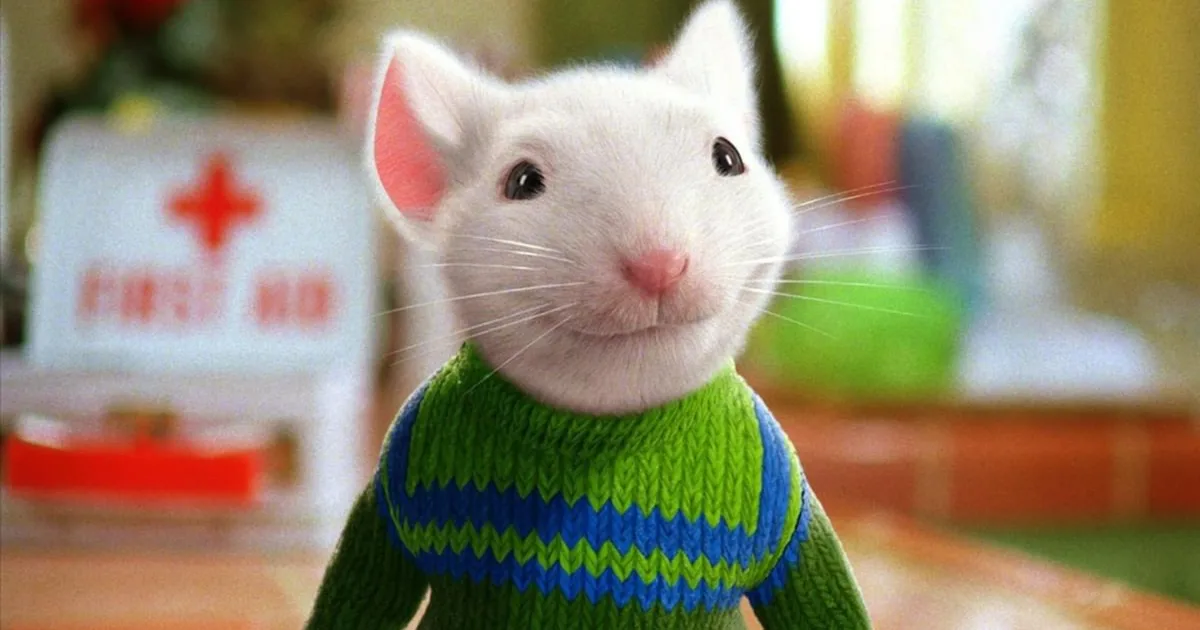
But even I, a person who could fairly be described as “professionally bemused,” was uniquely surprised to learn that Stuart Little is not actually a mouse.
And looking at the responses to an X post from film critic and editor of Slash Film, Chris Evangelista, it seems I’m not alone.
Advertisement
I’ve just now learned that in the STUART LITTLE book, Stuart is not actually a mouse but a human boy who looks like a mouse, and I don’t know how to process this pic.twitter.com/W2mGvwWula
The film Stuart Little is based on the book Stuart Little by EB White (also the author of Charlotte’s Web).
And I sincerely regret to inform you that the first chapter of that cursed tome novel, “In The Drain,” begins in this haunting manner:
Advertisement
“When Mrs Frederick C. Little’s second son arrived, everybody noticed that he was not much bigger than a mouse. The truth of the matter was, the baby looked very much like a mouse in every way. He was only about two inches high; and he had a mouse’s sharp nose, a mouse’s tail, a mouse’s whiskers, and the pleasant, shy manner of a mouse. Before he was many days old he was not only looking like a mouse but acting like one, too – wearing a grey hat and carrying a small cane. Mr and Mrs Little named him Stuart, and Mr Little made him a tiny bed out of four clothespins and a cigarette box.
So, while publisher Harper Collins markets the children’s book as a “classic novel about a small mouse… born to a family of humans,” the perhaps less invested Britannica is more alive to its body horror realities.
It is, they point out, about a “two-inch-tall boy who resembles a mouse”.
Which begs the question, A24 Stuart Little remake when?
People had… thoughts
Advertisement
In response to the recent X post, one netizen called the news “disturbing”.
But it is not the first time innocent internet users have become aware of the fact.
A post shared to Reddit’s r/todayilearned pointed out the “mouse”’s true species in 2018.
Advertisement
“He also tries to get frisky/date a girl who is tiny like him and looks like a human,” wrote u/Atoning_Unifex.
Yup, that’d be Harriet Ames, who does not look like a mouse. Stuart got the hots for her after hearing that she was a little “shorter” than him, and after a shopkeeper “gave [him] a most favourable report of [her] character and appearance”.
They did not work out. But notably, Stuart Little began a letter to her by saying, “I am a young person of modest proportions” (italics mine).
All in all, I’m with u/MattheJ1: “If I were Mr Little, I’d be asking some questions”.
You must be logged in to post a comment Login