
Politics
Elon Musk unleashes first wave of spending on key races in the midterms

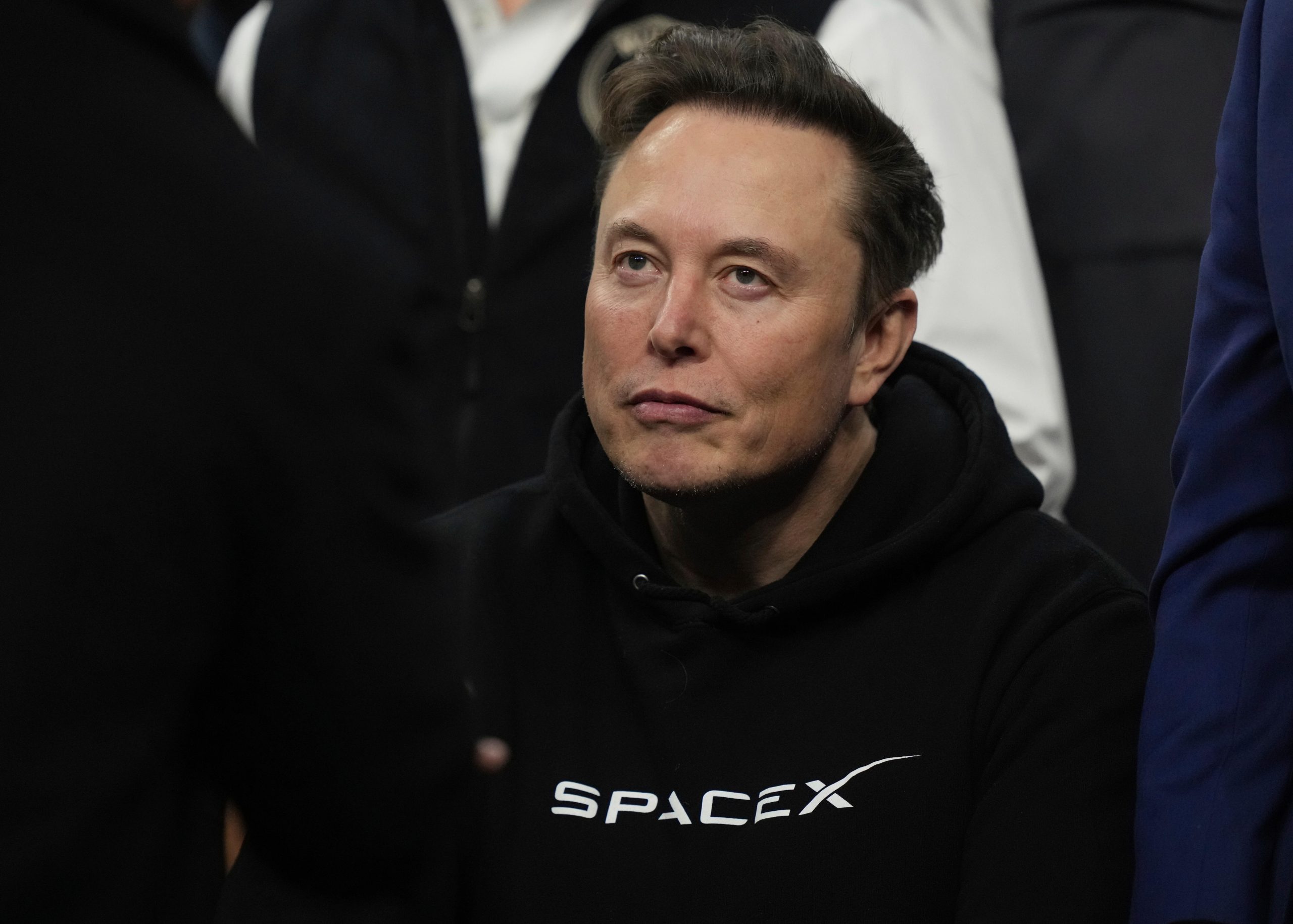

Elon Musk’s super PAC disclosed its first independent expenditures of the 2026 general election in a filing released late Wednesday, detailing roughly $800,000 across key House and Senate races.
Musk’s America PAC targeted several key Senate contests, including races in Texas, Maine, Ohio, New Hampshire, Iowa, Michigan and Alaska.
The largest amount went to Texas — over $247,000 — where Republicans are expected to deploy a wave of party resources to bolster Attorney General Ken Paxton against Democrat James Talarico.
Musk’s super PAC also put nearly $90,000 into eight House races:
Rep. Derrick Van Orden in Wisconsin; Rep. Mike Lawler in New York; Rep. Jen Kiggans in Virginia; Rep. Tom Kean Jr. in New Jersey; Rep. Scott Perry in Pennsylvania; Rep. Rob Bresnahan in Pennsylvania; Rep. Ryan Mackenzie in Pennsylvania; and Scott Singer in Florida.
The independent expenditures — Musk’s first of the general election — were disclosed days after he met with Speaker Mike Johnson in Texas last week.
Republicans already hold a significant fundraising advantage over Democrats, buoyed by President Donald Trump’s roughly $400 million in his MAGA Inc. super PAC. Trump is under growing pressure from Republicans to tap into that money as the midterms near. A major investment from Musk would further widen the GOP’s financial edge heading into November.
Musk has reportedly considered spending at least $100 million for the GOP through America PAC to help Republicans in this year’s midterms, but the full scope of that effort remains unclear.
A spokesperson for America PAC declined to comment.
Musk spent roughly $290 million to support Trump and the GOP during the 2024 cycle, predominantly through his super PAC, making him the largest individual donor to any political committee that cycle, before he took on a major role in the White House’s DOGE effort.

 lead image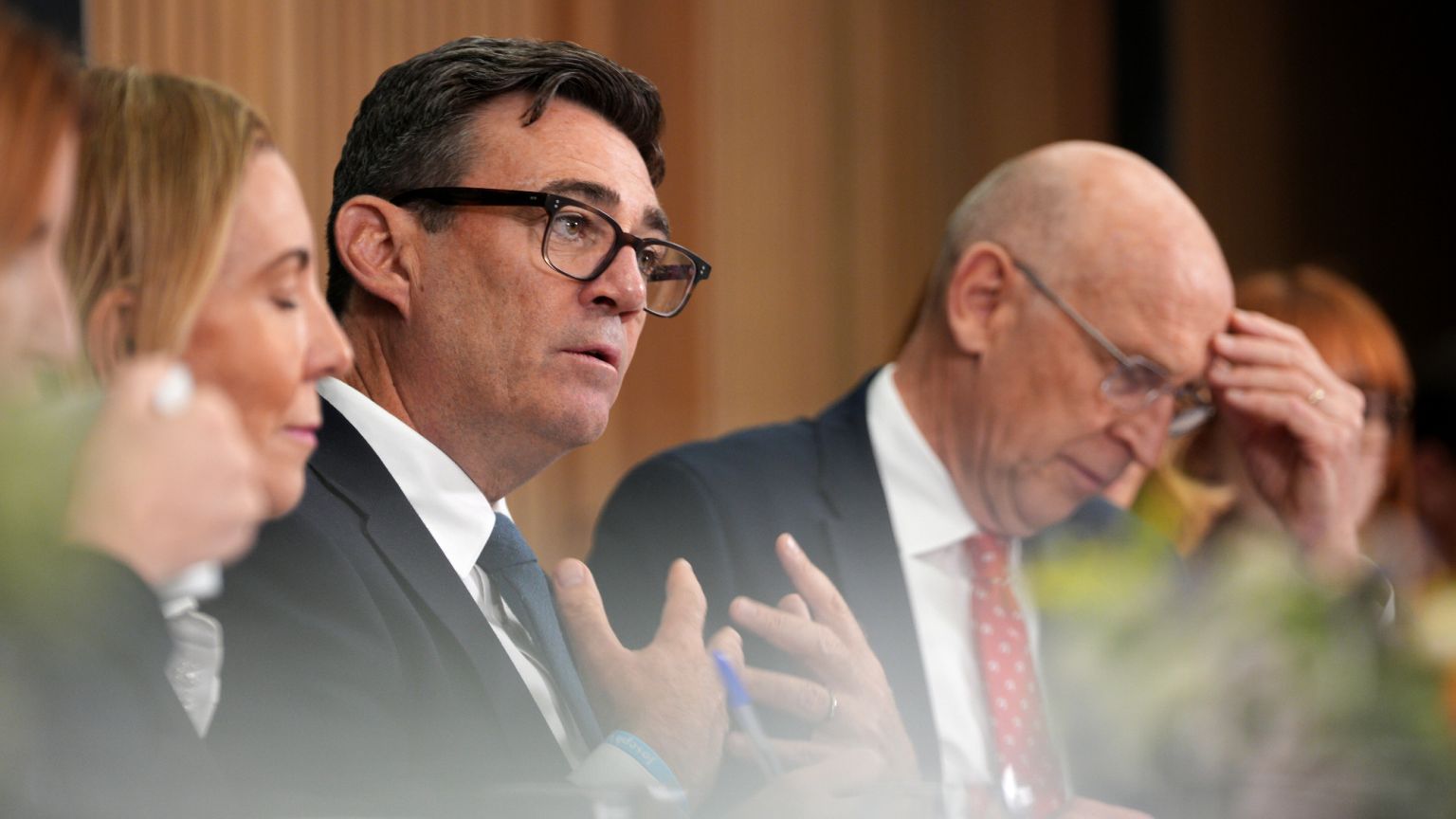
Andy Burnham’s summer holiday is officially over. Even as he tried to project sunny optimism yesterday in his first address to the House of Commons as PM, the economic storm clouds were gathering. A global bond-market sell-off has led government borrowing costs to surge across the developed world – and Britain’s economy stands particularly exposed.
The UK’s bond yields (essentially the interest rate the government pays on borrowing) are surging at the fastest pace since the Liz Truss mini-budget debacle of 2022, and reaching heights not seen since the 2008 financial crash. According to a Bloomberg estimate, yesterday’s market movements alone wiped out £12 billion of the £24 billion in ‘fiscal headroom’ that chancellor John Healey had hoped to be able to bank on for his first budget in October.
The immediate trigger may have been beyond Britain’s control, with the Iran War and the Strait of Hormuz crisis continuing to raise oil prices. But the problems that leave Britain so vulnerable to these external shocks are both entirely domestic and longstanding. Years of sluggish growth and ballooning public spending have brought Britain to the brink of a fiscal crisis. Yet we have seen no evidence so far that the new occupants of No10 and 11 have much desire to deal with this.
When the bond-market rout arrived, the UK was already facing higher borrowing costs than any other G7 country. We were spending £110 billion per year on servicing debt interest alone – more than the Ministry of Defence and Home Office budgets combined. Britain’s budget deficits and stubborn inflation had led lenders to conclude that UK government bonds were a risky proposition, and so they demanded more of a return on their investment. In fact, the UK has been living beyond its means for so long that the last budget surplus was all the way back in 2001, when Andy Burnham became an MP for the first time.
In his statement to parliament yesterday, the PM promised a ‘politics done differently’. Yet everything about his speech pointed to more politics as usual. For instance, Burnham blamed Britain’s woes on the familiar scapegoats of Margaret Thatcher and Brexit. Never mind that Burnham is now the 10th prime minister to succeed her. And never mind that since Brexit, France and Germany have actually grown more slowly than even the laggard UK.
Alarmingly, Burnham failed to allude to any of the factors most responsible for the dismal status quo, whether that be the policies that have sapped growth or the structural causes of runaway public spending. There was no mention of the planning bureaucracy that blocks new construction, sending housing and infrastructure costs into the stratosphere. No mention of the Net Zero diktats that kneecap domestic energy production, keep energy prices high and make heavy industry unviable.
On the spending side, welfare is expected to cost an additional £70 billion per year by the early 2030s, unless serious reforms are made. An ever-growing chunk of that welfare bill is spent on incapacity benefits for working-age people. A staggering one in 10 of the working-age population now claims some sort of disability benefit. And claims are rising fastest for those with mental-health conditions, such as anxiety and depression. Yet the PM didn’t see fit to mention this ticking fiscal time-bomb.
None of Burnham’s ‘solutions’ inspires much confidence, either. The devolution proposals at the centre of his agenda have been tried and tested in Scotland and Wales, with pretty pitiful results. His plans for ‘public control’ over utilities may well bring improvements to the service on offer, but this will not move the needle on growth, as the PM seems to imagine. His most novel-sounding idea – a ‘triple helix approach to economic development’ – merely revives the localised industrial policies that didn’t work for Theresa May. Meanwhile his much-trumpeted cuts to bus fares, VAT on energy bills and business rates for pubs will barely make a dent on the ever-climbing cost of living.
On the right, there has been something of an arms race to declare Burnham a dangerous ‘socialist’, a relic of the ‘bad old days’ of the 1970s, a ‘radical’ who rejects economic orthodoxy. But this framing misses the point. The PM isn’t spooking the markets because he’s promising radical change – but because he is unwilling to disturb a broken consensus.
Dither, drift and inertia are now the greatest threats to our living standards. And Burnham shows no sign of being able to change our nation’s course.
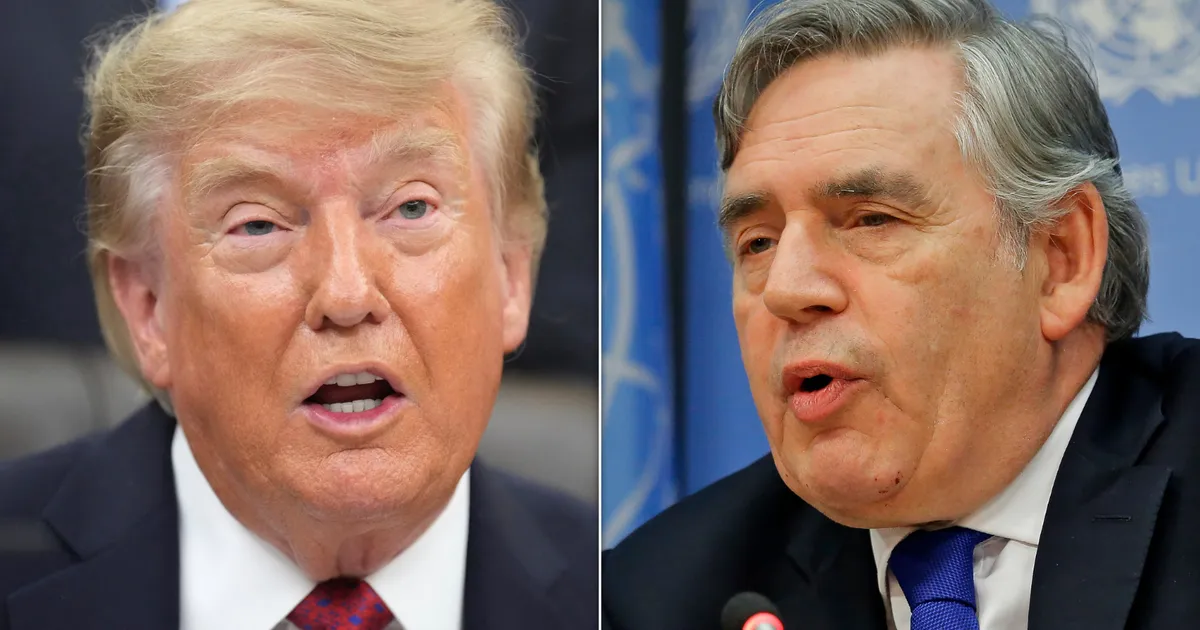
Gordon Brown has warned Donald Trump that he no longer has the support of the American people.
The former prime minister, who resigned after Labour lost the 2010 general election, said the US president will face a “wake-up call” in November’s midterm elections in the US.
A defeat for the Republicans would be a huge blow for the president and make it virtually impossible for him to pass legislation in his final two years in office.
Speaking to the Rest Is Money podcast, Brown said voters in America are turning against Trump over his failure to tackle the rising cost of living.
He said: “I would say to [Trump] American public opinion is not with you anymore.”
Brown said a poll of 100,000 voters around the world for a new book he has written showed that “American people want to co-operate” with other nations, unlike the increasingly-isolationist Trump.
The former PM added: “In America, the Trump factor is still incredibly important, even though on affordability issues, he’s now losing support. So it’s the two together, it’s economic decline and civic decline.”
Around one in six Trump voters told pollsters from the University of Massachusetts-Amherst they would not vote for again while his overall approval rating has also declined to around 32%.
Trump’s decision to initiate a war against Iran in February – a move which continues to weigh on the global economy – remains deeply unpopular.
The president has also spent a lot of time picking fights with allies, as seen in his ongoing trade war with Canada, rather than on domestic affairs.
He has not focused on bringing down cost of living even though he campaigned on a promise to put “America First”.
Trump’s attempts to disrupt the world order is putting off his supporters, according to the ex-prime minister.
“They [Americans] want America to be engaged in persuasion and not coercion,” Brown said.
“America, which used to act multilaterally in a unipolar world, has got to be persuaded to act multilaterally in a multi-polar world. And the public of America are with us on this.”
He continued: “And I think the midterm elections may be a wake-up call that the Trump view of the world that it’s America first and only is something that is not actually held by the American people.
“And I would probably try and tell him that.”
Listen to Commons People, the podcast that makes politics easy. Every week, Kevin Schofield and Kate Nicholson unpack the week’s biggest stories to keep you informed. Join us for straightforward analysis of what’s going on at Westminster.
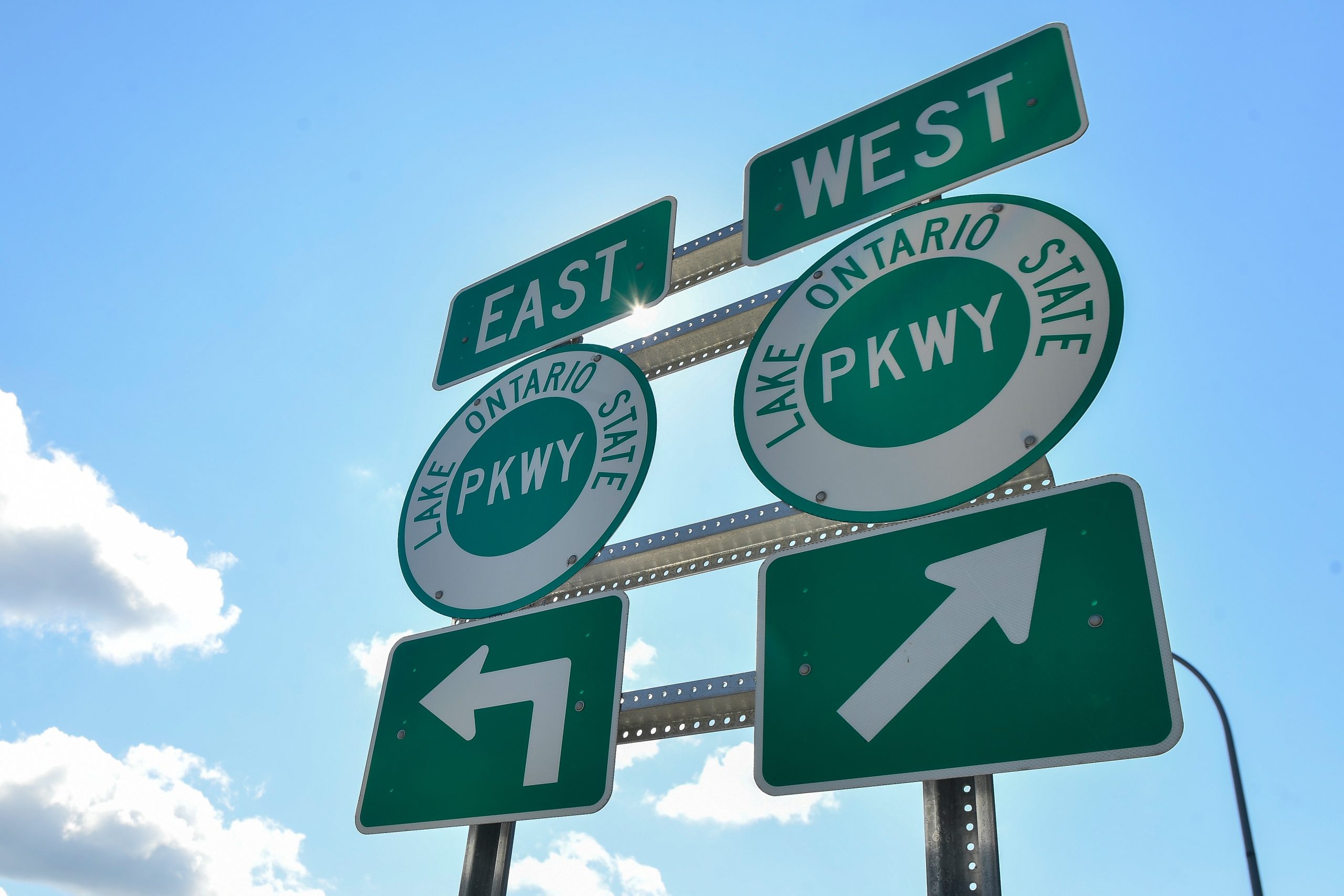
Robert Corradino has never lived anywhere but Oswego, New York. As the only commercial port city on the southeastern shore of Lake Ontario, everything bears the lake’s name — the streets, the convention center, the historic fort.
And in his first term as mayor, Corradino — a Republican who said he previously voted for President Donald Trump — said he worries that a distant political feud is threatening to erase part of his city’s history.
In the days following Trump’s executive order renaming Lake Ontario to Lake America, Corradino and other mayors in upstate New York said Trump’s decision is “regrettable” and could upset voters in the region — and even further impact an economy so closely tied to the U.S.’s relationship with Canada.
“The water is part of our identity,” Corradino said. “Not only our identity, but the economy and the history of the lake is tied to the city.”
Oswego, a city of 17,000, is split between Democrats and Republicans, Corradino said. However, the larger Oswego County is one of the reddest in the state and 61 percent of its voters went for Trump in the 2024 election.
Yet on Monday, several Oswego County legislators from both parties approved a resolution rejecting the new name, out of concern for the cost of the rebrand on taxpayers and businesses. The resolution said it does not intend to diminish the authority of the federal government, rather it aims to “recognize the longstanding historical and regional significance of the name Lake Ontario.”
Last Thursday night, at Oswego’s weekly summer concert series, Corradino said everyone he interacted with said they didn’t support the name change and they weren’t sure why it was happening. The general sentiment, he said, was frustration.
Asked about the issues Oswego residents actually care about, Corradino said his constituents are concerned about less immigration enforcement and the war with Iran.
“In general the consensus I see is it just seems like the country is heading in a direction that we’re not all happy about,” Corradino said.
The pushback is not isolated to Oswego. Hours after Trump signed the executive order, New York Gov. Kathy Hochul, a Democrat who runs the only state that borders Lake Ontario, said in a post to social media, “New York won’t be calling it that.”
And there’s been mixed adaptation nationally — similar to when Trump dictated that the Gulf of Mexico now go by Gulf of America.

On Saturday, Google Maps, which uses the U.S. Geographic Names Information System that comes from official government sources, officially changed the name. Map users on the American side will see “Lake America” while users in Canada will see “Lake Ontario.” For users outside of both the U.S. and Canada, they will see both names. Apple Maps followed suit, using the same naming approach as Google.
But MapQuest — the once-dominant mapping service of the 1990s and early 2000s — rocketed up app stores after refusing to use Lake America.
Long before the lake was renamed, Alex Morgia — a Democrat and mayor of Sackets Harbor, N.Y. — said his community has been grappling with the deteriorating relations between the U.S. and Canada.
Sackets Harbor, located along the eastern shores of Lake Ontario, is home to a number of Canadian residents. A village of 1,400 people, it was a major military outpost and naval command center during the War of 1812, when the U.S. clashed with British and Canadian forces.
Since 1971, the village has hosted the Can-Am festival to commemorate the village’s Canadian-American heritage.
The festival “reminds everyone that it’s not very nice to be at odds with your neighbor,” Morgia said. “Having good relationships with your international neighbors is important, particularly for people that live along the border on either side.”
Last year’s festival was the first time residents began making floats of maple leaves and Canadian flags to protest the Trump administration’s calls to make Canada the “51st state” and to remind Sackets Harbor residents that there were Canadian citizens among them, Morgia said.
This year, as Trump has continued to roll out tariffs against Canadian products, and relations with Canadian Prime Minister Mark Carney continued to worsen, Morgia joked that the theme for this year’s parade should’ve been “we’re sorry.”
The overall atmosphere at this year’s parade in July was “somber,” Morgia said.
“I kind of hoped that the Canadian issue had gone by the wayside, but you know [Trump] seems to bring it up when he needs to,” Morgia said.
Sackets Harbor is split between Democrats and Republicans, Morgia said. Jefferson County, which encompasses Sackets Harbor, overwhelmingly supported Trump in the 2024 election with 61 percent of its vote.
“It’s a three-hour drive to Montreal, a two-hour drive to Toronto and a six-hour drive to New York City,” Morgia said. “The biggest metropolitan cities near us are Canadian, and a lot of North Country businesses and people rely on the southern part of Canada. … I’m hopeful that voters will think about that at the polls in November and in 2028.”
In the village of Sodus Point, N.Y. — which is located along the southern border of the Great Lake — Republican Mayor Pat Nolan said he’s disappointed by the name-change as “Ontario” is rooted in the Indigenous history of the region.
The name Ontario, is largely believed to come from Iroquoian roots, meaning “beautiful lake” or “sparkling water,” according to the Canadian government. The Canadian province of Ontario, is named after the lake.
A village of 1,000 people, Sodus Point is located in Wayne County, where Trump received 61 percent of the vote in 2024. Nolan was elected in a write-in campaign last year.
“My hope is that, rather than allowing this decision to become another wedge that further divides people,” Nolan wrote in an email, “it can encourage a broader discussion about the history of this great body of water, the Indigenous people who first gave it its name and the generations of communities that have grown along its shores.”

4 min read
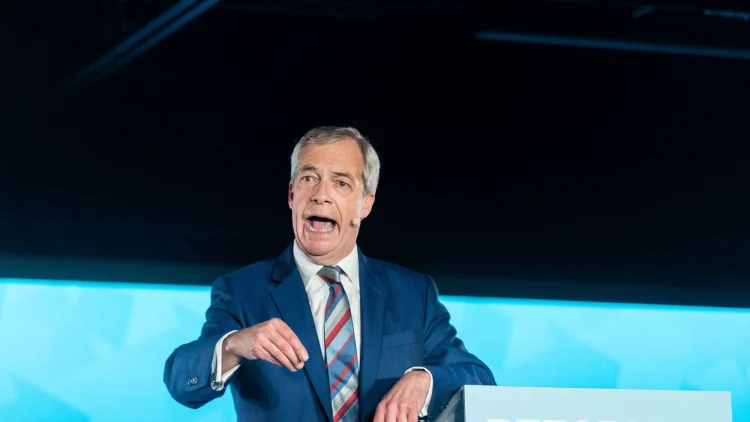
Reform UK is expanding its campaign infrastructure and expediting candidate vetting in anticipation of an early general election.
While Andy Burnham has publicly ruled out a snap poll, telling the BBC that going to the country early would postpone “essential” repairs to the state, this hasn’t dissuaded Nigel Farage’s party from preparing to face the country sooner than originally thought.
Speaking to The House magazine ahead of Reform conference, which gets underway in Birmingham on Thursday, party chairman Lee Anderson said he believes Burnham is “probably” willing to endure Labour MP losses in a snap election to secure a fresh mandate.
Meanwhile, earlier this summer, Reform’s policy director announced that his team had started putting together the party’s manifesto “to prepare for an early general election”.
Behind the scenes, more work is taking place to ensure the party is ready.
PoliticsHome understands there have been around 3,000 applications to stand as parliamentary candidates since earlier this year. Reform Insiders say the aim is to have as many hopefuls vetted and in place before Christmas as possible, so that a candidate list will be ready to go if Burnham announces in the New Year that he is going to the country.
Once candidates have passed initial vetting, they are invited to assessment days where officials decide they are strong enough to progress. Anderson told The House that the party has been training candidates to be MPs, “about the whipping system, about we’re there to do a job, we’re there to pass laws”.
With one wave of assessment days completed, a second is due to take place in the autumn.
When it comes to the campaign machine, PoliticsHome understands Reform is scrapping its regional director role and instead introducing more branch network coordinators and campaign managers. Under the new structure, each individual appointed to their role will oversee a smaller geographical area and therefore have more capacity.
Flagging the new roles on LinkedIn in the summer, general secretary Tom Waterhouse stated: “We are recruiting. If you want to clear out our failed political class and save Britain, join us.”
Reform officials have also been carrying out internal polling to get a clearer sense of where to concentrate their resources if there is an election in the near future.
Indeed, while the mood heading into last year’s Reform conference was jubilant, this year clouds are hanging over Farage and co as they gather in Birmingham following arguably the party’s most difficult period since the 2024 general election.
While Labour has enjoyed a modest bounce since Burnham replaced Keir Starmer in No 10 in July, Reform’s popularity has dipped in recent weeks, with questions over Farage’s financial arrangements showing signs of cutting through with the public.
Pollster More in Common this week put Reform in third place on 22 per cent behind both Labour and the Tories – the party’s lowest vote share in 18 months.
A Dover council by-election late last month provided the latest evidence of the threat to Reform’s electoral ambitions posed by Rupert Lowe’s hard-right Restore Britain. Green candidate Ingrid Dodd secured a surprise victory after the right-wing vote split three ways: Reform received 733 votes, the Tories 456, and Restore Britain 284.
This year’s conference, then, will be an opportunity for the party to regain momentum and show that it can still win the next general election, whenever Burnham calls it.
PoliticsHome understands that Farage is expected to use the occasion at Birmingham’s NEC to appoint more spokespeople as a way of demonstrating government readiness. The party has faced questions about why it lacks defence and foreign affairs spokespeople at a time when global affairs are so salient.
Anderson insisted in his interview with The House that his party would turn it around.
Asked about the so-called Burnham bounce, the Ashfield MP said: “It’s a get-rid-of-Starmer bounce, the most unpopular prime minister ever, ‘we’re fed up’. Of course, a few of them Labour voters who came to us over the past two years at local elections might say they could consider voting Labour now they’ve got a new leader.
“But come and ask me in six months about those same voters. Will they vote Labour? I’ll give you the answer now, and it’s no.”
Additional reporting by Adam Payne
!function(n){if(!window.cnx){window.cnx={},window.cnx.cmd=[];var t=n.createElement(‘iframe’);t.display=’none’,t.onload=function(){var n=t.contentWindow.document,c=n.createElement(‘script’);c.src=”//cd.connatix.com/connatix.player.js”,c.setAttribute(‘async’,’1′),c.setAttribute(‘type’,’text/javascript’),n.body.appendChild(c)},n.head.appendChild(t)}}(document);(new Image()).src=”https://capi.connatix.com/tr/si?token=19654b65-409c-4b38-90db-80cbdea02cf4″;cnx.cmd.push(function(){cnx({“playerId”:”19654b65-409c-4b38-90db-80cbdea02cf4″,”mediaId”:”27acc51e-93f8-48e2-ac69-5fee2cf6a248″}).render(“6a98669ae4b0f5af0411d615”);});

It turns out that tiny changes – minutes more exercise, a few grams more veggies – can make a surprisingly large difference to your longevity and heart attack risk.
And Dr Dominic Greenyer, a private GP at The Health Suite, said that those lifestyle changes become medically obvious in time.
“If you followed two twins over time, you would often see clear differences in their skin, body composition, energy levels and overall health depending on how they live,” Dr Greenyer said.
“Ageing is not just about time passing. It’s about how well the body is maintained.”
Here, he shared the five factors he feels make all the difference:
1) Building and maintaining muscle
As we age, our muscles begin to wane – a process called sarcopenia. If we do nothing to maintain or build it, some research says we’re expected to lose half our muscle mass by 80.
“One of the biggest predictors of healthy ageing is muscle mass,” Dr Greenyer said.
2) Prioritising sleep and recovery
“Chronic poor sleep can accelerate ageing at a cellular level,” Dr Greenyer said.
“It affects hormones, recovery, inflammation and even visible signs like skin quality.”
Experts think that following a “7-1” sleeping rule (getting at least seven hours of sleep a night, with no more than an hour’s variance between bedtimes and wake-up times) could add years to your life.
3) Reducing inflammation through lifestyle choices
In and of itself, inflammation isn’t a problem – it can help our bodies to heal and may be an important part of muscle growth.
But “inflammaging” can occur when inflammation is chronic, and might contribute to conditions such as heart disease, type 2 diabetes, dementia, and frailty.
It “is influenced by diet, stress, alcohol intake and overall lifestyle,” Dr Greenyer said.
Those who eat whole foods, stay active, and manage stress well may have less unwanted inflammation, he added.
4) Maintaining “metabolic flexibility”
This is the ability to respond well to changing metabolic demands. It allows you to switch between burning carbohydrates and fat; a more flexible metabolism is linked to better ageing.
“When this is impaired, people are more prone to energy crashes, fat gain and insulin resistance,” Dr Greenyer said. Exercise, eating well, and avoiding constant snacking may help, he added.
5) Enjoying life, in moderation
There’s lots of research to support the idea that enjoying ourselves – be it through socialising or even eating some candy – might help us to live longer.
“There is good evidence that polyphenol-rich foods such as dark chocolate can support cardiovascular health when consumed in moderation,” Dr Greenyer added. “Just as important is maintaining strong social connections, which are consistently associated with longer lifespan and better mental wellbeing.”
He ended, “The difference comes from small choices repeated over years – but they should still allow you to enjoy life.”
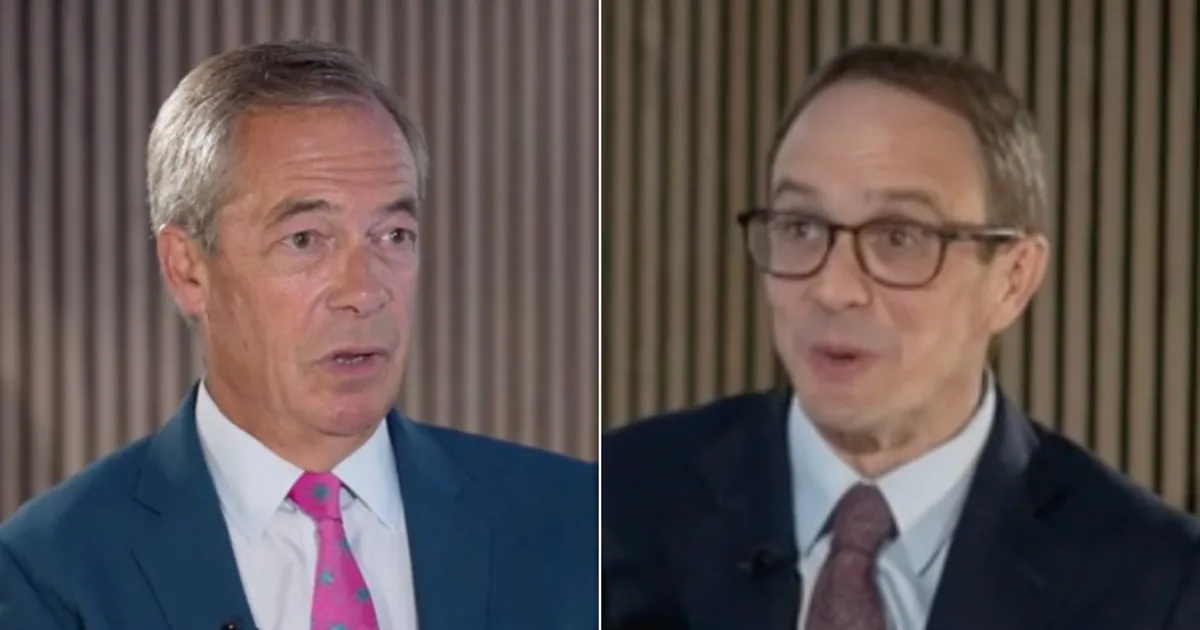
Nigel Farage has been accused of sounding “conspiracy theory-like” by the BBC’s political editor in a tense exchange.
The Reform UK leader clashed with Chris Mason during his first sit-down interview since winning back his seat in the Clacton by-election last month.
Farage triggered the contest by resigning after a parliamentary standards probe was launched into his failure to declare a £5 million gift he received from a Thailand-based crypto billionaire.
Farage insisted he has not broken any rules, claiming “it was not a political donation” and pointing out that he was not even an MP when he received it in 2024.
Although the Reform boss increased his majority, his main challenger was Count Binface because Labour, the Tories, Lib Dems and Greens all refused to take part.
Now Farage back in the Commons, the parliamentary investigation into the donation has resumed.
If he is found to have broken the rules and is suspended by parliament’s standards committee for more than 10 days, yet another by-election could take place.
When Mason asked what “on earth was the point” of last month’s by-election, Farage insisted the committee – which is made up of Tory, Labour and Lib Dem MPs plus seven members of the public – would not give him a fair hearing.
Asked about the a separate Metropolitan Police investigation into four large donations to Reform UK, Farage insisted “we live in a complainant society”.
He said: “If you complain about me, automatically that triggers an investigation. So we’re under investigation every day for virtually everything we do, because the other political parties are constantly writing to all the authorities.
“There is a whole ecosystem with a century of development around this, and we come along from virtually nowhere and threaten the whole thing.
“So I think what you’re seeing is the establishment, in a very coordinated way, fighting back. But do you know something, it isn’t going to work.”
Mason replied: “Doesn’t that sound a bit conspiracy theory-like? This ‘the whole world’s out to get us’ stuff.”
Farage insisted there was a “degree of collusion” between Reform’s opponents, who he claimed have been working to “attack” his party since its success in May’s local elections.
He added: “It’ll keep coming. This won’t stop. Every single thing we do will be questioned in all sorts of ways. This will not stop. They will continually try and do this to us.”
Asked who “they” are, Farage said: “People who, people who hold positions of power, influence, and money don’t want new kids on the block succeeding.
“It’s the whole ecosystem.”
He then suggested he and Donald Trump had “sat and talked” about the people who allegedly work against them, before changing his mind and adding: “I haven’t actually discussed this with him.
“But I can see the similarities because again, he was an outsider, he wasn’t part of the system.”
When Mason put it to Farage that scrutiny was “inevitable” considering he is angling to one day be prime minister, the Reform leader replied: “There’s been a wilful attempt, and it’s gone on now for months, to say that everything to do with Reform, that every individual involved with Reform is somehow a crook.
“That’s been the attempt that’s been made.”
Listen to Commons People, the podcast that makes politics easy. Every week, Kevin Schofield and Kate Nicholson unpack the week’s biggest stories to keep you informed. Join us for straightforward analysis of what’s going on at Westminster.
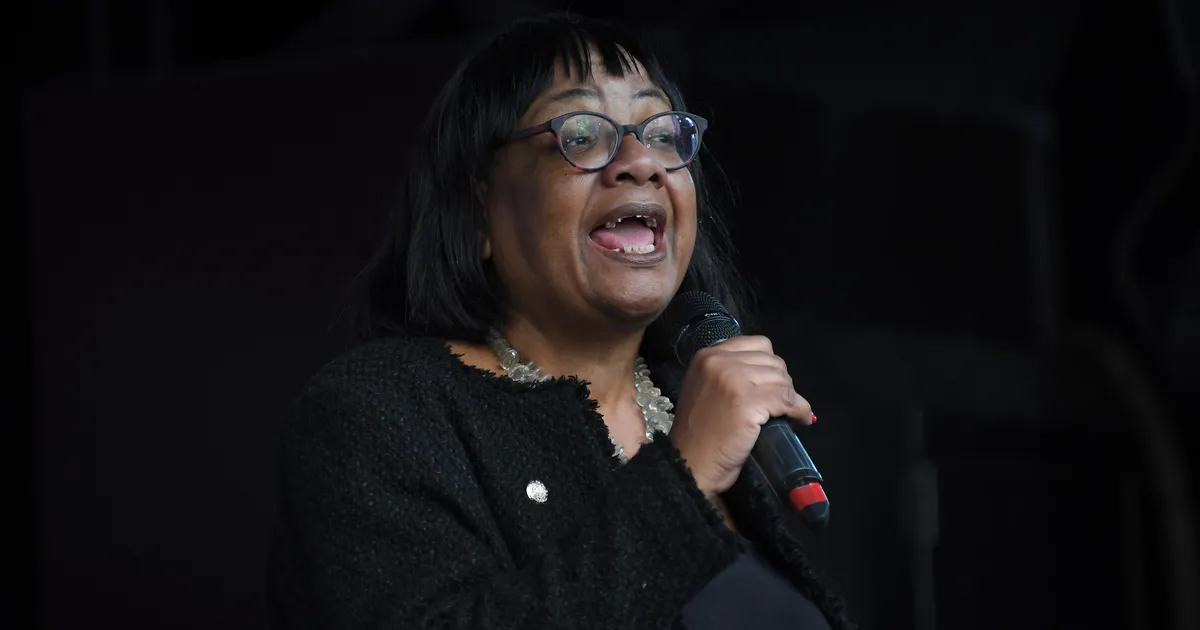
Diane Abbott has been dubbed “Putin’s useful idiot” after she downplayed the threat posed to the West by Russia.
The veteran Labour MP said it was “a Nato fiction” being used to justify a boost in defence spending, which she opposes.
Her comments come just a month after it emerged she had previously described the war in Ukraine as “a Nato campaign against Russia”.
Andy Burnham has insisted that the UK will hit Nato’s target of spending 3.5% of the country’s gross domestic product (GDP) on defence by 2035.
In a post on X, Abbott said: “The imminent threat from Russia is a Nato fiction to justify their complete capitulation to Trump’s demands for more military spending. The increase should not go ahead.”
Her comments sparked an angry backlash from politicians and pro-Ukraine campaigners.
A spokesman for Tory leader Kemi Badenoch said: “Those views are reprehensible. Ukraine is an innocent party in this. Everyone should be foursquare behind Ukraine and against Russian aggression.”
Posting on X, Tory MP Ben Obese-Jecty said Abbott was “playing the role of Putin’s useful idiot”.
“To rail against increased defence spending by claiming the threat Russia pose is ‘a Nato fiction’ shows she is dangerously out of touch,” he said.
“Over four years into the war in Ukraine, and with escalating sub-threshold activity, we are agreed that increasing defence spending is a matter of national security. It beggars belief that a senior Labour politician could be so naïve.”
The Ukraine Solidarity Campaign said: “There are legitimate debates to be had about defence spending.
“Denying the Russian regime is a threat to democracy all over the world is not legitimate, particularly when the speaker describes Russia’s war on Ukraine as ‘the Nato campaign against Russia’.”
Abbott, the longest serving female MP in the Commons, lost the Labour whip last year after she argued in a letter to The Observer in 2023 that Jewish, Irish and Traveller communities experience prejudice rather than racism.
She got the whip back after Burnham replaced Keir Starmer as prime minister in July.
Listen to Commons People, the podcast that makes politics easy. Every week, Kevin Schofield and Kate Nicholson unpack the week’s biggest stories to keep you informed. Join us for straightforward analysis of what’s going on at Westminster.

We are delighted to announce details of the ConservativeHome and Total Politics programme of fringe events at the 2026 Conservative Party Conference in Birmingham:

All of our events will be taking place in-person on Sunday 4th, Monday 5th and Tuesday 6th October in Hall 6 and Hall 10B – both inside the International Convention Centre (ICC Birmingham), inside the secure zone.
Sign up for our daily email to receive updates and reminders of our daily conference programme.
The post Our 2026 Conservative Party Conference Fringe Programme appeared first on Conservative Home.

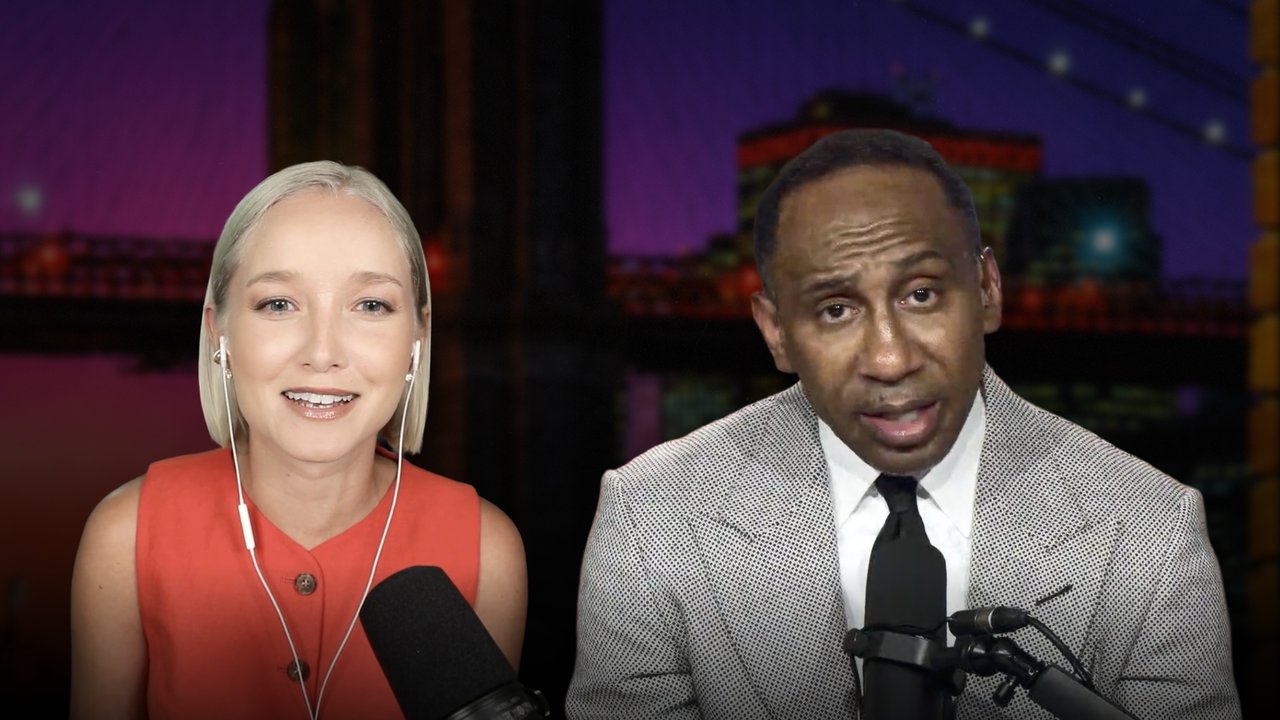
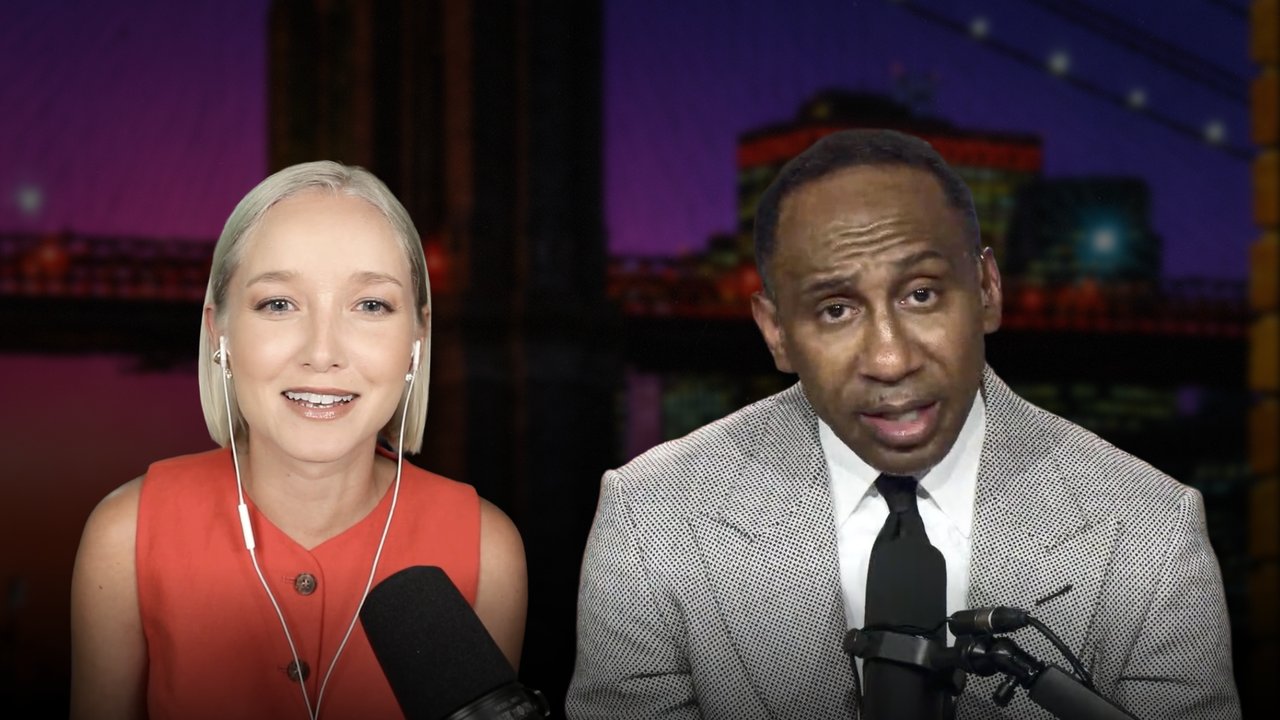
Stephen A. Smith on Trump, Democrats and the politics of chaos

Get Jarren Duran a tennis racket

Google’s AI Mode shows the same products at higher prices than regular Search, study finds





-

 Fashion5 days ago
Weekend Open Thread: Maeve – Corporette.com
-

 Crypto World6 days ago
Bitcoin’s 22% rally now needs real demand to outlast Treasury liquidity boost
-

 Business6 days ago
Apple Confirms September 9 Keynote and Reveals Its Full Pre-Order Schedule
-

 Business6 days ago
Salesforce Stock Soars 19% as Blowout Earnings and Agentforce AI Growth Silence Software Skeptics
-

 Business5 days ago
Onto Innovation Stock: AI’s Next Bottleneck Is Yield (NYSE:ONTO)
-

 Crypto World5 days ago
Bitcoin price tests $82K resistance as Brandt stays long
-
 Tech4 days ago
Hugging Face built a $4.5 billion empire on free AI models. Now Nvidia is buying it for $12.9 billion
-

 Business5 days ago
iPhone 18 Pro Pre-Orders Could Shift to Saturday as Apple Reportedly Avoids September 11 Anniversary
-

 Crypto World6 days ago
Truflation calls for Fed rate cut after PCE forecast
-
 News Videos4 days ago
Charlie Munger on Robinhood: No one should believe that Robinhood’s trades are free
-

 Tech5 days ago
PaperCut releases second emergency patch for exploited flaws
-
 Business7 days ago
AI Assistant Startup Instinct Rockets to $2.5 Billion Valuation in Weeks Amid Investor Feeding Frenzy
-

 Tech6 days ago
The fix for the AI agent that hijacked a company’s DNS: it can propose the change, but it can’t approve it
-
 Entertainment6 days ago
‘Adults’ Creators Break Down Season 2’s Most Shocking Moments and Tease a Potential Season 3
-

 Tech4 days ago
Tamagotchi Ring Takes the 30-Year Digital Pet and Places it on Your Finger
-

 Tech4 days ago
As the influencer economy drives retail sales, Seattle startup raises $22M to play matchmaker
-
 NewsBeat4 days ago
Trump posts AI video of ‘Lake America’ being protected by an army of bequiffed ‘Donald Ducks’
-
 Entertainment3 days ago
Taylor Swift Reportedly ‘Frustrated’ With Travis Kelce After ‘Short’ Honeymoon
-
 Entertainment5 days ago
Kendall Jenner’s Circle Concerned About Jacob Elordi Romance
-
 Business1 day ago
Oil Price Today (September 2): Crude oil nears $97 as war tensions escalate. Will it hit $100 again?
You must be logged in to post a comment Login