

Politics
German fan dies ahead of the 2026 World Cup


An 81-year-old German fan died near Azteca Stadium in Mexico City, the Mexican capital, hours before the kickoff of the opening match of the 2026 World Cup between Mexico and South Africa.
According to the Mexican website Publimetro, the fan suffered a heart attack while attempting to enter the stadium through Gate 1, near the “Rampa 2” area, which necessitated immediate intervention from the ambulance and emergency teams deployed around the stadium.
The report added that medical staff performed cardiopulmonary resuscitation (CPR) on the fan at the scene before transferring him to the National Institute of Cardiology in Mexico City, where he passed away due to his health crisis.
The incident occurred before the start of the opening match of the tournament, which ended with the Mexican national team defeating South Africa two goals to nil in Group A competition.
Azteca Stadium holds historical significance in World Cup tournaments, as it became the first stadium to host the opening match of the tournament in three different editions, having hosted the opening ceremonies of the 1970 and 1986 World Cups before hosting the opening of the 2026 edition.
Featured image via Carl Recine/Getty Images
By Alaa Shamali

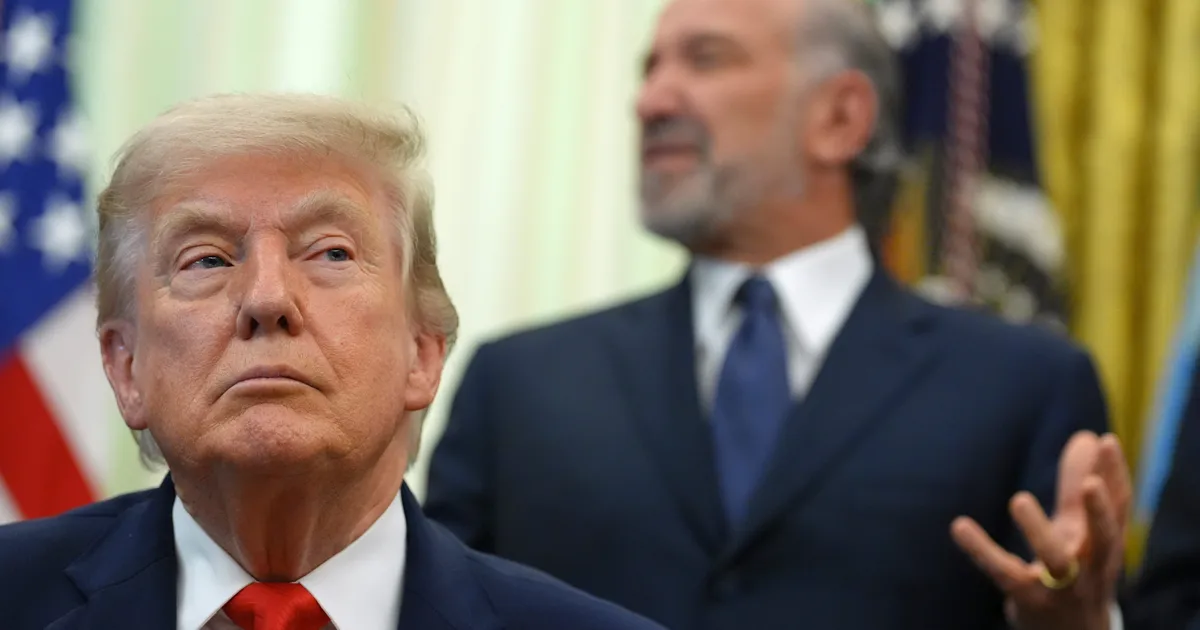
A peace deal to end the war in Iran is set to be signed as soon as today, Donald Trump has declared.
The US president said the agreement will lead to the economically-vital Strait of Hormuz waterway being “open to all”.
However, Iran poured cold water on hopes an agreement to end the conflict was imminent.
On Saturday, Esmaeil Baghaei, spokesman for the Iranian foreign ministry, said: “We will have to wait and see about the exact date of the signing of the memorandum of understanding, although it will not be tomorrow.”
But in a subsequent post on Truth Social, Trump said: “The Deal is scheduled to get signed tomorrow, and immediately after it is signed, the Hormuz Strait is OPEN TO ALL.”
The Strait carried around one-fifth of the world’s oil and natural gas before the war started with a wave of American and Israeli air strikes on February 28.
However, it has been effectively closed by Iran since then in a move which has sent oil price soaring and raised fears of global economic meltdown.
Trump insisted “no money will exchange hands” as part of the peace deal, and claimed America will destroy what remains of Iran’s nuclear capability “when all is calm”.
He added: “We look forward to working with Iran, and the entire Middle East, long into the future.
“Hopefully, this process will all work out quickly, easily, and smoothly. If it doesn’t, we have the ultimate alternative, hopefully never to be used again!”
Pakistani prime minister Shehbaz Sharif said that “we are closer to a peace deal than ever before”.
“With finalisation likely expected in the next 24 hours, Pakistan is preparing for the electronic signing of the peace deal immediately after, followed by technical level talks next week,” he said on X on Saturday.
Subscribe to Commons People, the podcast that makes politics easy. Every week, Kevin Schofield and Kate Nicholson unpack the week’s biggest stories to keep you informed. Join us for straightforward analysis of what’s going on at Westminster.
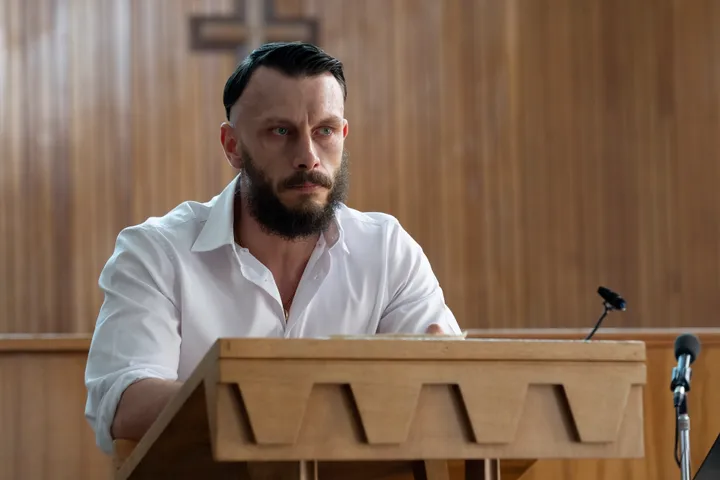
This article contains spoilers for the final episode of Half Man.
Throughout its six-episode run, Richard Gadd’s new drama Half Man has proven itself to be one of this year’s most daring series.
Focusing on the toxic relationship between Niall Kennedy and his pseudo-stepbrother Ruben Pallister, the series takes risks while examining shame and queerness in a way that many shows shy away from. Niall and Ruben are drawn to each other, despite Niall’s shrewdness and Ruben’s penchant for violence, igniting between them a spark that quickly festers and begins to ruin each of their lives.
Richard Gadd, the show’s creator and star, who won Emmys for his Netflix series Baby Reindeer, is fascinated by how toxic masculinity impacts relationships between men. Yet, the show has a glaring problem that many series focusing on white queer characters do: Half Man doesn’t reckon with the intersection of race and toxic masculinity and how it impacts characters of color.
When Niall leaves for university, he meets Alby Safadi (played by both Bilal Hasna and Charlie De Melo at different stages of the character’s life), a gay student of colour who is one of the few people he can open up to.
Their relationship slowly becomes romantic, with Alby allowing Niall space to finally admit to himself that he likes men. Time and time again, Alby is a shoulder for Niall to cry on, often casting his own interests, and safety, to the side. Just when it appears that Niall has finally found a confidant in his tumultuous life, Alby’s encouragement for Niall to come out ends with Ruben interpreting this revelation as a personal attack, resulting in him brutally assaulting Alby.
It’s here that Half Man begins to ask its audience to dispel any disbelief that Ruben’s targeting of Alby has nothing to do with his race and everything to do with his queerness. Yes, the series centres on the tumultuous relationship between Niall and Ruben, but by making Alby a man of colour, Richard Gadd fails to engage with how Half Man is stilted by its precarious representation of race. (The show also never mentions his nationality or ethnicity.)
The assault results in Alby being put into a coma and left permanently disfigured, and also results in the collapse of Niall and Ruben’s already fraught relationship.

Alby’s character is mostly thrown to the wayside, even throughout a trial in which Ruben claims the assault was the result of Alby groping him. The series is set from the late 1980s to the present day, so to say that Alby’s race is not a factor in how Ruben, his family and the justice system see him is laughable.
From here on, Alby’s presence in the show, despite being revealed to be Niall’s husband in present day, is one of a ghost. His existence has been irrevocably changed by the series narrative, yet it is never given the space or screen time to have any significant impact on the story.
Save for Heated Rivalry, Interview With The Vampire and a handful of other shows, the landscape of queer television has long focused on white characters or white ensembles, where queer characters of colour are often relegated to sidekick roles or the love interests of white protagonists, like Alby is.
The positioning of these characters as secondary to the plot isn’t necessarily the problem; it is instead the way in which they are treated within the narrative and by the writers who created them. Alby’s existence in Half Man is a pillar of the show’s conflict in the 1990s timeline, yet it is only Niall’s trauma from the assault that is allowed to be known.
Displayed to audiences through harsh breaths, moments of confusion and glances of horror toward Ruben, the impact of witnessing Alby’s assault consumes Niall. Alby’s reaction to his own assault is only ever clear through the physical scars we can see on his face, with no regard for how this attack impacted his schooling, his subsequent career and even his rekindled relationship with Niall.
Obviously, being attacked to the point that you end up in a coma is significant, but the trauma the sole character of colour in this series endures is never given the same amount of space as the other characters.

If Alby were to only exist in the past timeline, there really wouldn’t be a need for this to be explored. But, he and Niall get married in the present day, in which Ruben’s presence at their wedding causes both men to panic. The mental and physical scars on Alby clearly exist, so the diminishing of each feels like an ignorant dismissal. It follows a worrying and growing trend within queer television.
The series finale, instead of giving us any inkling that Alby and Niall’s relationship is as damaged or fascinating as Niall and Ruben’s, displays Alby as passive and nearly docile once again. Then, when he and Niall reunite after Ruben is sent to prison in the late 2000s, he tells his partner he should attempt to reconcile with the man who has destroyed both of their lives. In doing so, Gadd proves that Alby is nothing more than a pseudo-therapist for Niall, who since their university days has become a despondent addict entrenched in shame and obsession.
Half Man is a story about how toxic masculinity shapes and warps men and their relationships, yet there are so many cracks in the narrative.
There’s no denying that the series is one of the best of the year, but with it, Gadd has proved himself as a writer who has no desire to tackle how toxic masculinity is directly linked to both Ruben and Niall’s whiteness.
Since Alby’s assault, villainisation and subsequent reappearance, Half Man has forced me to question why Alby was cast as a man of colour if its creator didn’t explore how their violence directly impacts the lives of the men of colour around them.
By using Alby as a therapist for the show’s white protagonist — and as a punching bag for its white antagonist — the otherwise bold and tightly written series is softened by its disregard for racial politics, pointing to a larger problem that continues to grow in queer television.
All six episodes of Half Man are streaming on BBC iPlayer.
We’ve written before at HuffPost UK about why airline staff ask us to keep the blinds shut during takeoff and landing and the surprisingly sensible reason some planes still have ashtrays, even though smoking’s banned on board.
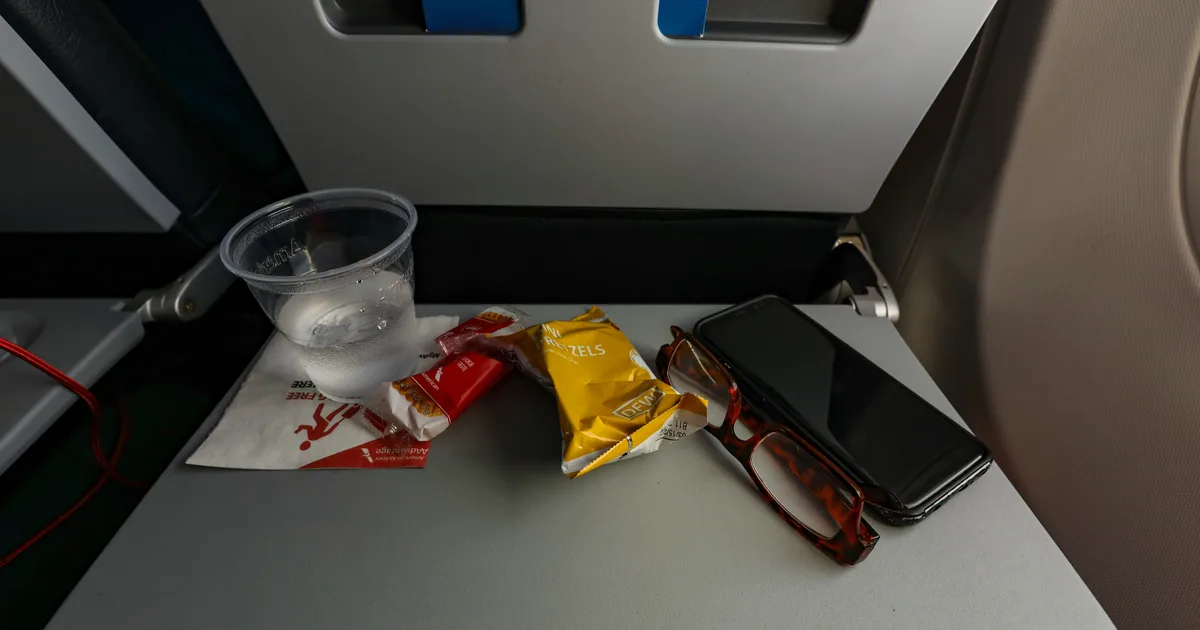
So, what about those tray tables – the ones that fold down from the seat in front of you, which you’re always told to keep up and secured at the start and end of a flight?
As you might expect, it’s all about safety.
Why do I have to keep my tray up during takeoff and landing?
Flying in a commercial plane is statistically the safest way to travel. But takeoff and landing are by far the riskiest parts of a flight, Business Insider explained.
For instance, even though takeoff and the plane’s initial climb only account for 2% of the overall flight, over 14% of reported accidents happen in these short stages.
This is part of the reason why the tray rule was introduced, Captain Steve Schreiber, a former pilot who posts on social media under the name Captain Steeeve, said in a YouTube Short.
“If you have to get off the plane in an emergency and in a hurry, if your tray table is down, you might not get out of that plane in 90 seconds,” which is the maximum length many regulatory bodies require evacuations to last, he said.
Additionally, you might block or slow down the people behind you, causing a pile-up or delay.
Speaking to Travel + Leisure, ex-flight attendant Kelly Kincaid said the same thing: tray tables have to “be up for takeoff and landing so that [they] won’t block you from evacuating in the event of an emergency”.
And, she stated, folding up your tray table also means you have to put the things you had resting on it (like your laptop or coffee) away, meaning there could be fewer potentially dangerous projectiles in the event of an emergency.
That’s also why you can’t recline your seat during takeoff and landing
Keeping channels to emergency exits clear is key for passenger safety, especially during the parts of a flight most vulnerable to accidents.
Speaking to HuffPost UK previously, a spokesperson for the Royal Aeronautical Society’s Flight Operations Specialist Group explained: “There are two primary safety-related reasons why aircraft seats must be in the upright position for take-off and landing.
“The first is that the seat gives the occupant maximum impact protection when upright, and its structure locks into position accordingly… The second reason is that reclined seats reduce the space available in the row behind for occupants to escape quickly if an emergency evacuation is required.”

British armed forces delivered a major blow to Vladimir Putin’s war in Ukraine by intercepting a Russian “shadow fleet” oil tanker in the English Channel.
Royal Marine commandos and specially-trained law enforcement officers boarded the sanctioned vessel Smyrtos in the early hours of Sunday morning.
The operation was supported by RAF jets as well as HMS Sutherland and HMS Ledbury.
Shadow vessels carry sanctioned Russian oil, which is sold to raise funds to pay for the Kremlin’s ongoing invasion of Ukraine.
In a post on X, prime minister Keir Starmer said: “This operation delivers yet another blow to Russia and reminds those fuelling Putin’s war in Ukraine that they cannot hide.
“I want to pay tribute to all those involved, including our armed forces and law enforcement officers who keep this country safe 24 hours a day, 365 days a year.”
Defence secretary Dan Jarvis said: “Operations like this require skill, professionalism and courage. I pay tribute to our armed forces personnel and all those involved.
“Russia relies on its shadow fleet to fund their conflict in Ukraine and our interdiction delivers a blow to Putin’s illegal war.”
Subscribe to Commons People, the podcast that makes politics easy. Every week, Kevin Schofield and Kate Nicholson unpack the week’s biggest stories to keep you informed. Join us for straightforward analysis of what’s going on at Westminster.

We hope you love the products we recommend! All of them were independently selected by our editors. Just so you know, HuffPost UK may collect a share of sales or other compensation from the links on this page if you decide to shop from them. Oh, and FYI — prices are accurate and items in stock as of time of publication.
I will be the first to admit that furniture building is not my strong suit.
Despite following instructions, I just can’t quite seem to get it right – no matter how hard I try.
But the Dreams Cosmopolitan Quick-Build Bed has absolutely changed the game. Forget Allen Keys, forget small little screws, the bed comes together so quickly and so easily, it’s practically foolproof.
You simply unfold the frame (which comes flat-packed), insert the centre bar, attach the slats to the top, pop on the frame cover and you’ve mastered it in about 5-10 minutes – it’s wonderful.
If you want to get the job done fast, you can rope in a friend to help – but I think it’s certainly doable with one person (it might just take a little bit longer, although it’s still a far faster process than your usual flatpack furniture build).

Why does the right bed frame matter?
1. Overall health and sleep quality
Having the right bed frame can impact your overall health: if you don’t have a solid, sturdy frame, it can impact sleep quality, which can – in turn – impact physical and mental health.
2. Storage solutions
Bed frames can also act as a very handy storage solution. I don’t have many places to store things in my flat, so I went for one that can also hide my bits and bobs underneath. It’s been incredibly practical and I’d definitely recommend for people living in smaller homes where space, and therefore storage, is limited.
Why should I try this frame?
I can say for a fact that I feel completely supported when I’m sleeping. The bed is strong, sturdy and doesn’t move at all (and I have wooden flooring so I’ve experienced this issue before, it’s not fun).

While it doesn’t come with a headboard (you’d need to purchase one separately), the Dreams Cosmopolitan Quick Build Bed is the ideal purchase for anyone who wants a quick-build bed that’s stylish, contemporary and has a decent amount of storage space.
At just £199, I think it’s absolutely worth the investment.
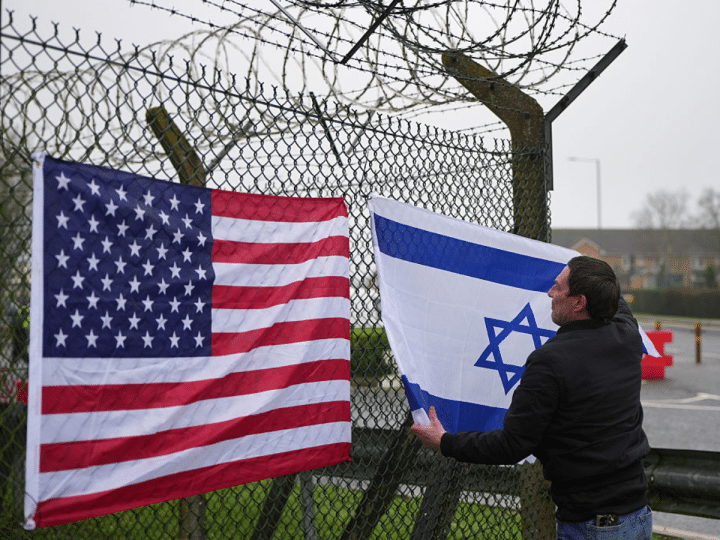
The FT has authored a concerning article indicating that the apartheid settler-colony, known as ‘Israel’, has suffered limited economic damage despite three years of genocidal crimes in West Asia.
However, supporters of Palestine shouldn’t despair. The piece indicates that, in the event of meaningful sanctions by the likes of the EU, and a continued exodus of high skilled professionals, the ‘Israel’s’ finances could begin to really suffer.
In the meantime, columnists Mehul Srivastava and James Shotter describe how “restaurants are full” in the settler-colony. This is a grotesque scenario in the Zone of Interest beside the starvation of the Gaza extermination camp.
The pair highlight:
There have been three quarterly contractions during nearly three years of conflict, but growth has rebounded each time.
Amir Yaron, head of the land theft project’s central bank, boasts of a “trampoline under the Holy Land”. It would be easy to write this off as more hasbara nonsense, but at least in its news reporting, the FT doesn’t tend to bullshit.
Its business reporting is aimed at the world’s ruling class who want accurate information that enables them to maintain their dominance. Their readers don’t want propaganda intended to mislead the masses. That’s the job of the Daily Mail, the Sun and similar rags.
‘Israel’ Zionist militech tested on Palestinians
Independent data from the London Stock Exchange Group (LSEG) supports the article’s claims. It shows real GDP in ‘Israel’ has continued to grow strongly after an initial hit post-7 October 2023. It has been similar to the growth present prior to that event.
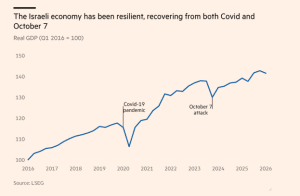
The FT says:
The surprising resilience has been underpinned by a formidable military-industrial complex, a flexible workforce, a large natural gas supply — and two decades of growth that turned Israel into a relatively wealthy, if unequal, nation.
There’s no denying these points either. The Zionist entity is able to build up a successful military and surveillance industry thanks to having a captive population of Palestinians to experiment on.
Sometimes referred to as the ‘Palestine Laboratory‘, the Tel Aviv terror regime eavesdrops on Palestinians’ private phone calls, surveils them further through endless checkpoints and kills them with missiles and drones. These can then be exported as ‘battle-tested’ to any amoral states looking to suppress their own populations.
The “flexible workforce” could be taken two ways. Option one is that workers can be hired and fired easily, given ‘Israel’ operates under a deeply neoliberal business regime. This is especially true for the disposable workers the settler-colony brings in from abroad. They have replaced the “hundreds of thousands of Palestinians in low-skilled jobs” who had their work and entry permits cancelled by the Netanyahu regime.
Option two is that the flexibility lies in the apartheid pseudo-state’s ability to switch their land thieves seamlessly between committing war crimes in Gaza, and a standard 9-5 job. When the state calls up reservists to the Israeli Occupation Forces (IOF), it pays their salary by compensating the employer. IOF murderers are even given a bonus on top.
The FT says the fake-state:
…has become adept at sending its population to work one week and war the next, with its high-tech workers able to work from home when the country was shut down in periods of active combat.
US hand-outs let terror economy run on easy mode
The bloodthirsty expansionists can’t manage this perfectly, however. The IOF has at times called up over 50% of a “300-employee cyber security company”, leaving them unable to hit revenue targets.
As for the “large natural gas supply” mentioned by the FT, it helps when you can just steal such resources from the population you subject to apartheid, ethnic cleansing and genocide.
The business-focused media outlet also highlights how ‘Israel’ is “buoyed by US support”. That’s one way to put “receives massive handouts and military support from the world’s hegemon“.
Far from being some hub of innovative geniuses as hasbara tells us, the settler-colony benefits hugely from having a reliable sugar daddy in Washington. The constant torrent of funds from there means the murderers occupying historic Palestine can play the economy game on easy mode.
This certainly makes grim reading for anyone who wants to see the genocidal terrorists punished for their massive crimes. Saying that, The FT does highlight some glimpses of light.
At least 100,000 Israelis have left the country since October 7, mostly high-tech workers, medical professionals and engineers, according to a study by Tel Aviv University.
Al Jazeera puts the figure even higher, at 150,000.
The Financial Times’ journalists also mention the prospects for ‘Israel’ if the likes of Europe ever get serious about trading sanctions. Amnesty International and UN figures have called for the EU-Israel Trade Agreement to be suspended. They rightly argue that under a human rights clause in the contract, the EU must halt the deal.
BDS the only way to crush ‘Israeli’ economy
The Boycott, Divestment and Sanctions (BDS) campaign has seen successes, with Co-op supermarkets in Britain and Italy ceasing to stock apartheid goods. ‘Israeli’ products are increasingly off-putting to consumers worldwide.
It’s clear that, especially with ongoing US support, the Zionist entity will not suffer the economic pain required to deter it from ongoing aggression. Only concerted boycotting by people across the world, alongside meaningful sanctions by states, can ensure accountability for the criminal project of mass murder and theft.
Featured image via Christopher Furlong/Getty Images
Politics
The House | “Capturing the essence of a deeply proud and dedicated industry”: Terry Jermy reviews Minette Batters’ ‘Harvest’
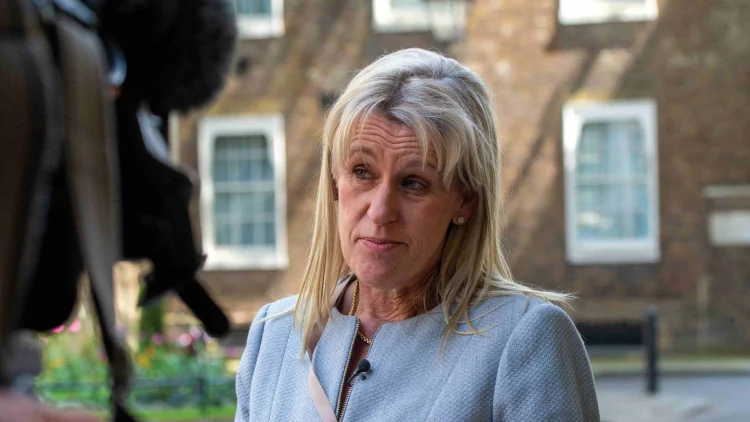

2023: Minette Batters attends a No 10 summit | Image: © Tayfun Salci/ZUMA Press Wire / Alamy

3 min read
Baroness Batters’ enjoyable memoir is an insightful account of her time as head of the NFU and the challenges facing British farmers
This is the story of the emotional journey of a tenant farmer’s daughter who goes from frowned-upon female farm worker to the glass-ceiling-breaking first female president of the nation’s biggest farming organisation.
Offering a behind-the-scenes glimpse into the life of one of the UK’s most prominent farming advocates, Harvest reveals the everyday life struggles that intertwined with consequential moments in our nation’s history. It provides a fly-on-the-wall account of the conversations that shaped our food and farming industry for a generation.
A passionate firsthand account of her battles with self-confidence and gender stereotyping, Minette Batters provides a window into the soul of an industry that is often difficult to understand from the outside.
As the National Farmers’ Union (NFU) first female president, Batters broke down barriers, lifting up other women in the agricultural industry in the process.
I particularly enjoyed learning about how she somewhat accidentally began her career with the NFU. She attended by chance a local NFU meeting and then with great trepidation progressed through various officer ranks until she ended up as its president.
This unplanned ascent came alongside one of the most consequential periods for British farming. Some may say it was fate: she was ideally qualified to head the organisation post-Brexit – when the farming community needed that strong and authentic leadership the most.
It provides a fly on the wall account of the conversations that shaped our food and farming industry for a generation
Harvest details how decades-long structural challenges collided with the unexpected withdrawal from the European Union and the removal of the Common Agricultural Policy safety net that masked many of the challenges facing British farming.
At the centre of this national debate on the future of farming sat Batters, navigating through the post-Brexit political turmoil, her deep commitment to farming and her practical approach enabling her to help chart a way forward for the industry.
It was not lost on me reading Harvest how there were similarities between Batter’s journey and my own. Having started as a local community activist and becoming a town councillor purely to serve the area where I was born and raised, I went on to stand in a general election and defeat a former British prime minister. It was therefore particularly amusing to read about the various interactions between Batters and my South West Norfolk constituency predecessor, Liz Truss.
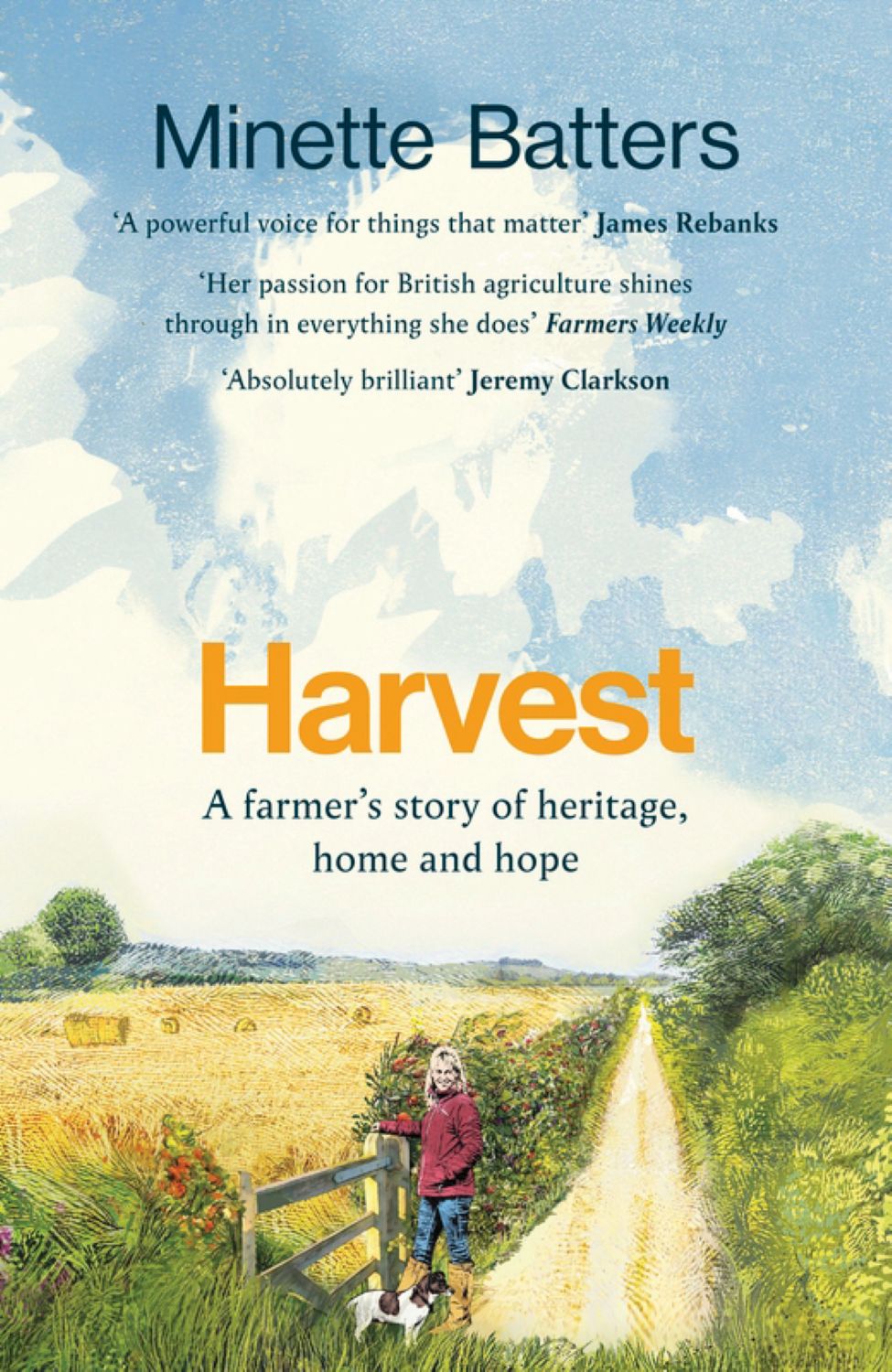 Batters shares how her upbringing and difficult relationship with her father shaped her values and commitment to rural life and the farming industry that she came to protect. Capturing the essence of a deeply proud and dedicated industry, Harvest is punctuated by fascinating profiles of the people that feed our nation every single day – revealing a constantly evolving industry, embracing innovation in the face of a changing world.
Scrap the expensive training courses – reading this book should be mandatory for every civil servant in Defra and any politician tasked with making decisions on behalf of the farming industry. For everyone else, this memoir will make you appreciate where our food comes from and the people that produce the harvest that sustains us.
Terry Jermy is Labour MP for South West Norfolk and chair of the Farming APPG
Harvest: A farmer’s story of heritage, home and hope
By: Minette Batters
Publisher: Ebury Press

This year, I decided it was time to start growing my own herbs. I’ve already written about my success with mint, which basically grows no matter what – but I’ve kept pretty quiet about my basil project.
That’s because I keep making mistakes. I don’t pinch the plant enough, so it’s grown tall and stringy instead of lush and bushy. While I divided and separated the roots of my supermarket plant, I still don’t think my pots are big enough for the job.
All of this, however, a basil plant can survive. My main issue was the one that can cause it to “rot” and sometimes die: I overwatered it, leading it to wilt and yellow in patches.
Thankfully, I’ve managed to save the affected plants since (though as you can see from the pictures below, I’m still doing a terrible job of pinching off leaves for bushy growth: I find it hard to let go of my growth!).

What happens if you overwater basil?
Per the RHS, overwatering seedlings can lead to fungal diseases, like fatal damping off.
For adult plants, Homes & Gardens added, too much water can lead to a condition called root rot.
This (as the name suggests) leads the roots to brown, become mushy, and partly decay.
As root rot gets worse, it endangers the plant because it stops it from being able to absorb the nutrients and water it needs to grow and stay alive.
What causes overwatering for basil?
Basil likes free-draining soil, which is why it needs drainage holes if stored in a plant pot. Letting it sit in moist soil spells disaster.
At first, I thought that meant I needed to apply smaller doses of water. I was only pouring a little into the saucer under my basil plants (always water them from below: watering basil plants’ leaves can cause fungal growth, too), but I was adding it every day.
Speaking to The Spruce, Jordan Mara, founder of Mind & Soil, explained that that’s about the worst watering mistake I could have made.
You’re far better off giving it deep and infrequent waterings rather than lighter applications of water more regularly, he said.
This not only keeps it hydrated for longer, but “trains the roots of the plant to search down more deeply for water, creating a larger root system,” too.
How often should I water basil?
A deep watering from the base about once a week should do if you’ve got an established plant, Mara said, though factors like the weather and whether your plant is potted or planted could affect that.
Martha Stewart’s site echoed the advice, suggesting about 2.5-5cm of water once a week unless the weather’s really hot.
Meanwhile, Southern Living recommends a more customised approach.
Plunge your finger into the soil, they advise, and only water if the first 5cm is dry.
What are the signs of overwatered basil?
- A bad smell coming from your soil,
- Yellow leaves, especially at the base or top of the plant,
- Wilting stems,
- Brown spots on leaves,
- Droopy, dull leaves,
- Mushy, weak, and/or discoloured roots.
What should I do if I’ve overwatered my basil plant?
I saved most of mine with six steps (and saved my sanity with a seventh):
1) Identify issues quickly
Kim Roman, instructor for Square Foot Gardening, told Martha Stewart: “At the first sign of yellowing leaves, you must immediately inspect for the disease as the spores are fast-moving”.
This, it turned out, was true. The basil plant I figured would work it out in the end has since gone to the great well-drained garden in the sky. Check your plants for signs of overwatering at least once every couple of days.
2) Stop watering immediately
It might sound obvious, but putting more water in your soil at this stage definitely won’t help, Food Gardening Network said.
3) Remove affected areas and clean the rest of the root system
I had some mild root rot, which I confirmed by lifting the soil out of the pot and looking at the roots. If that’s happened to you, shake off any excess soil, run the roots under lukewarm water, and cut off any affected areas (these will be weaker and discoloured).
4) Let the roots dry overnight and disinfect your plant pot
This can help to get rid of any remaining spores which could come back to haunt your basil.
5) Repot your basil in new, fresh soil
If your old pot doesn’t have drainage holes and/or your previous soil was heavy with clay, change them for more free-draining options (terracotta pots with good drainage and a saucer are generally better for basil). Don’t compact your soil, either, as that can cause it to hold onto more water.
6) Trim the leaves
If a lot of your roots have gone, much of your plant’s energy and water channels have been cut off too. You may want to remove some of your plant’s leaves after this process, especially if it’s a big plant.
7) Know when to accept defeat
Sadly, BBC Gardener’s World said, it can be tough to treat root rot in established plants. This is especially true if it’s already affected a lot fo your plant’s roots and leaves, as happened with one of my four plants.
Still, now you get the chance to start all over again. And depending on how long you’ve been growing your basil, odds are you’ve already got a decent return on investment for that sub-£2 supermarket plant.
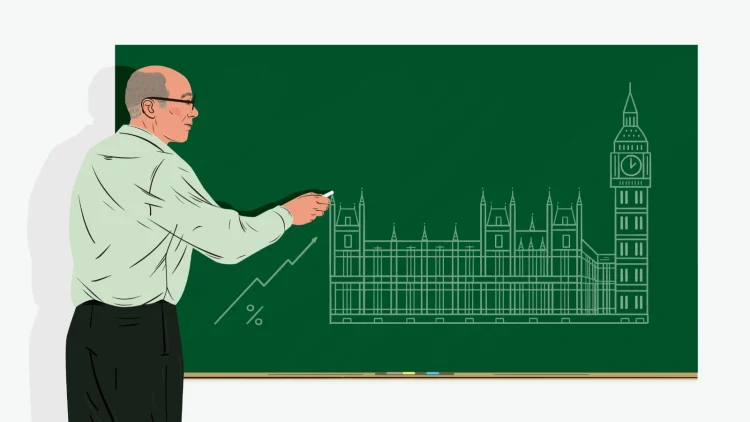

Illustration by Tracy Worrall
4 min read
Lessons in political science. This week: tribal politics
Ten years, huh? Turns out time really does fly when you’re having fun. There is no more fun way to mark – celebrate? commiserate? (delete as applicable) – the 10th anniversary of the Brexit referendum than by reading Sara Hobolt and James Tilley’s excellent new book, Tribal Politics: How Brexit Divided Britain. It’s a model of social science, packed with data, yet clearly written, and enlivened by a string of digs at the wackier side of the last decade: terrible Brexit novels, conspiracy theories about pencils at polling stations, that Cambridge economist who turned up for a departmental meeting naked – with “Brexit Leaves Britain Naked” written across her breasts – and much more.
The book charts how the process of Brexit – both the referendum and the years of joy that followed – created two distinct political tribes in Britain. These tribes did not exist in any meaningful form prior to 2016, yet the referendum forced people to pick a side, even people who might previously have been relatively lukewarm one way or the other, and then what we might euphemistically call the lack of plain sailing thereafter helped reinforce those identities, creating ingroups (us: clever, honest, open-minded) and outgroups (them: selfish, hypocritical, closed-minded).
For most of the period since the referendum, more people saw themselves as remainers or leavers than supporters of all the political parties combined. And while the extent of this identity has dipped a little recently, its intensity has not. To quote the example the authors give: while most Lib Dem supporters say their identity is “not very important” to them (you can insert your own joke here), those who see themselves as remainers and leavers say that identity is “very important”. Even 10 years on, majorities of remainers and leavers still say “we” when talking about their side.
We often think that Americans are politically divided, but discrimination by one Brexit tribe against the other is as, or more, widespread than partisan discrimination by Democrats and Republicans. Almost all of this is pretty symmetrical, by the way. Although there are some differences – remainers being slightly worse than leavers – these are outweighed by the similarities. For the most part, your lot are just as bad as their lot.
From a 200-plus-page data-heavy book, containing 30 tables and over 40 graphs, it’s difficult to pull out individual highlights, but if I have a favourite graph – and I am the sort of person to have a favourite graph – then it is Figure 7.5, which tracks people’s attitudes on the state of the economy. The beauty with this one is that it reports the attitudes held by the same people both before and after the referendum. From it, we know that back in 2014, 2015 and 2016 those individuals who went on to become leavers and remainers felt almost identically about how well the economy was doing. Yet as soon as the referendum result was announced, a gap opened up, largely as a result of remainers suddenly thinking everything was going to pot, and that gap has persisted since. The same thing is even true when people were talking about their own finances; after the referendum, remainers suddenly felt personally poorer, while leavers felt richer, even though at that point nothing very much had changed either way. Partisanship is, as the saying goes, a hell of a drug.
A new paper in Political Behavior finds a similar pattern in the US with Tesla. Pre-2024, there was relatively little difference between the way Democrats and Republicans saw the car. Yet after Elon Musk threw in his lot with Donald Trump in 2024, and then led Doge, views began to diverge across different criteria: likelihood to buy, perceptions of quality, reputation, whether there was a buzz about it, and so on. The cars didn’t change, but how Americans saw them did, in ways that were overwhelmingly driven by their party loyalties.
Further reading: S Hobolt and J Tilley, Tribal Politics: How Brexit Divided Britain (2026); K Endres et al, Tesla Takedown: Brand Politicization and Partisan Consumerism in the Trump Era, Political Behavior (2026)
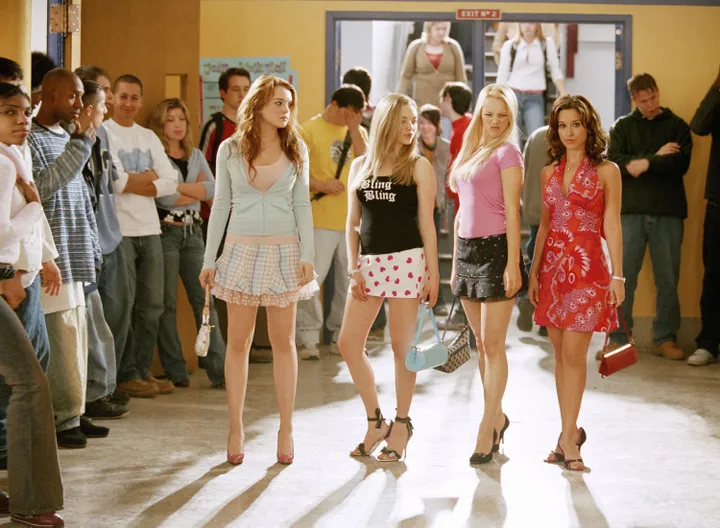
Long before we knew her for the likes of Mamma Mia!, Mank and The Dropout, Amanda Seyfried found international fame playing Karen in the 2004 teen comedy Mean Girls, and witnessed her co-star Lindsay Lohan’s struggles in the industry up close.
Opening up about her friendship with Lindsay in a new British GQ interview, Amanda recalled how, although they were the same age when they appeared together in the Tina Fey-penned movie, the level of attention they received was nowhere near equal.
“[I] wasn’t working at that level,” she said. “The spotlight was on her, no matter what she did.”
Amanda said she saw in real time how Lindsay went from being Hollywood’s hottest star to having the tabloids praying for her downfall.

Michael Gibson/Paramount/Kobal/Shutterstock
“The outsized bashing is ugly,” said Amanda. “It’s like, a fear of mine. I would not want to be spotlit for being infamous in any way.”
During the same GQ article, Lindsay spoke fondly of the Oscar nominee, opening up about their continued friendship.
“We’ve stayed close because there’s genuine trust and respect between us,” the Freaky Friday actor claimed. “What started as shared experience has grown into a meaningful friendship over time.
“Now we talk more about life, motherhood and our families. She’s always someone I can rely on. That consistency is rare and something I really cherish.”

Although Amanda may have been mostly unscathed from the press during the era of paparazzi upskirting starlets and tabloids plotting the downfall of young women, it wasn’t because she didn’t go out clubbing.
“Did I find myself at Val Kilmer’s house one night at 1am with [Mean Girls co-stars] Daniel Franzese and Jonathan Bennett? Did I find myself there with them in the pool? I was 18 and I had just moved to LA and we had gone to a screening of Reefer Madness. I was at Val Kilmer’s house – I don’t even remember meeting him, but I was at his house,” she recalled about her “ridiculous” 20s.
On the red carpet of the 2024 Mean Girls musical adaptation, Lindsay also sang the praises of her 2004 co-stars Amanda and Lacey Chabert, who played Gretchen Wieners.
“I love Amanda and she’s done so well with her career,” Lindsay said. “She’s such a great actress and Lacey as well. We’re good friends and that’s what matters most.”

Tokenization May Scale DeFi to $2.7T by 2030, Says Standard Chartered

Peace Deal To End Iran War Will Be Signed Today, Says Trump

FIFA World Cup 2026, Spain vs Cape Verde Live Score: World Cup debutants face European giants in Atlanta


-

 Business1 day ago
No Jackpot Winner as $257 Million Prize Rolls Over to $269 Million Monday Draw
-

 Crypto World4 days ago
Oppenheimer backs SpaceX as $70 billion retail frenzy builds
-

 Crypto World4 days ago
Markets Rally as SpaceX IPO Looms Amid Iran Tensions and Inflation Surge
-

 Fashion3 days ago
Weekend Open Thread: Tuckernuck – Corporette.com
-

 Sports7 days ago
FIFA WC 2026 Group C: Morocco, Scotland challenge Brazil’s hunt for glory | FIFA World Cup 2022
-
 Crypto World16 hours ago
Zimbabwe Requires Crypto Businesses to Register Annually Under New FIU Regulations
-
 Entertainment6 days ago
The Ryan Gosling True Crime Thriller On Netflix That Gets Even Stranger, Stream It Now
-
 Sports6 days ago
Bangladesh beat Australia after 20 years in ODIs, register only their second win over six-time world champions | Cricket News
-

 Tech3 days ago
NanoClaw integrates JFrog registries to secure AI agent downloads
-

 Tech3 days ago
This Week In Security: Microsoft On Microsoft, Register Your Domains, Linux On ARM, And FreeBSD Joins The File Cache Club
-

 Crypto World2 days ago
Bitget enters Argentina’s regulated crypto market through PSAV registration
-

 Politics4 days ago
Politics Home | Healey Resignation Is “Colossal Failure Of Government”, Says Former Labour Defence Secretary
-
 Tech4 days ago
Dutton Ranch star claims they ‘didn’t see any disruption’ on set following Chad Feehan’s exit from Yellowstone spinoff fueled by Taylor Sheridan clash rumors
-
 Tech5 days ago
‘This is Seattle’s position on AI’: City Council votes unanimously to pause big new data centers
-

 NewsBeat4 days ago
El Nino has formed in the Pacific and could set records, forecasters say
-
 Entertainment4 days ago
Donnie Wahlberg & More Heat Up Las Vegas at Circa’s Barry’s Downtown Prime
-

 Sports4 days ago
First Time Since 1971: Australia Register Historic Low In ODI Cricket
-
 Tech4 days ago
Opendoor Ends India Operations, Fueling a Bigger Conversation About AI and Outsourcing
-

 Politics4 days ago
Belfast burns, while Met chief points finger at Iran and Russia
-

 NewsBeat3 days ago
FBI searches office of Ohio voter registration group
You must be logged in to post a comment Login