So this is where wokeness has dragged us. Into a moral abyss where a boy is handcuffed by cops as he bleeds to death. Into a wasteland of virtue where an 18-year-old lad, stabbed five times, is treated as a speechcriminal as he gasps his final breaths. Into a sorry, dystopic excuse for a society where the last words a youngster hears are the defamatory cries of the man who killed him. ‘He was racist’, his murderer said. ‘I can’t breathe’, the boy begged.
The case of Henry Nowak has shocked the nation. He was a Polish-Briton in his first year at university. During a night out in Southampton in England in December last year, he had a fatal encounter with a Sikh man named Vickrum Digwa. Some kind of altercation took place. Digwa then stabbed Nowak five times with his kirpan, the ceremonial curved sword that Sikhs carry. Nowak was gored in his chest, his face and his legs. He scrambled over a fence, leaving a blood trail in his wake. ‘I’m dying’, local residents heard him say. He was right.
As savage as the knifing was, it was what happened next that has shaken Britain’s soul. Digwa’s mother arrived and spirited away the murder weapon – it was later found hidden in the family home with 20 other Sikh swords and knives. Digwa then accused Nowak of having racially abused him. He said Nowak used a racist slur against him, punched him and knocked off his turban. These were ‘wicked lies’, the court heard during his murder trial. Yet there was a group of people on the scene of this atrocity who believed Digwa’s vile libels against the youth he had just fatally lacerated: the police.
Advertisement
The police’s behaviour that night defies all logic and humanity. They bowed to Digwa’s defamatory slurs and arrested and handcuffed young Henry. The Telegraph’s report captures the barbarism of the police’s credulous ineptitude that grim evening: ‘As the teenager lay there, unable to breathe as his lungs filled with blood, begging officers for help, they ignored his pleas and placed him under arrest. He died less than an hour later.’ If anything will cause decent Britons to lose faith in the police, it’s this: the haunting vision of a boy being manhandled by the state as he drowned in his own blood.
This week Digwa was found guilty of murder. His mother was found guilty of assisting an offender. And the police have apologised for the fact that Nowak was ‘arrested in the moments before he lost consciousness’. But this isn’t the end of this story. It can’t be. This cruellest of deaths, this humiliation by the state of a boy who was dying, will surely force a reckoning with the social poison of political correctness. For it exposes the extent to which the cult of wokeness has chased truth and virtue from our societies.
Advertisement
We all know why Digwa’s evil lie was believed and why wounded, gasping Henry’s pleas for help went unheeded – it’s because the word ‘racism’ acts like a magic spell on our ruling class. It’s like a rhetorical narcotic. The minute they hear it, they morph, like woke Manchurian candidates, into wide-eyed searchers for the merest hint of that greatest sin in our morally deracinated times: white privilege, and prejudicial speech. Their aim becomes not the discovery of truth but the demonstration of virtue. On that street in Southampton, once the word ‘racism’ had been uttered, the role of the state’s representatives suddenly and radically changed: it was no longer to investigate a potential crime but to obsequiously act out a moral script.
Having prostrated themselves so fully before the new regime religion that falsely calls itself ‘anti-racism’, the police were virtually programmed to believe the ‘brown man’ and be sceptical of the ‘white man’. No doubt the critical race theory that pumps like a toxin in the veins of the establishment kicked in, meaning that the Sikh who had so ruthlessly wielded his sword instantly became the victim, while the target of his red-mist knifing – the white boy – became the oppressor. The state’s intoxication with the hyper-racialised politics of victimhood has driven it ever further into a quagmire of dogma where cool moral judgment is all but impossible.
Advertisement
It’s important to say that this handcuffing of a dying boy was not ‘a failing’ by individual police officers. The police forces of the United Kingdom are expressly instructed to believe, without question, every accusation of hate crime. They are told that even things perceived to be racist are probably racist. They are trained to see ‘racism’ everywhere – in every slight, in every tussle between whites and non-whites. The police’s cruel subduing of a stabbed teen was not an aberration – it was the horrific logical conclusion of the new ruling-class ideology that sees us less as citizens with rights than as racial creatures in need of micro-management. The demeaning of young Henry was the woke state in action.
The state turned a blind eye to the rape of vulnerable girls by mostly Muslim gangs out of a fear of being thought ‘Islamophobic’. The very same wilful blindness born of cowardice led those officers to see a stabbed boy as a tyrant and his stabber as a victim. The questions pile up. For how much longer can we suffer under such a two-tier ideology that allows Sikhs to do what the rest of us are forbidden from doing: carry lethal weapons? Why did Keir Starmer take the knee for George Floyd when he died 4,000 miles away but not for young Henry murdered and failed down in Southampton? And most pressingly, what are we going to do about a state that arrests a boy as he chokes on his own blood and as his killer gloats and maligns him? We have to do something.
Brendan O’Neill is spiked’s chief political writer and host of the spiked podcast, The Brendan O’Neill Show. Subscribe to the podcast here. His latest book – After the Pogrom: 7 October, Israel and the Crisis of Civilisation – is available to order on Amazon UK and Amazon US now. And find Brendan on Instagram: @burntoakboy.
Heatstroke can be dangerous and come on more quickly than you realise. With temperatures rocketing, it’s important to know how to recognise the signs.
Spending too much time in the heat or overly exerting yourself in the sun can cause heatstroke.
During the heatwaves we’ve increasingly experienced in recent years, health officials have reiterated how important it is to prevent children and older people from falling victim to the high temperatures.
But do you know how to tell heat exhaustion from heatstroke?
Advertisement
What are the symptoms of heat exhaustion?
Heat exhaustion is what happens when the body overheats and cannot cool down.
It usually doesn’t require emergency medical attention, according to the UK Health Security Agency (UKHSA), as long as you can cool yourself down within 30 minutes.
If you do not take action to cool down, heat exhaustion can lead to heatstroke, which is a lot more serious.
What are the symptoms of heatstroke?
Heatstroke is where the body is no longer able to cool down and your body’s temperature becomes dangerously high.
Common symptoms of heatstroke include:
confusion
lack of co-ordination
fast heartbeat
fast breathing or shortness of breath
hot skin that is not sweating
seizures
Heatstroke is a medical emergency. If you think someone has heatstroke you should dial 999 and then try to cool them down.
How to treat heat exhaustion
Advertisement
Dr Luke Powles from Bupa Health Clinics said people exhibiting symptoms should be cooled down. “Move them into a cool place, get them to lie down and put their feet up,” he explained. “Give them plenty of water and cool their skin with a cold pack, or towel.”
It might also help to remove unnecessary items of clothing like socks. You could also fan them to try and cool them down.
The person should start feeling better within 30 minutes – if not, it is very important to seek medical help immediately.
How to prevent heat exhaustion and heatstroke
Advertisement
Stay hydrated by drinking plenty of cool drinks, but avoid alcohol. It’s also beneficial to keep cool by: wearing light fabrics, avoiding the sun between 11am and 3pm, sprinkling water over your skin and taking cool showers.
Avoid exercising and try to keep your home cool by closing curtains and windows, and turn off electrical equipment or lights.
When to get urgent help
If heatstroke symptoms progress to the ones listed below – or the person is no better after 30 minutes – you should call 999:
Advertisement
They feel hot and dry.
They aren’t sweating even though they are too hot. Their skin might also look red – this can be harder to spot on brown and Black skin, according to the NHS.
They have a very high temperature that’s risen to 40°C or above.
They have rapid breathing or shortness of breath.
They’re confused.
They have a fit (seizure).
They lose consciousness (if this happens, put them in the recovery position while you wait for help).
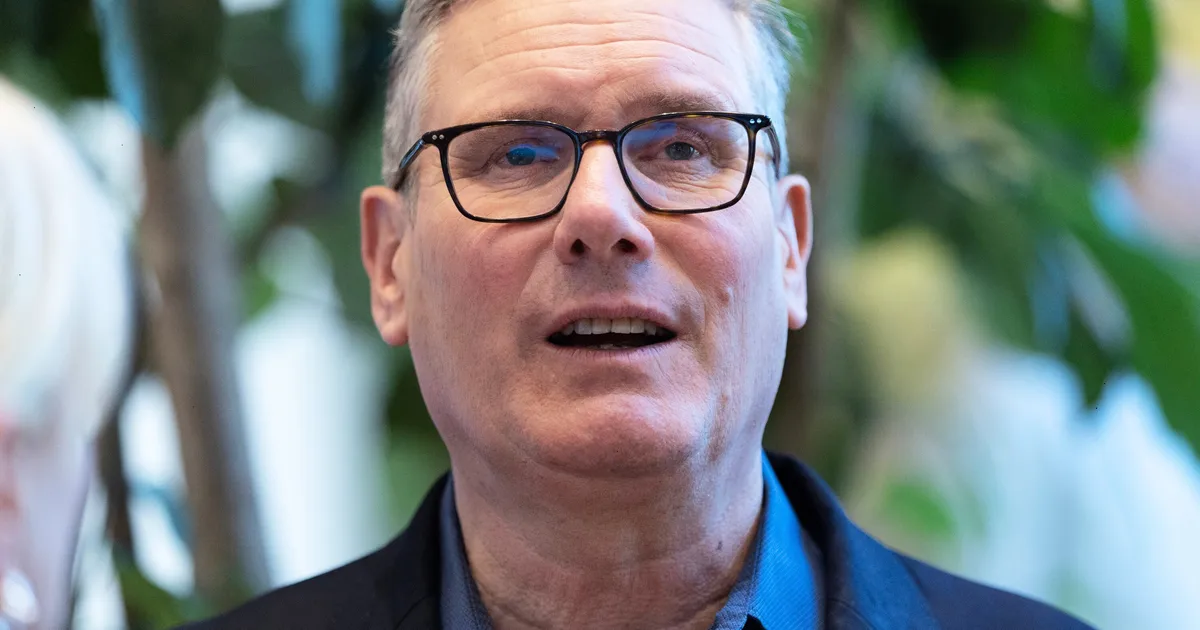
Keir Starmer has set out a timetable for his departure from No.10 after resigning as prime minister.
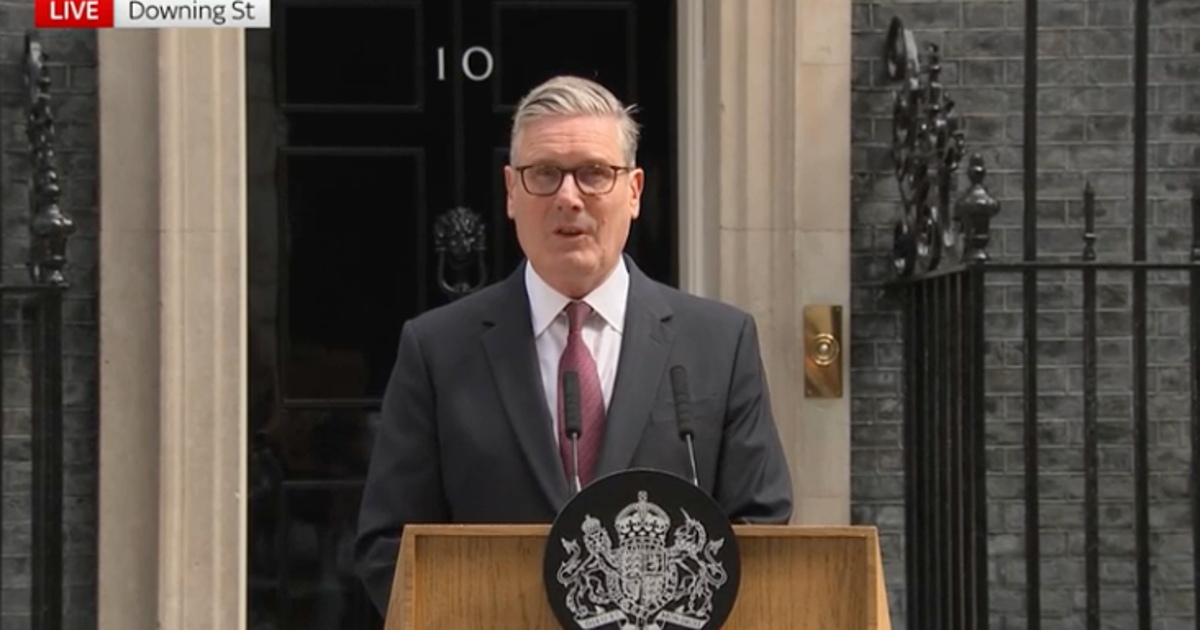
In a statement delivered on Downing Street on Monday morning, the prime minister said his party has been asked if he is best placed to lead us into the next general election.
“I have heard the answer of my parliamentary party to that question and I accept that answer with good grace,” he said. “Every decision I’ve taken has been about putting the country I love first.
“That is why I will resign as leader of the Labour Party.
Advertisement
“I have spoken to His Majesty the King this morning to inform him of my decision.”
Starmer said the National Executive Committee of the Labour Party will set out a timetable to make sure a new leader is in place by the time parliament returns after its summer recess.
Nominations will open for the leadership on July 9, a week before parliament’s summer recess, and if there is a contest, it will be completed by September 1 when MPs return to Westminster.
Until then he will remain in post as prime minister, Starmer said.
Advertisement
“I will give my successor my full and unequivocal support,” he said.
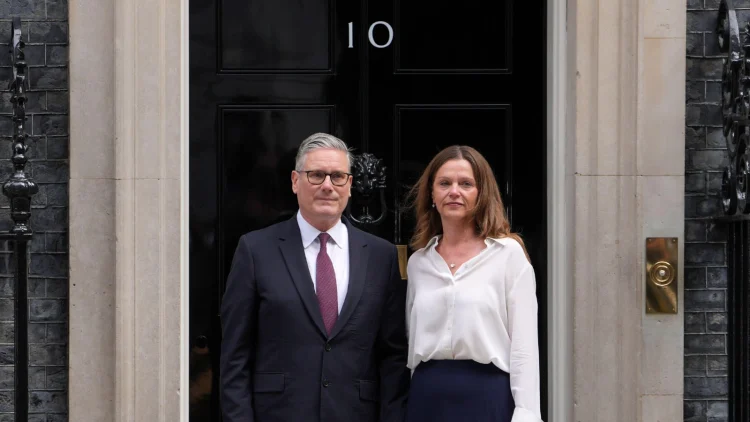
Tearing up, the prime minister said he will focus on the “most important job”, adding: “Being the best husband I can, to my fantastic wife Vic, who has been a rock by my side through good times and bad.”
He continued: “And being the best dad that I can to my beautiful children, who are my pride and joy.”
The prime minister’s announcement comes after Andy Burnham’s victory in the Makerfield by-election last Friday.
Advertisement
The soon-to-be-former Greater Manchester mayor is Starmer’s greatest rival and has had his eye on the keys to No.10 for some time.
Burnham was widely expected to challenge Starmer’s leadership after winning the contest for the north-west seat.
Labour Party rules state only an MP with the support of 81 other MPs can fire the starting gun on a leadership challenge.
Burnham had been pushing for Starmer to step down quietly so it would be a coronation for the new Makerfield MP.
Advertisement
The prime minister initially refused, saying he would fight on.
Asked if he would stand in any possible leadership election on Friday morning, Starmer said “there isn’t one at the moment” and that holding one would send “the country into chaos”.
But he added: “If there is a contest, then yes I will run, I will stand, and I’ve said repeatedly I’m not going to walk away from that.”
However, pressure from his own cabinet ministers appears to have moved the needle.
Advertisement
Two former cabinet ministers, Wes Streeting and John Healey, also quit over Starmer’s leadership in the last month.
Business and trade secretary Peter Kyle revealed his boss was weighing up the “political realities” in the coming days on Sunday.
It now remains to be seen if anyone other than Burnham will throw their hat into the ring to be the next Labour leader.
Streeting, the former health secretary, did indicate he would run but there are concerns he does not have enough backing from Labour MPs to run.
Advertisement
Listen to Commons People, the podcast that makes politics easy. Every week, Kevin Schofield and Kate Nicholson unpack the week’s biggest stories to keep you informed. Join us for straightforward analysis of what’s going on at Westminster.
Keir Starmer has announced that he will resign as Prime Minister this summer.
Advertisement
Speaking outside 10 Downing Street on Monday morning, Starmer said he had accepted the wishes of Labour MPs with “good grace” and that he would help facilitate an “orderly transition” for his successor.
Starmer said he had informed the King this morning that he had resigned as Labour Party leader, triggering a process to replace him that will begin in early July.
Andy Burnham, who won a landslide victory at last week’s Makerfield by-election, is expected to take over.
In an address to the nation, Starmer said “the question” his party was now asking was who was best placed to lead it into the next general election, and that the answer was no longer him.
Advertisement
“I have heard the answer of my parliamentary party to that question, and I accept that answer with good grace.”
Starmer said entering No 10 two years after winning the 2024 general election was the “proudest moment of my life”.
“A new Labour government. The first in 14 years. A page in our country’s history turned after years of disappointment and despair. The chance to change the lives of millions of people for the better.
Advertisement
“That’s what I came into politics for.”
He added: “I will also give my successor my full and unequivocal support, knowing that they will inherit a Britain that is far stronger and fairer than the one I inherited two years ago, better prepared for the challenges ahead and better able to ensure the Labour Party secures a second term in office.”
Starmer’s position has been under pressure for months, with painful local election results and his handling of the Lord Mandelson affair prompting Labour MPs to question his leadership.
While many Labour MPs would like Burnham to take over unchallenged, others would prefer a leadership contest, particularly those who are sceptical about the former Manchester mayor running the country.
Former health secretary Wes Streeting has previously said he would stand in a leadership contest.
Starmer became Labour Party leader in 2020 and led the party to its first general election victory in nearly two decades in 2024.
His resignation means the UK will soon have its seventh prime minister in a decade.
Advertisement
He finished his speech by paying tribute to his family.
“When I leave the biggest job in the country, I shall spend more time on the most important job, being the best husband I can to my fantastic wife, Vic, who has been a rock by my side through good times and bad, and being the best dad I can to my beautiful children, who are my pride and my joy.”
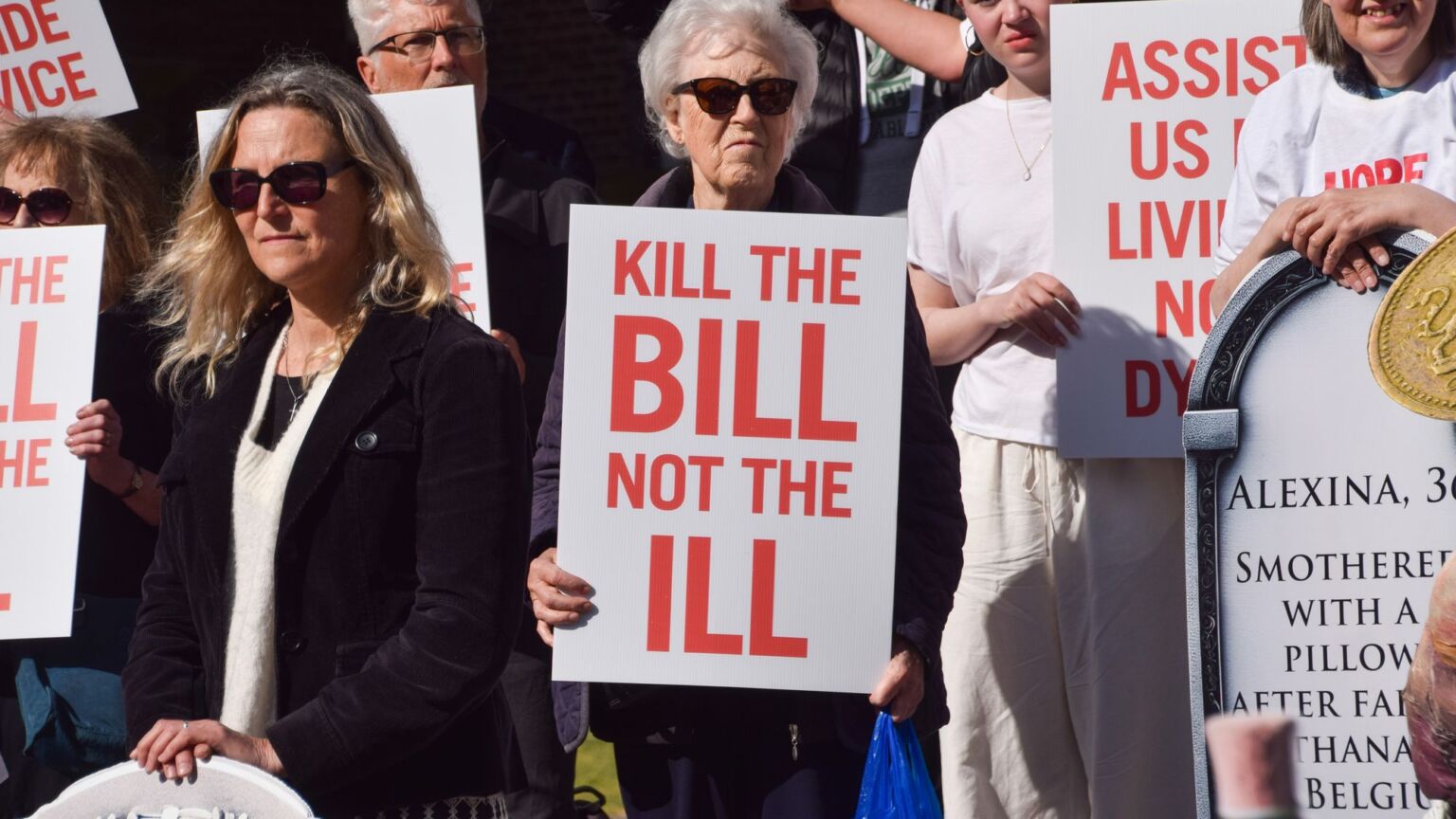
Labour MP Lauren Edwards has brought the assisted-dying debate back to Westminster, reintroducing the Terminally Ill Adults (End of Life) Bill. The bill received its first reading in the House of Commons last Wednesday, formally marking its return to parliament.
The legislation, first introduced in 2024 by Labour MP Kim Leadbeater, ran out of time in the House of Lords earlier this year. Supporters of the bill accused opponents in the Lords of deliberately blocking it by tabling more than 1,200 amendments.
There are substantial difficulties for Edwards, who must present the exact same bill if she wants the Parliament Act of 1911 and 1949 to come into effect. These acts allow for the same legislation, if passed in the House of Commons in consecutive parliamentary sessions, to automatically become law.
Advertisement
For proponents and organisations like Dignity in Dying (DiD), which have spearheaded the campaign to legalise assisted suicide and written many an MP’s cliché-ridden speech, this is a long shot. Their strategy is to maintain the moral high ground by insisting that democracy has been thwarted by the bill’s original failure to pass.
Invoking the Parliament Act for a private members’ bill is near enough unprecedented. In fact, it has only been used seven times in British history. Clearly, the assisted-suicide lobby is getting desperate.
Advertisement
Let’s remind ourselves of some of the problems with the bill. Doctors remain free to raise the possibility of assisted suicide with patients, thus opening the door to coercion. Clinicians have warned that hospices could be forced to close if they do not wish to have people killed on their premises. And despite Leadbeater claiming the bill has the ‘strongest safeguards anywhere in the world’, it even allows for private companies to profit from killing people.
Then there’s the key problem with legislation of this ilk. Inevitably, the scope of who can apply for assisted dying will broaden from beyond what is laid down in law. This is the lesson from every jurisdiction where it has been introduced. Regardless of what Leadbeater, or now Edwards, might have to say, assisted suicide will become available to everyone, for every reason under the Sun.
Advertisement
Take Canada. Ten years ago, it established euthanasia and assisted suicide only for those with ‘reasonably foreseeable’ deaths under its Medical Assistance in Dying (MAID) programme. MAID was expanded to all people with permanent disabilities in 2021 and is set to expand to those suffering from mental illness next year. Since MAID was introduced a decade ago 100,000 people have been given lethal injections. That means that more Canadians have been killed under MAID laws than during the Second World War. Do we want that for the UK?
Unsurprisingly, the thought of raising this zombie bill from the dead is causing concern among professional organisations. The Royal College of Physicians, neutral on assisted dying, has been forced to reiterate its concerns about the bill. Hospice UK has also criticised the bill’s reemergence, especially ‘at a time when hospice and palliative care is under strain’.
None of this touches on the biggest difficulty Edwards faces – namely, that parliament itself is increasingly hostile to a re-run of this debate. Clearly, a lot has changed in the two years since Leadbeater’s first bill emerged. Not only is Starmer’s authority shattered, his likely successor – Andy Burnham – is also unlikely to go anywhere near such a divisive issue. Besides, former prominent supporters of the bill, such as Louise Haigh, Ian Murray and Jeremy Hunt, have all criticised any attempt to use the Parliament Act to revive assisted dying. Former public-health minister Ashley Dalton – who herself is terminally ill with cancer – said: ‘We have debated this deeply divisive and flawed assisted-dying bill for over a year and supporters have refused to listen or to make the necessary changes.’
Advertisement
The last word should surely belong to Tory MP Simon Hoare, who, when it was announced that the bill would return, shouted: ‘Oh, not again!’
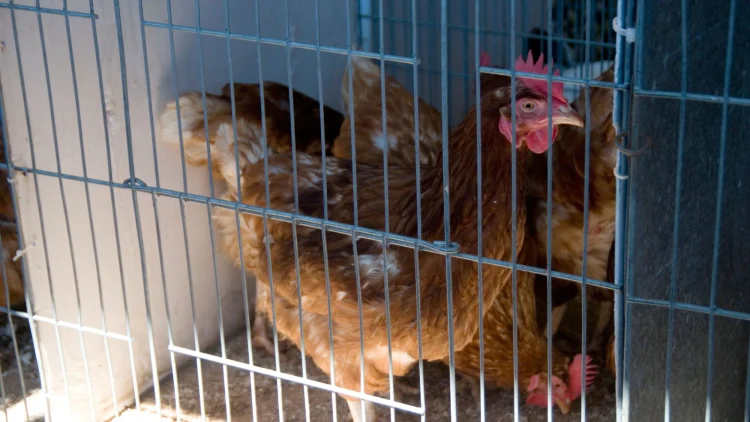
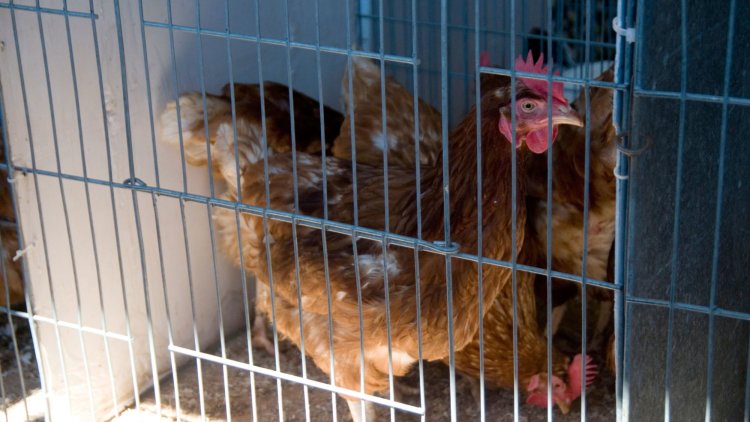
Six million egg-laying hens are still forced to endure unacceptable conditions in cages in the UK – we must act to ban their use now
Advertisement
As you make your way through Parliament this week, you may notice something unusual in the Upper Waiting Hall by the Committee Corridor.
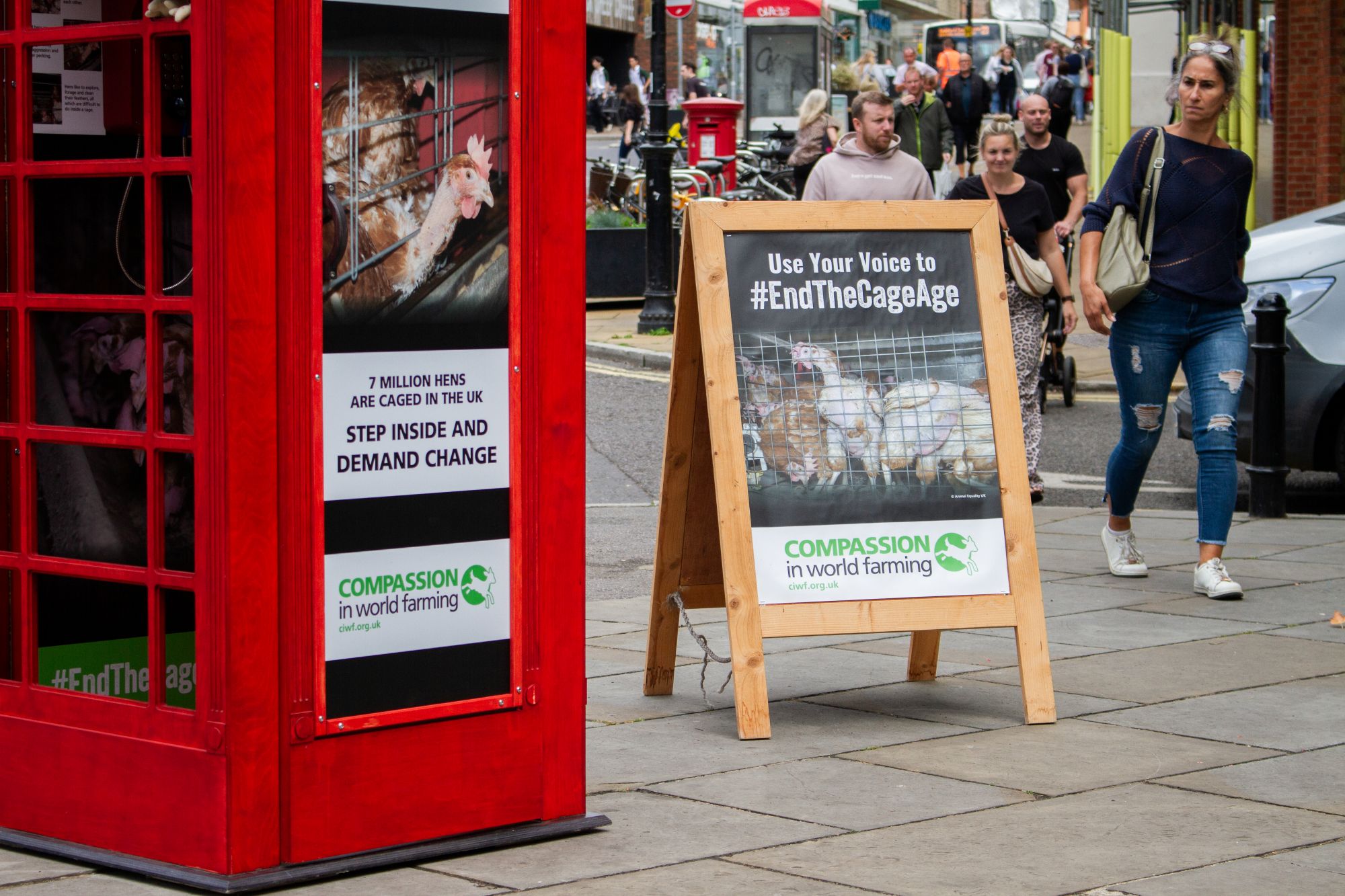
A red telephone box might be a common sight in London, but this one serves a very different purpose. This particular phone box is the centre of a striking new exhibition, organised by Compassion in World Farming (CIWF) and sponsored by me, highlighting the reality faced by millions of laying hens still kept in cages across the UK.
The replica phone box demonstrates, in stark terms, just how little space caged hens are given. Four adults crammed inside it occupy roughly the same amount of space as several hens confined in so-called ‘enriched’ cages. These are the conditions that over six million egg-laying hens are still forced to endure in cages on some farms, a completely unacceptable reality.
Advertisement
Those stopping off at the exhibition are invited to step inside and listen to recorded messages from members of the public calling on the government to end the cage age. Alongside the installation sits CIWF’s substantial ‘phone book’ which contains more than 10,000 written messages from people across the country who support a ban on cages for laying hens.
Together, this chorus sends a clear message: this is not a niche issue. It is one on which the public increasingly expects action from the government to stop the needless suffering of hens right by and down Britain.
The replica phone box demonstrates, in stark terms, just how little space caged hens are given
Advertisement
Spend just a few moments inside the phone box with multiple people and the lack of space quickly becomes uncomfortable. Yet for those millions of hens, confinement is their daily existence. Even in ‘enriched cages’, each bird is afforded little more usable space than an A4 sheet of paper, which prevents them from carrying out many natural behaviours including scratching, pecking, foraging and fully stretching their wings; activities that are fundamental to their welfare.
The good news is that change is already underway. The vast majority of UK-produced eggs now come from cage-free systems, and all major supermarkets have either stopped selling shell eggs from caged hens or have committed to doing so. With around 84 per cent of production already cage-free, the direction of travel is clear towards a future free of cages.
But, despite this, the question remains as to whether legislation will now catch up to outlaw it completely. The government’s Animal Welfare Strategy for England, published last December, signalled Defra’s intention to end the use of cages for laying hens. Earlier this year, a consultation on a proposed phase out by 2032 gathered views on how this could be achieved. While a more ambitious timetable would be welcome, the consultation represented a significant step forward. The challenge now for those in Parliament is turning consultation into legislation.
Advertisement
Public support for change is strong. Polling consistently shows that a substantial majority of people believe cages are cruel and a number of European countries – including Austria, Luxembourg, Germany and Czechia – have already taken steps to phase them out. The UK has an opportunity to show leadership on animal welfare once again.
I am grateful to CIWF for bringing this exhibition to Parliament and for the persistence with which it has championed this issue over many years. Through public campaigns, parliamentary engagement and sustained work with the food industry, it has helped drive significant progress in moving production away from cage systems.
That progress should not stop here. The exhibition in the Upper Waiting Hall offers a timely reminder of how far we have come, but also of the work still to do. I hope colleagues will take a few minutes to visit it and consider why the case for ending cages for laying hens has never been stronger.
Anna Faris has made some rare comments about her divorce from Chris Pratt.
In a new interview with Variety, the Scary Movie star reflected on her painful split from Chris, to whom she was married for eight years before their 2017 break-up, and the scrutiny she faced from the public after she and the Marvel actor parted ways.
The divorce was finalised in 2018.
“I was feeling sad,” Anna recalled. “I do feel like I had enough gumption, enough of a core, and I have tried to be careful about how much Hollywood infiltrates, but now I’ve been on a spectrum of fame for 26 years, so I would be naïve to think that it hasn’t shaped who I am at this point.”
Advertisement
“But, fuck,” she added. “The scrutiny…”
Anna, who shares 13-year-old son Jack with her ex-husband, credited her podcast, Anna Faris Is Unqualified, for giving her a support system and helping her deal with the public break-up.
Anna Faris and Chris Pratt in April 2017
“I didn’t disclose a lot on the podcast, but I always felt like I could if I needed to. The podcast helped me a lot during that time,” she said.
Anna later tied the knot with cinematographer Michael Barrett in 2021. Meanwhile, Chris got remarried to Katherine Schwarzenegger in 2019. He and his second wife have since welcomed three more children.
Speaking to People in October 2017, Anna said that she and the Guardians Of The Galaxy star have remained close pals and were focused on co-parenting their son.
Advertisement
“We’ll always have each other and be incredible friends,” she said at the time.
“There is still so much laughter in our lives together, and he is so proud of me, still. We watched each other grow, and he still cracks me up all the time.”
Chris told Entertainment Weekly in 2018 that “divorce sucks” while discussing the split.
“But at the end of the day, we’ve got a great kid [Jack] who’s got two parents who love him very much,” he noted. “And we’re finding a way to navigate this while still remaining friends and still being kind to one another.”
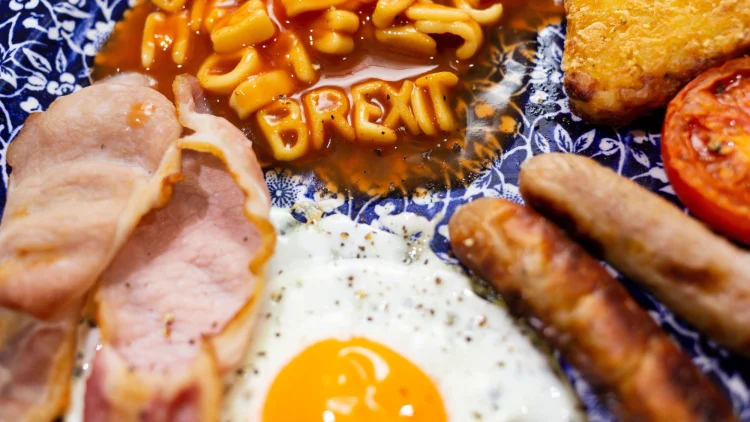
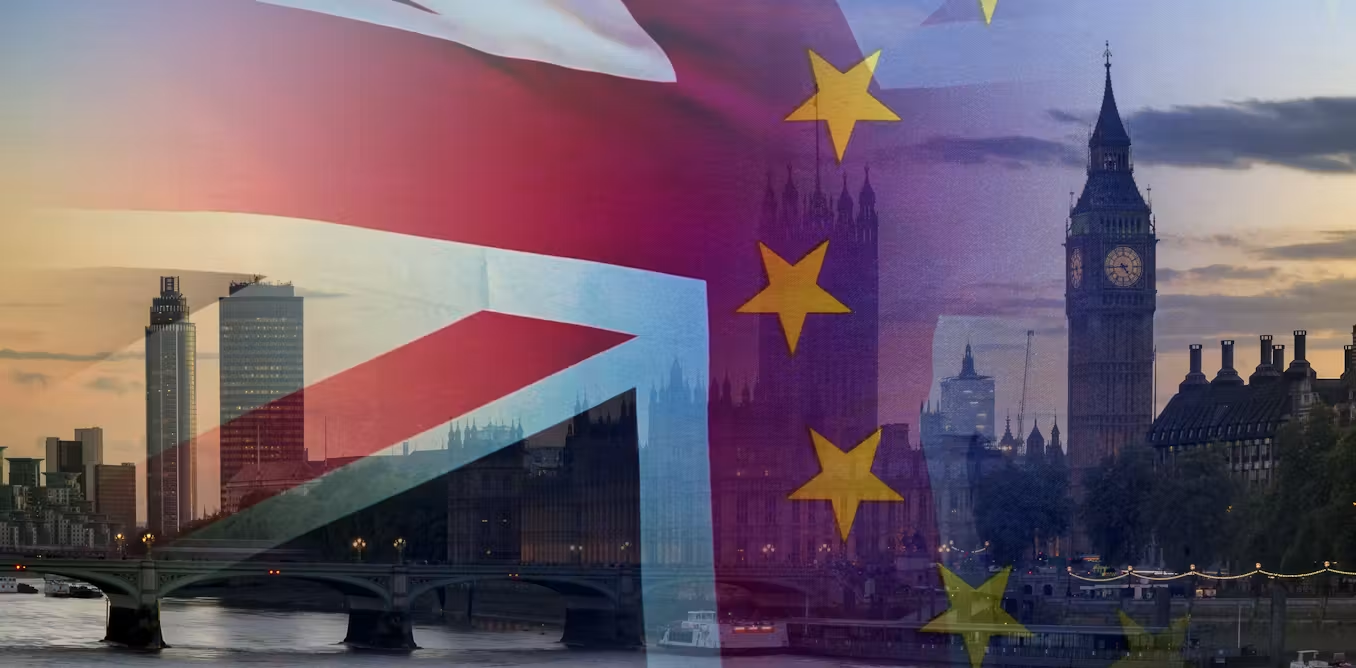
It’s 10 years since Britain’s momentous decision to, according to your taste, throw off the shackles of European oppression or make it harder to sell things to France.
Advertisement
Perhaps the morning of 24 June 2016 found you looking, as David Cameron did, like a man whose political dreams were shattered. Or perhaps, like Boris Johnson, you were triumphantly wondering what the hell you were supposed to do now.
But how much can you remember of the intervening decade? Do you know your alternative arrangements from your Windsor framework? It’s time to find out with our epic quiz (answers below). Will the winner get prosecco, a BMW or £350m a week? That’ll come out in the ensuing negotiations. Just remember that the moment you finish the quiz, you hold all the cards.
Advertisement
In 2006, what did David Cameron tell his party off for doing while parents “worried about getting the kids to school”?
Which party’s 2010 manifesto promised “an in/out referendum the next time a British government signs up for fundamental change in the relationship between the UK and the EU”?
Cameron’s 2013 address promising a referendum (poignantly, it was delivered in the early morning, while parents were worrying about getting their kids to school) became known as the Bloomberg Speech, but the company’s London headquarters were a second-choice venue. In which city was the speech originally scheduled to be given?
Which party’s 2015 manifesto proclaimed: “We say: yes to the Single Market”?
The referendum campaign saw Nigel Farage leading an armada of fishing boats up the Thames. Which pop star raised his own fleet to intercept him?
The timing of the exit process was controversial from the start:
A Who said the morning after the vote: “Article 50 has to be invoked now”?
B Which party said during the 2017 election that it had been a mistake to trigger Article 50 at all?
In 2017, which party…
A …pledged to “unite the country around a Brexit deal that works for every community in Britain”?
B …promised “a new deep and special partnership with the EU”?
C …said it would negotiate a Brexit agreement and “we will put that deal to a vote of the British people in a referendum, with the alternative option of staying in the EU”?
By 2019, which party promised…
A …to “ensure that Northern Ireland’s businesses and producers enjoy unfettered access to the rest of the UK”?
B …to put a deal “to a public vote alongside the option to remain”?
C …to “stop this mess, revoke Article 50 and stay in the EU”?
The UK Independence Party was crucial to Britain’s decision to leave:
A How many leaders did it have over the course of 2016?
B How many of them were Nigel Farage?
C How many of them are still party members?
What was the name of the book published by Nick Clegg in October 2017, after he lost his seat in Parliament?
A How to Get Rich.
B How to Stop Brexit.
C How to Make Facebook Ethical.
The first two Brexit secretaries were David Davis and Dominic Raab. Who was the third?
Raab had been a passionate supporter of Brexit, but in 2018 he revealed he’d underestimated the importance to British trade of what?
In 2019, a group of 11 Labour and Conservative MPs announced they were forming a new anti-Brexit party. It became known as Change UK: The Independent Group. Nine months later, how many of them were still in the party?
In March 2019, MPs were given “indicative votes”, the chance to show which of eight options they would be willing to support. How many passed?
Dominic Raab said Theresa May’s deal was “worse than staying in”. Johnson called it “the worst of both worlds”. Jacob Rees-Mogg said Britain would be “not so much a vassal state any more as a slave state”. How did they all ultimately vote on the deal?
In September 2019, Rees-Mogg described something as a “constitutional coup”? Was it:
A Asking the Queen to prorogue Parliament in order to stop MPs from debating Brexit.
B The Supreme Court ruling that the prorogation had been unlawful.
Who said, in 2017, “If Brexit is a disaster I will go and live abroad” and then, in 2023, “Brexit has failed”? And are they now living abroad?
What, in 2018, did May insist that no British prime minister could agree to?
What, in 2019, did Johnson assure business owners he had not agreed to?
Were either of them right?
Answers
1 “Banging on about Europe”
2 The Liberal Democrats
3 Amsterdam
4 The Conservatives
5 Bob Geldof
6 A Jeremy Corbyn; B UKIP
7 A Labour; B Conservatives; C Liberal Democrats
8 A Conservatives; B Labour; C Liberal Democrats
9 A four; B two; C none
10 B
11 Steve Barclay, though we only have his word for it
Keir Starmer is about to resign, according to widespread reports.
Less than two years after his landslide victory in the 2024 general election, the prime minister seems to have lost the support of his party.
More than 100 Labour MPs have publicly called for him to quit and a growing list of his own cabinet ministers are said to have privately told him to stand down.
Two former cabinet ministers, Wes Streeting and John Healey, even quit over Starmer’s leadership in the last month.
Advertisement
Business and trade secretary Peter Kyle revealed his boss was weighing up the “political realities” in the coming days on Sunday.
Meanwhile, skills minister Jacqui Smith caused a stir when she seemed to hint the PM was heading off on Monday morning.
She told Times Radio, “I would have been happy for him to continue” – but later urged journalists not to get ahead of themselves by predicting Starmer’s next move.
Even so, the Guardian reported on Monday that Starmer was allegedly working on his resignation speech with a handful of his top team while holed up in his grace-and-favour Chequers residence over the weekend.
Advertisement
If that is true, it’s a complete pivot from last Friday when Starmer insisted he would not walk away from the job and would stay on to fight any leadership contest triggered by his opponents.
But No.10 has not pushed back on any reports that the PM is considering resigning, even after US president Donald Trump bizarrely predicted Starmer would quit on Sunday.
However, even if he does announce his decision to quit on Monday, several key questions remain.
Will Starmer agree to an “orderly transition” to his successor and stay in place until September?
Advertisement
That would allow him to tie up his legacy while building on his international reputation by attending a Nato summit and an EU “reset” summit, both in July.
It would also give his successor a chance to build up a body of policies so they can hit the ground running.
The outgoing Greater Manchester mayor won the Makerfield by-election last Thursday, giving him a seat in parliament and a chance to challenge Starmer’s leadership.
Advertisement
He is widely expected to have the support of the required 81 Labour MPs needed to oust the prime minister.
But opponents suggest that would mean he does not have a mandate to rule if there has not been a battle of ideas among party members first.
Advertisement
Home Office minister Mike Tapp also weighed into the growing debate over whether a Starmer resignation means there should be a general election.
He said: “That would stop the constant churn and focus all politicians on delivery, instead of workplace politics.”
But that’s caused concern over the risk of further upheaval, especially as the UK teeters on the edge of its seventh prime minister in a decade.
Starmer is expected to give a statement in the Commons this afternoon to give MPs an update about his G7 trip last week.
Advertisement
Will he have offered any clarity about his future by then – or leave Westminster in limbo?
Listen to Commons People, the podcast that makes politics easy. Every week, Kevin Schofield and Kate Nicholson unpack the week’s biggest stories to keep you informed. Join us for straightforward analysis of what’s going on at Westminster.
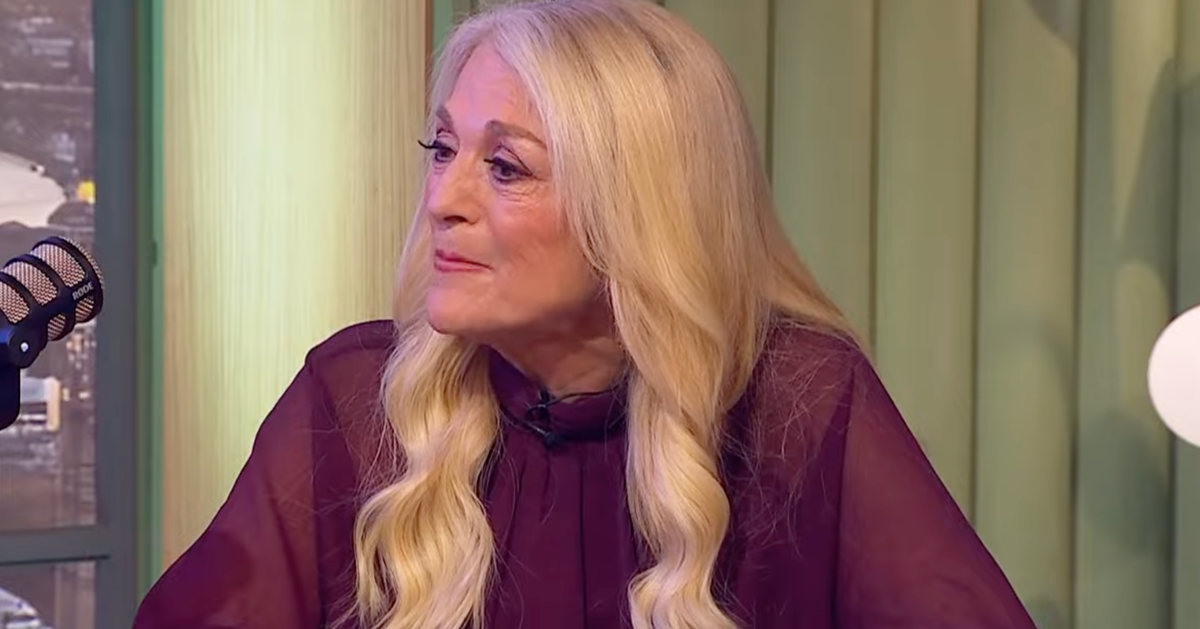
Vanessa Feltz has admitted that the news of her daytime show’s cancellation came out of the blue.
Last year, the veteran broadcaster began fronting the talk show Vanessa on 5 (previously known as Channel 5), in which she and a celebrity panel discuss topical issues and speak to viewers calling into the studio.
Last week, 5 confirmed on Thursday that Vanessa was being pulled from next month.
Advertisement
“Due to afternoon scheduling changes, Vanessa will be rested from 17 July,” a spokesperson said. “We thank Vanessa and her team at ITN for 18 months of warm, witty, wise and searingly honest shows.”
Vanessa broke her silence on the news during Saturday’s edition of her LBC show, telling her listeners: “It was a bit of a shock. It was meant to be a delightful year’s contract, the show was going really well…
“I was shocked to the core and very upset and I still am. It was only Wednesday at 3 o’clock that I found out.”
Vanessa went on to claim that it was 5 owners Paramount who made the decision, as they “want to show Paramount movies every afternoon” in her timeslot, because it “doesn’t cost them any money”.
Advertisement
A 5 spokesperson added last week: “Vanessa remains a valued member of the Channel 5 family and we are discussing future projects together.”
Prior to landing her own 5 series, Vanessa had been a regular face on This Morning.
She previously told Metro that she “would happily have stayed” part of This Morning’s on-air team “and gone on the back of a motorbike from the This Morning studio straight to 5 and done both”.
“I almost believed I’d be able to do that, but I think apparently, it’s not the way it’s done,” she added. “But I’d have done it, and I think they would have been happy for me to do it too.”



















































You must be logged in to post a comment Login