

Politics
How the Trump family cashed in with India’s richest cronies

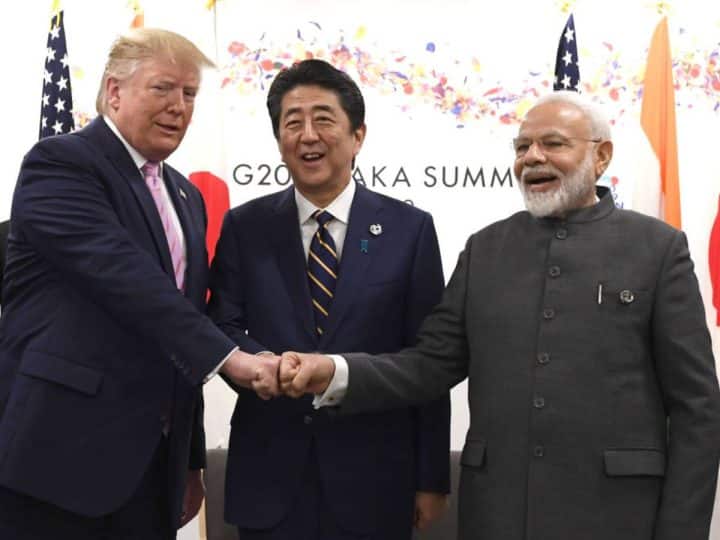
The Trump family pocketed at least $100 million from India’s richest dynasty, the Ambanis, through a secret stake in an obscure Texas refinery startup.
A pattern also seen with another billionaire, Gautam Adani, reveals a consistent U.S. strategy: first, threaten tariffs, sanctions, or prosecution; then, after money flows from Indian billionaires toward the U.S., make the legal and trade problems disappear.
In exchange for the Indian investment in the Texas refinery startup, the White House delivered a string of major policy wins for the Indian energy conglomerate, including a Venezuelan oil license, according to a ProPublica investigation published Tuesday.
NEW: Earlier this year, an obscure startup in Texas announced that it had received at least $100 mil from one of the richest men in Asia.
We dug into the backstory. We discovered a saga involving Donald Trump Jr., Russian oil, and an Indian billionaire family’s private zoo. pic.twitter.com/wqusoBA0e5
— Josh Kaplan (@js_kaplan) June 9, 2026
According to the article, these policy wins were a trade deal that slashed tariffs on Indian goods from 50% to 18%, a license for Reliance to buy sanctioned Venezuelan oil, and an early waiver for India to buy Russian crude after the Iran war began (a waiver later expanded to all countries).
The ProPublica article implied that hawks like Peter Navarro had to be sidelined or overruled once the Ambani money flowed in.
Before the investment, Navarro publicly attacked “India’s politically connected energy titans” for “funding Putin’s war machine” — a clear jab at the Ambanis, who own refineries in India.
The White House denied any conflicts of interest, and Reliance said there was “no connection” between the investment and these outcomes.
Timeline of events
According to the article, in August 2025, the U.S. doubled tariffs on India to 50% to force India to stop buying Russian oil. The
The US had said India’s imports of Russian oil undermined US efforts to counter Russia’s activities in Ukraine.
Then in November 2025, Donald Trump Jr. visited India, where he toured the Ambanis’ private zoo with Anant Ambani.
Then, in February 2026, the U.S. struck a trade deal with India, slashing tariffs from 50% to 18%. That same month, the U.S. also reportedly gave Reliance a license to buy sanctioned Venezuelan oil.
In March 2026, America First Refining announced it had received at least $100 million from Reliance. Trump Jr. had secretly acquired a stake in the start-up.
After the US attacked Iran, India received an early waiver to buy Russian crude, a waiver later expanded to all countries.
“Bizarre” flow of money
One could ask why a developing country like India is sending money to the United States instead of the other way around.
Last month, the Financial Times posed exactly that question, noting that India has “committed” to purchasing $500 billion worth of American goods over five years during Rubio’s visit to India.
The FT called the arrangement “bizarre,” noting that negative net foreign direct investment, more money leaving India than entering, is already weakening the rupee.
India’s bizarre $500bn ‘commitment’ in trade deal with US https://t.co/Ev0ouYcrAc
— FT World News (@ftworldnews) May 26, 2026
The FT said it would be “foolish” for Modi to accept a trade deal currently being negotiated that is not favourable to India. It said:
The Modi government has been on the defensive about a trade deal with Washington since Trump came into office. The expectation in New Delhi was that India would be among the first to secure one, but things soured, and India ended up among the most heavily tariffed countries. There has been considerable pressure on the commerce ministry to deliver a deal. But the fundamentals have changed. And it would be foolish for India to sign an agreement that appears to take far more than it gives.
A final trade deal still hasn’t been signed.
Talks were supposed to wrap up in March, but then the U.S. Supreme Court ruled many of Trump’s tariffs illegal, throwing everything into chaos. Now, even as negotiators meet, the U.S. is proposing new tariffs on India, including an extra 12.5% on Indian exports over forced labour concerns.
Trump said last week he’s confident a deal will get done soon because he likes Modi.
Trump confident of India trade deal despite new tariff threat https://t.co/BYAHz4z4sZ
— BBC News (World) (@BBCWorld) June 5, 2026
Trump — Identical playbook with Adani
The Justice Department, in November 2024, had charged Adani with paying $265 million in bribes to Indian officials. The Treasury Department was investigating alleged Iran sanctions violations.
Then, in April 2026, Adani’s attorney, who also happens to be a personal attorney for President Trump, said his client wanted to invest $10 billion in the United States but could not do so while the cases proceeded.
The Trump administration on Monday moved to dismiss criminal fraud charges against Indian billionaire Gautam Adani, while also settling alleged Iran sanctions violations involving one of his companies. https://t.co/TVIVTmsKxR
— Reuters Legal (@ReutersLegal) May 18, 2026
Soon, the Trump administration moved to dismiss the criminal fraud charges. The Treasury settled the sanctions case for $275 million, a fraction of the $10 billion investment promise. The SEC also settled its civil case.
In both instances, a confrontation with the Trump administration — over Russian oil, over Iranian oil, over bribery allegations — was resolved after dollars flowed toward the United States from India.
What is clear is the pattern by the US — pressure, payment, pardon, and repeat.
Featured image via Carl Court/Getty Images
By The Canary

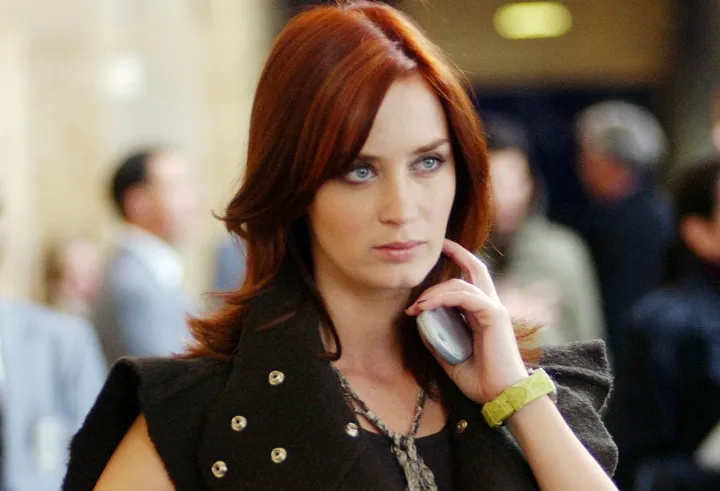
Steven Spielberg has made a dramatic return to the sci-fi genre with his new movie Disclosure Day, a star-studded blockbuster about aliens, religion and government secrets.
The film follows a meteorologist and a cybersecurity expert who find themselves in the middle of a government conspiracy to expose the cover-up of extraterrestrial secrets.
Disclosure Day has already been called a “masterfully executed sci-fi thriller” that reminds audiences why Spielberg is one of the best and most celebrated directors of all time.
Its stacked cast has also been lauded with praise, with the film featuring some of Hollywood’s biggest and brightest stars alongside some exciting upcoming talent.
Here is where you’ll have seen Disclosure Day’s stars before…
Emily Blunt

Barry Wetcher/20th Century Fox/Kobal/Shutterstock
Disclosure Day is the second blockbuster for Emily Blunt this year, following the success of The Devil Wears Prada 2.
The British actor found international fame playing Miranda Priestly’s assistant Emily in the first Devil Wears Prada film, before embarking on a successful and varied career in Hollywood.
She earned acclaim for her role as Queen Victoria in The Young Victoria, starred alongside Ewan McGregor in Salmon Fishing In The Yemen and appeared in the 2016 adaptation of The Girl On The Train.
No stranger to a blockbuster, Emily also co-starred with Matt Damon in the romantic thriller The Adjustment Bureau, Bruce Willis in time travel action Looper, Tom Cruise in Edge Of Tomorrow and Ryan Gosling in 2024’s The Fall Guy.
She’s also a triple threat, having appeared in numerous big-screen musicals, including 2014’s adaptation of Into The Woods where she played the Baker’s wife and Mary Poppins Returns, in which she took over the role of the magical nanny.
She earned her first Oscar nomination in 2024 for her role as Kitty in Christopher Nolan’s Oppenheimer, before scoring a Golden Globe nomination for her role in the MMA biopic The Smashing Machine opposite Dwayne Johnson.
Emily also worked with her real-life husband, John Krasinski, in the horror film A Quiet Place and its sequels.
Colin Firth

Colin Firth is one of the most celebrated British actors of his generation, becoming a household name the moment he stepped out of the water in his white shirt as Mr Darcy in the 1995 BBC adaptation of Jane Austen’s Pride And Prejudice.
This widespread attention led to roles in British classics The English Patient, Shakespeare In Love, and Girl With The Pearl Earring.
He is perhaps most recognisable for his work in numerous romantic comedies, playing Mark Darcy in Bridget Jones’ Diary and its sequels, appearing in Love Actually and starring in Mamma Mia! as one of Sophie’s potential fathers.
In 2010, Colin earned his first Academy Award nomination for playing a grieving man in Tom Ford’s A Single Man, before winning the following year, thanks to his leading performance as King George VI in The King’s Speech.
He followed this win with a varied range of projects including the John le Carré adaptation Tinker Tailor Soldier Spy, the Taron Egerton spy flick Kingsman: The Secret Service and the Sam Mendes war epic 1917.
Josh O’Connor

Josh O’Connor is one of Hollywood’s most exciting up-and-coming names, and Disclosure Day promises to propel him to yet another whole new level of global fame.
Early in his career, Josh became known for playing Lawrence Durrell in the ITV drama The Durrells, before landing the role of the future King Charles in seasons three and four of The Crown.
TV fans may remember him from his early work in the Doctor Who episode Cold War, playing Ada’s roommate James in Peaky Blinders and for his eight-episode arc in Father Brown as PC Bobby Grace.
His other film credits include the queer cult love story Gods Own Country, the 2020 Austen adaptation of Emma, and the 2025 period drama The History Of Sound, co-starring Paul Mescal.
Colman Domingo

Coman Domingo is having a real moment right now.
Disclosure Day is Colman’s latest major project following his work in the Michael Jackson biopic, in which he played the late singer’s father, Tina Fey’s Netflix series The Four Seasons and Sam Levinson’s divisive drama Euphoria.
The Oscar nominee has been working in the industry for years, with his past roles including the villainous Victor Strand in Fear The Walking Dead as villainous Victor Strand and a breakthrough part in Ma Rainey’s Black Bottom, in which he appeared alongside Viola Davis and the late Chadwick Boseman.
In 2024, his career exploded after he became the first American openly gay actor to be nominated for an Oscar, whe hem received a Best Actor nom for playing civil rights activist Bayard Rustin.
A year later, he received another Academy Award nomination for playing John “Divine G” Whitfield in the prison drama Sing Sing.
His other film credits include the film adaptation of the Broadway musical The Color Purple, Ethan Coen’s Drive Away Dolls and Edgar Wright’s remake of The Running Man.
Eve Hewson

Eve Hewson is probably best known for playing Becka Garvey in the Apple TV+ dramedy Bad Sisters, Lucy Elkins in the medical drama The Knick and Amelia in Nicole Kidman’s Netflix miniseries The Perfect Couple.
She made her feature acting debut in the 2013 Clive Owen film Blood Ties before appearing in Enough Said with the late James Gandolfini and the 2017 remake of Papillon with Charlie Hunnam.
Disclosure Day is not Eve’s first time working with Spielberg, having previously appeared in 2015’s Bridge Of Spies alongside Tom Hanks and Mark Rylance.
In 2018, she played Maid Marian to Taron Egerton’s Robin Hood, and in 2020 had a role in the biopic Tesla, which saw Ethan Hawke play the inventor.
Last year, Eve also had a minor role in the George Clooney-led Jay Kelly.
Oh – and if you’re not familiar with Eve, you’ll definitely know her dad, U2 frontman Bono.
Wyatt Russell

Another celebrity offspring in the Disclosure Day cast is Wyatt Russell, the son of acting icons Kurt Russell and Goldie Hawn.
You may recognise Wyatt for playing a younger version of his dad in Apple TV+’s Monarch: Legacy Of Monsters or for playing failed Captain America John Walker in numerous Marvel projects, including The Falcon And The Winter Soldier and Thunderbolts.*
Wyatt’s other film credits include Richard Linklater’s Everybody Wants Some!!, nazi zombie thriller Overlord and Blumhouse horror Night Swim.
Elizabeth Marvel

Under the nun’s habit in Disclosure Day is Elizabeth Marvel, a prolific character actor best known for her regular role as Nancy Parras in crime procedural The District.
Elizabeth also portrayed Heather in Netflix’s political drama House Of Cards, and the president-elect Elizabeth Keane in Homeland.
Her other notable TV credits include appearing as Defence Attorney Rita Calhoun in Law & Order: Special Victims Unit, the mysterious Major-General in Manifest and the defence attorney’s wife Lo in Jake Gyllenhaal’s Apple TV+ drama Presumed Innocent.
Hettienne Park

Before being cast in Disclosure Day, Hettienne Park’s biggest role was as crime scene investigator Beverly Katz in the TV show Hannibal.
She has also had notable roles in two recent Netflix projects. She appeared alongside Jude Law in Black Rabbit, where she plays Detective Ellen Seung and alongside Claire Danes as Agent Erika Breton in The Beast In Me.
In 2025, she landed her biggest film role to date when she played the attorney who conducts the jury pool interview in Sorry, Baby.
Gabby Beans

Theatre fans may well be with Tony nominee Gabby Beans’ work already.
After making her Broadway debut in The Skin Of Our Teeth, she landed the dual role of Mercutio and Friar in the 2024 musical production of Romeo + Juliet, in which she shared the stage with Rachel Zegler and Kit Connor.
On TV, her biggest role to date came when she starred in Presumed Innocent as a young defence attorney, Mya.
Her only other notable film role, so far, is playing Spider in Honey Don’t, alongside Margaret Qualley, Aubrey Plaza and Chris Evans.
Jeremy Shamos

Jeremy Shamos is a Tony-nominated actor who is best known to TV fans as Dickie Glenroy in Only Murders In The Building.
He also appeared in Better Call Saul as the treasurer for Bernalillo County Craig, as Norwegian exec Johanes Karlsen in Nurse Jackie and Mr Gilbert in period drama The Gilded Age.
His other film roles include Best Picture winner Birdman, Hugh Jackman’s political thriller Bad Education and Ma Rainey’s Black Bottom, in which he appeared with fellow Disclosure Day star Colman Domingo.
Elliot Villar

Elliot is most recognisable for his role as the violent drug dealer Fernando Vera in the Ramli Malek led Mr. Robot.
He also appeared in five episodes of Succession as politician Daniel Jiménez, with his other TV credits including The Affair, crime comedy Sneaky Pete and Law & Order: Organized Crime.
As for his movie work, his biggest big-screen credit is playing a driver in the film The Internet.
Michael Gaston

You might know Michael Gaston for the many authority figures he has played on TV over the years.
Some of his most notable roles include playing Gray Anderson in Jericho, advertising exec Burt Peterson in Mad Men, CBI director Gale Bertram in The Mentalist and Deputy Director of the CIA in Tom Carter in Blindspot.
The character actor has more than 100 credits in films and TV to his name, including projects as varied as the satirical George W Bush biopic W, the Mark Wahlberg action comedy Spenser Confidential and another major Spielberg production, Bridge Of Spies.
You might have recently also see Michael playing Chief Of Police Phil Gallo in Daredevil: Born Again, who meets a deadly end at the hands of Kingpin in that dramatic season one finale.
Disclosure Day is in cinemas now.

Gen Z are utilising “anxiety bags” to help when they’re feeling especially anxious – or a panic attack starts coming on.
TikTok is awash with videos of 20-something creators talking about what they store in theirs.
For those who’ve not come across them yet, an “anxiety bag” is basically a little pouch with items in that can help during an anxious period.
TikTok creator Ange Mariano shared she keeps a fidget toy, alcohol wipes, sour sweets, a sketch book and chewing gum in hers, while 24-year-old Stefany Skye keeps one in her car.
“I’ve been struggling with panicking [and] anxiety for a little while now, so I thought it’d be pretty smart to make myself one of these,” Skye said in a video, where she listed some of the items in her bag such as: lavender essential oils (to help calm her), magnesium glycinate, sour sweets, and a cold pack.
“I’m hoping that I don’t have to use this anytime soon, but I do like knowing that I am prepared … [I’m] definitely keeping this on me at all times, because sometimes the anxiety comes out of nowhere,” she added.
What do therapists think of the trend – especially for anxious teens?
Anxiety is one of the most common issues young children and teenagers are bringing to therapy, therapists previously told HuffPost UK, and a 2025 BBC survey of 2,000 kids aged 13-18 found two-thirds (69%) reported feeling anxious at least some of the time.
It’s safe to say these videos will likely be appearing in the feeds of teens and possibly even tweens – so, are anxiety bags a good idea for young people too?
Psychotherapist Anna Mathur told HuffPost UK the bags “sound like a lovely, useful tool for teens and kids who struggle to articulate themselves when they’re overwhelmed or anxious”.
BACP member and therapist Debbie Keenan agrees they can be “useful” if they contain sensory items that “help bring them back into the present moment”. Such items might include: strong mints, perfumed spray, fidget toys, comfort items or cold packs, she added.

Kentaroo Tryman via Getty Images
Why might these items help?
Mathur explained that when we’re anxious, “it can be hard to access more cerebral/cognitive tools like mantras and CBT [cognitive behavioural therapy] type tools”.
“Sensory input like having lavender, smooth stones, fidget toys and sour sweets help engage the senses and calm the body in a more tangible way,” she explained.
She likened them to “little physical circuit-breakers” helping our bodies to calm down and making it easier to access the rational, cognitive thinking part of the brain.
The author of How To Stop Snapping At The People You Love (As Well As the Ones You Don’t) noted these bags would work best when “aligned with what the user finds familiar and comforting”.
“Familiarity and rituals are grounding because they signal safety, especially when you feel overwhelmed and at-sea, or experiencing something new and unchartered,” the therapist continued.
“Predictability grounds us as humans, so something that smells or feels predictably familiar can be anchoring.”
Putting these bags together can also give children and teens a sense of agency, she added, as they’ve had to think about what feels comforting to them, at a time when that guidance often comes from adults or social media.
They’re not a solitary solution to anxiety
Both therapists conclude that anxiety bags are supportive tools, but “not the whole answer”.
“If someone is regularly reaching for them, then it may be that the anxiety needs to be addressed therapeutically,” said Mathur.
Therapist Debbie Keenan suggested that while it’s a useful tool (she’s also a big fan of the 5,4,3,2,1 grounding technique), it’s also important to understand what is triggering their anxiety in the first place.
“While anxiety bags can help manage symptoms in the moment, they work best as part of a wider approach that includes identifying anxiety triggers, building emotional awareness and developing healthy coping strategies,” she said.
“Incorporating calm breathing techniques into every day is especially effective, as when you are in a hyper-arousal or hypo-aroused state of anxiety, it is difficult to access your optimal zone, where you feel grounded and safe.”
Help and support:
- Mind, open Monday to Friday, 9am-6pm on 0300 123 3393.
- Samaritans offers a listening service which is open 24 hours a day, on 116 123 (UK and ROI – this number is FREE to call and will not appear on your phone bill).
- CALM (the Campaign Against Living Miserably) offer a helpline open 5pm-midnight, 365 days a year, on 0800 58 58 58, and a webchat service.
- The Mix is a free support service for people under 25. Call 0808 808 4994 or email help@themix.org.uk
- Rethink Mental Illness offers practical help through its advice line which can be reached on 0808 801 0525 (Monday to Friday 10am-4pm). More info can be found on rethink.org.
We’ve written before at HuffPost UK about the fact that some paprika is made from a type of bell pepper, as well as the flower bud origins of both capers and cloves.
And I’ll never be able to forget the absurdly grotesque history between figs and wasps.
It turns out pineapples and figs have a surprising amount in common: both are made from a bunch of blooms.
What is pineapple made from?
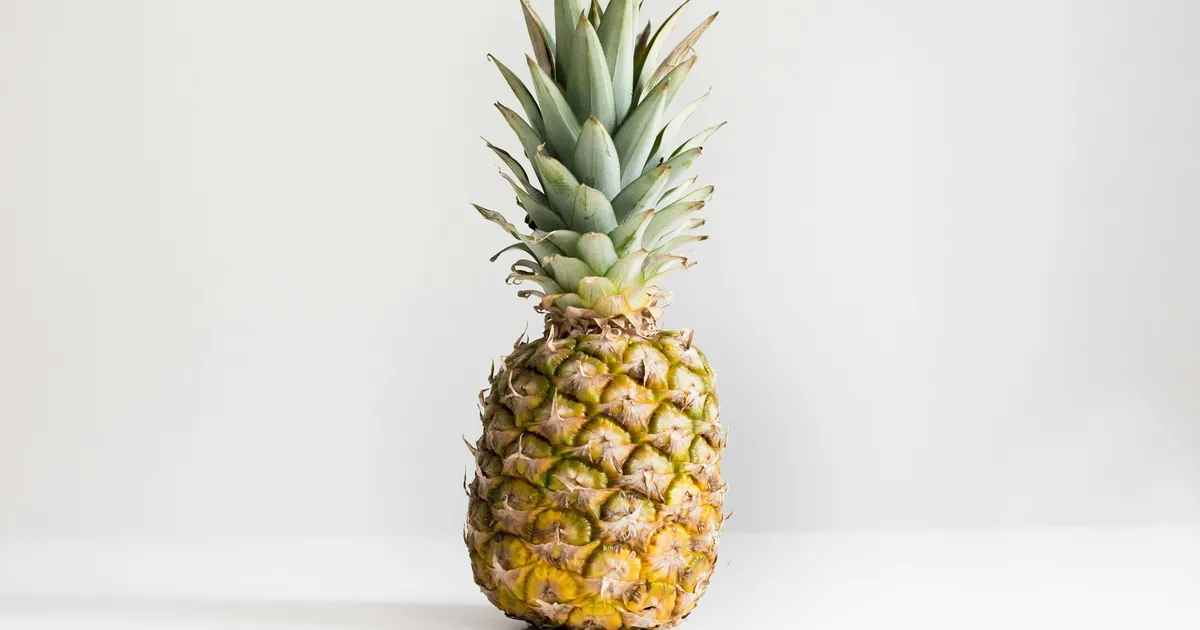
A pineapple is technically a bunch of berries (well, kind of). The fruit itself is classed as a berry.
Pineapples form a syncarp, or the fusion of many flowers into a single fruit.
After about a year to a year-and-a-half, the flowers on top of a pineapple plant grow berries. These fuse together over time, forming a single unit (the pineapple).
This syncarp can contain “100 to 200 berries”, which merge as they develop, the North Carolina State University (NCSU) said.
They change from green to yellow as the collection ripens.
The scales on the surface of a pineapple show this fusion, Utah State University explained. All the sections are made from different flowers, which Britannica explains start off purple.
Pineapples are seedless, NCSU added, because “they produce berries without pollination”.
What’s the core of a pineapple made from?
If a pineapple is a kind of berry, why is its centre so fibrous and hard to chew?
Well, the core of a pineapple is actually the central stem of the inflorescence (cluster or flowers) that go on to become its constituent berries.
Serious Eats explained that it “act[s] like a spine that holds all the berries together”.
To do this job properly, though, it needs to be built differently from the rest of the plant.
The pineapple core is drier, tougher, and denser than its surrounding berries, which is why it’s so much harder to eat.
It is not, however, toxic. It’s high in anti-inflammatory bromelain, which is the part of pineapple that might make people’s tongues tingle, even if they’re not allergic to the plant.
Cooks recommend using it for tea, marinade (bromelain is great at breaking down protein, so it could make meat more tender), and even for cakes when very finely chopped.

Kids come out with all kinds of phrases that can baffle the older generations around them – from telling you to “call your Uber” to branding everything “mid”.
But there are some words they may use which could signal they’re being exposed to troubling content online.
We recently covered how terms such as frame-mogging, jestermaxxing and mewing stem from the “manosphere” – a collection of websites and forums that typically promote masculinity, some of which increasingly amplify misogynistic views.
Some boys are also now using the derogatory and dehumanising term “foids” (stemming from “female robot” or “android”) to refer to women and girls.
How are kids coming across these terms?
They’re typically originating from online incel (involuntary celibate) communities, before trickling down into mainstream culture.
Incel communities tend to be made up of men who forge a sense of identity around their perceived inability to form sexual or romantic relationships. They might say this is because of how they look or because they’re “low status”. Either way, much of their anger is directed at women.
Their views and terms have entered mainstream culture through popular manosphere influencers – who, as HuffPost’s Brittany Wong puts it, “mask their misogyny in self-help, fitness tips and ‘pickup artist’-style dating advice”.
These kinds of terms can easily become normalised online when kids are exposed to this kind of content, over and over.
What are Chads and Staceys?
According to Educate Against Hate, incels “define themselves by creating archetypes and caricatures of those they consider to be outside of, or adversaries of, their subculture”.
And these are typically based on pretty misogynistic stereotypes.
While using them isn’t a sign your child is part of an incel community (especially if other kids at school are using these terms and they’re simply trying to fit in), it’s still worth exploring what they think these terms mean.
Chads are the ultimate alpha male – extremely masculine, powerful, dominant and successful with women. Educate Against Hate defines them as “a typically attractive male who is idolised for his good looks including bone structure, genes, and height among other factors”.
Exploring the history of the term, Merriam-Webster dictionary noted that in the early 2000s, Chad was used as a “humorous generic term for a stereotypical frat boy or jock, and also as a slang insult with the meaning ‘loser, idiot, jerk’”.
But by the 2010s, the incel community had adopted it as a stereotype for an alpha male.
Around the same time, they started using Stacy/Stacey to refer to Chad’s female counterpart. According to Robert Lawson, an associate professor in sociolinguistics at Birmingham City University, Stacey is seen as a “hyper-attractive, sexually desirable, promiscuous but vapid woman”.
In a piece for The Conversation, Prof Lawson said Stacey “is ultimately unobtainable, especially to men who are not Chads”.
Dictionary.com suggested when incels use the term Stacey/Stacy, it’s “similar to the term whore” adding that it’s “dehumanising” and “sexist”.
Educate Against Hate mentioned a third archetype – Becky – which it described as someone who is considered “average looking”. The site suggested “incels feel they’re ‘owed’ sex and relationships from Beckys as they’re seen as inferior to Staceys”.
Nowadays, Becky might be used to refer to a “clueless or entitled white woman”, according to Merriam-Webster.
The name was also given a new lease of life by Beyoncé’s 2016 track Sorry, from her album Lemonade, where she refers to “Becky with the good hair”, widely believed to be referring to the other (potentially, white) woman in an affair.
Dictionary.com notes the name Becky “became widely used as a slang insult in the late 2010s”, adding that “Becky is stereotyped as a so-called basic bitch who is a privileged, sheltered, generic, and unlikeable white woman”.
Meanwhile Chad’s usage morphed into the mainstream as a form of praise for a guy seen as impressive (around the same time “sigma” – used to describe men as cool and successful, but on their own terms – started taking off).
Although some still use it disparagingly to refer to someone who’s “hypermasculine or heedlessly cocky”.
If you’ve noticed kids referring to each other as Chads, Stacys or even Beckys, it might be worth gently exploring where they’re coming across these terms, what they think they mean, and even teaching them the N.O.I.S.E check to encourage critical thinking of any online content they might be coming across.
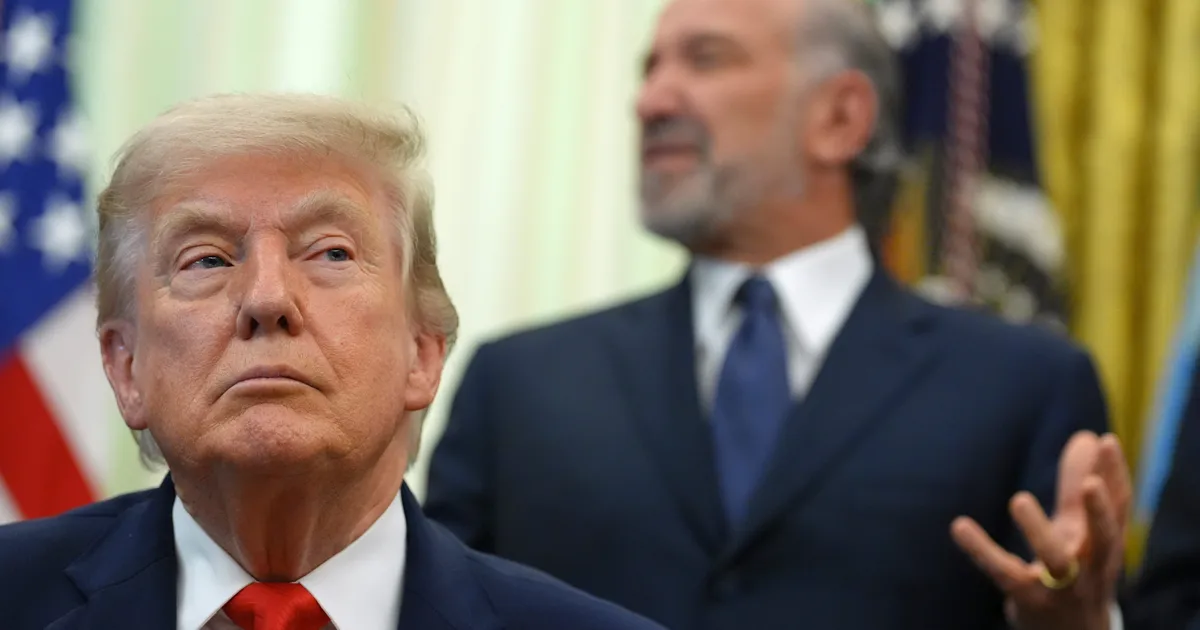
A peace deal to end the war in Iran is set to be signed as soon as today, Donald Trump has declared.
The US president said the agreement will lead to the economically-vital Strait of Hormuz waterway being “open to all”.
However, Iran poured cold water on hopes an agreement to end the conflict was imminent.
On Saturday, Esmaeil Baghaei, spokesman for the Iranian foreign ministry, said: “We will have to wait and see about the exact date of the signing of the memorandum of understanding, although it will not be tomorrow.”
But in a subsequent post on Truth Social, Trump said: “The Deal is scheduled to get signed tomorrow, and immediately after it is signed, the Hormuz Strait is OPEN TO ALL.”
The Strait carried around one-fifth of the world’s oil and natural gas before the war started with a wave of American and Israeli air strikes on February 28.
However, it has been effectively closed by Iran since then in a move which has sent oil price soaring and raised fears of global economic meltdown.
Trump insisted “no money will exchange hands” as part of the peace deal, and claimed America will destroy what remains of Iran’s nuclear capability “when all is calm”.
He added: “We look forward to working with Iran, and the entire Middle East, long into the future.
“Hopefully, this process will all work out quickly, easily, and smoothly. If it doesn’t, we have the ultimate alternative, hopefully never to be used again!”
Pakistani prime minister Shehbaz Sharif said that “we are closer to a peace deal than ever before”.
“With finalisation likely expected in the next 24 hours, Pakistan is preparing for the electronic signing of the peace deal immediately after, followed by technical level talks next week,” he said on X on Saturday.
Subscribe to Commons People, the podcast that makes politics easy. Every week, Kevin Schofield and Kate Nicholson unpack the week’s biggest stories to keep you informed. Join us for straightforward analysis of what’s going on at Westminster.
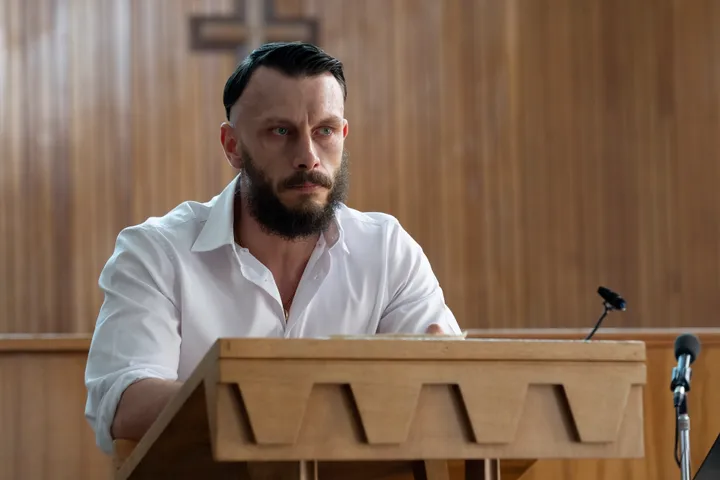
This article contains spoilers for the final episode of Half Man.
Throughout its six-episode run, Richard Gadd’s new drama Half Man has proven itself to be one of this year’s most daring series.
Focusing on the toxic relationship between Niall Kennedy and his pseudo-stepbrother Ruben Pallister, the series takes risks while examining shame and queerness in a way that many shows shy away from. Niall and Ruben are drawn to each other, despite Niall’s shrewdness and Ruben’s penchant for violence, igniting between them a spark that quickly festers and begins to ruin each of their lives.
Richard Gadd, the show’s creator and star, who won Emmys for his Netflix series Baby Reindeer, is fascinated by how toxic masculinity impacts relationships between men. Yet, the show has a glaring problem that many series focusing on white queer characters do: Half Man doesn’t reckon with the intersection of race and toxic masculinity and how it impacts characters of color.
When Niall leaves for university, he meets Alby Safadi (played by both Bilal Hasna and Charlie De Melo at different stages of the character’s life), a gay student of colour who is one of the few people he can open up to.
Their relationship slowly becomes romantic, with Alby allowing Niall space to finally admit to himself that he likes men. Time and time again, Alby is a shoulder for Niall to cry on, often casting his own interests, and safety, to the side. Just when it appears that Niall has finally found a confidant in his tumultuous life, Alby’s encouragement for Niall to come out ends with Ruben interpreting this revelation as a personal attack, resulting in him brutally assaulting Alby.
It’s here that Half Man begins to ask its audience to dispel any disbelief that Ruben’s targeting of Alby has nothing to do with his race and everything to do with his queerness. Yes, the series centres on the tumultuous relationship between Niall and Ruben, but by making Alby a man of colour, Richard Gadd fails to engage with how Half Man is stilted by its precarious representation of race. (The show also never mentions his nationality or ethnicity.)
The assault results in Alby being put into a coma and left permanently disfigured, and also results in the collapse of Niall and Ruben’s already fraught relationship.

Alby’s character is mostly thrown to the wayside, even throughout a trial in which Ruben claims the assault was the result of Alby groping him. The series is set from the late 1980s to the present day, so to say that Alby’s race is not a factor in how Ruben, his family and the justice system see him is laughable.
From here on, Alby’s presence in the show, despite being revealed to be Niall’s husband in present day, is one of a ghost. His existence has been irrevocably changed by the series narrative, yet it is never given the space or screen time to have any significant impact on the story.
Save for Heated Rivalry, Interview With The Vampire and a handful of other shows, the landscape of queer television has long focused on white characters or white ensembles, where queer characters of colour are often relegated to sidekick roles or the love interests of white protagonists, like Alby is.
The positioning of these characters as secondary to the plot isn’t necessarily the problem; it is instead the way in which they are treated within the narrative and by the writers who created them. Alby’s existence in Half Man is a pillar of the show’s conflict in the 1990s timeline, yet it is only Niall’s trauma from the assault that is allowed to be known.
Displayed to audiences through harsh breaths, moments of confusion and glances of horror toward Ruben, the impact of witnessing Alby’s assault consumes Niall. Alby’s reaction to his own assault is only ever clear through the physical scars we can see on his face, with no regard for how this attack impacted his schooling, his subsequent career and even his rekindled relationship with Niall.
Obviously, being attacked to the point that you end up in a coma is significant, but the trauma the sole character of colour in this series endures is never given the same amount of space as the other characters.

If Alby were to only exist in the past timeline, there really wouldn’t be a need for this to be explored. But, he and Niall get married in the present day, in which Ruben’s presence at their wedding causes both men to panic. The mental and physical scars on Alby clearly exist, so the diminishing of each feels like an ignorant dismissal. It follows a worrying and growing trend within queer television.
The series finale, instead of giving us any inkling that Alby and Niall’s relationship is as damaged or fascinating as Niall and Ruben’s, displays Alby as passive and nearly docile once again. Then, when he and Niall reunite after Ruben is sent to prison in the late 2000s, he tells his partner he should attempt to reconcile with the man who has destroyed both of their lives. In doing so, Gadd proves that Alby is nothing more than a pseudo-therapist for Niall, who since their university days has become a despondent addict entrenched in shame and obsession.
Half Man is a story about how toxic masculinity shapes and warps men and their relationships, yet there are so many cracks in the narrative.
There’s no denying that the series is one of the best of the year, but with it, Gadd has proved himself as a writer who has no desire to tackle how toxic masculinity is directly linked to both Ruben and Niall’s whiteness.
Since Alby’s assault, villainisation and subsequent reappearance, Half Man has forced me to question why Alby was cast as a man of colour if its creator didn’t explore how their violence directly impacts the lives of the men of colour around them.
By using Alby as a therapist for the show’s white protagonist — and as a punching bag for its white antagonist — the otherwise bold and tightly written series is softened by its disregard for racial politics, pointing to a larger problem that continues to grow in queer television.
All six episodes of Half Man are streaming on BBC iPlayer.

We’ve written before at HuffPost UK about why airline staff ask us to keep the blinds shut during takeoff and landing and the surprisingly sensible reason some planes still have ashtrays, even though smoking’s banned on board.
So, what about those tray tables – the ones that fold down from the seat in front of you, which you’re always told to keep up and secured at the start and end of a flight?
As you might expect, it’s all about safety.
Why do I have to keep my tray up during takeoff and landing?
Flying in a commercial plane is statistically the safest way to travel. But takeoff and landing are by far the riskiest parts of a flight, Business Insider explained.
For instance, even though takeoff and the plane’s initial climb only account for 2% of the overall flight, over 14% of reported accidents happen in these short stages.
This is part of the reason why the tray rule was introduced, Captain Steve Schreiber, a former pilot who posts on social media under the name Captain Steeeve, said in a YouTube Short.
“If you have to get off the plane in an emergency and in a hurry, if your tray table is down, you might not get out of that plane in 90 seconds,” which is the maximum length many regulatory bodies require evacuations to last, he said.
Additionally, you might block or slow down the people behind you, causing a pile-up or delay.
Speaking to Travel + Leisure, ex-flight attendant Kelly Kincaid said the same thing: tray tables have to “be up for takeoff and landing so that [they] won’t block you from evacuating in the event of an emergency”.
And, she stated, folding up your tray table also means you have to put the things you had resting on it (like your laptop or coffee) away, meaning there could be fewer potentially dangerous projectiles in the event of an emergency.
That’s also why you can’t recline your seat during takeoff and landing
Keeping channels to emergency exits clear is key for passenger safety, especially during the parts of a flight most vulnerable to accidents.
Speaking to HuffPost UK previously, a spokesperson for the Royal Aeronautical Society’s Flight Operations Specialist Group explained: “There are two primary safety-related reasons why aircraft seats must be in the upright position for take-off and landing.
“The first is that the seat gives the occupant maximum impact protection when upright, and its structure locks into position accordingly… The second reason is that reclined seats reduce the space available in the row behind for occupants to escape quickly if an emergency evacuation is required.”

British armed forces delivered a major blow to Vladimir Putin’s war in Ukraine by intercepting a Russian “shadow fleet” oil tanker in the English Channel.
Royal Marine commandos and specially-trained law enforcement officers boarded the sanctioned vessel Smyrtos in the early hours of Sunday morning.
The operation was supported by RAF jets as well as HMS Sutherland and HMS Ledbury.
Shadow vessels carry sanctioned Russian oil, which is sold to raise funds to pay for the Kremlin’s ongoing invasion of Ukraine.
In a post on X, prime minister Keir Starmer said: “This operation delivers yet another blow to Russia and reminds those fuelling Putin’s war in Ukraine that they cannot hide.
“I want to pay tribute to all those involved, including our armed forces and law enforcement officers who keep this country safe 24 hours a day, 365 days a year.”
Defence secretary Dan Jarvis said: “Operations like this require skill, professionalism and courage. I pay tribute to our armed forces personnel and all those involved.
“Russia relies on its shadow fleet to fund their conflict in Ukraine and our interdiction delivers a blow to Putin’s illegal war.”
Subscribe to Commons People, the podcast that makes politics easy. Every week, Kevin Schofield and Kate Nicholson unpack the week’s biggest stories to keep you informed. Join us for straightforward analysis of what’s going on at Westminster.
We hope you love the products we recommend! All of them were independently selected by our editors. Just so you know, HuffPost UK may collect a share of sales or other compensation from the links on this page if you decide to shop from them. Oh, and FYI — prices are accurate and items in stock as of time of publication.
I will be the first to admit that furniture building is not my strong suit.
Despite following instructions, I just can’t quite seem to get it right – no matter how hard I try.
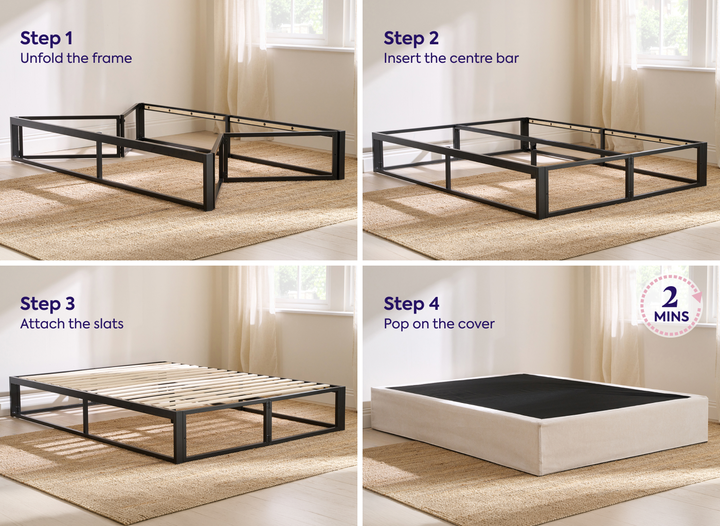
But the Dreams Cosmopolitan Quick-Build Bed has absolutely changed the game. Forget Allen Keys, forget small little screws, the bed comes together so quickly and so easily, it’s practically foolproof.
You simply unfold the frame (which comes flat-packed), insert the centre bar, attach the slats to the top, pop on the frame cover and you’ve mastered it in about 5-10 minutes – it’s wonderful.
If you want to get the job done fast, you can rope in a friend to help – but I think it’s certainly doable with one person (it might just take a little bit longer, although it’s still a far faster process than your usual flatpack furniture build).

Why does the right bed frame matter?
1. Overall health and sleep quality
Having the right bed frame can impact your overall health: if you don’t have a solid, sturdy frame, it can impact sleep quality, which can – in turn – impact physical and mental health.
2. Storage solutions
Bed frames can also act as a very handy storage solution. I don’t have many places to store things in my flat, so I went for one that can also hide my bits and bobs underneath. It’s been incredibly practical and I’d definitely recommend for people living in smaller homes where space, and therefore storage, is limited.
Why should I try this frame?
I can say for a fact that I feel completely supported when I’m sleeping. The bed is strong, sturdy and doesn’t move at all (and I have wooden flooring so I’ve experienced this issue before, it’s not fun).

While it doesn’t come with a headboard (you’d need to purchase one separately), the Dreams Cosmopolitan Quick Build Bed is the ideal purchase for anyone who wants a quick-build bed that’s stylish, contemporary and has a decent amount of storage space.
At just £199, I think it’s absolutely worth the investment.

The FT has authored a concerning article indicating that the apartheid settler-colony, known as ‘Israel’, has suffered limited economic damage despite three years of genocidal crimes in West Asia.
However, supporters of Palestine shouldn’t despair. The piece indicates that, in the event of meaningful sanctions by the likes of the EU, and a continued exodus of high skilled professionals, the ‘Israel’s’ finances could begin to really suffer.
In the meantime, columnists Mehul Srivastava and James Shotter describe how “restaurants are full” in the settler-colony. This is a grotesque scenario in the Zone of Interest beside the starvation of the Gaza extermination camp.
The pair highlight:
There have been three quarterly contractions during nearly three years of conflict, but growth has rebounded each time.
Amir Yaron, head of the land theft project’s central bank, boasts of a “trampoline under the Holy Land”. It would be easy to write this off as more hasbara nonsense, but at least in its news reporting, the FT doesn’t tend to bullshit.
Its business reporting is aimed at the world’s ruling class who want accurate information that enables them to maintain their dominance. Their readers don’t want propaganda intended to mislead the masses. That’s the job of the Daily Mail, the Sun and similar rags.
‘Israel’ Zionist militech tested on Palestinians
Independent data from the London Stock Exchange Group (LSEG) supports the article’s claims. It shows real GDP in ‘Israel’ has continued to grow strongly after an initial hit post-7 October 2023. It has been similar to the growth present prior to that event.
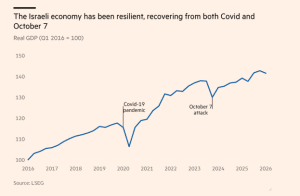
The FT says:
The surprising resilience has been underpinned by a formidable military-industrial complex, a flexible workforce, a large natural gas supply — and two decades of growth that turned Israel into a relatively wealthy, if unequal, nation.
There’s no denying these points either. The Zionist entity is able to build up a successful military and surveillance industry thanks to having a captive population of Palestinians to experiment on.
Sometimes referred to as the ‘Palestine Laboratory‘, the Tel Aviv terror regime eavesdrops on Palestinians’ private phone calls, surveils them further through endless checkpoints and kills them with missiles and drones. These can then be exported as ‘battle-tested’ to any amoral states looking to suppress their own populations.
The “flexible workforce” could be taken two ways. Option one is that workers can be hired and fired easily, given ‘Israel’ operates under a deeply neoliberal business regime. This is especially true for the disposable workers the settler-colony brings in from abroad. They have replaced the “hundreds of thousands of Palestinians in low-skilled jobs” who had their work and entry permits cancelled by the Netanyahu regime.
Option two is that the flexibility lies in the apartheid pseudo-state’s ability to switch their land thieves seamlessly between committing war crimes in Gaza, and a standard 9-5 job. When the state calls up reservists to the Israeli Occupation Forces (IOF), it pays their salary by compensating the employer. IOF murderers are even given a bonus on top.
The FT says the fake-state:
…has become adept at sending its population to work one week and war the next, with its high-tech workers able to work from home when the country was shut down in periods of active combat.
US hand-outs let terror economy run on easy mode
The bloodthirsty expansionists can’t manage this perfectly, however. The IOF has at times called up over 50% of a “300-employee cyber security company”, leaving them unable to hit revenue targets.
As for the “large natural gas supply” mentioned by the FT, it helps when you can just steal such resources from the population you subject to apartheid, ethnic cleansing and genocide.
The business-focused media outlet also highlights how ‘Israel’ is “buoyed by US support”. That’s one way to put “receives massive handouts and military support from the world’s hegemon“.
Far from being some hub of innovative geniuses as hasbara tells us, the settler-colony benefits hugely from having a reliable sugar daddy in Washington. The constant torrent of funds from there means the murderers occupying historic Palestine can play the economy game on easy mode.
This certainly makes grim reading for anyone who wants to see the genocidal terrorists punished for their massive crimes. Saying that, The FT does highlight some glimpses of light.
At least 100,000 Israelis have left the country since October 7, mostly high-tech workers, medical professionals and engineers, according to a study by Tel Aviv University.
Al Jazeera puts the figure even higher, at 150,000.
The Financial Times’ journalists also mention the prospects for ‘Israel’ if the likes of Europe ever get serious about trading sanctions. Amnesty International and UN figures have called for the EU-Israel Trade Agreement to be suspended. They rightly argue that under a human rights clause in the contract, the EU must halt the deal.
BDS the only way to crush ‘Israeli’ economy
The Boycott, Divestment and Sanctions (BDS) campaign has seen successes, with Co-op supermarkets in Britain and Italy ceasing to stock apartheid goods. ‘Israeli’ products are increasingly off-putting to consumers worldwide.
It’s clear that, especially with ongoing US support, the Zionist entity will not suffer the economic pain required to deter it from ongoing aggression. Only concerted boycotting by people across the world, alongside meaningful sanctions by states, can ensure accountability for the criminal project of mass murder and theft.
Featured image via Christopher Furlong/Getty Images
The 2026 Infiniti QX80 Is Big, Powerful And Tows Like A Beast, But It’s Not All Good News

The Biggest Financial Scam in History Nobody Talks About | How Dollar Became World Currency

Investigation launched after foul-smelling sewage enters Welsh river


-

 Business1 day ago
No Jackpot Winner as $257 Million Prize Rolls Over to $269 Million Monday Draw
-

 Crypto World4 days ago
Oppenheimer backs SpaceX as $70 billion retail frenzy builds
-

 Crypto World4 days ago
Markets Rally as SpaceX IPO Looms Amid Iran Tensions and Inflation Surge
-

 Fashion3 days ago
Weekend Open Thread: Tuckernuck – Corporette.com
-
 Crypto World16 hours ago
Zimbabwe Requires Crypto Businesses to Register Annually Under New FIU Regulations
-
 Entertainment6 days ago
The Ryan Gosling True Crime Thriller On Netflix That Gets Even Stranger, Stream It Now
-
 Sports6 days ago
Bangladesh beat Australia after 20 years in ODIs, register only their second win over six-time world champions | Cricket News
-

 Tech3 days ago
NanoClaw integrates JFrog registries to secure AI agent downloads
-

 Tech3 days ago
This Week In Security: Microsoft On Microsoft, Register Your Domains, Linux On ARM, And FreeBSD Joins The File Cache Club
-

 Crypto World2 days ago
Bitget enters Argentina’s regulated crypto market through PSAV registration
-

 Politics4 days ago
Politics Home | Healey Resignation Is “Colossal Failure Of Government”, Says Former Labour Defence Secretary
-
 Tech4 days ago
Dutton Ranch star claims they ‘didn’t see any disruption’ on set following Chad Feehan’s exit from Yellowstone spinoff fueled by Taylor Sheridan clash rumors
-
 Tech5 days ago
‘This is Seattle’s position on AI’: City Council votes unanimously to pause big new data centers
-

 NewsBeat4 days ago
El Nino has formed in the Pacific and could set records, forecasters say
-
 Entertainment4 days ago
Donnie Wahlberg & More Heat Up Las Vegas at Circa’s Barry’s Downtown Prime
-

 Sports4 days ago
First Time Since 1971: Australia Register Historic Low In ODI Cricket
-
 Tech4 days ago
Opendoor Ends India Operations, Fueling a Bigger Conversation About AI and Outsourcing
-

 Politics4 days ago
Belfast burns, while Met chief points finger at Iran and Russia
-

 Business5 days ago
Thailand Ranks Second Worldwide for AI Adoption Growth, Microsoft Reports
-

 NewsBeat3 days ago
FBI searches office of Ohio voter registration group
You must be logged in to post a comment Login