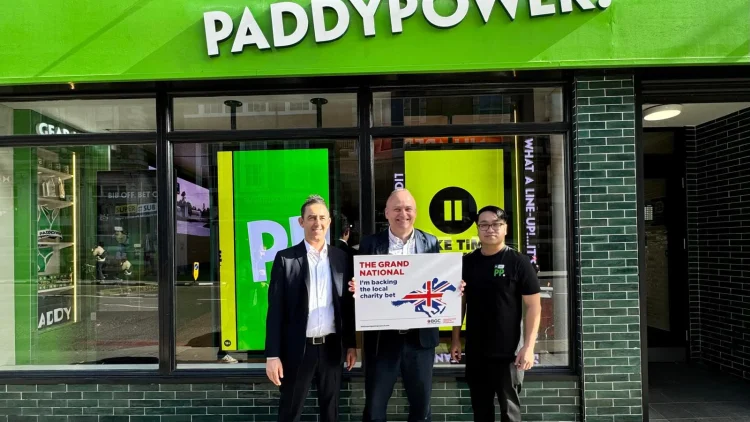
Neil Coyle, taking part in the Betting and Gaming Council’s ‘Grand National Charity Bet’ campaign
Reflecting on the closure of a local betting shop, Neil Coyle, Labour MP for Bermondsey and Old Southwark, explores what it reveals about national policy decisions, and warns that rising costs risk undermining high streets, local jobs, and community contributions across constituencies like his own.
In Westminster, colleagues often talk about “backing the high street”. Southwark Park Road is a high street under pressure in my constituency and provides just one example of how national decisions play out in real communities.
People’s changing shopping habits and the shift toward online services are hitting high streets. When national policy changes affect an industry, the impact can also be felt quickly on the high street too.
One business that previously seemed resilient is the betting shop. While other retailers have struggled with the shift online, some believed that betting shops would weather all storms.
Sadly that’s not the case on Southwark Park Road which has recently seen a Paddy Power close its doors for the last time. Some colleagues will cheer, ignoring the local jobs lost, the genuine community it served and the loss of rent and rates. Another gaping hole on the high street is nothing to celebrate.
At the Budget, the Chancellor set out the aim of raising revenue while protecting high streets. That balance is never easy to strike and sometimes national decisions land unevenly locally.
Too often, people discuss online betting and high street betting shops as if they’re separate worlds, as if you can squeeze one without touching the other. In my experience that simply isn’t how business works. Many of the same companies operate both online and on our high streets. They work from the same balance sheet, the same costs, the same tax bill.
So when online gambling taxes rise, that pressure travels to the high street. And when a shop closes, the impact is immediate and local. Jobs are lost. Footfall drops. The high street becomes that bit quieter, that bit emptier, that bit more neglected.
The Paddy Power shop on Southwark Park Road was a long-standing local business employing local people and contributing to the rhythm of the high street. Its loss will be felt by the staff first, but it won’t stop there. I’ve visited betting shops locally over the years, including this one. Not just to understand how they operate but to meet the people who keep them running day in, day out. I met the staff who take pride in their jobs and care about their customers.
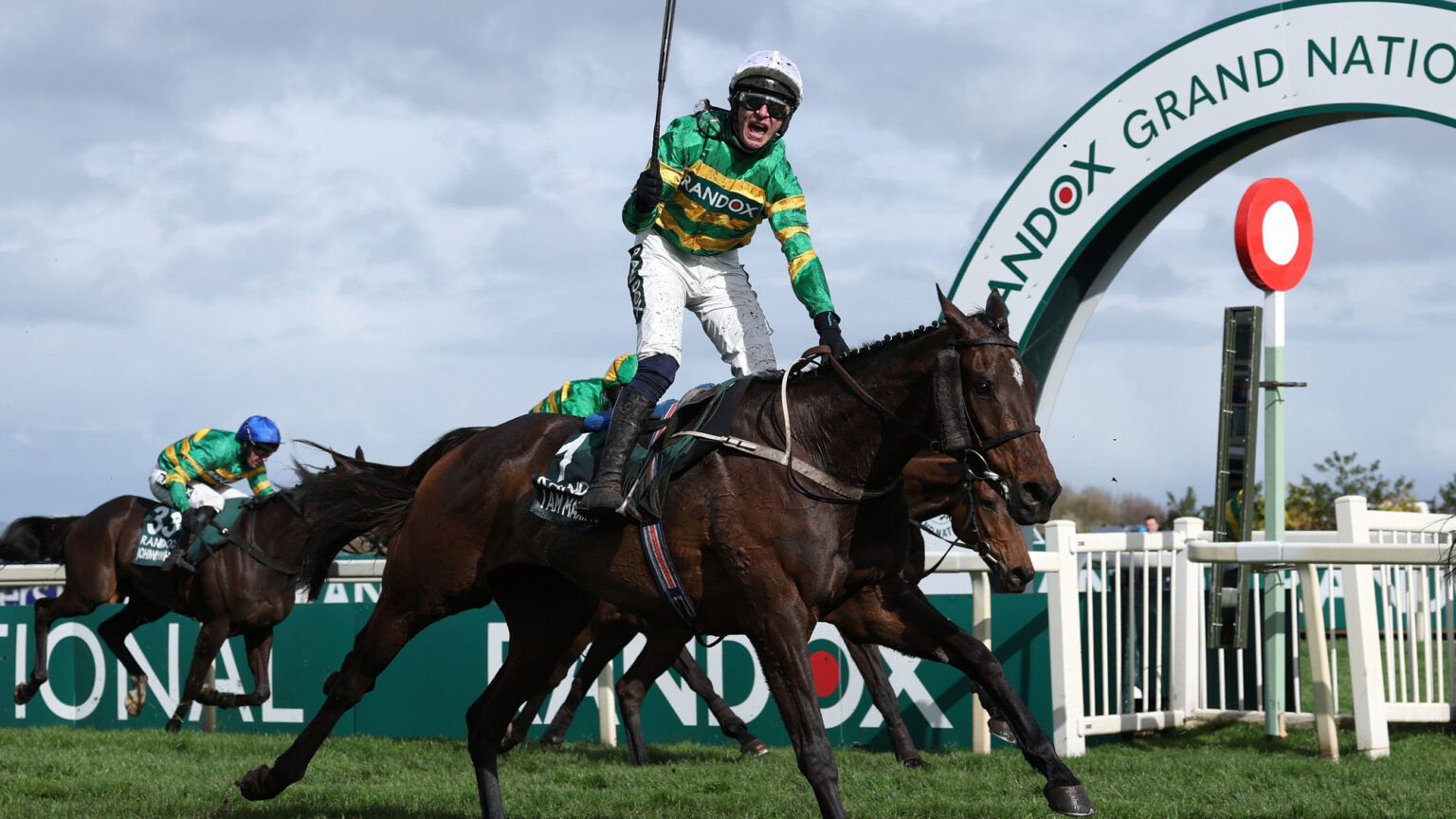
Some of my visits have also been part of something positive for the local area through the Betting and Gaming Council’s ‘Grand National Charity Bet’ campaign. Through these charity bets, money has gone directly to good causes in Southwark, supporting local organisations that do vital work in my community including a children’s summer activity group and an asylum charity.
In other words, these shops haven’t just provided regulated leisure and local jobs; they’ve also helped channel support back into the community through fundraising linked to one of Britain’s biggest sporting events. An event that also brings people out to watch in our pubs, boosting the hospitality sector too. One regional pub group manager told me recently that Cheltenham sees a £400,000 rise in takings across her network of bars.
In Bermondsey and Old Southwark, betting shops employ about 80 people and contribute roughly £2m a year in tax. Those are real jobs, in a real local economy. When a shop like this goes, that money doesn’t reappear somewhere else on the same street.
Sadly, this isn’t an isolated incident. More than 2,300 betting shops have closed across the country in five years, with over 10,000 jobs lost. That’s a quiet hollowing out of regulated high street businesses, happening in towns and cities nationwide.
People have strong feelings about gambling. We should take harm seriously, and we should keep improving protections, especially for the minority of punters at risk. But we also need to be grown-up about what betting shops actually are. They are regulated, licensed leisure businesses, used by millions, employing local people, paying tax, and operating under very strict rules – I once had to leave a bookies as children are strictly forbidden from entering and I’d wandered in on Grand National day carrying my (then) two-year-old daughter!
The snobbery in parts of Westminster, and the commentariat, about betting shops appals me. You hear it in the way some people speak, as if these are shameful places that shouldn’t exist, or as if the people who use them are a problem to be managed rather than citizens to be respected. That’s a world away from the lived reality in communities like mine.
My colleague Mary Glindon MP made the point clearly: “Fairness on the high street must include betting shops.” They’re part of the everyday fabric of town centres. They employ local people. They sit alongside other leisure businesses, and they’re regulated tightly.
The wider contribution matters too. Betting shops support around 42,000 jobs, while the industry as a whole supports more than 100,000 jobs nationwide. The sector contributes around £4bn a year in tax, alongside tens of millions in business rates to local councils. It also provides vital funding for sport, from horseracing to football, darts and rugby league, as well as boosting hospitality in particular.
None of this is theoretical.
When taxes rise, cuts have to come from somewhere. Physical shops are often the first to feel it, because they have rent, staffing, and business rates. It’s also easier to shut a shop than to quietly unwind a digital operation.
If we are serious about backing our high streets, policy needs to reflect how businesses actually operate, and it needs to assess where the pain will land.
The closure on Southwark Park Road should be a warning. If we increase costs across a sector without thinking through the impact, we don’t just hurt one part of an industry. We weaken the very high streets we say we want to protect, and we risk losing the local jobs, community presence, and even the charitable support that has, in recent years, helped good causes right here in Southwark.
Neil Coyle
Labour MP for Bermondsey and Old Southwark










 WATCH: Chaos in Israel as hundreds of thousands of bees swarm across the country!




















































You must be logged in to post a comment Login