

Politics
Politics Home | Ex-Energy Minister And Burnham Ally Says Tony Blair Is Wrong About Net Zero

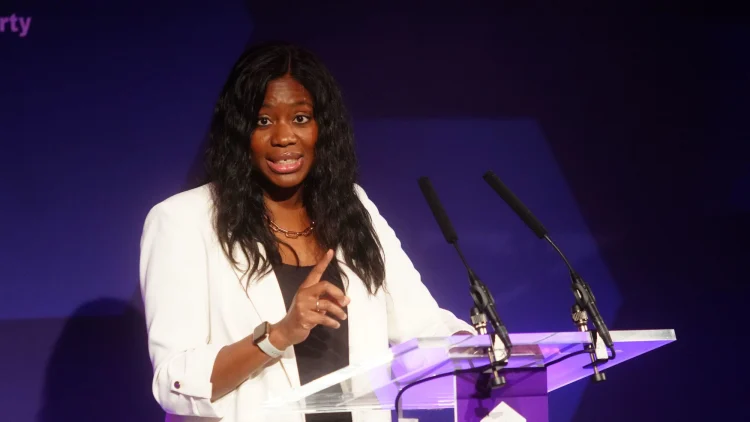

Miatta Fahnbulleh was appointed energy minister in 2024 and then devolution minister in 2025, before resigning from government in May 2026 (Alamy)

4 min read
Former energy minister Miatta Fahnbulleh has said former Labour prime minister Tony Blair was “wrong” about the need for the UK to deprioritise net zero commitments.
On Tuesday, Blair published a highly critical essay setting out where he believes the Labour government has made mistakes in its policy agenda, including its net zero drive and phasing out of the British oil and gas industry.
In the essay, Blair wrote that the government “should try to limit the effect of the changes made and remove those parts of the net-zero agenda which prioritise clean energy over cheaper energy”.
Fahnbulleh, who served as minister for energy consumers between 2024 and 2025, told PoliticsHome that Blair’s views on net zero were “wrong”. She said that while her own children “won’t forgive me if I duck our responsibility to respond to climate change”, it was also important that the UK make the most of the “massive opportunity” around a clean energy transition.
“There is a global industry that is building up around the green transition around renewables,” she said.
“China is at the absolute forefront of that. Why the hell would we not want a piece of that? Why would we not want to be on the front foot?”
She added it would be “strategically mad” not to focus on this as a way to reindustrialise and revive parts of the country.
Blair said that the government needed to focus on cheaper energy over clean energy, with the public continuing to struggle with rising costs of living and energy bills.
However, Fahnbulleh said that while the cost of energy is a “genuine problem”, it is “clearly a function of our dependence on global fossil fuel markets”.
“The way you solve that problem isn’t by pretending it doesn’t exist or burying your head in the sand,” she said.
“It’s by doing what we’re doing and making the push to clean power.”
Fahnbulleh stepped down as minister for devolution, faith and communities earlier this month, having previously served as an energy minister after being elected as the MP for Peckham in 2024.
In her resignation letter, she called on Prime Minister Keir Starmer to set a timetable for his departure from No 10, following heavy Labour losses at the 7 May local elections.
“Whilst progress has been made, we have not acted with the vision, pace and ambition that our mandate for change demands of us,” she wrote.
“Nor have we governed as a Labour Party clear about our values and strong in our convictions.”
Fahnbulleh is an ally of Greater Manchester Mayor Burnham and is helping develop his policy platform as he campaigns to win the Makerfield by-election with the hope of returning to Parliament and potentially challenging Starmer for the leadership.
“There’s one thing that Andy has to do, and that is win that by-election, and that’s not for any kind of leadership thing,” Fahnbulleh told PoliticsHome.
“It’s because this is a battle between Labour and Reform. The politics and the psychology of whether we win this are far more important. It’s a straight-up fight.”
She said that if Labour can win in Makerfield with a campaign based on “a set of progressive ideas”, then it will be able to do so “in constituency after constituency”.
She said that Labour needed to make strong arguments around the “economic model failing”.
“If we win in Makerfield, it changes the political weather,” Fahnbulleh continued. “And it gives us a formula about how we win back those traditional Labour seats that we have lost to Reform that we’ve got to get back.”
Asked whether she thinks the Green Party should step aside in the by-election to allow Labour a clearer path to victory against Nigel Farage’s Reform, Fahnbulleh said they “can do what they like” but suggested that it would be in the political interests of Zack Polanski’s party to do so.
“I would have thought it’s not in their interest to have a resurgent Reform party, but ultimately that is their call,” she said.
“Some of their leaders, like Caroline Lucas, have said so, and I often think that when we’ve got experienced political leaders opining, whether we agree with it or not, it’s often worth reflecting on. And I say that with a reference back to Tony Blair.”
In his essay, Blair said Labour had gone too far to the left and accused his party of having an “almost infinite capacity for self-delusion”. As well as calling for a rethink on net zero, the former prime minister argued that the government must significantly reduce welfare spending and improve relationships with US President Donald Trump.
Both Burnham and former health secretary Wes Streeting, who is expected to enter a future Labour leadership contest, accused Blair of ignoring the issue of inequality in his analysis.
In his own response to Blair, Starmer said that NHS waiting times and net migration coming down were vindications of the government’s policy choices, and argued that his administration had inherited the worst economic situation in nearly 50 years.

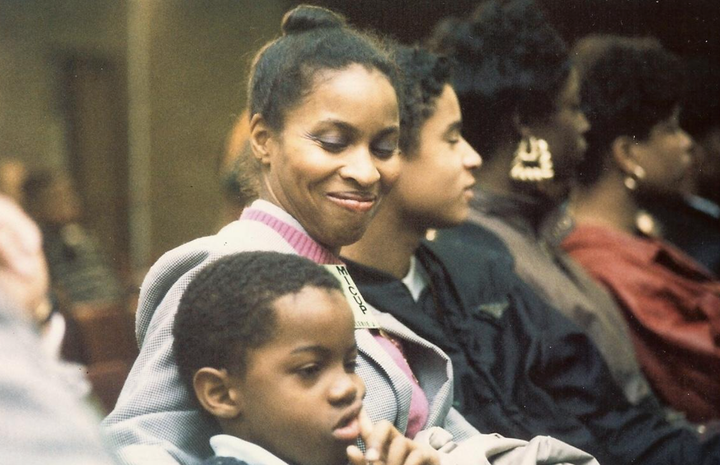
When my divorce lawyer told me in 2020 that I might only see my children every other weekend, I wasn’t just afraid of losing time with my kids. I was terrified of becoming the kind of father mine had been.
“[Your ex wife] is filing for primary physical custody. In this set up, you would be granted limited parenting time every other weekend from Thursday evening until Monday morning,” my lawyer informed me.
The words “limited parenting time” sent a cold shiver down my spine.
“No,” I said firmly into the phone speaker, my voice cracking. “I will do whatever it takes to get equal custody.”
I stood up and started pacing around the kitchen island as one thought played on loop in my head: “I can’t repeat the cycle. I can’t be an absent parent to Lydia and Peter, just like he was to me.”
Mere months before that phone call with my lawyer, I had flown to Ghana, to ask my own father why he didn’t fight for me. The decision to visit him had been partly spurred by Father’s Day in 2019.
Father’s Day was always one of my worst days of the year, as it would bring up feelings of abandonment and rejection, and there were no Hallmark cards that said, “You weren’t present, but thanks for being a part of my birth!”
A few years after my father and my mother divorced, he remarried and eventually moved to Kenya with his new family. Meanwhile, my mom, stepbrother and I struggled with a period of being unhoused and living on welfare.

Photo Courtesy Of Justin Jones-Fosu
When I visited Ghana, my father’s answer to my question about his absenteeism surprised me: he said he had never intended to leave me behind. He’d had custody struggles and interpersonal conflicts with my mother, and he decided that the best thing was to let me find him when I was ready. Minus the last part, it sounded eerily similar to what I was facing today.
I forgave him, but I have never stopped wishing he had fought for me.
And now, pacing around the granite kitchen countertop of the apartment I’d rented to be close to my kids after my ex-wife and I separated, it felt like history was repeating itself.
Knowing my own father’s story, I was plagued by the thought that giving up equal custody was a slippery slope. First, it’s custody. And then, it might become easier to skip a weekend here and there, or let a new marriage or job relocate me to a new state (or worse, like my own father, a new country).
Thankfully, my ex-wife and I were able to decide on a shared custody agreement. I would live in the same school district, and we’d alternate one week off, one week on with the kids.
This solved the main problem. But, as I soon discovered, my fear of repeating the cycle couldn’t be solved with just a custody agreement.

Photo Courtesy Of Justin Jones-Fosu
Before the divorce, I was travelling almost 100 times a year as a keynote speaker. My ex-wife, on the other hand, had left her job to study full-time, so she had been more hands-on with the kids’ bedtime routines, dinner schedules and school drop-offs.
Honestly, I was terrified. Was I cut out for the job? Dinners, packing school lunches, doing Lydia’s hair (I’d never done a girl’s hair before), supervising homework and making sure they didn’t stay up too late watching TV – could I do it all? Were they actually better off staying with their mother, and just joining me for fun weekends and holidays? I’d be lying if I said I didn’t have these thoughts almost daily.
Every time the kids and I had a disagreement, or they refused to do their homework or put their electronics away, I’d wonder: “Is this just normal development? Or is it because they’re not in a two-parent household?”
And then, there were the times I messed up. Like when I cut Peter’s hair, and I did such a bad job that he was almost bald. Or the time when Lydia stubbed her toe and instead of just offering comfort, I jumped into, “What did you learn from this?” I could see it in their faces: in that moment, they wished I had shown up differently.

Photo Courtesy Of Justin Jones-Fosu
On top of my fears, I had to fight to be included as a parent. Since the cultural norm is that moms are the primary caregiver, the schools never included me in emails about upcoming field trips or sports events. And when I showed up to my kid’s games or church or parent-teacher conferences, I always imagined I felt eyes on my back.
“People think you’re weird, showing up here alone,” I thought to myself.
But then I’d see Peter running through the field or Lydia at a dance practice catch my eye, and I just knew that them looking into the stands and seeing me made it all worth it.
Still, when I went to bed at night, the negative thoughts would suffocate me. Can I do it? Are they better off without me?
I started going to therapy. Sitting on my therapist’s brown leather couch, the words caught in my throat, like they’d been stuck there for years and were struggling to get dislodged.
“I am afraid I’m the same as my dad,” I told him.
My therapist leaned forward on his chair and said, “You are not your father.”
He said this is evident by the fact that I’ve made different decisions to those that he’d made, all those years ago. He said that making mistakes is a part of parenting, but the important thing is that unlike my own father, I am there for my kids, and I am learning along the way.
My eyes felt hot before the tears came, as a mixture of pain and relief poured out of me. My chest involuntarily started heaving in sobs.
My therapist didn’t wave a magical wand and fixed me, but after that session, something shifted in how I approached fatherhood. I still had self-doubt and, almost weekly, I was pushed into a new zone of discomfort. The change showed up in how I managed the self-doubt.
Ironically, the answer to my problems laid in a single line of a keynote that I’d been delivering dozens of times a year at the time: “When you know your ‘why,’ it helps you overcome obstacles, to be more resilient, to engage, even when there are more challenging moments to come.”
My ‘why’ was Lydia and Peter. The rest? I could figure it out.
The first question I had to ask when arranging shared custody was, “How do I travel less?” I rearranged my work schedule to make sure that I was more present for my kids during our time together. We also started quarterly “fine dining with Daddy” classes. It was part-etiquette training, but mostly, it was a time for me to ask questions like, “How am I doing as a dad?” and “What is one thing I can change or do better?”
My kids shared some feedback that was difficult to hear, like the time they told me that when I am stressed about work, they can feel like they’re walking on eggshells around me. They asked that I am more open and honest, and share that I’m stressed with them. I thanked them for their feedback, and now I do my best to catch myself when I am stressed, regulate my emotions and openly share what is bothering me (when appropriate).
But other times, they surprised me with their feedback.
“You are firm but fair,” Peter once told me. “I love that you do the Daddy-Daughter dances with me,” Lydia shared on another day. This brought tears to my eyes, as I loved that she appreciated the playfulness that I inherited from my own mother.

Photo Courtesy Of Justin Jones-Fosu
There are still hard days. Days when I’m overworking myself, or exhausted from travel or when I lose my patience and snap. When this happens, my self-doubt kicks in. But then I think back to the statement my therapist shared in his office that day, that I am not my father.
This experience – the divorce, reckoning with the possibility of not having equal custody of my children, and navigating the uncertainty of life as a solo parent – came with one silver lining.
I have a new perspective on my own father’s decision to be a largely absent parent. I now see just how hard it can be to stay present when it feels like everything is an uphill battle. Experiencing this firsthand, and knowing that my grandfather (my father’s parent) was largely absent from my own dad’s life, has helped me see that my dad probably truly believed that leaving me in the care of my mother was the best decision for me.
It has been seven years since I became a part-time solo dad. I have since remarried (my wife and I are doing long distance for now), and there isn’t a day where I don’t feel doubt or guilt for raising my kids in a home without both of their parents.
However, there also isn’t a day where I am not overcome with love for my children – and gratitude that I get to be there with them as they grow up.
Father’s Day has also changed from being my worst day of the year to my favourite day of the year. Every Father’s Day, Peter and Lydia make me cards. Sometimes they’re funny. Sometimes they’re heartfelt. Sometimes they’re covered in inside jokes that only we understand. And every year, when I read them, I think about the little boy who wished his father had fought harder to stay connected.
Then I look at my own children and realise that breaking the cycle was never about being a perfect father. It was about being a present one.

Photo Courtesy Of Justin Jones-Fosu
Justin Jones-Fosu is a husband, full-time daddy, keynote speaker, and author of the newly-released book, Stop Chasing, Start Creating: A Timeless Fable on Mindset, Resilience, and Meaningful Work.
Do you have a compelling personal story you’d like to see published on HuffPost? Find out what we’re looking for here and send us a pitch at pitch@huffpost.com.

Preston Davey was 13 months old when he died at the hands of Jamie Varley, after months of torture from Varley and his partner, John McGowan-Fazakerley. Reading the details of the depraved and evil acts committed by the two men – including repeated physical, sexual and emotional abuse – is unbearable. In July 2023, Varley rushed Preston to hospital claiming that he had drowned in the bath, but this lie was exposed by a postmortem that found ‘40 external and internal trauma injuries to the child’s body’.
Varley and McGowan-Fazakerley seem to have adopted Preston for the purpose of abusing him – he was in their care just four months before his death. Varley had even filmed Preston taking his last breaths before going to hospital. The wickedness it must take to commit such acts is bone-chilling.
The only consolation – and it is a small one – is that both will spend a very long time in prison. At Preston Crown Court on Thursday, Varley was was given a whole life order for the murder and sexual abuse of Preston. McGowan-Fazakerley was sentenced to 25 years for allowing the death of a child, sexual abuse and child cruelty.
Preston’s short life is a tale of woe. He was born in June 2022 to Sarah Davey, who had been in and out of jail following a mandatory life sentence she received for the brutal murder of pensioner Lily Lilley in 1998. After his birth, Preston was put into emergency care and spent the first nine months of his life in foster care. In January 2023, Varley and McGowan-Fazakerley were approved to adopt Preston. On 1 April of that year, he spent the first night at their home in Blackpool.
Less than two months later, Preston was rushed to hospital floppy and unresponsive. He returned to hospital again in June and July with injuries including bruising, seizures and respiratory failures. Despite this, social workers who visited Varley and McGowan-Fazakerley at their home said they did not feel that he was in danger. We now know that all of these hospital visits were the result of sexual and physical abuse.
While it might be fruitless to try to understand why these two men sank to such depths, there are very necessary questions about why no alarm bells were raised by Varley and McGowan-Fazakerley’s behaviour. Varley had messaged many friends and relatives complaining that Preston was a difficult baby, and that he was having fantasies about ‘drowning’ or suffocating him. McGowan-Fazakerley went round to the neighbours to apologise for Preston’s constant crying. After being treated for a fractured elbow in hospital, a text from the social worker assigned to Preston read: ‘Just to reassure you they said they had absolutely no concerns. U absolutely did the right thing.’
During the trial, the judge noted that Varley – a teacher – had used his respectable credentials to play the doting parent. CCTV and police bodycam footage show Varley acting upset, his head in his hands, while bringing Preston – already deceased – into hospital. Is it possible that Varley was simply a brilliant actor, fooling everyone that he and McGowan-Fazakerley were doting parents with a clumsy child? Or was there something else going on here? Some have suggested that their middle-class lifestyle would have convinced social workers of their moral worth. Much like the grooming-gangs scandal, there are too many examples of institutionalised cowardice and failure to brush off.
Professionals missed eight opportunities to notice that Preston was being abused, taking Varley’s word that he was a bit ‘weepy’ because he had just had his injections. Debbie Davey – Preston’s maternal grandmother – has suggested that ‘social services might have been hesitant to take action when they saw Preston because they may have been accused of being homophobic’.
Many have been keen to defend gay adoptive parents in the wake of this horrific case, and they are right to do so. Nothing about Varley and McGowan-Fazakerley’s depravity is typical or representative of the majority of same-sex adoptive parents. But the question of whether social workers’ nervousness about causing offence might have prevented professionals from doing their job properly is worth asking.
For many people, adopting a child is a long and arduous process – too long and too difficult in many cases. And yet Varley and McGowan-Fazakerley got their baby in just a matter of months, and were allowed to torture and kill him. We talk about child abuse constantly – everything from social media to junk food is discussed in the language of ‘abuse’. With bans and intrusive legislation, the state seems to want to stick its oar into every child’s life in the country. And yet, when intervention is desperately needed, time and again the state seems to fail vulnerable children.
Hard questions need to be put to everyone involved in Preston Davey’s short life. Something is going terribly wrong with the system, and we can no longer allow sensitivities or nervousness to prevent us from getting to the truth.

Donald Trump has unexpectedly declared that Keir Starmer “will resign as prime minister” on social media.
The US president appears to have jumped the gun as the PM and his top team have publicly insisted that Starmer will not be walking away from the job.
However, The Observer reported on Saturday that the prime minister was going to announce his plan for an orderly exit from office on Monday.
In a post on TruthSocial, the president wrote: “Keir Starmer will resign as Prime Minister of The United Kingdom. He failed badly on two very important subjects- IMMIGRATION AND ENERGY (OPEN NORTH SEA OIL!). I wish him well! President DJT”
The president’s remarks are at odds with the comments from cabinet minister Peter Kyle this morning.
He told Sky News that he no reason to believe the reports Starmer is considering stepping down were true, though he conceded the PM was thinking about the “political realities and challenges” facing him right now.
Speculation about the prime minister’s future is at an all-time high after Starmer’s greatest rival, Andy Burnham, won the Makerfield by-election on Thursday and became a Labour MP.
Burnham, Labour’s most popular politician, will be in a position to challenge Starmer’s leadership once he is sworn into the Commons this coming week.
A Labour MP needs the support of 20% of the parliamentary Labour Party (81 MPs) to trigger a contest.
An incumbent leader does not need to reach that threshold and is automatically put on the ballot.
Starmer insisted on Friday that he would not “walk away” from any leadership contest which may be triggered.
Listen to Commons People, the podcast that makes politics easy. Every week, Kevin Schofield and Kate Nicholson unpack the week’s biggest stories to keep you informed. Join us for straightforward analysis of what’s going on at Westminster.
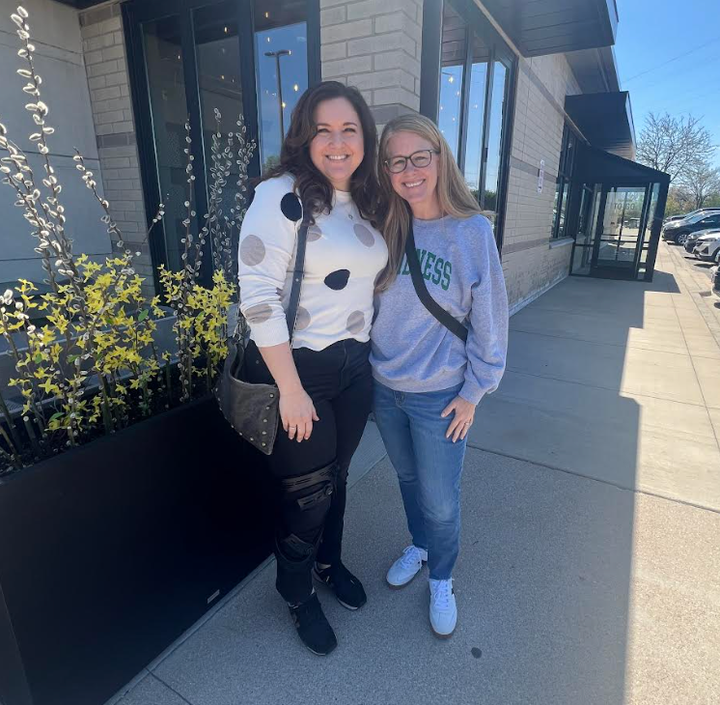
At the advice of a child psychologist, my boyfriend of six months put a picture of us in his apartment so his three young kids – twin boys (almost 6) and his daughter (barely 4) – could ask questions about me.
I carried interminable energy to solidify this potential family for myself. I didn’t, however, consider how to incorporate their mom into my life.
“Daddy, who is that? What’s her favourite colour? Does she like ice cream? Does she know Mama?” The kids were intrigued and wanted to meet me.
When they met me at a pumpkin patch on a cool Saturday afternoon, they instantly warmed to me. They fought over the seat next to me on the spinning strawberry carnival ride and we shared bites of their apple cider doughnuts.
My whole body washed with elated energy when one of the boys held my hand on the way back to their car.
I thought about their mom, Carrie, often that day as assumptive strangers placed me in the role of mom. However, I told myself the ex-wife and the new girlfriend were ill-fated friends, if by circumstance alone, and didn’t plan to make an effort with her.
We finally met one Sunday on her driveway. Her beautiful, long, strawberry blond hair caught the evening light and she greeted our car with a warm smile. She walked straight over to me like we knew each other. Her energy was unmistakably positive. I shook her hand and feigned a smile, but I didn’t trust her intentions.
Before we left, her daughter came running straight to me, arms outstretched, for one more hug goodbye. An embrace like that from her was the epitome of what love was supposed to feel like, but in that moment I cringed.
I wanted her dad to scoop her up before she could get to me, or for Carrie to turn away and not see her daughter in another woman’s arms, but I instinctively bent down and enveloped her.
Days later my boyfriend reported comments from his ex-wife. She wasn’t happy about the hug. She didn’t like me. She had a bad feeling. Most of all, she wanted him to move back in with her.
Life became filled with secondhand reports and nasty quips from Carrie. She didn’t think I picked cute outfits for them. He told me she said I am very photogenic because I’m not that pretty in real life. She called me manipulative, said that I was trying to erase her, that all I did was help him be a good-time dad, and all the while she was stuck – a struggling single mom.
I then officially shunned the woman who was trying to destroy the love I had with her ex-husband and children.
Knowing it never turned out well for stepmoms in fairy tales, I vowed to be the exception. My entire life became about the kids: I bought animal-shaped cookie cutters, matching pyjamas, monogrammed Christmas stockings. I spent time between corporate meetings concocting activities and making booklets for them to read on our first family road trip to northern Minnesota – complete with a map of our journey, a quiz, and the story of Paul Bunyan.
Once we got married, I felt I had the right to overindulge. I didn’t see how over-the-top my behaviour was at the time.
While putting everything into her kids, I gave nothing to Carrie. I didn’t try to really talk to her during pick-ups and drop-offs as we exchanged niceties in our foyers. We quickly got into a routine of washing the kids’ clothes and handing them back and forth in shopping bags without acknowledgment. I told my husband to stop sharing his location with her. I encouraged him to fight for more custody.
We took the kids to a diner where a kind elderly woman walked by and put her hand on my shoulder. She motioned to my stepdaughter, saying, “You know she looks just like you!” I offered a beaming smile as she walked away. I didn’t correct strangers.
And then, the worst possible ending to my fairy tale: my husband and I got divorced. I would have done anything to avoid the sudden and shocking turn of events that disintegrated my marriage of less than two years, but I couldn’t stop it. He was gone, and by default, they were too. I had no legal claim to the kids I had willingly uprooted my life to stepmother.
I was alone in an empty house, screaming in silence, dumbfounded by what had happened. I roamed into the boys’ bedroom, crawled to their hamper, wiping my tears with the comforting scent of their dirty T-shirts. I lay in the foetal position on my stepdaughter’s bed, watching the sunlight slowly dim into blackness on the pond outside.
The following week, I sat on the floor of the family room staring up at the towering fireplace, wishing the bricks would tumble and bury me in my dream home forever. I didn’t know what to do, what to say to anyone, or any next logical step in my life.
Then my phone rang. It was Carrie.
I stared in disbelief. Should I answer? Was she going to yell at me? Did she hate me now for leaving her children? In a soft and gentle, almost hesitant voice, she asked, “Hey … do you want to take [my daughter] to gymnastics today?” My eyes widened and all I could do was smile as tears dampened the phone against my cheek.
“Yes. Thank you,” was all I could muster.
How lucky I was that Carrie knew what I should do next. I took her daughter to gymnastics practice.
From that moment on, I picked up every FaceTime when the kids called me to say goodnight. Carrie invited my parents to the First Communion party she threw for her sons. In her living room, I sat with her mother, an elusive woman I knew as “Nana” for years, who held my hand and told me how much her grandchildren loved me and that everything would be all right. My dad said to me as we left, “Carrie is a really beautiful person – from a close family.” My mom added, “Yes, just like ours.”

Carrie invited me for bike rides, helped her daughter make a Valentine’s Day card for me that said I was her “one choo love,” and hosted me at her kitchen table on multiple occasions, with concern over how I was doing as I recovered from my divorce from her ex-husband.
It didn’t take long to realise everything he said about her was a lie. She had always been this wonderful person – I just didn’t see it. And while he did everything to keep us apart, I should have done better to come together with her for the sake of raising healthy children.
One year later, her daughter wanted her ears pierced. She requested Carrie and I each hold one of her hands during the process. That same night, I met Carrie’s fiancé. He made the kids move seats at the restaurant so he could sit across from me and get to know me.
He asked me thoughtful questions, reiterated the love his soon-to-be stepkids have for me, and picked up the tab before I could offer to pay. I got in my car that night and smiled to myself. I was thrilled Carrie found someone who deserved her.
Today, Carrie’s kids are 15 and 13, and it’s been seven years since their dad and I divorced, and just as long since I’ve seen him. I’ve never asked him whether it bothers him that I still see his kids. Every invitation is through her.
She was the woman I hated most yet needed in my life more than anyone. She’s the woman who made me a mom when I married her ex and after I divorced him. Maybe I should really thank my ex. He knows how to pick a good woman.
Andrea Javor is a Chicago-based marketing executive and writer working on her memoir. Connect with her on Instagram and X @AndreaEJavor.
This piece was previously published and is being shared again now as part of HuffPost Personal’s “Best Of” series.
Do you have a compelling personal story you’d like to see published on HuffPost? Find out what we’re looking for here and send us a pitch at pitch@huffpost.com.
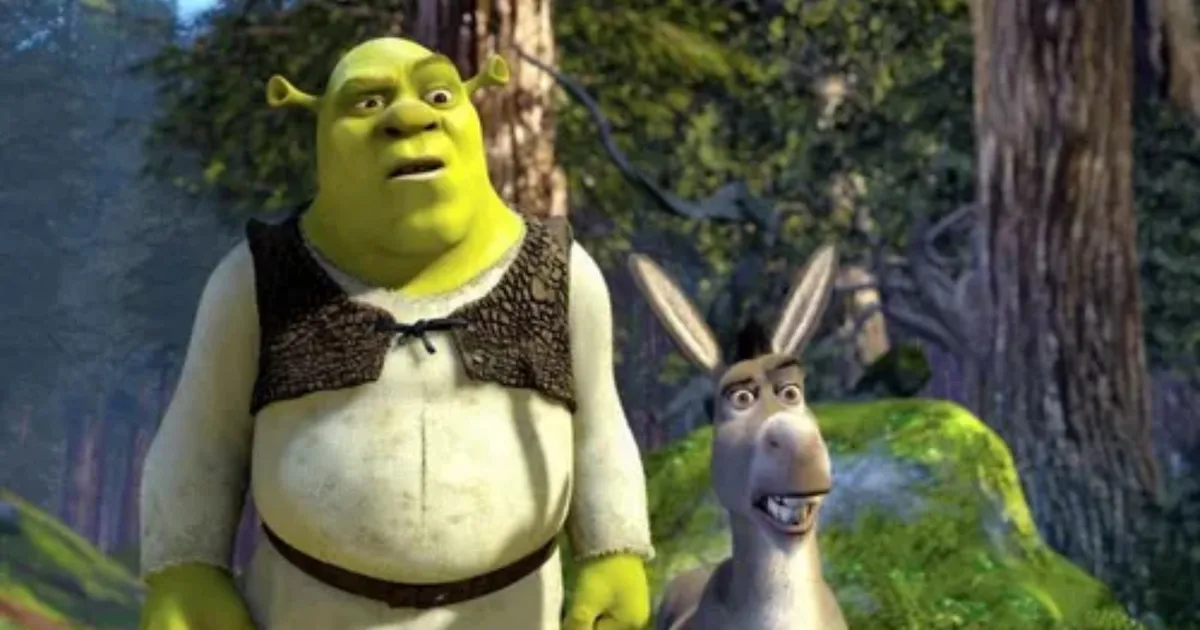
A notably Zendaya-less Shrek 5 trailer launched this week, leaving fans divided on its new animation style.
But the announcement seems to have brought a bit of Shrek trivia to the fore, too. Recently, an Instagram post showing an edited (and incorrect) page from the book on which the films are based racked up tens of thousands of likes.
Some fans were surprised by the revelation that Shrek was originally a picture book (one much-liked comment reads: “Who else just learned Shrek was based off a book?”).
The story, written by cartoonist William Stieg, does not actually include the line doctored into the viral image which reads, “Shrek decided to marry whatever this thing is. No priest would officiate because God hated Shrek for being alive, so they used a crocodile”.
It’s a bit of a baffling troll, considering how incredibly, skin-crawlingly weird the book (to which the post’s illustration does actually belong) is.
For instance, Shrek! the picture book does actually include lines like “Your horny warts… thrill me” and (my personal favourite): “Shrek popped his eyes, opened his trap, and bellowed a blast of fire. The knight, red-hot, dove into the stagnant moat.”
I mean, Shrek literally eats lightning in the book – he “gobbled it, belched some smoke, and grinned”.
He also cooks a peasant’s pheasant (try saying that five times fast) with his eyes and is told he’ll meet a princess by a bat-cooking witch.
“Any snake dumb enough to bite him instantly got convulsions and died,” the intro, in which Shrek is kicked out of his parents’ home, begins. He had been born in a “black hole”, we learn.
And while there is a donkey and a dragon in the book, the donkey takes Shrek to his “repulsive princess” after the ogre utters the magic spell “apple strudel”. The titular character knocks the (male) dragon out with a “putrid blue flame” long before the two ever meet.
The character that inspired Cameron Diaz’s Fiona, meanwhile, is never beautiful in the original: from the start, Shrek is smitten by her “stunningly ugly” looks.
Another possible viral Shrek myth? A Facebook post suggested that the character was based off of Maurice Tillet, a French-Russian wrestler from the ’40s.
There are some physical similarities. But fact-checking site Snopes said they couldn’t find any evidence to suggest this was actually true and zero reports of Shrek! author William Steig naming Tillet as his inspiration. Snopes has since called the rumour “unfounded”.
They also contacted DreamWorks about the claim and don’t seem to have heard back.

In an interview broadcast on Friday morning on Italy’s La7 network, Trump claimed that Meloni had “begged” him for a photo together, and added that he agreed to do it because he felt sorry for her.
Meloni quickly rejected Trump’s claim on social media, calling his anecdote “completely fabricated” and insisting, “Italy and I do not beg.”
In addition, Italian Foreign Minister Antonio Tajani announced he was canceling this weekend’s previously scheduled trip to the US and called Trump’s claims “serious and offensive” toward his country and the prime minister.
Here is Meloni’s post with the comments translated by MeidasTouch.
Considering how polarising Trump is, Meloni’s take-no-prisoners response attracted a lot of positive support.
Listen to Commons People, the podcast that makes politics easy. Every week, Kevin Schofield and Kate Nicholson unpack the week’s biggest stories to keep you informed. Join us for straightforward analysis of what’s going on at Westminster.
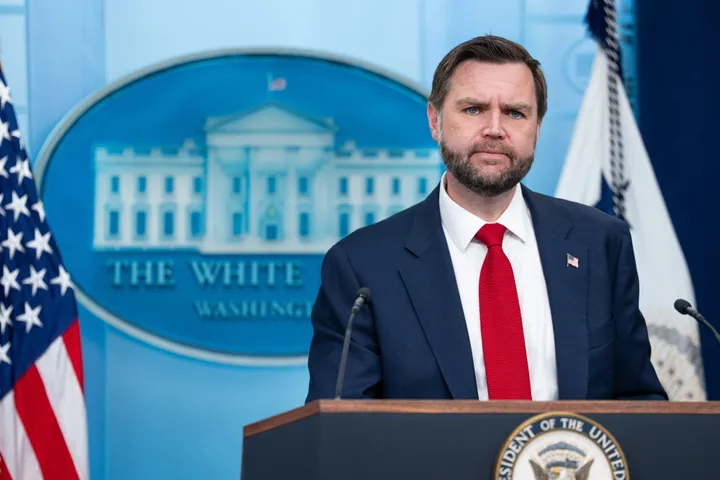
Vice President JD Vance’s flailing efforts to achieve a permanent peace deal with Iran are back on ice amid resumed overseas attacks and widespread backlash over his interim deal, criticised for bolstering Tehran and failing to achieve the goals first set by the US.
Both Vance and Iranian officials postponed Friday’s planned start of weeks-long talks in Switzerland to hammer out permanent details of the peace pact, for which Vance has become the poster boy — and, at times, punching bag.
The scrapped plans came as President Donald Trump ominously declared Iran “finished” on Friday, adding that the US will “play out the 60 days,” which is how long the talks were scheduled to occur. It also came amid resumed attacks between Israel and Iranian-backed Hezbollah militants in Lebanon, which Iran said would need to end for negotiations to continue. A ceasefire was declared later on Friday.

Bloomberg via Getty Images
Trump and Iran have both threatened that war will immediately resume if either acts in bad faith.
Vance’s neck is on the line if the deal doesn’t work out, Trump joked this week. And Trump said with a laugh that, if it is a success, he’ll take all the credit himself.
“You better be careful, JD,” Trump hollered during a press conference Wednesday before he sidestepped Vance’s planned signing of the deal on Friday and inked it himself digitally.
Vance, a presumed 2028 White House contender who also made appearances for his book tour this week, has said he isn’t worried about being Trump’s fall guy for the war. He told reporters Thursday that the president’s comments were made in jest.
Since the text of the peace deal was released, however, it’s been slammed by Republican lawmakers as “the worst foreign policy blunder in decades,” “completely out of step with the President’s goals,” and the result of “some very poor advice.”

At a White House press conference on Thursday, Vance also acknowledged hearing criticism from Israel’s Cabinet.
One of the common criticisms of the deal is that it leaves the fate of Iran’s enriched material and “all other mutually agreed nuclear-related issues, including Iran’s nuclear needs,” open-ended until a final agreement is reached.
Many have also pointed out that Iran leveled up from the war by realizing the power it has in closing the Strait of Hormuz. It’s a tactic the country “will undoubtedly leverage” again, said Sen. Bill Cassidy (R-La.).
“Is what’s going on behind the scenes as chaotic as your public messaging?” Vance was asked by a reporter at Thursday’s press conference, triggering a short laugh from Vance and a denial.
Vance’s handling of the peace pact has been nothing but tumultuous since its start, however, particularly with contradicting reports earlier in the week on what the deal would and would not include.
One major, apparently, ongoing point of confusion in the deal is an agreement that the US would create a $300 billion reconstruction fund for Iran with regional partners. (See point No. 6 in the text of the agreement.)
After Vance confirmed that Iran could have access to such a fund, Trump repeatedly insisted the U.S. would not contribute.
“There is no 300 Billion Dollar payment to Iran by the US. That’s Fake News! All there is for the U.S. is Success, Lower Oil Prices, and Victory. Check out the Stock Market. Dumocrat propaganda at play!!!” he posted on Truth Social.
He appeared to repeat this assertion in a post on Friday: “They get no money, not ten cents.”
In addition to the establishment of a $300 billion investment fund, the deal includes the unfreezing of Iranian assets — reportedly more than $100 billion worth — and the lifting of sanctions, allowing it to resume selling oil.
Fox News host Brian Kilmeade, reacting to all the confusion on Wednesday, suggested that Vance “wasn’t the right person” for the job.
Listen to Commons People, the podcast that makes politics easy. Every week, Kevin Schofield and Kate Nicholson unpack the week’s biggest stories to keep you informed. Join us for straightforward analysis of what’s going on at Westminster.

President Donald Trump on Friday blamed vandals for the ongoing problems at the Reflecting Pool.
But his critics aren’t buying it.
This month, Trump unveiled his $14 million makeover of the Reflecting Pool, which sits on the National Mall between the Washington Monument and Lincoln Memorial.
He had the pool drained, the bottom painted “American flag blue,” and used what he called “highly sophisticated material, industrial strength, that could last for 100 years.”
But problems began just days after it was refilled.
That bottom seal is peeling off ― tourists are even taking pieces home as souvenirs ― and the once-clear waters are now green with a thriving algae population. Experts say that the new blue bottom may be part of the problem.

Mehmet Eser/Anadolu via Getty Images
Trump on Friday night, however, blamed “vandalism,” asserting that unnamed “chemicals” were used to “hurt the inside surface that was just installed.”
The president also falsely claimed the damage was limited to a “small area,” despite photos and videos showing that large areas of the pool have been impacted by algae and peeling paint.
Trump hasn’t provided any evidence of vandalism, but said law enforcement was investigating.
However, given his history of wild claims and conspiracy theories, his critics weren’t convinced.
Listen to Commons People, the podcast that makes politics easy. Every week, Kevin Schofield and Kate Nicholson unpack the week’s biggest stories to keep you informed. Join us for straightforward analysis of what’s going on at Westminster.

We’ve written before at HuffPost UK about what happens when an actor gets aroused during a sex scene.
But we have another, more fundamental question: how do the medesty garments, or the little devices actors use to ensure thay’re not actually fully nude in naked scenes, stay on?
After all, many of the pieces look really flimsy – and it’s not like they’ve got straps or waistbands to hold them in place.
Luckily, intimacy co-ordinator Dr Jessica Steinrock shared an informative video on her TikTok page – and she’s not the only expert with helpful insights.
How do modesty garments stay on during sex scenes?
Well, it (obviously) depends on your anatomy and what you’re wearing. In her video, Dr Steinrock used three examples: the “classic modesty pouch” (also known as a cock sock), a strapless thong, and a combination padded pouch.
The modern modesty pouch is a newer model of a very old garment, she explained – it looks like a little drawstring bag.
“Shaft and testicles go into the pouch, and then there’s a drawstring to kind of tighten everything up – not too tight!” she shared. Some newer versions also have a small rectangle at the top onto which tape can be attached for added security.
“We wouldn’t use just these for a scene of stimulated sex,” though, she continued, as it’s a bit flimsy.
For more security, a strapless thong – a kind of tapering triangle with a kind of whale tail shape at the end – can be used.
“This gets worn where a regular thong would get worn, except there’s obviously no straps, and so there’s adhesvie on the tail [at the back] and on the front to keep everything nice and secure,” Dr Steinrock continued.
The tail can also be hidden “twixt the cheeks,” and there’s extra room in the front for padding or a barrier top. This makes it suitable for a sex scene.
Lastly, she ran us through the combination padded pouch, which uses the same drawstring and tape combo as the regular modesty pouch but also contains an area for a barrier insert.
She said, “In particular, something like this is really great for stimulated sex from behind, where we might want to see an actor’s full rear buttocks, but we still want some protection up front”.
What about other garments?
These options are especially useful for people with penises. For those with breasts, the adhesive nipple covers or strapless bras you might wear with a sleeveless or backless dress will do, acting magazine Backstage explained.
Meanwhile, the strapless thongs Dr Steinrock mentioned earlier can work for those with vaginas too – these are called “shibues”, while those designed for penises are nicknamed “hibues”.
In less exposed scenes, briefs and shorts can be used instead.
Intimacy coordinator Alicia Rodis shared with Backstage that during sex scenes, “We take a shibue, open it up, and put a silicone guard underneath so everyone becomes like a Barbie doll.”
No matter what you’re wearing, though, the expert stressed that tape and body-safe adhesive are key.
“Whether they’re adding an extra layer of protection or ensuring the pieces stay in place, sticker, liquid, and tape adhesives are vital. They will be part of any costume department and/or intimacy coordinator’s go-bag (alongside wet wipes and baby oil),” the publication reads.
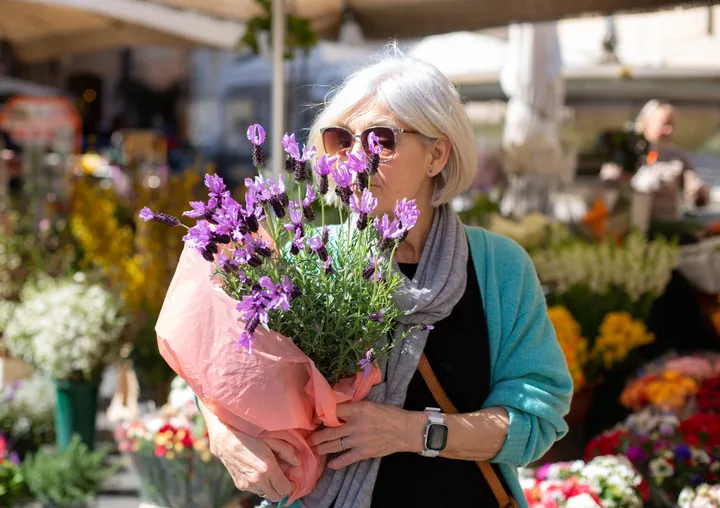
If you’ve spent time on social media lately, you may have noticed a new kind of wellness icon emerging. This beloved figure is not a biohacker or a fitness influencer, but someone’s Italian grandmother.
It’s all part of a trend called “nonnamaxxing,” which is less about optimising and more about embracing simplicity.
“‘Nonnamaxxing’ is a recent trend where people adopt the daily rhythms of an Italian grandmother, or nonna,” Martina Carucci, a strategist with the language learning app Preply, told HuffPost. “It’s essentially borrowing a lifestyle that Italian culture has practiced for generations and giving it a fun name.”
This nonna lifestyle, she explained, can include “cooking old-fashioned recipes from scratch like handmade gnocchi or osso buco, tending an herb garden, taking slow walks or ‘passeggiata,’ sharing long meals with loved ones, and limiting screen time.”
Reverence for older women and their practices goes back generations in that part of the world. “But ‘nonnamaxxing’ as a term has traveled well beyond Italy,” said Noël Wolf, a linguist and cultural expert at the language learning platform Babbel.
“It’s been adopted across cultures to describe a universal archetype – the older woman who lives simply, cooks well, stays socially connected and moves through life at a sustainable pace.”
The nonna ethos is about taking care of yourself, staying embedded in your community and resisting the pressure to keep up with the frenetic pace of modern life and get burned out.
“There’s a growing awareness that the pace most of us are living at simply isn’t sustainable – long hours, constant connectivity and very little genuine rest. Against that backdrop, the nonna offers a compelling counter-model,” Wolf said.
“The nonna doesn’t have a strict wellness routine. Their lives are naturally extraordinarily well-designed.”

Kathrin Ziegler via Getty Images
Carucci similarly views the nonna lifestyle as an antidote to the fast pace and demands of modern life.
“In Italy, sitting down for a proper meal with your family isn’t a wellness trend, it’s just regular life,” she explained. “This shows people are doing more than romanticising nonnas – they are genuinely craving the whole Italian way of life.”
The term might be new, but the benefits are entrenched and real
“Research backs up what Italian nonnas have always known,” Carucci said. “Regular conversation, social meals, daily movement and hands-on activities like cooking or gardening support long-term health.”
Both she and Wolf pointed to the wealth of studies around “Blue Zones,” regions where people live significantly longer, healthier lives compared to the rest of the world. One well-known example is the Italian island of Sardinia, which has one of the highest concentrations of centenarians on Earth.
“Researchers have spent decades trying to understand why, and the answer keeps coming back to the same things – consistent movement built into daily life, home-cooked food, strong social ties and an unhurried relationship with time,” Wolf said.
Nonnamaxxing thus has the power to bring real longevity benefits, from a longer life and healthier body to a “genuine sense of connection and calm” that’s hard to maintain these days, she added.
“Blue Zone research consistently links this kind of lifestyle – unhurried, communal, physically active by default – to lower rates of chronic illness, sharper cognitive function in later life, and measurably greater well-being,” Wolf explained. “The nonna, it turns out, has been running the optimal program for decades.”
Kathryn “Nin” Emery, a licensed professional counsellor with Thriveworks, believes nonnamaxxing represents what therapists, spiritual leaders, doctors and more have been trying to encourage in the general public for years.
“We have decades of research, maybe not on nonnamaxxing specifically, but on what nonnamaxxing represents, that supports the lifelong benefits such a practice can bring,” she said. “Slowing down. Living in the present. Spending less time in escapism. Breaking the habit of worrying about the future or fretting about the past, neither of which we have full control.”
She praised the way this practice makes the most of the present moment and enhances the tiny joys of daily life and social connection.
“Actually noticing and enjoying that first bit of a delicious meal, the refreshing sip of water, the sound of your uncle’s trademark laugh, and the way your chair cushion has perfectly molded to you,” she said. “Noticing the smells, the tastes, the sounds of a Tuesday afternoon. The lingering warmth of a loving hug. This is the stuff of the good life. And is clinically proven to fight depression and anxiety.”
Dr. Sue Varma, a clinical assistant professor of psychiatry at New York University Grossman School of Medicine, points to the neuroscience behind why these small, focused activities feel so good.
“Nonna practices help us achieve a flow state where we can immerse ourselves in a project and lose track of time,” she said. “This helps prevent us from ruminating. There’s a part of our brain called the default mode network that becomes activated when we are sitting idle, and that’s when we start to perseverate and worry.”
She added that activities requiring focus and a desire to improve – whether it’s cooking, gardening or a craft – activate the brain’s reward systems.
“It recruits and mobilises our dopamine and norepinephrine systems,” Varma said. “It’s a task that’s interesting and engaging enough to keep you interested, but not so hard that you become frustrated. Nonna activities hit the sweet spot for flow and mastery.”
This unhurried mindset is broadly baked into the Italian language and culture as well.
“Dolce far niente, the Italian concept meaning ‘the sweetness of doing nothing,’ captures something the nonna understands intuitively,” Wolf said. “It has no direct English equivalent, and that absence is telling. English is a language built for productivity, while Italian has found room to name the value of an unhurried afternoon as something distinct and worthy.”
There’s also the Italian phrase “piano, piano,” which means “slowly, slowly.” For Wolf, that common utterance “reflects a cultural comfort with gradualness” that also stands in stark contrast to the urgency of modern culture and life in the U.S. In Italy, slowness isn’t a sign of failure but of wisdom and intention.
“What’s beautiful about this trend is that it might just be the nudge people need to travel to Italy, my home country, and speak some Italian,” Carucci said. “The popularity of nonnamaxxing is proof that slowing down to engage more deeply, with food, with people, with a comforting culture, is always worth the time.”
While people may travel to Italy for the pasta and scenery, it’s the calm pace of life and sense of presence that may bring them back.
But there are some pitfalls to keep in mind
As with any viral trend, there are some pitfalls worth watching out for.
“The one risk is treating it like any other trend, so if you’re nonnamaxxing just for the aesthetic and social media likes rather than the values, you might not get the full benefits,” Carucci said.
Remember: It’s about the actual practice, not the display of the practice.
“There’s a certain irony in people sharing aspirational pasta sauce recipes and sundress links on social media, not to slow down, but to commodify the nonna vibe entirely,” Wolf said. “The act of packaging and selling a lifestyle built on resisting consumption is, in itself, a contradiction the algorithm doesn’t seem to notice.”

Judith Haeusler via Getty Images
She added that the nonna’s contentment builds over time through daily habits, deep-rooted community and a cultural understanding of time that developed over generations.
“The aesthetic is the easy part,” Wolf said. “The slower pace is the work. If nonnamaxxing prompts people to genuinely interrogate how they’re spending their time, rather than just curating the look of it, then the trend has real value.”
And if the aesthetic doesn’t come easily to you, that’s OK too. You don’t need to make osso buco from scratch to get the benefits of nonnamaxxing. Something as simple as walking to the farmers market, taking your time selecting produce and then chopping the vegetables at home can capture the same meditative, unhurried spirit.
“Any small change in a daily pattern of dissociation, screens and isolation, would prove beneficial,” Emery said. “The risk comes with rigidity and perfectionism, trying to do it all and throwing yourself off-balance. Pressuring oneself to work a full-time job, and then come home in the evening to create home-made from scratch meals every night could certainly burn someone out.”
And remember: Nonnamaxxing is not about looking perfect on Instagram – it’s about being where your feet are.
“It can backfire if you feel the need to post about whatever craft, dish, hobby or lifestyle you have undertaken on social media,” Varma said. “You can keep some of your hobbies just for yourself. If you do not feel a pressure to constantly be doing something so that you can sound interesting, if you can naturally meet people through the hobbies that you already have, I’m all for it.”
How to incorporate nonnamaxxing into your life.
If the idea of nonnamaxxing intrigues you, you don’t have to overhaul your life to get started.
“You could start by sharing one meal a week cooked from scratch with someone you love, with no phones at the table, as any Italian nonna would insist,” Carucci said. “From there, add a daily walk without headphones, or a small windowsill herb garden. The goal is slowing down and enjoying, not perfection.”
Focus on the “nonna” more than the “maxxing”.
“A real nonna isn’t optimising anything, she’s just living,” said Chloë Bean, a licensed marriage and family therapist. “The minute you turn slowing down into one more thing to ‘win,’ you’re recreating the exact pressure you were trying to escape.”
Wolf similarly recommended starting small and resisting the urge to overcomplicate the nonna lifestyle.
“Walk somewhere you’d normally get a bus,” she suggested. “Cook a meal properly, without a screen in your hand. Sit outside for 10 minutes and do nothing in particular. Rebuild the habit of being present in your immediate community, whether that’s knowing your neighbours or simply being less frantic about the day. These aren’t revolutionary ideas, but they are countercultural ones right now.”
Don’t be discouraged if the practice feels off at the beginning of your nonnamaxxing experiment.
“If you’re wired and busy, slowing down can feel uncomfortable at first, and even bring up some anxiety,” Bean said. “That’s completely normal because a nervous system that’s used to running hot reads stillness as unfamiliar, sometimes even unsafe, so there can be some resistance. I recommend people gradually start with a few minutes at a time to let your body learn that slow is safe. It gets easier the more you do it, and then it becomes a way of life.”
And if you feel particularly inspired by their “nonnamaxxing” experiences, you might even want to engage further with Italian culture through language-learning, regional food traditions, travel and a general embrace of “la bella vita.”
“But the foundation is simpler than any of that,” Wolf said. “Stop, slow down and live in the moment.”
This Is My FINAL Bitcoin WARNING! (22 Hours Left)

When and How to See Strawberry Moon? Moon Rises June 29 as Final Micro Moon of 2026

Bitcoin Clings to $64,000 as Iran Closures Hormuz and US Threatens Retaliation


-

 Business7 days ago
No Jackpot Winner as $257 Million Prize Rolls Over to $269 Million Monday Draw
-

 Fashion2 days ago
Weekend Open Thread: Miami – Corporette.com
-
 Crypto World7 days ago
Zimbabwe Requires Crypto Businesses to Register Annually Under New FIU Regulations
-
 Business1 day ago
Wall Street Week Ahead: Investors see Micron earnings as pulse check of AI rally momentum
-
 Entertainment7 days ago
Matt Damon’s Viral Sci-Fi Thriller Has Taken Over HBO Max
-

 Crypto World2 days ago
HIVE shares jump as $220M AI deal speeds Bitcoin mining pivot
-

 Tech7 days ago
As AI companies race to go public, who else is along for the ride?
-

 Business7 days ago
Anthropic staff to meet White House officials next week, Axios reports
-
 Crypto World7 days ago
Bitcoin could crash to $48,000, if this historical pattern is triggered
-
 NewsBeat7 days ago
what doctors are seeing in ebike crashes
-
 NewsBeat7 days ago
Warning of disruption as Cardiff Crossrail works to start
-
 NewsBeat7 days ago
Tributes to former deputy head teacher at Cambridge school among death and funeral notices
-
 Entertainment7 days ago
Kate Middleton Glare Goes Viral After Kids Booed At Royal Event
-

 Politics7 days ago
“Israel’s” ban on ICRC visits ruled illegal, but Knesset moves to stop them permanently
-

 Crypto World7 days ago
XRP ETFs Outperform As Bitcoin And Ethereum Funds Extend Outflow Trend
-

 Tech7 days ago
Over 400 Arch Linux packages compromised to push rootkit, infostealer
-

 News Videos7 days ago
Financial Accounting | Last Day Revision Strategy and Booster | CMA Inter – June 2026
-

 Sports7 days ago
Dick Advocaat’s Curacao scores first-ever World Cup goal against Germany
-

 Business7 days ago
Invesco Quality Income Fund Q1 2026 Commentary
-

 NewsBeat7 days ago
Singer Oliver Tree dies aged 32 in helicopter crash in Brazil
You must be logged in to post a comment Login