
Politics
Politics Home | Safely, securely, and responsibly managing the UK’s low-level radioactive waste



Unloading aggregate for the Southern Trench Interim Membrane project
If the UK is to deliver a new generation of nuclear power, strengthen energy security and support clean growth, it must also answer a fundamental question often asked in Parliament. How do we manage radioactive waste safely, securely and responsibly for the long term?
At Nuclear Waste Services (NWS), that question sits at the heart of everything we do. On the West Cumbrian coast, between the Lake District fells and the rugged west coast of Cumbria, the UK’s Low Level Waste Repository has been performing a nationally significant role for more than six decades.
Since 1959, it has supported the safe disposal of around one million cubic metres of low-level radioactive waste, protecting people, the environment and the future of the UK’s nuclear programme.
With Government recognising new nuclear as a cornerstone to help grow the economy with clean energy, the ability to manage radioactive waste safely now and in the future is key.
Making waste permanently safe, sooner
NWS is part of the Nuclear Decommissioning Authority (NDA) group whose mission is to decommission the UK’s nuclear sites safely, securely, and responsibly, taking care of the environment and the communities living and working near its sites. Our work provides the endpoint in the nuclear journey and is critical to the NDA’s mission.
Bringing together the UK’s expertise in radioactive waste management to drive our mission of making waste permanently safe, sooner, we’re tackling the legacy of decades of waste from civil and defence sector activities, while also preparing for the waste that will arise from new nuclear as part of the government’s ‘golden age of nuclear’.
Every decision our team makes is focused on the safe, secure, and permanent disposal of nuclear waste. And as a nuclear licensed site, our work at the Repository is underpinned by a comprehensive and robust Environmental Safety Case (ESC), which addresses environmental safety during operations and over timescales extending to thousands of years.

Long-term protection – capping the site
Disposing of low-level radioactive waste is a long-term mission, and we’re now carrying out important work on the final capping of the site which will eventually lead to the permanent closure of the legacy disposal trenches and vaults.
Capping is a key part of the disposal lifecycle and involves placing an engineered protective barrier over the trenches and vaults, where waste is already in its final disposal location and ready for permanent closure.
Comprising of layers of material, totalling up to 10m thick, this ‘cap’ will permanently protect the waste, people and the environment by layering natural aggregates, as well as engineered materials. Installed to the highest engineering standards, the multi-layered cap reflects our commitment to quality, durability and long-term environmental protection.
As part of our preparatory works for capping, we’re currently completing our Southern Trench Interim Membrane (STIM) project, which involves replacing the protective membrane (liner) over the southern part of our legacy waste disposal trenches that require a new, robust cover to withstand changing weather patterns.
A key component of the four-year STIM contract is collaboration with Nuclear Transport Solutions’ rail division, Direct Rail Services (part of the NDA group) with each train making the journey from Shap quarry to the Repository to deliver over 750 tonnes of aggregate to the Repository site – the equivalent of 36 HGVs. In total, more than 300,000 tonnes of aggregate will be delivered to the site between February 2025 and August 2026. As of 10 July 2026, 325 trains have transported over 285,000 tonnes of aggregate, and by using rail instead of road, we’ve avoided more than 15,000 HGV journeys. This reduces traffic and minimises disruption for the local community, which is important to us. This is an example of how the NDA group model is facilitating collaboration across operating companies to manage the UK nuclear legacy safely, securely and sustainably. We’re making great progress with this work which will see the interim liner remain in place for up to 100 years.
Rail deliveries are currently scheduled for completion in mid-August 2026. The STIM works are due to be completed in 2028 and the procurement process for the next phase of capping is now under way, which will provide comprehensive construction and design services over a 10-year framework.
Repository capping is one of our key projects and fulfils key requirements from our ESC and obligations under our site permit.

Diverting waste to protect capacity
The Repository site receives waste from a range of customers such as the nuclear industry, the Ministry of Defence, non-nuclear sectors such as educational, medical and research, where alternative treatment or disposal routes are not suitable.
NWS helps to drive sustainable waste management for the UK nuclear industry by applying the waste hierarchy – avoid, reduce, reuse, recycle and only dispose as a last resort.
By re-using or recycling where possible, we now divert 98% of waste away from disposal at the Repository site protecting constrained national capacity and improving efficiency.
Community and environment
We have a responsibility to be a ‘good neighbour’ and reduce the impact of operations on our Repository site community where possible. Any potential impacts are always a key consideration when planning our activities and operations.
Neighbouring a Site of Special Scientific Interest (SSSI) and a Special Area of Conservation (SAC), the Repository site is ecologically rich and sensitive. We host a range of species including roe deer, great-crested newts, badgers and pipistrelle bats.
Ecology on a site like ours is about both protection and improvement. It means surveying species, understanding how they use the land, and taking decisions that avoid unnecessary disturbance. It also means creating new opportunities for wildlife to thrive.
So, while nuclear waste management is about ensuring we meet our safety and legal obligations first and foremost, it’s also about working alongside our local community and caring for the environment.

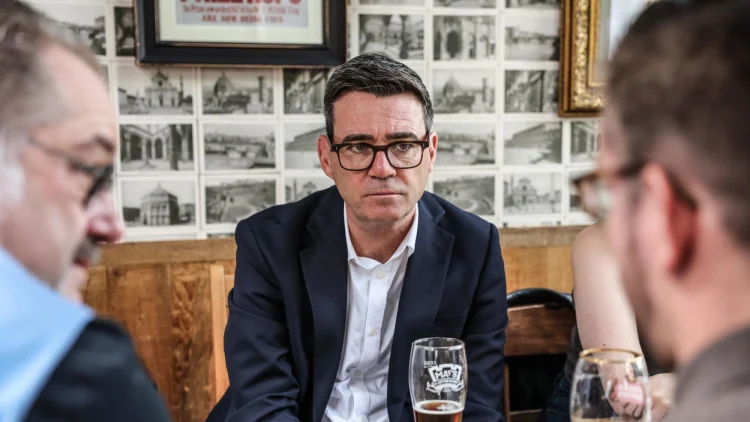

Prime Minister Andy Burnham has outlined a range of areas he would like to see greater spending in. (Alamy)

4 min read
Andy Burnham has set out some major ambitions for government since entering office. Experts look at how he could pay for them.
The new Prime Minister was keen to hit the ground running when he succeeded Keir Starmer in No 10 last month, promising quick action to help people cope with cost-of-living pressures. He announced that he would take VAT off electricity bills, cap bus fares at £2, and reduce business rates for pubs and restaurants.
When it comes to longer-term policy, Burnham has promised to end rough sleeping and reform adult social care. His vision for the latter, bringing it more in line with NHS provision, is estimated to cost billions of pounds of additional spending every year. The new PM is also under pressure to increase defence spending in response to global security threats.
At the same time, the PM has pledged to stick to the government’s fiscal rules and 2024 manifesto pledges not to raise income tax, national insurance and VAT.
This has raised questions about how Burnham will fund his plans for government.
Many details will not be confirmed until Wednesday, 28 October, when Chancellor John Healey delivers the first Budget of the Burnham Labour government. Healey, who resigned as defence secretary during the final weeks of the Starmer government over defence spending, has said that the Autumn Budget will be “built on fiscal discipline”.
What are Burnham’s options?
Carsten Jung, leader of the economy team at the Institute for Public Policy Research think tank (IPPR), argued that Burnham and Healey have inherited a better economic picture than Starmer and former chancellor Rachel Reeves faced.
“Rachel Reeves, for all of her strategic mistakes, really fixed the public finances,” said Jung.
“What she inherited from Jeremy Hunt [her Tory chancellor predecessor] was unsustainable. It was based on cuts to departmental spending which weren’t sustainable. So she went to the painful exercise of increasing taxes to fix that.
“What Andy Burnham inherits is a much better funded state, and he also has headroom against the fiscal rules he inherited, which makes it less dire.”
However, he said that borrowing money to fund government spending could be riskier for Burnham than it was for Starmer due to “jittery” markets and a more precarious global picture. The Bank of England recently warned that it may be forced to raise interest rates later this year if the US war with Iran escalates, which in turn would make borrowing more expensive.
Jung said that one option available to the government is to increase tax on wealth to bring it closer to tax on earnings, highlighting capital gains tax.
As things stand, people are charged either 18 per cent or 24 per cent on profit they make when selling, gifting or disposing of an asset that has increased in value, such as a second home. Burnham could increase Treasury revenues by aligning capital gains tax rates with income tax bands of 20, 40 and 45 per cent.
Elsewhere, examples of pro-growth policies according to Jung include the Treasury investing more in “leading industries” in the UK as well as “boosting entrepreneurship” while closing tax loopholes.
Isabel Stockton, researcher at the Institute for Fiscal Studies (IFS), said Burnham’s ambitions can be split into two categories: those that are less fiscally challenging, such as the cost-of-living measures he announced in his first few days in office, and policies with greater economic implications, like defence spending and adult social care.
Stockton agreed with Jung that borrowing more money would be “difficult” and “risky” for Burnham as it could push the new government close to breaching its fiscal rules, leaving him with two broad options: raising tax and cutting spending elsewhere.
Burnham has already said that the country must get “really serious” about reducing welfare spending to fund priorities like greater defence spending.
Stockton also suggested that the Labour government explore using the National Wealth Fund as a way of boosting spending power – it was launched under Starmer in 2024 to “mobilise billions of pounds of investment” in UK “clean energy and growth industries”.
By the end of the current parliament, the NWF should be on track to have capitalised with almost £30bn – with government funds directed to “resources to finance economic activity that supports additional private investment”, opening up investment options for the government.
However, NWF is still funded by taxation and borrowing, and is run by the Treasury – meaning the challenges around scrutiny on tax and spend remain.
Stockton told PoliticsHome the limitations Starmer’s government faced on taxation, spending, and spending cuts continue to exist, and remain challenging for Burnham’s government.
“With any new government, it can make different choices, but it is going to be facing essentially the same constraints, especially given that he [Burnham] says he’s committed to the existing fiscal rules,” said Stockton.
“He says he’s committed to the Labour manifesto on tax, so that rules out quite a few things already. That means that the decisions are going to be difficult.”
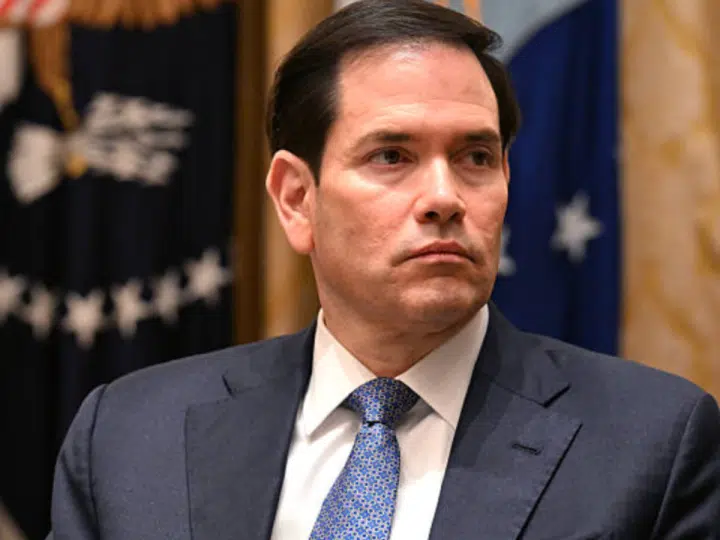

Marco Rubio, Secretary of State for the USA, earlier this year at the Munich Security Conference called for the “return to brutal Western colonialism.” This explicit messaging from the Western ruling elite about its plans for the Global South should be unifying masses in countries like India more than it has.
Notably, protests in India are breaking out against the neo-liberal government everywhere and startlingly have also spread to the urban middle class.
Surbhi Kesar, who teaches at SOAS, called the participation of the “urban aspirational classes” as “striking,” given their unfamiliarity with engagement with public causes and sustained interaction with people from different social locations.
But it reflects that the Indian post-1990s liberalisation-led growth is failing even those who benefited the most from it.
Marco Rubio comments juxtaposed with cockroach protests
The Gen Z protests, led by the ‘Cockroach Janta Party,’ have captured the media limelight. The name comes from India’s Chief Justice, who in May dismissed unemployed youth as “cockroaches” – an insult the protesters have embraced.
However, simmering beneath this surface-level attention has been widespread unrest fueled by unrelenting violence against Muslims and other minorities, the infamous ‘bulldozer raj,’ resource grabbing by government cronies (such as the Adani Group) to benefit US corporations like Google, and ongoing farmers’ protests.
Arundhati Roy, writing from Delhi, captured the moment:
The cockroaches are out and about. The farmers have begun marching to Delhi once more, this time to protest the India-US trade deal – the death warrant the government of India has slavishly agreed to sign on their behalf.
The challenge now is to connect these disparate protests into a unified struggle against this broader recolonization project that Rubio talked about.
Education as unifying factor
The student movement was successful, leading the education minister to resign. But they are still strong in their demands and have the power of mobilizing young people.
The President of the All India Students Association said:
We therefore make a promise: We will remain on the ground and continue to build movements for the revocation of NEP 2020 and against the privatisation and destruction of public education. We will struggle for an equal, socially just, publicly funded and democratic education system; for quality education as a right, not a privilege purchased by those who can afford it.
Education has been a pathway for upward mobility in India. And, Kesar explained that families in India have continued to invest heavily in education, including on professional degrees whose costs can exceed the annual expenditure of poorer households, even while graduate employment has failed to expand at the same pace.
US imperialism
Writing in Middle East Critique, Prabhat Patnaik argues that the recolonization of the Global South, as envisioned by the Trump administration will take the form of unequal trade treaties that impose captive markets on nations like India requiring them to import specific quantities of US goods while offering nothing in return.
Alongside the unequal treaties will be outright seizure of strategic resources from Venezuela to Iran, all to revive a stagnant American empire at the expense of the Global South’s hard-won sovereignty.
Rubio speech is a blueprint
Rubio made colonization explicit in his speech – this speech should be studied by all organisers of movements in India and other Global South countries to fully understand what it faces and how Western allies view them. .
He invoked “Western civilization” multiple times, a coded summons to a shared imperial project, while simultaneously demonizing immigration from the Global South.
Rubio’s words leave no room for ambiguity: the West seeks “competition for market share,” the “reclaiming” of industrial dominance, the securing of “critical minerals not vulnerable to extortion,” the “restoration” of a “new Western century,”
He dismisses the very existence of non-Western nations as a threat to “the survival of our civilization itself,” describing their people as an “unprecedented wave of mass migration that threatens the cohesion of our societies.”
Rubio criticizes concern for the planet as a “climate cult” that must be appeased no longer.
He lashes out at “strongly worded resolutions” and “abstractions of international law,” boasting instead of “14 bombs dropped with precision from American B-2 bombers” and “American Special Forces” in Iran and Venezuela respectively.
Finally, he openly longs for the era “before 1945” when “the West had been expanding – its missionaries, its pilgrims, its soldiers, its explorers pouring out from its shores to cross oceans, settle new continents, build vast empires extending out across the globe.”
Rubio is openly longing for an era before the political decolonization wave of the 1940s-60s.
Recolonization
According to Patnaik, recolonization that Rubio is seeking serves two purposes simultaneously – it “counters the stagnation of the US economy by increasing the level of activity and employment through a rise in net exports,” and it “reduces the current account deficit of the US and thus contributes toward a strengthening of the dollar.”
Both problems facing US imperialism are thus addressed without disturbing “the hegemony of international finance capital.”
Patnaik is clear that this project will not go unchallenged:
The Global South, however, will not surrender the gains of economic decolonization without a struggle. True, the monopoly bourgeoisie of the South, and even certain segments of the urban middle class that would like its progeny to emigrate to and settle in the metropolis would not join this struggle and might even be complicit in the imperialist project; and they may not only be ‘spared’ the adverse effects of recolonization, but even made beneficiaries of it.
But the peasants, the petty producers, the small capitalists, the workers, and the agricultural laborers, all those who remain committed to the idea of decolonization and who would also be the victims of recolonization, would resist such recolonization.
According to Patnaik, while the monopoly bourgeoisie and certain segments of the urban middle class may be complicit in or even benefit from recolonization, the peasants, petty producers, workers, and agricultural laborers – those who have the most to lose – will resist.
Yet the protests sweeping India today – from students and farmers to the urban unemployed- suggest that even among those Patnaik identifies as potential beneficiaries, the failure of the neoliberal model is generating cracks, making a unified struggle against recolonization not just necessary but increasingly possible.
Featured image via the Canary
By Nandita Lal
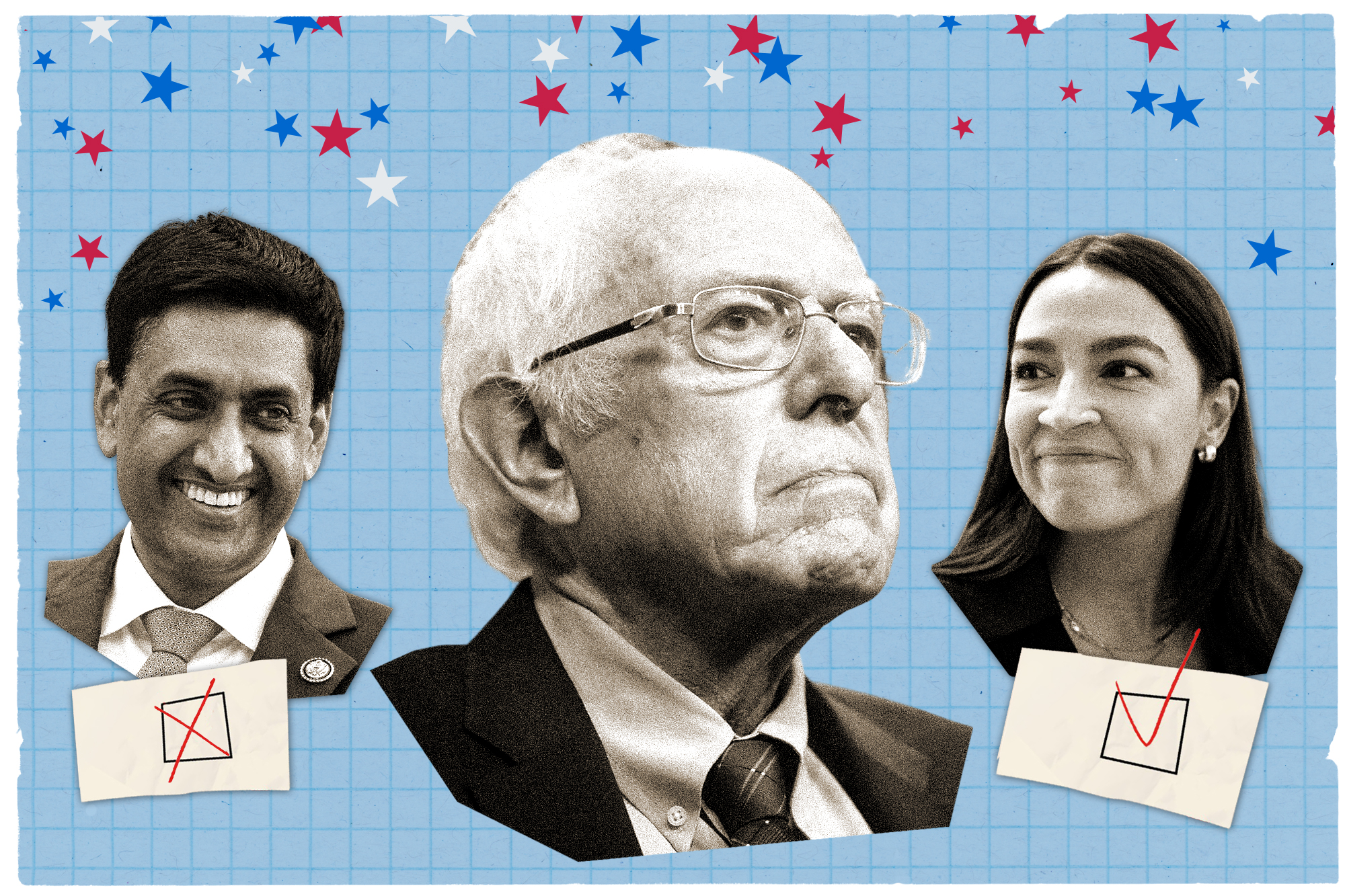

The battle to become the country’s next progressive leader in the mold of Bernie Sanders is heating up ahead of Democrats’ direction-defining Michigan Senate primary.
Nowhere is the jockeying and strategy unfolding behind the scenes more pronounced than between Democratic Reps. Alexandria Ocasio-Cortez of New York and Ro Khanna of California, who have taken disparate approaches to the midterms as they build out their political brands. Khanna’s go-everywhere mentality versus Ocasio-Cortez’s more selective involvement in key races this cycle will test their political acumen and relationships, potentially setting them up for a 2028 presidential race that could decide who will inherit the movement.
In much of Sanders’ inner circle, who comes next is pretty obvious, even as the wider progressive movement continues to clash over the answer.
“It’s always been clear that AOC is the heir,” one person close to Sanders who’s been involved in such conversations with him for years, granted anonymity to share their understanding of the private discussions. “Always.”
Yet within the broader Sanders coalition, there is plenty of behind-the-scenes posturing — and outright bickering — over who will ultimately take over for the Vermont senator. Khanna’s allies say Ocasio-Cortez is playing it too safe to be the next standard-bearer, with some prominent left-wing leaders irked by her sparing endorsement strategy.
Ocasio-Cortez’s and Khanna’s diverging paths are on full display in Michigan, where Democrats’ most contentious Senate primary is coming to a head Tuesday in a critical battleground that will have outsized importance in selecting Democrats’ next presidential nominee.
Both representatives and Sanders have backed Abdul El-Sayed, a progressive former public health official who has surged in polls against establishment-backed Rep. Haley Stevens as he consolidates support among the left.
But only Ocasio-Cortez has appeared alongside Sanders in stumping for El-Sayed, with the two holding a joint rally in Lansing, Michigan, last month. Ocasio-Cortez and Sanders are featured prominently in one of El-Sayed’s closing television ads, in a key sign of who the campaign thinks can best help push him over the finish line.
Khanna, meanwhile, cut a separate digital fundraising appeal for El-Sayed and has campaigned for him without Sanders.
Sanders and Khanna do maintain a relationship — the California representative was a national co-chair of Sanders’ 2020 presidential bid — but there’s doubt within the Vermont independent’s orbit over how successful a Khanna presidential run would be or whether he’s best positioned to inherit the progressive throne, should Ocasio-Cortez choose not to run for president in 2028.
“Ro is basically already running, but not many are taking him too seriously as the movement’s next leader,” said another operative close to Sanders, granted anonymity to speak candidly.
In an interview, Khanna brushed off the notion that there’s a single heir to the Vermont senator’s progressive movement. “I believe that Sanders is going to have many successors over decades, and the key is to build a majoritarian progressivism that can win across the country,” he said.
Asked whether an Ocasio-Cortez presidential bid would change his calculus, he answered flatly: “No.” His decision, he says, will come “around Thanksgiving.”
A representative for Ocasio-Cortez declined to comment. Sanders, for his part, is trying to rise above the jockeying.
“The presidential election is in 2 years and 3 months,” Sanders said in a statement. “Let’s focus now on how we resolve the urgent issues facing our country. There is plenty of time to worry about possible presidential candidates.”
Why Sanders world sees AOC as the successor
Sanders, 84, and Ocasio-Cortez, 36, share a deeply personal bond their advisers say transcends politics but remains rooted in their shared ideals. They talk directly about key policy, political ideas and candidates to boost, and they even coordinated their endorsements around a group of New York democratic socialists and progressives who ultimately won House seats.
The two also share a circle of advisers, including Faiz Shakir and Mike Casca. Casca, a former long-time Sanders aide, now serves as Ocasio-Cortez’s chief of staff and plays a major role in shaping policy and political strategy. Shakir is an adviser to Sanders and executive director of More Perfect Union, a progressive nonprofit media organization.
“I’m sure there are a lot of people who are interested in being the next Bernie Sanders, I think he’d be less inclined to give them his endorsement” over Ocasio-Cortez, said a third person close to Sanders, who’s been involved in the conversations around his political and policy strategy for years, granted anonymity to discuss them.
Sanders and Ocasio-Cortez have approached the midterms differently. The Vermont independent has worked to expand his endorsement roster and his presence on the campaign trail this year, which his allies see as an effort to cultivate a lasting generation of progressive leaders to carry on his movement. He often endorses early, acting as a validator for left-leaning candidates’ campaigns and platforms, while Ocasio-Cortez has been serving as more of a closer.
It’s a strategic shift for the New York Democrat, who used to get involved in races earlier — a calculus advisers say is a recognition of her ability to mobilize certain voting blocs, like communities of color and working-class voters, late in the game.
They don’t coordinate on every contest, but they have joined forces in several races — including El-Sayed’s Michigan Senate race and Sam Forstag’s House primary in Montana. Ocasio-Cortez called Sanders as soon as she decided to endorse El-Sayed and they immediately began planning a rally for him, according to a person familiar with the discussions and granted anonymity to describe the private conversations.
Earlier this year, Sanders and Ocasio-Cortez together also developed the leading progressive push to address artificial intelligence. Sanders was the first member of Congress to call for an AI moratorium, and he helped shape Ocasio-Cortez’s stance. The pair unveiled joint legislation in March to ban the rapid build up of data center construction.
Months later, the issue is now cutting across progressive and conservative voting blocs, is a preeminent policy issue on Capitol Hill and is at the heart of dozens of midterm races and even early 2028 presidential talk.
“Congresswoman Alexandria Ocasio-Cortez and I understand what is at stake,” Sanders said as he introduced the AI moratorium bill alongside the New York Democrat this spring in the Senate.
Progressive candidates whose campaigns have received nods from both Ocasio-Cortez and Khanna say they are both key validators who carry different appeal.
Khanna has risen in prominence because of his push to release files on Jeffrey Epstein. And Ocasio-Cortez brings the kind of star power and nationalized spotlight that campaigns say is invaluable for growing candidates’ exposure, particularly among younger progressive voters who can be trickier to turn out.
“AOC’s very popular, she has a lot of grassroots support … all across the country,” said Adam Hamawy, who was endorsed by both representatives in his New Jersey House primary this spring. “Ro Khanna has not just progressives, but he’s had a strong stance against corruption. … There’s a lot of overlap but each of them have specific things that come together to paint a wider picture than if I just had one.”
Don’t count Ro out yet
Not everyone around Sanders is sold on Ocasio-Cortez as the heir apparent. Khanna allies argue he’s the one who has been putting in the work — and sticking his neck out for the progressive movement — by backing primary challengers to incumbents, getting out front on issues like the Epstein files, and recently traveling to the West Bank.
“People who are supporting her are supporting her more as a brand,” said one Khanna ally and Sanders world operative, granted anonymity to discuss private conversations. “What does it mean to work with her? What does it mean for her to pass a bill? I don’t know her theory of change.”
There is fear Ocasio-Cortez is “weirdly isolating herself” over the years ahead of a 2028 decision, the operative added. “I could not tell you who AOC’s advisers are at this point [beyond Casca]. If you’re thinking of running for president, you want to be in an expansive, elevated, exciting space, not in a controlled environment.”
Ocasio-Cortez has been significantly more selective in her endorsements than either Khanna or Sanders, backing left-wing candidates across several competitive House primaries but steering clear of some of the messiest contests on the map, including Maine Senate and Wisconsin’s imploding gubernatorial primary.
That approach has drawn consternation from some on the left who say she’s playing it too safe given her political cachet, particularly as she declines to join other progressives in endorsing against incumbents — notably in her own backyard — even though that’s how she won her seat in 2018.
“Who cares about your win-loss ratio? What I care about is, are you trying to help fellow progressives or aren’t you?” said Cenk Uygur, a Khanna supporter who founded the progressive online network “The Young Turks” and Justice Democrats.
“AOC cares so much about her colleagues, and her colleagues are establishment Democrats. I don’t care about them. In fact, I’m opposed to them,” Uygur added. “I want them challenged in primaries.”
Khanna has worked to keep his own close ties to Sanders and his circle.
Jeff Weaver, Sanders’ 2016 campaign manager, now serves as a senior adviser to Khanna as he’s pushing to be a high-profile progressive leader and laying the framework for a possible 2028 presidential run.
“No two candidates are equal,” Weaver said. “But I think Ro Khanna has the chance to do what Bernie did, which is to have appeal beyond the Democratic base.”
Khanna has spent years trying to build the kind of early-state infrastructure a presidential campaign requires, traveling to early primary and battleground states to lay the organizational groundwork for a potential run. Since 2021, he has been working to assemble steering committees of 75 to 100 people in New Hampshire and Nevada, with another being built in South Carolina, while working with local political power players, according to Shannon Jackson, another longtime Sanders operative who is now consulting for Khanna.
Over the last week, the California representative has been on what he is calling an “new economic patriotism tour” through Pennsylvania, holding events in counties Trump carried like Erie, Luzerne and Cambria “There is a great desire for a bold, progressive vision that is going to call out an unfair and rigged political and economic system,” he told POLITICO. But the test, Khanna argued, is making that vision work “not just in the Bay Area, not just in Michigan, not just in progressive areas, but in places like Pennsylvania.”
Khanna has endorsed dozens of candidates up and down the ballot this year, wading into some of the most fraught Democratic House, Senate and gubernatorial primaries in the country.
That widespread involvement has produced a mixed track record with some high-profile losses, including Graham Platner’s disgraced exit from Maine’s Senate primary and Tom Steyer’s expensive loss in the California governor’s race. In the case of Platner, Khanna and Sanders endorsed the Maine progressive, while Ocasio-Cortez, notably, stayed out of the race altogether.
Khanna also has backed candidates against the Democratic Congressional Campaign Committee and establishment. For example, Khanna-endorsed progressive Matt Dunlap in Maine’s 2nd Congressional District successfully defeated the DCCC’s preferred candidate.
“There’s a difference between being a progressive in policies and being a progressive in action,” said Uygur. “And action requires you challenging the system, challenging the establishment. On those grounds, it’s not close. Ro Khanna is head and shoulders above every other Democrat.”


An Israeli has tried to get a Burger King employee in Breinigsville, Pennsylvania, sacked for saying “Free Palestine”.
In classic ‘always the victim’ fashion, Rami Feinstein filmed employees, then demanded to know from the food chain:
Are you a safe place for Jews right now?
The company said it is investigating the ‘incident’.
View this post on Instagram
Always the… you know the rest
The video sent the Israel lobby into apoplexy as it tried – of course – to cast Israelis as, you’ve guessed it, the victims.
Notwithstanding issues with US food production, Jews are safe in fast food chains – unlike Palestinians trying to eat amid Israel’s starvation siege of Gaza, where they are likely to be bombed or shot.
Solidarity with Ariana at Breinigsville Burger King. If the company has any spine and principles, she’ll be promoted.
Featured image via Instagram
By Skwawkbox


Pakistan’s Ministry of Information and Broadcasting has accused Al Jazeera of using “handpicked polling stations” and “scripted statements” in Muzaffarabad to “delegitimise” the electoral process in Azad Jammu and Kashmir (AJK).
We have taken note of Al Jazeera’s selective reporting from handpicked polling stations in Muzaffarabad today. Through carefully chosen timings and scripted statements from selected individuals, the channel has sought to misrepresent the AJK elections and the voting process.
Such…— Ministry of Information & Broadcasting (@MoIB_Official) August 2, 2026
Jammu Kashmir Joint Awami Action Committee (JAAC) posted on X that Pakistan had blocked the site following its reporting:
Pakistan has blocked access to Al Jazeera’s website following its reporting on the recent elections and the human rights situation in Pakistan-administered Jammu and Kashmir.
Blocking independent journalism is an attack on press freedom and the public’s right to information.… pic.twitter.com/PybfN1TD5s— JKJAAC (@JKJAAC_) August 3, 2026
Al Jazeera reporting on Kashmir
Over the weekend, Al Jazeera had reported that residents of Muzaffarabad in AJK boycotted the election amid a strike. Protesters on camera were questioning how voting could proceed after unrest that had killed at least 80 people since June, according to local estimates. The network’s coverage highlighted widespread discontent and the tense atmosphere surrounding the polls.
Muzaffarabad’s residents, in Pakistan-administered Kashmir, have boycotted the election amid a strike, with protesters questioning how voting could proceed after unrest that has killed at least 80 people since June, according to local estimates. Al Jazeera’s Kamal Hyder reports. pic.twitter.com/ZzjOYpHxZf
— Al Jazeera English (@AJEnglish) August 2, 2026
Journalist Kamal Hyder said in the video report that many residents viewed the low turnout as an expression of solidarity with the protest movement.
Rights groups intervening
Previously, Al Jazeera had reported that JAAC, a banned activist group, had boycotted the vote and staged protests over the abolition of 12 assembly seats reserved for Kashmiri refugees. This key demand, supporters say, is used by major Pakistani political parties to tip the composition of the local parliament in their favor with representatives who mostly live outside the region.
They also reported that Pakistani authorities had banned JAAC under anti-terrorism laws in June and that banking, roads, and internet services had been largely disrupted since then, hindering the flow of information. Rights groups had raised concerns over the ban and urged authorities to restore communications access and allow media and independent observers into the area.
And, as Al Jazeera reported:
Rights group Amnesty International called the reports of lethal force against protesters in the area “disturbing” and urged an investigation.
Pear Pandya, a senior analyst at conflict monitor ACLED, said the violence in Pakistan-administered Kashmir “is bound to overshadow the legitimacy of the entire electoral exercise”.
View this post on Instagram
At the time of writing, Al Jazeera’s website remained inaccessible in Pakistan, with no official confirmation from the government on when or whether access would be restored.
Featured image via YouTube screenshot/Al Jazeera English
By The Canary
Politics
“Outrageous abuse” of office: Truth Social sells access to “market-moving” posts for $100k a month


On Saturday 1 August, Donald Trump’s Truth Social launched a subscription-based service that gives paying customers “real-time” access to posts from its largest accounts. The social media platform is charging up to $100,000 a month for what it calls “market-moving” insights.
Critics have called the move an act of “brazen corruption”. Trump, a sitting US president, stands to profit by giving traders early access to the Truth Social posts. Those same traders could then profit from acting on subsequent changes in bonds, interest rates and stock prices.
‘Market-moving Truths’
Trump holds majority ownership of Truth Social via Trump Media & Technology Group Corp. He also happens to be the platform’s most significant user, with nearly 13 million followers. The president frequently posts major policy decisions on the site, often with profound implications for global markets.
Truth Social is calling its new feature ‘Truth API’ (i.e., application programming interface). Interim CEO Kevin McGurn stated that it provides:
a direct, licensed, real-time feed of the platform’s most market-moving Truths.
Trump’s often posts news of his administration to the platform before making it public elsewhere. Particularly when his posts have related to the war on Iran or tariffs, they’ve cause massive fluctuations in markets around the world.
‘Outrageous abuse of the President’s office’
On Tuesday 28 July, Democratic senators Adam Schiff and Elizabeth Warren requested that the Securities and Exchange Commission (SEC) examine the service. In a letter to the SEC boss Paul Atkins, the two wrote:
This appears to be an outrageous abuse of the President’s office for his personal benefit that undermines everyday investors and the integrity of our markets, while enriching Wall Street and other wealthy insiders.
The senators are far from the only figures to highlight Trump’s corruption. Financial journalist James Surowiecki voiced his belief that the feature violates insider trading laws. He explained:
Trump is disclosing information (in this case, information about some of his future public statements as president, including statements about policy) that belongs to the US government in exchange for money. That violates his duty of trust and confidence to his employer (the govt), and is illegal. And anyone who pays for the feed is knowingly paying for misappropriated information, which is illegal as well.
Professor Kathleen Clark, of the Washington School of Law, said:
He’s selling expedited, privileged access to information about what he is doing as president. It’s yet more brazen corruption, an improper exploitation of government power to enrich himself.
Dean Baker, one of the founders of the Center for Economic and Policy Research, stated that:
the money that insider traders pocket is money taken from the 401(k)s and IRAs of normal people who work for a living.
Trump’s profiteering presidency
Of course, this level of profiteering and (alleged) corruption is hardly new for Trump’s presidency. On 15 July, Forbes reported that Trump:
took in $2.4 billion last year, according to a Forbes analysis, which overlayed his financial disclosure report with bond filings, securities documents and court records to pinpoint a more specific number than the “at least $2.2 billion” widely reported in recent weeks. The $2.4 billion figure, a combination of operating revenue and proceeds from asset sales, dwarfs the estimated $760 million Trump received in 2024. It is also 6,000 times the current U.S. presidential salary of $400,000.
The business magazine also stated that Trump Media shares rose 5.5%, landing at $10.39 just before closing. Since Trump’s return to office in 2025, shares in Trump Media plummeted by over 70%, equating to a loss of around $6bn for its shareholders.
Featured image via Britannica
By Grace
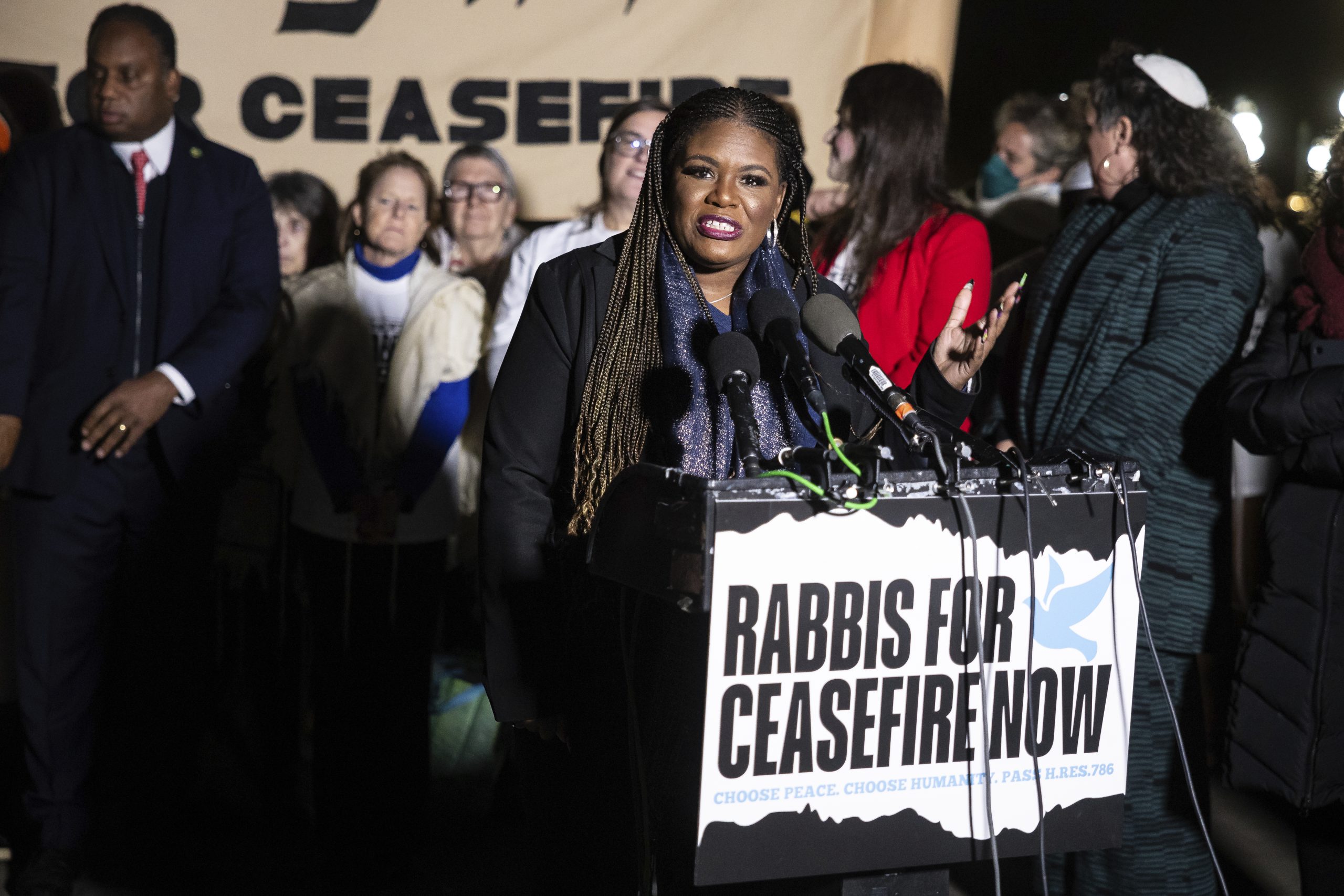

Cori Bush’s 2024 primary loss to Wesley Bell was heralded as a major defeat for the insurgent progressive movement.
Now, their rematch for Missouri’s 1st District two years later comes at a time when Bush and her allies seem to be winning the battle for the future of the Democratic Party.
The dueling factions in St. Louis highlight the growing tension over not just the domestic ideological divide in the Democratic Party, but the party’s — and country’s — stance on the U.S.’s longrunning relationship with Israel.
The former representative was among the first sitting members of Congress to call Israel’s actions in Gaza a “genocide” — and now she’s betting that her progressive bonafides and her criticism of the top U.S. ally will boost her to victory with the same electorate that punished her last cycle.
“One of us is of the people, by the people and for the people,” Bush said in a recent interview. “The other one is paid for by AIPAC. That’s the difference.”
Like two years ago, a group aligned with the American Israel Public Affairs Committee is the largest outside spender in the race. The organization’s super PAC, United Democracy Project, has spent at least $2.1 million on advertising in the primary, according to ad tracking firm AdImpact.
Roughly half of all adults who identify as Democrats believe that Israel has committed genocide against Palestinians, according to a July AP-NORC poll, an accusation that some human rights organizations have made but both the Israeli and American governments strongly deny.
And from Colorado to New York, several progressives have already tapped into voters’ frustrations with party leadership and successfully wielded their criticism of Israel’s government in order to win.
St. Louis is only one of several races on Tuesday testing the Democratic Party’s establishment: voters will also hit the polls in Michigan to cast their ballots for the progressive, Abdul El-Sayed, or the moderate Rep. Haley Stevens for an open Senate seat.
That race has also become a check for voters’ opposition to AIPAC. And some potential 2028 Democratic contenders have already sworn off accepting funding from AIPAC, another sign of the growing unwillingness to be aligned with the organization.
AIPAC and some Democrats have hit back, saying its critics within the Democratic Party have increasingly made the party inhospitable to those generally supportive of Israel.
In response to requests for comment, AIPAC shared a series of ads knocking Bush for her missed votes and her criticism of the Biden administration and former Vice President Kamala Harris’s 2024 presidential bid. (In a recent debate, Bush claimed Bell delayed his endorsement of Harris, but both endorsed the former vice president on July 21, 2024, the same day she announced her candidacy.)
Bell unseated Bush two years ago with heavy financial backing from AIPAC, the country’s preeminent pro-Israel lobby. They’ve once again spent heavily on his behalf, and this time, he also comes into the race with establishment support — including endorsements from House Minority Leader Hakeem Jeffries and the Congressional Black Caucus PAC.
Bell and his allies have absolutely swamped Bush on the airwaves this year. In addition to UDP’s $2.1 million in ad spending, Bell’s campaign has followed closely behind at over $2 million, according to AdImpact, with over $700,000 more from another super PAC called New Democrat Majority.
Bush, meanwhile, has spent less than $200,000, according to the ad tracker. She boasts the backing of a progressive coalition that includes the Democratic Socialists of America, Sen. Bernie Sanders (I-Vt.) and fellow “Squad” member Rep. Rashida Tlaib (D-Mich.).
Bell has brushed aside the attacks that he’s being bolstered by AIPAC money.
“I think we all can agree that there’s too much money in politics, and I’m a vocal and public supporter of campaign finance reform,” Bell said in an interview. “What I’m not a fan of or a supporter of is singling out certain Americans and saying that they should not participate in our democratic process. That is where I would absolutely draw the line.”
Bell added that the difference between himself and Bush is that he can offer both support and criticism of allies.
“While I’m not the biggest fan of [Israeli Prime Minister Benjamin Netanyahu], I still believe that we have to stand with our allies,” Bell said. “That doesn’t mean we’re not going to disagree at times with our allies.”
Bell’s and Bush’s showdown in 2024 was arguably the biggest ideological battlefield for the party that year, outside of the discontent surrounding Biden and then Harris’ presidential bids from progressives critical of Israel.
But two years later, it is just one of many fights that has sprawled across the country. Progressive candidates have been racking up primary victories against establishment figures in a trend that some are calling the “Mamdani effect” after democratic socialist New York Mayor Zohran Mamdani took down Andrew Cuomo in both the 2025 primary and general elections.
Still, this year’s St. Louis rematch isn’t quite the marquee fight it was in 2024. Spending has trended down: Collectively nearly $20 million was dropped on the 2024 contest on advertising, according to AdImpact. That’s roughly four times more than this year’s total.
Usamah Andrabi, spokesperson for Justice Democrats, the progressive group that endorsed Bush earlier this cycle, attributed the broader, nationwide ideological fight to a base that has been “pushed to the edge of desperation by the Democratic Party itself.”
“The Democratic Party’s base woke up in January 2025 realizing that their party’s establishment was unfit, unprepared and frankly unwilling to fight back against Donald Trump and Republican extremists with the urgency the moment demanded,” Andrabi said.
Now, as St. Louis voters head to the polls on Tuesday, Bush cast the eventual outcome in dire terms.
“What is at stake,” Bush said, “is the affordability and the peace of every single person in this country.”
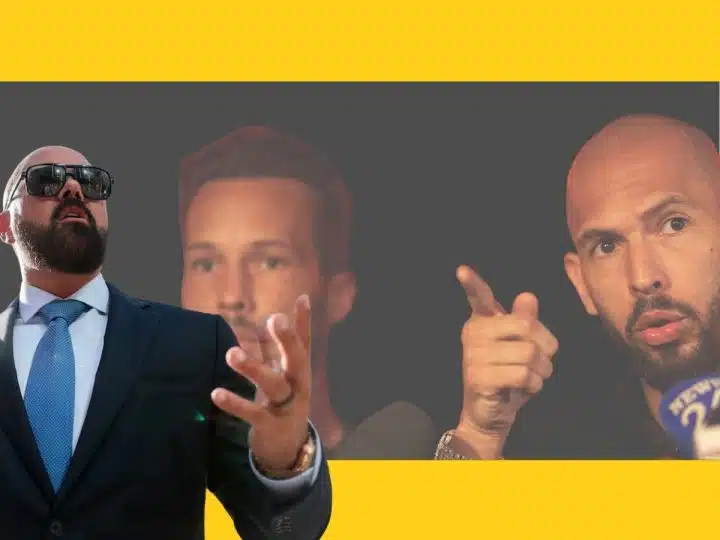

Brothers Andrew and Tristan Tate are facing extradition to the UK over alleged sexual offences, trafficking and assault occasioning actual bodily harm.
As the Canary has covered, the pair’s lawyer has been behaving in disturbing and erratic ways in his efforts to defend them. This has now seen him spreading misinformation about the Tates’ alleged victims.
There is no evidence of this. This is an old Tate propaganda talking point from 2023 that he is digging up. pic.twitter.com/ENrIdF6v6N — Gadget (@Gadget440) August 3, 2026
 Andrew Tate's lawyer keeps repeating lies about Tate's alleged victims in the UK being caught "planning to extort Tate."
Tate brothers await extradition proceedings to the UK
The lawyer in question is Joseph McBride, who recently said:
Even if you accept all the allegations against them is true, the amount of good they’ve done for the world tremendously outweighs the bad.
On the allegations in question, the UK’s Crown Prosecution Service announced:
The CPS has decided to prosecute Andrew Tate, 39, with seven further counts of rape, three counts of arranging or facilitating trafficking for sexual exploitation, three counts of assault occasioning actual bodily harm and 19 additional charges for offences relating to indecent images of a child and extreme pornography.
The CPS has decided to prosecute Tristan Tate, 38, with one count of sexual assault, two counts of rape and three counts of arranging or facilitating trafficking for sexual exploitation.
In the video at the top, McBride says:
And the thing is, there’s a pattern that’s been going on for years. In England, they were accused of [sexual assault] a long time ago. And in England, when you’re accused of [sexual assault], the government will take the phones of the accusers as evidence. So they went through the girls’ phones and they found, basically, let’s extort Andrew Tate. And they declined to prosecute. They closed the case.
As journalist and YouTuber Gadget noted, however, there are multiple problems with this.
‘Tate propaganda’
The first problem is the voice note McBride is referencing. In it, the alleged victims discussed whether or not they should share the fact that Andrew Tate provided them with alcohol. The women were worried that if they did share this information, the police would use the fact that they were drinking to discredit them. According to Gadget, “This is what ended up happening”.
The second problem is that the women from the voice note have nothing to do with the alleged crimes the Tates may be extradited over. This is a pretty massive thing to be aware of, obviously.
When McBride says they “tossed the case,” he is omitting some important context.
Earlier this year, Hertfordshire Police re-opened their criminal investigation into these allegations against Tate which had previously been “tossed.” And the Independent Office for Police Conduct (IOPC) launched an investigation into the conduct of the detectives behind the initial botched investigation.
Again, these four women are reportedly separate to the seven connected to the current charges for which the Tates are facing extradition to the UK.
Whether McBride likes it or not, his clients have a case to answer in the UK. He clearly seems to be worried about this too. If he wasn’t, he wouldn’t be relying on slander and misinformation.
Featured image via Associated Press/ Vadim Ghirda
By Willem Moore


4 min read
Dignity at the end of life cannot depend on whether a clinician knows about the relevant form or a family has the strength to keep chasing help.
When someone is living with a terminal illness, time becomes particularly precious. Their final weeks and days should be spent in dignity and comfort, with the people they love, not lost to paperwork and phone calls proving they are ill enough to receive essential benefits.
As Andy Burnham puts social care reform back at the centre of Westminster debate, he is right that palliative and end-of-life care urgently need fixing. The government’s promised Modern Service Framework for Palliative and End of Life Care should set out how the NHS delivers the right care, in the right place and at the right time. This ambition must include financial security, because people cannot die with dignity if they cannot afford to live safely and comfortably.
The Special Rules for End of Life are designed to give dying people quicker access to benefits without unnecessary assessments or delays. A terminal diagnosis can bring an income shock, as people may have to leave work while facing higher household costs, including heating and medical equipment. Fast-tracked benefits can help families to manage those pressures and support people to remain safely at home for as long as possible.
Yet the Special Rules are still failing to reach too many people they are supposed to protect. Research funded by Marie Curie and led by King’s College London found that, in England and Wales, more than one in three people who died from a chronic illness did not receive the disability benefits they were eligible for through this route, around 120,000 people each year. With more than 100,000 people dying in poverty annually across the UK, this cannot be dismissed as a narrow benefits problem. It is a moral failure spanning health, social care and welfare policy.
The research also helps to explain why people are missing out. Interviews with patients, carers and healthcare professionals found that uncertainty around prognosis and low awareness of the Special Rules can delay access, while discomfort discussing money and difficulties completing the relevant forms create further barriers.
For families already facing an extremely difficult time, missing out can mean being unable to heat their home or afford transport to appointments. It can make receiving care safely at home harder, even when that is where someone would like to be, while carers may feel forced to choose between taking time off work and paying household bills.
These problems are solvable, but they require coordinated action. The Department for Work and Pensions (DWP) should work with the Department of Health and Social Care and the NHS to make the Special Rules easier to understand and use. This should include raising awareness among clinicians, providing clearer guidance on Special Rules forms and embedding questions about financial hardship and eligibility into advance care planning, hospital discharge planning and GP palliative care registers, so people are offered help before reaching crisis point. The DWP should also collect better data on who completes the forms, consider expanding the group of approved clinicians who can confirm eligibility, such as hospice paramedics, and allow completion to be delegated once eligibility has been confirmed.
Ministers should also review the 12-month prognosis requirement used in England, Wales and Northern Ireland. Prognosis can be uncertain, particularly for conditions with less predictable trajectories, such as heart failure or HIV, both of which are linked to lower take-up under the Special Rules. Scotland has moved to a more flexible model without a fixed time limit, and the DWP should examine what can be learned from that approach.
Everyone deserves a good death, and dignity at the end of life cannot depend on whether a clinician knows about the relevant form or a family has the strength to keep chasing help. The government has accepted that terminally ill people should receive fast-tracked benefits; it must now deliver on that commitment before financial hardship adds to the distress of their final days.
Dr Sam Royston Executive Director of Research and Policy at Marie Curie
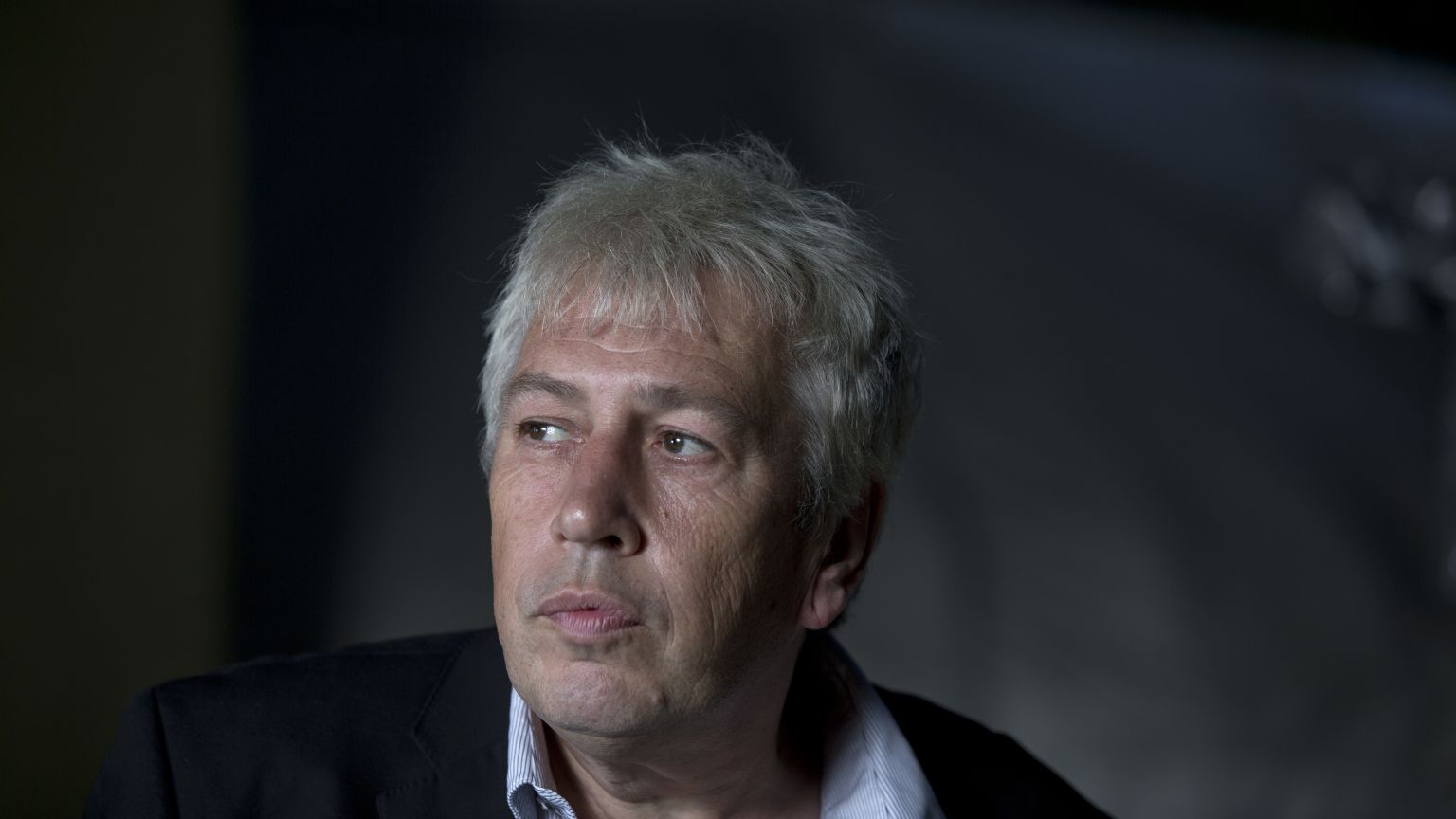
Every death leaves a hole in someone’s life. But it’s a rare death that leaves a hole in public life. Rod Liddle’s does. His passing has robbed us of the finest, funniest and most sardonic chronicler of the absurdities of the 21st century. His writing was brilliant: sometimes brutal, always truthful. He was the only newspaper scribbler of our times whose name could be justly uttered in the same breath as Swift’s. You can feel his loss already. You just know the next time something mad or ridiculous happens, you’ll find yourself thinking: What would Rod have written about this?
He died on Sunday evening after a short illness. Until about six weeks ago – when he backed out of work – he’d been a prolific, heroic columnist. He wrote for the Spectator, the Sun and The Sunday Times. He hosted a Saturday morning show on Times Radio, which I loved appearing on. He was once a speechwriter for the Labour Party. He made TV documentaries and wrote books – my favourite was The Great Betrayal, his stirring defence of the ‘uneducated thickos’ who voted for Brexit against those posh twats malingering in the ‘Brexit Derangement Syndrome intensive care ward, wired up to saline drips, attended to day and night, occasionally afforded a few thousand volts of ECT when things get really bad, but still foaming, still beside themselves with apoplexy’.
His journalism career included four years as editor of the Today programme on Radio 4. A man who went from editing the morning show beloved of the Beeb’s leafiest listeners to being nominated for Islamophobe of the Year Award by the nutters of the Islamic Human Rights Commission (sic)? Truly we shall not see his like again. He and I were nominated for that award in the same year, and we often shared our dismay that neither of us won, not least since the prize-giving ceremony was at the Holiday Inn in Wembley, which would have been a great night out.
It was for his columns – dry, acerbic, profound – that he became best known. His prose sparkled like a jagged diamond in a media world dominated by privileged pricks more interested in being ‘correct’ than candid, honest or funny. He was the only columnist who could make you laugh out loud on the Tube. He once said the Severn Bridge between Wales and England connects Wales to the ‘First World’. Back in 2018, when even many feminists were going along with the trans lunacy, he temporarily identified as a ‘young, black, trans chihuahua’. Hilariously, Pink News published a thundering editorial accusing him of ‘dehumanising trans people’ illustrated with a split pic of Liddle and a black chihuahua.
He was an implacable foe of what most people call ‘woke’ but which he called ‘wank’. He heaped derision on the fake left that dominates our institutions. He once said the reason he used the term ‘bien-pensants’ is because it’s more acceptable than ‘cunt’. He ripped the piss out of leftish elites who are ‘aloof from the country’ and understand neither ‘its aspirations’ nor ‘its gripes’. Like many of us, he was heartened by Brexit, which he viewed as a ‘rebellion of the poor’. ‘One can be on the wrong side of history until history suddenly and rather capriciously switches sides, as it did on 23 June [2016]’, he said of the EU referendum and the working classes’ wrestling of the historic narrative from the bien-pensants / cunts. I once gave a talk on Brexit in Kent and heard wheezing whoops of approval from the audience: it was Rod.
Naturally, he fell foul of the tyranny of literalism. When Islamist extremist Anjem Choudary said radical Muslim Brits should become suicide bombers, Liddle agreed – so long as ‘they blow themselves up… a decent distance from where the rest of us live. Tower Hamlets, for example.’ The media fury was intense, as if he were literally inciting suicide bombings rather than, you know, making a joke. When he wrote a column wondering whether he’d sleep with Harriet Harman, a Guardian columnist said his ‘diatribe’ was ‘so disgusting’ that it caused her to ‘flush violently all the way from my breastbone to my forehead’ until she ‘looked like [she] had German measles’. Rarely had the narcissistic insanity of cancel culture been so starkly on display.
What ‘progressives’ really hated about Rod is that he met their earnestness not with indulgence but with scoffing. He was the nation’s cocked eyebrow. He was the irreverent guffaw of everyday Britain. He was a bawdy iconoclast of the northern working class, wielding his unflashy, quite Methodist scepticism against the crank ideologies of the rich and dumb who had colonised the left. The fools called him ‘far right’ but he was more properly left than any of them – a lifelong Thatcher sceptic and devotee of the Social Democratic Party who longed for the restoration of the common sense of our once great kingdom.
To my mind, his ribald humour and natural-born non-conformism made him the heir to the likes of John Wilkes, the pamphlet-publishing tearaway of the 18th century. He carried a flickering candle for the great English traditions of satire and ‘lower-class’ heresy in an era in which you could find yourself cast out for saying lesbians don’t have todgers. Rod worried about lesbians. He once told me that, courtesy of the trans madness, lesbians seem to be an endangered species, like red kites. Truth is, the likes of Rod were the true endangered species: Englishmen who speak as they see, and damn the consequences.
A little-known fact about Rod is that he was kind. He was fantastic company. His throaty laugh could carry an entire night. He was a great friend of spiked, often appearing on our podcasts and bigging up our writers. He and I were due to speak about anti-Semitism in Leeds just six weeks ago. He messaged me to say he couldn’t do it, because ‘I’m not in a good way’. ‘Get well’, I replied, and now I wish I’d said more. Everyone at spiked is deeply saddened by his death and we offer our heartfelt condolences to his wife, Alicia, and his children, Wilder, Tyler and Emmy.
Brendan O’Neill is spiked’s chief political writer and host of the spiked podcast, The Brendan O’Neill Show. Subscribe to the podcast here. His latest book – After the Pogrom: 7 October, Israel and the Crisis of Civilisation – is available to order on Amazon UK and Amazon US now. And find Brendan on Instagram: @burntoakboy.

Suspected human remains found near M67 in Tameside, police say

See Monday’s Winning Numbers and What Experts Say to Do if You Win
Trump Administration Plans Ban on New Chinese AI Data Center Components: Report


-

 Business6 days ago
Why Trees Belong on the Risk Register
-

 Fashion4 days ago
Weekend Open Thread: Wit & Wisdom
-

 Politics4 days ago
Meta enters AI-training agreement with far-right ‘propaganda rag’ Newsmax
-
 Entertainment7 days ago
‘Stargate’ Creator’s New Sci-Fi Series Returns for Season 3 Tomorrow
-

 Crypto World3 days ago
MicroStrategy Post-Earnings CLARITY Act Push Could Add New Catalyst for Its Stock
-

 Business6 days ago
Major shareholder moves on Canyon
-

 Politics6 days ago
Reform UK betrays West Mids residents by running from party pledges
-

 Crypto World3 days ago
XRP Ledger v3.3.0 brings five institutional features
-

 News Videos5 days ago
Bitcoin Enters the 3rd Stage of the Bear Market
-

 Crypto World6 days ago
Kraken Enables Retail Access to Jersey Mike’s IPO via Tokenized Shares
-

 Politics5 days ago
Luke Littler’s dominance sparks GOAT debate
-

 Sports4 days ago
Seema Kaliramna Wins Discus Throw Bronze, Takes India’s CWG Medals Tally To 17
-

 News Videos7 days ago
Claude: Build Financial Dashboards in Minutes (2026)
-

 Crypto World2 days ago
Crypto PAC spending tops $2M in Michigan House race
-

 Crypto World3 days ago
New York sues Kalshi over prediction market gambling
-

 Business7 days ago
Johnson & Johnson agrees to $5.5B settlement over talc cancer claims
-

 Business4 days ago
Trump Announces Hamas Disarmament Agreement as Iran Strikes Kuwait Air Base and US Attacks Pause Overnight
-

 Tech6 days ago
Gemini can now summarize the messiest comment threads in Google Docs
-

 Tech2 days ago
ESET tracks rise in malicious AI skills and adaptable malware
-

 NewsBeat5 days ago
Four people die trying to cross Channel in small boats
You must be logged in to post a comment Login