
Politics
The House | The Belfast West MPs bound together by faith, politics and personal tragedy

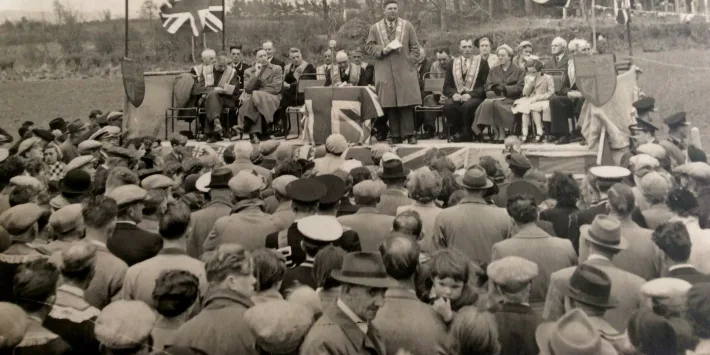

Thomas Teevan speaks at the opening of Largy Hall
10 min read
The opportunities – and constraints – of Northern Ireland in the middle of the last century are illuminated by the lives of two men who briefly represented Belfast West. Aaron Callan tells the story of MPs bound together by faith, family, politics and ultimately tragedy
Reverend James Godfrey MacManaway, a clergyman soldier turned parliamentarian, and his political heir Thomas Leslie Teevan, a brilliant young lawyer and public servant, are barely Westminster footnotes. Both served as Belfast West MP for less than a year.
And yet their story embodies a sense of promise broken by legal anomaly, electoral mischance, and personal tragedy.
James Godfrey MacManaway was born into an ecclesiastical family as the son of Rt Rev Dr James MacManaway, Bishop of Clogher. He was educated at Campbell College and Trinity College Dublin. Aged just 16, while still at Campbell College, he enlisted to fight in the First World War, seeing action at the Battle of Loos and later joining the Royal Flying Corps. In 1923, he was ordained by the archbishop of Armagh and served a curacy at Drumachose, Limavady, before moving to Christ Church, where he became rector in 1930 and remained for 17 years; in 1926, he married Catherine Anne Trench.
During the Second World War, MacManaway again “took the King’s shilling”, serving as senior chaplain to the forces. He experienced the evacuation of Dunkirk with the 12th Royal Lancers, later serving in the Middle East with the First Armoured Division and returning in 1945 to the Italian Front as senior chaplain to the 10th Armoured Division, a service for which he was awarded the MBE.
Contemporaries remembered him as one of the most colourful figures in the Church of Ireland, a gifted storyteller who could hold an audience spellbound, sometimes allowing his imagination to outrun accuracy. A favourite anecdote described him swimming for two hours after his Dunkirk vessel was hit, only for his wife to puncture the tale by reminding everyone that he could not swim at all – a story that captured both his flair and the affectionate tolerance of those around him.
By 1947, MacManaway resigned his Church of Ireland post and turned to politics, successfully contesting the city of Londonderry seat at Stormont as a Unionist, winning by a majority of 4,028 and again taking over 60 per cent of the vote in 1949. His oratorical gifts and colourful personality quickly established him as a notable figure at the parliament of Northern Ireland.
His ambitions soon extended to Westminster. As an ordained clergyman, doubts arose over his eligibility, but he sought legal advice from Edmund Warnock, attorney general of Northern Ireland, who advised that the disestablishment of the Church of Ireland in 1869 meant earlier statutory bars on clergy sitting in the House of Commons did not apply.
On this advice, MacManaway resigned his remaining Church offices, relinquished his clerical rights and sought and obtained Ulster Unionist selection for Belfast West, a difficult marginal seat held by Labour’s Jack Beattie. After a vigorous campaign in the 1950 general election, assisted by activists including a young Ian Paisley, he defeated Beattie by 3,378 votes, becoming the first clergyman in 150 years to sit in the House of Commons.
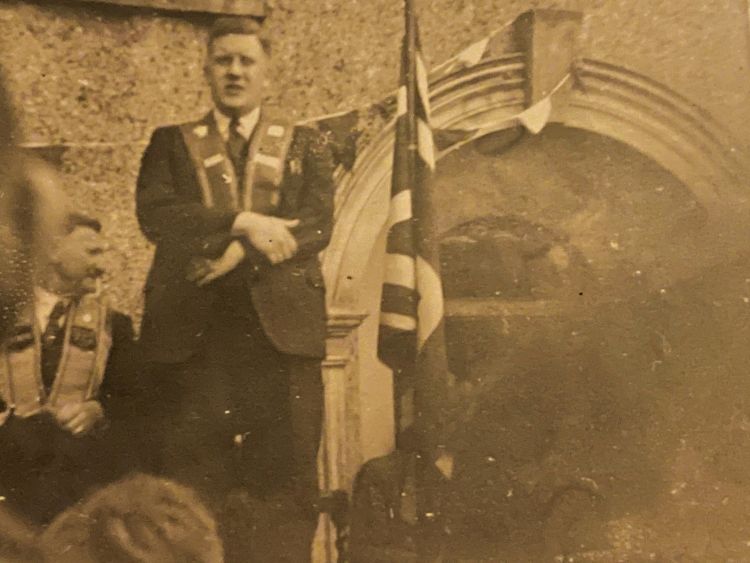
His election caused a stir in Westminster, where few had anticipated that a disestablished Irish clergyman would gain a seat. The challenge came from Labour backbencher Maj Geoffrey Bing, and the issue was referred to a select committee, prompting strong Unionist defences of MacManaway, including from Winston Churchill, yet the committee declined to reach a decisive conclusion and recommended urgent legislation instead.
The matter went to the Judicial Committee of the Privy Council which identified a lacuna in the law: although the Irish Church Act 1869 disestablished the Church of Ireland, it did not expressly permit its clergy to sit as MPs, leaving in force the House of Commons (Clergy Disqualification) Act 1801, which barred any person ordained priest or deacon from sitting or voting.
The Privy Council held that the 1801 act applied not only to clergy of the established churches of England and Scotland but to anyone ordained by a bishop according to episcopal forms, which included the Church of Ireland. In contrast, ministers not episcopally ordained, such as those who would later include Rev Martin Smyth, Rev Robert Bradford and Rev Ian Paisley, were not similarly disqualified.
The House of Commons accepted the Privy Council’s view and, on 19 October 1950, resolved that MacManaway was disqualified, though it waived any financial penalties for the five divisions in which he had voted while ineligible. He protested bitterly against what he saw as an unjust anachronism and the ignoring of later legislation that allowed priests to sit if they renounced benefice, emoluments, and pension, but his Westminster career had lasted just 238 days.
The judgment also compelled him to resign his Stormont seat, as the same legal principle applied in Belfast. Personal tragedy followed swiftly: his wife died in January 1951; his health, never robust, declined sharply; his eyesight deteriorated so that he virtually lost one eye and was threatened with blindness in the other, and he could walk only with great difficulty and the aid of a stick.
MacManaway remained politically active despite infirmity and was severely injured when he tripped on the staircase of the Ulster Club in Belfast while on his way to address a meeting for his political heir, Thomas Leslie Teevan, the Unionist candidate for Belfast West.
He died shortly after in the Royal Victoria Hospital, aged 53, the coroner finding that meningitis following a skull fracture from the fall was the cause of death, and remarking that he scarcely knew when to stop in service to causes such as that of Ulster.
Even before his death, MacManaway had recognised a successor. He did not contest the by-election triggered by his disqualification; instead, the Ulster Unionist Party selected 23-year-old Limavady Urban Council chairman Thomas Teevan, MacManaway’s godson, of whom he said he was glad that “the people chosen to take up the torch which he had not been allowed to continue to hold was another Limavady man”.
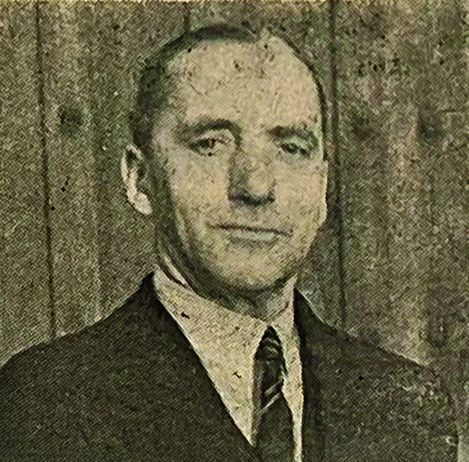
Thomas Leslie Teevan was born in Limavady in July 1927 into a family with deep roots in the town and a wider Cavan lineage marked by public service. Family tradition recounted ancestors who served as army medics and doctors, tended the wounded in turbulent times, and even survived the Charge of the Light Brigade, stories that underlined a long-standing engagement with Irish and British military history.
Educated at Limavady Academy, where he served as head boy, Teevan went on to study law at Queen’s University Belfast. After graduation, he became a lecturer in law, remembered for his vibrant personality, fellowship and capacity for friendship across social and sectarian boundaries.
Academically, Teevan was highly regarded. He combined intellectual rigour with a flair for exposition. Little wonder he quickly made his mark at the Bar. Belfast’s senior magistrate JH Campbell QC believed that, but for his early death, Teevan would have left an indelible imprint on the Northern Ireland legal profession – a view echoed by Charles Stewart QC, who described him simply as a “great lawyer” despite his short practising career.
Teevan’s public service began early. He became the youngest urban district councillor in Northern Ireland and rose to be chairman of Limavady urban district council. Wherever he entered an institution, be it Queen’s University, the council chamber, or later Parliament, he swiftly assumed responsibility and won trust. His warmth, wit and optimism enabled him to bridge divides and “love his fellow men regardless of creed”, an attribute widely remarked upon in later tributes.
The disqualification of MacManaway in 1950 created the opening that propelled Teevan onto the Westminster stage. Selected as Ulster Unionist candidate for the Belfast West by-election, he framed his campaign as the continuation of his godfather’s cause, calling on the “Loyalist community” to rally behind him as they had rallied behind MacManaway.
The by-election of 29 November 1950 proved a hard-fought contest. Teevan secured 31,796 votes (50.8 per cent) to Jack Beattie’s 30,833 (49.2 per cent), a majority of 913 on a turnout of 79.8 per cent, thereby becoming the ‘Baby of the House’, the youngest MP at that time.
He entered Parliament on 5 December 1950 and, in 1951, spoke six times, including a maiden speech on 11 April during the budget and economic survey debates, concentrating particularly on the economic and social needs of Belfast West.
Teevan’s parliamentary tenure was brief, lasting 330 days. In the 1951 general election, he again faced Beattie in what became the narrowest result in the United Kingdom that year: both candidates secured 50.0 per cent of the vote, but Beattie polled 33,174 to Teevan’s 33,149, a margin of just 25 votes out of more than 66,000 cast.
This wafer-thin loss made Teevan not only one of the youngest MPs ever elected but also one of the youngest to lose his seat. The result underscored both his appeal and the volatility of Belfast West, where demographic and political shifts rendered Unionist representation precarious despite his personal popularity.
Defeat did not end Teevan’s public engagement. Called to the Bar in 1952, he continued to lecture in law at Queen’s University while maintaining his leadership role as chairman of Limavady urban district council, embodying a rare combination of academic, professional and civic commitments.
Across these spheres, he retained the same qualities admired in his student days: exuberance, loyalty to family and community, and an infectious optimism that could lift the burdens of those around him. Colleagues from different backgrounds acclaimed his capacity for friendship and his refusal to be constrained by the sectarian lines that shaped much of public life.
In October 1954, at just 27, Teevan died suddenly from severe pneumonia, prompting widespread grief in Limavady, at Queen’s and within the legal and political worlds of Northern Ireland. He was buried at Christ Church, Limavady, the same parish in which MacManaway was also buried and where their intertwined stories found a poignant convergence.
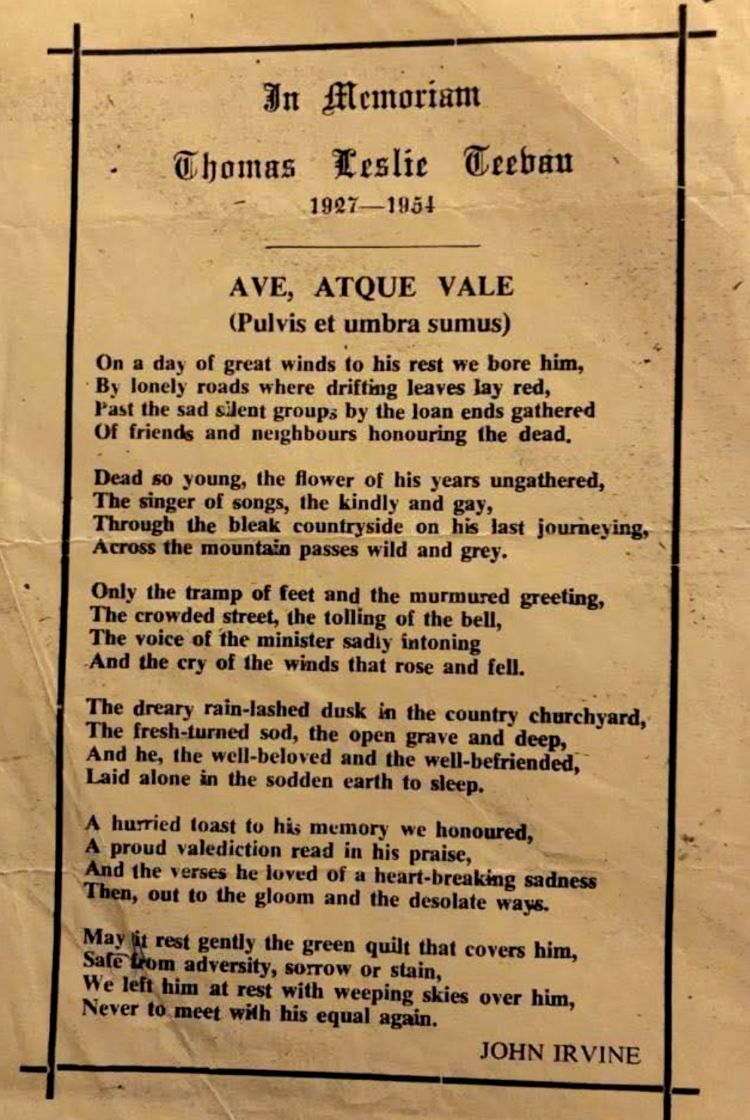
The sense of loss was captured in John Irvine’s poem ‘Ave Atque Vale’, which depicted neighbours and friends mourning a young man whose promise had been cut short, yet whose memory remained cherished. The verses, steeped in the imagery of rural funerals and quiet roads, framed Teevan’s passing as not only a private sorrow but a communal bereavement.
Following his death, friends and admirers from both sides of the Irish border contributed to memorials in Teevan’s honour. At Queen’s University Belfast, the faculty of law dedicated an oak chair and inscription in Celtic script, with senior members of the judiciary, local government and his family in attendance, a reflection of the breadth of his influence.
The fates of MacManaway and Teevan also raised broader questions about law, representation, and Unionism’s generational leadership.
A House of Commons select committee in 1951 acknowledged the anomalies of the clergy disqualification laws exposed by the MacManaway case but recommended no immediate change, leaving the issue unresolved for half a century.
Only in 2001, amid the candidacy of former Roman Catholic priest David Cairns, did Parliament finally enact the Removal of Clergy Disqualification Act, lifting most remaining bars on ordained ministers sitting at Westminster – a relief that could have saved MacManaway. Differently, demographic change and the knife-edge defeat of 1951 ensured that Teevan’s promise as a Unionist standard-bearer for Belfast West would also remain unfulfilled.
Seen together, the stories of James Godfrey MacManaway and Thomas Leslie Teevan trace a distinct Limavady thread through church, war, law and politics in mid-20th-century Northern Ireland.
Both were men of faith, intellect and service, shaped by family traditions that valued public duty and by a town that produced leaders capable of commanding respect across communities.
Their intertwined careers – rector and godson, MP and Baby of the House, both cut down in their prime – embody a sense of promise broken by legal anomaly, electoral mischance and personal tragedy.
Yet in church records, university memorials, legal recollections and the collective memory of Limavady, the clergyman soldier and the lost leader remain enduring figures.
They are reminders of what Northern Ireland gained for a time, and what it lost too soon.
Aaron Callan is senior parliamentary researcher for Gregory Campbell MP

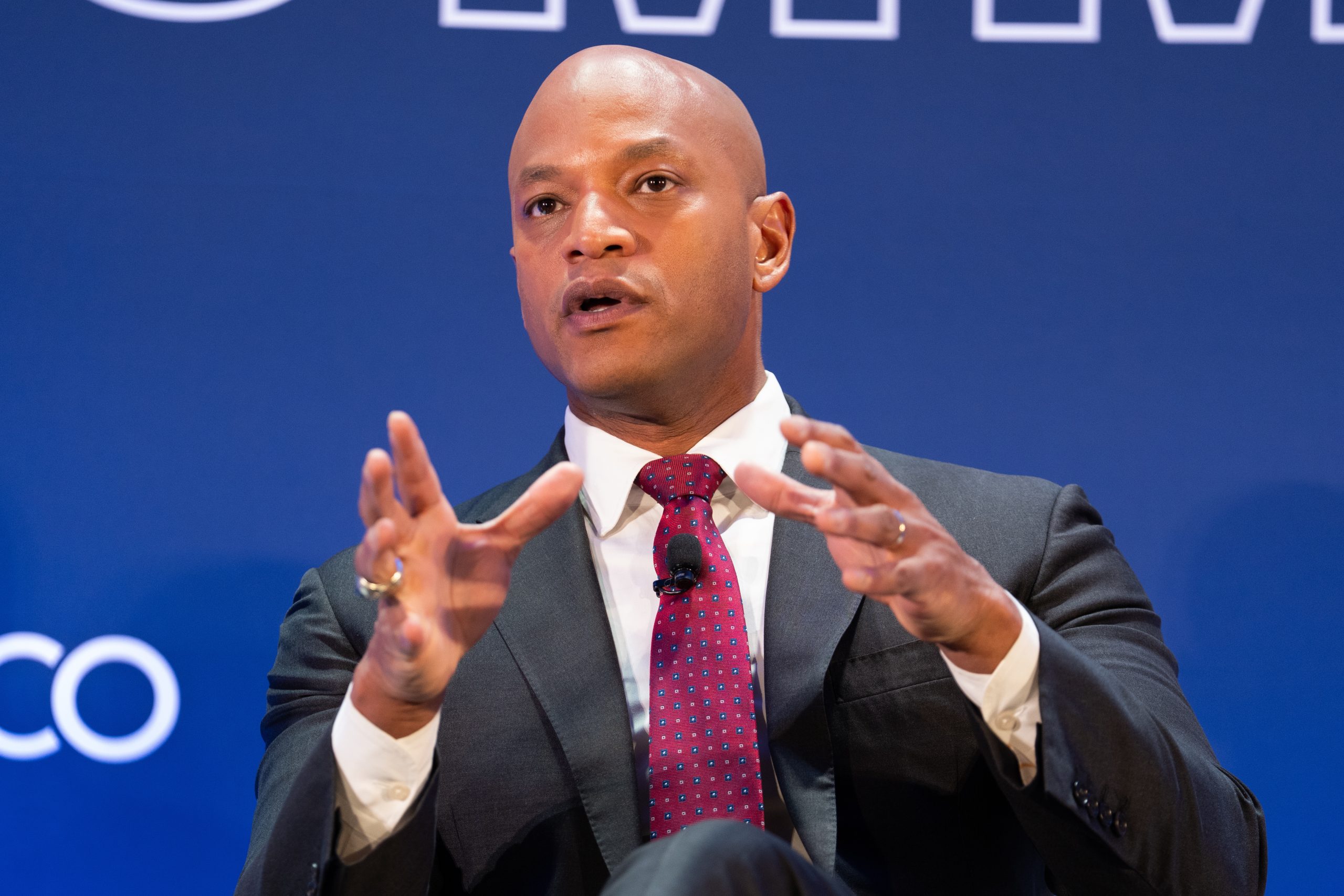

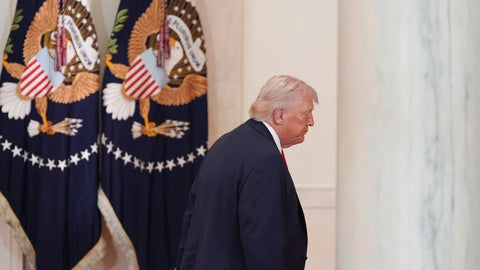
Maryland Gov. Wes Moore said it was “nonsense” for President Donald Trump to say that the United States should not have to pay for Medicare or day care because the nation was busy fighting wars.
“That’s nonsense,” Moore said in an interview that aired Sunday on CBS’ “Face the Nation.” “And that’s not what any of us want. We don’t want to be fighting foreign wars while you’re taking away our health care.”
Moore was responding to a question by Ed O’Keefe about a statement the president made Wednesday at an Easter luncheon at the White House. “It’s not possible for us to take care of day care, Medicaid, Medicare, all these individual things,” Trump told that gathering. “They can do it on a state basis. You can’t do it on a federal. We have to take care of one thing: military protection. We have to guard the country.”
Video of the president’s remarks was posted on the White House online, but subsequently deleted.
In addressing those remarks, Moore said no state had the capability of replacing the federal government as a provider for everything.
“So many of the decisions that this White House is making, they are making with a clear understanding that no state has a budget to say, ‘OK, well, we’ll just take on health care,’ or ‘We’ll just take on food insecurity,’” he said.
Moore, who served in the 82nd Airborne Division in Afghanistan, also challenged how Trump has handled the Iran war — and all the side effects the war has caused.
“I think the president still does not have a full articulation as to why gas prices are going up in the first place, or what’s going to be necessary or required to be able to bring them down,” he said.
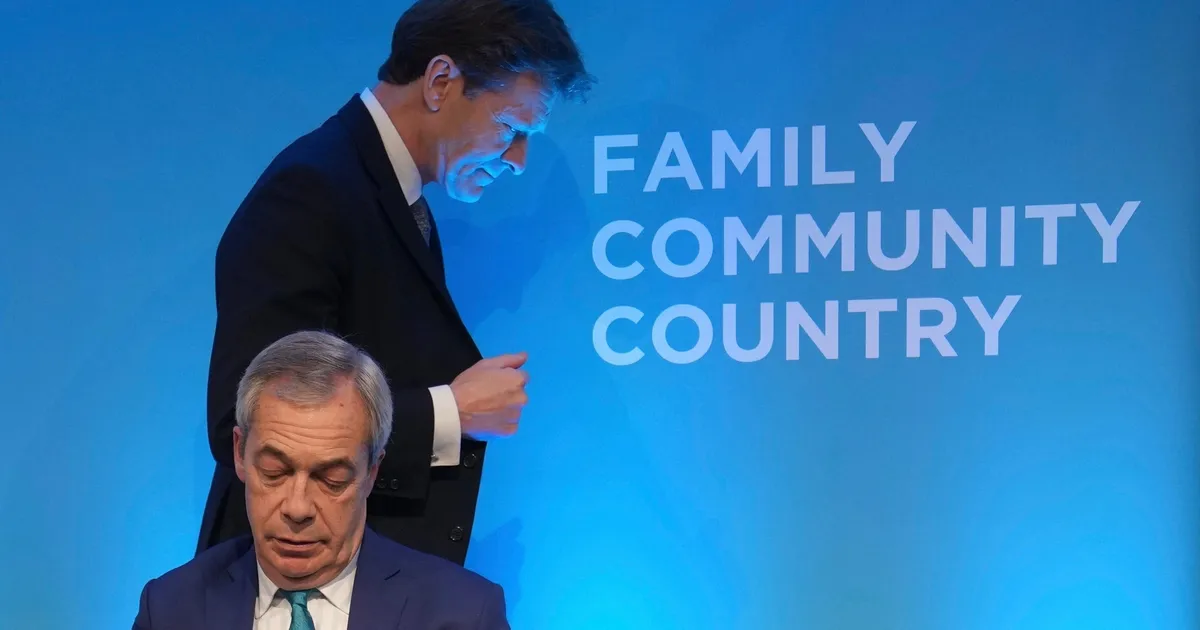
Nigel Farage has wrongly claimed that a senior Reform UK official sacked for offensive comments about the Grenfell tragedy was only in his post for two weeks.
Simon Dudley was dumped by Farage as the party’s housing spokesman following a furious backlash to his remarks.
A major overhaul of building regulations took place after 72 people were killed in Grenfell Tower in west London in 2017.
But in an interview with trade publication Inside Housing, Dudley said the pendulum had “swung too far the wrong way”.
He said the Grenfell fire was a “tragedy” but added: “Sadly, you know, everyone dies in the end. It’s just how you go, right?”
Farage announced his sacking during a press conference on Thursday.
He said: “He’s no longer a spokesman for the party. That has been dealt with.”
In a bad-tempered interview afterwards with Sky News, Farage said: “He was appointed two weeks ago, he’s made these comments, he’s no longer there.”
But Reform actually announced Dudley had been handed the role on March 10.
In a press release, deputy leader Richard Tice said: “He understands planning, finance and regeneration. He knows how to get projects moving. That is exactly what we need. ”
Elsewhere in his Sky News interview, Farage tried to shift the blame for the row onto Tice.
He said: “I met [Dudley] once for two minutes, I don’t know the guy. Richard’s in charge of development, housing, economics. He thought he was the right person to put in place because of his considerable expertise in the area. That’s undoubted.
“But whether you’ve got expertise and media skills, where you’re not going to say something that trips yourself up, they’re different.”
Nearly 24 hours on from Farage announcing Dudley’s sacking, Tice has yet to publicly comment.
Subscribe to Commons People, the podcast that makes politics easy. Every week, Kevin Schofield and Kate Nicholson unpack the week’s biggest stories to keep you informed. Join us for straightforward analysis of what’s going on at Westminster.

It’s amazing how much of everyday life I didn’t question for years – like what “wi-fi” really means, where we get paprika from, and what ASDA actually stands for.
And opening my fridge this afternoon, another banal mystery confronted me. What’s that squidgy black mat at the bottom of raspberry trays for, and why isn’t it in the bottom of my strawberry tray?
It seems I’m not alone. Posting to r/NoStupidQuestions, Redditor u/GrumpyOldSophon asked about the addition, wondering why you “never find this in packages of blueberries or strawberries”.
The sheet is absorbent, but it may have other qualities
It probably won’t shock you to learn that the sheet is there to absorb some moisture. Packaging specialists Packaging World described these sheets as “dual ply absorbent” material, “applied to a totally absorbent, yet sealed, topcoat”.
They’re designed for softer fruits, like raspberries and blueberries, as these aren’t as hardy as, e.g., strawberries or grapes. Speaking to Eating Well, Robert Schueller, a produce expert at Melissa’s Produce, said: “A raspberry is one of the most delicate fruits out there, so they have to be packaged very carefully”.
They provide some cushioning for the delicate fruits as they’re transported, too. And because they wick away moisture, they can help to prevent mould.
It makes sense for it to be black or red as it’s designed to catch berry juices, which would otherwise stain it.
Though there may be another, unexpected benefit here: pitching their black cartonboard packaging for strawberries, MM Karton said: “The contrast of black cartonboard and red strawberries is a real eye-catcher at the point of sale”.
Perhaps the red berry/black sheet colour combo makes our raspberries look more inviting, too.
That’s also why raspberries are packed into smaller containers
I have enjoyed many a mega-size box of strawberries this year.
But it turns out retailers aren’t being stingy for limiting their raspberry carton sizes; the berries are too delicate to be stacked on top of each other, unlike strawberries and even blueberries.
And, Schueller added, “you need to allow space for air in each package, too”.
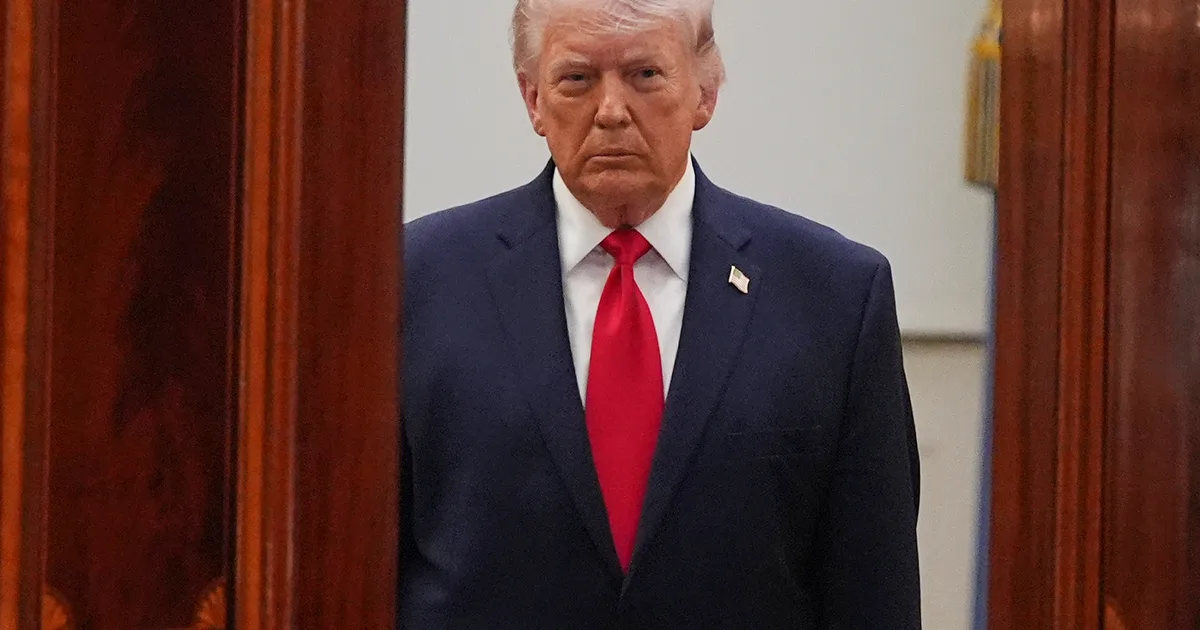
A senior United Nations officials has warned Donald Trump that targeting key civilian infrastructure in Iran would be “war crimes”.
The US president said bridges and power plants could be destroyed unless the regime in Tehran agrees a peace deal to end the conflict.
His comments, in a post on Truth Social, came nearly five weeks after the war began with a wave of Israeli and US strikes.
Trump said: “Our Military, the greatest and most powerful (by far!) anywhere in the World, hasn’t even started destroying what’s left in Iran. Bridges next, then Electric Power Plants! New Regime leadership knows what has to be done, and has to be done, FAST!”
But speaking on Radio 4′s Today programme, Tom Fletcher, the UN’s under-secretary general for humanitarian affairs, said that would be a clear violation of international law.
He said: “This is infuriating. We’re dealing with the intended and unintended consequences of this reckless conflict, and I think what everyone is observing now is that war is not a television game show.
“Peacemaking is not a real estate deal and the world is not a casino and these actions have real consequences.”
Fletcher added: “This has been a gradual and then very sudden deterioration in the way that we talk about protection of civilians, the way that we talk about international humanitarian law.
“This stuff isn’t negotiable. You don’t hit civilian infrastructure.
“You don’t hit schools, you don’t hit energy sources, you don’t hit bridges. Those are war crimes. That is absolutely clear in international law.
“But somewhere along the way we seem to have thrown that all aside and we’ve chosen impunity, indifference, game show gambling over solidarity and humanity.”
Subscribe to Commons People, the podcast that makes politics easy. Every week, Kevin Schofield and Kate Nicholson unpack the week’s biggest stories to keep you informed. Join us for straightforward analysis of what’s going on at Westminster.

Some experts advise against cutting hedges between March and September, as that’s when birds are busy building their nests and raising their chicks.
But Andy Simms from MyBuilder.com, which is running a Help the Hedgehogs campaign, pointed out that we need to look out for other little critters too.
“The winter season is well and truly over, so, understandably, millions of Brits will be starting to think of garden tasks they can complete now ahead of summer. But it’s not just us that might be outside, hedgehogs may be, too, and they’re not always easy to spot,” he said.
How can I tell if I have hedgehogs in my garden?
“There are signs to watch out for, such as small, black droppings, tiny hand-like footprints in mud, and loud grunting noises, particularly at night. If you notice any of these, you may have one of these small creatures in your garden,” Simms shared.
Hedgehog poop is typically 1-1.5cm long and often has shiny insect remains in it.
Hedgehog Street has a postcode tool that can tell you if people have reported hedgehogs near you, too (hedgehogs can travel further than you think at night).
You should always check these signs before beginning any gardening task, be it mowing, pruning, or planting, Simms added.
And don’t forget to look in any garden drains from time to time, as hedgehogs can fall in these and get stuck.
Hedgehogs are seriously struggling in the UK
Sadly, these measures are necessary as hedgehog numbers have fallen by 30% in urban areas and 50% in rural ones since 2000.
“If you would like to help protect hedgehogs, there are jobs you can do, such as leaving some areas in your garden wild… or even building a hedgehog home,” Simms said.
Collecting nesting materials like logs and leaves, providing clean drinking water, and avoiding the use of slug pellets can all help, DEFRA shared on the government’s site.
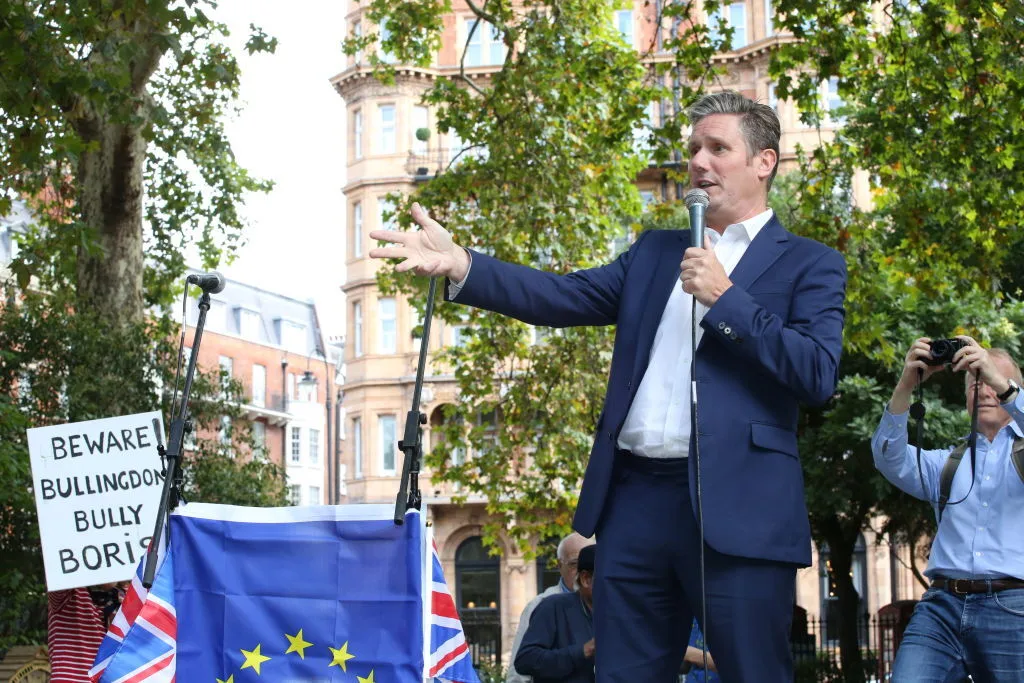
Keir Starmer loves the European Union. It is not controversial to point this out.
Few, if any, MPs did more to overturn the result of the 2016 Brexit referendum than the member for Holborn and St. Pancras.
As Labour’s shadow Brexit secretary, Starmer led the charge – often against intense resistance from his own party colleagues – for a second referendum, and made no secret of the fact he would campaign to stay in the EU if it ever happened.
In the end, Jeremy Corbyn’s decision to support Boris Johnson’s call for a snap election in 2019 put paid to Starmer’s dream.
Johnson won a landslide victory and took the UK out of the bloc on January 31, 2020.
This neatly coincided with the Labour leadership contest, which Starmer won with a promise to “defend free movement as we leave the EU”.
That pledge, alongside the other nine he made during that campaign, were all quickly ditched once he was in post.
Indeed, the return of free movement remains a “red line” the government says it will not cross, alongside a return to the EU’s single market and customs union.
These positions were seen as a tactical necessity ahead of the 2024 election, for fear of angering the millions of previously-Labour voters who backed Brexit in 2016 and then Johnson’s Tories three years later.
Nevertheless, the prime minister and other senior government figures now feel emboldened enough to criticise Brexit and openly talk about seeking closer ties with the EU.
On Wednesday, Starmer was unequivocal.
Brexit “did deep damage to our economy”, the PM said, adding that the economic turmoil caused by the Iran war meant “the opportunities to strengthen our security and cut the cost of living…. are simply too big to ignore”.
Donald Trump’s relentless attacks on the UK, and Starmer, have weakened the trans-Atlantic alliance, giving Starmer more political cover to pursue a deeper relationship with Brussels.
“It is increasingly clear that as the world continues down this volatile path, our long-term national interest requires closer partnership with our allies in Europe and with the European Union,” he said.
His comments echo those of Rachel Reeves, who set out her aim of “breaking down trade barriers and deepening alliances with our European partners” as she delivered the Spring Statement a month ago.
Negotiations between the UK and EU are already taking place on youth mobility, food and drink, and the emissions trading scheme, with agreement set to be reached in time for a summit to be held in the summer.
A government source said: “The lightbulb moment happened for Europe with Trump’s Greenland stuff. He wound up the Danes and all of us with that stuff. Iran has made it all the more prescient.
“It gives us an opportunity to step up a programme that will help resilience across the EU, but which will also be in the UK national interest and benefit Britain.”

Nicola Tree via Getty Images
However, some in Labour believe the race to improve relations with the EU could come at a political cost, with the elections on May barely a month away.
One senior party figure told HuffPost UK: “I can see this appearing on every Reform leaflet in the country.
“Why do it about a week or two before the postal votes go out? Election day is not on May 7, it’s in a couple of weeks time when the postal votes go out, and all the Reform Facebook groups will be featuring this strongly.”
But a government insider rejected the suggestion that voters will seek to punish Labour for trying to cosy up to the EU.
“What we’ve tried to do since the general election is take voters on a bit of a journey and show that we are making deals that help our economy while still being true to spirit of Brexit.
“We’re sticking to our red lines on the single market and customs union, and getting a bespoke relationship with the EU while making use of our Brexit freedoms as well.
“People are not happy with the deal Johnson agreed, and can can make that link between issues at the border and prices on the shelves.
“People want to see the UK to go out and make deals with the EU while sticking to our red lines. Voters have moved on from 2016, they don’t want to relitigate the Brexit debate all over again.”
This view was supported by one Labour MP, who said: “Brexit was ten years ago. The government’s been firm in its EU red lines and is doing nothing which would undermine them.
“It’s the cost of living, precipitated by Trump’s war on Iran, which is fore of people’s minds. Set against the backdrop of increasing global uncertainty, striking a closer relationship with the EU is all the more important if it can bring down the cost of the weekly shop and reduce barriers for British businesses.”
Unsurprisingly, Reform UK have sought to capitalise, accusing the PM of betraying the 2016 result.
Deputy leader Richard Tice said it was “ludicrous” to suggest Britain should have closer ties to “a failing economic bloc that also has a long track record of failing to invest in defence”.
But Nick Thomas-Symonds, the Cabinet Office minister leading the EU negotiations told HuffPost UK: “Reform is betraying the future of young Brits.
Between Robert Jenrick axing EU travel for young people and Farage shredding trade deals, they’d rather pick a fight with Europe than protect people’s household finances.
“They’re obsessed with a harder Brexit that hits every household with a massive paperwork tax.”
Subscribe to Commons People, the podcast that makes politics easy. Every week, Kevin Schofield and Kate Nicholson unpack the week’s biggest stories to keep you informed. Join us for straightforward analysis of what’s going on at Westminster.
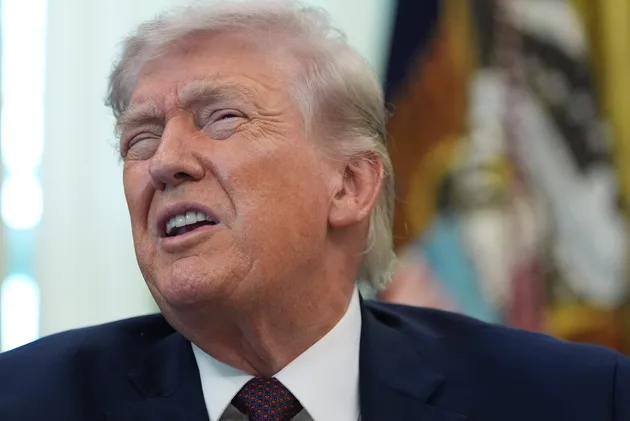
 Donald Trump issued a string of threats in his Truth Social post.
Donald Trump has launched a foul-mouthed rant against Iran as his deadline for the re-opening of the Strait of Hormuz approaches.
The US president has given Tehran until Monday to begin allowing oil tankers to once again pass through the key shipping lane unaided.
Around one-fifth of the world’s oil supply passes through the strait, but that as all-but ceased since Iran began attacking ships in retaliation for America and Israel’s bombing campaign against the country.
That has sent oil prices soaring, sparking fears of a global economic meltdown.
Trump warned Iran on Saturday that “all hell will reign down” if it did not re-open the strait within 48 hours.
In a fresh post on Truth Social on Sunday, the president listed the Iranian targets that America will hit unless Tehran complies.
He said: “Tuesday will be Power Plant Day, and Bridge Day, all wrapped up in one, in Iran. There will be nothing like it!!! Open the Fuckin’ Strait, you crazy bastards, or you’ll be living in Hell – JUST WATCH! Praise be to Allah.”
A senior United Nations official warned on Friday that attacking power plants and bridges would be against international law.
Tom Fletcher, the UN’s under-secretary general for humanitarian affairs, told the BBC: “This stuff isn’t negotiable. You don’t hit civilian infrastructure.
“You don’t hit schools, you don’t hit energy sources, you don’t hit bridges. Those are war crimes. That is absolutely clear in international law.
“But somewhere along the way we seem to have thrown that all aside and we’ve chosen impunity, indifference, game show gambling over solidarity and humanity.”
Subscribe to Commons People, the podcast that makes politics easy. Every week, Kevin Schofield and Kate Nicholson unpack the week’s biggest stories to keep you informed. Join us for straightforward analysis of what’s going on at Westminster.
Related…

!function(n){if(!window.cnx){window.cnx={},window.cnx.cmd=[];var t=n.createElement(‘iframe’);t.display=’none’,t.onload=function(){var n=t.contentWindow.document,c=n.createElement(‘script’);c.src=”//cd.connatix.com/connatix.player.js”,c.setAttribute(‘async’,’1′),c.setAttribute(‘type’,’text/javascript’),n.body.appendChild(c)},n.head.appendChild(t)}}(document);(new Image()).src=”https://capi.connatix.com/tr/si?token=19654b65-409c-4b38-90db-80cbdea02cf4″;cnx.cmd.push(function(){cnx({“playerId”:”19654b65-409c-4b38-90db-80cbdea02cf4″,”mediaId”:”5b47128b-ffa2-46ef-8cc8-4557ba123d74″}).render(“69d03c10e4b0d214cc71848c”);});
As an only child, I was in for the shock of a lifetime when my children first started properly fighting.
Of course, I knew siblings fought – I grew up alongside other kids and watched their close (and sometimes calamitous) sibling relationships with intrigue and longing.
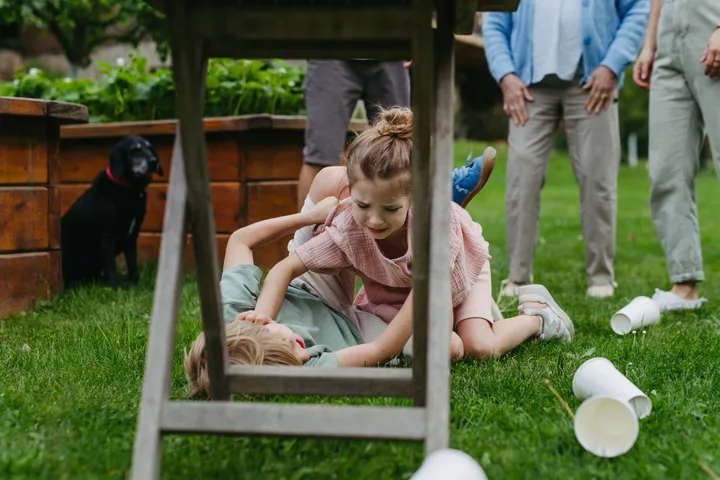
But seeing my own kids fight was another experience altogether. There’s the screaming, hair-pulling, throwing things at each other. It’s like someone’s transported WWE straight into my living room.
Siblings are going to fight. It’s only natural – I read somewhere that young children fight around 3-4 times per hour, on average. (Whew.)
But it got me thinking: as someone who’s new to this sibling business, and who’s watched family estrangement play out in the public eye, are there specific pointers I should be following now to help raise two kids who have a stronger bond in later life?
L.J Jones, BACP registered counsellor and author of Become the Parent You Needed, tells me: “Sibling relationships can be some of the longest-lasting in our lives, yet they’re often filled with conflict and competition in childhood, and even estrangement in later life.
“The truth is, children aren’t born knowing how to navigate these relationships. They learn through experience, and crucially, through us.”
She often reminds parents that their role isn’t to eliminate sibling conflict, “as it is one of the most organic forms of character building and appropriate to their development stages, albeit extremely stressful for parents”.
Instead, their role is to “help children move through it in a way that builds empathy, emotional and physical safety, and connection”.
So, I asked therapists and counsellors for their top dos and don’ts for raising siblings who thrive. Here’s what they said:
The dos of raising siblings
1. “Treat all children equally in terms of attention, rules and consequences, this will ensure all children feel seen, valued and included.”
– BACP senior accredited psychotherapist, Debbie Keenan.
2. “Be consistent. Consistency does not mean perfection, difficult days can happen and it’s OK to get things wrong. What it does mean is that, for the most part, your children experience you as a reliable, predictable presence. They know what to expect from you, and that sense of security forms the foundation upon which healthy sibling relationships are built. When children feel safe and secure in their relationship with their parent/s, they have far greater emotional capacity to navigate their relationships with one another.”
– BACP registered child and adolescent therapist, Kemi Omijeh.
3. “Praise and recognise all siblings. Don’t compare each child’s strengths, offer balanced, individualised praise, so no child feels overlooked.”
– BACP senior accredited psychotherapist, Debbie Keenan.
4. “Encourage individuality and celebrate them separately. If they each feel they have unique skills and attributes to offer, this will encourage their self confidence in and out of your family unit.”
– BACP accredited therapist, Janey Morrissey.
5. “Build connection, not competition. Encourage teamwork, working together, rather than creating rivalry. Some rivalry is OK, but not if actively and consistently promoted, as this could embed resentment further down the years.”
– BACP senior accredited psychotherapist, Debbie Keenan.
6. “Give praise liberally when they work together to achieve things. This can engender a sense of positivity when they come together as a team.”
– BACP accredited therapist, Janey Morrissey.
7. “Spend one on one time with each child, so that they feel heard and seen. Siblings have to be in each others’ company a lot of the time and parents have to split their attention – giving quality time to each child every now and then helps them feel valued.”
– BACP accredited therapist, Janey Morrissey.
8. “Teach conflict resolution skills. It’s natural to want to step in quickly when tensions rise. But sibling conflict is not something to be eliminated; it’s something to be guided.
“When we jump in as referees or problem-solvers, we unintentionally remove the opportunity for children to learn vital relational skills.
“Within timely restorative conversations lies the opportunity to teach them how to take accountability; a life skill to carry through life.”
– BACP registered counsellor, L.J Jones.

Halfpoint Images via Getty Images
The don’ts of raising siblings
1. “Don’t have a favourite (even unintentionally). Children are highly sensitive to perceived favouritism, this can quickly damage sibling relationships and self-esteem.”
– BACP senior accredited psychotherapist, Debbie Keenan.
2. “If there are arguments or conflict, don’t always step in and solve the issue. Help them to healthily solve the disagreement by expressing their feelings to each other in a safe, measured way.”
– BACP accredited therapist, Janey Morrissey.
3. “Don’t compare or label. Comparison is one of the quickest ways to create tension between siblings and often leads to impaired esteem for the child being compared less favourably.
“Comments like, ‘Why can’t you be more like your brother?’ or even subtle labels such as ‘the sensitive one’ or ‘the easy one’ can shape how children see themselves and each other. Over time, this can lead to rivalry, resentment, and a sense that love or approval must be earned.”
– BACP registered counsellor, L.J Jones.
4. “Don’t apply inconsistent consequences. Different reactions to the same behaviour can create feelings of injustice, which in turn, can deepen rivalry. Keep clear, consistent boundaries for all.”
– BACP senior accredited psychotherapist, Debbie Keenan.
5. “Don’t minimise hurt. When conflict happens, it can be tempting to downplay it, especially if it seems small from an adult perspective. What this is actually doing is unconsciously informing children that their feelings are disregarded and unimportant.
“Phrases like ‘It’s not a big deal’ or ‘Just ignore it’ can leave children feeling dismissed, particularly when the hurt comes from a sibling. Instead, start with validation: ‘I can see why that really upset you.’ Feeling understood doesn’t reinforce conflict; it softens it. When children feel emotionally safe, they’re far more able to access empathy and move towards repair.”
– BACP registered counsellor, L.J Jones.
6. “Don’t have unrealistic expectations. Consider your child’s age and where they are developmentally and emotionally before placing expectations around sibling relationships.
“For example, sharing is cognitively and emotionally challenging for children under the age of five. This does not mean you stop supporting them in learning how to share, nor does it mean the other sibling should always be expected to concede. Rather, it means allowing your understanding of your child’s development to inform your expectations and guide how you navigate these situations with patience and realism.”
– BACP registered child and adolescent therapist, Kemi Omijeh.
NB. You can’t force them to like each other
Therapists note that even if you follow this guidance, you can’t force a relationship on siblings. As BACP accredited therapist, Janey Morrissey, notes: “Hard as it may be, you can’t force any human to like another human – sometimes siblings just aren’t a friendship match.
“It can be healthier to encourage their mutual respect and support for each other, rather than insisting on inorganic closeness.”
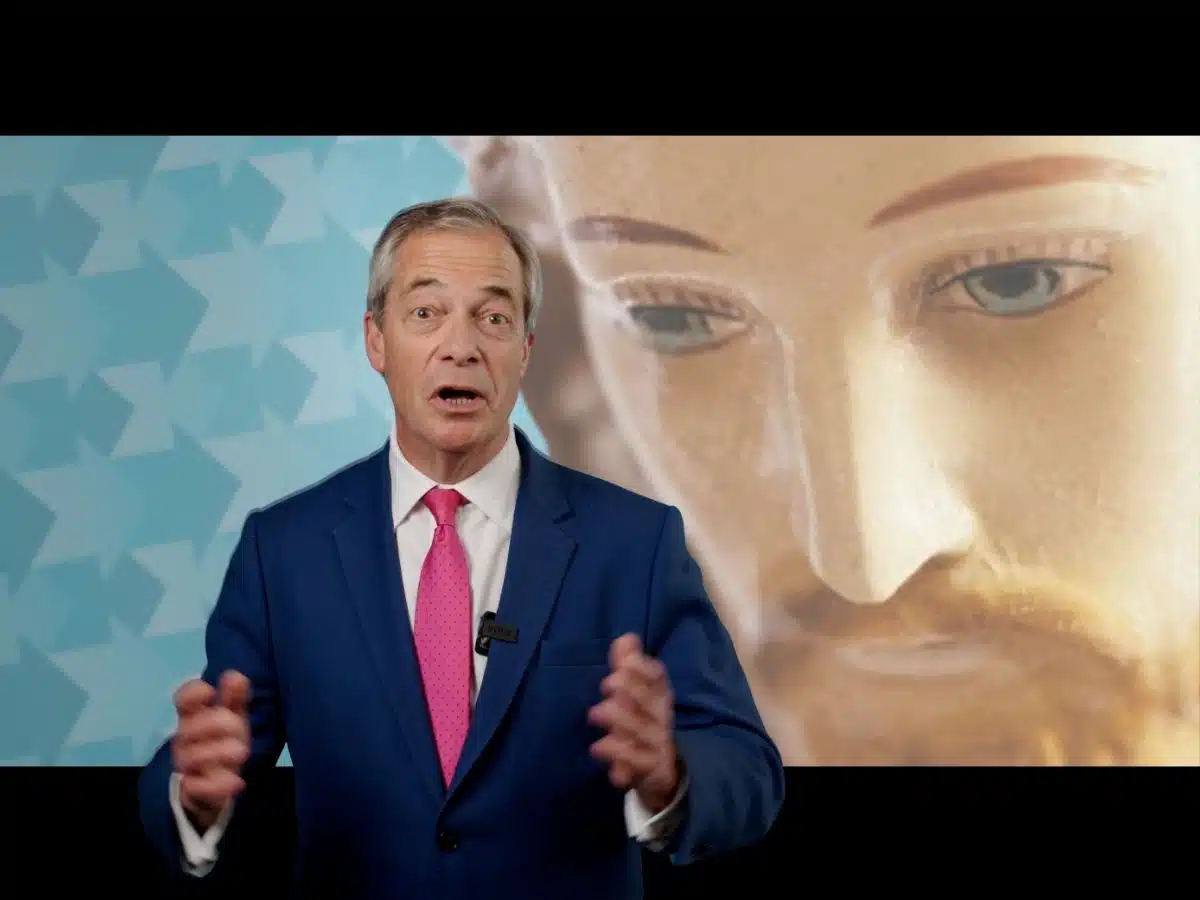
In the UK, Christmas has become an excuse for right-wingers to complain about supermarkets’ labelling policies. Now, Farage is looking to branch out into a bit of Easter-themed moaning:
🚨 WATCH: Nigel Farage’s Easter Message pic.twitter.com/CNn584Es1l
— Politics UK (@PolitlcsUK) April 5, 2026
The problem is Farage barely seems to know what he’s upset about.
Jesus Christ
In the clip above, Farage begins:
It’s Easter! Happy Easter to all of you.
Should we take bets on how long it will take before he starts moaning?
If you guessed ‘immediately’, congratulations, because this is what came next:
Not of course that you know it’s Easter because it seems that now cities, towns all over our country are really, really shy about advertising the fact.
Easter isn’t like Christmas, with town centres putting up Easter lights and Easter trees. There are certainly local traditions, however, like the egg rolling which takes place in parts of Scotland and my home town of Preston.
The reason why towns and cities promote Christmas is obvious: the financial incentive. During the winter months, people shop more than ever and go on work dos and nights out. No one buys Easter presents or drunkenly kisses an acquaintance under the mistle-egg.
Has Farage forgotten that we live in a capitalist society?
Has Farage forgotten about his DOGE unit, which dictates all government decisions should be driven by ruthless economic efficiency?
Look, if Reform want to make Easter a thing, I’m not saying no; I’m just pointing out it will mean central government providing local areas with the cash they need to shower everything in eggs. We’ll also need an artistic effort to write all the Easter pop songs we’re currently missing, because I don’t see how we’re going to have a good time without smash hits like Jingle Egg Rock and I Saw Mommy Kissing Some Sort of Humanoid Rabbit.
Farage continued:
So why have we got this holiday? Well it’s very simple. It’s all about the resurrection of Jesus Christ.
Spoken like a man who just googled ‘what is Easter?‘
He added:
Of course we can be tolerant of all religions. We always have been. But isn’t it about time we started to insist that this is who we are?
Two points here:
Firstly, we have never been wholly tolerant of all religions, and Reform UK is markedly less tolerant than any other political parties (besides the fringe groups of the far right, obviously).
Backing that up, here’s Farage labelling British Muslim voters ‘extremists’:
Today this government committed a disgraceful and cowardly act.
Labour are running scared of the extremist Muslim vote in our inner cities.
Perhaps a judicial review is now the way to deal with the mass rape gang scandal.
— Nigel Farage MP (@Nigel_Farage) April 8, 2025
Secondly, what do you mean by “who we are”?
The reason you’ve not seen Easter ‘advertised’ anywhere, Nigel, is because you’re not a church-goer.
If you were, you would have been seeing Easter decorations for weeks.
Farage — He is risible
Farage ends his message as follows:
So I wish you all a very good, peaceful family time. And it reminds me of the founding principles of Reformer UK, family, community, country.
Yes, because this is what Jesus died and returned for, isn’t it; to give Farage an excuse to plug his party’s mission statement.
No bigger cunt in the World than a fake Christian.
The number of thick cunts who fall for this shit suggests we need to rethink our education policy.
They wank on about ‘Christian Values’ because they want to exclude people, not involve them. https://t.co/WOIzllOgTX
— Flibberty Gibbert (@ReturnOfDadbo) April 5, 2026
When exactly did Nigel Farage discover Christian values? You know those ones of loving your neighbours, forgiveness, humility, generosity, peace, and justice? https://t.co/ZmwUP6OD4M
— Mark Seddon (@MarkSeddon1962) April 5, 2026
Really, Farage doesn’t seem to know what to say in his Easter message. This presumably means he’s struggled to find Easter eggs without the word ‘Easter’ plastered all over them this year.
We look forwards to 2027, anyway, when Farage asks why there are no Pancake Day decorations up.
Featured image via Nigel Farage
10 Fantasy Movie Masterpieces That Are Definitely Not for Kids

What to know about the rescue of a US aviator in Iran

Los Angeles International Airport (LAX) TSA Wait Time Less Than 5 Mins Despite Easter


-

 NewsBeat3 days ago
Steven Gerrard disagrees with Gary Neville over ‘shock’ Chelsea and Arsenal claim | Football
-

 Business3 days ago
No Jackpot Winner and $194 Million Prize Rolls Over
-

 Fashion2 days ago
Weekend Open Thread: Spanx – Corporette.com
-
Entertainment6 days ago
Fans slam 'heartbreaking' Barbie Dream Fest convention debacle with 'cardboard cutout' experience
-

 Crypto World4 days ago
Gold Price Prediction: Worst Month in 17 Years fo Save Haven Rock
-

 Tech7 days ago
The Pixel 10a doesn’t have a camera bump, and it’s great
-
Crypto World5 days ago
Dems press CFTC, ethics board on prediction-market insider trades
-

 Tech7 days ago
Avatar Legends: The Fighting Game comes out in July and it looks pretty slick
-

 Sports19 hours ago
India men’s 4x400m and mixed 4x100m relay teams register big progress | Other Sports News
-

 Business4 days ago
Login and Checkout Issues Spark Merchant Frustration
-

 Tech6 days ago
Apple will hide your email address from apps and websites, but not cops
-

 Sports5 days ago
Tallest college basketball player ever, standing at 7-foot-9, entering transfer portal
-

 Tech5 days ago
EE TV is using AI to help you find something to watch
-

 Politics6 days ago
Should Trump Be Scared Strait?
-

 Tech6 days ago
Flipsnack and the shift toward motion-first business content with living visuals
-

 Fashion6 days ago
The Best Spring Trends of 2026
-

 Sports6 days ago
Women’s hockey camp eyes fitness boost, tactics ahead of WC 2026 campaign | Other Sports News
-

 Tech5 days ago
How to back up your iPhone & iPad to your Mac before something goes wrong
-
 Crypto World7 days ago
Bitcoin’s Six-Month Losing Streak: What On-Chain Data Says About the Market’s Next Move
-

 Politics6 days ago
BBC slammed for ignoring author of The Fraud
You must be logged in to post a comment Login