
Politics
Theo James Reacts To Meghan Markle The Gentlemen Season 3 Rumours

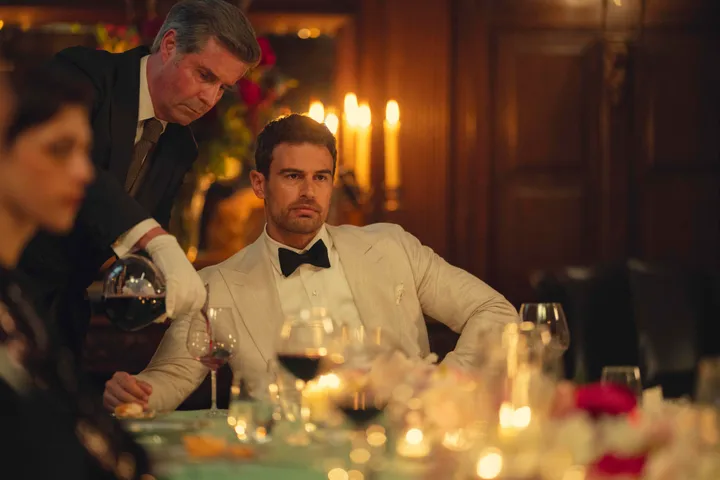
The Gentlemen actor Theo James seems unconvinced by recent rumours he could have a new co-star in Meghan Markle when the show returns for its third season.
Last month, following the news that the Duchess of Sussex was moving back to the UK with her family, reports emerged in the tabloid press suggesting she was “in talks” about a future role in the Netflix crime drama.
Since then, there’ve been conflicting rumours about whether or not she’ll be involved in the series in the future, but Theo has claimed we should be taking them all with a pinch of salt.
Initially, when asked about the rumours by Town & Country, he joked: “Fergie is joining. She’ll be playing my love interest.”
“I think that was mainly a lot of hot air,” he quickly added. “At the moment, we’re just trying to get as many eyes on season two, and then season three will happen soon.
“But in terms of story, we have the overarching ambition of where we’re going to go. We’re going to expand the world, go to different countries. But in terms of the minutiae, I mean, it’s still very much up in the air.”

Speaking to BBC News, Kaya Scodelario said that addressing the speculation was “way above my pay grade”, while Vinnie Jones insisted he had “only what you have” to go off as to whether or not the rumours were true.
New addition Hugh Bonneville, meanwhile, insisted he had “no idea” whether Meghan could put in an appearance, with executive producer Matthew Read taking a neutral stance, saying: “I just don’t think it’s right to speculate at this stage, so I wouldn’t like to say yes or no.”
Director Guy Ritchie notably chose not to speak to the press at the show’s premiere.
Reps for Netflix and Meghan Markle did respond to HuffPost UK’s requests for comment last month.
However, the platform’s head of scripted shows in the UK, Manda Levin, refused to rule out the idea during a Q&A at the Edinburgh TV Festival, stating simply: “All bets are off.”



Invitation to a meeting at Tbilisi’s Mirza Gelovani Library at which Prof. Hugh Milroy addressed various Georgian veterans organisations. Hosted by the Georgia Veterans Federation, it was organised by Defend Your Share of the Homeland and the Peace Forum.
Sixty two years ago the singer Buffy St Marie wrote a song called The Universal Soldier. It still stands as a powerful reminder that in every country – regardless of age, faith, colour or creed – there are men and women who are willing to lay down their lives for their country. After a recent visit to Tbilisi, Georgia, CEO of Veterans Aid, Professor Hugh Milroy, reflects on the phenomenon of The Universal Veteran.
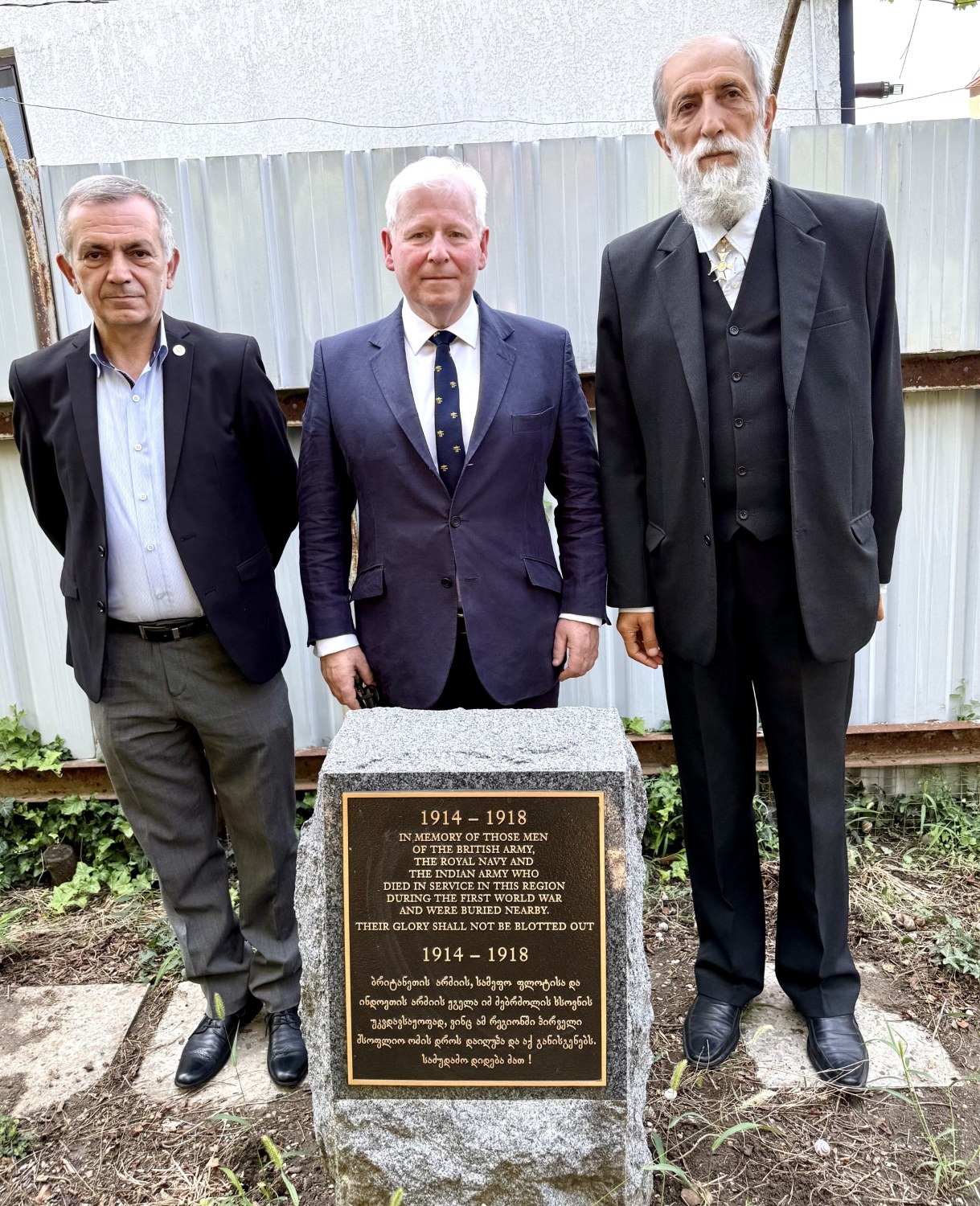
Standing in the shady garden of a family home in the Georgian capital of Tbilisi recently, my thoughts turned to the concept of remembrance, and why it features so prominently in military ceremonial activity – not just in Britain, but worldwide. Birth and death are the bookends of the human lifespan, but there is something especially poignant about the passing of those whose lives are lost in the defence of their country, or in the pursuit of freedom.
I was in that special place to visit two almost forgotten markers, commemorating British troops who had lost their lives far from home, and members of Scottish General Support Medical Regiment (now the 215 Multirole Medical Regiment). In the company of a Veterans Aid colleague, two representatives from the British Embassy and two of our Georgian hosts, I reflected on what being a ‘military veteran’ actually means.
The cemetery, which once housed these all-but-forgotten servicemen’s remains, is long gone. The markers were installed by the Commonwealth War Graves Commission in 2000, but they are rarely visited, and only by arrangement. Once however, the men they commemorate were mourned – as sons, fathers, brothers, cousins and friends, who had been sent to serve the interests of their country.
My visit to Georgia was prompted by exchanges about veterans wellbeing, initiated by the Acting President of the Georgian Veterans Federation (GVF), Michael Tsikaridze. He was aware of my views on the subject, many of which are echoed in a paper of his own in which he explores how Georgia’s veterans’ NGO sector is gradually evolving “from a predominantly commemorative and welfare-oriented environment toward a more diverse, professional, and institutionally mature ecosystem capable of contributing to civic participation, public policy development, social cohesion, and national resilience”.
At this point I suspect many are wondering what relevance plans for veterans in the Caucasus have to do with the wellbeing of British veterans?
The answer is – plenty; because when one strips way the differences in ethnicity, language, national perspective and recent history, it is evident that veterans share common needs and have identical aspirations – to be respected, acknowledged and treated with fairness and dignity.
I’m on record as saying that veterans should not be regarded as ‘apart from society’ but as ‘a part of it’ – and I firmly believe that; but I caveat it by referencing the UK’s Armed Forces Covenant, which states that veterans should be treated fairly, and never disadvantaged by their service.
With what I learned in Georgia – where the turmoil of ongoing, recent and historical conflicts are a daily reality – fresh in my mind, I am prompted to conclude, yet again, that in Britain today, veterans are ‘citizen plus’ in terms of access to support. Yes, some are homeless; yes, some are struggling with PTSD and mental health issues – but the majority of those in crisis are struggling because of poverty – and poverty is the universal enemy.
The criteria for claiming support as a designated ‘veteran’ are vastly different around the world; in the UK just one day’s military service qualifies individuals for a lifetime of access to care, yet many of those claiming it have never seen active service. In Georgia (which has been invaded many times but never initiated an invasion) there are men and women who have taken up arms to defend their very right to exist; variously described1 as partisans, freedom fighters, conscripts, as well as regular military, they are treated very differently.
I could go on. I’ve advised on veterans affairs worldwide – briefing government advisors in Canada, academic audiences in Australia and the UK, diverse visitors from Japan, Argentina, Belgium, the USA and international audiences in Belgrade. On the surface, the issues are different, because each country has its own socio-economic landscape, its own history, political framework and experience of security and insecurity.
Scratch the surface however, and a simple fact emerges; veterans want exactly the same things as everyone else – financial security, appropriate healthcare, employment and a decent quality of life. Many also seek acknowledgement of who they are and what they have sacrificed, hence the importance of commemorative ceremonies, but these public, civic events alone are not enough. Nor I’m afraid, is traditional philanthropy.
The ‘top down’ handout culture that has driven veteran welfare provision for so long is about as much use as a flower to a starving man. We were invited to Tbilisi because the Veterans Aid Welfare to Wellbeing© model struck a chord. It was seen as offering an adaptable, externally endorsed pathway that built on what veterans actually needed rather than what government or traditional welfare organisations assumed that they did.
A Georgian lari is worth around 28p; the country’s population is approximately 3.9 million against the UK’s nearly 70 million, so comparisons in absolute terms are meaningless; but even short acquaintance with members of its veteran community revealed a litany of familiar frustrations.
As far as I know, it is the first time a Georgian veterans organisation has ever extended a formal invitation to a UK counterpart, specifically focused on veterans’ wellbeing and the exchange of practical experience.
GVF Acting President Michael Tsikaridze said, “After more than three decades working with veterans, I have become increasingly convinced that dignity cannot be delivered through benefits and ceremonial recognition alone. Veterans need practical support that begins with the individual – understanding what has happened in that person’s life, what they actually need, and helping them regain independence rather than creating long-term dependency. That is why Veterans Aid caught my attention.
“Hugh Milroy’s Welfare to Wellbeing© approach is not simply another welfare programme; it reflects a philosophy that I believe has real relevance for Georgia – addressing the causes of crisis, working with the whole person and helping veterans move from dependency towards stability, confidence and wellbeing.
“I invited Hugh and his Veterans Aid colleague to Georgia because I wanted us to learn from something that has been tested in practice, not simply import another foreign model. Our objective is to examine what works, understand why it works, and then consider, step by step, what can be adapted to Georgia’s own circumstances and the real needs of Georgian veterans. If we can combine British experience with Georgian knowledge and reality, I believe we can develop something genuinely useful – first for veterans in Georgia, and perhaps, in time, beyond Georgia.”
Needless to say I was delighted to respond. After more than 30 years working alongside veterans and their families, both in the UK and internationally, I have reached a simple but important conclusion. It’s not based solely on one organisation, one community or one country; it has been shaped through engagement with veteran support systems around the world, giving me a perspective that some may consider radical, but one that is firmly grounded in experience and the evidence of my own eyes.
While circumstances differ across nations, generations and communities, many veterans face remarkably similar challenges; feeling disconnected from systems designed to support them and, too often, feeling unheard or left behind. In my experience, the answer is rarely found in new strategies, structures or top-down initiatives. The greatest successes come from the ground up – from community organisations, frontline practitioners, and veterans helping fellow veterans. Wherever I have travelled and worked, these are the people who build trust, restore confidence and change lives every day.
Across the veteran support sector, there are proven approaches delivering real results, yet all too often they are ignored in favour of new ‘solutions’ (sic) that are owned and controlled by those who introduce them. If we are serious about tackling veteran disadvantage, we need to place greater trust in those delivering results on the front line. We must focus less on designing new systems and more on supporting successful ones, prioritising veterans over process and outcomes over bureaucracy. After everything I have seen throughout my career, both at home and abroad, I am convinced that the challenge is no longer about ‘finding the answer’. It is about having the courage to back those who are already providing it.
By recognising what works, empowering those closest to veterans’ needs, and focusing on delivery rather than design, we can strengthen the bond of trust with those who have served, enabling more veterans to thrive rather than merely survive. And if we can do this for veterans, surely we can take the same approach across society.
References
- According to official information provided to the Georgian Veterans Federation by the State Service of Veterans Affairs of Georgia on 26 June 2026: 53,327 people are registered as veterans of hostilities for the territorial integrity, freedom and independence of Georgia; 46 are registered as veterans of the Second World War; 250 are persons with status equivalent to that of Second World War veterans; 2,502 are registered as veterans of hostilities on the territory of other states; 1,049 are registered as veterans of the Defence Forces; in addition, the official statistics include 2,074 family members of fallen/deceased veterans.
Lyrics to The Universal Soldier by Buffy St Marie
He’s five foot-two, and he’s six feet-four
He fights with missiles and with spears
He’s all of thirty-one
And he’s only seventeen
He’s been a soldier for a thousand years
He’s a Catholic, a Hindu, an atheist, a Jain
A Buddhist and a Baptist and a Jew
And he knows he shouldn’t kill
And he knows he always will
Kill you for me, my friend, and me for you
And he’s fighting for Canada, he’s fighting for France
He’s fighting for the USA
And he’s fighting for the Russians
And he’s fighting for Japan
And he thinks we’ll put an end to war this way
And he’s fighting for democracy, he’s fighting for the reds
He says it’s for the peace of us all
He’s the one who must decide
Who’s to live and who’s to die
And he never sees the writing on the wall
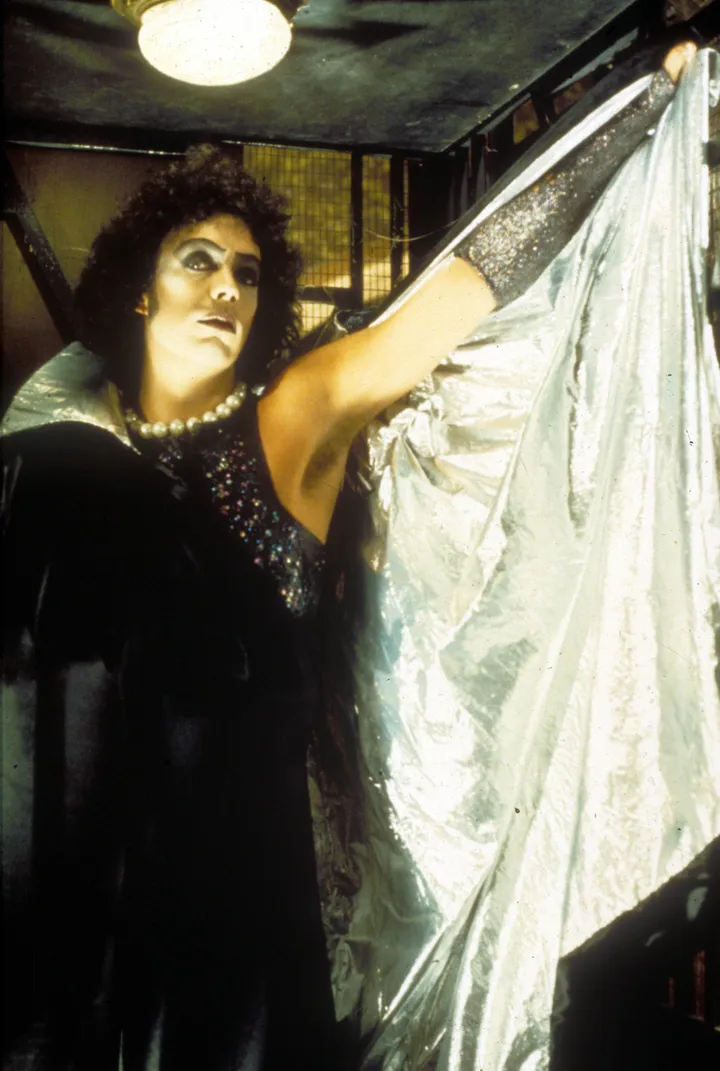
A spokesperson for Tim Curry has disclosed that the actor died as a result of coronary artery disease.
The British performer died at his home in Los Angeles last week, at the age of 80.
Following this, his rep confirmed that Tim’s heart condition had been the main cause of death listed on a death certificate filed in Los Angeles County to BBC News.
Years earlier, in 2012, he suffered a debilitating stroke, and also had a history of kidney cancer, both of which were listed as contributing factors to his death.
Tim began his acting career in the late 1960s, first appearing in the stage musical Hair, before landing the part of Frank-N-Furter in the original theatrical production of The Rocky Horror Show, which was later adapted for the screen in the 1970s, becoming a cult classic.

He later became known for his work as Pennywise in the original TV adaptation of Stephen King’s It, Long John Silver in the family adventure Muppet Treasure Island and the stoic concierge in the festive film Home Alone 2: Lost In New York.
Among Tim’s other notable on-screen work were the comedic whodunnit Clue (based on the board game Cluedo), the action movie Charlie’s Angels and a short arc in the TV series Will & Grace, playing the on-screen brother of fellow Brit John Cleese.
Following his stroke, Tim mostly took a step back from on-camera work, his final screen role being in the Rocky Horror TV special Let’s Do The Time Warp Again, in which he played The Criminologist, portrayed in the original film by Charles Gray.
However, he did continue to work as a voice actor in films, TV series, video games and more long into his 70s.
Last year, he also reflected on his life and career in the personal memoir Vagabond.
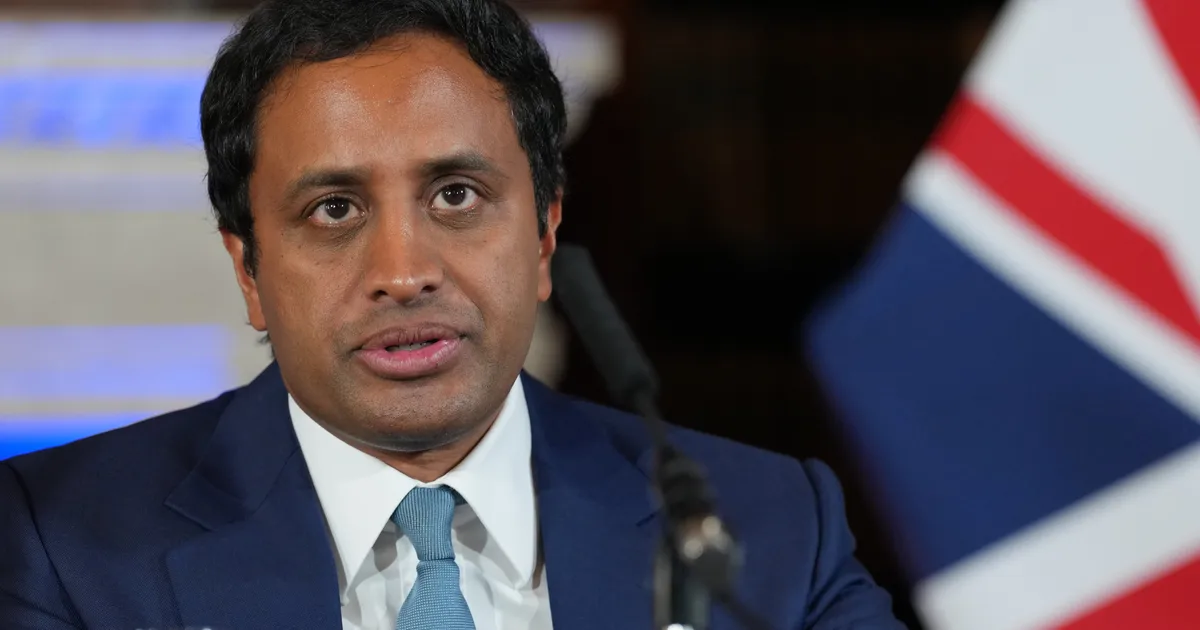
Sagal Abdi-Wali is among those in the running to stand for the party in the Holborn and St Pancras by-election triggered by Keir Starmer’s resignation from parliament.
Abdi-Wali came to the UK as a child refugee with her family more than 30 years ago.
She became a Labour councillor in 2022, and has been leader of Camden Council in north London since May.
In a post on X, Yusuf, who is Reform’s home affairs spokesman, said: “The front runner being foisted on the people of Holborn by Labour to replace the former Prime Minister Keir Starmer in our Parliament was born in Somalia. Do you understand what’s happening?”
His comments triggered a furious backlash, putting Yusuf, whose parents came to the UK from Sri Lanka, at the centre of yet another social media storm.
It is not the first time that Yusuf’s social media posts have landed him in hot water.
Last month he was slapped down by Nigel Farage after he said Ben Wallace, the former Tory defence secretary who served in the Scots Guards, was “a traitor to Britain”.
He also launched a bizarre attack on MPs with “right honourable” in their title, even though several the former Conservatives who have defected to Reform, including Robert Jenrick and Suella Braverman, do so.
Listen to Commons People, the podcast that makes politics easy. Every week, Kevin Schofield and Kate Nicholson unpack the week’s biggest stories to keep you informed. Join us for straightforward analysis of what’s going on at Westminster.
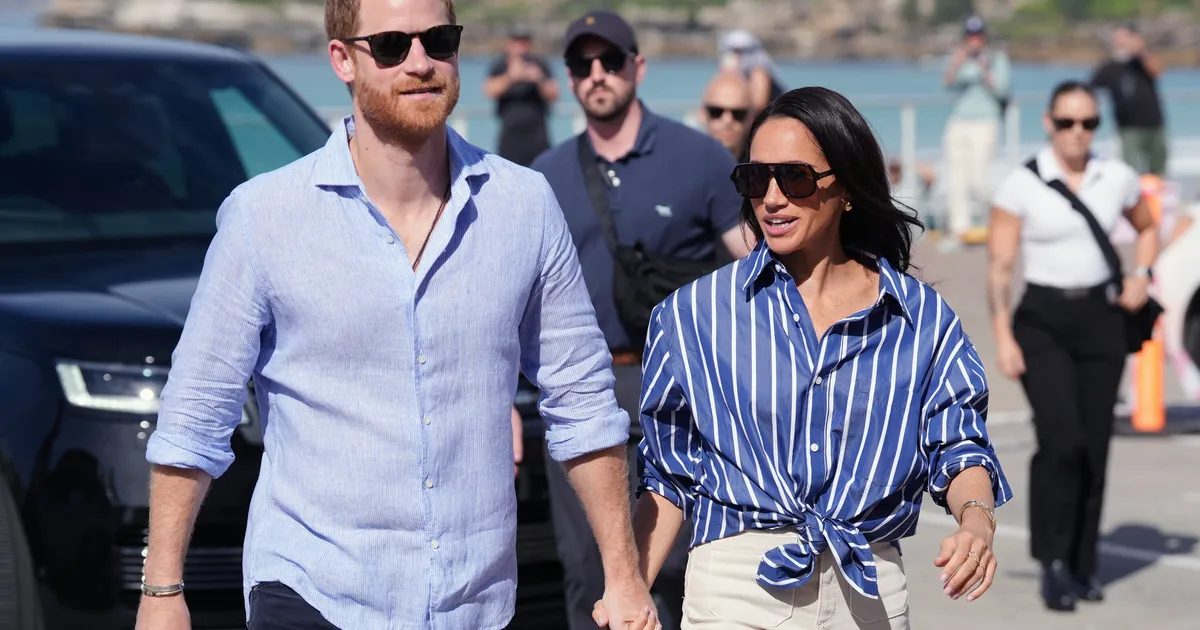
Donald Trump says he is “happy” that Harry and Meghan have left America to return to the United Kingdom.
The US president said he was “not a fan” of the pair, who he accused of treating the monarchy with “great disrespect”.
He also claimed he “would not have taken them back” if he was in the royal family.
The Duke and Duchess of Sussex and their children, Prince Archie and Princess Lilibet, returned to the UK last week to begin a new life after six years living in the US.
The family is said to be settling in the UK for an “extended period” of time, and are believed to want to live in the Cotswolds.
Asked in the White House about their departure from the US, Trump said: “I’m happy about it. I was not a fan.”
The president added: “I had a very good relationship with the Queen. Really good. I got to know her very well.
“A really good relationship with King Charles. I knew him as Prince Charles and King Charles. I’ve known him for a long time. He’s great, great guy.
“And I thought they treated the royal family with great disrespect. I didn’t like it.
“I didn’t like the way she acted. I thought she was terribly disrespectful to the Queen, to King Charles.
“I wouldn’t have taken them back. If I were in the royal family I would not have taken him back.”
Harry and Meghan quit the monarchy six years ago and relocated to California, from where they criticised members of the royal family and the institution.
The Sussexes’ dramatic U-turn was revealed last month, but the pair have yet to speak publicly about their plans.
Many questions remain unanswered, including whether taxpayers will foot the bill for their security.
Harry, a former soldier who served in Afghanistan, wrote to home secretary Shabana Mahmood last month asking her to take a personal role in determining if his family receive close police protection.
Prime minister Andy Burnham has refused to be drawn on the Sussex’s security arrangements in the UK, saying the funding for it was a “private matter”.
Harry had previously insisted it was too dangerous to bring his wife and children to the country of his birth.
It is understood there have been at least six threats or plots concerning the duke from the Taliban, al Qaida or their supporters since 2007.
Last year, he lost a legal battle against the Home Office over the security arrangements for him and his family while in the UK, after his level of protection changed when he stopped being a working royal.
Harry has argued he faces a greater risk than his late mother, with “additional layers of racism and extremism”.
Listen to Commons People, the podcast that makes politics easy. Every week, Kevin Schofield and Kate Nicholson unpack the week’s biggest stories to keep you informed. Join us for straightforward analysis of what’s going on at Westminster.
 lead image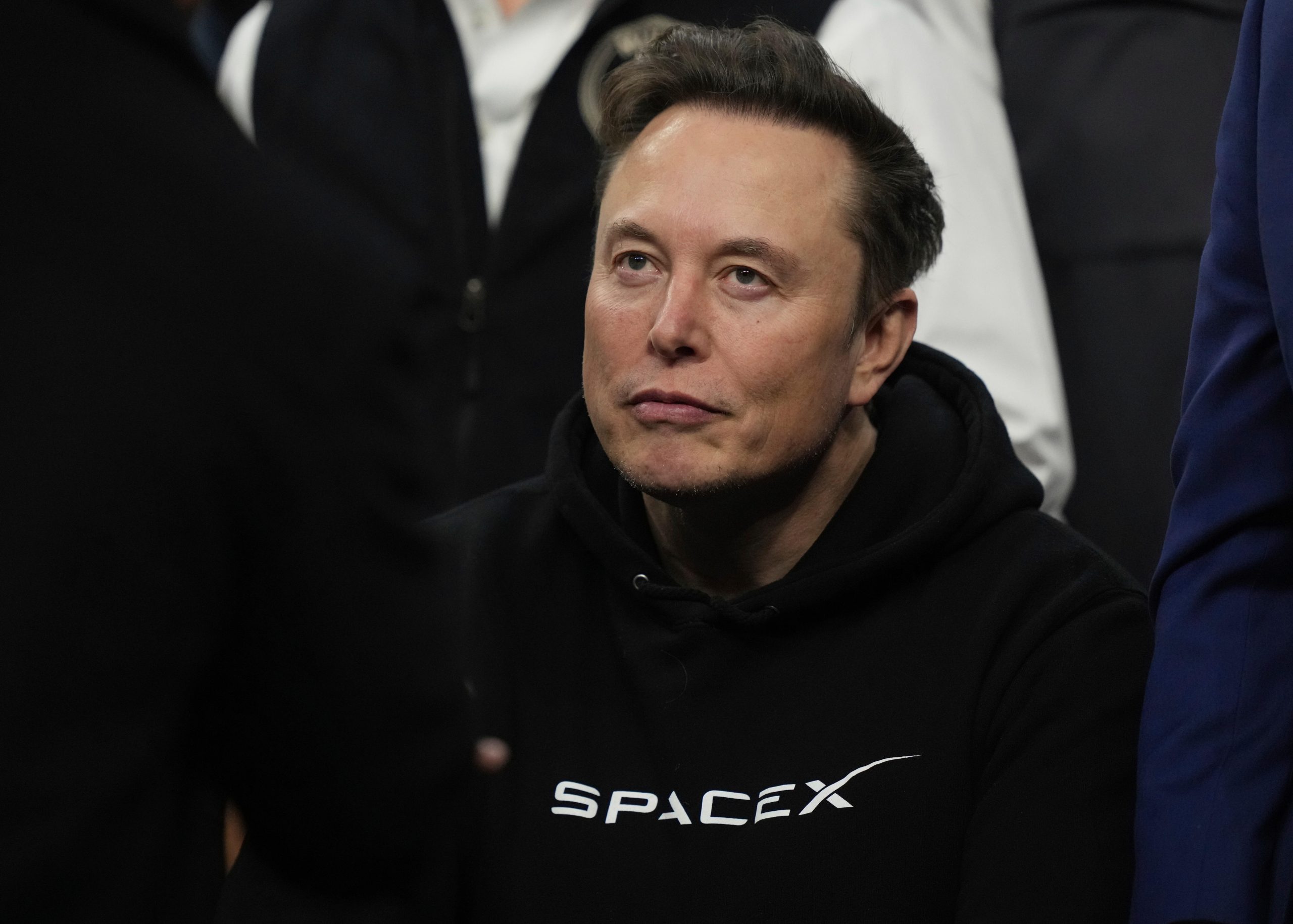

Elon Musk’s super PAC disclosed its first independent expenditures of the 2026 general election in a filing released late Wednesday, detailing roughly $800,000 across key House and Senate races.
Musk’s America PAC targeted several key Senate contests, including races in Texas, Maine, Ohio, New Hampshire, Iowa, Michigan and Alaska.
The largest amount went to Texas — over $247,000 — where Republicans are expected to deploy a wave of party resources to bolster Attorney General Ken Paxton against Democrat James Talarico.
Musk’s super PAC also put nearly $90,000 into eight House races:
Rep. Derrick Van Orden in Wisconsin; Rep. Mike Lawler in New York; Rep. Jen Kiggans in Virginia; Rep. Tom Kean Jr. in New Jersey; Rep. Scott Perry in Pennsylvania; Rep. Rob Bresnahan in Pennsylvania; Rep. Ryan Mackenzie in Pennsylvania; and Scott Singer in Florida.
The independent expenditures — Musk’s first of the general election — were disclosed days after he met with Speaker Mike Johnson in Texas last week.
Republicans already hold a significant fundraising advantage over Democrats, buoyed by President Donald Trump’s roughly $400 million in his MAGA Inc. super PAC. Trump is under growing pressure from Republicans to tap into that money as the midterms near. A major investment from Musk would further widen the GOP’s financial edge heading into November.
Musk has reportedly considered spending at least $100 million for the GOP through America PAC to help Republicans in this year’s midterms, but the full scope of that effort remains unclear.
A spokesperson for America PAC declined to comment.
Musk spent roughly $290 million to support Trump and the GOP during the 2024 cycle, predominantly through his super PAC, making him the largest individual donor to any political committee that cycle, before he took on a major role in the White House’s DOGE effort.
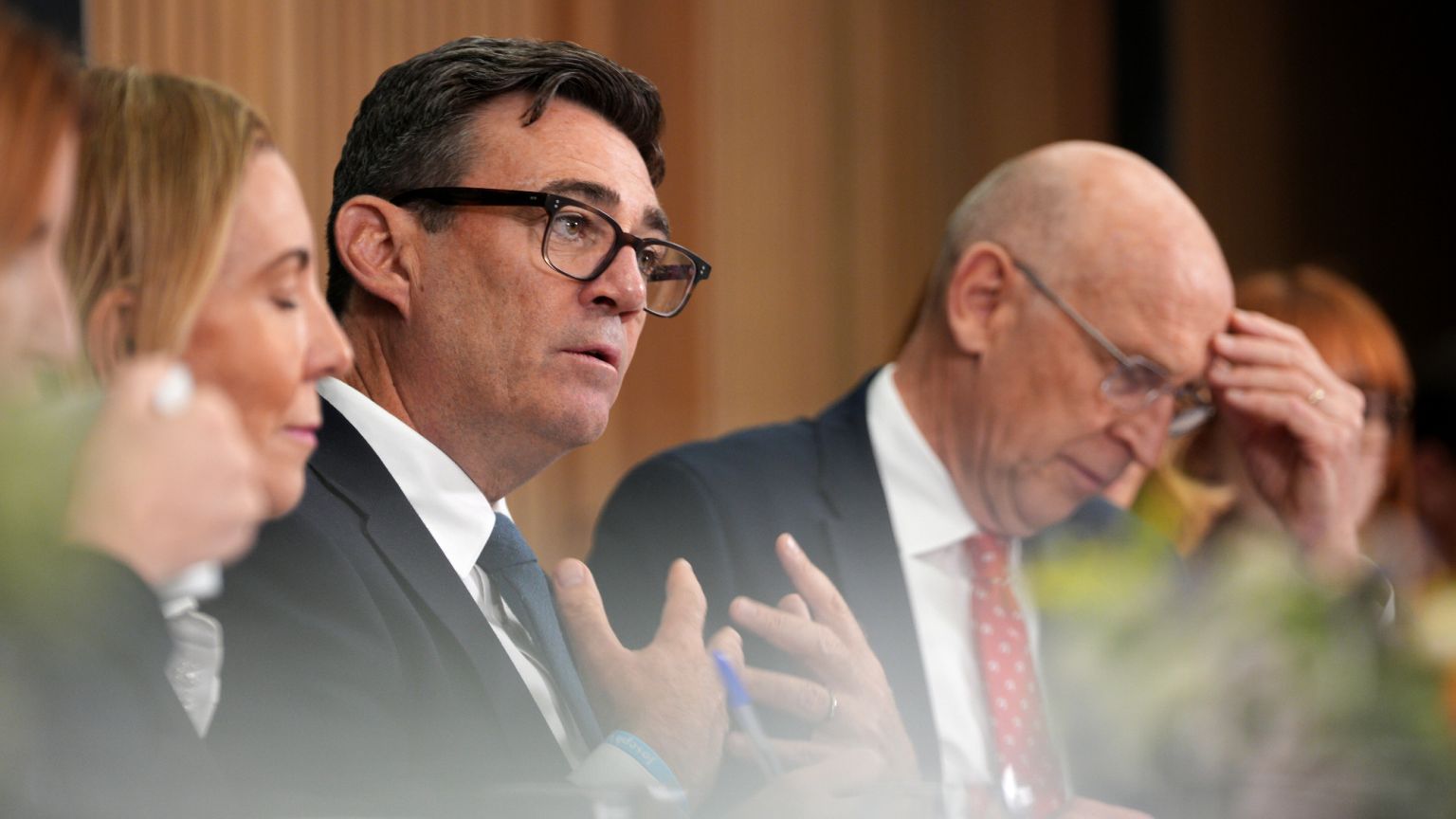
Andy Burnham’s summer holiday is officially over. Even as he tried to project sunny optimism yesterday in his first address to the House of Commons as PM, the economic storm clouds were gathering. A global bond-market sell-off has led government borrowing costs to surge across the developed world – and Britain’s economy stands particularly exposed.
The UK’s bond yields (essentially the interest rate the government pays on borrowing) are surging at the fastest pace since the Liz Truss mini-budget debacle of 2022, and reaching heights not seen since the 2008 financial crash. According to a Bloomberg estimate, yesterday’s market movements alone wiped out £12 billion of the £24 billion in ‘fiscal headroom’ that chancellor John Healey had hoped to be able to bank on for his first budget in October.
The immediate trigger may have been beyond Britain’s control, with the Iran War and the Strait of Hormuz crisis continuing to raise oil prices. But the problems that leave Britain so vulnerable to these external shocks are both entirely domestic and longstanding. Years of sluggish growth and ballooning public spending have brought Britain to the brink of a fiscal crisis. Yet we have seen no evidence so far that the new occupants of No10 and 11 have much desire to deal with this.
When the bond-market rout arrived, the UK was already facing higher borrowing costs than any other G7 country. We were spending £110 billion per year on servicing debt interest alone – more than the Ministry of Defence and Home Office budgets combined. Britain’s budget deficits and stubborn inflation had led lenders to conclude that UK government bonds were a risky proposition, and so they demanded more of a return on their investment. In fact, the UK has been living beyond its means for so long that the last budget surplus was all the way back in 2001, when Andy Burnham became an MP for the first time.
In his statement to parliament yesterday, the PM promised a ‘politics done differently’. Yet everything about his speech pointed to more politics as usual. For instance, Burnham blamed Britain’s woes on the familiar scapegoats of Margaret Thatcher and Brexit. Never mind that Burnham is now the 10th prime minister to succeed her. And never mind that since Brexit, France and Germany have actually grown more slowly than even the laggard UK.
Alarmingly, Burnham failed to allude to any of the factors most responsible for the dismal status quo, whether that be the policies that have sapped growth or the structural causes of runaway public spending. There was no mention of the planning bureaucracy that blocks new construction, sending housing and infrastructure costs into the stratosphere. No mention of the Net Zero diktats that kneecap domestic energy production, keep energy prices high and make heavy industry unviable.
On the spending side, welfare is expected to cost an additional £70 billion per year by the early 2030s, unless serious reforms are made. An ever-growing chunk of that welfare bill is spent on incapacity benefits for working-age people. A staggering one in 10 of the working-age population now claims some sort of disability benefit. And claims are rising fastest for those with mental-health conditions, such as anxiety and depression. Yet the PM didn’t see fit to mention this ticking fiscal time-bomb.
None of Burnham’s ‘solutions’ inspires much confidence, either. The devolution proposals at the centre of his agenda have been tried and tested in Scotland and Wales, with pretty pitiful results. His plans for ‘public control’ over utilities may well bring improvements to the service on offer, but this will not move the needle on growth, as the PM seems to imagine. His most novel-sounding idea – a ‘triple helix approach to economic development’ – merely revives the localised industrial policies that didn’t work for Theresa May. Meanwhile his much-trumpeted cuts to bus fares, VAT on energy bills and business rates for pubs will barely make a dent on the ever-climbing cost of living.
On the right, there has been something of an arms race to declare Burnham a dangerous ‘socialist’, a relic of the ‘bad old days’ of the 1970s, a ‘radical’ who rejects economic orthodoxy. But this framing misses the point. The PM isn’t spooking the markets because he’s promising radical change – but because he is unwilling to disturb a broken consensus.
Dither, drift and inertia are now the greatest threats to our living standards. And Burnham shows no sign of being able to change our nation’s course.
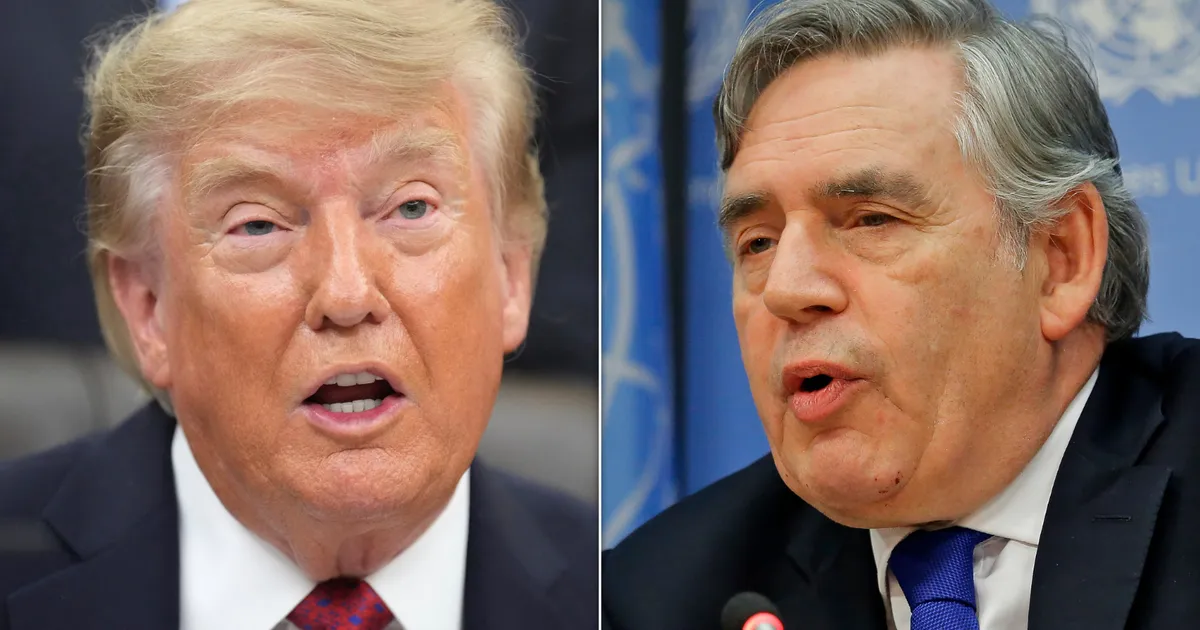
Gordon Brown has warned Donald Trump that he no longer has the support of the American people.
The former prime minister, who resigned after Labour lost the 2010 general election, said the US president will face a “wake-up call” in November’s midterm elections in the US.
A defeat for the Republicans would be a huge blow for the president and make it virtually impossible for him to pass legislation in his final two years in office.
Speaking to the Rest Is Money podcast, Brown said voters in America are turning against Trump over his failure to tackle the rising cost of living.
He said: “I would say to [Trump] American public opinion is not with you anymore.”
Brown said a poll of 100,000 voters around the world for a new book he has written showed that “American people want to co-operate” with other nations, unlike the increasingly-isolationist Trump.
The former PM added: “In America, the Trump factor is still incredibly important, even though on affordability issues, he’s now losing support. So it’s the two together, it’s economic decline and civic decline.”
Around one in six Trump voters told pollsters from the University of Massachusetts-Amherst they would not vote for again while his overall approval rating has also declined to around 32%.
Trump’s decision to initiate a war against Iran in February – a move which continues to weigh on the global economy – remains deeply unpopular.
The president has also spent a lot of time picking fights with allies, as seen in his ongoing trade war with Canada, rather than on domestic affairs.
He has not focused on bringing down cost of living even though he campaigned on a promise to put “America First”.
Trump’s attempts to disrupt the world order is putting off his supporters, according to the ex-prime minister.
“They [Americans] want America to be engaged in persuasion and not coercion,” Brown said.
“America, which used to act multilaterally in a unipolar world, has got to be persuaded to act multilaterally in a multi-polar world. And the public of America are with us on this.”
He continued: “And I think the midterm elections may be a wake-up call that the Trump view of the world that it’s America first and only is something that is not actually held by the American people.
“And I would probably try and tell him that.”
Listen to Commons People, the podcast that makes politics easy. Every week, Kevin Schofield and Kate Nicholson unpack the week’s biggest stories to keep you informed. Join us for straightforward analysis of what’s going on at Westminster.
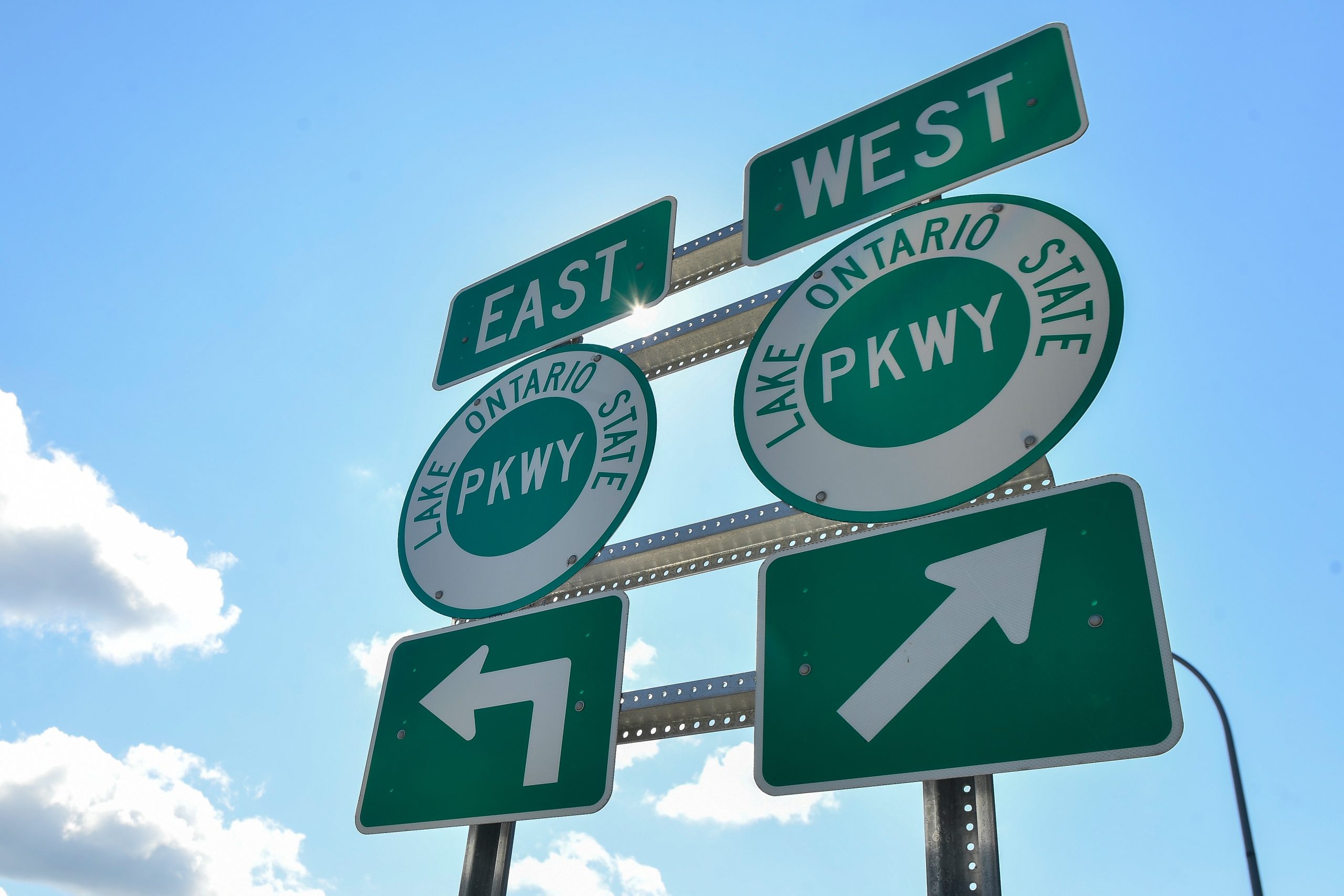
Robert Corradino has never lived anywhere but Oswego, New York. As the only commercial port city on the southeastern shore of Lake Ontario, everything bears the lake’s name — the streets, the convention center, the historic fort.
And in his first term as mayor, Corradino — a Republican who said he previously voted for President Donald Trump — said he worries that a distant political feud is threatening to erase part of his city’s history.
In the days following Trump’s executive order renaming Lake Ontario to Lake America, Corradino and other mayors in upstate New York said Trump’s decision is “regrettable” and could upset voters in the region — and even further impact an economy so closely tied to the U.S.’s relationship with Canada.
“The water is part of our identity,” Corradino said. “Not only our identity, but the economy and the history of the lake is tied to the city.”
Oswego, a city of 17,000, is split between Democrats and Republicans, Corradino said. However, the larger Oswego County is one of the reddest in the state and 61 percent of its voters went for Trump in the 2024 election.
Yet on Monday, several Oswego County legislators from both parties approved a resolution rejecting the new name, out of concern for the cost of the rebrand on taxpayers and businesses. The resolution said it does not intend to diminish the authority of the federal government, rather it aims to “recognize the longstanding historical and regional significance of the name Lake Ontario.”
Last Thursday night, at Oswego’s weekly summer concert series, Corradino said everyone he interacted with said they didn’t support the name change and they weren’t sure why it was happening. The general sentiment, he said, was frustration.
Asked about the issues Oswego residents actually care about, Corradino said his constituents are concerned about less immigration enforcement and the war with Iran.
“In general the consensus I see is it just seems like the country is heading in a direction that we’re not all happy about,” Corradino said.
The pushback is not isolated to Oswego. Hours after Trump signed the executive order, New York Gov. Kathy Hochul, a Democrat who runs the only state that borders Lake Ontario, said in a post to social media, “New York won’t be calling it that.”
And there’s been mixed adaptation nationally — similar to when Trump dictated that the Gulf of Mexico now go by Gulf of America.

On Saturday, Google Maps, which uses the U.S. Geographic Names Information System that comes from official government sources, officially changed the name. Map users on the American side will see “Lake America” while users in Canada will see “Lake Ontario.” For users outside of both the U.S. and Canada, they will see both names. Apple Maps followed suit, using the same naming approach as Google.
But MapQuest — the once-dominant mapping service of the 1990s and early 2000s — rocketed up app stores after refusing to use Lake America.
Long before the lake was renamed, Alex Morgia — a Democrat and mayor of Sackets Harbor, N.Y. — said his community has been grappling with the deteriorating relations between the U.S. and Canada.
Sackets Harbor, located along the eastern shores of Lake Ontario, is home to a number of Canadian residents. A village of 1,400 people, it was a major military outpost and naval command center during the War of 1812, when the U.S. clashed with British and Canadian forces.
Since 1971, the village has hosted the Can-Am festival to commemorate the village’s Canadian-American heritage.
The festival “reminds everyone that it’s not very nice to be at odds with your neighbor,” Morgia said. “Having good relationships with your international neighbors is important, particularly for people that live along the border on either side.”
Last year’s festival was the first time residents began making floats of maple leaves and Canadian flags to protest the Trump administration’s calls to make Canada the “51st state” and to remind Sackets Harbor residents that there were Canadian citizens among them, Morgia said.
This year, as Trump has continued to roll out tariffs against Canadian products, and relations with Canadian Prime Minister Mark Carney continued to worsen, Morgia joked that the theme for this year’s parade should’ve been “we’re sorry.”
The overall atmosphere at this year’s parade in July was “somber,” Morgia said.
“I kind of hoped that the Canadian issue had gone by the wayside, but you know [Trump] seems to bring it up when he needs to,” Morgia said.
Sackets Harbor is split between Democrats and Republicans, Morgia said. Jefferson County, which encompasses Sackets Harbor, overwhelmingly supported Trump in the 2024 election with 61 percent of its vote.
“It’s a three-hour drive to Montreal, a two-hour drive to Toronto and a six-hour drive to New York City,” Morgia said. “The biggest metropolitan cities near us are Canadian, and a lot of North Country businesses and people rely on the southern part of Canada. … I’m hopeful that voters will think about that at the polls in November and in 2028.”
In the village of Sodus Point, N.Y. — which is located along the southern border of the Great Lake — Republican Mayor Pat Nolan said he’s disappointed by the name-change as “Ontario” is rooted in the Indigenous history of the region.
The name Ontario, is largely believed to come from Iroquoian roots, meaning “beautiful lake” or “sparkling water,” according to the Canadian government. The Canadian province of Ontario, is named after the lake.
A village of 1,000 people, Sodus Point is located in Wayne County, where Trump received 61 percent of the vote in 2024. Nolan was elected in a write-in campaign last year.
“My hope is that, rather than allowing this decision to become another wedge that further divides people,” Nolan wrote in an email, “it can encourage a broader discussion about the history of this great body of water, the Indigenous people who first gave it its name and the generations of communities that have grown along its shores.”

4 min read
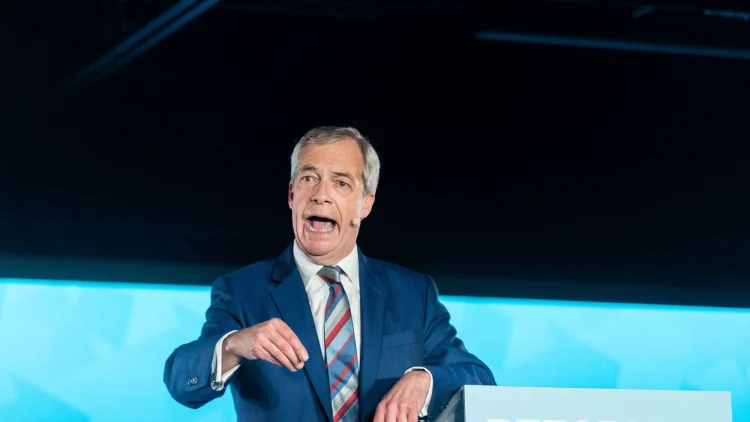
Reform UK is expanding its campaign infrastructure and expediting candidate vetting in anticipation of an early general election.
While Andy Burnham has publicly ruled out a snap poll, telling the BBC that going to the country early would postpone “essential” repairs to the state, this hasn’t dissuaded Nigel Farage’s party from preparing to face the country sooner than originally thought.
Speaking to The House magazine ahead of Reform conference, which gets underway in Birmingham on Thursday, party chairman Lee Anderson said he believes Burnham is “probably” willing to endure Labour MP losses in a snap election to secure a fresh mandate.
Meanwhile, earlier this summer, Reform’s policy director announced that his team had started putting together the party’s manifesto “to prepare for an early general election”.
Behind the scenes, more work is taking place to ensure the party is ready.
PoliticsHome understands there have been around 3,000 applications to stand as parliamentary candidates since earlier this year. Reform Insiders say the aim is to have as many hopefuls vetted and in place before Christmas as possible, so that a candidate list will be ready to go if Burnham announces in the New Year that he is going to the country.
Once candidates have passed initial vetting, they are invited to assessment days where officials decide they are strong enough to progress. Anderson told The House that the party has been training candidates to be MPs, “about the whipping system, about we’re there to do a job, we’re there to pass laws”.
With one wave of assessment days completed, a second is due to take place in the autumn.
When it comes to the campaign machine, PoliticsHome understands Reform is scrapping its regional director role and instead introducing more branch network coordinators and campaign managers. Under the new structure, each individual appointed to their role will oversee a smaller geographical area and therefore have more capacity.
Flagging the new roles on LinkedIn in the summer, general secretary Tom Waterhouse stated: “We are recruiting. If you want to clear out our failed political class and save Britain, join us.”
Reform officials have also been carrying out internal polling to get a clearer sense of where to concentrate their resources if there is an election in the near future.
Indeed, while the mood heading into last year’s Reform conference was jubilant, this year clouds are hanging over Farage and co as they gather in Birmingham following arguably the party’s most difficult period since the 2024 general election.
While Labour has enjoyed a modest bounce since Burnham replaced Keir Starmer in No 10 in July, Reform’s popularity has dipped in recent weeks, with questions over Farage’s financial arrangements showing signs of cutting through with the public.
Pollster More in Common this week put Reform in third place on 22 per cent behind both Labour and the Tories – the party’s lowest vote share in 18 months.
A Dover council by-election late last month provided the latest evidence of the threat to Reform’s electoral ambitions posed by Rupert Lowe’s hard-right Restore Britain. Green candidate Ingrid Dodd secured a surprise victory after the right-wing vote split three ways: Reform received 733 votes, the Tories 456, and Restore Britain 284.
This year’s conference, then, will be an opportunity for the party to regain momentum and show that it can still win the next general election, whenever Burnham calls it.
PoliticsHome understands that Farage is expected to use the occasion at Birmingham’s NEC to appoint more spokespeople as a way of demonstrating government readiness. The party has faced questions about why it lacks defence and foreign affairs spokespeople at a time when global affairs are so salient.
Anderson insisted in his interview with The House that his party would turn it around.
Asked about the so-called Burnham bounce, the Ashfield MP said: “It’s a get-rid-of-Starmer bounce, the most unpopular prime minister ever, ‘we’re fed up’. Of course, a few of them Labour voters who came to us over the past two years at local elections might say they could consider voting Labour now they’ve got a new leader.
“But come and ask me in six months about those same voters. Will they vote Labour? I’ll give you the answer now, and it’s no.”
Additional reporting by Adam Payne
Jeremy Clarkson’s response to new Grand Tour hosts as they all appear at series premiere

500-year-old Wiltshire manor to be turned into luxury hotel

Nvidia Insider Selling Hits $1.09 Billion in Single Filing: Should Holders Worry?





-

 Fashion6 days ago
Weekend Open Thread: Maeve – Corporette.com
-

 Crypto World6 days ago
Bitcoin’s 22% rally now needs real demand to outlast Treasury liquidity boost
-

 Business6 days ago
Apple Confirms September 9 Keynote and Reveals Its Full Pre-Order Schedule
-

 Business6 days ago
Salesforce Stock Soars 19% as Blowout Earnings and Agentforce AI Growth Silence Software Skeptics
-

 Business5 days ago
Onto Innovation Stock: AI’s Next Bottleneck Is Yield (NYSE:ONTO)
-

 Crypto World5 days ago
Bitcoin price tests $82K resistance as Brandt stays long
-

 Crypto World7 hours ago
CLARITY Act could advance within weeks, Atkins says
-
 Tech4 days ago
Hugging Face built a $4.5 billion empire on free AI models. Now Nvidia is buying it for $12.9 billion
-

 Business6 days ago
iPhone 18 Pro Pre-Orders Could Shift to Saturday as Apple Reportedly Avoids September 11 Anniversary
-

 Crypto World6 days ago
Truflation calls for Fed rate cut after PCE forecast
-
 News Videos4 days ago
Charlie Munger on Robinhood: No one should believe that Robinhood’s trades are free
-

 Tech5 days ago
PaperCut releases second emergency patch for exploited flaws
-

 Business7 days ago
AI Assistant Startup Instinct Rockets to $2.5 Billion Valuation in Weeks Amid Investor Feeding Frenzy
-

 Tech6 days ago
The fix for the AI agent that hijacked a company’s DNS: it can propose the change, but it can’t approve it
-

 Tech4 days ago
Tamagotchi Ring Takes the 30-Year Digital Pet and Places it on Your Finger
-
 Entertainment6 days ago
‘Adults’ Creators Break Down Season 2’s Most Shocking Moments and Tease a Potential Season 3
-

 Tech4 days ago
As the influencer economy drives retail sales, Seattle startup raises $22M to play matchmaker
-
 NewsBeat4 days ago
Trump posts AI video of ‘Lake America’ being protected by an army of bequiffed ‘Donald Ducks’
-

 Crypto World1 day ago
Elon Musk Says Grok 4.7 Lands in 10 Days and Will Beat Every Model
-
 Entertainment3 days ago
Taylor Swift Reportedly ‘Frustrated’ With Travis Kelce After ‘Short’ Honeymoon
You must be logged in to post a comment Login