
Politics
Travelers At Newly Named Trump Airport Slam ‘Disgusting’ Change

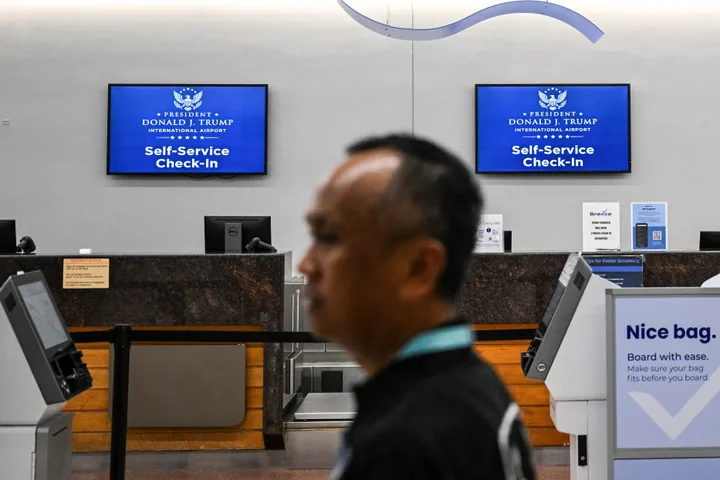
President Donald Trump on Thursday celebrated what he called “a very big day,” at least for himself.
The president bragged on Truth Social that the former Palm Beach International Airport near his Mar-a-Lago home in Florida has officially taken on a new name: The President Donald J. Trump International Airport.
“This will soon be one of the Greatest and Most Spectacular Airports anywhere in the World!” declared Trump, who is now the first president to have an airport renamed in his honor while in office.

Photo by CHANDAN KHANNA / AFP via Getty Images
But inside the airport itself, not everyone was enthused.
MS NOW asked some travellers at the newly renamed airport — and they didn’t hold back.
“I think it’s disgusting, ridiculous, pompous and a lot of other bad things,” Florida resident Pat Brown told the network.
Asked how she feels about the airport’s new name, she got even more explicit.
“It makes me sick every time I even see the sign on 95,” she said.

Photo by Joe Raedle/Getty Images
Another traveller slammed Trump’s push to have his name placed just about everywhere.
“I resent that the name is on every institution that we have, this included,” Florida resident Phyllis Malmuth told MS NOW.
But the ramifications go beyond how travellers feel about the airport.
While a Trump Organisation spokesperson told NPR the president and his family “will not receive any royalty licensing fee or financial consideration whatsoever from the airport renaming,” the MS NOW panel found there’s still plenty of room for them to profit.
And the airport’s deal with the Trump family has one other unusual consideration: control over “biographical information” at the airport.
Check out the full conversation below:

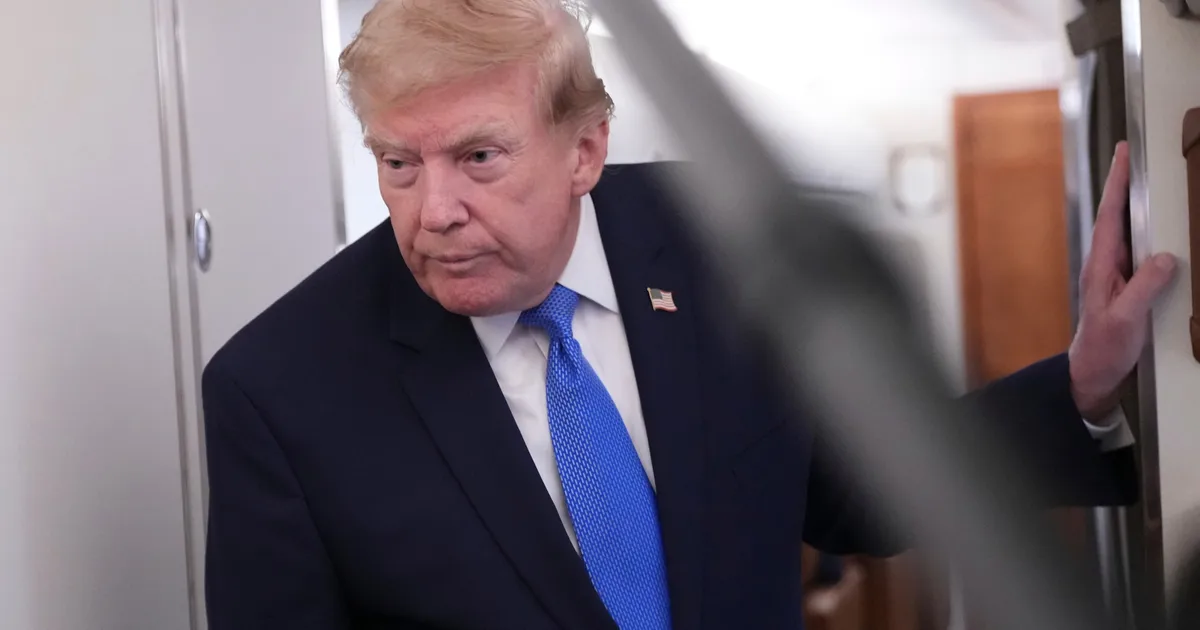
Iran is “playing Donald Trump like a fiddle” as the US president struggles to strike a peace deal with the Tehran regime, Andrew Neil has said.
In a brutal takedown, the veteran broadcaster said there are now “no good options” for America, despite the US president’s repeated claims to have won the war.
His comments on Times Radio came after Iran denied it was planning to hold peace talks with America to end the conflict, which began when the US and Israel launched attacks at the end of February.
That came after Trump claimed to have called off “massive” strikes on Iran so that negotiations could resume.
Neil said Iran was stringing Trump along until the US midterm elections in November, when his Republican Party is expected to suffer a heavy defeat.
He said: “The truth is there are no good options [for Trump].
“You escalate this war, as he has threatened to do many times, Iran will escalate right back and create a mess among the Gulf states.
“You don’t do that, basically Iran has the upper hand and in the end you have to scuttle away.
“There is no deal in the offing. Iran is playing Trump like a fiddle on this. This is a very evil regime in Tehran, but it’s not a stupid regime.
“They know what’s happening in America. They follow the midterms as closely as we do. They know this is a deeply unpopular war.
“The impact on the American economy has been very unpopular, his handling of the economy now has an approval rating of 30% [and] 78% of Americans want the war to end now.
“They are just going to drag this out through the summer months, until Trump gets a kicking in the midterm elections.”
He added: “It’s a terrible time for America with no good options, and none of this rhetoric coming from Trump – we waste our time even analysing it because it’s either meaningless or he U-turns on it within 24 hours.”
Listen to Commons People, the podcast that makes politics easy. Every week, Kevin Schofield and Kate Nicholson unpack the week’s biggest stories to keep you informed. Join us for straightforward analysis of what’s going on at Westminster.
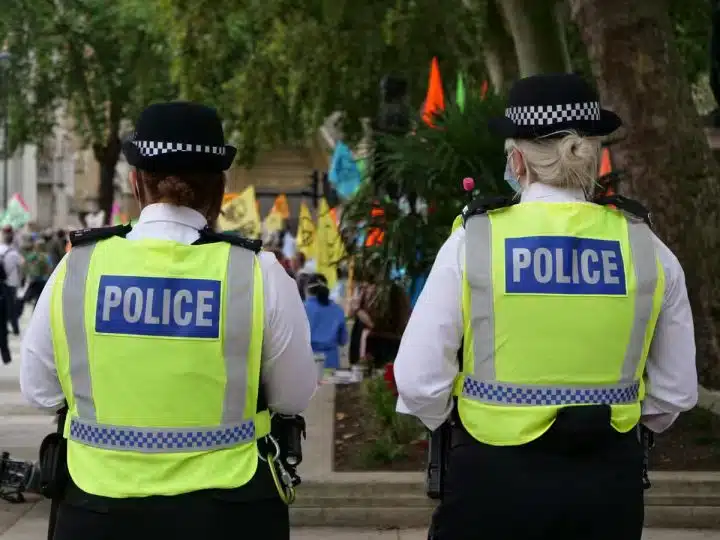

The cyber-criminal group ExfilSquad has leaked the names and contact details of more than 100,000 police staff on the dark web.
The news follows threats from the same group last week to leak more data unless public institutions met their demands for payment. ExfilSquad posted on X:
Check your emails! We warned most of you before posting these public warnings!!
Once your company’s data is posted here, it’s NEVER leaving the public eye and it will be passed around the internet FOREVER.
The payment we request of you is simply a rounding error compared to the litigation costs of your data leaking. Be smart and just pay.
Hackers put multiple organisations under threat
Last week, the Canary reported that the same hackers had posted data stolen from the Department for Education (DfE) and the Police National Legal Database (PNLD). A source explained that a majority of the 145,550 full-time police officers employed in England and Wales have used the PNLD as part of their daily work.
Whilst ExfilSquad stated that they targeted 14 institutions in total, the identities of the others were not public knowledge. However, the most recent reporting from the Telegraph has revealed that the wide-scale hack targeted the Crown Prosecution Service, Home Office, Ministry of Defence and the National Crime Agency.
Likewise, the cyber criminals also breached Newcastle University — the only non-state body named so far. ExfilSquad reportedly stole data including the names, addresses and phone numbers of both staff and students.
The university has already begun an investigation into the exact nature of the attack and the vulnerability of its systems.
Cybersecurity adviser Jake Moore, of European infosec giant Eset, explained:
The information put on the dark web should not be underestimated. More experienced threat actors see it as highly valuable because it enables them to personalise follow-up attacks, such as phishing or social engineering, which puts even more data at risk.
***
These attacks are becoming more common as criminals increasingly automate their tactics with ease and exploit the development using AI. The knock-on effect means organisations are facing a far higher volume of attacks, often with far less effort required from the attacker.
‘Officers at serious risk’
The Times reported that a government spokesperson declined to comment on the security breach, stating:
We have dedicated capabilities to respond to cyber incidents, and it would be inappropriate to comment on a live investigation.
However, a staff member from one of the targeted law enforcement organisations said:
I have worked in serious organised crime and put high-level criminals behind bars. For private information to be leaked about me is very disconcerting and puts officers at serious risk.
In the past I have been forced to move into safe houses and sell cars due to my job. Now I will have to keep my wits about me online and look out for anyone trying to get more serious information. It is not a good look.
Featured image via Ethan Wilkinson/ Unsplash
By Grace
Politics
UKLFI’s desperate efforts to control anti-Israel narrative succeed after vegan fest cancelled
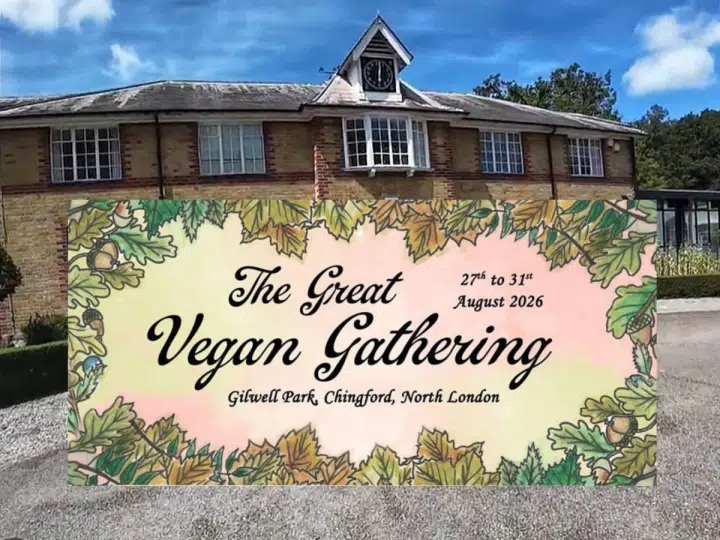

A new four‑day vegan festival in London, billed as being “built on principles of love and kindness for all sentient beings” has been cancelled after complaints from UK Lawyers for Israel (UKLFI).
The Scout Association cancelled the Great Vegan Festival’s venue booking just weeks before the event was to take place at their Gilwell Park Activity Centre in Chingford.
The association pulled the plug after UKLFI wrote to management warning them that several acts on the line‑up were “antisemitic”.
A statement from the Great Vegan Gathering read:
After pressure from UK Lawyers for Israel, Gilwell Park decided to cancel our venue hire contract just weeks before the event. As vegans, we oppose oppression in any context and therefore stand resolutely against Israel’s genocide of Palestinian humans and animals in Gaza.
It is deeply regrettable that an event seeking to raise funds for rescued animals at sanctuaries was attacked by UKLFI, an anti-Palestinian group that has repeatedly targeted cultural events and organisations.
The Scout Association has cancelled a venue booking by a vegan music festival after @UKLFI warned that bands on its line-up had promoted material alleged to be antisemitic and supportive of violence against Israelis. Read more: https://t.co/66wGB1NVa6
— UK Lawyers For Israel (@UKLFI) July 30, 2026
UKLFI accuses musicians of ‘endorsing violence’
UKLFI claimed the musicians had published or performed material that “endorsed violence, vilified Israel and Israelis, and risked stirring up racial hatred”.
The bands HAWXX, Active Slaughter, and Millie Manders and the Shutup were specifically mentioned by UKLFI. They had previously spoken up against ‘Israel’s’ genocide, colonialism and fascism, and the criminal IOF.
UKLFI highlighted several of their songs, to justify its actions.
One of these was Active Slaughter’s song, It’s Not Anti-Semitic to Hate Fascists, which UKLFI claimed “accuses Israeli forces of killing ‘for fun’ and planting knives beside injured Palestinian teenagers”. But this is true, as this film about Palestinian human rights defenders in Hebron clearly shows.
Israeli forces have filmed knives being planted beside Palestinian youths on more than one occasion.
UKLFI also claimed that if the festival went ahead in its proposed form, it could expose the Scout Association, as the venue operator, to legal, safeguarding and reputational risks.
Andrew Thorp, deputy public relations lead for the Scout Association, told us:
A decision has been made to cancel the hire of our venue for The Great Vegan Gathering at Gilwell Park.
Following the initial confirmation of the booking, we conducted a review into some actions taken by the event organisers. The review concluded that these actions were not consistent with Scout values or our venue hire policies.
As a result, we have informed the organisers that the event will not proceed at Gilwell Park.
We remain committed to ensuring that all activity taking place at our venues reflects our values and supports an inclusive, respectful and welcoming environment for everyone.”
The Canary asked Thorp for more details, but he did not respond further.
Repeat targeting of cultural organisations and events
Anyone cancelling the use of their venue based on this should be absolutely ashamed, and consulting their lawyers @scoutadventures
All solidarity with the Great Vegan Gathering.@MiddleEastEye pic.twitter.com/JT49cZky0O
— Stop genocide. End apartheid. Free Palestine

 (@JonWooders) July 30, 2026
JJ Maguire, a singer in Active Slaughter, told Middle East Eye:
My Jewish granddad escaped persecution in Nazi Germany, but many of his family members were murdered…It’s with him in mind that I founded a band which, in keeping with punk traditions, refuses far right politics wherever it rears its head.
***
I was absolutely appalled to learn that UK Lawyers for Israel had mounted an attack on our pro-Palestine free speech.
Millie Manders, from the band, Millie Manders and the Shutup, said:
My band and I are proud to support justice for all animals and humans. This includes opposing Israel’s genocide of Palestinians in Gaza, a position shared by millions of Christians, Jews, Muslims, Hindus, and atheists – people from every background.
Manders added:
We will never stop advocating for what’s right.
Attempted erasure of Palestine
UKLFI uses tactics of “legal intimidation” to silence pro-Palestine, or anti-‘Israel’ speech and activism. It sends letters, suggesting the possibility of legal action, while events are told they raise legal or equality concerns. The institution on the receiving end then risks legal action, costs and reputational damage.
By doing this the organisation erodes democratic rights as it aims to erase Palestine from public life. It has taken matters upon itself to police our speech and actions. Academic institutions, the internet, sports, public institutions, charities, councils, companies and individuals have all come under fire.
In 2026, its actions led to the cancellation of academic events and the banning of Palestine Solidarity symbols worn by various railway, airport and hospital staff. It has also influenced guidance on investment of council pension funds.
Worryingly, two encyclopedias were told by UKLFI that their referencing to Palestine was incorrect. In addition, academic institutions have changed the description and wording of courses to remove the word ‘Palestine’.
Of course, UKLFI is lying when it states its concerns are “rooted in historical accuracy and educational responsibility”.
The Scouts have been repeatedly targeted. In January, UKLFI wrote to a north London Scout group after an adult leader wore a keffiyeh, arguing the conduct may amount to harassment under the Equality Act.
In February, UKLFI wrote again after staff were seen wearing symbols of support for Palestine.
..@UklfiT has written to a North London Scout group after being informed that an adult leader at a Beavers meeting for children aged six to eight wore a keffiyeh, a garment with widely recognised political significance connected to the Palestinian cause. https://t.co/OBaLqtrVy1
— UK Lawyers For Israel (@UKLFI) January 17, 2026
UKLFI’s role in shutting down Palestine discourse
In August 2025, UKLFI complained to Hertfordshire Scouts about Camp Wilayah, an annual Islamic children’s summer camp on its land. UKLFI alleged breaches of the Public Order Act, the Counter‑Terrorism and Security Act and the Children Act. The Scouts cancelled the booking, even though the camp had taken place for more than 13 years with no complaints.
The European Legal Support Centre (ELSC) and Forensic Architecture labelled UKLFI a “major actor” in the repression of pro‑Palestinian activism in the UK.
It exploits the International Holocaust Remembrance Alliance (IHRA) definition of antisemitism, which equates criticism of ‘Israel’ with antisemitism. It also exploits terror legislation to create a chilling effect on pro-Palestine discourse.
Various organisations are taking action against UKLFI’s threatening behaviour and weaponisation of the law.
The Public Interest Law Centre (PILC) and ELSC have filed a 114‑page complaint with the Solicitors Regulation Authority. They claim UKLFI is using legal threats as a form of strategic intimidation to shut down public debate on Palestine. As such, they are calling for UKLFI to be regulated as an unregistered law firm.
The Charity Commission is also investigating UKLFI’s charitable wing after a complaint by CAGE. CAGE accused it of “engaging in vexatious and malicious complaints” against pro-Palestinian activism, while “masquerading as a charity.”
Senior barristers linked to the group also face a separate complaint over their role as patrons.
$730m hasbara budget making no difference
Pressure from UKLFI is part of a much larger, state‑backed effort to manage the occupation’s global image. In 2026, the ‘Israeli’ government approved a public diplomacy budget of roughly $730m.
Foreign minister Gideon Saar argues that managing ‘Israel’s’ image should be treated like “investing in jets, bombs, and missile interceptors”.
More than $50m is going into digital ad buys, around $40m into flying in delegations, and tens of millions more into influencer networks, AI‑driven content tools and targeted campaigns aimed at US universities and young Americans, where support for ‘Israel’ has plummeted.
Despite this unprecedented propaganda budget, unfavourable views continue to rise. No amount of money or digital campaigns can buy back the truth. The official story, framing ‘Israel’ as a democracy under threat, which treats all criticism as antisemitism and refers Palestinian resistance as terrorism, is starting to fall apart.
Featured image via Vegan FTA
By Charlie Jaay
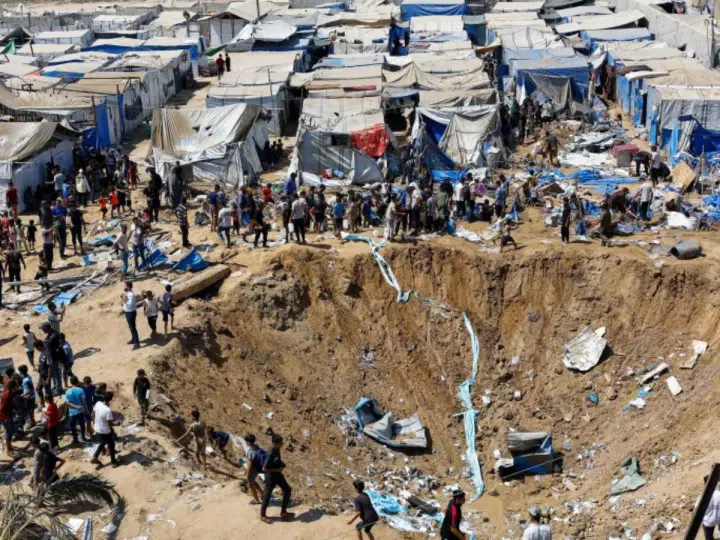

So-called ‘Israel’ continued to livestream the extermination of an entire people over the weekend, with a massive string of atrocities across Gaza.
On Saturday 1 August, Israeli Occupation Forces (IOF) targeted warehouses used for storing medicines at the Al-Aqsa Martyrs Hospital in Deir al-Balah. According to Drop Site News, the buildings contained “critical supplies and equipment for kidney dialysis”.
Referencing Zionist policies that severely restrict aid to Gaza, hospital director, Raed Hussein, said “supplies have never been fully provided” over the past three years of genocide. He said any that do get in arrive “in a limited and reduced manner”.
Now, Zionist terrorists have destroyed even that small quantity of medical equipment.
The blast left an enormous crater and destroyed large numbers of tents people had been using as makeshift shelter, alongside their belongings. Fatima Sharab was one of those left bereft.
She told Drop Site:
The mattresses, blankets we’d managed to gather after losing them 15 times, they’re gone again. What is left after this?
‘Israel’wants to spread disease throughout Gaza
In response to the attack, Munir al-Bursh, director-general of the Palestinian Ministry of Health – Gaza, said:
When the occupation fights people by destroying medicines and preventing medicine from entering, it turns medicine and illness itself into a tool of war.
Spreading epidemics as a means of mass murder is stated as an ‘Israeli’ policy. Giora Eiland, a retired major-general and still a key figure in the apartheid entity’s security establishment, said:
The international community warns us of a humanitarian disaster in Gaza and of severe epidemics. We must not shy away from this, as difficult as that may be. After all, severe epidemics in the south of the Gaza Strip will bring victory closer and reduce casualties among IDF soldiers.
In response, Finance Minister, Bezalel Smotrich, commented:
I agree with every word.
On the same day as the medical warehouse war crime, the IOF murdered “at least seven Palestinians”, the Palestinian Wafa news agency told media. In one atrocity:
An Israeli drone attack killed two people in Gaza City’s Sheikh Radwan neighbourhood…
The IOF killed another Palestinian in a Deir el-Balah drone strike and slaughtered another person “.in a strike on a tent near a school in al-Mawasi, north of Khan Younis”, Al Jazeera reported.
Terrorist forces killed three more people through the use of drones and air strikes later in the day.
Sunday 2 August was even more horrific as butchers serving the land theft project killed at least 19 people. Pulitzer Prize winning writer, Mosab Abu Toha, who documents much of the daily crimes the IOF carries out, said the killing started when:
Israel carried out a strike on an apartment in Gaza City at 1:13 a.m. local time. Two parents and their child were burnt to death. A few minutes before that, Israel bombed a house in Der el-Balah in Central Gaza, killing two people.
Footage shows child casualties of Zionist crimes
Abu Toha shared graphic footage of what appears to be the child victim of that attack. Drop Site News provided similarly harrowing evidence of other innocent children horribly wounded by yet another illegal strike “on a residential apartment in the al-Mawasi area, northwest of Khan Younis, early Sunday”.
Three Palestinians, including a child, were killed in the strike on the Hamza family’s apartment, according to Shehab News Agency.
Drop Site provided a list of the atrocities Zionists carried out during the 24-hour period, detailing at least 10 separate attacks during what Western media still absurdly calls a “ceasefire”. Since the supposed cessation of hostilities began in October 2025, apartheid land thieves have murdered “1,233 Palestinians, including 266 children“.
This is far more than the number of ‘Israeli’ civilians killed on 7 October. In response to that, Western mainstream media reacted with horror and proceeded to cheer on the Gaza holocaust. However, daily IOF atrocities contributing to that continuing extermination campaign are largely ignored.
It was therefore left to Mosab Abu Toha to call Western complicity to account in the wake of the latest wave of barbarism.
He wrote:
While you are enjoying time with your families this summer, traveling to water parks, hiking through the woods, picking blueberries, and photographing mushrooms and rocks, Gazan families continue to be slaughtered in their tents, burned alive, and torn apart by Israeli attacks.
Children continue to be targeted. Those who survive are often left as the sole survivors of their families or are permanently disabled.
None of this would be possible without the political, military, and financial support provided by the United States and many European governments.
Israel must be held accountable and punished for its heinous and live-streamed war crimes. This video you are seeing is from this early morning in Gaza. Do these kids not look like yours? Do you really appreciate kids and family?
Featured image via Mahmoud Issa/ Reuters
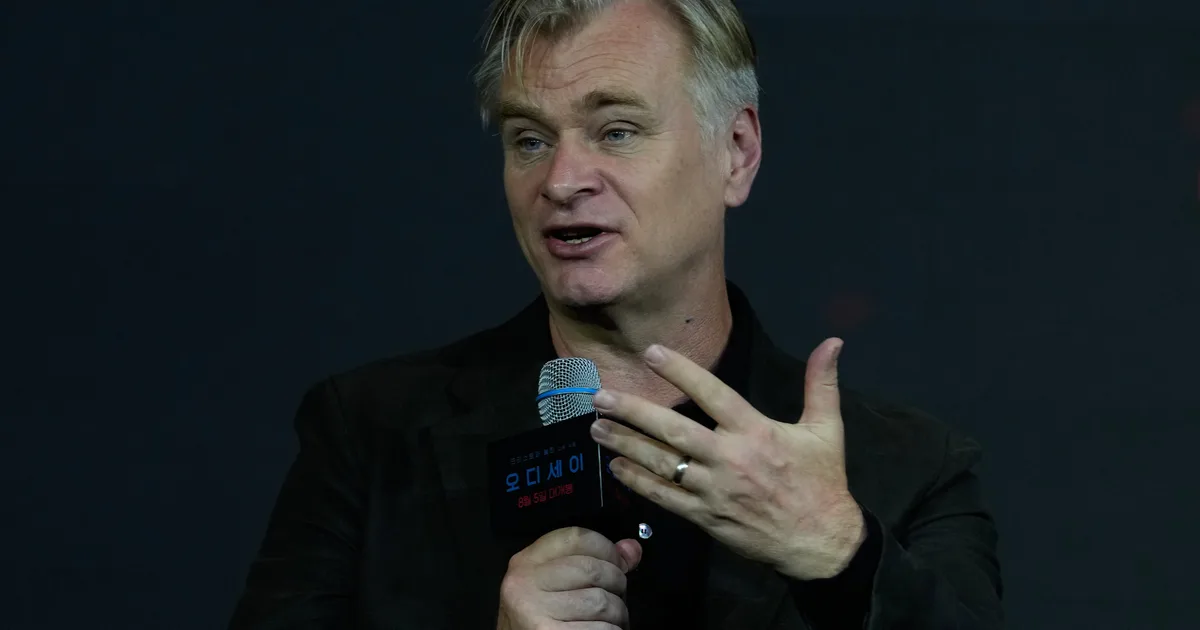
Christopher Nolan’s The Odyssey has been broadly praised by critics. The record-breaking movie has a whopping 94% on review aggregation site Rotten Tomatoes (that jumps up to 97% for the audience-generated Popcornmeter score).
Still, the adaptation has received its fair share of criticism, too. Nolan’s version of the millennia-old story was partly inspired by classical studies professor Emily Wilson’s translation of the poem.
But Wilson, it seemed, wasn’t such a fan. While she was “humbled” the director had cited her work, the classics expert said she would “be ashamed to have written any part of” the script.
Writer Joyce Carol Oates has since defended the director’s interpretation. And now, Nolan himself has chimed in on the discourse.
Speaking with translator, lecturer and podcaster Zhong Shu, Nolan talked about “a fundamental flaw of film criticism”.
When asked about how his version of the Greek classic portrays Odysseus (played by Matt Damon) in a more contemporary way, the director said: “The criticism that’s often levelled at movies in general is, ‘Oh, the character has to be made sympathetic, so the character is manipulated in different ways or changed in different ways’.”
“And that’s a fundamental flaw of film criticism in a way, or storytelling criticism. Because to be able to identify the mechanism does not invalidate the mechanism. And that’s a real problem in criticism today.”
The Oppenheimer auteur continued, “I’m thinking more of amateur criticism, because they feel they’ve identified the mechanism, they feel that it invalidates it. That can be true of certain elements, and film grammar, film language evolves with that.
“So when a trope becomes too familiar to an audience, then it has to be changed. But we do, as filmmakers, avail ourselves of that common language. We build on that understanding. Our audience has seen many films and they understand that language.”
You can watch Zhong Shu’s podcast here.
Politics
The House | “She dared to be a Daniel, she dared to stand alone”: Tributes to Ann Widdecombe
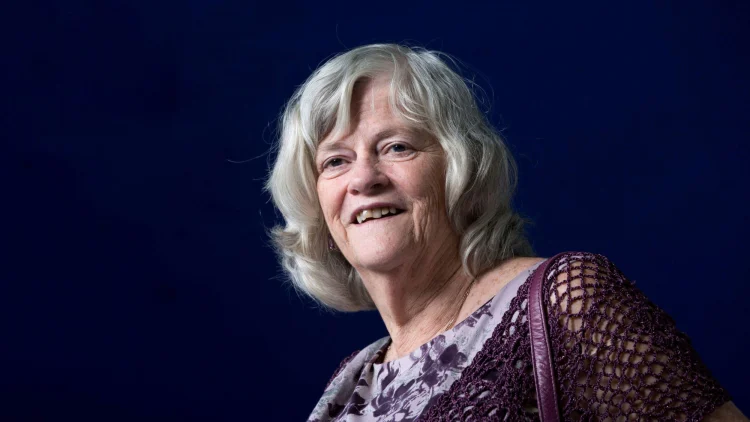

Ann Widdecombe: 4 October 1947 – c. 8 July 2026 | Image by: Colin McPherson / Alamy
11 min read
Fearless, honest and articulate, Ann Widdecombe was a warm and generous friend. A conviction politician whose principles were underpinned by her faith and patriotism, she was always true to her herself. Words by Lord Alton, Baroness Hoey and Baroness Browning
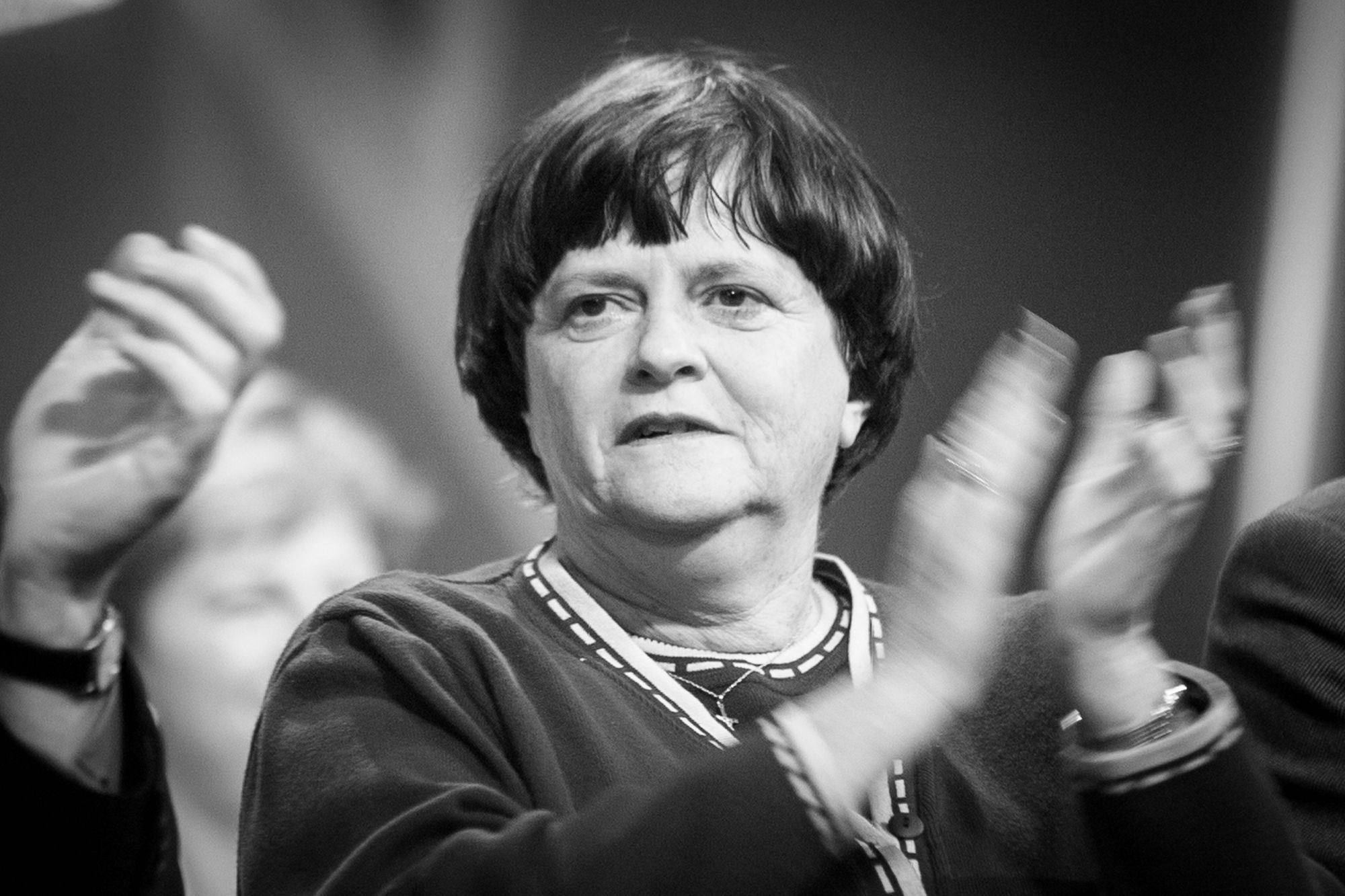
Ann Widdecombe was a fearless and faithful friend, writes Lord Alton
In 1979 we nearly became election opponents when she and Frank Field chased the Conservative and Labour nominations in the by-election at Liverpool Edge Hill.
Nine years later, now MP for Maidstone, Ann joined the Standing Committee on my Private Members’ Bill to reduce the 28 weeks upper time limit for abortion. At meetings all over the UK we spoke at public meetings explaining why, despite other political differences, we were united by our belief in the right to life.
Ann had been deeply shocked by the Carlisle baby case – a baby aborted at 21 weeks gestation – and she later asked the Commons, “how can one accept, when a child has been breathing without the aid of artificial equipment, has a pulse rate and has survived for three hours, that that was not a live birth? Under what circumstances do we call a person an unperson?”
She never hesitated to ask difficult questions.
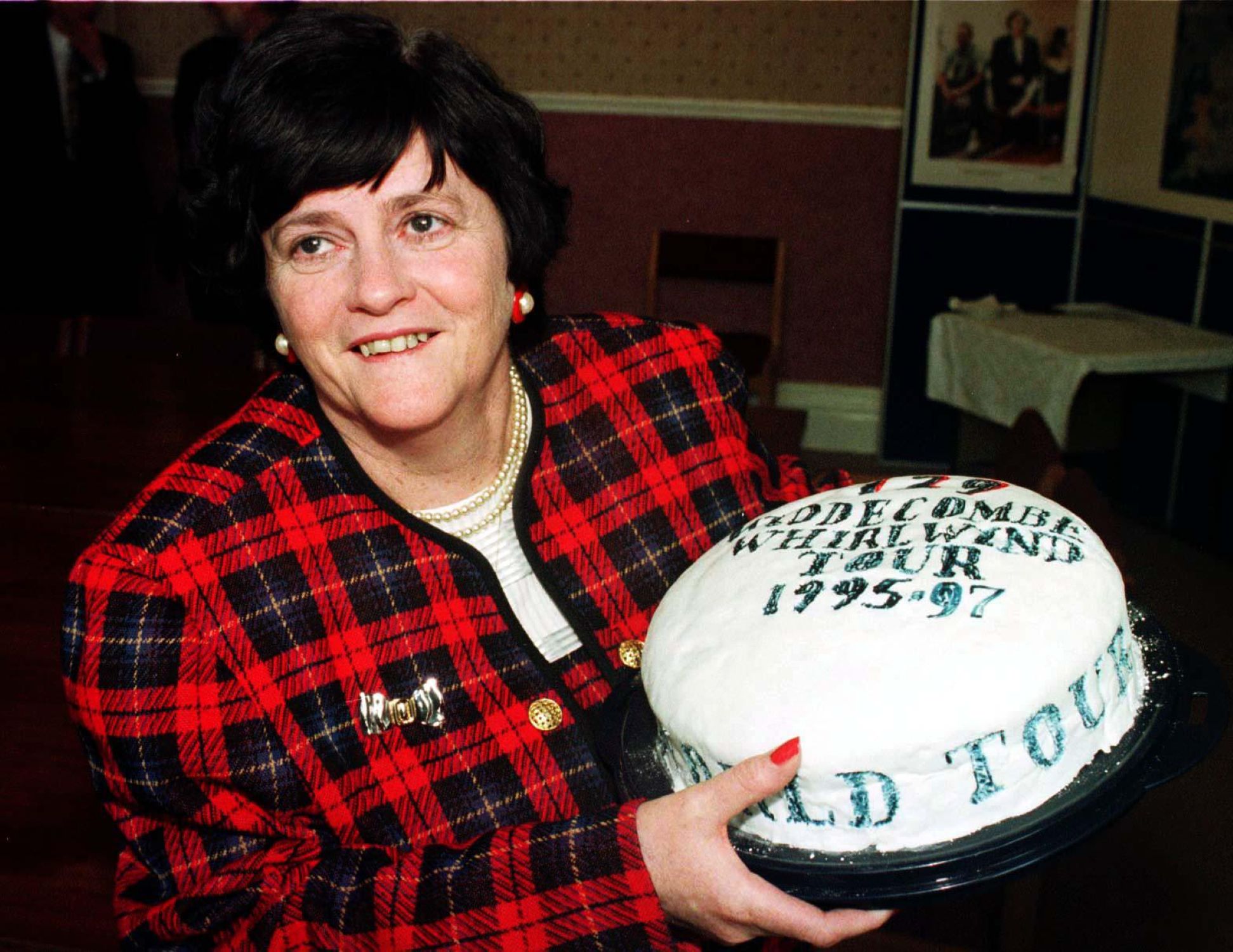
She loathed eugenics, human cloning and experiments on human embryos and feared assisted suicide would endanger people with disabilities.
With CS Lewis she also believed that if you are cruel to other species, it wouldn’t be long before you are cruel to human beings too.
Her love of animals led her to accept the presidency of societies caring for donkeys and hedgehogs, and to her rescuing stray cats: Pugwash and Carruthers being two of the most notable.
One night, driving her to a meeting in the north of England, I was told to “stop the car”: She had seen a stranded hedgehog. It was rescued and taken to safety.
She passionately opposed fox hunting – unlike some of her local party who tabled a hostile motion at an AGM.
I secured a supportive statement for her from a retired general who wrote to her party members: “I fought the Mau Mau and she’s exactly the person I would have wanted standing alongside me.” She successfully saw off the motion.
As I got to know Ann, I rapidly realised that behind the sometimes-gruff exterior was a principled, extraordinarily articulate, intelligent woman – not easily deterred. Her formidable debating skills, developed as a student in the Oxford Union, were deployed to great effect for all her causes – political, social, and charitable.
She was also intensely kind – to family, friends, and strangers.
In her mother’s final years, Ann brought Rita to live with her in London – telling me that, just as her mother had cared for her when she came into the world, she would care for her beloved mother as she left this world for the next. She did just that.
After one combative session on a Home Office bill, she told me, ‘you are still my favourite bleeding-heart liberal’. I took it as a compliment
As a godmother to one of my children she unfailingly always asked after him, travelling miles to be with him for his baptism and first communion.
I saw that kindness in terrible tragedy too.
We shared Sir David Amess as a good friend.
Following David’s appalling murder, and totally in character, Ann remained close to Julia, David’s widow, showing practical and continuing care, celebrating David’s life when we attended the unveiling of his statue in Southend.
Ann’s convictions were underpinned by the twin pillars of her faith and patriotism, insisting that we must use our lives to the full: “We get one go this side of eternity, one go. Life is not a dress rehearsal.”
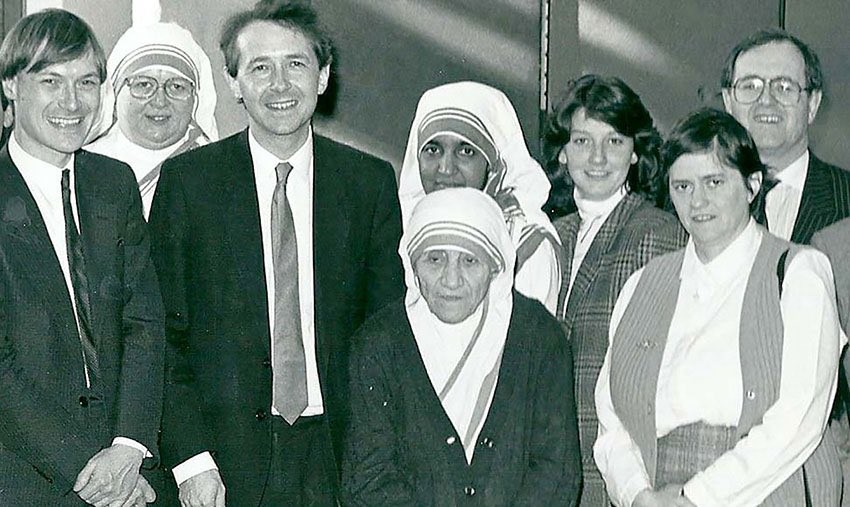
Her faith manifested itself in her causes, through support for charities for the persecuted, the vulnerable, the poor – through the work of Right to Life, the Leprosy Mission, the St Vincent de Paul Society. It expressed itself in her devotion to Mother Teresa – whom she met at Westminster – and whom she later defended against Christopher Hitchens and in a 2016 BBC Songs of Praise programme exploring the characteristics of a saint.
In 2013, in recognition of Ann’s work, Pope Benedict named her a Dame of the Order of St Gregory the Great.
Ann’s patriotism had its roots in her upbringing – partly in Singapore, where the father she adored had worked as a civil servant in the Ministry of Defence. In June, in our last conversation together – in Kennington over a favourite tandoori masala – we shared our concerns about the UK’s lack of preparedness as we face the “deadly quartet” of dictatorships threatening our freedoms.
Whether you agreed with Ann, or not, her forthright views were always trenchantly, intelligently, and honestly expressed and never with malice. In a toxic climate of inflammatory hate speech, that respect for difference must be the key to learning to live together.
Even when Ann and I were on opposite sides of political arguments, we agreed to disagree and never fell out. After one combative session on a Home Office bill, she told me, “you are still my favourite bleeding-heart liberal”. I took it as a compliment.
In 1993 to mark her decision to become a Catholic she chose the hymns at the weekly mass in the Westminster chapel of St Mary Undercroft.
The last of those hymns was Faith of Our Fathers. Its final verse has a particularly poignant resonance:
…we will love
Both friend and foe in all our strife,
And preach thee, too, as love knows how
By kindly words and virtuous life.
Faith of our fathers! holy faith!
We will be true to thee till death!”
Ann was always true to herself.
May she now rest in peace.
Lord Alton of Liverpool is a crossbench peer
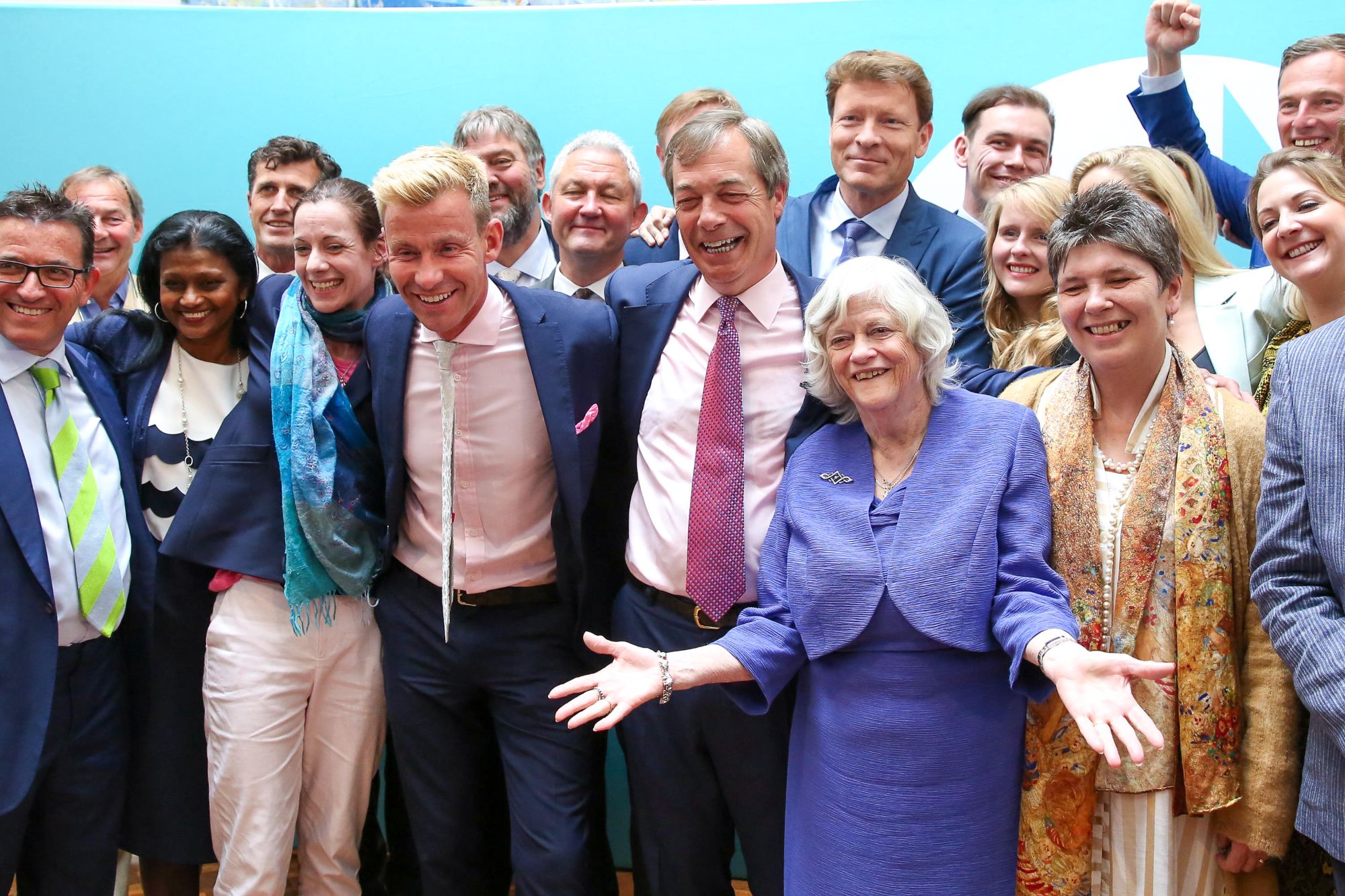
Above all, Ann Widdecombe was a public servant and politician of conviction and high moral principles, writes Baroness Hoey
“Well Kate, at least we are both still around!” Those were the last words spoken to me by Ann Widdecombe just a couple of weeks before her murder. We were at a reception in Westminster chatting about the ups and downs of getting older whilst also remarking on how well we both felt.
Waking up to news of her death, I remembered that night and the friendship and camaraderie we enjoyed. Also issues on which we found ourselves in profound disagreement, such as hunting, where we campaigned on opposing sides, yet without rancour. In fact the reverse; we shared for one another that respect and affection which comes from recognition of a kindred spirit even if, at times, political opponents.
When she was a Conservative member, Ann sometimes found herself out of step with many of her fellow members, and indeed with party policy, as did I in mine. In doing so, she became far more widely known and recognised – both liked and loathed – than many of her contemporaries in parliament. She dared to be a Daniel, she dared to stand alone.
Ann could cope equally well with congratulation or confrontation, returning heckles with humour
Above all, Ann was a public servant and politician of conviction and high moral principles and of deep religious conviction guiding her every thought and action. This faith enabled her – indeed demanded of her, with true Christian love of her neighbour – to overcome the divisions that arise in public and political life between those of sincere yet differing opinions and goals. Such generosity of spirit was a far cry from the shockingly spiteful comments made by self-regarding commentators when she died.
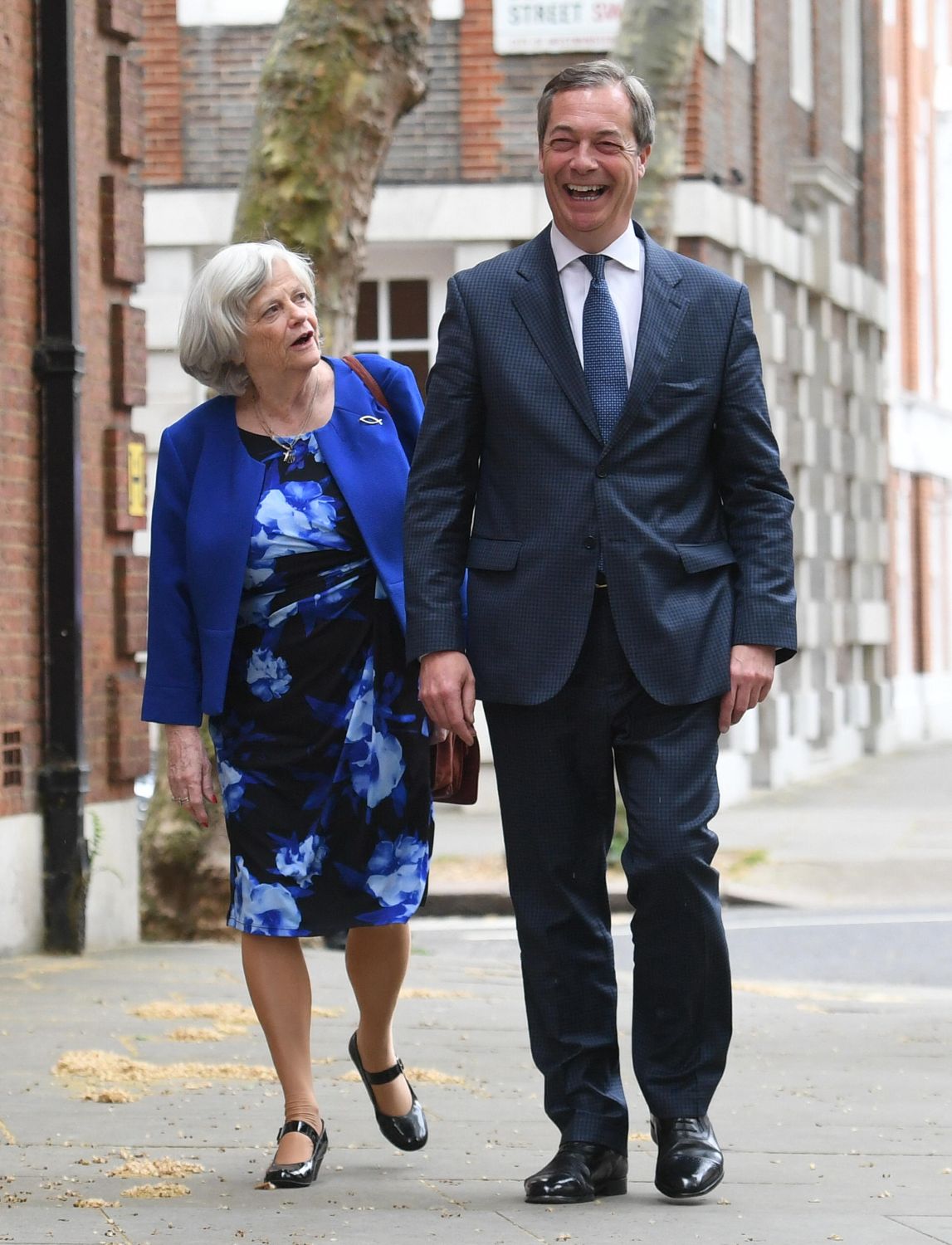
Two years ago, as a Reform UK party spokesperson, Ann addressed a pro-union meeting at Dromore Orange Hall in County Down. Speaking against the post-Brexit
Northern Ireland Protocol, she declared to a rousing reception from the audience: “I’m Ann Widdecombe, I’m a Roman Catholic and I’m in an Orange hall.” The audience rose to their feet as one. Earlier we had toured the Titanic exhibition and talked about her dedication to Reform UK and her respect and indeed love for Nigel Farage.
Ann could cope equally well with congratulation or confrontation, returning heckles with humour. She was steely yet kind, warmed by wit and a roustabout spirit. That is why so many of the public loved her and now mourn her, as will those of us privileged to have known her more closely. Our sense of loss is magnified by the terrible cruelty of her murder.
Sadly Ann is now no longer around but millions who admired her and shared her values will carry forward her battle for the nation she loved.
Baroness Hoey is a non-affiliated peer
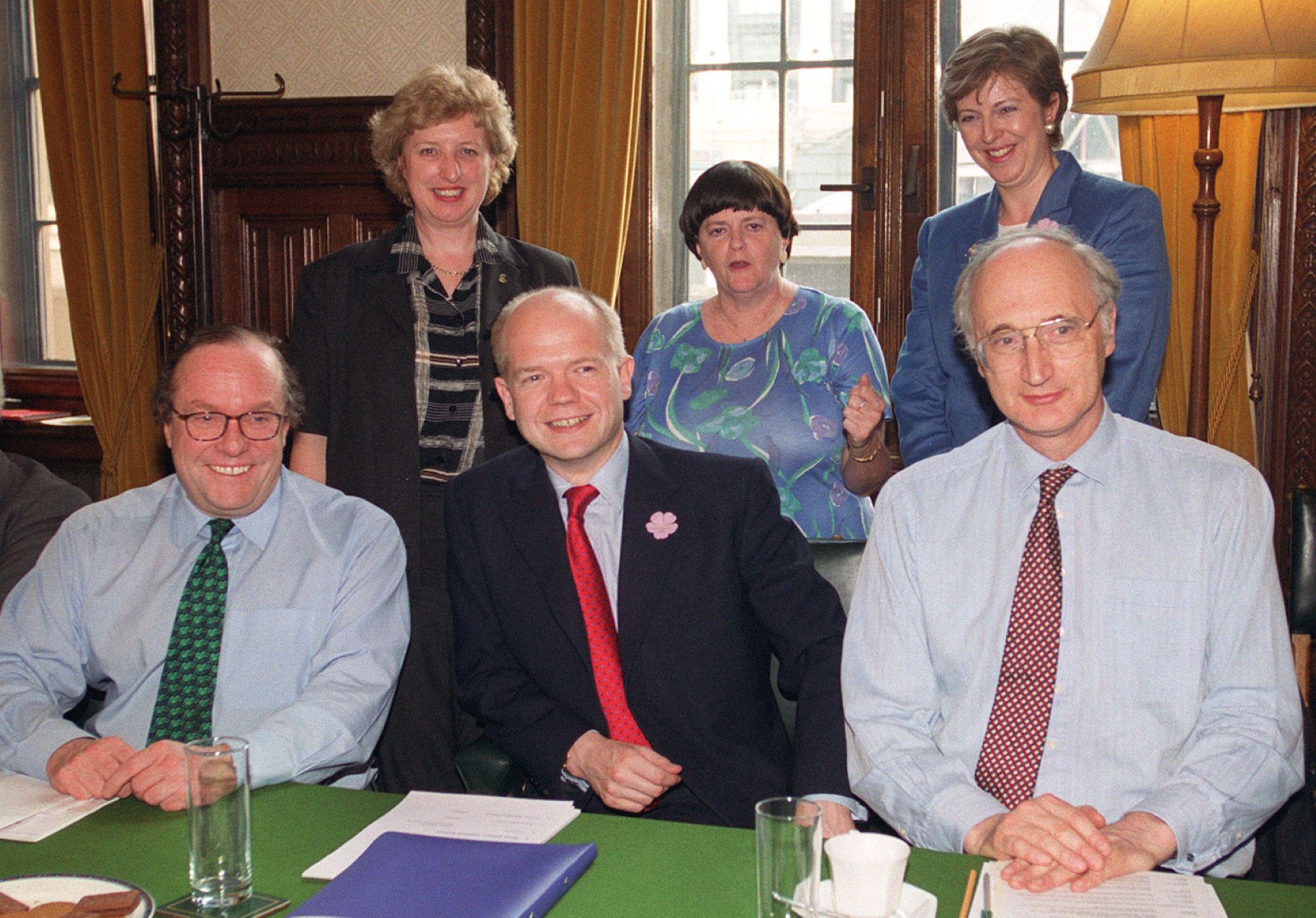
Ann Widdecombe and I did not always agree – but I recall fondly that we laughed a lot, writes Baroness Browning
In June 1983 Ann Widdecombe made her second unsuccessful attempt to win a seat in a general election, this time in Plymouth Devonport fighting against David Owen of the SDP Alliance.
Keen to support a woman candidate, this was where I first met Ann. As soon as the election was over Ann returned to London where her doctor confirmed that she had been campaigning while suffering from pneumonia.
We became friends. Ann was ahead of me in the quest to become an MP. She had done battle in both Burnley and Plymouth Devonport, I was looking to fight my first seat.
There were no training courses or mentors for candidates in those days and we agreed to work together: Ann now determined to find a ‘safe’ seat and me wanting a first attempt.
We also found we had things in common. Ann was a speaker for Women for Defence. I was a speaker for Peace Through Nato. Both organisations debated with CND and others opposed to nuclear deterrence. We debated around the country and on one occasion in Ireland, at the Tipperary Peace Festival, Monsignor Bruce Kent challenged us to debate back home. We hired the Drum Theatre in Plymouth for a public debate, which we won.
There were no training courses or mentors for candidates in those days and we agreed to work together… I learned a lot from Ann
I learned a lot from Ann who encouraged me to produce press releases and press conferences in the days before the internet.
We did not always agree; Ann held strong views on most subjects but I recall fondly that we laughed a lot. Ann had a good sense of humour. After one debate in Exeter a lady I knew from the Conservative Party asked me if we would come and give a talk in Budleigh Salterton. She said she would consult her committee. I heard nothing but seeing her some weeks later she said, “Oh my dear, I did consult the committee but I am afraid they thought you and Ann are ‘too fast’ for Budleigh Salterton.” An expression I had always considered to have certain connotations. We roared with laughter.
As we approached the 1987 election we started applying for constituencies, sometimes being interviewed for the same seat.
All was well. Ann won her Maidstone seat in 1987 and took her seat in Parliament. I unsuccessfully fought Crewe and Nantwich, later joining Ann in Parliament in 1992 representing my home seat of Tiverton.
We served together in the John Major government as ministers and in William Hague’s shadow cabinet.
They were great times: it is how I will remember Ann.
Baroness Browning is a Conservative peer
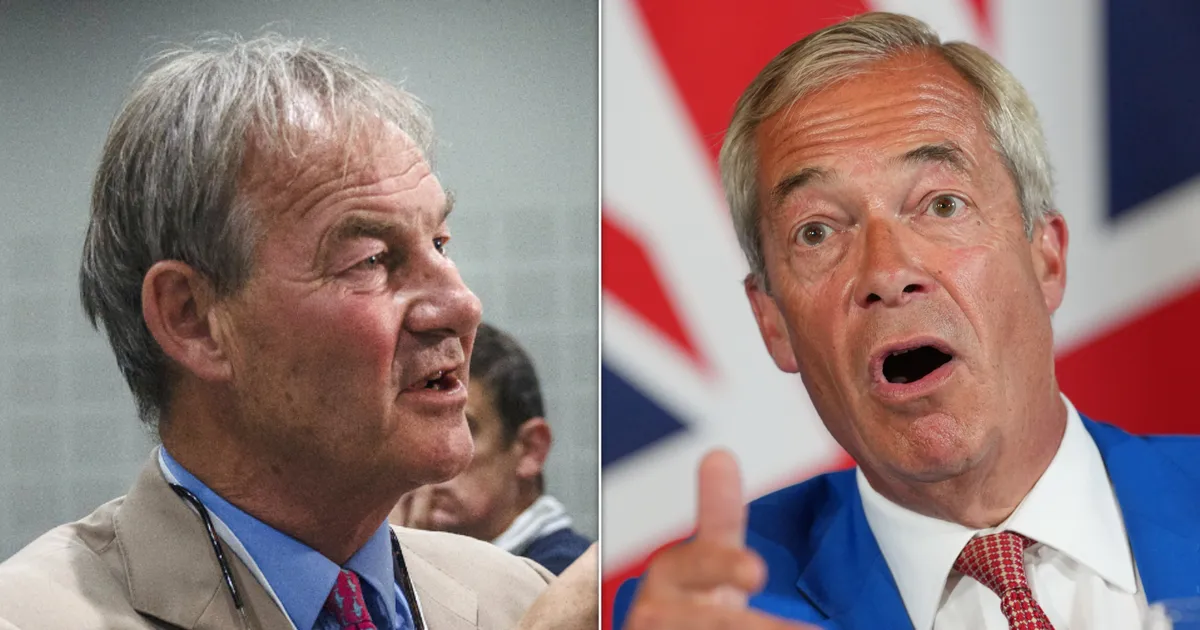
Rupert Lowe has accused Nigel Farage of “outright lying” about their private conversations.
The Restore Britain leader publicly offered to form an alliance with Reform UK on Sunday in a bid to unite the right.
Farage insisted he has responded to the offer “with an open mind”, telling reporters at a press conference on Monday: “I did actually reach out back yesterday to him. I did say ‘look should we have a call’.
“I haven’t heard back yet so I don’t know what the sincerity of this is.”
He claimed: “It seemed to me that he was sort of more than anything putting out this gesture saying ‘look I am the good guy – Nigel’s the bad guy’. Well that is not the case.”
But Lowe hit back on social media with a screenshot of what appears to be their message exchange.
The MP for Great Yarmouth said: “I do not want to make private conversations public, but Farage has just done so at a national press conference. He just stated he said to me yesterday ‘Shall we have a call?’.
“Sadly, that is just a lie. Yesterday at 10.30 Nigel messaged me, saying the following three words. ‘Will call later’. The evidence is below. I have received no call. Senior Reform figures then went public to rubbish my offer.”
“The offer remains open to Nigel and Reform. Although outright lying about our private conversations does not help that,” Lowe said.
He continued: “For Restore Britain, it will always be country before party – ahead of any personal differences or past disagreements we have. Every single time. The country is more important, and I will always put it ahead of my own interests.”
Lowe was elected as a Reform MP back in 2024 before falling out with Farage and being kicked out of the party.
He then set up his far-right splinter group, Restore Britain, which split support for Reform in both the Makerfield by-election and the Greater Manchester mayoral by-election.
His offer to work together came after Reform lost its lead in the opinion polls for the first time in over a year.
Farage also triggered a by-election in his own constituency of Clacton last month amid heightened scrutiny over his finances.
A probe into a £5 million donation Farage failed to declare to parliament when he won a seat in the 2024 general election is on pause right now but will resume if he wins his seat back.
All major parties have refused to field a candidate in the Clacton contest, calling it a political stunt, meaning the Reform leader’s main opponent is comedy candidate Count Binface.
Listen to Commons People, the podcast that makes politics easy. Every week, Kevin Schofield and Kate Nicholson unpack the week’s biggest stories to keep you informed. Join us for straightforward analysis of what’s going on at Westminster.
We hope you love the products we recommend! All of them were independently selected by our editors. Just so you know, HuffPost UK may collect a share of sales or other compensation from the links on this page if you decide to shop from them. Oh, and FYI — prices are accurate and items in stock as of time of publication.
I have an awful affliction – and I know I’m not alone. My thigh chafe has gotten out of control.
As much as I love frolicking around in dresses and skirts in summer, the constant pain between my legs is an unfortunate drawback.
Nobody wants to have to spend hours each evening moisturising their thighs – so a few years ago I finally had enough, and went a little out of left field.
As a shopping writer, I have a lot of lube lying around (seriously – enough to start my own slip ’n slide park) so I looked at it one fateful day and thought: what the hell, sure.
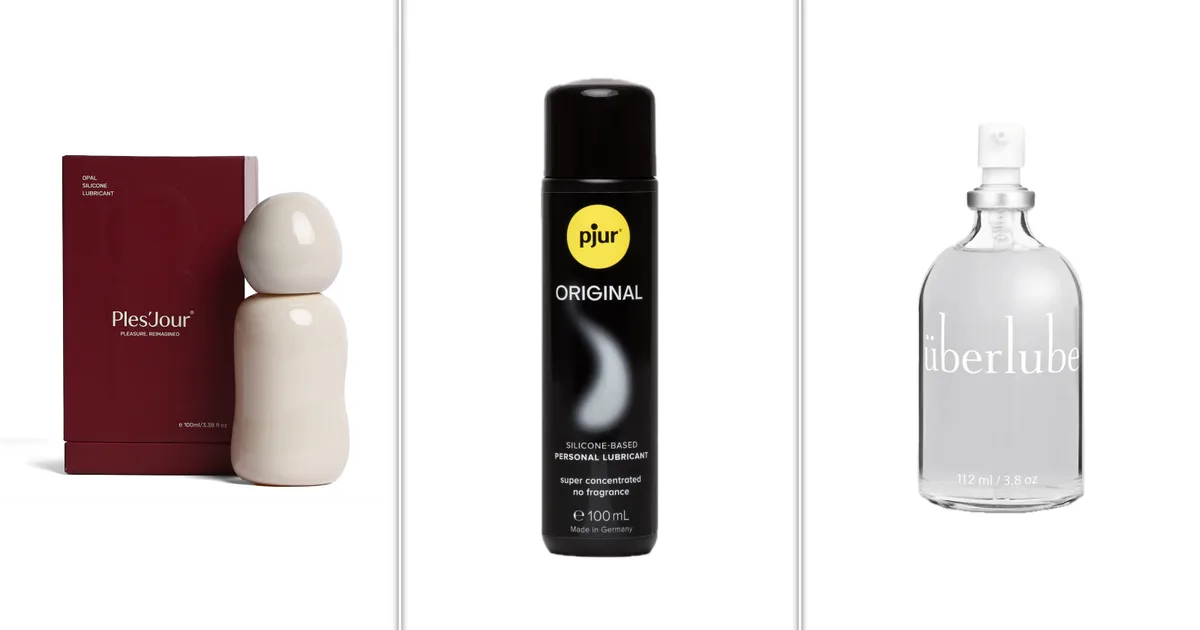
Carefully choosing a silicone lube that I knew didn’t stain, I rubbed it between my legs and it was complete bliss. No, not in the way you’re thinking.
Instead, it completely stopped my thigh chafe. Even on the hottest of days, silicone lube is still my hack for not ending the day looking like someone’s tried to set fire to my loins.
Thanks to the fact a silicone lube doesn’t dry out by itself, it can withstand plenty of sweating and, crucially, rubbing.
Only once you’ve washed it off with plenty of soap and water will it disappear, and that’s perfect for me because it lasts the whole day long.
The key to a good silicone lube for heat rash is finding a non-greasy one, as you won’t want to stain your gorgeous summer clothes.
So you don’t have any sudden needs to run to the dry cleaners, I’ve done the leg work for you (literally).
It goes without saying that once you have a silicone lube you really like, you can also use it for other things, too…
Just don’t use it with a silicone sex toy as that will degrade the surface and make it less safe to use over time. Enjoyyy.
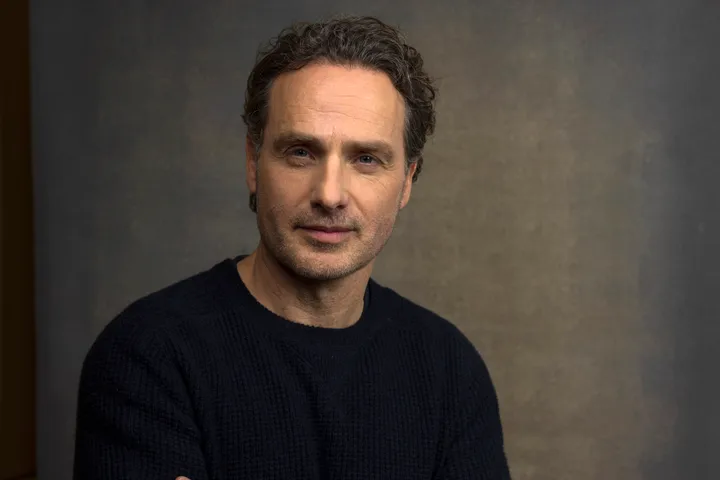
First came the news that Netflix is working on a The Inbetweeners reunion movie.
And the happy updates keep coming – the streamer will also add 371 episodes of zombie thriller The Walking Dead, and a range of spin-offs, to its UK site in 2027.
That’s part of a new deal between Netflix and AMC Global Media that’ll last for five years (though it could be renewed). Netflix has been the home of The Walking Dead since 2011.
But this arrangement will see them add the original show and its related titles to their UK, Italy, Australia, and New Zealand catalogues, too (it’ll be released co-exclusively with AMC+).
They’ll come out at different dates according to location, based on where each region’s current streaming deals expire.
Alongside The Walking Dead, Netflix will also add the following offshoots:
- Fear the Walking Dead,
- The Walking Dead: Daryl Dixon,
- The Walking Dead: Dead City,
- The Walking Dead: The Ones Who Live,
- The Walking Dead: World Beyond, and
- Tales of The Walking Dead.
In all, this amounts to 371 bingeable episodes.
Lori Conkling, Vice President of Licensing at Netflix, said: “Audiences have discovered and loved The Walking Dead on Netflix for nearly 15 years and the show continues to attract new fans. We’re excited to partner with AMC Global Media to continue to expand that access to more audiences around the world and bring the entirety of The Walking Dead Universe to Netflix.”

And Kristin Dolan, CEO of AMC Global Media, added: “We are thrilled to expand our long-time partnership with Netflix around The Walking Dead.
“This deal creates a global destination for this universe – all shows, all episodes – making the franchise more accessible than ever to fans around the world… Netflix has been an important partner in making The Walking Dead one of the most successful franchises in the history of entertainment. This agreement is a fantastic result for our companies, for the fans and for this timeless IP.”
Here’s looking forward to a massive binge-watch…
One thing about me is I have an irresistible penchant for listening to albums on repeat.
Call it obsessive, but every few months I’ll discover (or often, rediscover) an album that I love, and listen to it over and over until I get bored of it.
When Olivia Rodrigo dropped her third album You Look Pretty Sad For A Girl So In Love earlier this summer, that quickly became my go-to album.
No matter what I’m doing – at the gym, in the office, and while I’m cooking – I can’t stop listening to it.
So, naturally, when I heard LEGO had collabed with Olivia herself to create an Editions collection, I knew I had to have it.
Honestly, I couldn’t think of a better way to spend my evening than listening to the album and being the first person to get their hands messy putting together the matching LEGO set.
Because yes, I might be 26, but I’ve never stopped being a fan – and I’m not ashamed.
The collection is made up of five pieces: the Dual Guitar, Secret Storage, Concert Moon, Vinyl, and Flower Bouquet.
If life was fair, I would have got all of them. Unfortunately, my flat isn’t big enough to accommodate five different Olivia Rodrigo LEGO sets – nor are my flatmates accepting enough – so I went for the guitar.
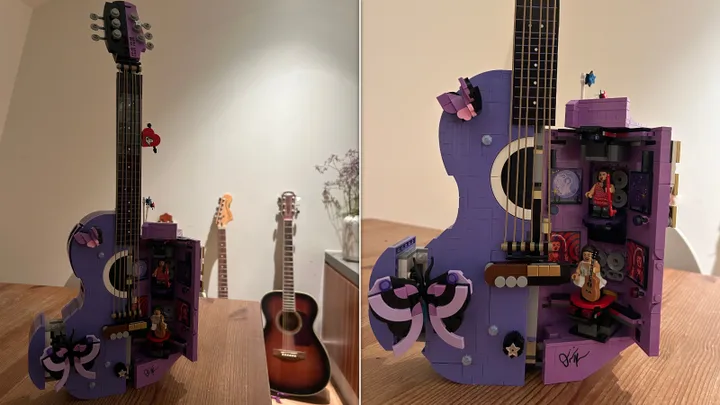
Made up of 1,228 pieces, the set comes with two Olivia figurines that sit inside a guitar that is also home to her dressing room and a stage.
The entire thing comes in Olivia’s signature purple and black, with one half making an electric guitar and the other an acoustic, and is anointed with butterflies, stars, and sparkles.
Reader, I must admit I had a great time building this set. It took me around seven hours (or 11 album listens) to complete over the course of several evenings.

The set truly comes with everything a fan could hope for, which makes it the perfect birthday (or, dare I mention Christmas?) gift for a teenage girl or boy.
As well as making a literal guitar set with strings (that were extremely fiddly to assemble) it has all the makings of incredible merch.
Inside the dressing room ‘trust your Guts’ is written in lipstick on the mirror that sits behind a lipstick, chair, and ice cream Olivia is in the middle of eating.
The front of the guitar has a LEGO brick with Olivia’s signature on it, while the stage is surrounded by photos and Easter eggs for what the artist has coming next.
If you’re worried you won’t be able to build it, don’t worry, because you can follow along with the LEGO® Builder app that has digital instructions and a 3D digital model to make sure you’re getting it right.
Overall, it was a fairly relaxing process putting this together. There were a couple of tricky parts – including assembling the two halves of the guitar and getting the strings clicked into place (top tip: make sure they’re all pointing in the same direction).
But considering it’s a collection item you’ll want to keep on display forever (or should I say u+me=<3?) the effort is totally worth it; I can’t stop looking at all the cute details on the outside.
Not to mention it comes in at £109, which for a 50cm LEGO set is extremely reasonable – and we have high expectations!


Congress Just KILLED Crypto’s Biggest Bill

War Machine (2026) Is The Most Watched Netflix Film In 2026

Bithumb Sets 2028 IPO Target, Plans Internal-Control Overhaul


-

 Business5 days ago
Why Trees Belong on the Risk Register
-

 Fashion3 days ago
Weekend Open Thread: Wit & Wisdom
-

 Politics3 days ago
Meta enters AI-training agreement with far-right ‘propaganda rag’ Newsmax
-
 Entertainment6 days ago
‘Stargate’ Creator’s New Sci-Fi Series Returns for Season 3 Tomorrow
-

 Crypto World2 days ago
MicroStrategy Post-Earnings CLARITY Act Push Could Add New Catalyst for Its Stock
-

 Politics6 days ago
The Part of the Electric Transition Nobody Wants to Discuss
-

 Business5 days ago
Major shareholder moves on Canyon
-

 Crypto World2 days ago
XRP Ledger v3.3.0 brings five institutional features
-

 News Videos4 days ago
Bitcoin Enters the 3rd Stage of the Bear Market
-

 Crypto World6 days ago
Kraken Enables Retail Access to Jersey Mike’s IPO via Tokenized Shares
-

 Tech7 days ago
New macOS Sequoia & Sonoma security updates for older Macs
-

 Politics4 days ago
Luke Littler’s dominance sparks GOAT debate
-

 News Videos6 days ago
Claude: Build Financial Dashboards in Minutes (2026)
-

 Business6 days ago
Johnson & Johnson agrees to $5.5B settlement over talc cancer claims
-

 Sports4 days ago
Seema Kaliramna Wins Discus Throw Bronze, Takes India’s CWG Medals Tally To 17
-

 Crypto World1 day ago
Crypto PAC spending tops $2M in Michigan House race
-

 Business3 days ago
Trump Announces Hamas Disarmament Agreement as Iran Strikes Kuwait Air Base and US Attacks Pause Overnight
-

 Crypto World3 days ago
New York sues Kalshi over prediction market gambling
-

 Tech5 days ago
Gemini can now summarize the messiest comment threads in Google Docs
-

 Tech1 day ago
ESET tracks rise in malicious AI skills and adaptable malware
You must be logged in to post a comment Login