
Politics
Trump promises genocide of Iran

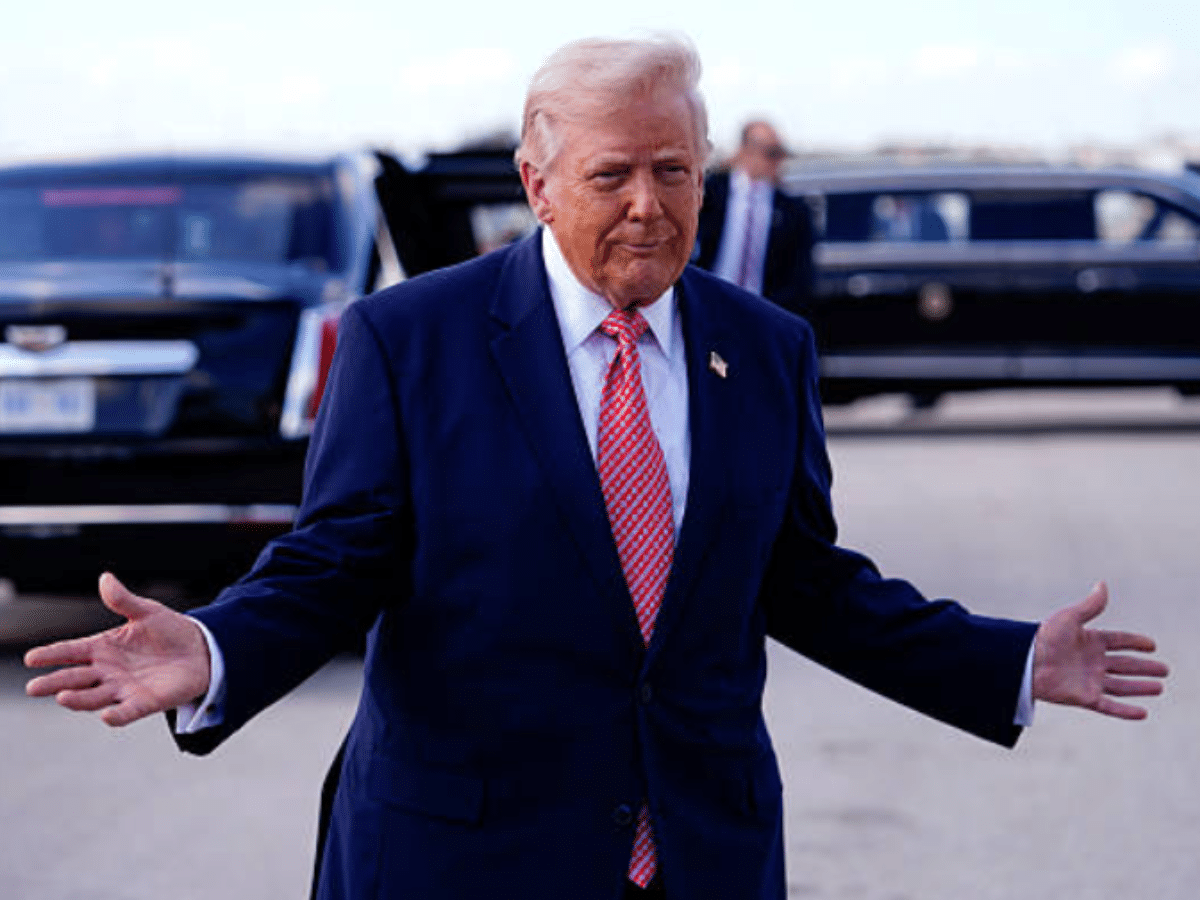
US President Donald Trump has called for the genocide of Iran. In his latest bizarre rant, Trump said he would wipe out the country unless it opened the straits of Hormuz ahead of a deadline he’d set for 8pm on 7 April 2026. Trump said on Truth Social:
A whole civilization will die tonight, never to be brought back again. I don’t want that to happen, but it probably will. However, now that we have Complete and Total Regime Change, where different, smarter, and less radicalized minds prevail, maybe something revolutionarily wonderful can happen, WHO KNOWS?
Adding:
We will find out tonight, one of the most important moments in the long and complex history of the World. 47 years of extortion, corruption, and death, will finally end. God Bless the Great People of Iran!
The stream-of-consciousness post was full of contradictions. Why, if the ‘regime’ has been successfully changed, does an entire civilisation need to “die”?
Why the threat of obliteration and then a nod to the ‘great people of Iran’?
And how does Trump mean to do it? Is it a nuclear threat? Or just his typical bully-boy bluster? Trump is hard to read, as ever. He is a declining man and the head of a declining empire, clearly. But we do know he has developed a taste for war crimes…
Trump’s taste for war crime
Trump’s second term has been full of war criminality. On the one hand he has supported the Israeli genocide in Gaza. And in his current attack on Iran he has said outright he is indifferent to war crimes.
As the Guardian reported:
Donald Trump has said that he was “not at all” concerned about committing possible war crimes as he again threatened to destroy Iran’s bridges and power plants if Tehran does not meet his Tuesday 8pm ET deadline to reopen the strait of Hormuz.
The Guardian’s senior international correspondent said:
In a rambling national address on Wednesday, the US president warned that if Iran did not reach an unspecified deal with him, US forces would “hit each and every one of their electric-generating plants” and “bring [Iran] back to the stone ages – where they belong”.
According to Politico, Trump expanded by arguing:
You know what’s a war crime? Having a nuclear weapon. Allowing a sick country, with demented leadership, [to] have a nuclear weapon — that’s a war crime.
However, the same article suggested the Pentagon were trying to find ways to frame Iranian energy and other infrastructure as dual civilian-military use to escape war crime allegations down the road:
The Pentagon is expanding a list of Iranian energy sites it can target for attacks to include ones that provide fuel and power to both civilians and the military, a likely workaround if the administration is accused of war crimes for striking basic infrastructure.
Trump’s colonial death-world
Trump’s comment reminds us again of the genocidal racism generated to sustain empire. Commenter Nesrine Malik reminded us in relation to Gaza in July 2025:
What does getting used to it [genocide] look like? It looks like accepting that there are certain groups of people who can be killed. That it is, in fact, reasonable and necessary that they should die in order to maintain a political system that is built on the inequality of human life.
This is what the philosopher Achille Mbembe calls “necropolitics” – the exercising of power to dictate how some people live and how others must die.
She goes on:
Necropolitics creates “deathworlds” where there are “new and unique forms of social existence in which vast populations are subjected to living conditions that confer upon them the status of the living dead”.
Adding:
In those deathworlds the killing of others, and the destruction of their habitat through epic military capabilities whose impact is never experienced by the citizens of the countries responsible, confer even more value on the humanity of those in the “civilised” west. They are exempt because they are good, not because they are strong. Palestinians die because they are bad, not because they are weak.
As in Libya, Iraq, Afghanistan, Sudan, Gaza (and countless other places), so it is in Iran, as far as imperialist America is concerned.
Humiliation and decline
Politico also reminded its readers that US defence secretary Pete Hegseth gutted those parts of the Pentagon which were meant to minimise civilian harm after taking office.
US-Israel attacked Iran first on 28 February without provocation. Iran was offering unprecedented concessions in negotiations at the time. The Pentagon has since stated there was no imminent threat from Iran. And the UN’s atomic watchdog, the IAEA, has said there is no evidence Iran was developing a nuclear weapon.
The US has achieved none of its original war aims. Iran predictably closed the Straits of Hormuz, a vital oil channel, once attacked – creating a global energy crisis. Far from being defeated, Iran has said the war will continue until “the enemy’s inevitable and permanent humiliation, disgrace, regret, and surrender”. Trump came to power on an anti-war ‘America First’ ticket. He now faces worldwide humiliation.
One hundred legal experts warned that US actions in Iran could be considered war crimes on 2 April. They also said they were deeply concerned that Trump administration’s rhetoric – as evidenced above – would lead to even greater horrors.
Clearly, the War on Terror has had a corrosive effect on western institutions – like the UN and ICC – built to minimise war crimes and civilian harm after WW2. We can say this while acknowledging that those ‘rules’ were never evenly applied anyway. To the narrow degree they did exist, the meagre protections they once offered are being dismantled before our very eyes.
Featured image via the Canary

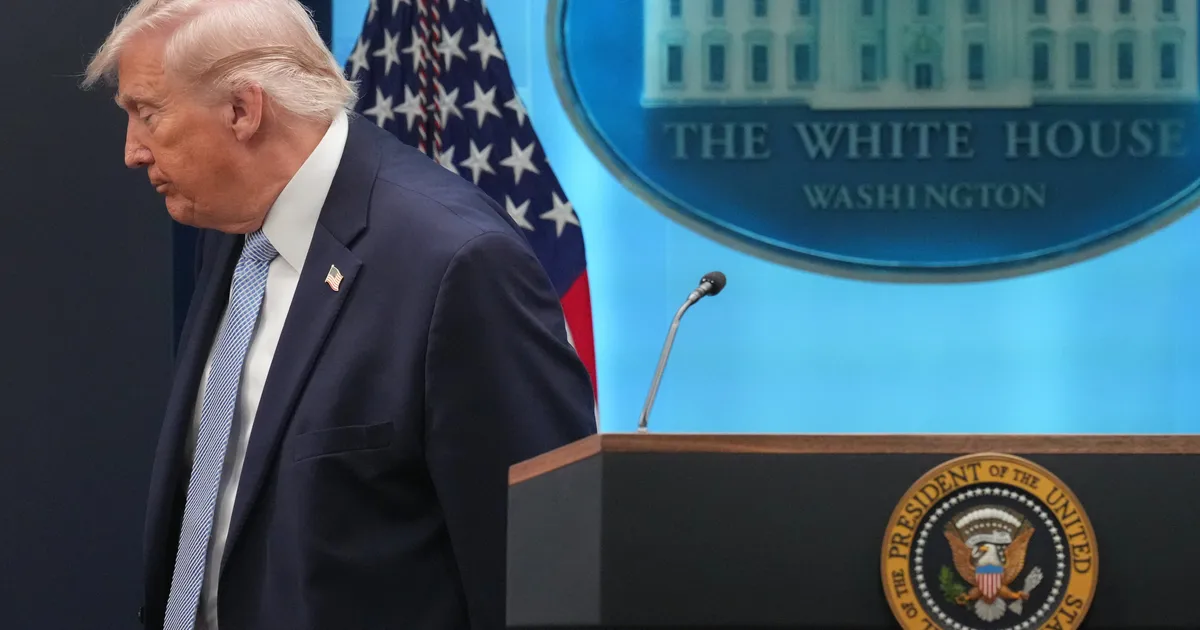
Germany’s chancellor has declared America is being “humiliated” by Iran over negotiations to end the war in the country and reopen the vital Strait of Hormuz.
Friedrich Merz said he “can’t tell what strategic exit the Americans are pursuing” exactly two months after the conflict began.
A ceasefire is currently in place, but there is little prospect of an imminent peace deal being reached.
Meanwhile, the key waterway the Strait of Hormuz remains closed, while the US is blockading Iran’s ports.
Donald Trump last week called off planned peace talks which had been due to be held between American and Iranian officials in the Pakistani capital, Islamabad, insisting they were a waste of time.
Posting on Truth Social, he said: “If they want to talk, all they have to do is call.”
But Merz said: “At the moment I can’t tell what strategic exit the Americans are pursuing, especially since the Iranians are obviously negotiating very skilfully, or perhaps very skilfully refusing to negotiate, and are letting the Americans travel to Islamabad only to send them back home empty-handed.
“An entire nation is being humiliated by the Iranian leadership, especially by these so called Revolutionary Guards.”
Lyse Doucet, the BBC’s highly-respected chief international correspondent, has said any peace deal “will take a long time” to be reached because “neither side wants to back down”.
Subscribe to Commons People, the podcast that makes politics easy. Every week, Kevin Schofield and Kate Nicholson unpack the week’s biggest stories to keep you informed. Join us for straightforward analysis of what’s going on at Westminster.
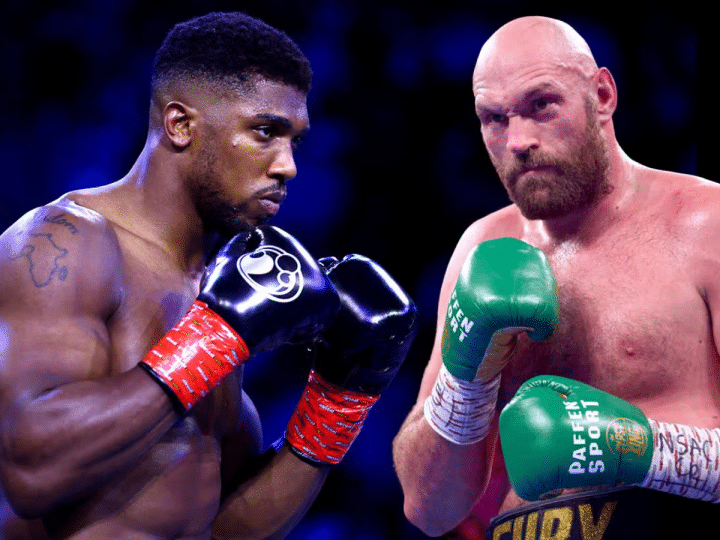

The all‑British super fight is now confirmed for 2026 as two former boxing champions collide on home soil in a career‑defining clash of size, skill and legacy.
The long-anticipated all-British heavyweight showdown between Tyson Fury and Anthony Joshua is officially on.
Boxing promoter, Eddie Hearn, has declared the bout “signed, sealed and delivered”. Meanwhile, both fighters have publicly confirmed contracts are in place, ending years of speculation and near-misses that have kept fans waiting for a true domestic mega-fight.
View this post on Instagram
When and where for Fury vs Joshua boxing match?
Precise details are being finalised, but the fight is expected to take place later in 2026, with several reports pointing to the fourth quarter as the most likely window.
Organisers are targeting a UK stadium setting capable of holding tens of thousands of fans. Venues such as Wembley Stadium and the Tottenham Hotspur Stadium are obvious frontrunners given their record of accomplishment hosting major boxing events.
The plan is clearly to stage the bout on home soil and on the biggest possible stage.
The road to the ring
Both fighters arrive at this meeting with complicated recent histories that explain why the fight took so long to materialise.
Fury’s career has been punctuated by long breaks, a high-profile rivalry with Deontay Wilder, and a later defeat to Oleksandr Usyk that preceded a brief retirement.
Joshua’s path included Olympic glory, world titles, losses to Usyk and a series of comeback fights.
The timing finally aligned after Fury’s comeback victory over Arslanbek Makhmudov and Joshua’s return-to-action plans, allowing promoters to stitch together a deal that had eluded them for years.
Tune-up fights and training camps
Anthony Joshua has a tune-up bout in July. Organisers view this as a necessary step to sharpen his timing and rebuild momentum after a mixed run of recent opponents.
Joshua has also been training with Oleksandr Usyk and his team, which is a notable development given Usyk’s own victories over both Joshua and Fury. The collaboration is being framed as a tactical advantage for AJ.
Fury, meanwhile, has mixed his own training arrangements, bringing back coach SugarHill Steward into his camp shortly before his comeback fight. Fury has often emphasised a degree of self-direction in his preparations.
How each man looks in the ring after their respective camps will be a major factor in assessing the outcome.
High stakes
This is a late-career clash for both men, which adds unpredictability. Injuries, training setbacks or an upset in a tune-up fight could delay or alter the matchup.
Boxing’s history is full of last-minute changes. Promoters are mindful that even with contracts signed, the fight’s timing and staging remain vulnerable to the usual risks, injuries in camp, failed medicals or unforeseen personal issues.
Still, the commercial and sporting incentives to make the fight happen are enormous, so expect organisers to push hard to keep the schedule on track.
Beyond the ropes
This fight is more than a sporting contest; it’s a global entertainment event.
Reports indicate that Saudi financier Turki Alalshikh, who is backing the event, has stipulated a major musical performance as part of the show. Dua Lipa is a proposed headliner.
That kind of crossover entertainment underlines the scale of the production being planned, and the desire to make the event a cultural moment as well as a boxing match.
Which boxer has the edge?
Predicting a winner is difficult and depends on multiple variables: ring rust, physical condition, tactical adjustments, and how each fighter’s style matches up on the night.
Fury’s size, movement and unorthodox style have troubled elite opponents. Meanwhile Joshua’s power, athleticism and improved boxing IQ under different camps make him dangerous at any stage.
Both men have had recent setbacks and long layoffs at various points, which levels the playing field in some respects.
Ultimately, the fight will come down to who executes their game plan under pressure and who can impose their strengths while minimising vulnerabilities.
What boxing fans should watch next
Fans should watch for official announcements on the date and venue, confirmation of undercard fights, and the outcome of Joshua’s July tune-up bout, which will shape expectations heading into the main event.
Training footage, sparring reports and any pre-fight press tours will also offer clues about form and mindset.
Given the commercial muscle behind the promotion, expect a global broadcast plan and a spectacle designed to attract casual viewers as well as hardcore boxing fans.
This fight has been on the cards for many years. Finally, we will see a convergence of star power, national interest and commercial backing.
When Fury and Joshua meet, it will be more than a heavyweight contest. This will be a defining moment for British boxing and a major event on the 2026 sporting calendar.
Featured image via Getty Images
By Faz Ali

In 2025, there were about 10.2 million pet cats in the UK; almost a quarter of all UK households (24%) have a feline friend.
But, per Cats Protection, 3% of these were injured by cars outside the home, and the most common cause for injury was fights among other cats in the great outdoors (15%).
Perhaps it’s no surprise, then, that a new paper has suggested the best way to help our cats live longer is the simple, free technique of keeping them indoors.
Why might keeping cats indoors help them live longer?
Roaming cats may die as many as 10 years before their indoor peers, the researchers wrote.
This is partly because outdoor cats are exposed to “substantial risks of traumatic injury and infectious disease, plus lesser risks of poisoning and abuse”.
They added that the “cohort of outdoor cats has approximately 70-80% of the lifespan of the cohort of indoor cats”, and that chronic conditions created by e.g. injuries sustained outdoors can create expensive vet bills for owners.
Additionally, they found that the quality of life of indoor cats was generally better than that of outdoor cats.
Even their bond with their owners tended to be more satisfying and fulfilling.
That’s not to say being indoors has no downsides fior cats
The researchers say this doesn’t mean keeping your cat indoors carries zero risk.
“Containment,” they say, may lead to “obesity, diabetes or behavioural problems… Contained cats are also unlikely to express all cat behaviour”.
And though solutions including “environmental enrichment, exercise, and correct feeding, plus containment logistics,” are plentiful, they “may strain owners’ time and finances”.
But, they add, on balance, it’s probably still the better choice.
They ended their paper, “We conclude that, based on health and welfare, the advantages of containment are considerable and the disadvantages often remediable.”
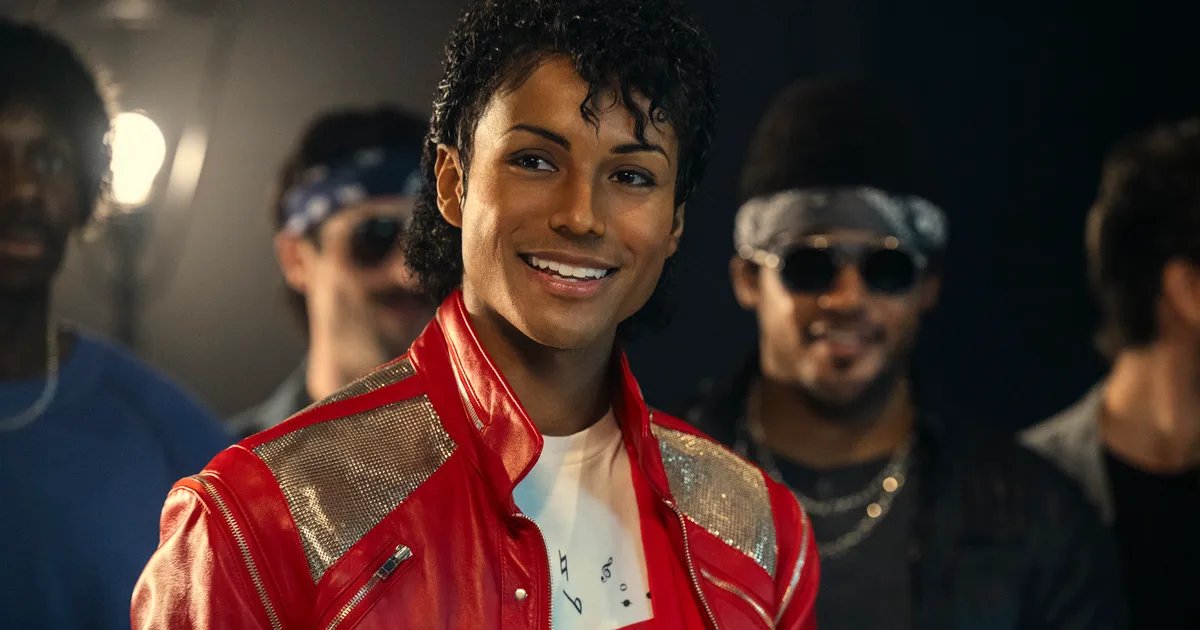
As speculation mounts about a potential sequel to the new Michael Jackson biopic, the head of the movie studio behind it has made a bold claim about its future.
Much has been made of the fact that the new film Michael doesn’t address the many allegations of child sexual abuse levelled against the Billie Jean singer in his lifetime, with several prominent figures attached to the movie claiming this could form the basis of a sequel.
Speaking to Business Insider, Lionsgate chief Adam Fogelson said frankly: “Look, there’s at least one more movie.”
He continued: “Just speaking less as an employee of Lionsgate and more as a person who has spent a lot of time in the movie business, I was always excited by the possibility that you could make a more complete and satisfying telling of Michael’s story if you weren’t confined to only one movie.”
Originally, filmmaker Antoine Fuqua had intended to include scenes referencing the allegations, and even shot a sequence of the police raiding Jackson’s Neverland ranch.
However, when production was close to being complete, the Jackson estate discovered a legal clause in one accuser’s settlement, forbidding his name or likeness from ever being featured in a film.
As a result, Fuqua had to bring back the cast and crew for costly reshoots, though Fogelson said some of this footage could still see the light of day.
“From my perspective, it’s important to try to give the audience an authentic understanding of who Michael Jackson was,” he added.
“So I think that that can be done with or without some of what was in the third act that had to be scrapped.”
During an interview published over the weekend, Fuqua was asked if it was true that around “a third of footage” already recorded could go into a potential Michael follow-up, to which he confirmed: “Absolutely.”
He also said last week that if a Michael sequel were to go ahead, he’d hope to not “sensationalise” the stories and controversies surrounding the Grammy winner in his later years.
“Being a movie star, rock star, superstar like Michael, there’s enough of that already,” he claimed. “You don’t have to do much. But I think the key is, like, who was he as a human being?
Michael had a mauling from critics in the lead-up to its release, but it’s seemingly fared much better with audiences.
As well as making more money in its opening weekend than any biopic before it, it holds an audience score on Rotten Tomatoes of 97%, and an average Letterboxd rating of 3.6 stars of a possible five.
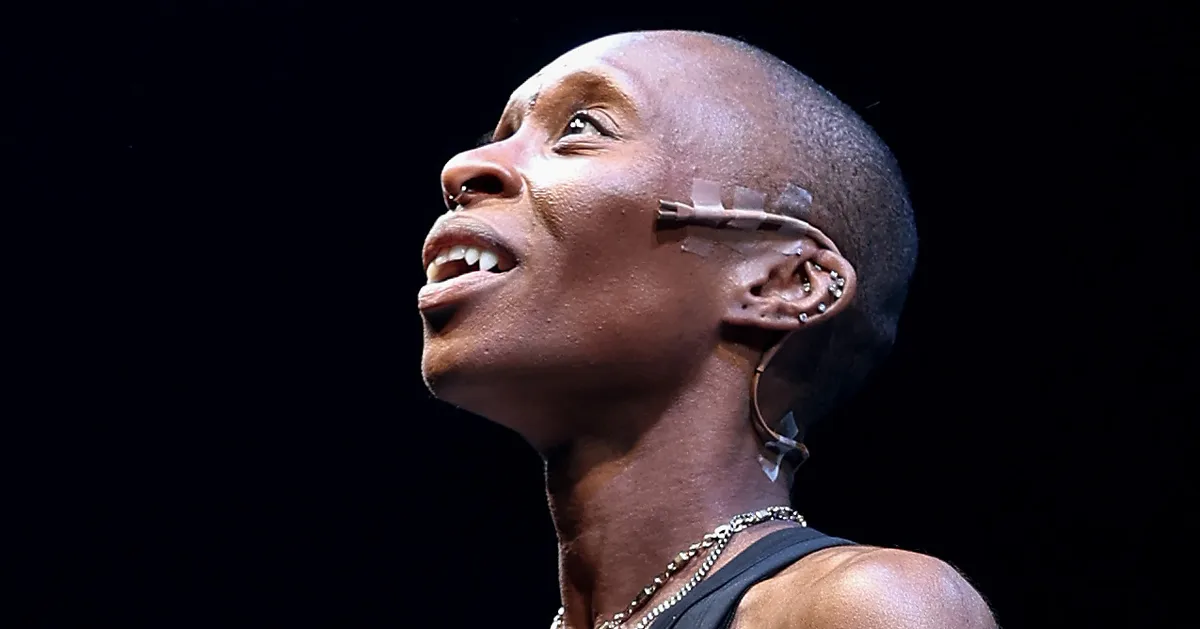
Cynthia Erivo brought a live performance of Dracula to an abrupt halt on Monday night, after spotting an audience member filming in the audience.
The show was then paused, with one audience member later sharing footage they filmed during this break, questioning: “Whatever happened to theatre etiquette?”
Metro also cited another audience member who claimed that the filming patron was “kicked out” by security, with the Oscar nominee returning to the stage to resume her performance after a 10-minute break.
HuffPost UK has contacted representatives for Cynthia Erivo and the Noel Coward Theatre, where Dracula is currently playing, for comment.
And just this month, Lesley Manville took issue with the current trend that has seen theatres allowing guests to film the curtain call on their phones.
“It’s theatre – let’s preserve it!” she told Radio 4. “We are all in this room, we are telling you a story, you’re listening – clap or don’t clap, but don’t just stick your phone in our face. I find it insulting.”
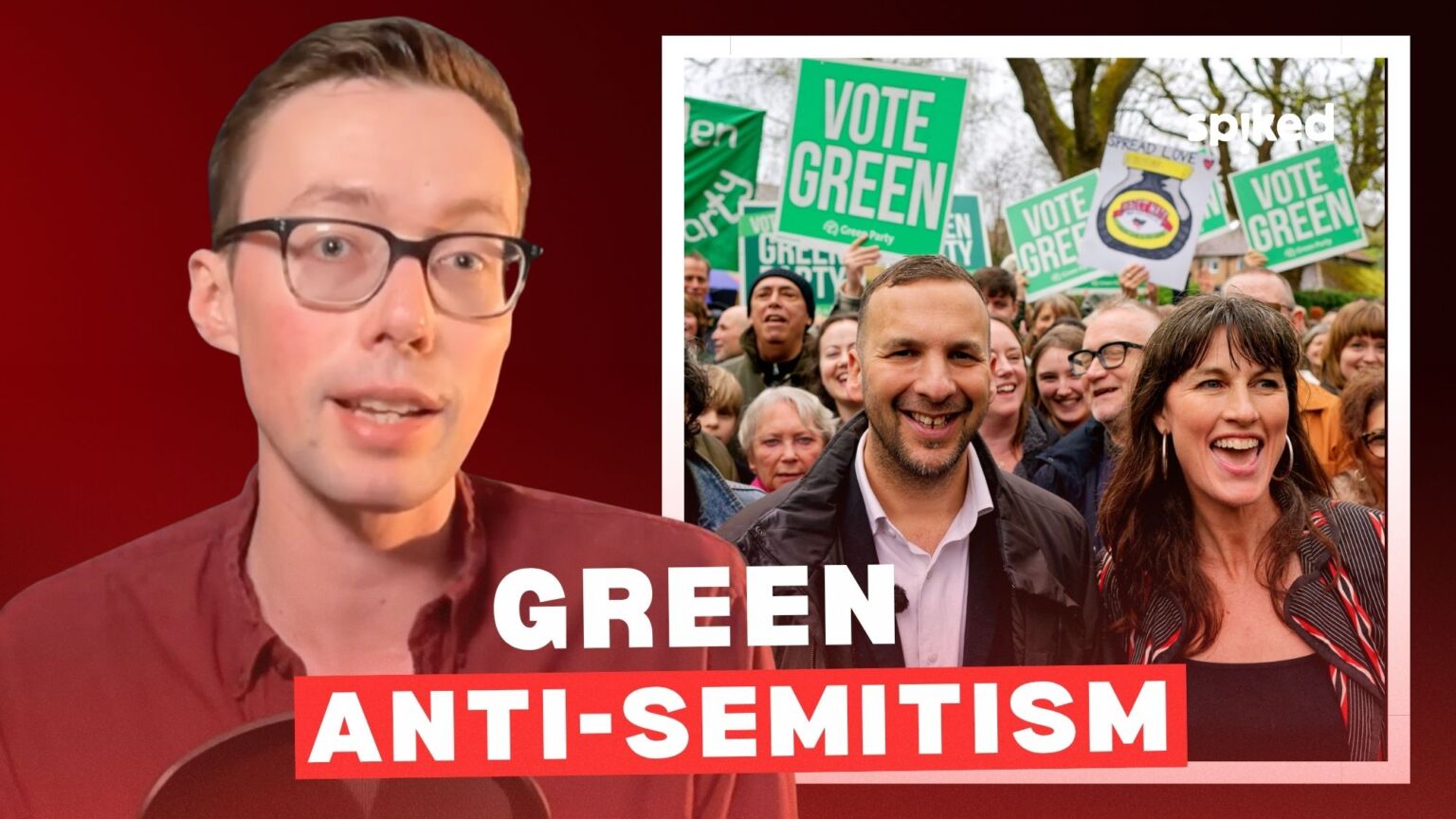
The post How the Greens became the nasty party appeared first on spiked.
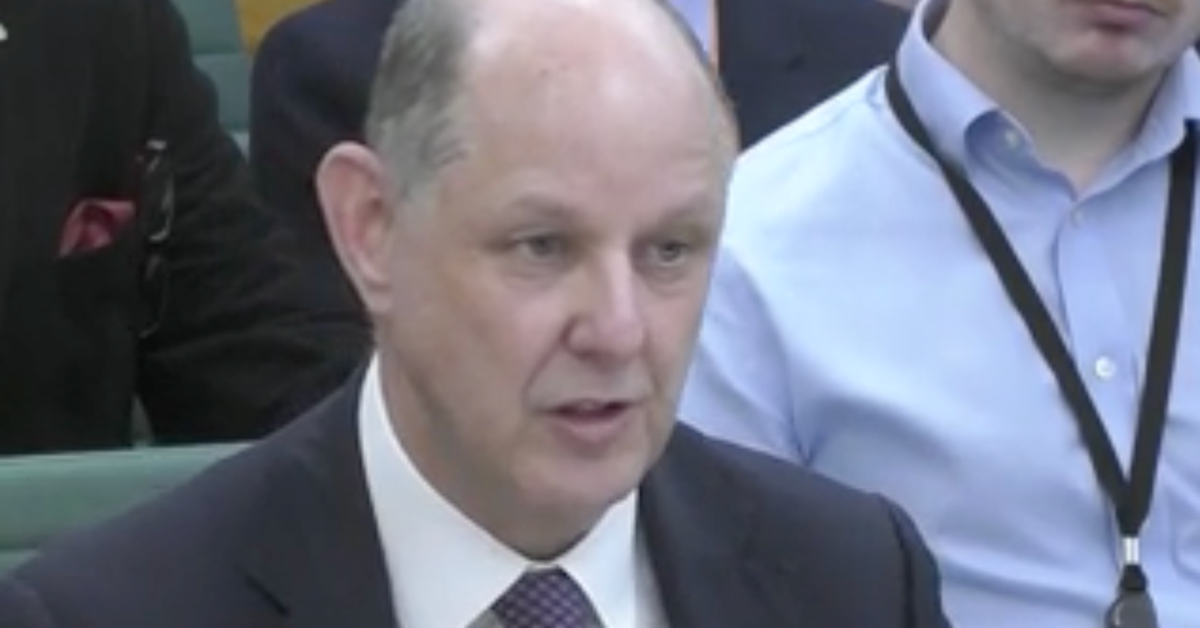
Sir Philip Barton became the latest former civil servant to give evidence to the Foreign Affairs Committee on Peter Mandelson’s appointment as UK ambassador to the United States.
The former permanent secretary at the Foreign Office was quizzed on how the shamed former Labour peer got the role – and whether the rules were followed.
Barton left his post on January 19, 2025, less than a month before Mandelson took up his job in Washington DC, but had been closely involved in the appointment process before then.
Here are the five key things we learned from his 90-minute evidence session.
1) He Had Concerns About Mandelson’s Jeffrey Epstein links
Sir Philip told the committee that he was worried that Mandelson’s known links to the convicted paedophile Jeffrey Epstein would prove problematic.
Asked what concerns he had about the decision by Keir Starmer to give the then Labour peer the plum diplomatic post, he said: “I think it was very much … around the possibility of his known connection to Epstein, causing an issue subsequently.
“Obviously, I didn’t know what was actually going to happen, because Epstein was such a toxic, hot potato subject in US politics itself, including in the election campaign.”
Mandelson was sacked by the prime minister after just six months in the job after further revelations emerged about the extent of his friendship with Epstein.
2) The Cabinet Office Did Not Think Mandelson Needed Top Security Clearance
The Guardian revealed nearly two weeks ago that UK Security Vetting had recommended Mandelson not be given “developed vetting” status, which allows the holders to access top secret government information.
However, he was granted it by Sir Olly Robbins, Sir Philip’s successor as permanent secretary in the Foreign Office.
Giving evidence, Sir Philip confirmed that the Cabinet Office at first did not think that was a prerequisite for Mandelson to take up his ambassadorial role.
He said: “The Cabinet Office initially said that as Mandelson was ‘a fit and proper person’ as a member of the House of Lords, he did not require developed vetting.
“To be honest with you, I thought that was odd and insufficient. To do the job effectively you have to be party to some of the deepest secrets that the UK government holds.”
He said the Cabinet Office later changed its view.
3) No.10 Was ‘Uninterested’ In Mandelson’s Security Status
Sir Philip was asked if No.10 had a “dismissive” attitude towards Mandelson’s security status, as was claimed last week by Sir Olly Robbins.
He replied: “I wouldn’t use the word dismissive. The word I would use is uninterested.
“I think people wanted to know that all the practical steps required for Mandelson to arrive in Washington on or around the [Trump] inauguration date. It needed to be completed at pace, as it were.”
4) The Foreign Office Was ‘Absolutely’ Under Pressure To Get Mandelson In Place
Sir Olly Robbins told the committee last Tuesday that there was “constant pressure” on Foreign Office officials from No.10 to get Mandelson in place.
The PM appeared to contradict those comments at prime minister’s questions the following day, when he insisted no pressure was applied.
Asked whether his department was under pressure, Sir Philip said: “There’s two possible questions here. Question one is, was there pressure on the substance of the [developed vetting] case?
“Question two is, was there pressure to get the [developed vetting] case done in a particular timeframe?
“Answer one is, during my tenure, I was not aware of any pressure on the substance of the Mandelson [developed vetting] case.
“Question two, was there pressure? Absolutely.”
He added: “I don’t think anyone could have been in any doubt in the department working on this that there was pressure to get everything done as quickly as possible.”
5) Starmer’s Claim That ‘Due Process’ Was Followed Thrown Into Doubt
The PM faces a crunch Commons vote on Tuesday over whether he should be investigated for claiming “due process” was followed in Mandelson’s appointment.
The Tories say that is untrue and Starmer has misled the Commons.
Asked whether due process had been followed, Sir Philip refused to back the PM and instead said he would “dodge” the question.
“I think the processes the [Foreign Office] … followed up until I stood down on Sunday, 19th January, that was proper process, done at pace as we were asked,” he said.
However, he did say it was “unusual” for Mandelson’s appointment to be announced before security vetting was carried out.
6) Morgan McSweeney Did Not Tell Him To ‘Just Fucking Approve It’
Sir Philip denied reports that Morgan McSweeney, the PM’s chief of staff at the time of Mandelson’s appointment, had told him to “just fucking approve it”.
He said: “I didn’t receive any direct calls from the chief of staff during my time as permanent under-secretary. So there was no call at all.
“My interactions were always when others were present in a general meeting, there weren’t very many of those either.”
Sir Philip added: ”“I’ve really racked my brains and I cannot recall Morgan McSweeney swearing in a meeting at me, or indeed just in in general.
“So I don’t see any substance in that part of it and I think it’s important I say that this morning, given how many people have come to think that might be true.”
Subscribe to Commons People, the podcast that makes politics easy. Every week, Kevin Schofield and Kate Nicholson unpack the week’s biggest stories to keep you informed. Join us for straightforward analysis of what’s going on at Westminster.
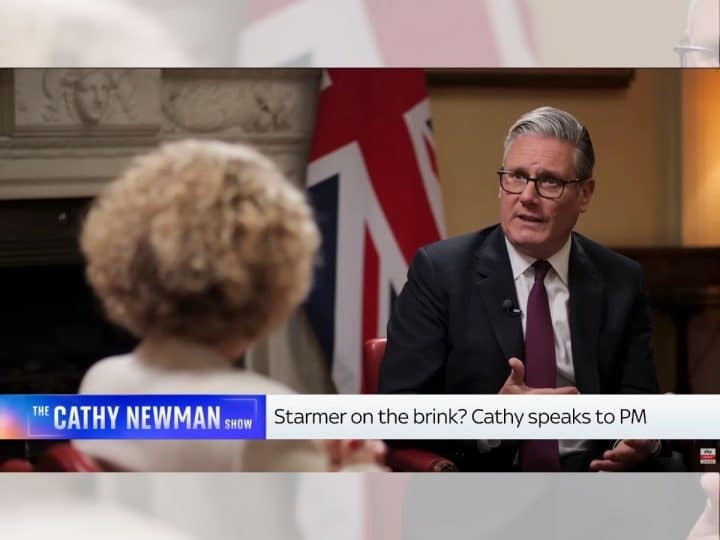

PM Keir Starmer stands accused of multiple instances of misleading Parliament. This is why his opponents tabled a vote to try and force a probe into his behaviour – a tactic Starmer himself once deployed against then-PM Boris Johnson:
Keir Starmer, "What my political opponents are doing tomorrow is a political stunt"
Cathy Newman, "It's a stunt you pulled in opposition against the last, Conservative, government"
Keir Starmer, "The reason they're doing it is because they don't believe what we're doing as a… pic.twitter.com/QXUdZJ86jZ — Farrukh (@implausibleblog) April 27, 2026
Stunted ambitions
Dan Hodges of the Daily Mail is known for having a mixture of very bad and very good opinions (mostly trending bad, to be fair). On the issue of Starmer’s many deceptions, he’s been trending spot-on, and has handily compiled the following list:
Here are the 7 separate occasions Keir Starmer misled the House, misled the country or broke the Ministerial code over the Mandelson affair > Daily Mail > https://t.co/4t2NVwTNh4
— (((Dan Hodges))) (@DPJHodges) April 28, 2026
In summary, Hodge’s list includes Starmer misleading Parliament by telling the House that:
- Due process was followed when Mandelson was hired as ambassador to the US (it wasn’t).
- Pressure was not applied to civil servants vetting Mandelson (it was).
As I’ve been saying. Keir Starmer lied to the House last Wednesday. It’s not even a debatable point any more. He sad no pressure was applied “whatsoever”. And it was. https://t.co/T0AJSjMtVT
— (((Dan Hodges))) (@DPJHodges) April 27, 2026
Starmer also:
- Selectively presented quotes from civil servant Olly Robbins to give a false impression of the evidence he’d given (making a similar point in a Sunday Times interview).
- Almost certainly breached the ministerial code by holding secret meetings with Palantir. As we reported, Starmer claimed this meeting wasn’t a ‘meeting’ despite officials referring to it as a “meeting”. It later emerged that Starmer himself also referred to it as a “meeting”.
- Claimed that no one could have foreseen that anyone would want to inspect his then-chief of staff Morgan McSweeney’s phone. We later learned that Downing Street met to discuss the potential for this happening before McSweeney’s phone was conveniently ‘stolen’.
- Pushed for Mandelson to get the ambassador position without “proper vetting”.
Boris Johnson
In 2022, then-PM Boris Johnson was having his own transparency crisis. As the Guardian reported at the time:
MPs will vote on Thursday on a Labour motion that would trigger an investigation by the House of Commons privileges committee into whether Johnson misled parliament over a string of lockdown-busting parties in Downing Street.
Starmer urged Conservative MPs to seize the opportunity to get rid of Johnson and “bring decency, honesty and integrity back into our politics”.
Johnson would eventually give the investigation the go-ahead, leading to his downfall. Given this, you can see why Starmer would want to avoid allowing any such probe to go ahead.
Starmer also described Johnson as:
a man without shame
While we don’t disagree with the sentiment, Johnson did at least agree to an investigation. This means Starmer is even more shameless than Johnson by his own standards.
Case to answer, Starmer
As Hodges has shown, there’s a strong argument for probing Starmer’s behaviour. Despite this, the man himself is whipping his party to prevent them voting for transparency:
If this was during the Corbyn years, the Papers tomorrow would show Starmer mocked up as Stalin https://t.co/v85y2iGqdo
— Philip Proudfoot (@PhilipProudfoot) April 27, 2026
Starmer might cling on for another day with tactics like this, but the writing is on the wall.
Featured image via Sky News
By Willem Moore
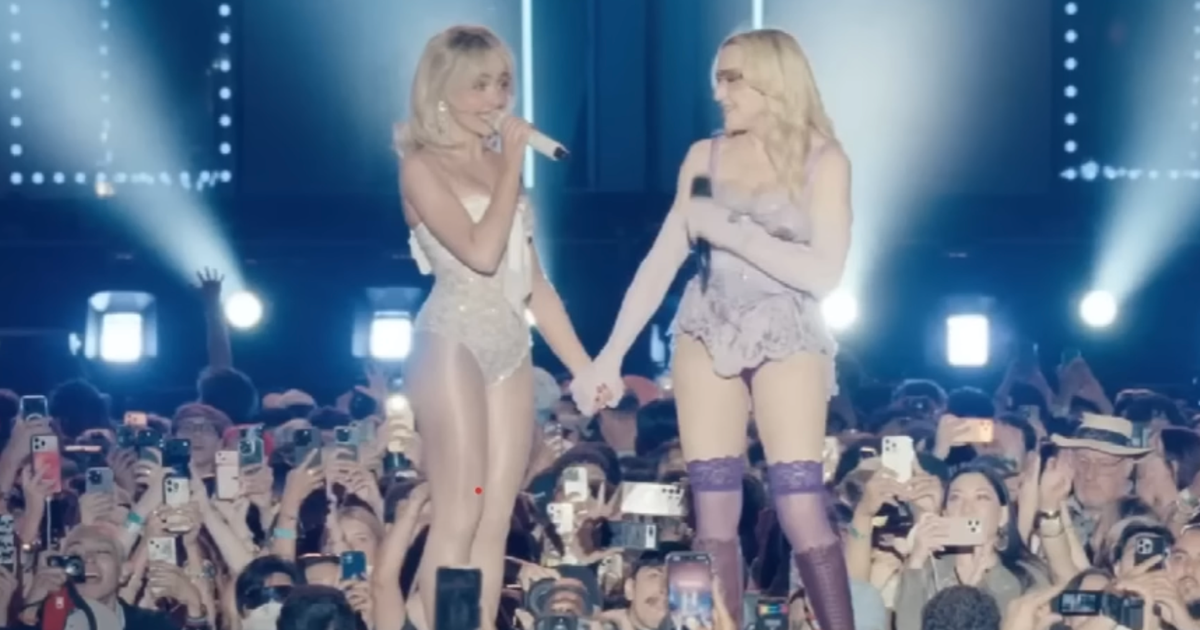
Madonna and Sabrina Carpenter have announced that the wait is almost over before fans get to stream their new duet at their leisure.
On Monday afternoon, the pair confirmed that Bring Your Love would get its official release later this week, and would be available to stream from 11pm on Thursday 30 April.
“We’ve got something to say about it,” they teased on Instagram, quoting the song’s lyrics.
Following her surprise performance at Coachella, Madonna immediately released Confessions II cut I Feel So Free to streaming services, which will serve as the album’s opening track.
She also teased more songs from the album during a surprise appearance at her producer Stuart Price’s DJ set at the West Hollywood club The Abbey over the weekend.
Confessions II will be released worldwide on Friday 3 July.
Politics
Politics Home | No 10 Was “Uninterested” In Mandelson Security Vetting, Says Ex Foreign Office Chief
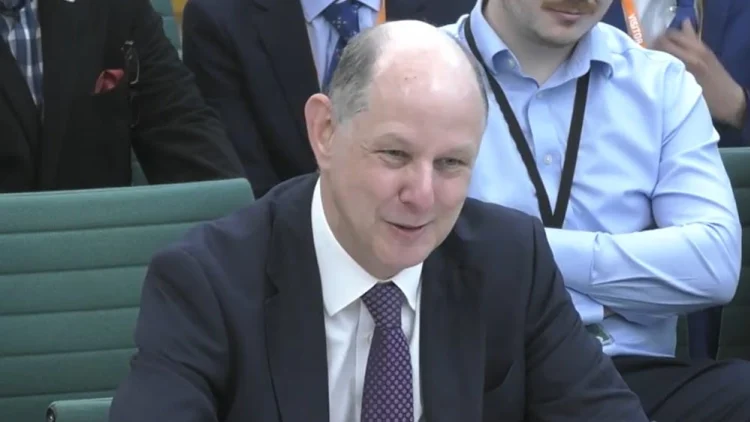

Former foreign office permanent secretary Philip Barton appeared before MPs in parliament on Tuesday. (Alamy)

4 min read
The former head civil servant in the Foreign Office has told MPs that Downing Street showed an “uninterested” attitude towards the security vetting of Lord Mandelson.
Speaking to the Foreign Affairs Select Committee on Tuesday morning, Sir Philip Barton also said he felt at the time of Mandelson’s appointment as UK ambassador to the US that it “could become a problem” given the peer’s links to paedophile financier Jeffrey Epstein.
Barton, who left his post shortly after Labour entered government, said there was pressure from No 10 to complete Mandelson’s appointment as soon as possible, but sought to stress that there was no pressure on the “substance” of Mandelson’s vetting.
Asked whether he would agree with his successor in the Foreign Office, Sir Olly Robbins, who last week told the same committee that No 10 was “dismissive” about Mandelson’s vetting, Barton said: “I wouldn’t use the word dismissive, the word I would use is uninterested.”
He said that there was a lack of “interest” in issues highlighted by the vetting process.
“No one said to me: ‘Look, Philip, the Prime Minister knows there’s some risks around this, can you really, really make sure that the vetting is done rigorously?’” he told MPs.
“It is always rigorous anyway”, he continued. “But that wasn’t the sort of thing being communicated. The sort of thing was: ‘Fine, he needs vetting, make sure it’s done in time’.”
Barton is the latest senior figure to intervene in the saga surrounding Prime Minister Keir Starmer’s decision to appoint Mandelson as UK ambassador to Washington.
Opposition parties have accused Starmer of misleading Parliament over whether due process was followed in the appointment process, as well as the question of what pressure Downing Street put on the Foreign Office to formalise Mandelson’s appointment.
Later today, MPs will vote on whether to refer the Prime Minister to the Privileges Committee on the question of whether he has misled Parliament.
Last week, Robbins — who was sacked by Starmer as Foreign Office permanent secretary over his role in the affair — said UK Security Vetting felt the Mandelson case was “borderline” and was “leaning towards recommending that clearance be denied”, but that the Foreign Office deemed the risks manageable. He sought to stress that Mandelson did not ‘fail’ vetting.
However, in evidence that put more pressure on Starmer’s judgement, Robbins said the Foreign Office had faced “constant pressure” from the No 10 private office to process Mandelson’s appointment as soon as possible.
Speaking this morning, Barton said there was “pressure to get everything done as soon as possible” because No 10 wanted Mandelson in place in time for the start of the second Donald Trump presidency, adding that “the die was cast”. However, he sought to stress to MPs that there was no pressure on the substance of that vetting case.
Barton also denied that he received a call from Morgan McSweeney, who was then the chief of staff to Starmer, urging him to complete Mandelson’s appointment quickly.
“I didn’t receive any direct calls from the chief of staff during my time as permanent under secretary,” said Barton.
“I’ve really racked my brains, and I cannot recall Morgan McSweeney swearing in a meeting at me.”
This is a reference to reports that McSweeney told Barton to “just fucking approve” Mandelson’s appointment to Washington.
Barton admitted to the committee that he felt “conflicted” over not being consulted on Mandelson’s appointment, adding he believed it is “reasonable” to expect the head of the diplomatic service to be consulted.
“On the face of it, it is reasonable for the head of the foreign office to be involved in the thinking around what is our major, top, bilateral ambassador post,” said Barton.
“On the other hand, given clearly the Prime Minister was deciding to make a political appointment, it is also reasonable that civil servants would not be directly involved in discussions around what is a political appointment. Because, in the end, that is a matter for elected politicians.”
Barton also said he felt it was “off and insufficient” that the Cabinet Office said Mandelson didn’t require security vetting before being appointed.
He told MPs that people around Trump felt “blindsided” by the decision to appoint Mandelson, rather than continue with Karen Pierce as UK ambassador to the US.
IPL 2026: 10000 IPL runs for Virat Kohli? Former cricketer believes ‘Without a doubt’ | Cricket News

Apple’s testing 12-month subscriptions with monthly payments

DAVE RAMSEY IS CLUELESS WHEN IT COMES TO THE $1,000 EMERGENCY FUND STRATEGY

Manchester United reach agreement with Casemiro over contract clause amid transfer speculation

US brings back mandatory military draft registration

Steven Gerrard disagrees with Gary Neville over ‘shock’ Chelsea and Arsenal claim | Football


-

 Fashion4 days ago
Weekend Open Thread – Corporette.com
-

 Tech19 hours ago
Register Renaming | Hackaday
-
 Crypto World3 days ago
Hyperliquid $HYPE Rally Builds Momentum as AI Sector Enters Prove-It Phase
-

 Politics6 days ago
Making troops accountable for war crimes threatens US alliance, ex-SAS colonel warns
-

 Politics6 days ago
Disabled people challenge government SEND proposals over segregation concerns
-

 Business4 days ago
Patterson-UTI Energy, Inc. (PTEN) Q1 2026 Earnings Call Transcript
-

 Business6 days ago
Rolls-Royce Voted UK’s Most Iconic Trade Mark as IPO Register Hits 150
-
 Crypto World7 days ago
Five Value Stocks with Recovery Potential in 2026: PayPal (PYPL), Nike (NKE), and More
-
 Sports2 days ago
IPL 2026: Ruturaj Gaikwad registers slowest fifty of the season, enters all-time unwanted list | Cricket News
-

 Politics15 hours ago
Drax board avoid their own AGM, accused of greenwashing & environmental racism
-

 Crypto World7 days ago
New York sues Coinbase, Gemini over prediction market offerings
-

 Politics6 days ago
Starmer handler McSweeney to be dragged from shadows by Foreign Affairs Committee
-

 Politics6 days ago
Zack Polanski responds to home secretary’s taser threat
-
Politics6 days ago
Wings Over Scotland | How To Get Away With Crimes
-
Entertainment7 days ago
Sydney Sweeney cameo cut from “The Devil Wears Prada 2”, source explains why (exclusive)
-
 Business6 days ago
HCL Tech share price tank over 9% after weak Q4. JPMorgan, HSBC & 3 others cut target price
-
 Crypto World7 days ago
Crypto’s great hope in Senate’s Clarity Act still has a path to survive tight calendar
-

 Politics6 days ago
‘Iran is still a nuclear threat’
-

 Fashion7 days ago
Kilkenny Design New Beauty Arrivals for Spring 2026
-
 Sports5 days ago
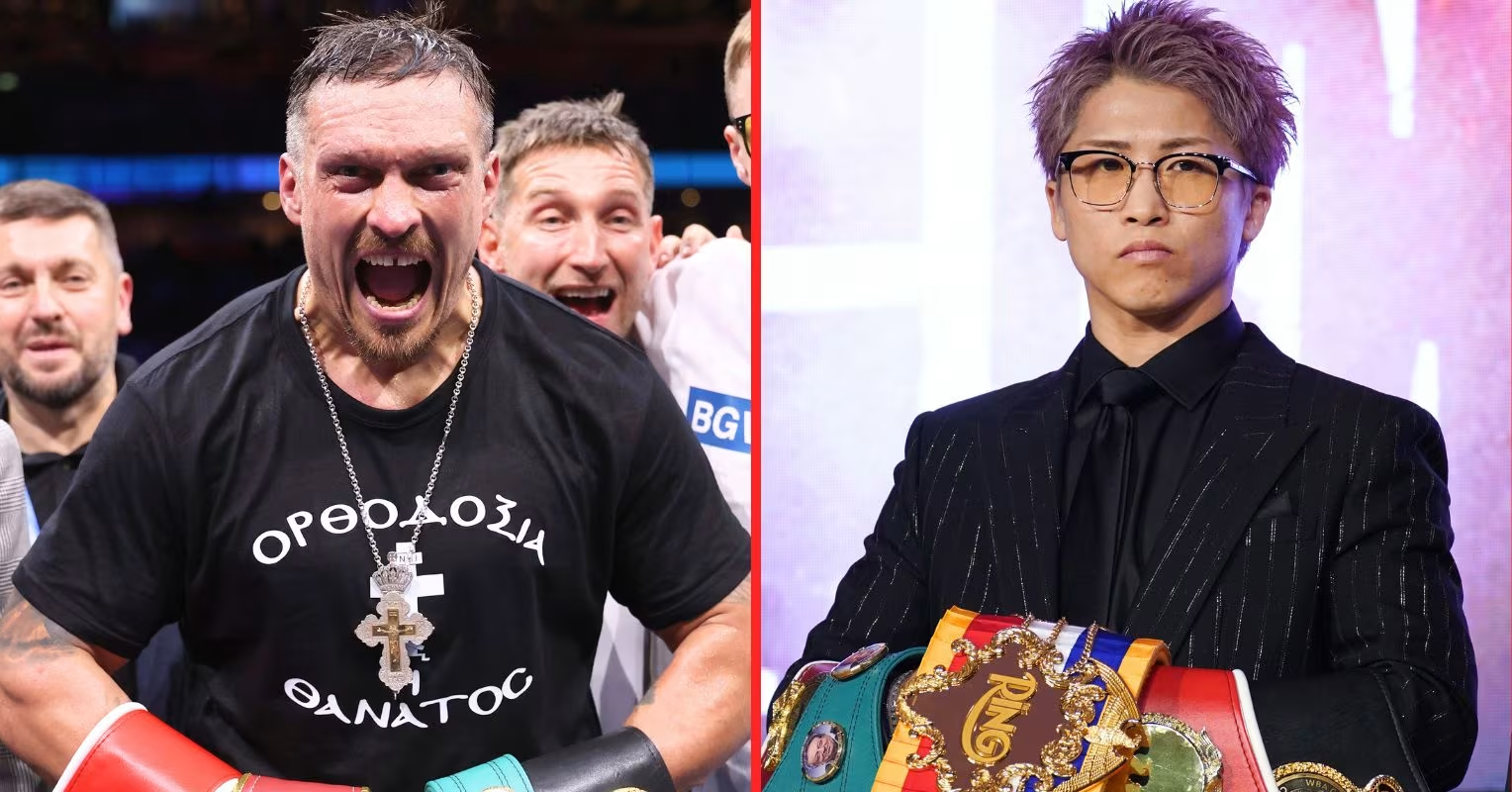
Tim Bradley names the current best in the world: “Better than Inoue and Usyk”
You must be logged in to post a comment Login