Connect with us
DAPA Banner
DAPA Coin
DAPA
COIN PAYMENT ASSET
PRIVACY · BLOCKDAG · HOMOMORPHIC ENCRYPTION · RUST
ElGamal Encrypted MINE DAPA
🚫 GENESIS SOLD OUT
DAPAPAY COMING

Sports

2026 Big Ten Media Days takeaways: Matt Campbell ready to contend at Penn State

Published

on

The Big Ten arrived in Chicago with its chest out and little interest in playing second fiddle to the SEC. Three consecutive national championships have changed the league’s posture, turning perceived Midwestern arrogance into earned confidence. Coaches and administrators aren’t dodging the comparison anymore. They’re embracing it.

Day 1 delivered no shortage of urgency from several programs entering defining seasons. Lincoln Riley commanded the spotlight at USC, where patience is thinning and a College Football Playoff appearance feels necessary to validate the Trojans’ investment in his vision. The roster is better, the defense has improved and the excuses have evaporated entering Year 5.

Penn State offered a different kind of intrigue with Matt Campbell taking over a program still chasing its first breakthrough in the expanded playoff era. Campbell’s familiarity with several former Iowa State players should ease the transition, but expectations in Happy Valley remain unforgiving after the previous staff was fired despite five top-10 finishes over the last 12 seasons.

Then there’s Wisconsin, where Luke Fickell faces mounting pressure after consecutive disappointing seasons and continued offensive uncertainty. The Badgers cannot afford another year of empty promises, especially after pushing all resources toward the center of the table with a 33-player transfer haul.

Advertisement

Tuesday’s conversations — including a narrative-setting excerpt from commissioner Tony Petitti — reinforced the Big Ten’s growing depth, but the loudest messages came from coaches who understand winning is no longer preferred: It’s required.

Why Penn State should be taken seriously

Unlike most first-year Power Four coaches, Campbell has considerable familiarity with his roster since half of his projected starting lineup consists of former Iowa State players. Continuity is similar for Alex Golesh at Auburn, but the biggest difference for Campbell is a schedule break — the Nittany Lions’ slate ranks among the nation’s most favorable.

The only Big Ten team to miss Ohio State, Oregon and Indiana during the regular season, Penn State has a yellow brick road to a nine-win finish or better and hopes to do it with 40 transfers and an impressive staff.

The synergy in Happy Valley is already noticeable.

Advertisement

“I’ve always believed when you put the right culture and the right people, that’s what truly breeds success in college football,” Campbell said. “Over the last six months, what we’ve worked really hard to make sure we have the right people, the right people with the right value.”

Campbell, who nearly took the Detroit Lions’ opening in 2021, said only a “perfect opportunity” could pry him away from the Cyclones, and the Penn State job was just that.

USC embracing high-end expectations

Lincoln Riley realizes this is the season USC’s grand experiment must finally produce something substantial. The recruiting momentum is real after signing the nation’s top class, the roster welcomes back a nation-leading 15 starters and the Trojans appear better equipped to handle the Big Ten’s physicality.

Now comes the difficult part: creating week-to-week consistency.

Advertisement

“This is what it’s supposed to feel like here,” Riley said about CFP pressure. “I’ve said this multiple times. I mean, the only two places I’ve been a coach were blue-blood schools with the highest expectations. I haven’t really known anything different. We’re. product of our own experiences, and that’s been mine.

“Every year, I expect to win. I expect us to win and compete for and win championships. That hasn’t changed. I do, though, will give you what has changed. I think we’re more equipped than the previous three years. That’s not a hope or a wish. Those are facts, and there are a lot of facts to back that up. It all stems from alignment and momentum within the program. It’s real, and it’s palpable.”

USC did not break the bank to pry Riley away from his previous post for nine-win seasons or respectable bowl trips. The expectation is College Football Playoff appearances, an honor the Trojans haven’t yet experienced since the postseason expanded in 2014. Anything short of a spot in the 12-team bracket this season will intensify questions about whether Riley is capable of restoring the program to championship status.

There are no more convenient excuses. Riley has reshaped his staff, most notably by hiring new defensive coordinator Gary Patterson. He’s a proven defensive mind tasked with simplifying the scheme while amplifying the Trojans’ talent. USC’s schedule presents challenges, but it also offers multiple opportunities to impress the selection committee. 

Advertisement

The Trojans do not necessarily need to win the Big Ten to save Riley from the hottest of seats. They do, however, need to be part of the playoff conversation late in the year. This season’s about delivering, not selling another vision.

Perhaps returning star quarterback Jayden Maiava, who led the conference in passing with 3,711 yards, pushes the Trojans to the next level.

“Of all the guys I’ve been fortunate enough to coach, I don’t know that I’ve had any that have improved from Day 1 up to this point as Jayden has,” Riley said. “It’s been fun to see him grow as a player, grow as a leader and really start to embrace what it means to be the starting quarterback at USC.”

Luke Fickell understands job pressure

There’s no room for another false start at Wisconsin for Fickell, who was hired to modernize a proud program and contend in the Big Ten. Inconsistency, offensive misfires and roster turnover have stalled that vision, with tangible progress needed.

Fickell acknowledges this program has failed to evolve under his watch, but tangible progress is coming.

“The last two years for us have not been up to the standard, and I’m not shying away from that,” Fickell said. “The standard of what we have to uphold as a football program hasn’t been. That’s not just in the wins and losses, the physicality, the toughness … it hasn’t been there. We’ve got to do a helluva lot better job. I can promise you that we will. Things are obviously moving in that direction.”

The Badgers needed more size, speed and proven production after another wave of departures and believe they have solidified those roster issues through the portal. Whether those pieces mesh quickly will determine Fickell’s future, and there’s no runway for experimentation, either.

Wisconsin opens against Notre Dame before playing Penn State and Michigan State during the first five games.

Advertisement

“I can tell you this, we’re going in a different direction,” Fickell said.

Former Wisconsin athletic director Chris McIntosh reportedly asked Fickell if he wanted to step away during a six-game losing skid in 2025, but both agreed to hunker down. McIntosh eventually gave Fickell a public vote of confidence, but he resigned this spring. Successor Shawn Eichorst, who spent the past eight years at Texas, may have a shorter leash.

Illinois is all in on new-look Illinois offensive line 

Illinois coach Bret Bielema spent much of last season’s second half ensuring his primary position group would be a team strength this fall.

The team is protecting its investment in former ECU starting quarterback Kaitin Houser with a couple of experienced newcomers at the line of scrimmage.

Advertisement

“I made a huge commitment of time on my behalf and our personnel staff to look at potential portal players and make sure we’re going after the right people,” Bielema said. “We don’t have snaps at Illinois, but Christian Martin, my left tackle, played a lot of football at Colorado. Maika Matelau played a lot of JUCO football. We have Jake Renfroe, who has started at Cincinnati and Wisconsin — a lot of reps, even though it hasn’t been at Illinois.

Brandon Henderson is our right guard, the only returning player who’s been a starter for two years. Our right tackle, Nate (Knapkik) started in the bowl game for us has played a lot of good football.”

Bielema coached at Wisconsin from 2006 through 2012 before spending five years at Arkansas in the SEC. Now, Big Ten programs are spending at the level of other top programs for talent.

“You go around to every team, the rosters have changed because of those two components — the transfer rule and revenue sharing. It’s a different world,” Bielema said. “Anything beyond that is nonsense. That’s where I’m coming from.”

Advertisement

Rutgers’ Greg Schiano harps on foundational changes

For the first time since returning to Rutgers ahead of the 2020 season, Schiano feels the pieces are in place to turn things around. Schiano credited the braintrust of Rutgers Board of Governors Chair Amy Towers, university president William Tate and athletic director Keli Zenn for pushing that vision.

“Vertical alignment to me isn’t a slogan, vertical alignment is when you have a board chair, a president, an AD and a football coach who look at winning at Rutgers the same,” Schiano said. “And also look at the investment needed to do it. We have a deep and talented roster, the deepest and most talented I’ve had since I’ve been back.”

Schiano is 31-41 overall with only two winning seasons since his return, but he has come up empty against the Big Ten’s best teams. He’s hoping all-conference-caliber playmakers KJ Duff at wideout and running back Antwan Raymond can be the cogs that get the Scarlet Knights back to respectability this fall.

Iowa’s quarterback situation iffy at best

It’s either Hank Brown or Jeremy Hecklinski for the Hawkeyes under center this season, but as of now, Kirk Ferentz has no idea which player he’ll choose with the help of offensive coordinator Tim Lester after an even split of offseason reps.

Hecklinski was the backup to Mark Gronowski last fall, but Brown — an Auburn transfer — closed the gap during the spring.

“Right now, we don’t know the answer, and I can only tell you we’ll know the answer when we know it, hopefully,” Ferentz said. “Sometime in August, maybe that will become apparent. Maybe in-season. Can’t rule out any possibilities. The bottom line is we don’t know who our starter is at this point, but we’re really pleased with the guys we have competing and the growth they’ve shown within the program.”

Ouch.

That’s hardly reassuring for an Iowa offense still searching for stability at the most important position.

Advertisement

Tony Petitti, Greg Sankey are great ‘frienemies’

The Big Ten and SEC’s working relationship is far from fractured, though it may appear so thanks to the CFP expansion drama.

Petitti said he spoke with the SEC’s Greg Sankey five times before taking the podium Tuesday as the pair shared thoughts on the Protect College Sports Act and where they stood as leading voices in college football. He believes the competition between the sport’s two best leagues only strengthens the game as a whole. 

“SEC fans really like the rivalry,” Petitti said. “It would be great if we played each other more. From a fan perspective, having a rivalry between SEC and Big Ten, it couldn’t be better.”

The Big Ten has long been an advocate of a 24-team College Football Playoff model. Sankey, who floated the idea of the SEC breaking away from the NCAA last week, appears to be on an island with their expansion preference.

Advertisement

“People point to the playoff and try to make it bigger than it is,” Petitti said. “The fans love the rivalry, we want to double down on that because it’s the right thing for all our sports to play those games. And as a working partner, I don’t think it can be much better to be honest with you.”

While Petitti lauded his relationship with the other “Power Two” league, he pushed back on the notion that the SEC’s depth made its nine-game schedule much harder than the Big Ten’s — a talking point repeated several times during SEC Media Days last week in Tampa.

“The idea that the middle of our conference isn’t hard? That’s not right,” Petitti said.

Advertisement

Source link

Continue Reading
Click to comment

You must be logged in to post a comment Login

Leave a Reply

Sports

Racist and homophobic abuse on the rise in English football as shocking new figures released

Published

on

Discrimination remains “deeply embedded” within English football, according to the chief executive of Kick It Out, as reports of abuse surged by 25 per cent last season.

The anti-discrimination charity recorded 1,744 reports in the 2025-26 campaign, a significant rise from 1,398 in the previous year. For the first time, the number of distinct incidents surpassed 1,000, reaching 1,255.

Kick It Out clarified that while one incident can generate multiple reports, the reports-per-incident ratio for the past season stood at 1.39. The increase was widespread across various platforms and levels of the game.

Reports of online discrimination rose by five per cent to 650, while incidents in the professional game and at grassroots level both saw a 41 per cent increase, reaching 636 and 458 reports respectively.

The charity’s data revealed alarming increases across all types of abuse. Islamophobia reports soared by 88 per cent, homophobia by 46 per cent, and anti-Semitism by 43 per cent. Racism reports were up 19 per cent, sexism by 12 per cent, and ableism by 20 per cent.

Advertisement
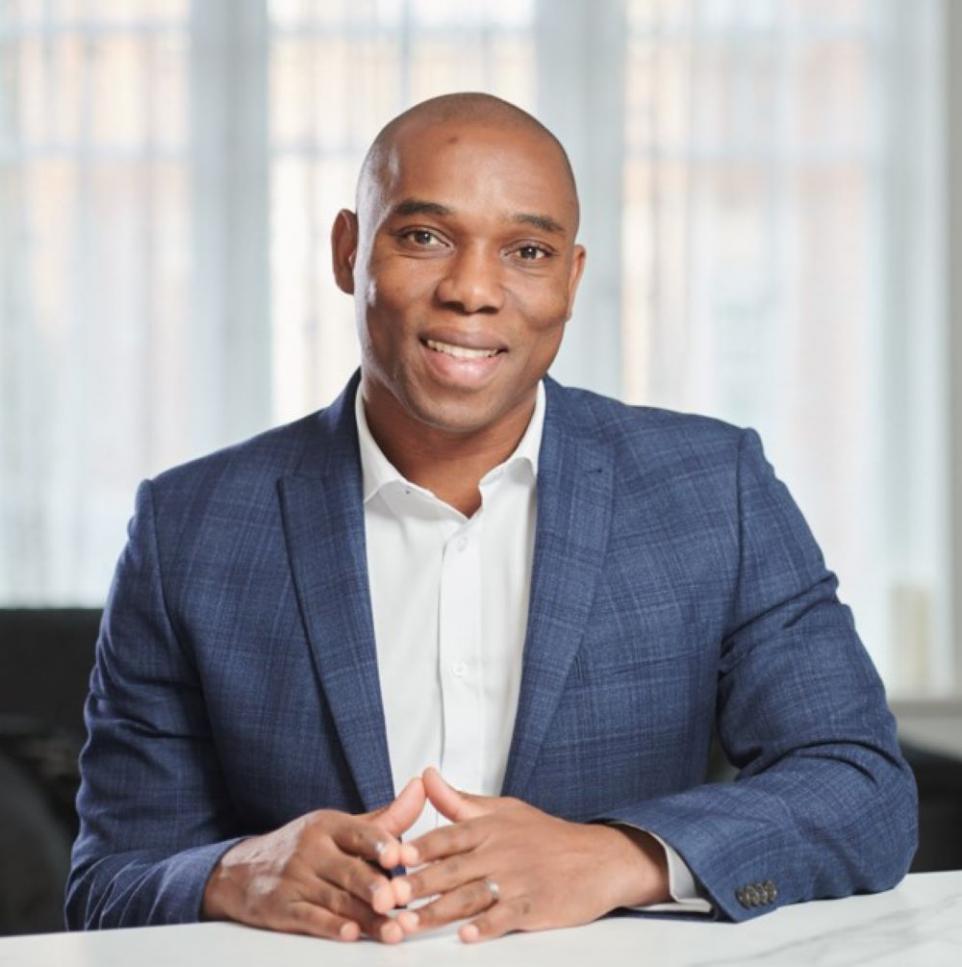
Kick It Out chief executive Samuel Okafor commented on the latest figures (Handout pic from Kick It Out/PA)

Samuel Okafor, Kick It Out’s chief executive, stated: “These figures show that discrimination remains deeply embedded across the game at a time when we’re also seeing rises in hate crime and divisive political rhetoric in Britain. But they also show that people are more willing to stand up to abuse when they see it, and it’s encouraging to see professional players set that example last season.”

Mr Okafor added: “While we recognise that there is a lot of good work ongoing in football to tackle discrimination, we will continue to work with football authorities, clubs, leagues, regulators and Government to ensure we match the courage shown to report abuse with clear and consistent action so that football is welcoming to everyone.”

The season also saw a 41 per cent increase in reports of discriminatory mass chanting, reaching a record 142 instances. This included rises in racist, sexist, homophobic, transphobic, and ableist chants.

Furthermore, Kick It Out noted a concerning rise in anti-immigrant language, with terms such as “stop the boats” and “send them back” reported at all levels. The 39 reports of this nature in 2025-26 was more than the 37 in the previous two years combined.

Despite the stark figures, Kick It Out marked a milestone during the season, delivering its 500th fan education session to individuals found to have discriminated in football, with a reoffending rate of just 1.25 per cent.

Advertisement

Source link

Continue Reading

Sports

Kirk Cousins to open Raiders training camp as starting quarterback

Published

on

The Las Vegas Raiders are going with experience at QB1.

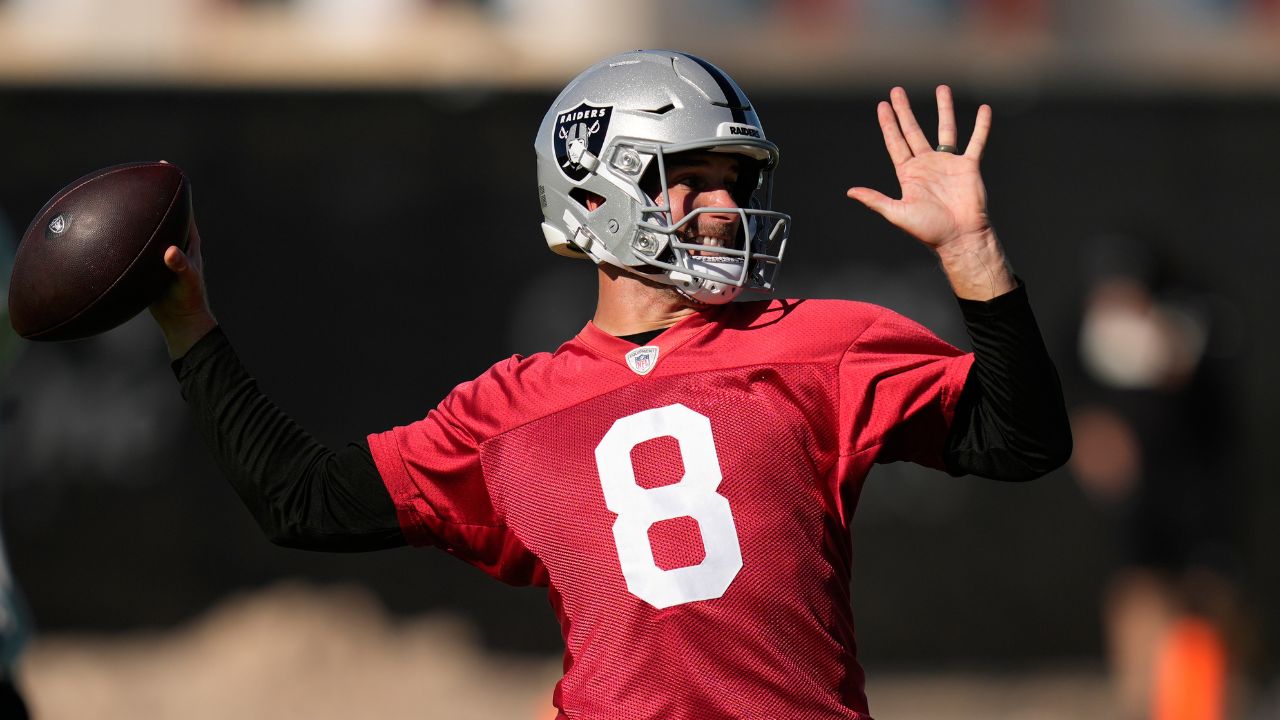
Veteran Kirk Cousins enters training camp this week as the team’s starting quarterback, head coach Klint Kubiak told reporters on Tuesday.

Cousins, 37, gets the nod over 2026 first-overall draft pick Fernando Mendoza, who led Indiana to the NCAA championship last season and captured the Heisman Trophy.

“When we go out to practice (on Wednesday), Kirk Cousins is the starting quarterback,” Kubiak said, per ESPN. “He’s the guy, and he deserves it because he’s played really good football. But I want Fernando and Aidan (O’Connell) to push him.”

Advertisement

Cousins is entering his 15th year in the league, previously playing for the Washington Commanders, Minnesota Vikings and Atlanta Falcons. He is a four-time Pro Bowler.

Cousins signed with the Raiders in April.

The Falcons signed him to a four-year, $180-million deal in 2024 only to draft Michael Penix Jr. with the eighth overall pick just six weeks later.

Cousins went 12-10 in starting 22 of 34 games. His 16 interceptions in 2024 led the league despite playing in just 14 games. The Falcons released him heading into free agency.

Advertisement

He is 88-77-2 as a starter with Washington, Minnesota and Atlanta.

Source link

Continue Reading

Sports

CWG 2026: Gulveer Singh creates history, becomes first Indian to win Men’s 10,000m medal | Commonwealth Games News

Published

on

CWG 2026: Gulveer Singh creates history, becomes first Indian to win Men's 10,000m medal
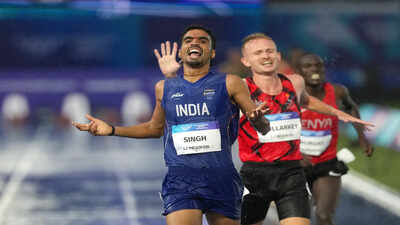
Gulveer Singh, of India, crosses the finish line to win the silver medal in the men’s 10,000 meters final at the Commonwealth Games in Glasgow, Scotland, Tuesday, July 28, 2026. (AP Photo/Eranga Jayawardena)

Indian long-distance runner Gulveer Singh scripted history by becoming the first Indian ever to win a medal in the men’s 10,000m at the Commonwealth Games after claiming a memorable silver medal at the 2026 edition in Glasgow on Tuesday.The national record holder clocked 27:49.78 to finish second behind Australia’s Ky Robinson, who took home the gold medal. David Mullarkey of the Isle of Man completed the podium with bronze, while traditional distance-running powerhouses Kenya and Uganda were surprisingly shut out of the medals.

Gulveer executes perfect race strategy

Competing in challenging rain-soaked conditions, Gulveer adopted a composed and tactical approach throughout the race. He remained comfortably within the leading pack for most of the 25-lap contest, conserving energy while closely tracking the frontrunners. With one lap remaining, the Indian runner was positioned in third place before producing a stunning burst of speed in the closing stages. His powerful finishing kick carried him into second place, securing a historic silver and one of India’s greatest achievements in Commonwealth Games distance running.

Historic milestone for Indian athletics

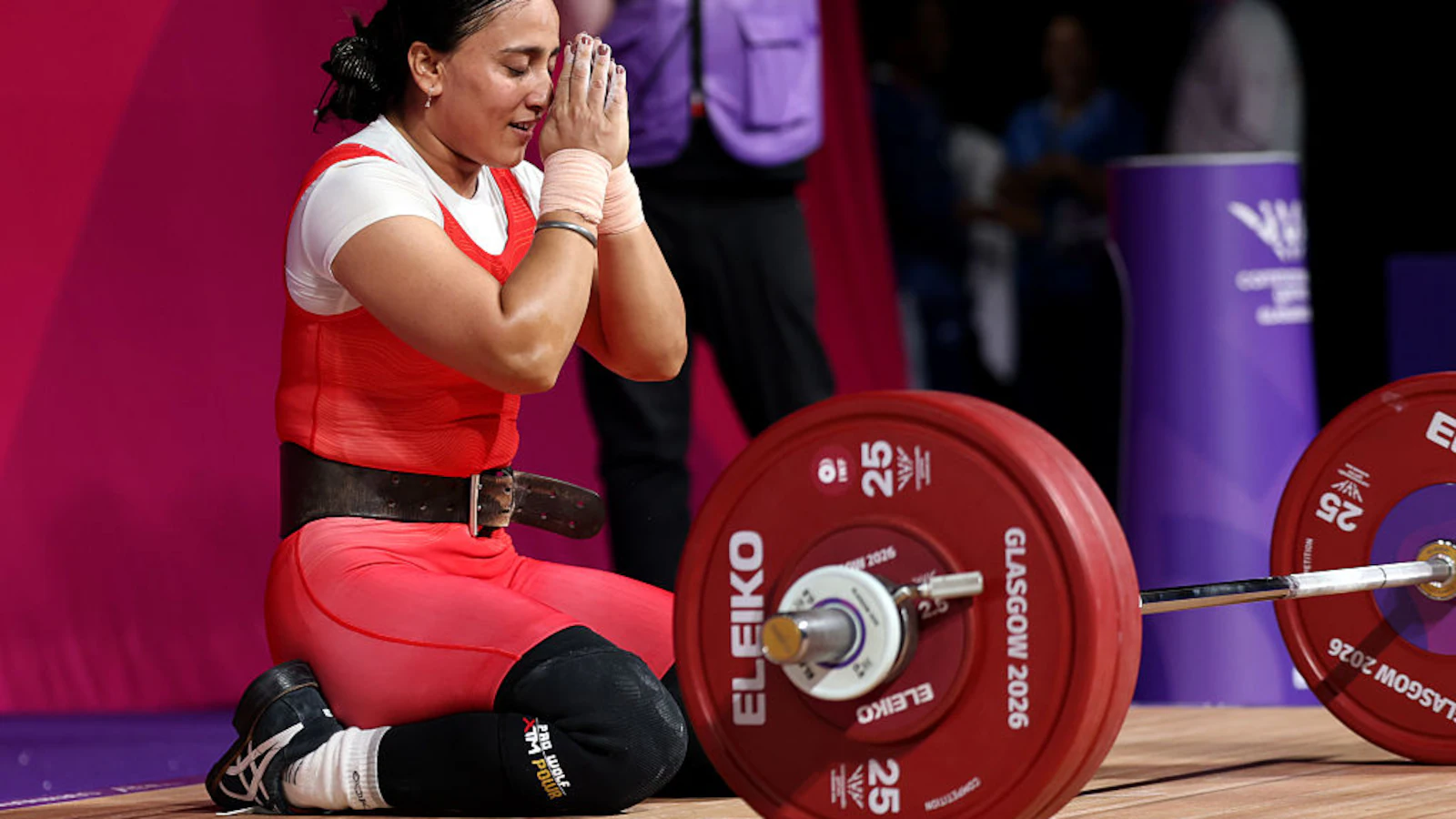
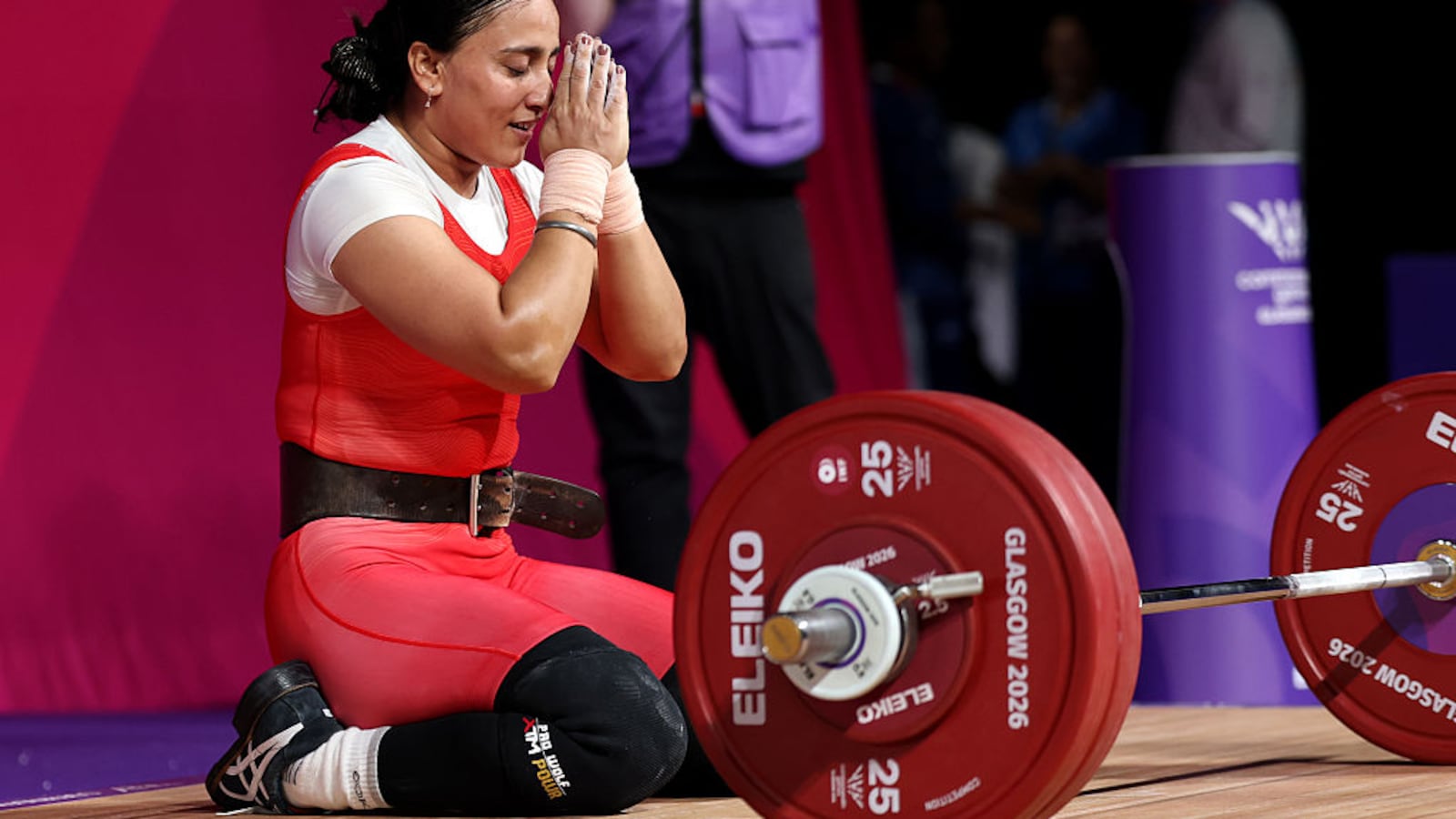
Gulveer’s podium finish ended India’s long-standing wait for success in the men’s 10,000m at the Commonwealth Games. No Indian athlete had previously won a medal in the event, making his silver a landmark moment for Indian athletics.India’s medallists so far are Mirabai Chanu (gold, weightlifting), Sharmila Dhankar (gold, women’s shot put F57), Rishikanta Singh (silver, weightlifting), Muthupandi Raja (silver, weightlifting), Gyaneshwari Yadav (silver, weightlifting), Sarvesh Kushare (silver, men’s high jump), Gulveer Singh (silver, men’s 10,000m), Harjinder Kaur (silver, weightlifting), Valluri Ajaya Babu (silver, weightlifting), Bindyarani Devi (bronze, weightlifting), Shilpa K. Shyla (bronze, women’s shot put F57) and Jhandu Kumar (bronze, para powerlifting).

Source link

Advertisement
Continue Reading

Sports

Rick and Morty season 9 finale ending explained: Did Morty return?

Published

on

Rick and Morty season 9 ends with Morty returning to his original universe after his attempt to find a better life in another reality ends in tragedy. In episode 10, Field of Dreams, Morty explores alternate universes through “funeral hopping” and discovers a version of the Smith family that initially appears happier without Rick.

As the episode progresses, that seemingly ideal reality reveals its own hidden problems and ultimately collapses in a violent confrontation. After witnessing those events, Morty returns home with Rick and reunites with his family. The finale also follows the downfall of an alternate Rick and concludes with a mid-credits scene that leaves the search for the original Mr. Poopybutthole unresolved.


Why does Morty return to Rick at the end of Rick and Morty season 9?

Rick and Morty season 9 (Image via YouTube/Adult Swim Europe)Rick and Morty season 9 (Image via YouTube/Adult Swim Europe)
Rick and Morty season 9 (Image via YouTube/Adult Swim Europe)

The ending of Rick and Morty season 9 follows Morty’s realization that no alternate universe can provide the perfect life he has been searching for.

Advertisement

After receiving a Portal Junior from another Morty, he begins “funeral hopping” across different realities. During one visit, he arrives in a universe where his counterpart, Mort, has recently died. At first, this version of the Smith family appears happier and more stable because Beth and Jerry separated themselves from Rick years earlier.

Morty spends time with the family and considers staying permanently. Jerry even asks him to become their new son. However, the situation changes when Jerry destroys the Portal Junior, preventing Morty from returning home.

As events unfold, the family’s seemingly peaceful life begins to unravel. Jerry’s protective nature turns controlling, and Morty discovers supplies that Mort secretly hid before his death, suggesting he had been planning to escape his father’s survivalist lifestyle.

The truth becomes fully apparent during a confrontation with Professor Rick. The conflict ends with Jerry, Summer, and Professor Rick dead, while Beth takes her own life after witnessing the violence.

Advertisement

Another interdimensional estate sale follows, and Rick eventually arrives to bring Morty back to his original universe.

Back home, Morty tells Beth and Summer that he loves them before leaving with Rick. During their motorcycle ride, Rick refers to Morty as his son, and Morty calls Rick his father.

The ending does not suggest that their relationship is free of conflict. Instead, Rick and Morty season 9 shows Morty accepting that every universe has its own problems. After witnessing the collapse of a reality that initially seemed ideal, he chooses to return to his own family rather than continue searching for a perfect alternative.


What happened to Professor Rick?

Another important narrative in Rick and Morty season 9 is about an alternate Rick who chose to have a stable life instead of becoming the cynical scientist portrayed throughout the series.

Advertisement

This Rick is a physics professor at MIT and has been clean for 17 years following his break-up with Beth. He lives with his wife Julie, and is researching portal technology as a speculative scientific project, rather than for interdimensional travel.

That changes with the appearance of Morty. He wants Professor Rick to continue researching portal technology so he can return to his own universe. The experiments keep failing, the project eats Rick. The pressure pulls him back into drunkenness, and Julie leaves him just before he finishes a workable prototype.

His story resembles in important ways other versions of Rick. He gives up the stability of the life he’s built to pursue portal travel.

The conclusion doesn’t imply that all Ricks are going to pursue the same route. Instead, it suggests that Morty’s coming is a contributing factor to the demise of this reality. In his efforts to find his way home, Morty inadvertently nudges Professor Rick closer to becoming the Rick he wanted to leave behind at the beginning.

Advertisement

What does the Rick and Morty season 9 mid-credits scene mean?

Season 9 of Rick and Morty ends with its characteristic mid-credits scene featuring Mr. Poopybutthole. Amy starts her quest for the authentic Mr. Poopybutthole because she has learned that somebody replaced him. Amy and a team of scientists use DNA of the fraud to turn on the interdimensional tracker and find him. Unfortunately, the tracker stops working and disappears before showing the location.

The mid-credits scene does not connect to the events of Field of Dreams and is related to the continuing subplot but does not give any answers to the questions raised.

To sum up, season 9 of Rick and Morty ends with a focus on Morty. Having returned back home, Morty understands that no universe has a perfect family and accepts himself as Rick’s sidekick. In addition, the collapse of Professor Rick indicates that portal technology can change any person’s life.


Rick and Morty season 9 is now streaming on Adult Swim and Max, where viewers can watch all ten episodes of the season, including the finale, Field of Dreams.

Advertisement