The Albiceleste are defending their title and have started in magnificent form behind Messi’s prolific run of five goals from two games in victories over Algeria and Austria.
Messi is the leading contender to win this year’s golden boot, one clear of France forwards Kylian Mbappe and Ousmane Dembele.
Messi (18) is also two clear of Mbappe (16) as the tournament’s all-time record goalscorer, but that record could be threatened with Lionel Scaloni opting to hold the 39-year-old back for the Group J finale.
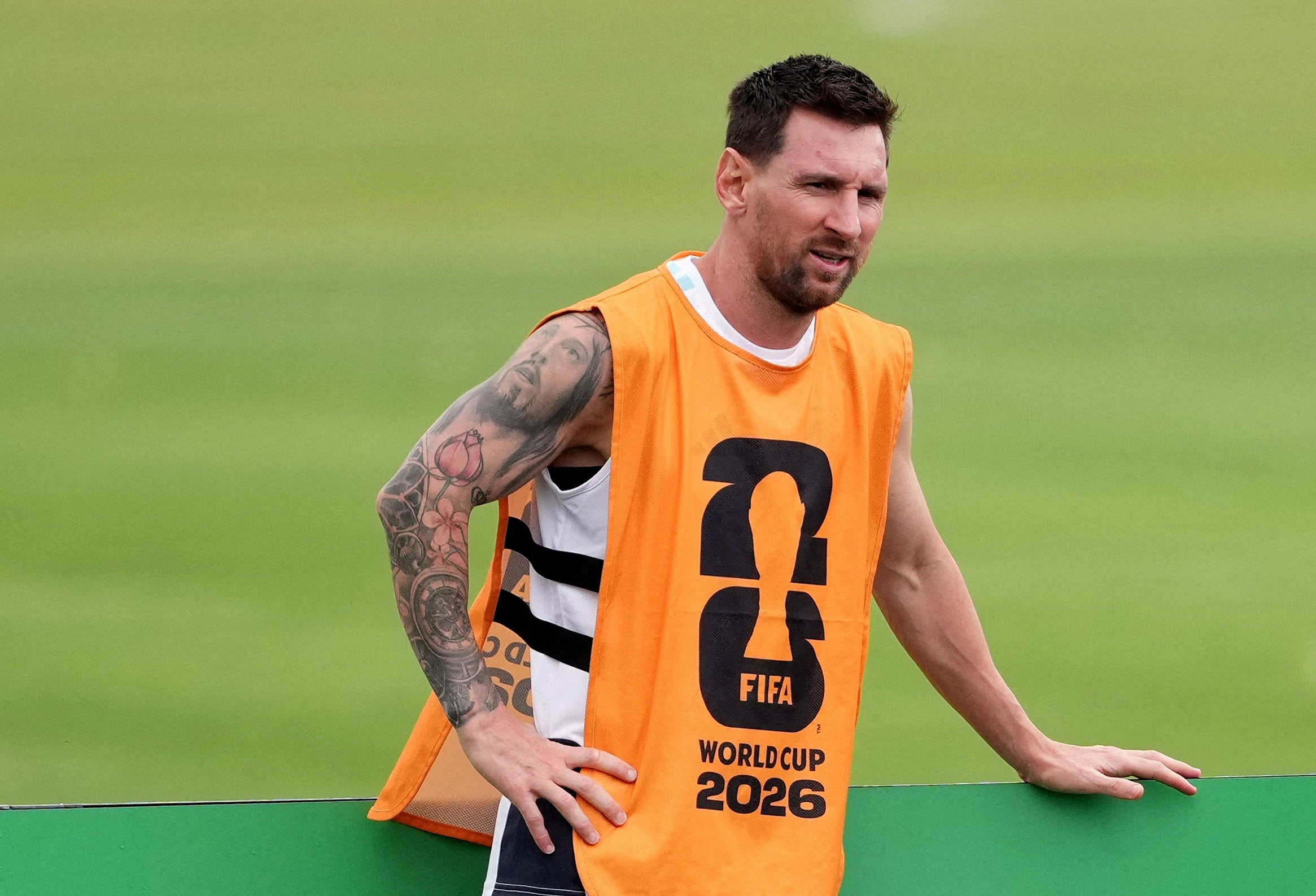
Argentina’s Lionel Messi during training on Friday (Reuters)
“Leo Messi will be on the bench against Jordan. He will have minutes in the second half,” said Scaloni.
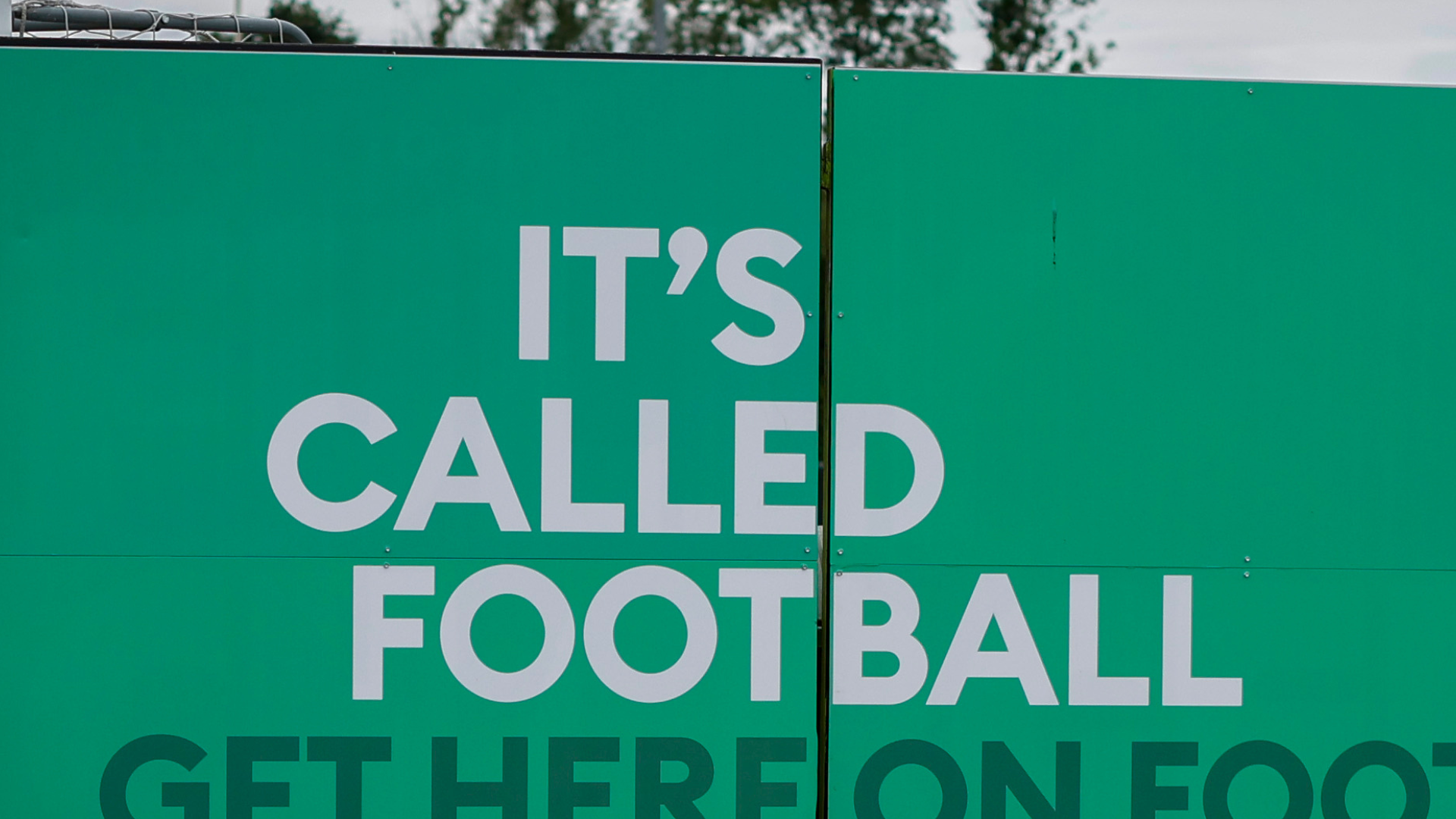
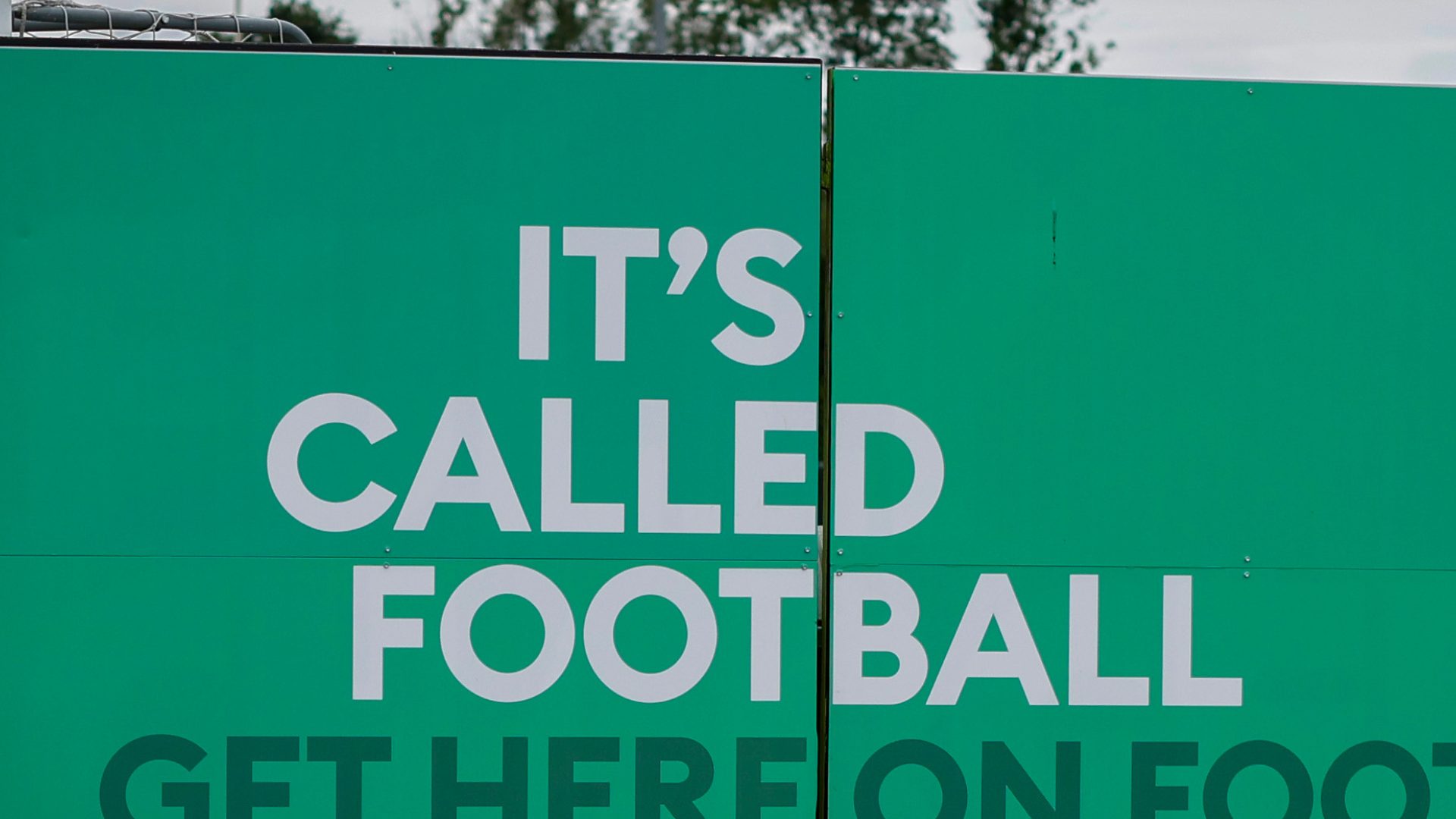
It’s the argument that tears the Anglophone world apart. There is so much uniting us all but how can we possibly see that until this most divisive of beefs has been squashed? How can I, a Brit, and you, based on our analytics likely a reader for America, ever see eye to eye if we cannot agree on what to call the world’s greatest sport? Football or soccer. It can only be one.
Or can it?
To really understand why everyone on my side of the Atlantic is so angry about this, we must first do some etymological investigation. Indiana Jones but with dictionaries. We know where football comes from, that all makes sense. There’s a football. There’s a ball. Apply one to the other and you have your sport.
Soccer though, what’s that all about? Well like all the best stories — Brideshead Revisited, Harry Potter, The Inbetweeners — the story of soccer is the story of the English education system. We will, however, have to come back to that after a potted tour through the social history of this sceptred isle from which I write. Now, some formative version of what we would come to know as football/soccer/futbol has been played in the country for centuries.
Advertisement
If instead you’d like to explore the origins of soccer in America, “The Billion Dollar Goal” tells the story of U.S. soccer’s long road to relevance, culminating in the iconic 1989 strike that ended a 40-year World Cup drought and changed the sport in America, not to mention how the game came to be called soccer in America. Stream “The Billion Dollar Goal” now on Paramount+
In 1314 King Edward II banned the playing of football “as there is great noise in the city, caused by hustling over large balls from which many evils might arise which God forbid”. There’s a man who had a vision of Argentina suffer-balling their way to the World Cup final 700 years later. Football is referenced twice in the works of Shakespeare. In King Lear the Earl of Kent refers to Oswald (steward to Lear’s daughter Goneril) as a “base football player”, an insult that you can still find on X, the everything app, to this day.
North of the border Scotland’s Football Act of 1424 states “the king forbiddis that na man play at the fut ball under the payne of [four pence] to the lorde of the lande”. That’s $24.14 in today’s money, making this perhaps football’s first pay-to-play scandal.
You can still see the remnants of a formative football in events such as the Ashbourne Royal Shrovetide Football match in Derbyshire, a county in the heart of England. Played every year since 1667, it bears some of the hallmarks of the game that so entrances us in 2026. There are two goals, but they are three miles apart. The game is split into halves, each of which last eight hours. The ball isn’t passed or kicked, but moves in something that looks like either a rugby union scrum or a punch-up outside a Yate’s wine lodge on a Friday night. Interestingly, this latter facet of the game remains and has been the preferred tactics for ball progression at Manchester United in much of the post-Sir Alex Ferguson era.
Advertisement
If the above can be considered football: a pre-history, then the game as we know it emerges in the public schools and factories of 19th-century Britain, where clubs looked to get some shared rules nailed down. In Yorkshire the team of Sheffield F.C. would codify their own game in the Sheffield Rules, 11 years after representatives from some of England’s grandest schools had agreed their own guidelines in Cambridge. Finally, in 1863, at the Freemasons’ Tavern on Long Acre in Covent Garden, London, the first meeting of the Football Association codified the game, with the Cambridge Rules as their guiding star. Association football was born.
Meanwhile, in the Midlands, William Webb Ellis had had a (perhaps apocryphal) revelation that rather than kicking the ball backwards, as the rules state, he could pick it up and run with it. From there came the football of Rugby School, or rugby as it would go on to be known (to this day, the governing bodies of the sport in England and Ireland remain rugby football unions). Of course, the powers that be at the FA could not allow this. They went one way, the rugby boys the other.
Following association football and rugby football, with a few tweaks, come Australian rules football, Gaelic football and, of course, the vastly inferior American football.
You might have spotted the problem here. That’s a lot of footballs. How to distinguish between them? As ever, Oxford University has the answer. Among its many gifts to the world is the Oxford “-er,” a suffix that is applied to bring an air of diffidence to conversation. Think cuppers for inter-college sporting events or Bodders for the university’s main library. To this day, it endures. Bengers, they used to call me. Well, that and some other unprintable things.
Advertisement
Legend has it that at breakfast one morning, Charles Wreford-Brown, who captained both the English football team and the amateur Corinthian FC side, was asked if he fancied a spot of “rugger after brekker” [rugby after breakfast]. He replied that he’d prefer to play soccer, which, it must be said, is a rather ambitious mangling of association (though it sure beats a more traditional formulation, which would have been “asser”). The lengths Englishmen will go to to avoid saying what they really feel.
For most of the 20th century, soccer and football were used interchangeably in the English sport, the former more of an upper-class signifier than any sign of interests beyond the British Isles. The greats of the game certainly took no issue with it. John Charles’ autobiography was titled King of Soccer, Sir Matt Busby’s Soccer at the Top: My Life in Football. That title alone points to the value of soccer, which is much the same as why we might refer to one of the hosts of this World Cup as any of: the U.S.A., the U.S., USMNT, the Stars and Stripes and the team the rest of the world is rooting against. For the reader and the writer, it’s helpful to not have to repeat the exact same nouns.
Stefan Szymanski and Silke-Maria Weineck note in ‘It’s Football, Not Soccer (And Vice Versa)’ that in the London Times usage of the word soccer to refer to the sport steadily rose up to 1980. In a similar study of the New York Times, where usage of soccer over football did not skyrocket until the 1970s, the age when American football began to establish itself as the dominant sport across the nation. Just like Wreford-Brown almost a century earlier, a different word was needed to distinguish these footballs. This time there was no need to invent one.
Still, soccer endured in England for quite some time. As late as 2023 you could turn on your cable/satellite/streaming television of a Saturday morning and settle down for four hours of Soccer AM before Soccer Saturday took you around all the grounds at 3 p.m.. No one, not even Matt Le Tissier, seemed to take issue with that.
Advertisement
And yet, anyone who has ventured onto social media and placed the word soccer in their bio will discover what short shrift that is given. I’ve seen them all, and it has to be said, this one was actually a pretty decent one.
What’s going on here? After all, it’s not like Americans are alone in calling it soccer. You’ll hear the same term in Australia and, in the right context, in Ireland. That does not seem to bother anyone.
Of course, the answer to that is even more straightforward. Even in the height of Crocodile Dundee-mania, nobody was particularly concerned about the warping effect of Australian culture across the rest of the Western world. Would French farmers have protested Supermac’s as vociferously as they did McDonald’s? Since the Second World War, much of the rest of the Western world has both quietly embraced and loudly rebelled against much in culture that has the whiff of the American to it. And if America is the largest footballing nation to predominantly call the game soccer, you can rest assured that soccer will come to be viewed as an American word.
Whether they realise it or not, @TikaTakaUnited [sic] and so many other soccer complainers find themselves locked in the fight against Coca-Colonisation. The word soccer to them is as American as apple pie. Apple pie, which traces its roots back to a 14th-century English cookbook.
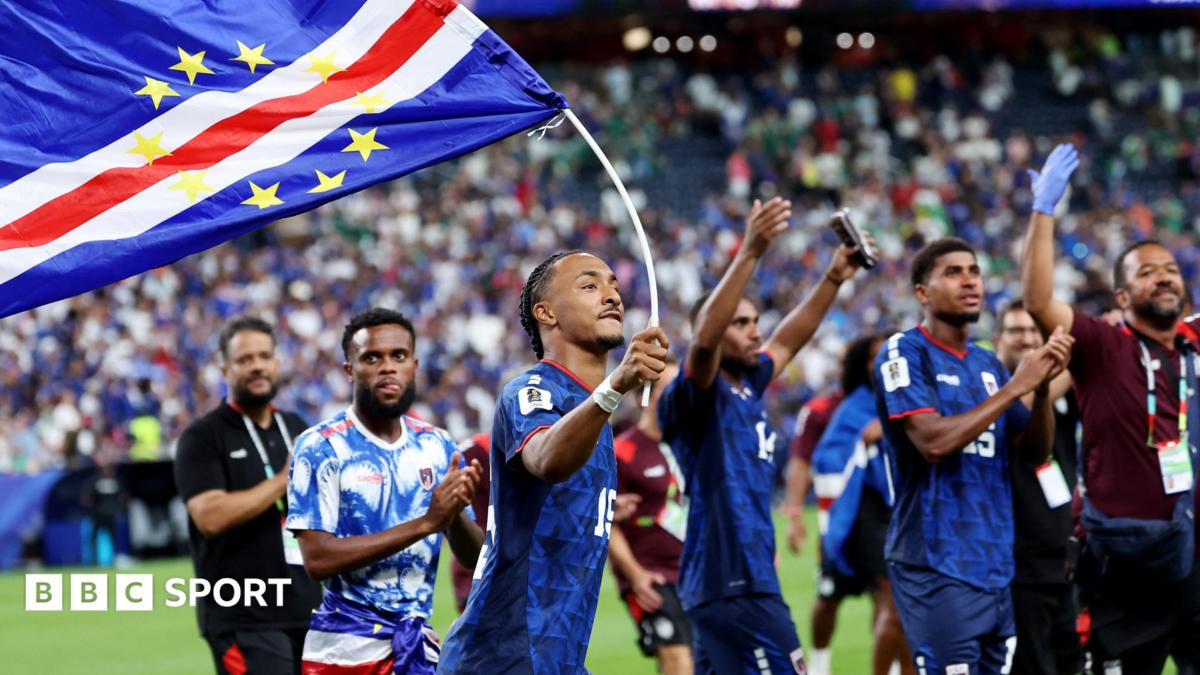
Much credit for Cape Verde’s performances must go to coach Bubista, a former international himself who has been in charge since January 2020.
A stable coaching set-up has allowed the 56-year-old former centre-back to build a compact and well-drilled side with an organised defence, technical midfielders and gifted forwards who upset Ghana and drew with Egypt during a run to the quarter-finals at Afcon 2023, having only made their tournament debut 10 years earlier.
They may have had Vozinha to thank for the seven saves the veteran goalkeeper made in the goalless draw with Spain, but their discipline was underlined by the fact the Blue Sharks only conceded one foul against the 2010 champions – the fewest recorded by a team in a World Cup match since 1966.
“We always train and play as one unit, so everything we did in the game was not our first time that we did it,” defender Sidny Lopes Cabral told the BBC World Service.
Advertisement
“For us, it’s our game. This is how we play, this is who we are.
“This is our personality as a team and as defenders.”
Cape Verde took a more attacking and expansive approach in their second Group H outing against Uruguay, but also demonstrated their steely resolve by grabbing a second-half equaliser.
“More important than the result is to be able to show our identity as a team, our strength, our unity, and also our resilience,” Bubista said.
Advertisement
Bubista was recognised for his achievement in delivering World Cup qualification by being named the continent’s coach of the year for 2025 by the Confederation of African Football.
He has always believed that his side had the potential to mix it with the world’s elite.
“We have done really well considering how small our country is,” he told BBC Sport Africa before the 2021 Afcon, when the Blue Sharks reached the last 16.
“I think in the future we’ll be at the World Cup.”
Advertisement
That bold prediction has come to pass, and now Bubista hopes Cape Verde’s achievements at the expanded tournament can inspire other underdogs around the globe.
“I believe that football belongs to everyone, or is for everyone,” he said.
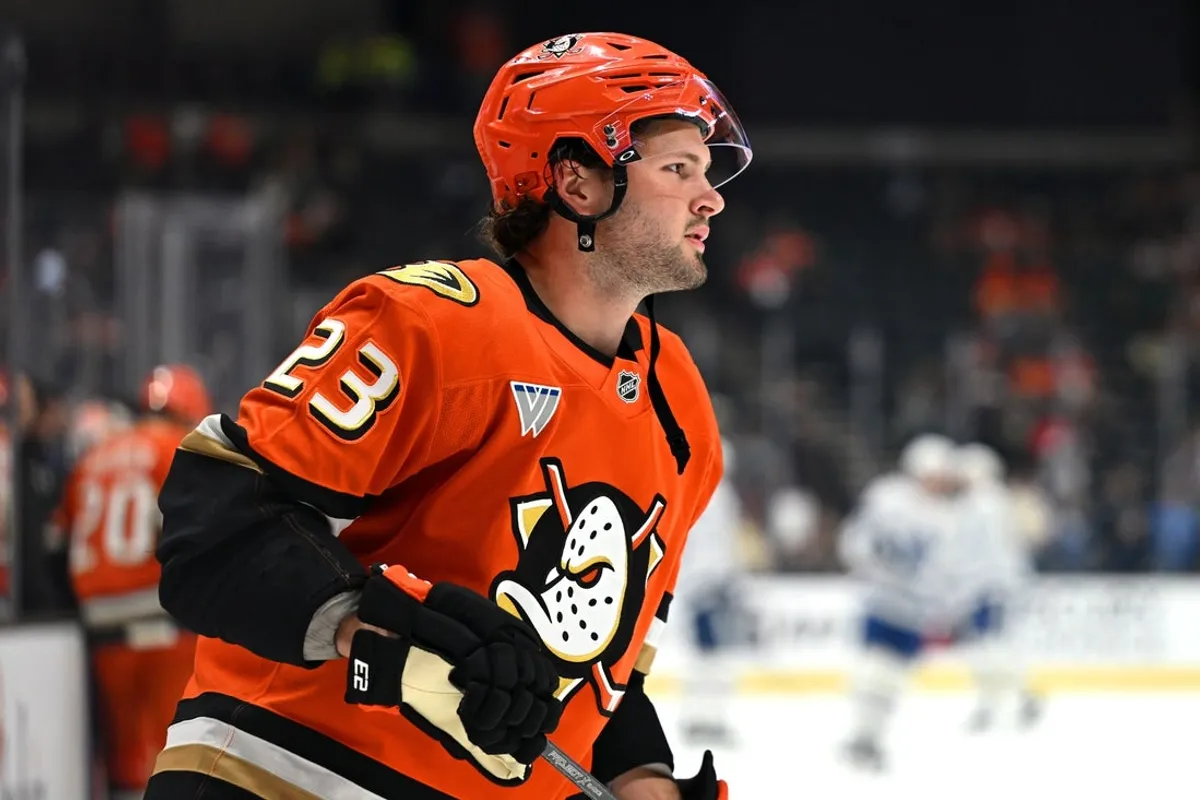
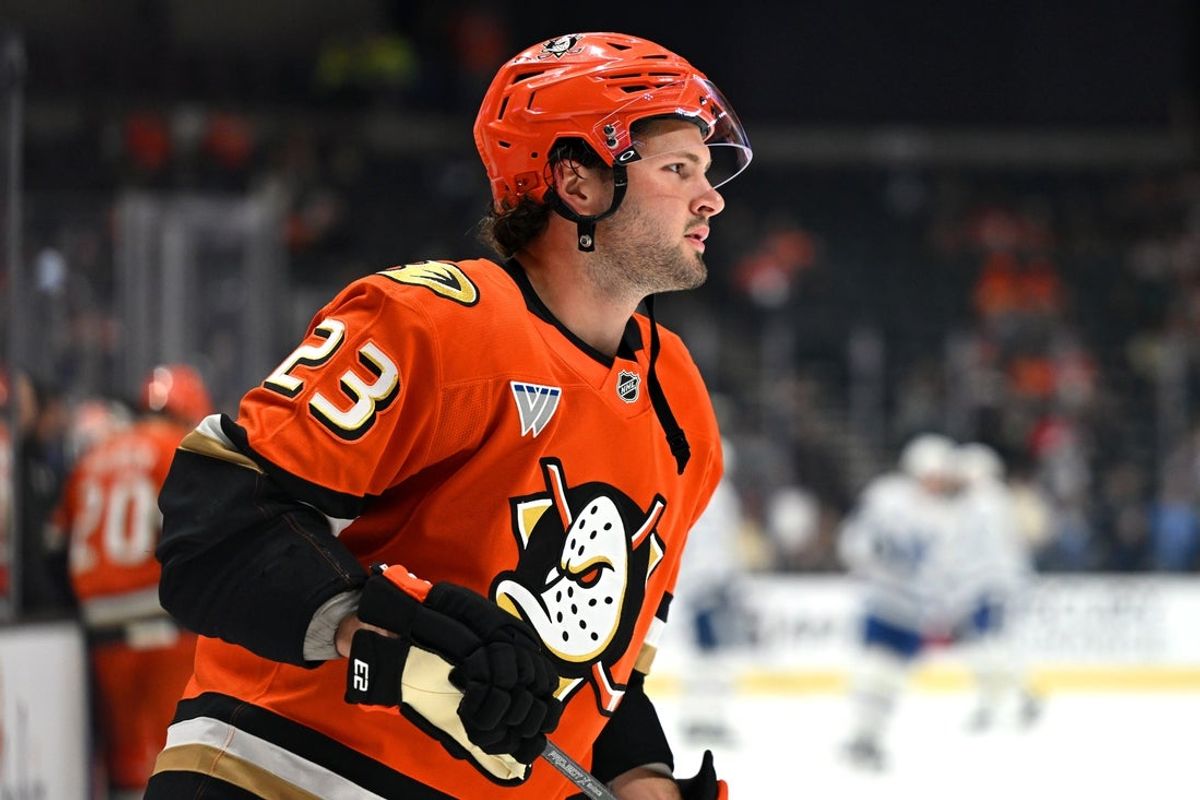
Mar 30, 2026; Anaheim, California, USA; Anaheim Ducks center Mason McTavish (23) warms up before the game against the Toronto Maple Leafs at Honda Center. Mandatory Credit: Griffin Hooper-Imagn Images
The Anaheim Ducks acquired the No. 15 and 29 overall picks in the first round of the 2026 NHL Draft on Friday night by trading center Mason McTavish to the St. Louis Blues.
The Blues parted with both first-rounders — originally belonging to the Detroit Red Wings and Colorado Avalanche, respectively — to add the 23-year-old McTavish, coming off his fourth full season in the NHL.
The third overall pick by Anaheim in the 2021 draft, McTavish had 17 goals and 24 assists in 75 games for the Ducks in 2025-26. Across 304 career games, he has amassed 181 points (77 goals, 104 assists) and 212 penalty minutes.
The Ducks used the 15th overall pick on forward Nikita Klepov, a Russian-American prospect from the Saginaw Spirit who was named Rookie of the Year in the Ontario Hockey League this past season.
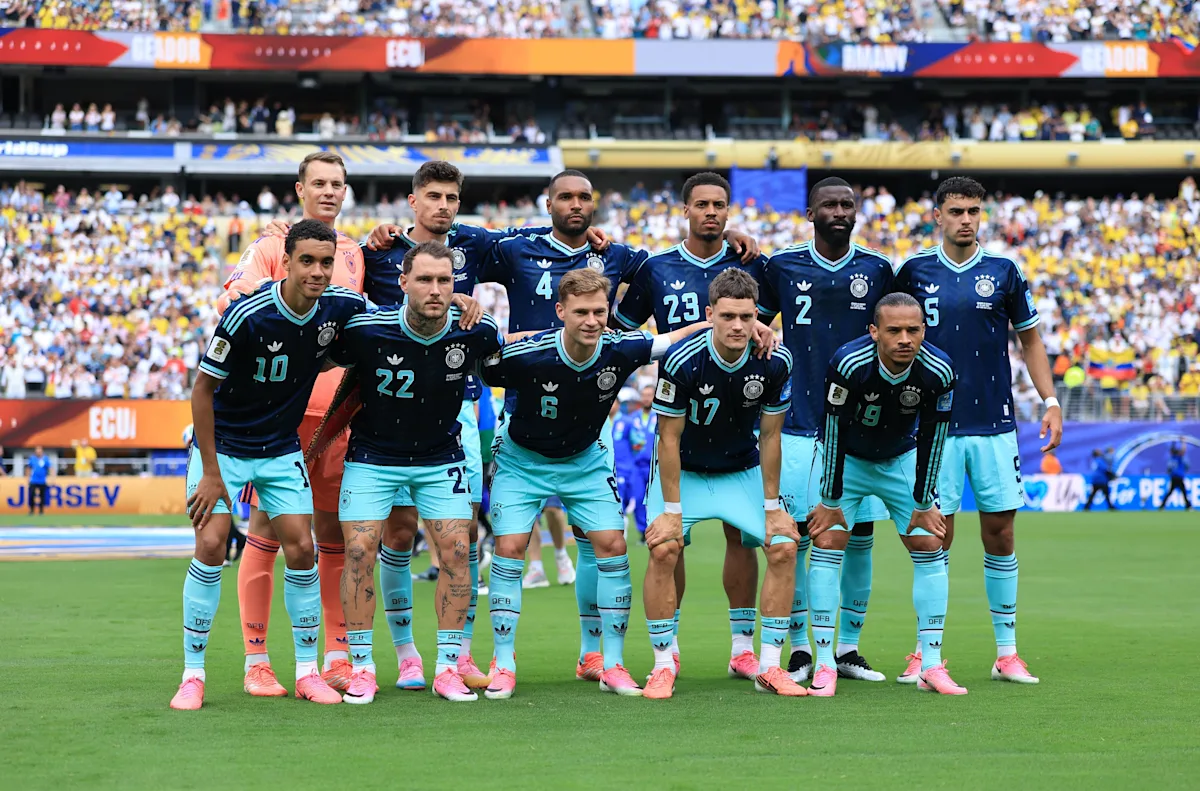
The German national team will face Paraguay in the World Cup Round of 32 on Monday at 4:30PM EDT in Foxborough, Massachusetts.
While Germany ended the group stage with a loss to Ecuador, overall, it was a good showing in terms of results (how the team actually looked in games is up for debate). The Germans won the group and earned this draw against Group D’s surprise third place team.
Advertisement
Advertisement
Prior to that defeat at the hands of Ecuador, Germany toasted Curaçao 7-1 and escaped with a 2-1 win over Ivory Coast.
For Paraguay, it was a shock entry into the knockouts as Türkiye flamed out horribly. Paraguay got smoked by the USMNT 4-1 in its opener before rebounding with a 1-0 win over the Turks and a 0-0 draw with Australia.
By virtue of those four points, Paraguay advanced.
Germany should be favored heavily vs. Paraguay. If the Germans advance, a matchup with France could be waiting in the Round of 16.
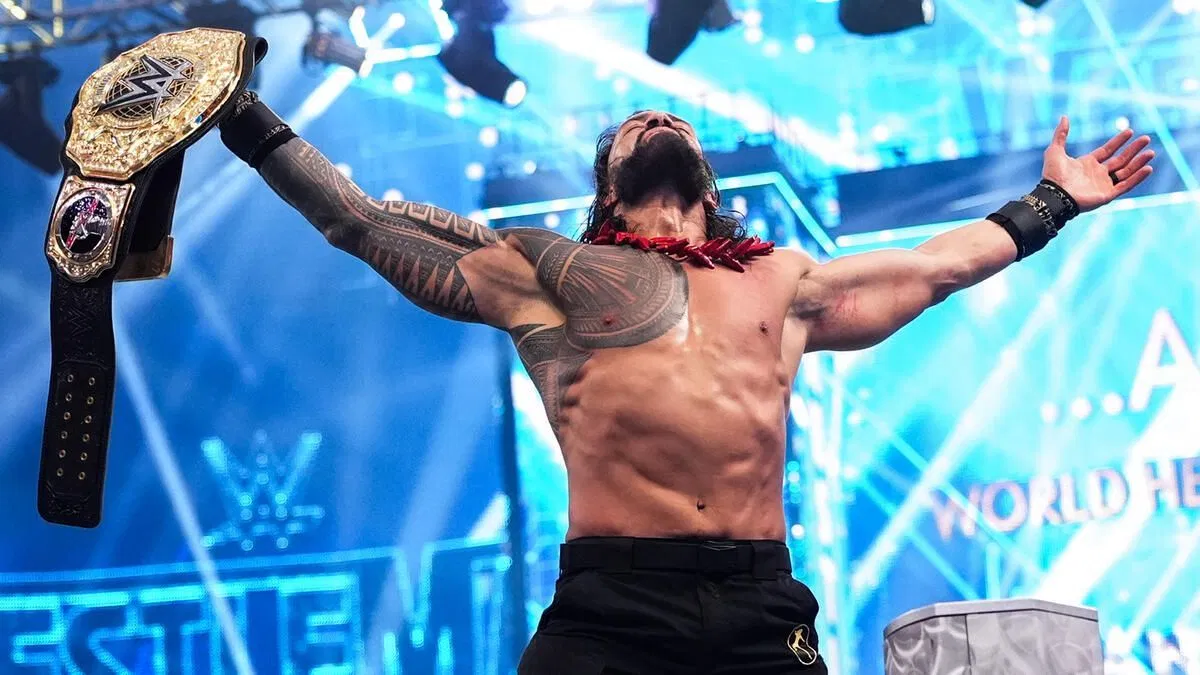
WWE is now signing a huge new star who is seemingly going to be added to the Bloodline and may be involved with Roman Reigns. The signing has been a long time coming, with fans knowing that he has been on the horizon for some time, even though the signing itself had not happened yet.
WWE is signing a blockbuster new star who may become involved with Roman Reigns soon
Thanks for the submission!
Advertisement
A report from Fightful Select has revealed that WWE is currently set to sign a blockbuster new star. Zilla Fatu is on the horizon for a new WWE contract, with the current plan being to sign him if he has not already signed one. The star was at the WWE Performance Center recently and was going through the process to sign a new contract.
The star is only 26 years old and is the son of WWE legend Umaga. Prior to this signing, he had worked in Booker T’s Reality of Wrestling promotion, where he was one of the top names out there. There has been a lot of speculation surrounding WWE signing him for several years now, but it has only happened recently, as per the report. The star was a big name in House of Glory, holding titles there.
Advertisement
That star would also be the latest member of Roman Reigns’ Bloodline family tree to join the promotion. Very rarely has a Bloodline star been signed to the company and then not been involved with Roman Reigns in some shape or form. With Reigns recently reforming the Bloodline as well, he could be involved with the star very soon.
Of the Bloodline, Jacob Fatu, Jimmy Uso, Jey Uso, and Solo Sikoa are under contract now, and through extended non-blood family, Tama and Talla Tonga are involved as well. Now, Tama and Talla left Sikoa, so Zilla Fatu’s arrival may be part of the story, but it’s not confirmed.
Why did you not like this content?
Advertisement
Was this article helpful?
Thank You for feedback
Get all the hottest wrestling news FIRST by clicking here
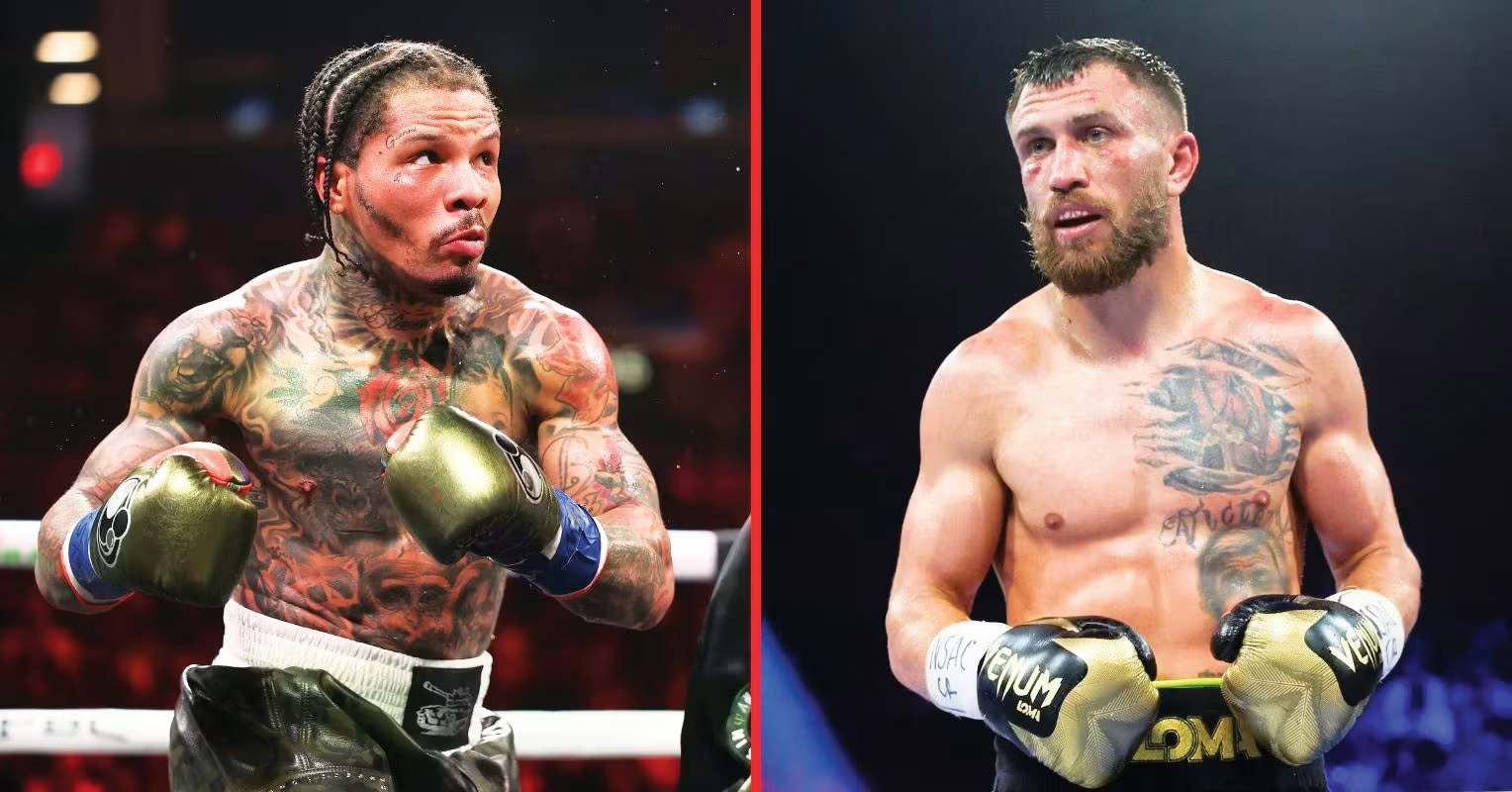
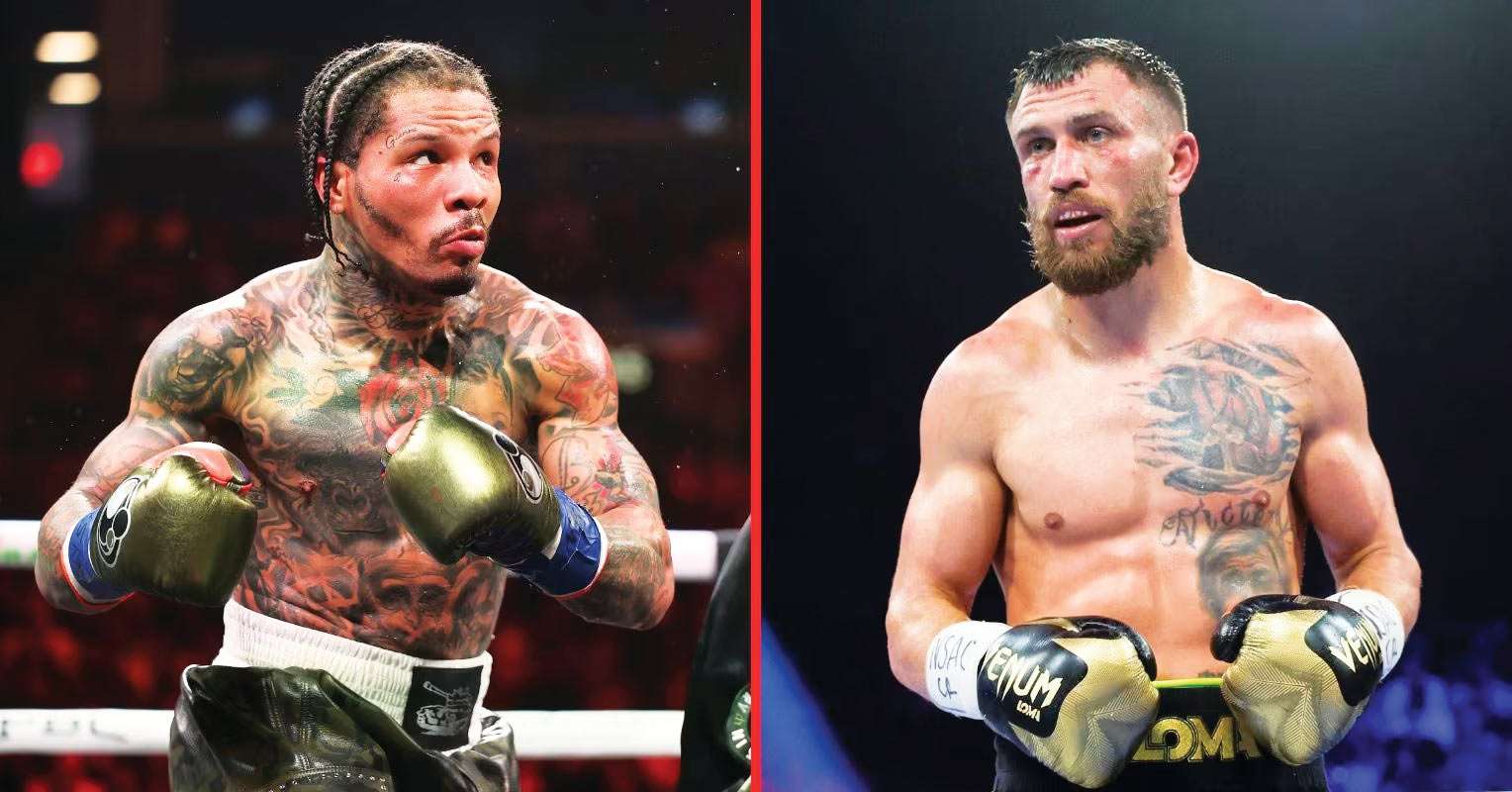
Shakur Stevenson has offered his take on a potential clash between Gervonta Davis and Vasiliy Lomachenko, which could soon become a more realistic matchup.
While having not fought since March 2025, when he boxed to a controversial draw against Lamont Roach, Davis is expected to return to action later this year.
Initially, it appeared as though his comeback would be against Floyd Schofield, who he was in negotiations to fight for the vacant WBA lightweight title.
It came as a surprise when, earlier this week, Haney took to social media and claimed to have been contacted by Davis’ team.
Whether their unlikely showdown actually comes to fruition, we shall wait and see, but Davis does seem to be inching closer towards a ring return.
Someone who could also enter a comeback fight later this year is Lomachenko, who has not fought since his 11th-round finish over George Kambosos Jr in May 2024.
Advertisement
While active, the three-weight world champion was repeatedly linked to a fight with Davis, who Stevenson believes would defeat the masterful Ukrainian.
Speaking with Daily Mail Boxing, Stevenson predicted that ‘Tank’ would emerge victorious if the pair did meet – a fight that could be revisited depending on how the coming months unfold.
But with Lomachenko expected to return at 135lbs, or even 130lbs, Davis would need to abandon any talks of an encounter with Haney at 147lbs.
In any case, Haney has been ordered to defend his WBO title against mandatory challenger Keyshawn Davis, who seems a more realistic opponent than ‘Tank’.
The 2026 Travelers Championship continues on Saturday with the third round at TPC River Highlands. You can find full Travelers Championship tee times for Saturday’s third round at the bottom of this post.
Travelers Championship tee times: What to know
You might think that getting to the razor’s edge of an historic round of 59 would give you a substantial cushion on the leaderboard, but as Scottie Scheffler proved on Friday, when you’re facing the best in the world on a very gettable golf course, it can feel like just treading water.
Scheffler posted a score of 10-under 60 in Round 2, which included 11 birdies and one bogey, but he only holds a two-shot lead at the tournament’s halfway point at 16 under par overall. His closest competitor, Viktor Hovland, is 14 under par after his own hot round of 61.
“At the end of the day, I was very focused on just my execution out there. Who knows what the lead is going to be after today?” Scheffler said of his second round, which was completed in the morning wave of tee times. “I’ve put myself in position now this week. Go home, get some rest, and get ready for tomorrow.”
Advertisement
Scheffler is seeking his second win of the year after posting a total of eight top-10 finishes thus far in 2026. Scheffler will play alongside Hovland in the third round at 2 p.m. ET.
You can watch early coverage of Saturday’s third round of the 2026 Travelers Championship from 1-3 p.m. ET on Golf Channel, followed by the NBC broadcast from 3-6 p.m. ET. PGA Tour Live on ESPN+ will provide exclusive early streaming coverage starting on Saturday at 7:45 a.m. ET, in addition to featured group and featured hole coverage.
Check out the complete Round 3 tee times and pairings for the Travelers Championship below.
With an ESPN+ subscription, you gain access to PGA Tour Live, where you can stream the best PGA Tour events live from wherever you want.
Advertisement
2026 Travelers Championship tee times for Saturday: Round 3 (ET)
Tee No. 1
7:50 a.m. – Lucas Glover, Sepp Straka 8:00 a.m. – Ryan Fox, Cameron Young 8:10 a.m. – Jake Knapp, Adam Scott 8:20 a.m. – Sahith Theegala, Min Woo Lee 8:30 a.m. – Jordan Spieth, Mark Hubbard 8:40 a.m. – Nick Taylor, Jacob Bridgeman 8:50 a.m. – Matt McCarty, Gary Woodland 9:00 a.m. – Sam Stevens, Andrew Novak 9:15 a.m. – Jason Day, Ryo Hisatsune 9:25 a.m. – Harry Hall, Ludvig Åberg 9:35 a.m. – Tom Hoge, Nicolai Højgaard 9:45 a.m. – Alex Smalley, Daniel Berger 9:55 a.m. – Xander Schauffele, Brian Harman 10:05 a.m. – Tony Finau, Russell Henley 10:15 a.m. – Mac Meissner, Ryan Gerard 10:30 a.m. – Collin Morikawa, Chris Gotterup 10:40 a.m. – Jackson Suber, Alex Fitzpatrick 10:50 a.m. – Keith Mitchell, Denny McCarthy 11:00 a.m. – Rickie Fowler, Michael Kim 11:10 a.m. – Jhonattan Vegas, Alex Noren 11:20 a.m. – Hideki Matsuyama, Justin Thomas 11:30 a.m. – J.T. Poston, Brandt Snedeker 11:45 a.m. – Taylor Pendrith, Sungjae Im 11:55 a.m. – Nico Echavarria, Aaron Rai 12:05 p.m. – Si Woo Kim, Shane Lowry 12:15 p.m. – Kristoffer Reitan, Corey Conners 12:25 p.m. – Ben James, Robert MacIntyre 12:35 p.m. – Sam Burns, Wyndham Clark 12:45 p.m. – Harris English, Keegan Bradley 1:00 p.m. – Maverick McNealy, Kurt Kitayama 1:10 p.m. – Tommy Fleetwood, Patrick Cantlay 1:20 p.m. – J.J. Spaun, Justin Rose 1:30 p.m. – Matt Fitzpatrick, Brian Campbell 1:40 p.m. – Bud Cauley, Ben Griffin 1:50 p.m. – Akshay Bhatia, Eric Cole 2:00 p.m. – Scottie Scheffler, Viktor Hovland
Just minutes before the first round of the 2026 NHL Entry Draft, the Boston Bruins made a massive trade, acquiring J.J. Peterka from the Utah Mammoth in exchange for multiple first round picks.
Advertisement
Though it cost Boston Friday night’s No. 23 overall selection, Marco Sturm, Don Sweeney and co. will will gladly trade draft equity for a proven commodity. Peterka gives the Bruins an immediate, top-six game-changer who can inject high-end speed and transition play into the lineup.
Advertisement
After making the trade, Boston will enter the second day of the draft with seven picks. The Bruins have one pick in the second round, one in the third, three in the fourth, one in the fifth and one in the seventh.
Here’s the complete list of the Bruins’ picks and trades from the 2026 NHL Draft.
10:26 p.m.: The Montreal Canadiens have traded for the 26th pick, sending pick 28 and their own 2028 third rounder to move up two spots.
Advertisement
10:05 p.m.: As Gary Bettman just announced, the Utah Mammoth traded the No. 23 pick — which originally belonged to the Bruins — to the Detroit Red Wings for goaltender Sebastian Cossa.
Dorofeyev is coming off a season where he had 37 goals in the regular season and 12 in the Stanley Cup Playoffs, which was second on Vegas. As a restricted free agent, New York now has his rights. According to the New York Post’s Mollie Walker, the Rangers are sending the No. 26 pick, No. 92 pick and a conditional 2028 first rounder for the Vegas star.
7:12 p.m.: The deal is being finalized sending Peterka to Boston. ESPN’s Emily Kaplan reports that multiple first round picks are going the other way.
Advertisement
According to Pierre LeBrun, Boston will send its 2026 first and Florida‘s 2028 first (top-10 protected) the other way.
Advertisement
7:00 p.m.: The Bruins are in trade talks, and it’s a big one, with reports saying Boston is in the stages of acquiring J.J. Peterka from the Utah Mammoth.
Peterka is coming off a season where he had 47 points in 82 games and is signed through the 2030 season with a $7.7 million cap hit.
Advertisement
How to watch NHL Draft 2026: TV channel, live stream
TV channel: ESPN (Round 1) | NHL Network (Rounds 2-7)
The NHL Draft will air live on ESPN and the NHL Network. Both nights of the event will be available to stream on fubo and the ESPN app.
Fubo offers a free trial for new subscribers, so you can try the service before you buy. Stream ESPN, ABC, CBS, Fox and 100-plus top channels of live TV and sports without cable. (Participating plans only. Taxes and fees may apply.)
Advertisement
NHL Draft 2026 date, start time
Date: Friday, June 26 (Round 1) | Saturday, June 27 (Rounds 2-7)
Time: 7 p.m. ET (Friday) | 11 a.m. ET (Saturday)
Location: KeyBank Center (Buffalo, N.Y.)
The NHL Draft will start at 7 p.m. ET on Friday, June 26, and it will continue at 11 a.m. ET on Saturday, June 27. The event will be held at the KeyBank Center in Buffalo, N.Y.
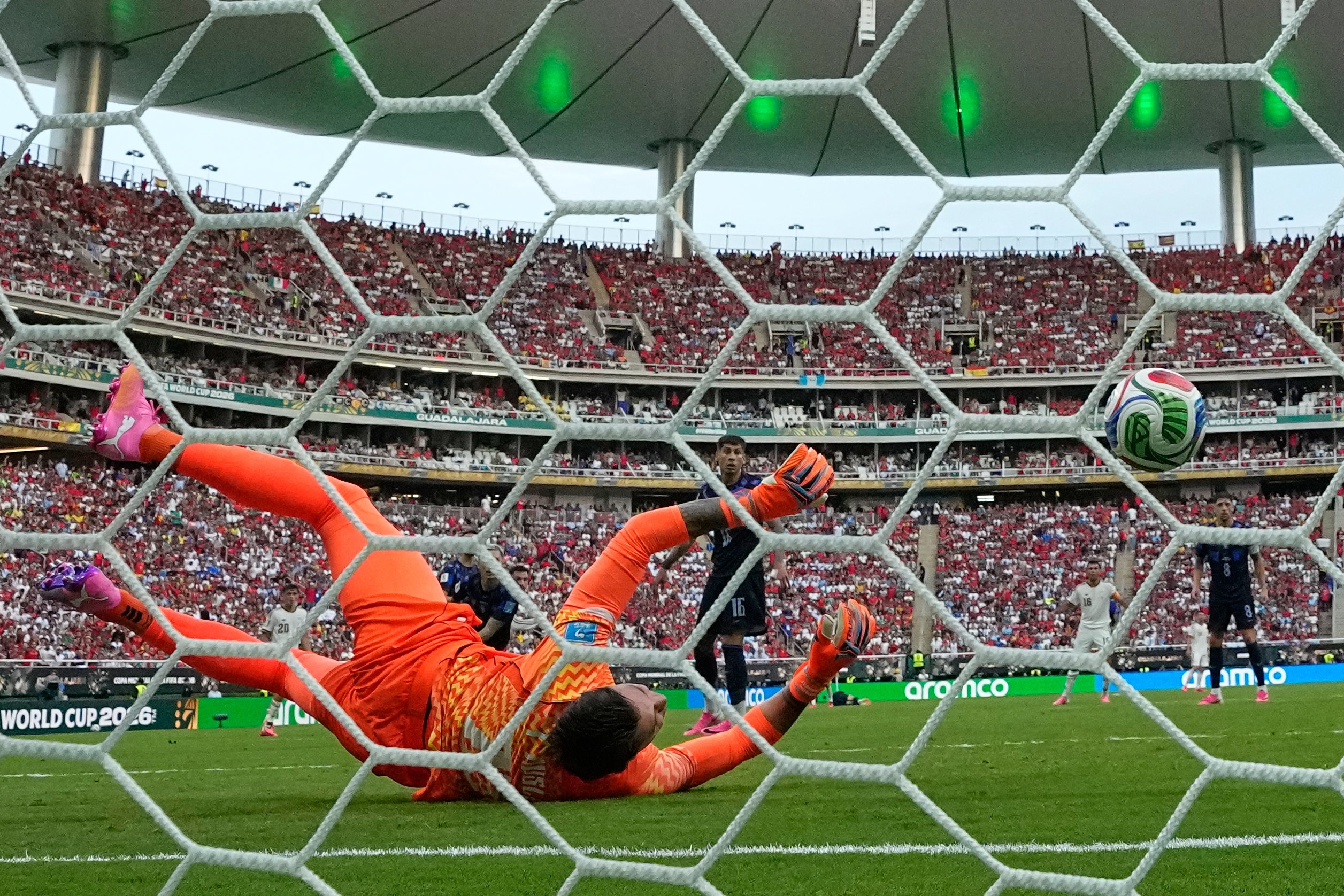
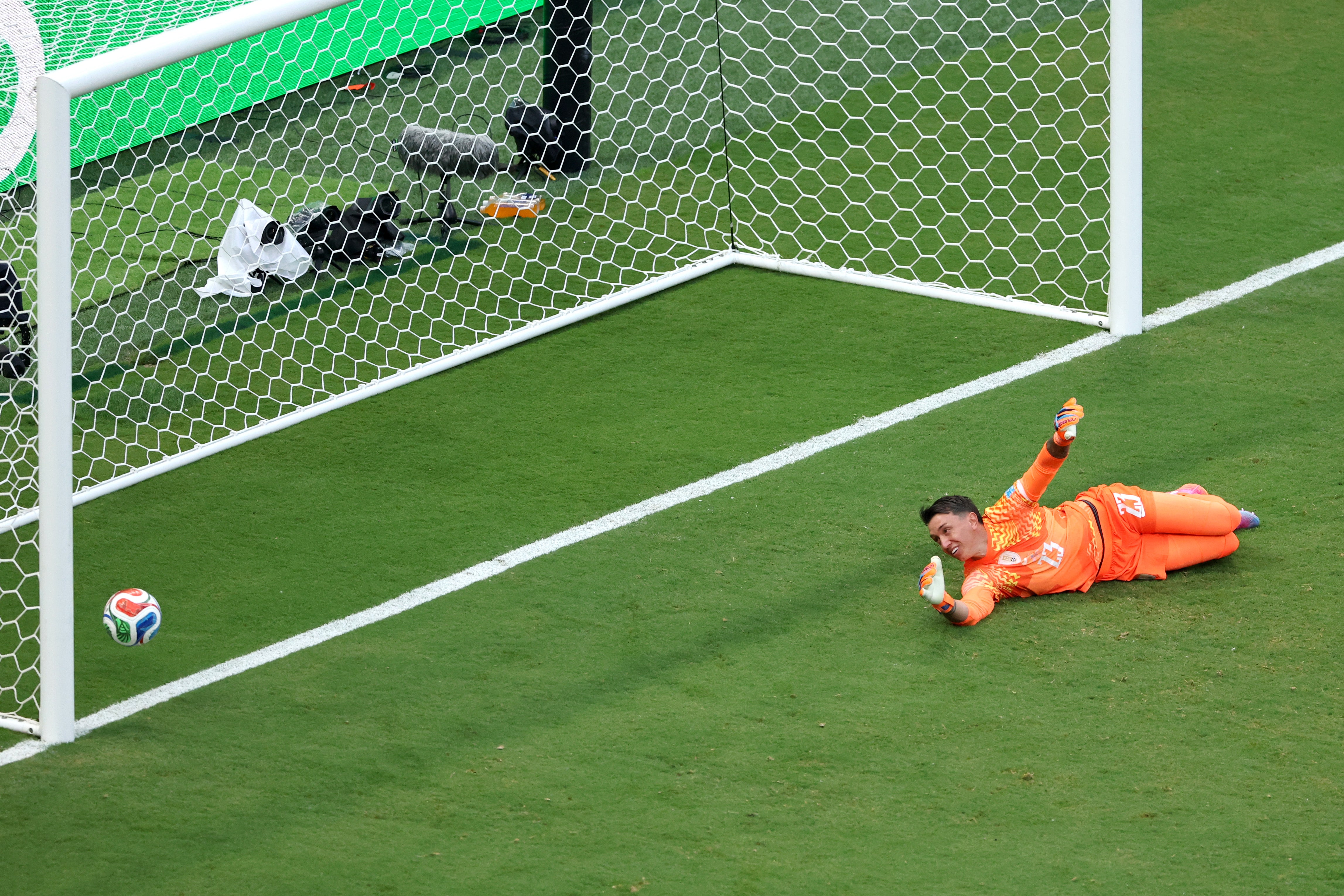
Fernando Muslera was hauled off at half-time by Uruguay boss Marcelo Bielsa to end a humiliating World Cup 2026 campaign during their 1-0 defeat to Spain.
Muslera’s latest error created history for the wrong reasons as the first time a goalkeeper has contributed three errors that have led to goals in one World Cup campaign since records began in 1966.
Muslera could be seen after Baena’s shot dribbled past him and into the corner furiously shouting in frustration.
And Bielsa failed to hesitate at the break, sending on Sergio Rochet in place of the veteran goalkeeper.
Advertisement
It is also the first time that Uruguay have substituted their goalkeeper at the World Cup since substitutions were permitted at Mexico 1970.
Fernando Muslera bundles the ball into his own net (AP)
Fernando Muslera bundles the ball into his own net (Getty)
Uruguay needed to draw against Spain to qualify from Group J after draws with Cabo Verde and Saudi Arabia, but defeat has now eliminated them on two points.
Bielsa’s future is in major doubt after speculation over disagreements in the camp, while another controversial decision saw him remove Real Madrid superstar Federico Valverde after 56 minutes following a subdued performance.
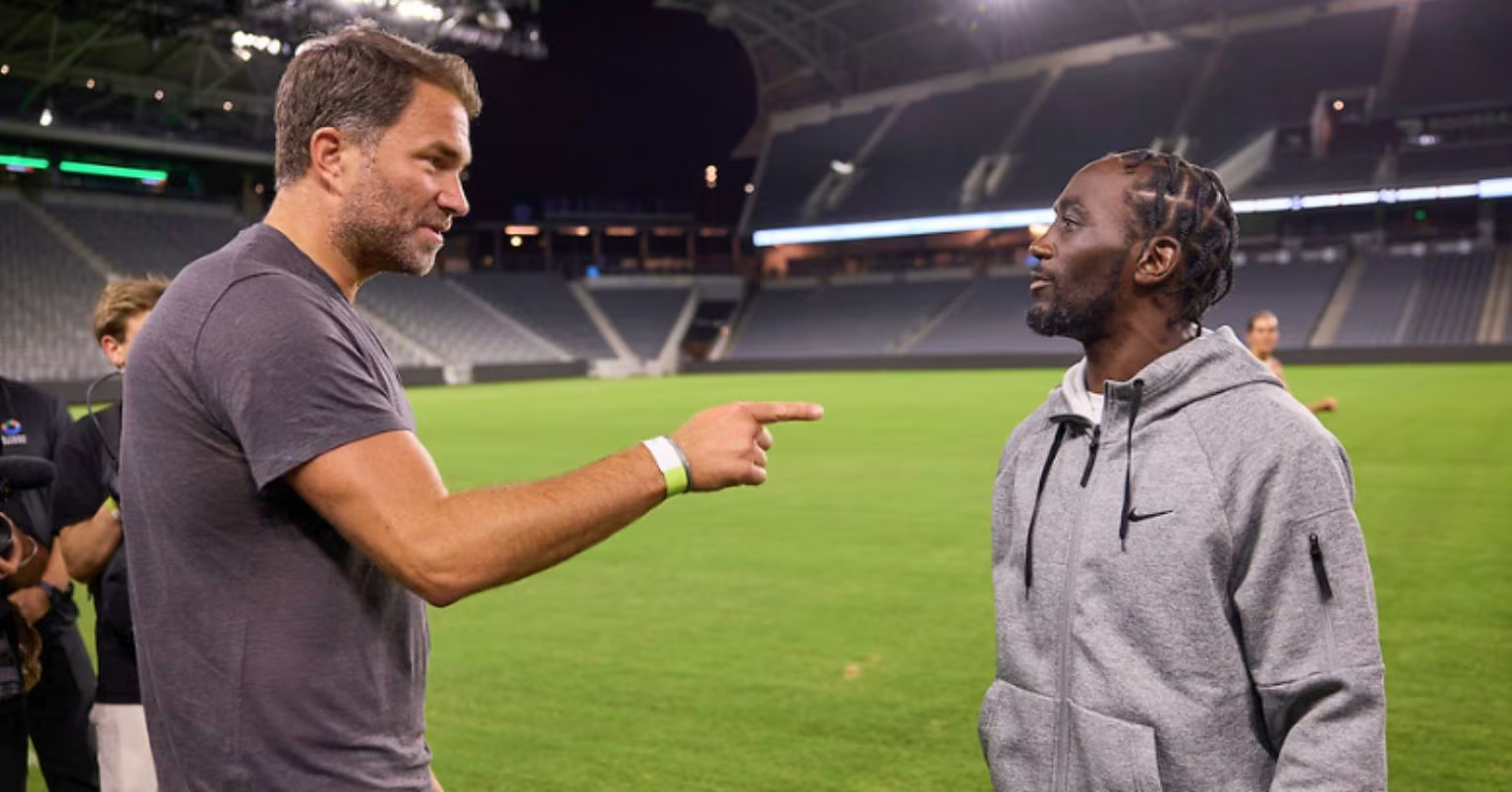
Terence Crawford hung up the gloves in December, but Matchroom promoter Eddie Hearn would be keen for the Omaha-born operator to return for one more fight.
Crawford walked away from boxing after becoming the sport’s second three-weight undisputed champion with a legendary triumph over Canelo Alvarez, shunning a lucrative rematch with the Mexican fan-favourite, safe in the knowledge that his legacy has already been cemented.
On The Ariel Helwani Show, Hearn admitted that he does not believe that Crawford is interested in making a comeback.
“When I have been around him, I have kind of felt like, physically, he has checked out. He talks about his body a lot, he talks about how it broke down, particularly in the last few camps, but Terence is an unbelievable fighter and a real competitor. He lives for competition.
“So, I would never rule it out, but I didn’t get that feeling [that we would return] from talking to him personally, I guess anything is possible.”
Still, if Crawford were to make a return, Hearn offered Jaron ‘Boots’ Ennis as a possible opponent, once the Philly native has turned into a ‘superstar’.
“If ‘Boots’ can get himself into a position where he is a superstar of the sport and there is a huge amount of money for Crawford to fight him, we would love that fight, because that is a fight that I have wanted for a long time. I think that they are two unbelievable fighters.”









































You must be logged in to post a comment Login