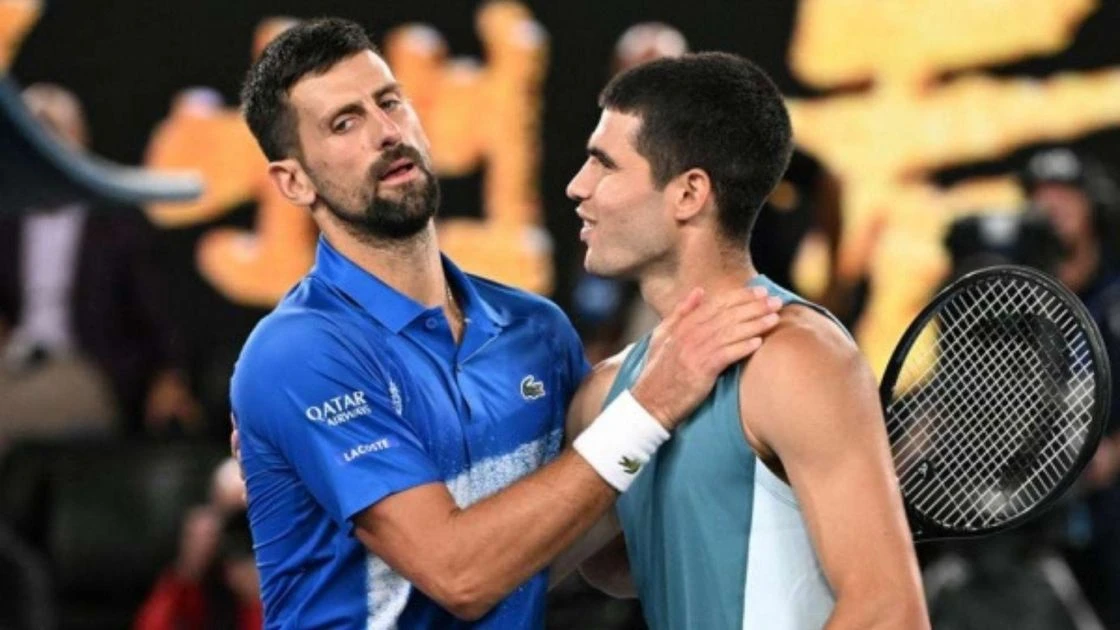
The Australian Open 2026 reached its conclusion today with in the marquee men’s singles final at the iconic Rod Laver Arena on Saturday Carlos Alcaraz beat Novak Djokovic 2-6, 6-2, 6-3 and 7-5 to win his maiden Australian open title. The season-opening Grand Slam has delivered high-quality tennis over the past fortnight, and the final promises a fitting finale between two of the sport’s biggest stars.
Before the tournament began, Tennis Australia announced a record USD 75 million prize pool for Australian Open 2026 — a 16 per cent increase from last year’s USD 63 million. Singles players are among the biggest beneficiaries of the hike, with champions set to earn 18.57 per cent more than in 2025, while doubles champions receive an 11.11 per cent increase compared to last season.
Advertisement
Here is a detailed look at the men’s singles prize money distribution for Australian Open 2026.
Australian Open 2026: Prize money for men’s singles winners
The winner of the men’s singles final Carlos Alcaraz will take home USD 2.79 million, reflecting the increased prize pool this year. The runner-up Novaj Djokovic will not leave empty-handed either, earning USD 1.45 million for finishing second after an impressive campaign at Melbourne Park.
Australian Open 2026: Prize money for men’s singles semi-finalists
The two players who bowed out at the semi-final stage — Jannik Sinner and Alexander Zverev — will each receive USD 840,000. Sinner pushed Djokovic in a five-set battle before losing, while Zverev fell short against Alcaraz in another hard-fought encounter.
Australian Open 2026: Prize money for men’s singles quarter-finalists
Reaching the last eight also comes with a substantial reward. Quarter-finalists Alex de Minaur, Learner Tien, Lorenzo Musetti, and Ben Shelton will each earn USD 500,000 for their efforts at the tournament.
Advertisement
Australian Open 2026: Prize money for men’s singles round 1 to round 4
Players eliminated in the fourth round will receive USD 322,000 for their campaigns. Those knocked out in the third round take home USD 220,000, while second-round exits earn USD 151,000. Even first-round losers are assured a healthy payout, with USD 101,000 awarded to all players who featured in the men’s singles main draw at Australian Open 2026.
It’s coming up on one year since Taylor Swift and Travis Kelce got engaged, so a wedding must be around the corner, right?
Well, if you want to find out any information, you are not getting it from Kelce’s sister-in-law.
Kylie Kelce, who is married to Travis’ brother, Philadelphia Eagles legend Jason Kelce, begged people on her latest “Not Gonna Lie” podcast to “stop f—ing asking” her and her mother-in-law about the upcoming nuptials.
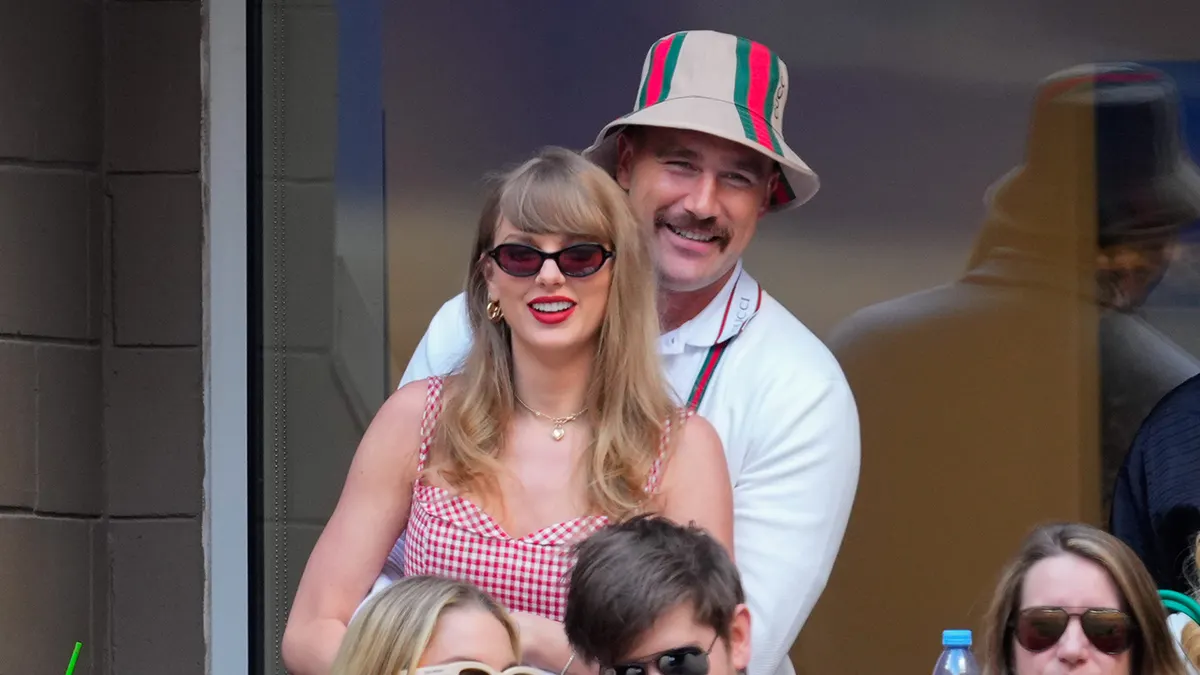
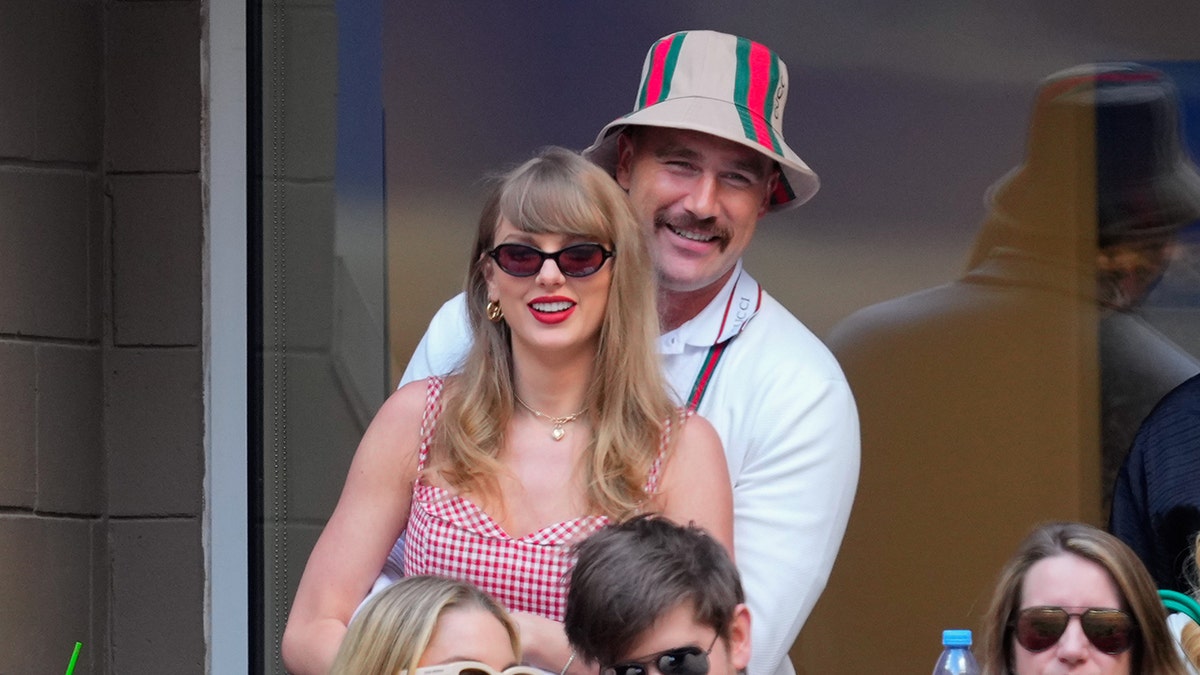
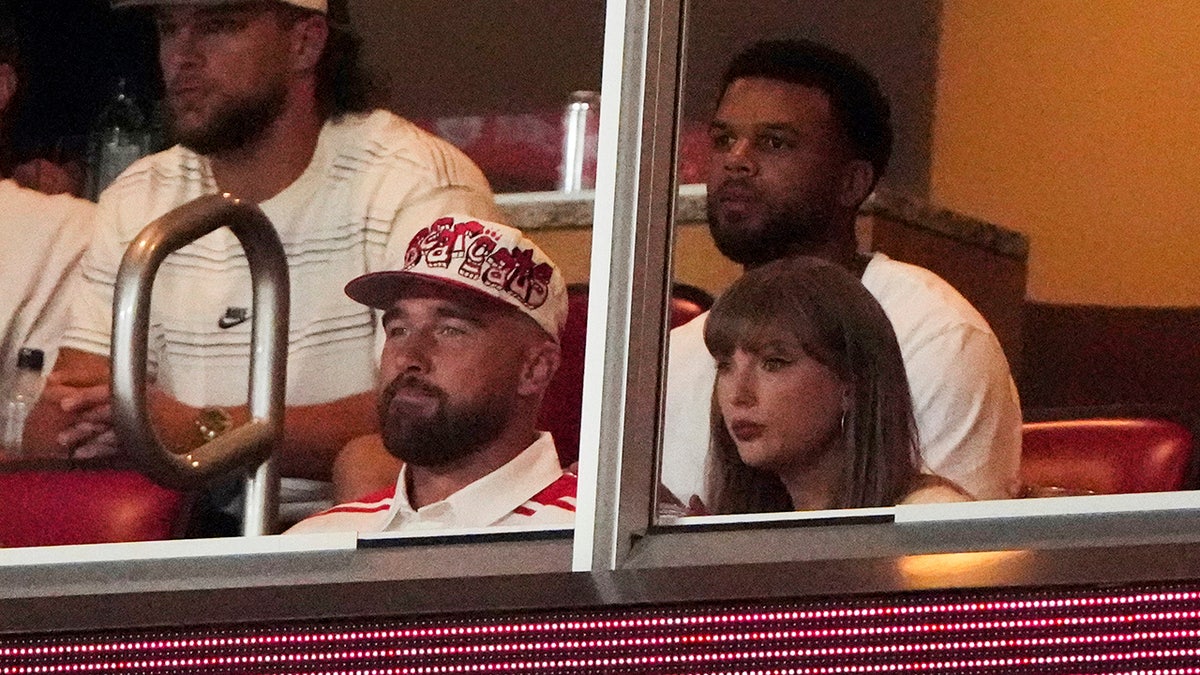
Taylor Swift and Travis Kelce are seen during the 2024 U.S. Open Tennis Championships on Sept. 8, 2024, in New York City.(Gotham/GC Images)
“I just want to say to literally everybody, I know it usually comes from a good place — not always — but quit asking me and my mother-in-law about upcoming nuptials,” Kelce said. “Nobody is f—ing telling you anything. I don’t have any details. I have no details. None. Stop f—ing asking me. Stop f—ing asking my mother-in-law…
“Here’s the deal. Even if I did have any information, I’m not f—ing telling you. That’s private information, if I had it, private information between family. So A and B, C your way out. See what I did there?”
Kelce then implored those who continued to ask to “suck my a–.”
While their exact timeline is unclear, Swift was first spotted at a Kansas City Chiefs game on Sept. 24, 2023. She admitted in an interview with TIME magazine that they actually began dating long before she appeared in the stands.
In July 2023, Kelce joked on his “New Heights” podcast that he missed the opportunity to give Swift a friendship bracelet in person when The Eras Tour rolled through Kansas City.
Taylor Swift, front right, sits with fiancé Travis Kelce, second from front left, as they watch the first half of an NCAA college football game between Cincinnati and Nebraska on Thursday, Aug. 28, 2025, at Arrowhead Stadium in Kansas City, Missouri.(Charlie Riedel/AP)
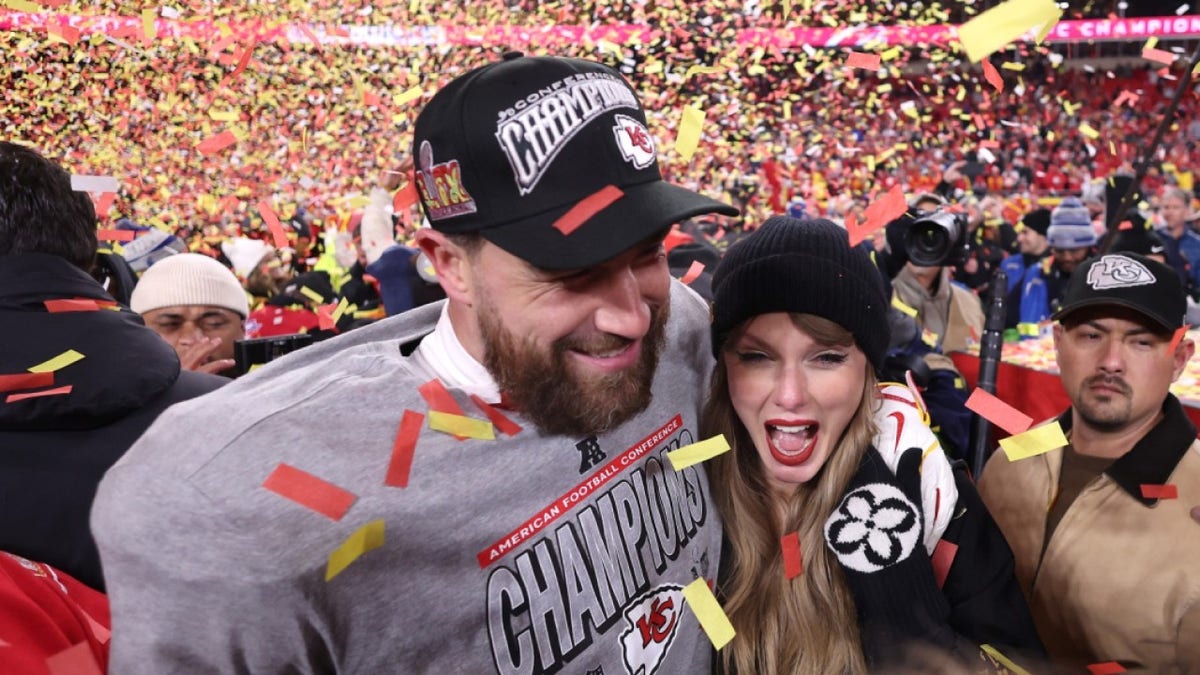
The two then announced their engagement in August of last year, after Swift appeared at numerous games including a Super Bowl, and Kelce attended, and even was on stage for, Swift’s “Eras Tour” concerts.
Kelce announced earlier this offseason that he would be returning to the Chiefs for a 14th NFL season.
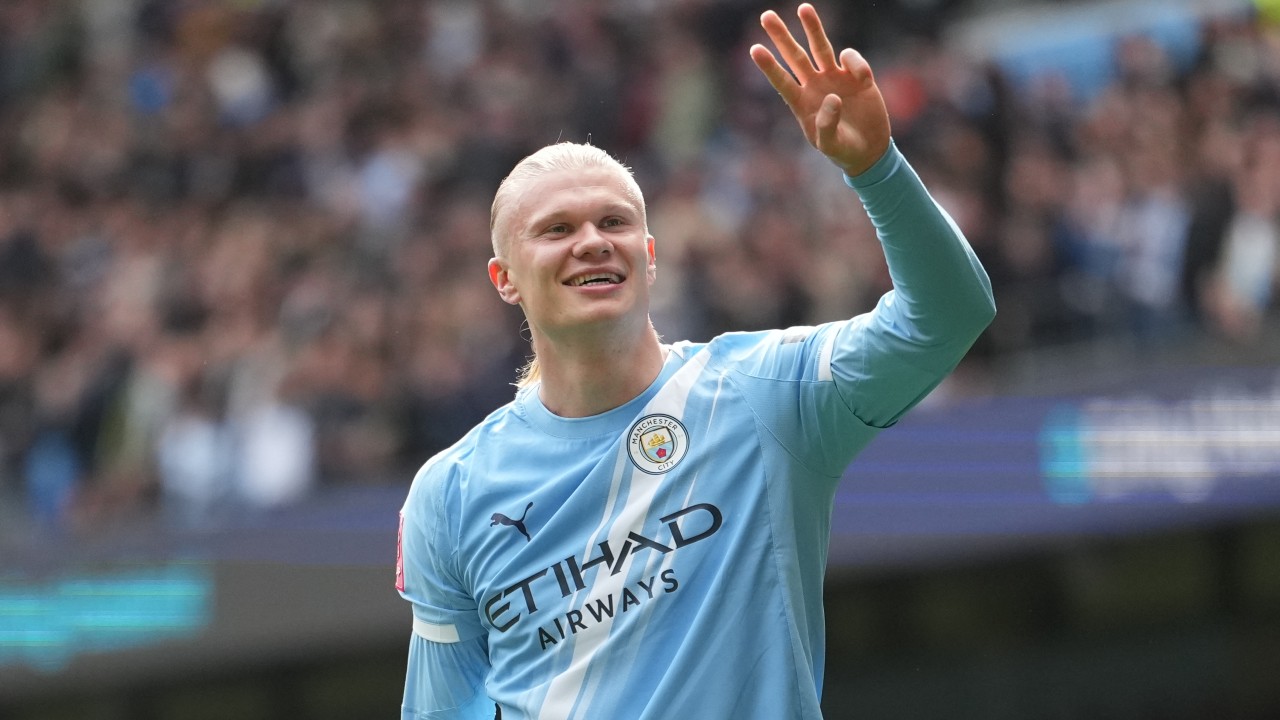
Erling Haaland’s 18-minute hat trick powered Manchester City to a 4-0 win over Liverpool and into the FA Cup semifinals for a record eighth straight season on Saturday.
Mohamed Salah’s failure from the penalty spot added to the woes of Liverpool, whose meltdown at Etihad Stadium will put more heat on under-pressure manager Arne Slot.
Haaland converted a penalty in the 39th minute, headed home a cross from Antoine Semenyo in first-half stoppage time, and then swept in a finish off the crossbar in the 57th to score his first hat trick of the season for City and 12th since he joined the club in 2022.
Semenyo scored the other goal in the 50th minute for City, which was playing its first match since winning the English League Cup two weeks ago by beating Arsenal in the final at Wembley Stadium. City will be heading back there later this month for the FA Cup semis.
Advertisement
Salah, who announced during the recent international break that he’d be leaving Liverpool after nine trophy-filled seasons, was beginning his long goodbye to the Reds but couldn’t mark it with a goal. The best of the many chances he spurned came from a penalty, which City goalkeeper James Trafford palmed away in the 64th.
It was a record 18th straight home win for City in the FA Cup, dating to 2017. Pep Guardiola’s team shared a record with Clapham Rovers for reaching seven consecutive FA Cup finals, but now holds it outright.
Arsenal and Chelsea are also in action in the quarterfinals
Later Saturday, Chelsea hosts third-tier Port Vale before Arsenal visits second-tier Southampton.
Advertisement
The draw for the semifinals takes place on Sunday after West Ham hosts Leeds in the final match in the last eight.
This match up looked to be severely one-sided before the race began but Oxford have given it a good go in rough conditions.
Cambridge haven’t hit their heights yet despite being ahead.
It feels as though the Light Blues will only get stronger from here but Oxford are in contention at Chiswick Eyot.
Advertisement
Mike Jones4 April 2026 15:34
Cambridge lead extends
Cambridge are now ahead by over three seconds and are making the bend after the Hammersmith Bridge.
This is where the wind picked up and the water got really choppy during the women’s race.
Advertisement
It looks to be similar here as well.
Mike Jones4 April 2026 15:31
Cambridge making moves
After the near misses of the two crews it is Cambridge who look to be pulling ahead as the race comes to Hammersmith Bridge.
Advertisement
80% of the leaders at this bridge go on to win. That is the Cambridge crew.
Oxford aren’t too far behind them though.
Mike Jones4 April 2026 15:29
Advertisement
Both crews chasing fast water
“Oxford, move to Surrey now!”
That’s the call from the umpire as both crews position themselves in the middle of the river to get into the faster water.
Oxford have moved away from their starting position.
The boats are so close they’ve almost clashed with each other.
Advertisement
Cambridge edge ahead at the mile post.
Mike Jones4 April 2026 15:28
Oxford warned for drifting
Oxford are warned a couple of times for drifting towards the Cambridge boat.
Advertisement
Cambridge are edging ahead but Oxford have stuck with them strongly.
That force and pushing from the Dark Blues could hinder them towards the back end of this race though.
Mike Jones4 April 2026 15:25
Advertisement
We’re off!
The flag drops for the men’s boat race to begin and rowers kick into action.
Oxford have the Surrey section but Cambridge are the heavy favourites.
Both teams set off in furious fashion. Cambridge are off at 47 strokes per minute.
Mike Jones4 April 2026 15:23
Advertisement
The men’s boat race
Cambridge have won the past three races and seven of the past 10 races.
They lost the toss, however, and Oxford will have the Surrey station meaning a slightly easier race and a better line.
Will that be enough for Oxford to end their run of defeats?
Advertisement
Mike Jones4 April 2026 15:20
The men’s crews
It’s almost time for the second boat race to get underway so here’s a look at the two men’s teams:
Oxford: Tobias Bernard (Cox), Harry Geffen (Stroke), Alex Sullivan, Jamie Arnold, Alex Underwood, Fergus Pim, James Fetter, Julian Schöberl, Felix Crabtree
Advertisement
Cambridge: Sammy Houdaigui (Cox), Frederik Breuer (Stroke), William Klipstine, Alexander McClean, Gabriel Obholzer, Patrick Wild, Kyle Fram, Noam Mouelle, Simon Hatcher
Mike Jones4 April 2026 15:18
Matt Moran explains Cambridge’s tactics
The women’s race threw up a few different tactics than we usually see and Matt Moran, the Cambridge cox, explained why he took their boat closer to the shoreling on a couple of occasions.
Advertisement
He said: “I think the conditions were bad and we discussed beforehand that if it was that bad and was disrupting what we were doing we would try to give ourselves the best opportunity to define our rhythm.
“We had so much faith in what we practiced and the rhythm we could generate and we thought that would give us the better opportunity to do that.”
Mike Jones4 April 2026 15:14
Advertisement
We’ll be back
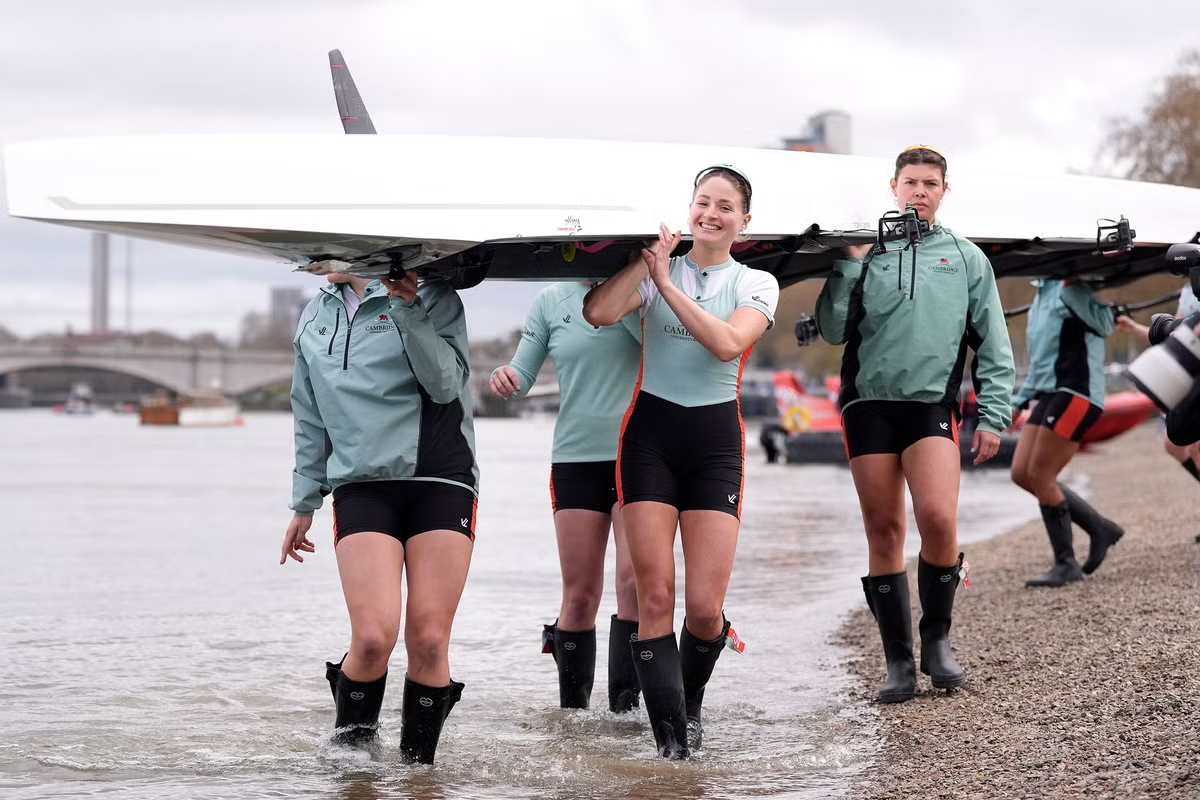
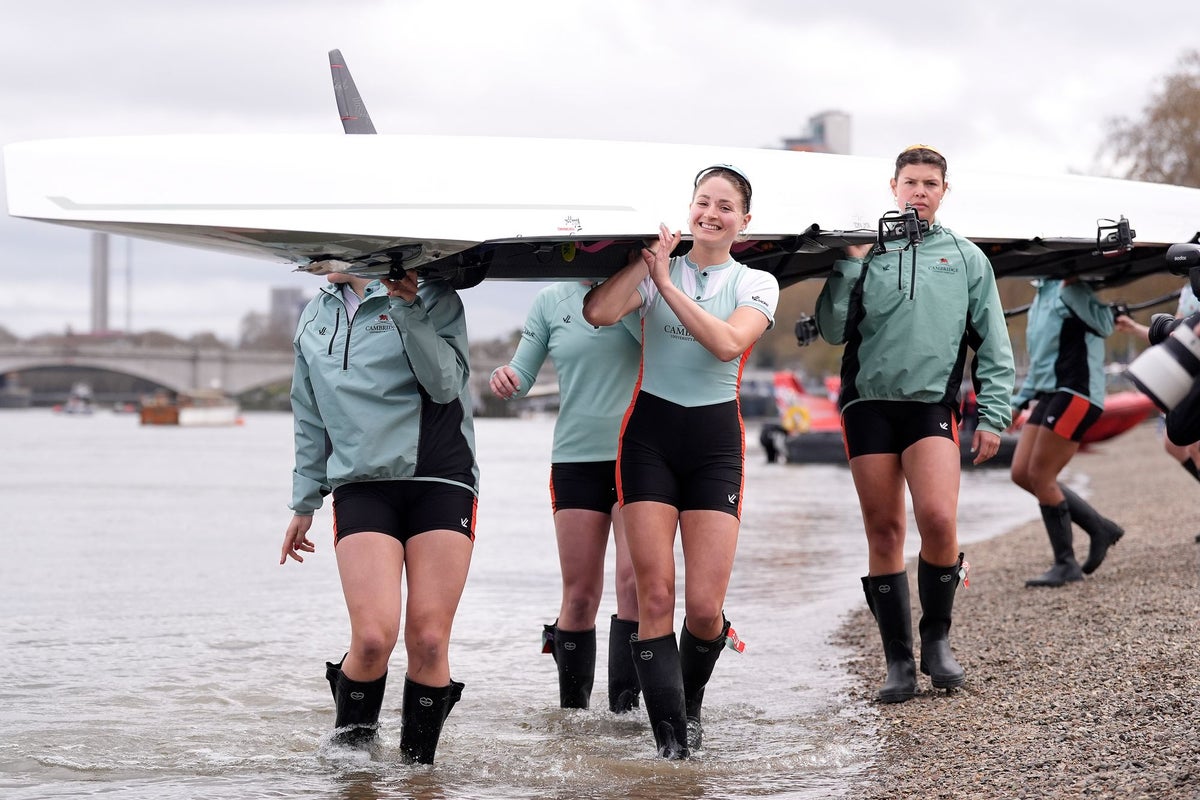
Cambridge president in the boat, Gemma King, spoke to Channel 4 after losing to Oxford and was bitterly disappointed.
She said: “Obviously it isn’t the outcome we wanted but I’m so proud of our crew and everyone in the squad this year. I think they were crazy conditions out there and we knew they had a strong start but we gave it our all and did our best in the crazy wind.
“I’ve loved every part of this journey with everyone in the team and I’m glad we got to race out there. We’ll be back.”
NEW DELHI: At the halfway mark, Rohit Sharma said the pitch was difficult to bat on and backed Mumbai Indians‘ bowlers to defend 162 against Delhi Capitals at the Arun Jaitley Stadium.His words almost proved to be prophetic.Chasing 163, Delhi Capitals needed 90 runs in the last ten overs with well-set Pathum Nissanka back in the hut. But Sameer Rizvi, Delhi’s hero in their last match against Lucknow Super Giants, took them home again with another sublime knock. Delhi Capitals defeated Mumbai Indians by five wickets to register their second consecutive win in the 2026 Indian Premier League (IPL).
Watch
‘Bowlers have it hard’ – Glenn Phillips breaks down modern T20 cricket
Rizvi struggled initially and was 11 off 17 balls at one stage. The 22-year-old broke free with a six off Corbin Bosch in the ninth over. However, the match remained in the balance as Mitchell Santner dismissed Pathum Nissanka. The Sri Lanka opener, who scored a fluent 44 off 30 balls, top-edged one, with Mayank Markande taking a good catch at short fine leg.Rizvi then shifted gears in the next over, taking 20 runs off Corbin Bosch. He handled every variation with ease, dispatching slower balls, short deliveries and fuller ones alike, even managing a maximum off a mistimed shot.He smashed back-to-back sixes off Mayank Markande to complete his second consecutive fifty this season and his third in a row for the franchise, reaching the milestone in 32 balls.Jasprit Bumrah briefly pulled things back with a one-run over, but Delhi were firmly in control by then. Rizvi continued his assault on Deepak Chahar and later combined with David Miller for a 50-run stand in just 26 balls, with Miller contributing only one run.Rizvi looked unstoppable, taking apart Shardul Thakur for 17 runs in an over. Miller then joined in with a couple of elegant boundaries off Bumrah.Rizvi eventually departed after a brilliant 90 off 51 balls, receiving a standing ovation from the Delhi crowd, his teammates and even the opposition. And by then time, he got out it was a mere formality.
A dry afternoon
On the eve of the match, Mumbai Indians head coach Mahela Jayawardene and Delhi Capitals spinner Kuldeep Yadav had expressed similar views that the Arun Jaitley Stadium pitch would be batting-friendly. However, it turned out to be a two-paced surface.Mumbai Indians were without their regular captain Hardik Pandya, who missed the match due to a viral infection. Delhi Capitals captain Axar Patel won the toss and opted to chase.After being put in to bat, Mumbai Indians got off to a shaky start, with Mukesh Kumar removing Ryan Rickelton (9) and Tilak Varma (0) in the third over. Mukesh initially searched for swing but adjusted his length in his next over to pick up both wickets.
Advertisement
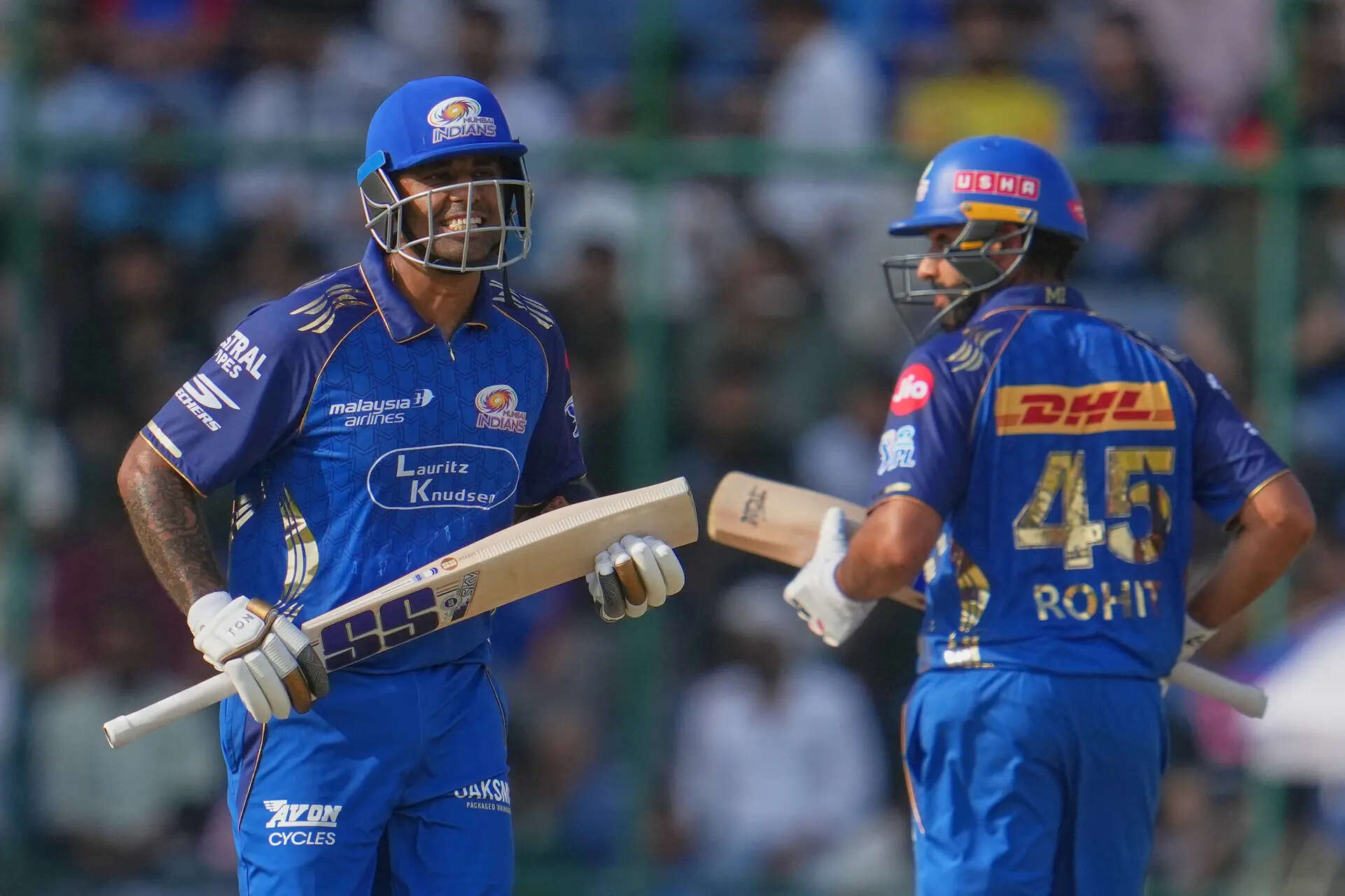
Mumbai Indians’ Suryakumar Yadav, left, and Rohit Sharma run between the wickets (AP Photo/Manish Swarup)
Rohit Sharma then joined stand-in skipper Suryakumar Yadav, and the pair steadied the innings. Mumbai Indians were 41 for 2 at the end of the powerplay. The duo rotated strike well and added 53 runs for the third wicket before Rohit fell for 35 in the 10th over, dismissed by Axar Patel.
Poll
Which team do you think has the better chances of winning the IPL this season?
Advertisement
After Rohit’s departure, Suryakumar continued to anchor the innings and brought up his fifty in 35 balls, but was dismissed on 51 off the very next delivery by Lungi Ngidi. Sherfane Rutherford had a brief stay, scoring five before getting caught in the deep.Next in, Naman Dhir scored a fine 28 before falling in the penultimate over. Mitchell Santner and Corbin Bosch struck a few boundaries towards the end, helping Mumbai Indians post 162 for 6.
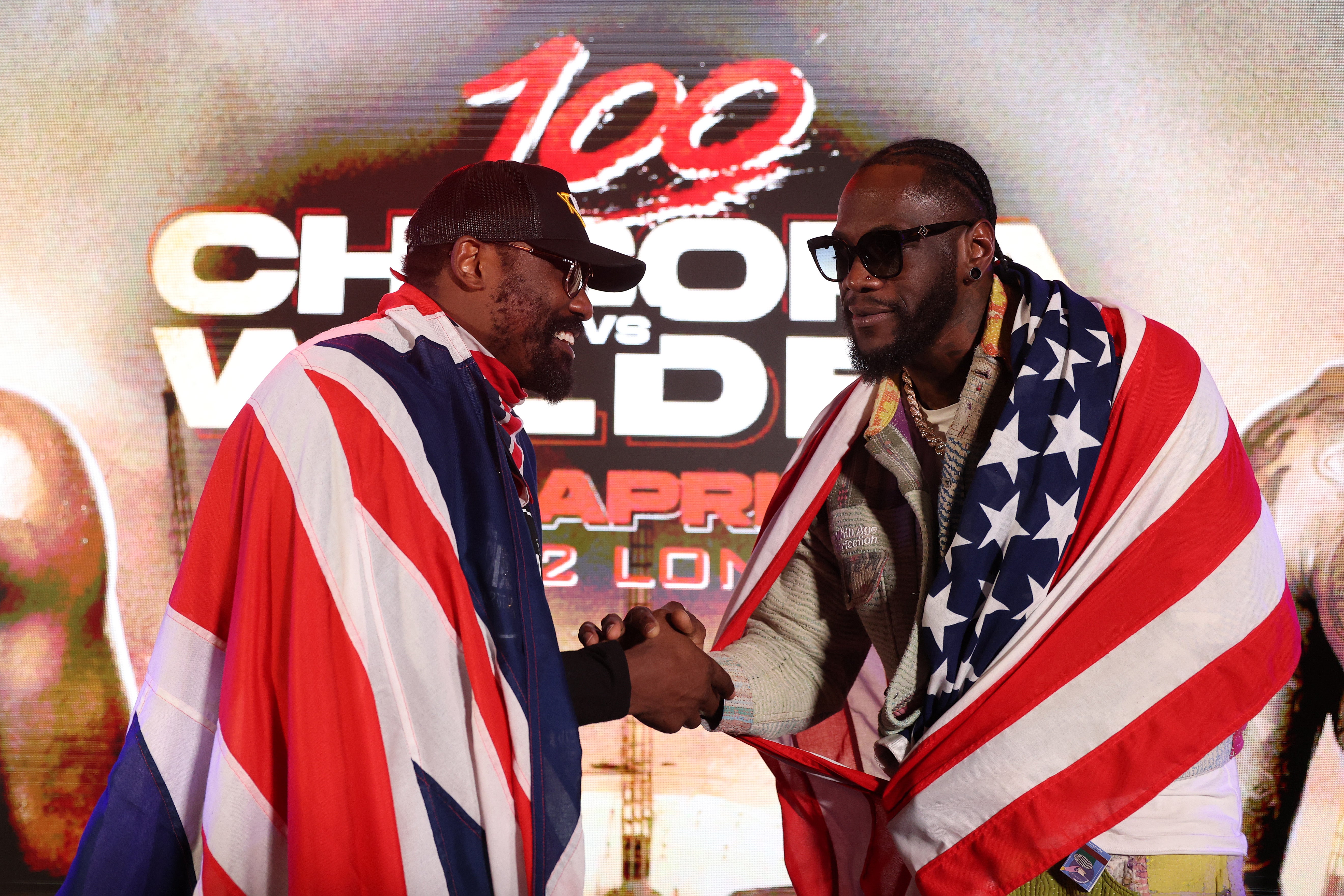
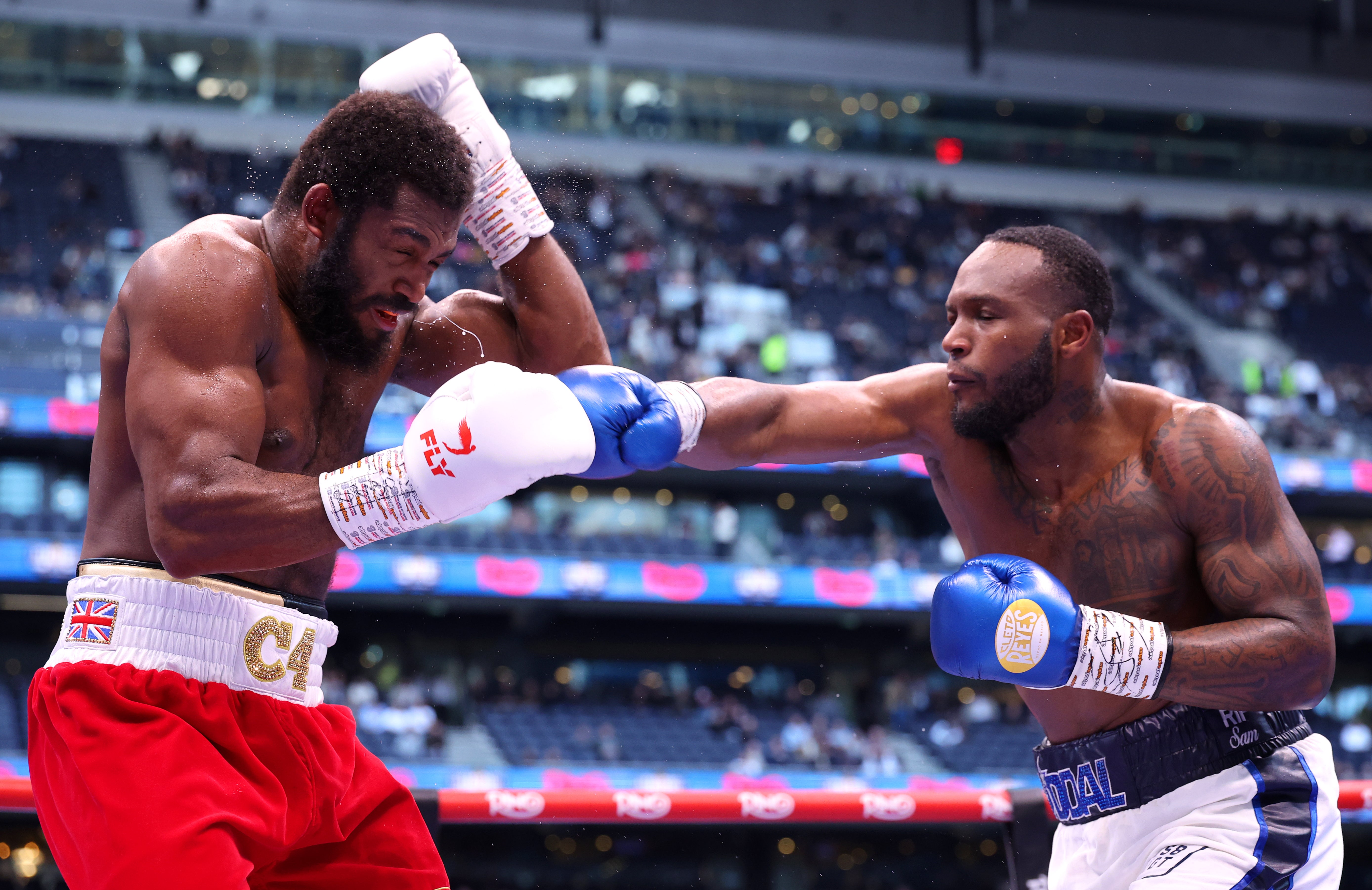
The main event at the O2 Arena will pit a British icon against an American one, as Chisora fights for the final time as a professional (or so he says), while Wilder’s own boxing future may be on the line.
Deontay Wilder (right) will take on Britain’s Derek Chisora (Getty)
Might a defeat for Wilder change his mind, though? He is 2-4 in his last six fights, having suffered three knockouts in that run – including two by his rival Tyson Fury. Wilder has looked more hesitant in recent times, too, despite his general reputation as the hardest hitter in heavyweight history.
And in Chisora, he will face a remarkably-resilient fighter, one with an immense capacity to walk through punches and keep swinging. Here’s all you need to know.
When is the fight?
Advertisement
Chisora vs Wilder will take place on Saturday 4 April, at the O2 Arena in London. The main card will begin at 7pm BST (11am PT / 1pm CT / 2pm ET), with main-event ring walks due at 10.25pm BST (2.25pm PT / 4.25pm CT / 5.25pm ET).
How can I watch it?
The event will stream live exclusively on DAZN pay-per-view worldwide, at a cost of £24.99 in the UK, $49.99 in the US/Canada, and $19.99/equivalent in the rest of the world. You can purchase the fight on DAZN here.
Get all the latest boxing betting offers. The Independent vets betting sites for usability, security and responsible gambling tools. You can claim free bets here to use across a range of sports. Please read the terms.
Fight card in full
Advertisement
Subject to change
Derek Chisora vs Deontay Wilder (heavyweight)
Viddal Riley vs Mateusz Masternak (cruiserweight)
Enjoy 185+ fights a year on DAZN, the Global Home of Boxing
Advertisement
Never miss a fight from top promoters. Watch on your devices anywhere, anytime.
ADVERTISEMENT. If you sign up to this service we will earn commission. This revenue helps to fund journalism across The Independent.
Viddal Riley (right) is among those starring on the undercard (Getty Images)
Denzel Bentley vs Endry Saavedra (vacant WBO interim middleweight title)
Ashton Sylve vs Raul Antonio (super-lightweight)
Matty Harris vs Franklin Ignatius (heavyweight)
Amir Anderson vs Jordan Dujon (middleweight)
Advertisement
Dan Toward vs Misael Da Veiga (super-welterweight)
Jermaine Dhliwayo vs Jake Morgan (super-featherweight)
Abner Teixeira vs TBA (heavyweight)
Tom Welland vs Yahir Alexander Solorio Morales (featherweight)
Advertisement
We may earn commission from some of the links in this article, but we never allow this to influence our content. This revenue helps to fund journalism across The Independent.
In the eyes of the markets, Sixties ranks as Chris Waller’s number two for the Doncaster Mile, but the handler can build a strong argument for the three-year-old to feature prominently in Randwick’s headline race.
Sheza Alibi, prepared by Peter Moody and Katherine Coleman, commands favouritism at $2, ahead of Waller’s Autumn Boy on $7, with Sixties in the cluster priced $14-$19.
Bad luck in barriers has plagued the colt this preparation, including third in the Australian Guineas (1600m) at Flemington, and he’ll tackle another tough draw from the outside in the 16-starter Doncaster.
Nevertheless, if fortune smiles from gate 16, Waller is certain Sixties can make his presence felt in the closing stages.
Advertisement
“Sixties is a very talented horse, and he showed that with his Phar Lap (Stakes) win, and before that as well,” Waller said.
“He didn’t get much luck in his last Group One run, which was in the Australian Guineas, when he drew wide and needed to go forward. It didn’t quite work for him.
“He’s (Group 1 winner) Artorius’ brother, so he’s well bred, and he’s a really good-natured horse.”
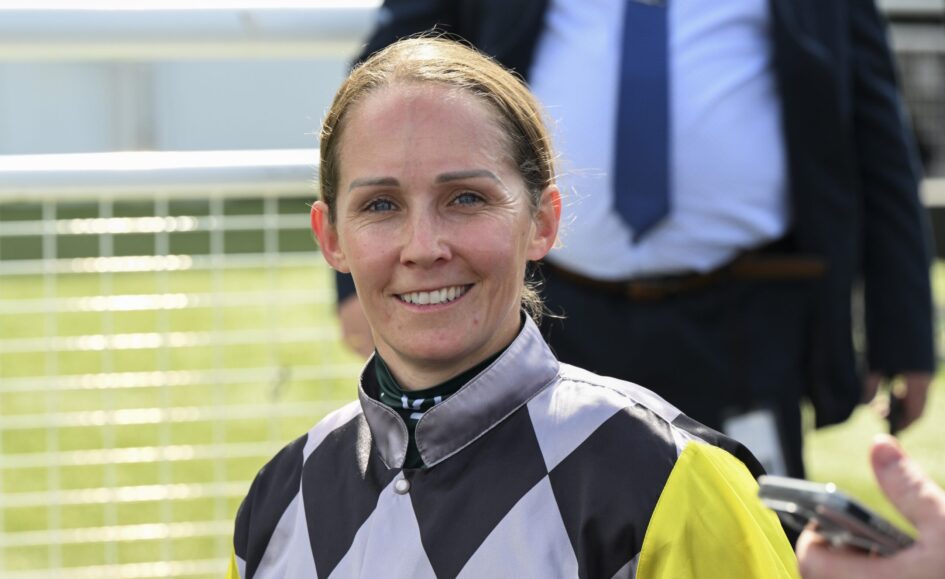
Rachel King secured the Ming Dynasty Quality (1400m) win with Sixties last year and draws the steer once more this Saturday.
Advertisement
She lacks a flagship success with Waller to date, yet holds six Group 1 wins Down Under for Bjorn Baker, Tulloch Lodge, and Mark Newnham, and an additional one in Japan last year.
Waller relishes having the innate lightweight rider involved, citing her track record in high-profile contests.
“She won a Group race on him in the spring, and she is a natural lightweight rider,” he said.
“I see her as a big race rider. She’s won some big races in Australia, some big races in Japan, big races in Melbourne. She’s the right person for the job.”
Advertisement
King features in all four Group 1 races on day one of The Championships, riding Rachini for Baker in the Sires’ Produce Stakes (1400m), that stable’s Green Spaces in the ATC Australian Derby (2400m), and Joe Pride’s Mazu in the T J Smith Stakes (1200m).
Visit premier betting sites to access the latest racing betting markets for the Doncaster Mile.
Mumbai Indians’ (MI) stand-in captain Suryakumar Yadav slammed a half-century in the team’s IPL 2026 match against Delhi Capitals (DC) on Saturday, April 4. DC won the toss and elected to field first at Arun Jaitley Stadium in the afternoon fixture.
MI started poorly, losing two early wickets. Pacer Mukesh Kumar dismissed Ryan Rickelton and Tilak Varma in the third over. Suryakumar came out to bat at No. 4 when Mumbai were reeling at 18/2 in 2.5 overs.
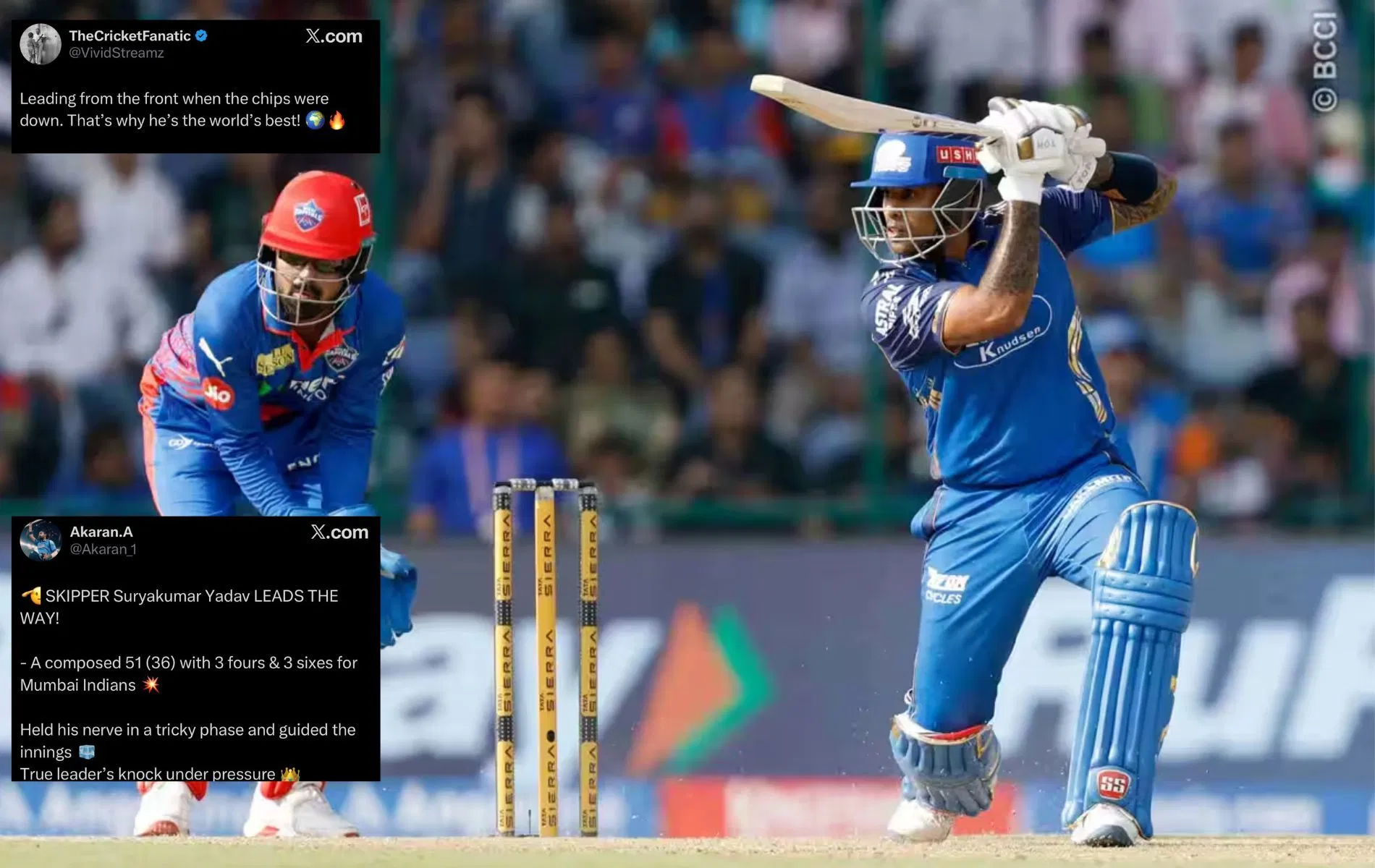
Suryakumar steadied the ship for Mumbai with his batting exploits on a two-paced pitch. He scored 51 runs off 36 balls at a strike rate of 141.67, with two sixes and three fours. It is worth noting that it was the 30th half-century of his IPL career.
Advertisement
The 35-year-old redeemed himself after scoring just 16 runs off eight balls in MI’s opening game against Kolkata Knight Riders (KKR). He earned massive praise from fans for the knock. Here are some of the top reactions on X:
FIFTY FOR CAPTAIN Suryakumar Yadav 🫡 Surya’s IPL numbers are simply unmatched — the best in the business for Mumbai Indians this decade, excelling in one of the toughest batting roles in T20 cricket. #DCvsMI
🫡 SKIPPER Suryakumar Yadav LEADS THE WAY! – A composed 51 (36) with 3 fours & 3 sixes for Mumbai Indians 💥 Held his nerve in a tricky phase and guided the innings 🧊 True leader’s knock under pressure 👑 #SuryakumarYadav #MI #IPL2026 #CaptainKnock #Leadership
Advertisement
@mufaddal_vohra Leading from the front when the chips were down. That’s why he’s the world’s best! 🌍🔥
FIFTY FOR CAPTAIN SURYAKUMAR YADAV. 🫡 Mumbai Indians at one stage 18/2 and he scored a excellent fifty when Mumbai Indians needed the most – Captain Surya leads from the front.
@mufaddal_vohra Surya’s 51 (35) might not trend like a quickfire fifties… but given the situation, this is the kind of knock teams rely on. 📈 #SuryakumarYadav #MIvsDC
Suryakumar Yadav added 53 runs off 40 balls with Rohit Sharma for the third wicket after the shaky start. The dynamic batter departed soon after his half-century. He got out lbw off Lungi Ngidi’s bowling in the 16th over after being undone by the lack of bounce.
Advertisement
Suryakumar Yadav’s half-century helps MI cross 160-run mark
Suryakumar Yadav was the top performer with the bat for Mumbai. The side posted 162/6 after 20 overs. Rohit Sharma (35 off 26) and Naman Dhir (28 off 21) also chipped in with important contributions.
Mukesh Kumar picked up two wickets, while Lungi Ngidi, Axar Patel, Vipraj Nigam, and T Natarajan claimed one scalp apiece. Meanwhile, MI are currently placed fifth in the points table. They kicked off their campaign with a six-wicket victory over KKR.
DC also began their season with a win, beating Lucknow Super Giants (LSG) by six wickets in their opening game. They occupy the fourth spot in the standings.
Arizona Cardinals quarterback Kyler Murray (1) surveys the field and prepares for the snap, scanning coverage and setting the offense as defenders align across from him Sep 29, 2024, at State Farm Stadium in Glendale, Arizona, during a matchup against the Washington Commanders with pace and decision-making central to the offensive approach. Mandatory Credit: Mark J. Rebilas-Imagn Images.
Kyler Murray unmistakably has the talent to thrive with any NFL team; that’s just the way it goes for a man who averages about 4,000 passing yards, 30 total touchdowns, and 600 rushing yards every 17 starts. It’s not a controversial take. But here’s why he’ll succeed with the Vikings — what Minnesota, as a franchise, brings to the table.
Murray enters a setup built for production, with O’Connell, protection, and top-tier playmakers around him.
The veteran passer will have to win a quarterback battle this summer against third-year youngster J.J. McCarthy, even if that already feels like a foregone conclusion.
Advertisement
Minnesota’s Environment Sets Murray Up to Deliver
The evidence: why Murray will cook in the Twin Cities.
Detailed view of Arizona Cardinals quarterback Kyler Murray’s No. 1 jersey during game action, highlighting uniform elements and field presence Nov 26, 2023, at State Farm Stadium in Glendale, Arizona. The image captures Murray’s on-field identity as the focal point of Arizona’s offense in a matchup against the Los Angeles Rams. Mandatory Credit: Mark J. Rebilas-USA TODAY Sports
The Vikings Just Finished 9-8
After a miserable 4-8 start in 2025, the Vikings rallied to win nine games, with one dub separating them from winning the NFC North if one assumes Minnesota could’ve also defeated the Green Bay Packers in Week 18. Green Bay rested its starters.
Meanwhile, the Vikings showcased the NFL’s fifth-worst quarterback play per Dropback EPA. It was a miracle they got to nine wins — a winning record — with such abysmal performance. If Minnesota could win nine games with the 28th-ranked quarterback stable, it should be able to win around 12 games with Murray in the saddle, assuming he stays healthy and plays semi-competently.
Advertisement
Kevin O’Connell shed light this week on his mindset of the context in which he explained the Murray addition to McCarthy:
I was honest with him. I said, ‘We are going to elevate the room as a whole.’ We have enough data now to show, 2022, Kirk Cousins plays the majority of that season, we win 13 games, get an opportunity in the postseason. In 2024, with Sam Darnold, he plays every snap but two and we win 14 games. When we have a standard and consistency at that position, we’ve won a lot of football games.
You couple that with learning we’re 35-4 when we break even or better on the turnover margin in a game. There’s data to tell us we need to build our team a certain way in regards to our quarterback room whether it was bringing in a talented player like Kyler Murray at a really unique time in his career. I think he’s motivated, I think he’s experienced, I think he knows where he wants to go with his career. We wanted to bring in a player and give him an opportunity to not only compete, but see where he could take this thing.
That basically sums it up.
The Offensive Line Is Decent
Advertisement
Minnesota finished the 2025 campaign with the league’s 18th-ranked offensive line. Injuries utterly ravaged the unit, so much so that the Vikings hardly ever had their full starting lineup on the field.
Of course, injuries could hit again in 2026, but the likelihood of almost every guy getting hurt for multiple games [again] is low. Therefore, checking in at No. 18 with a patchwork group suggests the unit can climb near the Top 12, if not better.
It’s a long way of saying that Murray’s protection will not be horrid. The personnel are there.
The Brian Flores-Led Defense Is Already Elite
Advertisement
Flores rolled into town three years ago, and since, the Vikings have boasted the second-best defense in the world. In 2025, it ranked No. 3. The year prior? No. 2.
How does that apply to Murray? Simple:
Team Defense Ranking, Per EPA/Play, Since 2023:
Cardinals: 30th Vikings: 2nd
Advertisement
Murray will go from the NFL’s third-worst defense to the second-best. That will matter.
The QB Whisperer Head Coach
O’Connell has unlocked these men to their fullest extent, or at least damn close:
Those who have not cooked with O’Connell:
Advertisement
J.J. McCarthy
Jaren Hall
Max Brosmer
For some reason, O’Connell works best with veterans, though he doesn’t seem to transfer his quarterback whisperer reputation to rookies. With Murray, he gets a seven-year veteran who already has the speed, throwing accuracy, arm strength, and touch.
Minnesota Vikings head coach Kevin O’Connell stands on the sideline during a divisional road matchup, directing his team and managing game flow Sep 29, 2024, at Lambeau Field in Green Bay, Wisconsin. The setting underscores the intensity of the NFC North rivalry as O’Connell leads Minnesota in a hostile environment against the Packers. Mandatory Credit: Jeff Hanisch-Imagn Images
In all likelihood, Murray is in the best spot to thrive, with O’Connell strutting his stuff as the quarterback whisperer once again. It’s not like Murray is walking onto Mike Zimmer’s team.
The Offensive Weaponry
If you’re not quite sold, introduce yourself to the Vikings’ offensive playmakers:
Minnesota Vikings wide receiver Jordan Addison celebrates a first-quarter touchdown with Justin Jefferson, energizing the home crowd early in the game Dec 8, 2024, at U.S. Bank Stadium in Minneapolis, Minnesota. The duo’s connection helped spark offensive rhythm against the Atlanta Falcons, showcasing Minnesota’s dynamic passing attack. Mandatory Credit: Matt Krohn-Imagn Images
Murray was not deprived of weapons in Arizona, but any team with Jefferson — and Addison thrown in for good measure — takes the cake from one’s previous situation.
All Murray has to do is get the ball to these men without major complications. His fifth-best completion percentage in NFL history is a decent indicator that it will happen.
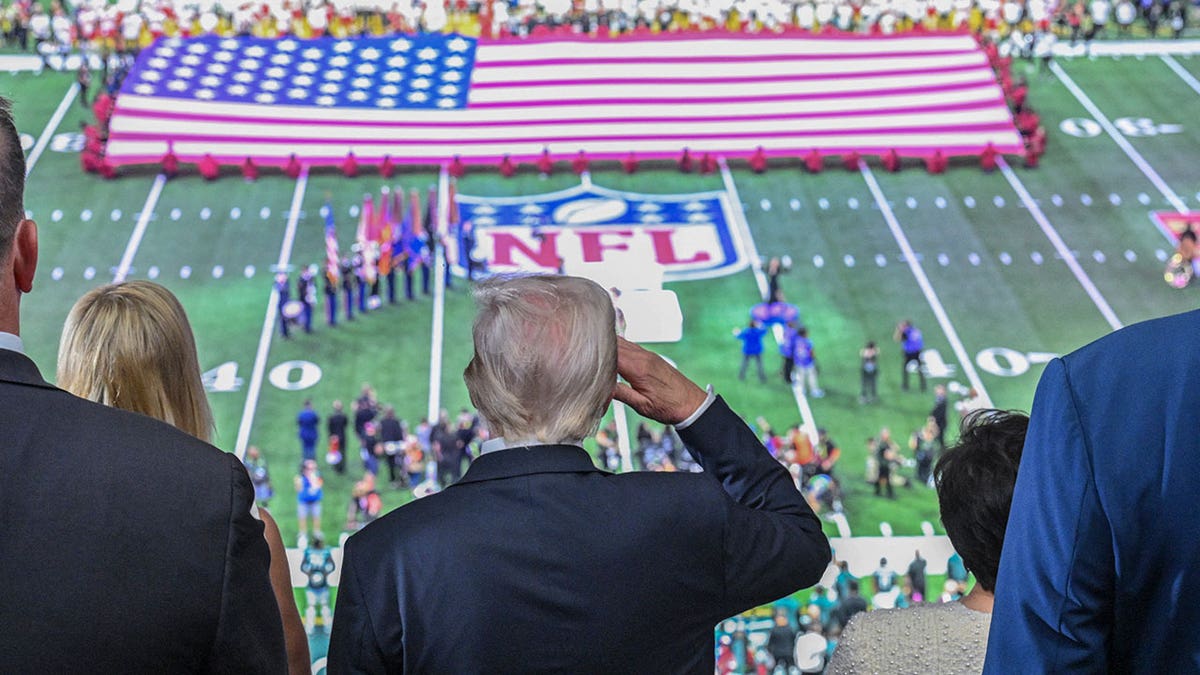
The leaders of college sports’ most powerful conferences quickly aligned behind President Donald Trump’s latest executive order.
Commissioners from the Big Ten, SEC, ACC and Big 12 all released statements on social media Friday evening unanimously thanking Trump for his executive action.
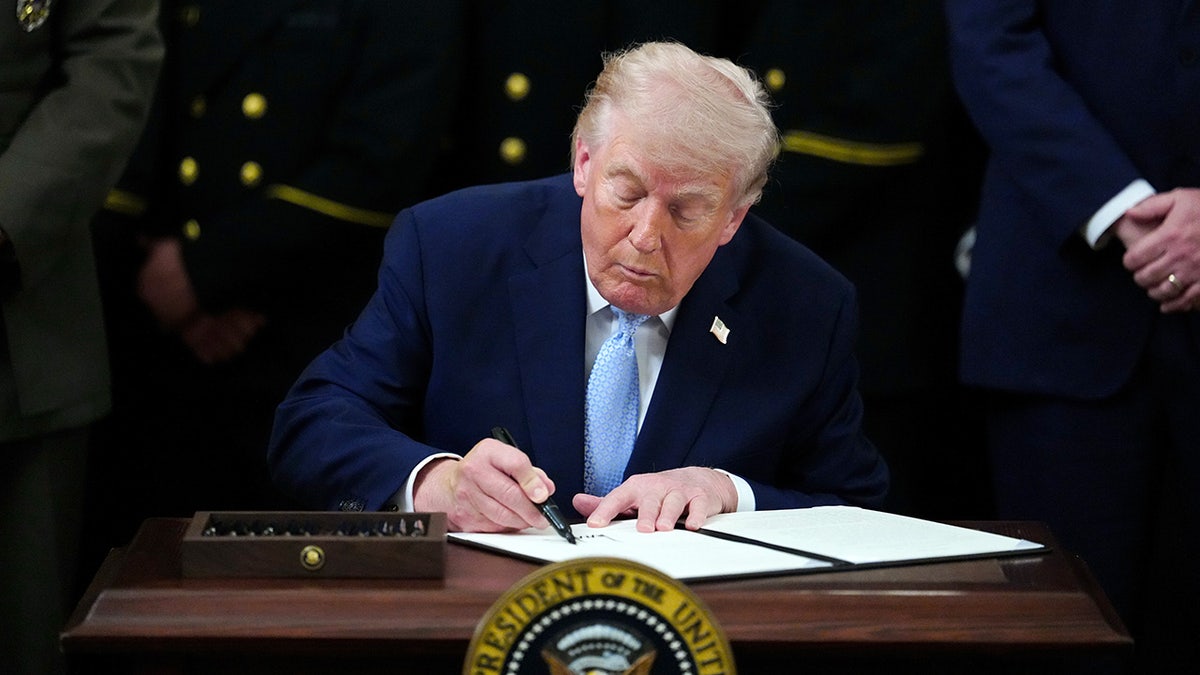
Trump’s EO directs federal agencies to potentially restrict funding for schools violating new, tighter rules on player transfers (limited to one) and eligibility (maximum five years), while curbing pay-for-play booster collectives and protecting women’s and Olympic sports funding.
Advertisement
The conferences struck a consistent tone of appreciation for federal involvement, coupled with a renewed call for Congress to establish national standards governing college athletics, particularly with respect to athlete compensation, employment status and name, image and likeness (NIL) rules.
Big 10 Commissioner Tony Petitti wrote, “The Big Ten Conference would like to thank President Trump for his leadership and continuing efforts to protect college athletics and joins him in urging Congress to quickly pass legislation addressing the critical issues undermining its long-term stability.
“Consistent with President Trump’s executive order, the bipartisan SCORE Act thoughtfully addresses name, image, and likeness for student-athletes, protecting academic and athletic opportunities provided through women’s and Olympic sports programs, and expands resources to support student-athletes on and off the field.
Advertisement
“We will continue to work with a broad coalition of college sports stakeholders and members of Congress to enact this legislation.”
SEC Commissioner Greg Sankey wrote, “The establishment and enforcement of consistent national standards for college athletics remains a top priority, and President Trump’s executive order provides important clarity to help ensure all programs operate under comparable policies.
President Donald Trump’s FCC is seeking public comments on the ongoing shift of live sports from broadcast channels to streaming services.(Getty Images)
“We are grateful for the President’s leadership and the continued, bipartisan engagement of members of the House and Senate on these key issues.
Advertisement
“We support House of Representatives approval of the SCORE Act and meaningful Senate consideration of similar legislation to preserve academic opportunity for student-athletes and the long-term future of college sports.”
Big 12 Commissioner Brett Yormark wrote, “Federal action is essential to protect the future of college athletics, and on behalf of the Big 12, we appreciate President Trump’s commitment to advancing a solution. To build on this momentum and provide long-term clarity and stability, Congress must now act.
“The bipartisan SCORE Act offers a comprehensive framework for many of the issues facing our industry, and I look forward to continue working with President Trump and Congress to enact meaningful reforms.”
ACC Commissioner Jim Phillips wrote, “We deeply thank President Trump and his administration’s ongoing commitment to protecting college athletics by issuing today’s executive order. Following the White House’s college sports roundtable, there continues to be significant momentum to preserve the athletic and academic opportunities for the next generation of student-athletes, and we appreciate the efforts.
Advertisement
“We remain optimistic that the SCORE Act, which would provide stability to college sports, will pass the House of Representatives in the near future.”
The executive order “directs Federal agencies to bolster the effectiveness of key college sports rules on transferring, eligibility, and pay-for-play by evaluating whether violations of such rules render a university unfit for Federal grants and contracts.”
It also says that a “five-year participation window” will be enforced, along with “structured transfer rules” and a “banning (of) improper financial arrangements including pay-for-play agreements facilitated by collectives and similar entities.”
Trump’s executive order comes roughly a month after he hosted a roundtable addressing several hot-button issues with notable sports figures and officials.
The SCORE Act was at the forefront of the roundtable. It was scheduled to be voted on in December, but the vote was canceled shortly before it was to take place.
The White House endorsed the act, but three Republicans — Byron Donalds of Florida, Scott Perry of Pennsylvania and Chip Roy of Texas — voted with Democrats not to bring the act to the floor. Democrats have largely opposed the bill, urging members of the House to vote against it.
The act would give the NCAA a limited antitrust exemption in hopes of protecting the NCAA from potential lawsuits over eligibility rules and would prohibit athletes from becoming employees of their schools. It prohibits schools from using student fees to fund NIL payments.
Advertisement
The president’s order from July prohibits athletes from receiving pay-to-play payments from third-party sources. However, the order did not impose any restrictions on NIL payments to college athletes by third-party sources. It also demands that schools account for preserving resources for the non-revenue sports.
President Donald Trump signs an executive order during the Commander-in-Chief’s Trophy presentation with the Navy Midshipmen football team in the East Room of the White House in Washington, D.C., March 20, 2026.(Julia Demaree Nikhinson/AP)
A month before Trump’s order, a judge approved a settlement between the NCAA, its most powerful conferences and lawyers representing all Division I athletes. The deal means the NCAA will pay close to $2.8 billion in back damages over the next 10 years to college athletes who competed from 2016 to 2025. The settlement also allows college programs to pay athletes directly.
Fox News Digital’s Ryan Morik contributed to this report.
Jackson Thompson is a sports reporter for Fox News Digital covering critical political and cultural issues in sports, with an investigative lens. Jackson’s reporting has been cited in federal government actions related to the enforcement of Title IX, and in legacy media outlets including The New York Times, The Los Angeles Times, The Philadelphia Inquirer, The Associated Press and ESPN.com.
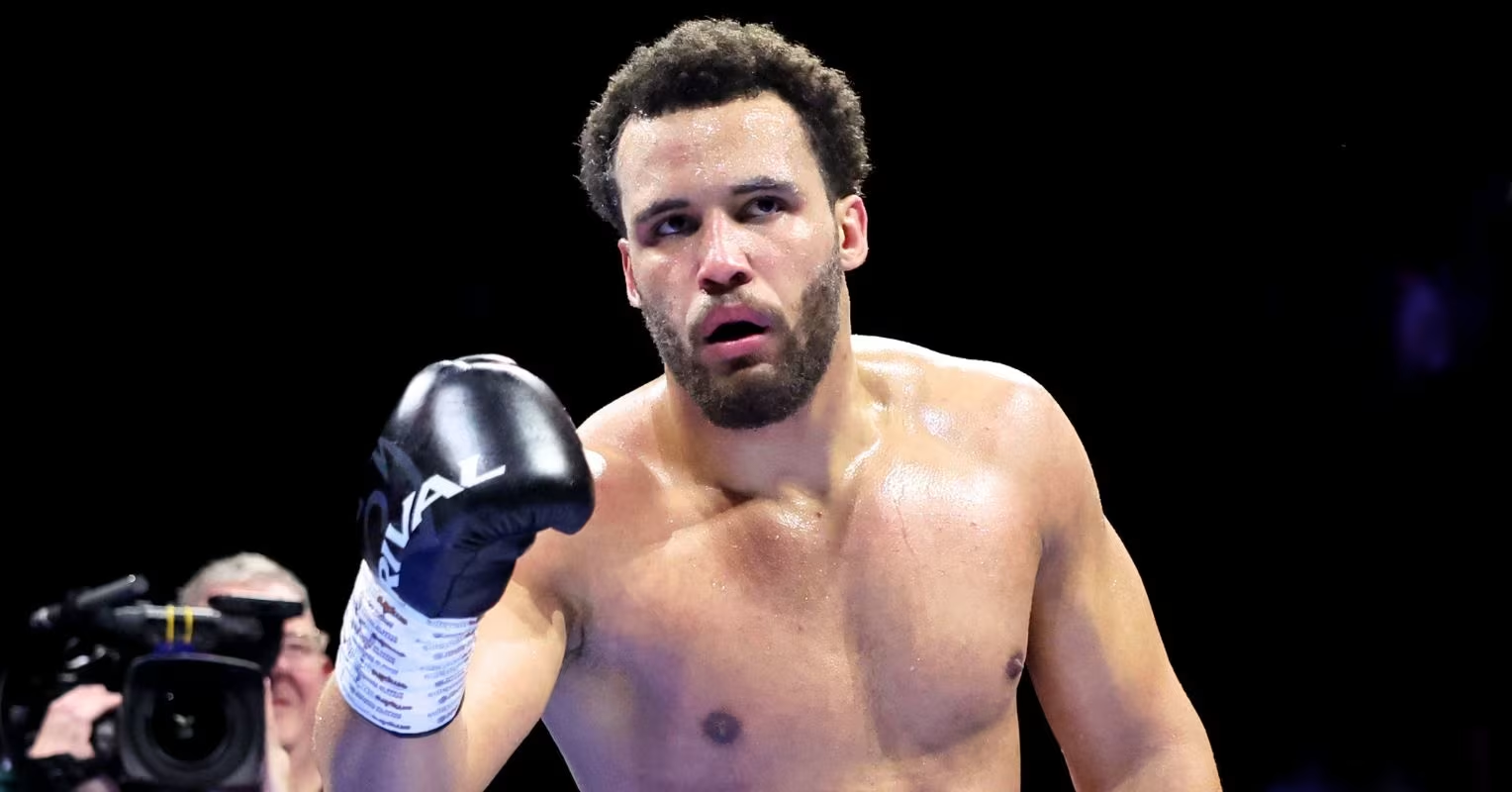
Moses Itauma’s rise continues, and if it was up to him and ‘every heavyweight was free’, he be would turbocharging his career.
After becoming the first man to stop Jermaine Franklin, doing so inside five rounds with a highlight-reel uppercut, Itauma said his ideal next fight would be against the durable Filip Hrgovic. That is unlikely to be the case, with Hrgovic booked to fight Dave Allen next month.
Speaking on TalkSPORT in the days following, Itauma then named WBC, WBA and IBF champion Usyk as his ultimate target, but the unified champion will face Rico Verhoeven on May 23 and, perhaps more importantly, has been openly dismissive of facing the Brit. A suggestion of Michael Hunter, made by fellow heavyweight Derek Chisora, now may be one of the leading options.
Advertisement
“In a perfect world I would’ve wanted to fight Hrgovic … If everybody was free, Usyk would be the one because he’s got the belts … Derek Chisora said me against Michael Hunter in America. That makes sense. Me and Michael Hunter in America would be decent. But I honestly don’t know. I’ve got a meeting with Frank Warren to find out my next date.”
Hunter – who lost to Usyk in the cruiserweight ranks before moving up to heavyweight – has been painfully inactive at the top level for some years, constantly teasing that he is targeting big fights but never quite delivering. Itauma would be an extreme test, and may be too high risk for the American without some bigger wins under his belt.
The Hrgovic fight may yet happen, just not next. If the Croatian beats Allen in May, he has said Itauma is one of the names in his contract alongside the likes of Fabio Wardley and Daniel Dubois.












































You must be logged in to post a comment Login