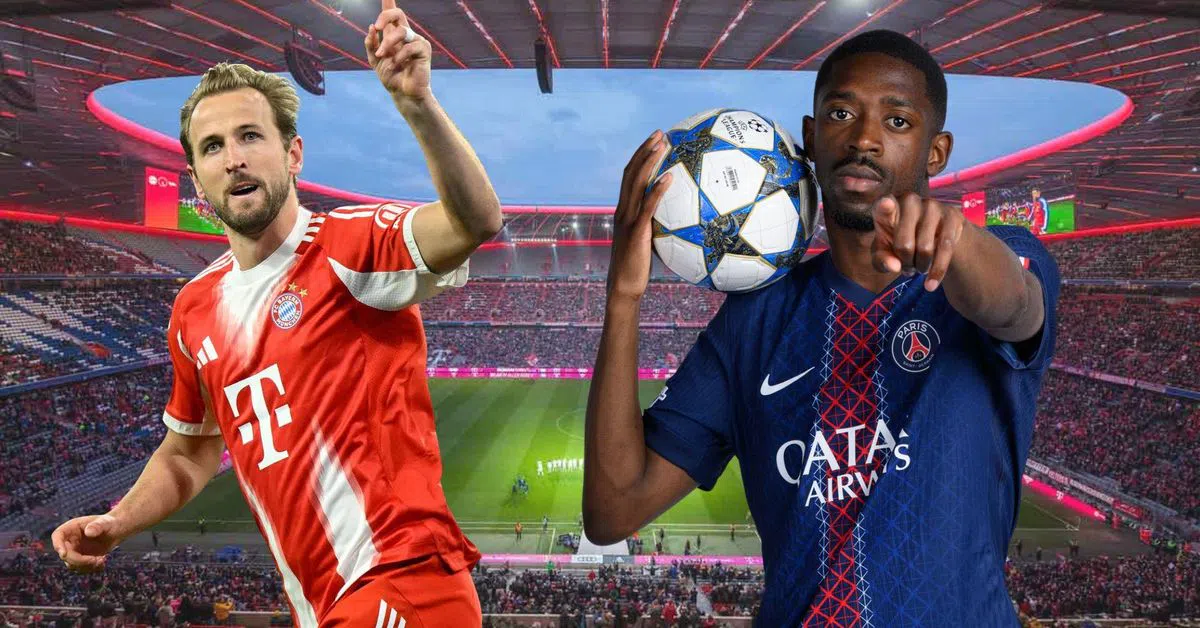
After a breathless first leg full of goals, Bayern Munich and Paris Saint-Germain meet again for the second leg of their Champions League semifinal on Wednesday.
PSG edged a dramatic encounter at the Parc des Princes last week, winning 5–4 in what has already been described as one of the competition’s classic ties. The reigning European champions now carry a slim advantage into the return leg at the Allianz Arena, where they aim to protect their lead and continue their title defence.
Advertisement
The nine-goal thriller in Paris has set the stage for another high-intensity contest, with both sides showing enough attacking quality to believe they can reach the final. With key players rested during weekend league matches, both teams arrive in Bavaria fresh for a decisive showdown.
Bayern will need at least a two-goal win to book their place in the final, while PSG only need to avoid defeat to progress. If the aggregate score is level after full time, extra time and penalties will be required to separate the sides.
Advertisement
With expectations soaring, the second leg promises another captivating European night.
Bayern vs PSG UCL broadcast details
Country/Region
TV Broadcast
Live Streaming
USA
CBS
Paramount+, Fubo, YouTube TV, Hulu + Live TV
UK
TNT Sports 1
HBO Max (TNT Sports add-on)
India
Sony Sports Network
SonyLIV
Canada
—
DAZN
Australia
—
Stan Sport
Ireland
RTÉ 2
RTÉ Player (free)
Belgium
RTL Play
RTL Play (free)
Turkey
TRT 1
Tabii
Other Regions
Local UCL broadcasters
UEFA official partners / VPN access where applicable
Bayern Munich vs PSG UEFA Champions League semi final 2nd leg live telecast and streaming details
Advertisement
When will the UCL 2026 semifinal between Bayern Munich and PSG be played?
The 2nd leg of the UCL 2026 semifinal between Bayern Munich and PSG will be played on May 7.
What time will the UCL 2026 semifinal between Bayern Munich and PSG begin on May 7?
Advertisement
The UCL 2026 semifinal between Bayern Munich and PSG will start at 12:30 am IST (May 7).
What will be the venue for the UCL 2026 semifinal match between Bayern Munich and PSG?
The Allianz Arena in Munich will host the UCL 2026 semifinal match between Bayern Munich and PSG.
Advertisement
Where will the live telecast of the UCL 2026 semifinal between Bayern Munich and PSG be available in India?
The live telecast of the UCL 2026 semifinal between Bayern Munich and PSG will be available on the Sony Sports Network.
Advertisement
Where will the live streaming of the UCL 2026 semifinal between Bayern Munich and PSG be available in India?
The live streaming of the UCL 2026 semifinal between Bayern Munich and PSG will be available on the SonyLIV app and website.
Burnley have been awarded in excess of £35million after a landmark legal success against Everton, a bombshell judgment that could ultimately prove to be bad news for Manchester City, if found guilty of alleged charges
Manchester City’s rivals could each demand more than 100million in compensation, it’s claimed, after Burnley’s landmark legal success against Everton.
The Clarets have been awarded in excess of £35million – plus interest – from Everton by an independent Premier League commission as compensation. Everton are appealing the decision, made after the commission concluded that the Merseysiders benefited from a sporting advantage for breaching Profitability and Sustainability Rules.
Advertisement
In the case, the commission awarded £26million for losses due to relegation and £9.1million in interest. According to the commission’s judgment, the Toffees “accepted that its breach of the PSR conferred a sporting advantage but disputes both the extent and effect of that advantage”
Everton provided an expert who stated “that Burnley had suffered no financial loss following relegation”. However, the Clarets’ expert witness claimed they had lost £51.7m before interest. Burnley’s expert witness claimed the club had lost £51.7million before interest.
It’s a landmark case because under Premier League rules its clubs cannot sue each other through the courts – but they can do so through arbitration.
Click here to find out the latest Manchester City news in our daily newsletter
Advertisement
Now, if City are ultimately found guilty of serious charges among their alleged 115 breaches of Premier League rules, it could be a very costly affair.
Four clubs – Arsenal, Manchester United, Liverpool and Spurs – served legal notices on City in 2024, reserving the right to seek compensation if City are found guilty. They served compensation notices after being advised by lawyers of a potential six year statute of limitation period, dating back to November 2018 – when the Football Leaks document were first published by Der Spiegel, the German website.
If that indeed does happen, it opens the door to compensation claims by those clubs, who can argue that the alleged breaches gave City sporting advantages over their rivals over numerous seasons, between 2009 and 2017.
According to The Times, sources involved in the process estimate some of those clubs “had calculated potential losses costing significantly more than £100m” – down to income losses, not least missing out on the Champions League.
Advertisement
If you add interest, as in the Everton case, that figure would rise substantially higher.
Content cannot be displayed without consent
If you’re wondering how to best prepare yourself for the round ahead on the greens, Drew Stoltz has a simple routine worth copying.
In the latest episode of Emergency 9, the Subpar co-host shared how he dials in his putting before each round.
Up first: straight shorties, which he said helps him get a feel for his tendencies on a given day.
“I like to start off with just some short straight putts,” he said. “All I’m focusing on is ball position and alignment. Speed doesn’t matter. I want a dead straight putt just so I can get some feedback. If it’s going in the right side of the hole, I know I may be aimed a little right. Same with the left side as well.”
Advertisement
Stoltz said he likes to see five or 10 short putts go in before moving to mid-range.
“I like to work my way around in a circle from about 6 to 8 feet,” he said. “That way, I’m getting putts that are right to left, I get putts that are uphill, downhill, left to right, you get all of it. It just gives you a good idea for the pace of the greens and how hard you need to hit it on your given line.”
After completing a circle around the hole, Stoltz moves on to the final stage of his putting warm-up: lags.
“Sometimes I’ll aim for the edge of the green, sometimes I’ll aim for a hole, whatever I can,” he said. “I just hit like, 40-footers over and over, uphill, downhill, just to get the pace dialed in for the longer putts. After that I try not to overthink it and head to the first tee.”
Advertisement
And Stoltz’s current flatstick, Cobra’s 3DP Tour Agera, makes alignment easier than ever.
“This thing’s been a game changer for me,” Stoltz said. “This putter has been really consistent for me ever since I put it in. Super consistent off the face, you get a lot of feedback too, whether you hit it on the toe or the heel, but you also get that consistent rollout.
“The main reason I think I like this is these two stripes on top make it super easy for alignment,” he continued. “That’s the thing I struggle with most, and I think that’s what a ton of golfers struggle with most is just getting set up correctly.”
Interested in testing Stoltz’s putter for yourself? Check it out in detail by clicking the link below. You can also watch Stoltz explain his pre-round putting routine in the video above.
Advertisement
Cobra 3DP Tour Agera Custom Putter
Advertisement
The COBRA AGERA putter is a multi-material 3D printed construction that brings ultimate stability in a flagship oversized mallet design. Featuring a single bend shaft designed for players with a straighter stroke type. Paired with LA GOLF’s Descending Loft Face Technology that delivers consistent launch and unmatched end-over-end roll performance in the market.
MULTI-MATERIAL CONSTRUCTION
An oversize blade shape combines a 3D printed nylon lattice cartridge-4g, a 304 stainless steel MIM frame–302g and a 3g carbon fiber crown that creates the ultimate design for stability.
3D PRINTED NYLON CARTRIDGE
An intricate 3D printed nylon lattice cartridge optimizes weight savings allowing CG to sit low and forward to optimize energy transfer and stability.
LA GOLF’S DESCENDING LOFT TECHNOLGY
Featuring a 6061-aerospace grade aluminum insert with LA GOLF’s proprietary Descending Loft Technology, utilizes 4 descending lofts (4°,3°,2°,1°) to mitigate delofting and the addition of loft through head delivery during impact and provides an optimal launch for unparalleled end-over-end roll performance.
ADJUSTABLE WEIGHTING SYSTEM
Adjustable weighting system gives the player the ability to interchange to a lighter or heavier weight to achieve a personal feel. All putters ship stock with nominal 15g weights and can move +- 5-10g in either direction. Additional weights sold separately. (5g, 10g, 15g, 20, 25g)
Texas A&M’s 2026 season ended at the hands of USC in the College Station Regional less than two weeks ago, and while second-year coach Michael Earely deserves credit for leading the Aggies back to the NCAA Tournament after missing the postseason during his first year at the helm, but after firing pitching coach Jason Kelley, it’s clear that the Aggies are in need of better coaching and talent on the mound.
Despite his struggles, junior LHP Shane Sdao could easily depart for the 2026 MLB Draft, while elite closer Clayton Freshcorn will also have a tough decision to make regarding his future, knowing that his stock has steadily risen after ending the season with an impressive 2.82 ERA with 56 strikeouts.
Advertisement
Another name to watch is incoming senior Weston Moss, who also struggled early in the year but settled in late, capping his season off with a record performance against Texas State. Pairing with sophomore ace Aiden Sims, the right pitching coach hire should help Moss, Sdao, and several other pitchers, including Gavin Lyons, improve significantly next season.
Advertisement
This week, it was revealed that the Aggies are in the mix for Texas State pitcher Wade Cooper, as On3 insider Pete Nakos confirmed that Texas A&M is now the leading favorite to land the standout freshman, who recorded five saves and 73 strikeouts last season.
“Cooper just finished his freshman season at Texas State with a 4.72 ERA, five saves in 66.2 innings pitched and 73 strikeouts. Sources tell On3 that Texas A&M is trending to land Cooper, and barring something unforeseen, he’s expected to land in College Station.”
Adding Wade Cooper would be the first step towards filling out the 2027 pitching rotation, but given the likely departure of Texas A&M’s top three hitters, Michael Earley and his staff have plenty of work ahead of them to rebuild the roster.
Contact/Follow us @AggiesWire on X (formerly Twitter) and like our page on Facebook to follow ongoing coverage of Texas A&M news, notes and opinions. Follow Cameron on X: @CameronOhnysty.
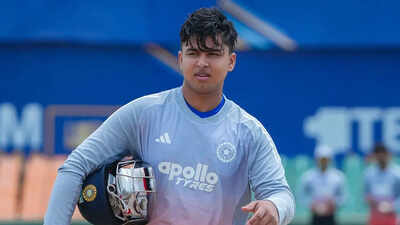
NEW DELHI: Former India pacer S Sreesanth has urged teenage batting sensation Vaibhav Sooryavanshi to remain focused on cricket and avoid getting distracted by professional managers following his rapid rise to fame.The 15-year-old prodigy recently earned a place in India’s squads for the tours of Ireland and England, becoming the youngest player ever selected for the Indian men’s team. In doing so, he eclipsed a 36-year-old record held by legendary batter Sachin Tendulkar, who made his India debut at the age of 16 against Pakistan in 1989.Speaking about the youngster’s success, Sreesanth showered praise on Suryavanshi’s commitment, discipline and the sacrifices made by his family.“Man, no matter how less we say about Suryavanshi… it won’t be enough. I mean, no matter how much we praise him, it will still fall short.”“So I will say that Sooryavanshi’s family… and the young kids who are watching and thinking ‘I want to be like him too’ – you can achieve it because he has shown the way. First, Sachin Paji showed us, then Virat Kohli and Rohit Sharma came along. But I would say what Vaibhav… what Vaibhav has shown, Vaibhav Sooryavanshi, that is a prime example of commitment and perseverance.”The former fast bowler recalled seeing videos of Sooryavanshi training relentlessly during the Covid-19 pandemic and highlighted the role played by his father and coaches in shaping his journey.“Even during Corona times, they were showing his videos of practicing on the terrace. His father, man, lots of respect to him. Respect to all his coaches, respect to everyone because… as you know, I am from Kerala. And when people talk about ‘opportunities, opportunities’ – even in cricket today, that’s all we talk about, getting an opportunity.”“But traveling for four hours without even having an assured opportunity, practicing, staying back, going back every single day… and that too playing 750 to 1000 balls daily, doing drills… and he still says, ‘I don’t feel good when I get rest.’ I will learn from him. I… with all respect to all the legendary cricketers, respect to everybody, but what this kid has shown… just leave him be, man. Leave him as he is. A lot of managers will come around now.“Sreesanth then issued a word of caution, advising the youngster to stay grounded and let his family take care of off-field matters.“Vaibhav, if you are watching this, my request to you is to leave these managers aside and focus on yourself. Your father will handle things, and your family members will handle things. Stay away from these professional managers.”
Do you think young players should focus more on training than on managing their public image?
Officially, historically, the craziest NBA Finals game of all time.
In the space of 48 minutes, you had the San Antonio Spurs setting an NBA Finals record for made threes in a half (14) and the largest lead by a road team through the first two quarters (27 points). It seemed like what had already been a remarkable Finals in so many ways was going to get just a little bit weirder: with the veteran New York Knicks and upstart Spurs heading into Game 5 tied at 2-2, neither team having won a game on its home court.
But the craziness was just getting started, with the Knicks eventually making the greatest comebacks in NBA Finals history.
After allowing the Spurs to shoot 59.6 per cent in the first half — including 53.8 per cent from three — and forcing just two turnovers and absolutely killing the atmosphere in Madison Square Garden along the way, the Knicks decided to play some defence in the second half. That, combined with some regression in San Antonio’s shooting, a rising energy in the Garden and the youthful Spurs — for one of the few times in this post-season run — looking like a team that relies heavily on a rookie (Dylan Harper), a second-year player (Stephon Castle) and a third-year superstar (Victor Wembanyama). The possessions got rushed. Too many hasty threes were settled for, and suddenly the Spurs couldn’t hang onto the ball. The Knicks cut what was a 29-point Spurs lead with 9:40 to play in the third quarter to 15 to start the fourth.
Advertisement
But even with that, the Spurs pushed their advantage to 20 with 9:33 left in the gam, when Wembanyama tipped in his own missed lay-up.
But then everything fell apart — for the Spurs at least.
The team that couldn’t miss in the first half made just eight field goals on 39 attempts in the second half, 4-of-19 in the fourth quarter. After setting an NBA record for three-point shooting in the first half, they shot 3-of-17 from deep in the second. After making just two turnovers in the first half, they made five in each of the third and fourth quarters.
It was a total collapse, punctuated in some ways by Wembanyama — an 86 per cent free-throw shooter through these playoffs — missing three free throws in the fourth quarter, including a pair with 1:47 left and the Spurs clinging to a one-point lead. He had 23 points, 13 rebounds and three blocked shots, but was just 9-of-25 from the floor.
Advertisement
Meanwhile, the Knicks and Knicks fans will long celebrate the greatest single game in the history of one of the NBA’s charter franchises, going back to 1946.
It culminated in a hard-to-believe 107-106 win that gave the Knicks a 3-1 lead as the series shifts back to San Antonio for Game 5 on Saturday, where the Spurs will have to win to avoid elimination.
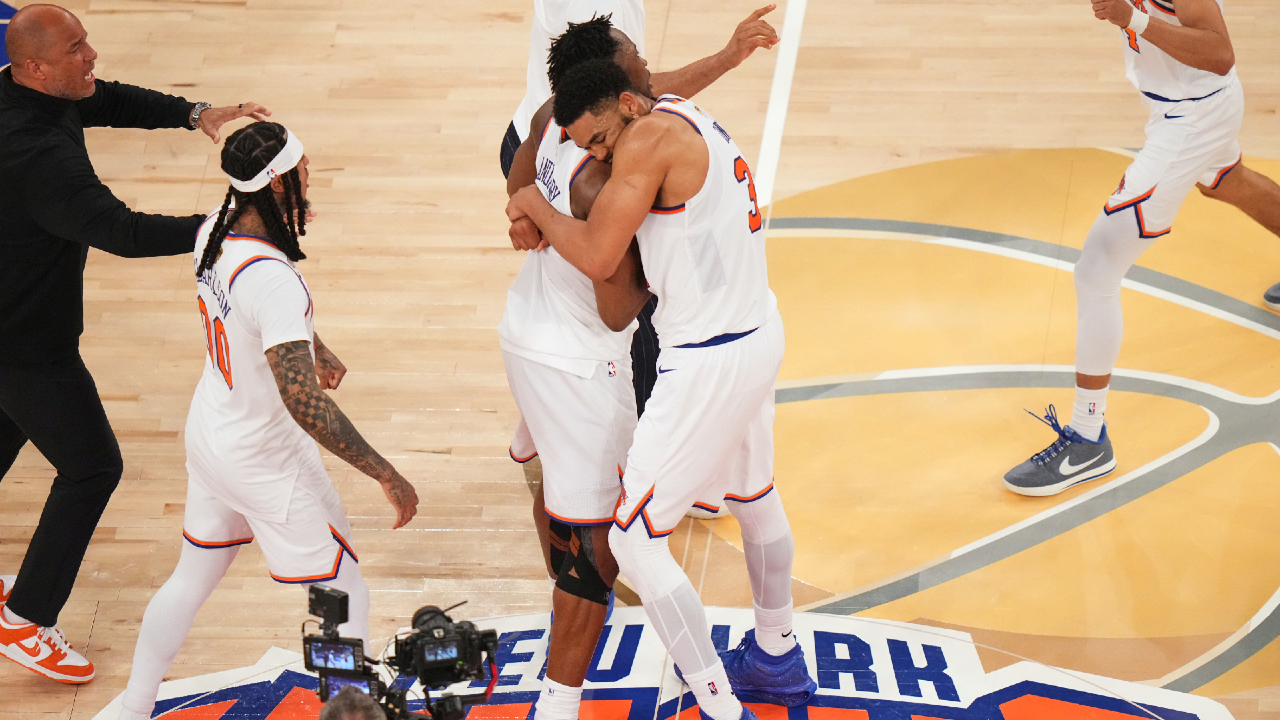
Most NBA players go their entire careers without making a meaningful play to decide an NBA Finals game. Knicks star OG Anunoby made two legacy-defining plays in the final 11 seconds of Game 4 that will make him the toast of New York for the rest of his life, should the Knicks close out the Spurs and win their first title in 53 years. On the first play, when he tracked down Spurs guard De’Aaron Fox in transition, it appeared that the speedy Fox was going to be able to take a long rebound and sneak by the Knicks’ defence for a lay-up that would have put the Spurs up by three with 11 seconds to play. Nope. Anunoby — as he does so many times on transition plays in the series — was able to turn away the certain seeming score.
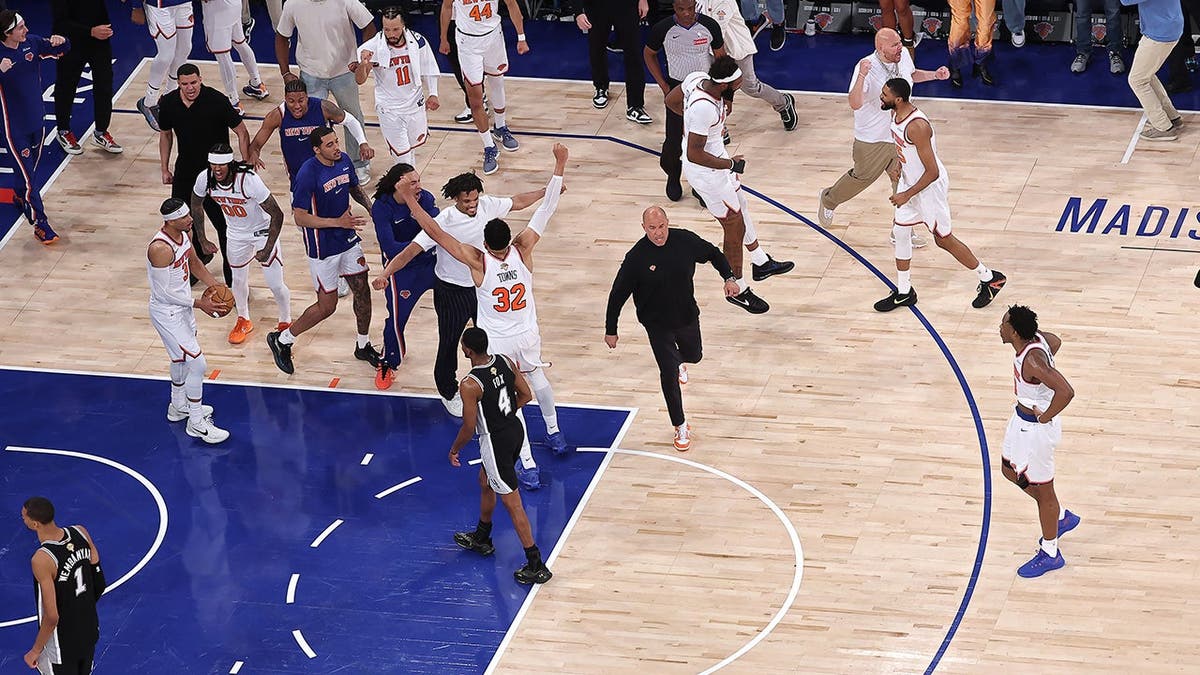
That was only to set up the biggest play he’ll likely ever have in his career. With the Knicks down by one and just 4.3 seconds left, it was looking very much like their historic comeback was going to fall just short. Instead, Anunoby ran into the lane following a Jalen Brunson three-point attempt, timed his leap perfectly and managed to tip the long rebound gently back into the rim with his right hand at least one foot above it. Bedlam.
Advertisement
The Knicks were able to defend the Spurs’ last chance off an inbounds pass with 1.2 seconds left.
The block and the tip-in capped as complete an all-around game as is possible to play for a (superstar) ‘role’ player who took just 15 shots but scored 33 points while going 7-of-9 from three. As well, he took turns guarding — to great effect — everyone from Wembanyama at seven-foot-four, fighting him at the rim, to Fox, squaring up the Spurs guard on the perimeter down the stretch in the fourth quarter.
The playoffs are, by definition, full of noisy information that gets overemphasized based on the outcome of each game. The Spurs led the first three games in the final two minutes but won only one of them. Would the information we’ve gleaned to this point in the series mean any less or any more had they won two of them, or all three? The difference splitting the Knicks and Spurs through six halves of the most intense basketball imaginable was seven points.
But what the heck, the games have to mean something, right?
Advertisement
There were at least three data points that seemed correlated to each team’s success heading into Game 4. The first was the ratio of Wembanyama’s shots in the restricted area to shots from the three-point line. In the Spurs’ two losses, it was 4:3. In their Game 3 win, it was more than 2:1. In Game 4? Wembanyama took eight threes (making just two) and 11 shots at the rim, so it would seem that when Wembanyama is more focused on getting shots off around the restricted area, the better off the Spurs are.
Another was turnovers. It’s been a low-turnover series, given how physical the defence has been, but in the first three games, the team that came out ahead in the turnover margin won. That the Spurs turned it over only eight times total — less even than the paltry 13.5 they averaged during the regular season, which was the fourth-best mark in the NBA — was one of the key underlying reasons the Spurs won in Game 3.
In Game 4? Turnovers were arguably the story of the game. When the Spurs jumped out to a 27-point first-half lead, they had a 7-2 advantage in turnovers. When the Knicks beat the Spurs by 28 points in the second half, it was New York that had the turnover advantage, 10-7.
One trend that was constant through the first three games was the Knicks’ advantage on the offensive glass. They came into Game 4 with a 36-20 edge in that category, winning the battle in all three games, with a commensurate edge in second-chance points. That trend reversed itself in Game 4, with the Spurs having a 12-8 advantage in offensive rebounds, but missing 31 shots in the second half probably had a lot to do with that. And then again, the Knicks got the most important offensive rebound of the series on Anunoby’s soaring, game-winning tip-in.
Advertisement
Brunson in a no-win situation, but still wins
Prior to meeting the Spurs, and as the Knicks were layering onto one of the most dominant runs in NBA playoff history, Brunson was just his typical superstar self. In the first three rounds of the playoffs, the Knicks star was averaging 26.9 points over 14 games, along with 6.6 assists and 2.3 turnovers with an effective field goal percentage (capturing the value of two and three-point field goals) of 54.1, all numbers very close to his season averages (26/6.8/2.4 with an eFG of 53.3). As well, his usage rate stayed pretty constant — 30.4 per cent in the regular season compared to 30.7 in the first three playoff rounds. But against the Spurs and the relentless defensive pressure they can put on him, Brunson’s efficiency has cratered.
If the Spurs were able to knock two-time MVP Shai Gilgeous-Alexander off his game, it makes sense that Brunson — about five inches shorter than the Thunder star — would struggle. He came into Game 4 with an effective field goal percentage of 41.4. Among qualified players, the lowest eFG during the regular season was New Orleans Pelicans rookie guard Jeremiah Fears at 48.5. But what has possibly hurt the Knicks more is that his usage rate has skyrocketed, jumping from 30.7 over the first 14 playoff games to 39.6 in three games against the Spurs. The reason is that the Spurs don’t have to trap him and can put pressure on him without automatically sending a second defender. Brunson has to put in more work to put up worse shots.
But Brunson finds a way. He got rolling in Game 4, delivering his best game of the series when the Knicks absolutely needed it, as he finished with a game-high 36 points on 12-of-25 shooting. He scored 19 seemingly inconsequential points in the first half when it seemed like they were just going to be empty calories. To his credit, Brunson kept his foot on the gas. And then — as he does — he delivered clutch score after clutch score down the stretch in the fourth quarter, taking advantage of the Knicks going to a smaller lineup, spreading the floor and dragging Wembanyama from the rim. It was Brunson’s driving floater with 1:22 left that gave the Knicks their first lead and set the Garden on fire.
Advertisement
Wembanyama picked up a flagrant foul in the third quarter for an inadvertent elbow to the jaw of Karl-Anthony Towns. There was no intent and Wembanyama instantly apologized for catching Towns as he tried to break free of the Knicks star’s meaty hands. But the NBA doesn’t allow for a lot of leeway for contact to the head that isn’t a result of a play on the ball. But it was a non-call on a very intentional shot to the head — in this case, Brunson’s head — in Game 3 that could have an outsized role in the series. One of the NBA’s disciplinary measures is that, as flagrant fouls accumulate, they can result in an automatic suspension. A flagrant 1 — like the foul Wembanyama was called for on Game 4 — is worth one point. A flagrant 2 – where a foul is deemed intentional and dangerous — results in an instant ejection and is worth two points. A player who accumulates four total flagrant foul points over the course of the post-season is suspended for the next game.
This is why — some might remember — Draymond Green was suspended for Game 5 of the NBA Finals in 2016. It wasn’t because he kicked LeBron James in the groin; it was because the flagrant foul gave him four flagrant foul points for the playoffs. Since Wembanyama picked up a flagrant 2 for a nasty elbow to the head of Naz Reid of the Minnesota Timberwolves in the second round, his elbow to Towns’ jaw now gives him three flagrant foul points. If he picks up one more flagrant foul in Game 5 or 6, he’ll be suspended for the following game (the suspensions don’t take effect until after the game). The Knicks would argue that he should already have been suspended for his shove on Brunson in Game 3.
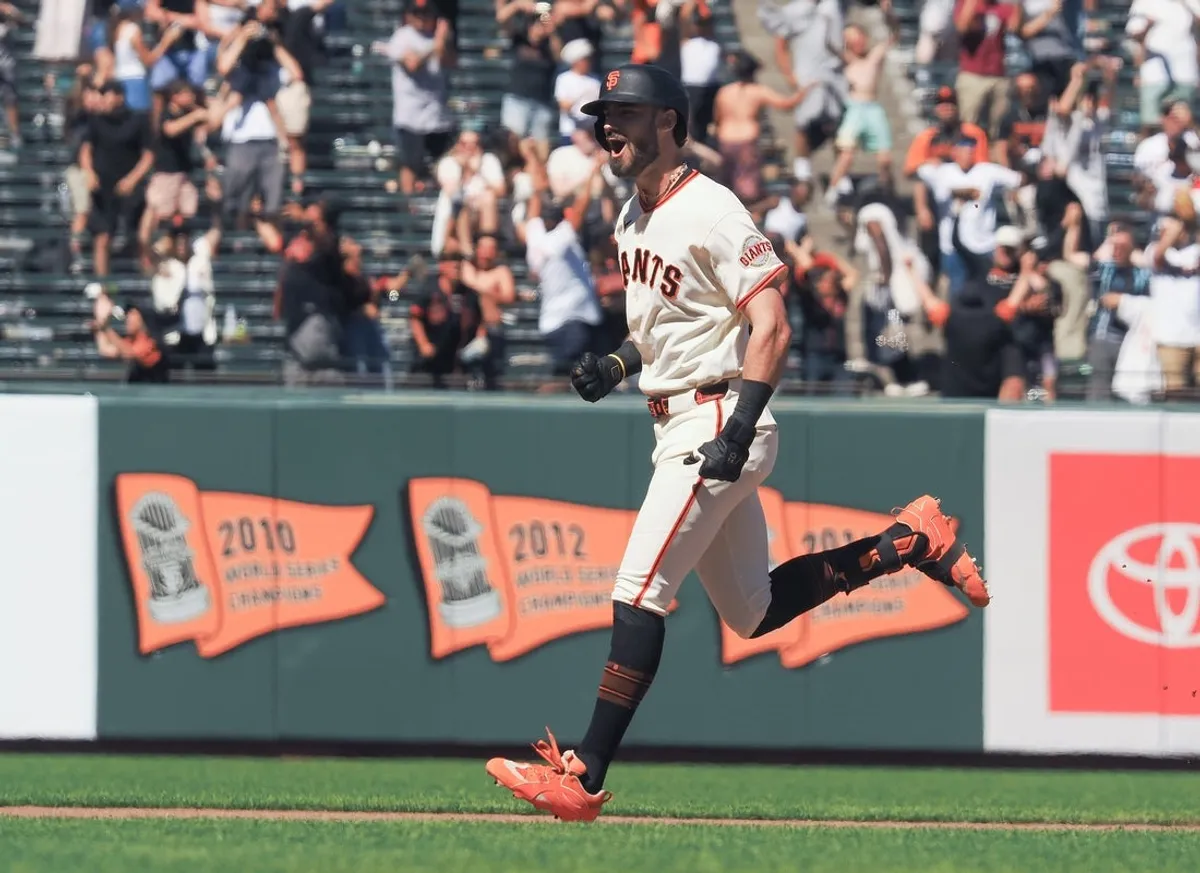
Jun 10, 2026; San Francisco, California, USA; San Francisco Giants designated hitter Bryce Eldrige (8) celebrates as he rounds the bases on a walk-off grand slam for a win against the Washington Nationals during the ninth inning at Oracle Park. Mandatory Credit: Kelley L Cox-Imagn Images
Bryce Eldridge launched a walk-off grand slam with no outs in the bottom of the ninth inning as the San Francisco Giants rallied from an eight-run deficit with 10 runs over the final two innings to shock the visiting Washington Nationals 11-10 on Wednesday.
Matt Chapman and Rafael Devers homered as part of a five-run eighth that got the Giants back in the game. San Francisco plated another run in the ninth before Eldridge lofted a towering drive off Mitchell Parker (2-3) to right that barely cleared the brick wall at Oracle Park.
Eldridge, 21, became the youngest player in major league history to hit a walk-off grand slam, 109 days younger than Roberto Clemente when he did it on July 25, 1956.
Nationals starter Foster Griffin took a four-hit shutout into the sixth before Chapman hit his first homer. Griffin allowed one run on six hits over six innings. Reiver Sanmartin (1-0) threw two innings of one-run ball to win his Giants debut.
Pirates 9, Dodgers 8
Advertisement
On a night when Shohei Ohtani pitched, Tyler Callihan stole the show, hitting the first two home runs of his career, including one off Ohtani, to lead host Pittsburgh to a comeback win over Los Angeles.
Callihan’s three-run homer in the eighth off Kyle Hurt (1-1) put the Pirates ahead 7-6 to complete a comeback from a 6-1 deficit and snap a four-game losing streak. Spencer Horwitz gave Pittsburgh some insurance later in the inning with a two-run homer. Evan Sisk (1-0) picked up a key out in the top of the eighth to record the win.
Ohtani, who had allowed only one run in his previous four starts, gave up four runs (three earned) on six hits over 6 2/3 innings. He also smashed a homer in the ninth. Ryan Ward staked the Dodgers to a 6-1 lead with his first career grand slam.
Angels 3, Astros 2 (10 innings)
Advertisement
Jose Siri singled in automatic runner Nick Madrigal from third in the bottom of the 10th to give Los Angeles a walk-off victory over visiting Houston in the decisive game of a three-game series.
Logan O’Hoppe went 2-for-2 with a home run and Mike Trout homered, walked and stole a base for the Angels. Reid Detmers allowed just one run on one hit over seven innings, and Ryan Zeferjahn (3-3) pitched a hitless 10th inning.
Shay Whitcomb and Cam Smith homered for the Astros, who finished with just four hits. Peter Lambert allowed two runs on five hits over 6 1/3 innings. Bryan Abreu (2-3) allowed Siri’s single.
Rangers 6, Royals 4 (10 innings)
Advertisement
Jake Burger came off the bench and tied the game twice, with a homer and a sacrifice fly, and visiting Texas also took advantage of nine walks allowed by Kansas City to win in 10 innings.
Elias Diaz had a tiebreaking double and Josh Jung drew a bases-loaded walk against Alex Lange (0-3) in the 10th as the Rangers evened the three-game set. Burger, stepping in after Joc Pederson exited due to a sore left hip, delivered with two hits in a game that featured 27 runners left on base.
Rangers reliever Jakob Junis (1-1) threw two scoreless innings. Jac Caglianone had four hits for the Royals, who loaded the bases against Jacob Latz (10 saves) in the 10th but failed to score.
Rockies 3, Cubs 2
Advertisement
Sterlin Thompson lined a pinch-hit single in the ninth inning off Daniel Palencia (1-1) to drive home the winning run, lifting Colorado past Chicago in Denver.
TJ Rumfield homered among his two hits and Hunter Goodman and Ezequiel Tovar also had two hits for the Rockies, who have won the first two games of a three-game series.
The Cubs’ Ian Happ tied it with a home run leading off the top of the ninth against Antonio Senzatela (6-0). Chicago starter Shota Imanaga threw five shutout innings.
Yankees 8, Guardians 4
Advertisement
Jazz Chisholm Jr. had a two-run triple and three RBIs and Trent Grisham scored three times as visiting New York completed a three-game sweep of Cleveland.
Grisham tripled and provided the go-ahead run on Jose Caballero’s sacrifice fly in the sixth inning, when the Yankees scored three times to go up 6-3. Anthony Volpe and Paul Goldschmidt added RBI hits in chasing Guardians starter Parker Messick (6-3).
Messick gave up a career-high five runs (four earned) on five hits over 5 2/3 innings in losing consecutive starts for the first time in his two-year career. New York outscored the Guardians 18-11 during the series, posting its first sweep of Cleveland since April 22-24, 2022.
Athletics 4, Brewers 3
Advertisement
Carlos Cortes and Lawrence Butler each homered in a seventh-inning rally to give the A’s a comeback victory over Milwaukee in the deciding game of the three-game series in Las Vegas.
Alika Williams hit his first career homer, a sixth-inning shot that cut the Athletics’ deficit to 3-1. Cortes greeted reliever Chad Patrick (3-3) in the seventh with a leadoff homer, and Butler added a two-run shot in the frame. Scott Barlow (2-0) got two outs for the win.
Gary Sanchez and Jackson Chourio went deep for the Brewers. Brandon Sproat limited the A’s to a run on four hits in six innings.
Rays 7, Red Sox 5
Advertisement
Drew Rasmussen struck out a career-high 13 batters over seven scoreless innings, and Tampa Bay held on for a win over Boston to complete a sweep in St. Petersburg, Fla.
Rasmussen (6-2) allowed just two hits in the dominant outing, his second straight in which he tossed seven scoreless frames. Nick Fortes went 4-for-4 with three runs to lead the Rays, including doubles in his first two at-bats. Yandy Diaz added a 3-for-5 showing with one run and two RBIs.
The Red Sox plated five runs in the final two innings on a pair of solo homers from Caleb Durbin and a three-run shot from Ceddanne Rafaela. However, Cedric Mullins’ two-run homer in the bottom of the eighth proved to be the difference for the Rays.
Advertisement
Padres 5, Reds 4
Fernando Tatis Jr. hit a game-ending solo home run with two outs in the ninth inning as San Diego rallied past visiting Cincinnati.
Gavin Sheets and Samad Taylor each drove in runs in the eighth to tie the score 4-4 as the Padres won for just the fourth time in 16 games. Wandy Peralta (1-0) delivered a scoreless top of the ninth.
JJ Bleday, Eugenio Suarez and Spencer Steer hit home runs for the Reds, who lost their fourth consecutive series. Chase Petty (0-1) served up Tatis’ blast.
Advertisement
Marlins 8, Diamondbacks 0
Kyle Stowers and Owen Caissie hit two-out homers in a six-run fourth inning, Otto Lopez had two hits and two RBIs, and host Miami beat Arizona to extend its winning streak to four games.
Liam Hicks and Heriberto Hernandez each had two hits and scored twice for the Marlins. William Kempner (1-0), the third of four Miami pitchers, tossed two innings for his first major league win.
Gabriel Moreno had two of the six hits amassed by the Diamondbacks, who have lost four of five. Ryne Nelson (2-5) permitted seven runs on eight hits in four innings.
Advertisement
Orioles 7, Mariners 2
Brandon Young threw seven shutout innings, Pete Alonso broke a scoreless tie with a sixth-inning home run and Jackson Holliday added a grand slam as Baltimore halted a four-game losing streak by beating visiting Seattle.
Young (5-1) held the Mariners to two hits. Alonso, Leody Taveras and Tyler O’Neill all had two hits for the Orioles, while Alonso and Taveras each scored two runs.
The Mariners, who lost for only the fourth time in the past 15 games, plated their only two runs in the eighth inning on a Julio Rodriguez RBI groundout and a Josh Naylor single. George Kirby (5-6) allowed seven hits and three runs in six innings.
Advertisement
Twins 6, Tigers 4
Byron Buxton hit his team-high 20th home run, a three-run shot, and visiting Minnesota held off Detroit to level the three-game series.
Royce Lewis added a solo homer and Austin Martin scored twice for the Twins, who got at least one hit from every player in the lineup. Minnesota reliever Taylor Rogers (2-3) tossed a scoreless inning, and Yoendrys Gomez escaped a ninth-inning jam to collect his fifth save.
Gleyber Torres had three hits and an RBI for Detroit. Kerry Carpenter supplied a two-run single while Kevin McGonigle walked three times and scored twice. Detroit starter Framber Valdez (3-5) gave up four runs and six hits in five innings.
Advertisement
Phillies 7, Blue Jays 4
Alec Bohm, Bryce Harper and Kyle Schwarber homered to lead Philadelphia to a rubber-match win over host Toronto.
Bohm’s three-run shot in the third extended the Phillies’ lead to 4-0. Jesus Luzardo (5-4) allowed one run on four hits in 5 2/3 innings. Philadelphia right fielder Adolis Garcia left the game after pulling a muscle in his right shoulder in the seventh inning.
Toronto’s Max Scherzer (1-4), making his first start since April 24, struck out the first batter of the game to become the 11th pitcher in major league history to reach 3,500 strikeouts. However, he allowed five runs and five hits in 3 1/3 innings.
Advertisement
Cardinals 9, Mets 2
Jordan Walker went 2-for-5 with four RBIs as St. Louis extended its winning streak to six games with a victory at New York.
Cardinals starter Andre Pallante (7-4) yielded just two runs on three hits in six innings. JJ Wetherholt had three hits while Walker, Alec Burleson and Nelson Velazquez homered for St. Louis.
Mets opener Austin Warren (1-3) gave up two runs in the first inning. Francisco Alvarez’s fourth-inning homer accounted for both of New York’s runs.
Advertisement
White Sox 2, Braves 1
Davis Martin pitched six shutout innings and Derek Hill and Luisangel Acuna drove in runs in the fourth to boost host Chicago to a victory against Atlanta.
Martin (9-2) scattered six hits. Bryan Hudson overcame a one-out walk in the ninth to notch his third save. Braden Montgomery and Acuna had two hits apiece for the White Sox, who are the first team this season to win the first two games of a series against the Braves.
Atlanta starter Chris Sale (8-5) permitted two runs and six hits in 5 2/3 innings, failing to work six innings for the third straight start.
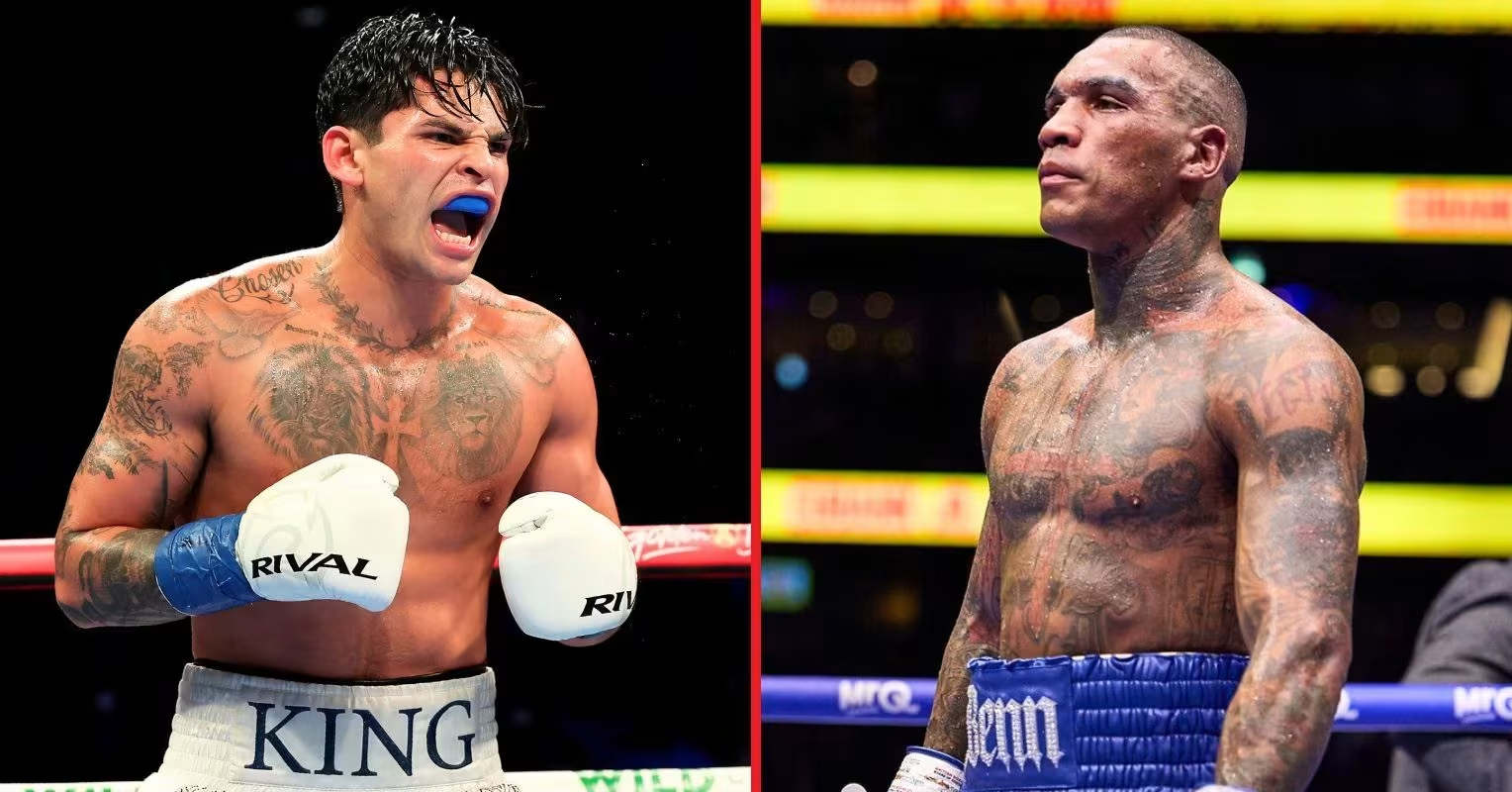
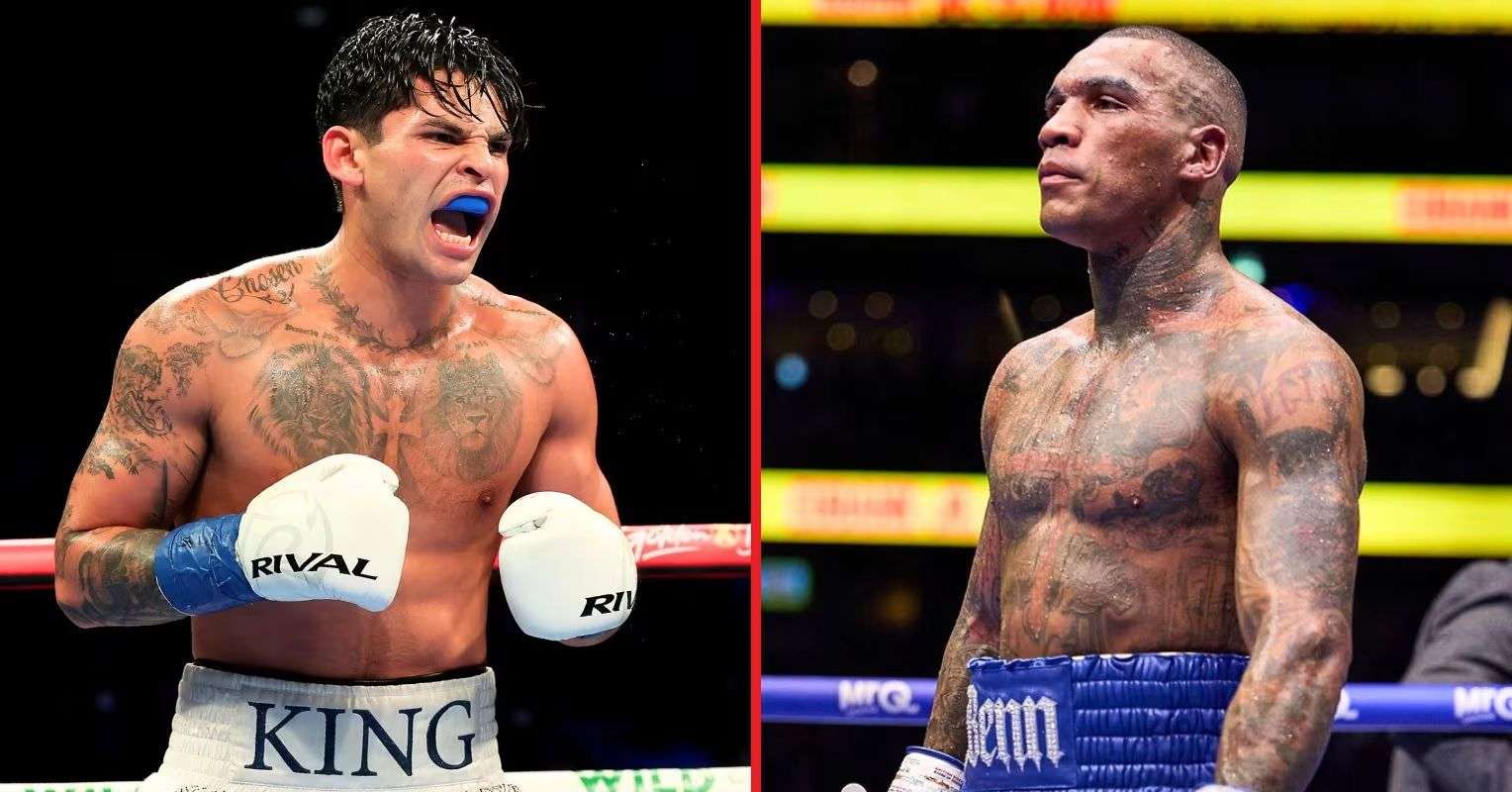
Conor Benn is expected to challenge for Ryan Garcia’s WBC welterweight world title later this year, looking to claim a major belt for the first time and put an early end to the Californian’s reign. Paulie Malignaggi has weighed in on how the fight might play out.
In February, Garcia returned after a defeat to Rolando Romero to enter his third consecutive title fight and finally get his hands on a belt, trumping Mario Barrios for the WBC welterweight world championship. In September, Garcia is expected to defend that belt against mandatory challenger Benn.
Speaking with Froch on Fighting, two-division champion turned analyst Malignaggi said that he has not been impressed with Benn’s recent performances, and doesn’t believe the Brit has earned his place on the world stage.
Advertisement
“If his last name wasn’t Benn, he wouldn’t be anywhere near the level that he is on. Does that mean that I don’t like the fact that he is here? No. He has taken advantage of the name, he has been promoted well, he has been moved well, I don’t think that he is a world-class fighter, though.
“His best performances were around the PED suspicion, he has not looked good since, he looked bad against the corpse that was Regis Prograis. I don’t think that he is that good, honestly.”
Benn failed two doping tests in 2022, cancelling a Chris Eubank Jr fight that was not rescheduled until 2025.
Malignaggi then went on to forecast a knockout win for Garcia in his the mandatory fight, before offering some words of advice to Benn.
“He gets knocked out [against Ryan Garcia]. I look at Conor like he is so determined to show everyone that he has power after the PED suspicions., he tries too hard to punch.
“You can see it in the last fight [vs. Prograis], he is putting too much weight on his jab, he is trying to show people, ‘No, I am really a natural puncher’ – mate, you weren’t and you are not a puncher.
Advertisement
“By trying so hard to be a puncher when you are not a puncher, you are going to look worse. Just snap your punches out, be that fighter and that is it. Be the boxer.”
The New York Knicks outscored the San Antonio Spurs by 28 points after the Wu-Tang Clan’s halftime performance to complete the largest comeback in NBA Finals history.
Down by 29 at one point, the Knicks stormed all the way back, putting Madison Square Garden into a frenzy.
But before that, just about every ounce of momentum was in the Spurs’ hands – and the Knicks had few answers.
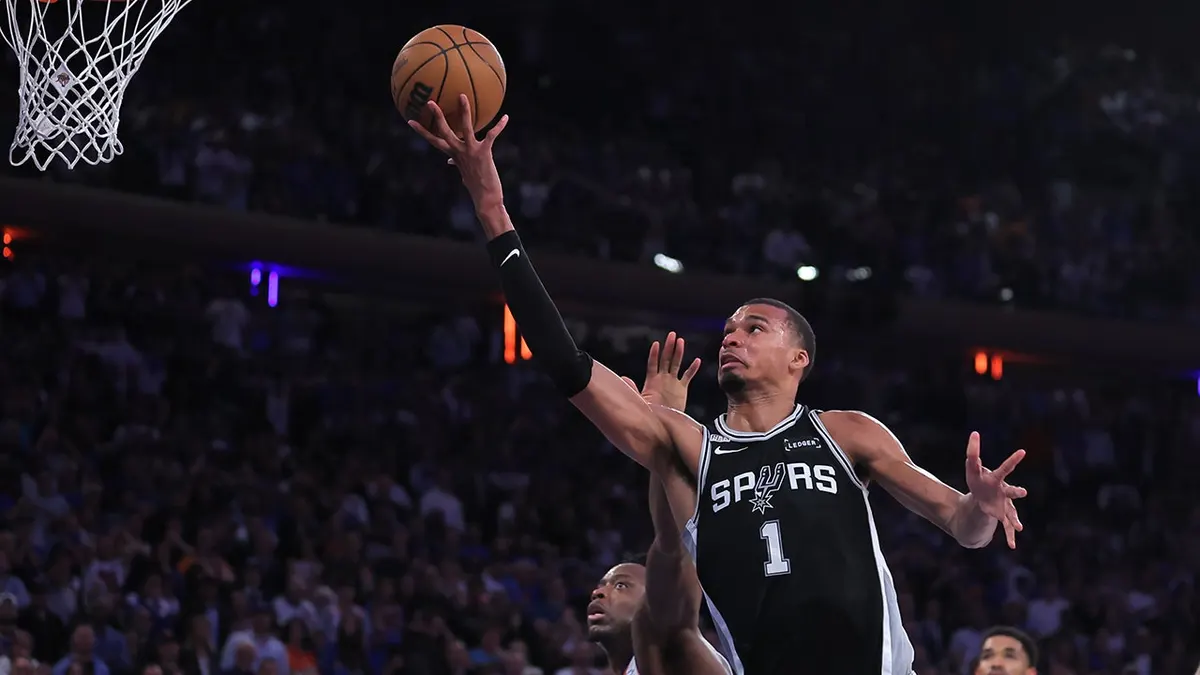
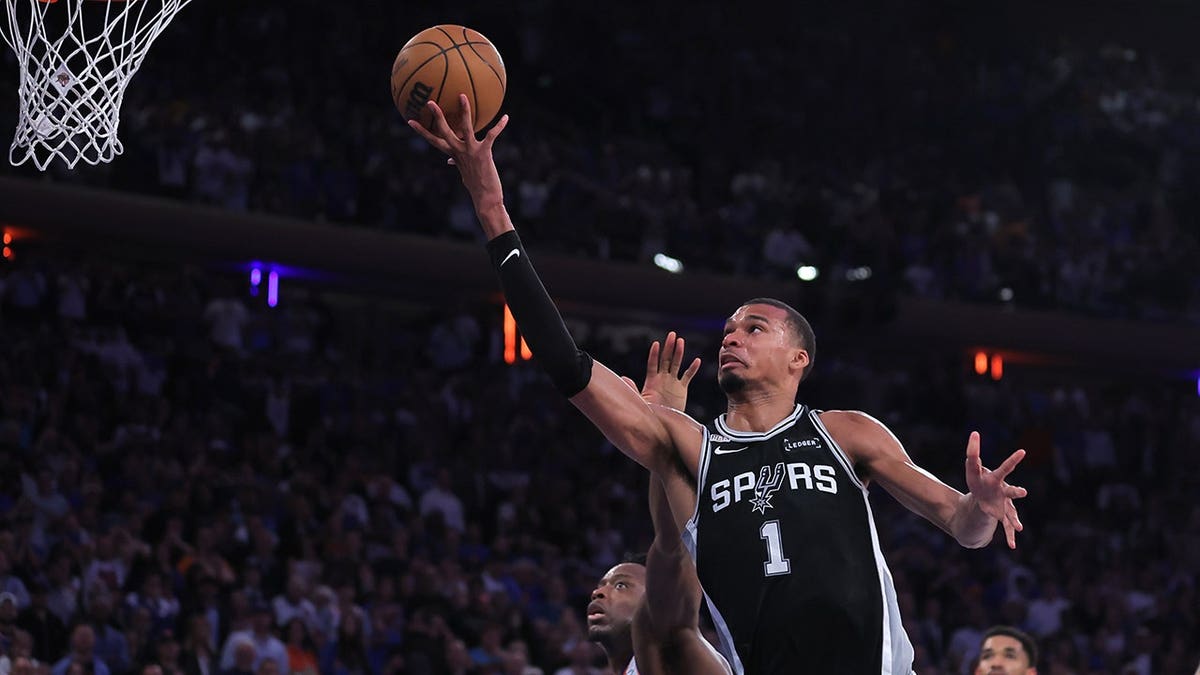
San Antonio Spurs forward Victor Wembanyama shoots against New York Knicks forward Og Anunoby in the fourth quarter during game four of the 2026 NBA Finals at Madison Square Garden in New York, New York, on June 10, 2026.(Brad Penner/Imagn Images)
So, how did they just become the victims of one of the greatest collapses in the history of sports?
“We clearly weren’t the most hungry in the second half,” Victor Wembanyama admitted.
Wembanyama was once again Public Enemy No. 1 in New York, getting booed in intros and treated to expletives from the crowd. When a defensive foul on him early was reversed to an offensive foul he drew, he again was jeered. It obviously continued throughout the night.
Advertisement
But after Mitchell Robinson was called for a flagrant foul for hitting Wembanyama, he appeared to relish the moment.
“I’m in your head!” cameras caught Wembanyama saying.
Wembanyama was in the Knicks’ heads. Wembanyama was in the Knicks’ fans’ heads. And after winning two games on the road to begin the series, losing all the momentum was in the Knicks’ heads.
But the Spurs scored just 30 points in the second half and turned the ball over nine times in the final 24 minutes. A 20-point lead in the fourth quarter vanished in minutes.
Advertisement
OG Anunoby of the New York Knicks celebrates after scoring the go-ahead basket against the San Antonio Spurs in the final seconds of the fourth quarter in Game Four of the 2026 NBA Finals at Madison Square Garden in New York City on June 10, 2026.(Al Bello/Getty Images)
“To put as much good work into that first half as we did and get the lead that we had and not finish the job, it’s disappointing to say the least…” Spurs coach Mitch Johnson said after the game. “We got away from playing the brand of basketball that got us the lead. And then you saw at times, the aggressiveness and conviction that we played with early on dissipated and they made some shots. We needed a couple of more tough-minded plays to finish the job.”
“It was painful, of course. It feels like we worked too hard and give up our leads. It’s as simple as that. It just hurts,” Wembanyama added.
Now, the Spurs have no choice but to be the hungrier team, as they need to win three games in a row to avoid the Knicks winning their first NBA championship since 1973.
Advertisement
“It’s going to go one of two ways: a bad one and a good one. The bad one will be giving up. The good one will be getting stronger through this, getting more together and that’s what we’re going to do,” Wembanyama said.
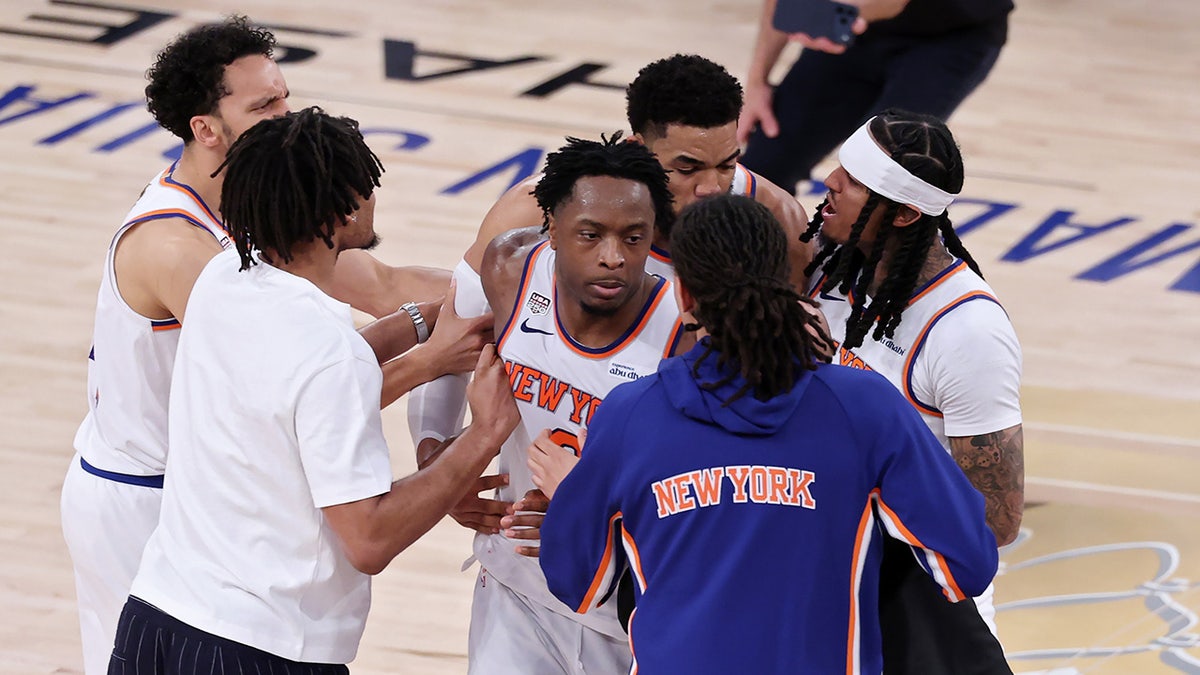
Members of the New York Knicks celebrate their 107-106 victory against the San Antonio Spurs in Game 4 of the 2026 NBA Finals at Madison Square Garden in New York City, New York on June 10, 2026.(Dustin Satloff/Getty Images)
“Holding each other accountable, communicating, not pointing fingers. After that, we either got it or we don’t. We’ve proven that we can surpass these difficulties but even though we haven’t been there it before, I’m convinced we are built this way. We’re going to get better from this and It’s going to tighten us up.”
As the 48 teams gradually arrived in North America, every image further setting a grand stage, a thought struck managers like Thomas Tuchel and Carlo Ancelotti.
They were right to make the sheer scale of this World Cup more of a priority in planning. “United 2026” – as it is officially known – is enormous in every sense, from size to serious issues.
That only deepens the distinctive challenge a World Cup poses, and only elevates the meaning of victory.
A team can be brilliant and do everything possible to gear up for a four-year cycle over the long term, but the lifting of that great trophy really comes down to having everything – form, spirit, mood, fitness, tactics – just right for five weeks in one summer.
It’s really about a moment in time, and one that makes you immortal, although this time in a far greater space.
Advertisement
If the classic line is that people measure their lives in World Cups, this one is so immense it’s almost impossible to quantify.
That could lead to a few other predictable lines about an American World Cup: that it was always going to be super-sized, that size will matter, that more may be less.
The most immediate numbers, at least, do illustrate this. This World Cup involves: the most ever teams, at 48; the most ever hosts, at three; the most ever venues, at 16; and the greatest ever distance between venues, at 4,780km, with all of this adding up to unprecedented astronomical cost for fans and even federations.
So much for this World Cup being a return to the familiar after the highly politicised police-state sportswashing spectacles of Russia and Qatar.
It has instead thrown up more unprecedented issues than ever before – another one for the scales; another illustration of bloated indulgence. Such issues have only been added to by another more familiar element, which is the promise of record revenue at $14bn.
And yet one of the great uncertainties about this World Cup, which is causing nervousness at the top of Fifa, is whether all this will mean there is nothing like the record attendances of USA ‘94.
The avaricious ticket pricing has been the main controversy in the build-up to the World Cup (AFP/Getty)
That competition will constantly offer a mirror to this one, especially when the memories remain so vivid due to its bright lights – in football and look.
There are instead so many shades to 2026, and a real darkness. For all Gianni Infantino’s vapid claims about the World Cup uniting the world, we here have a host at war with a participating nation for the first time.
Advertisement
The Fifa president’s own relationship with Donald Trump, meanwhile, weighs over the entire competition, especially with how just one decision from the US president has the potential to cause chaos.
Trump’s putative lack of decisions have already created enough chaos, since Fifa has received almost no help on anything it actually needs. So we have the farce of a long-vetted referee denied entry, and Iran forced into constrained travel around their games.
That darkness has also served to obscure otherwise uplifting elements of this World Cup, like the return to perhaps the competition’s most historic stadium: the Azteca in Mexico City.
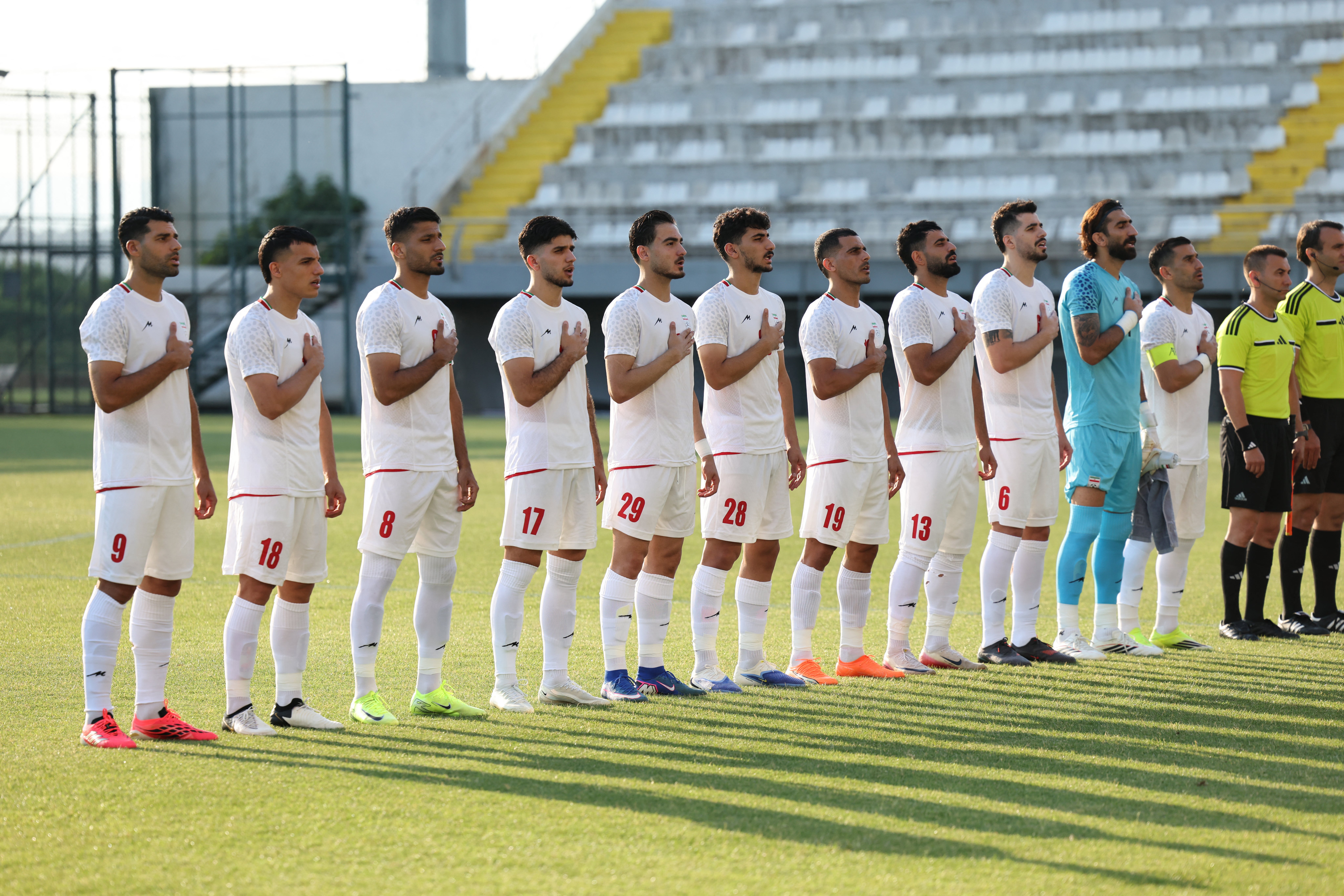
This tournament represents a host (USA) at war with a participating nation (Iran, pictured) for the first time (AFP/Getty)
It was the arena where Pele and Diego Maradona created their most lasting images. Now, 40 years after the “Hand of God” and the goal of the century, it isn’t considered worthy to host games after the last 16.
Canada has, meanwhile, been the forgotten host, and even the last games staged there and in Mexico will be overshadowed by the 250th anniversary of US independence – all amid a stilted embrace with the global game.
Advertisement
We will at least have a sense of the atmosphere by then, and whether this World Cup’s many issues can really allow that sense of international festival around the stadiums.
And all of this is why size is so much more than a defining detail.
The expansion affects what the World Cup is – and how it will go.
That is true of the most elemental experience of a tournament: a child’s.
Advertisement
THE SIZE OF THE 2026 WORLD CUP
Most ever teams: 48
Most ever hosts: 3
Most ever venues: 16
Greatest-ever distance between venues: 4,780km
Record revenue estimation: $14bn
Perhaps appropriately for a competition held in the commercial capital of the world, it is possible to paraphrase one of its culture’s most famous depictions of marketing. The World Cup isn’t just a football competition, as Mad Men’s Don Draper might have said; it’s a fountain of nostalgia. “It takes us to a place where we ache to go again” – to childhood memories.
The joy of that is memorising the groups, knowing exactly what teams are where and what games are when. It is actually no trivial thing that this World Cup is far too big to even do that, long before you get to Group L.
Similarly, there are almost too many games, and that’s in one day, as much as in the tournament’s total of 104. It’s impossible to take it all in, to consume every storyline. United 2026 instead has just a wall of football, where more very much means less.
The World Cup experience is directly diluted.
That isn’t to discount the exhilaration that debutants like Curacao, Jordan and Uzbekistan will feel, or the release Haiti, Democratic Republic of Congo or Iraq will enjoy, but there is a serious point amid that romance.
Advertisement
This World Cup articulates the disconcerting sense of a sport becoming so big you can’t get a feel for it, of a game being taken away from its community, of an elitist event where parts continue to be sold off without anyone who actually cares able to do anything about it.
Welcome to the “Trumpification” of Fifa.
The expansion may also dictate this World Cup as much as dilute it. A number like 48 just isn’t right for the tournament, because it doesn’t evenly split into an eventual two. That needlessly brings back distorting third-place group qualifiers, a convolution that Infantino was forced into after he somehow realised four-team groups were exciting as late as Qatar 2022. United 2026 was initially supposed to have groups of three.
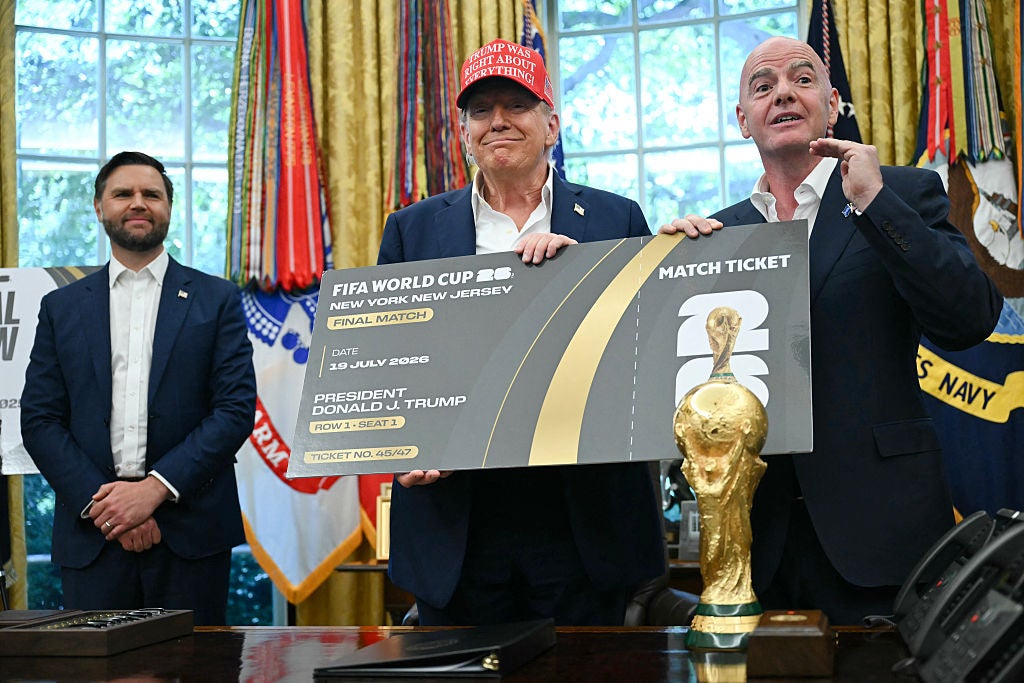
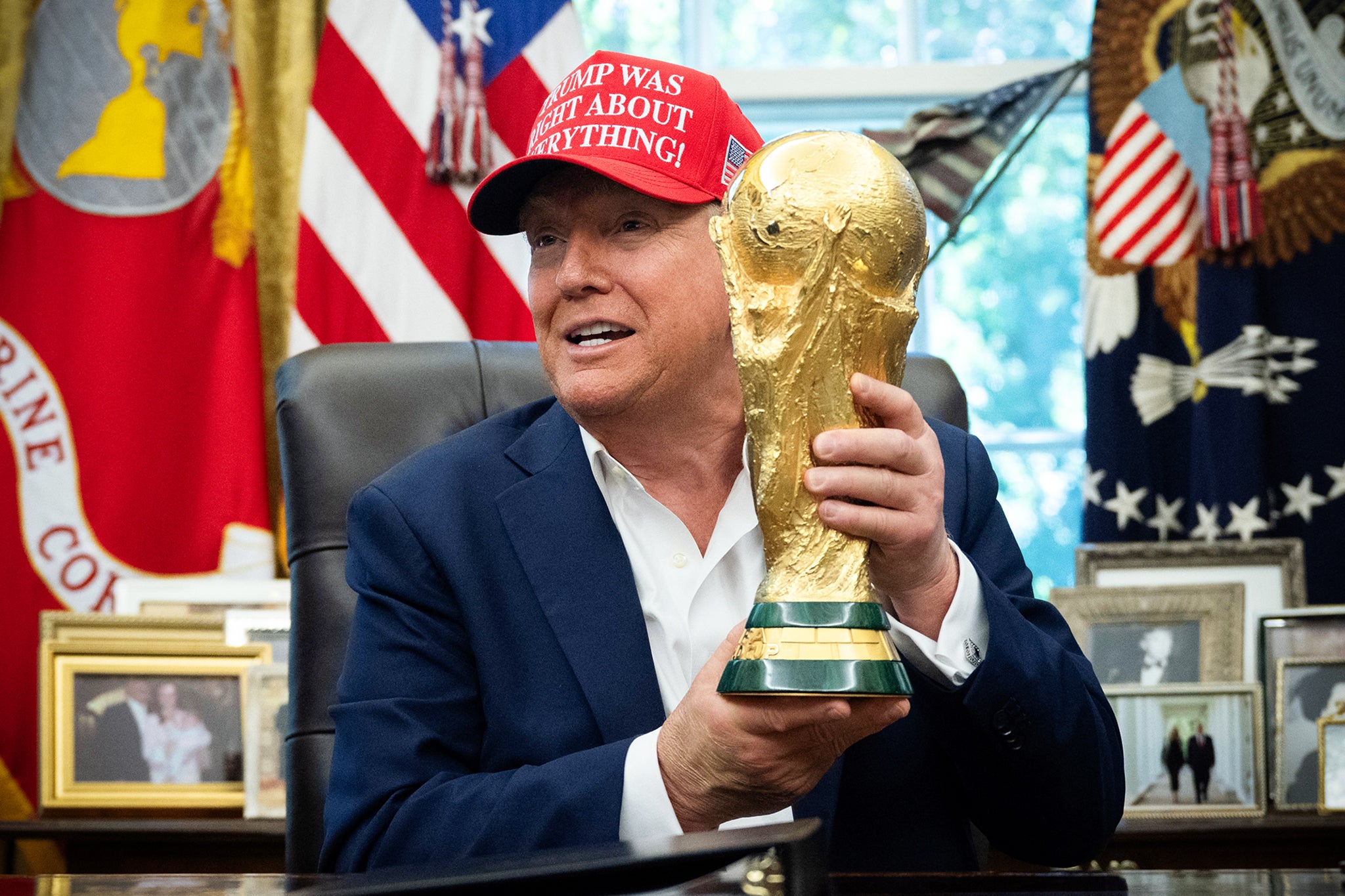
Donald Trump holds the World Cup trophy in the Oval Office last summer (AFP/Getty)
And yet it speaks to so many of these wider themes that Infantino realised it was more exciting, but evidently didn’t understand this was because of the competitive intensity that came from two going through out of four, as well as a 32-team tournament just creating the right balance between quality and novelty.
The man overseeing all of this didn’t truly get the game he was overseeing.
Advertisement
It could yet create results that go against World Cup logic, too.
As an example, Argentina have been talked up as potentially winning again due to the 2022 World Cup victory coming in a run of three successive trophies. They are the only team to do that outside Spain 2008-12, but that also gives them the jaded feel of Spain 2014. Most of the team is still the same, and they won’t have the same lightning-in-a-bottle energy of 2022.
These are ingredients that leave champions ripe for a classic first-round exit… except the stage is so forgiving. Argentina may go into their last group game badly needing a win, but that comes against Jordan. The debutants are one of five sides considered forgiving opposition, and the presence of any one in a group gives the other three in it a huge advantage in this system.
One win and you’re likely through.
Advertisement
To go with that expanded schedule, since it takes eight games to win it rather than seven, this is the first major tournament happening after two seasons of expanded European football. More, more, more.
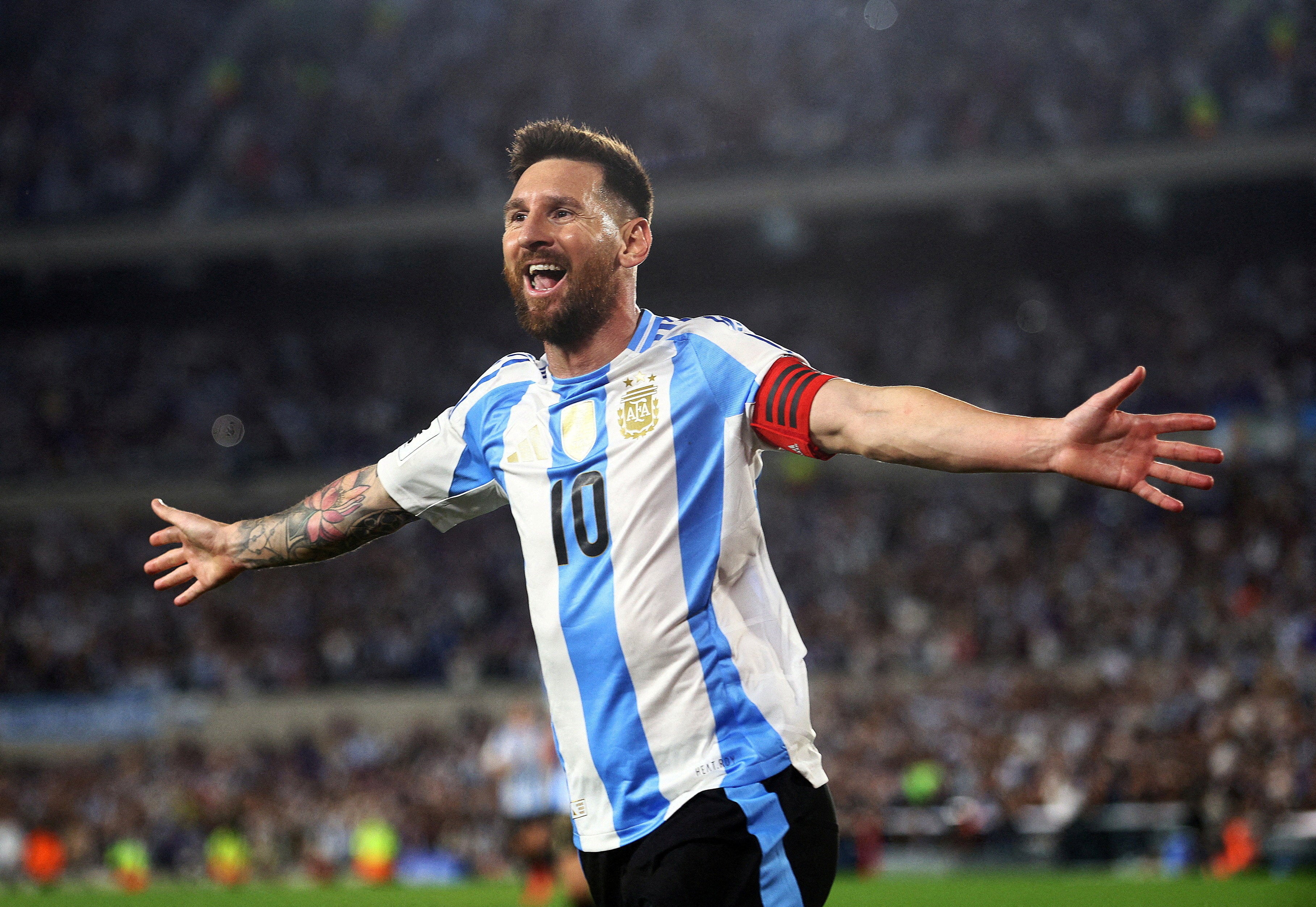
Lionel Messi will lead title contenders Argentina at this summer’s World Cup (Reuters)
Players, especially the quantity in the major teams, are exhausted.
That could restore some romance by favouring the “dark horses” like Japan, Ecuador, Morocco, Norway, Austria and Senegal.
Except, just like with Iran’s constraints, Senegal has already faced the disadvantage of being subjected to a humiliating tarmac security search.
It is just one of many ways the non-football elements shape the football.
Advertisement
The favourites, Spain, almost illustrate the difficulty of getting your head around this as well as the bodies.
The European champions have the best team at the tournament, but have also had the most fitness issues and major injuries.
The biggest of those is Lamine Yamal. He may be the mere 18-year-old anticipated to crown his rise to the best player in the world by seizing this tournament, but he’s also hoping to recover from a hamstring injury for the first game.
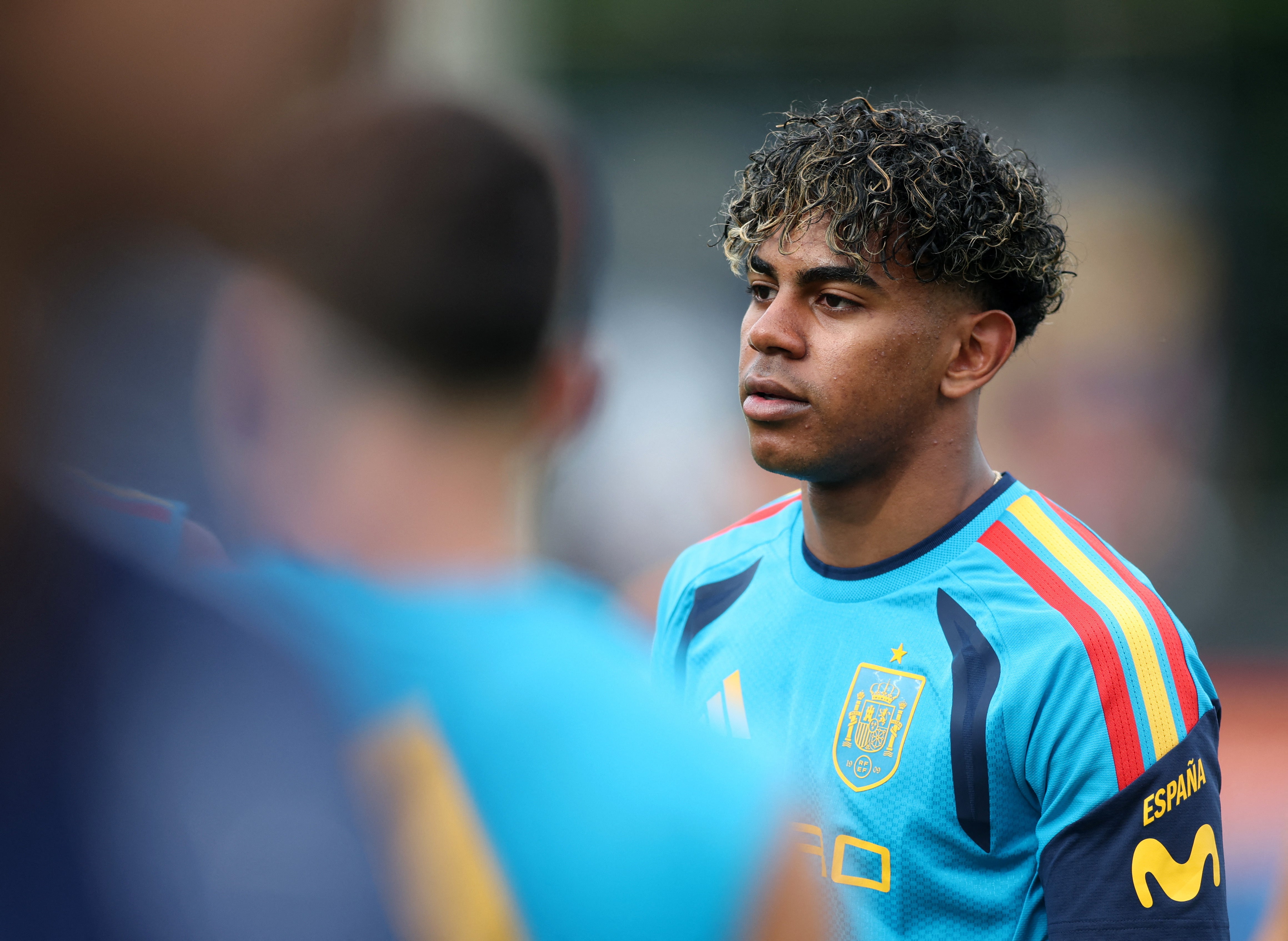
Lamine Yamal is hoping to recover from a hamstring injury for Spain’s first game (Reuters)
That can nevertheless work both ways, especially in a World Cup this long. Spain and Yamal might be stiff at the start, but then evolve into the best possible condition for the most important stages.
That is exactly what happened with Andres Iniesta in 2010. Their possession game may also prove decisive in a tournament that is going to be dictated by punishingly hot conditions. In the same way that United 2026 has more unprecedented controversies, it also has more variables.
Advertisement
Tuchel is one of many coaches who have been deeply considering how to work around all this.
France, who have faced a lot of concerns about the Didier Deschamps era going stale, may now find his stultifying medium block suits the conditions.
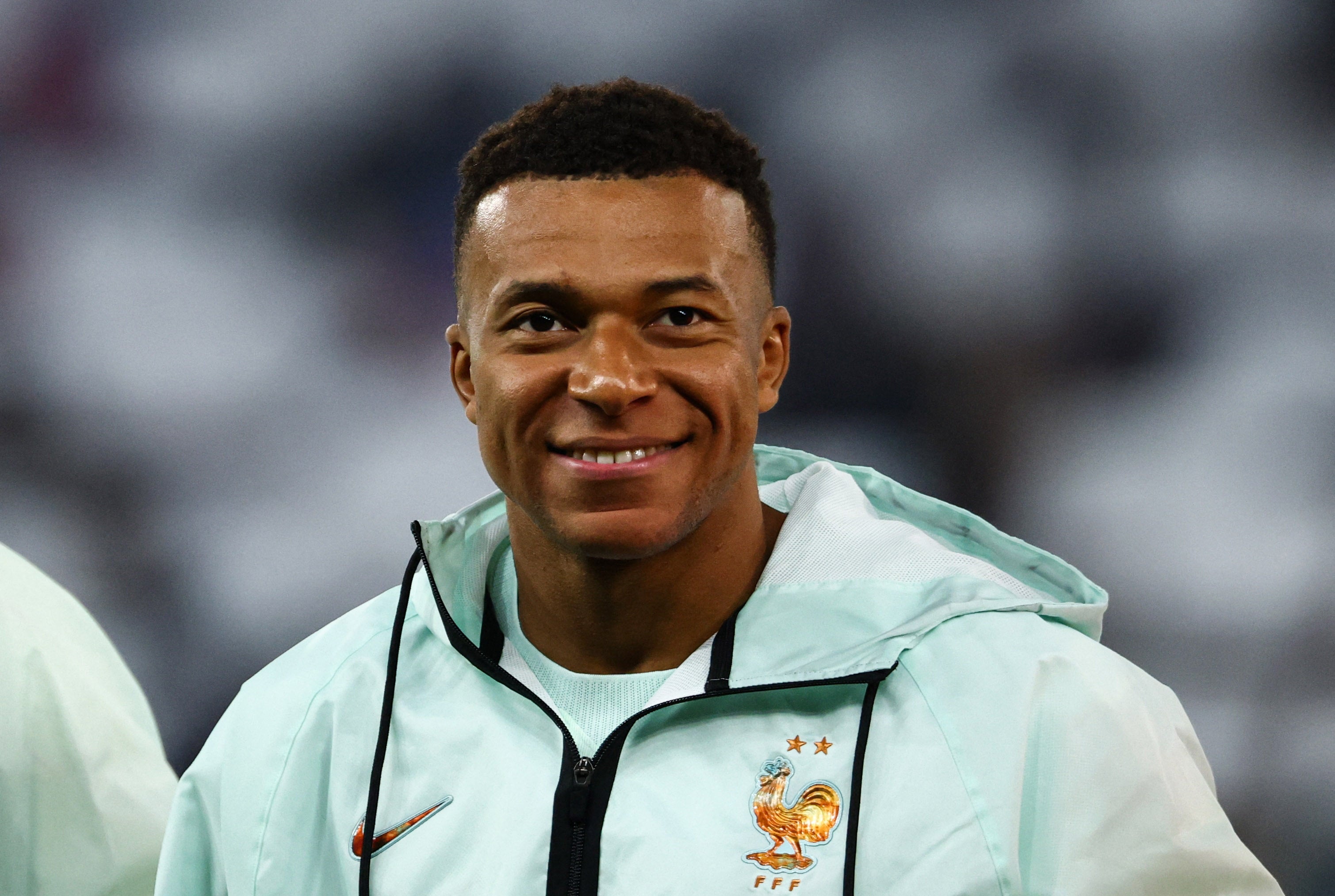
They do have the best array of attacking stars just waiting to be released, with Kylian Mbappe badly needing a big World Cup.
France captain Kylian Mbappe needs a big World Cup (Reuters)
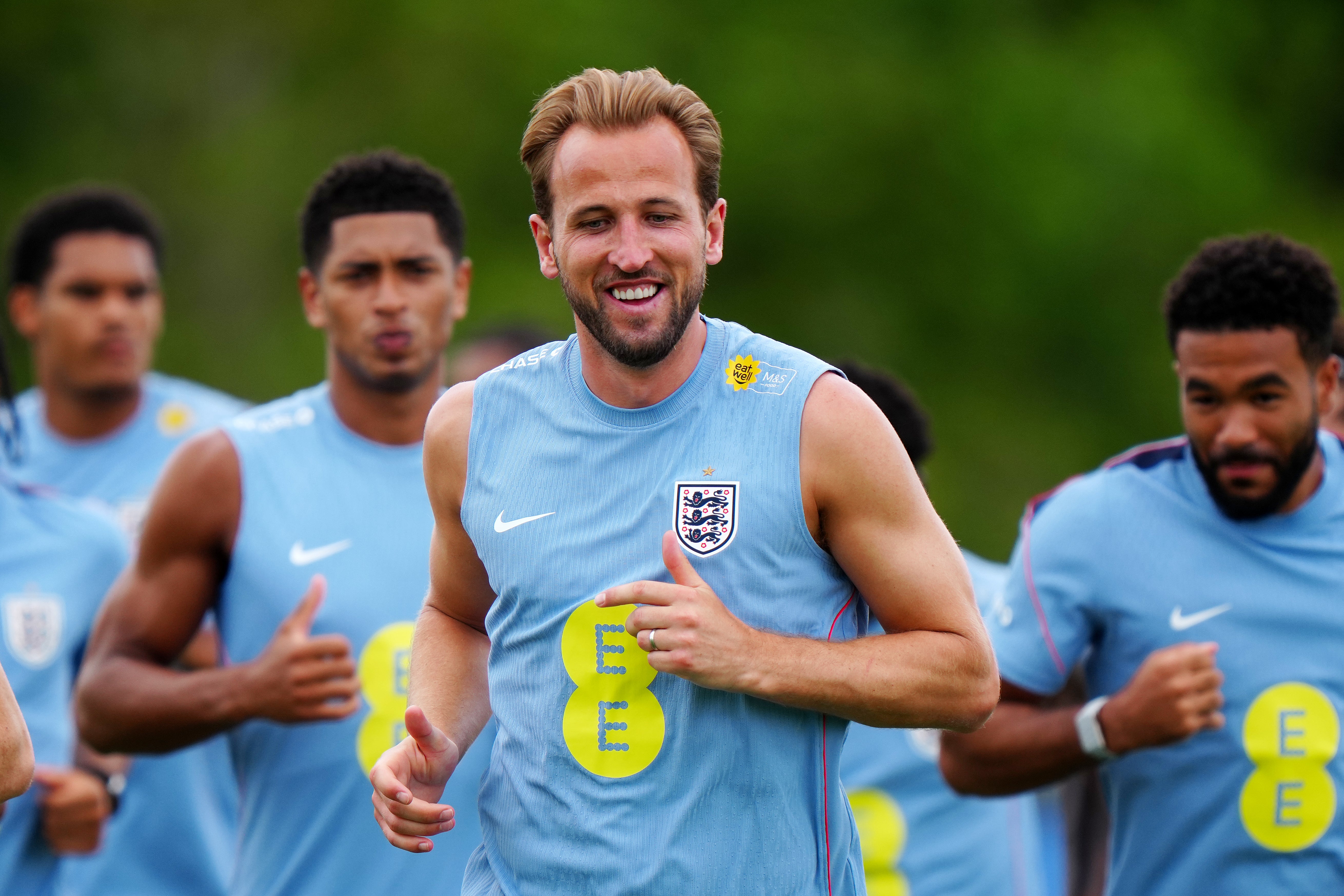
England are up there, especially with the differential of a goalscorer like Harry Kane. They may not have a perfect squad, but no one does.
That points to how this World Cup is nowhere near as strong a field as in 1998, where at least eight teams looked truly elite. The offset is that this “second tier” of outsiders is stronger than ever, offering the potential for something else a World Cup has never had: a winner like a Denmark 1992 or Greece 2004.
Advertisement
That’s where the competition comes down to more elemental qualities, the glorious intangibles, the very emotion the trophy inspires.
For all that everything about a World Cup changes, the meaning doesn’t.
It will still offer countries some of the greatest days in their national histories, with the very awareness of this global importance affording it a cultural significance beyond anything else in the planet’s history.
Harry Kane leads England at his third World Cup (PA)
This is the emotional pinnacle, the peak of sport because the massif is so wide. It can be seen in the expressions of players, and even the great trophy itself. Those two arms “stretching out to receive the world… at the stirring moment of victory” – in the words of designer Silvio Gazzinaga – are representative of what everyone in football is reaching for.
Hence Infantino’s desperation for this to start amid so much controversy. The football still perseveres. The spirit perseveres. The competition is still, at its core, a global cultural good, no matter how it’s used.
Advertisement
As Maradona once said, “the ball never stains”. The World Cup retains a purity.
Duly, even a 48-team competition will evolve – as the writer Duncan Hamilton put it – “like a theatrical play”. While the numbers are gradually winnowed to two and then one, the drama, emotion and suspense only become more intense. Such feelings enrich the moments that really create World Cup legacies, but they are ultimately fostered by narrative, by stories.
This tournament has so many, even if it does not have many great teams.
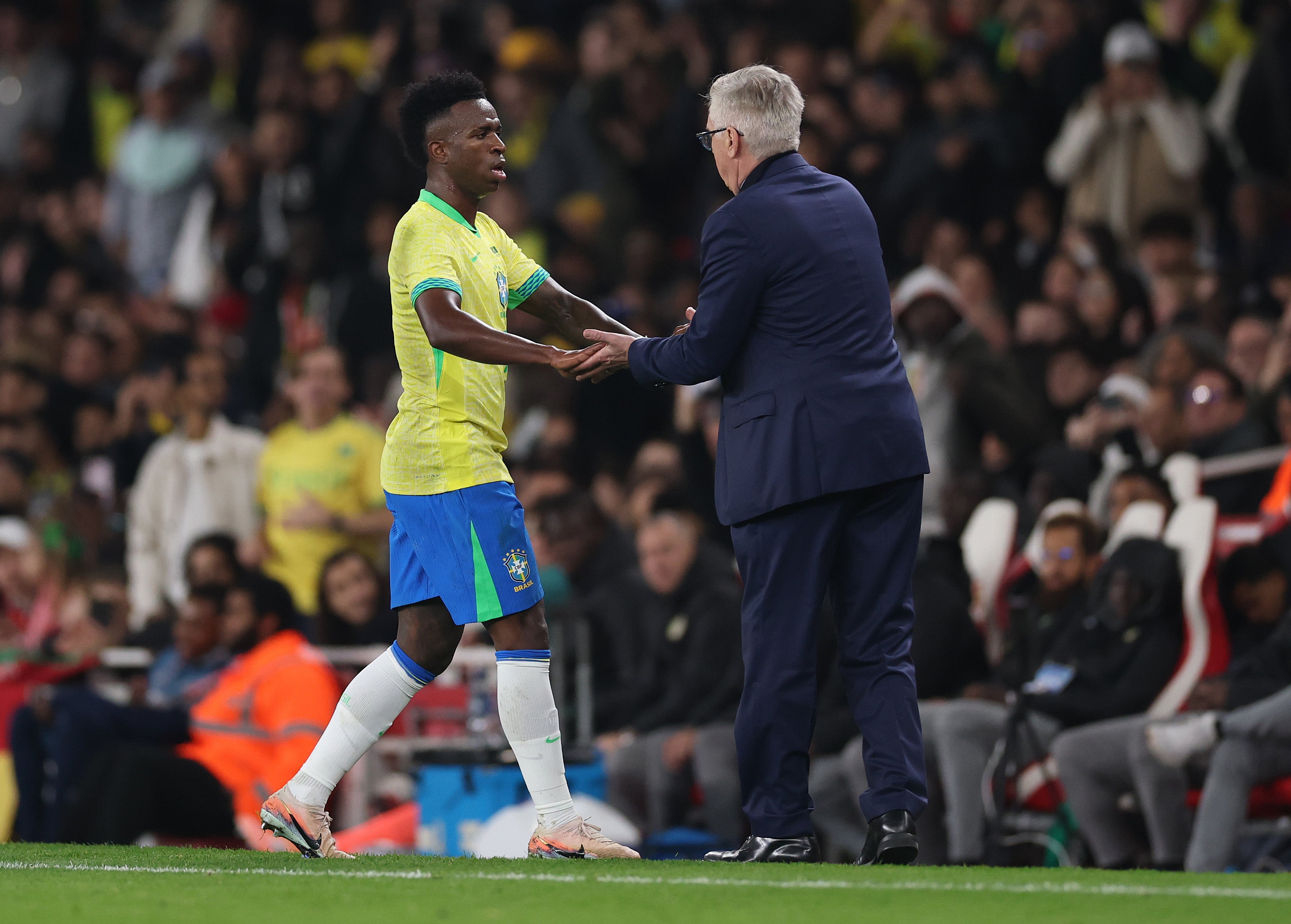
Can Brazil somehow rise to that level under Ancelotti, and end a 24-year wait in the way they did for the last World Cup in the USA? Can a new band of successful club coaches show their acumen by showing everyone else what’s what, or will the different contours of international football embarrass them?
Advertisement
Can Carlo Ancelotti and Vinicius Jr guide Brazil to a first World Cup in 24 years? (Getty)
Will a surprisingly deep elder generation led by Leo Messi and Cristiano Ronaldo finally cede ground to a new era of Yamal, Jamal Musiala and Erling Haaland, or will a slower tournament allow for those who can still produce individual moments?
Can any of the hosts make an impression? Can Mauricio Pochettino avoid a furious social media post from Trump? Can Canada do “a Korea 2002”, in the way they are privately talking about? Can Mexico finally get past a quarter-final?
Can Germany finally get past a group stage again, to prove maybe the darkest horse of all? Can the fancied Netherlands at last win it after three lost finals?
Amid all of the challenges, Tuchel and his players should perhaps be mindful of something that Argentina coach Lionel Scaloni said at the draw back in December.
“Every day you are a world champion you feel younger.”
The sentiment, and the aspiration, may never be more important amid a World Cup so exhausting in so many senses. It’s an achievement of scale beyond anything else.












































You must be logged in to post a comment Login