
Business
Expert Picks for Every Need

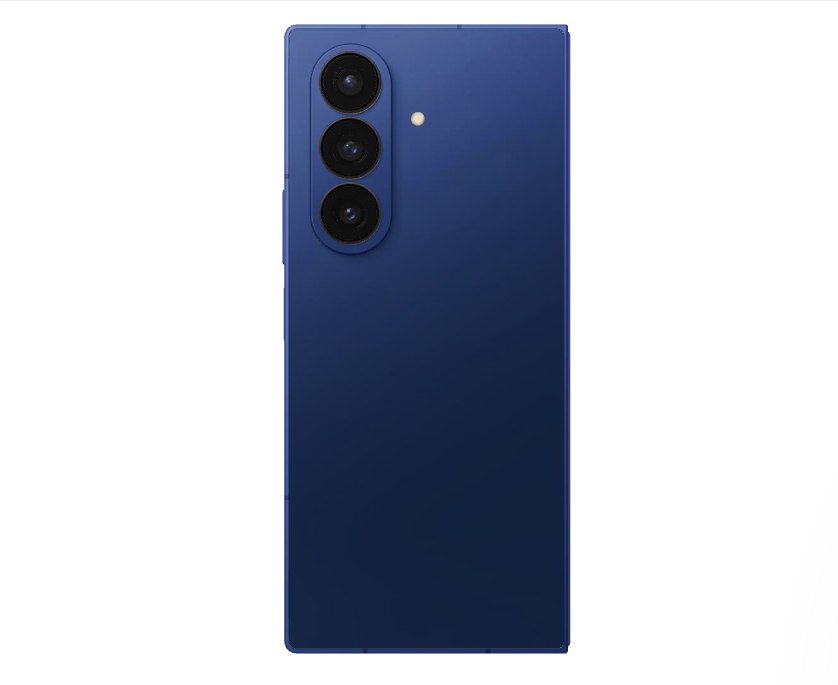
Foldable smartphones have matured dramatically by April 2026, shedding much of their early bulk and fragility to become practical daily drivers with improved durability, battery life and multitasking capabilities. Leading models from Samsung, Google, Motorola and others now compete closely with traditional flagships while offering the unique appeal of a compact device that unfolds into a mini-tablet or stylish flip form factor.
Industry analysts and reviewers from outlets including PCMag, PhoneArena, ZDNet and Wirecutter highlight a clear top tier based on hands-on testing, real-world performance and value. While availability varies by region — with some Chinese brands like Honor and Oppo offering exceptional hardware but limited U.S. support — the following five stand out as the best foldable phones currently on the market.

1. Samsung Galaxy Z Fold 7 — Best Overall Book-Style Foldable
Samsung’s Galaxy Z Fold 7 earns frequent nods as the top foldable for most users thanks to its ultra-slim profile, premium build and polished software experience. Measuring just over 8mm thick when closed and weighing around 215 grams, it feels remarkably close to a conventional flagship yet unfolds into an expansive 8-inch inner display ideal for productivity, media consumption and split-screen multitasking.
The device features a bright 6.5-inch cover screen with 120Hz refresh rate, allowing full app functionality without unfolding. Powered by the Snapdragon 8 Elite for Galaxy processor, it delivers smooth performance across demanding tasks. Cameras have seen meaningful upgrades, with a standout 200-megapixel main sensor producing sharp, vibrant photos that rival non-foldable competitors.
Reviewers praise the refined hinge, improved crease visibility and long software support extending years into the future. Drawbacks include a premium price tag often starting near $1,900 and average battery life that may require midday top-ups for heavy users. Still, its ecosystem integration with Galaxy Watch, Buds and DeX mode makes it a compelling choice for Samsung loyalists and power users alike.
2. Google Pixel 10 Pro Fold — Best for Durability and Cameras
Google’s Pixel 10 Pro Fold stands out for its rugged construction and photography prowess. It boasts a full IP68 dust and water resistance rating — a rarity among foldables — along with enhanced hinge durability and drop protection on the main display. At roughly 258 grams, it feels more substantial than Samsung’s offering but rewards owners with reliable all-day performance.
The Tensor G5 chipset powers intuitive AI features, including real-time call translation, audio magic eraser and Gemini Live integration. Cameras shine with computational photography that delivers natural colors and excellent low-light results, making it a favorite for content creators. The 6.3-inch cover screen and large inner display support seamless multitasking with clean Android 16 software.
Battery life impresses in testing, often outlasting slimmer rivals. Pricing starts around $1,800, positioning it as a strong value for those prioritizing longevity and photography over the absolute thinnest design. Limitations include slightly warmer performance under sustained loads compared to Snapdragon-equipped devices.
3. Motorola Razr Ultra (2025/60 Ultra) — Best Flip-Style Foldable
For users seeking pocketable convenience with flair, the Motorola Razr Ultra delivers one of the most stylish and functional clamshell experiences. Its vertical fold design snaps shut into a compact square, while the generous external display supports full apps, notifications and even quick camera previews.
Equipped with strong battery life that frequently tops competitor flip models, the Razr Ultra handles daily tasks efficiently on its Snapdragon processor. The inner 7-inch display offers smooth 120Hz visuals, and the overall build feels premium with thoughtful details like a titanium hinge option in select variants. Cameras perform adequately for casual use, though they trail book-style models in versatility.
Reviewers highlight its fun factor and practicality for one-handed operation. Starting prices often land in the mid-$1,000 range, making it more accessible than premium book-style foldables. Potential downsides include a smaller unfolded screen compared to tablet-style devices and occasional software quirks in the Motorola skin.
4. Samsung Galaxy Z Flip 7 — Best Compact Flip for Everyday Use
Samsung’s Galaxy Z Flip 7 refines the flip formula with a larger 4.1-inch edge-to-edge cover screen that finally enables meaningful interaction without unfolding. The 6.9-inch inner display provides ample space when needed, while the overall design remains slim and lightweight for easy pocket carry.
Battery improvements help it last through a full day for moderate users, and the Exynos 2500 or Snapdragon variant (depending on region) ensures snappy performance. New DeX support on the Flip adds desktop-like productivity when connected to external displays. Cameras remain solid for social media and quick shots, with the main 50-megapixel sensor delivering reliable results.
Priced starting around $1,100, it offers strong value within the Samsung ecosystem. Critics note it can overheat during intensive multitasking and that battery claims sometimes exceed real-world endurance. Its stylish appeal and improved cover screen functionality make it a top pick for fashion-conscious users or those transitioning from traditional bar phones.
5. Honor Magic V5 — Best Ultra-Thin Alternative for Multitasking
The Honor Magic V5 earns acclaim for its exceptionally slim design, measuring under 9mm folded and around 4.4mm unfolded in some configurations. It targets users who want a near-nonexistent crease and premium feel without Samsung’s ecosystem lock-in.
Featuring a large inner display and capable outer screen, it excels at multitasking with smooth software optimizations. The Snapdragon 8 Elite processor paired with generous RAM handles heavy workloads, while a sizable silicon-carbon battery supports fast charging and extended use. Cameras offer competitive performance, particularly in daylight scenarios.
Availability may require importing in some markets, and software updates could lag behind Google or Samsung. Still, its combination of thinness, battery capacity and vibrant displays positions it as a compelling choice for enthusiasts seeking cutting-edge hardware at potentially competitive pricing.
Buying Considerations in 2026
Foldable phones now address many early criticisms: creases are subtler, hinges more robust and repair programs more widespread. Most top models promise four to seven years of software support, reducing obsolescence concerns. Battery technology has advanced, though heavy multitasking or camera use still drains power faster than slab phones.
Prices remain elevated, with book-style models often exceeding $1,800 and flips starting above $1,000. Trade-in deals, carrier promotions and installment plans can ease the cost. Buyers should consider ecosystem preferences — Samsung for seamless integration, Google for pure Android and AI, Motorola for flip charm.
Durability has improved markedly, but users should invest in quality cases and screen protectors. Coverage for accidental damage varies by manufacturer and carrier.
Regional factors matter: U.S. buyers enjoy broad carrier support for Samsung, Google and Motorola models, while international shoppers may access superior specs from Honor, Oppo, Vivo or Huawei at lower prices, albeit with potential Google service limitations on some devices.
The Future of Foldables
As 2026 progresses, expectations include further refinements such as even lighter builds, under-display cameras that eliminate notches and possible trifold designs from Samsung and others reaching wider markets. Apple’s rumored foldable iPhone could reshape the segment later in the year or in 2027.
For now, the market offers something for nearly every preference: productivity powerhouses, stylish compacts and durable all-rounders. Early adopters who hesitated in previous years will find 2026 models far more refined and reliable.
Consumers weighing a purchase should evaluate their primary needs — screen size for work, portability for travel or camera quality for photography — and test devices in-store when possible. With rapid iteration, waiting for carrier deals or next-generation hints may also pay off.
Foldables represent more than a novelty in 2026; they deliver genuine utility that enhances how many people work, create and consume content on the go. Whether opting for the versatile Galaxy Z Fold 7, the rugged Pixel 10 Pro Fold or a fun flip like the Razr Ultra, buyers are investing in devices that continue to evolve the smartphone experience.


Attractive Setup In Fallen Angels: 7% Yield And New Downgrades

MELBOURNE, Australia — As road accidents, workplace injuries and public liability claims continue to rise across Victoria, injured Victorians are turning to specialist personal injury lawyers to secure fair compensation under the state’s complex no-fault and common law systems. In 2026, a handful of firms and practitioners stand out for their track records, peer recognition and client-focused “no win, no fee” models.

Industry rankings from Best Lawyers, Best Law Firms and Doyle’s Guide, combined with client reviews and specialist accreditation, highlight consistent leaders in plaintiff-side litigation. While no single ranking is definitive, five names repeatedly emerge as the best personal injury lawyers and firms in Melbourne this year: Maurice Blackburn, Slater & Gordon, Maxiom Injury Lawyers, Brave Legal and Henry Carus + Associates.
1. Maurice Blackburn Lawyers
Australia’s largest plaintiff-focused firm remains the benchmark for personal injury and compensation claims in Melbourne. Founded in 1919, Maurice Blackburn boasts more than 3,000 five-star Google reviews and 32 offices nationwide. The firm handles motor vehicle accidents, WorkCover claims, public liability, medical negligence and institutional abuse cases on a strict no win, no fee basis.
Senior lawyers at the Melbourne office are frequently recognized in Doyle’s Guide for work injury compensation. The firm’s scale allows it to fund complex litigation, including class actions, while maintaining a reputation for aggressive insurer negotiations and courtroom advocacy. Clients praise the team’s accessibility and social work support services that extend beyond legal advice to practical assistance with housing, finances and rehabilitation.
2. Slater & Gordon
A pioneer of the no win, no fee model in Australia, Slater & Gordon continues to deliver strong results for Victorian injury victims in 2026. The Melbourne office at 530 Collins Street specializes in workers compensation, transport accidents (TAC claims), medical negligence, asbestos and silicosis cases.
Rod Matthews anchors much of the firm’s Victorian expertise and earned preeminent recognition in Doyle’s Guide 2025 for work injury compensation. The firm’s national resources, combined with local knowledge of Victorian courts and the Transport Accident Commission, give clients an edge in both settlement negotiations and contested hearings. Slater & Gordon also offers free social work support to clients in crisis.
3. Maxiom Injury Lawyers
Led by Sach Fernando, Maxiom Injury Lawyers has climbed rapidly in peer-voted rankings. Fernando received preeminent status in Doyle’s Guide for leading work injury compensation lawyers (plaintiff) in Victoria. The boutique firm focuses exclusively on plaintiff personal injury matters, including serious workplace accidents, public liability and motor vehicle claims.
Clients and peers highlight the firm’s strategic approach, deep understanding of insurer tactics and commitment to maximizing compensation. Maxiom’s smaller size allows senior lawyers to remain hands-on with every file, avoiding the delegation common in larger practices. The firm operates on a clear no win, no fee structure without relying on external litigation funders.
4. Brave Legal
Brave Legal earns Tier 1 recognition in Best Law Firms 2026 for personal injury litigation in Melbourne. Bree Knoester stands out in Doyle’s Guide rankings for work injury compensation, reflecting the firm’s strength in complex plaintiff matters.
The practice emphasizes compassionate client service alongside robust litigation skills. Brave Legal handles a full range of injury claims — from TAC road accidents to WorkSafe disputes and public liability — with a focus on achieving outcomes that cover medical costs, lost earnings and pain and suffering damages. Its growing reputation in 2026 stems from consistent high-value settlements and verdicts.
5. Henry Carus + Associates
Henry Carus + Associates has built a strong local following for TAC, public liability and serious injury claims. The firm reports a 98% success rate for clients and frequently secures settlements many times higher than initial insurer offers.
Known for its boutique approach, the team provides obligation-free consultations and prides itself on personalized service. Clients appreciate the lawyers’ willingness to explain complex Victorian legislation in plain language. The firm maintains multiple Melbourne-area locations and focuses on spinal, head, back and neck injuries that often result in significant long-term impairment.
Other Notable Mentions in 2026
Several other practices deserve attention depending on case specifics:
- Fittipaldi Injury Lawyers, led by Gennaro Fittipaldi, ranks highly in independent 2026 reviews for senior lawyer involvement on every matter and a policy against litigation funders. Fittipaldi’s insider experience from prior defense work gives the firm an edge in valuing claims and negotiating with insurers.
- Arnold Thomas & Becker offers true no win, no fee representation across multiple Melbourne suburbs, with decades of experience in birth injury, asbestos and general personal injury claims.
- Polaris Lawyers, Robinson Gill and Alessi Legal receive strong client testimonials for approachable service and clear communication.
- Law Partners and Carbone Lawyers also feature in specialist personal injury rankings and maintain solid reputations for results-driven advocacy.
How Rankings Are Determined
Peer-reviewed guides such as Doyle’s Guide rely on confidential votes from opposing counsel — defendant insurance lawyers — who identify the most skilled plaintiff advocates. Best Lawyers and Best Law Firms incorporate client feedback, peer nominations and demonstrated excellence over multiple years.
Client reviews on Google and independent sites emphasize communication, empathy and results. In Victoria’s injury compensation landscape, success often hinges on navigating the Transport Accident Commission (TAC) no-fault scheme, WorkSafe Victoria processes and common law rights for serious injuries.
Choosing the Right Lawyer: Key Considerations
Experts advise injured Victorians to consider several factors before engaging a lawyer:
- Specialization: Look for firms with proven expertise in your specific injury type — TAC, WorkCover, public liability or medical negligence.
- Fee Structure: Most reputable firms offer no win, no fee, but clarify any potential disbursements or funding arrangements.
- Track Record: Ask about recent settlements or verdicts in similar cases and check peer rankings.
- Personal Attention: Will a senior lawyer handle your matter or will it be delegated to juniors?
- Resources: Larger firms bring scale for complex or high-value claims; boutiques may offer more individualized service.
Victoria’s personal injury laws are notoriously technical. Time limits apply, and early legal advice can preserve evidence and strengthen claims. Most firms provide free initial consultations, allowing potential clients to assess fit without obligation.
The Human Impact
For many clients, a serious injury disrupts work, family life and financial stability. Compensation can fund critical medical treatment, rehabilitation, home modifications and lost income. Leading lawyers stress that their role extends beyond courtrooms — helping clients rebuild lives after trauma.
In 2026, with ongoing pressures on Victoria’s health and transport systems, demand for skilled personal injury representation remains high. Firms that combine legal firepower with genuine client care continue to earn loyalty and referrals.
Legal experts caution that rankings are snapshots and every case is unique. Prospective clients should conduct their own due diligence, speak directly with lawyers and choose representation that aligns with their needs and values.
As Melbourne’s population grows and urban infrastructure evolves, the need for trusted compensation lawyers shows no sign of slowing. Whether facing a workplace fall, a devastating car crash or medical complications, Victorians have access to a competitive field of dedicated plaintiff advocates ready to fight for maximum entitlements under the law.
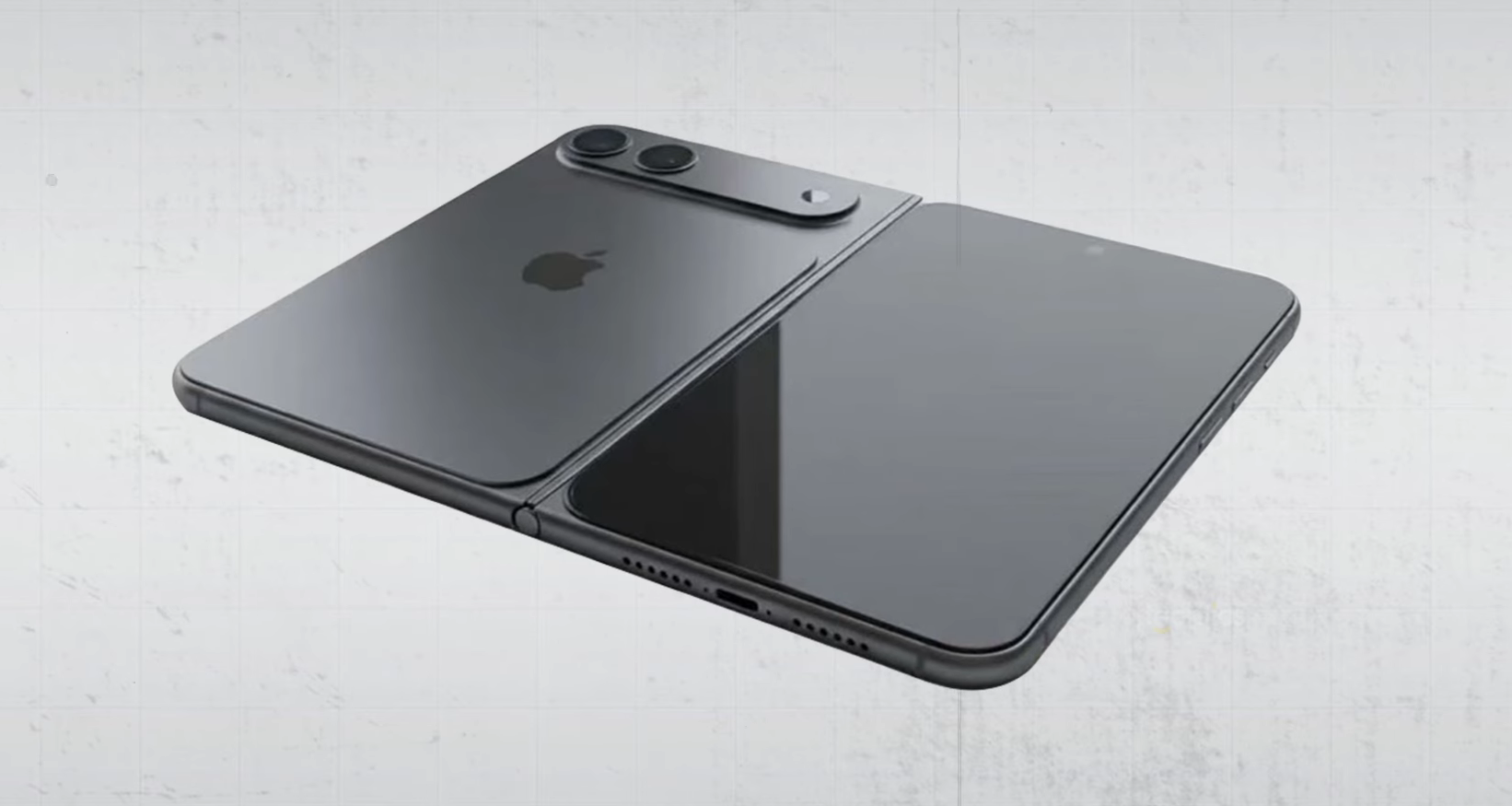
SAN FRANCISCO — As the foldable smartphone market matures in 2026, all eyes are on Apple’s long-awaited entry into the category. Rumors suggest the company’s first foldable device — potentially dubbed the iPhone Fold or iPhone Ultra — could launch in September or December alongside or shortly after the iPhone 18 lineup, directly challenging Samsung’s Galaxy Z Fold 8, expected in July.

Samsung has dominated book-style foldables since debuting the original Galaxy Fold in 2019, refining hinges, displays and software over seven generations. The Galaxy Z Fold 7 brought notable improvements in thinness and lightness, but the upcoming Z Fold 8 — and a rumored wider “Wide Fold” variant — aims to address lingering complaints like visible creases, battery life and camera capabilities.
Apple, known for entering markets late but often redefining them, has taken years to perfect its foldable. Analysts say the device will feature a book-style design with a 7.8-inch inner OLED display and a 5.5-inch outer screen when folded. Early dummy models and leaks point to an ultra-slim profile: roughly 9-9.5 mm thick when closed and as thin as 4.5-4.8 mm when unfolded, potentially making it one of the slimmest foldables yet.
Display and Crease: Apple’s Potential Edge
One of the biggest differentiators could be the display. Samsung has made strides with dual ultra-thin glass (UTG) layers and laser-drilled supports on the Z Fold 8 to reduce creasing, but a noticeable fold line often remains. Apple is rumored to prioritize a near-crease-free experience using advanced ultra-thin glass or coating technologies, possibly licensed or developed in-house. Supply chain reports suggest the inner screen could feel closer to a traditional flat panel, enhancing the tablet-like experience when unfolded.
The aspect ratio also aligns closely with Samsung’s rumored Wide Fold variant, shifting toward a more square 4:3 inner display for better productivity and media consumption — moving away from the taller, narrower screens of earlier Z Folds. Apple’s outer display at 5.5 inches would be smaller than the Z Fold 8’s expected 6.5-inch cover screen, potentially making the folded device feel more like a conventional iPhone for quick tasks.
Build Quality and Durability
Apple is expected to use a premium titanium alloy frame paired with a robust stainless steel and titanium hinge for structural integrity. The design reportedly includes a side-mounted Touch ID button instead of Face ID to save space in the folded form factor. Water and dust resistance ratings remain unclear, but Apple’s history with meticulous engineering could deliver class-leading durability out of the gate.
Samsung counters with years of real-world testing. The Z Fold 8 is tipped for further hinge refinements, lighter materials and possibly improved IP ratings. A “Wide Fold” model could offer even more versatility, with leaks showing broader external and internal displays to rival Apple’s proportions directly.
Performance and Software
Powering the iPhone Fold would likely be Apple’s A20 Pro chip on a 2nm process, promising exceptional efficiency and raw performance. Integration with iOS — optimized for the foldable form — could deliver seamless multitasking, though Apple’s approach has historically been more conservative than Samsung’s DeX-like productivity features or advanced split-screen capabilities on One UI.
Samsung’s Galaxy Z Fold 8 is expected to run One UI 9 based on Android 17, powered by a Snapdragon 8 Elite Gen 5 or similar flagship chipset. The software has matured significantly, supporting multi-window apps, drag-and-drop and S Pen compatibility on some models. Samsung’s ecosystem also includes tighter integration with Galaxy Watch, Buds and tablets.
Battery, Charging and Cameras
Battery life has been a pain point for foldables. The iPhone Fold is rumored to pack a massive 5,500 mAh battery — larger than many current flagships — which, combined with Apple’s efficiency optimizations, could deliver all-day usage even with the power-hungry foldable display. Charging speeds, however, may lag behind Android rivals.
Samsung is addressing this with a larger dual-cell battery (around 4,800-5,000 mAh on the Z Fold 8) and faster 45W wired charging. Camera systems could favor Samsung: leaks point to a 200MP main sensor, upgraded ultrawide and telephoto options, giving the Z Fold 8 a versatile photography edge. Apple is expected to stick with a dual or triple rear camera setup emphasizing computational photography and video quality, consistent with iPhone strengths.
Price and Market Impact
Pricing remains a key question. The Galaxy Z Fold 8 is likely to start around $1,999, similar to predecessors. Apple’s foldable could command a premium, with estimates ranging from $2,000 to $2,400 — potentially 20% more expensive — reflecting Apple’s margins and premium positioning. Some analysts predict it could outsell all of Samsung’s foldables combined in its debut year due to the massive iPhone user base ready to upgrade within the ecosystem.
Early market reactions are mixed. Some iPhone loyalists express excitement about finally getting a foldable without switching platforms, while Android enthusiasts argue Samsung’s experience gives it the advantage in refinement and features. A SellCell survey of iPhone owners indicated significant interest in foldables, but many remain hesitant to leave iOS.
Challenges and Uncertainties
Apple faces engineering hurdles typical of first-generation foldables. Recent reports highlighted potential delays due to issues in the engineering validation phase, though Bloomberg’s Mark Gurman maintains the device is on track for a September debut, with possible limited initial supply. Trial production has reportedly begun at Foxconn, signaling progress.
Samsung, meanwhile, is accelerating improvements across its foldable lineup partly in response to Apple’s impending arrival. The Z Fold 8 and Wide Fold could incorporate lessons from years of iteration, including better crease reduction and camera upgrades.
Industry watchers note that Apple rarely nails a category on the first attempt but often sets new standards through polish, ecosystem synergy and marketing. Samsung’s response — including the wider variant — shows the competitive pressure is already driving innovation.
The Bigger Picture for Foldables
The 2026 showdown could accelerate foldable adoption. Global shipments have grown steadily, and Apple’s entry is expected to legitimize the form factor for mainstream consumers wary of early reliability concerns. Analysts project the category could expand significantly if the iPhone Fold delivers a premium, worry-free experience.
For consumers deciding between the two, it may come down to ecosystem preference. iOS users valuing seamless continuity, privacy features and long-term software support might lean toward Apple. Android enthusiasts seeking expansive multitasking, stylus support and more aggressive hardware specs could stick with or switch to Samsung.
As both devices near launch, real-world testing will be decisive. Durability under daily folding, display quality in varied lighting, battery endurance during heavy use and camera performance in real scenarios will determine which device feels “better.”
Apple’s foldable iPhone represents a high-stakes bet: enter late, but enter perfectly. Samsung aims to defend its lead with iterative excellence and aggressive feature additions. Whether the newcomer can outperform the veteran on its first attempt remains one of the most intriguing questions in consumer tech for 2026.
With conflicting timelines and evolving leaks, the coming months will bring clearer details. For now, the competition promises to push foldable technology forward, benefiting users regardless of which device ultimately wins their loyalty.
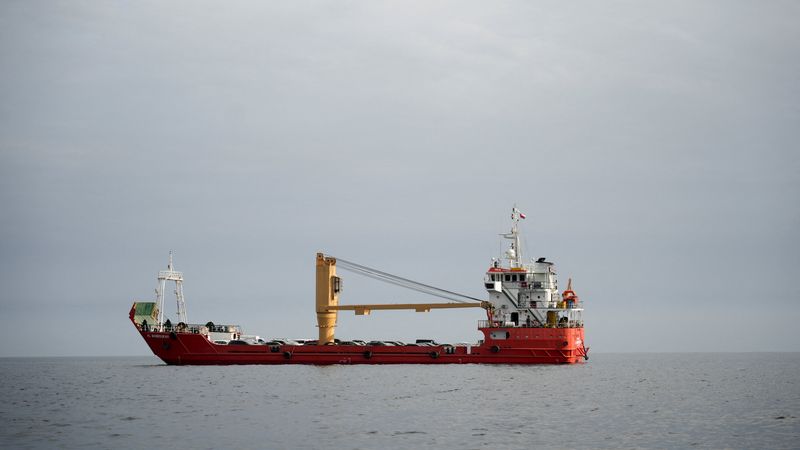

Trump says it will take a little while for US to blockade the Strait of Hormuz

DUBAI, United Arab Emirates — The Strait of Hormuz, the narrow chokepoint through which nearly one-fifth of global oil supplies normally flow, remained effectively restricted Sunday as a fragile two-week ceasefire between the United States and Iran failed to restore full commercial shipping traffic despite official claims that the waterway is open.

Ship-tracking data showed only a handful of vessels — mostly Iran-linked tankers and bulk carriers — transiting the strategic passage in the past 24 hours, far below the pre-conflict average of about 140 ships daily. While Iran has declared the strait open with coordination required from its military forces, insurance concerns, lingering sea mines and demands for permissions or high tolls have kept most commercial operators away.
The disruption stems from a wider conflict that erupted in late February 2026 when U.S. and Israeli strikes targeted Iranian facilities. Iran responded by effectively choking off the strait, laying naval mines and warning that unauthorized vessels would be targeted. The waterway, separating Iran from Oman and linking the Persian Gulf to the Gulf of Oman, handles roughly 20% of the world’s seaborne crude oil and significant volumes of liquefied natural gas.
A ceasefire announced around April 8 was conditioned in part on Iran ensuring safe passage through the strait. President Donald Trump hailed the deal as a step toward reopening the route, even claiming U.S. forces were beginning mine-clearing operations. On April 11, U.S. Central Command announced that two Navy guided-missile destroyers — the USS Frank E. Peterson and USS Michael Murphy — had transited the strait as part of efforts to establish a safe channel and clear mines allegedly deployed by Iran’s Islamic Revolutionary Guard Corps.
Iran quickly denied the U.S. account, with officials asserting that the vessels retreated after warnings and that no foreign forces were freely operating in the area. Tehran has maintained that passage is allowed only under its military oversight, with ships required to coordinate movements and, in some reports, pay substantial transit fees exceeding $1 million per vessel.
MarineTraffic and other tracking platforms confirmed minimal activity. On Thursday following the ceasefire, just seven ships passed through compared with normal volumes. Early signs of movement emerged over the weekend, including a few supertankers — some Chinese-flagged — exiting the Gulf loaded with crude. Yet overall traffic remained below 10-15% of typical levels, with hundreds of tankers still idling in the region.
Shipping executives and analysts described a “wait-and-see” atmosphere. Major carriers including Maersk and Hapag-Lloyd warned that normal operations could take weeks or even months to resume, citing unresolved risks from uncharted mines, potential renewed hostilities and skyrocketing war-risk insurance premiums. Some vessels have reportedly made U-turns at the last moment when talks in Islamabad appeared to falter.
The economic fallout has been severe. Global oil prices, which plunged on initial ceasefire news, have climbed back toward $100 per barrel as supply disruptions persist. The closure has stranded more than 1,000 vessels inside the Persian Gulf at times, cutting off exports from major producers including Saudi Arabia, Iraq, the United Arab Emirates and Kuwait. A fifth of global oil supply has been disrupted at peak, according to market estimates.
UAE officials have been vocal about the impasse. Abu Dhabi National Oil Company CEO Sultan Ahmed Al Jaber stated bluntly that “the Strait of Hormuz is not open,” emphasizing that access remains restricted and conditioned despite diplomatic pronouncements. Regional leaders have urged unconditional reopening to stabilize energy markets and global trade.
Iran’s position has been consistent: the strait is open but under its control. Deputy Foreign Minister Saeed Khatibzadeh said vessels, including American ones, could pass provided there is no “hostile behavior” and coordination occurs with Iranian forces to avoid mines and other wartime measures. Iranian media reported instructions for ships to stay closer to its territorial waters and islands.
Peace talks in Islamabad between U.S. and Iranian delegations, described as the first direct high-level discussions since 1979, have centered heavily on the strait. Progress appears stalled, with disagreements over mine clearance responsibilities, future security guarantees and Iran’s demands related to sanctions relief and regional issues, including tensions involving Israel and Lebanon. Reports indicated talks broke down Sunday without a breakthrough, raising fears that the two-week truce could collapse.
U.S. officials, including Vice President JD Vance, have pressed for immediate and unconditional reopening. Trump posted that America was “clearing out” the strait as a service to the world, criticizing allies for not contributing more. Pentagon sources told reporters that Iran may have lost track of some mines it deployed haphazardly during the conflict, complicating safe navigation even if Tehran wanted to accelerate reopening.
The situation has broader implications for global supply chains. Fertilizer and ammonia shipments, critical for agriculture, have also been affected. Asian importers such as China, Japan and South Korea — heavily reliant on Gulf oil — face higher energy costs and potential shortages if the bottleneck persists. Some nations have begun exploring costlier alternative routes around Africa or increased reliance on overland pipelines where available.
Maritime experts warn that even limited transits carry risks. Shadow fleet vessels with opaque ownership have accounted for a disproportionate share of recent movements, often linked to sanctioned Iranian or Russian trades. Legitimate commercial operators remain wary, awaiting clearer de-mining confirmation and standardized international protocols.
Environmental and safety concerns add another layer. Unexploded mines drifting with currents could endanger fishing grounds and coastal ecosystems in Oman and the UAE. Humanitarian groups have raised alarms about potential spills from damaged tankers in a high-traffic chokepoint.
As of Sunday evening local time, live trackers showed sparse activity with a handful of bulk carriers and a few tankers moving, predominantly outbound from Iranian ports. No major uptick in non-Iranian commercial traffic was evident, suggesting caution still dominates despite diplomatic assurances.
The 2026 Strait of Hormuz crisis has underscored the vulnerability of global energy security to geopolitical flashpoints. For decades, the international community treated the passage as a vital, largely uncontested waterway. The recent conflict has rewritten those assumptions, with Iran demonstrating its ability to weaponize geography even amid military setbacks.
Looking ahead, full restoration of traffic will likely require a more durable agreement addressing mine clearance — possibly involving multinational efforts — insurance frameworks, and confidence-building measures. Until then, the world’s most critical energy artery remains a high-stakes bargaining chip rather than a reliable trade route.
Oil markets, shipping firms and governments continue to monitor developments hour by hour. With the two-week ceasefire window narrowing and talks faltering, the coming days could determine whether the strait returns to something approaching normalcy or slides back into deeper disruption.
For now, on this Sunday in April 2026, the Strait of Hormuz is technically “open” under Iranian terms but remains far from freely navigable, leaving global energy flows constrained and prices elevated.
Business
Is BTS Performing In Coachella 2026? K-Pop Fans Turn to BIGBANG, Taemin as Group Focuses on World Tour
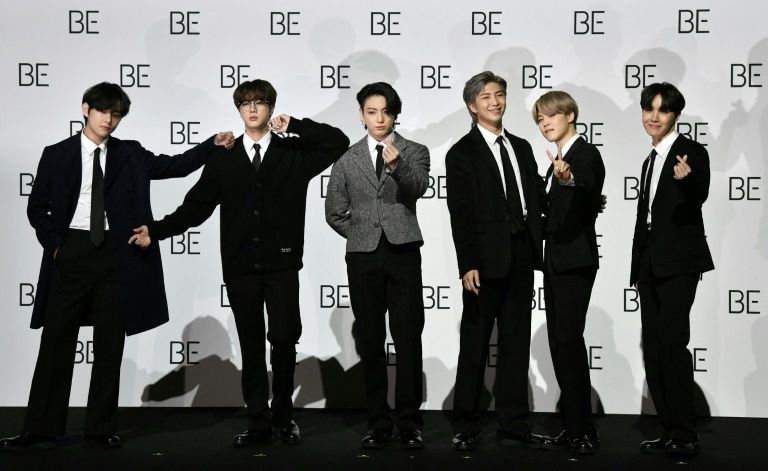
INDIO, Calif. — As the 25th Coachella Valley Music and Arts Festival unfolds this weekend under the desert sun, one notable absence is generating buzz among global K-pop fans: BTS is not on the 2026 lineup. Despite months of speculation and betting markets pricing in a possible headlining slot, the seven-member supergroup is skipping the event as it ramps up its long-awaited “ARIRANG” world tour following military service and a major comeback.

The official Coachella lineup, announced in September 2025 and finalized with set times in early April 2026, features headliners Sabrina Carpenter, Justin Bieber and Karol G — the first Latina artist to top the bill. Supporting acts include The Strokes, The xx, Addison Rae, Young Thug and a strong Asian representation led by BIGBANG’s reunion performance, SHINee’s Taemin, global girl group KATSEYE and Filipino act BINI, the first P-pop group at the festival. No BTS name appears on the poster or daily schedules for either weekend (April 10-12 and 17-19).
BTS completed mandatory military service in 2025, with all members discharged by mid-year. The group marked its full reunion with the March 2026 release of the album “ARIRANG” and a high-profile comeback concert in Seoul’s Gwanghwamun Square, streamed on Netflix and viewed by millions. Days later, BTS launched its “ARIRANG” world tour with stadium shows in South Korea, already drawing massive crowds and featuring new tracks alongside classics like “Dynamite,” “Butter” and “Mic Drop.”
The tour, announced in January 2026, spans Asia, North America, Europe, Latin America and Australia with dozens of dates through 2027, including multiple stops at SoFi Stadium in Los Angeles. Sources close to the planning indicated that the demanding schedule, focused on dedicated arena and stadium productions, made a festival slot like Coachella logistically challenging this year. Reports of earlier negotiations — including unconfirmed rumors that HYBE sought significant influence over the festival in exchange for tour commitments — did not materialize into a booking.
Coachella organizers have increasingly embraced K-pop and Asian acts in recent editions, building on past appearances by BLACKPINK members as soloists and groups like ENHYPEN. This year’s Asian contingent shines with BIGBANG performing on the Outdoor Theatre stage April 12 and 19, Taemin taking the stage on April 11 and 18, and KATSEYE and BINI delivering debut sets. These performances are expected to draw significant international attendance and social media attention, filling part of the K-pop void left by BTS’ absence.
Fans on platforms like Reddit and TikTok had fueled speculation for months, with some betting markets assigning up to 24% odds of a BTS headlining appearance as late as early April. The group’s massive global following — bolstered by its history of breaking records and cultural impact — made the possibility tantalizing, especially as Coachella seeks to diversify its bill beyond traditional Western pop and rock. Yet official announcements and the festival’s own website confirmed no such slot.
Industry observers note that BTS has historically prioritized self-contained tours with elaborate staging over festival appearances. Their last major U.S. live shows before the military hiatus were part of the “Permission to Dance” tour in 2021-2022, emphasizing controlled environments rather than shared festival stages. The current “ARIRANG” tour follows that model, allowing the members — RM, Jin, SUGA, j-hope, Jimin, V and Jungkook — to showcase new material and reunion energy without the constraints of a multi-act bill.
For ARMY, the dedicated fanbase, disappointment is tempered by the ongoing world tour. Many who had hoped for a Coachella moment are instead planning trips to nearby SoFi Stadium dates later in 2026. Social media has shifted from speculation about desert sets to sharing tour setlists and fan cams from the Goyang Stadium opening nights, which featured heavy rotation of “ARIRANG” tracks alongside fan favorites.
Coachella’s 2026 edition still delivers strong K-pop and Asian representation. BIGBANG’s reunion as a trio (G-Dragon, Taeyang and Daesung) marks a significant comeback moment for the “Kings of K-pop,” while Taemin brings solo artistry fresh from his post-military activities. KATSEYE, the multinational girl group backed by HYBE and Geffen Records, makes its festival debut, and BINI’s historic slot highlights the growing global reach of Southeast Asian pop. Japanese acts like Fujii Kaze and Creepy Nuts add further diversity to the bill.
The festival itself remains sold out, with attendees flocking to the Empire Polo Club for the eclectic mix of pop, electronic, rock and global sounds. Justin Bieber makes his headlining debut on Saturday nights, Sabrina Carpenter returns with elevated production after her 2024 breakout, and Karol G closes Sunday evenings with cultural resonance. Late-night electronic sets, including Anyma’s premiere of the Æden project, round out the programming.
While BTS sits this one out, their influence looms large. The group’s past cultural footprint helped pave the way for increased K-pop visibility at major U.S. festivals. Coachella organizers have signaled continued interest in the genre, and analysts suggest a future BTS appearance — potentially as headliners — remains plausible for 2027 or beyond, especially if the current tour generates even more demand.
For now, the desert stage belongs to others. Fans seeking the full BTS experience are directed to the “ARIRANG” tour stops, where the septet is delivering high-energy performances blending nostalgia and fresh material. Ticket demand for those shows has broken records in multiple markets, underscoring the group’s enduring draw even without a Coachella appearance.
As weekend one of Coachella 2026 progresses, surprise guests and unannounced collaborations could still emerge — a festival tradition. Yet all signs point to BTS focusing its 2026 live efforts on its own carefully curated tour rather than sharing the spotlight in Indio.
The absence highlights the strategic choices facing superstar acts: balancing festival prestige with the creative and logistical control of headline tours. For BTS, the decision appears to favor the latter as they celebrate their reunion and chart the next chapter.
Coachella continues to evolve, embracing global sounds while delivering memorable moments for hundreds of thousands of attendees. This year’s strong Asian lineup ensures K-pop remains part of the conversation, even without the world’s biggest boy band on the bill. As the second weekend approaches, eyes remain on potential surprises — but for BTS, the spotlight shines brightest on their own global stage.
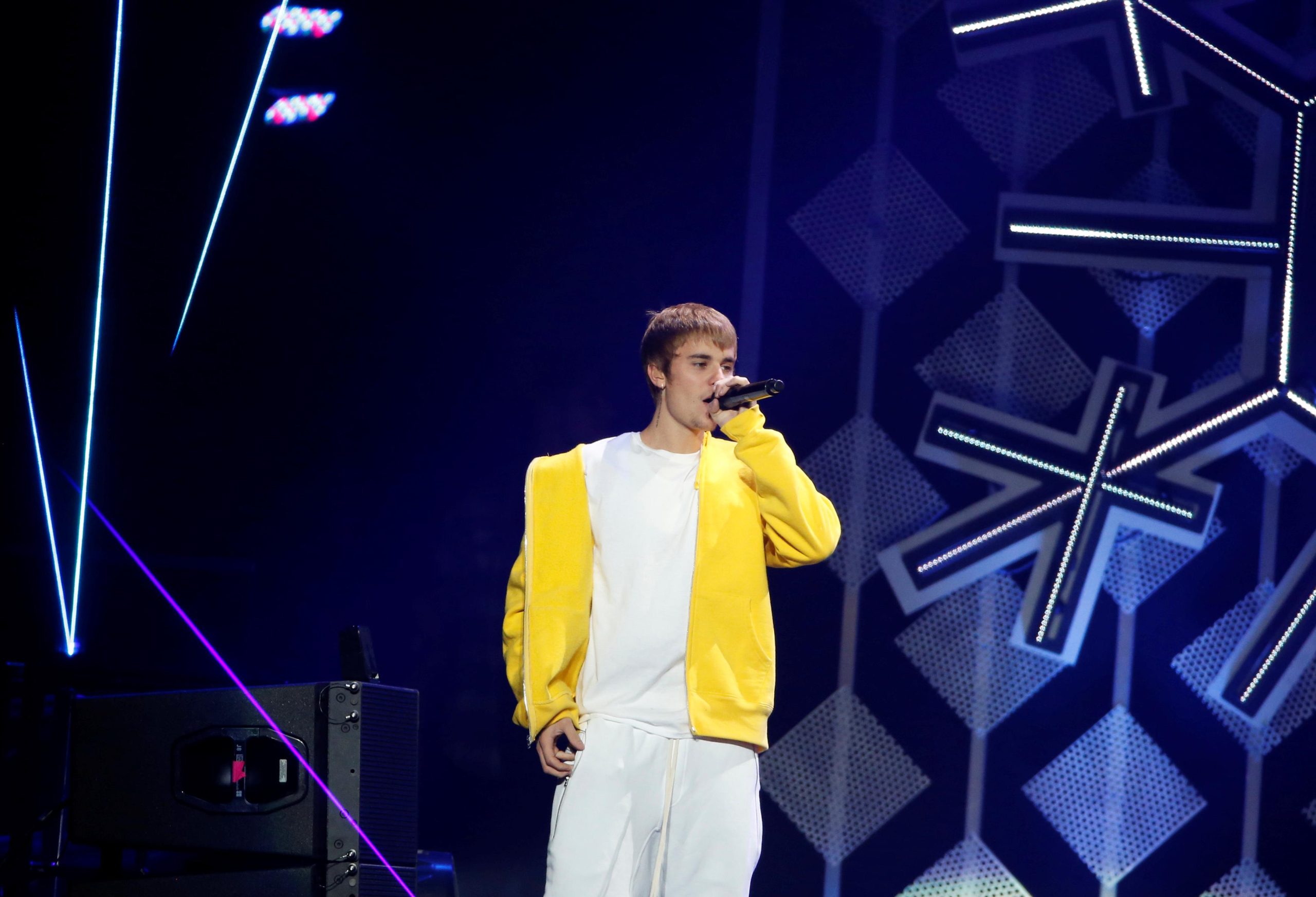
INDIO, Calif. — Justin Bieber made his long-awaited Coachella headlining debut Saturday night, closing the main stage on the second day of the 2026 festival’s first weekend with a performance that quickly sparked intense online debate and sharp criticism from fans expecting a high-energy spectacle.
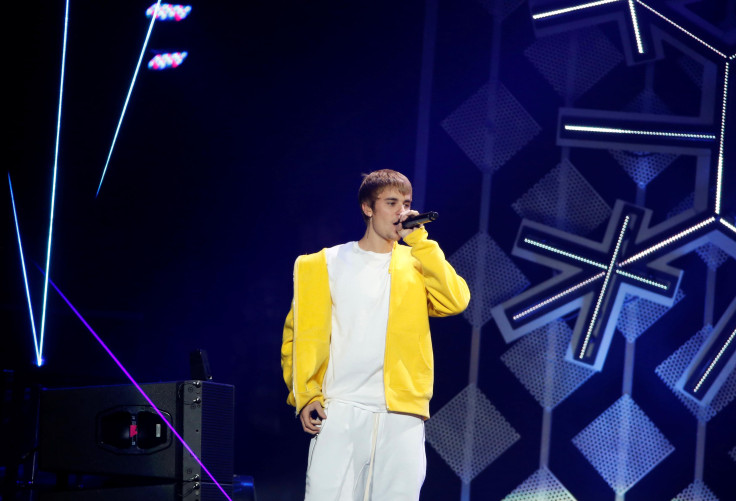
The 32-year-old pop superstar, performing at 11:25 p.m. following sets by The Strokes and Giveon, took the Empire Polo Club stage for what many anticipated would be a triumphant return to major U.S. stages after years of limited live appearances due to health issues, including Ramsay Hunt syndrome that forced him to cancel his 2022 Justice World Tour. Instead, the roughly 90-minute set left portions of the crowd and social media users disappointed, with widespread complaints about minimal production, heavy emphasis on lesser-known material from his 2025 “Swag” and “Swag II” albums, and moments that critics described as resembling “YouTube karaoke.”
Reports and fan videos circulating shortly after the performance showed Bieber at times searching for his own music videos on a laptop or device onstage, singing along to tracks including throwbacks like “Baby” and “Favorite Girl” in a stripped-back format that some attendees called underwhelming for a headliner commanding what sources described as a record $10 million fee. The approach drew immediate backlash online, with users labeling it “lazy,” a “snoozefest,” and even accusing the star of putting in minimal effort despite the massive payday and the festival’s sold-out crowds.
Bieber opened with several mid-tempo tracks and ballads from his recent releases, including “All I Can Take,” “Speed Demon,” “First Place” and “All the Way.” The set featured limited production — largely Bieber alone on the expansive main stage with occasional guitarists joining for acoustic segments — contrasting sharply with the elaborate visuals and choreography expected from Coachella headliners. A guest appearance by The Kid Laroi on “Stay” provided one of the set’s more energetic moments, but mid-set shifts toward deeper cuts reportedly led to noticeable crowd movement, including some fans leaving early.
The performance culminated in a throwback segment where Bieber pulled up classic hits via YouTube, singing over the official videos in what defenders called a raw, intimate “anti-production” vibe but detractors slammed as unprofessional for the festival’s biggest stage. Clips of buffering delays and casual pacing fueled memes and criticism across platforms, with some comparing it unfavorably to past memorable — or infamous — Coachella headline sets.
Not all reactions were negative. Dedicated Beliebers praised the personal, low-key energy and Bieber’s strong vocals, noting it felt authentic to his current artistic direction after focusing on family life and more introspective music. Supporters highlighted the set’s wholesome moments and argued that expectations of pyrotechnics and dance routines ignored Bieber’s evolution as an artist who has prioritized mental health and authenticity in recent years. Reddit threads and X posts defended the performance as “real” in contrast to more polished festival spectacles.
Festival organizers and Goldenvoice have not commented publicly on the backlash, but the set occurred amid broader weekend buzz that included Sabrina Carpenter’s theatrical Friday headlining performance and anticipation for Karol G’s historic Sunday close as the first Latina artist to top the bill. Bieber’s appearance marked his first official Coachella billing after years of guest spots and desert sightings, heightening pre-show hype that contributed to rapid sell-outs.
Industry insiders noted the high stakes for Bieber, whose last major U.S. headline run was years ago. The “Swag” albums represented a surprise release strategy emphasizing moodier, less radio-friendly sounds, which he leaned into heavily at Coachella. While the setlist included some classics toward the end, the balance tilted toward newer material, disappointing fans hoping for a greatest-hits celebration.
Social media exploded with divided opinions. Hashtags like #Bieberchella and #Coachella2026 trended, mixing praise for vocal delivery with memes about the laptop moments and casual attire. Some critics questioned whether the performance justified the reported multimillion-dollar booking, while others pointed to logistical factors — including a late-night slot and desert conditions — as potential influences on the vibe.
Bieber has maintained a lower public profile in recent years, focusing on marriage to Hailey Bieber, fatherhood and selective creative projects. His Coachella booking was seen by many as a statement return, especially after soundcheck leaks and rehearsal footage fueled excitement. Yet the execution, with its minimalist staging and unconventional song choices, appeared to catch some attendees off guard.
Coachella’s eclectic 2026 lineup featured strong supporting acts Saturday, including The Strokes delivering a tight rock set earlier in the evening and Addison Rae bringing pop energy earlier on the main stage. Bieber’s headlining slot capped a day that also saw performances across multiple tents, from indie to electronic and global acts.
The controversy arrives as the festival celebrates its 25th edition, drawing hundreds of thousands to Indio over two weekends (April 10-12 and 17-19). Livestream viewers on YouTube and the official app added to the real-time discourse, with some praising the intimate feel while others expressed frustration over camera work and pacing.
Festival history is filled with polarizing headline sets, from Frank Ocean’s stripped-back and delayed 2023 performance to other memorable highs and lows. Bieber’s debut now joins those conversations, with analysts suggesting the mixed reception could influence perceptions of his current touring prospects as he eyes further live dates.
Defenders argue the criticism overlooks Bieber’s vocal strength and artistic integrity, especially after health challenges that once raised questions about his performing future. The set’s raw elements may resonate more in replay or smaller venues, they contend, even if they felt mismatched for Coachella’s grand scale and party atmosphere.
As weekend one continues with Karol G’s Sunday headline set and the second weekend looms, attention turns to whether Bieber will adjust his approach for the April 18 performance. Organizers have not indicated changes, and the star has yet to address the online reaction publicly.
For many longtime fans, the performance still delivered nostalgic moments and confirmation of Bieber’s enduring talent. Yet the swift and vocal disappointment from segments of the audience underscores the high expectations placed on modern festival headliners in an era of social media scrutiny and viral expectations.
Coachella 2026 continues to blend established stars with emerging voices, and Bieber’s polarizing set has only amplified conversations about what constitutes a successful festival headline performance. As clips circulate and reviews pour in, the debate reflects broader tensions between artistic evolution and audience demands for spectacle.
Whether viewed as a bold, intimate statement or a missed opportunity, Justin Bieber’s Coachella debut has undeniably left its mark — sparking discussion that will likely echo long after the desert dust settles.
Business
D-Street week ahead: Q4 earnings, Iran-US talks outcome to drive markets in truncated trading week

On Friday, the 50-stock index edged higher by 275.50 points, or 1.16%, to close at 24,050.60.
Indian equity exchanges NSE and BSE will remain shut on Tuesday, April 14 on account of Dr. Baba Saheb Ambedkar Jayanti.
Nilesh Jain, Head – Technical and Derivatives Research Analyst (Equity Research) at Centrum Broking said the bulls have regained control after a brief pause in the previous session, with the Nifty closing above the psychological 24,000 mark. The broader market structure remains positive, and a further short-covering rally could push the index towards the 24,300–24,500 zone in the near term, he said.
“The base continues to shift higher, with immediate support now placed around 23,800 levels. Momentum indicators and oscillators are also signaling strength, as the RSI has moved above the 50 mark. Meanwhile, the India VIX has declined sharply by 25% during the week, easing towards the 19 mark. Any further softening in volatility is likely to provide additional comfort to the bulls,” Jain added.

1. Iran-Israel war
Amid a two-week ceasefire in the 44-day Iran/Israel/US war, Vice President JD Vance led-team began negotiations on Saturday with Iran aimed at ending the war in the Middle East. On Friday, Vance warned Iran not to “play” Washington but said he hoped peace talks would have a “positive” outcome.
“We’re going to try to have a positive negotiation,” AFY reported, quoting Vance before the take-off from Joint Base Andrews outside Washington.The outcome of the meeting will be closely watched and will significantly impact markets, either way.
2. Q4 earnings
D-Street action will be driven by Q4 earnings where 50 BSE-listed companies will report their March quarter results. In the Nifty pack will be Wipro, HDFC Bank and ICICI Bank.
Among the widely tracked broader market stocks whose earnings will be reported, include ICICI Prudential Asset Management Company, Anand Rathi Share And Stock Brokers, ICICI Prudential Life Insurance Company, Angel One, HDFC Asset Management Company, HDFC Life Insurance Company, YES Bank and Mastek.
3. US markets
While war-led sentiments continue to linger on global stock markets, Indian markets will take cues from the developments on Wall Street.
Frontline indices ended mixed on Friday. The Dow Jones Industrial Average declined 269.23 points, or 0.56%, to close at 47,916.57, while the S&P 500 fell 7.77 points, or 0.11%, to 6,816.89. The tech-heavy Nasdaq gained 80.48 points, or 0.35%, to settle at 22,902.89.
4. Crude oil
Global benchmark crude oil prices cooled-off amid talks on a peace deal between the warring factions. Any price spike could lead to a further sell-off in global equity markets, including India.
The US WTI crude oil futures ended at $95.630 per barrel on Friday, dropping $2.24 or 2.29% in a single session while Brent witnessed a surge of 1.73% or $1.66 per barrel to close at $95.20.
5. FII / DII action
Foreign institutional investors (FIIs) offloaded domestic equities worth Rs 48,213 crore in April so far, extending their selling trend in the Indian markets. They have sold shares worth Rs 1,79,335 crore on a year-to-date basis.
On Friday, FIIs bought domestic shares at Rs 672.09 crore while domestic institutional investors (DIIs) were net buyers at Rs 410.05 crore helping markets end the day with strong gains after a Thursday pause.
6. Technical triggers
Ajit Mishra, Senior Vice President – Research at Religare Broking said the index has witnessed a swift recovery and has retraced nearly four weeks of losses, indicating potential for further upside towards the 24,300–24,700 zone. “A moderation in the volatility index, India VIX, now around 19, is adding to investor comfort. Traders should maintain a positive yet cautious stance, with the index needing to hold decisively above the key level of 23,500 (20 DEMA),” Mishra said.
7. Rupee Vs dollar
Rupee movement against the US dollar will be closely tracked.
The currency ended marginally lower for the day after a choppy session that saw it touch a three-week peak of 92.4150 per dollar before slipping to 92.7550 during the day. It ended 0.1% lower than its previous close, gaining 0.4% this week.
In recent sessions, the rupee has drawn support from the Reserve Bank of India’s move to impose limits on banks’ onshore FX net open positions, which forced lenders to sell dollars in the local market.
Oil prices dropped after the U.S. and Iran agreed on a two-week truce earlier in the week, easing some concerns about prolonged disruptions to the world’s crude oil supply.
The impact of both these developments is now baked into the current prices, traders said, and the rupee may soon resume its downward trend.
“The cushion that held the rupee steady is beginning to thin, and this is where the story starts to shift,” said Amit Pabari, managing director at FX advisory firm CR Forex.
“Just as domestic support begins to fade, the global backdrop is turning uneasy again.”
The scope for further strength seems limited, with a gradual move towards 93.50–94.00 levels likely on the cards, he added.
8. IPO watch
The primary markets will see some action as one mainboard and one SME IPO will open for bidding.
The book building issue of Citius Transnet InvIT IPO will open on Friday, April 17 where the company plans to raise Rs 1,340 crores. The issue is entirely a fresh issue and the price band will be announced later.
Mehul Telecom SME will also be launched on Friday. It is also a book build issue of Rs 27.73 crores. The issue is entirely a fresh issue of 28 lakh shares.
Meanwhile bidding in Om Power Transmission and Property Share Investment Trust-Propshare Celestia SM REIT will close next week.
There will be three listings in the coming week. Om Power Transmission stock will be listed on Friday while stocks of SME companies Emiac Technologies and Safety Controls & Devices will also make their market debuts.
9. Corporate action
Investors can expect stock specific trends during the week as a clutch of companies will have corporate actions line-up. These include a buyback, dividend, stock split, and spin-off event.
Aurobindo Pharma Limited and Muthoot Finance Limited will turn ex-date for buyback and dividend, respectively, while Pashupati Cotspin Limited and Prima Plastics Limited will see action around a stock split and demerger.
(Disclaimer: Recommendations, suggestions, views and opinions given by the experts are their own. These do not represent the views of Economic Times)

The Investment Doctor is a financial writer, highlighting European small-caps with a 5-7 year investment horizon. He strongly believes a portfolio should consist of a mixture of dividend and growth stocks.
He is the leader of the investment group European Small Cap Ideas which offers exclusive access to actionable research on appealing Europe-focused investment opportunities not found elsewhere. The a focus is on high-quality ideas in the small-cap space, with emphasis on capital gains and dividend income for continuous cash flow. Features include: two model portfolios – the European Small Cap Ideas portfolio and the European REIT Portfolio, weekly updates, educational content to learn more about the European investing opportunities, and an active chat room to discuss the latest developments of the portfolio holdings. Learn more.
Analyst’s Disclosure: I/we have a beneficial long position in the shares of TBB either through stock ownership, options, or other derivatives. I wrote this article myself, and it expresses my own opinions. I am not receiving compensation for it (other than from Seeking Alpha). I have no business relationship with any company whose stock is mentioned in this article.
Seeking Alpha’s Disclosure: Past performance is no guarantee of future results. No recommendation or advice is being given as to whether any investment is suitable for a particular investor. Any views or opinions expressed above may not reflect those of Seeking Alpha as a whole. Seeking Alpha is not a licensed securities dealer, broker or US investment adviser or investment bank. Our analysts are third party authors that include both professional investors and individual investors who may not be licensed or certified by any institute or regulatory body.

Eight penny stocks delivered 25% to 204% gains over three months, led by Starlineps Enterprises. Screened by low price, market cap, and liquidity, these high-momentum stocks attract investors but carry significant risks including volatility, low transparency, and liquidity concerns requiring disciplined investing.

Attractive Setup In Fallen Angels: 7% Yield And New Downgrades

Miners brace for changing economics ahead of 2028 Bitcoin halving
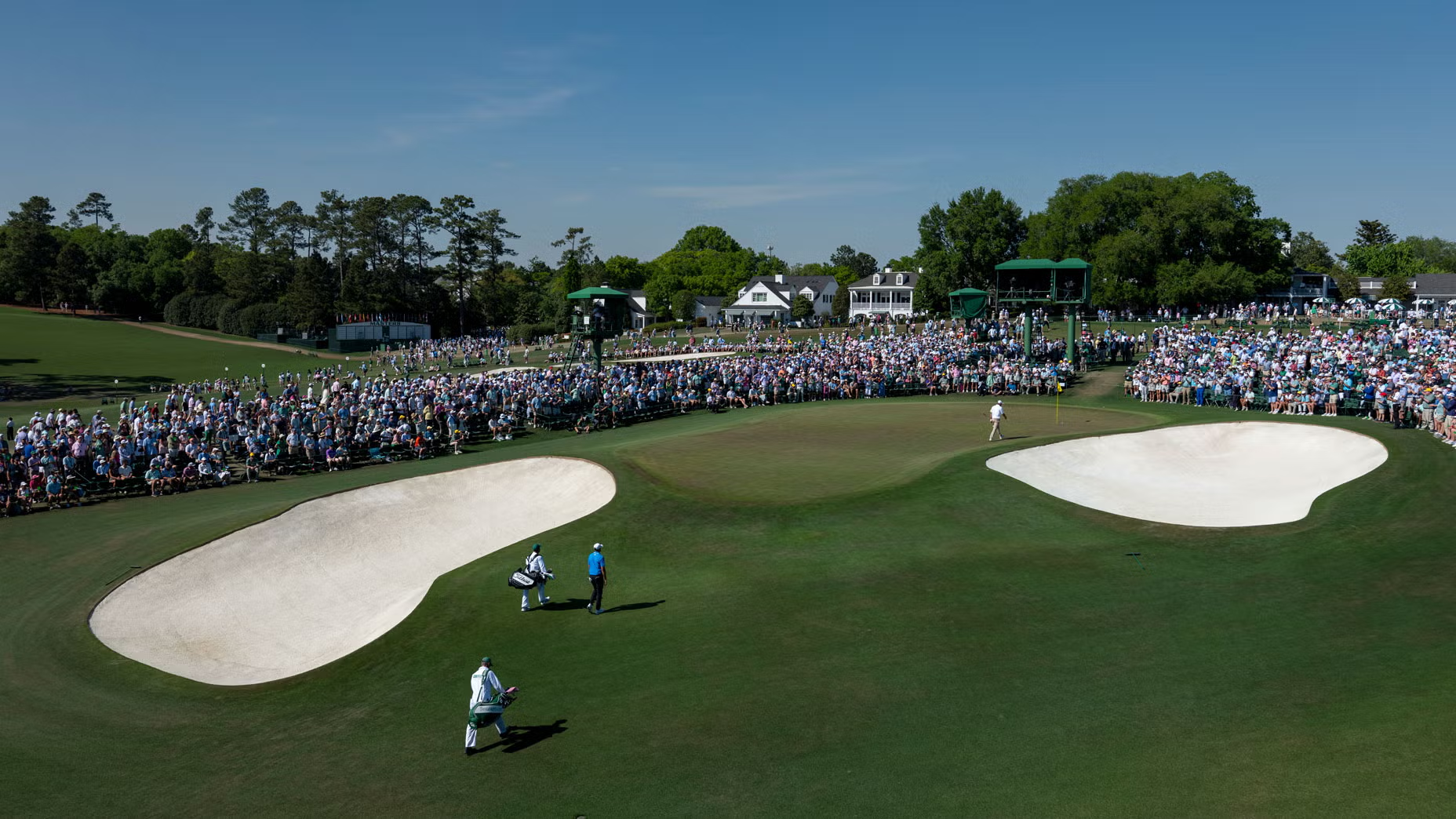
Brown patches on Augusta’s greens? A superintendent explains

Why Israel is blocking foreign journalists from entering

Bitcoin: We’re Entering The Most Dangerous Phase

Alan Cumming Brands Baftas Ceremony A ‘Triggering S**tshow’

XRP: ALL HELL BREAKS LOOSE As Trump Issues Urgent Warning

Emotional Blackmail Disguised as Financial Support #estrangementawareness

bitcoin explained in hindi – bitcoin account kaise banaye | bitcoin kaise kharide aur beche | zebpay
-

 Business7 days ago
Three Gulf funds agree to back Paramount’s $81 billion takeover of Warner, WSJ reports
-

 Politics2 days ago
US brings back mandatory military draft registration
-

 Fashion2 days ago
Weekend Open Thread: Veronica Beard
-

 Tech5 days ago
How Long Can You Drive With Expired Registration? What Florida Law Says
-

 Fashion6 days ago
Massimo Dutti Offers Inspiration for Your Summer Mood Board
-
 Sports2 days ago
Man United discover Nico Schlotterbeck transfer fee as defender reaches Dortmund agreement
-

 Crypto World3 days ago
Canary Capital Files SEC Registration for PEPE ETF
-

 Fashion5 days ago
Let’s Discuss: DEI in 2026
-

 Business2 days ago
Tesla Model Y Tops China Auto Sales in March 2026 With 39,827 Registrations, Beating Cheaper EVs and Gas Cars
-

 Crypto World4 days ago
Bitcoin recovers as US and Iran Agree a Ceasefire Deal
-

 Politics2 days ago
Malcolm In The Middle OG Turned Down ‘Buckets Of Money’ To Appear In Reboot
-

 Business2 days ago
OpenAI Halts Stargate UK Data Centre Project Over Energy Costs and Copyright Row
-

 Business23 hours ago
Ireland Fuel Protests Enter Day 5 as Blockades Spark Shortages and Government Prepares Support Package
-

 Tech6 days ago
Italian court says Netflix must refund customers up to $576 over price hikes
-

 Tech6 days ago
Gamer Restores the Original PlayStation Portal From Two Decades Ago
-

 Tech6 days ago
Haier is betting big that your next TV purchase will be one of these
-

 Tech6 days ago
The Xiaomi 17 Ultra has some impressive add-ons that make snapping photos really fun
-

 Tech6 days ago
Samsung just gave up on its own Messages app
-

 Politics2 days ago
LBC Presenter Mocks Trump Over Iran War Failures
-

 Tech6 days ago
Save $130 on the Samsung Galaxy Watch 8 Classic: rotating bezel, sleep coaching, and running coach for $369
You must be logged in to post a comment Login