

Connect with us
DAPA Banner
DAPA Coin
DAPA
COIN PAYMENT ASSET
PRIVACY · BLOCKDAG · HOMOMORPHIC ENCRYPTION · RUST
ElGamal Encrypted MINE DAPA
🚫 GENESIS SOLD OUT
DAPAPAY COMING

Tech

Amphion Argon7LX at AXPONA 2026 Proves Finland Still Builds Speakers That Shame the Rest of Us (Quietly, of Course)

Published

on

Finland usually exports two things with authority: hockey players like Teemu Selänne and beverages that feel like a dare. High-end loudspeakers? Not so much — at least that was the assumption before Amphion Loudspeakers decided to quietly ruin that narrative.

First unveiled at High End Munich 2025, the new Argon X-Series which includes the Argon3X, Argon3LX, and Argon7LX, finally made its way to AXPONA 2026, giving us our first real chance to hear what all the quiet confidence was about.

No, Amphion doesn’t offer the same overwhelming breadth of models as the Danes who practically carpet-bombed this show with options, but that’s not really the point. What Amphion brings is focus: cleaner execution, refined engineering, and a sound that leans toward honesty over theatrics. With expanded U.S. distribution through Playback Distribution, these Finnish imports are no longer a niche curiosity.

amphion-right-speaker-axpona-2026

Finnish Precision Meets Studio Credibility

For more than 25 years, Amphion Loudspeakers has taken a more restrained approach to speaker design. Instead of boosting bass or adding extra sparkle up top to grab attention in a quick demo, their speakers are built to play it straight. What you hear is closer to what was actually recorded, which means better recordings sound great and bad ones have nowhere to hide.

That same approach has carried into the pro audio world over the past decade, where engineers working with Billie Eilish, Beck, and Kendrick Lamar rely on Amphion studio monitors for mixing. Film composers such as Ali Shaheed Muhammad and Jussi Tegelman have adopted them as well, where consistency and accuracy matter more than sounding impressive for five minutes.

Advertisement

Amphion Argon7LX: What It Is and What Actually Changed

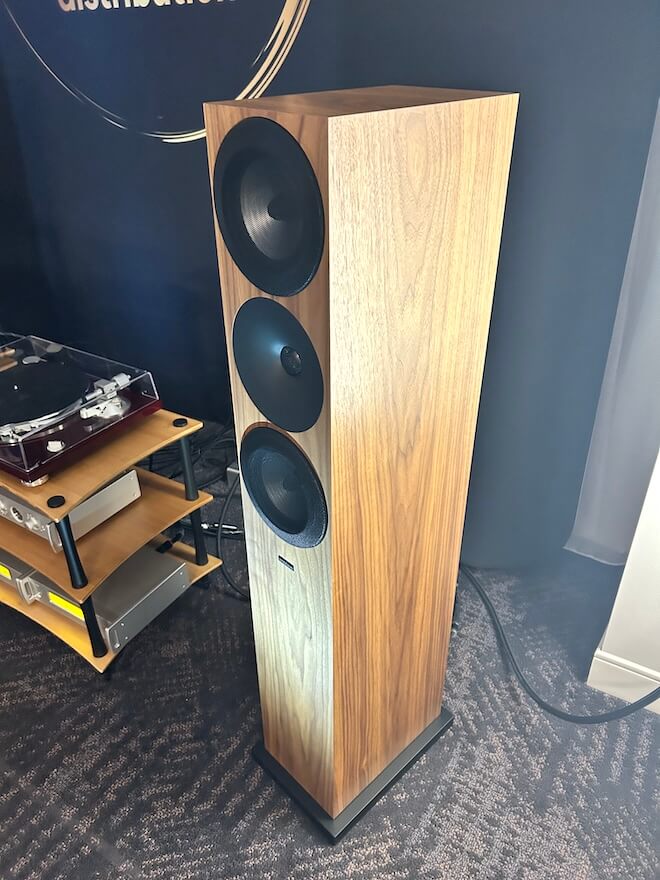
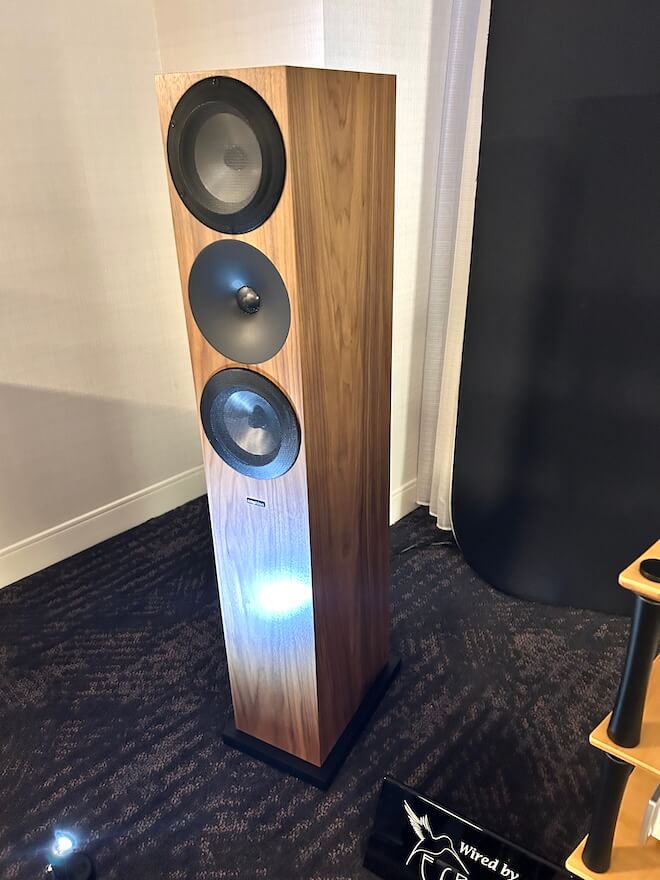
The Argon7LX is a floorstanding loudspeaker from Amphion Loudspeakers that sticks to a fairly straightforward concept on paper but executes it with a level of precision that’s anything but casual. It’s a two-way design using a passive radiator system, built around a newly developed 1 inch titanium tweeter and dual 6.5-inch aluminum woofers. That configuration is meant to deliver full range sound without relying on a traditional port, which helps keep the bass tighter and more controlled, especially in real rooms where things can get messy fast.

The biggest update here is the tweeter, and it’s not a cosmetic change. Amphion revised it to improve low level detail and clean up the top end without pushing things into fatigue. There’s more information, but it’s presented in a controlled way. The crossover has also been reworked and sits at 1600 Hz, which is relatively low, helping create a smoother transition between the tweeter and woofers. The result is better integration, so the sound doesn’t feel segmented across frequencies.

That carries into the soundstage. Imaging is stable, placement is precise, and nothing shifts around when the material gets more complex. The bass remains controlled, but the more noticeable change is how it connects with the midrange and treble. The overall presentation is more cohesive and consistent.

teac-stack-axpona-2026
amphion-system-turntable-axpona-2026

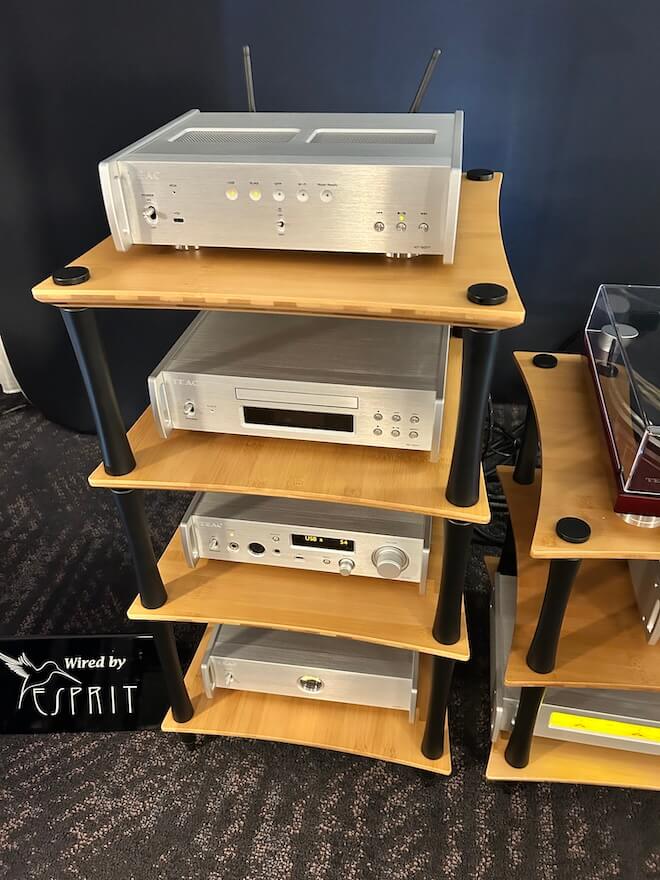
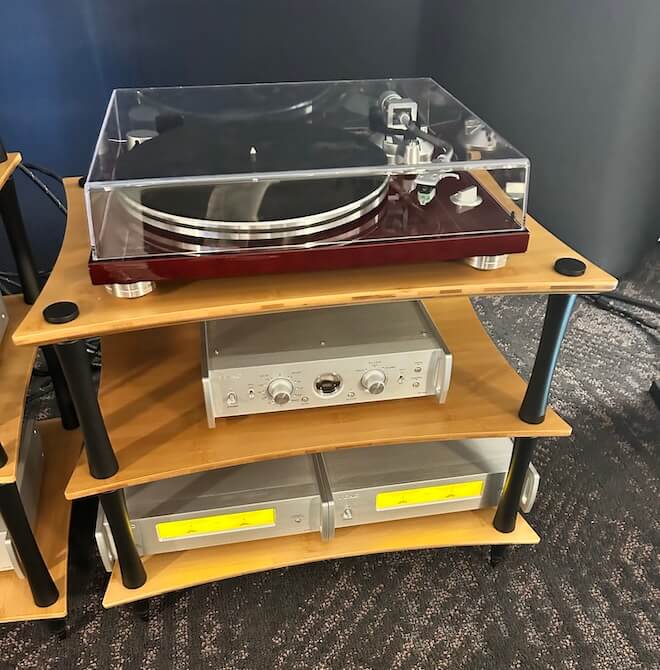
For the demo, Amphion Loudspeakers used two compact TEAC AP-507 power amplifiers, also distributed in the U.S. by Playback Distribution. Each amplifier delivers 170 watts per channel into 4 ohms and can be configured for stereo, bi-amp, or bridged operation, with higher output available in BTL mode. The pairing had no issue driving the Argon7LX to normal listening levels with control and stability, which is notable given the size of the amplifiers.

On the practical side, the Argon7LX is a 4 ohm speaker with a sensitivity rating of 91 dB, which means it’s not especially hard to drive but will benefit from an amplifier with solid current delivery. Amphion recommends anywhere from 50 to 300 watts, which gives you some flexibility depending on your setup.

Advertisement

Frequency response is rated from 28 Hz to 55 kHz at minus 6 dB, so it reaches low enough for most music without needing a subwoofer, while also extending well beyond the limits of human hearing on the top end.

Advertisement. Scroll to continue reading.

Physically, it’s a substantial speaker without being ridiculous. Just over 45 inches tall, under 10 inches wide, and weighing about 60 pounds each, it’s designed to fit into real living spaces without dominating them.

amphion-argon-7lx-speaker-left-axpona-2026

So how did it sound? Calm, controlled… and slightly judging you

I walked into the room expecting at least a small crowd and… nothing. A few seats open, plenty of space, almost suspiciously calm. This system had no business being that overlooked. My host didn’t rush anything, just handed me the reins. When I asked for electronic music, he cracked a slight smile and queued up a few tracks he clearly had ready. Finns get it. They’ll dismantle your penalty kill and still have time to argue about synth textures.

Right off the bat, the neutrality hits. No extra flavor, no “look what I can do” tuning. Just fast, clean, open sound that moves with real intent. Propulsive fits. The music had momentum, not just presence. It filled the room without feeling pushed, and there was an ease to it that made you stop thinking about the system and just let it run. Detail was there, but it didn’t feel dissected. More like everything was just… available.

Advertisement

The bass? Not trying to win any Texas BBQ competitions. This isn’t brisket dripping onto your plate. More like a perfectly trimmed filet—tight, controlled, and cooked exactly how it should be. You might want a little more heft if that’s your thing, but it never felt thin or out of place. There was even a hint of that club-like scale, just without the kind of low end that rearranges your organs and your plans for the next morning. Don’t forget to bring some protection.

For more information: amphion.fi

Source link

Advertisement
Continue Reading
Click to comment

You must be logged in to post a comment Login

Leave a Reply

Tech

Today’s NYT Strands Hints, Answer and Help for May 25 #813

Published

on

Looking for the most recent Strands answer? Click here for our daily Strands hints, as well as our daily answers and hints for The New York Times Mini Crossword, Wordle, Connections and Connections: Sports Edition puzzles.


The NYT puzzle editors don’t always acknowledge the calendar or holidays, but today’s NYT Strands puzzle does just that. Some of the answers are difficult to unscramble, so if you need hints and answers, read on.

I go into depth about the rules for Strands in this story

Advertisement

If you’re looking for today’s Wordle, Connections and Mini Crossword answers, you can visit CNET’s NYT puzzle hints page.

Read more: NYT Connections Turns 1: These Are the 5 Toughest Puzzles So Far

Hint for today’s Strands puzzle

Today’s Strands theme is: Thank you.

Advertisement

If that doesn’t help you, here’s a clue: We remember.

Clue words to unlock in-game hints

Your goal is to find hidden words that fit the puzzle’s theme. If you’re stuck, find any words you can. Every time you find three words of four letters or more, Strands will reveal one of the theme words. These are the words I used to get those hints but any words of four or more letters that you find will work:

  • MERE, RIOT, PROM, TROT, RACE, RICE, LOAD, TOAD, VICE, TOTE, MEME

Answers for today’s Strands puzzle

These are the answers that tie into the theme. The goal of the puzzle is to find them all, including the spangram, a theme word that reaches from one side of the puzzle to the other. When you have all of them (I originally thought there were always eight but learned that the number can vary), every letter on the board will be used. Here are the nonspangram answers:

  • HONOR, VIRTUE, SERVICE, SACRIFICE, PROTECTION

Today’s Strands spangram

completed NYT Strands puzzle for May 25, 2026

The completed NYT Strands puzzle for May 25, 2026.

NYT/Screenshot by CNET

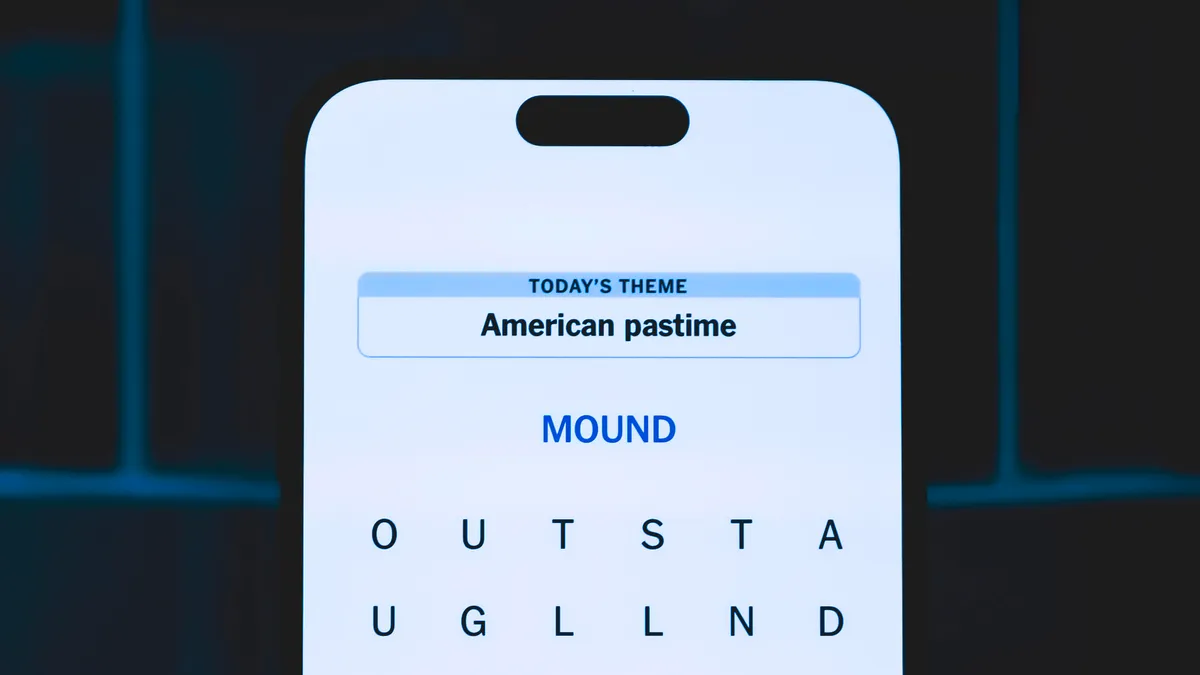
Today’s Strands spangram is MEMORIALDAY. To find it, start with the M that’s the first letter on the top row, and wind across and then down.

Advertisement

Source link

Continue Reading

Tech

Hackaday Links: May 24, 2026

Published

on

If your first-generation Chromecast was acting a little wonky this week, don’t worry. Contrary to fears online, the 2014 device hasn’t been excommunicated by Google. In a statement to Ars Technica, a rep for the search giant explained that the issue, which was keeping the devices from being able to stream video from services like Netflix, was temporary and should now be resolved. That said, the OG Chromecast hasn’t officially been supported since 2023, so it’s not clear how much longer they will remain operational. Google be Google, after all.

After resisting for years, this week, Mozilla finally relented and brought Web Serial to Firefox. While there’s been some debate about the wisdom of letting the Internet directly talk to hardware gadgets, anyone who’s flashed Meshtastic or configured their Betaflight-powered drone from the browser can attest to how convenient it is. In the announcement, Mozilla acknowledges that “most folks won’t use this API”, but points out that the “community of builders and tinkerers” (that’s us!) is sure to be excited about the news. They’ve even teamed up with Adafruit to ensure their web-based microcontroller workflows are compatible in Firefox 151 and beyond. If you give it a shot, let us know how it goes.

Speaking of hardware support, the Linux Vendor Firmware Service (LVFS) recently picked up a couple of big-name sponsors. As reported by It’s FOSS, this week, Lenovo, Dell, and HP have signed on as Premier-level sponsors to the tune of $100,000 per year. For those unfamiliar, LVFS offers a central repository where hardware vendors can upload firmware updates. On the client side, fwupd can be used to pull these updates down automatically without having to hunt around on each vendor’s website. The experienced players don’t need a service like LVFS, but it’s certainly one of those quality-of-life improvements that make the desktop experience a bit more accessible.

While on the subject of getting hardware working, we hear that more PlayStation 5 consoles can now run Linux. Last month, a software solution for booting the operating system on PS5 consoles running the relatively ancient 3.x and 4.x firmware was released, but now developer Andy Nguyen has gotten it working on firmware 5.x and at least some versions of 6.x. That’s still considerably behind Sony’s latest release, but it does open things up for more consoles to get in on the action.

Advertisement

In space news, the successful first flight of Starship V3 has understandably dominated the headlines for the last few days, but SpaceX wasn’t the only commercial launch provider with good news this week. On Friday, Blue Origin announced they had completed the investigation into the failure of its New Glenn rocket back on April 19th and that the Federal Aviation Administration has approved its return to flight.

According to a statement from the FAA, Blue Origin “identified the direct cause of the mishap as a cryogenic leak that froze a hydraulic line and led to a thrust anomaly during the second stage engine burn.” This resulted in the payload, a next-generation communications satellite featuring a massive 2,400 sq ft deployable antenna array developed by AST SpaceMobile, being placed in an unsustainable orbit.

If you’ve always dreamed of piloting your own walking battle tank, you might finally be in luck. China’s Unitree Robotics has unveiled a mech standing 2.7 meters tall, complete with a promotional video showing it smashing cinder blocks. Because what else would you do with a robot you just paid more than half a million dollars for? Unfortunately, there isn’t much information about the bot’s speed or endurance, and a company spokesperson says the design still needs some refinement before it is ready for production. But still, we’re getting there. Might as well start saving up now.

Finally, we were thrilled to hear that the iconic soundtrack for DOOM has been inducted into the National Recording Registry by the Library of Congress. There’s perhaps no piece of software more emblematic of the hardware hacking world than the 1993 shooter, and while we don’t think that had anything to do with the decision to formally recognize the game’s heavy metal-inspired digital riffs, it will be all that much sweeter the next time we see some oddball gadget running through E1M1.

Advertisement

See something interesting that you think would be a good fit for our weekly Links column? Drop us a line, we’d love to hear about it.
Source link

Advertisement
Continue Reading

Tech

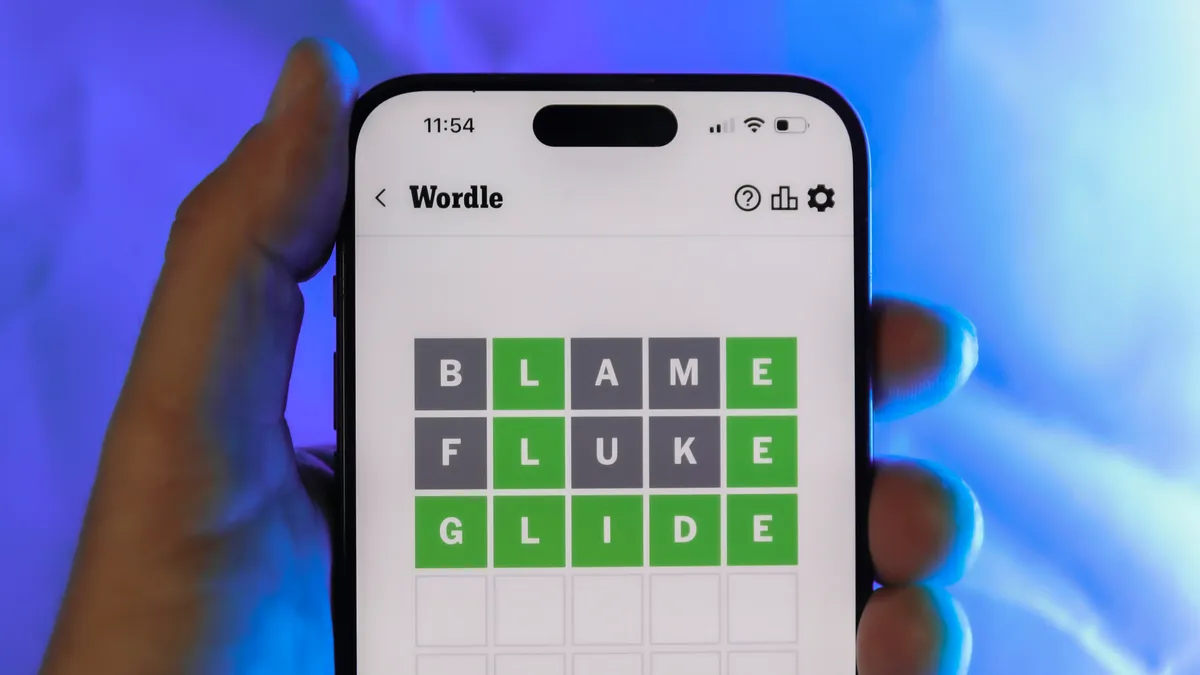
Today’s NYT Wordle Hints, Answer and Help for May 25 #1801

Published

on

Looking for the most recent Wordle answer? Click here for today’s Wordle hints, as well as our daily answers and hints for The New York Times Mini Crossword, Connections, Connections: Sports Edition and Strands puzzles.


Today’s Wordle puzzle is a bit of a challenge. If you need a new starter word, check out our list of which letters show up the most in English words. If you need hints and the answer, read on.

Read more: New Study Reveals Wordle’s Top 10 Toughest Words of 2025

Advertisement

Today’s Wordle hints

Before we show you today’s Wordle answer, we’ll give you some hints. If you don’t want a spoiler, look away now.

Wordle hint No. 1: Repeats

Today’s Wordle answer has one repeated letter.

Wordle hint No. 2: Vowels

Today’s Wordle answer has one vowel, but it’s the repeated letter, so you’ll see it twice.

Wordle hint No. 3: First letter

Today’s Wordle answer begins with V.

Advertisement

Wordle hint No. 4: Last letter

Today’s Wordle answer ends with T.

Wordle hint No. 5: Meaning

Today’s Wordle answer can refer to the act of going to a person or place for a short time to socialize.

TODAY’S WORDLE ANSWER

Today’s Wordle answer is VISIT.

Advertisement

Yesterday’s Wordle answer

Yesterday’s Wordle answer, May 24, No. 1800, was NIECE.

Recent Wordle answers

May 20, No. 1796: WRECK

May 21, No. 1797: AGREE

May 22, No. 1798: VOCAL

Advertisement

May 23, No. 1799: CHUCK

Source link

Advertisement
Continue Reading

Tech

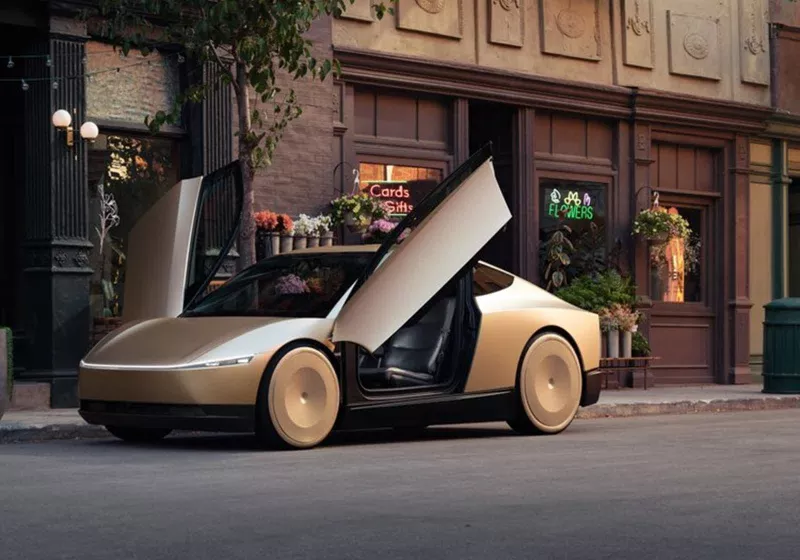
Tesla's Cybercab just became the most efficient EV ever built

Published

on


On paper, the number is striking. In practice, it reflects a very different kind of vehicle.
Read Entire Article
Source link

Continue Reading

Tech

The Email Of The Future In 1986

Published

on

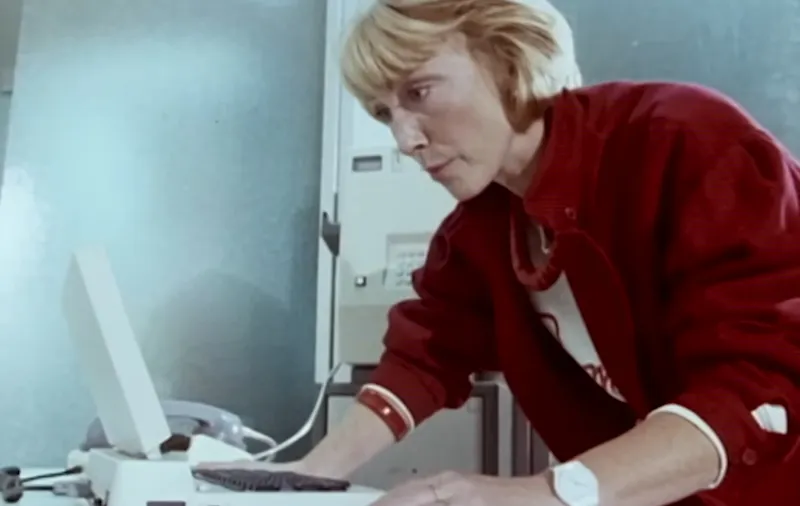
With so many online messaging services to choose from it’s almost as though the daddy of them all, email, has faded into the background as something you only use for more formal contacts. But it’s still the underpinning of much of the business world’s electronic communication and is likely to stay so for the foreseeable future. The BBC Archive takes us back to a time when email was relatively new, when in 1986 [Lesley Judd] takes a very chunky 1980s laptop on a plane from London to the Netherlands, and sends an email to her colleague at home using a payphone and an acoustic coupler.

There are so many of-their-era quirks in this film it’s difficult to pick, but little things like the aircraft still having smoking and non-smoking areas, there being no sign of a mobile telephone, or the payphone operating in Guilders rather than Euros make it from a different time. Perhaps most interesting though is the email system in use, because this isn’t an internet based service. Instead it’s using Telecom Gold, which was the UK telco BT’s online service offering to businesses, and part of the international Dialcom network. This was a commercial service which  hung on until some time in the 1990s when the Internet finally displaced it.

The British writer L. P. Hartley used the phrase “The past is a foreign country; they do things differently there” as the opening sentence of one of his books, and the film below the break certainly brings that to mind. It’s a time that’s within reach, yet the changes in information technology over even the next decade or so would make the tech depicted not just obsolete but almost unrecognizable. Most of us today could sit at a 1996 laptop and send an email, but few of us would be as immediately at home with Telecom Gold.

It’s still possible to use an acoustic coupler today though.

Advertisement

Source link

Advertisement
Continue Reading

Tech

Today’s NYT Connections Hints, Answers for May 25 #1079

Published

on

Looking for the most recent Connections answers? Click here for today’s Connections hints, as well as our daily answers and hints for The New York Times Mini Crossword, Wordle, Connections: Sports Edition and Strands puzzles.


Today’s NYT Connections puzzle is a medium-tough one, I think. I recognized the blue category words right away. Read on for clues and today’s Connections answers.

The Times has a Connections Bot, like the one for Wordle. Go there after you play to receive a numeric score and to have the program analyze your answers. Players who are registered with the Times Games section can now nerd out by following their progress, including the number of puzzles completed, win rate, number of times they nabbed a perfect score and their win streak.

Advertisement

Read more: NYT Connections Puzzle: Here’s a Great Hint to Help You Win

Hints for today’s Connections groups

Here are four hints for the groupings in today’s Connections puzzle, ranked from the easiest yellow group to the tough (and sometimes bizarre) purple group.

Yellow group hint: It’s free!

Advertisement

Green group hint: Not a lot.

Blue group hint: OMG is another one.

Purple group hint: You see with them.

Answers for today’s Connections groups

Yellow group: Common promo items.

Advertisement

Green group: Tiny bit.

Blue group: Texting abbreviations.

Purple group: Eye ____.

Read more: The One Wordle Hack That Can Save Your Winning Streak

Advertisement

What are today’s Connections answers?

completed NYT Connections puzzle for May 25, 2026.

The completed NYT Connections puzzle for May 25, 2026.

NYT/Screenshot by CNET

The yellow words in today’s Connections

The theme is common promo items. The four answers are cap, pin, shirt and sticker.

The green words in today’s Connections

The theme is tiny bit. The four answers are jot, scrap, shred and whit.

Advertisement

The blue words in today’s Connections

The theme is texting abbreviations. The four answers are ATM, CYA, LOL and TIA.

The purple words in today’s Connections

The theme is eye ____. The four answers are ball, brow, lash and lid.

Source link

Advertisement
Continue Reading

Tech

NYT Strands hints and answers for Monday, May 25 (game #813)

Published

on

Looking for a different day?

A new NYT Strands puzzle appears at midnight each day for your time zone – which means that some people are always playing ‘today’s game’ while others are playing ‘yesterday’s’. If you’re looking for Sunday’s puzzle instead then click here: NYT Strands hints and answers for Sunday, May 24 (game #812).

Strands is the NYT’s latest word game after the likes of Wordle, Spelling Bee and Connections – and it’s great fun. It can be difficult, though, so read on for my Strands hints.

Want more word-based fun? Then check out my NYT Connections today and Quordle today pages for hints and answers for those games, and Marc’s Wordle today page for the original viral word game.

Advertisement

Source link

Continue Reading

Tech

AI ‘Crashes the Party’ at This Year’s Cannes Film Festival – Including Multi-Year Meta Partnership

Published

on

AI “crashed the party” at this year’s Cannes Film Festival, writes The Hollywood Reporter. The festival exposed “the fault lines reshaping cinema,” their article argues, including how “AI is here — and the industry has stopped pretending otherwise.”

A humanoid robot spotted marching up and down the Croisette seemed to sum up the worst AI fears of the film industry — the machines have arrived and they are taking your place. But inside the Palais and the market tents, the conversation over artificial intelligence had moved beyond fear into something more like uneasy acceptance. Fighting AI “is a battle we will lose,” said Demi Moore, a Cannes jury member this year, at the festival’s opening press conference, suggesting the film industry needs to “find ways in which we can work with it.”

That’s not the official Cannes line. The festival has banned films using generative artificial intelligence from its competition lineup. But at the Cannes film market, and in discussions at industry events over the past two weeks, the tone has shifted. AI-friendly tech giant Meta signed on as an official partner to the festival in a multiyear deal. Its AI tools were used to help produce an [out of competition] festival entry: Steven Soderbergh’s documentary John Lennon: The Last Interview. [Meta’s press release announcing the partnership touts “our creator partnerships,” their Meta AI assistant, and “our latest AI and wearable technologies” including Ray-Ban Meta AI features for smartglasses like “AI-powered translations that break down language barriers in real-time”.] At the Marché du Film [film market], there was an “AI for Talent Summit” that took the AI revolution as given, focusing instead on ethical AI use, data sovereignty and on the ways the technology can be used to enhance, rather than replace, creativity.

For the indie film industry, it felt like a turning point.

Advertisement

Source link

Continue Reading

Tech

What’s The Difference Between American And European Traffic Lights?

Published

on


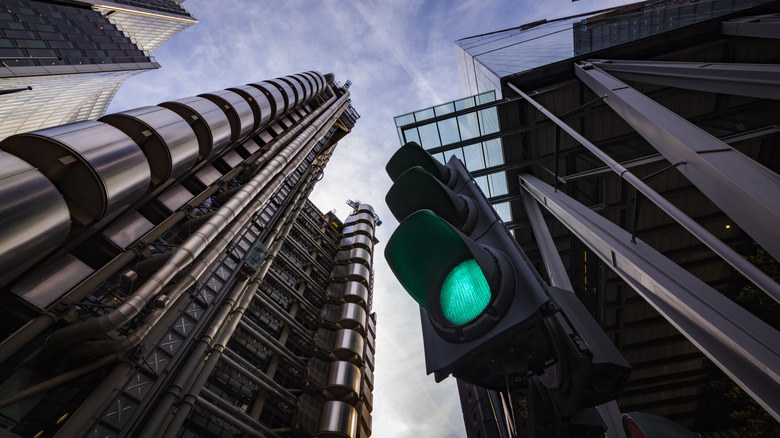
One of the most important safety advancements to happen to the world of wheeled transport, is the traffic light. If you have a driver’s license, you already know how it works; if the light is red, it means stop, and when the light turns green, it means go. In the United States, when the green light is up, the amber light comes on letting you know it’s time to slow down before it turns red. In Europe, that happens as well, but also, before they turn green, European traffic signals will enable both the red and amber light at the same time.

The amber and red lights illuminating simultaneously indicates that you should prepare to set off. That makes sense and considering Europeans use manual transmissions a lot more, it gives you just the right amount of time to push the clutch in and shift into first.  

In some European countries, the green signal also flashes a couple of times to let you know that it’s about to turn red. In the U.S., the amber light does not come on before the change from red to green.

Advertisement

Other key differences between European and American traffic signals

European traffic signals have a few other differences compared to American traffic signals. The colors are the same, and the colors on traffic lights have a pretty interesting origin story. One of the differences is the amber light flashing on its own; American traffic lights have this as well, but it’s usually to warn of pedestrians or other road hazards that are coming up, or they indicate that you should yield to oncoming traffic and pedestrians if you’re making a turn. 

In Europe, a flashing yellow traffic light often means that the signal has been disabled, and that you should pay attention to the road sign directly above the traffic light (which could be either right of way or yield). Traffic lights are always disabled when police officers are guiding traffic, and at that point, their signals take precedent over everything else. 

Advertisement

What’s more, European traffic signals are also designed around pedestrians and cyclists, since a lot of cycle lanes are often directly next to the road. Speaking of pedestrians, whereas most traffic lights in America will display Walk and Don’t Walk in big capital letters, European traffic lights simply use stick figures. Rhythmic clicking or beeping is also common for pedestrians with impaired eyesight.

A camera placed near or on the traffic light is common in Europe and the U.S. It can be a red-light camera in some European countries and cities, but more often than not, it’s a speed camera that fines you automatically if you’re going above the speed limit.

Advertisement


Source link

Continue Reading

Tech

Seattle, we’ve got an image problem

Published

on

The cover of Newsweek magazine, May 20, 1996 — exactly 30 years ago today.

Take a breath, close your eyes, and think about the words that define Seattle.

Innovative. Outdoorsy. Global. Inventive. Smart. Progressive. Independent. A little reserved. A little weird.

Thirty years ago today, Newsweek magazine published a cover story featuring political journalist Michael Kinsley titled: “Swimming to Seattle: Everybody Else Is Moving There. Should You?” 

We wrote about the piece a few years ago in a different context, and it came to mind again today — eerily, on the exact anniversary of that story.

Back in May 1996, Seattle was emerging as one of America’s great boomtowns: grunge, coffee, software, airplanes, the web. A place with talent, ideas, ambition and room to grow.

Advertisement

It’s one of the reasons why I moved here 30 years ago, from a small town in Ohio. 

Today, Seattle remains one of the world’s most important innovation hubs, home to global technology giants, leading AI research, world-class research and extraordinary entrepreneurial talent.

Which is exactly why the city’s shifting national image should concern us.

Because a new narrative about Seattle is taking hold nationally. And unlike the rain-slicker caricatures of the 1990s, this one isn’t charming.

Advertisement

The emerging narrative is this: Seattle has become increasingly ambivalent — even hostile — toward the very industries and innovators that helped build its prosperity.

Consider in the last month these headlines: 

And it’s not just the national media. Seattle’s KOMO News reported this week on remarks by former Washington state governor Chris Gregoire, who pointed out a ballooning state budget since she left office in 2013. 

“I would suggest to you, we don’t really have an income problem, we have a spending problem,” Gregoire said at a meeting hosted by the Association of Washington Business earlier this month. 

You may disagree with those headlines. You may dislike the politics behind them. But rhetoric, image and storytelling matter — especially in a moment when cities are competing fiercely for talent, investment, startups and relevance in the AI era.

Advertisement

And right now, Seattle’s story is drifting in the wrong direction.

This week, the chairman of an iconic Seattle company — not operating in the tech industry — told me that the city’s increasingly anti-business image was complicating a national CEO search. Meanwhile, entrepreneurs and investors regularly tell us they feel vilified or unwanted. 

We’ve spent more than 50 years importing some of the smartest people on the planet to this corner of the world — people working on things like cancer research, robotics, and yes AI — only to turn around and tell them not to let the door hit them on the way out.

Cities compete on psychology as much as policy. And our psychology is a bit shattered right now. 

Advertisement

Six years ago, another national narrative engulfed Seattle during the Capitol Hill Autonomous Zone, or CHAZ — a protest occupation in Seattle’s Capitol Hill neighborhood that formed during the 2020 national reckoning over policing and racial justice.

Living here at the time, I thought much of the national media portrayal was exaggerated. I remember assuring friends and family back in Ohio that Seattle had not, in fact, descended into dystopian chaos despite what cable news suggested. 

This moment feels different.

The concern now isn’t lawlessness or political theater. It’s civic drift. And right now, the national headlines resonate. They are telling a real story. 

Advertisement

Seattle’s uncertainty about the very economic engine that transformed it into a global city is something that competitors are already beginning to notice.

Contrast Seattle with San Francisco, another progressive West Coast city wrestling with many of the same challenges. Its leaders are aggressively selling a comeback narrative centered on AI, entrepreneurship and reinvention.

Seattle, by comparison, is a city arguing with its own success.

San Francisco’s current narrative: A city on the rise

Advertisement

Seattle’s current narrative: A city in demise. 

Of course, there has always been a strain of “Lesser Seattle” thinking woven into Seattle’s culture — the instinct to resist growth, keep outsiders away and preserve an earlier version of the city before construction cranes and rapid change arrived.

That sentiment isn’t entirely irrational. Growth brought real costs: affordability challenges, displacement, congestion, inequality.

But it also brought extraordinary opportunities.

Advertisement

And in an era when artificial intelligence is reshaping industries, cities cannot afford to become complacent, confused about their identity, or dismissive of the people and companies driving innovation.

Seattle still has remarkable advantages. But advantages are not permanent.

Cities rise because they project confidence, ambition, and possibility. They decline when they begin treating success as something inevitable — or worse, something suspect.

Maybe that’s why another piece of Seattle culture has been stuck in my head lately: the absurdly catchy 1996 song “Peaches” by the Seattle rock band The Presidents of the United States of America: “I’m movin’ to the country, I’m gonna eat me a lot of peaches.”

Advertisement

The song captured a certain quirky, ironic version of Seattle at the tail end of the grunge era, a city that didn’t take itself too seriously.

Right now, though, Seattle faces a much more serious question: What kind of city does it actually want to become?

The choice seems clear. Move forward, progress, and tell a fresh story of hope in a city that’s still swimming in opportunity.

PREVIOUSLY: Are we on a Road to Nowhere? Seattle’s growth masks deeper anxieties about its future

Source link

Advertisement
Continue Reading

Trending

Copyright © 2025