Sports
Three-Week Extended International Break Leaves Trail of Injuries to Haaland, Mbappe and More

The first extended international break of the 2026-27 season has drawn to a close, and instead of the rested, refreshed squads organisers hoped for, clubs are counting the cost in strapped hamstrings, thigh knocks and anxious medical updates. For the first time, the Premier League and Championship paused for three weeks rather than the usual two, with players due back in domestic action from Friday. The question now being asked across the football world is simple: did it actually work?
FIFA introduced the longer gap with player welfare explicitly in mind. In recent seasons there were typically five international windows scattered through the calendar – March, June, September, October and November – each lasting two weeks. The new system trims that down to four windows but stretches the September-October break to three weeks. Part of the thinking was logistical: the 2026 World Cup final is scheduled for 19 July, the latest date for a summer World Cup since 1966, which forced a rethink of the wider calendar. Cutting the number of breaks was also meant to reduce the amount of long-haul travel facing players, particularly those from Africa and South America who are based at European clubs and otherwise shuttle across continents multiple times a season.
Has the extended international break delivered on player welfare?
On paper, fewer disruptions and more recovery time between matches sounds like a win for player welfare. In practice, this fortnight has produced an unusually long injury list involving some of the sport’s biggest names. Manchester City’s Erling Haaland asked to be substituted after 67 minutes and later limped out of Norway’s game against Portugal before leaving international duty altogether. His City team-mate Nico O’Reilly was sent back to the club for further assessment.
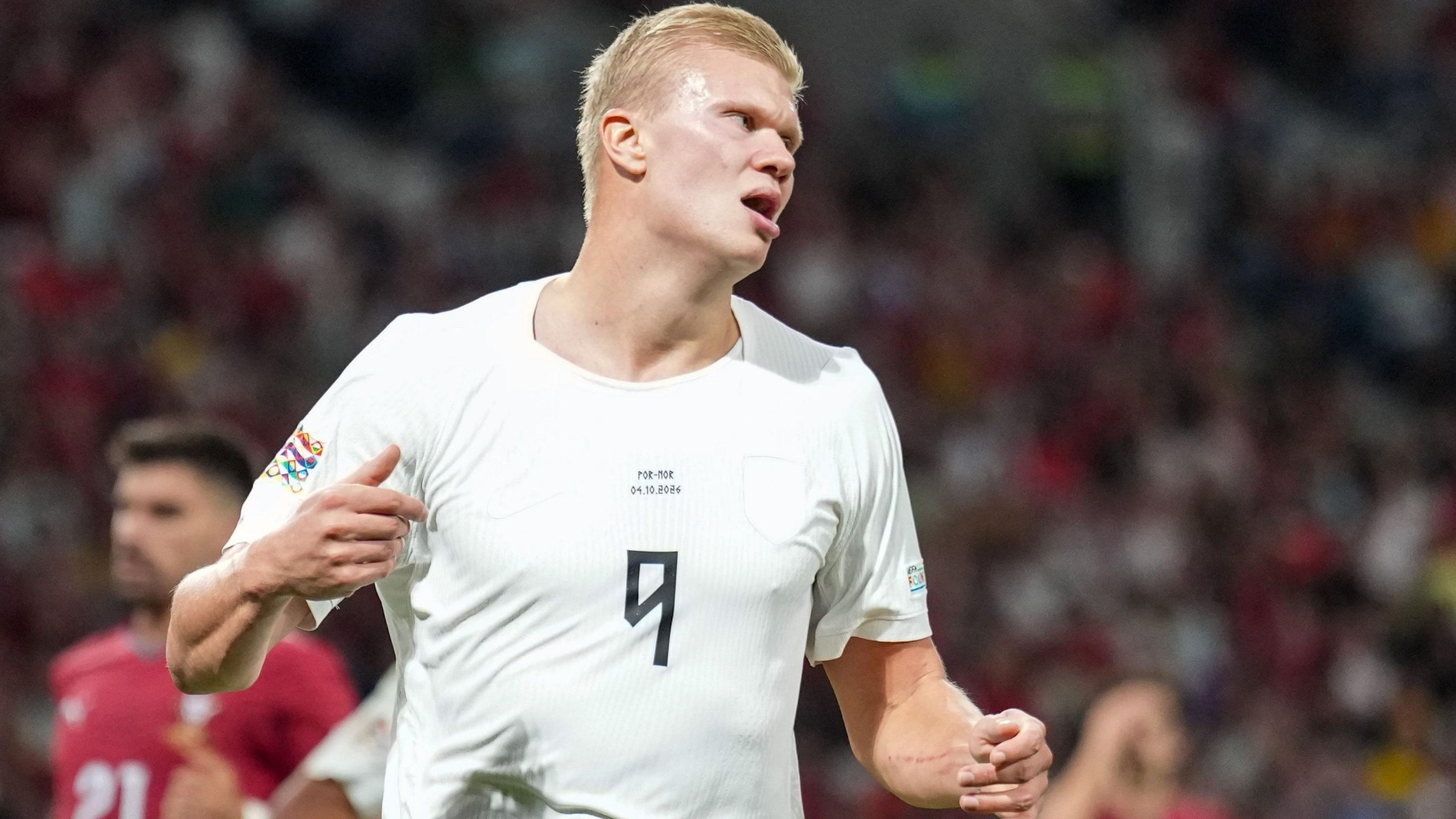

Bournemouth’s Alex Scott withdrew from the England squad with a thigh problem, a situation the Cherries are reportedly unhappy about given how it was handled. Liverpool’s Cody Gakpo pulled out of the Netherlands squad with an ankle injury, while his club team-mate Alexander Isak withdrew from Sweden duty with a minor thigh issue. Real Madrid’s Kylian Mbappe picked up an injury on France duty, and Barcelona winger Raphinha returned from the Brazil camp nursing a thigh problem of his own. Portugal boss Jorge Jesus even revealed that Manchester United captain Bruno Fernandes had been playing through pain, while Sunderland pair Dan Ballard and Brian Brobbey both suffered hamstring injuries.
England manager Thomas Tuchel had already lost five players – Tino Livramento, Kobbie Mainoo, Cole Palmer, Marcus Rashford and Declan Rice – before his squad even assembled for this window. It leaves domestic managers nervously checking medical bulletins with three more days of fixtures still to play out before players return to their clubs.
Workload concerns beyond the extended international break
The injuries have reignited a long-running argument about how much football the modern elite player is actually being asked to carry. The Norwegian players’ union, NISO, responded directly to Haaland’s injury, with chief Kristoffer Vatshaug warning that “the burden on top players has become far too high” and calling for clearer rules on workload, recovery time between matches, travel strain and rest after a long season.
Tuchel himself has been openly critical of the new format, describing the three-week block as “more challenging” than previous breaks because of travel demands and players sometimes getting only two days of rest between international fixtures. Speaking before England’s meeting with the Czech Republic, he insisted “player welfare is priority number one” but acknowledged that different training schedules, altered training times and unfamiliar positions can all raise injury risk. Asked directly whether the extended international break had led to more injuries than usual, he was cautious, saying officials “need to get the numbers right” before drawing firm conclusions.
That caution is echoed by the wider difficulty in judging the experiment fairly. Because this break is longer and features more matches than previous windows, simply counting injuries this fortnight against past breaks risks an unfair comparison. A genuine verdict on whether the extended international break has reduced harm or simply redistributed it may only be possible once the full calendar of 2026-27 international windows has played out.
What happens next
For now, Premier League and Championship clubs are bracing for returning squads that look rather different to the ones they released three weeks ago. Some players will walk back into training fully rested; others will be nursing fresh problems picked up thousands of miles from home. With domestic football resuming from Friday, managers will spend the coming days assessing fitness, managing minutes and hoping the extended international break hasn’t cost them key players for the run of fixtures ahead.
Whether FIFA’s reshaped calendar ultimately proves kinder to players’ bodies than the old system remains an open question. What is clear after this first instalment is that a longer gap between club games has not, by itself, been enough to prevent a wave of high-profile injuries – and that debate over player workload is unlikely to quieten down any time soon.
Explore more on this topic with Vexel Search.
You must be logged in to post a comment Login