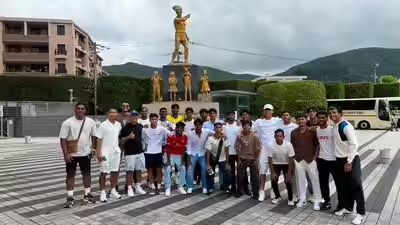
FC Goa players in front of the Nagasaki Atomic Bomb Museum
KURATE (JAPAN): It’s the kind of visit that makes people pause and ponder, offering a deeply moving glimpse into one of humankind’s darkest chapters.A group of young Indian footballers, who are here for the Reliance Football Development League (RFDL)’s exposure trip to Japan, were left with a sobering experience after paying a visit to the Nagasaki Atomic Bomb Museum on Saturday. During the final days of World War II, the United States dropped two atomic bombs on Japan — “Little Boy” on Hiroshima on August 6 in 1945, and “Fat Man” on Nagasaki three days later — completely destroying the two cities and killing hundreds of thousands of people. “When I was a student, I had read about this tragedy of the grandest scale. But now seeing the pictures here and feeling how humanity suffered on a day like this has left me speechless,” FC Goa youth team coach Israil Gurung told TOI.“At the same time, the museum also offers a timely education in how Japan has managed to get back on their feet despite having undergone such a destruction of humankind and become a world power again. This is an important lesson from a sporting perspective as well. However big the fall is, if you have desire and strong will-power, nobody can stop you from bouncing back and re-establishing yourself. This is the message I’ve given to my players while visiting the place,” remarked Gurung, a former winger and an I-League winner with Churchill Brothers.Players from Bengaluru FC Reserves under Renedy Singh and Punjab FC youth team under Praveen Kumar also joined their FC Goa counterparts in the museum tour.“Behind every photograph in the museum, behind every item displayed there, there’s a story and a reminder how life could be changed in a matter of seconds,” Punjab FC coach Praveen said. According to him, such large-scale destruction caused by nuclear weapons should always be avoided.“We come to know about the darker chapters of history through this visit. War can’t be the solution to our problems and we must live in a peaceful coexistence,” he added. The three Indian youth teams, who have finished in the top three of the RFDL 2025-2026, have already played two games each against Japanese U-18 sides.Their last-round matches are on Monday. (The writer is in Japan on RFDL’s invitation.)
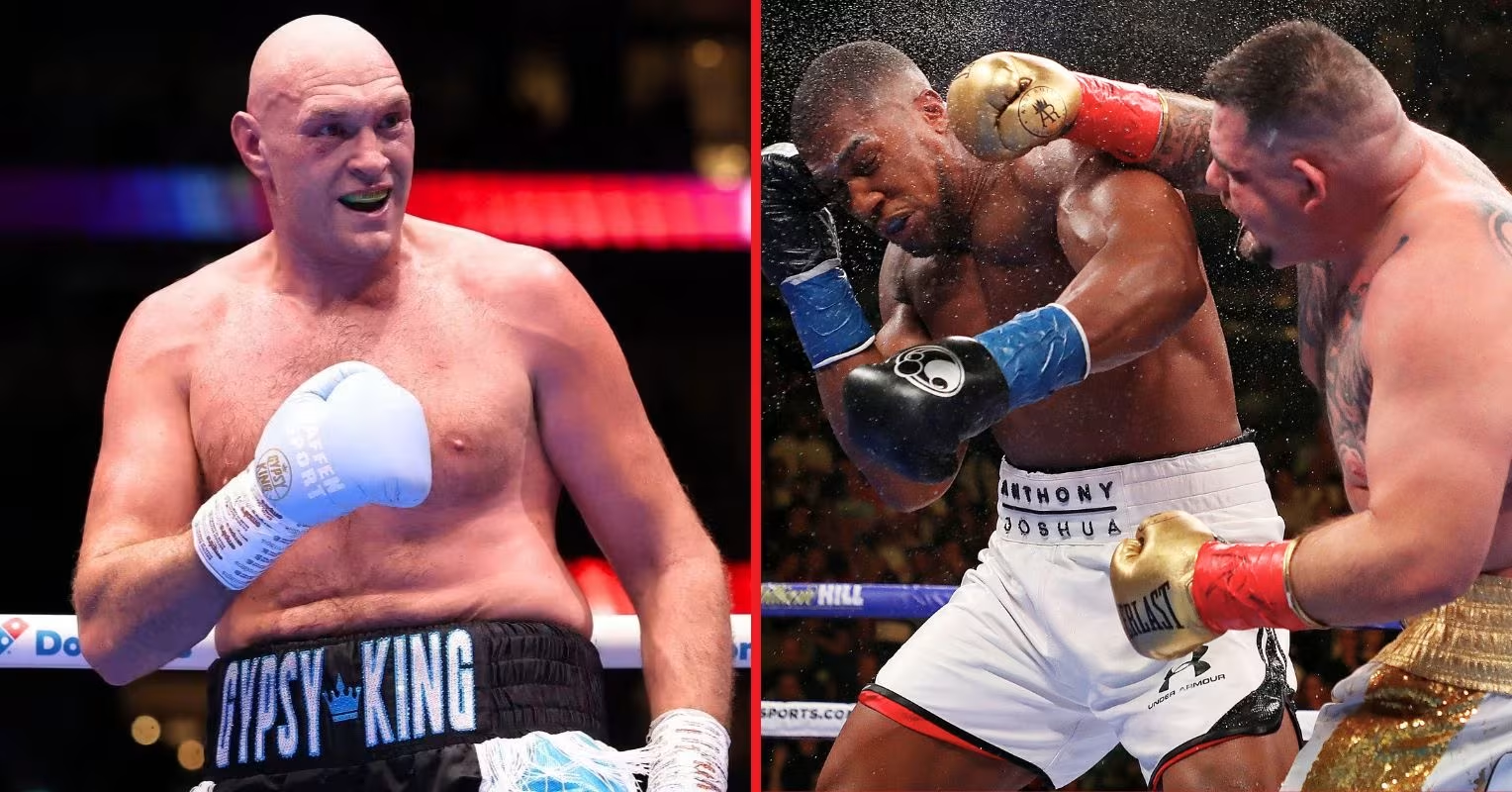
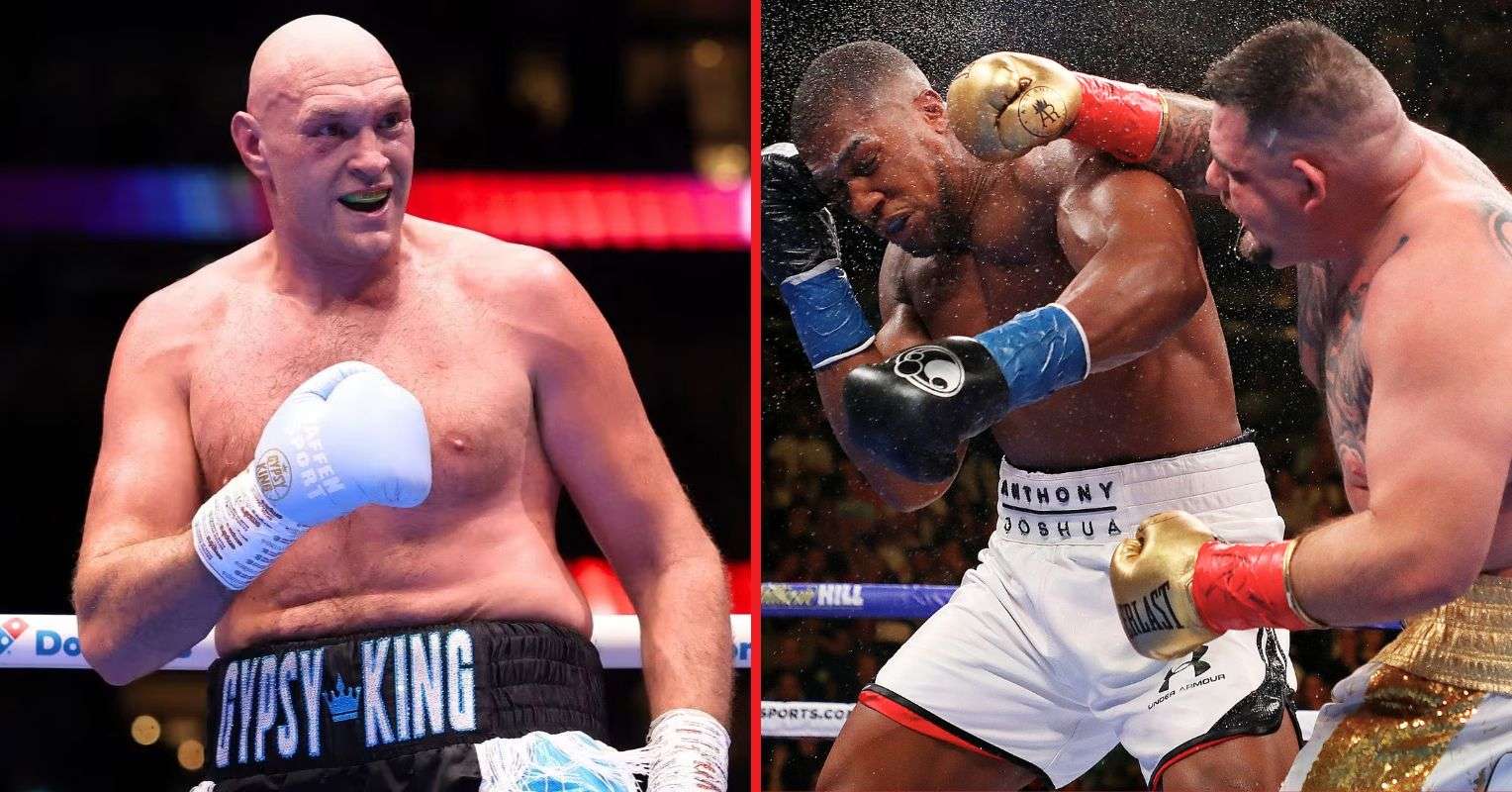
Andy Ruiz Jr has outlined the keys to victory for both Tyson Fury and Anthony Joshua, who are expected to collide in a long-awaited showdown later this year.
First, the two British heavyweights must complete their respective warm-up fights against Mariusz Wach and Kristian Prenga, who have been purposely selected as low-risk opponents.
Yet it is not so much the danger of losing, but rather the risk of either man sustaining an injury or cut, that has added a slice of jeopardy to their domestic dustup.
Advertisement
Nevertheless, Fury has arranged to meet the 46-year-old Wach in Pattaya, Thailand, on July 24.
Despite unanimously outpointing Arslanbek Makhmudov in April, the ‘Gypsy King’ clearly felt an urge to bank further rounds against the Polish veteran, who suffered a particularly devastating second-round stoppage defeat to Moses Itauma in 2024.
Joshua, meanwhile, will face unproven heavyweight Prenga in Jeddah, Saudi Arabia, the following day, entering his first outing since scoring a sixth-round finish over Jake Paul in December.
But regardless of these warm-up fights, Ruiz has told talkSPORT that he can see outcomes where either Fury or ‘AJ’ emerges victorious in their potential all-British clash.
Advertisement
“It’s going to be a good fight. If Tyson Fury gets in Joshua’s head and boxes around, moves around, throws his combinations, maybe it could affect Anthony Joshua.
“But if Anthony Joshua goes in there and starts banging out with Tyson Fury, he could probably win. It only takes one punch to change the whole fight.”
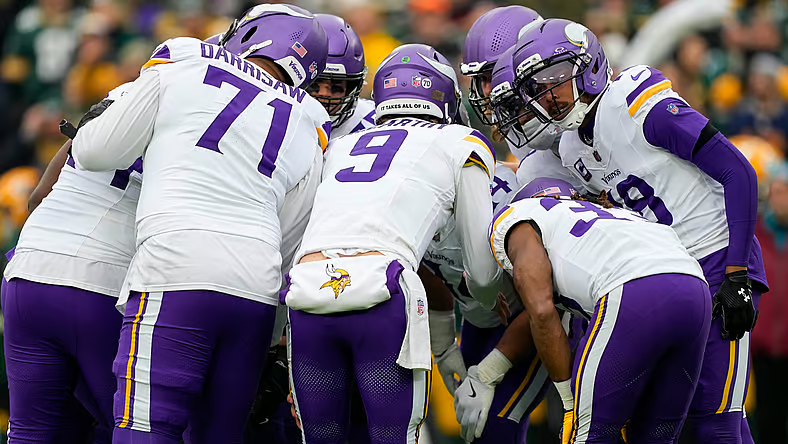
Minnesota Vikings players huddle before a snap during a road matchup against the Green Bay Packers at Lambeau Field. Christian Darrisaw stands at left as the offense organized assignments and communication before the play. On Nov. 23, 2025, Minnesota navigated another crucial NFC North battle while attempting to strengthen its postseason position. Mandatory Credit: Jeff Hanisch-Imagn Images.
How much should an NFL offensive line cost? The Vikings’ investment has been aggressive in recent years.
All of LT1 Christian Darrisaw, RG1 Will Fries, and RT1 Brian O’Neill are working on beefy deals. LG1 Donovan Jackson isn’t particularly pricey, but he’s working under a 1st-Round contract. With Jackson, the cap charge is far from free but far from backbreaking. There’s then the center position that’s undergoing a competition among cheaper options. Do the tally and the Minnesota Vikings see their front five get slotted into the fourth spot.
The Vikings’ Investment Along OL Gets Placed at 4th
Jason Fitzgerald of Over the Cap offers the word. On matters of the NFL’s finances, Fitzgerald is a terrific resource.
Advertisement
His piece is titled “Offensive Line Investments for 2026.” Fitzgerald establishes some of the groundwork: “I decided to do the valuations a bit differently here. For any player who was on a non drafted contract I used their standard APY to calculate their average salary value.”
Further: “For a draft pick I used their projected value based on the Fitzgerald-Spielberger draft chart and the position they play. While this may not be as accurate for the production of 4th year rookies where we have a better understanding of how good the player is, it does give us a decent way to look at upside that exists with the young players on the roster. I used the top 10 valued players to take into account how much depth a team has rather than just the top 5.”
Jun 10, 2025; Minneapolis, MN, USA; Minnesota Vikings guard Donovan Jackson (74) practices during minicamp at the Minnesota Vikings Training Facility. Mandatory Credit: Matt Krohn-Imagn Images
Working through some of the NFL’s top teams eventually gave way to a mention of the Minnesota Vikings.
“The Broncos are third in the NFL with $94.7 million but they are also old (29.3) and have just one draft pick rank in their top 10 and he projects to bring about $4.5 million of value to the team,” Fitzgerald writes. “Offensive linemen have longer NFL careers than other positions but this feels a bit like waiting for something to be a problem rather than trying to be a bit proactive and having a plan in place before the problem arises. I would assume next year this will be a draft focus. The Vikings rank fourth at $94 million and the Browns fifth at $90.2 million” (emphasis added).
Advertisement
Scrolling down a touch further means seeing a more precise number: $94,140,537.
Keith Carter is entering his first season as the Minnesota Vikings’ offensive line coach. That being said, Carter was in the Twin Cities last year as an assistant, working under Chris Kuper (who was fired and allowed to skedaddle for a job with the Eagles). Carter’s task is to bring the collective fivesome forward in their abilities, going from solid to sizzling.
A sneaky detail to monitor: the effort from the HC and the QB. Seeing the head coach figure out how to stick to a ground attack would help the big boys. Seeing the quarterback figure out how to make quick, decisive throws would help the big boys.
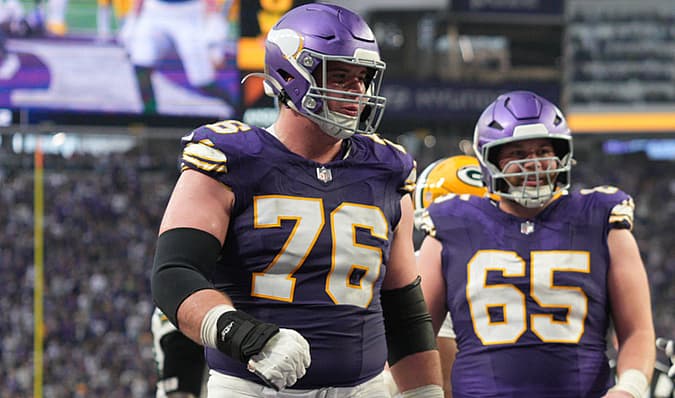
Minnesota Vikings offensive guard Will Fries celebrates in the end zone after a touchdown during second-quarter action on Jan. 4, 2026, at U.S. Bank Stadium in Minneapolis, Minnesota. The scoring play highlighted Minnesota’s offensive execution against the Green Bay Packers and gave the Vikings another memorable moment in a rivalry matchup late in the regular season. Mandatory Credit: Matt Blewett-Imagn Images.
The Vikings are facing plenty of skepticism about the team’s ability to get into the playoffs, much less win the NFC North and/or (gasp) go on a playoff run. Where the Vikings could get a major boost is within the trenches.
For far too long, the Vikings haven’t done tremendously in this area, but the current cluster of talent has been assembled after draining the ATM. No time like the present to see the Vikings become dominant at the line of scrimmage.
Advertisement
The Vikings get going with training camp in a week.
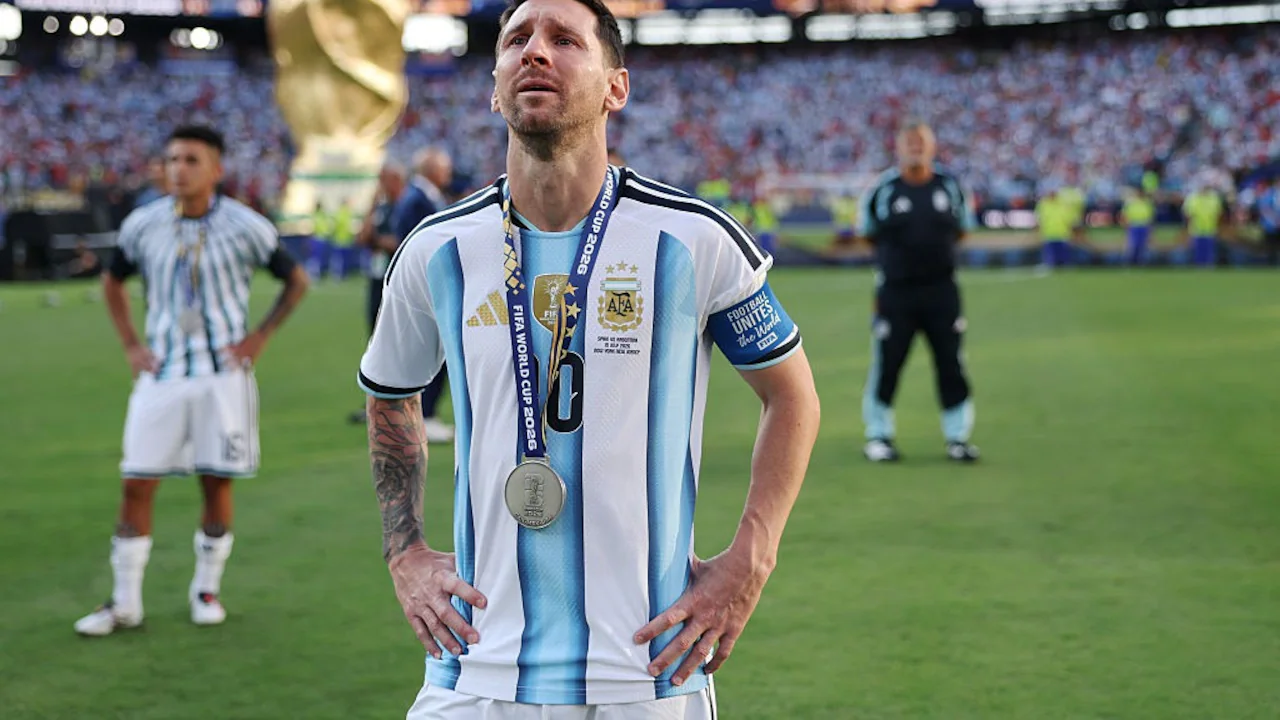
At first, Lionel Messi was not crying. Nor was he furious. He just sat there. Alone. As the camera followed him, the football great looked blank. At 39 years of age, he did not just star for Argentina in the FIFA World Cup 2026; he carried his team. Not in the final, though. The tears flowed later. As he received the runners-up medal, Messi could not hold back. He broke down. Here was the greatest of all time, yet his story in the FIFA World Cup 2026, which could be his last, was not perfect.
Argentina had been the kings of late comebacks. Not on Sunday. Messi was on the pitch, yet Argentina did not register an attempt until the second half of extra time.
Spain took the game’s first 20 shots before Argentina managed one. It told a story. You can’t win every day, not even if you are Messi.
Advertisement
As time passed, the heartbreak of a World Cup final loss came to the fore, so did the tears.
Messi took a corner kick with about four minutes left before the final whistle, and the ball took a fortunate bounce towards substitute Giuliano Simeone, who sent it high over the crossbar and held his head in disbelief afterward. That was about it. In a match that saw Spain dominate the midfield, Messi was kept quiet and was largely ineffective.
Spain dominated possession (65 per cent) and chances throughout the match, restricting Argentina’s attack for long periods.
Messi, who won the Golden Ball at the FIFA World Cup 2022, struggled to influence proceedings against Spain’s high-pressing, possession-based approach. He finished with 54 touches and just one shot, while Argentina failed to register a shot during regulation time.
Throughout the FIFA World Cup 2026, Messi inspired his team. Members of the squad, including Emiliano Martinez and Enzo Fernandez, spoke about how they wanted to win the FIFA World Cup for him. He repaid that faith with one of the greatest performances of his career. He scored eight goals and provided four assists, two of which came against England when Argentina were 2-0 down.
Advertisement
The world expected another fairytale ending. It was not to be. In the title clash, Messi was unable to produce the decisive moments that had defined much of Argentina’s tournament. In what could be his final World Cup appearance, he was largely kept under control by Spain.
By the time the next FIFA World Cup comes around, Messi will be 43. Can he keep going until then? He will not be short on commitment, but will he be ready physically? We will get the answer soon.
Featured Video Of The Day
FIFA World Cup 2026 | Argentina Fans Sing & Dance After Dramatic Comeback Against Egypt
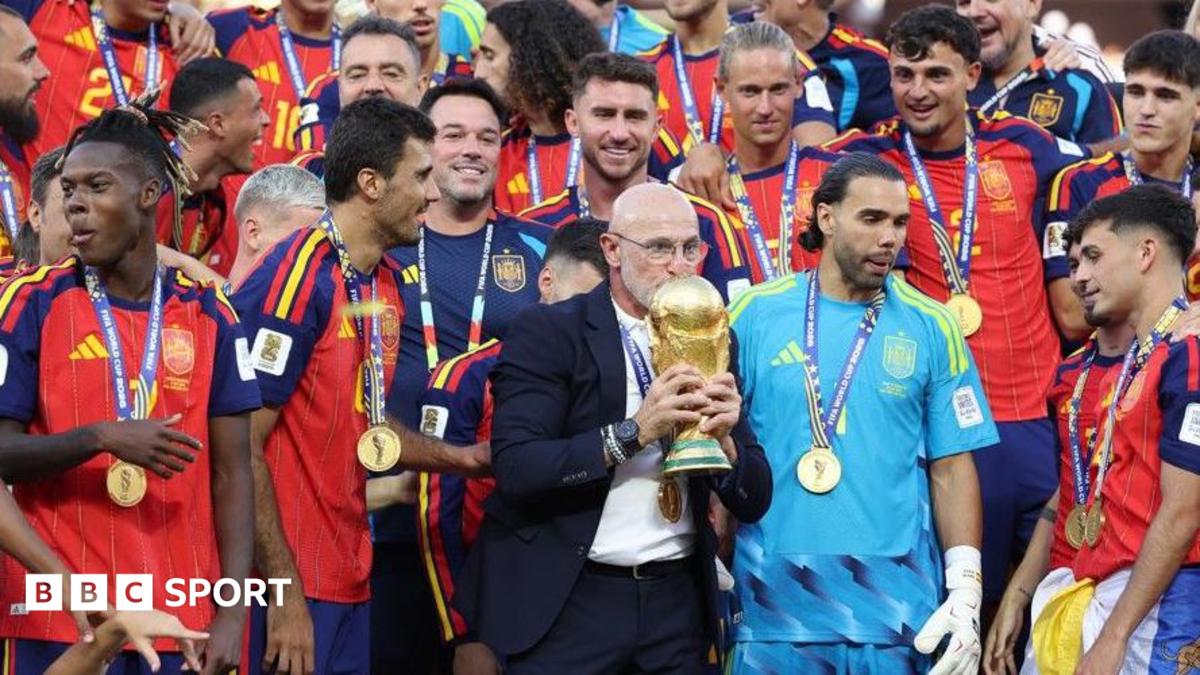
When Spain appointed Luis de la Fuente as head coach in December 2022, few expected him to deliver the Nations League (2023), European Championship (2024) and World Cup (2026) in so short a time frame.
Spain had just been knocked out of the World Cup by Morocco in the last 16 in Qatar and the federation needed a replacement after Luis Enrique left his role.
“They went with this guy [De La Fuente] who understood the style and the system,” added Balague.
“It was a very risky decision – I don’t think anyone thought he would be so successful.”
Advertisement
It appeared risky because De La Fuente took charge of Spain, who have won three of the past five men’s European Championships – (2008, 2012, 2024) – without having managed a big club.
After retiring as a player in 1994, De La Fuente spent 15 years in different roles with a succession of different clubs, including managing in the lower Spanish leagues, youth roles and assistant coach positions – before he took charge of Spain’s youth teams.
“De la Fuente knew most of these players from the academies and they are growing as a team,” former Spain midfielder Juan Mata told BBC Sport.
“This is not only a team for the present, but also a team for the future.”
Advertisement
Since being appointed senior boss after stints in charge of the under-19s, under-21s and at Olympic level, De La Fuente has implemented a culture of respect for their rivals, for the process and preaching patience and calmness.
“Most of you are younger than me and you need to respect experience,” the 65-year-old told journalists at his pre-match news conference in New York on Friday.
“Once we finished the game, there were footballers who said ‘coach, now what else is there to win as we have won everything in all the categories’.
“We came to the conclusion that what remains is the next match in September because this team are relentless.”
Advertisement
The success of the national teams and Spanish coaches has spilled over to club football.
Despite Pep Guardiola’s decision to leave Manchester City after 10 trophy-packed years, at least a quarter of the managers who start the 2026-27 Premier League season are Spanish.
Spain are now unbeaten in their last 38 matches in all competitions, the longest ever run by any European or South American team in history.
When the referee blew the final whistle in the FIFA World Cup 2026 final on Sunday, Spain walked off with the trophy while Argentine football icon Lionel Messi simply walked off in tears. La Roja are back atop the football world for a second time after Ferran Torres’ first goal of this year’s World Cup, unquestionably the goal of his life, gave his country a 1-0 win over now-dethroned champions Argentina in the summit clash at New York New Jersey Stadium, East Rutherford, in the United States.
“It was a goal scored by 47 million people,” Torres said, referring to Spain’s population. Maybe not by them, but certainly for them.
The goal came with Argentina down to 10 men after Enzo Fernandez was sent off late in regulation following a reckless tackle. Tempers flared then, and flared again after the final whistle, with Argentina coach Lionel Scaloni and players from both sides engaging in what appeared to be some pushing and shoving.
Advertisement
In the end, Spain denied Messi a second straight title in what he has indicated was his final World Cup match. Torres, a second-half substitute, pounced on a bouncing ball in the box and used his left foot to bury a shot just under the crossbar in the 106th minute.
From there, the airtight defence that dominated opponents throughout the tournament came through one final time. Spain, which also won the title in 2010, allowed only one goal in eight matches during this World Cup run, setting a record for the fewest goals conceded by a champion.
FIFA World Cup 2026 prize money
The FIFA Council had approved a record-breaking financial contribution of USD 727 million for the mega event last year. Out of this, USD 655 million was allocated as prize money among the 48 participating teams. This marked a 50% increase in prize money compared to the previous edition. Here’s the distribution:
Champions: Spain – USD 50 million
Advertisement
Runners-up: Argentina – USD 33 million
3rd place: England – USD 29 million
4th place: France – USD 27 million
Prize money for rest of the positions
5th-8th place: USD 19 million
9th-16th place: USD 15 million
Advertisement
17th- 32nd place: USD 11 million
33rd-48th place: USD 9 million
List of awardees
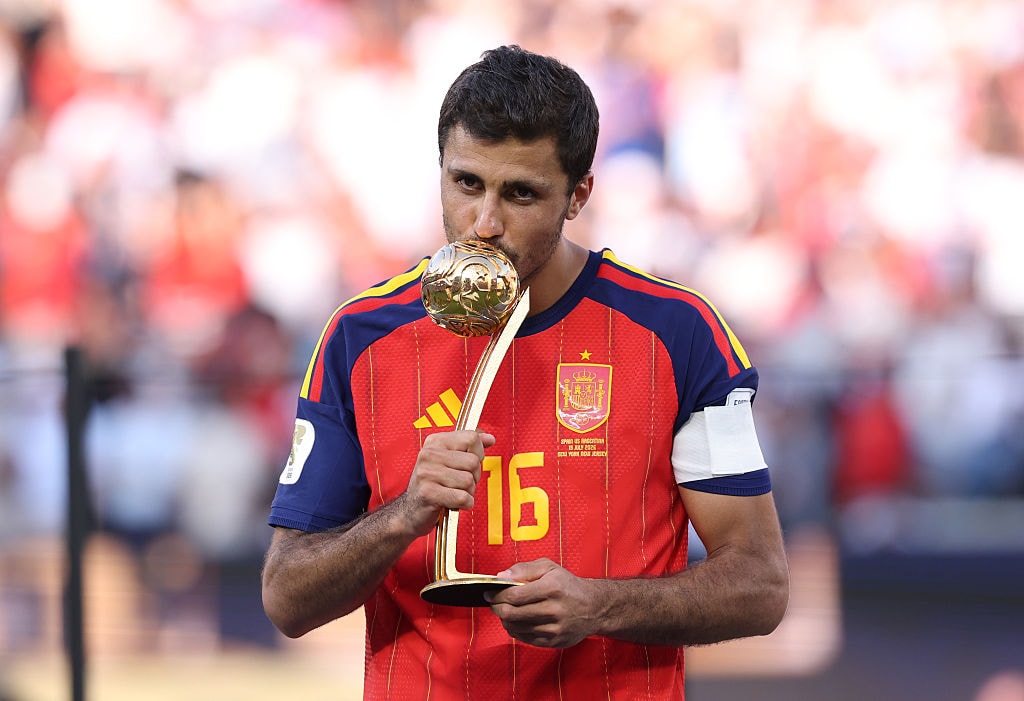
Golden Ball: Rodri (Spain)
Silver Ball: Lionel Messi (Argentina)
Bronze Ball: Kylian Mbappe (France)
Advertisement
Golden Boot: Kylian Mbappe (France)
Silver Boot: Lionel Messi (Argentina)
Bronze Boot: Jude Bellingham (England)
Golden Glove: Unai Simon (Spain)
Advertisement
FIFA Young Player Award: Pau Cubarsi (Spain)
FIFA Fair Play Trophy: The Netherlands
(With AP Inputs)
Featured Video Of The Day
Haaland Memes | “It’s A Special & Funny Game”: Haaland Ahead Of Quarterfinals Against England
Patience proved the critical virtue for Spain. They had to wait for a kickoff delayed by — among other things — a Tom Cruise speech. They had to wait twice as long as usual at half time. And they had to wait for 106 minutes of play and their 20th shot before Ferran Torres lashed home the goal that would win them a second men’s World Cup.
“I’m very moved. Looking back and thinking about them, we’ve won everything, absolutely everything, with this generation of players,” said Spain coach Luis de la Fuente. “The match should have been decided much earlier … but this is a World Cup final and you have to dig deep even against ten men, and we’re prepared for anything.”
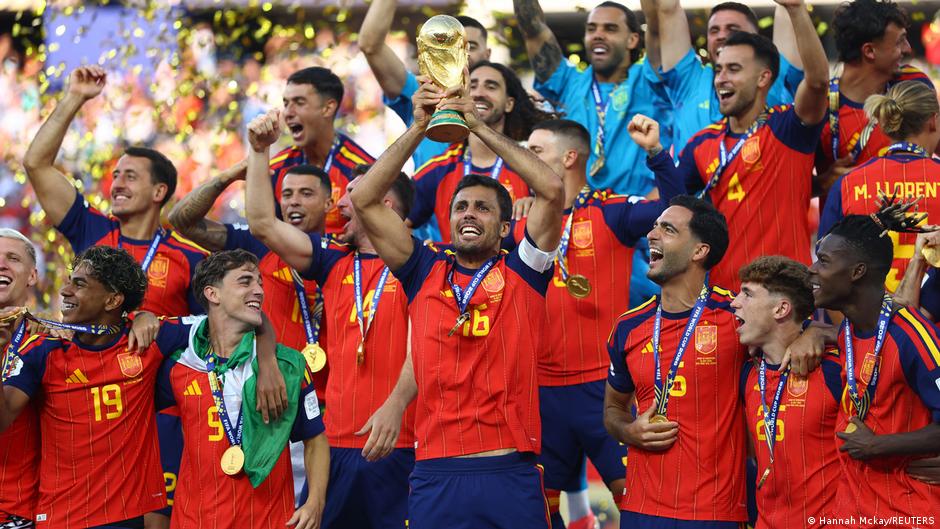
Spain’s captain and player of the tournament, Rodri, lifted the trophy. But not before Donald Trump made his presence known. The US president was booed when he entered the pitch with FIFA president, Gianni Infantino and appeared keen to stay for the trophy lift, just as he had in the Club World Cup final last year. Rodri appeared to subtly attempt to usher Trump off the stage before Infantino jogged over to join Trump on the sidelines of the celebrations.
Donald Trump and Gianni Infantino were booed by the crowd as they entered the pitchImage: Lee Smith/REUTERS
Messi on the margins
For much of Sunday’s final, that moment had felt purely a matter of time, as the European champions thoroughly outclassed their South American counterparts.
Just as they did in their impressive semifinal display against France, Spain dominated the ball early and their teenage superstar, Lamine Yamal, came close to opening the scoring in the fifth minute. Seconds later, at the other end of the pitch and the age scale, Lionel Messi was beaten to a through ball by Spanish keeper Unai Simon. It was as close as Messi, 39, got to a significant impact on the game, which may well be his last at a World Cup.
Advertisement
“They were better, to be honest,” Messi said postmatch. “We lost the game, and we accept that. That doesn’t mean that we will forget everything we’ve done so far, so I’d like to thank my people, my players and the country.”
As the first half wore on in the New York New Jersey stadium, Spain dominated the ball but Argentina held firm, with a smart Emi Martinez save from Spanish striker, Mikel Oyarzabal, as close as either side came before the elongated interval.
Half-time show keeps players waiting
For the first time in World Cup history, a Superbowl style half time show was on the cards. Performers including Madonna, Justin Bieber and BTS took to the pitch with the break extended — contrary to both football convention and FIFA laws — to almost double the standard 15 minutes.
Ferran Torres, on as a substitute, scored the only goal of the gameImage: David Ramos/Getty Images/AFP
It wasn’t enough to change the pattern of the game. Spain continued to pass, Argentina continued to scrap, hassle and rely on Martinez to keep Spanish shots at bay.
A red card for midfielder Enzo Fernandez in injury time made Argentina’s task even tougher as the final headed into extra time, as it now has in five of the last six finals. Argentina tired but somehow clung on, with Spain repeatedly wasteful.
Advertisement
Spain keep composure
Surely the South Americans, who had failed to take a single shot in the entire game, couldn’t somehow win this?
But Spain have already proved they won’t panic, with late winners in two of their knockout matches. Indeed, the final bore some resemblance to their tournament opener — a 0-0 draw with Cape Verde. After that, Spain slipped somewhat under the radar for a time, with a lack of cutting edge thought to count them out.
Argentina did not have a shot until deep in to extra time, after falling behindImage: Lee Smith/REUTERS
But as the tournament progressed, Luis de la Fuente’s team have delivered a masterclass in control while sharpening their attacking weapons to win a first World Cup since 2010. Spain’s women are also reigning world champions, winning the tournament in 2023.
“I think that in the end, the goal belonged to 47 million people, not to me or the 26 players here,” said the goalscorer, Torres. “I believe that today destiny was written, it was meant for us to win, far from our fans, but we tried to make them feel as close as possible.”
Advertisement
World Cup overshadowed by Iran war, Balogun controversy
But politics has also proved impossible to ignore.
The barring of Somali referee Omar Artan from entering the US added to the sense this was not a World Cup for the whole world. Iran’s treatment, being forced to fly in and out of games and given less preparation time as a result, was a reminder of the conflict between the US and Iran.
But, ultimately, the tournament was decided in the same way it always has been. And, on Sunday in New Jersey it was settled, once again, in favor of Spain.
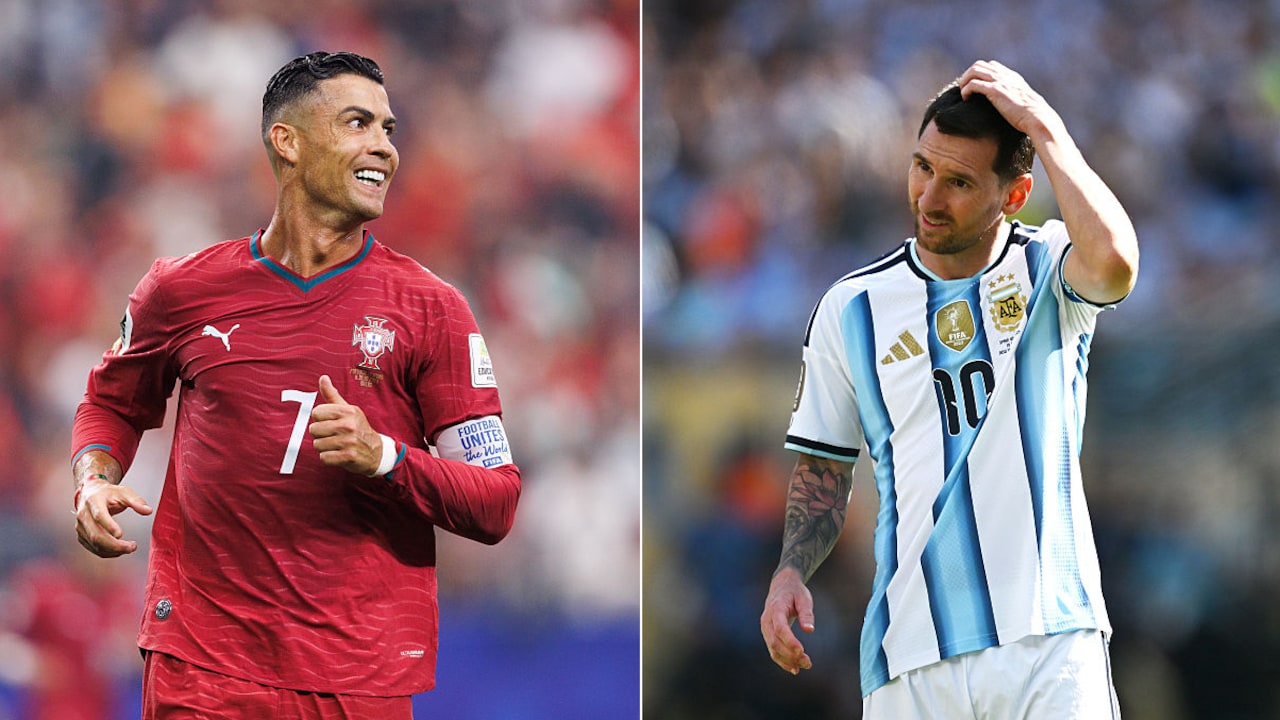
Lionel Messi lost it all in a single match. As Argentina took on Spain in the final of the FIFA World Cup 2026, Messi failed to add another goal to his tournament tally of eight. This meant he ended the campaign second in the race for the Golden Boot, which France captain Kylian Mbappe claimed. His failure to inspire Argentina in the final also saw him miss out on the Golden Ball, which went to Spain skipper Rodri. Furthermore, Messi’s inability to score against Spain in the showpiece event saw him lose out to his eternal rival, Cristiano Ronaldo, at least in one specific aspect of the debate.
While Messi has arguably taken a clear lead in the overall comparison between the two, there is one particular area where he has fallen short of the Portugal star. Messi’s inability to put the ball past Spain goalkeeper Unai Simon meant that the 39-year-old failed to score a single goal in competitive matches against Spain.
In international football history, Messi has featured against Spain a total of four times, though three of those games were friendlies. Across these four appearances, Messi has only scored against La Roja once, during Spain’s 2-1 win in a 2009 friendly match. When it comes to competitive matches, however, Messi is yet to open his scoring account against Spain.
Advertisement
In comparison, Ronaldo has featured against Spain a total of 11 times. Of these encounters, there have been two matches in which he managed to find the back of the net, scoring a total of four goals. Ronaldo scored against Spain for the first time at the 2018 World Cup, when his stunning hat-trick inspired Portugal to a 3-3 draw.
Ronaldo also scored against Spain in the 2025 Nations League final, where Portugal eventually secured victory in a penalty shootout after the game ended level at 2-2.
The former Real Madrid and Manchester United man also featured against Spain in competitive tournaments like Euro 2004, the 2010 World Cup, Euro 2012, and the 2026 FIFA World Cup Round of 16, but failed to score in those specific outings.
On the grandest stage of the World Cup, Spain remains an unsolved puzzle for Lionel Messi, and a scoring frontier only Cristiano Ronaldo has conquered.
Advertisement
Featured Video Of The Day
FIFA World Cup 2026 | ‘I Don’t See A World Cup Trophy…’: Mbappe Says France’s Job Isn’t Done
A former WWE superstar who recently parted ways with TNA is interested in wrestling for one of Tony Khan‘s promotions. The talent in question, Steve Maclin, has been actively performing on the indies as of late.
The 39-year-old star’s five-year-long stint in Total Nonstop Action Wrestling came to an end this past June, when it was announced that Maclin had been granted his release from the company, accompanying rumors of his creative frustrations with the Nashville-based promotion. The “Bulletproof” grappler continued to wrestle on the independents after competing in his final TNA match against Mike Santana for his World Championship in May.
On the latest edition of the Boots to Bootspodcast, the former TNA International Champion was asked by a fan if he would consider performing in Ring of Honor, a company currently owned by Tony Khan and serving as a sister-promotion to AEW. Maclin replied affirmatively, and recalled facing Jonathan Gresham for the ROH World Title before ROH had been acquired by AEW. He further voiced his interest in competing in Ring of Honor to carve his place in the decorated promotion’s history, and to check off a major box on his professional bucket list.
Advertisement
“Yes, I would love that. I got to wrestle Gresham a few times for the Pure Title when he was at TNA. At that time they were using ROH before ROH was bought by AEW. It was kind of cool to stick my toes into that water a little bit and kind of dabble into Pure Rules. It was fun because it just opens up the playbook. But to go there and have the Code of Honor and then just the history to be a part of that too. Then again, it’s another check off a bucket list of working for almost every major company.” [H/T- Fightful]
Maclin had worked for WWE for around seven years prior to his TNA run beginning in 2021.
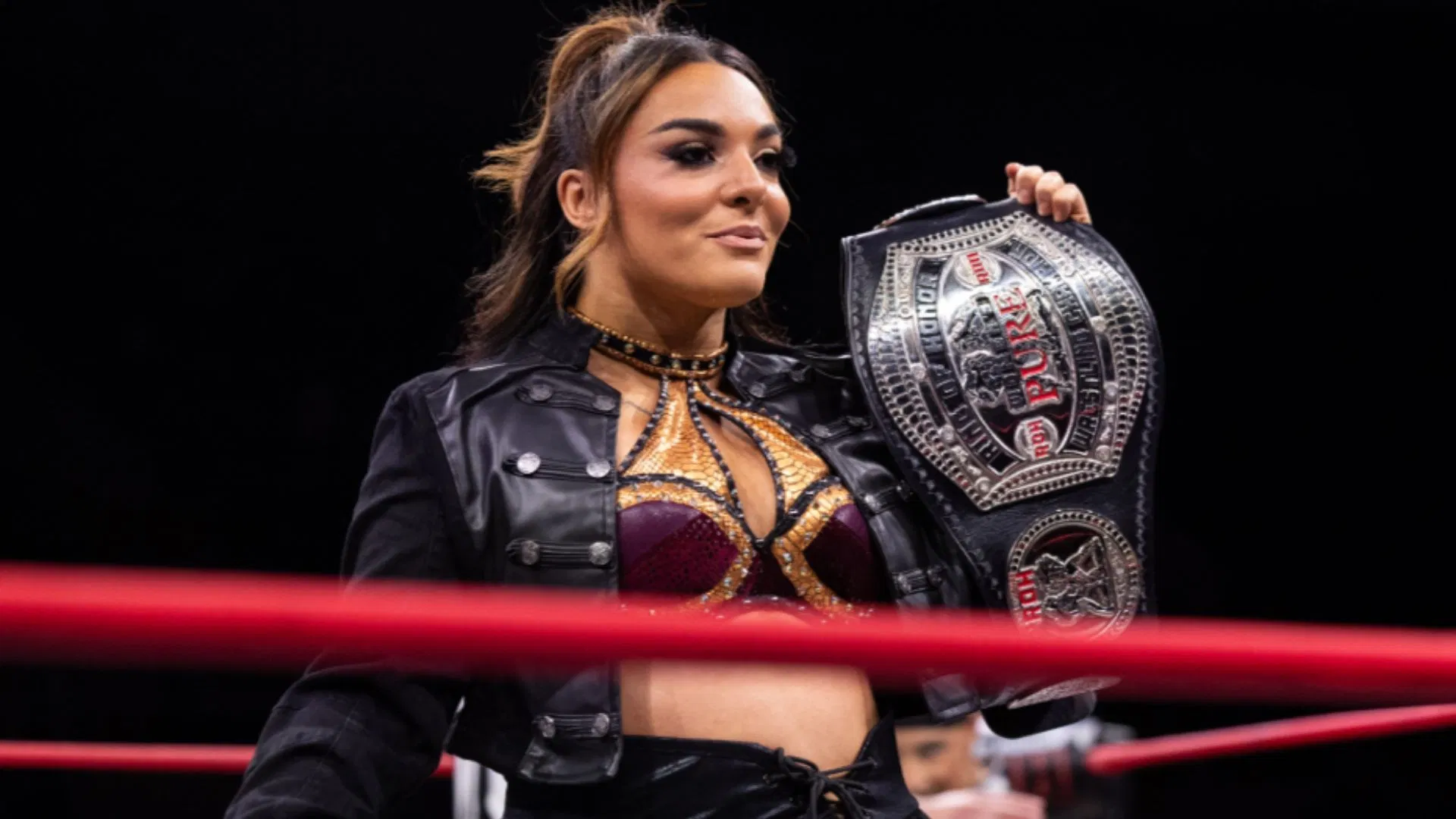
Steve Maclin’s wife is a champion in Tony Khan’s ROH
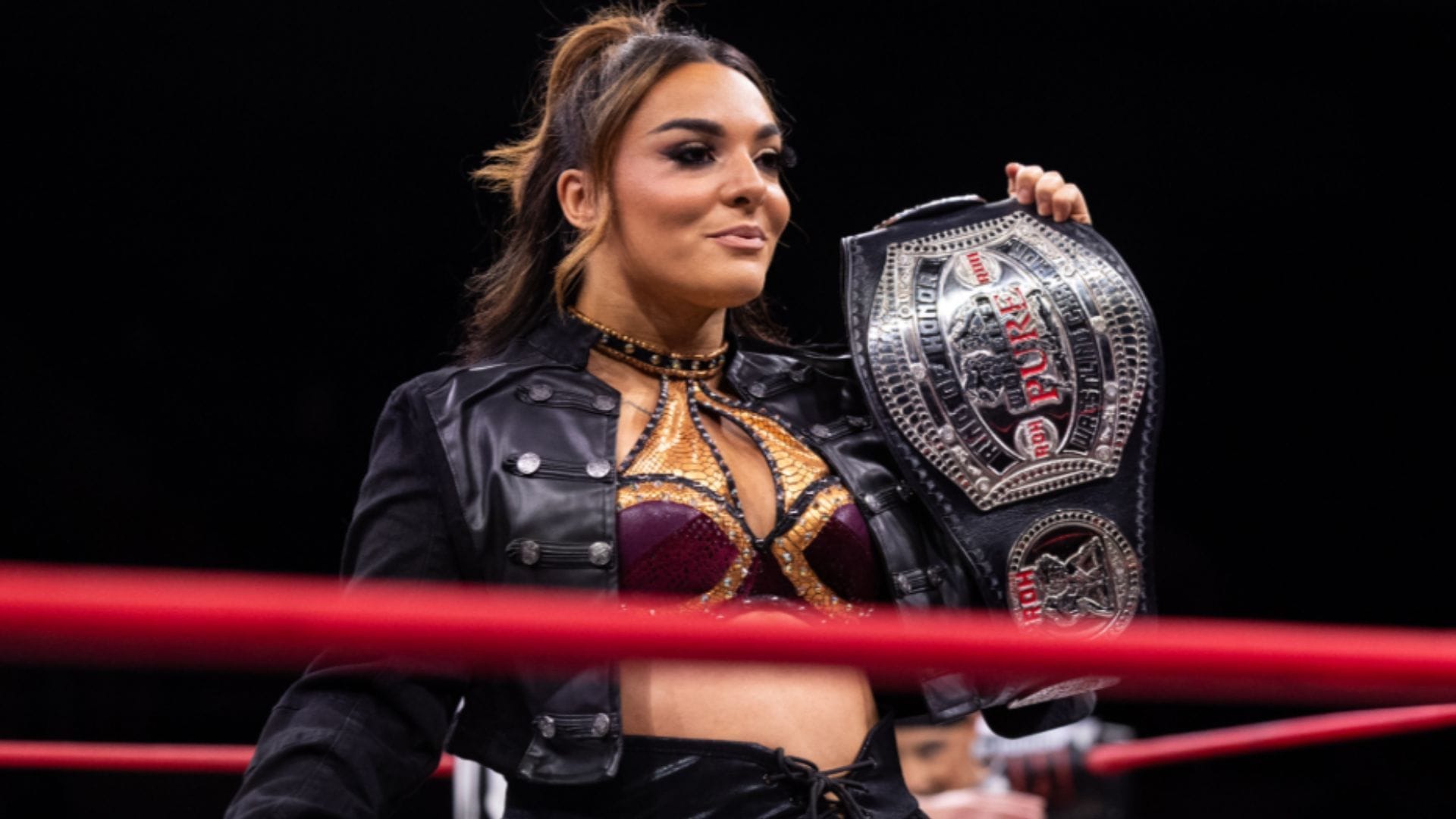
Steve Maclin had tied the knot with his real-life partner Deonna Purrazzo back in November of 2022. The Virtuosa has been signed with AEW since 2024, although as of late she has been wrestling primarily in Tony Khan’s other promotion, Ring of Honor. She made history at ROH Final Battle last year when she won a tournament to become the first ever ROH Women’s Pure Champion, a belt she has already defended several times since then.
Ring of Honor Women’s Pure Champion Deonna Purrazzo (Image via X @ringofhonor)
It remains to be seen whether Tony Khan will offer Maclin the opportunity to compete in the same brand as his spouse.
Advertisement
Why did you not like this content?
Was this article helpful?
Advertisement
Thank You for feedback
Get all the hottest wrestling news FIRST by clicking here
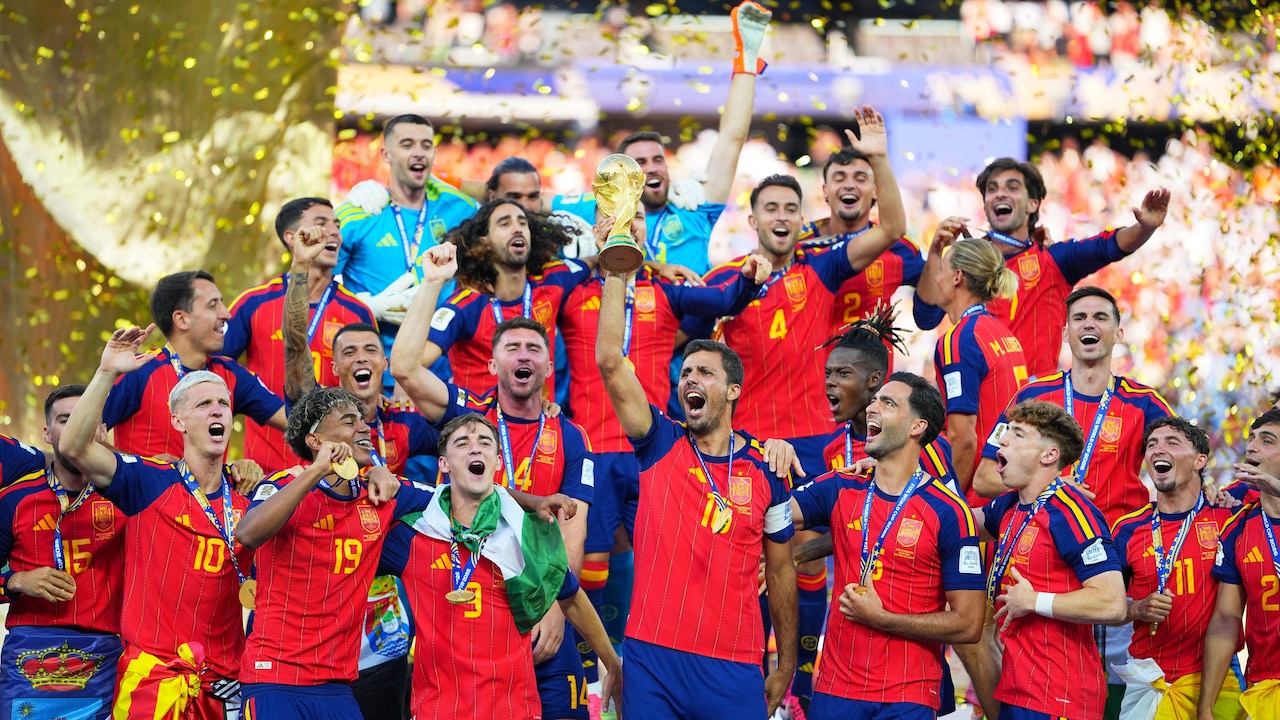
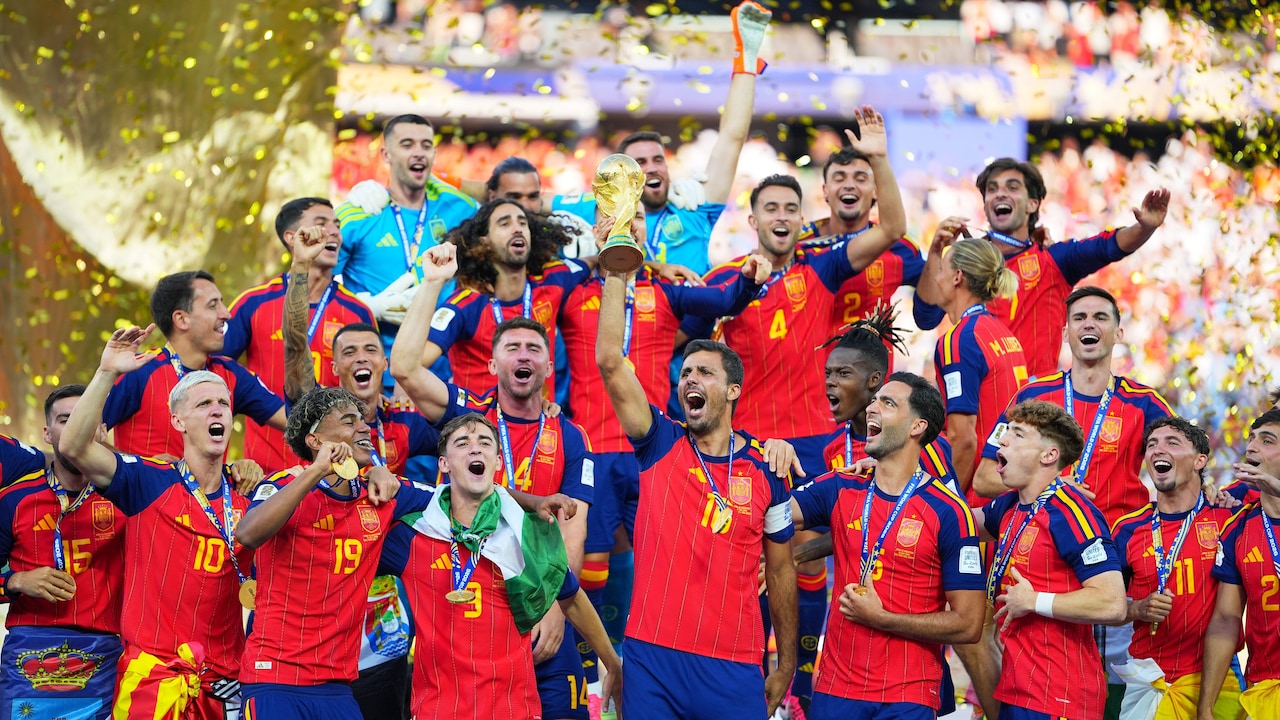
Spain’s Rodri (16) lifts the trophy as Spain celebrates after winning the World Cup final soccer match between Spain and Argentina in East Rutherford, N.J., near New York, Sunday, July 19, 2026. (AP Photo/Ashley Landis)
Spain’s triumph at the 2026 FIFA World Cup did not only bring the nation’s second world title. It also secured one of the biggest financial rewards ever distributed to a World Cup-winning squad after FIFA increased the tournament’s prize money to record levels.Luis de la Fuente’s side defeated Argentina 1-0 after extra time in the final at the New York New Jersey Stadium, with Ferran Torres scoring the decisive goal in the 106th minute. The victory earned the Royal Spanish Football Federation (RFEF) the tournament’s top prize of $51 million from FIFA.According to reports, Spain’s players will each receive a substantial share of that prize under a pre-agreed bonus arrangement negotiated between the squad captains and the RFEF.
How much each Spain player will receive
FIFA awards federations a single payment once their World Cup campaign concludes, with the amount determined by their final finishing position rather than after each knockout round.By merely reaching the World Cup final, Spain had already guaranteed the RFEF $34 million.Under the agreement reported by AS, 40 per cent of that guaranteed prize money would have been allocated to the players. That would have created a dressing-room bonus pool worth approximately $13.6 million, equating to just over $523,000 for each member of Spain’s 26-man squad before taxes.Winning the World Cup, however, significantly increased those figures.After lifting the trophy, Spain’s players became entitled to 45 per cent of FIFA’s winners’ prize.That means approximately $22.95 million will be shared between the 26 players, with each squad member expected to receive around $882,700 before taxes, according to AS.The remainder of FIFA’s prize money will stay with the RFEF, which will use part of the windfall to cover the costs of Spain’s World Cup campaign while also benefiting financially from one of the most lucrative tournaments in its history.
Argentina receive runners-up prize
Although Argentina fell short of retaining the World Cup after Ferran Torres’ extra-time winner, Lionel Scaloni’s side will still receive a substantial runners-up payment.FIFA will award the Argentine Football Association $34 million for finishing second.Unlike Spain, however, no official details have yet emerged regarding how that prize money will be distributed among Argentina’s 26-player squad.
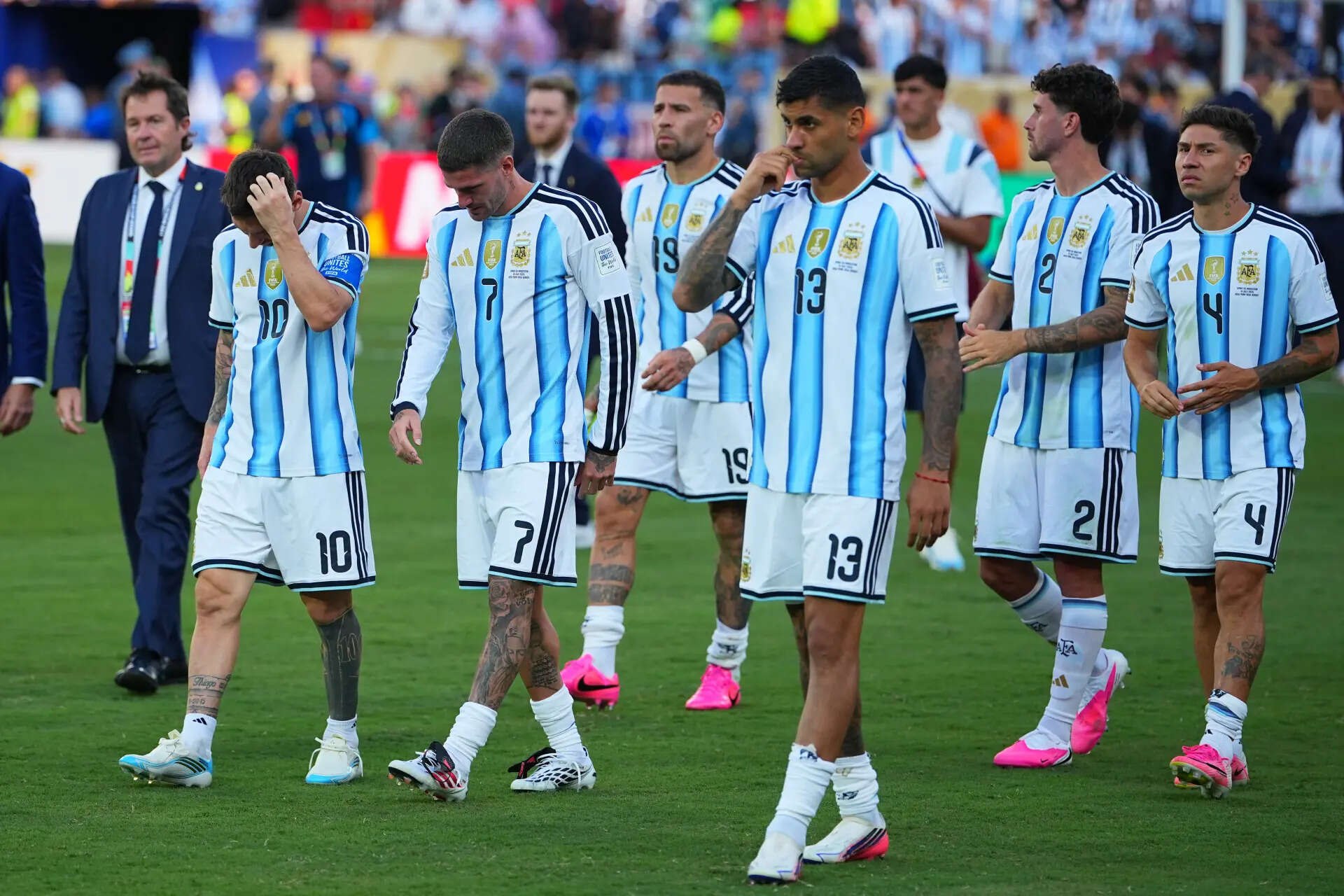
Argentina walks on the pitch after their loss in the World Cup final soccer match between Spain and Argentina in East Rutherford, N.J., near New York, Sunday, July 19, 2026. (AP Photo/Julio Cortez)
Advertisement
Record prize money across the tournament
The 2026 World Cup featured the largest prize fund in the competition’s history, with FIFA increasing overall financial rewards by around 50 per cent compared with previous editions.Prize money based on final finishing positions is as follows:
Champions – Spain: $51 million
Runners-up – Argentina: $34 million
Third place – England: $30 million
Fourth place – France: $28 million
Quarter-finalists (5th-8th): Switzerland, Norway, Belgium, Morocco: $20 million each
Round of 16 (9th-16th): Colombia, Egypt, United States, Portugal, Mexico, Brazil, Paraguay and Canada: $16 million each
Last 32 (17th-32nd): Ghana, Algeria, Australia, Cape Verde, Austria, Croatia, Bosnia and Herzegovina, Senegal, DR Congo, Ecuador, Sweden, Ivory Coast, Netherlands, Germany, Japan and South Africa: $12 million each
Group stage (33rd-48th): Uruguay, Scotland, South Korea, Iran, Uzbekistan, Iraq, Saudi Arabia, Curaçao, Czech Republic, Qatar, Panama, Jordan, Tunisia, New Zealand, Haiti and Turkey: $10 million each
Those performance-based payments account for $703 million of FIFA’s total $871 million tournament prize fund.The remaining $168 million is distributed among participating national associations regardless of where they finish, ensuring every nation receives additional financial support for taking part in football’s biggest tournament.For Spain, however, victory delivered far more than just the World Cup trophy. Alongside a place in football history, every member of the squad is set to receive one of the largest bonuses ever awarded to a Spanish national team, reflecting both FIFA’s record prize fund and the agreement reached between the players and the RFEF.















































You must be logged in to post a comment Login