Oct 11, 2025; Los Angeles, California, USA; USC Trojans wide receiver Makai Lemon (6) takes the ball on a kickoff return in the second half against the Michigan Wolverines at United Airlines Field at the Los Angeles Memorial Coliseum. Mandatory Credit: Jayne Kamin-Oncea-Imagn Images.
Minnesota Vikings interim general manager hinted last week that his team will draft the “best player available” at pick No. 18 later this month, a popular mindset for most NFL teams. But what does that really mean? Let’s take a peek.
Minnesota may follow the board, though some positions clearly carry more traction than others in Round 1.
Remember: picking the best player available disregards roster need, almost altogether. This analysis does not consider offensive tackles because the Vikings have Christian Darrisaw and Brian O’Neill in the budget at a pretty penny, but in theory, Minnesota could select one of those, too.
Advertisement
The No. 18 Pick Feels More Like a Targeted Shortlist with BPA Involved
The BPAs for the Vikings at No. 18.
Dillon Thieneman reacts with energy following a statement road win, celebrating alongside teammates after Oregon’s defense helped seal the outcome in a hostile environment. The moment came on Sep 27, 2025; University Park, Pennsylvania, USA; as the Ducks defeated Penn State at Beaver Stadium, underscoring Thieneman’s presence in a high-profile Big Ten showdown. Mandatory Credit: James Lang-Imagn Images
5. Dillon Thieneman | S, Oregon
Thieneman lives at No. 17 on the Pro Football NetworkIndustry Big Board and at No. 18 on the Consensus Big Board. His stock has soared since his dazzling performance at the NFL Combine.
Meanwhile, roughly 90% of all NFL mock drafts feature Thieneman to Minnesota; the general public believes it’s happening. The reasoning is clear: the Vikings need a safety, especially if Harrison Smith retires, and Thieneman marries the BPA mindset near No. 18.
Advertisement
Thieneman was not the Vikings’ best-player-available option two months ago, but the Combine changed that.
4. Kenyon Sadiq | TE, Oregon
Sadiq is the only tight end tentatively scheduled to go off the board in Round 1, unless a team feels frisky enough to draft Vanderbilt’s Eli Stowers around Pick No. 32.
At 6’3″ and 245 pounds, Sadiq boasts 42 games of experience at Oregon, where he recorded 80 receptions for 892 yards and 11 touchdowns. Highlighting his rare athleticism, the Ducks even used him on kick returns in 2023 and 2024.
Advertisement
The versatility has generated Round 1 buzz. Sadiq not only handles a significant receiving workload but also excels as a blocker in both the run and pass game. This combination is uncommon for tight ends his age, and teams tend to invest early in that kind of potential.
Meanwhile, the Vikings TE1, T.J. Hockenson, is scheduled to hit free agency in 2026. Picking Sadiq would plan for 2027.
3. Jermod McCoy | CB, Tennessee
The Vikings are projected to start Byron Murphy Jr., Isaiah Rodgers, and James Pierre at cornerback through 2026. While Murphy Jr. played well in 2024, his performance declined slightly last season. Rodgers has impressive speed and agility, but his tackling consistency remains a concern. The team still seeks a definitive, young CB1, a role McCoy could potentially fill.
Advertisement
Jermod McCoy secures a loose ball and reacts after gaining possession, flipping momentum during a key defensive sequence in conference play. The play occurred on Nov. 30, 2024; Nashville, Tennessee, USA; at FirstBank Stadium, where Tennessee capitalized on the turnover, highlighting McCoy’s awareness and timing in a pivotal second-quarter moment. Mandatory Credit: Stephanie Amador-Imagn Images
Perhaps more concerning is the Vikings’ historical struggle to find a long-term cornerback solution, a search that has lasted nearly a decade. Trae Waynes, drafted in 2015, came closest to meeting expectations, but ultimately fell short. Since Waynes, a series of unsuccessful picks — including Mike Hughes, Jeff Gladney, and Andrew Booth — have failed to establish themselves with the team.
McCoy blends BPA and team need.
2. Jordyn Tyson | WR, Arizona State
Minnesota obviously has Justin Jefferson and Jordan Addison to headline the passing offense; most draft pundits expect Tyson to become a WR1, not a WR3.
Tyson played at Colorado in 2022 and Arizona State from 2023 to 2025, amassing 158 receptions for 2,282 yards and 23 touchdowns. He also handled some return duties early in his career at Colorado, showcasing his movement skills. Projected to run in the mid-4.5 range, his speed will be confirmed at the combine.
Advertisement
His appeal lies in his ability to separate from defenders, run clean routes, and demonstrate reliable hands. However, durability is a concern, as he suffered a knee injury in 2022 and a collarbone fracture in 2024. Teams will likely scrutinize his medical records before finalizing his evaluation.
Tyson is a BPA idea for the Vikings if they wish to get incredibly deep at wide receiver after Jalen Nailor’s departure.
1. Makai Lemon | WR, USC
Speaking of Nailor, who held the WR3 role in Minnesota for two seasons, he’s a Raider. Tai Felton is next in line. However, Felton’s potential impact remains largely unknown, as he saw minimal offensive snaps as a rookie.
Advertisement
Adding to the uncertainty is Addison’s legal situation, casting a shadow over the team’s plans. With his behavior always in question, Minnesota must always be on high alert.
Makai Lemon tracks the ball into his hands before crossing the goal line, finishing a scoring play that sparked momentum for Southern California’s offense. The sequence unfolded on Nov 22, 2025; Eugene, Oregon, USA; during a matchup with Oregon at Autzen Stadium, showcasing Lemon’s playmaking ability in a high-tempo offensive performance. Mandatory Credit: Troy Wayrynen-Imagn Images
Zooming out, the team’s direction becomes clear: they released Nailor, are prioritizing the draft, and may target a receiver early if the right prospect is available. Lemon could be a strong fit if he’s still on the board. Given the organization’s history of drafting wide receiver talent, coupled with Kevin O’Connell’s offensive acumen, further investment in the position would not be overly surprising.
Lemon’s hands are fantastic, and his separation is elite. He ran a 4.5 forty, which is not dream speed, and he’s undersized at 5’11.” Usually, for smaller receivers, they have speed to rely on. Lemon’s speed is average for a receiver.
Honorable Mention
For offensive tackles, Minnesota could explore Georgia’s Monroe Freeling or Utah’s Spencer Fano. At guard, it’s Olaivavega Ioane from Penn State.
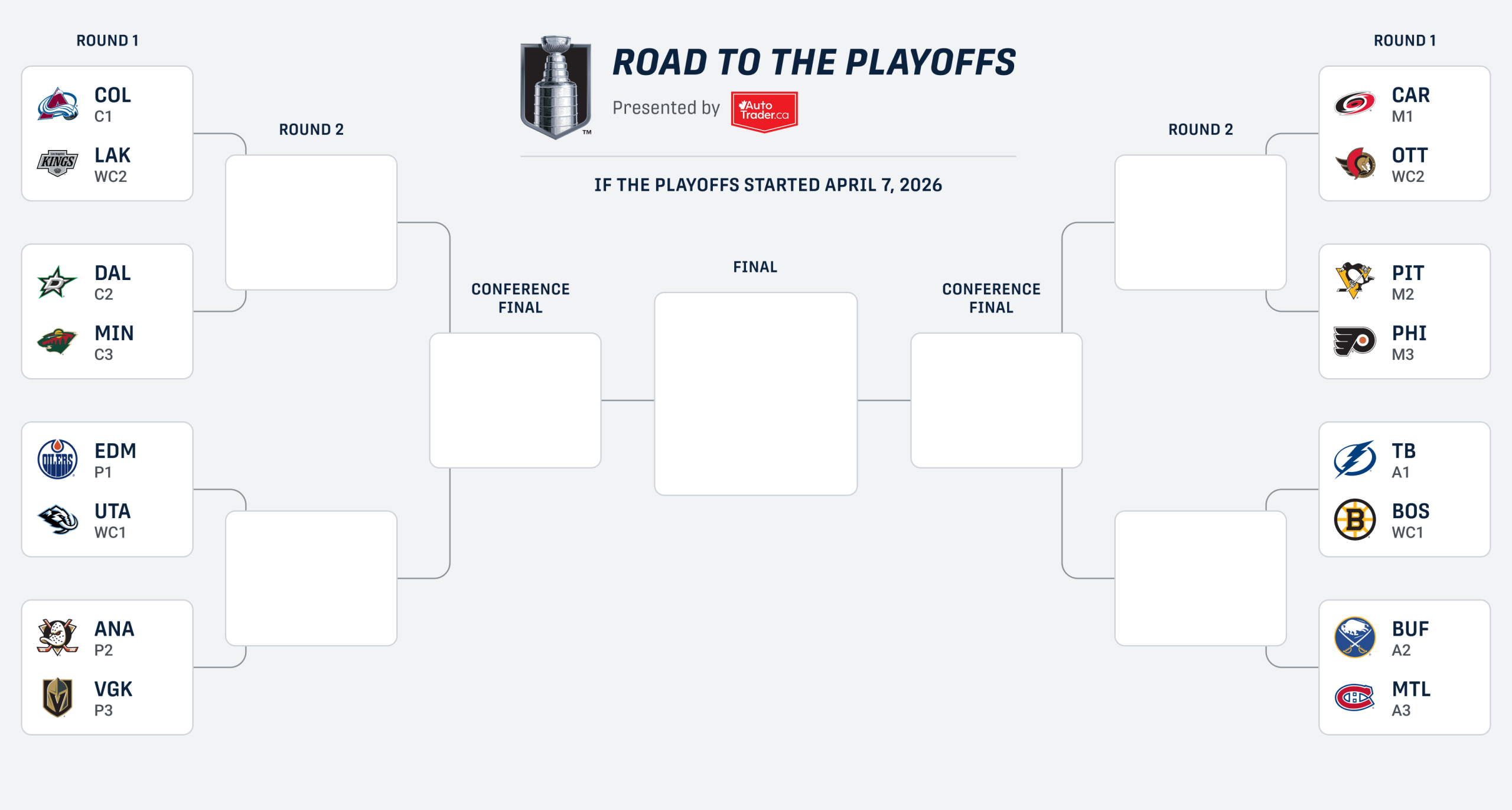
Even at the top of the table, there’s no such thing as a flawless team. At the other end of the spectrum, every squad that qualifies for the Stanley Cup Playoffs has a punch or two they can throw at an opponent.
With less than two weeks to go before the puck drops on the post-season, the goal here is to highlight the good and bad — or, at least, slightly worrisome — elements of every club that still has a reasonable shot to qualify for the big dance.
It’s a plus/minus of sorts, as we pat some backs while raising some flags.
We’ll start in the Western Conference — with teams ordered by their points percentage — before heading to the East.
Advertisement
Colorado Avalanche (.724) Colorado scores the most goals per game (3.74) and gives up the fewest (2.50). You can’t ask for much more than that. That said, with all those weapons, the Avs power play ranks 26th in the NHL (17.6 per cent).
Dallas Stars (.662) The Stars are a high-end, balanced team. It’s worth noting, though, that Dallas has played a lot of hard hockey while skating in three consecutive Western Conference finals. Also, this would be just the second post-season appearance as the head man for coach Glen Gulutzan. In his first, Gulutzan’s Calgary Flames were swept by the Anaheim Ducks in 2017.
Minnesota Wild (.649) Every trade rumour surrounding the Wild involves the team’s need for a top centre. In a conference where you have to go through the likes of Nathan MacKinnon, Connor McDavid, Jack Eichel and Wyatt Johnston, Minny is lacking down the middle. On the plus side, how many teams can lean on a defence pair like Quinn Hughes and Brock Faber?
Utah Mammoth (.566) Utah’s PP has been humming since play resumed after the Olympics, clipping along at 31.4 per cent (second-best in the NHL). You have to think the atmosphere in Salt Lake City will be outrageous when this club plays Games 3 and 4 at home as part of the first playoff action in Mammoth history. Finally, Utah is likely to face the Pacific Division winner in Round 1, meaning the Mammoth — despite being a wild-card club — could well face an opponent with a worse record than their own. Of course, beyond the blueline trio of Mikhail Sergachev, Ian Cole and Nate Schmidt, there’s not much in the way of playoff experience on this roster.
Where Canada Finds Cars
From rink runs to road trips, find the right car with confidence. Backed by Canada’s largest selection and trusted listings. Your next move starts here.
Edmonton Oilers (.565) Connor McDavid has the third-best playoff points-per-game mark in the history of the league (1.56) and Leon Draisaitl has the fourth (1.47). Of course, Draisaitl’s status for Game 1 is up in the air at this point, and that’s a monster concern for Edmonton. As always, questions about the Oilers crease are one crappy goal away.
Advertisement
Anaheim Ducks (.565) The Ducks, on the whole, might be inexperienced, but first-year Anaheim coach Joel Quenneville has 121 playoff wins and will pass Al Arbour for second place on the all-time list if Anaheim can win three second-season contests this year. (Nobody is catching Scotty Bowman at 223 career playoff victories). The problem for the Ducks is they allow more goals per game (3.52) than every team currently holding down a post-season slot.
Vegas Golden Knights (.558) The Knights have Cup pedigree and the potential for some new-coach bump, under John Tortorella, that spills into April and May. The problem all year has been goaltending, with Vegas sporting an .876 team save percentage that ranks 29th in the league.
Los Angeles Kings (.539) As always, the Kings have good underlying numbers, with an expected goals mark on the site Moneypuck that ranks fourth in the West and seventh in the NHL (51.89 per cent). Also, as always, the Kings struggle to score. Los Angeles ranks 29th on the season in goals per game 2.68, though the club has pushed that up to 3.17 since March 1 (11th-best in the NHL during that span).
San Jose Sharks (.533) Ever heard of a young fella named Macklin Celebrini? He just might win the Hart Trophy if the Sharks squeeze into the playoffs. The issue in San Jose is keeping the puck out of their net; only the lowly Vancouver Canucks allow more goals per game than the 3.53 the Sharks surrender.
Advertisement
Nashville Predators (.532) The Preds boast strong special teams, with a league-best penalty-kill since the Olympics (86.4 per cent) and a PP that ranks seventh during that timeframe (25.9 per cent). The issue, as you might guess, is Nashville’s five-on-five goal-differential is minus-29 on the season. The six teams worse than that are all lottery-bound.
Winnipeg Jets (.519) Kyle Connor has 36 goals, Mark Scheifele has 34 and Gabe Vilardi is on 28. After that, the next-highest total among Jets forwards is Cole Perfetti with 12. This team’s high-end players can kill you, but there hasn’t been enough support behind them.
St. Louis Blues (.513) The Blues have the best points percentage in the league since the Olympic break (.763), so they’re clearly on a roll. St. Louis is managing to rip off all these wins with a power play that ranks 27th in the NHL (16.7 per cent) during that time.
Carolina Hurricanes (.675) The Canes power play is on fire since the break, converting at an NHL-best rate of 34.5 per cent. Saves, though, are hard to come by, with a team save percentage of just .855 — worse than everybody except the Canucks — in that span.
Tampa Bay Lightning (.662) Tampa has been a little loose down the stretch, allowing 3.41 goals per game (23rd in the league) since the Olympics. And, overall, the Bolts are a fairly flat 10-9-2 in their past 21 outings. Of course, they’ve got an absolute killer in Nikita Kucherov, all kinds of playoff know-how and a hunger to go deep again after failing to make it out of the first round in three straight springs.
Advertisement
Buffalo Sabres (.654) It’s hard to believe the vibes will be better anywhere in the NHL come playoff time than in Buffalo, where the local team will be seeing its first post-season action since 2011. The Sabres are the story of the second half, with a league-best .718 points percentage in 2026. Buffalo is only average by advanced metrics like expected goals for, and this will obviously be the first playoff action for a number of very prominent Sabres.
Montreal Canadiens (.649) The Canadiens have a deadly first line, with Nick Suzuki playing between Cole Caufield and Juraj Slafkovsky. The drop off to the second unit is precipitous, though, and Montreal will need offence from more than just its top three dudes to do post-season damage.
Pittsburgh Penguins (.615) Only two teams — the powerhouse Avs and Bolts — have a better five-on-five goal-differential than the wildly surprising Penguins (plus-28). The goaltending could be an issue, however, with neither Arturs Silovs nor Stuart Skinner seizing the net. Pittsburgh called up promising youngster Sergei Murashov on Tuesday, with Skinner listed as day-to-day.
Boston Bruins (.609) The Bruins are the best home team in the NHL, posting a .731 points percentage in Boston this season. They’re also surrendering a league-best 2.62 goals per game in the second half and goalie Jeremy Swayman has the most goals saved above expected (28.5) in the entire league.
Advertisement
Strange as it is to say about a team we still associate with Patrice Bergeron and David Krejci, the B’s are a little weak down the middle. Rookie Fraser Minten has been great and Pavel Zacha is on a heater, but they definitely don’t stack up with what some of the better teams in the conference have at centre.
Ottawa Senators (.584) The Senators have had strong underlying numbers all year and hold the third-best expected goals mark (55.82 per cent) in the NHL behind only Carolina and Colorado. The bugaboo has been goaltending and — in related news — a penalty-kill that ranks 30th in the league (74.7 per cent). That said, the PK has been better since the Olympic break.
Philadelphia Flyers (.584) This team seemed dead and buried coming out of the February hiatus, but Philly has gone 14-5-1 in its past 20 outings to vault back into a playoff spot. The Flyers really struggle to score (2.71 goals per game since the Olympics, 27th in the NHL), but have become one of the best teams at keeping pucks out of their own net down the stretch (2.38 goals against per game, 2nd in the league).
New York Islanders (.571) The Isles have a new coach in Pete DeBoer, who’ll debut with the team when it hosts the Leafs on Thursday. New York is among the worst clubs in the NHL in terms of expected goals (47.01 per cent, 28th in the league), but has a goalie — in Ilya Sorokin — who gives them a chance to hang with anybody.
Advertisement
Detroit Red Wings (.571) Detroit has been trending the wrong way for some time, posting a .423 points percentage since Jan. 22 that’s worse than all but five teams in the league and every squad on this list. The Wings are decent defensively, but have scored just 2.54 goals per game in 26 contests since that Jan. 22 date. Only Chicago (2.28) is worse in that timespan.
Columbus Blue Jackets (.571) Columbus has gone into a tailspin at the wrong time, losing six straight games. The Jackets have been stingy in the second half (2.79 goals against per game, 3rd in the NHL), but the offence can be lacking in stretches. Case in point: Columbus is scoring just 1.60 goals per game in its past eight showings.
Washington Capitals (.558) The Capitals have a strong foundation with Logan Thompson in goal, but even as they’ve picked up points down the stretch, the offence and power play have only been OK. Washington is also the worst road team on this list, ranking 27th in the NHL with a .447 points percentage away from home.
Jake Ferguson’s fiancée, Haley Cavinder, and her twin sister, Hanna, have built their own brand that began with their TikTok videos. On Monday, the former Miami Hurricanes basketball player showed support for another former collegiate athlete who has built her own brand from social media.
Former LSU gymnast Livvy Dunne, revealed that she will be on the first ever cover of BoardRoom magazine. It will document her journey from being a student athlete to a business woman.
Thanks for the submission!
Advertisement
“Suited up for the first @boardroom print cover ever;)👔 Thank you @boardroom & @richkleiman from capturing my journey from athlete to investor,” Dunne said.
•
Advertisement
Looking to predict NFL playoff Scenarios? Try our NFL Playoff Predictor for real-time simulations and stay ahead of the game!
Haley Cavinder shared her love of Dunne’s latest accomplishment.
Advertisement
“ate down 😍,” Cavinder said.
(Image via Instagram/@livvydunne)
Livvy Dunne posed in a beige blazer for the cover shoot, giving a business professional style. In the other photos included in the Instagram post, the former gymnast wore a black leather skirt with a white tank top.
Jake Ferguson and Haley Cavinder celebrated joint bachelor and bachelorette trip in Bahamas
In mid-March, Jake Ferguson and Haley Cavinder celebrated their upcoming nuptials with a joint bachelor/bachelorette trip to the Bahamas.
Haley Cavinder posted a recap of their trip to the Baker’s Bay Ocean and Golf Club. The exclusive club which is for members-only, allowed for the couple and their close friends and family to enjoy time at a private residence as well as some fun in the sun on the island. Cavinder showed her gratitude for everyone who helped them celebrate and made the trip special.
Advertisement
“the best trip ♥️ our circle >>,” Cavinder said.
Cavinder and Ferguson began dating in 2023 and announced their relationship a few months later. In April 2025, the Dallas Cowboys tight end proposed to Cavinder in Fort Myers Beach, Florida and plan to get married this offseason.
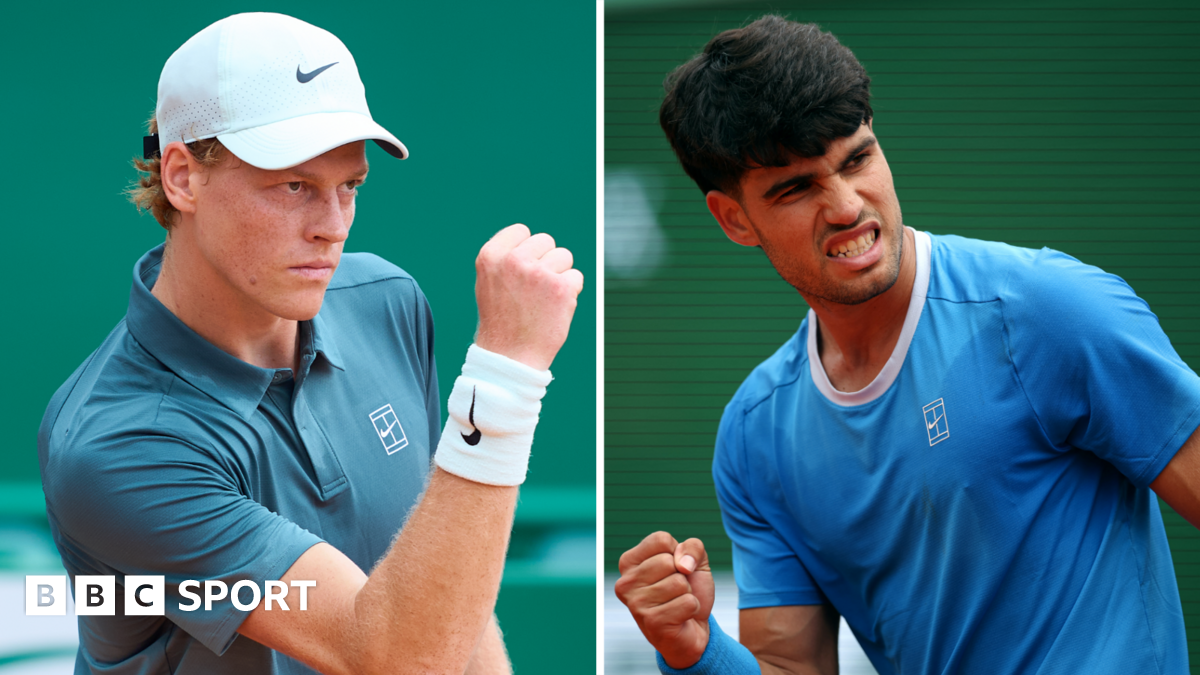
Jannik Sinner and Carlos Alcaraz continued their tussle for the world number one spot as they opened their clay-court seasons with commanding second-round wins at the Monte Carlo Masters.
Fresh from completing the ‘Sunshine Double’ without dropping a set, Sinner needed only 64 minutes to complete a 6-3 6-0 demolition of Frenchman Ugo Humbert – conceding just six points in the second set.
It was an 18th successive Masters 1000 win for the Italian second seed, who has now won 36 consecutive sets at that level.
If Sinner goes all the way and wins in Monaco he will replace Alcaraz as the world number one when the rankings are updated on Monday.
Advertisement
Alcaraz, the defending champion, opened his clay-court season with a 6-1 6-3 victory in 70 minutes against Argentina’s Sebastian Baez – a six-time ATP Tour champion on clay – later on Tuesday.
It was the Spaniard’s first match on clay since he triumphed over Sinner in last year’s enthralling French Open final, when he came back from two sets down and saved three Championship points en route to his second Roland Garros title.
Alcaraz, who had a 22-1 record on clay and won three titles on the surface in 2025, has held the number one spot since November.
“I’m going to lose number one in the world. I don’t know if it is going to be at this tournament or the next one,” said Alcaraz.
Advertisement
“I’m defending a bunch of points that are going to be really difficult to defend. Even if I defend them, Jannik is going to add some points.
“I will just try to play my best and let’s see what happens, but for me the number one spot is not in my mind right now. I’m just trying to feel the best way on clay courts and let’s see how the clay swing goes.”
The gap between the pair is down to 1,190 points as the season moves on to the European clay-court swing.
Sinner has no ranking points to defend until the Italian Open at the start of May because he was serving a three-month suspension this time last year for failing two doping tests.
Advertisement
He will need to reach at least the semi-finals and then better Alcaraz’s result in Monte Carlo if he is to swap ranking places with the seven-time major winner.
Sinner will face Argentine Francisco Cerundolo in the next round, while Alcaraz will play either Tomas Martin Etcheverry of Argentina or France’s Terence Atmane.
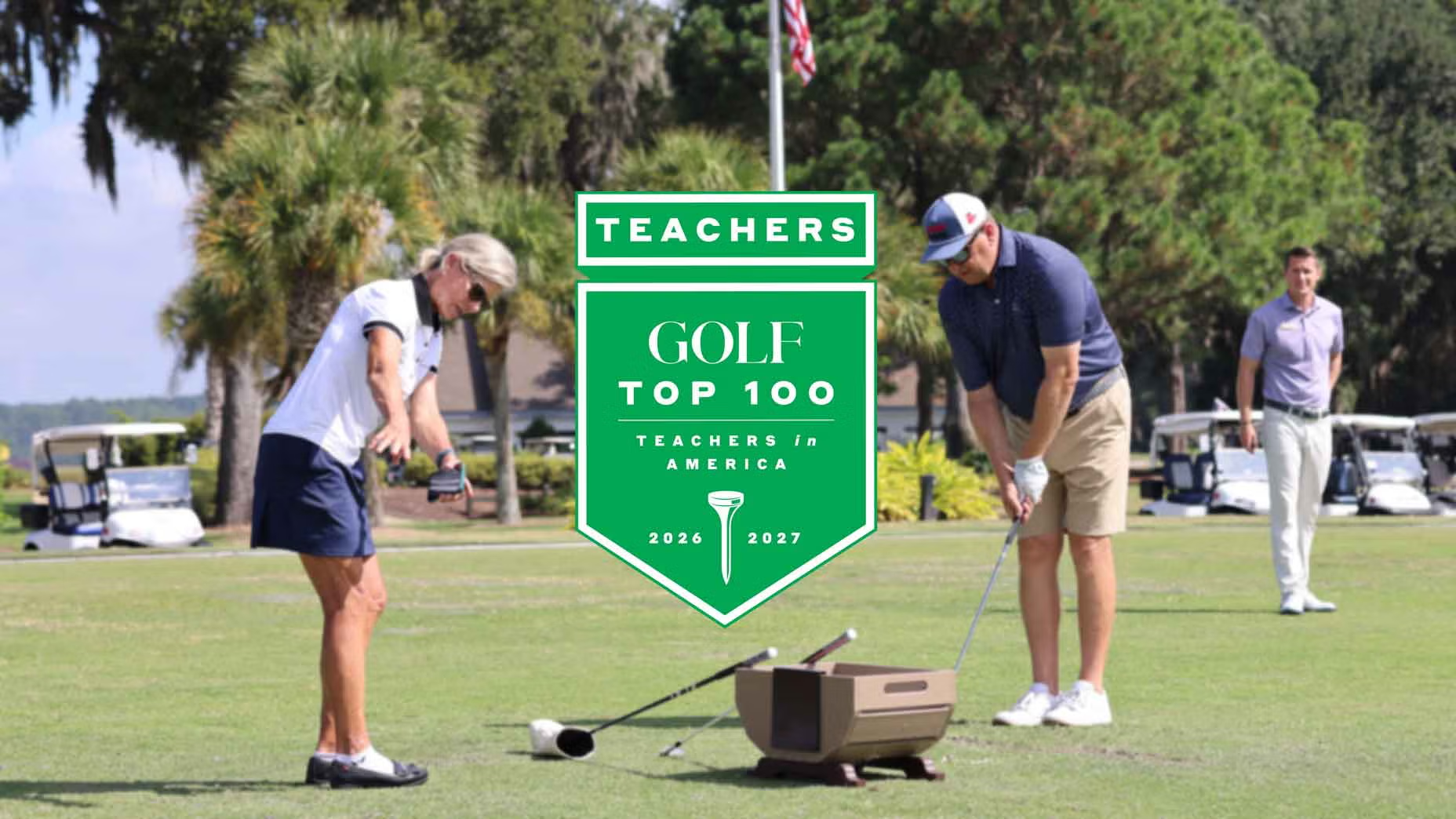
You’ve probably seen the clip of Colton Gress, the Drive, Chip and Putt competitor, swinging cross-handed during Sunday’s competition. At first glance, his grip looks unconventional — but after speaking with two of GOLF’s Top 100 Teachers, it’s clear his swing works remarkably well because his mechanics are so solid.
How His Cross-Handed Grip Works
In a traditional grip, GOLF Top 100 Teacher Rick Silva explains, the lead and trail hands oppose each other — creating a stable “tug of war” that controls the clubface. A cross-handed grip can achieve the same effect. The player simply rotates their hands differently around the club so the wrists and forearms still work in opposition. It looks unusual, but biomechanically, the goal is the same.
“So for that to occur, the underhand or the right hand … he rolls his right hand underneath the grip so you can like see the undersides of his like fingernails,” Silva says.
How He Hits It So Far
Once the swing begins, GOLF Top 100 Teacher Joey Wuertemberger explains, Gress moves into the same positions as other elite ball strikers. He makes a big backswing with a full hip turn and massive shoulder rotation, which helps him build speed efficiently.
Advertisement
That rotation is key to his power. His hip turn going back is deep, and his shoulder turn is even bigger, creating a lot of stored energy. Then, in transition, he unwinds his body expertly. His lower body leads — using the legs to shift and rotate — while his upper body stays slightly behind. This sequence — big turn back, powerful rotation through — is a major reason he generates so much power.
“As he comes down into the ball he’s got good upper body tilt, so his head is behind the ball and his arms are right in front of him,” Wuertemberger says. “So he delivers the club in a good, powerful position.”
The results speak for themselves. In Sunday’s competition, Gress hit his first drive 275.3 yards and his second drive 264.8 yards, showcasing the distance he can generate with his unconventional cross-handed swing.
Vaibhav Sooryavanshi and Vikram Rathour (Image credit: BCCI/RR/IPL)
NEW DELHI: ‘See the ball and tonk the ball’ – that’s the approach young batting prodigy Vaibhav Sooryavanshi follows against any opponent and any bowler in the world. As Rajasthan Royals gear up to face Mumbai Indians in a mouth-watering clash in Guwahati, the spotlight has once again shifted to the 15-year-old sensation, with much of the discussion centred around how he will tackle world-class pacer Jasprit Bumrah.Ahead of the clash, the Rajasthan Royals team management chalked out a plan on a board, leading to a light-hearted moment.
Watch
Devdutt Padikkal press conference: Chinnaswamy pitch, Tim David’s power & RCB’s batting strategy
Sooryavanshi, who was looking at the board with Vikram Rathour, Rajasthan Royals’ batting coach, by his side, started with: “Koi to akele batting karega hi na, toh mai kar leta hun akele batting.”After Rathour nodded, Sooryavanshi added: “Aree 5 minute kam kar lunga sir,”.He then began teasing Siddhartha Lahiri, Rajasthan Royals’ performance coach, who was writing the batting plan on the board.“Your game plan is correct,” Sooryavanshi said.Lahiri jokingly replied: “Isko nikalo pehle mere paas se”.Rajasthan Royals will be aiming to register a third consecutive win when they take on five-time champions Mumbai Indians on Tuesday.Mumbai Indians, on the other hand, will be looking to bounce back after their loss to Delhi Capitals.Sooryavanshi has carried his form from last season into the current one.In two innings so far this season, he has scored 83 runs at an average of 41.50 and a strike rate of 237.14, with a 17-ball 52 against Chennai Super Kings as his best score. He has also carried his rich form from the U19 World Cup-winning campaign this year, where he scored 444 runs in seven innings at an average of 62.71 and a strike rate of 169.50, including a century and three fifties.Squads:Rajasthan Royals Squad: Yashasvi Jaiswal, Vaibhav Sooryavanshi, Dhruv Jurel(w), Riyan Parag(c), Shimron Hetmyer, Donovan Ferreira, Ravindra Jadeja, Jofra Archer, Nandre Burger, Tushar Deshpande, Sandeep Sharma, Ravi Bishnoi, Lhuan-dre Pretorius, Brijesh Sharma, Ravi Singh, Shubham Dubey, Adam Milne, Dasun Shanaka, Kuldeep Sen, Sushant Mishra, Yudhvir Singh Charak, Kwena Maphaka, Vignesh Puthur, Aman Rao PeralaMumbai Indians Squad: Ryan Rickelton(w), Rohit Sharma, Tilak Varma, Suryakumar Yadav(c), Sherfane Rutherford, Naman Dhir, Mitchell Santner, Corbin Bosch, Shardul Thakur, Deepak Chahar, Jasprit Bumrah, Mayank Markande, Trent Boult, Robin Minz, Raj Bawa, Ashwani Kumar, Hardik Pandya, Quinton de Kock, Will Jacks, Mayank Rawat, Raghu Sharma, Atharva Ankolekar, AM Ghazanfar, Danish Malewar, Mohammed Salahuddin Izhar.
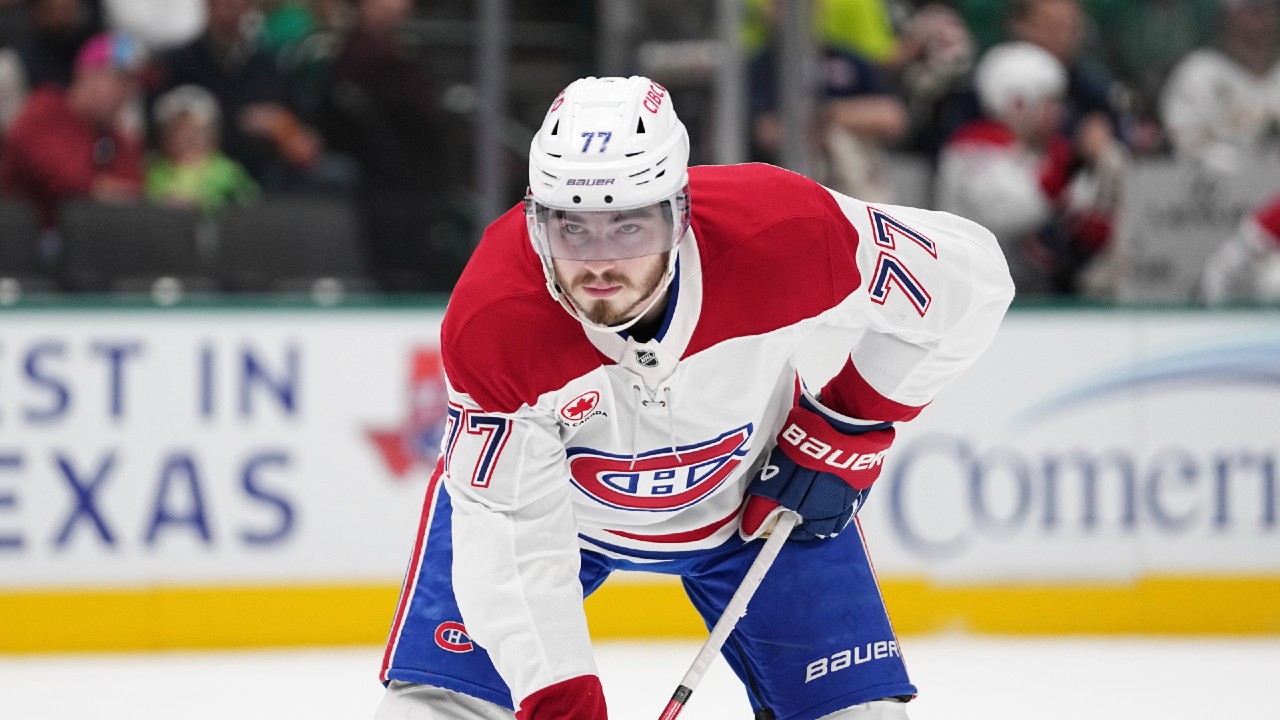
Dach, 25, has been sidelined since March 17 with an upper-body injury. He’s expected to slot in as the fourth-line centre between Phillip Danault and Brendan Gallagher.
In 32 games this season, Dach has eight goals and 14 points.
Texier was dealing with a lower-body injury. The 26-year-old, has eight goals and 20 points in 46 games this season.
The Canadiens locked up a playoff spot this past weekend and sit third in the Atlantic Division.
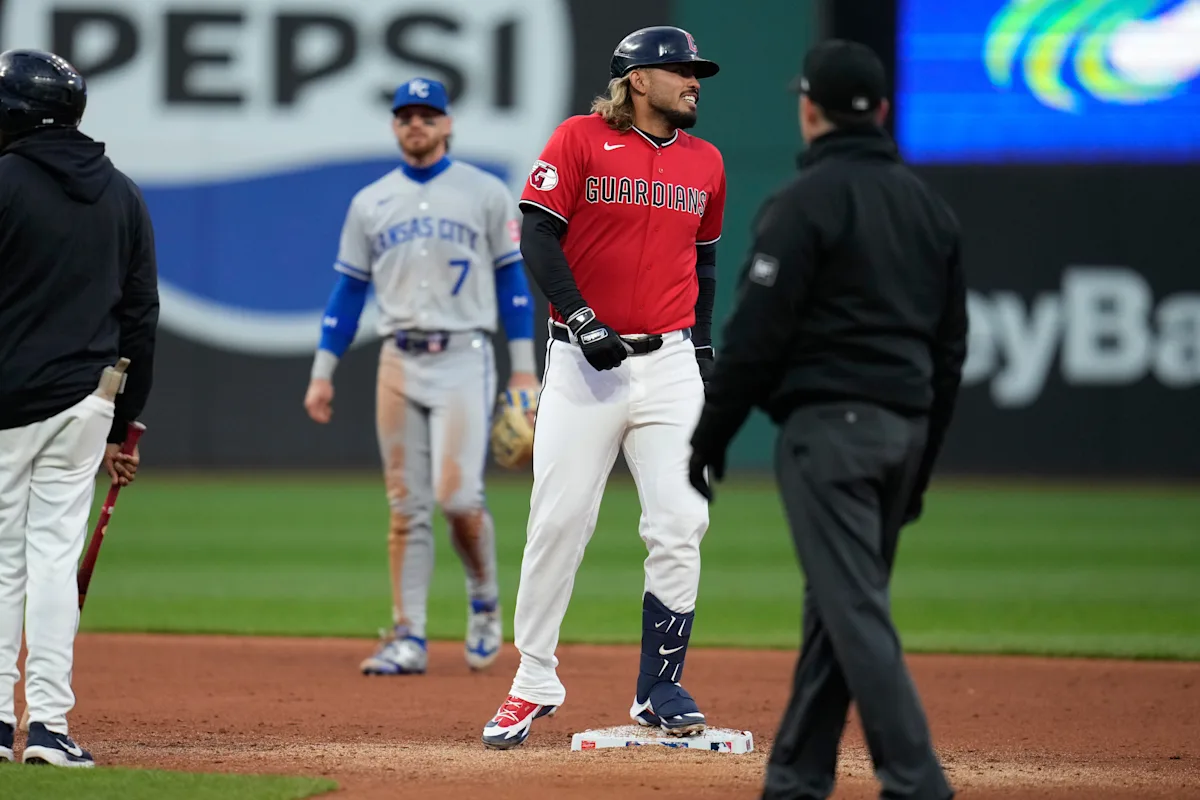
Juan Brito was called up from Triple-A Columbus and will make his big league debut during Tuesday afternoon’s game against Kansas City. Brito is batting sixth and playing second base.
Advertisement
“We’ve been excited about Juan for a really long time. And I feel like last year with his injuries, we would have seen him last year at some point, but we just couldn’t be more excited,” manager Stephen Vogt said. “Juan has historically been a good decision maker at the plate. He’s got the ability to make contact and he’s got the power to drive the ball out of the yard. So he’s a complete hitter from both sides.”
Advertisement
Brito — who played in only 31 games last season due to thumb and hamstring injuries — is in his seventh professional season and fourth in Cleveland’s organization. He was 11 for 35 with five doubles and four RBIs in nine games this season for Columbus.
Brito played mostly at third base for the Clippers, but Vogt said he would primarily be at second base while Arias is sidelined.
Arias suffered the injury during the fifth inning of Monday night’s game. The shortstop appeared to get hurt while running to second base on his double to right field.
Advertisement
Advertisement
The injury comes at an inopportune time for Arias, who was 5 for 14 with two home runs and four RBIs in his last five games.
Arias is expected to miss at least a month due to the injury, which has been classified as a moderate hamstring strain.
Brayan Rocchio and Daniel Schneemann will be the primary shortstops. Rocchio had been playing second base during the first two weeks of the season.
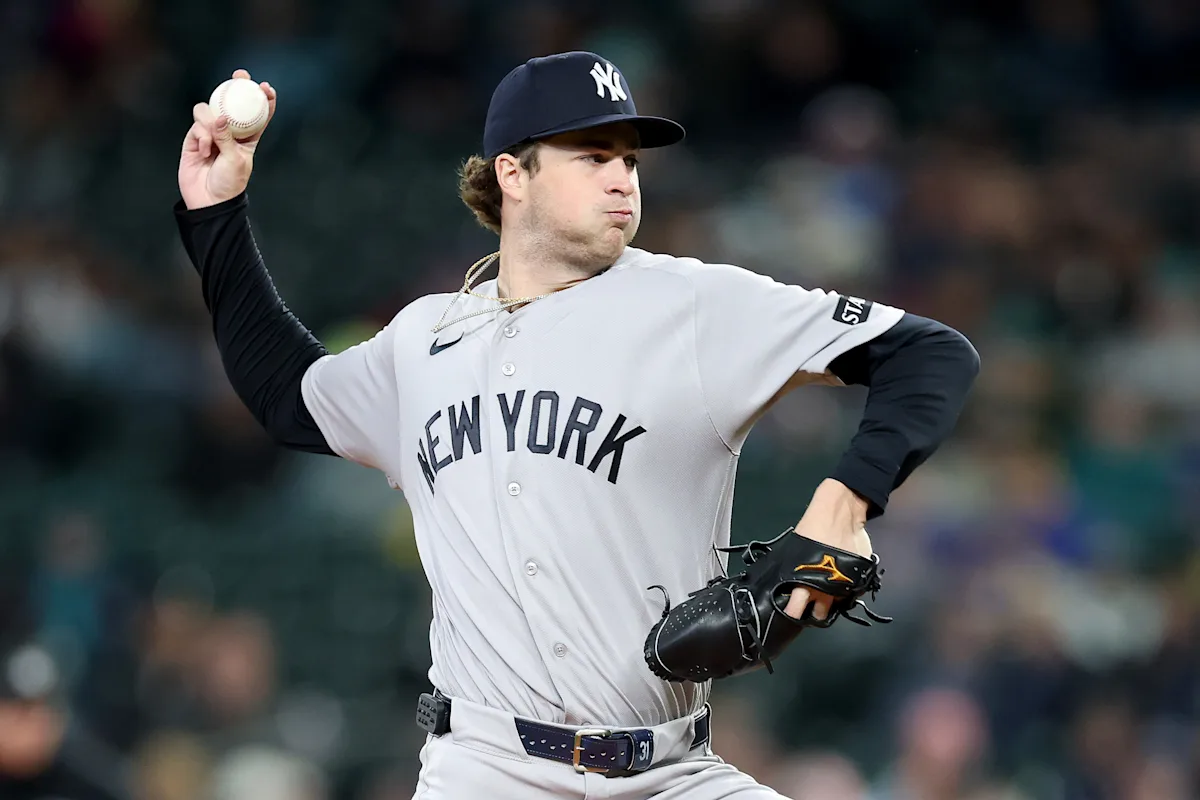
The New York Yankees (7-2), ranked first in the AL East, face the Athletics (3-6), ranked fifth in the AL West, in the first matchup of their three-game series. The Yankees are favored with a moneyline of -235 and a point spread of -1.5 at BetMGM. Starting pitchers are Aaron Civale (1-0) for the Athletics with a 3.60 ERA and Cam Schlittler (2-0) for the Yankees with a 0.00 ERA.
How to watch New York Yankees vs. A’s
Time: 7:05 p.m. ET / 4:05 p.m. PT
Where: Yankee Stadium, Bronx, NY
TV channels: YES, NBC Sports California (Local affiliates)
Multi-club ownership organisation Bay Collective has reached an agreement to aquire a majority stake in Sunderland Women.
Already the majority owners of American club Bay FC, the organisation is led by former Football Association director Kay Cossington.
Investment will go into improving infrastructure, the academy and building the staff and player pool at Sunderland with a “goal of growing sustainability”.
Sunderland currently sit eighth in the Women’s Super League 2 with two games remaining in the season.
Advertisement
They have a history of producing some of England’s most successful footballers, including ex-captain Steph Houghton and European champions Jill Scott, Beth Mead and Lucy Bronze.
“We couldn’t be more excited to partner with Sunderland AFC and to write the next chapter for Sunderland Women, a club with such a proud history and strong identity,” said Cossington.
“We are committed to honoring Sunderland Women’s DNA and legacy, protecting what makes this club and community so special, and supporting the players, staff, and the academy with cutting-edge resources, infrastructure, and training models tailored to the unique needs of women athletes.
“This is a partnership for the long-term, and our ambition is to strengthen Sunderland Women’s connection with fans and partners while creating a platform for sustained success at the highest levels of the women’s game.”


















































You must be logged in to post a comment Login