Sports sponsorship long followed a predictable playbook. Brands spent heavily on star male athletes, buying visibility and cultural relevance in a single move. The approach delivered reach, optimized for exposure rather than connection. In the process, it left women’s sports underfunded, undervalued and often overlooked altogether.
That model has shifted. As investment pours into women’s sports, a new class of brands is entering earlier, thinking longer term, and even scaling alongside the leagues themselves rather than waiting for them to mature.
Advertisement
Last year, McKinsey & Company estimated a $2.5 billion opportunity in women’s sports. Sponsorship dollars are already accelerating behind it. The WNBA entered the 2025 season with a record 45 sponsors, including 14 added across 2024 and 2025 alone. Meanwhile, increased sponsorship traction across the WNBA and NWSL added more than $250 million to the women’s sports market in 2024. As of September 2025, the NWSL had 16 active league-level sponsors, the highest in league history.
Advertisement
For brands, increasingly, the question is not who you sponsor, but where you embed. The new model is less about reaching an audience once and more about embedding into an ecosystem over time.
A Different Kind Of Bet
The structure of sports sponsorship in women’s leagues differs significantly from the legacy model. Instead of defaulting to high-cost, single-athlete endorsement deals, brands are experimenting with a broader mix of partnerships: league-level integrations, community investments, co-branded product drops and in-venue experiences designed to build deeper engagement over time.
Advertisement
Female-founded companies like Dagne Dover have made that intentional shift. Their partnership with League One Volleyball reflects a belief in how the future of women’s sports will be built.
Advertisement
LOVB itself was designed differently from the start. Rather than launching as a top-down professional league, it was built “club up,” connecting a national network of youth volleyball programs to a professional pathway. The result is an integrated network that spans middle school athletes, elite development and the pro level, creating both a talent pipeline and a deeply engaged fan base rooted in community.
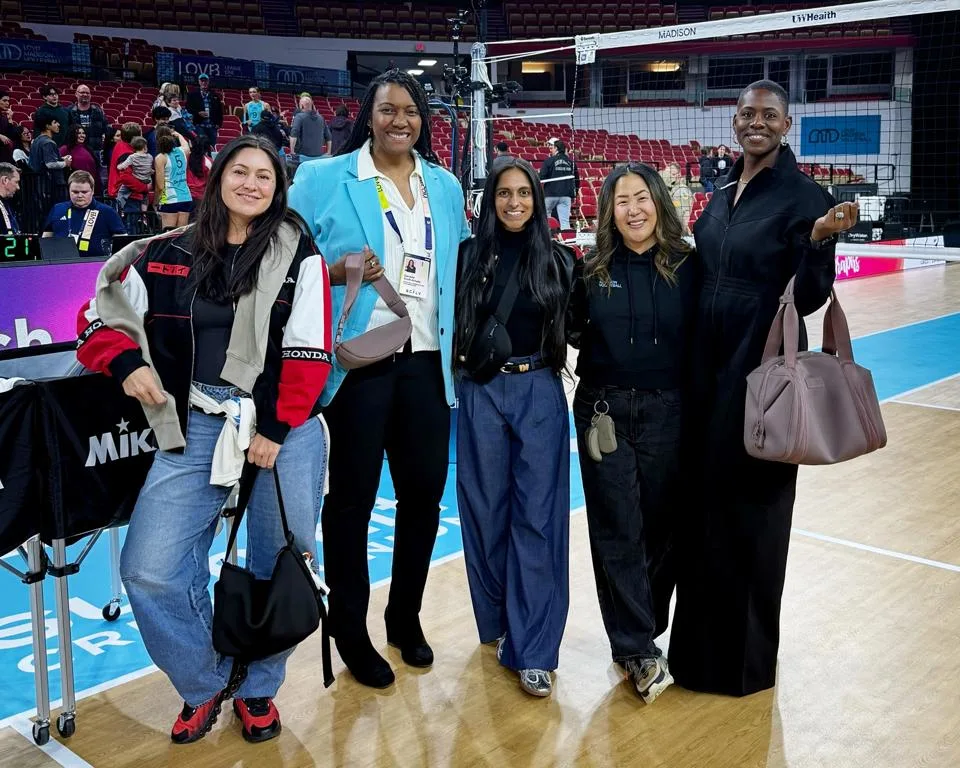
On the court: Dagne Dover Founders (Jessy Dover, Deepa Gahndi and Melissa Mash) with Danielle Scott (Head of Pro Talent Acquisition at LOVB and 5x Olympian) and Michelle Chatmansmith (Pro Recruiting Coordinator at LOVB)
Courtesy of Dagne Dover
When Dagne signed on, it marked the company’s first formal sports league deal in its 13-year history. The brand is integrating across that full pipeline, from youth development programs to professional athletes to the families and communities that fuel the sport’s growth.
Advertisement
“Elevating women’s sports has been important to us because they don’t get as much funding, they don’t get as much visibility,” said Melissa Mash, cofounder of Dagne Dover, during a video call. “We are builders, just like how [LOVB] is building something, new, new leagues, new teams. We wanted to support something that we felt was from the ground up.”
Advertisement
This is what distinguishes many of today’s women’s sports deals. They are not purely media buys or endorsement contracts; they are strategic plays, often combining:
Product integration with athletes
Retail and co-branded merchandise
In-arena activations and fan experiences
Community and youth-level engagement
LOVB’s model makes that possible. Its reach extends beyond game-day audiences into year-round participation, giving brands repeated, meaningful touchpoints with athletes and consumers at different stages of their journey.
Why Early Investment Matters
Before formally entering league sponsorships, Dagne had already seen growing interest from female athletes across professional sports. Players from teams including the U.S. women’s national soccer team were already carrying Dagne products while traveling for competition, often without paid partnerships.
Advertisement
Advertisement
That organic adoption helped the founders recognize an overlap they had not initially designed for.
“When the women’s U.S. soccer team started to come to us and say, ‘We love your bags,’ something clicked,” said Jessy Dover, cofounder of Dagne Dover. “I realized at that moment how the athlete’s lifestyle is actually very similar to ours. They’re just not going to the office, they’re going to practice or training.”
That realization reshaped how the company thought about both product design and sports partnerships. Athletes were not simply influencers or endorsement vehicles; they were existing customers whose daily routines mirrored the needs of Dagne’s broader consumer base: organization and transitioning between multiple roles throughout the day.
That insight is now shaping future collections, from functionality to color palettes, as the brand leans further into sports and travel.
Advertisement
Advertisement
At the same time, the founders viewed LOVB as an opportunity to invest early in a league still establishing its identity and infrastructure.
“When you build with them, they remember that you were there at the beginning,” said Deepa Gandhi, cofounder of Dagne Dover. “To be able to stand behind something that is in their second season, going into their third season, that’s truly building a community and world and ecosystem around them, that felt very compelling to all of us.”
The Rise Of Values-Based Sponsorships
But Dagne is not alone in rethinking what sports sponsorship can look like.
Advertisement
Another example is Bobbie, the organic infant formula brand that became the official infant feeding partner of the National Women’s Soccer League. Rather than focusing exclusively on elite athletic performance, Bobbie built its partnership around the realities of parenthood and the growing number of professional female athletes openly navigating motherhood alongside their careers.
Advertisement
“We see our NWSL partnership as a bit of our brand intervention,” said Kim Chappell, chief brand officer at Bobbie. “Parents, who represent a massive portion of that fan base, have largely been ignored by traditional sports sponsors. Our parents are in the stands, our parents are on the field, our parents are on the sidelines, and so our logo should be a part of that and our brand dollars should be a part of that ecosystem.”
That framing highlights how brands are increasingly aligning with values and life stages, not just audience demographics.
Advertisement
Sponsoring The Athlete And The Mother
For Bobbie, whose customer base largely consists of new mothers, the partnership aligned naturally with the NWSL’s advocacy around paid leave, equal pay and support for players returning to the field after childbirth.
Advertisement
“The NWSL has done such a beautiful job of championing women and equality in women’s sports and fair pay and paid leave,” Chappell expresses. “That fight for support in their journey into motherhood, in their career, is exactly what we stand for at Bobbie.”
Last year, the company launched its “There’s No Scoreboard In Motherhood” campaign alongside soccer icon Alex Morgan as she transitioned into becoming a mother of two and prepared for retirement from professional soccer.
Advertisement
Alex Morgan partnered with Bobbie in their “There’s No Scoreboard in Motherhood” campaign after the birth of her second baby.
grace rivera for bobbie
“It’s not only about supporting the women on the field, but also saying we support you when you need to take a pause, or you’re transitioning to the next moment of your career,” Chappell said.
Advertisement
Like Dagne, Bobbie is approaching sponsorship less as a transaction and more as a long-term cultural investment. The brand’s NWSL activations have included community baby showers.
From Transactions To Cultural Investments
Instead of reaching a fan once, brands are embedding themselves into a lifecycle. Perhaps the most defining element of this strategy is timing.
Advertisement
Instead of waiting for leagues to prove scale, brands like Dagne and Bobbie are entering early, when cultural and commercial value is still being defined. That early positioning can translate into long-term brand equity, particularly in emerging categories where loyalty is still forming.
Advertisement
“People who are passionate about women’s sports really appreciate and pay attention to the brands that are supporting them,” Mash noted.
That attention eventually becomes something more valuable: affinity.
Advertisement
As women’s sports continue to scale, the brands that win may not be those that spend the most, but those that invest earliest and most intentionally. In women’s sports, the smartest sponsorships are no longer chasing the spotlight. They are helping build the stage.
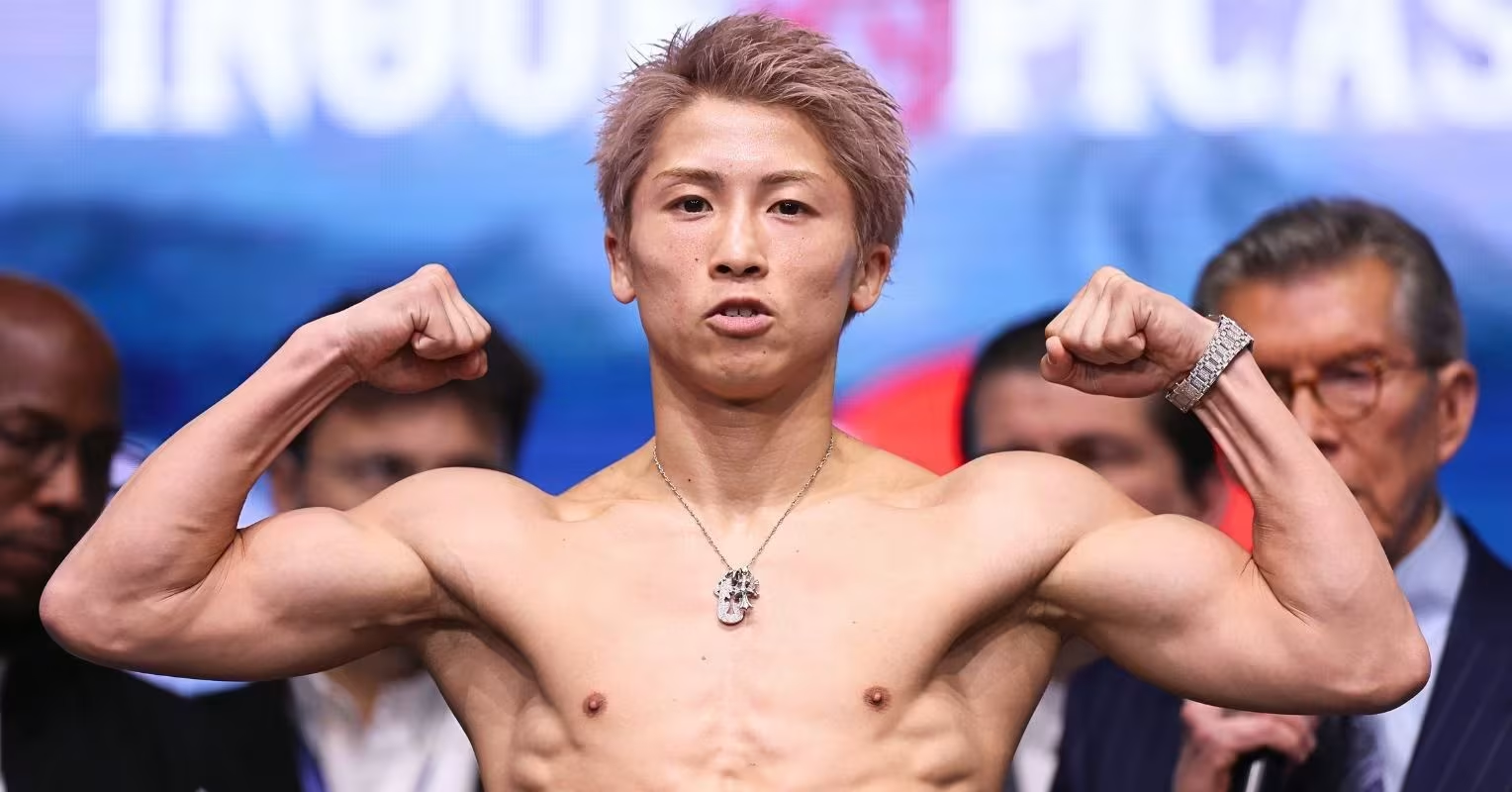
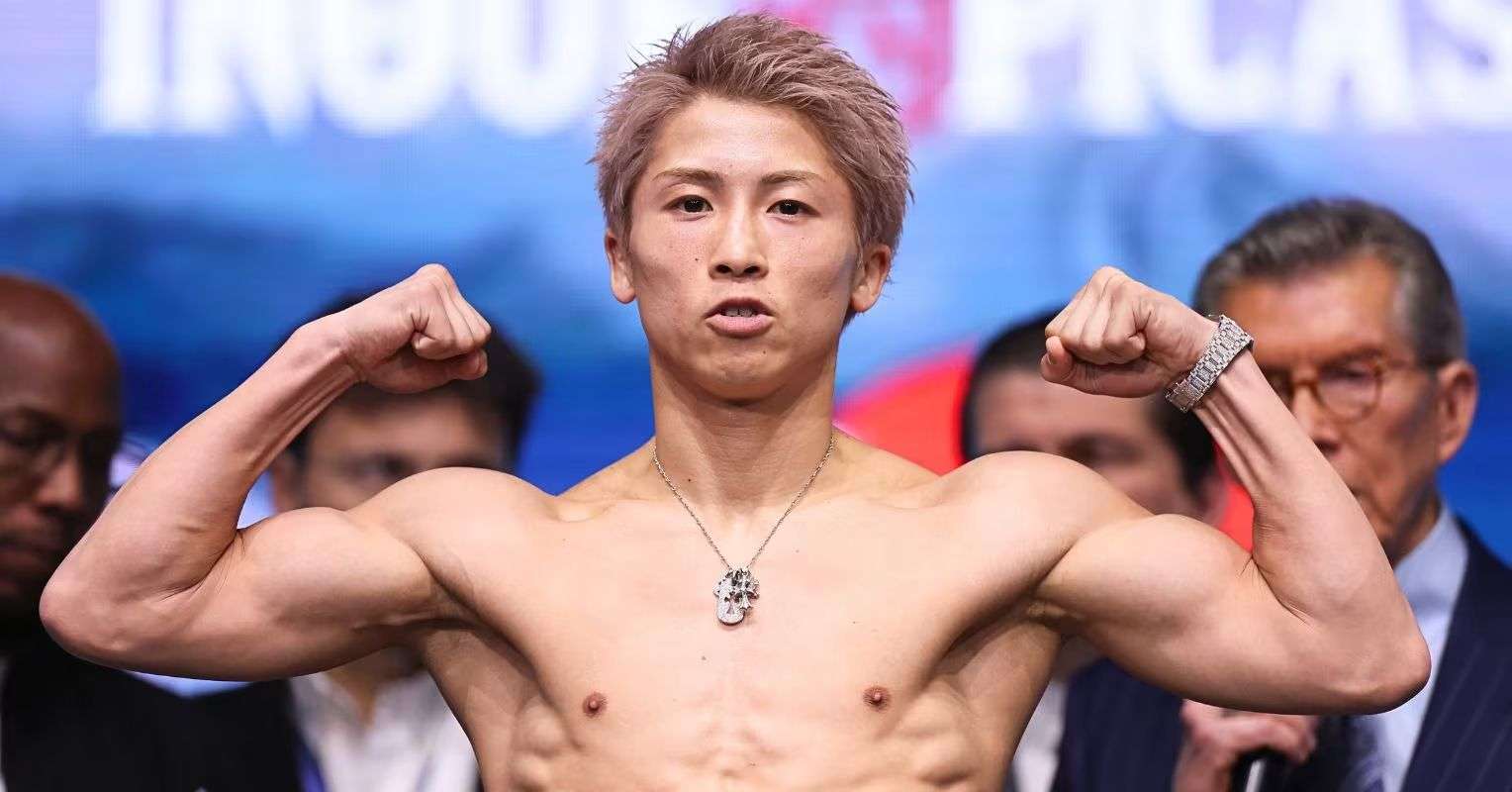
Just weeks after overcoming Junto Nakatani in a historic all-Japanese showdown, Naoya Inoue is being strongly linked with another ‘inevitable’ rivalry.
A four-division world champion, Inoue is currently considered to be boxing’s pound-for-pound number one, with last month’s triumph over Nakatani regarded as a career-best win that cements his position in the top spot.
Whilst many fans have want to see ‘The Monster’ move up in weight once more in an attempt to conquer as many divisions as possible, plenty are now instead hoping that he pumps the brakes and sticks around at 122lbs for a while longer.
Speaking to Ring Magazine, Rodriguez maintained that he is focused on this weekend’s clash with WBA bantamweight world champion Antonio Vargas, but admitted that a meeting with Inoue feels ‘inevitable’.
“To be honest, no [I am not thinking about the Naoya Inoue fight]. Like I say, one fight at a time. I am staying focussed on Antonio Vargas but I know that, when that Inoue fight does happen, the fans are in for a great night of boxing.
“People are already talking about that fight so much that it is inevitable at this point and I feel like, when the time comes, it is going to be a great fight – probably one of the best fights in all of boxing history.”
Vargas vs. Rodriguez takes place at the Desert Diamond Arena on June 13, as ‘Bam’ seeks to capture world honours in a third division and tee up one of the biggest bouts in boxing.
Nigerian music icon Davido used one of football’s biggest global platforms to shine a spotlight on a national tragedy during the FIFA World Cup 2026 Countdown Concert in Los Angeles.
While fans at the event celebrated performances from some of the world’s biggest music stars ahead of the 2026 FIFA World Cup, Davido’s appearance carried a message far beyond entertainment.
The Grammy-nominated Afrobeats star performed wearing a custom black leather jacket bearing the names of 39 abducted schoolchildren and seven teachers from Oriire Local Government Area of Oyo State, Nigeria.
Advertisement
On the back of the jacket was a simple but powerful message:
“Bring Them Home.”
The gesture immediately attracted attention across social media, with many Nigerians praising Davido for using a global stage to raise awareness about the victims.
Advertisement
A message beyond music
Davido thrilled the crowd with performances of some of his biggest hits, including fan favourites Fall and Unavailable, during the FIFA event.
Yet it was the jacket—not the music—that became one of the biggest talking points of the night.
Images from the concert quickly spread online, revealing dozens of green badges attached to the jacket, each representing one of the abducted pupils and teachers.
Many observers described the move as a reminder that the victims’ stories should not be forgotten despite the passage of time.
Advertisement
At a moment when the world’s attention is turning toward the 2026 FIFA World Cup, Davido used that spotlight to highlight an issue affecting families thousands of miles away in Nigeria.
Bringing a local tragedy to a global audience
The FIFA World Cup Countdown Concert was held as part of celebrations marking one year until the start of the 2026 World Cup, which will be hosted jointly by the United States, Canada and Mexico.
Performing alongside international acts, Davido was one of the headline attractions representing Africa on the global stage.
Rather than simply delivering a musical performance, the Nigerian star chose to turn the occasion into an opportunity for advocacy.
Advertisement
For many Nigerians, the jacket served as a reminder of the pain endured by families whose children and loved ones remain victims of abduction and insecurity.
Why the gesture resonated
Football and music have long been powerful tools for raising awareness about social issues.
From anti-racism campaigns to humanitarian causes, major sporting events often provide a platform for messages that extend beyond the game itself.
Davido’s decision to wear the jacket at a FIFA event followed that tradition.
Advertisement
The gesture was particularly significant because it came in front of an international audience at an event designed to celebrate the world’s most popular sporting competition.
Instead of allowing the countdown to the World Cup to be solely about football, Davido ensured that millions of people were also reminded of a humanitarian issue affecting families in Nigeria.
A moment that transcended entertainment
As anticipation builds for the 2026 FIFA World Cup, Davido’s performance will be remembered not only for the music but also for the message.
The singer had the opportunity to entertain a global audience.
Advertisement
Instead, he chose to do more.
By wearing the names of 39 abducted schoolchildren and seven teachers on his jacket and carrying the message “Bring Them Home,” Davido transformed a World Cup celebration into a call for awareness, compassion and action.
And for many Nigerians watching around the world, that may have been the most powerful performance of the night.
JJ Gabriel is putting in the work ahead of his anticipated Manchester United senior bow under Michael Carrick
Manchester United youngster JJ Gabriel could have a big part to play in pre-season and is trying to give Michael Carrick no choice but to give him minutes.
United manager Carrick will be without a number of senior stars in July thanks to World Cup commitments. The first pre-season friendly will take place in Helsinki on July 18, with Wrexham the opposition.
Get MEN Premium now for just £1 HERE – or get involved in our United WhatsApp group by clicking HERE. You can also join our United Facebook page by clicking HERE and don’t miss out on our brilliant selection of newsletters HERE.
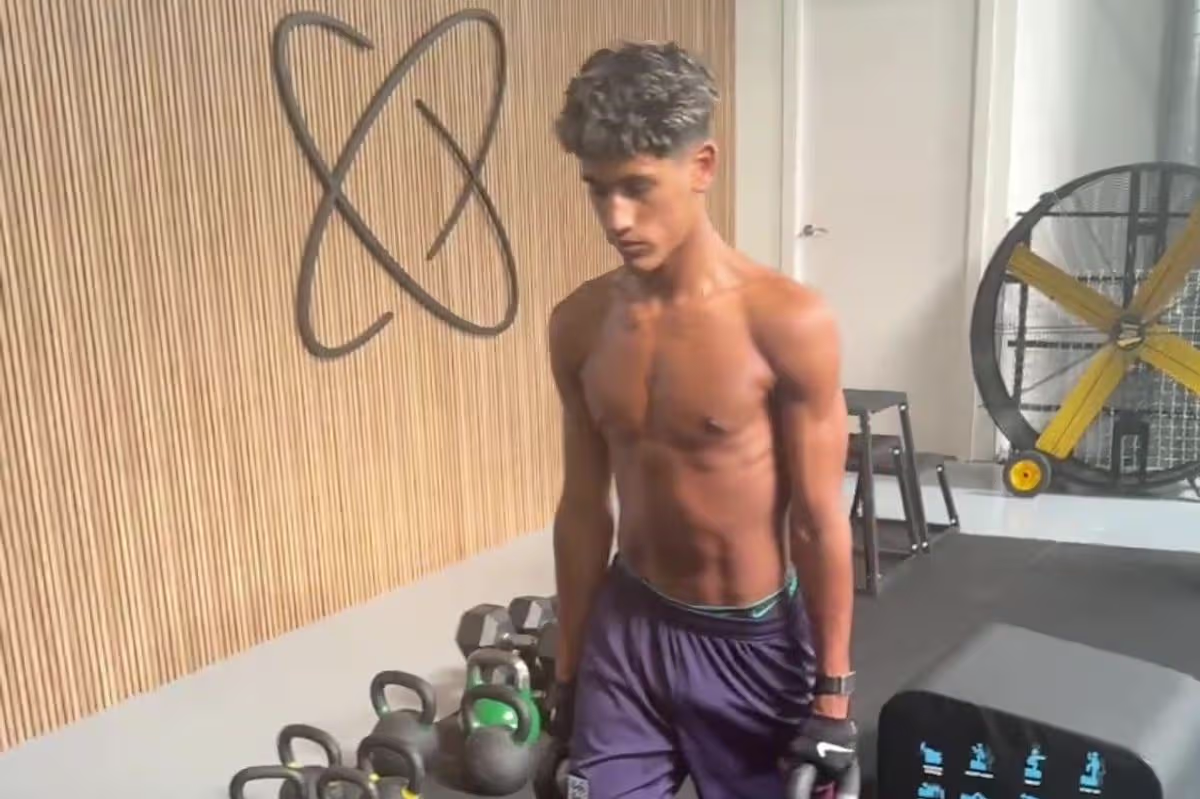
Gabriel’s father Joe O’Cearuill shared a number of videos on social media, showing the teenager doing strength and speed work at the gym and on the training ground. “JJ 12min kick ups with tennis ball walk to gym,” the caption read, with one of a collage of four videos showing the kick-ups in question.
Advertisement
Get Man United’s new 2026/27 home kit
This article contains affiliate links, we will receive a commission on any sales we generate from it. Learn more
Manchester United have launched their new home kit for the 2026/27 season, inspired by the club’s heritage and featuring a classic polo collar with iconic adidas details.
Fans seemed impressed upon watching the footage. “What a player he’s going to be for United, hopefully he will have a statue one day,” one wrote in reply to O’Cearuill’s post.
“I don’t care about the packaging, just work ethic that makes me say this. If he has good people around him who value privacy, he’ll go on to challenge for Ballon d’Or,” wrote another.
Content cannot be displayed without consent
Gabriel isn’t the only United academy talent putting in work this summer. Kai Rooney saw his 2025/26 season disrupted by injury but is doing what he can to be ready to get going again next term, sharing a gym photo which indicated he has been adding muscle ahead of pre-season.
Advertisement
Carrick will have plenty of time to watch United’s youngsters in action as he prepares for his first pre-season campaign as manager. The Wrexham friendly is the first of six pre-season games over the course of a month before last season’s third-place finishers kick off their 2026/27 campaign.
None of those six matches will take place at Old Trafford. After the trip to Helsinki there’s an away game against Rosenborg in Norway, followed by matches on neutral territory against Atletico Madrid, Paris Saint-Germain, Leeds United and AC Milan.
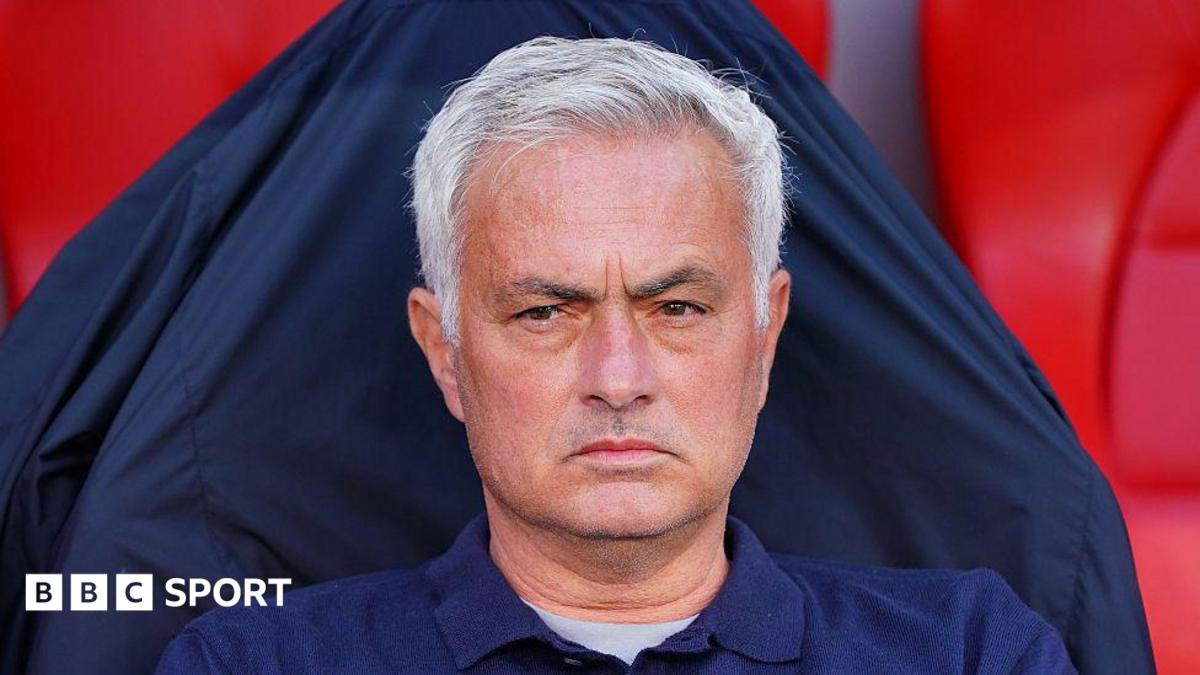
Real Madrid have confirmed the reappointment of Jose Mourinho as head coach.
The 63-year-old has agreed a three-year deal and will begin work when the club returns for pre-season training on 13 July.
Real Madrid have paid Benfica £13m (15m euros) in compensation to bring the Portuguese head coach back to the Bernabeu – more than a decade after his first stint at the club came to an end.
Florentino Perez had vowed to reappoint Mourinho as head coach if he was re-elected as club president earlier this month.
It is the second time Mourinho has taken charge of Real Madrid, with his previous spell, which began in 2010 and lasted three seasons, yielding a La Liga title, a Copa del Rey and a Spanish Super Cup.
Mourinho has since taken charge of Premier League clubs Chelsea, Manchester United and Tottenham Hotspur and had stints at Roma, Fenerbahce and Benfica in more recent years.
During his one and only season at Benfica, Mourinho led the two-time European Cup winners to an unbeaten Liga Portugal campaign, though it was only enough to secure a third place finish.
Advertisement
Earlier this week, Benfica agreed a deal to appoint former Fulham manager Marco Silva as Mourinho’s replacement.
Mourinho, meanwhile, heads back to Real Madrid with the club having failed to win a trophy in the last two seasons.
Somali referee Omar Artan has been appointed to officiate the 2026 UEFA Super Cup between Paris Saint-Germain and Aston Villa in Salzburg on August 12.
UEFA announced the appointment on Thursday following discussions with the Confederation of African Football (CAF).
Artan, 34, is regarded as one of Africa’s leading referees. He has been a FIFA-listed international referee since 2018 and was named CAF Men’s Referee of the Year in 2025 after a series of impressive performances.
Advertisement
One of the biggest matches he handled was the second leg of the 2025/26 CAF Champions League final, which further strengthened his reputation on the continent.
The appointment comes after Artan missed the opportunity to officiate at the 2026 FIFA World Cup. Although FIFA selected him among the tournament’s match officials, he was unable to take part after being denied entry into the United States.
UEFA said the decision to appoint Artan was made under its recently signed Memorandum of Understanding with CAF, which aims to strengthen cooperation between both football bodies, including in refereeing development.
Advertisement
UEFA President Aleksander Čeferin praised the Somali official, describing him as a talented referee who has already shown his quality at the highest level of African football.
“Football is made to connect people, and UEFA wants to show its respect to Omar and his outstanding officiating skills, which had earned him such a prestigious nomination,” Čeferin said.
CAF President Patrice Motsepe also welcomed the appointment, saying Artan has made Somalia and Africa proud through his achievements.
“His receipt of the CAF Men’s Referee of the Year Award 2025 and his appointment as a referee of the FIFA World Cup 2026 are a recognition of his world-class refereeing ability and the international respect that he enjoys,” Motsepe said.
Advertisement
The CAF President added that Artan’s selection for the UEFA Super Cup is a great honour for African referees and an example of football’s ability to unite people across continents.
J.J. Spaun’s ascent from mini-tour anonymity to 2025 U.S. Open champion was a remarkable transformation. Born August 21, 1990, in Los Angeles, Spaun had a standout collegiate career at San Diego State University and turned pro in 2012, competing on West Coast mini-tours. He survived on shoestring budgets, often just scraping by while chasing his PGA Tour dream.
He earned Web.com status for the 2016 season, which he parlayed into a PGA Tour card the following year. Even with the occasional brilliant round on Tour, his inconsistency fueled long slumps and tested stretches of frustration. After a serious health scare in 2023, Spaun enlisted the help of Adam Schriber, a Michigan-based coach at LochenHeath Golf Club. Schriber’s holistic approach rebuilt Spaun from the ground up. They focused on core stability, efficient rotation and mental resilience, allowing him to minimize strain while simultaneously enhancing power.
“Adam reconstructed my swing and mindset,” Spaun said.
Early in the week of the 2025 U.S. Open, Spaun added short-game coach Josh Gregory to the team, and it paid off immediately with a chip-in on the very first hole. At Oakmont, his refined technique and composed attitude kept him in the hunt after a shaky start, culminating with a 64-foot birdie putt on the final hole, clinching a two-stroke win.
Advertisement
“This is ours,” Spaun told Schriber, trophy in hand.
Known for his calm demeanor under pressure and ultra-solid ball striking, Spaun built his game around discipline rather than flash. Friends describe him as relentlessly curious, always seeking incremental gains. His journey reflects perseverance, humility and belief — proof that patience, persistence and dedication can outlast early-career obscurity.
Check out below for a breakdown of six positions from Spaun’s swing that every golfer should copy.
Mark Newcombe / Visionsingolf.com
1. Setup
Many shorter amateur golfers bend over too much, causing them to stand excessively far from the ball and limiting their pivot. J.J. adopts just enough forward tilt to allow for a comfortable arm swing and easier wind and unwind.
Advertisement
2. Takeaway
Spaun rotates his torso away from the ball without unnecessary right-leg straightening, allowing minimal right-arm bend while keeping his arms in front and limiting clubface rotation.
3. Top
J.J.’s arms form a neat, equilateral triangle at the top with perfect left wrist and clubface position. You can’t get to this position with a “hold the tray” right forearm. Additionally, he has turned enough to reach this hand location without overturning.
4. Downswing
Spaun keeps from over-closing the clubface by not overdoing the Internet-popular arching of the left wrist. His wrist remains plenty neutral as the club is lowered and pulled into a great position to unload it without fear of a quick hook.
5. Impact
A top-flight professional impact position requires body twisting that most amateurs have never experienced but could learn: hips forward, tucked and open, lower torso turned, but upper torso right tilted and less open. Do these things, and that hall-of-fame arms-and-hands position is possible. Just like Spaun’s.
Advertisement
6. Release
Take note of the bent right arm and open clubface in No. 4 and the fully released toe of the clubhead and straightened right arm here. All while keeping the right arm under the left. This brilliantly keeps his fade from being a weak wipe and a pull all but impossible.
Accor Stadium will play host to Thursday’s
Round 15 NRL game between South Sydney Rabbitohs and
Brisbane Broncos. The game kicks off at 7:50 pm with South Sydney Rabbitohs heading into the game as favourites with the bookmakers. Continue reading for our in-depth preview of the South Sydney Rabbitohs vs.
Brisbane Broncos
game and give you our free tips and bets.
South Sydney Rabbitohs vs Brisbane Broncos Preview
Round 15 begins with two proud clubs searching for answers as South Sydney hosts Brisbane at Accor Stadium on Thursday night. Injuries and Origin absences have left both sides heavily depleted, adding another layer of intrigue to a contest that could shape their seasons. The Rabbitohs have slipped outside the top eight after three straight defeats, while the Broncos enter on a five-game losing streak that has seen their finals hopes rapidly fade. South Sydney will be looking for greater consistency without Latrell Mitchell, while Brisbane must find a way to tighten a defence that has leaked points at an alarming rate. Recent meetings between the sides have been closely contested, and with neither team entering in convincing form, this traditional rivalry looms as one of the hardest games of the round to predict.
Indiana Governor Mike Braun explains Indiana’s swift action in securing the Chicago Bears stadium project in Hammond. He contrasts this with the Illinois legislature’s five years of indecision, stating, ‘We’re not wafflers.’ Braun emphasizes Indiana’s business-friendly environment, highlighting the state’s economic growth and low unemployment.
NEWYou can now listen to Fox News articles!
Advertisement
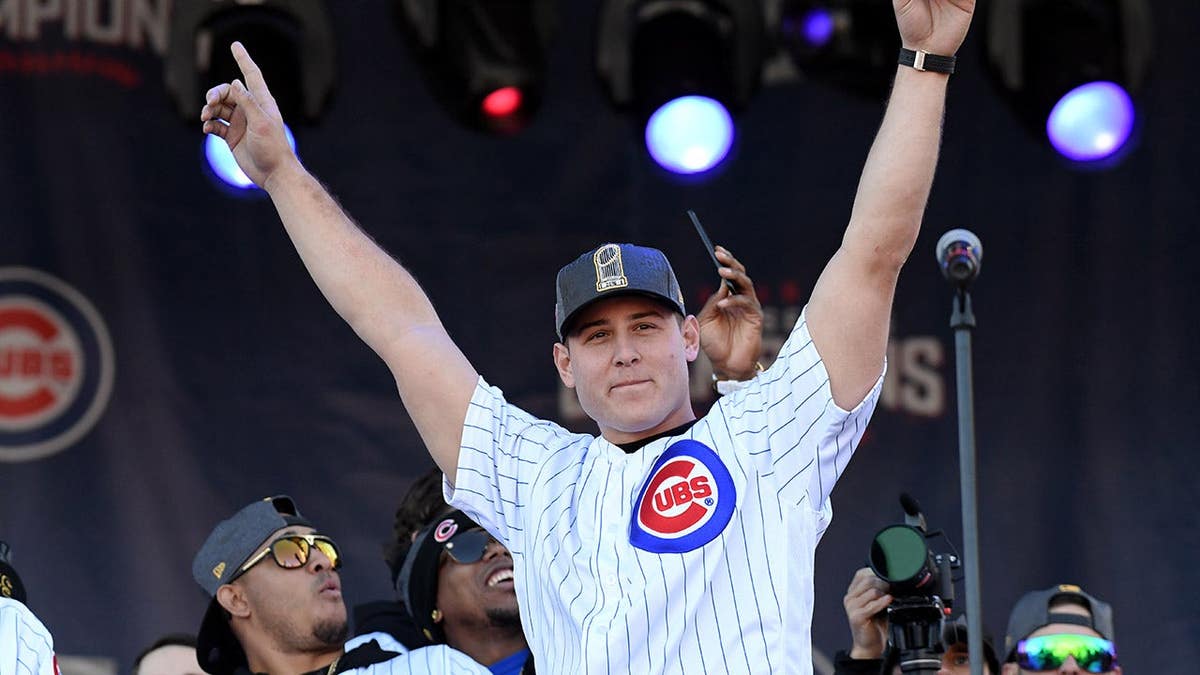
Former Chicago Cubs star Anthony Rizzo is reveling in the Windy City after retirement, but pretty soon, the city will be without a primary sport.
The Chicago Bears of the National Football League are set to leave Chicago for Hammond, Indiana, roughly 20 miles south of their current home.
The Bears have called Soldier Field home since 1971, and before that, they played their home games at Rizzo’s old stomping grounds, Wrigley Field, for 50 seasons.
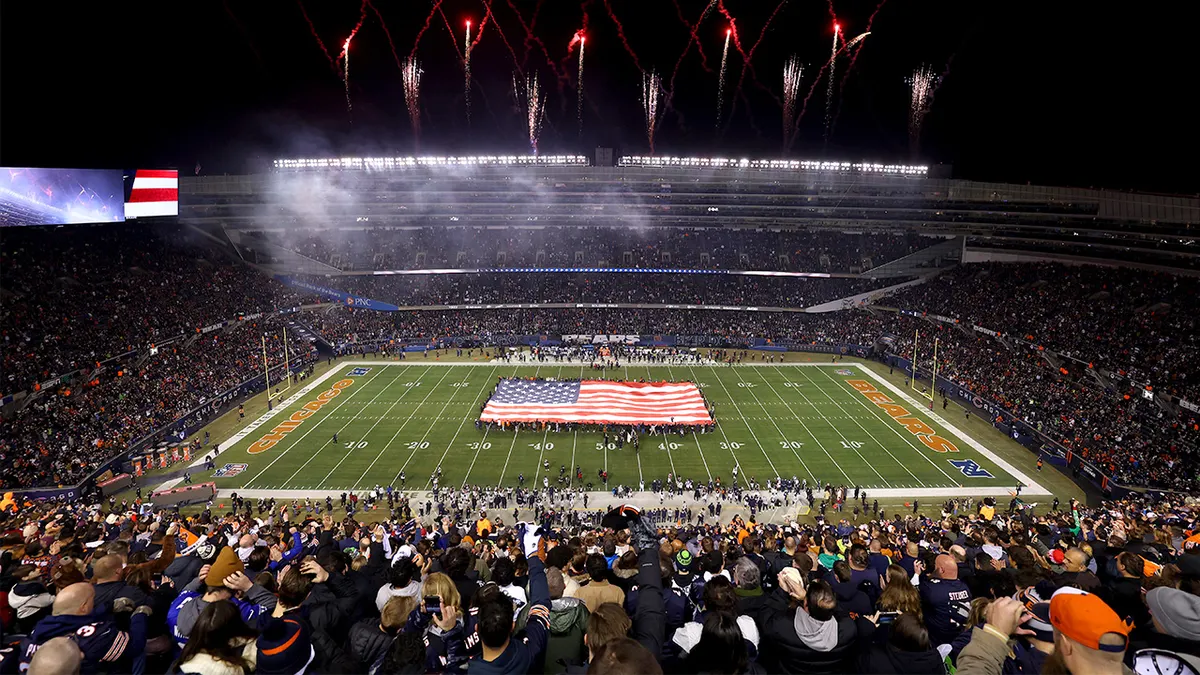
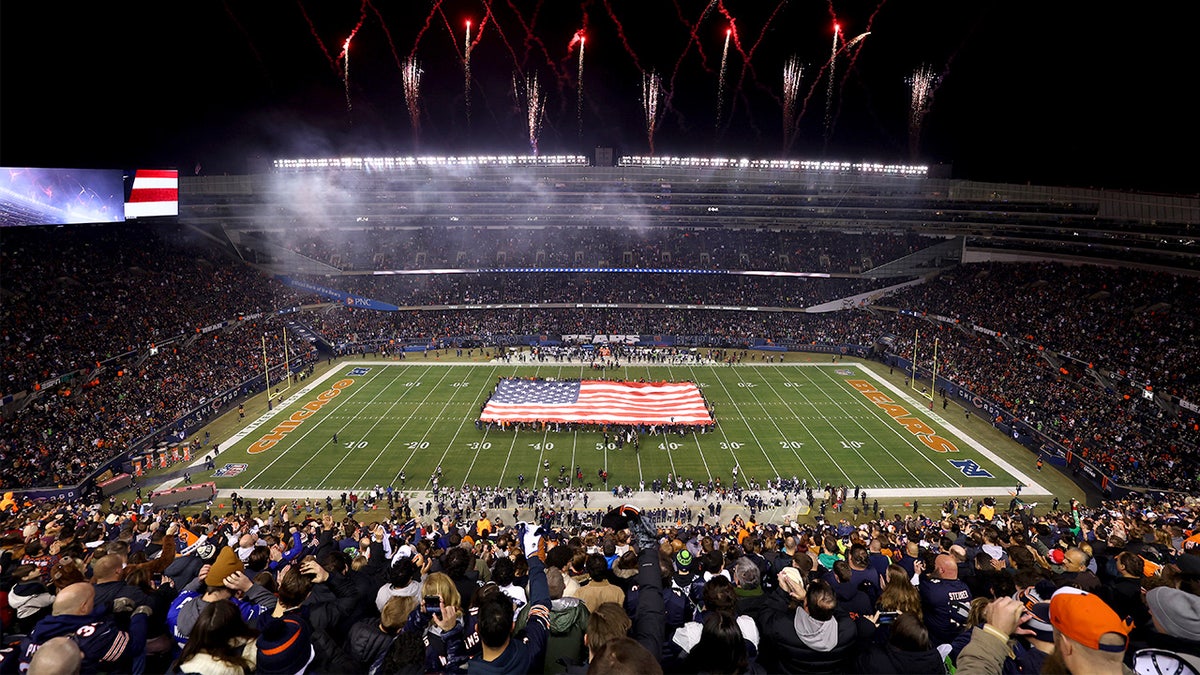
A general view inside Soldier Field during the national anthem before the game between the Seattle Seahawks and the Chicago Bears in Chicago, Ill., on Dec. 26, 2024.(Michael Reaves/Getty Images)
While the Bears have been pretty insistent on leaving, city officials have been trying desperately to keep them, and Rizzo says they are “in denial that they’re going.”
“I think they’re trying to deny it as long as they can until it’s official,” Rizzo told Fox News Digital.
“Soldier Field was, is, awesome, in my opinion. It’s hard to get in and out of, and it definitely needed some renovations, but the city of Chicago and the fan base, it’s absolutely wild that they’re leaving for Indiana. I know it’s not too far away; it’s not even 20 miles south, but the fact that it’s in Indiana is different,” he continued.
Chicago Cubs first baseman Anthony Rizzo celebrates during the team’s World Series victory rally at Grant Park in Chicago, Ill., on Nov. 4, 2016.(Patrick Gorski/Icon Sportswire)
“Then again, the New York Giants and the New York Jets play in New Jersey, so. The renderings of what they’re doing look amazing. If you build it, they will come, right?”
The Bears’ board of directors met last week into the evening and voted to advance the stadium development project in Hammond, Indiana — with an exact stadium site to be selected. The announcement was made the next day.
“We believe a world-class stadium project in Hammond will transform the region, connecting Northwest Indiana and the South Side of Chicago through the Loop and across the neighborhoods and suburbs stretching north of the city,” Bears Chairman George H. McCaskey and CEO Kevin Warren said in a statement.
“It will bring Chicagoland together and deliver new opportunities to its residents and businesses.”
Advertisement
This is the first time the team’s board has voted on a stadium site. This development is notable and significant, but an NFL source told Fox News there is a chance Illinois might still be able to convince the team to stay in the state. Those chances were characterized as requiring “a Hail Mary” political effort.
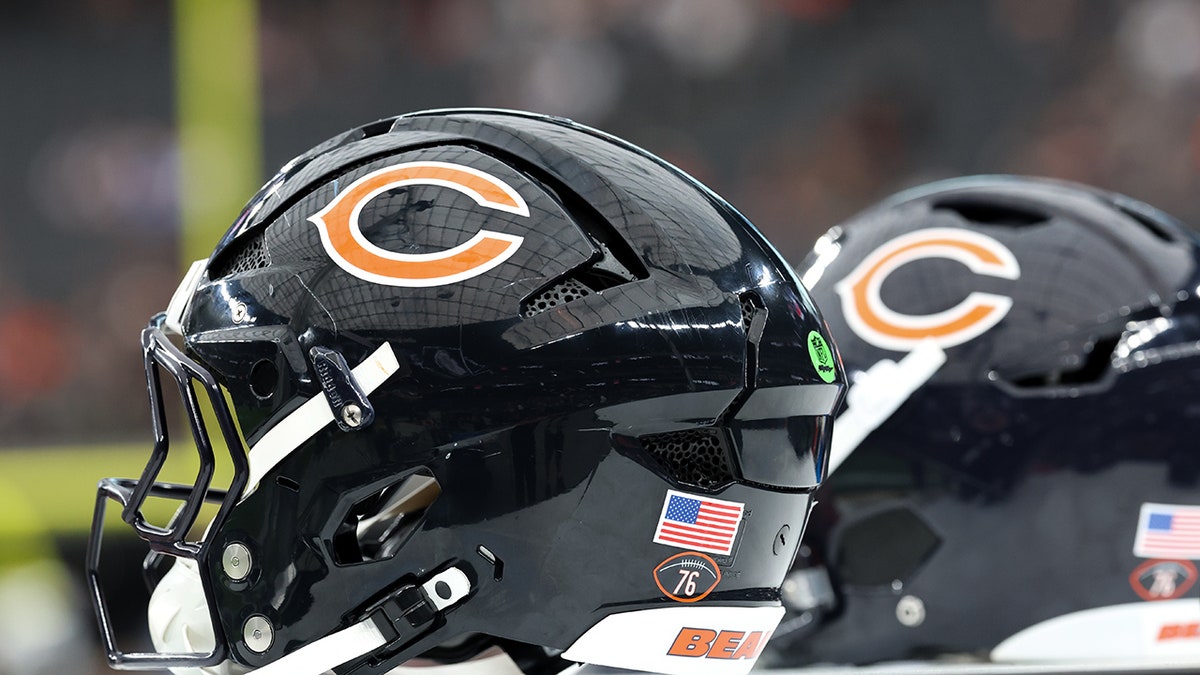
Chicago Bears helmets are displayed before the game against the Las Vegas Raiders at Allegiant Stadium in Paradise, Nev., on Sept. 28, 2025.(Kiyoshi Mio/Imagn Images)
However, that Hail Mary, even if it were to work, will still move the club out of Chicago, with the only site in Illinois as a likely landing spot being Arlington Heights.
Outkick’s Armando Salguero contributed to this report.
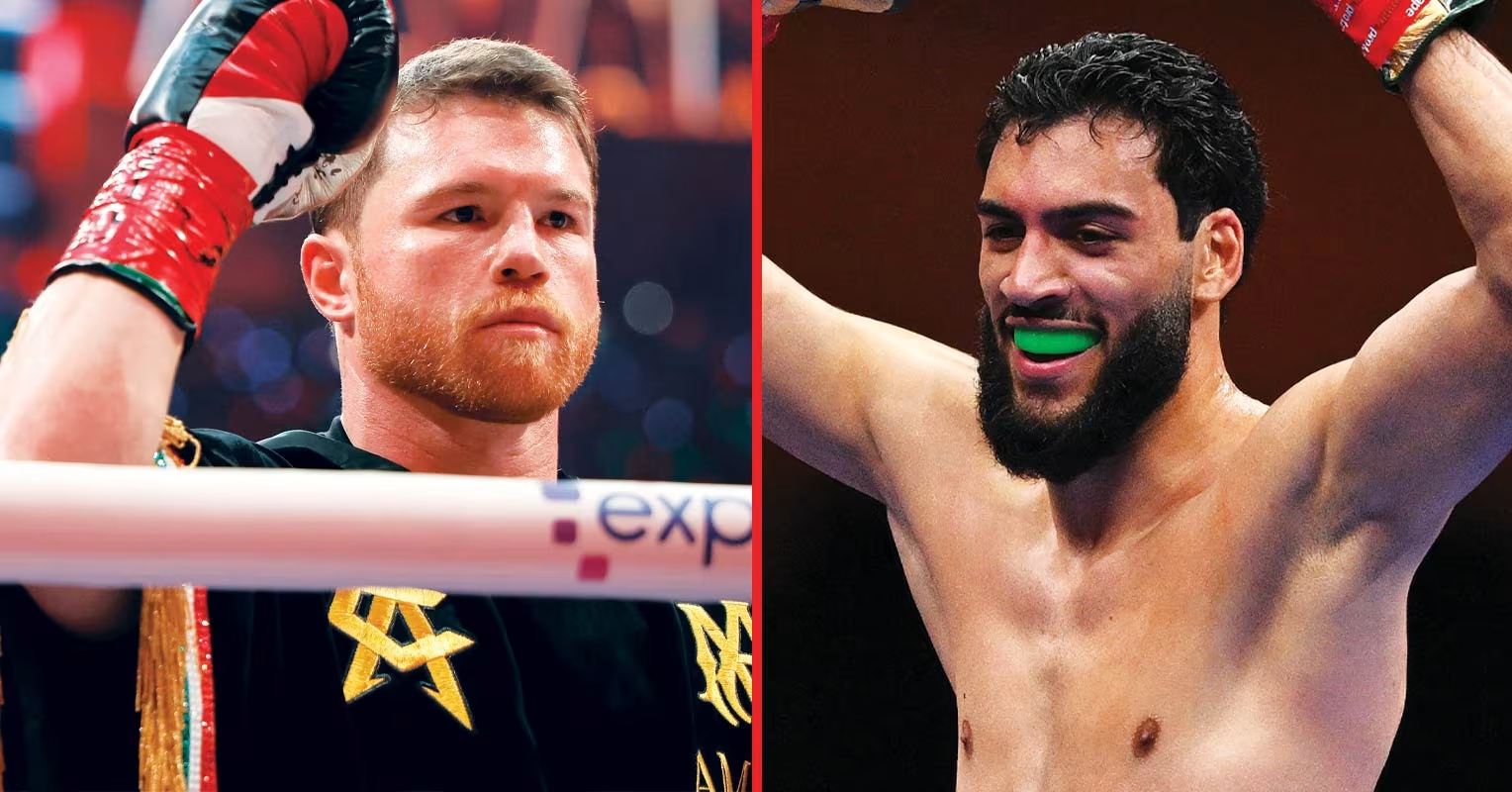
Should Canelo regain the WBC marble, Sheeraz is eyeing up Canelo’s regular Cinco De Mayo outing for a potential 168lb unification affair, planning on announcing himself as the super-middleweight to beat by overcoming the division’s poster boy.
Advertisement
However, speaking with DAZN Boxing, Canelo stated that, if Sheeraz wants to face him, then he should look to unify the belts against newly crowned IBF world champion, Osleys Iglesias, in order to entice him into the proposed fight.
“I never checked that [potential fights with Hamzah Sheeraz or Osleys Iglesias]. I think that they need to fight each other and then I find out the winner. That is the most smart thing that they can do.
“We all, at some point, we need to earn what we deserve, right? They need to earn it [a fight with me], why not? That is why I say that they need to [fight each other] and I don’t say that they don’t deserve it.
“They deserve it, that is why they are there as champions or number ones or whatever.
“But, they need to fight each other and then, after my fight, we will see.”
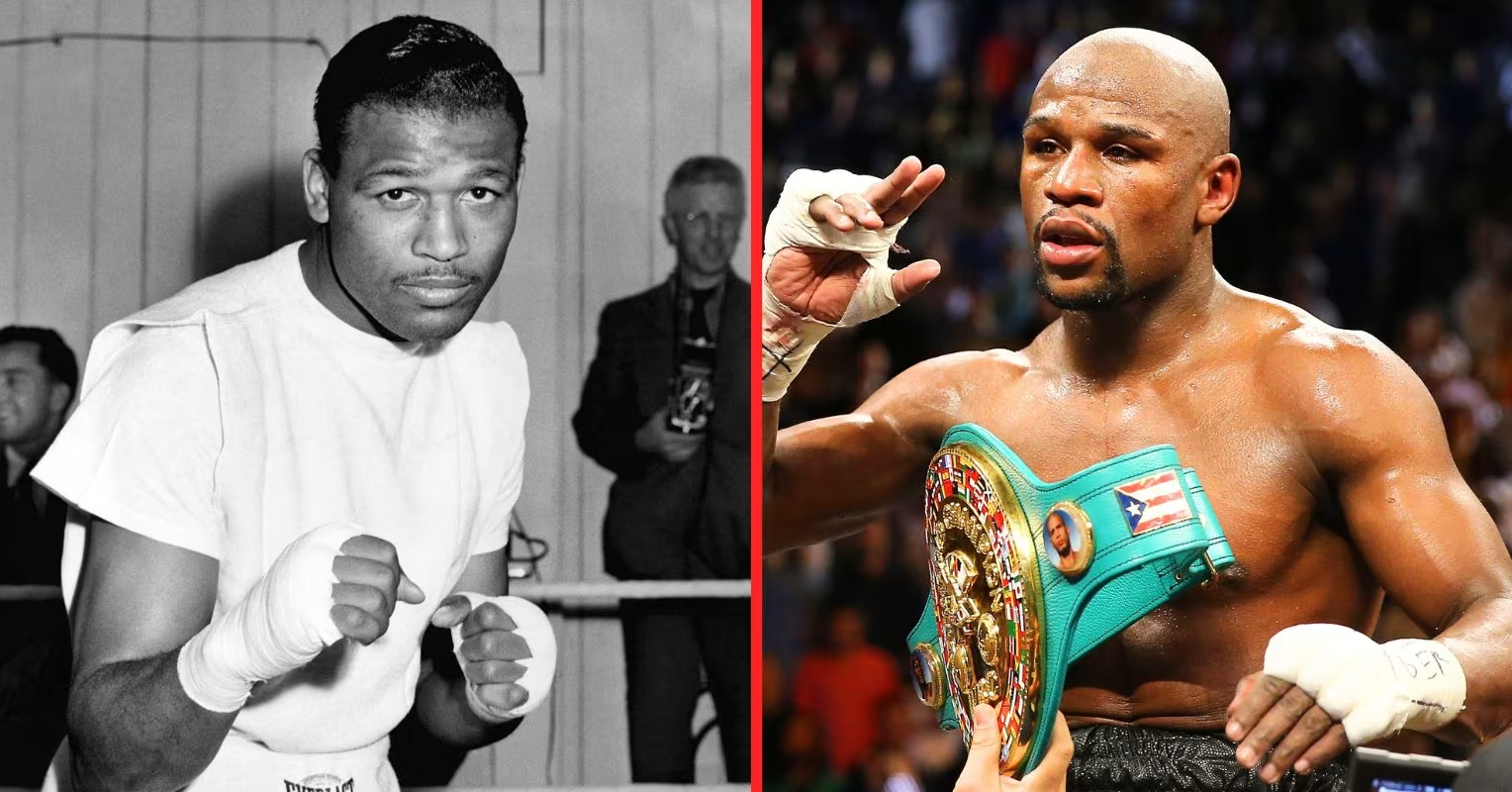
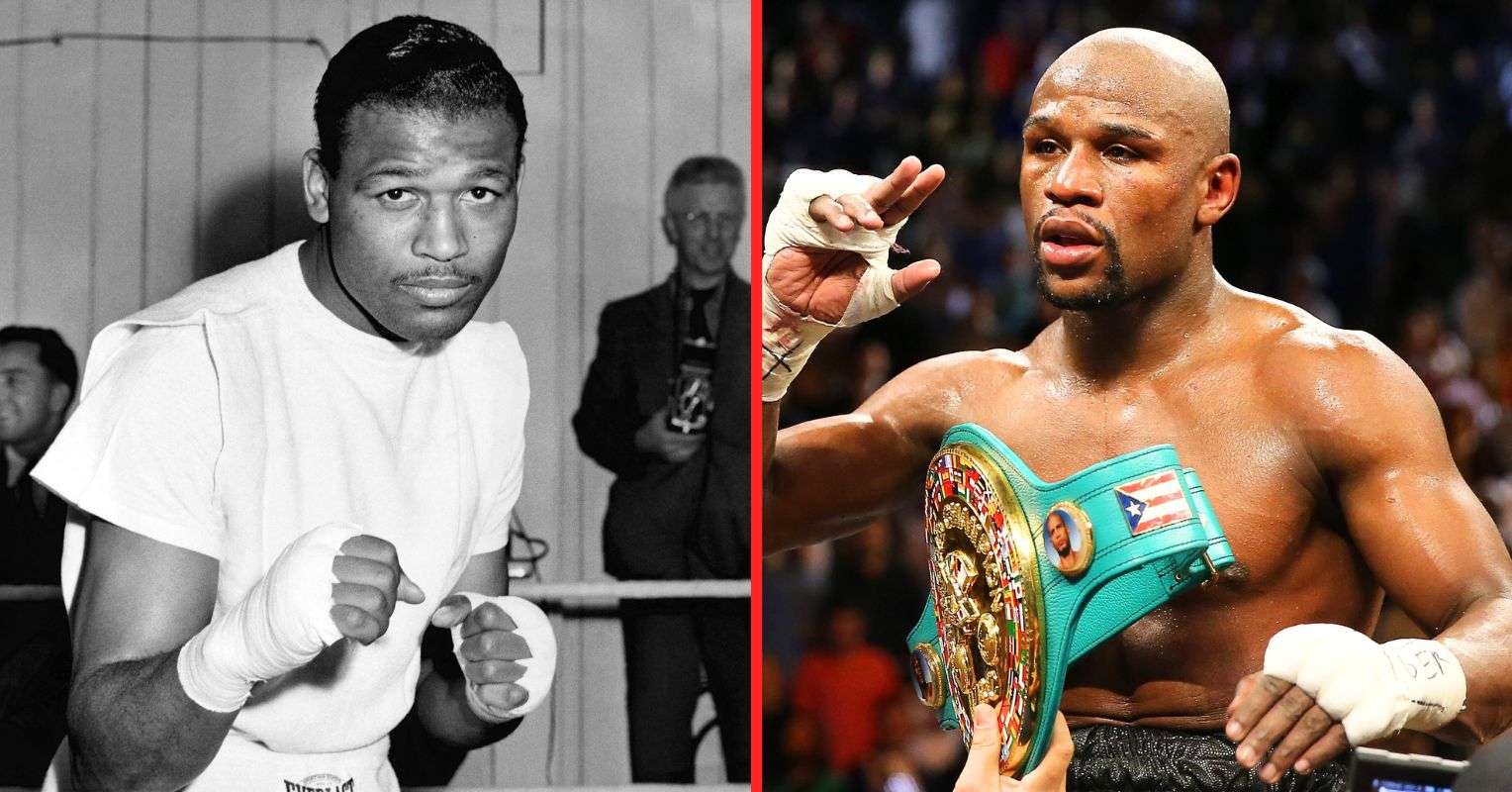
Hailed as boxing’s all-time pound-for-pound number one, Sugar Ray Robinson is appreciated by the purists, whilst Floyd Mayweather is seen by many to have been the best fighter since the turn of the millennium. Now, undefeated four-division champion Shakur Stevenson has had his say on how a fight between the two would have played out.
However, speaking on The Art of Ward podcast, current pound-for-pound star Stevenson stated that he does not believe a clash between Robinson and Mayweather would have even been competitive, confidently picking the modern-day great to come out on top.
Advertisement
“Floyd Mayweather [would have won], no question. Floyd Mayweaher, no question, not even close, nothing to even think about.
“I don’t think that it would be a competitive fight.”
Stevenson then expanded on his opinion, declaring that Mayweather’s style is simply far more ‘evolved’ and that his defensive superiority would have proven too difficult for Robinson to overcome.
“Floyd Mayweather, he had different looks. So Floyd would have his hands up [high guard], he would have his hands right here [in front of his chest] sometimes, he would have it here [Philly Shell], he had different looks. I feel like his game was way more evolved than Sugar Ray Robinson’s.
“A lot of the times, if you watch Sugar Ray Robinson, his hands was always right here [left hand low, right hand on chin]. From an offensive standpoint, Sugar Ray Robinson would be harder to deal with than Floyd Mayweather.
“But, from a defensive standpoint and who could do more, who got better boxing, IQ, skills; to me, Floyd Mayweather was way ahead of Sugar Ray Robinson.”
Advertisement
The debate is perhaps one of boxing’s most difficult fantasy matchups, not only because of their extraordinary talent but because they competed in vastly different eras, under different rules, training methods and levels of competition, making any direct comparison inherently speculative.








;)





































You must be logged in to post a comment Login