Connect with us

Tech & AI

Sony patents AI that predicts a game's next frame before the GPU finishes rendering it

Published

on

2026 10 18 ts3 thumbs 0ce

2026 10 18 ts3 thumbs 0ce
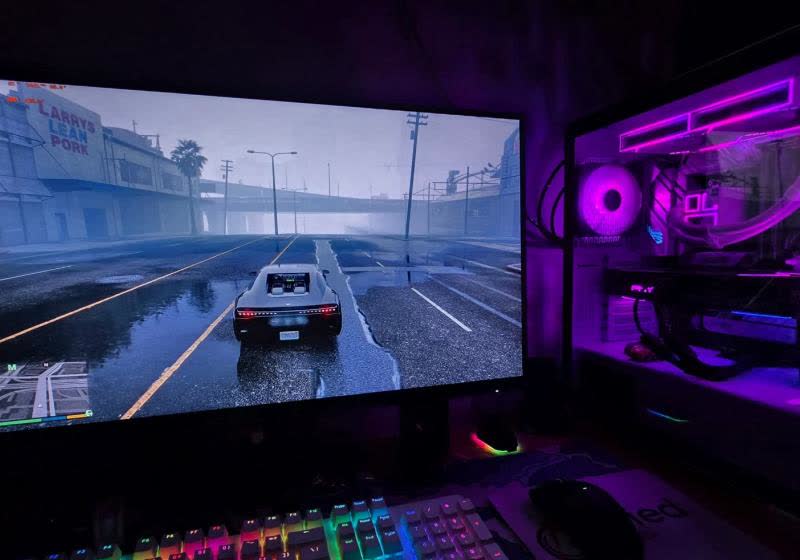
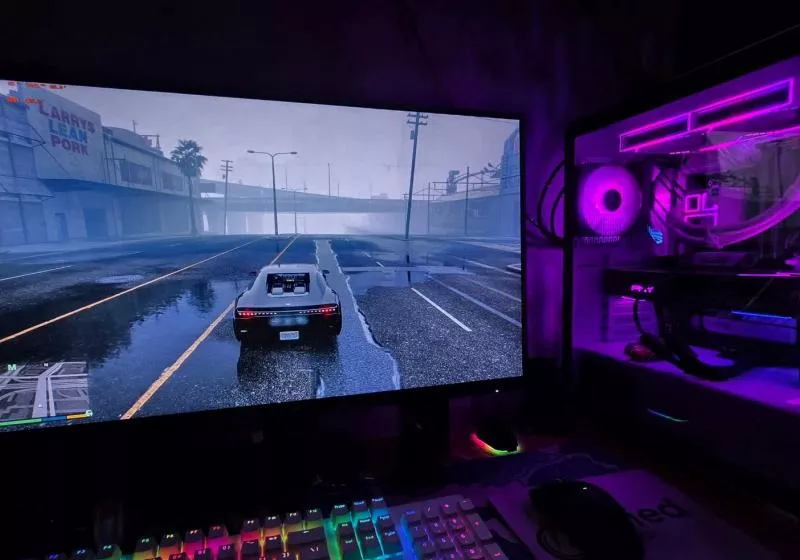
The approach targets a drawback of some frame-generation techniques: they require two completed frames before generating an image to insert between them. Waiting for the second frame adds latency. Sony’s system would instead use an already available frame to predict the next one, rather than waiting to interpolate between two…
Read Entire Article
Source link

Continue Reading
Click to comment

You must be logged in to post a comment Login

Leave a Reply

Tech & AI

The PS6 could cost over $1000 because, apparently, gaming wasn’t expensive enough

Published

on

image from ios 6 scaled

Forget saving up for GTA 6. Gamers might want to start building a separate fund for the PlayStation 6, because Sony’s next console could cost over $1,000. According to hardware insider KeplerL2, the PS6’s RAM and SSD alone now cost more than $680, before Sony has even paid for its processor, graphics hardware, cooling system, or the rest of the machine. The culprit? Surging memory prices as AI data centres gobble up computing hardware.

The PS6’s RAM and SSD could cost more than a PS5

The latest claim comes from KeplerL2, a hardware insider who shared the estimate on the NeoGAF forums. According to the leaker, RAM and NAND storage for the PlayStation 6 now cost more than $680 per console. That’s a particularly painful number when the standard PS5 currently costs $649.99 in the US.

In other words, the reported cost of two components for Sony’s next console could exceed the retail price of its current-generation machine. And the PS6 still needs an actual processor, graphics hardware, a motherboard, cooling, a power supply, and a case. The latest $680 figure covers memory and storage alone, not the entire console, and neither estimate has been verified by Sony. Still, the direction of travel isn’t encouraging.

AI data centres are driving demand for memory, pushing up costs for companies building everything from servers to consumer electronics. For context, KeplerL2 also stated that GDDR7 memory for the console is now estimated to cost around $20 to $23 per gigabyte, compared with roughly $3 per gigabyte when console chip designs were initially being planned. That’s one expensive memory upgrade.

Forget console wars, gamers could be fighting their wallets next

A $1,000-plus PS6 isn’t confirmed, and Sony hasn’t even revealed the console’s specs or launch date. But with component costs soaring, the days of consoles being the affordable gateway to gaming could be numbered.

Advertisement

Sony could absorb some costs or tweak the hardware, but considering its push towards digital gaming at the expense of physical discs, it’s hard to see them put players before profits. And with Microsoft’s Project Helix also rumoured to cross $1,000, perhaps the next console war won’t be about teraflops or frame rates, but which company can make gamers go broke a little less painfully.

RELATED COVERAGE:

Source link

Advertisement
Continue Reading

Tech & AI

Maker Recreates the Toy Story 2 Cleaner’s Chest as a Real Workshop

Published

on

real life toy story 2 cleaners chest project

Real-Life Toy Story 2 Cleaner's Chest Project
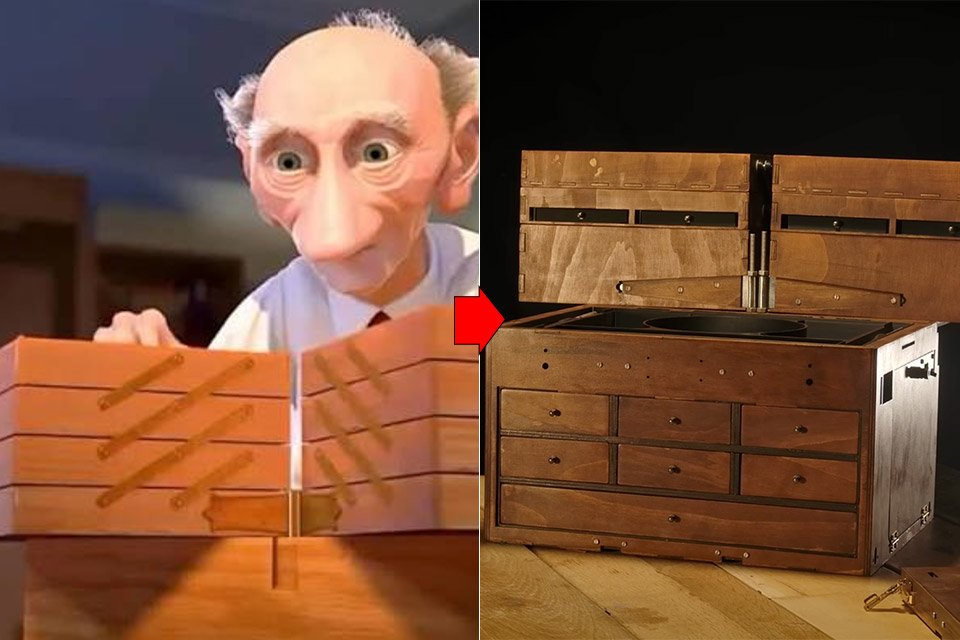
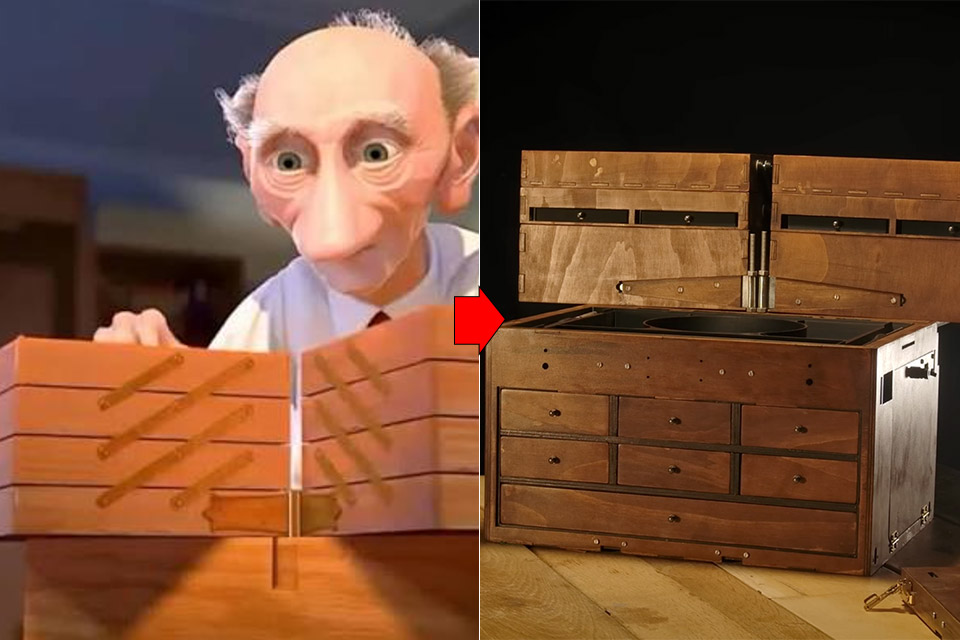
Decades after Toy Story 2, the multi-layered chest that appears when the cleaner restores Woody continues to pull makers who want those drawers and compartments to exist outside the animation. Chris Borge, a maker from South Australia focused on digital fabrication and 3D printing, took the idea on as a prototype for a mobile workshop. The project started during a trip to the Flinders Ranges while he worked on a camera build, when the need for a portable setup made the film’s design feel worth testing against real constraints.


Animation ignores a variety of physical constraints that are readily obvious in a real-world build. The drawers in the design are prone to colliding with the compressor and side compartments, and let’s not even get started on how the lid clips just refuse to hold the two parts together when someone attempts to lift the chest by the handle. Borge had the foresight to maintain the general form and sense of precision openings while altering the layout just enough to ensure that the components worked in practice. He used a laser cutter to cut out all of the plywood parts for the main frame, dividers, lid, and drawer boxes, and then printed the extra bits for the mechanisms and fittings.

Sale


LEGO Ideas Disney Pixar Luxo Jr. – Room Decor and Building Set for Adults – Office and Desk Decor for…
  • ANIMATE YOUR MEMORIES – Adults, ages 18 and up, can recreate playful Luxo Jr., the iconic lamp character from Disney Pixar’s 1986 animated short…
  • LEGO IDEAS EXCLUSIVE – A fan-designed set created by the LEGO community, voted for by passionate fans and produced by the LEGO Group
  • FULLY POSEABLE MOVIE ICON – An intricate, articulated design helps builders recreate Luxo Jr.’s unique bouncing, hopping, and rotating movements

Assembly entailed gluing the inner frames and dividers together, then fitting a lot of drawers of various sizes, about 18, and installing the lifting mechanism with threaded rods and linear rails that allow for a ball vise for light work. The side doors, a folding support panel, a removable top that also functions as a work table, and a sliding compartment for a smaller air compressor were all fitted at the same time. He ended up utilizing modified hinges, bag locks, and printed spacers to keep everything in place. Then it was just a matter of applying many coats of oil paint, followed by further coats of shellac, to give the surfaces a lovely smooth finish, albeit there was still some adhesive residue in a few places that was interfering with how the stain looked after that.

Advertisement


The finished chest is pure eye candy, with the drawers sliding in and out, the vise adjusting in height, and the secret rack and compressor chamber opening up exactly as they should. While its size makes it not the most portable object in the world, which contradicts the initial goal of making it a mobile workshop, it did have some issues, with only a few things left incomplete. Borge released a STEP file for the prototype and detailed the issues he was still dealing with, and he’s already working on a second version that takes a step back from the film’s intended proportions in favor of something more practical. What this build demonstrates is how valuable digital tools can be, as they took a small animated scene and transformed it into something that opens, slides, and holds tools in a workshop.

Source link

Advertisement
Continue Reading

Tech & AI

Disney agrees to hire the majority of Character.AI’s workforce

Published

on

character ai

After chatbot startup Character.AI filed for bankruptcy earlier this week, many of its employees will have the opportunity to take jobs at Disney.

Character.AI’s former CEO Karandeep Anand recently became the entertainment giant’s first CTO, and the startup previously said that Disney had agreed to acquire some of its assets for $20 million.

A legal filing spotted by Bloomberg revealed more details about the agreement between Character.AI and Disney, with Disney agreeing to make employment offers to at least 60 Character.AI employees — the majority of the workforce — paying them an estimated $60 million in annual compensation.

The filing also says that the “vast majority” of Character.AI employees who were offered jobs at Disney accepted them. However, this is a stalking horse bid, so another company could come forward with a higher offer.

Advertisement

The filing says that despite its “large and engaged user base,” Character.AI has been hobbled by high costs and “potential litigation-related liabilities and regulatory engagement.” (The company was sued by the mother of a 14-year-old boy who said her son became obsessed with one of Character.AI’s chatbots before committing suicide; it also faces government investigations over child safety concerns.)

Source link

Continue Reading

Tech & AI

20 Best Gifts for Men, Manly Men, and Manly Man Men (2026)

Published

on

The20Best20Gifts20for20Men20Manly20Men20and20Menly20Man20Men20top20art20SOURCE20Amaz

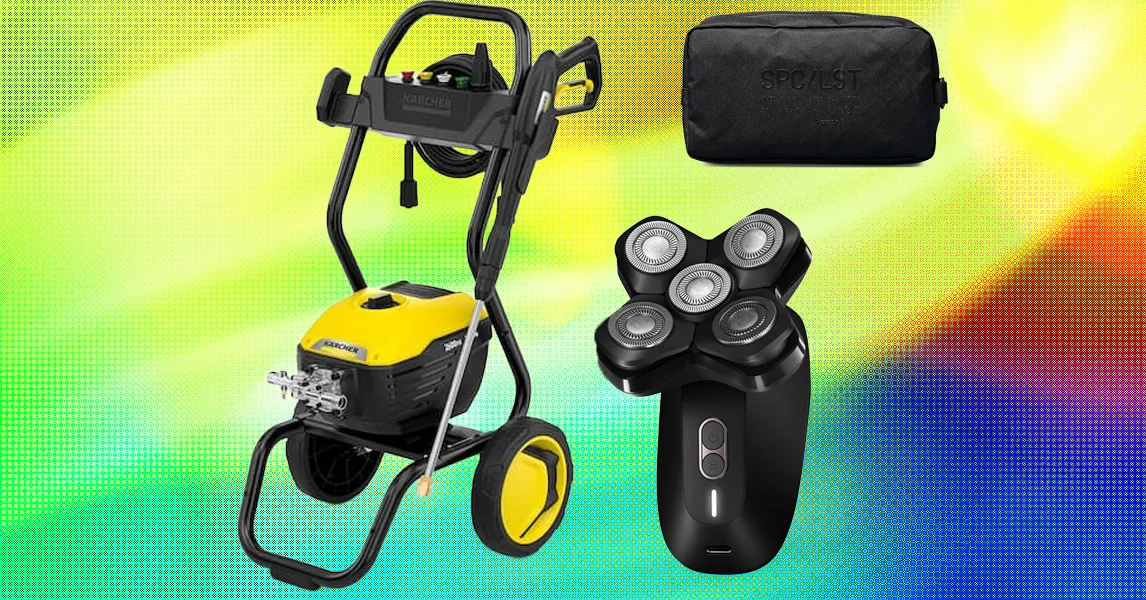
You might wonder whether black is the most natural color for a cooler, given its propensity for absorbing heat. OK, and? Suck it up, and embrace the steely, Vader-esque manliness of this Ultra-Tough cooler from RTIC. It’s roto-molded, natch, but it’s also filled with 2.8 inches of foam. I have tested the 45-quart version while tailgating in temps where the cooler was actually helping keep our seltzers from exploding.

The Ultra-Tough is a beast to carry by yourself (the manly way, the way John Wayne would carry a cooler) because it weighs almost 30 pounds empty. This means it’s about 55 pounds with a 24-pack of Bud Light, and 60 pounds if you toss in a 5-pound bag of ice from the store. But the foam handles mounted on free-swinging ropes make it manageable. In terms of build quality, this RTIC cooler is actually a little more solid than the Yeti size 65 that I previously owned, especially when it comes to the leak-free screw-in drain plug. —Martin Cizmar

Source link

Continue Reading

Tech & AI

Releasing Palm OS Archive, Developer Rediscovers Working Virus After 25 Years

Published

on

twitter icon large

Long-time Slashdot reader ardiri remembers his days writing applications for the Palm OS. And he’s now released approximately 1.5 GB of historical Palm OS development resources, “accumulated during the early days of handheld computing and preserved on hard drive backups for more than 25 years… to preserve the tools and knowledge that helped define an important era of personal computing.”

The collection includes historical SDKs, developer conference presentations, technical documentation, programming examples, limited source code, and development utilities. (ROM images, commercial applications, and simulator binaries have deliberately been excluded….) Making a broader collection of development resources available to the retrocomputing community, the archive is available at GitHub.com/ardiri/dev-palmos and is intended for historical preservation, education, and research, particularly as enthusiasts continue working to maintain, emulate, and revive the platform… Ardiri has also written an auto-biography and has started explored the engineering principles behind these systems in his books.

And somewhere along the way, Ardiri rediscovered the original source code for “The Palm OS Virus That Never Was — Lost for 25 Years, Found in 2026.” Lurking on a CompactFlash card containing files dated June 2001, he found the self-replicating Palm OS virus that he’d developed and tested in June 2001, months before the planned PalmSource developer conference in San Jose.
Named ‘Virii,’ the virus intercepted Palm OS system calls to progressively infect legitimate applications while preserving their original functionality. Infected applications could then spread between handheld devices through infrared beaming, potentially allowing an infection to propagate among hundreds of developers exchanging software at the conference. The virus also included a date-triggered payload designed to interfere with system time reporting between October 23 and 27, 2001, potentially causing erratic clocks, unreliable alarms, and missed appointments.

He promises the functional source code and binaries will remain private.

Advertisement

Read more of this story at Slashdot.

Source link

Advertisement
Continue Reading

Tech & AI

Jackie McLean Vertigo Tone Poet Review: Hard Bop at the Edge of Something New

Published

on

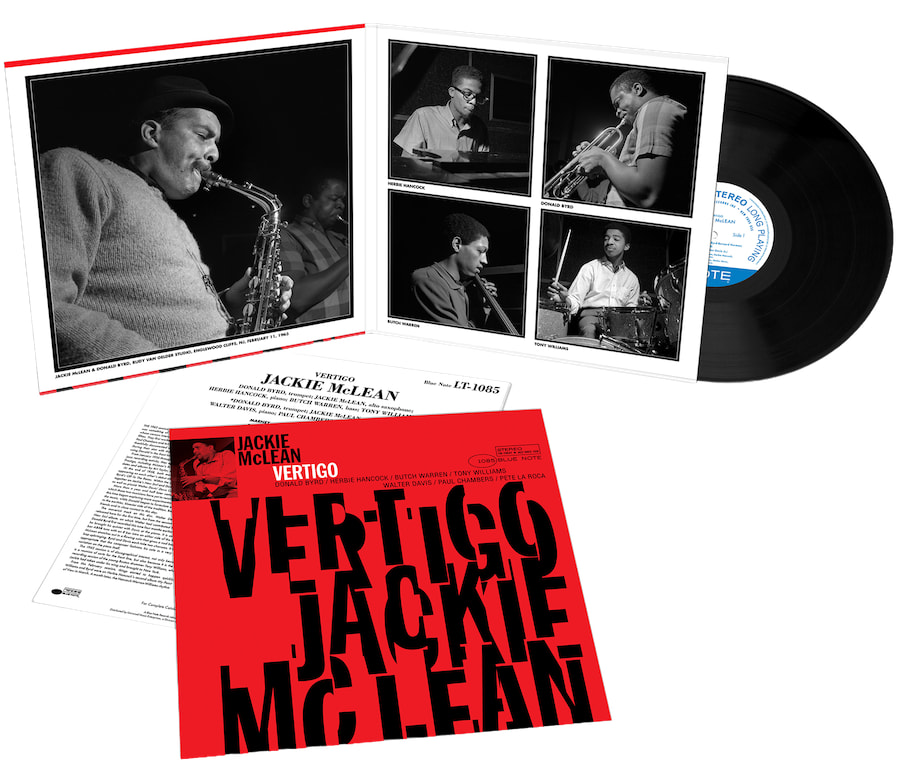
jackie mclean vertigo blue note vinyl open

Jackie McLean was never the easiest alto saxophonist to mistake for someone else. His tone could be tart, urgent, occasionally abrasive, and almost always emotionally direct; where other players polished the edges, McLean often seemed more interested in seeing what happened if he leaned into them.

That made him one of the most distinctive alto voices to emerge from the hard-bop era and, eventually, one of the musicians who helped Blue Note push beyond it. The new Tone Poet edition of Vertigo revisits one of the more fascinating entries in McLean’s catalog, a record that sits squarely between the blues-driven language of his earlier work and the more angular, exploratory direction he would pursue during the 1960s.

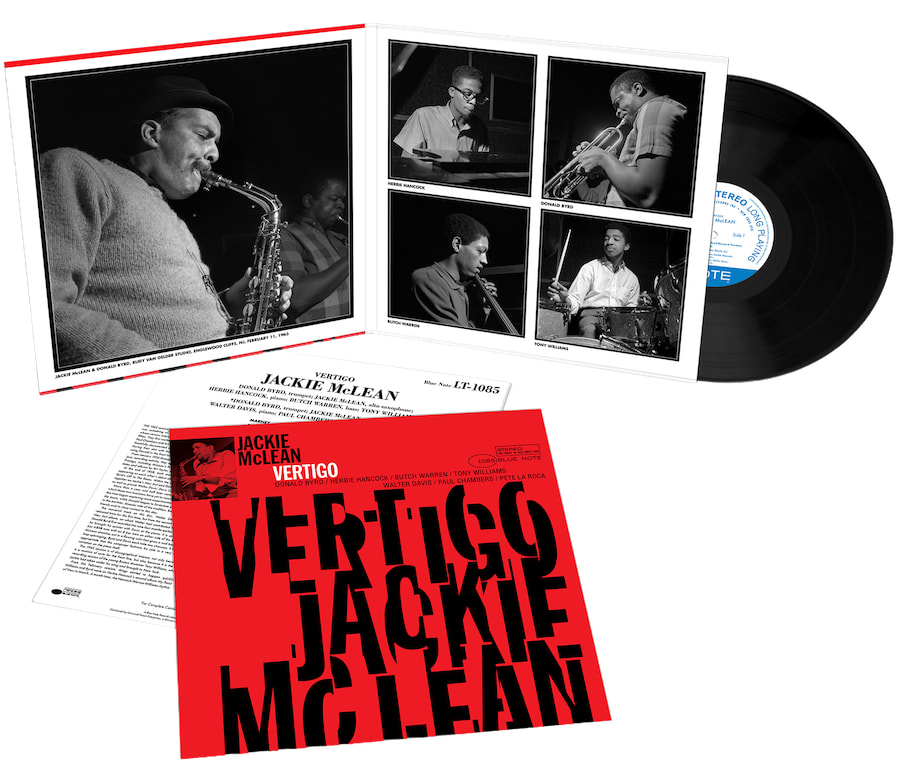
Produced by Joe Harley, mastered from the original analog tapes by Kevin Gray at Cohearent Audio, and pressed on 180-gram vinyl at RTI, the 2026 Tone Poet edition receives the usual deluxe treatment, including a Stoughton Printing tip-on gatefold jacket with Francis Wolff photography. The bigger question, however, is whether Vertigo itself deserves the attention.

It does.

Advertisement

Jackie McLean Was Already Looking Beyond Hard Bop

Born in New York City in 1931, John Lenwood “Jackie” McLean came up around musicians who were helping reshape modern jazz in real time. Bud Powell was an early mentor, and McLean was still young when he began working with Miles Davis; later came important associations with Charles Mingus, Art Blakey, and others before McLean established himself as a leader.

His long relationship with Blue Note became especially important because it documented his evolution in unusually clear fashion. Albums such as Bluesnik, A Fickle Sonance, Let Freedom Ring, One Step Beyond, and Destination… Out! show a player gradually moving beyond conventional hard bop without discarding the blues, swing, or rhythmic drive that gave his music its backbone.

McLean did not suddenly wake up one morning and decide that harmony was optional. He stretched the language piece by piece until the seams started showing.

Vertigo captures that process in motion.

Advertisement
jackie-mclean-vertigo-blue-note-vinyl-open

Two Sessions and One Serious Band

The album draws from two Rudy Van Gelder sessions recorded in 1962 and 1963, and the personnel explains a great deal about why the music feels so alive. McLean is joined by Donald Byrd on trumpet, Herbie Hancock on piano, Butch Warren and Paul Chambers on bass, and Tony Williams and Billy Higgins on drums, depending on the session.

That is not exactly the supporting cast from a regional dinner-theater production.

Hancock was rapidly emerging as one of the defining pianists of his generation, while the teenage Tony Williams was already demonstrating the rhythmic imagination that would soon make him essential to Miles Davis’ Second Great Quintet. Byrd brought both precision and lyricism, while Chambers, Warren, Higgins, and Williams gave McLean a rhythm section capable of moving comfortably between hard bop and something considerably less settled.

Advertisement. Scroll to continue reading.

That flexibility is central to Vertigo. The compositions still swing and still retain the structural logic of hard bop, but the harmonic tension is greater, the phrasing less predictable, and the ensemble sounds increasingly comfortable leaving familiar ground behind.

Advertisement

Nobody has thrown the rulebook out yet, but it has definitely been moved closer to the edge of the table.

Why Vertigo Matters

For listeners new to Jackie McLean, I would not necessarily start here. Bluesnik is a more straightforward introduction to his hard-bop side, while Let Freedom Ring makes the transition toward his more exploratory work easier to hear.

Vertigo is compelling because it lives between those two worlds. McLean still plays with the rhythmic urgency and directness that defined his earlier recordings, but the writing and ensemble interaction point toward the more adventurous Blue Note sessions that followed.

That makes the record more than a curiosity from the vaults. It is a snapshot of one of jazz’s most distinctive alto players in the middle of changing his language, surrounded by musicians who were doing exactly the same thing.

Advertisement

Why Consider This Edition?

The choice to include Vertigo in the Tone Poet series also makes sense because the album has never enjoyed the same visibility as McLean’s better-known Blue Note titles. For collectors who want the music on vinyl without chasing older pressings of uncertain condition and provenance, this edition offers a considerably simpler route.

I paid $45 CAD plus 13% HST for my copy at Rotate This on Ossington Avenue in Toronto two weeks ago. With the Canadian dollar sitting around $1.42 to the U.S. dollar, that worked out favorably enough that I never felt like I was paying an audiophile penalty for the privilege. After listening to it, I would happily pay it again.

The presentation is bold, full, and wonderfully physical. The horns are front and center without becoming aggressive, and there is not an ounce of thinness anywhere in the recording. Hancock’s piano has weight and texture, the bass is substantial and easy to follow, and the drums have real power without crowding the rest of the ensemble. The cymbals have excellent air and decay, giving the upper register plenty of openness without introducing glare.

McLean is absolutely on fire here. His alto has body, bite, and urgency, but the overall presentation remains remarkably composed—far more so than the Woody Shaw Song of Songs reissue I reviewed recently, which is more restless and volatile by design. Vertigo still has plenty of energy, but everything feels locked into place rather than fighting for space.

Advertisement

The pressing itself was essentially flawless: clean, centered, and quiet from beginning to end. More importantly, the sound quality serves the music rather than turning the session into an audiophile demonstration record.

Worth every cent.

Advertisement. Scroll to continue reading.

Our Ratings

★★★★★★★★★★ Music

Advertisement

★★★★★★★★★★ Sound

★★★★★★★★★★ Pressing

Where to Buy:

Source link

Advertisement
Continue Reading

Tech & AI

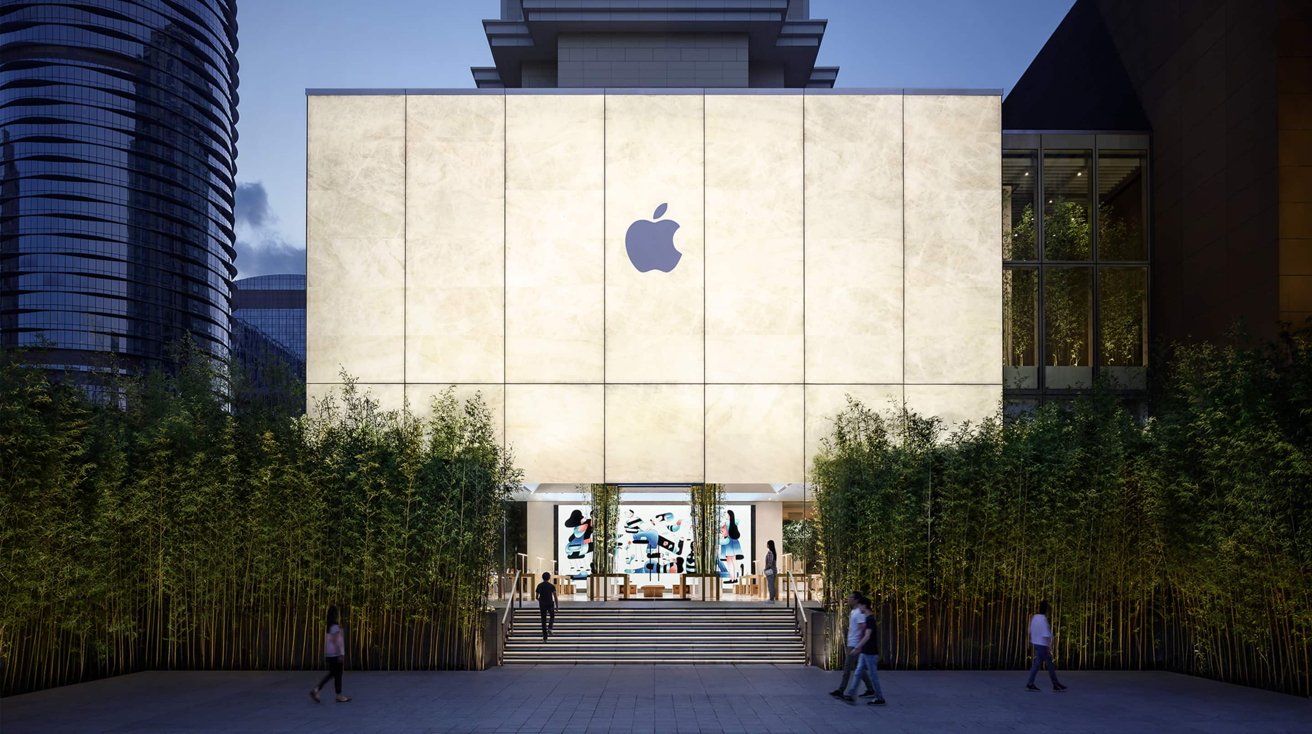
Crime blotter: Man arrested for damage to Macau Apple Store

Published

on

69427 146373 Londonermacau

iPhone transaction leads to an armed robbery in Florida, an iPad is stolen from a museum in Vermont, and an iPhone catches a suspected carjacker in Baltimore, all in this week’s Apple Crime Blotter.

The Londoner Macau
The Londoner Macau

The latest in an occasional AppleInsider feature, looking at the world of Apple-related crime.
Continue Reading on AppleInsider | Discuss on our Forums

Source link

Continue Reading

Tech & AI

There’s more to headphones than music. Doctors say they can reduce health troubles post-surgery

Published

on

Sony WH CH730N

Music has been studied for years for its possible effects on pain, anxiety, relaxation, and recovery. Recent research found that patients who listened to music they liked reported less pain after an IV insertion, suggesting that what you hear can matter during medical procedures.

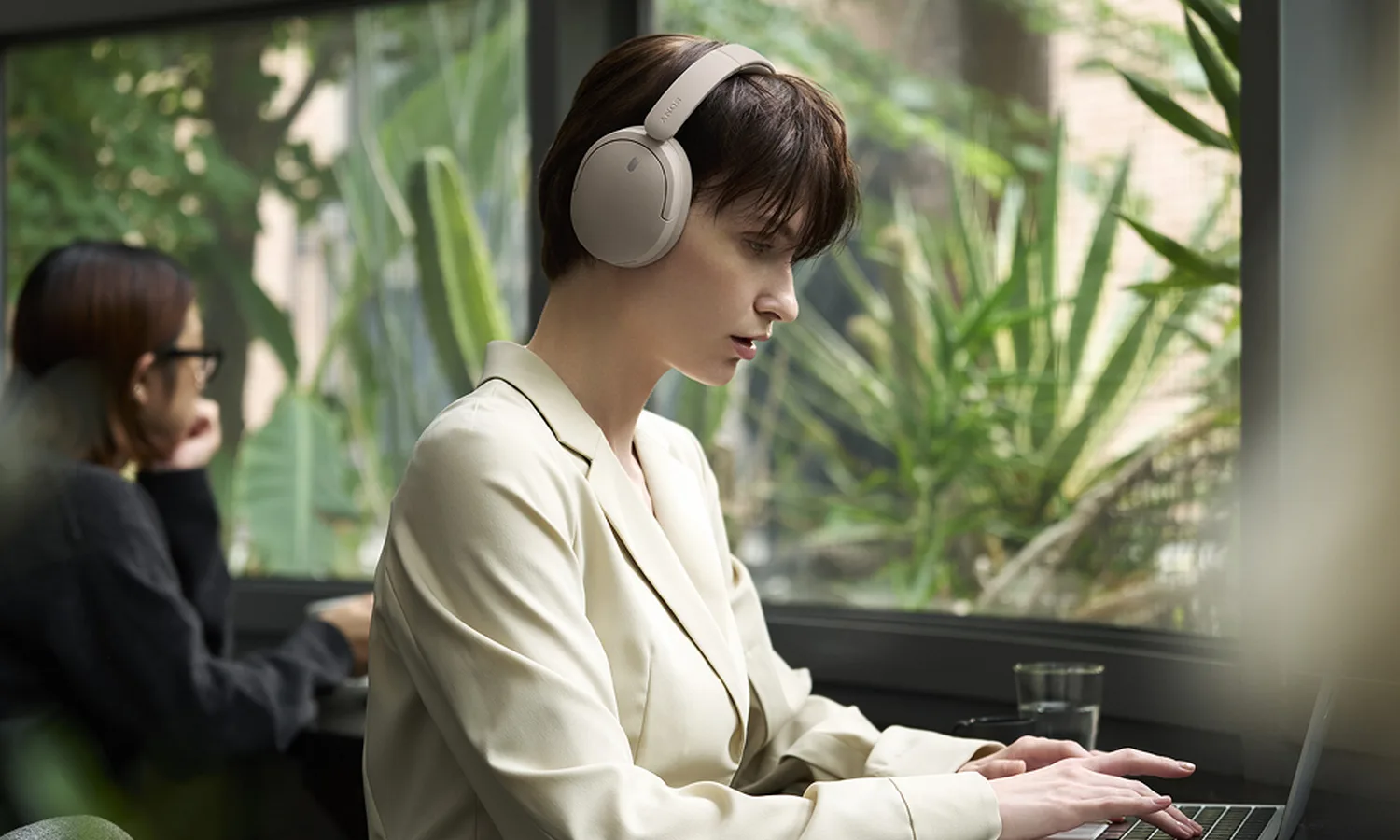
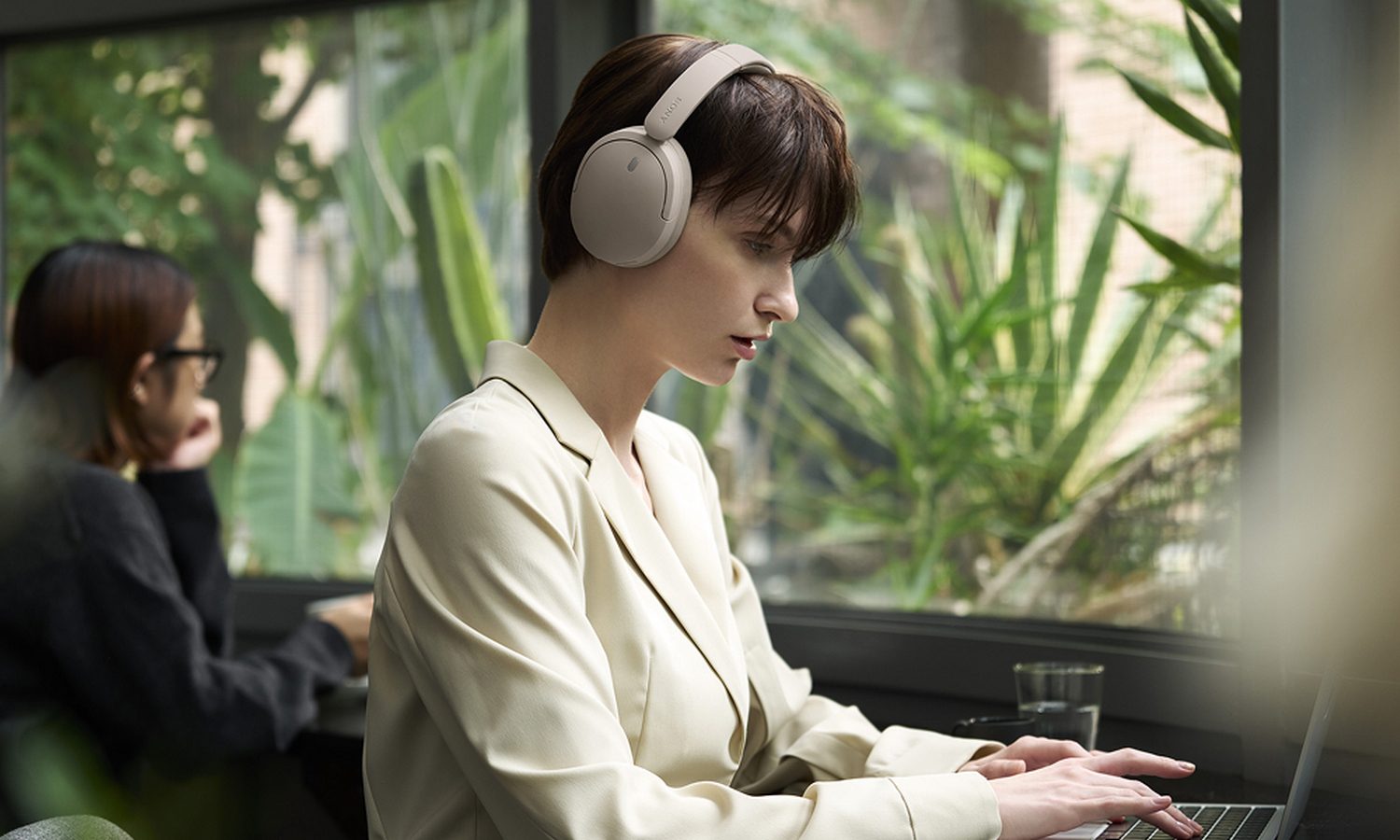
A new clinical trial suggests that headphones, particularly noise-canceling ones, can also help patients during medical procedures, even without music playing. Patients who wore noise-canceling headphones during surgery had a lower chance of experiencing nausea and vomiting afterward, even though they were under general anesthesia.

A simple change showed a noticeable difference

Among patients wearing the headphones, 35.4% experienced postoperative nausea or vomiting within 48 hours. The figure rose to 52.1% among those who went through surgery without them. Researchers put the difference at a 32% reduction in risk, and the headphone group also reported milder symptoms during the first day after surgery.

The trial involved 192 adults undergoing minimally invasive gynecologic procedures. Half wore commercially available over-ear noise-canceling headphones throughout the operation, while everyone received the same anesthesia and standard medication intended to prevent nausea and vomiting.

Why cutting out noise may matter

The study reports that operating room sound levels averaged about 66 decibels. A patient may not consciously hear that noise under general anesthesia, but researchers believe the brain and body can still respond to sound.

Advertisement

The study does not establish that operating-room noise directly causes nausea or vomiting, and researchers say more work is needed to understand the connection. Even with the relatively small sample size, though, the results are notable enough to warrant further study into why noise-canceling headphones may be reducing post-op nausea.

RELATED COVERAGE:

Source link

Advertisement
Continue Reading

Tech & AI

Amazon’s new Bee AI devices have a bystander problem, says former AWS security engineer

Published

on

bee frontier lead 1
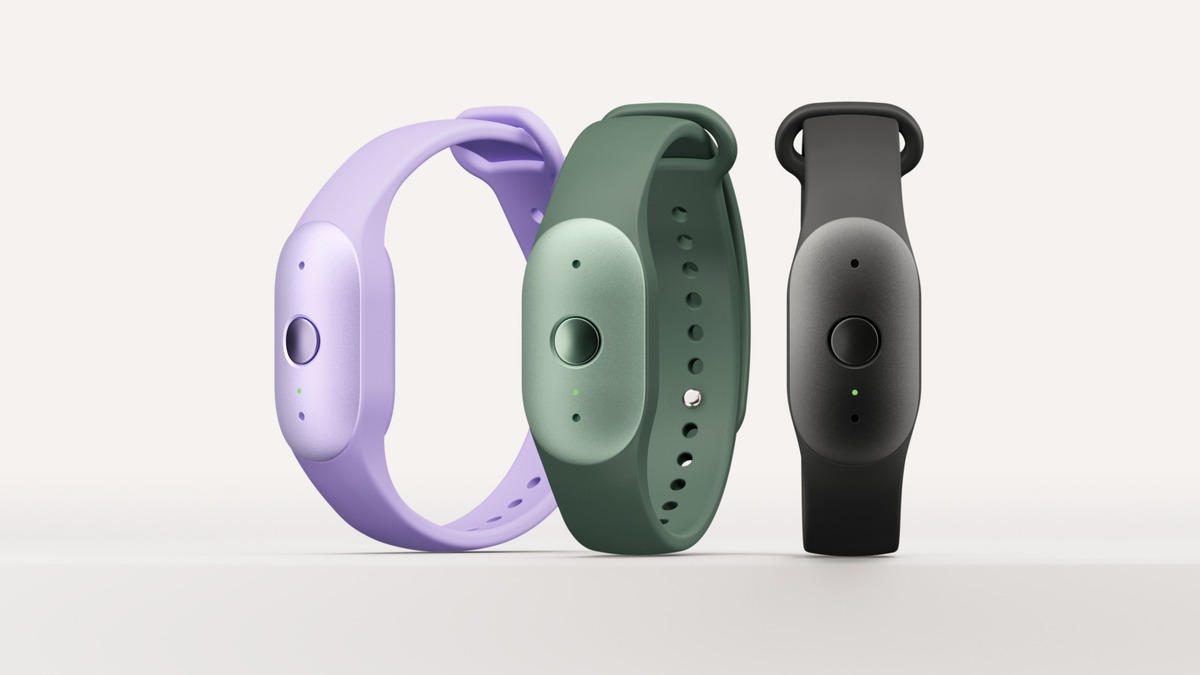
Three Bee Frontier wristbands in lavender, green and black
Amazon Bee’s recording light is easy to miss, says a former AWS security engineer. (Amazon Image)

Amazon’s new Bee AI devices ask the wrong person for consent, according to a privacy and security veteran who previously worked as a senior principal security engineer at Amazon Web Services.

In a LinkedIn article, Jeff Williams writes that Bee’s consent safeguards are aimed at the wearer, while the people being recorded have no practical way to say no.

Amazon unveiled the devices Thursday, the first new Bee hardware since it acquired the San Francisco startup last year. The $74.99 Bee Frontier goes on the wrist or clips to clothing, and the $99.99 Bee Eclipse snaps onto the back of a phone.

Both turn conversations into summaries and to-do lists, with connections to Amazon.com and Alexa+ for paid subscribers.

How Bee handles consent: Amazon says users are prompted to get permission from call participants each time they start a recording, and the devices show an indicator light while in use.

Advertisement

The problem, Williams says, is that neither one reliably tells the other people in a conversation that they’re being recorded. He writes that the prompt appears only on the wearer’s phone, and nothing enforces it.

“A prompt instructing the user to obtain permission is a liability allocation,” he wrote, arguing that Amazon is shifting responsibility for obtaining consent onto the wearer.

The light is easy to hide under a sleeve or in a pocket, he notes, and a device on the wrist or phone sits outside the frame on a video call.

Williams points to Meta’s Ray-Ban glasses as an example. In September, the data protection authority in Hamburg, Germany, found the glasses’ recording light hard to see outdoors and concluded that a recording indicator alone doesn’t establish informed consent under Europe’s GDPR.

Advertisement

In the U.S., about a dozen states, including Washington state and California, generally require consent from everyone before a private conversation can be recorded.

Whose data is protected: Williams gives Amazon credit for Bee Private Compute, which processes audio in an isolated, encrypted environment built on AWS Nitro and then deletes it. Amazon says only the customer can access the resulting data, not Amazon or Bee.

But that protects the wearer. The words of the people around the wearer still end up in transcripts and summaries they can’t see or remove. Amazon says those speakers aren’t identified by name unless they complete a voice training exercise with the device’s owner.

Williams notes that Amazon has changed comparable privacy commitments before, such as ending the “Do Not Send Voice Recordings” option on some Echo devices last year.

Advertisement

Williams also advises companies to keep the devices out of client meetings and privileged discussions, since the transcripts end up in an employee’s personal account, where the company can’t see or manage them.

A proposed fix: Williams says Bee should leave other people’s voices out of transcripts by default, unless they’ve enrolled their voices and agreed to be recorded. Before the acquisition, Bee indicated plans to record only the voices of people who had verbally consented, according to TechCrunch.

“I know first-hand that Amazon has the engineering talent to ship it,” he wrote.

Amazon’s response: The company didn’t comment directly on the critique but pointed to safeguards built into the devices.

Advertisement

One is an automatic shutoff: the devices turn off if they don’t detect the owner’s voice for 5, 15, 30 or 60 minutes, depending on the user’s setting. Amazon says that reinforces that Bee is “a personal AI assistant, not a device designed to passively pick up audio throughout the day.”

The company says it educates customers about responsible use in the Bee app, and that Eclipse will send push notifications encouraging users to let people around them know they’re using Bee and to ask for permission.

Williams, now chief information security officer at Sigma360, worked at AWS from 2023 to 2025 and spent more than 12 years at Microsoft before that, including as a privacy officer for its services business. Read his full article on LinkedIn. Read his full article on LinkedIn.

Source link

Advertisement
Continue Reading

Tech & AI

Turning A Wi-Fi Adapter Into An SDR

Published

on

Since the discovery of an undocumented I/Q sampling feature in ESP32 chips about two weeks ago, there’s been a flood of similar features being found in other wireless chips, including LoRa and Wi-Fi chipsets. The latest chip to join their ranks is the MediaTek MT7921AU, often used in Wi-Fi adapters, with two different projects developing independent SDR drivers for it in the last few days.

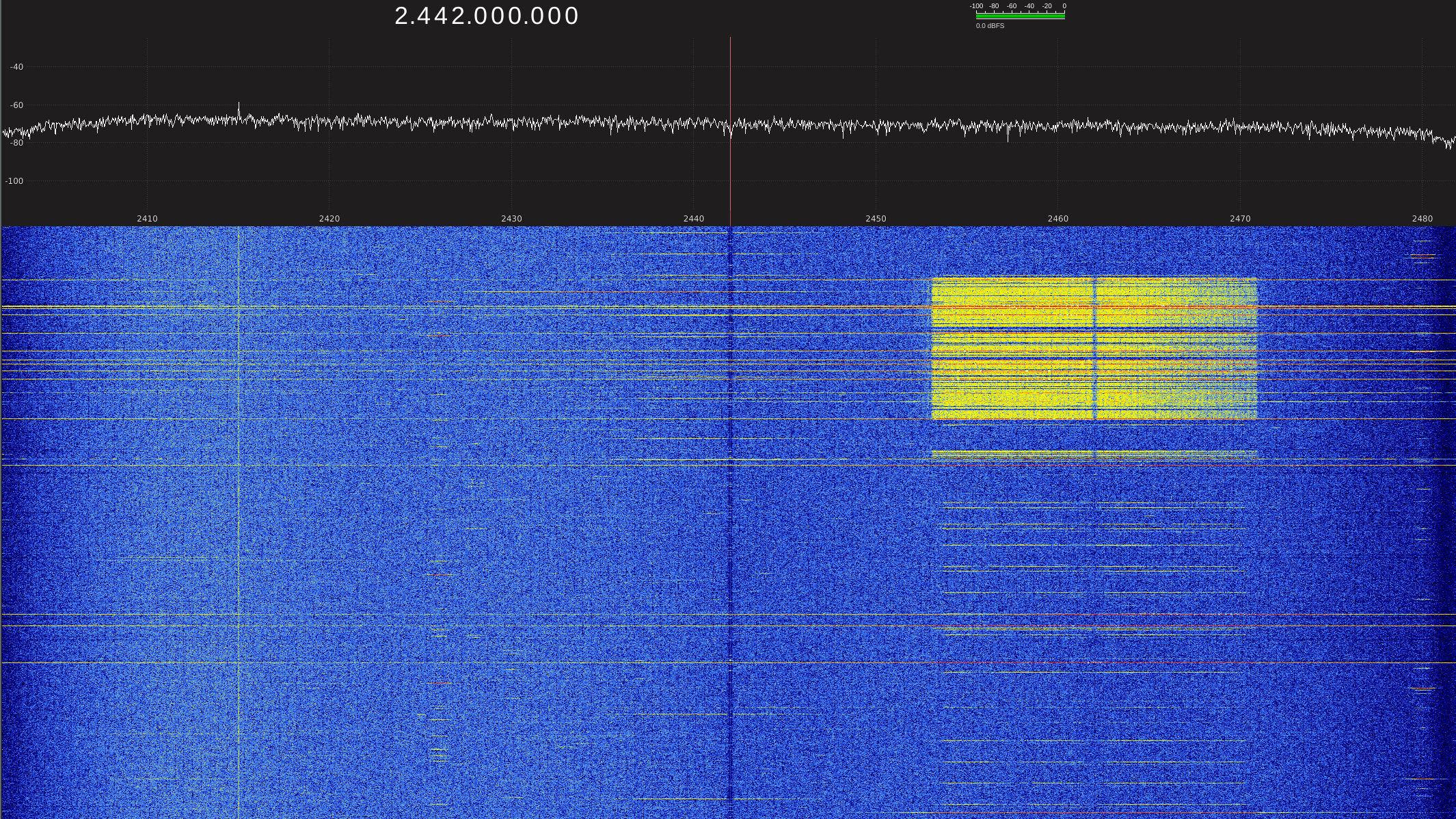
The first was BirriaSDR, which discovered that the chip exposes raw I/Q samples for debugging and calibration; BirriaSDR instead streams these to the host at 40 Msps in 14-bit resolution, with the option to tune from 2156 to 2610 MHz. BirriaSDR uses libusb to directly communicate with the Wi-Fi adapter and access its registers; it doesn’t make any permanent firmware changes, so the Wi-Fi adapter goes back to its original state after being used as an SDR. BirriaSDR implements an API similar to the RTL-SDR’s.

Mtk79ICAP, by contrast, exposes the MT7921AU’s sampling features over a standard SoapySDR interface. Unlike BirriaSDR, it applies some firmware changes to the chip, and it requires a modified driver to work. However, it can reach a maximum bandwidth of 80 MHz and tune to the 5 GHz bands. The Wi-Fi adapter in use can also simultaneously work in monitor mode and stream SDR data, though this only works when automatic gain control is enabled.

This is the second MediaTek chip we’ve seen repurposed for SDR work, after the earlier MT7996. Conveniently, Wi-Fi adapters often have external antennas, which should make it easier to connect a frequency mixer circuit. These adapters aren’t quite there yet, but some hackers have already used the ESP32 to transmit arbitrary signals.

Advertisement

Source link

Continue Reading

Trending

Copyright © 2025