Summer is supposed to be relaxing. Maybe.
You take a few days off, sit by the water, burn something on the grill, pretend the traffic on the Garden State Parkway is not slowly eroding your will to live, and convince yourself that the kids will remember this trip fondly instead of the backseat coup triggered by weak Wi-Fi, warm snacks, and the shocking discovery that wireless charging does not make anyone less annoying.
Horror movies know better.
In horror, summer is not a season. It is a warning label. The beach has teeth. The lake has a body count. The cabin has mold, blood, and some unshaven landlord with unresolved mommy issues. The road trip ends at a gas station where everyone looks like they have been waiting since 1974 for someone with out-of-state plates to make a poor decision.
And summer camp? Forget it. Once someone says “this place has been closed for years,” it is time to get back in the Subaru and find the nearest Dairy Queen or Wawa.
We already covered the glorious trash-fire charm of cult favorites in our guide to the best B-horror movies to watch on hot summer nights, but summer horror deserves its own list. These are not just cheap monsters and rubber masks, although we fully support both when used responsibly. These are films that weaponize the things people actually do in July and August: beach trips, campfires, cabins, lake houses, road trips, questionable motels, and family vacations that start with sunscreen and end with police tape.
Some are classics. Some are slashers. Some are creature features. A few are smarter than they need to be, which is always suspicious. The common thread is simple: they make staying home with the air conditioning, a proper sound system, and a cold beverage feel like the most rational decision you have made all year.
Jason says hi.
Beaches and Coastal Towns
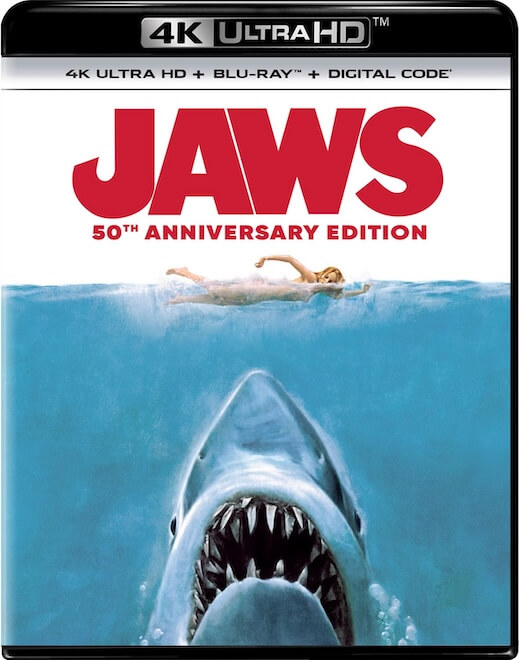
Jaws (1975)
There is no more obvious place to start, and pretending otherwise would be exactly the kind of film-critic theater that keeps TikTok and Rotten Tomatoes drowning in bad takes.
Steven Spielberg’s Jaws did not just make people afraid of the ocean. It made local officials in beach towns look like the real villains, which feels more accurate every year. The shark is terrifying, but Mayor Vaughn in that ridiculous blazer insisting the beaches stay open because commerce must be protected? That is the kind of horror that comes with a municipal budget meeting and a bad microphone. He’s clearly spent some time in Long Branch.
What makes Jaws work after all these years is restraint. You do not need to see the shark every five minutes. John Williams’ score does most of the psychological damage, Roy Scheider looks like a man who deeply regrets moving to an island, Richard Dreyfuss brings the right amount of academic panic, and Robert Shaw delivers one of the great haunted-man performances in movie history.
Advertisement. Scroll to continue reading.
It is also the perfect summer horror film because it ruins something elemental. People go to the beach to relax. Jaws turns the first step into the water from summer ritual into a wager with teeth.
Where to buy: $29.98 at Amazon
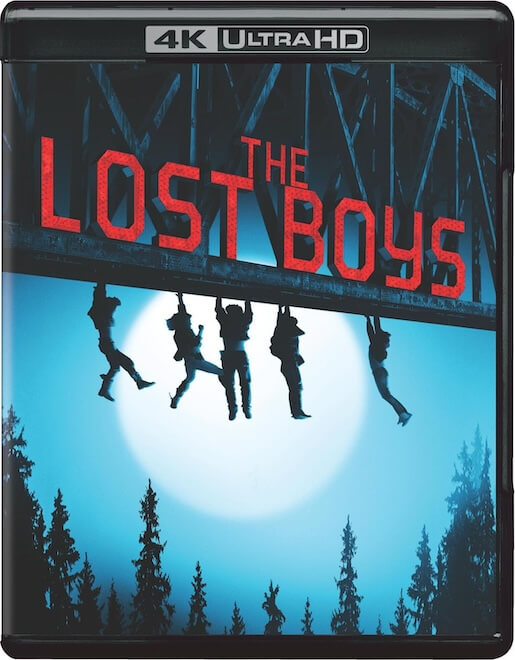
The Lost Boys (1987)
Santa Carla may be fictional, but anyone who has spent time near a summer boardwalk knows the feeling. The fried food, arcade lights, bathing suits that clearly do not fit, the bad decisions after dark, and the strong possibility that someone with aggressively styled hair is either in a band or undead.
The Lost Boys remains one of the best vampire films of the 1980s because it understands that vampires are supposed to be seductive, ridiculous, dangerous, and better dressed than everyone else. Kiefer Sutherland’s David does not need to explain the appeal. He has a motorcycle, a trench coat, and the resting expression of someone who has not paid for dinner since the Reagan administration.
But the real reason this belongs on a summer horror list is the setting. The boardwalk is alive at night, but not necessarily in a comforting way. The film turns teenage freedom into a trap. New town, new friends, no curfew, and suddenly your brother is hanging from railroad tracks with a bunch of vampires who look like they just opened for INXS.
Corey Haim and Corey Feldman bring the comic relief, Dianne Wiest gives the film some emotional weight, and the whole thing still feels like a beach-town fever dream with fangs.
Where to buy: $22.52 at Amazon
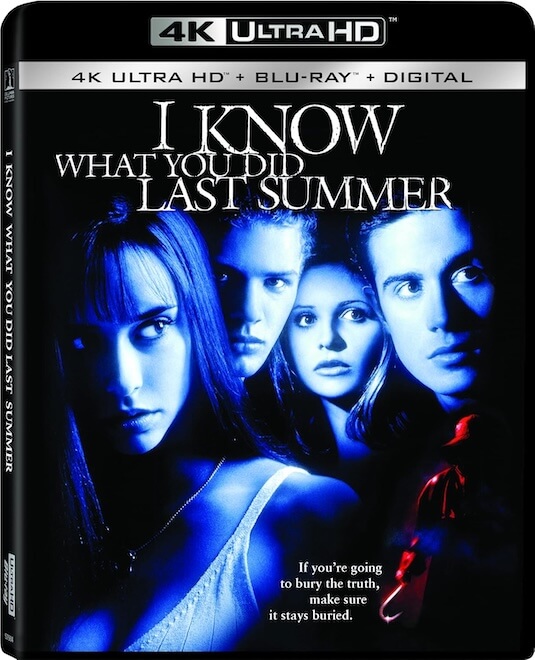
I Know What You Did Last Summer (1997)
The late 1990s slasher revival produced a lot of glossy nonsense, but I Know What You Did Last Summer remains one of the more durable entries because the premise is simple and mean.
Four attractive young people do something terrible, make a pact, and then discover that guilt has a hook.
It is less clever than Scream, less nasty than the 1980s slashers that inspired it, and much more interested in moody coastal atmosphere than logic. That is not a complaint. Sometimes you want your summer horror to come with rain-slick docks, fishing boats, small-town secrets, and Jennifer Love Hewitt spinning around in the street screaming at the sky like she just found out her Verizon bill has doubled.
The film works because it understands that summer towns become different places after the tourists leave. What looked charming during the day suddenly feels empty, damp, and vaguely threatening. Add a killer in a fisherman’s slicker and the whole thing becomes Cape May after dark if everyone involved had worse judgment and better hair.
Where to buy: $30.99 at Amazon
Advertisement. Scroll to continue reading.
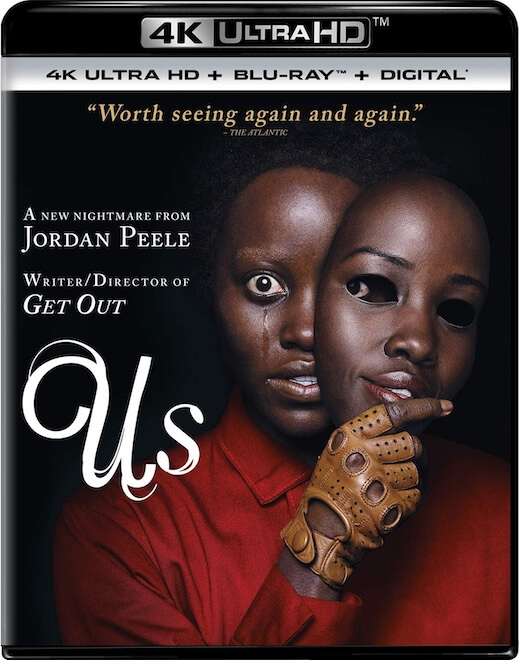
Us (2019)
Jordan Peele’s Us is not a traditional summer horror movie, but it absolutely belongs here. It starts with a family vacation, a beach boardwalk, and the false comfort of middle-class routine. Then the red jumpsuits arrive, and suddenly that second home does not feel quite so secure.
The film is messy in the best way. It is part home invasion thriller, part social allegory, part nightmare logic, and part proof that Lupita Nyong’o can scare the oxygen out of a room by changing her voice. The beach setting matters because Us begins in a place associated with childhood fun and family memory. Peele understands that nostalgia can curdle. The boardwalk lights, carnival games, and beach-house comfort all become part of the dread.
It also captures something very specific about vacations: the illusion that you can escape yourself. You can change the scenery, rent the house, pack the cooler, and pretend everything is fine. But if your problems show up in the driveway wearing red and holding scissors, the trip is probably over.
Where to buy: $12.99 at Amazon
Summer Camps
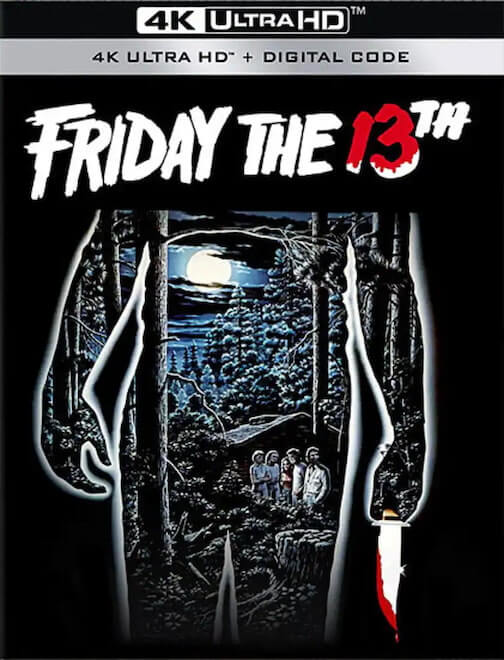
Friday the 13th (1980)
Let us clear something up for the casuals in the back: Jason Voorhees is not the killer in the original Friday the 13th. His mother, Pamela Voorhees, does the heavy lifting. Jason is still there spiritually, mythologically, and eventually very physically, but the first film belongs to Mama Voorhees. Respect the local history, and the very angry Mama Bear with an axe to bury in your forehead.
And yes, Friday the 13th belongs to New Jersey.
Camp Crystal Lake may be fictional, but the original film was shot in Warren County, including Camp No-Be-Bo-Sco in Hardwick, with Blairstown and Hope also part of the film’s geography. So the next time someone treats New Jersey like it is just diners, jughandles, and Springsteen lyrics, remind them that one of horror’s most famous franchises crawled out of the woods near the Pennsylvania border.
Also, be mindful where you get off the Parkway. Technically, by the time you are that far northwest, the Parkway is no longer your problem, but the point stands. Those smaller county roads near the Delaware Water Gap and PA border can get dark fast, and if a local warns you that the camp has a death curse, maybe do not respond with, “Cool, where do we park?”
The original film is rough, cheap, and frequently ridiculous, but it has the right summer-camp ingredients: horny counselors, bad weather, creaky cabins, a lake with unresolved trauma, and the deeply American belief that reopening a cursed business is fine if the insurance paperwork clears.
Jason says hi. Pamela says you should have been watching the children.
Where to buy: $12.53 at Amazon
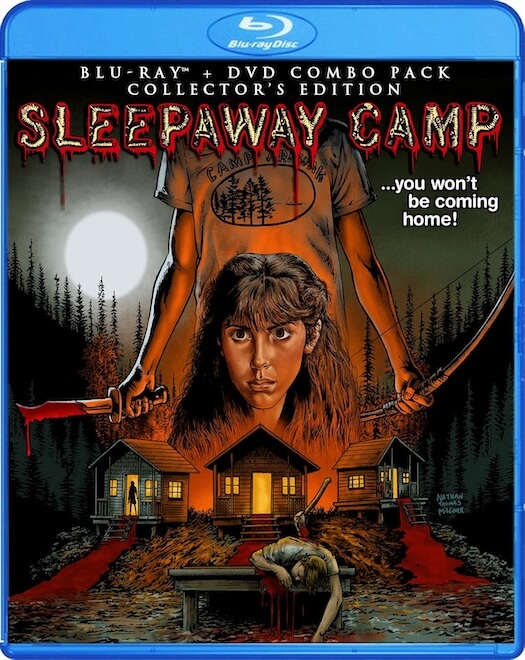
Sleepaway Camp (1983)
Sleepaway Camp is one of those films that starts as a slightly off-brand summer camp slasher and ends by leaving a dent in your skull.
Advertisement. Scroll to continue reading.
The acting is uneven. The dialogue often sounds like it was translated from English into English by someone having a bad afternoon. The camp itself feels like it should have been shut down by six different inspectors before lunch. And yet the film has an ugly, uncomfortable energy that makes it hard to dismiss.
Part of the appeal is how thoroughly it understands the cruelty of summer camp. Not the brochure version with canoeing and friendship bracelets. The real version where kids can be vicious, adults are useless when they are stoned, and the cafeteria looks like it was designed by a prison architect with a grudge against vegetables. Who hates carrots? Weird.
Felissa Rose’s Angela is quiet, damaged, and surrounded by people who range from annoying to actively vile. The film builds slowly, sometimes clumsily, but the ending remains one of the most infamous in horror history. It is shocking, problematic, unforgettable, and still discussed because subtlety packed its bags and left the camp on day one for some quiet time and drinks with the girls.
Where to buy: $8.99 at Amazon
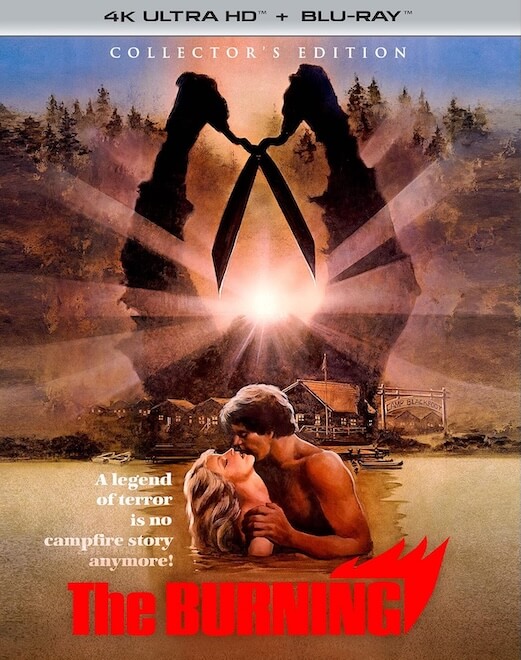
The Burning (1981)
Before Jason became the unofficial patron saint of bad camp decisions, The Burning offered its own summer-camp maniac with garden shears and anger-management issues.
The film was clearly built in the slasher boom after Friday the 13th, but it has enough nasty personality to stand on its own. The setup is basic: a cruel prank leaves a camp caretaker horribly burned, and years later, he returns to punish teenagers because apparently therapy was not covered under the camp’s health plan and Freddie didn’t have enough room for an extra cot on Elm Street.
What elevates The Burning is Tom Savini’s effects work and the film’s grimy early-1980s texture. It feels sweaty. It feels buggy. It feels like every cabin smells like damp socks, cheap beer, and liability. The raft sequence remains the reason people still bring it up, and it has a mean streak that more polished slashers sometimes lack.
It also features early appearances by Jason Alexander, Fisher Stevens, and Holly Hunter, which gives the whole thing a strange “future respectable careers trapped in summer camp hell” quality.
Where to buy: $39.98 at Amazon
Cabins, Rentals, and Trips You Should Have Cancelled
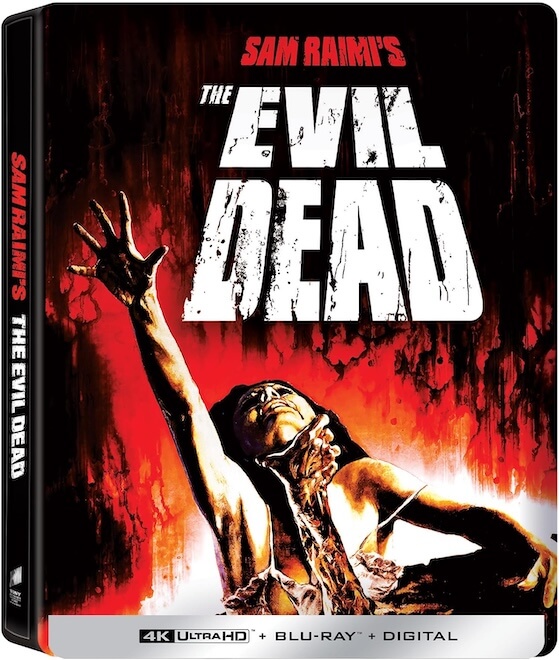
The Evil Dead (1981)
A cabin in the woods is never just a cabin in the woods.
Sam Raimi’s The Evil Dead is still one of the great low-budget horror miracles: a bunch of young people, a remote cabin, a cursed book, and a camera that moves like it has been possessed by a caffeinated demon with a Steadicam allergy.
It is nasty, inventive, and much more intense than people who only know the later, funnier Ash Williams persona might expect. Bruce Campbell gets punished like the universe has a personal vendetta against his jawline, and Raimi throws everything at the screen with the confidence of someone who has no money but an alarming amount of energy.
Advertisement. Scroll to continue reading.
As summer horror, it works because it destroys the cabin getaway fantasy completely. There is no cozy fireplace mood here. No rustic charm. No peaceful weekend with friends. Just trees, blood, ancient evil, and the growing realization that the rental agreement probably did not mention demonic dismemberment.
Where to buy: $36.99 at Amazon
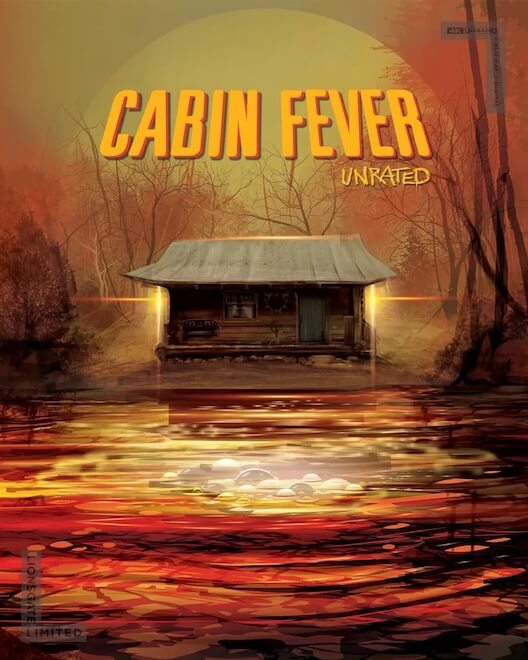
Cabin Fever (2002)
Eli Roth’s Cabin Fever is disgusting, juvenile, uneven, and occasionally very funny. Which is another way of saying it knows exactly what it is.
A group of friends head to a remote cabin, encounter a flesh-eating virus, and proceed to make almost every wrong decision available to them. The film is less about one monster than the horror of contamination, paranoia, selfishness, and discovering that your friends might be terrible under pressure.
The summer setting helps because everything feels exposed. The woods are not romantic. The water is not refreshing. The locals are not charming. The shaving scene remains a full-body cringe event, and the film’s nastiness has aged better than some of its humor.
This is not prestige horror. It is infection horror with a mean grin and a rash you can hear and CVS can’t fix.
Where to buy: $61.99 at Amazon
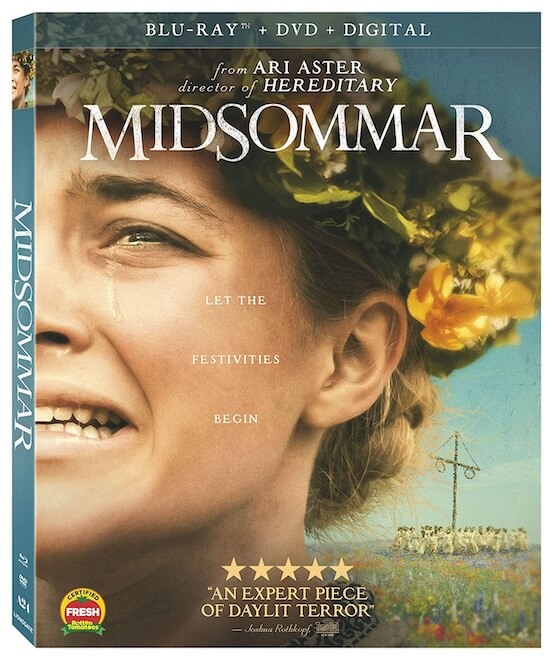
Midsommar (2019)
Ari Aster’s Midsommar is what happens when someone says, “Let’s go to Sweden for a summer festival,” and nobody in the group has the common sense to ask why the locals are smiling like that.
It begins like a very bad relationship drama, wanders into a Scandinavian wellness retreat designed by IKEA’s least stable cousin, and eventually becomes a floral nightmare with ritual screaming, emotional manipulation, and one of cinema’s least relaxing uses of a bear.
The genius of Midsommar is that it refuses the usual horror shadows. Most of it happens in broad daylight. The flowers are bright. The costumes are beautiful. The food looks carefully prepared by people who absolutely have a ceremonial murder schedule laminated somewhere next to the meatballs. It is gorgeous and deeply wrong.
Florence Pugh gives a devastating performance as Dani, a grieving young woman trapped in a bad relationship and then slowly absorbed into a community that offers comfort, ritual, and the kind of emotional support that ends with someone asking, “So…where did the bear go?”
It is not a beach movie, a camp movie, or a cabin movie. It is a vacation horror film for anyone who has ever traveled with the wrong people and realized too late that the itinerary was written by lunatics.
Advertisement. Scroll to continue reading.
Where to buy: $19.99 at Amazon
Road Trips from Hell
The Texas Chain Saw Massacre (1974)
Few films feel hotter, dirtier, and more punishing than The Texas Chain Saw Massacre.
Tobe Hooper’s masterpiece is not especially graphic by modern standards, but it feels filthy in a way that most gore films can only dream about. The heat is part of the horror. The van. The dust. The empty roads. The gas station. The house. The sound of that saw. Everything feels like it has been baking in the sun long enough to go rancid.
The setup is classic road-trip horror: a group of young people goes somewhere they should not, ignores the increasingly obvious signs that something is very wrong, and ends up in the orbit of a family that makes every motel off the interstate look like the Ritz.
Leatherface is terrifying, but the world around him is just as bad. The film feels like civilization has thinned out, and these poor idiots have driven straight through the tear in the map.
Where to buy: $30 at Amazon
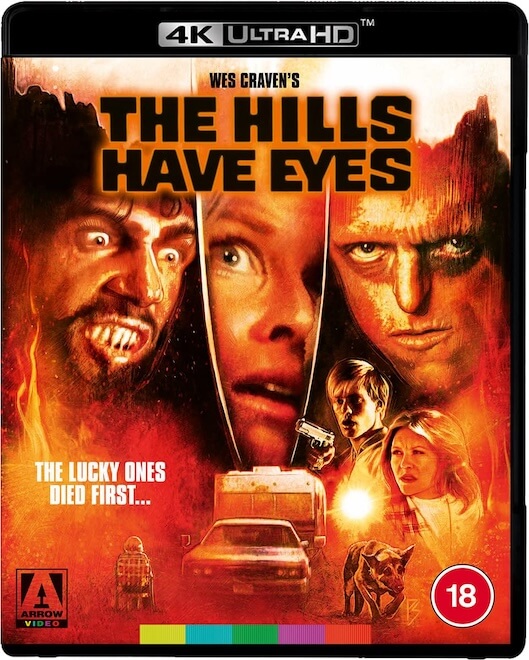
The Hills Have Eyes (1977)
Wes Craven understood that the family road trip is already close to horror before you add desert mutants.
A quick warning: The Hills Have Eyes includes sexual violence and can be a very rough watch. This is not breezy summer-camp mayhem or a rubber-monster matinee. It is ugly, abrasive, and intentionally upsetting. It is the kind of film that can make you never want to leave the house on a road trip again, which is inconvenient if you already booked the rental car from Enterprise and forgot to get the extra insurance.
The film strands a suburban family in the desert after a crash, then introduces them to another family that has been living outside every polite rule of society. Craven was not just making a backwoods monster movie. He was poking at American violence, class, survival, and the thin line between civilized behavior and pure animal panic.
The desert setting is essential. There is nowhere to hide, no friendly town around the corner, and no comforting sense that help is coming. It is just heat, rock, hunger, and people who know the terrain better than you do.
Not exactly the AAA TripTik vacation brochure.
Where to buy: $44.98 at Amazon
Advertisement. Scroll to continue reading.
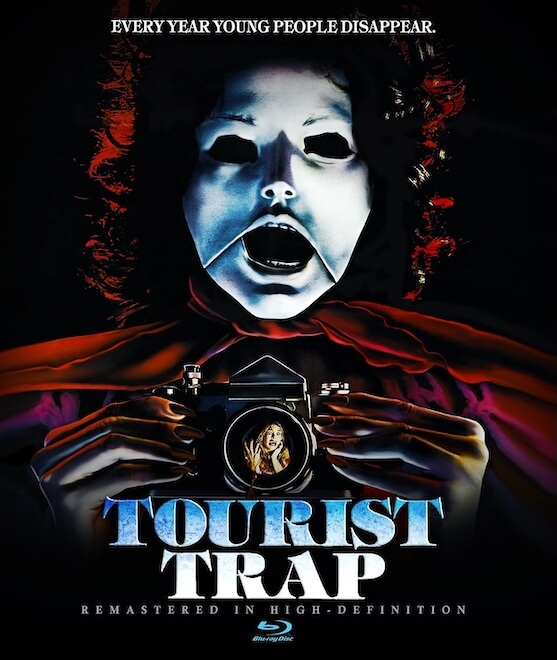
Tourist Trap (1979)
Tourist Trap feels like it was made by someone who looked at roadside Americana and thought, “Yes, but what if the mannequins were judging us?”
This is one of the stranger late-1970s horror films, and that is not a small claim. A group of young travelers ends up at a remote roadside museum filled with mannequins, psychic weirdness, and Chuck Connors behaving in a manner that suggests the Chamber of Commerce will not be using him in promotional materials.
It is not as famous as the major slashers, but it has a deeply unsettling atmosphere. Mannequins are already creepy because they look human without the burden of actually being human. Tourist Trap leans into that and then adds telekinesis, isolation, and a roadside attraction that makes South of the Border look like the Four Seasons.
Summer road trips are supposed to include dumb stops. Giant balls of twine. Bad coffee. A gift shop with 43 kinds of fudge. This film argues that maybe you should just keep driving all the way to Lancaster for the Amish pretzels.
Where to buy: $39.95 at Amazon
Nature Would Like You to Leave
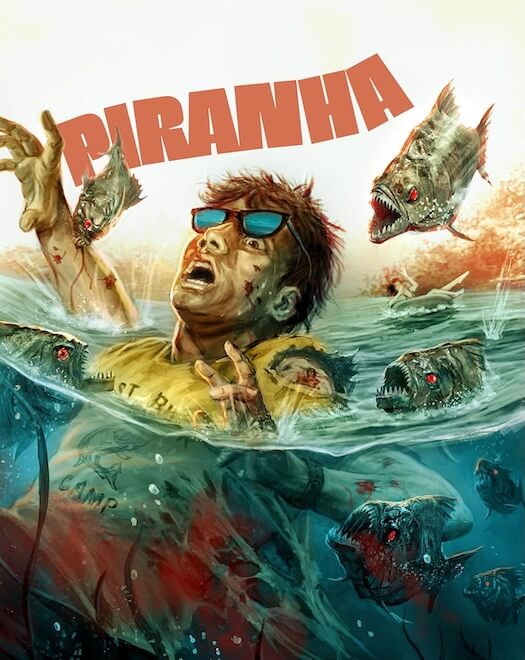
Piranha (1978)
Joe Dante’s Piranha is Jaws with less money, more teeth, and a much stronger sense that everyone involved knew exactly what kind of movie they were making.
That is a compliment.
Produced by Roger Corman, Piranha is a proper B-movie creature feature: genetically altered fish escape into the waterways and head toward summer camps, resort guests, and anyone else foolish enough to get wet. It is funny, fast, and just nasty enough to work as more than a simple spoof.
The film has a satirical bite, but it never forgets to be entertaining. Dante brings energy, Corman keeps the budget tight, and the piranha make excellent villains because there is no reasoning with a school of tiny aquatic buzzsaws.
It is also perfect summer viewing because it attacks the most innocent warm-weather activity imaginable: jumping into the water. At least the shark in Jaws had the decency to be large and cinematic. These little monsters are more like nature’s unpaid parking tickets.
Where to buy: $32.96 at Amazon
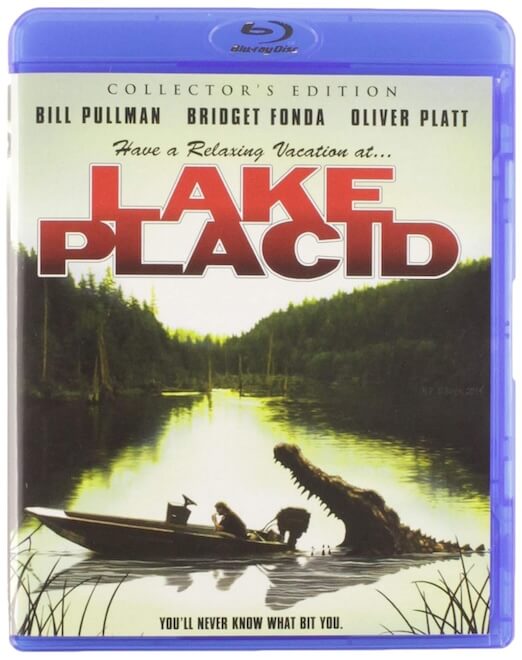
Lake Placid (1999)
Not every summer horror movie needs to be grim. Sometimes you just need a giant crocodile, a Maine lake, Oliver Platt, Brendan Gleeson, Bill Pullman, Bridget Fonda, and Betty White stealing the entire movie with a level of profanity and menace that suggests she should have been cast in more creature features.
Advertisement. Scroll to continue reading.
Lake Placid is not scary in the way Jaws is scary. It is more of a creature-feature comedy with a large reptile problem. But it knows how to entertain, and that counts. The cast has actual chemistry, the script has some bite, and the crocodile effects are far better than they had to be.
As summer horror, it works because lakes are supposed to be safe. Lakes are where people go to fish, swim, kayak, and pretend they enjoy sleeping in houses with unreliable screens. A giant crocodile ruins that very quickly. Just ask the people of Central Florida.
Also, if Betty White tells you not to mess with the animal, listen to Betty White. That should have been federal law.
Where to buy: $11.20 at Amazon
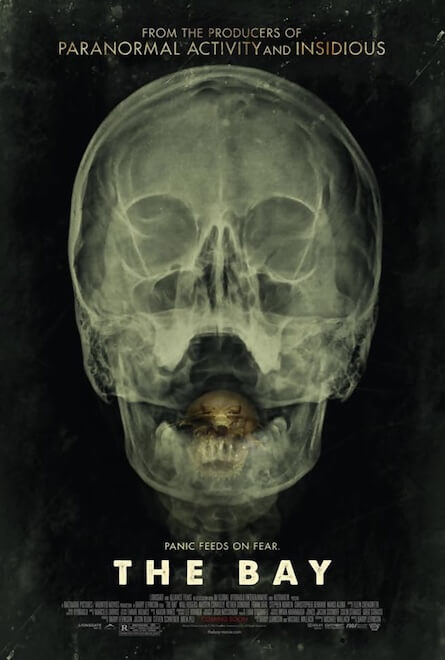
The Bay (2012)
Barry Levinson’s The Bay is one of the more underrated found-footage horror films of the past fifteen years, and it has one of the best summer hooks: a Fourth of July celebration in a small Maryland town becomes the site of an ecological nightmare.
The film uses mockumentary and found-footage techniques to tell the story of a parasitic outbreak connected to contaminated water. That sounds like homework, but the execution is genuinely unsettling. The horror comes from infection, institutional failure, environmental neglect, and the dawning realization that the people in charge may be more interested in avoiding blame than saving lives.
So, yes, cheerful summer material.
What makes The Bay effective is how plausible it feels. Not the exact parasite scenario, necessarily, but the broader idea that a public-health disaster could be ignored, minimized, spun, and mishandled until bodies start piling up. The Fourth of July setting makes it worse. Sunshine, flags, crab feasts, fireworks, and then absolute biological disaster.
It is the rare summer horror film that might make you suspicious of both the water and the press conference.
Where to buy: $10.08 at Amazon
The Bottom Line
Summer horror works because it corrupts comfort.
The beach becomes dangerous. The lake becomes a crime scene. The cabin becomes a trap. The road trip becomes a missing-persons report. The summer camp becomes New Jersey’s least successful youth-development program.
Advertisement. Scroll to continue reading.
That is why these films keep working. They take places associated with freedom, heat, nostalgia, and bad food choices and turn them into something darker. Sometimes the monster is a shark. Sometimes it is a maniac in the woods. Sometimes it is your boyfriend’s terrible friend group in Sweden. Sometimes it is a town official who insists everything is fine while the water is full of death.
So by all means, go on vacation. Swim. Camp. Rent the house. Take the back roads. Just maybe avoid reopening abandoned camps near the PA border, do not read cursed books in cabins, and never ignore the local who says, “You’re doomed.”
They usually know.

































































You must be logged in to post a comment Login